Resources
Company News
Industry News
Knowledge Base
Project Cases
Innovation
Team Power Fuels TINHY’s Global Geosynthetics Solutions
Tinhy and University of Jinan Celebrate Six Years of Industry–University Collaboration
Empowering New Talent, Building the Future: Tinhy Successfully Conducts New Employee Orientation Training
Tinhy Conducts Comprehensive Emergency Drill to Strengthen Workplace Safety Defenses
Company Mid – Year Summary and Team – Building Activity Report
Is geomembrane a geotechnical engineering material?
What are the application scenarios of geomembrane?
What are the functions of geotextiles?
Cómo elegir geomembrana de hdpe en proyectos de ingeniería
How to choose hdpe geomembrane in engineering projects
China’s Geotechnical Construction Materials Embrace New Opportunities
Tips for Moisture-Proof Storage of Geotextiles
Key Construction Points and Precautions for High-Density Polyethylene Geomembrane
what is pond lining material ?
What is geomembrane?
HDPE geomembrane construction plans and technical measures
What quality tests do HDPE geomembranes need to do?
Tinhy’s MDS® Drainage Solution
Installation Robots
HDPE Pond Liner Suppliers: How to Choose the Right Manufacturer for Your Project
Geo Textiles: Types, Applications, Benefits & Selection Guide
PP Woven Geotextiles: Properties, Applications & Selection Guide
Geogrid Price: Types, Cost Factors & Buying Guide
Geomembrane Manufacturers: 7 Companies to Consider for Your Project
Woven Geotextile Fabric Price: Specifications, Applications & Buying Guide
8 Geogrid Options for Retaining Walls: Types, Specifications & Buying Guide
LDPE Sheet 500 Micron Price: Cost Factors, Specifications & Buying Guide
7 Black PVC Pond Liner Options: Specifications & Buying Guide
8 Geotextile Suppliers to Consider in 2026: Products & Buying Guide
Should HDPE or PVC be used to install geomembrane in reservoirs?
What is the price of geomembrane?
Material characteristics of three different geomembranes
Esquema de construcción de geomembrana de HDPE y medidas técnicas
hdpe geomembrane pond liner in Congo (DRC)
How to lay and weld HDPE geomembrane?
HDPE geomembrane 0.2-4.0mm
HOME ABOUT PRODUCTS APPLICATION CONTENTUS RESOURCES
Home Resources Knowledge Base HDPE Pond Liner Suppliers: How to Choose the Right Manufacturer for Your Project

HDPE Pond Liner Suppliers: How to Choose the Right Manufacturer for Your Project
time:October 14, 2026 Views:7

Choosing reliable HDPE pond liner suppliers is an important step in developing a durable pond, reservoir, or aquaculture facility. A suitable liner helps reduce water seepage, protect the underlying soil, and maintain more consistent water storage conditions. However, product quality, material thickness, installation conditions, and supplier support all affect the long-term performance of a lined pond.

As a geosynthetics manufacturer and supplier, Tinhy Geosynthetics provides geomembrane solutions for water containment and environmental engineering projects. This guide explains what to look for in an HDPE pond liner supplier, how to compare liner specifications, and how to select the right product for your application.

1. What Is an HDPE Pond Liner?

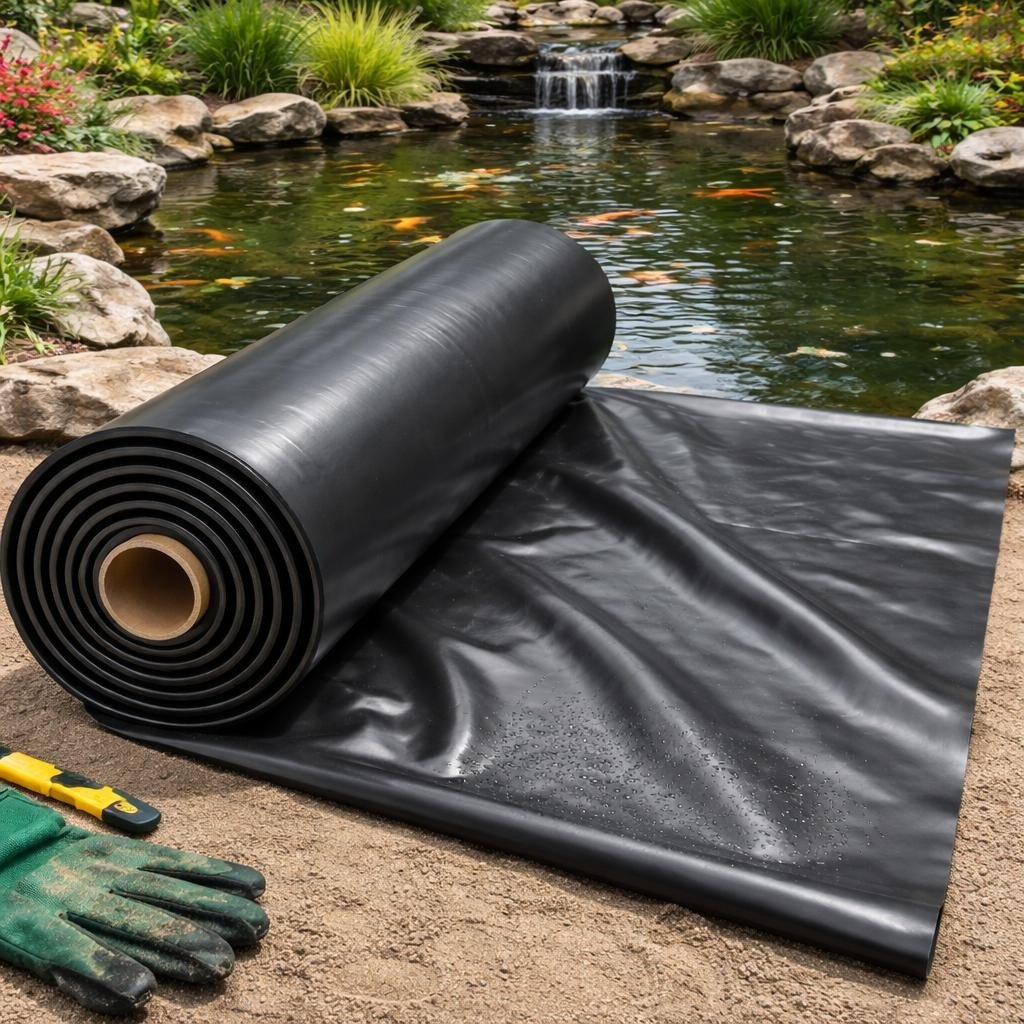
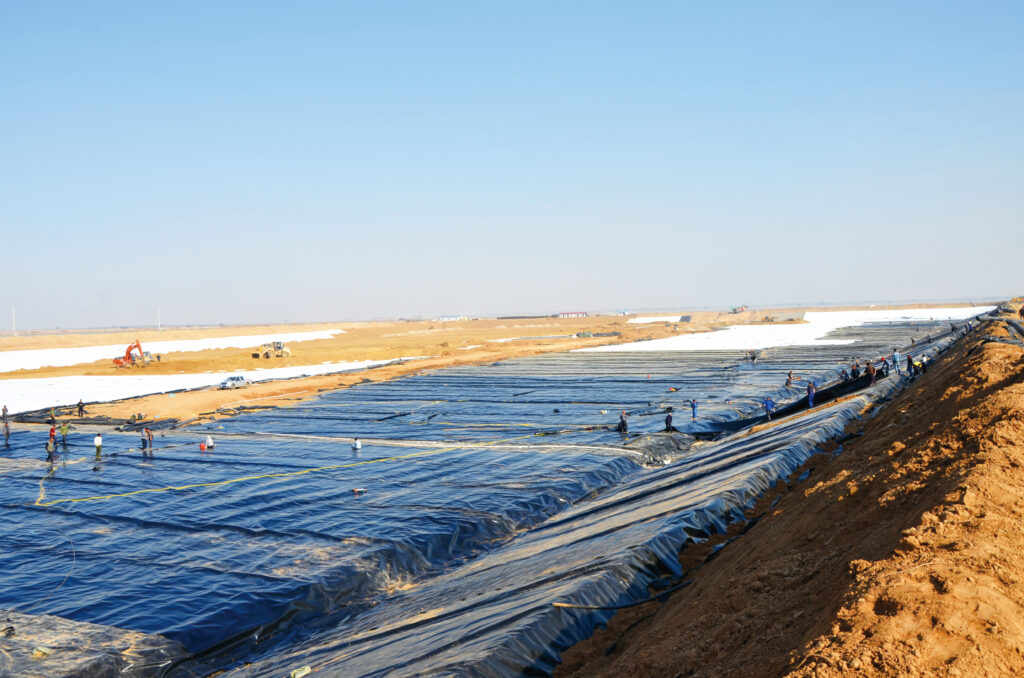
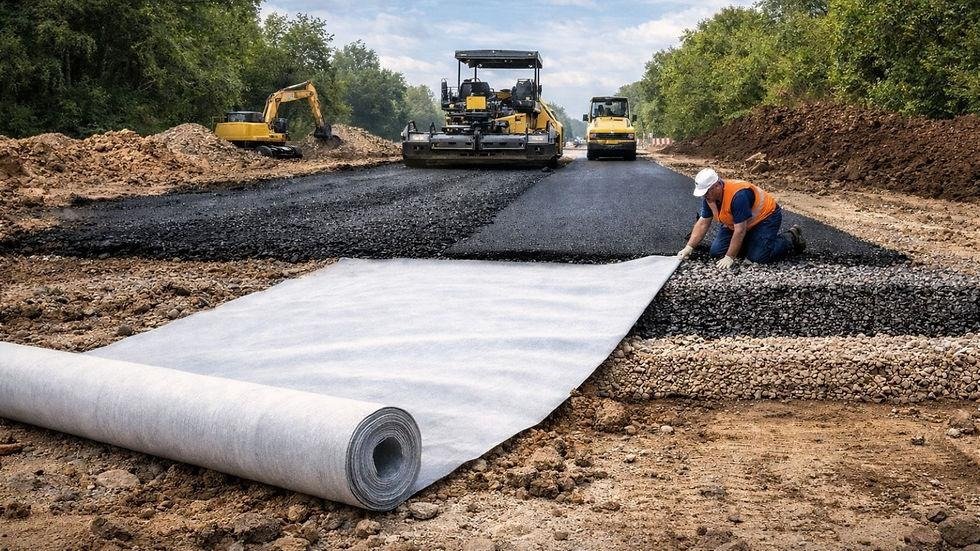
An HDPE pond liner is an impermeable geomembrane made from high-density polyethylene. It is installed over a properly prepared pond surface to create a barrier between the stored water and the surrounding ground.

HDPE geomembranes are widely considered for projects that require water containment, chemical resistance, and outdoor durability. The appropriate product depends on the pond design, water conditions, subgrade, exposure to sunlight, and expected service requirements.

Common applications include:

  • Fish ponds and aquaculture facilities
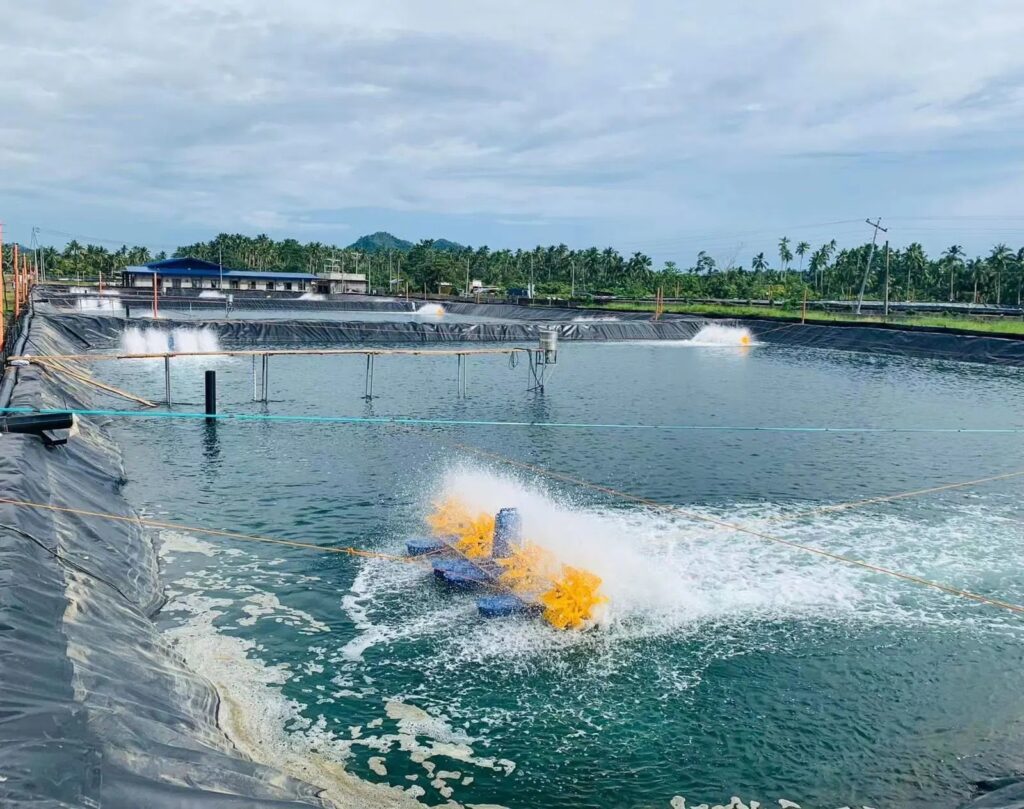
  • Shrimp farming ponds
  • Agricultural irrigation ponds
  • Water storage reservoirs
  • Wastewater treatment and containment ponds
  • Decorative ponds and landscape water features
  • Environmental containment projects

When sourcing an HDPE pond liner, buyers should evaluate the complete system—not only the price per square meter.

2. Why Work with a Reliable HDPE Pond Liner Supplier?

A dependable supplier should help buyers match the geomembrane to the project’s technical requirements and provide clear information about manufacturing quality, product specifications, and delivery.

Consistent Material Quality

Uniform thickness, appropriate resin selection, and controlled manufacturing processes are important for producing reliable geomembranes. Buyers should request technical data sheets and relevant test reports to confirm that the supplied material meets the project specification.

Suitable Thickness and Surface Options

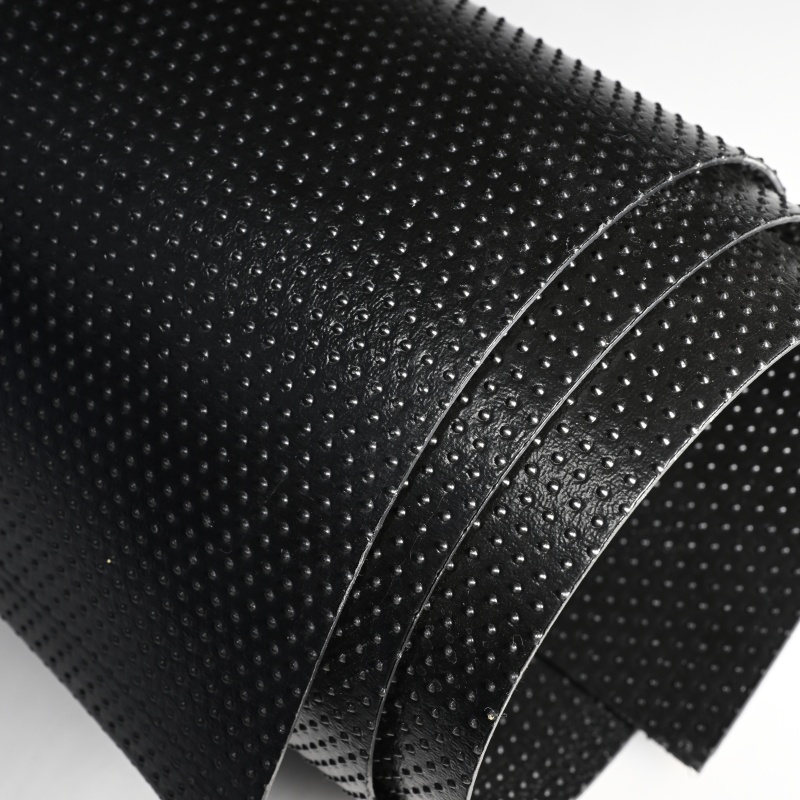
HDPE pond liners are available in different thicknesses and surface finishes. Smooth liners are commonly used on relatively flat pond surfaces, while textured geomembranes may be considered where additional interface friction is required on slopes.

The correct choice depends on engineering requirements, not simply on choosing the thickest available product.

Resistance to Water Loss and Outdoor Exposure

HDPE geomembranes are designed to provide a low-permeability barrier. Their performance under outdoor conditions also depends on material formulation, installation quality, protection from damage, and the requirements of the specific project.

Technical and Supply Support

For large or custom projects, supplier support may include roll-size planning, packaging requirements, shipping coordination, technical documentation, and guidance on welding and installation considerations.

Working with a supplier that understands these requirements can help buyers coordinate procurement more efficiently.

3. How to Evaluate HDPE Pond Liner Suppliers

Before placing an order, compare potential suppliers using a consistent checklist.

Evaluation factor What buyers should check
Manufacturing capability Production processes, quality control, and ability to meet the required quantity
Product range Available thicknesses, smooth or textured surfaces, and roll dimensions
Technical documentation Product data sheets, test methods, and batch inspection records
Quality assurance In-process inspection and finished-product testing procedures
Customization Roll widths, lengths, packaging, and project-specific requirements
Export experience Export documentation, packing, shipping coordination, and destination requirements
Communication Response time, quotation clarity, and technical support
Commercial terms MOQ, production lead time, payment terms, and warranty conditions

Tip: Ask shortlisted suppliers to confirm their specifications in writing. Compare quotations against the same technical requirements so that differences in thickness, material properties, and delivery terms are not overlooked.

4. HDPE Pond Liner Specifications Buyers Should Understand

There is no single thickness or specification suitable for every pond. The following are key parameters to review with your supplier or project engineer.

Thickness

Thickness is one of the first specifications buyers compare. The required thickness depends on pond size, subgrade conditions, installation methods, expected loads, and the risk of mechanical damage.

Thinner geomembranes may be suitable for some smaller or less demanding applications, while larger ponds and projects with more challenging conditions may require a heavier liner. Confirm the design requirements before requesting a quotation.

Tensile Properties and Elongation

Tensile strength describes a material’s resistance to tensile loading, while elongation at break indicates how much it can stretch before breaking under a specified test. These properties help characterize the material but should not be used alone to determine suitability.

Puncture and Tear Resistance

Sharp stones, uneven ground, construction equipment, and other site conditions can damage a liner. Subgrade preparation and protective geotextiles may be necessary, depending on the project design.

UV and Chemical Resistance

Outdoor ponds may expose liners to prolonged sunlight. Water chemistry and any chemicals introduced during operation should also be considered. Request test data and confirm that the product is suitable for the intended environment.

Welding Compatibility

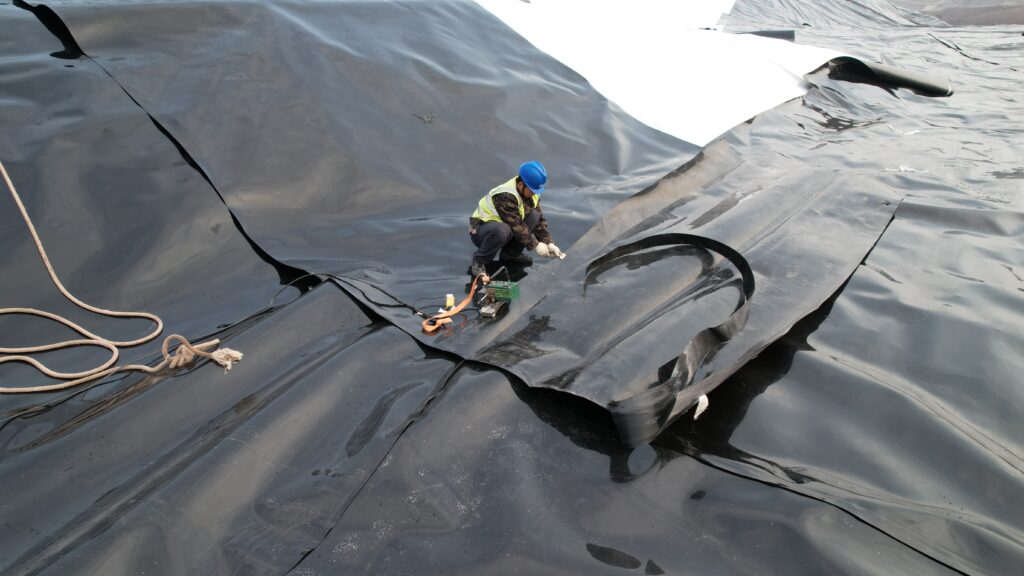
HDPE geomembrane panels are commonly joined using specialized thermal welding methods. Compatibility between liner material, welding equipment, installation conditions, and quality-control procedures is essential for seam integrity.

Test Standards and Reports

Ask suppliers to identify the test methods used for the properties stated in their technical data sheets. ASTM methods are commonly used for geomembrane testing, but the applicable methods and acceptance criteria should match the project specification.

Do not assume that a supplier’s product meets a particular certification or standard unless the relevant documentation confirms it.

5. Smooth vs. Textured HDPE Pond Liners

The surface finish can affect installation and interface behavior.

Feature Smooth HDPE liner Textured HDPE liner
Surface Relatively smooth on one or both sides Textured on one or both sides
Typical consideration Pond floors and relatively flat surfaces Slopes where additional interface friction may be needed
Installation planning Depends on subgrade and liner layout Requires consideration of the adjacent soil or geosynthetic interface
Selection basis Project design and site conditions Slope stability assessment and design requirements

Textured liners are not automatically necessary for every sloped pond. The required surface type should be determined by the project engineer based on slope geometry, interface friction, and site conditions.

6. How to Choose the Right HDPE Pond Liner for Your Application

Fish and Shrimp Ponds

For aquaculture, consider water containment requirements, pond dimensions, water chemistry, maintenance procedures, and the suitability of the liner for the intended use. If fish or shrimp safety is a procurement requirement, request relevant product documentation rather than relying on general descriptions such as “fish-safe.”

Agricultural Irrigation Ponds

For irrigation reservoirs, evaluate pond capacity, exposure to sunlight, subgrade conditions, and expected operating conditions. Roll dimensions and installation planning can also affect material use and seam layout.

Large Water Storage Reservoirs

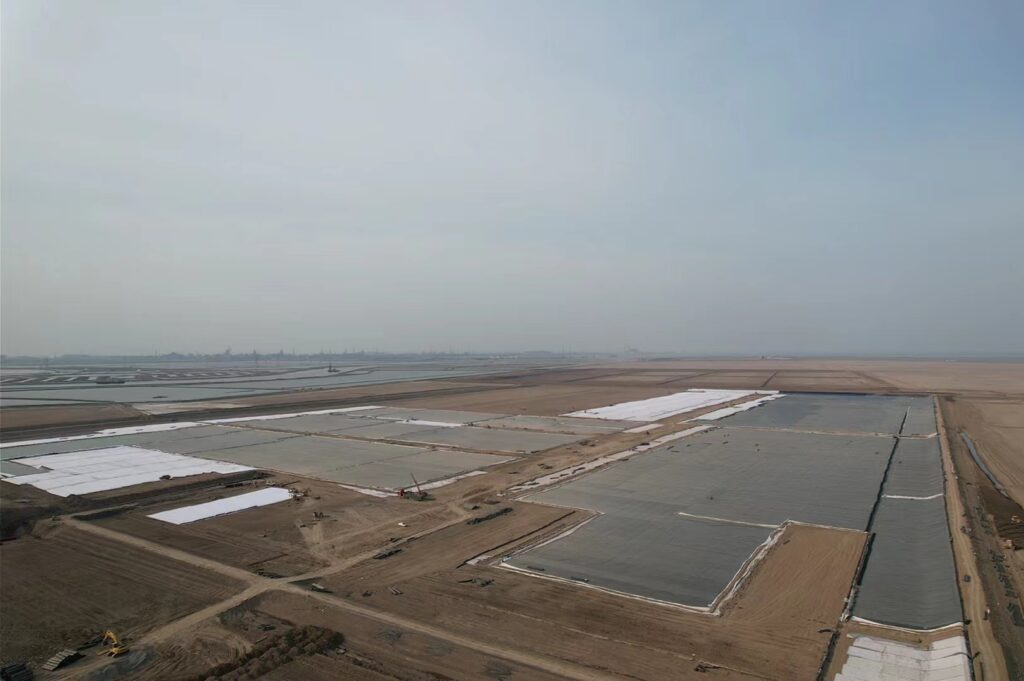
Larger projects require careful consideration of liner thickness, slope stability, drainage conditions, panel layout, welding quality control, and protection against mechanical damage.

Wastewater and Environmental Containment

Where the pond contains wastewater or potentially aggressive substances, confirm chemical compatibility and any applicable regulatory or engineering requirements before selecting a liner.

7. HDPE Pond Liner Price: What Affects the Cost?

The price of an HDPE pond liner varies by project and supplier. A meaningful quotation should identify the material and delivery requirements clearly.

Important cost factors include:

  • Thickness and resin specifications: Material requirements influence the quantity and type of raw material used.
  • Smooth or textured surface: Surface treatment and product configuration can affect manufacturing cost.
  • Order quantity: Total volume, roll dimensions, and production scheduling may affect the quotation.
  • Packaging and transportation: Roll weight, container loading, destination, and shipping terms influence landed cost.
  • Testing and documentation: Additional inspections, third-party testing, or project-specific documentation may affect the final price.
  • Installation requirements: Welding, subgrade preparation, protective geotextiles, and other installation work should be budgeted separately when applicable.

When comparing suppliers, look beyond the lowest unit price. Confirm the material specification, quantity, roll dimensions, quality documents, delivery terms, and any exclusions in the quotation.

8. Why Consider Tinhy Geosynthetics?

Tinhy Geosynthetics supplies geosynthetic materials for civil engineering, water containment, and environmental projects. Our product portfolio includes HDPE geomembranes and other geosynthetic solutions used in a range of engineering applications.

When evaluating Tinhy for an HDPE pond liner project, buyers can discuss:

  • Product selection: Match liner type and thickness to the project requirements.
  • Specification review: Clarify technical parameters and documentation needed for procurement.
  • Order planning: Discuss required quantities, roll dimensions, packaging, and delivery arrangements.
  • Related geosynthetics: Consider whether geotextiles or other compatible materials are needed as part of the overall lining system.
  • Project communication: Share drawings, pond dimensions, or technical specifications to help define the product requirements.

Specific availability, certifications, test results, lead times, and commercial terms should be confirmed for the requested product and order.

9. Questions to Ask Before Ordering from an HDPE Pond Liner Supplier

Before confirming your purchase, ask the supplier:

  1. What thicknesses and surface finishes are available?
  2. Can you provide a technical data sheet and relevant test reports?
  3. What roll widths and lengths can you supply?
  4. What is the minimum order quantity?
  5. Can the material be manufactured or supplied according to our project specification?
  6. What packaging and shipping options are available?
  7. What quality inspections are carried out before shipment?
  8. What installation and welding recommendations apply to this product?

Providing complete project information at the quotation stage helps suppliers offer a more relevant solution and reduces avoidable specification changes later.

10. Frequently Asked Questions

Who are HDPE pond liner suppliers?

HDPE pond liner suppliers provide high-density polyethylene geomembranes for pond lining and other water-containment applications. Depending on their business model, they may manufacture the material directly, distribute products, or provide related technical and supply services.

What thickness is best for an HDPE pond liner?

There is no universal best thickness. The correct selection depends on pond size, subgrade quality, installation conditions, exposure, and the project’s design requirements. Consult the project engineer and compare the supplier’s technical data with the specified criteria.

Is smooth or textured HDPE pond liner better?

Smooth liners are commonly considered for relatively flat surfaces. Textured liners may be useful where increased interface friction is required, particularly on slopes. The final choice should follow the project’s slope stability and interface requirements.

Can HDPE pond liners be used for fish farming?

HDPE geomembranes are used in fish and shrimp pond projects. For a particular aquaculture application, buyers should confirm product suitability, water-quality requirements, and any required certification or regulatory documentation.

How can I compare HDPE pond liner suppliers?

Compare technical specifications, manufacturing and quality-control capabilities, documentation, customization, order quantity, shipping terms, and communication. Request comparable quotations based on the same specification.

What information is needed for a quotation?

Provide the application, pond dimensions or total area, required thickness, smooth or textured surface preference, destination country, estimated quantity, and any technical standards or documentation requirements.

Conclusion

Selecting the right HDPE Pond Liner Suppliers requires more than comparing prices. Product specifications, quality assurance, surface type, installation conditions, documentation, and delivery arrangements all contribute to a successful pond lining project.

Tinhy Geosynthetics can discuss HDPE geomembrane requirements for aquaculture ponds, irrigation reservoirs, and other water-containment projects. Share your project details and technical requirements to help identify a suitable product option.

Contact Tinhy Geosynthetics to discuss your HDPE pond liner requirements and request a project-specific quotation.

Knowledge Base
Share:
info@tinhygeosynthetics.com Bai Jinxi
Consultation

    Get The Latest Product Prices

    Your inquiries are welcomed at any time and please feel free to contact us via email, phone calls, and online chatbox on our site.

    We will definitely give you a reply ASAP after we receive your messages.

      0/180