Resources
Company News
Industry News
Knowledge Base
Project Cases
Innovation
Team Power Fuels TINHY’s Global Geosynthetics Solutions

Tinhy and University of Jinan Celebrate Six Years of Industry–University Collaboration

Empowering New Talent, Building the Future: Tinhy Successfully Conducts New Employee Orientation Training

Tinhy Conducts Comprehensive Emergency Drill to Strengthen Workplace Safety Defenses
Company Mid – Year Summary and Team – Building Activity Report
Is geomembrane a geotechnical engineering material?
What are the application scenarios of geomembrane?
What are the functions of geotextiles?

Cómo elegir geomembrana de hdpe en proyectos de ingeniería
How to choose hdpe geomembrane in engineering projects
China’s Geotechnical Construction Materials Embrace New Opportunities
Tips for Moisture-Proof Storage of Geotextiles
Key Construction Points and Precautions for High-Density Polyethylene Geomembrane
what is pond lining material ?
What is geomembrane?
HDPE geomembrane construction plans and technical measures

What quality tests do HDPE geomembranes need to do?
Tinhy’s MDS® Drainage Solution
Installation Robots
Geogrid Price: Types, Cost Factors & Buying Guide
Geomembrane Manufacturers: 7 Companies to Consider for Your Project
Woven Geotextile Fabric Price: Specifications, Applications & Buying Guide
8 Geogrid Options for Retaining Walls: Types, Specifications & Buying Guide
LDPE Sheet 500 Micron Price: Cost Factors, Specifications & Buying Guide
7 Black PVC Pond Liner Options: Specifications & Buying Guide
8 Geotextile Suppliers to Consider in 2026: Products & Buying Guide
7 PVC Geomembrane Manufacturers: Products, Quality & Buying Guide
6 HDPE Pond Liner Suppliers: Products, Quality & Buying Guide
10 Geomembrane Options: Types, Manufacturers & Buying Guide
Should HDPE or PVC be used to install geomembrane in reservoirs?
What is the price of geomembrane?
Material characteristics of three different geomembranes
Esquema de construcción de geomembrana de HDPE y medidas técnicas
hdpe geomembrane pond liner in Congo (DRC)
How to lay and weld HDPE geomembrane?
HDPE geomembrane 0.2-4.0mm
HOME ABOUT PRODUCTS APPLICATION CONTENTUS RESOURCES
Home Resources Knowledge Base Geogrid Price: Types, Cost Factors & Buying Guide

Geogrid Price: Types, Cost Factors & Buying Guide
time:October 10, 2026 Views:14

Geogrids are widely used in civil engineering to reinforce soil, stabilize aggregate layers, and improve the performance of roads, retaining walls, embankments, and other infrastructure projects. For contractors, engineers, distributors, and procurement teams, understanding geogrid price is an important step in preparing budgets and comparing suppliers.

The cost of a geogrid depends on several factors, including polymer type, tensile strength, grid structure, roll dimensions, order quantity, and delivery destination. Installation requirements and project-specific design criteria can also influence the total cost of a geogrid reinforcement system.

This guide from Tinhy Geosynthetics explains the main geogrid types, the factors that affect pricing, how to compare supplier quotations, and how to select a suitable product for your project.

1. What Is a Geogrid?

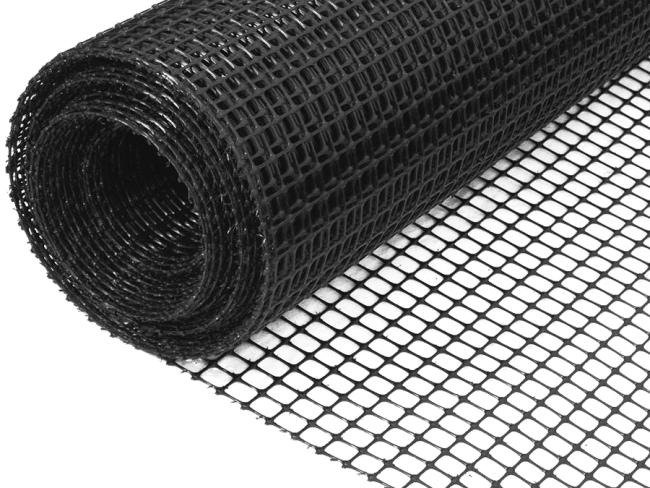
A geogrid is an open-grid geosynthetic material designed to interact with surrounding soil or aggregate. Its apertures allow particles to interlock with the grid, helping distribute loads and improve reinforcement or stabilization performance.

Geogrids are commonly manufactured from polypropylene (PP), high-density polyethylene (HDPE), polyester (PET), or fiberglass, depending on the product design and intended application.

Unlike geomembranes, which function primarily as low-permeability barriers, geogrids are designed mainly for reinforcement and stabilization. Geotextiles may be used alongside geogrids when separation, filtration, or protection is also required.

Main Functions of Geogrids

  • Soil reinforcement: Helps resist tensile forces within reinforced soil structures.
  • Aggregate stabilization: Improves interaction between aggregate particles and the reinforcement layer.
  • Load distribution: Helps distribute applied loads across a wider area under suitable design conditions.
  • Deformation control: Can help reduce localized deformation when incorporated into an appropriately designed pavement or soil system.

Actual performance depends on the geogrid properties, soil conditions, installation quality, and engineering design.

2. How Much Does a Geogrid Cost?

There is no single price for all geogrids. Products with different materials, structures, tensile properties, and intended uses are not directly interchangeable.

A useful quotation should identify the exact product specification rather than provide only a price per square meter.

The following table summarizes the main cost considerations.

Geogrid type Common purpose Main pricing considerations
PP biaxial geogrid Road base and aggregate stabilization Tensile strength in both directions, aperture structure, polymer quality
Uniaxial geogrid Retaining walls and reinforced slopes Required tensile strength, long-term design strength, creep performance
PET geogrid Soil reinforcement and embankments Tensile strength, creep behavior, coating and durability requirements
Fiberglass geogrid Selected pavement reinforcement applications Fiber properties, coating, grid structure and application
Steel-plastic geogrid Certain reinforced soil and civil engineering structures Steel wire specifications, polymer coating, tensile requirements

These categories serve different purposes. A lower-priced product is not necessarily a cost-effective substitute if it cannot meet the project’s design requirements.

3. What Factors Affect Geogrid Price?

3.1 Raw Material

The polymer used in manufacturing affects material cost, mechanical behavior, and suitability for particular environments.

Polypropylene (PP) is commonly used for extruded biaxial geogrids and other stabilization products.

High-density polyethylene (HDPE) is used in certain geogrid designs where its material properties suit the application.

Polyester (PET) is commonly used in high-strength geogrids for soil reinforcement. Its long-term tensile behavior, including creep, is an important consideration in permanent structures.

Fiberglass and steel-plastic products have different manufacturing processes and performance characteristics, so their prices should be compared against products serving the same purpose.

3.2 Tensile Strength and Long-Term Design Requirements

Tensile strength is one of the most important specifications affecting geogrid selection and price.

A product intended for light aggregate stabilization may have very different requirements from a geogrid designed for a reinforced retaining wall.

For permanent reinforcement projects, buyers should not compare products using ultimate tensile strength alone. Long-term design strength may need to account for creep, installation damage, durability, and applicable design factors.

When requesting quotations, specify the required tensile strength in both machine and cross-machine directions where applicable, together with the relevant test method.

3.3 Uniaxial, Biaxial, and Other Grid Structures

The grid structure determines how the product is intended to interact with soil or aggregate.

  • Uniaxial geogrid: Designed primarily for reinforcement in one principal direction, often used in retaining walls and reinforced slopes.
  • Biaxial geogrid: Designed to provide tensile properties in two principal directions and commonly used for base stabilization.
  • Triaxial geogrid: Uses a multi-directional aperture structure for selected aggregate stabilization applications.

Manufacturing process, aperture geometry, junction properties, and mechanical requirements all influence the final quotation.

Choose the structure based on engineering requirements rather than assuming that a more complex design will always provide better value.

3.4 Product Dimensions and Order Quantity

Geogrids are commonly supplied in rolls. Roll width, length, packaging, and total order quantity can affect production planning, handling, shipping, and material waste.

Larger orders may offer better unit pricing when production and logistics efficiencies apply, but discounts are not guaranteed. Custom specifications, small production batches, and special packaging may increase costs.

When comparing quotations, check whether the quoted price includes the same roll dimensions and net coverage area.

3.5 Manufacturing Quality and Test Documentation

Geogrid price also reflects the manufacturing process and the quality controls used to achieve consistent product properties.

Buyers should request relevant technical data sheets and test reports. Depending on the product, applicable tests may cover tensile properties, elongation, junction behavior, and other performance characteristics.

ASTM D6637 is one test method associated with the tensile properties of geogrids. The appropriate test method depends on the product type and project specification.

An ISO 9001 certificate indicates a quality management system; it does not, by itself, demonstrate that a specific geogrid meets every project performance requirement.

3.6 Transportation, Packaging, and Delivery

Geogrids are often shipped in rolls, making shipment volume, loading arrangements, destination, and delivery terms important parts of procurement.

International buyers should confirm:

  • Roll dimensions and gross shipment weight
  • Packaging and weather protection
  • Shipping method and destination port
  • Export documentation
  • Applicable duties and import charges
  • Delivery terms and estimated lead time

Compare the landed cost when evaluating overseas suppliers rather than comparing factory prices alone.

4. Geogrid Price by Material and Application

The intended application helps determine which products should be compared.

PP Biaxial Geogrid for Road Stabilization

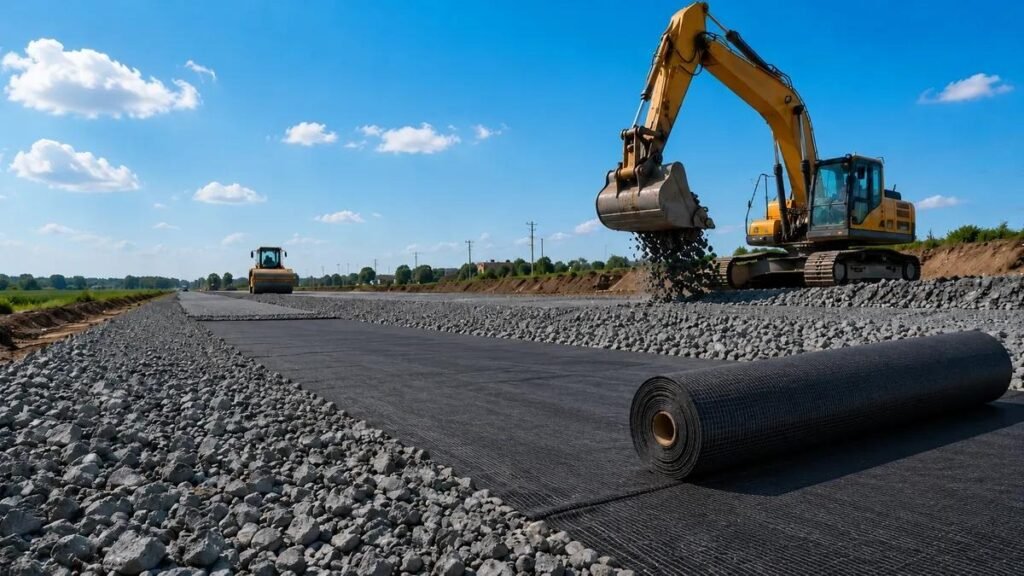
PP biaxial geogrids are commonly used in road base and aggregate stabilization projects. Their performance depends on the tensile properties in both principal directions, aperture geometry, junction strength, and compatibility with the selected aggregate.

When comparing prices, check the specified tensile strength, roll dimensions, and required test standards.

Uniaxial Geogrid for Retaining Walls

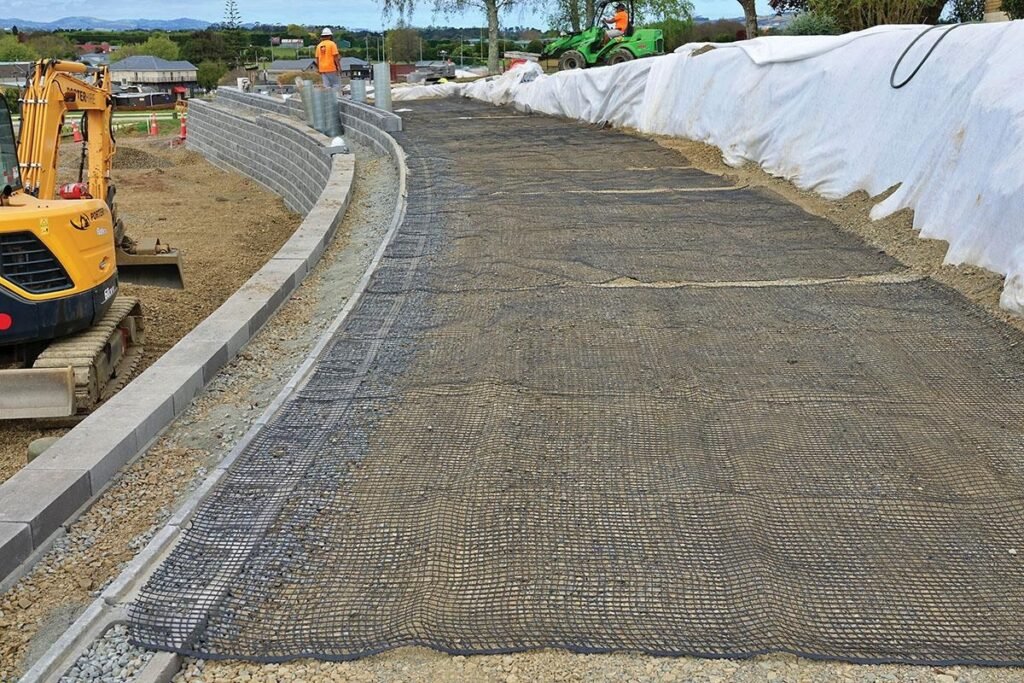
Uniaxial geogrids are used in mechanically stabilized earth walls and reinforced slopes. The required product strength depends on wall height, soil conditions, loading, reinforcement layout, and the engineering design.

A suitable quotation should reflect the specified design strength and durability requirements rather than only the product’s nominal tensile strength.

PET Geogrid for Soil Reinforcement

PET geogrids are used in various reinforced soil applications, including embankments and retaining structures. Buyers should pay particular attention to long-term tensile behavior, creep characteristics, coating where applicable, and the relevant design methodology.

Fiberglass Geogrid for Pavement Applications

Fiberglass geogrids are used in selected pavement reinforcement systems. Product selection depends on the pavement structure, asphalt layer, installation method, and the function specified by the pavement engineer.

Because these products serve different engineering purposes, there is no reliable universal price comparison across all geogrid types.

5. How to Calculate the Total Geogrid Cost

The material price is only one part of the project budget. A practical estimate should account for the quantity required, installation, transportation, and any supporting materials.

A basic material-cost calculation is:

Geogrid material cost = Required purchase area × Unit price per square meter

For example, if a project requires 5,000 m² of geogrid and the supplier quotes US$1.20/m², the material subtotal would be US$6,000 before shipping, taxes, installation, and other project costs.

The actual purchase area may exceed the net design area because of overlaps, cutting, layout, and site-specific waste allowances. These should be calculated from the project drawings and installation plan.

A more complete budget can include:

Cost component What to check
Geogrid material Product type, specification, quantity and unit price
Shipping Freight, handling and delivery destination
Installation Labor, equipment and site preparation
Accessories or supporting materials Items required by the project design
Testing and inspection Applicable quality assurance and acceptance requirements
Waste allowance Cutting, overlap and layout requirements

Do not assume that a particular geogrid will reduce aggregate consumption, construction time, or maintenance by a fixed percentage. Potential savings should be assessed against the project design and a suitable engineering comparison.

6. How to Choose the Right Geogrid

Step 1: Identify the Engineering Function

Determine whether the project requires base stabilization, soil reinforcement, pavement reinforcement, or another function. The intended role determines which product categories are appropriate.

Step 2: Review Soil and Loading Conditions

Soil strength, aggregate characteristics, traffic loading, slope geometry, drainage, and environmental exposure can all affect product selection.

For retaining walls and reinforced slopes, follow the project engineer’s design requirements. Do not select a geogrid solely by matching a nominal tensile-strength value.

Step 3: Confirm Product Specifications

Before purchasing, confirm:

  • Polymer type and manufacturing structure
  • Tensile strength and test direction
  • Elongation and relevant junction properties
  • Creep and long-term design requirements, where applicable
  • Roll width, length, and coverage area
  • Applicable technical standards and test documentation

Step 4: Evaluate Installation Requirements

The installation method must be compatible with the selected product and the construction sequence.

Check subgrade preparation, placement direction, overlap or connection details, aggregate placement, and protection from construction damage. Follow the manufacturer’s instructions and project specifications.

Step 5: Compare Suppliers on a Like-for-Like Basis

Request quotations using the same specification, order quantity, delivery destination, and trade terms. This makes it easier to compare unit prices, lead times, documentation, and overall supply conditions.

7. How to Reduce Geogrid Procurement Costs

Reducing the purchase price should not come at the expense of engineering suitability.

Standardize specifications where practical. Consistent roll dimensions and product requirements can simplify purchasing and reduce unnecessary variation.

Plan quantities early. Accurate quantity estimates help reduce urgent orders, avoidable waste, and shipping inefficiencies.

Compare equivalent products. Confirm that tensile properties, material type, roll coverage, and required documentation match before comparing prices.

Evaluate the total delivered cost. Freight, duties, handling, and installation requirements may affect the final project budget.

Verify quality documentation. A product that fails to meet the project specification can create replacement, delay, and rework costs. Review the required technical evidence before placing an order.

Coordinate with the design and installation teams. Early communication can help ensure that the specified product, installation method, and quantity calculations are aligned.

8. Choosing a Reliable Geogrid Manufacturer

A reliable manufacturer should be able to explain its products, provide relevant technical documentation, and confirm whether the proposed geogrid matches the project requirements.

Use the following checklist when evaluating potential suppliers:

  • Does the supplier manufacture the required geogrid type?
  • Can it provide current technical data sheets and relevant test reports?
  • Are product dimensions and specifications clearly stated?
  • Can it confirm production lead time and shipment arrangements?
  • Does it communicate clearly about quality control and inspection?
  • Can it respond to technical questions or coordinate with the project team?
  • Are quotation terms, payment conditions, and delivery responsibilities clear?

Supplier selection should be based on verifiable product and service information, not just a low advertised price or a general certification claim.

9. Geogrid Solutions from Tinhy Geosynthetics

Tinhy Geosynthetics manufactures geosynthetic materials for civil engineering, infrastructure, and environmental applications. Its product range includes geogrids alongside geotextiles, geomembranes, geosynthetic clay liners, and drainage products.

Depending on the project requirements, buyers can discuss geogrid options such as:

  • Plastic biaxial geogrids
  • Fiberglass geogrids
  • Steel-plastic geogrids
  • Polyester geogrids

The appropriate product depends on the engineering function, required mechanical properties, soil conditions, and project specifications.

For an accurate quotation from Tinhy, provide the intended application, geogrid type, required tensile strength, roll dimensions, estimated order quantity, destination, and any specified standards or test methods.

Providing these details allows the quotation to be based on the actual product requirements rather than a broad price estimate.

10. Frequently Asked Questions About Geogrid Price

How much does a geogrid cost per square meter?

The price varies by material, structure, tensile strength, roll dimensions, order quantity, and destination. Request a quotation based on a complete specification instead of relying on one general price range.

Which geogrid is generally used for roads?

Biaxial geogrids are commonly used for aggregate base stabilization, while other geogrid types may be specified for different pavement or soil reinforcement functions. The choice should follow the engineering design.

What is the difference between uniaxial and biaxial geogrids?

Uniaxial geogrids are designed primarily for reinforcement in one principal direction and are often used in reinforced walls and slopes. Biaxial geogrids provide tensile properties in two principal directions and are commonly used for base stabilization.

Does a larger order always mean a lower geogrid price?

Not necessarily. Larger orders may improve production and shipping efficiency, but custom requirements, market conditions, and delivery arrangements can affect the final price. Confirm volume pricing directly with the supplier.

What standards should I check when buying geogrids?

The applicable standards depend on the geogrid type and project requirements. ASTM D6637 is one method for evaluating geogrid tensile properties. Ask the supplier to identify the test method, edition, and results relevant to the product being offered.

What information is needed for a geogrid quotation?

Provide the application, material or geogrid type, tensile-strength requirements, roll dimensions, quantity, delivery destination, and any specified standards. Include drawings or a technical specification when available.

Conclusion

Geogrid price depends on the relationship between material, structure, mechanical properties, order quantity, logistics, and installation requirements. A meaningful comparison should therefore consider the full specification and delivered cost rather than unit price alone.

For roads, retaining walls, embankments, and other civil engineering projects, the most suitable geogrid is the one that meets the design requirements and can be supplied with appropriate technical documentation.

Tinhy Geosynthetics offers a range of geosynthetic products for project-based procurement. Contact Tinhy with your application and technical requirements to discuss suitable geogrid options and request a quotation.

Knowledge Base
Share:
info@tinhygeosynthetics.com Bai Jinxi
Consultation

    Get The Latest Product Prices

    Your inquiries are welcomed at any time and please feel free to contact us via email, phone calls, and online chatbox on our site.

    We will definitely give you a reply ASAP after we receive your messages.

      0/180