Resources
Company News
Industry News
Knowledge Base
Project Cases
Innovation
Team Power Fuels TINHY’s Global Geosynthetics Solutions
Tinhy and University of Jinan Celebrate Six Years of Industry–University Collaboration
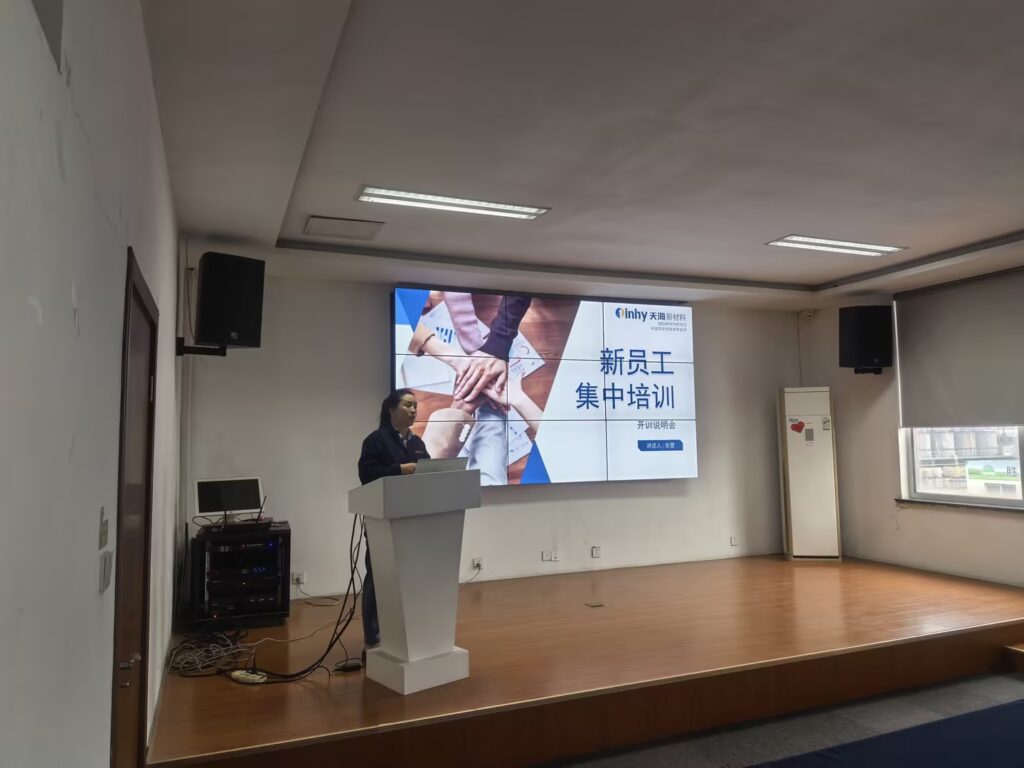
Empowering New Talent, Building the Future: Tinhy Successfully Conducts New Employee Orientation Training
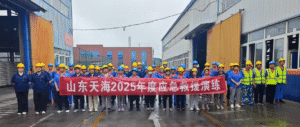
Tinhy Conducts Comprehensive Emergency Drill to Strengthen Workplace Safety Defenses
Company Mid – Year Summary and Team – Building Activity Report
Is geomembrane a geotechnical engineering material?
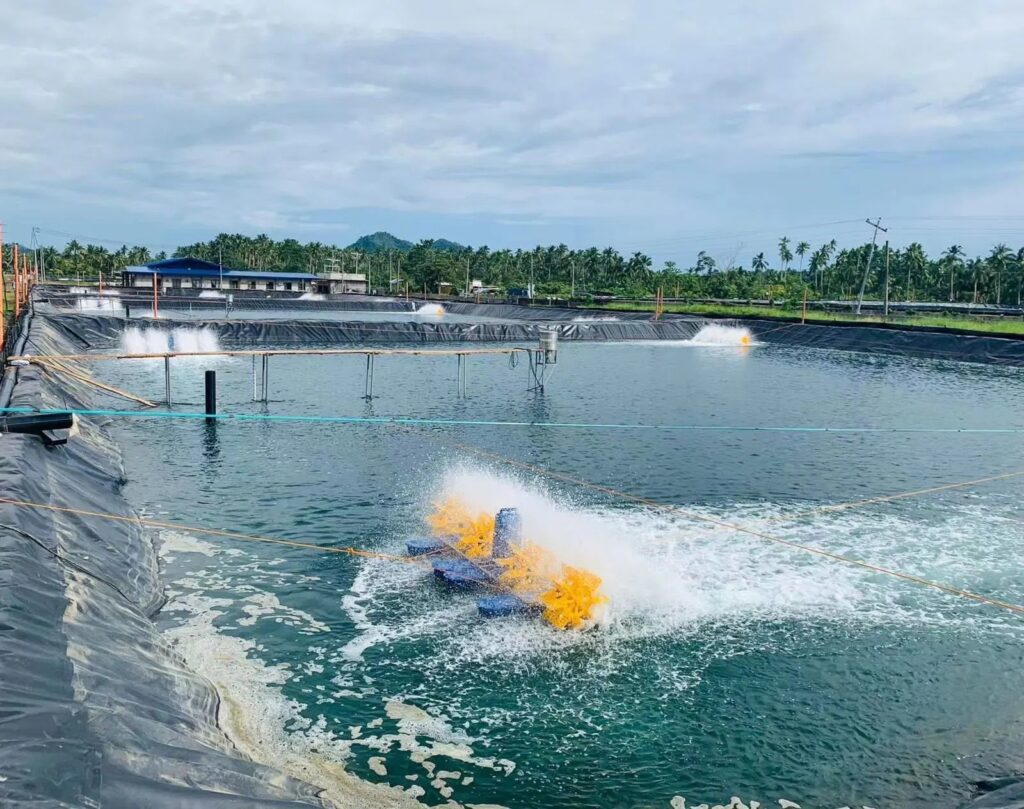
What are the application scenarios of geomembrane?
What are the functions of geotextiles?
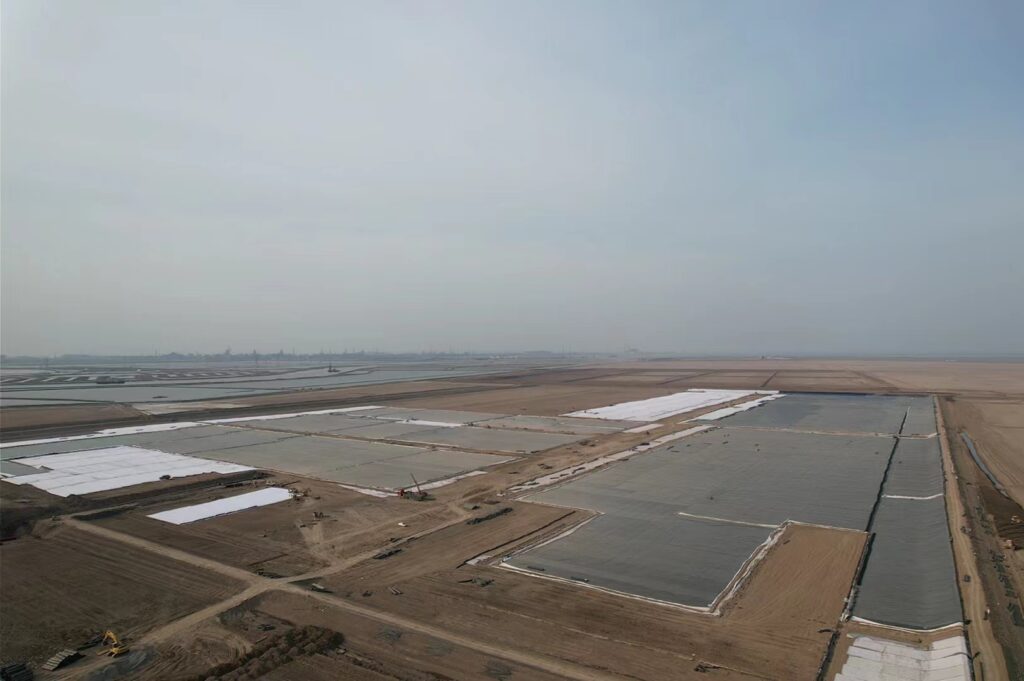
Cómo elegir geomembrana de hdpe en proyectos de ingeniería
How to choose hdpe geomembrane in engineering projects
China’s Geotechnical Construction Materials Embrace New Opportunities
Tips for Moisture-Proof Storage of Geotextiles
Key Construction Points and Precautions for High-Density Polyethylene Geomembrane
what is pond lining material ?
What is geomembrane?
HDPE geomembrane construction plans and technical measures
What quality tests do HDPE geomembranes need to do?
Tinhy’s MDS® Drainage Solution
Installation Robots
HDPE Geomembrane Thickness Selection Guide
PP Geotextile: Types, Properties, Applications and Selection Guide
Textured Geomembrane: Benefits, Applications and Selection Guide
30 Mil Impermeable Liner: A Guide to Thickness, Uses and Selection
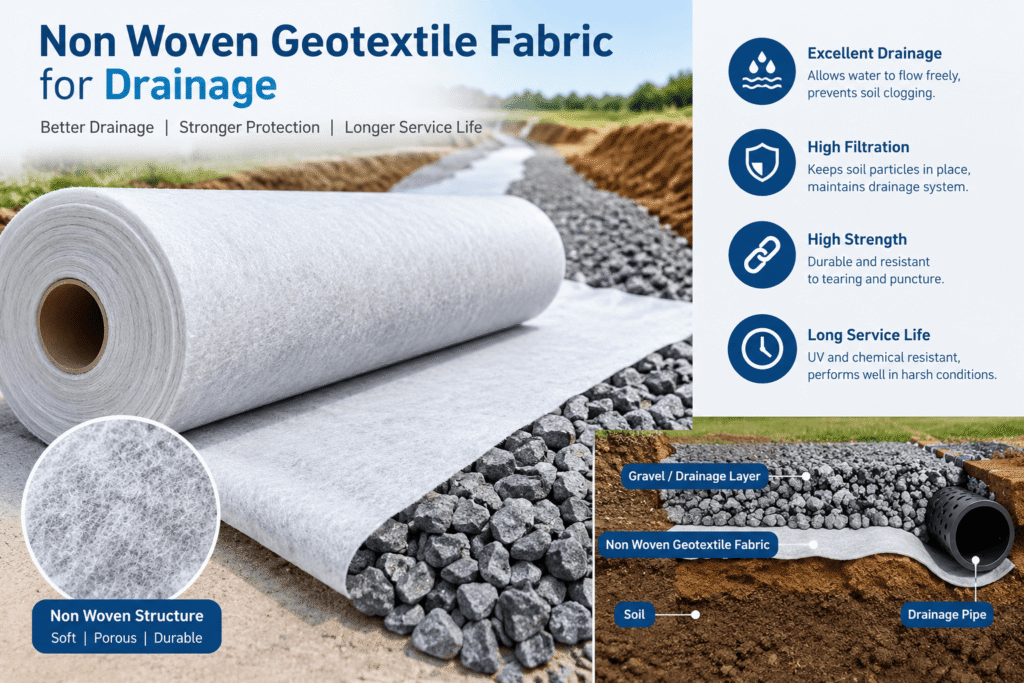
Non Woven Geotextile Fabric for Drainage: A Complete Guide
30 Mil PVC Liner: Thickness, Benefits, Applications and Buying Guide
LLDPE Geomembrane: Properties, Specifications, Benefits and Applications
Geomembrane Service Life: How Long Does a Geomembrane Last?
Polyethylene Geomembranes: HDPE vs. LLDPE and How to Choose
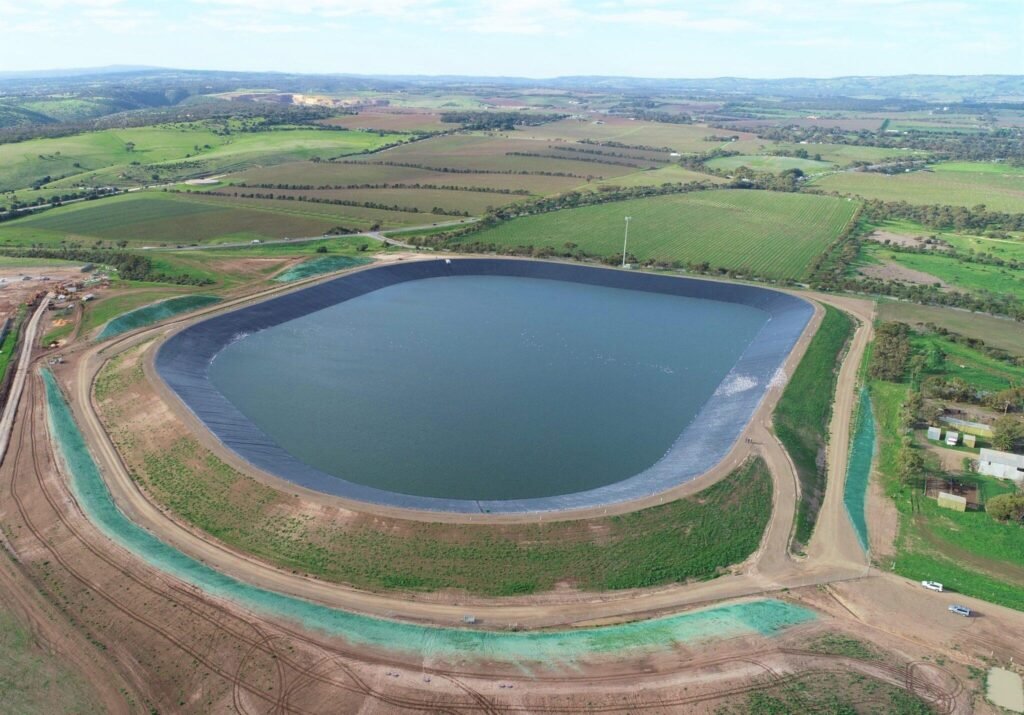
2mm HDPE Liner: Specifications, Applications, and Supplier Selection Guide
Should HDPE or PVC be used to install geomembrane in reservoirs?
What is the price of geomembrane?
Material characteristics of three different geomembranes
Esquema de construcción de geomembrana de HDPE y medidas técnicas
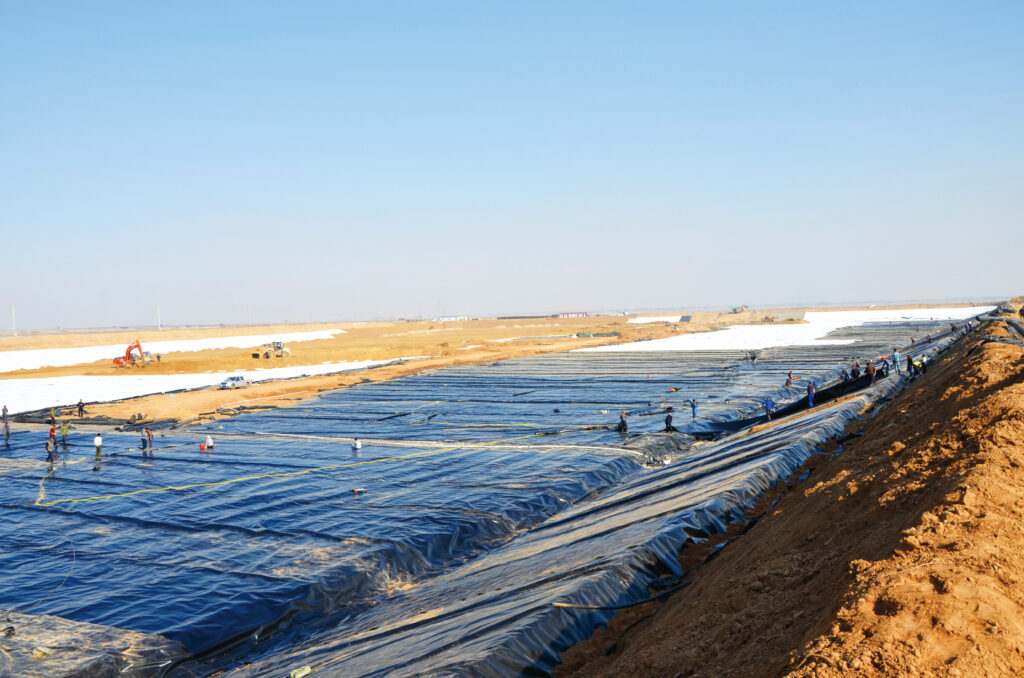
hdpe geomembrane pond liner in Congo (DRC)
How to lay and weld HDPE geomembrane?
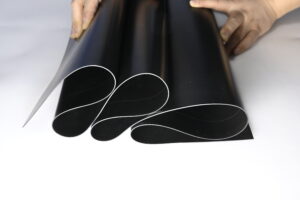
HDPE geomembrane 0.2-4.0mm
HOME ABOUT PRODUCTS APPLICATION CONTENTUS RESOURCES
Home Resources Knowledge Base HDPE Geomembrane Thickness Selection Guide

HDPE Geomembrane Thickness Selection Guide

time:November 04, 2026 Views:10

Choosing the right HDPE geomembrane thickness is an important step in designing a reliable containment system. Whether the project involves a reservoir, landfill, mining facility, wastewater pond, or aquaculture pond, the selected liner must meet the project’s mechanical, chemical, hydraulic, and installation requirements.

A thicker geomembrane may provide higher tensile, tear, and puncture resistance. However, thickness alone does not determine the performance of a lining system. Subgrade conditions, protection layers, chemical exposure, slope stability, welding quality, and project specifications must also be considered.

This guide explains common HDPE geomembrane thickness options, the main factors affecting thickness selection, and the technical information buyers should review before placing an order.

1. Why HDPE Geomembrane Thickness Matters

HDPE geomembrane is a low-permeability synthetic liner used to control the movement of liquids and contaminants. Thickness is one of the key parameters affecting its mechanical properties and suitability for different site conditions.

In general, increasing the nominal thickness of an HDPE geomembrane increases its tensile strength, tear resistance, and puncture resistance when the material formulation and manufacturing quality are comparable.

Thickness selection can influence several aspects of project performance:

  • Puncture resistance: A suitable thickness helps the liner withstand contact with the prepared subgrade, protective materials, and construction activities.
  • Tensile performance: Thickness is related to the tensile strength requirements of the sheet.
  • Installation durability: The liner must withstand handling, deployment, seaming, and construction-related stresses.
  • Long-term containment: The material must be suitable for the expected exposure conditions and design requirements.
  • Project cost: Selecting an unnecessarily thick liner can increase material, transportation, and installation costs.

The objective is not simply to select the thickest available product. It is to specify a geomembrane that meets the engineering requirements of the complete lining system.

2. Common HDPE Geomembrane Thickness Options

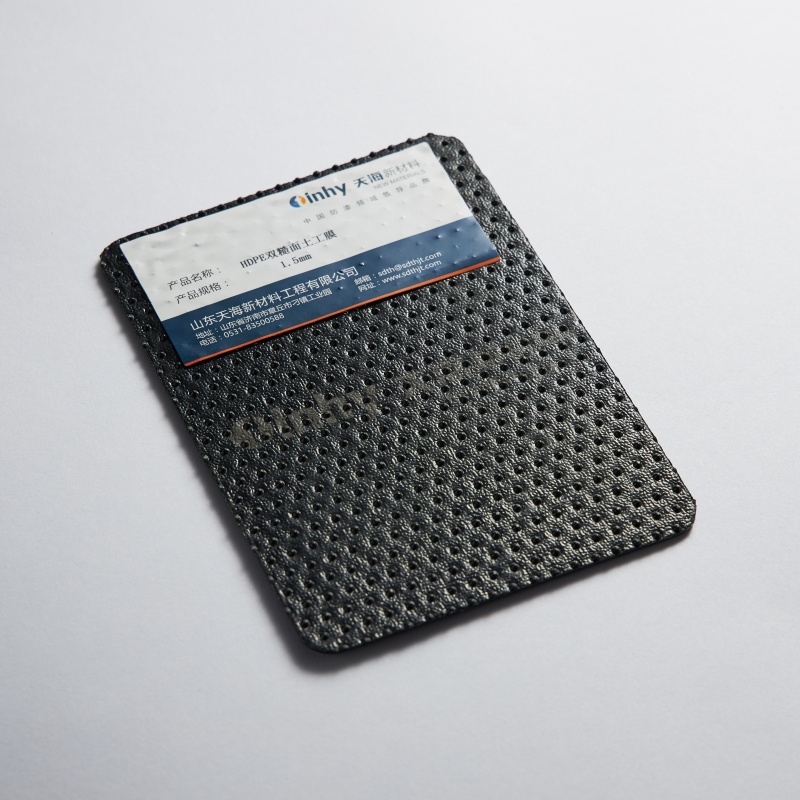
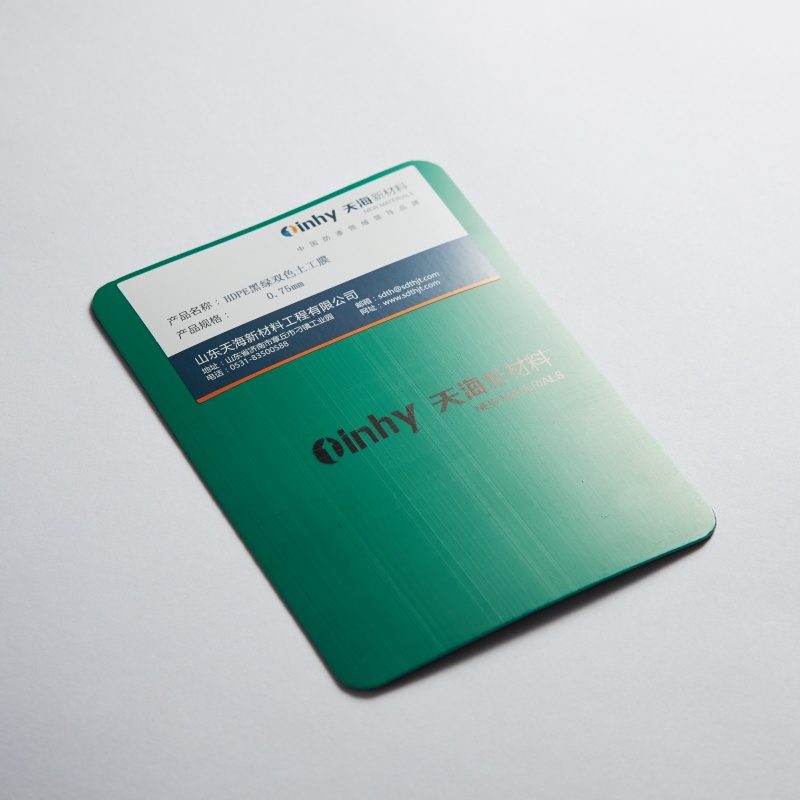
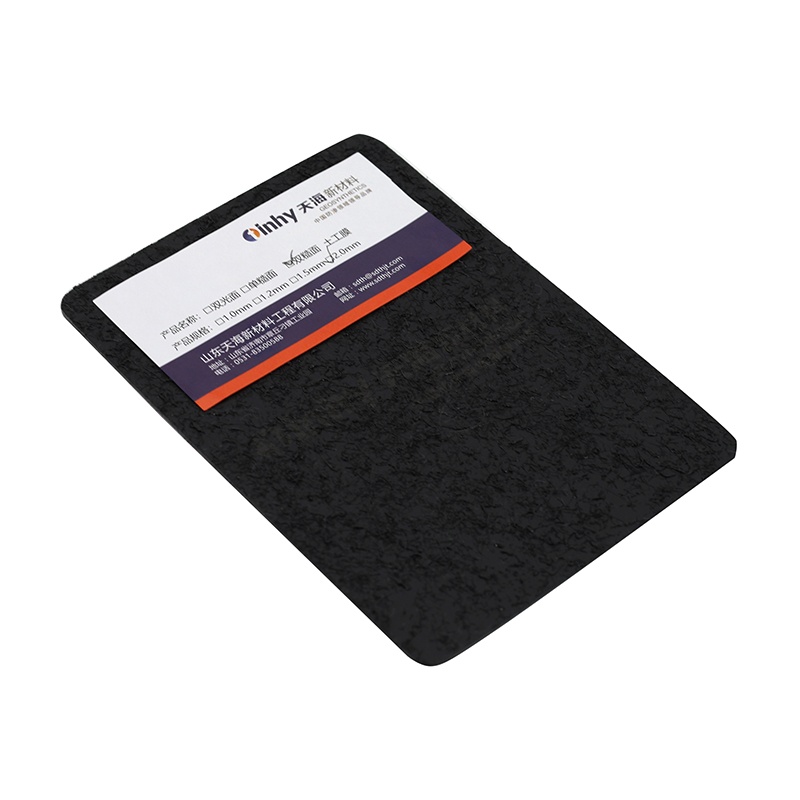
HDPE geomembranes are supplied in different nominal thicknesses. Common options include 0.5 mm, 0.75 mm, 1.0 mm, 1.5 mm, 2.0 mm, 2.5 mm, and 3.0 mm, subject to the manufacturer’s product range and project requirements.

The following table is a general product-selection reference, not a universal engineering specification.

Nominal Thickness Approximate Mils General Selection Consideration
0.5 mm 20 mil Lightweight lining applications; confirm project and product specifications
0.75 mm 30 mil Projects with controlled subgrade and protection requirements
1.0 mm 40 mil General water containment and selected pond applications
1.5 mm 60 mil More demanding containment applications requiring higher mechanical resistance
2.0 mm 80 mil Projects with higher mechanical or durability requirements
2.5 mm 100 mil Heavy-duty or project-specific containment systems
3.0 mm 120 mil Special engineering applications with defined performance requirements

Note: 1 mil equals 0.0254 mm. The mil values above are approximate conversions.

The GRI-GM13 Revision 19 specification covers HDPE geomembranes with a formulated sheet density of at least 0.940 g/cm³ and nominal thicknesses from 0.75 mm to 3.0 mm. It includes both smooth and textured geomembranes. A 0.5 mm product should not automatically be described as compliant with this specification because it falls outside the stated thickness scope.

3. How to Select the Right HDPE Geomembrane Thickness

The correct thickness should be determined by reviewing the actual project conditions rather than relying only on the application name.

3.1 Project Application and Containment Requirements

Different projects have different containment objectives and operating conditions.

For example:

  • Water reservoirs: Consider water depth, subgrade preparation, liner exposure, and protection requirements.
  • Aquaculture ponds: Review pond dimensions, water depth, soil conditions, maintenance activities, and expected service conditions.
  • Wastewater treatment ponds: Evaluate the liquid composition, operating temperature, potential chemical exposure, and containment requirements.
  • Landfills: Review waste loads, leachate characteristics, drainage layers, subgrade conditions, and applicable environmental regulations.
  • Mining facilities: Consider process chemicals, heap or tailings loads, slope conditions, construction traffic, and interface stability.

The same project category can involve very different design conditions. Therefore, a standard thickness should not be assigned to every pond, landfill, or mining project.

3.2 Subgrade and Protection Conditions

The condition of the foundation is one of the most important factors in geomembrane selection.

A prepared subgrade should be evaluated for:

  • Sharp stones and construction debris
  • Uneven surfaces and protrusions
  • Voids and poorly compacted areas
  • Differential settlement
  • Drainage and groundwater conditions
  • Construction equipment and traffic

A rough or poorly prepared foundation can increase the risk of localized damage. Increasing geomembrane thickness may improve resistance, but it does not replace proper subgrade preparation.

Depending on the design, a nonwoven geotextile may be installed as a protective cushion layer. Its mass per unit area and other properties should be selected according to the expected contact conditions and protection requirements.

3.3 Hydraulic Head, Loads, and Settlement

The pressure acting on a liner depends on the liquid depth and the design of the containment system.

Projects involving deep liquid storage, waste placement, heavy cover materials, or construction equipment may require more detailed mechanical assessment.

Engineers should consider:

  • Maximum liquid level and hydraulic head
  • Soil and waste cover loads
  • Localized loads and equipment movement
  • Slope geometry
  • Differential settlement
  • Potential strain and deformation

Thickness should be selected as part of the complete design, including the supporting layers and drainage system.

3.4 Chemical Exposure and Temperature

HDPE offers broad chemical resistance, but compatibility must be assessed against the actual liquid or waste that will contact the liner.

For industrial and mining projects, provide information about:

  • Chemical names and concentrations
  • Operating temperature
  • Expected contact duration
  • Possible mixtures or process changes
  • Any special regulatory or environmental requirements

Do not assume that increasing thickness alone will solve a chemical compatibility issue. Material formulation, exposure conditions, and project-specific testing may also be important.

3.5 Installation and Welding Requirements

The selected geomembrane must be suitable for the planned installation method.

Consider panel dimensions, site access, deployment equipment, welding conditions, seam testing, and installation schedules.

Thicker sheets may require adjustments to handling and welding procedures. The installer should follow the applicable installation guidelines and project quality assurance requirements.

4. HDPE Geomembrane Thickness by Application

The following table provides preliminary discussion points for project evaluation. It is not a substitute for a design specification.

Application Key Factors to Review
Agricultural and aquaculture ponds Water depth, soil condition, protection, exposure, maintenance
Irrigation reservoirs Hydraulic head, foundation condition, slope design, liner exposure
Wastewater lagoons Liquid chemistry, temperature, operating conditions, protection
Landfill lining systems Leachate, waste loading, drainage, settlement, regulatory requirements
Mining and tailings facilities Chemical exposure, loads, slope stability, interface shear, design life
Industrial containment Stored substances, temperature, containment regulations, inspection requirements

For preliminary budgeting, buyers may compare several nominal thickness options. The final thickness should be confirmed against the project drawings, technical specification, and engineering assessment.

5. Thickness Is Only One Part of the Specification

Two geomembranes with the same nominal thickness may not have identical performance. Buyers should review the full technical data sheet rather than comparing products by thickness alone.

Important properties may include:

  • Nominal thickness and thickness tolerance
  • Density
  • Tensile properties
  • Tear resistance
  • Puncture resistance
  • Stress crack resistance
  • Carbon black content and dispersion
  • Oxidative induction time (OIT)
  • Dimensional and appearance consistency

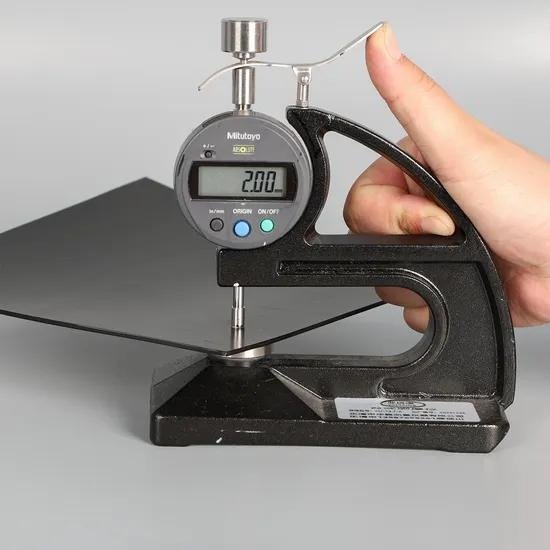
For textured geomembranes, the applicable measurement method and specified thickness definition should also be checked. The core thickness of textured geomembranes is addressed by ASTM D5994, while ASTM D5199 is used for nominal thickness measurement of geosynthetics.

The required test methods and acceptance values should be stated in the project specification. Do not assume that a general product brochure automatically demonstrates compliance with every project requirement.

6. Relevant Standards and Thickness Testing

GRI-GM13 is a widely referenced specification for HDPE smooth and textured geomembranes. Revision 19, dated June 11, 2025, identifies the material scope and includes physical, mechanical, and chemical property requirements.

Relevant ASTM test methods referenced in geomembrane specifications include:

  • ASTM D5199: Measurement of nominal thickness of geosynthetics.
  • ASTM D5994: Measurement of the core thickness of textured geomembranes.
  • ASTM D6693: Tensile properties of nonreinforced polyethylene geomembranes.
  • ASTM D4833: Index puncture resistance of geomembranes and related products.
  • ASTM D1004: Initial tear resistance of plastic film and sheeting.

The applicable edition, test frequency, and acceptance criteria should be confirmed in the project specification and current standard documents.

For critical containment projects, buyers may request a product technical data sheet, factory quality-control records, and independent test reports where required.

7. Information to Prepare Before Requesting a Quotation

To help a manufacturer recommend a suitable product and prepare an accurate quotation, buyers should provide:

  1. Project application: Reservoir, landfill, mining, aquaculture, wastewater, or industrial containment.
  2. Required thickness: If already specified by the project engineer.
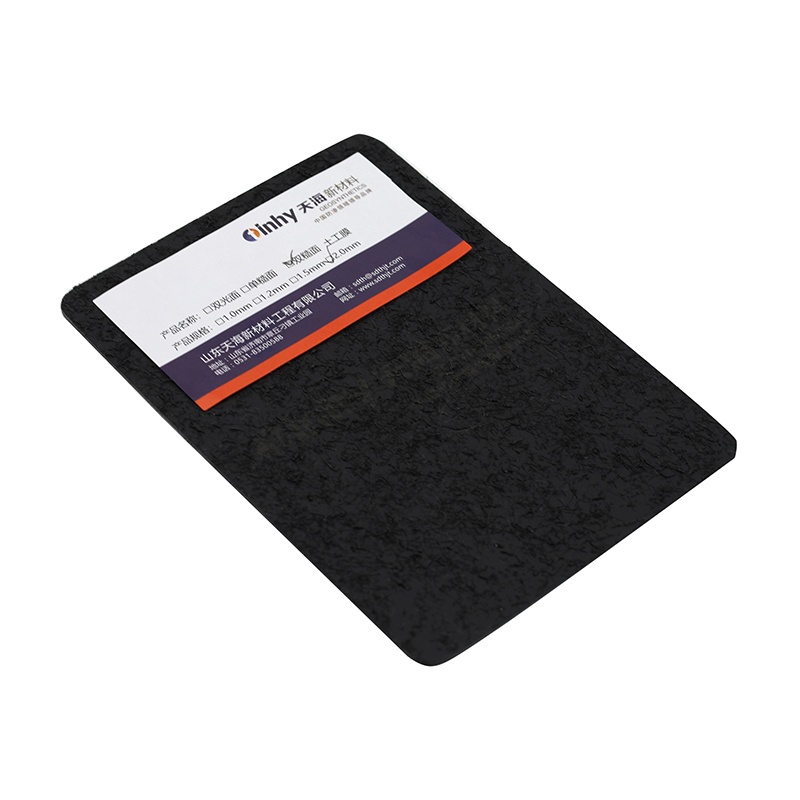
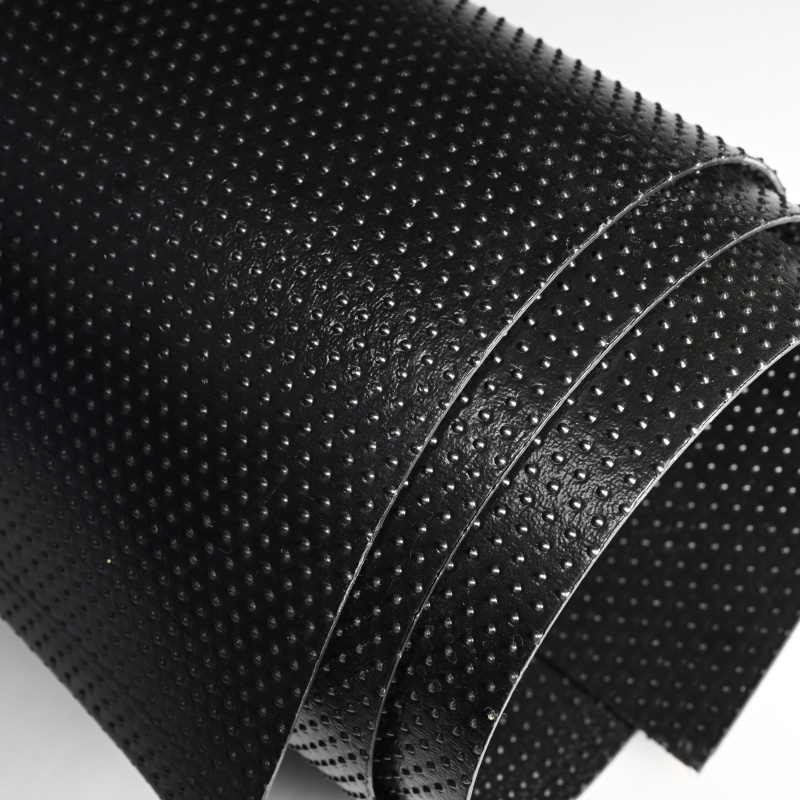
  3. Surface type: Smooth, single-sided textured, or double-sided textured.
  4. Project quantity: Total area in square meters.
  5. Roll dimensions: Required roll width and length, if specified.
  6. Technical standard: GRI-GM13, ASTM-based requirements, or project-specific specifications.
  7. Site conditions: Subgrade, slope, liquid or waste characteristics, and installation environment.
  8. Delivery information: Destination country, port, and expected delivery schedule.

If the final thickness has not yet been determined, share the project details and available design documents with the supplier. The manufacturer can help review product availability and technical data, while the final design selection should be approved by the responsible project engineer.

8. Frequently Asked Questions

What is the most common HDPE geomembrane thickness?

Common nominal thicknesses include 1.0 mm, 1.5 mm, and 2.0 mm, but the appropriate option depends on the project specification, site conditions, and performance requirements.

Is 1.5 mm HDPE geomembrane suitable for a landfill?

It may be specified for some landfill applications, but suitability cannot be determined by thickness alone. The design must consider the applicable regulations, leachate, waste loading, subgrade, drainage, protection layers, and project requirements.

Is thicker HDPE geomembrane always better?

No. A thicker liner generally offers higher mechanical resistance when material formulation and quality are comparable, but the additional thickness may not be necessary for every project. Engineering requirements should determine the selection.

What is the difference between 40 mil and 60 mil geomembrane?

40 mil is approximately 1.016 mm, while 60 mil is approximately 1.524 mm. Commercial nominal thicknesses are commonly described as 1.0 mm and 1.5 mm respectively. Always check the actual nominal thickness and applicable tolerance in the technical specification.

Does GRI-GM13 cover 0.5 mm HDPE geomembrane?

No. GRI-GM13 Revision 19 specifies an HDPE geomembrane thickness scope of 0.75 mm to 3.0 mm. A 0.5 mm product should be evaluated against its own applicable specification and project requirements.

Should a geotextile be installed beneath an HDPE geomembrane?

A geotextile protection layer may be required where the subgrade or adjacent materials could damage the liner. Its selection depends on the contact conditions, puncture protection needs, and engineering design.

What information is needed to select the right thickness?

The main information includes the application, liquid or waste characteristics, hydraulic head, subgrade condition, loads, slope design, protection system, installation method, and project specification.

Conclusion

Selecting the right HDPE geomembrane thickness requires more than matching a liner to a project category. Engineers and buyers should evaluate the containment conditions, subgrade, loads, chemical exposure, installation requirements, and applicable standards together.

A complete technical specification helps ensure that the selected geomembrane meets the actual requirements of the project while avoiding unnecessary material costs.

Need help reviewing your HDPE geomembrane requirements?

Contact TINHY Geosynthetics with your project application, required area, thickness specification, and destination. Our team can provide product information and a quotation for your project.

Request HDPE Geomembrane Specifications and Quotation.

Knowledge Base
Share:
info@tinhygeosynthetics.com Bai Jinxi
Consultation

    Get The Latest Product Prices

    Your inquiries are welcomed at any time and please feel free to contact us via email, phone calls, and online chatbox on our site.

    We will definitely give you a reply ASAP after we receive your messages.

      0/180