Resources
Company News
Industry News
Knowledge Base
Project Cases
Innovation
Team Power Fuels TINHY’s Global Geosynthetics Solutions
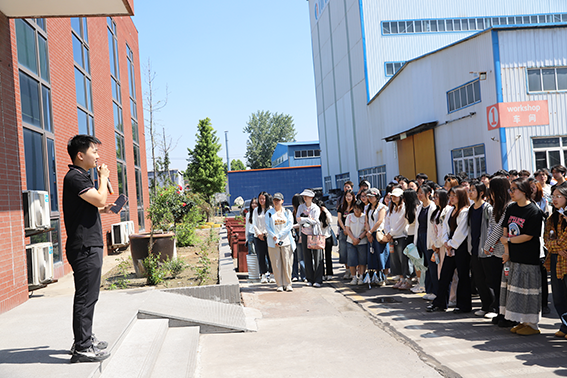
Tinhy and University of Jinan Celebrate Six Years of Industry–University Collaboration
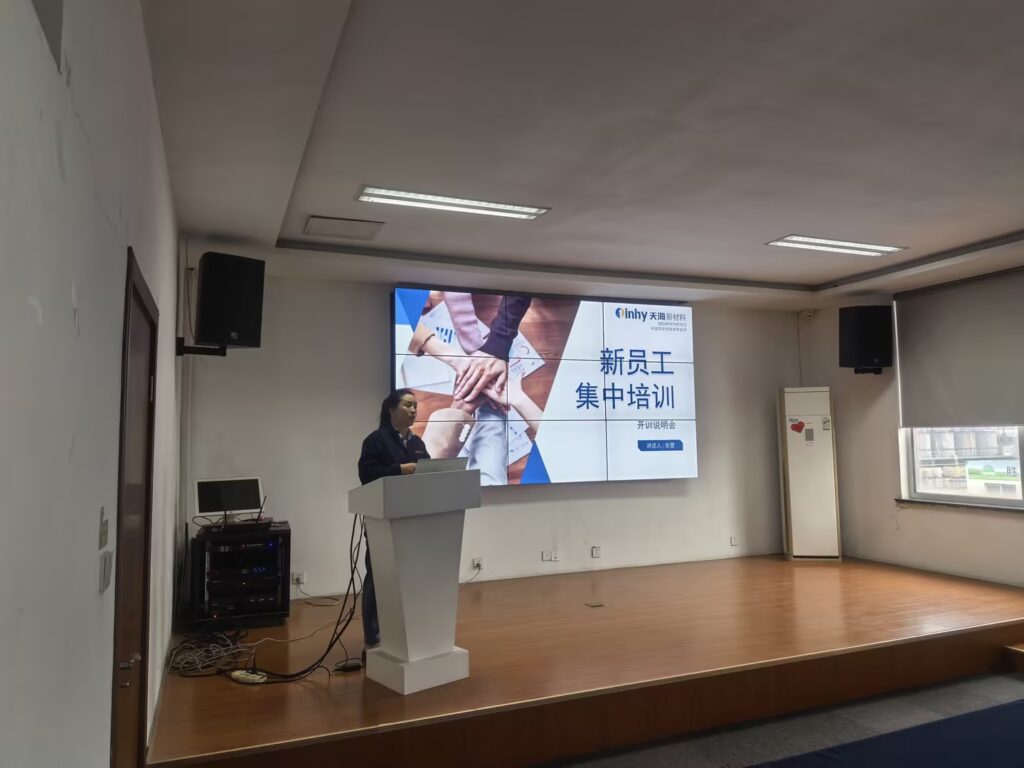
Empowering New Talent, Building the Future: Tinhy Successfully Conducts New Employee Orientation Training

Tinhy Conducts Comprehensive Emergency Drill to Strengthen Workplace Safety Defenses
Company Mid – Year Summary and Team – Building Activity Report
Is geomembrane a geotechnical engineering material?
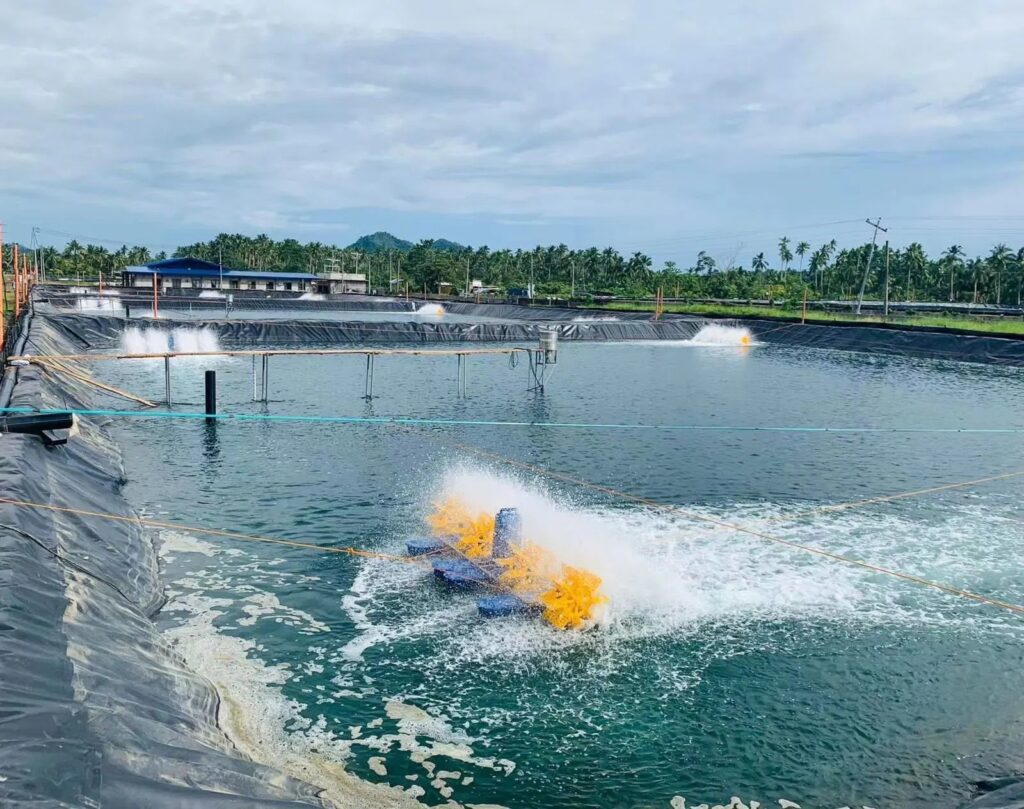
What are the application scenarios of geomembrane?
What are the functions of geotextiles?
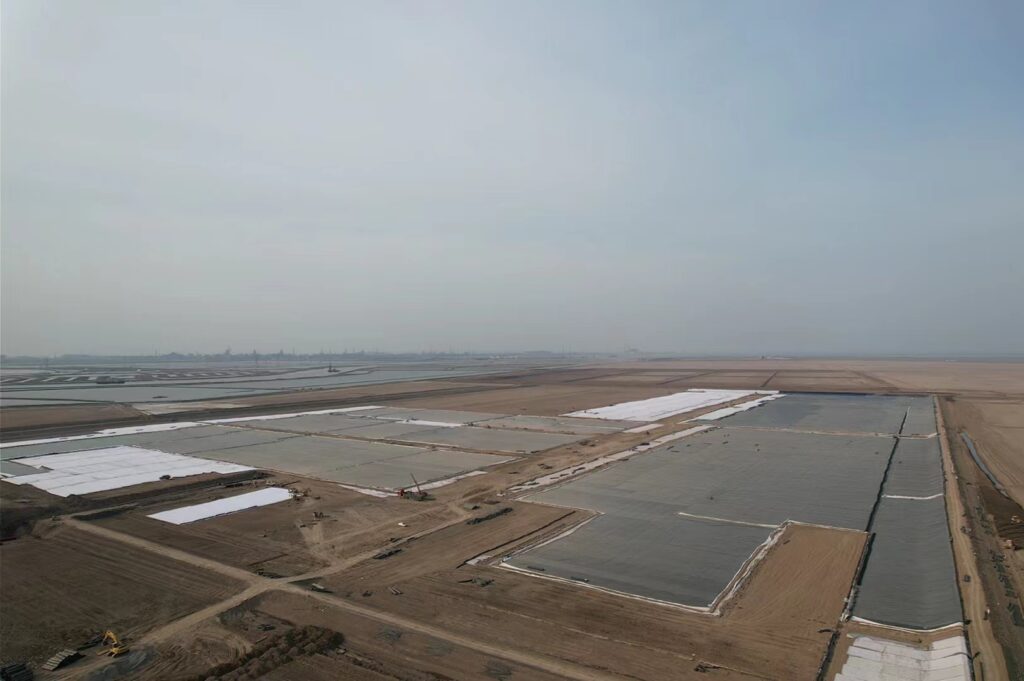
Cómo elegir geomembrana de hdpe en proyectos de ingeniería
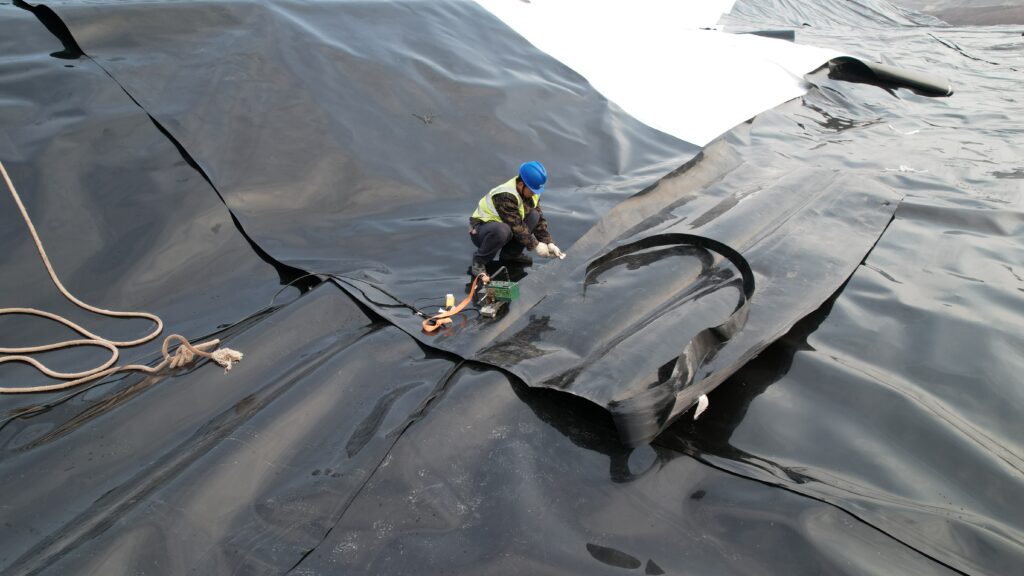
How to choose hdpe geomembrane in engineering projects
China’s Geotechnical Construction Materials Embrace New Opportunities
Tips for Moisture-Proof Storage of Geotextiles
Key Construction Points and Precautions for High-Density Polyethylene Geomembrane
what is pond lining material ?
What is geomembrane?
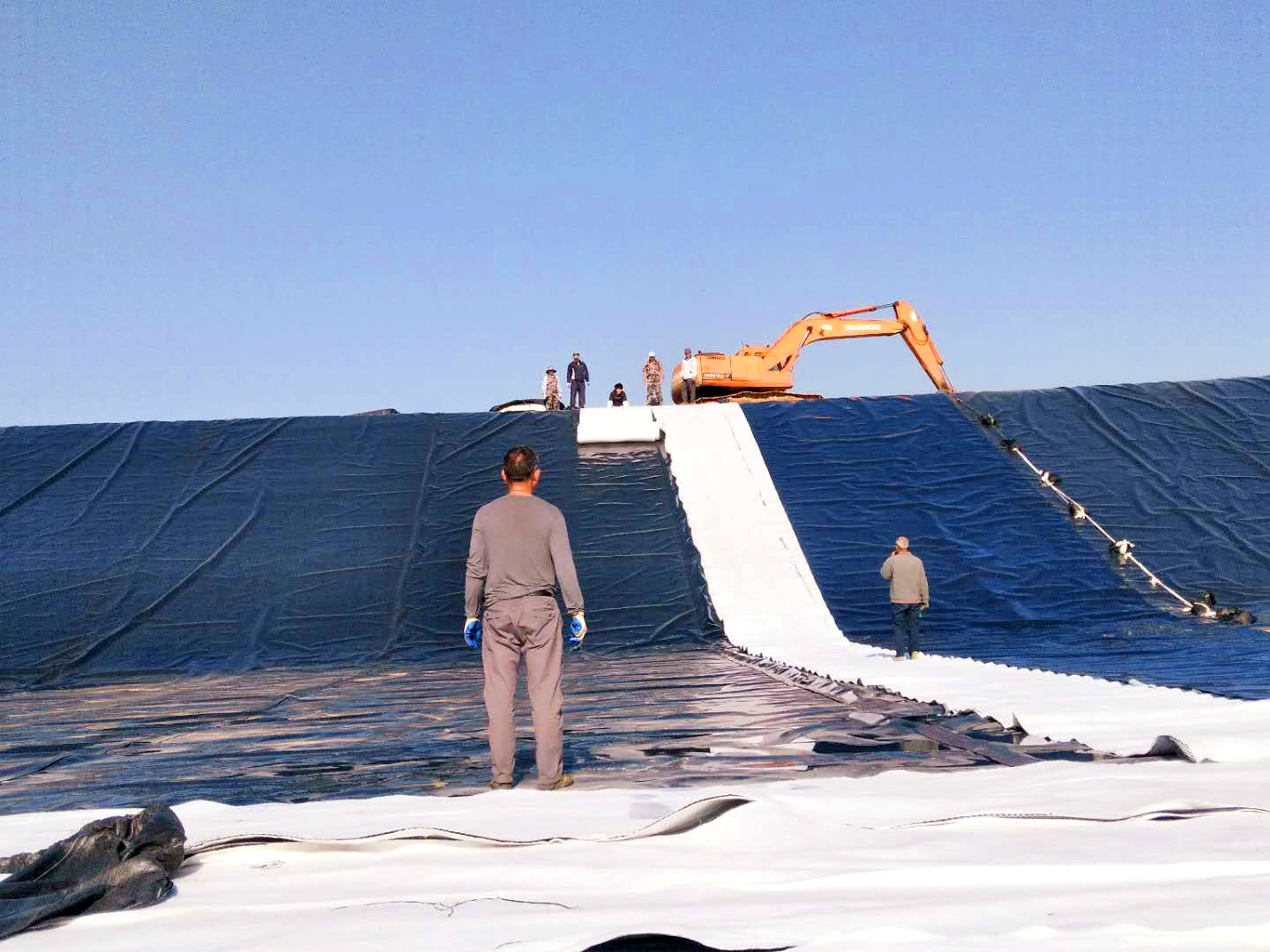
HDPE geomembrane construction plans and technical measures
What quality tests do HDPE geomembranes need to do?
Tinhy’s MDS® Drainage Solution
Installation Robots
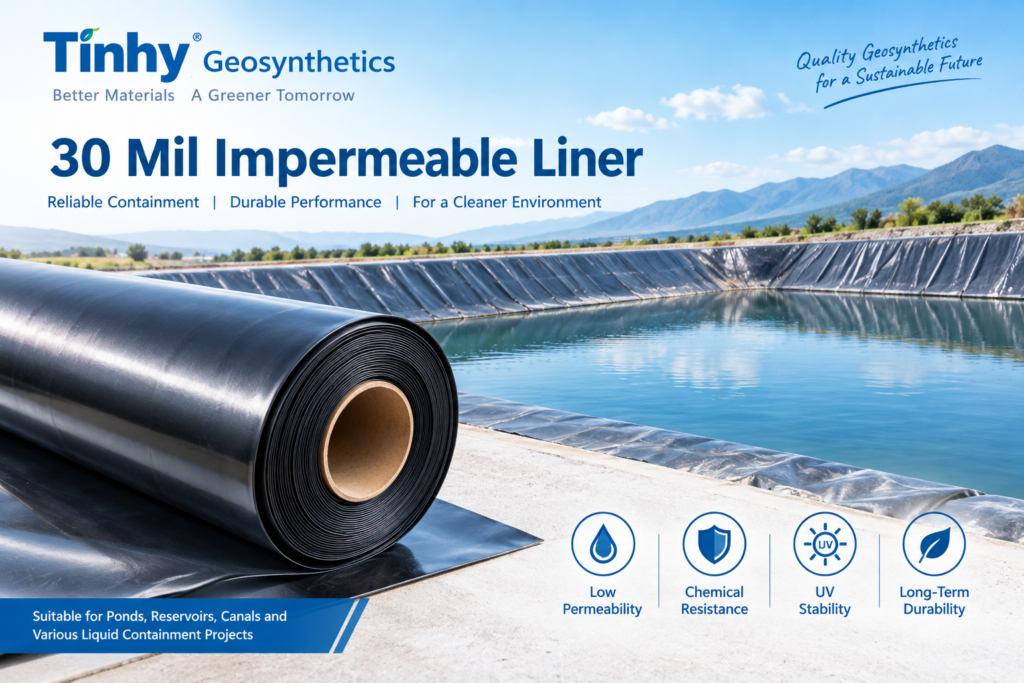
30 Mil Impermeable Liner: A Guide to Thickness, Uses and Selection
Non Woven Geotextile Fabric for Drainage: A Complete Guide
30 Mil PVC Liner: Thickness, Benefits, Applications and Buying Guide
LLDPE Geomembrane: Properties, Specifications, Benefits and Applications
Geomembrane Service Life: How Long Does a Geomembrane Last?
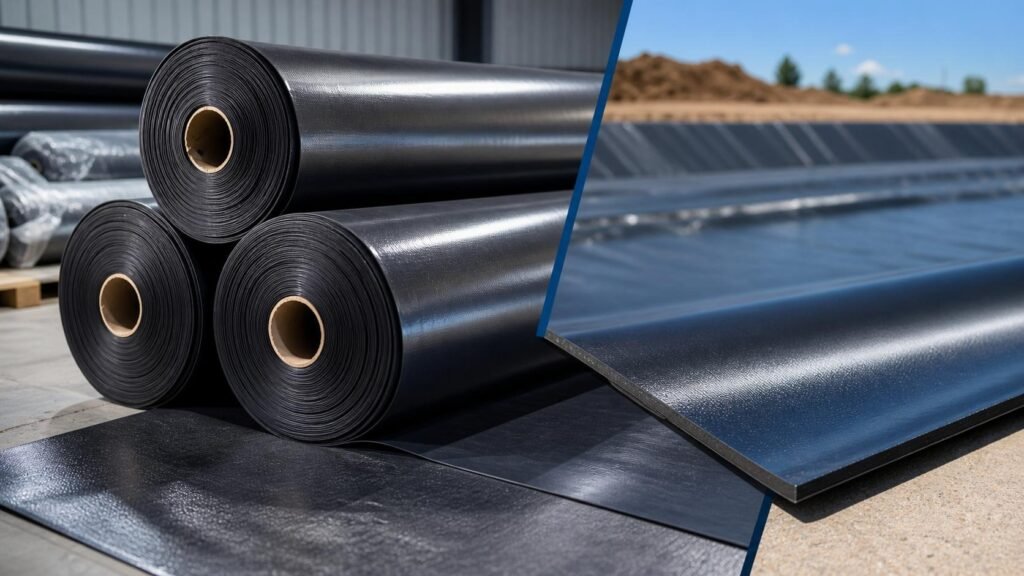
Polyethylene Geomembranes: HDPE vs. LLDPE and How to Choose
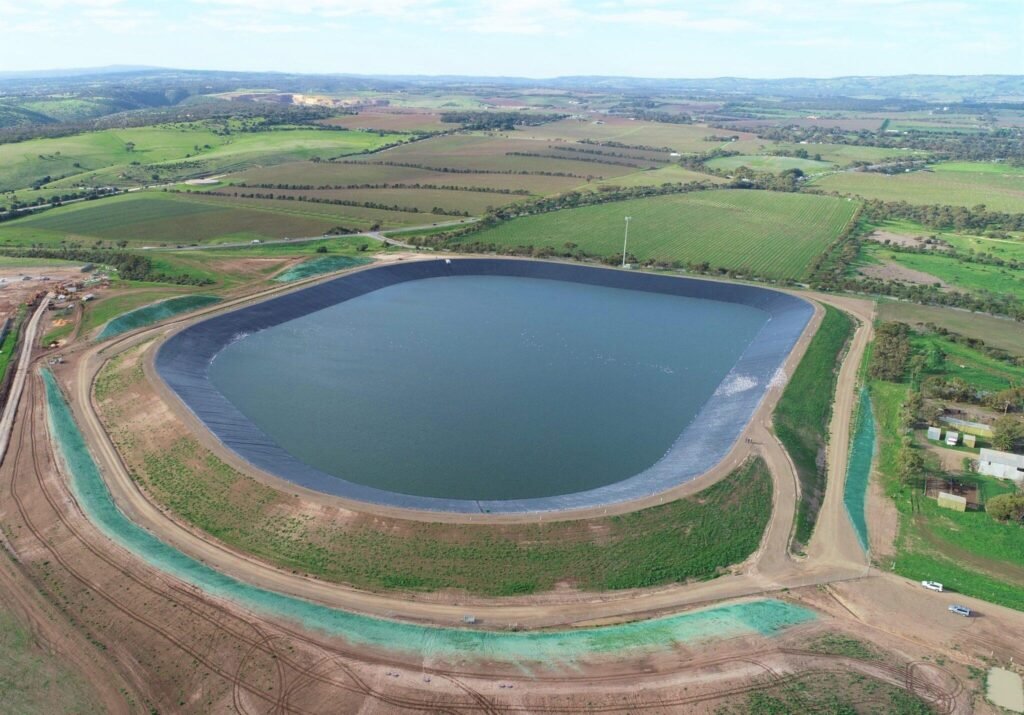
2mm HDPE Liner: Specifications, Applications, and Supplier Selection Guide
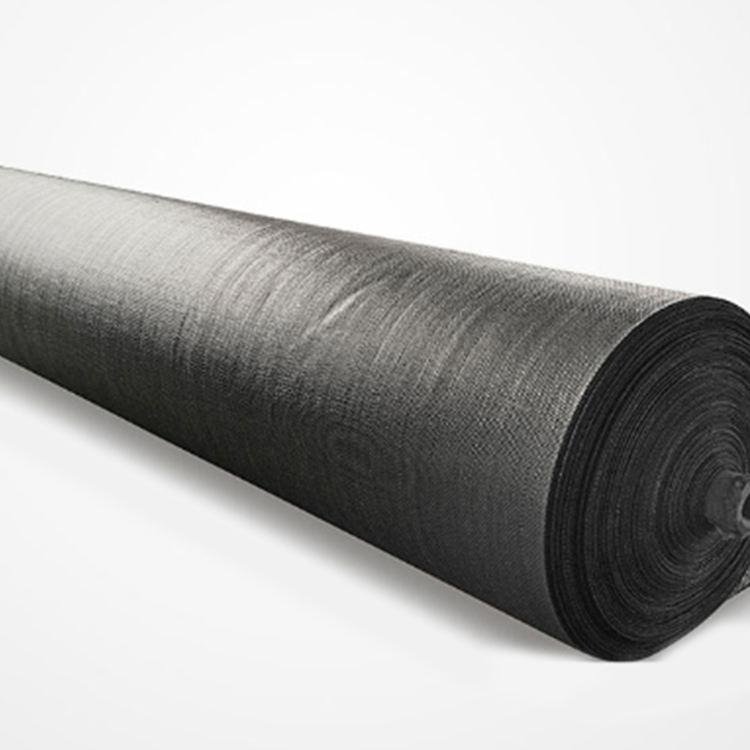
Woven vs. Non Woven Geotextile: Key Differences and How to Choose
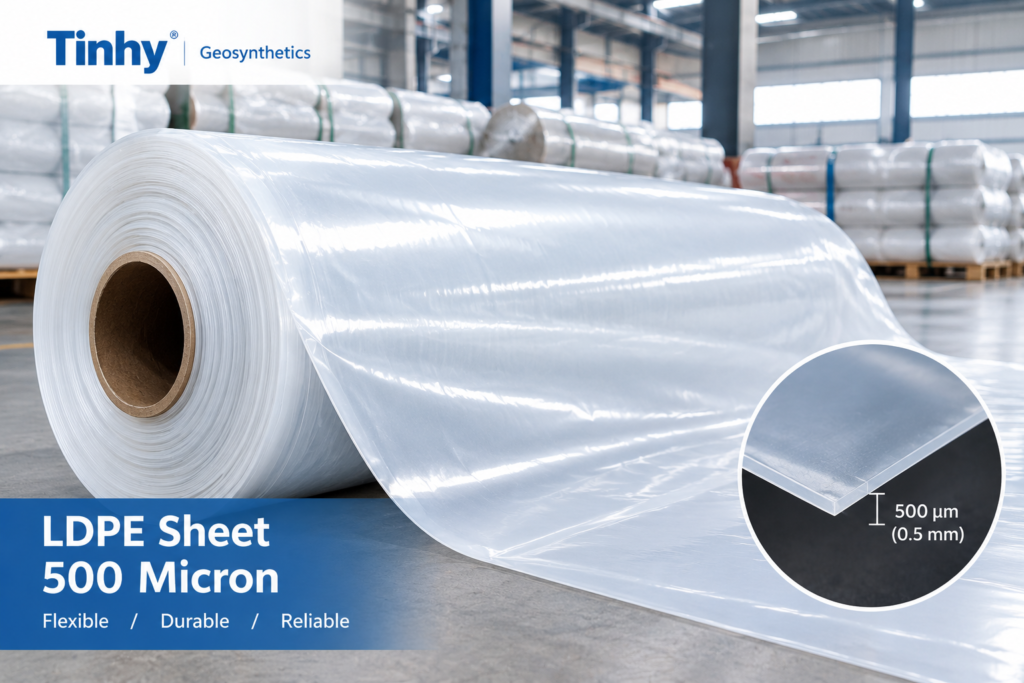
LDPE Sheet 500 Micron Price: Cost Factors, Applications, and Buying Guide
30 Mil Geomembrane: Specifications, Applications, and How to Choose the Right Liner
Should HDPE or PVC be used to install geomembrane in reservoirs?
What is the price of geomembrane?
Material characteristics of three different geomembranes
Esquema de construcción de geomembrana de HDPE y medidas técnicas
hdpe geomembrane pond liner in Congo (DRC)
How to lay and weld HDPE geomembrane?
HDPE geomembrane 0.2-4.0mm
HOME ABOUT PRODUCTS APPLICATION CONTENTUS RESOURCES
Home Resources Knowledge Base 30 Mil Impermeable Liner: A Guide to Thickness, Uses and Selection

30 Mil Impermeable Liner: A Guide to Thickness, Uses and Selection

time:October 30, 2026 Views:4

Reliable liquid containment starts with choosing the right liner. For projects that require a dependable barrier against water or other liquids, a 30 mil impermeable liner may be a suitable option, depending on the liner material, site conditions, and project specifications.

At Tinhy Geosynthetics, we provide geosynthetic solutions for a wide range of civil engineering and environmental projects. In this guide, we explain what a 30 mil impermeable liner is, where it may be used, and what buyers should consider before selecting a liner for their projects.

What Is a 30 Mil Impermeable Liner?

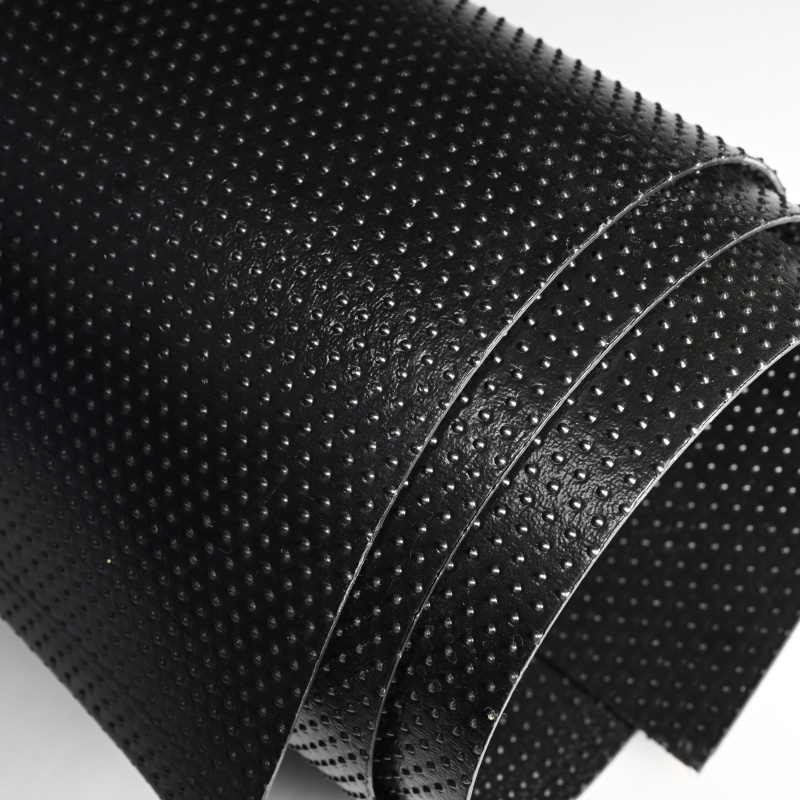
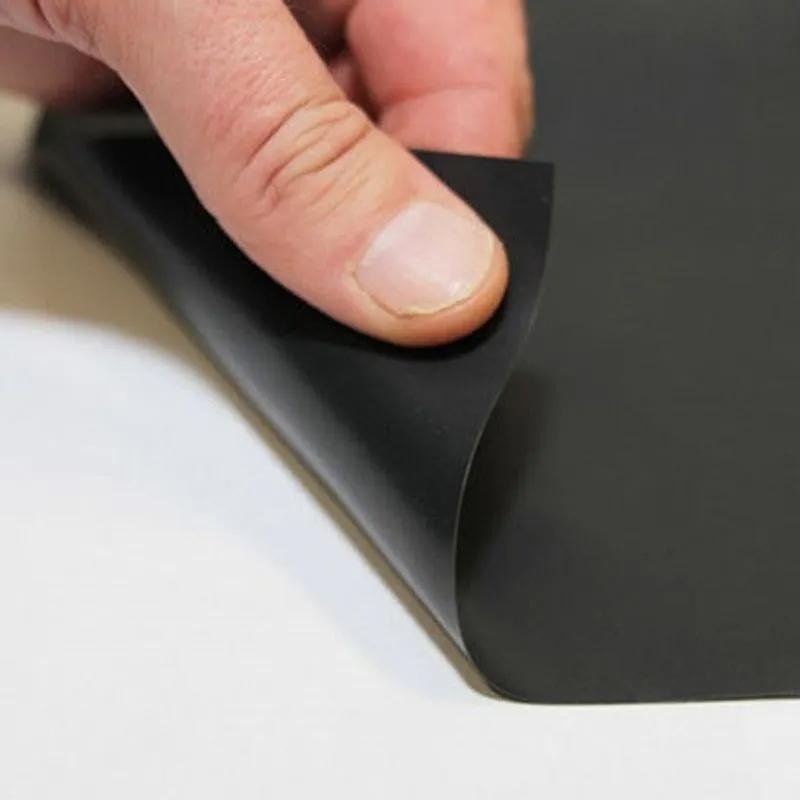
A 30 mil impermeable liner is a sheet material specified at a nominal thickness of 30 mils and designed to provide a barrier to liquid movement.

One mil equals one-thousandth of an inch. Therefore, 30 mil is approximately 0.76 mm thick.

The term “impermeable liner” describes the intended barrier function, while the actual performance depends on the material composition, manufacturing quality, seam integrity, and installation conditions.

Different liner materials, including certain geomembranes, may be considered for containment projects. Buyers should confirm the specific material, thickness tolerance, chemical compatibility, and performance data before ordering.

Common Applications of a 30 Mil Impermeable Liner

The appropriate liner depends on the liquid being contained, the condition of the installation surface, and the project’s design requirements. Potential applications may include the following.

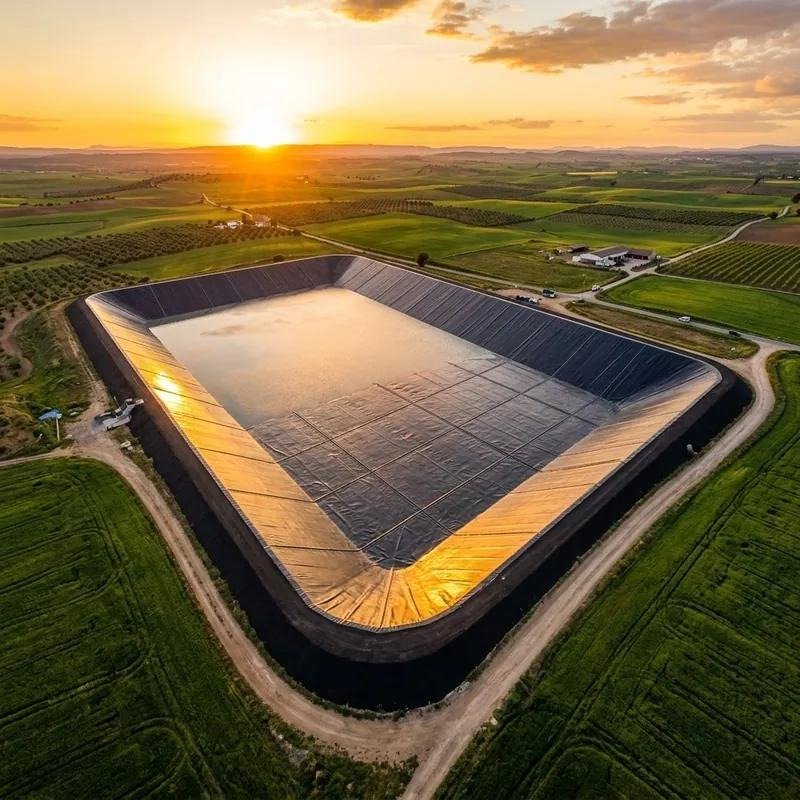
1. Pond and Water Containment

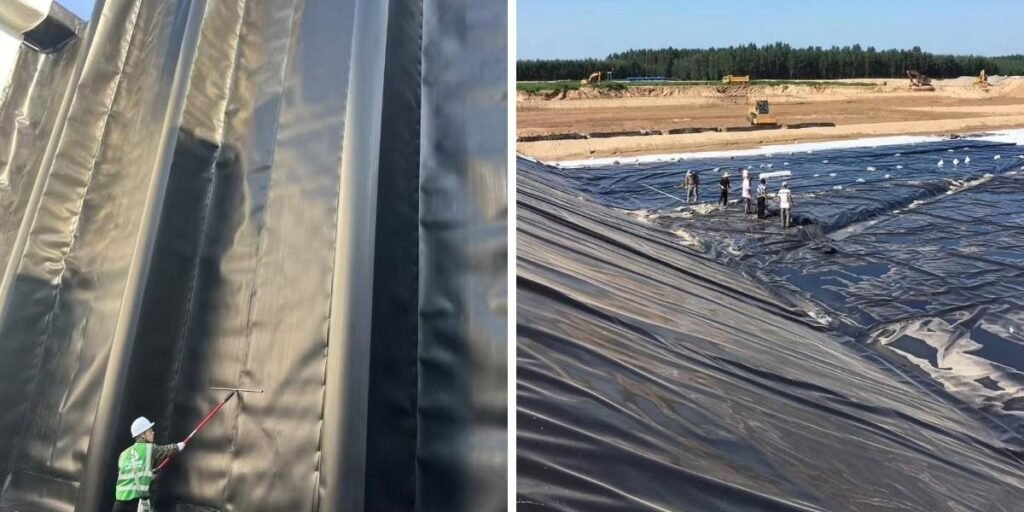
Liners are used in certain pond and water containment systems to help limit seepage through the underlying ground. The selected product must be suitable for the intended water quality, site conditions, and installation method.

2. Agricultural Water Storage

Agricultural projects may require liners for water storage reservoirs and irrigation ponds. Before selecting a 30 mil liner, project owners should evaluate the expected service conditions, exposure, subgrade preparation, and required service life.

3. Decorative Ponds and Landscaping

Some landscaping and decorative pond projects use impermeable liners to help retain water. Flexibility, ease of handling, and compatibility with the pond design are important factors when selecting a product.

4. Liquid Containment Projects

Liners may also form part of containment systems for selected industrial or environmental projects. For applications involving chemicals, wastewater, or potentially hazardous liquids, material compatibility must be verified against the actual liquid composition and operating conditions.

A 30 mil liner should not be assumed suitable for every industrial or environmental containment project. The design engineer should determine the required material and thickness.

Key Benefits of an Impermeable Liner

When appropriately specified and installed, an impermeable liner can provide several practical benefits.

Effective Liquid Containment

A suitable liner helps limit liquid movement through the lined area. The overall system’s performance also depends on seams, penetrations, edges, and other installation details.

Flexible Design Options

Depending on the material, liners can be supplied in sheets or rolls for different site layouts. Product dimensions and handling requirements should be confirmed before installation.

Reduced Seepage

An appropriately selected liner can help reduce water loss through the ground in ponds and reservoirs. Subgrade preparation and proper installation are essential to achieving the intended result.

Adaptability to Different Projects

Impermeable liners are used in a variety of containment designs. However, thickness alone does not determine suitability: material type, chemical resistance, mechanical strength, and environmental exposure must also be considered.

How to Choose the Right 30 Mil Impermeable Liner

Before purchasing a 30 mil impermeable liner, evaluate the following factors.

1. Liner Material

Identify the exact material, such as HDPE, LLDPE, PVC, or another liner type. These materials have different flexibility, chemical compatibility, joining methods, and installation requirements.

Do not select a product based on the phrase “impermeable liner” alone. Request the product data sheet and confirm the material specification.

2. Thickness and Tolerance

A nominal thickness of 30 mil is approximately 0.76 mm. Confirm whether the quoted thickness is nominal or subject to a specified tolerance, and check the applicable product documentation.

3. Chemical Compatibility

For projects involving liquids other than ordinary water, confirm that the liner material is compatible with the specific liquid, its concentration, and the expected temperature.

4. UV and Environmental Exposure

For exposed installations, consider sunlight, temperature fluctuations, and other environmental conditions. UV resistance and expected service life depend on the actual product formulation and exposure conditions.

5. Seam Integrity and Installation

A liner’s performance depends on more than the sheet material. Seam quality, surface preparation, handling, anchoring, and protection from punctures all matter.

Confirm the recommended joining method and installation procedure with the supplier and project engineer.

30 Mil vs. Thicker Liners: What Should Buyers Consider?

A 30 mil liner may be suitable for some applications, while other projects require a thicker or different material.

Thicker liners may offer greater resistance to certain forms of mechanical damage, but thickness alone does not guarantee better overall performance. Material formulation, tensile properties, puncture resistance, seam design, and installation conditions also influence suitability.

When comparing products, consider:

  • Required liquid containment performance
  • Subgrade condition and potential puncture hazards
  • Chemical and temperature exposure
  • Whether the liner will be exposed to sunlight
  • Installation and seam-welding requirements
  • Applicable project standards and design specifications

For demanding containment applications, the liner thickness and material should be determined by the project design rather than by price or thickness alone.

Installation Tips for Impermeable Liners

Correct installation helps the liner achieve its intended function.

  1. Prepare the subgrade: Remove sharp stones, debris, roots, and other objects that could damage the liner.
  2. Inspect the material: Check delivered rolls or sheets for visible damage before installation.
  3. Follow the installation plan: Lay out the liner according to the approved drawings and manufacturer’s instructions.
  4. Use suitable joining methods: Seams must be prepared and joined using a method compatible with the liner material.
  5. Protect the liner: Minimize dragging, punctures, and unnecessary traffic over the installed material.
  6. Inspect seams and details: Check seams, edges, penetrations, and other critical areas using the inspection procedures specified for the project.

Installation requirements vary by material and project. Follow the supplier’s technical guidance and the engineer’s approved specifications.

Why Choose Tinhy Geosynthetics?

Tinhy Geosynthetics focuses on the manufacturing, installation, and research and development of geomembranes and geosynthetics for civil engineering and environmental projects.

When evaluating an impermeable liner, we recommend confirming the required material, nominal thickness, dimensions, performance properties, and installation method before placing an order.

Contact Tinhy Geosynthetics to discuss your project requirements and request relevant product information.

Frequently Asked Questions

How thick is a 30 mil impermeable liner?

A 30 mil liner has a nominal thickness of approximately 0.76 mm. The actual thickness and tolerance should be confirmed using the product specification.

Is a 30 mil liner suitable for a pond?

It may be suitable for some pond designs, but suitability depends on the liner material, pond conditions, expected exposure, and project requirements. Confirm the specification before purchasing.

Is a 30 mil impermeable liner waterproof?

A properly selected liner is designed to provide a barrier to liquid movement. However, overall containment performance also depends on seam integrity, installation quality, and the condition of the complete lining system.

What is the difference between 30 mil and 60 mil liners?

The nominal thickness of a 60 mil liner is twice that of a 30 mil liner. However, this does not mean every 60 mil product will perform twice as well. Material properties, damage resistance, and application requirements must also be considered.

How do I choose a suitable impermeable liner?

Start by identifying the liquid to be contained, site conditions, exposure, design requirements, and installation method. Then compare liner material, thickness, chemical compatibility, mechanical properties, and relevant product documentation.

Conclusion

A 30 mil impermeable liner can be an option for selected liquid containment applications when its material and performance properties meet the project’s requirements. Choosing the right liner requires more than checking nominal thickness: material compatibility, site conditions, seam integrity, and installation quality are equally important.

For product information and project discussions, contact Tinhy Geosynthetics to explore suitable geosynthetic solutions for your requirements.

Knowledge Base
Share:
info@tinhygeosynthetics.com Bai Jinxi
Consultation

    Get The Latest Product Prices

    Your inquiries are welcomed at any time and please feel free to contact us via email, phone calls, and online chatbox on our site.

    We will definitely give you a reply ASAP after we receive your messages.

      0/180