Resources
Company News
Industry News
Knowledge Base
Project Cases
Innovation
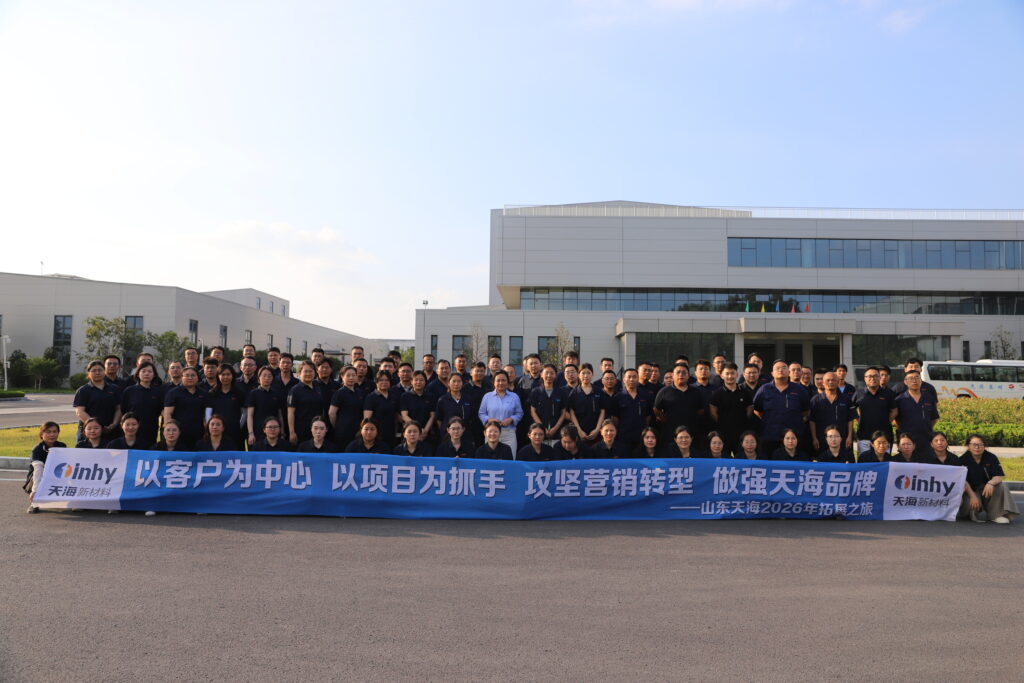
Team Power Fuels TINHY’s Global Geosynthetics Solutions
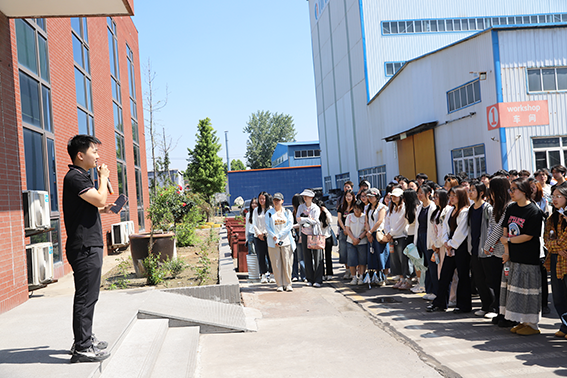
Tinhy and University of Jinan Celebrate Six Years of Industry–University Collaboration
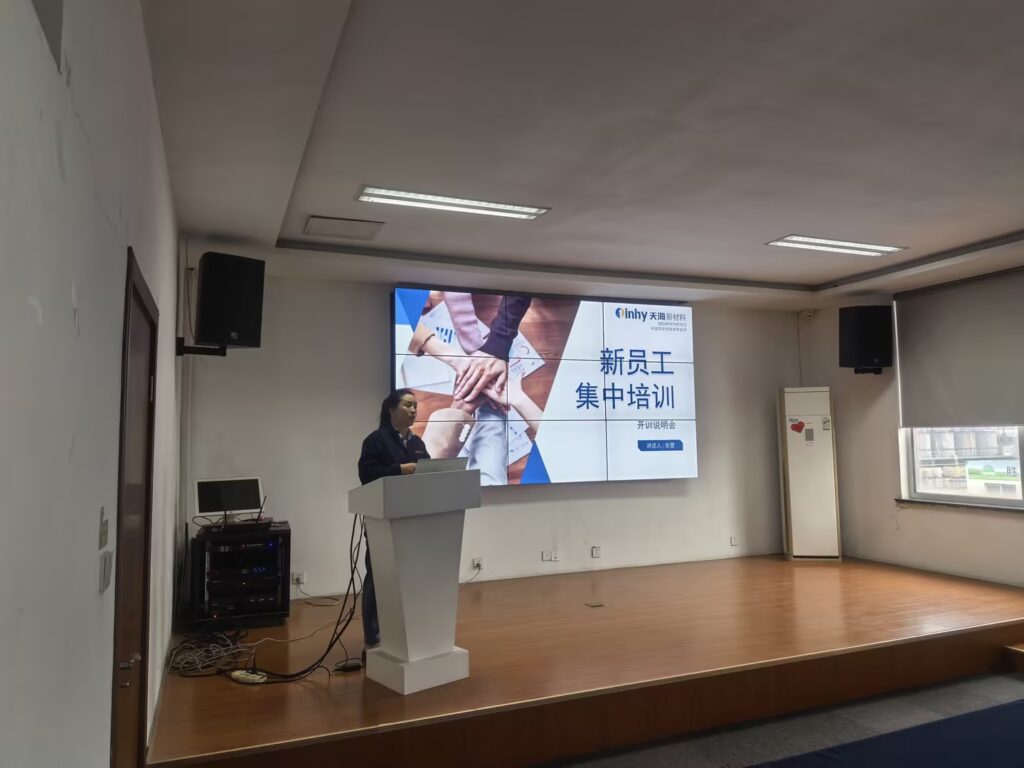
Empowering New Talent, Building the Future: Tinhy Successfully Conducts New Employee Orientation Training
Tinhy Conducts Comprehensive Emergency Drill to Strengthen Workplace Safety Defenses
Company Mid – Year Summary and Team – Building Activity Report
Is geomembrane a geotechnical engineering material?
What are the application scenarios of geomembrane?
What are the functions of geotextiles?
Cómo elegir geomembrana de hdpe en proyectos de ingeniería
How to choose hdpe geomembrane in engineering projects
China’s Geotechnical Construction Materials Embrace New Opportunities
Tips for Moisture-Proof Storage of Geotextiles
Key Construction Points and Precautions for High-Density Polyethylene Geomembrane
what is pond lining material ?
What is geomembrane?
HDPE geomembrane construction plans and technical measures
What quality tests do HDPE geomembranes need to do?
Tinhy’s MDS® Drainage Solution
Installation Robots
Geomembrane Service Life: How Long Does a Geomembrane Last?
Polyethylene Geomembranes: HDPE vs. LLDPE and How to Choose
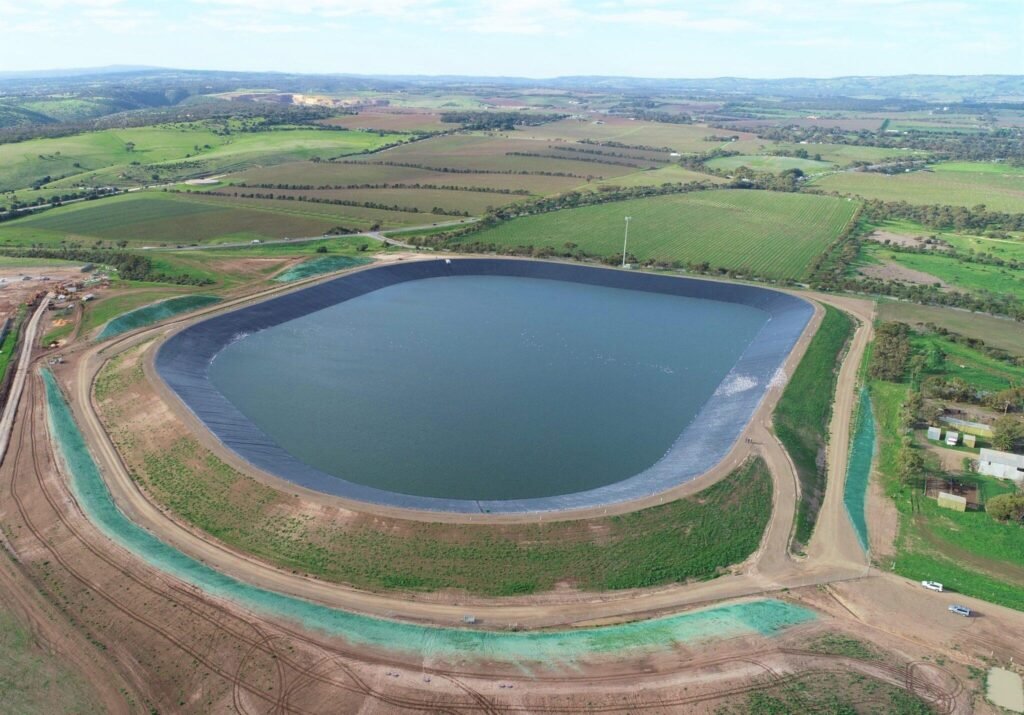
2mm HDPE Liner: Specifications, Applications, and Supplier Selection Guide
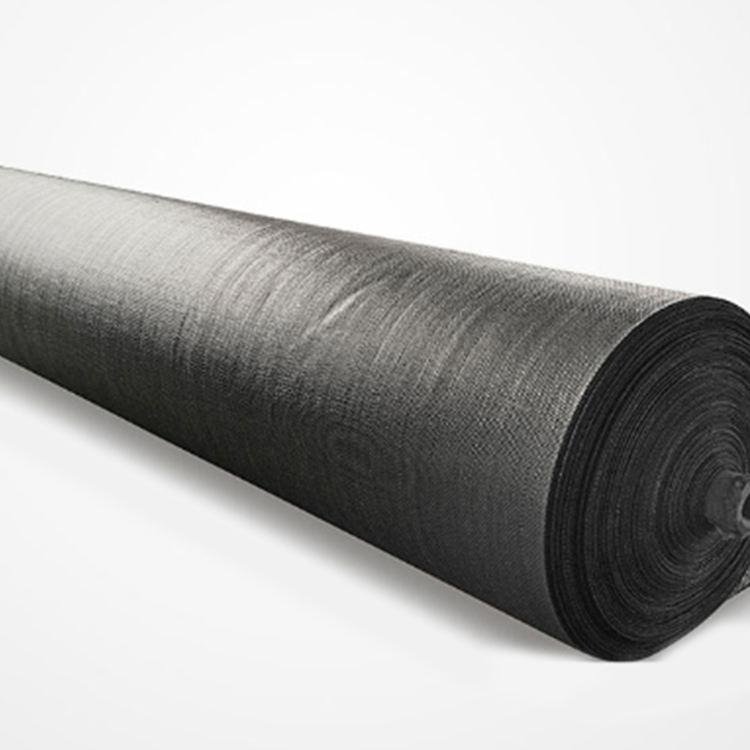
Woven vs. Non Woven Geotextile: Key Differences and How to Choose
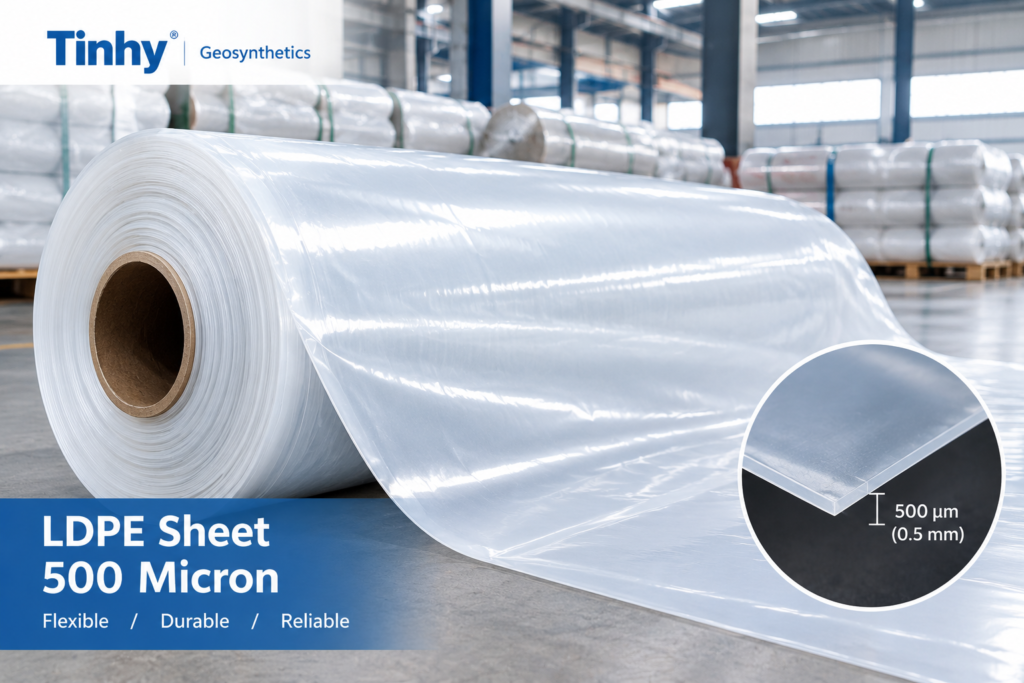
LDPE Sheet 500 Micron Price: Cost Factors, Applications, and Buying Guide
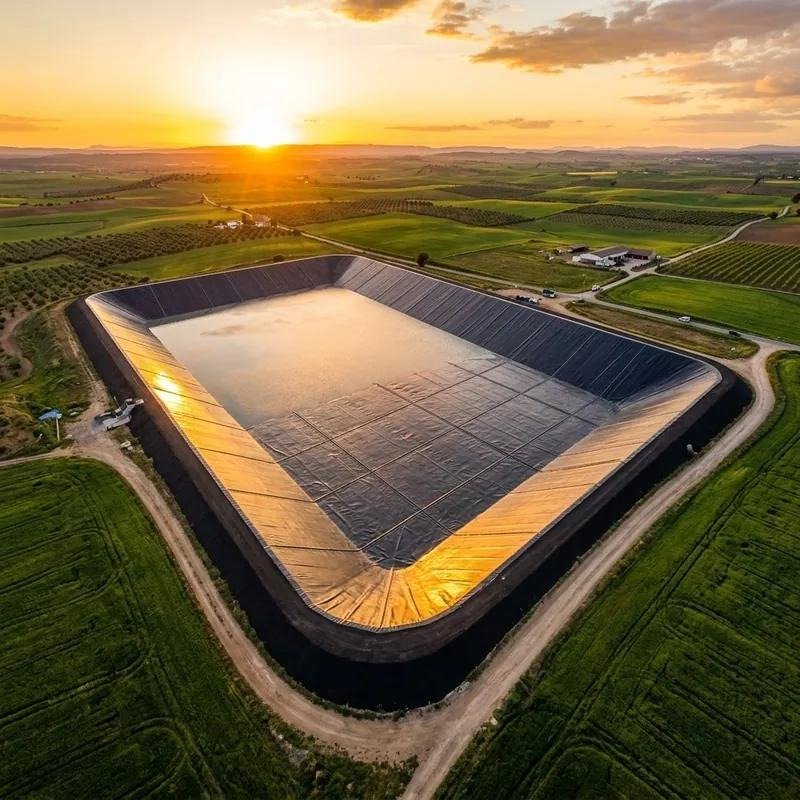
30 Mil Geomembrane: Specifications, Applications, and How to Choose the Right Liner
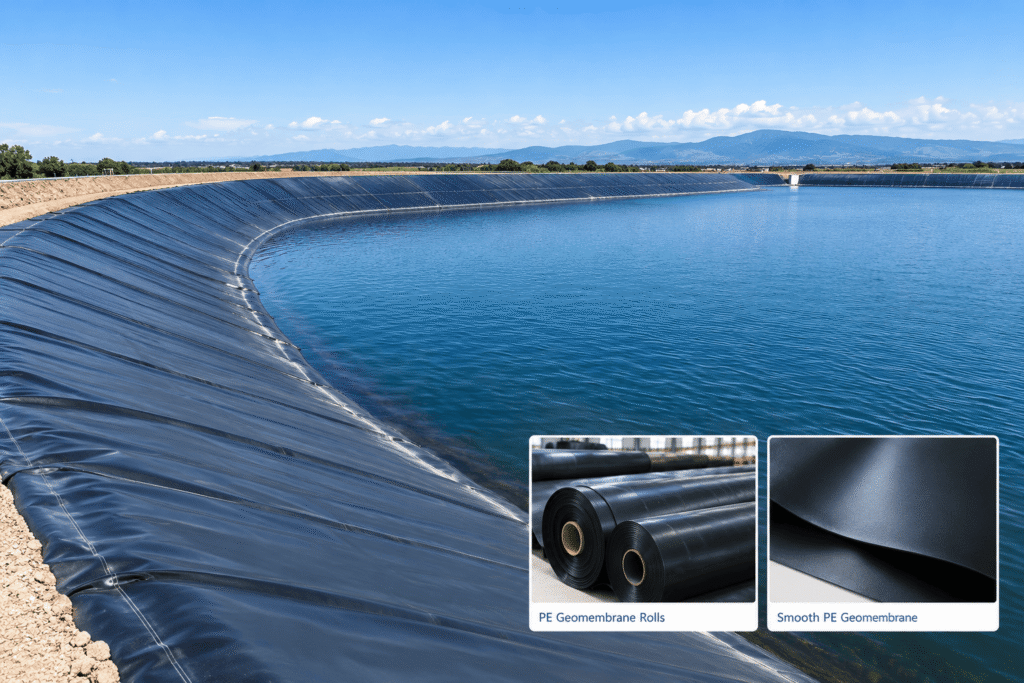
PE Geomembranes: 6 Products to Compare and How to Choose the Right Liner
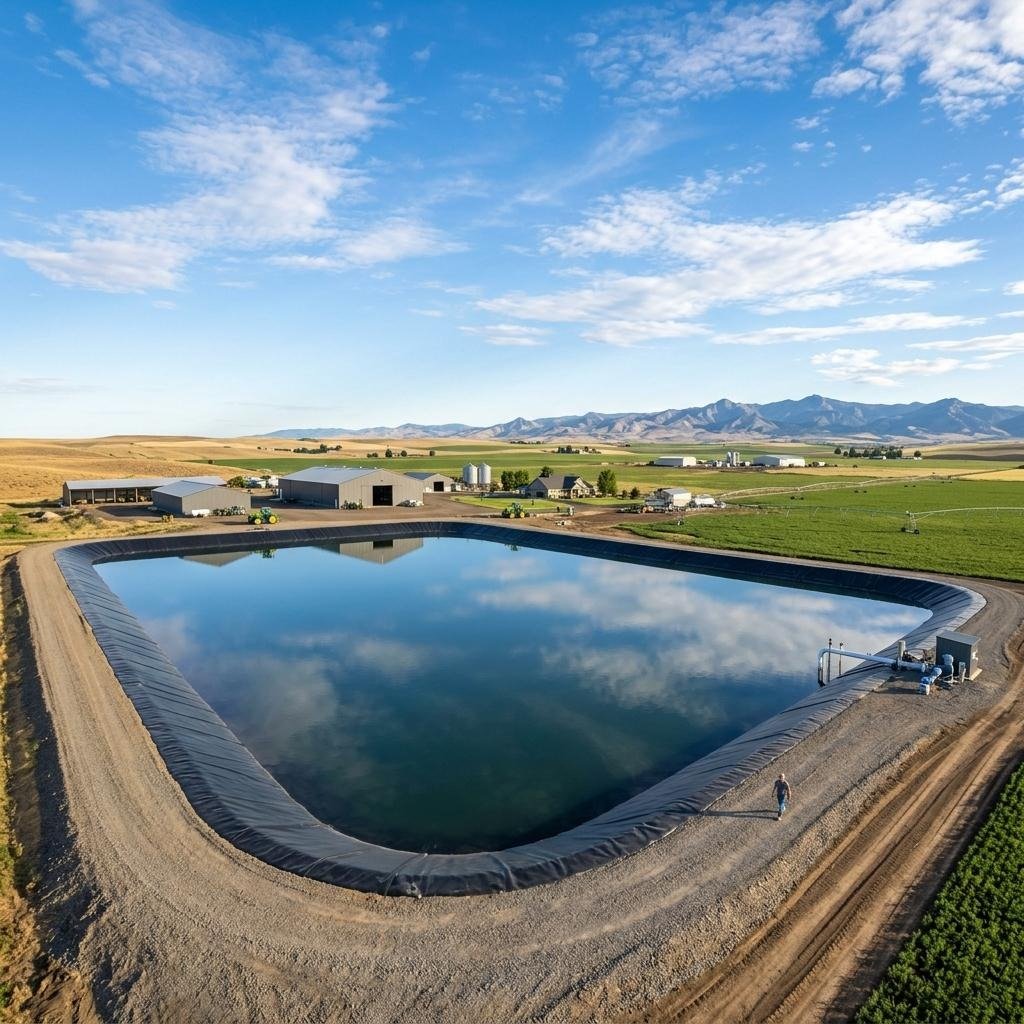
7 Best LLDPE Pond Liner Options for Large Reservoirs: A Buyer’s Guide
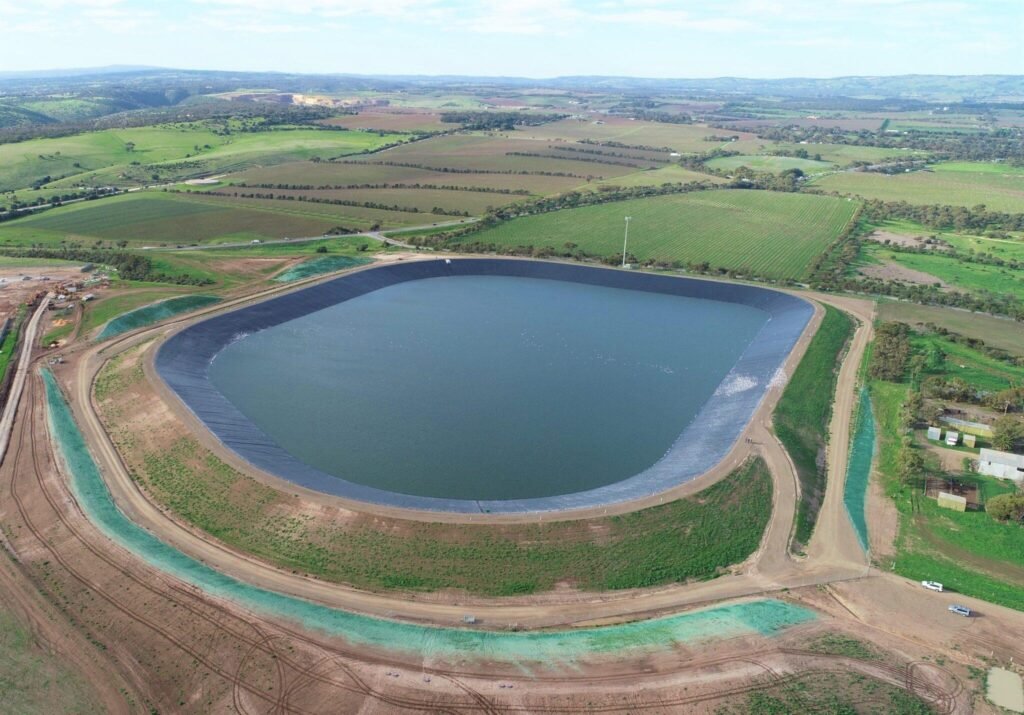
Dam Liner Cost: A Complete Guide to Geomembrane Selection and Budget Planning
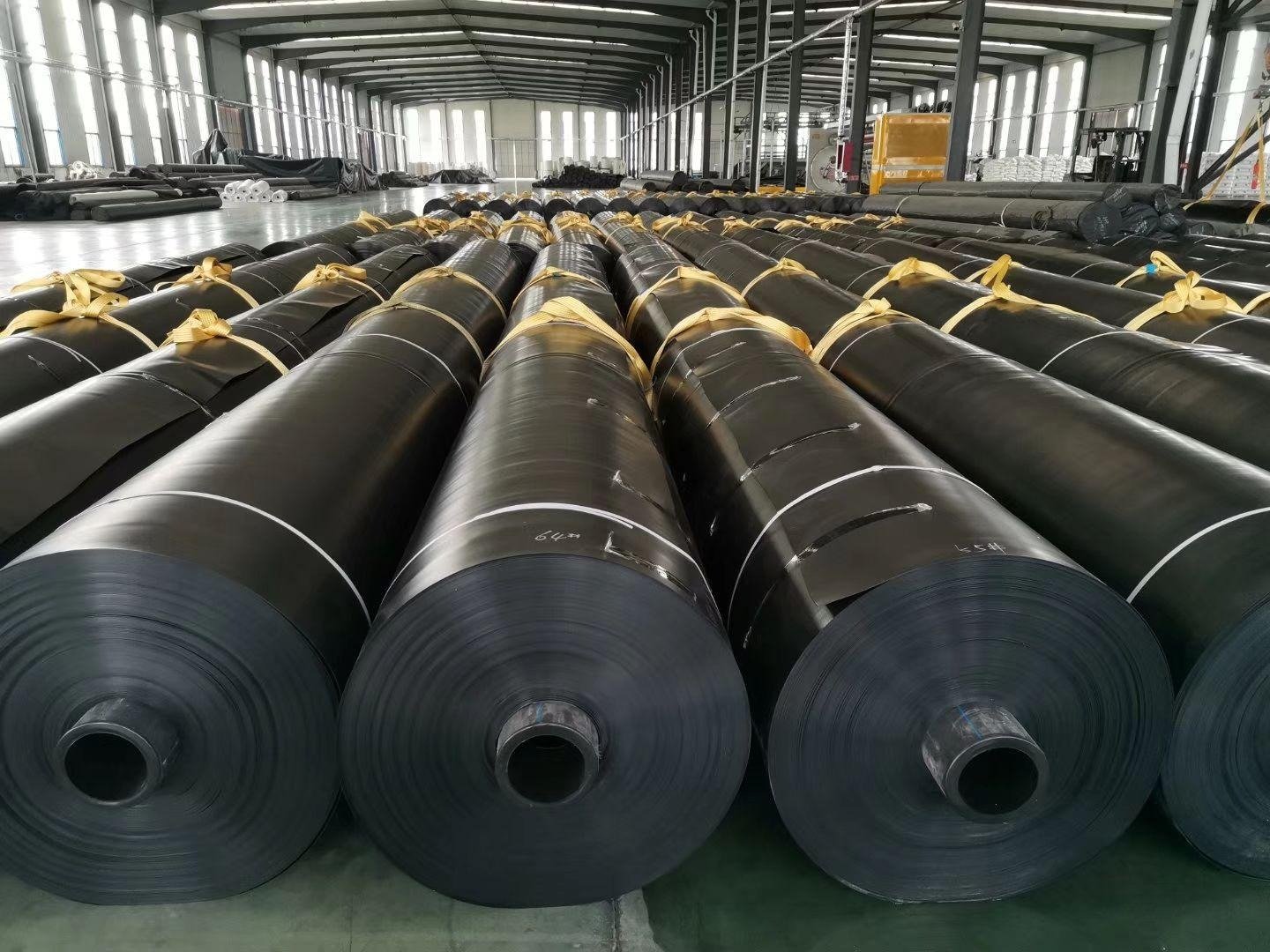
HDPE Pond Liner Suppliers: How to Choose the Right Manufacturer for Your Project
Should HDPE or PVC be used to install geomembrane in reservoirs?
What is the price of geomembrane?
Material characteristics of three different geomembranes
Esquema de construcción de geomembrana de HDPE y medidas técnicas
hdpe geomembrane pond liner in Congo (DRC)
How to lay and weld HDPE geomembrane?
HDPE geomembrane 0.2-4.0mm
HOME ABOUT PRODUCTS APPLICATION CONTENTUS RESOURCES
Home Resources Knowledge Base Geomembrane Service Life: How Long Does a Geomembrane Last?

Geomembrane Service Life: How Long Does a Geomembrane Last?

time:October 27, 2026 Views:6

Geomembrane service life is an important consideration when selecting a liner for water storage, landfills, mining operations, wastewater treatment, agriculture, and industrial containment. A properly designed and installed geomembrane system can provide long-term containment, helping reduce leakage risks, protect surrounding soil and groundwater, and control maintenance costs.

However, how long does a geomembrane last? There is no single answer for every project. The actual service life depends on the geomembrane material, product formulation, thickness, environmental exposure, chemical compatibility, installation quality, and maintenance practices.

In this guide, Tinhy Geosynthetics explains the factors that influence geomembrane durability, how to select a suitable liner, and what project owners and contractors can do to improve long-term performance.

1. What Is Geomembrane Service Life?

Geomembrane service life refers to the period during which a geomembrane continues to meet its intended performance requirements under specified operating conditions.

For containment projects, these requirements typically include:

  • Maintaining an effective hydraulic barrier.
  • Retaining sufficient mechanical strength and integrity.
  • Resisting environmental exposure and relevant chemicals.
  • Maintaining reliable seams, connections, and penetration details.
  • Meeting the project’s applicable design and performance specifications.

The condition of the geomembrane sheet alone does not determine whether a containment system is performing properly. Welded seams, anchor trenches, pipe penetrations, subgrade conditions, protective layers, and drainage systems can all affect overall performance.

It is therefore important to evaluate the entire liner system rather than relying only on the expected lifespan of the polymer material.

2. How Long Does a Geomembrane Last?

The service life of a geomembrane varies according to its material properties, design conditions, and installation environment. Different materials offer different combinations of flexibility, chemical resistance, and weathering performance.

Geomembrane Type General Characteristics Common Considerations
HDPE Geomembrane High chemical resistance and good UV resistance when properly formulated Suitable for many demanding containment projects; flexibility and installation conditions must be considered
LLDPE Geomembrane Greater flexibility and deformation accommodation in many formulations Useful where flexibility and conformity to the subgrade are important
PVC Geomembrane Flexible and adaptable to certain project requirements Long-term performance depends on formulation, plasticizer stability, and exposure conditions
EPDM Membrane High elasticity and weather resistance Often considered for applications requiring a flexible membrane system
Composite Geomembrane Combines a barrier layer with one or more geosynthetic components Performance depends on the composite structure, materials, and project design

Can a geomembrane last 50 years or more?

A properly designed and protected geomembrane system may be intended to provide service over several decades. However, a statement such as “50 years of service life” should not be treated as a universal guarantee for every geomembrane or project.

An exposed liner in a hot, high-UV environment may age differently from a buried or otherwise protected liner. Chemical exposure, sustained stress, construction damage, and seam quality can also influence long-term performance.

For reliable service-life planning, engineers should review the product’s technical data, relevant durability test results, expected operating conditions, and project-specific requirements.

3. What Factors Affect Geomembrane Service Life?

3.1 Raw Material and Manufacturing Quality

Polymer resin quality and the product formulation influence the durability of a geomembrane. Stabilizers, antioxidants, and other formulation components can help a suitable material resist environmental aging.

For HDPE geomembranes, carbon black and antioxidant systems are important considerations when evaluating UV resistance and oxidative stability.

Buyers should review relevant material specifications, manufacturing quality-control procedures, and test reports. Product selection should be based on documented performance requirements rather than price alone.

3.2 Geomembrane Thickness

Thickness affects a geomembrane’s resistance to puncture, handling damage, and certain mechanical stresses.

A thinner liner may meet the requirements of some lower-stress applications, while landfills, mining facilities, and industrial containment projects may require thicker materials or additional protective layers.

However, choosing the thickest available geomembrane does not automatically produce the best liner system. The appropriate thickness depends on the subgrade, loading conditions, installation methods, chemical environment, and applicable engineering specifications.

3.3 UV Radiation and Temperature

Ultraviolet radiation and elevated temperatures can accelerate polymer aging.

Exposed ponds, reservoirs, and uncovered containment facilities may experience different aging conditions from geomembranes protected by a designed cover system.

Temperature also affects material behavior and the rate of oxidative aging. When selecting a liner, consider the expected climate, seasonal temperature range, operating temperature, and duration of exposure.

Where appropriate, protective cover layers and other design measures can help reduce exposure-related damage. Their suitability should be confirmed against the project’s design requirements.

3.4 Chemical Compatibility

Geomembranes used in landfills, wastewater treatment, mining, and industrial facilities may be exposed to complex chemical environments.

Acids, alkalis, salts, hydrocarbons, and other process chemicals can affect different polymers in different ways. Compatibility may also depend on chemical concentration, temperature, exposure duration, and mechanical stress.

Do not assume that a geomembrane suitable for clean-water storage will perform equally well in every industrial or mining application.

Before purchasing, identify the expected chemicals and operating conditions, then evaluate the proposed material against relevant compatibility data and project requirements.

3.5 Subgrade and Mechanical Stress

A poorly prepared foundation can increase the risk of punctures, localized stress, and damage during installation or operation.

Sharp stones, roots, debris, uneven surfaces, differential settlement, and excessive tension can all affect liner integrity.

Proper grading and compaction, together with a suitable protective geotextile where required, can help reduce mechanical damage. Protection requirements should be determined by the project design and site conditions.

3.6 Installation and Seam Quality

Even a high-quality geomembrane can experience premature failure if installation is poorly controlled.

Common risks include:

  • Inadequate subgrade preparation.
  • Damage during unloading or panel deployment.
  • Poorly executed welds or connections.
  • Incorrect handling of wrinkles and thermal movement.
  • Damage from construction equipment or overlying materials.
  • Inadequate inspection and testing.

Installation should follow approved procedures and the manufacturer’s recommendations. Qualified technicians, trial welds where required, appropriate seam testing, and documented quality assurance can help reduce installation-related risks.

4. How to Extend Geomembrane Service Life

Although no liner can be guaranteed to last indefinitely, appropriate material selection, construction controls, and maintenance can help improve long-term performance.

Choose the Right Material

Select the geomembrane according to the intended use, chemical exposure, temperature, UV conditions, subgrade, and mechanical requirements. Compare relevant technical specifications before making a purchasing decision.

Prepare the Subgrade Properly

Remove sharp objects and debris, and prepare the foundation according to the project specifications. Where required, install a suitable geotextile protection layer to help reduce puncture and abrasion risks.

Control Welding and Seam Testing

Use compatible welding methods and approved installation procedures. Inspect completed seams and perform appropriate nondestructive and destructive tests as required by the project’s quality assurance plan.

Seam inspection is particularly important because a defect at a joint or connection can compromise the containment system even when the surrounding sheet remains in good condition.

Provide Appropriate Protection

Depending on the design, protective geotextiles, cover soils, drainage systems, or other engineered measures may help reduce mechanical damage and environmental exposure.

Protection must be compatible with the geomembrane and the intended operating conditions. Cover materials should not introduce additional puncture or stress risks.

Inspect and Maintain the Liner

Establish an inspection and maintenance plan appropriate to the project.

For accessible or exposed liners, inspections may include checking for visible tears, punctures, damaged seams, settlement, and problems around penetrations or anchor areas.

Any suspected defect should be evaluated and repaired using a suitable method. Inspection records and repair documentation can also support long-term asset management.

5. How to Choose a Geomembrane for Long-Term Performance

Selecting a suitable geomembrane requires more than comparing prices or nominal thicknesses. Buyers should evaluate the proposed product against the project’s technical and operating requirements.

Before requesting a quotation, prepare the following information:

  • Application: Reservoir, landfill, mining, wastewater, agricultural pond, or another use.
  • Material: HDPE, LLDPE, or another suitable membrane type.
  • Thickness: The required thickness based on the design specification.
  • Surface type: Smooth or textured, where applicable.
  • Exposure conditions: Exposed, covered, buried, or subject to specific chemicals and temperatures.
  • Project quantity: Required area, roll dimensions, and estimated delivery schedule.
  • Quality requirements: Applicable standards, technical data, testing, and inspection documentation.

A reliable supplier should be able to provide relevant product information and help buyers compare available options against their stated requirements.

For projects with demanding chemical, temperature, or mechanical conditions, seek engineering input before finalizing the material selection.

6. Geomembrane Solutions from Tinhy Geosynthetics

Tinhy Geosynthetics specializes in the manufacturing, installation, and R&D of geomembranes and geosynthetics. Its product range includes HDPE geomembranes and other geosynthetic materials for different project requirements.

When evaluating a geomembrane for long-term use, buyers should confirm the product type, thickness, technical specifications, relevant test reports, and compatibility with the intended operating environment.

Tinhy can work with customers to discuss their project requirements and identify suitable product options for further technical evaluation.

For a geomembrane quotation, prepare your required material, thickness, quantity, project application, and any applicable technical specifications.

Contact Tinhy Geosynthetics to discuss your geomembrane requirements and request product information for your next project.

7. Frequently Asked Questions About Geomembrane Service Life

How many years does an HDPE geomembrane last?

The service life of an HDPE geomembrane depends on its formulation, installation, exposure conditions, chemical environment, and maintenance. Some systems are designed for service over several decades, but a specific lifespan should not be assumed without evaluating the product and project conditions.

Does a thicker geomembrane last longer?

Not necessarily. Greater thickness can improve resistance to certain mechanical stresses, but service life also depends on material formulation, environmental exposure, chemical compatibility, installation quality, and seam integrity.

Does sunlight affect geomembrane service life?

Yes. UV exposure can contribute to polymer aging. The effect depends on the material formulation, exposure duration, climate, and whether the liner is protected by a suitable cover system.

Can a damaged geomembrane be repaired?

Many localized defects can be repaired using an appropriate method compatible with the geomembrane material and the condition of the surrounding liner. The repair should be inspected and tested as required by the project specifications.

How can I choose the right geomembrane for my project?

Start with the application, chemical environment, operating temperature, subgrade conditions, and applicable design specifications. Then compare material type, thickness, mechanical properties, durability data, and quality documentation with the help of a qualified engineer or supplier.

Conclusion

Geomembrane service life depends on the performance of the complete liner system, not simply the material name or thickness. Raw material quality, UV exposure, temperature, chemical compatibility, subgrade conditions, seam integrity, installation, and maintenance all influence long-term reliability.

HDPE geomembranes are widely considered for demanding containment applications because of their chemical resistance and durability. LLDPE and other membrane types may also be suitable when their properties match the project requirements.

By selecting the right material, following appropriate installation procedures, and implementing a practical inspection plan, project owners and contractors can reduce avoidable damage and improve the reliability of their containment systems.

Looking for a geomembrane solution for your next project? Contact Tinhy Geosynthetics to discuss your specifications and request a quotation.

Knowledge Base
Share:
info@tinhygeosynthetics.com Bai Jinxi
Consultation

    Get The Latest Product Prices

    Your inquiries are welcomed at any time and please feel free to contact us via email, phone calls, and online chatbox on our site.

    We will definitely give you a reply ASAP after we receive your messages.

      0/180