Resources
Company News
Industry News
Knowledge Base
Project Cases
Innovation
Team Power Fuels TINHY’s Global Geosynthetics Solutions
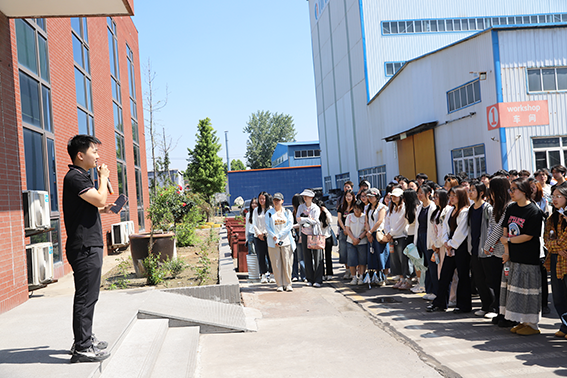
Tinhy and University of Jinan Celebrate Six Years of Industry–University Collaboration
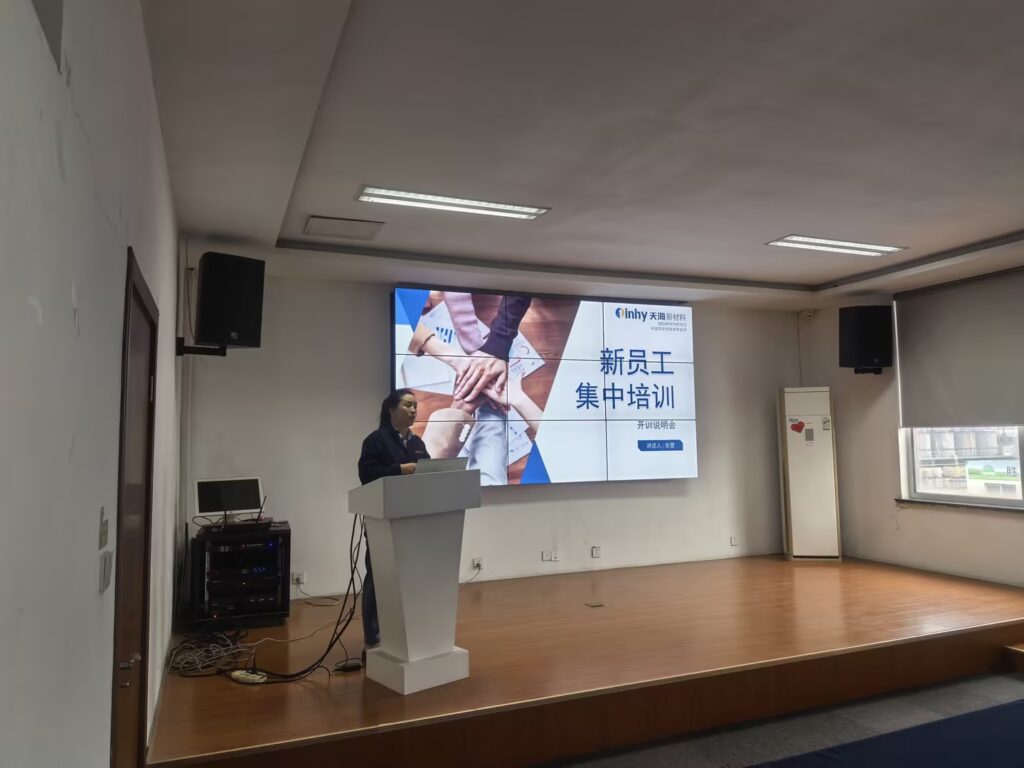
Empowering New Talent, Building the Future: Tinhy Successfully Conducts New Employee Orientation Training
Tinhy Conducts Comprehensive Emergency Drill to Strengthen Workplace Safety Defenses
Company Mid – Year Summary and Team – Building Activity Report
Is geomembrane a geotechnical engineering material?
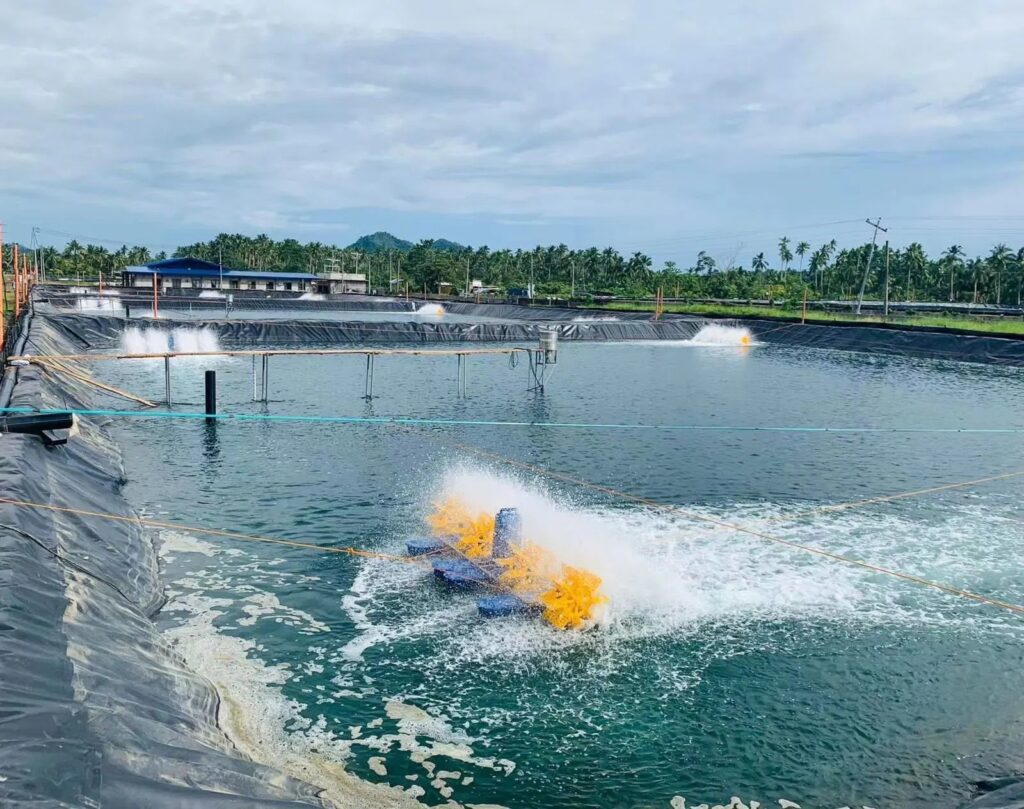
What are the application scenarios of geomembrane?
What are the functions of geotextiles?
Cómo elegir geomembrana de hdpe en proyectos de ingeniería
How to choose hdpe geomembrane in engineering projects
China’s Geotechnical Construction Materials Embrace New Opportunities
Tips for Moisture-Proof Storage of Geotextiles
Key Construction Points and Precautions for High-Density Polyethylene Geomembrane
what is pond lining material ?
What is geomembrane?
HDPE geomembrane construction plans and technical measures
What quality tests do HDPE geomembranes need to do?
Tinhy’s MDS® Drainage Solution
Installation Robots
2mm HDPE Liner: Specifications, Applications, and Supplier Selection Guide
Woven vs. Non Woven Geotextile: Key Differences and How to Choose
LDPE Sheet 500 Micron Price: Cost Factors, Applications, and Buying Guide
30 Mil Geomembrane: Specifications, Applications, and How to Choose the Right Liner
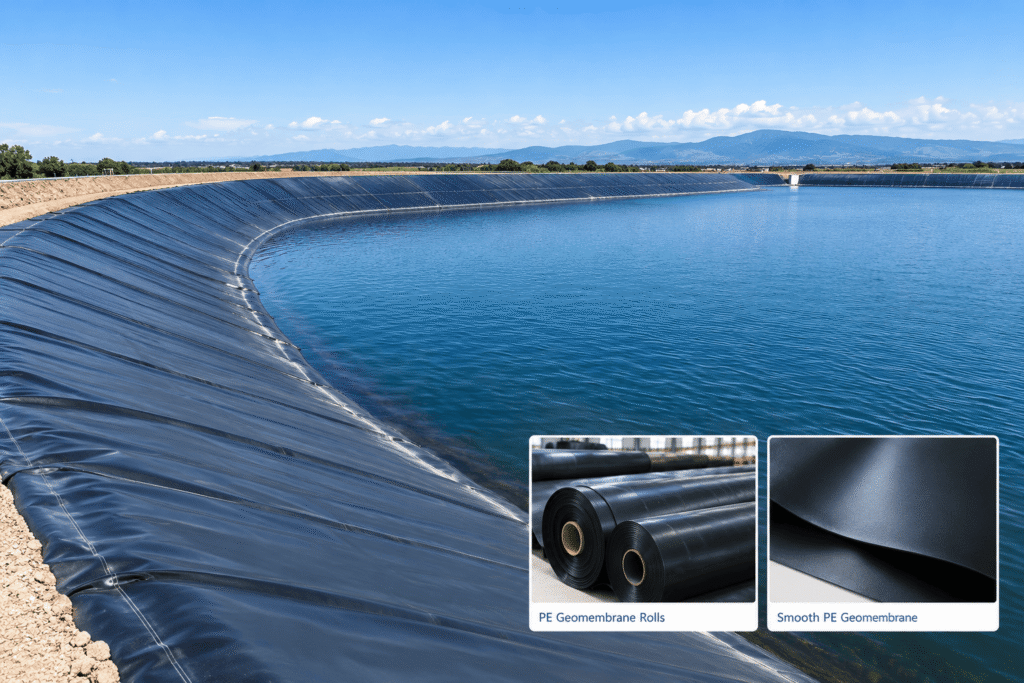
PE Geomembranes: 6 Products to Compare and How to Choose the Right Liner
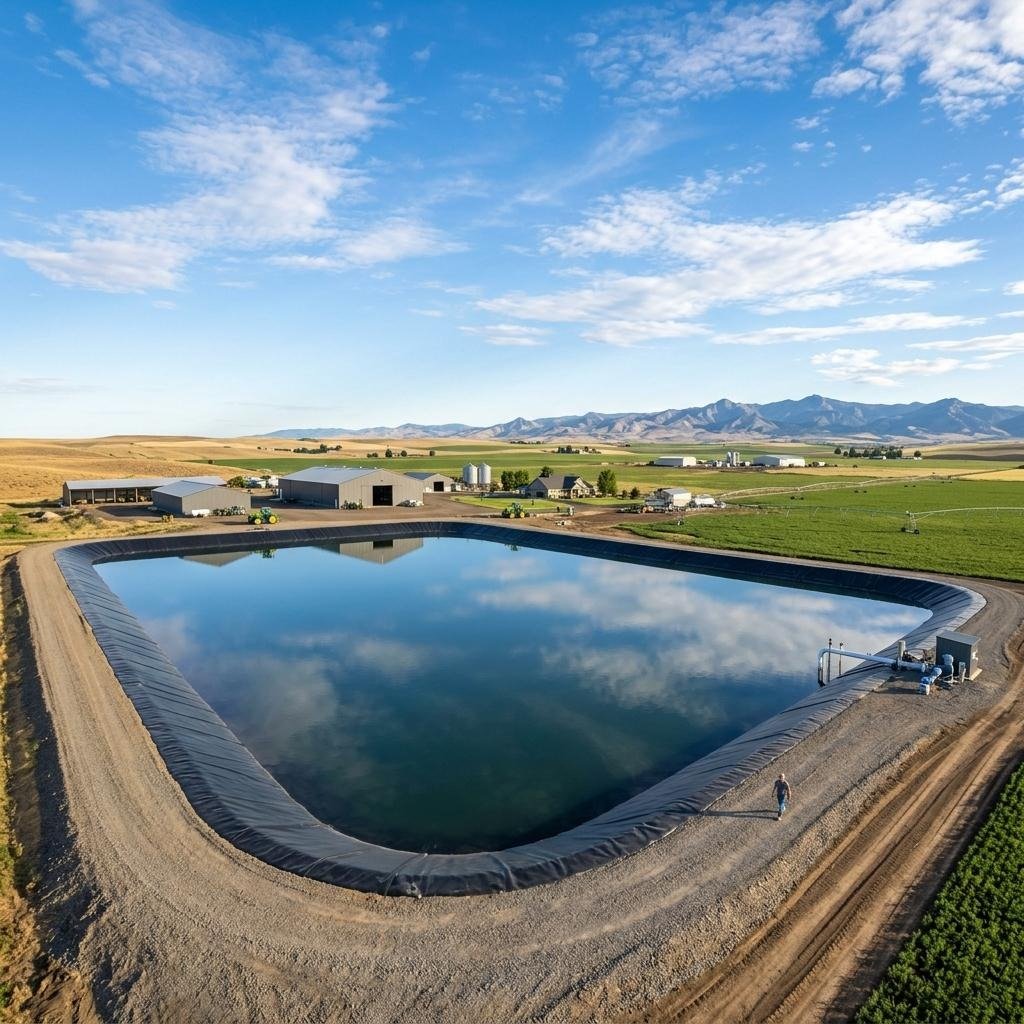
7 Best LLDPE Pond Liner Options for Large Reservoirs: A Buyer’s Guide
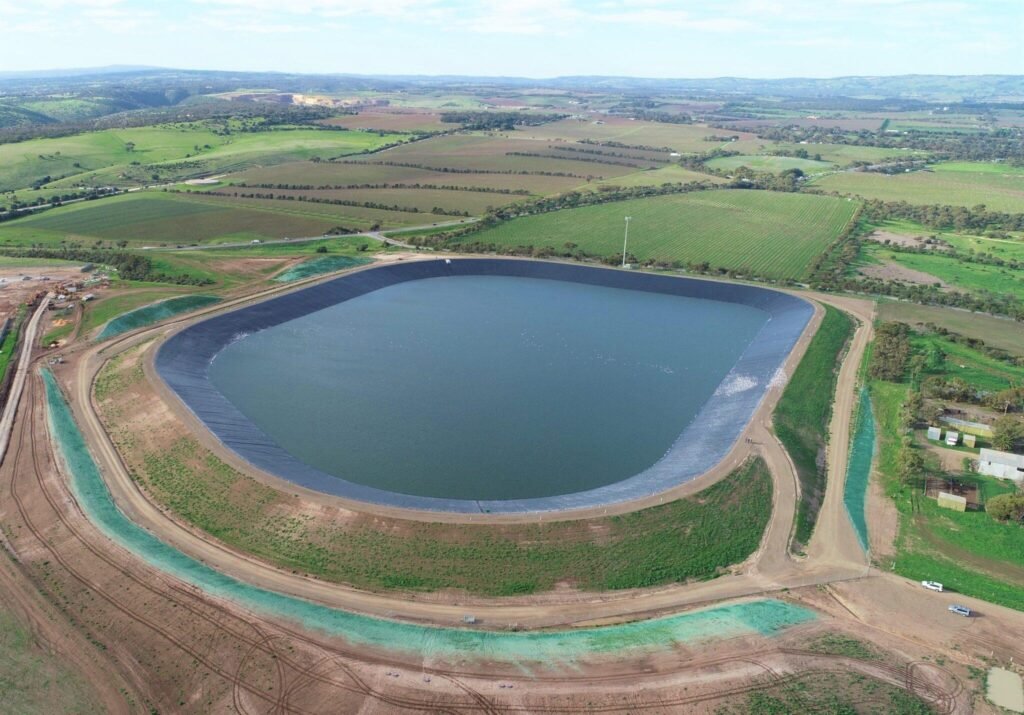
Dam Liner Cost: A Complete Guide to Geomembrane Selection and Budget Planning
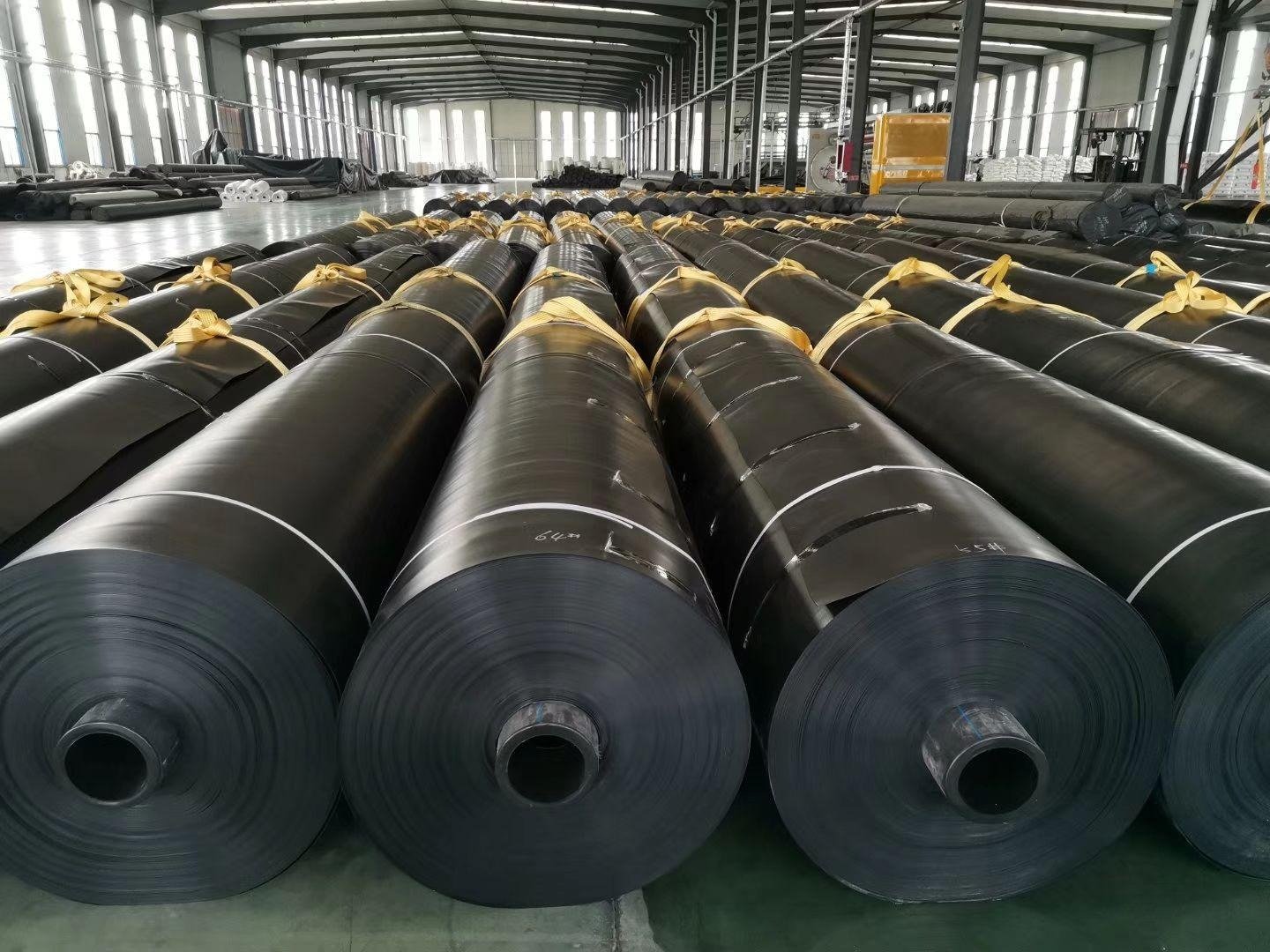
HDPE Pond Liner Suppliers: How to Choose the Right Manufacturer for Your Project
Geo Textiles: Types, Applications, Benefits & Selection Guide
PP Woven Geotextiles: Properties, Applications & Selection Guide
Should HDPE or PVC be used to install geomembrane in reservoirs?
What is the price of geomembrane?
Material characteristics of three different geomembranes
Esquema de construcción de geomembrana de HDPE y medidas técnicas
hdpe geomembrane pond liner in Congo (DRC)
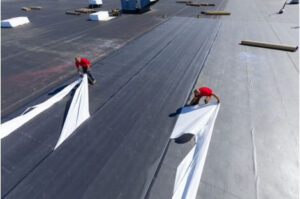
How to lay and weld HDPE geomembrane?
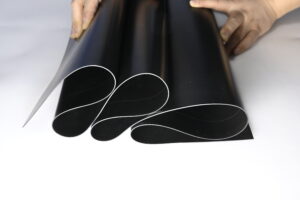
HDPE geomembrane 0.2-4.0mm
HOME ABOUT PRODUCTS APPLICATION CONTENTUS RESOURCES
Home Resources Knowledge Base 2mm HDPE Liner: Specifications, Applications, and Supplier Selection Guide

2mm HDPE Liner: Specifications, Applications, and Supplier Selection Guide

time:October 24, 2026 Views:24

A 2mm HDPE liner, also known as an 80 mil HDPE liner, is a heavy-duty polyethylene lining material used in engineered containment projects. Its combination of mechanical strength, chemical resistance, and low permeability makes it a common option for landfills, mining facilities, industrial ponds, reservoirs, and wastewater containment systems.

However, specifying a 2mm liner involves more than choosing a thickness. Buyers and engineers should consider material properties, applicable standards, surface finish, installation conditions, seam quality, and project-specific requirements.

In this guide, Tinhy Geosynthetics explains the key characteristics of 2mm HDPE liners, the technical specifications buyers should review, and how to compare suppliers for demanding containment projects.

1. What Is a 2mm HDPE Geomembrane Liner?

HDPE stands for high-density polyethylene. An HDPE geomembrane is a low-permeability synthetic liner designed to limit the movement of liquids or other substances through a containment system.

A nominal 2mm HDPE geomembrane has a thickness of 2.0 millimeters, equivalent to approximately 80 mil. It is commonly considered for projects that require a robust liner and reliable quality control during installation.

Key Characteristics

  • Low permeability: Helps control seepage when properly designed and installed.
  • Mechanical strength: Provides resistance to tensile and puncture forces according to its specified properties.
  • Chemical resistance: Suitable for many chemical environments, subject to compatibility assessment.
  • Weathering resistance: Formulations containing appropriate stabilizers can support outdoor exposure.
  • Weldable seams: Compatible sheets can be joined using suitable thermal welding procedures.
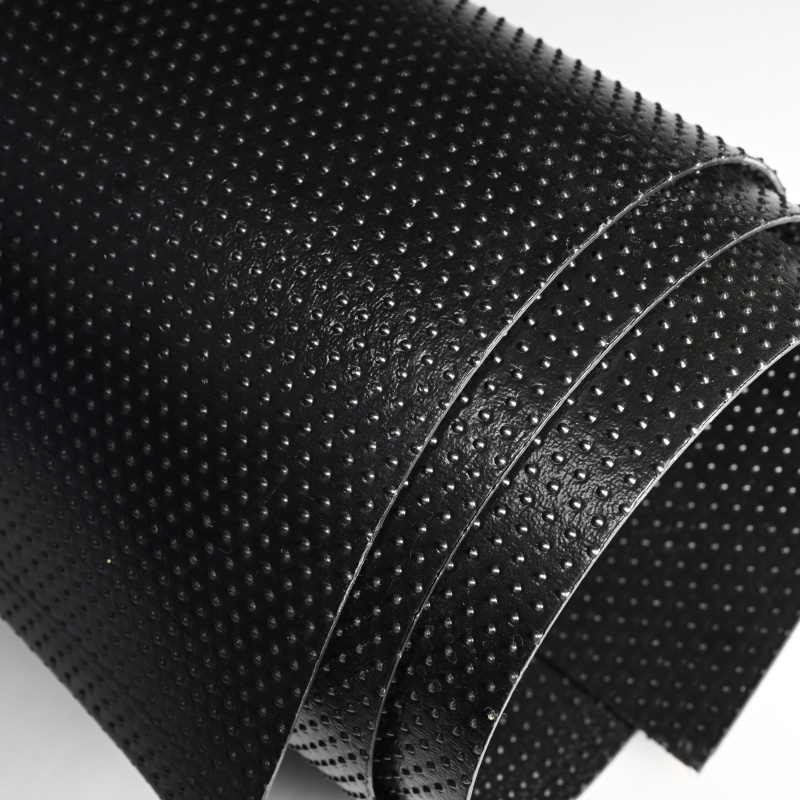
  • Multiple surface options: Available in smooth and textured finishes, depending on product specifications.

Actual performance depends on resin formulation, manufacturing quality, installation, exposure conditions, and the design of the complete containment system.

2. Why Choose a 2mm HDPE Liner?

The appropriate liner thickness depends on the project design, loading conditions, subgrade, chemical exposure, and applicable regulations.

A 2mm HDPE liner may be considered when the project requires additional material thickness and mechanical robustness compared with thinner options.

2.1 Mechanical Resistance

A suitably specified 2mm liner can provide substantial tensile, tear, and puncture resistance. These properties are important during handling, deployment, welding, and placement of overlying materials.

Thickness alone, however, does not guarantee performance. Buyers should compare the actual mechanical test results for the proposed product.

2.2 Chemical Compatibility

HDPE is resistant to many common chemicals, but no single geomembrane should be assumed to be compatible with every substance or concentration.

For mining leachates, industrial wastewater, or aggressive process liquids, evaluate the chemical composition, concentration, temperature, exposure duration, and relevant compatibility data before selecting the liner.

2.3 Installation and Welding

HDPE geomembranes are commonly joined using hot-wedge welding for suitable sheet configurations. Extrusion welding is often used for details, repairs, and connections where appropriate.

A thicker liner requires welding parameters to be adjusted for the material, equipment, and site conditions. Trial seams, seam testing, and documented construction quality assurance are important for verifying installation quality.

2.4 Long-Term Containment

Service life depends on resin quality, antioxidant formulation, UV exposure, temperature, chemical conditions, installation quality, and maintenance.

Avoid relying on a universal lifespan estimate. For critical projects, request the technical documentation required by the design specification and assess the expected service conditions.

3. Key Technical Specifications for 2mm HDPE Liners

One reference point for smooth HDPE geomembranes is the Geosynthetic Institute’s GRI-GM13 specification. The exact requirements applicable to a project should be checked against the current standard, including its thickness category, test methods, and acceptance criteria.

The following properties are commonly reviewed when evaluating a 2mm HDPE liner.

Property Why it matters
Nominal thickness Confirms the specified material thickness and tolerance
Density Helps characterize the polyethylene formulation
Tensile yield strength Measures resistance to tensile loading before yielding
Tensile break strength Measures tensile resistance at break
Elongation at break Indicates the material’s extension before rupture
Tear resistance Evaluates resistance to tear propagation
Puncture resistance Helps assess resistance to localized penetration
Stress-crack resistance Evaluates resistance to environmental stress cracking under a specified test
Carbon-black content and dispersion Relevant to UV protection in black geomembranes
Oxidative induction time (OIT) Provides information about antioxidant protection under a specified test

The reference article lists indicative values for 2mm smooth HDPE geomembranes, including tensile yield strength around 29 kN/m, tensile break strength around 53 kN/m, elongation at break of at least 700%, tear resistance around 249 N, and puncture resistance around 640 N.

Important: These figures should not be treated as a universal specification for every product. Confirm the current applicable GRI-GM13 requirements, test methods, and minimum average roll values before using any figures in a project specification or purchase order. Textured products may have different acceptance criteria from smooth products.

What Should Buyers Request?

Before ordering, ask the supplier for:

  • A product-specific technical data sheet
  • Relevant third-party test reports, where required
  • Thickness and roll-dimension information
  • Material and formulation details relevant to the project
  • Applicable standard and conformity documentation
  • Quality-control and installation guidance

Comparing documented results is more reliable than relying on a generic product description.

4. Smooth vs. Textured 2mm HDPE Geomembrane

Smooth and textured HDPE geomembranes serve different design needs.

Smooth HDPE Geomembrane

Smooth geomembranes have a relatively even surface and are widely used in containment systems where the design permits a smooth liner surface.

Typical considerations include:

  • Consistent sheet surface
  • Suitability for thermal welding
  • Project-specific tensile and puncture requirements
  • Ease of handling and deployment

Textured HDPE Geomembrane

Textured geomembranes have a surface designed to increase interface friction with adjacent materials under suitable conditions.

They may be considered for sloped applications where interface shear resistance is an important design requirement.

Selection should account for the type of adjacent soil or geosynthetic, normal stress, slope angle, and relevant interface shear test results. Surface texture alone does not establish the safety of a slope.

5. Applications of 2mm HDPE Liners

5.1 Landfill Containment

HDPE geomembranes can form part of a landfill lining system designed to control leachate migration. The complete system may also include compacted clay or geosynthetic clay liners, drainage layers, geotextiles, and other components.

The required thickness and material properties depend on the applicable regulations and project design.

5.2 Mining and Tailings Facilities

Mining projects may use HDPE geomembranes in process ponds, heap-leach facilities, and selected tailings containment systems.

Material selection should consider the chemical composition of the process liquids, the expected loading, subgrade conditions, and the construction quality assurance plan.

5.3 Water Reservoirs and Industrial Ponds

HDPE geomembranes can be used to help reduce seepage in engineered water reservoirs, irrigation ponds, and industrial water containment facilities.

Important considerations include subgrade preparation, anchoring, slope design, seam quality, and protection against mechanical damage.

5.4 Wastewater and Industrial Containment

For wastewater lagoons and industrial containment structures, buyers should confirm chemical compatibility and applicable environmental requirements before specifying the liner.

The geomembrane should be selected as part of the complete containment design rather than as a standalone material choice.

6. How to Compare 2mm HDPE Liner Suppliers

Supplier selection should be based on documented product quality and the ability to meet project requirements, not simply on a brand name or quoted price.

6.1 Verify Technical Compliance

Ask suppliers to identify the applicable specification and provide product-specific technical data. Confirm that the test methods and reported values are relevant to the exact product being offered.

6.2 Review Manufacturing Quality Control

Consistent thickness, resin handling, formulation control, surface quality, and traceable inspection procedures can all matter to the finished product.

Where required, review the manufacturer’s quality-management certifications and independent testing documentation.

6.3 Confirm Roll Dimensions and Logistics

Roll width and length affect handling, transportation, layout, and the number of field seams.

Ask for the actual available roll dimensions and roll weight. Do not assume that every manufacturer offers the same width or that a wider roll is always suitable for the site.

6.4 Evaluate Welding and Installation Support

Confirm that the proposed material is compatible with the planned welding equipment and construction method. Establish requirements for trial seams, non-destructive testing, destructive testing, repairs, and construction records.

6.5 Compare Total Project Cost

The total cost can include more than the geomembrane itself:

  • Material price
  • Packaging and transportation
  • Cutting or prefabrication
  • Installation labor and equipment
  • Geotextile protection and other system components
  • Testing and quality assurance
  • Waste allowance and site-specific installation requirements

A fair comparison uses equivalent specifications, quantities, delivery terms, and quality requirements.

7. Installation and Quality Assurance

Even a well-manufactured geomembrane can underperform if installation is poorly controlled.

Subgrade Preparation

The subgrade should meet the project specification and be free from unsuitable sharp objects, abrupt irregularities, and conditions that could damage the liner. Protective geotextile may be required depending on the design and puncture risk.

Panel Deployment

Panels should be positioned according to the approved layout plan. Contractors should manage wrinkles, weather conditions, equipment traffic, and handling to reduce the risk of damage.

Seam Welding

Welding parameters should be established for the specific liner, equipment, and site conditions. Trial seams and documented operator procedures help establish suitable settings.

Seam Testing and Inspection

Quality assurance may include visual inspection, non-destructive seam testing, destructive sample testing, and documented repairs. The testing plan should follow the project specification and applicable procedures.

Documentation

Maintain records of roll identification, panel layout, seam locations, test results, repairs, and final inspection. These records support traceability and project acceptance.

8. 2mm HDPE Geomembrane Supply from Tinhy Geosynthetics

Tinhy Geosynthetics manufactures and supplies geomembranes and other geosynthetic materials for infrastructure, environmental protection, water conservancy, and industrial projects.

When sourcing a 2mm HDPE geomembrane, buyers should identify the required surface type, dimensions, technical properties, application conditions, and applicable standards. These details help establish whether a proposed product is suitable for the project.

For a project-specific inquiry, provide:

  • Required thickness and surface type
  • Total area or estimated quantity
  • Roll dimensions, if specified
  • Application and site conditions
  • Applicable technical standards
  • Destination and preferred delivery schedule

The Tinhy team can review the stated requirements and discuss relevant product options and available technical documentation.

Request a quotation from Tinhy Geosynthetics to discuss your 2mm HDPE geomembrane requirements.

Frequently Asked Questions

Is a 2mm HDPE liner the same as an 80 mil liner?

They are commonly used as approximate equivalents. Two millimeters is about 78.7 mil, while 80 mil is about 2.032 mm. Always follow the nominal thickness and tolerance specified in the project documents.

Does every 2mm HDPE liner comply with GRI-GM13?

No. Thickness alone does not establish compliance. Compliance must be confirmed against the applicable version of the specification and the product’s test results.

Is smooth or textured HDPE better?

Neither is universally better. Smooth liners are suitable for many containment applications, while textured liners may be considered where increased interface friction is needed. The choice should follow the design requirements and relevant interface testing.

How is 2mm HDPE geomembrane welded?

Suitable sheets are commonly joined by hot-wedge welding, while extrusion welding is often used for details and repairs. Actual welding procedures and parameters must be established for the material and equipment used on site.

What information is needed for a quotation?

Provide the thickness, surface type, quantity, roll dimensions, application, required standards, delivery destination, and any special documentation or packaging requirements.

Conclusion

A 2mm HDPE geomembrane liner can be an important component in engineered containment systems, but successful performance depends on more than nominal thickness. Product-specific mechanical properties, chemical compatibility, surface finish, installation quality, seam testing, and design requirements all deserve careful review.

When comparing suppliers, request verifiable technical documentation and evaluate the complete project cost. Contact Tinhy Geosynthetics to discuss the requirements of your next HDPE geomembrane project.

Knowledge Base
Share:
info@tinhygeosynthetics.com Bai Jinxi
Consultation

    Get The Latest Product Prices

    Your inquiries are welcomed at any time and please feel free to contact us via email, phone calls, and online chatbox on our site.

    We will definitely give you a reply ASAP after we receive your messages.

      0/180