Resources
Company News
Industry News
Knowledge Base
Project Cases
Innovation
Team Power Fuels TINHY’s Global Geosynthetics Solutions
Tinhy and University of Jinan Celebrate Six Years of Industry–University Collaboration

Empowering New Talent, Building the Future: Tinhy Successfully Conducts New Employee Orientation Training

Tinhy Conducts Comprehensive Emergency Drill to Strengthen Workplace Safety Defenses
Company Mid – Year Summary and Team – Building Activity Report
Is geomembrane a geotechnical engineering material?
What are the application scenarios of geomembrane?
What are the functions of geotextiles?
Cómo elegir geomembrana de hdpe en proyectos de ingeniería
How to choose hdpe geomembrane in engineering projects
China’s Geotechnical Construction Materials Embrace New Opportunities
Tips for Moisture-Proof Storage of Geotextiles
Key Construction Points and Precautions for High-Density Polyethylene Geomembrane
what is pond lining material ?
What is geomembrane?
HDPE geomembrane construction plans and technical measures

What quality tests do HDPE geomembranes need to do?
Tinhy’s MDS® Drainage Solution
Installation Robots
Geogrid vs Geotextile: Differences, Applications & How to Choose
Filament Geotextile vs Staple Fiber Geotextile: Key Differences and Applications
The 6 Best Geomat Manufacturers in 2026: Complete Comparison Guide
How to Choose the Right Waterproof Geomembrane for Your Project?
What Is 60 Mil HDPE Geomembrane and What Are Its Applications?
Comprehensive Guide to 1mm Geomembrane for Landfill Applications
Top 7 Global Non Woven Geotextile Suppliers
The 7 Best PP Woven Geotextiles Review: Strength, Applications & Buying Guide
The 6 Best Geotextile 300g Review: Heavy-Duty Nonwoven Geotextile for Soil Stabilization
The 6 Best 1000 Micron HDPE Sheets Reviewed in 2026
Should HDPE or PVC be used to install geomembrane in reservoirs?
What is the price of geomembrane?
Material characteristics of three different geomembranes
Esquema de construcción de geomembrana de HDPE y medidas técnicas
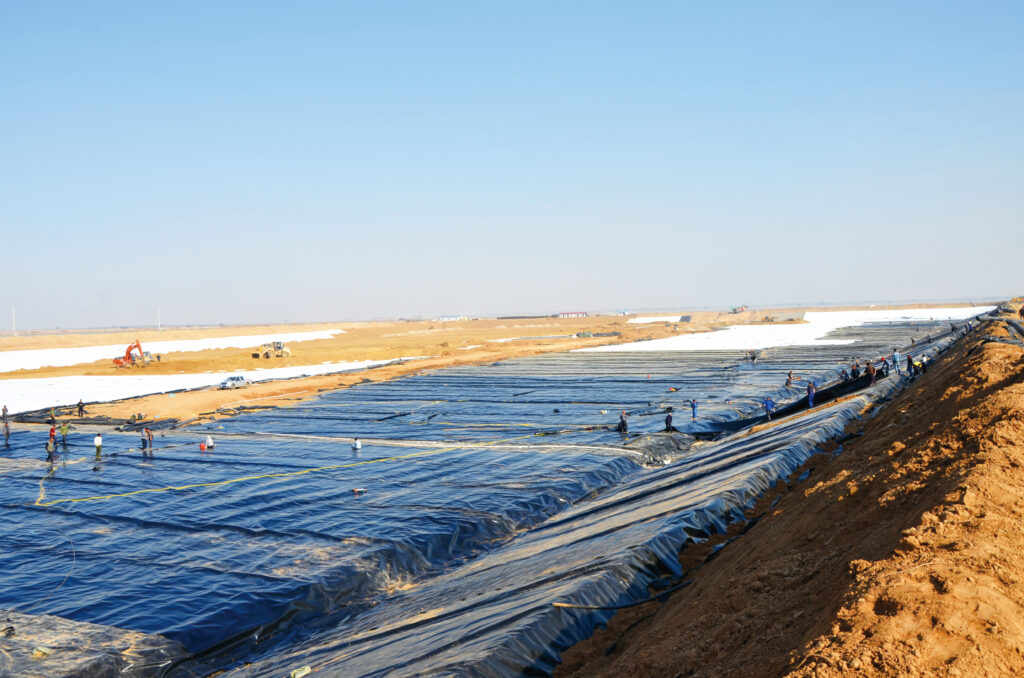
hdpe geomembrane pond liner in Congo (DRC)
How to lay and weld HDPE geomembrane?
HDPE geomembrane 0.2-4.0mm
HOME ABOUT PRODUCTS APPLICATION CONTENTUS RESOURCES
Home Resources Knowledge Base Geogrid vs Geotextile: Differences, Applications & How to Choose

Geogrid vs Geotextile: Differences, Applications & How to Choose

time:September 02, 2026 Views:7

When engineers, contractors, and project owners select materials for road construction, soil stabilization, retaining walls, slopes, embankments, and drainage systems, two geosynthetic materials often come up: geogrid vs geotextile.

Although both are widely used in civil engineering, geogrid and geotextile are not the same material and do not perform the same primary functions.

So, what is the difference between geogrid and geotextile?

In general, geogrids are primarily designed for soil and aggregate reinforcement, while geotextiles are commonly used for separation, filtration, drainage, and protection. Depending on the product structure and engineering design, geotextiles can also contribute to stabilization and reinforcement.

Choosing the right material requires more than comparing price or tensile strength. The soil conditions, loading requirements, drainage conditions, installation environment, and design objectives all need to be considered.

In this guide, Tinhy Geosynthetics explains the key differences between geogrid and geotextile, their main types, typical applications, and how to select the right solution for your project.

1. What Is a Geogrid?

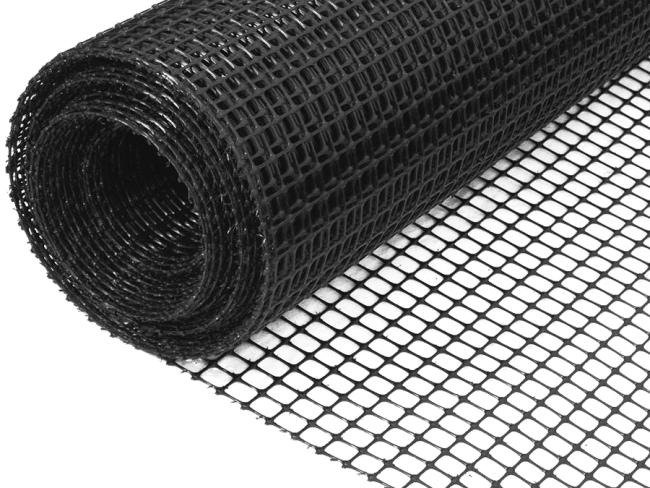
A geogrid is a geosynthetic reinforcement material with an open grid structure consisting of interconnected ribs and apertures.

The openings allow soil or aggregate particles to interact with the grid. When the geogrid is installed within a soil or aggregate layer, this interaction can help improve load distribution, aggregate confinement, and the stability of the reinforced soil structure.

Unlike a fabric-like geotextile, the primary purpose of a geogrid is generally tensile reinforcement.

Main Functions of Geogrid

Geogrids are commonly used to:

  • Reinforce weak soils
  • Improve load distribution
  • Increase the stability of soil structures
  • Reduce lateral movement of aggregate
  • Improve road and pavement performance
  • Reinforce retaining walls
  • Stabilize slopes and embankments
  • Improve foundation and subgrade performance

The actual performance of a geogrid depends on its tensile properties, aperture structure, stiffness, junction strength, soil interaction, installation conditions, and project-specific design.

2. What Are the Main Types of Geogrid?

Geogrids can be classified according to their reinforcement direction and manufacturing structure.

The two commonly used categories are:

  • Uniaxial geogrid
  • Biaxial geogrid

2.1 What Is Uniaxial Geogrid?

A uniaxial geogrid is designed to provide its primary tensile reinforcement in one direction.

The structure is particularly suitable for applications where the main tensile force acts in a specific direction.

Typical applications include:

  • Retaining walls
  • Reinforced soil slopes
  • Steep slopes
  • Embankments
  • Earth reinforcement systems
  • Mechanically stabilized earth structures

In retaining wall applications, the geogrid can extend from the facing into the reinforced soil zone. Interaction between the geogrid and surrounding soil helps resist lateral movement and improve the stability of the reinforced soil mass.

2.2 What Is Biaxial Geogrid?

A biaxial geogrid provides tensile reinforcement in two primary directions.

Its grid structure allows it to interact with aggregate in multiple directions, making it widely used in applications where loads and aggregate movement are not limited to one direction.

Common applications include:

  • Road base reinforcement
  • Pavement construction
  • Soft subgrade stabilization
  • Working platforms
  • Aggregate reinforcement
  • Foundation stabilization

The two-directional structure can help improve aggregate confinement and distribute applied loads over a wider area.

3. What Is a Geotextile?

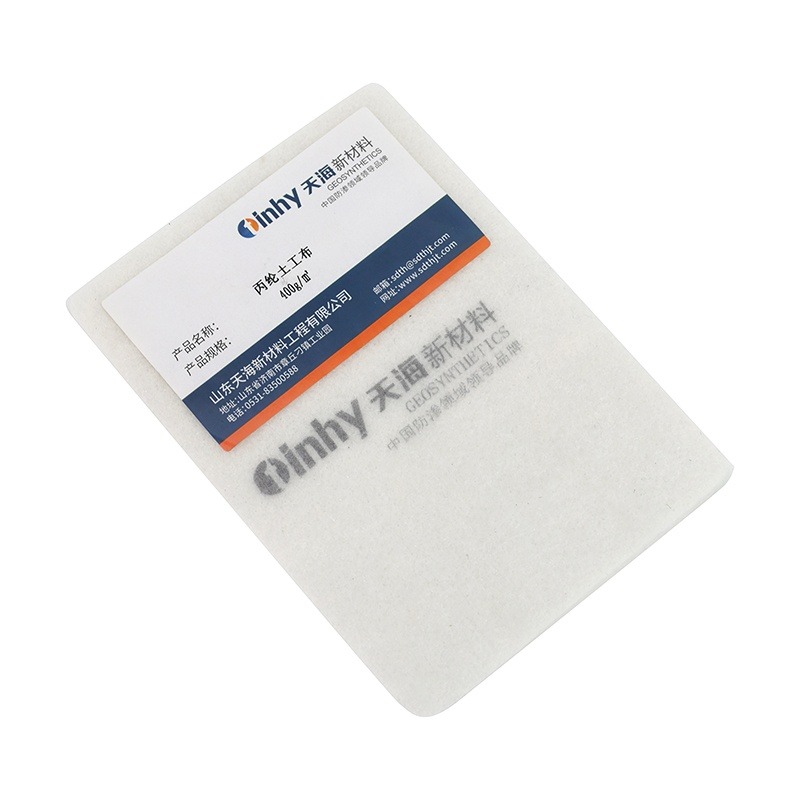
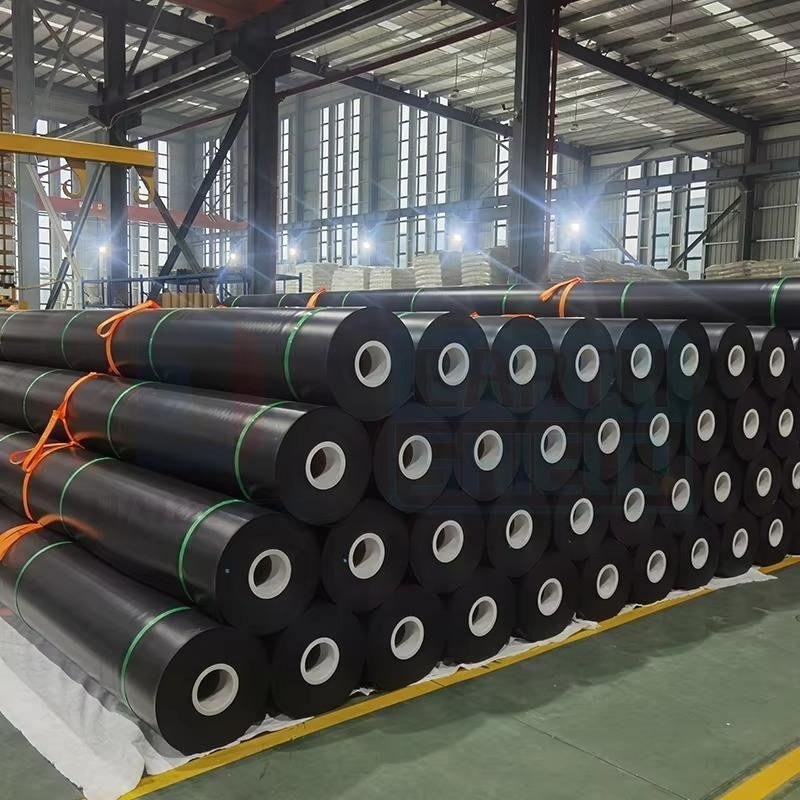
A geotextile is a permeable geosynthetic fabric generally manufactured from synthetic materials such as polypropylene (PP) or polyester (PET).

Depending on its manufacturing process and structure, a geotextile can perform several functions, including:

  • Separation
  • Filtration
  • Drainage
  • Protection
  • Reinforcement
  • Erosion-control support in selected applications

Geotextiles are available in different structures and weights, so the appropriate product should be selected according to the project’s soil conditions, hydraulic requirements, mechanical loading, and installation environment.

Separation

One of the most important functions of geotextile is separation.

A geotextile can be installed between different soil or aggregate layers to reduce mixing while still allowing water to pass through.

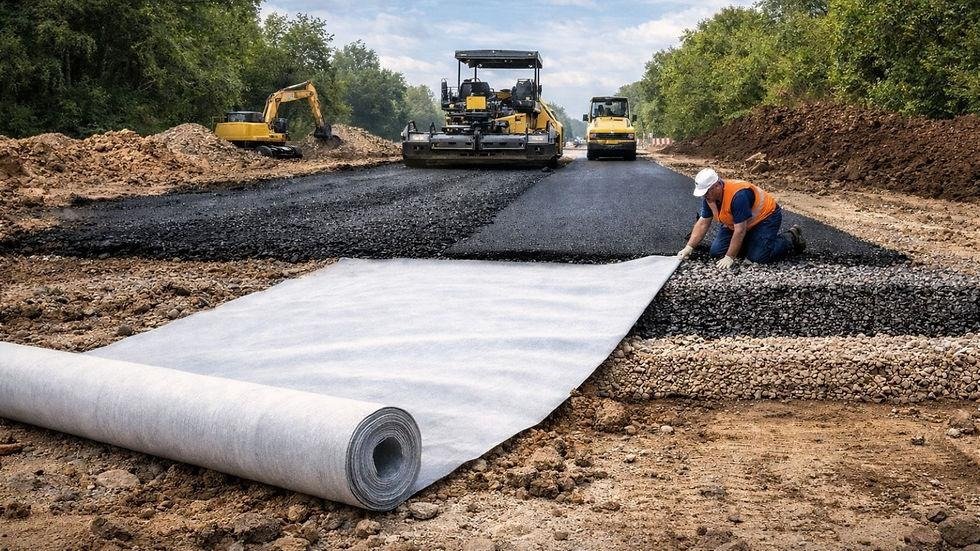
For example, in road construction, geotextile can separate weak subgrade soil from the aggregate base.

This helps prevent fine soil particles from migrating into the aggregate layer and helps maintain the intended structure of the road system.

Filtration

Geotextiles can also act as filters.

A properly selected geotextile allows water to pass through while retaining soil particles.

This makes geotextiles useful around:

  • Drainage pipes
  • French drains
  • Retaining wall drainage systems
  • Subsurface drainage layers
  • Riprap
  • Erosion-control systems

The geotextile’s filtration performance should be evaluated based on parameters such as apparent opening size, permeability, and the characteristics of the surrounding soil.

Drainage

Geotextiles can support drainage systems by allowing water to move through the material while limiting soil particle migration.

They are commonly combined with:

  • Drainage aggregate
  • Perforated drainage pipes
  • Drainage boards
  • Geocomposite drainage systems

The correct geotextile should be selected according to the required water flow and filtration conditions.

Protection

Geotextiles can also be used as a protective layer for geomembranes and other geosynthetic systems.

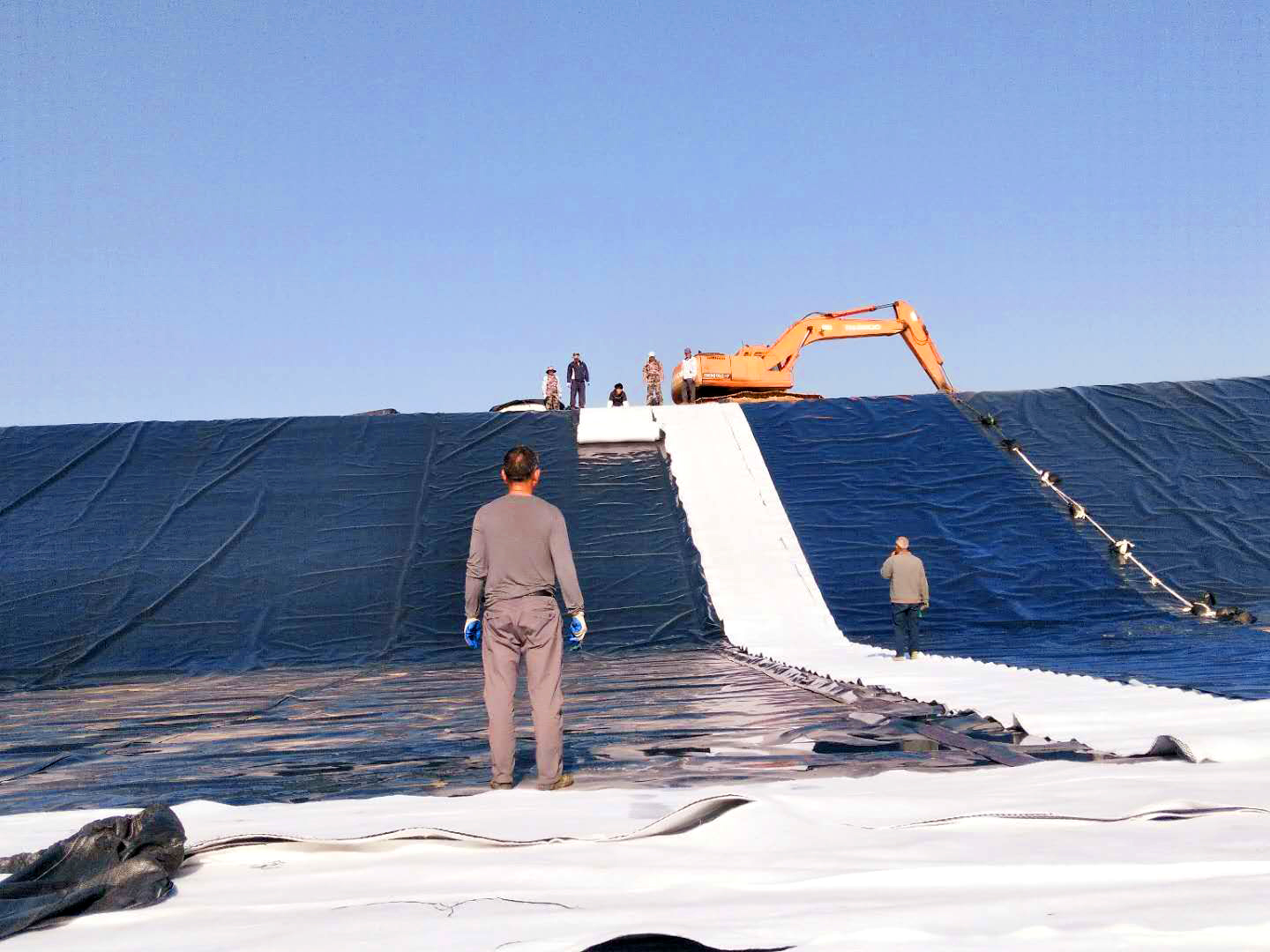
For example, a nonwoven geotextile can be installed beneath or above a geomembrane to reduce the risk of puncture and mechanical damage caused by sharp particles, uneven subgrade, or construction activities.

4. What Are the Main Types of Geotextile?

Geotextiles are commonly divided into two major categories:

  1. Nonwoven geotextile
  2. Woven geotextile

Their different structures give them different mechanical and hydraulic characteristics.

4.1 Nonwoven Geotextile

Nonwoven geotextiles are produced by forming synthetic fibers into a web and bonding the fibers together.

Needle-punched nonwoven geotextiles are widely used in civil engineering because they can provide a combination of flexibility, filtration, permeability, and puncture resistance.

Typical applications include:

  • Soil separation
  • Filtration
  • Drainage
  • Geomembrane protection
  • Landfill lining systems
  • Road construction
  • Drainage trenches
  • Retaining wall drainage
  • Erosion-control systems

Nonwoven geotextile is often a preferred option when filtration and drainage are important design requirements.

4.2 Woven Geotextile

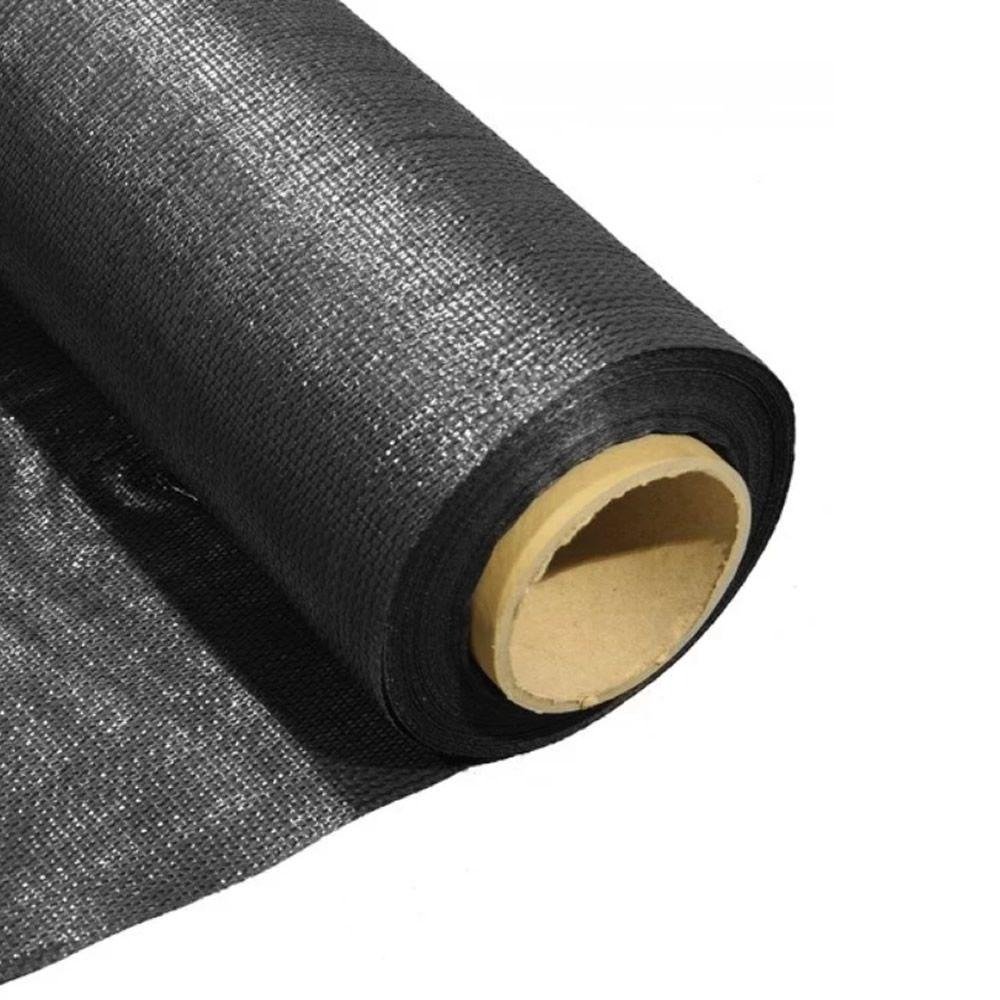
Woven geotextiles are manufactured by interlacing yarns, tapes, or other polymer elements to create a structured fabric.

Compared with many nonwoven geotextiles, woven products are commonly selected when higher tensile strength, dimensional stability, and reinforcement performance are important.

Typical applications include:

  • Road construction
  • Subgrade stabilization
  • Aggregate separation
  • Embankments
  • Soil reinforcement
  • Heavy-duty construction applications

However, woven geotextile should not be selected simply because it has a higher tensile strength. Its filtration and hydraulic properties must also match the project requirements.

5. Geogrid vs Geotextile: What Is the Difference?

The most important difference between geogrid and geotextile is their structure and primary engineering function.

Property Geogrid Geotextile
Structure Open grid with ribs and apertures Fabric-like permeable structure
Primary function Reinforcement Separation, filtration, drainage and protection
Soil interaction Mechanical interlock and interface interaction Soil retention and interface interaction
Tensile reinforcement Main design function Product-dependent
Filtration Not its primary function Major function
Drainage Not normally the primary function Common function
Separation Possible in some systems Major function
Geomembrane protection Not normally used Common application
Road applications Reinforcement and stabilization Separation, filtration and drainage
Retaining walls Structural soil reinforcement Drainage/separation support
Slope applications Reinforcement Filtration, separation or protection depending on system

5.1 Difference in Structure

The physical structure is the easiest way to distinguish the two materials.

Geogrid

A geogrid has an open grid structure.

Its ribs and apertures are designed to interact with soil or aggregate and transfer tensile forces through the reinforced soil system.

Geotextile

A geotextile has a fabric-like structure with interconnected pores.

Its structure allows water to pass through while providing separation, filtration, drainage, and protection functions depending on the product.

5.2 Difference in Function

Geogrid: Reinforcement

Geogrids are primarily used when the project requires:

  • Soil reinforcement
  • Aggregate confinement
  • Load distribution
  • Slope stabilization
  • Retaining wall reinforcement
  • Pavement reinforcement

Geotextile: Separation and Filtration

Geotextiles are commonly selected when the project requires:

  • Soil separation
  • Filtration
  • Drainage
  • Geomembrane protection
  • Particle retention
  • Erosion-control support

This is why geogrid and geotextile should not simply be treated as interchangeable products.

6. Geogrid vs Geotextile for Road Construction

Road construction is one of the most common applications where engineers may need to determine whether a geogrid, geotextile, or both should be used.

Geogrid in Road Construction

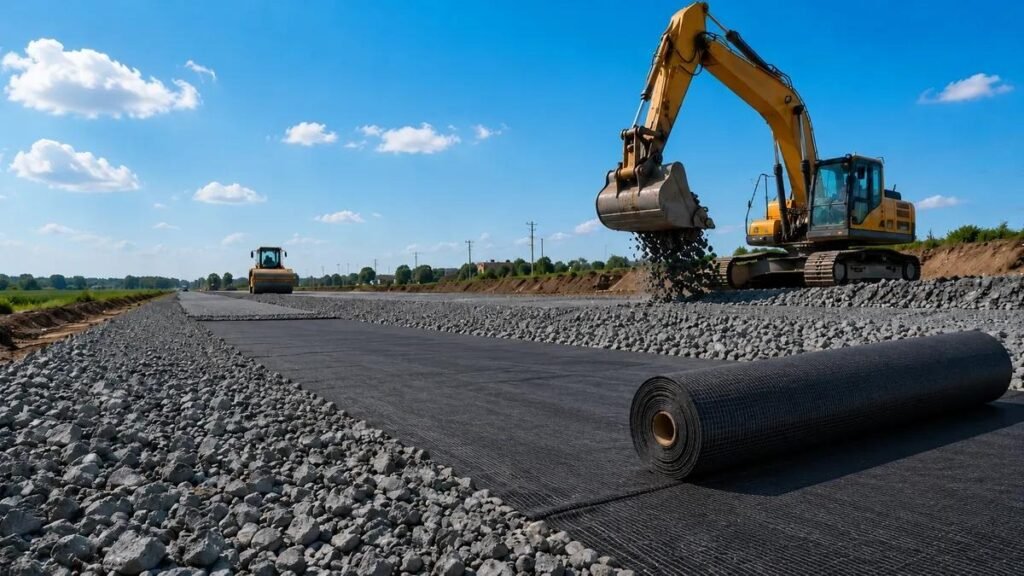
Geogrids can be installed within aggregate base or subbase layers to improve reinforcement and aggregate confinement.

Potential benefits include:

  • Improved load distribution
  • Reduced lateral aggregate movement
  • Improved resistance to deformation
  • Better utilization of aggregate materials
  • Improved performance of reinforced pavement structures

Geotextile in Road Construction

Geotextiles are commonly installed between subgrade and aggregate layers.

Their main functions include:

  • Separation
  • Filtration
  • Drainage
  • Limiting fine-particle migration

For example:

Aggregate Base

Geogrid — Reinforcement

Geotextile — Separation / Filtration

Subgrade Soil

Depending on the engineering design, geogrid and geotextile can sometimes be used together to address different failure mechanisms.

7. Geogrid vs Geotextile for Slopes and Retaining Walls

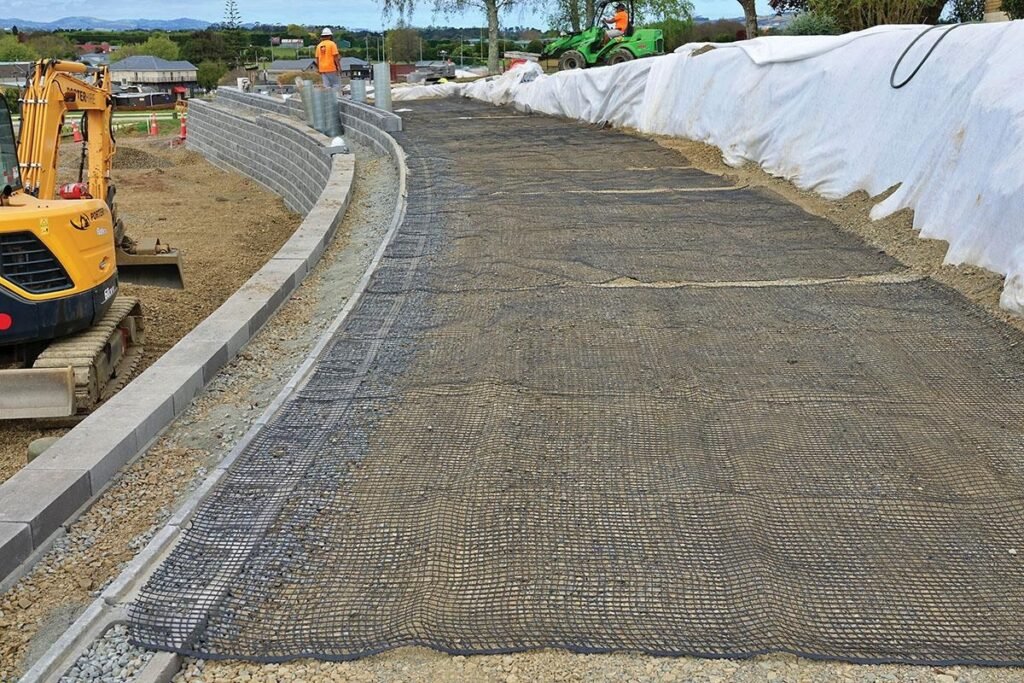
Geogrids are widely used for reinforced slopes and retaining wall systems because they can provide tensile reinforcement within the soil mass.

A uniaxial geogrid may extend from the retaining wall facing into the reinforced soil zone.

The surrounding soil interacts with the geogrid, helping resist lateral movement and improve overall stability.

Geotextiles can also be incorporated into retaining wall and slope systems, but they generally perform different functions.

For example, a geotextile may be used for:

  • Drainage filtration
  • Soil separation
  • Particle retention
  • Protection of other geosynthetics

Therefore, a retaining wall system may use both materials:

Geogrid → Reinforcement

Geotextile → Filtration / Separation / Drainage

8. Can Geogrid and Geotextile Be Used Together?

Yes.

Geogrid and geotextile can complement each other when a project requires more than one geosynthetic function.

For example:

Geogrid

Provides:

  • Tensile reinforcement
  • Soil confinement
  • Load distribution
  • Structural stabilization

Geotextile

Provides:

  • Separation
  • Filtration
  • Drainage support
  • Protection

Using the two materials together does not mean that one product is replacing the other. Instead, each material performs a specific role within the engineered system.

The actual configuration should be determined according to the project design and site conditions.

9. Geogrid vs Geotextile: Which One Should You Choose?

The right question is not simply “Which material is better?”

The better question is:

“What function does my project require?”

Choose Geogrid When:

  • Soil reinforcement is required
  • Aggregate confinement is important
  • A retaining wall needs reinforcement
  • A slope requires reinforcement
  • Road base reinforcement is required
  • Load distribution is a major design objective

Choose Geotextile When:

  • Soil separation is required
  • Filtration is important
  • Water must pass through while soil particles are retained
  • Drainage filtration is required
  • A geomembrane requires protection
  • Particle migration needs to be controlled

Consider Using Both When:

  • Reinforcement and filtration are both required
  • Road projects involve weak subgrade and drainage concerns
  • Retaining walls require both structural reinforcement and drainage
  • Complex slope systems require multiple geosynthetic functions

10. Important Properties to Consider Before Buying

Choosing a geosynthetic based only on its product name or weight can lead to an unsuitable selection.

For Geogrid

Important parameters may include:

  • Ultimate tensile strength
  • Tensile strength at specified strain
  • Tensile stiffness
  • Junction strength
  • Aperture size
  • Creep resistance
  • Durability
  • Installation damage resistance
  • Chemical resistance

For Geotextile

Important parameters may include:

  • Mass per unit area
  • Tensile strength
  • Elongation
  • CBR puncture resistance
  • Tear strength
  • Apparent opening size (AOS)
  • Permittivity
  • Water flow rate
  • UV resistance
  • Chemical resistance

The required values depend on the project specification and applicable design standards.

11. Geogrid vs Geotextile: Application Comparison

Application Geogrid Geotextile
Road base reinforcement — / Supporting role
Soft soil stabilization
Retaining wall reinforcement Supporting role
Reinforced slopes Supporting role
Aggregate confinement
Soil separation — / Limited
Filtration
Drainage filtration
Geomembrane protection
Drainage trench
Landfill liner protection
Complex multi-function system

12. How Tinhy Geosynthetics Can Support Your Project

At Tinhy Geosynthetics, we understand that selecting a geosynthetic should begin with the project’s engineering requirements rather than simply choosing a product category.

Our geosynthetic solutions cover applications involving:

  • Road and transportation infrastructure
  • Soil stabilization
  • Slopes and embankments
  • Retaining walls
  • Landfills
  • Mining projects
  • Water conservation
  • Drainage systems
  • Environmental protection

Our product portfolio includes geogrids, woven geotextiles, nonwoven geotextiles, geomembranes, GCL, drainage materials, geocells, geomats, and other geosynthetic products.

For projects requiring reinforcement, separation, filtration, drainage, or liner protection, the appropriate product can be selected according to the required technical specifications and site conditions.

13. Frequently Asked Questions About Geogrid vs Geotextile

Is geogrid stronger than geotextile?

Not necessarily when comparing every property.

Geogrids are specifically designed for reinforcement and soil interaction, while geotextiles are designed for a broader range of functions including separation, filtration, drainage, protection, and in some cases reinforcement.

The correct comparison depends on the required engineering performance.

Can geotextile replace geogrid?

Generally, a geotextile should not automatically be used as a replacement for a geogrid when the design specifically requires geogrid reinforcement.

The two materials have different structures and load-transfer mechanisms.

Any substitution should be supported by engineering analysis.

Can geogrid replace geotextile?

Generally, no.

A geogrid is not designed to provide the same filtration and particle-retention function as a properly selected geotextile.

If filtration or separation is required, geotextile may still be necessary.

Which is better for roads, geogrid or geotextile?

It depends on the engineering objective.

If the primary requirement is reinforcement and aggregate confinement, geogrid may be appropriate.

If the primary requirement is separation, filtration, or drainage, geotextile is commonly selected.

Some road systems use both.

Which is better, woven or nonwoven geotextile?

Neither is universally better.

Woven geotextiles are often selected where tensile strength and dimensional stability are important.

Nonwoven geotextiles are commonly selected where filtration, drainage, flexibility, and protection are important.

The final selection should be based on technical requirements rather than product type alone.

Can geogrid and geotextile be used together?

Yes.

They can perform complementary functions within the same engineered system.

Geogrid can provide reinforcement while geotextile provides separation, filtration, drainage, or protection.

How do I select the right geosynthetic?

Start by identifying the primary engineering function.

Then evaluate:

  1. Soil conditions
  2. Design loads
  3. Drainage requirements
  4. Required tensile properties
  5. Filtration requirements
  6. Installation conditions
  7. Environmental exposure
  8. Applicable standards
  9. Product technical data
  10. Total project cost

For major infrastructure projects, material selection should be confirmed by a qualified civil or geotechnical engineer.

Conclusion

The difference between geogrid and geotextile mainly comes down to their structure and primary engineering function.

Geogrids are primarily reinforcement materials. Their open grid structure enables interaction with soil and aggregate, making them suitable for road reinforcement, retaining walls, reinforced slopes, embankments, and soil stabilization.

Geotextiles are permeable geosynthetic fabrics. Depending on their structure, they are widely used for separation, filtration, drainage, protection, and selected reinforcement applications.

Neither material is universally better.

The right choice depends on what the project needs to achieve.

In some applications, the best solution may be geogrid and geotextile used together, with each material performing the function for which it is best suited.

If you are comparing geogrid vs geotextile for a road, slope, retaining wall, foundation, drainage system, or environmental project, Tinhy Geosynthetics can help you evaluate the suitable geosynthetic solution according to your project requirements.

Knowledge Base
Share:
info@tinhygeosynthetics.com Bai Jinxi
Consultation

    Get The Latest Product Prices

    Your inquiries are welcomed at any time and please feel free to contact us via email, phone calls, and online chatbox on our site.

    We will definitely give you a reply ASAP after we receive your messages.

      0/180