Resources
Company News
Industry News
Knowledge Base
Project Cases
Innovation
Team Power Fuels TINHY’s Global Geosynthetics Solutions
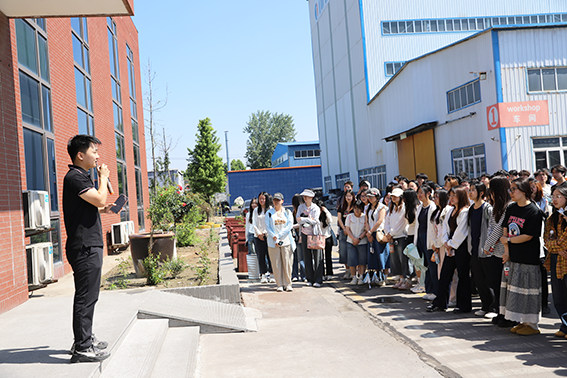
Tinhy and University of Jinan Celebrate Six Years of Industry–University Collaboration
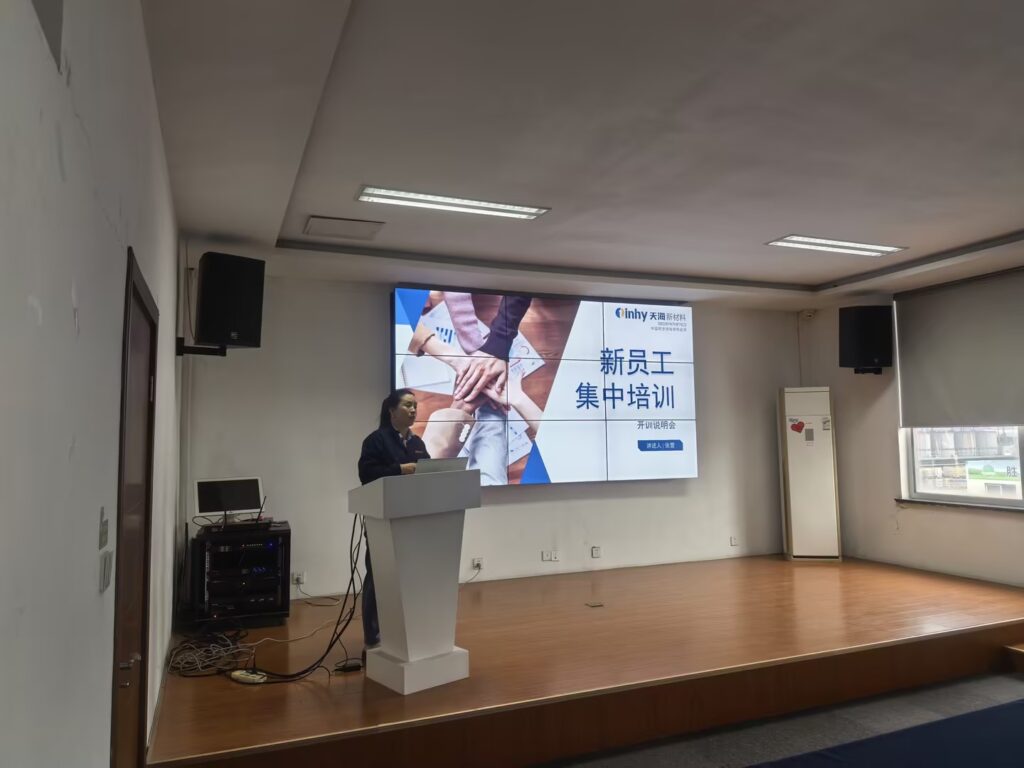
Empowering New Talent, Building the Future: Tinhy Successfully Conducts New Employee Orientation Training
Tinhy Conducts Comprehensive Emergency Drill to Strengthen Workplace Safety Defenses
Company Mid – Year Summary and Team – Building Activity Report
Is geomembrane a geotechnical engineering material?
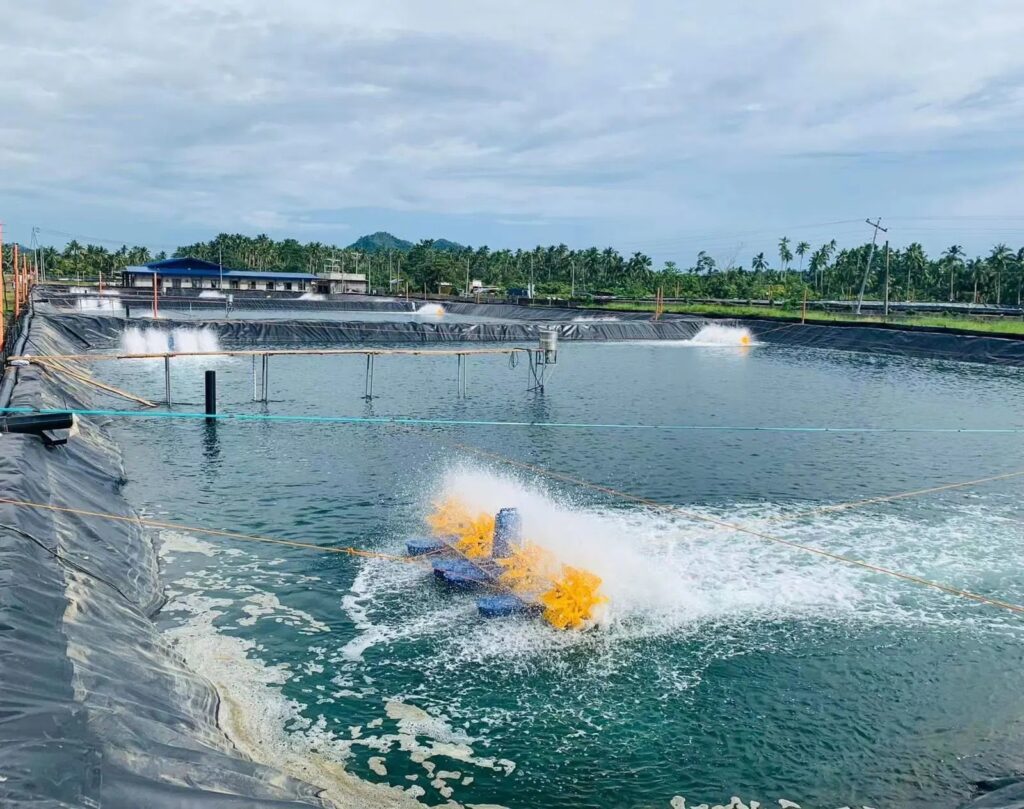
What are the application scenarios of geomembrane?
What are the functions of geotextiles?
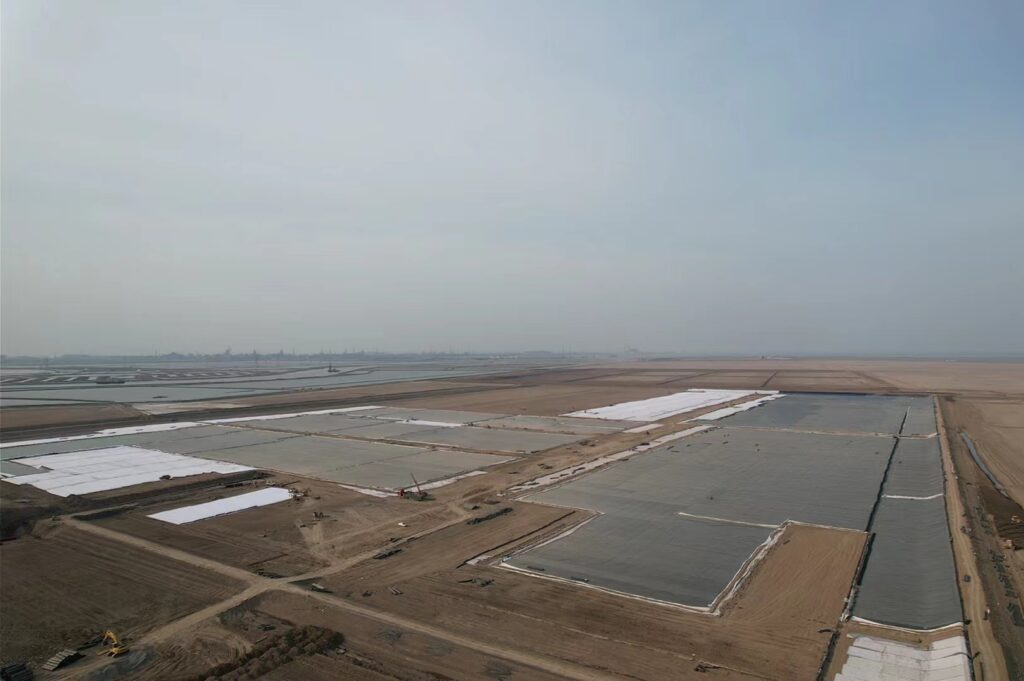
Cómo elegir geomembrana de hdpe en proyectos de ingeniería
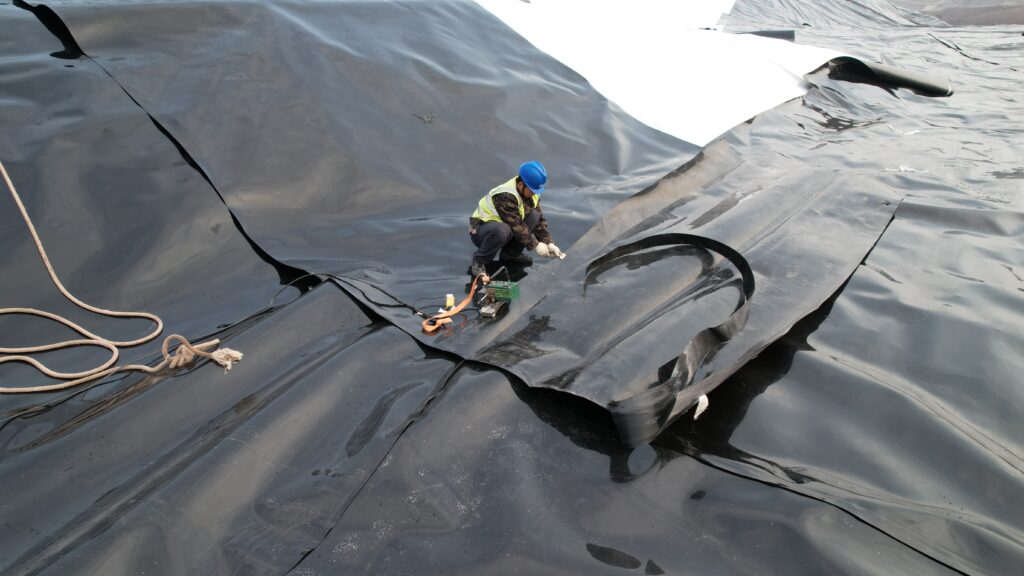
How to choose hdpe geomembrane in engineering projects
China’s Geotechnical Construction Materials Embrace New Opportunities
Tips for Moisture-Proof Storage of Geotextiles
Key Construction Points and Precautions for High-Density Polyethylene Geomembrane
what is pond lining material ?
What is geomembrane?
HDPE geomembrane construction plans and technical measures
What quality tests do HDPE geomembranes need to do?
Tinhy’s MDS® Drainage Solution
Installation Robots
Dam Liner Cost: A Complete Guide to Geomembrane Selection and Budget Planning
HDPE Pond Liner Suppliers: How to Choose the Right Manufacturer for Your Project
Geo Textiles: Types, Applications, Benefits & Selection Guide
PP Woven Geotextiles: Properties, Applications & Selection Guide
Geogrid Price: Types, Cost Factors & Buying Guide
Geomembrane Manufacturers: 7 Companies to Consider for Your Project
Woven Geotextile Fabric Price: Specifications, Applications & Buying Guide
8 Geogrid Options for Retaining Walls: Types, Specifications & Buying Guide
LDPE Sheet 500 Micron Price: Cost Factors, Specifications & Buying Guide
7 Black PVC Pond Liner Options: Specifications & Buying Guide
Should HDPE or PVC be used to install geomembrane in reservoirs?
What is the price of geomembrane?
Material characteristics of three different geomembranes
Esquema de construcción de geomembrana de HDPE y medidas técnicas
hdpe geomembrane pond liner in Congo (DRC)
How to lay and weld HDPE geomembrane?
HDPE geomembrane 0.2-4.0mm
HOME ABOUT PRODUCTS APPLICATION CONTENTUS RESOURCES
Home Resources Knowledge Base Dam Liner Cost: A Complete Guide to Geomembrane Selection and Budget Planning

Dam Liner Cost: A Complete Guide to Geomembrane Selection and Budget Planning
time:October 15, 2026 Views:20

Dam liners play an important role in water containment, seepage control, and environmental protection. From agricultural reservoirs and irrigation canals to large water storage facilities and mining containment ponds, the right geomembrane liner can help reduce water loss and protect surrounding soil and structures.

One of the most common questions from project owners, contractors, and procurement teams is: How much does a dam liner cost?

The answer depends on several factors, including the liner material, thickness, surface finish, project size, site preparation, installation, and transportation. Comparing the material price alone may not provide an accurate picture of the total project budget.

As a geosynthetics manufacturer and supplier, Tinhy Geosynthetics provides geomembrane solutions for water containment and environmental engineering applications. This guide explains the major cost factors, compares common liner materials, and outlines how to choose a suitable dam liner for your project.

1. What Is a Dam Liner?

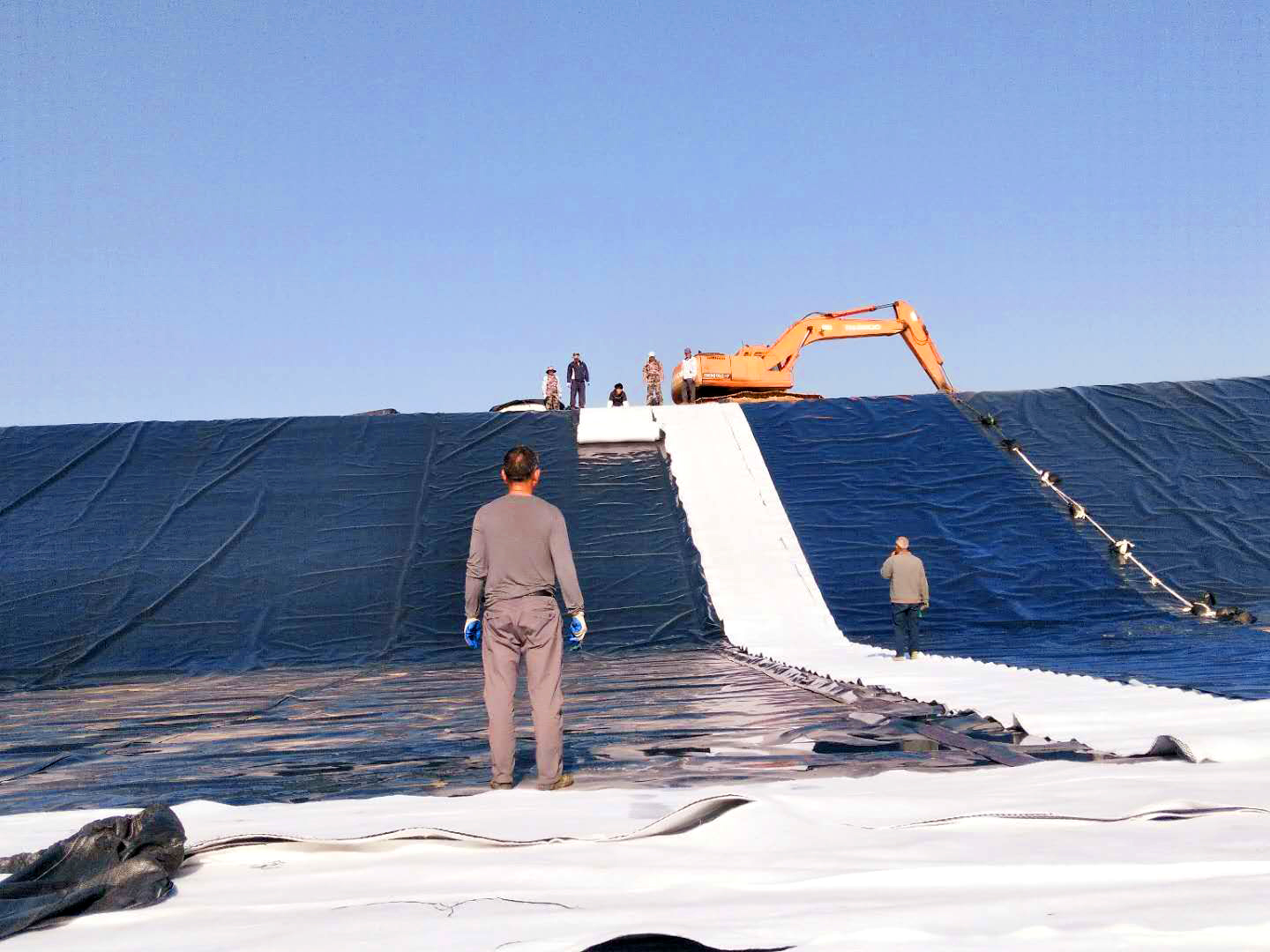
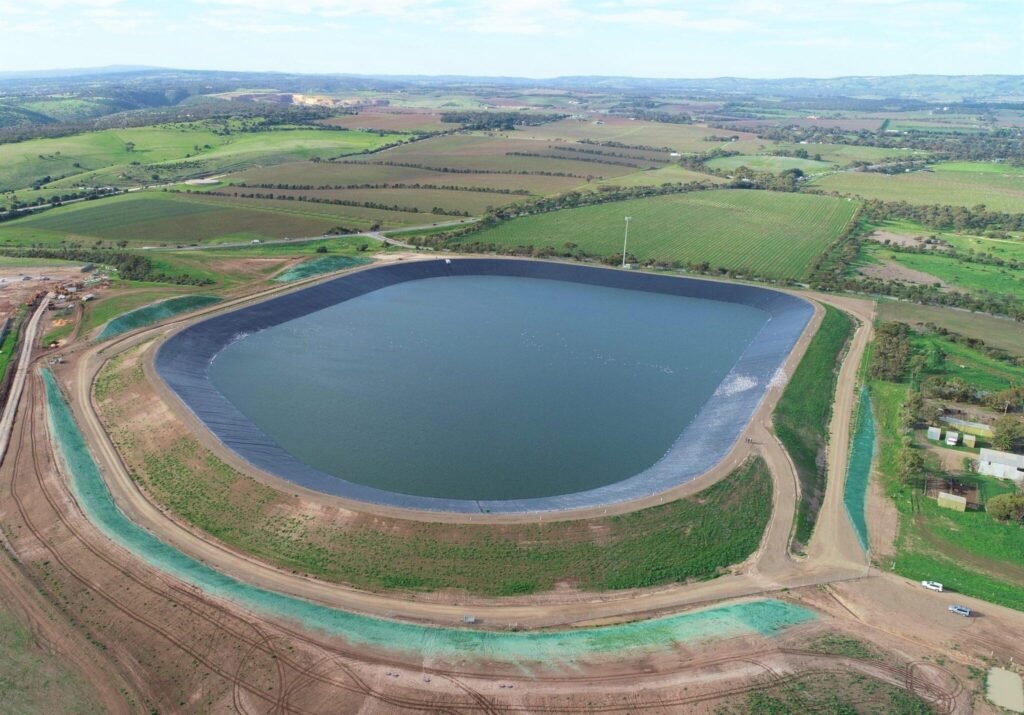
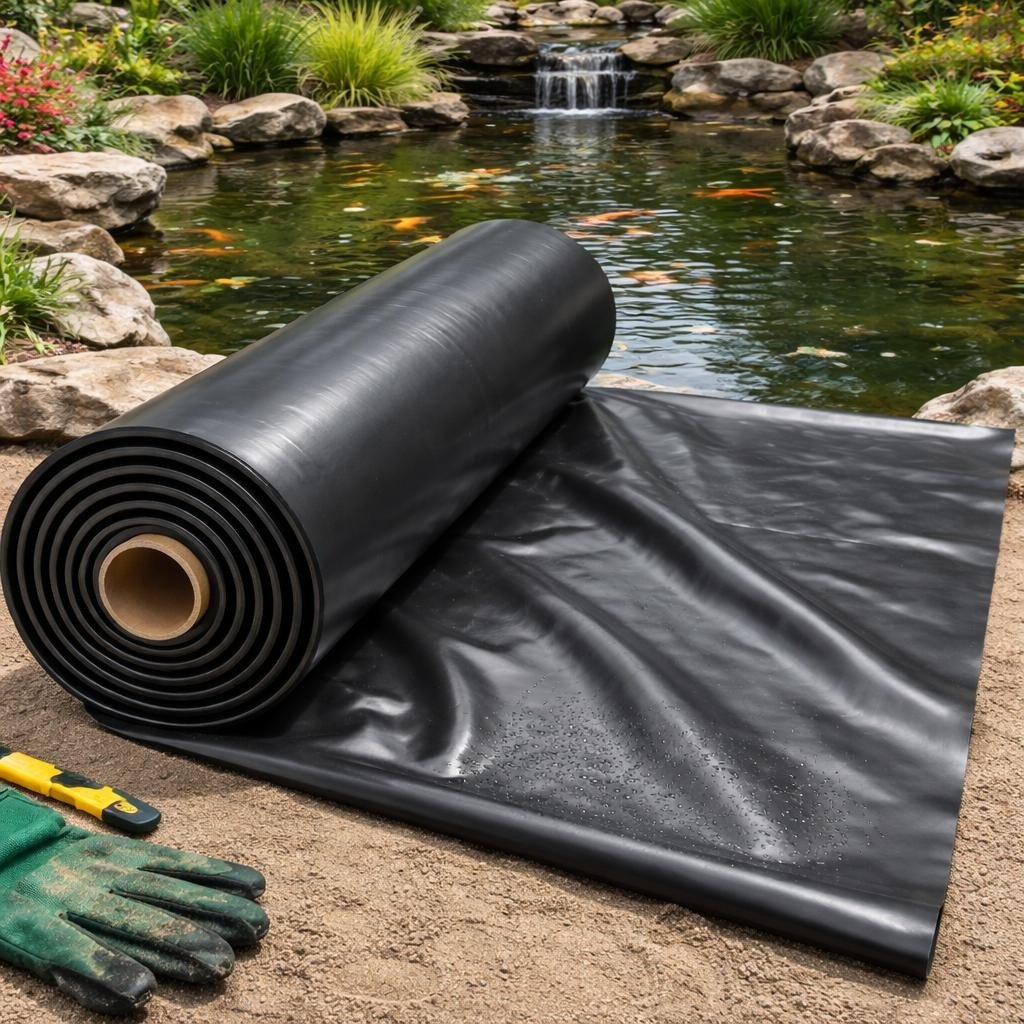
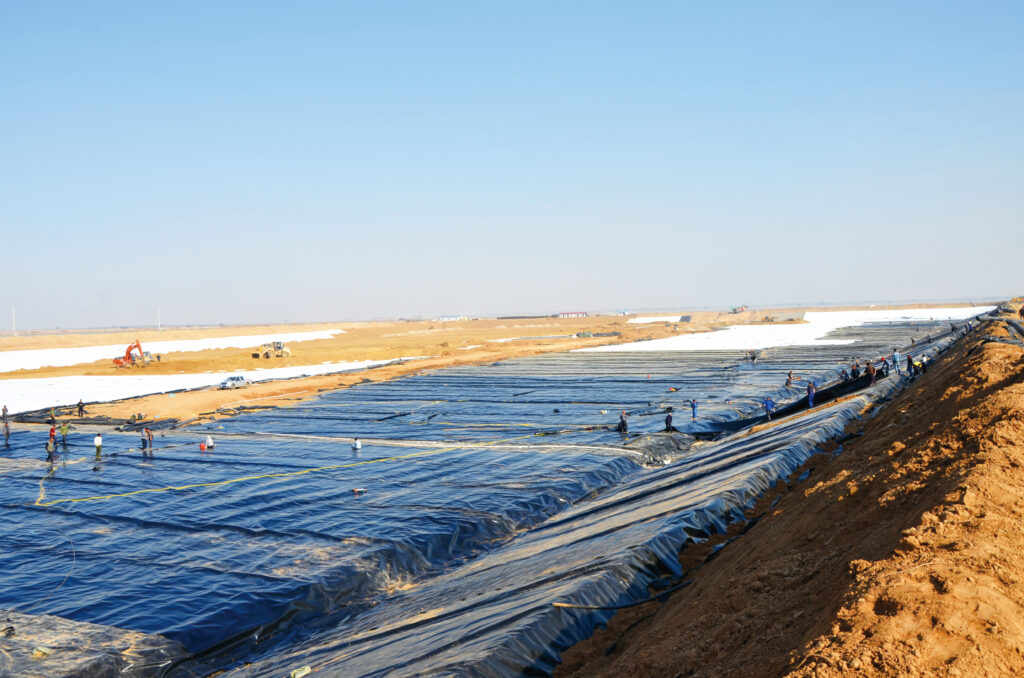
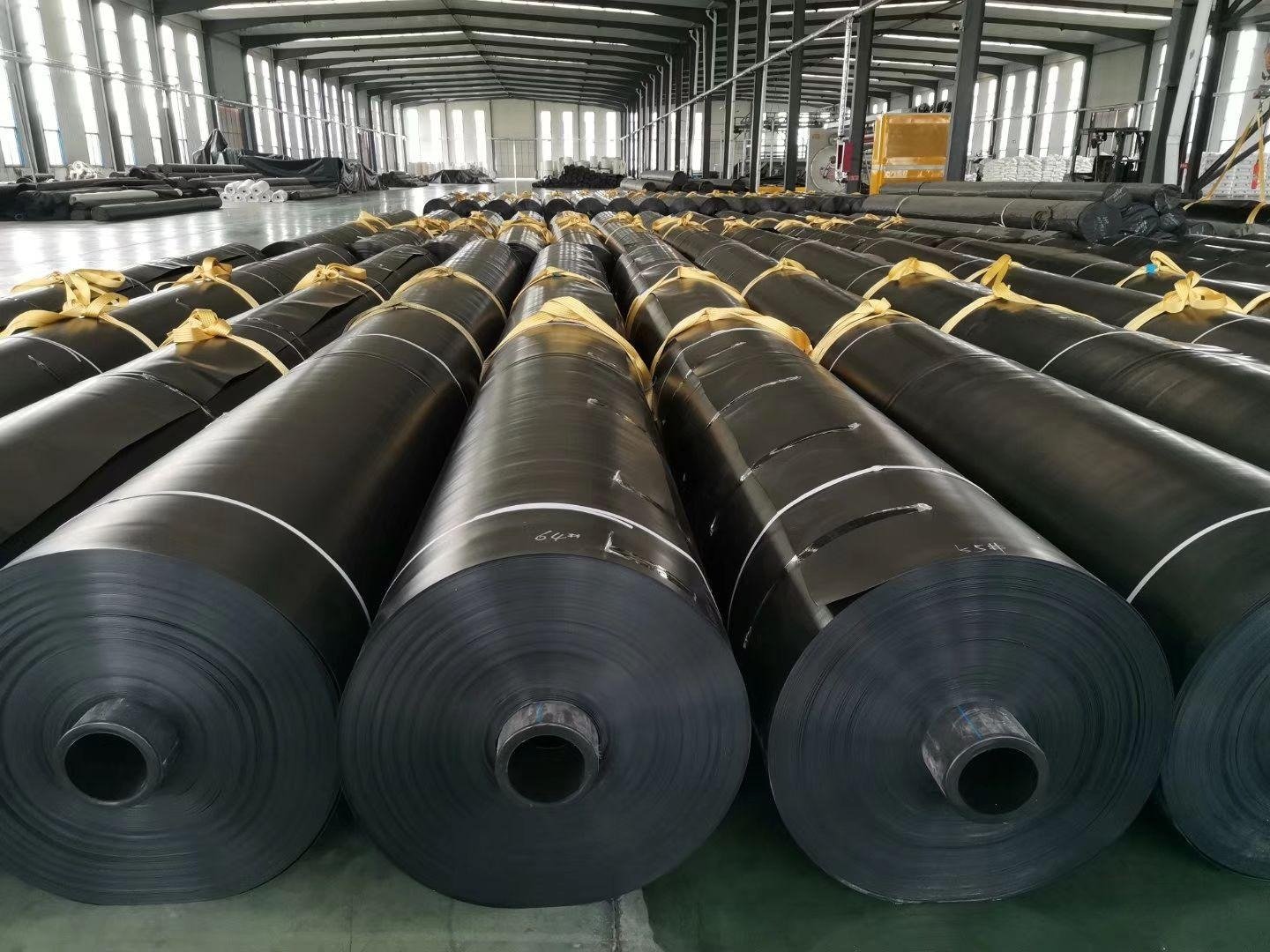
A dam liner is an impermeable or low-permeability geomembrane system installed to help control seepage and contain water. Depending on the engineering design, it may be placed on the upstream face of a dam, inside a reservoir, along an irrigation canal, or within another water storage structure.

Common geomembrane materials include:

  • High-Density Polyethylene (HDPE): Widely used for water containment because of its chemical resistance, strength, and outdoor durability when properly formulated and installed.
  • Linear Low-Density Polyethylene (LLDPE): Offers greater flexibility and may be suitable for projects with irregular surfaces or more complex geometry.
  • Polyvinyl Chloride (PVC): Used in selected lining applications where its material properties and installation requirements are appropriate.
  • Ethylene Propylene Diene Monomer (EPDM): A flexible synthetic rubber membrane used in certain water features and specialized lining projects.

The appropriate material depends on the structure, water chemistry, slope geometry, exposure conditions, and design life required by the project.

Common Applications of Dam Liners

Dam and reservoir geomembranes may be used for:

  • Dam faces and embankment waterproofing
  • Agricultural and municipal water reservoirs
  • Irrigation canals and channels
  • Hydropower and pumped-storage facilities
  • Mining process-water and tailings containment systems
  • Wastewater treatment and industrial containment
  • Aquaculture ponds and water storage facilities

The final lining system should be designed according to the engineering requirements of the site.

2. How Much Does a Dam Liner Cost?

Dam liner costs vary considerably between projects. Material quotations depend on polymer type, thickness, surface texture, roll dimensions, order quantity, quality requirements, and delivery destination.

Installation costs are separate and may include site preparation, protective geotextiles, liner deployment, welding, seam testing, and construction supervision.

For this reason, there is no single price that applies to all dam liner projects. A useful quotation should identify the exact product specification and clearly state what is included.

Dam Liner Cost Factors at a Glance

Cost factor How it affects the budget
Material type Different polymers have different material properties and manufacturing costs
Thickness Greater thickness generally requires more raw material
Surface finish Textured products may involve additional manufacturing processes
Order quantity Production scale and total volume can influence unit pricing
Roll dimensions Roll width and length affect handling, layout, and field seaming
Subgrade preparation Ground leveling and removal of sharp objects add preparation costs
Protective layers Geotextiles or other protection may be required by the design
Installation and testing Welding, seam inspection, and quality assurance contribute to installed cost
Transportation Shipment costs depend on destination, cargo volume, and delivery terms

For accurate budgeting, request separate quotations for the geomembrane supply and the installation work where applicable.

3. How Material Type Affects Dam Liner Cost

3.1 HDPE Geomembrane

HDPE geomembrane is widely used in reservoirs, dam lining systems, canals, and environmental containment projects.

Its main characteristics include:

  • High tensile strength when manufactured to the required specification
  • Good resistance to many chemicals
  • Low permeability
  • Good outdoor durability when appropriately formulated
  • Compatibility with thermal welding methods

HDPE is often considered for large water containment projects where long-term performance and chemical resistance are important.

However, the appropriate grade and thickness must be confirmed against the project specification. HDPE should not be selected solely because it is a commonly used material.

3.2 LLDPE Geomembrane

LLDPE geomembrane is generally more flexible than HDPE. This flexibility can be helpful when a lining system needs to accommodate irregular surfaces or particular deformation requirements.

Potential applications include reservoirs, canals, and containment areas with complex geometry.

When comparing LLDPE with HDPE, consider the design loads, slope conditions, installation methods, chemical exposure, and required material properties rather than relying on price alone.

3.3 PVC and EPDM Liners

PVC and EPDM are used in selected lining applications, depending on project conditions and design requirements.

PVC may be considered for certain flexible lining systems, while EPDM is commonly associated with applications requiring a flexible rubber membrane.

For large dam and reservoir projects, evaluate the full specification, installation requirements, compatibility, and expected service conditions before choosing an alternative to HDPE.

4. How Thickness Affects Dam Liner Cost

Thickness is an important factor in geomembrane pricing because it affects raw material consumption and several mechanical properties.

The appropriate thickness depends on the application, subgrade conditions, expected loads, installation process, and the potential for puncture or other damage.

Thickness category Considerations
Thin geomembranes May suit certain less demanding applications when permitted by the design
Medium-thickness geomembranes May be appropriate for a range of reservoirs and containment projects
Thick geomembranes May be specified where greater mechanical protection or more demanding conditions require it

These categories are descriptive, not a design recommendation. The required thickness must be confirmed by the project engineer or relevant technical specification.

Why the Thickest Liner Is Not Always the Best Choice

Selecting a thicker liner without reviewing the design may increase material cost without addressing the actual project risks.

A suitable selection should consider:

  • Subgrade uniformity and potential sharp objects
  • Water depth and associated design loads
  • Slope angle and interface stability
  • Exposure to sunlight and weather
  • Required mechanical properties
  • Protective geotextiles and other components
  • Installation and quality-control requirements

The objective is to select a liner that meets the engineering requirements while managing the total project cost.

5. Smooth vs. Textured Geomembranes

Geomembrane surface finish can affect the interaction between the liner and adjacent materials.

Smooth HDPE Geomembrane

Smooth geomembranes are commonly used on relatively flat surfaces and in applications where the interface conditions permit their use.

Potential considerations include ease of layout, product availability, and compatibility with the project design.

Textured HDPE Geomembrane

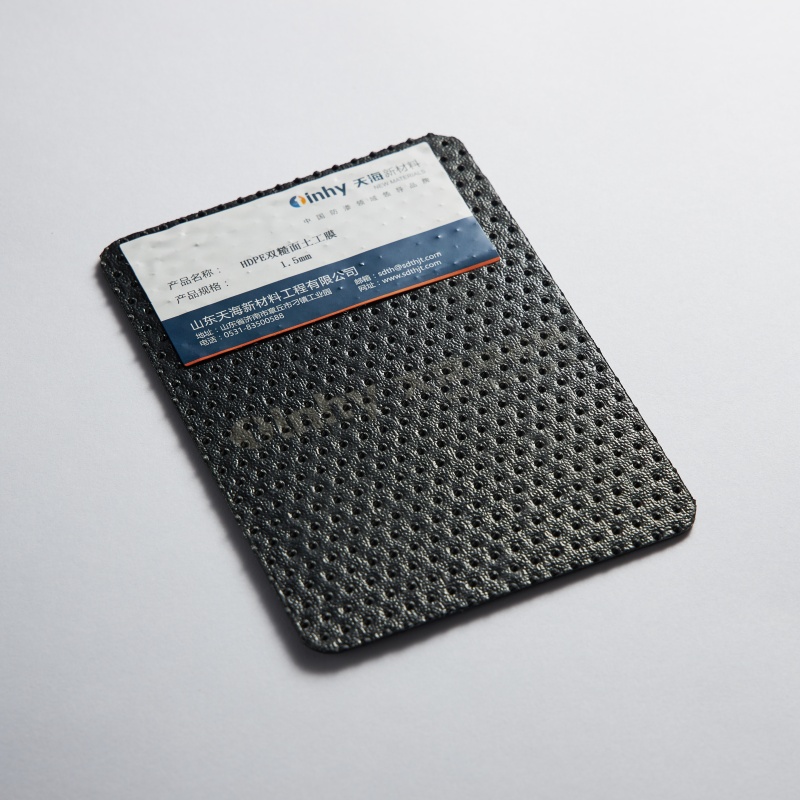
Textured geomembranes may provide greater interface friction with adjacent soil or geosynthetic layers. They can be considered for slopes and other locations where interface stability is important.

The correct surface configuration depends on the slope geometry and the properties of the materials in contact with the liner. A textured liner should not be assumed to provide sufficient stability without appropriate engineering assessment.

6. Additional Costs Beyond the Geomembrane

The cost of the membrane is only one part of a complete dam lining system.

Site Preparation

The subgrade generally needs to be prepared according to the project specification. Sharp stones, debris, abrupt changes in grade, and unsuitable soil conditions may need to be addressed before installation.

Protective Geotextile

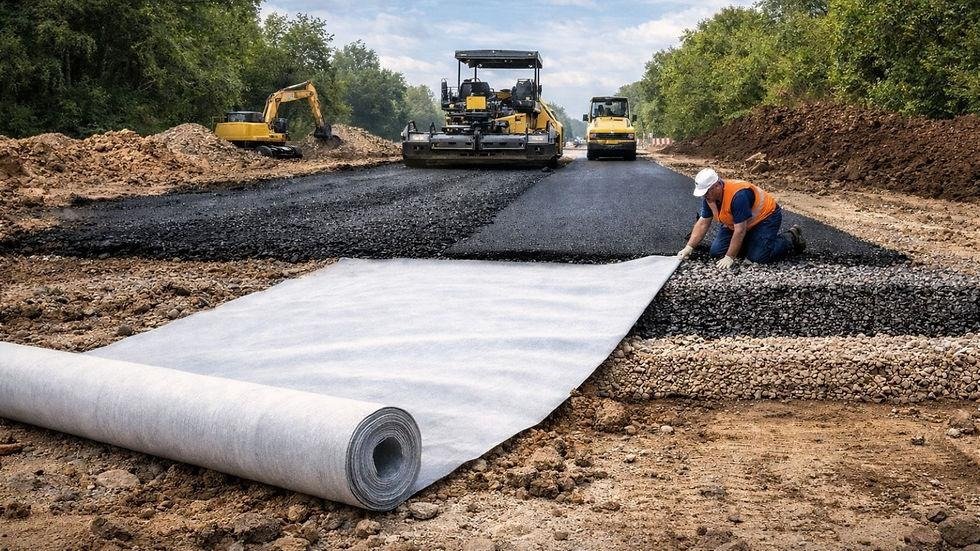
Depending on the design, a geotextile may be installed beneath or above the geomembrane to provide cushioning, separation, or protection against mechanical damage.

The type and mass per unit area of the geotextile should be selected based on the site conditions and engineering requirements.

Installation and Welding

Geomembrane panels are commonly joined using suitable thermal welding techniques. Installation costs depend on project size, terrain, weather, crew experience, access, and the complexity of the panel layout.

Seam Testing and Quality Assurance

Seams are a critical part of the lining system. The project may require non-destructive testing, destructive seam testing, material inspections, and documented quality-control procedures.

The testing plan should follow the applicable project specification and relevant standards.

Transportation and Handling

Large geomembrane rolls require appropriate packaging, lifting, handling, and transport planning. Shipping costs vary according to the order quantity, destination, loading method, and delivery terms.

7. How to Estimate the Total Dam Liner Budget

A practical budget should separate material costs from site and installation costs.

Use the following framework:

Estimated total project cost = geomembrane supply + subgrade preparation + protective layers + installation and welding + testing and quality assurance + transportation and handling

For an initial material estimate, calculate the required liner area and request a quotation based on the specified product.

Remember that the geomembrane area may be greater than the reservoir’s water surface area. Slopes, anchorage trenches, overlaps, panel layout, and installation allowances can affect the final quantity.

For this reason, a reservoir’s top surface dimensions alone are not sufficient for an accurate material order.

8. How to Choose the Right Dam Liner Supplier

Selecting a supplier involves more than comparing unit prices.

Review Manufacturing Capability

Ask about production processes, available product configurations, quality-control procedures, and the ability to meet the required quantity and delivery schedule.

Request Technical Data Sheets

Review the stated thickness, tensile properties, puncture resistance, stress-crack resistance where applicable, and other required parameters.

The relevant properties should match the project specification. Do not assume all geomembranes of the same nominal thickness have identical performance.

Verify Test Reports and Standards

Ask which test methods were used and whether the supplier can provide supporting documentation. If the project specifies a standard such as GRI-GM13 or a particular ASTM test method, confirm that the offered product meets the stated requirements.

Avoid relying on a generic statement that a product is “international standard compliant” without checking the relevant documents.

Compare Complete Quotations

Make sure each supplier is quoting the same material type, thickness, surface finish, roll dimensions, quantity, documentation, and delivery terms.

A low material price may not represent the lowest total cost if the product specification differs or additional charges are excluded.

Consider Technical Communication

A reliable supplier should be able to clarify product specifications, packaging, shipping arrangements, and documentation requirements. For complex projects, provide drawings and engineering specifications early in the quotation process.

9. Why Consider Tinhy Geosynthetics?

Tinhy Geosynthetics supplies geosynthetic materials for civil engineering, water containment, and environmental applications. Our product portfolio includes HDPE geomembranes, geotextiles, and other geosynthetic solutions.

For dam, reservoir, and canal lining projects, buyers can discuss their requirements with Tinhy to clarify product options and procurement details.

Our support can include:

  • Reviewing the requested geomembrane specification
  • Discussing thickness and surface-finish options
  • Confirming available roll dimensions and packaging requirements
  • Providing relevant technical documentation for the offered product
  • Coordinating order quantities and international shipping requirements
  • Discussing compatible geotextile protection where required by the design

Product availability, specifications, testing documents, lead times, and commercial terms should be confirmed for each order.

To help us understand your project, prepare the location, application, estimated lining area, required thickness, preferred material, and any applicable technical standards.

Frequently Asked Questions

How much does a dam liner cost per square meter?

The cost depends on the polymer, thickness, surface finish, order quantity, technical requirements, and delivery destination. Installation and site preparation are additional costs. Request a project-specific quotation for a meaningful estimate.

Which geomembrane is best for dam lining?

HDPE is widely used in dam and reservoir lining projects because of its low permeability, strength, and chemical resistance. LLDPE or other materials may be suitable for certain conditions. The final selection should follow the project’s engineering requirements.

What thickness should I use for a reservoir liner?

There is no universal thickness for every reservoir. Consider water depth, subgrade conditions, slope stability, installation methods, and mechanical protection requirements. Confirm the specification with the project engineer.

Is textured HDPE necessary for dam slopes?

Not always. Textured geomembranes may provide additional interface friction, but the required surface finish depends on slope geometry and the adjacent materials. Engineering assessment is necessary where slope stability is a concern.

Does the dam liner price include installation?

Not necessarily. Some quotations cover only the geomembrane supply, while others may include installation or related services. Confirm whether transportation, protective geotextiles, welding, and testing are included.

What information should I provide when requesting a quotation?

Provide the project location, application, estimated area, required material and thickness, smooth or textured surface preference, roll dimensions if specified, technical standards, and delivery requirements.

Conclusion

Dam liner cost depends on more than the price of the geomembrane itself. Material type, thickness, surface finish, order volume, site preparation, protective layers, welding, testing, and logistics all affect the final budget.

By defining the project requirements clearly and comparing suppliers against the same technical specification, project owners can make better-informed purchasing decisions.

Tinhy Geosynthetics can discuss geomembrane supply requirements for dam faces, reservoirs, irrigation canals, and other water-containment applications. Contact our team with your project details to request product information and a quotation tailored to your requirements.

Knowledge Base
Share:
info@tinhygeosynthetics.com Bai Jinxi
Consultation

    Get The Latest Product Prices

    Your inquiries are welcomed at any time and please feel free to contact us via email, phone calls, and online chatbox on our site.

    We will definitely give you a reply ASAP after we receive your messages.

      0/180