Resources
Company News
Industry News
Knowledge Base
Project Cases
Innovation
Team Power Fuels TINHY’s Global Geosynthetics Solutions
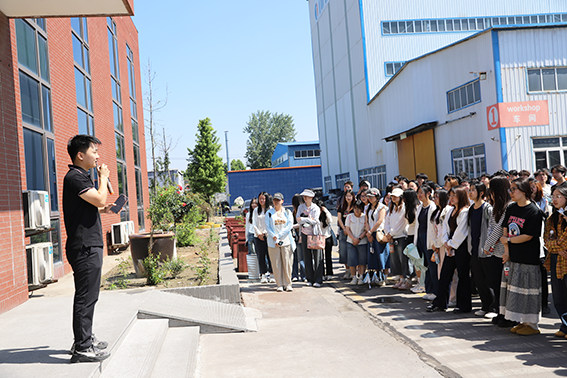
Tinhy and University of Jinan Celebrate Six Years of Industry–University Collaboration
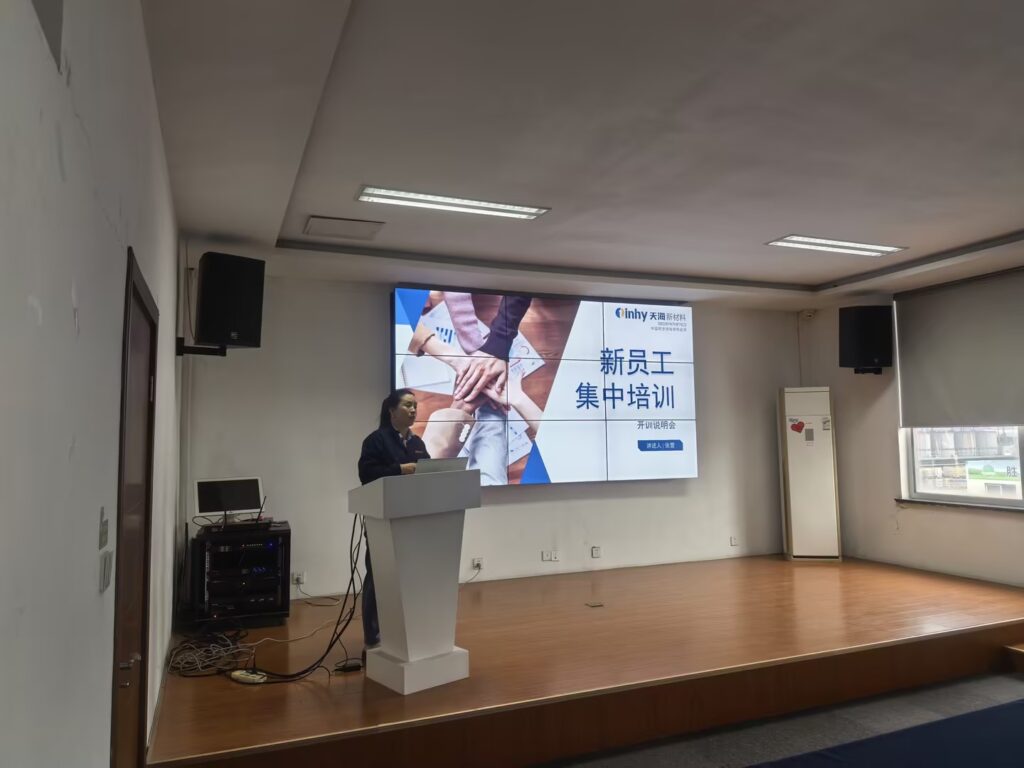
Empowering New Talent, Building the Future: Tinhy Successfully Conducts New Employee Orientation Training
Tinhy Conducts Comprehensive Emergency Drill to Strengthen Workplace Safety Defenses
Company Mid – Year Summary and Team – Building Activity Report
Is geomembrane a geotechnical engineering material?
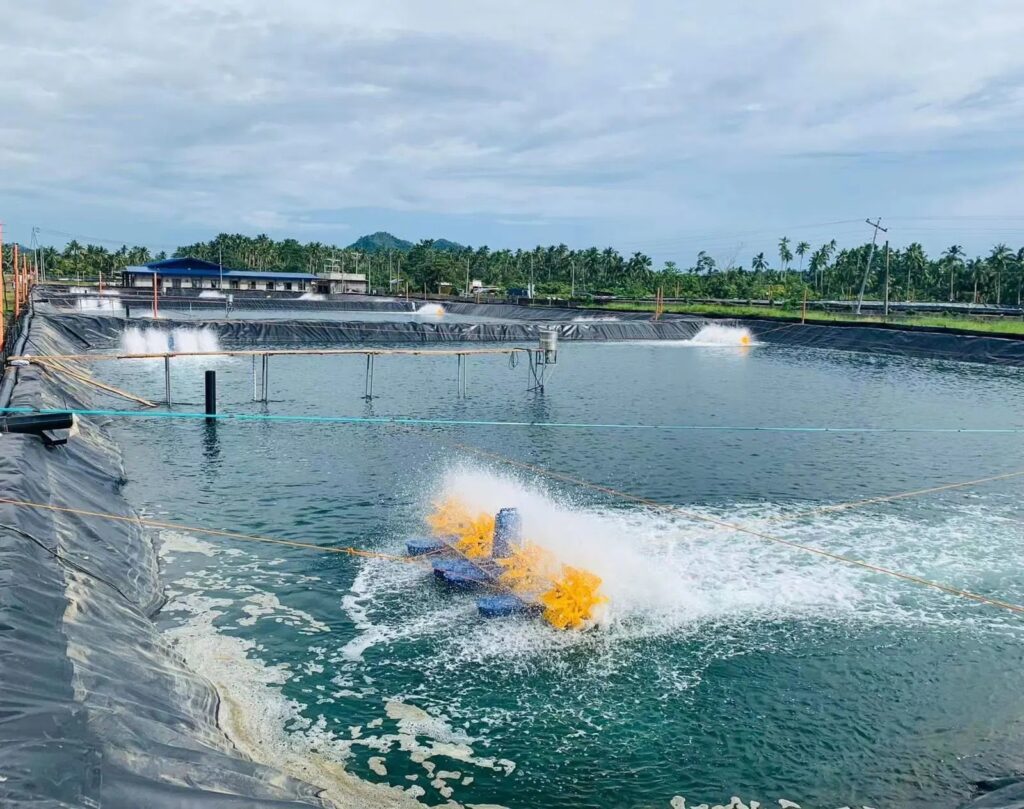
What are the application scenarios of geomembrane?
What are the functions of geotextiles?
Cómo elegir geomembrana de hdpe en proyectos de ingeniería
How to choose hdpe geomembrane in engineering projects
China’s Geotechnical Construction Materials Embrace New Opportunities
Tips for Moisture-Proof Storage of Geotextiles
Key Construction Points and Precautions for High-Density Polyethylene Geomembrane
what is pond lining material ?
What is geomembrane?
HDPE geomembrane construction plans and technical measures
What quality tests do HDPE geomembranes need to do?
Tinhy’s MDS® Drainage Solution
Installation Robots
The 8 Best Black Pond Liners Review: Materials, Performance & Selection Guide
How to Choose the Right HDPE Liner for Tailings Dams
The 7 Best Reservoir Liner Materials for Water Containment Projects
Top 8 HDPE Pond Liner Manufacturers in the World
Geogrid vs Geotextile: Differences, Applications & How to Choose
Filament Geotextile vs Staple Fiber Geotextile: Key Differences and Applications
The 6 Best Geomat Manufacturers in 2026: Complete Comparison Guide
How to Choose the Right Waterproof Geomembrane for Your Project?
What Is 60 Mil HDPE Geomembrane and What Are Its Applications?
Comprehensive Guide to 1mm Geomembrane for Landfill Applications
Should HDPE or PVC be used to install geomembrane in reservoirs?
What is the price of geomembrane?
Material characteristics of three different geomembranes
Esquema de construcción de geomembrana de HDPE y medidas técnicas
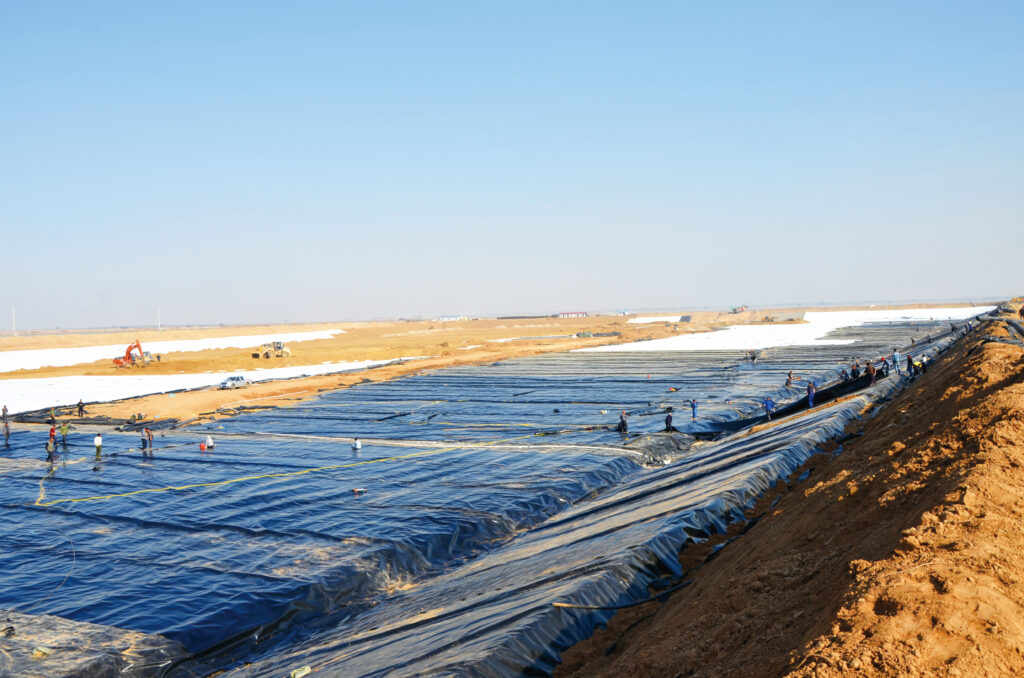
hdpe geomembrane pond liner in Congo (DRC)
How to lay and weld HDPE geomembrane?
HDPE geomembrane 0.2-4.0mm
HOME ABOUT PRODUCTS APPLICATION CONTENTUS RESOURCES
Home Resources Knowledge Base The 8 Best Black Pond Liners Review: Materials, Performance & Selection Guide

The 8 Best Black Pond Liners Review: Materials, Performance & Selection Guide

time:September 07, 2026 Views:9

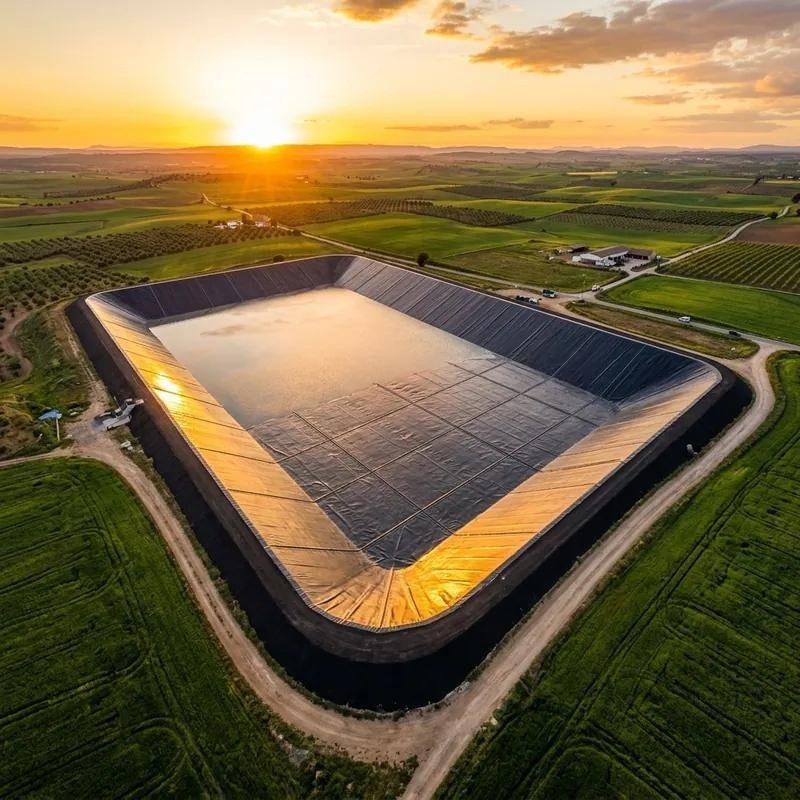
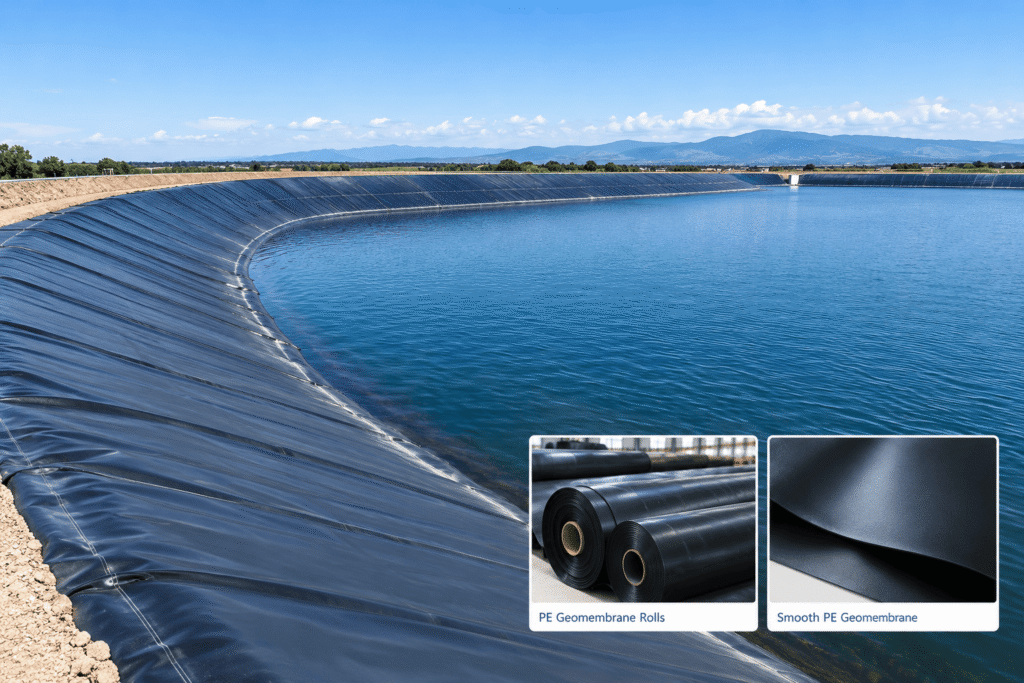
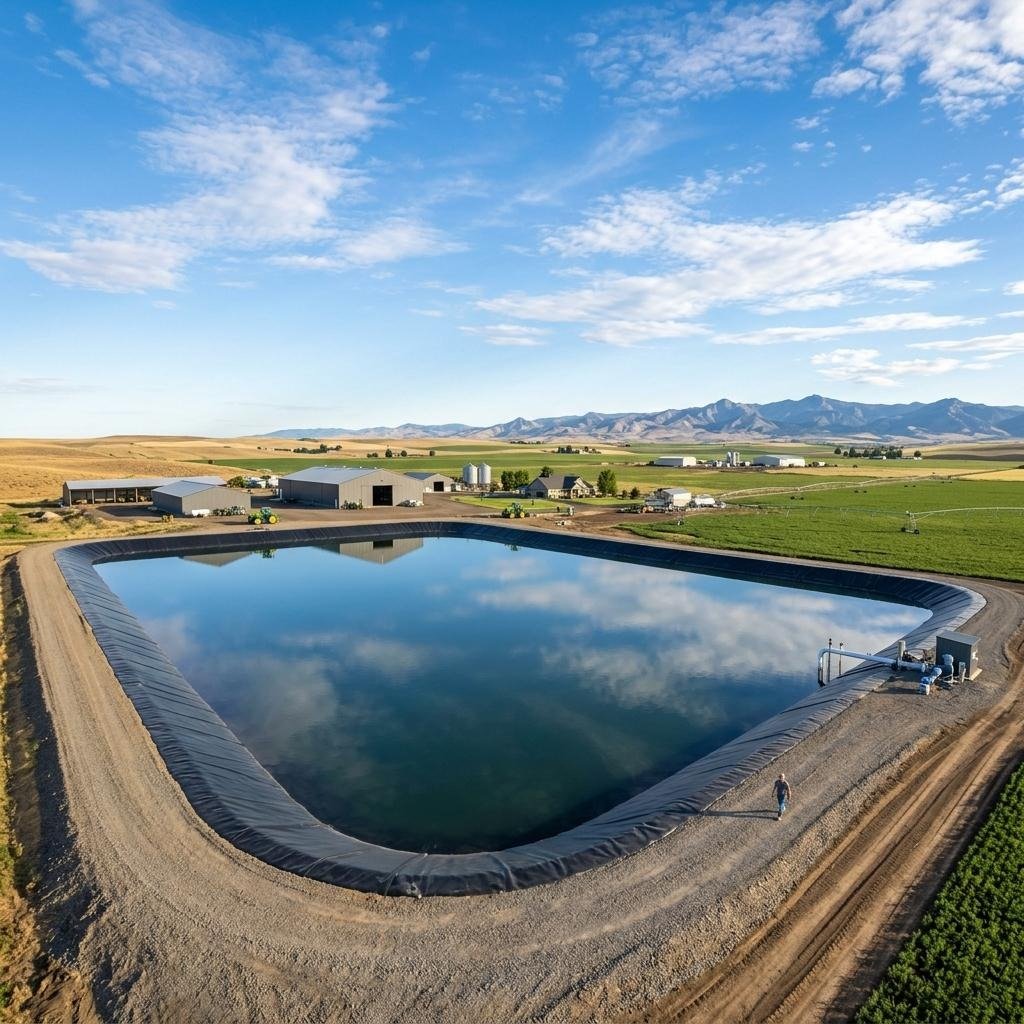
Black pond liners are widely used for koi ponds, fish ponds, decorative water features, irrigation ponds, aquaculture facilities, and other water-containment applications. Their dark appearance blends naturally with pond environments, while the right geomembrane material can provide reliable waterproofing, UV resistance, puncture resistance, and long-term service performance.

Common black pond liner materials include HDPE, LLDPE, EPDM, RPE, and PVC. Each material has different advantages in terms of flexibility, strength, chemical resistance, installation, and cost.

For pond owners, contractors, and project buyers, choosing the best black pond liner is not simply about selecting the thickest or cheapest product. The liner should be matched to the pond size, subgrade conditions, water chemistry, slope geometry, installation method, and expected service environment.

This guide reviews eight major black pond liner options and explains how to compare them based on material, thickness, mechanical performance, UV stability, flexibility, installation requirements, and overall value.

Table of Contents

1. What Is a Black Pond Liner?

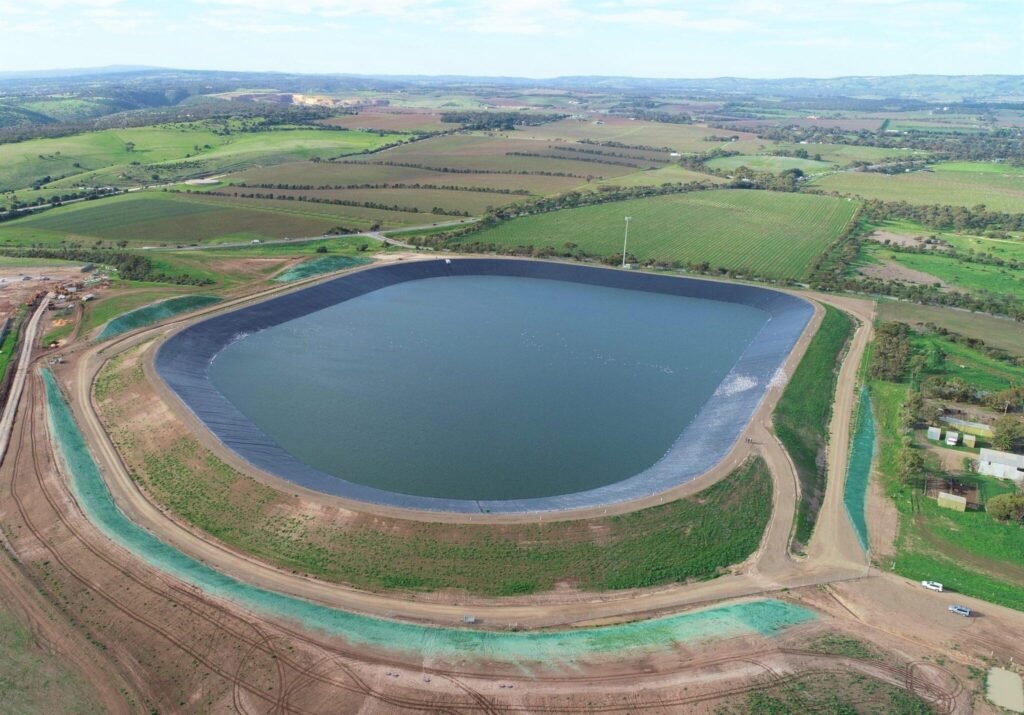
A black pond liner is an impermeable membrane installed over the prepared pond surface to reduce water seepage and separate the stored water from the surrounding soil.

Unlike concrete or rigid pond structures, flexible geomembranes can accommodate irregular pond shapes and, when properly designed and installed, provide a continuous waterproofing barrier.

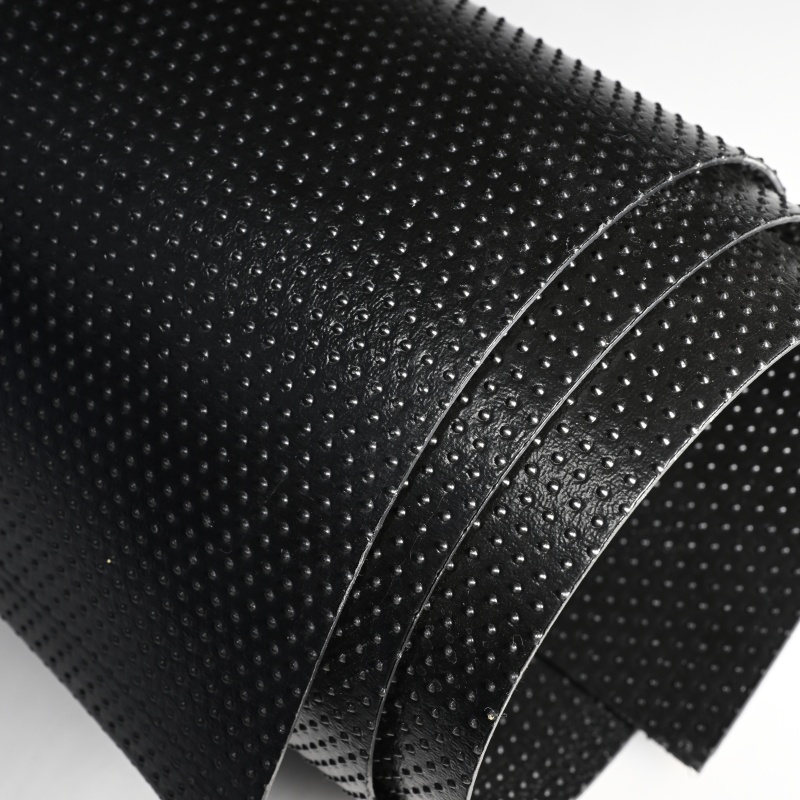
Black geomembranes are commonly produced with UV-stabilizing additives such as carbon black. This helps improve resistance to outdoor exposure and makes black membranes particularly suitable for applications where the liner is exposed to sunlight.

Common materials include:

  • HDPE geomembrane – high chemical resistance, strength, and durability
  • LLDPE geomembrane – greater flexibility and elongation
  • EPDM – highly flexible and suitable for irregular pond shapes
  • RPE – lightweight with a favorable strength-to-weight ratio
  • PVC – flexible and commonly used for smaller water features

The best choice depends on the specific pond conditions rather than color alone.

2. Key Factors When Choosing a Black Pond Liner

2.1 Material Type

The first decision is the membrane material.

HDPE is widely selected for larger ponds and demanding containment applications because it combines high tensile strength, puncture resistance, chemical resistance, and outdoor durability.

EPDM and LLDPE generally provide greater flexibility, which can be beneficial when the pond has complex geometry or when the liner needs to accommodate substrate movement.

Material Main Advantage Flexibility Chemical Resistance Typical Use
HDPE Strength & durability Medium Excellent Large ponds, aquaculture, irrigation
LLDPE High flexibility High Very Good Irregular ponds, containment
EPDM Excellent conformability Excellent Good Koi & decorative ponds
RPE Strength-to-weight ratio Good Very Good Large water features
PVC Easy handling High Moderate Small ponds & water features

2.2 Thickness

Thickness is one of the most important specifications when purchasing a pond liner.

Typical geomembrane thicknesses may range from approximately 0.5 mm to 2.0 mm or more, depending on the project.

A thicker liner generally provides greater resistance to puncture and construction damage, but thicker does not automatically mean better for every project.

Selection should consider:

  • Subgrade quality
  • Stone and root content
  • Pond size
  • Installation conditions
  • Expected mechanical loading
  • Whether the liner will remain exposed
  • Protective geotextile requirements

For many commercial pond and containment projects, a 1.0–1.5 mm HDPE geomembrane may provide a practical balance between durability and handling, while heavier applications may require greater thickness.

2.3 Puncture and Tear Resistance

Pond liners can be damaged during installation by rocks, roots, equipment, tools, or uneven subgrades.

For this reason, evaluating puncture and tear resistance is just as important as looking at tensile strength.

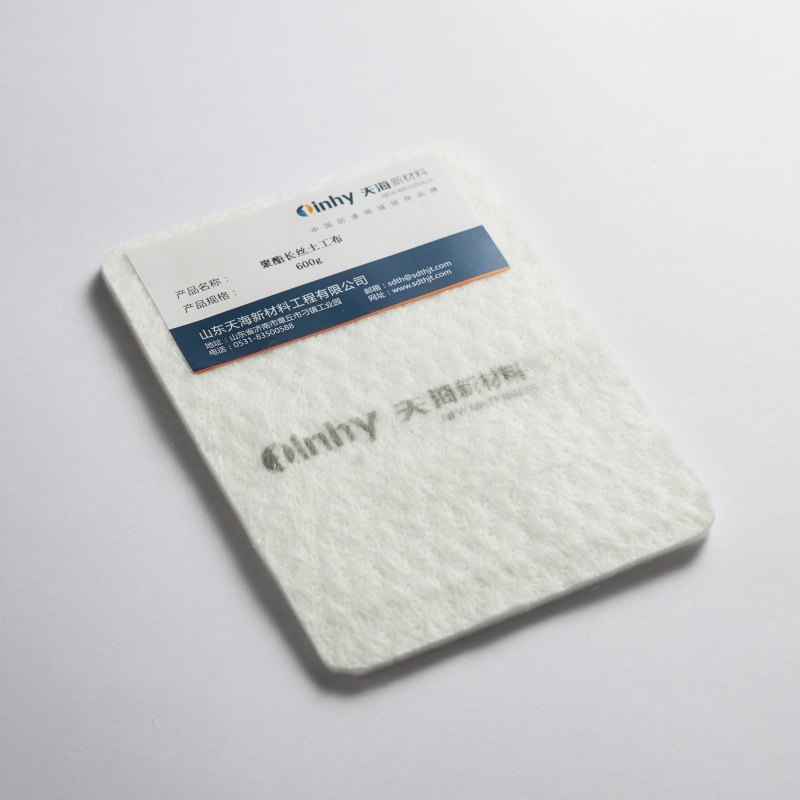
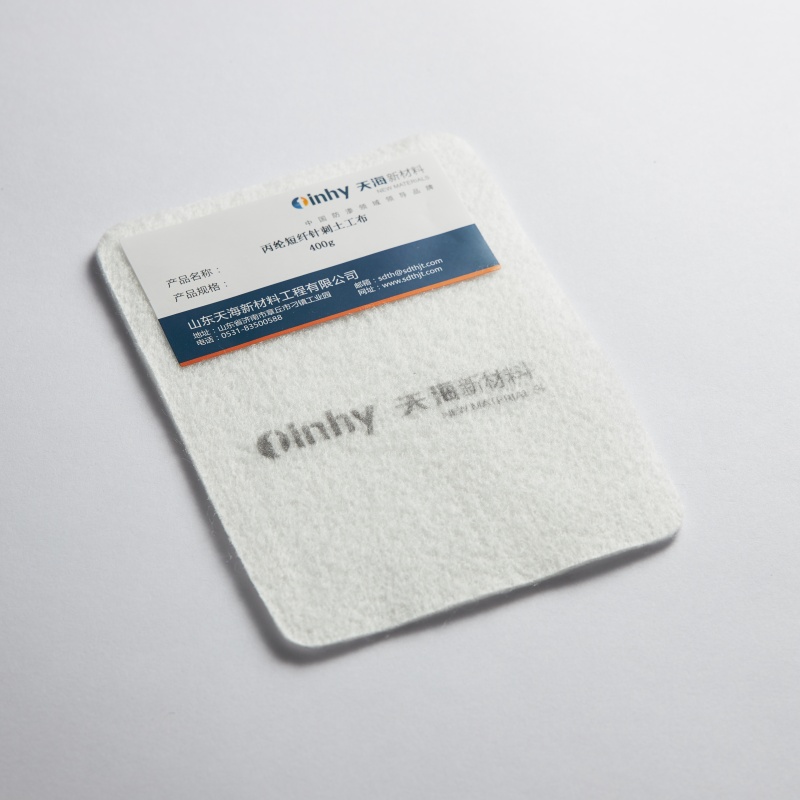
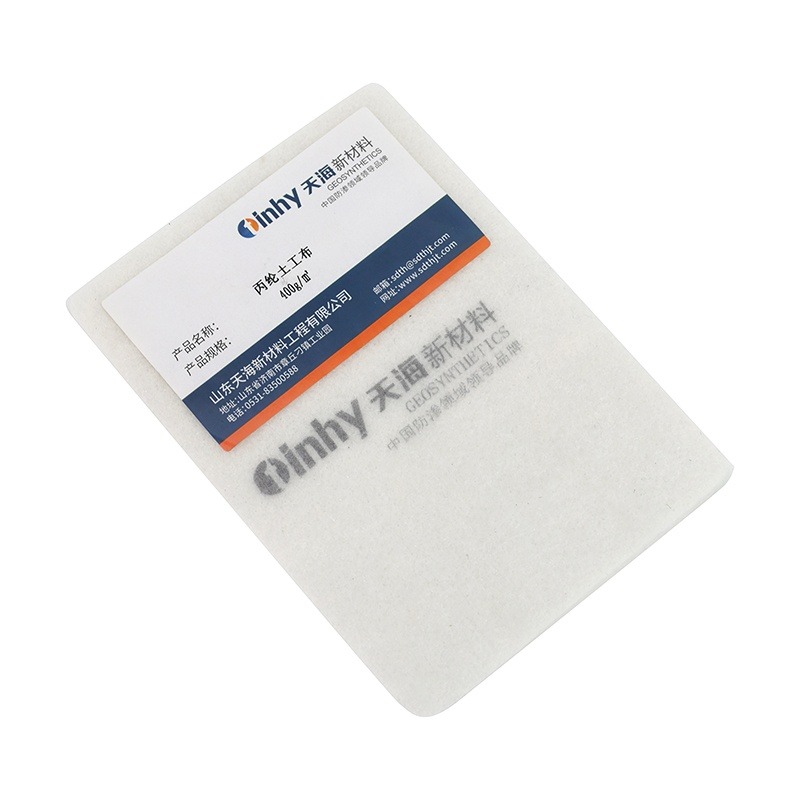
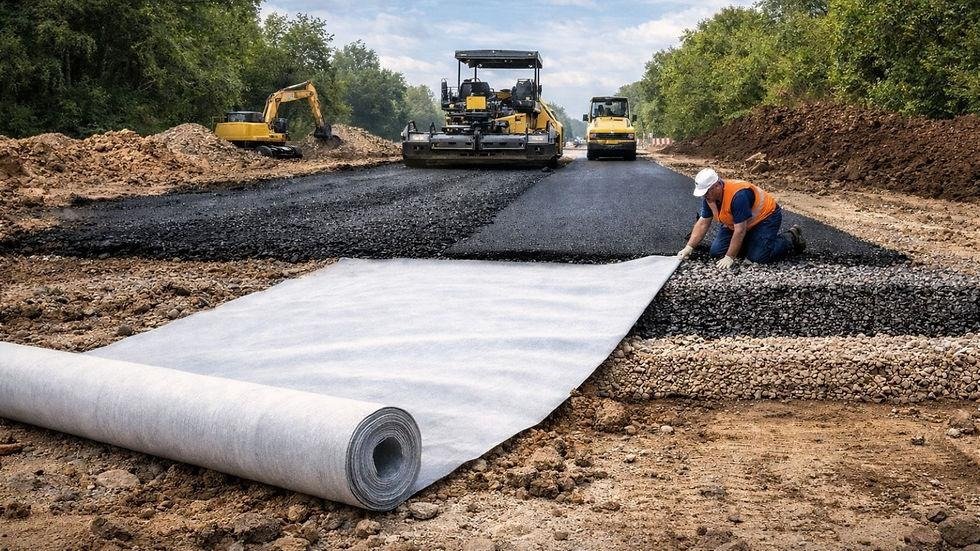
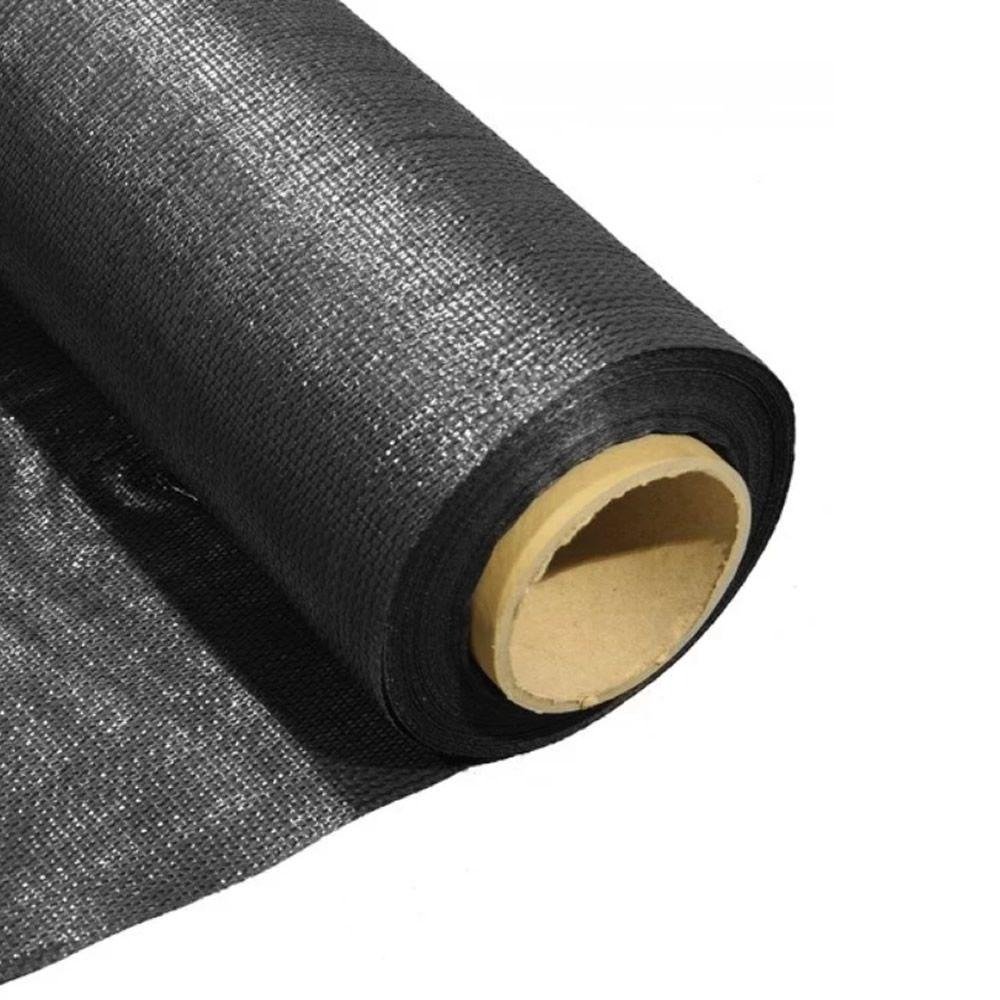
For projects with rough soil or rocky ground, consider using a geotextile protective layer beneath the geomembrane.

A properly selected geotextile can help distribute localized stresses and reduce the risk of puncture from the subgrade.

2.4 UV and Weather Resistance

Outdoor ponds can expose geomembranes to sunlight, temperature fluctuations, and weathering for many years.

Black geomembranes are commonly formulated with carbon black and stabilizers to improve resistance to ultraviolet exposure.

However, UV performance depends on the complete formulation and manufacturing quality—not simply the fact that a liner is black.

When comparing products, buyers should request technical data related to:

  • Carbon black content
  • Oxidative induction time
  • UV resistance
  • Tensile property retention
  • Weathering performance

2.5 Flexibility and Conformability

Ponds rarely have perfectly flat surfaces.

Curved edges, steps, slopes, drains, pipes, corners, and irregular contours all affect installation.

A flexible liner can conform more easily to complex pond geometries, while a higher-strength material may be preferable for large commercial containment areas.

The choice should therefore balance flexibility, mechanical strength, and installation method.

2.6 Seam Quality

For large ponds, the liner will normally consist of multiple sheets that need to be welded together.

The quality of these seams can have a major impact on the overall waterproofing performance of the pond.

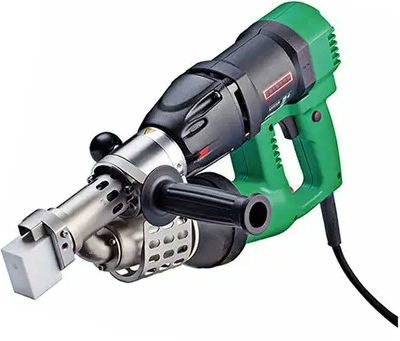
Professional HDPE geomembrane installation commonly uses automatic wedge welding or extrusion welding.

Quality control may include:

  • Visual inspection
  • Air-pressure testing
  • Vacuum testing
  • Spark testing where appropriate
  • Destructive seam testing
  • Weld documentation

3. The 8 Best Black Pond Liner Options Reviewed

Rather than treating every product as identical, the following ranking focuses on material characteristics and suitability for different project requirements.

3.1 HDPE Black Pond Liners – Best Overall for Durability

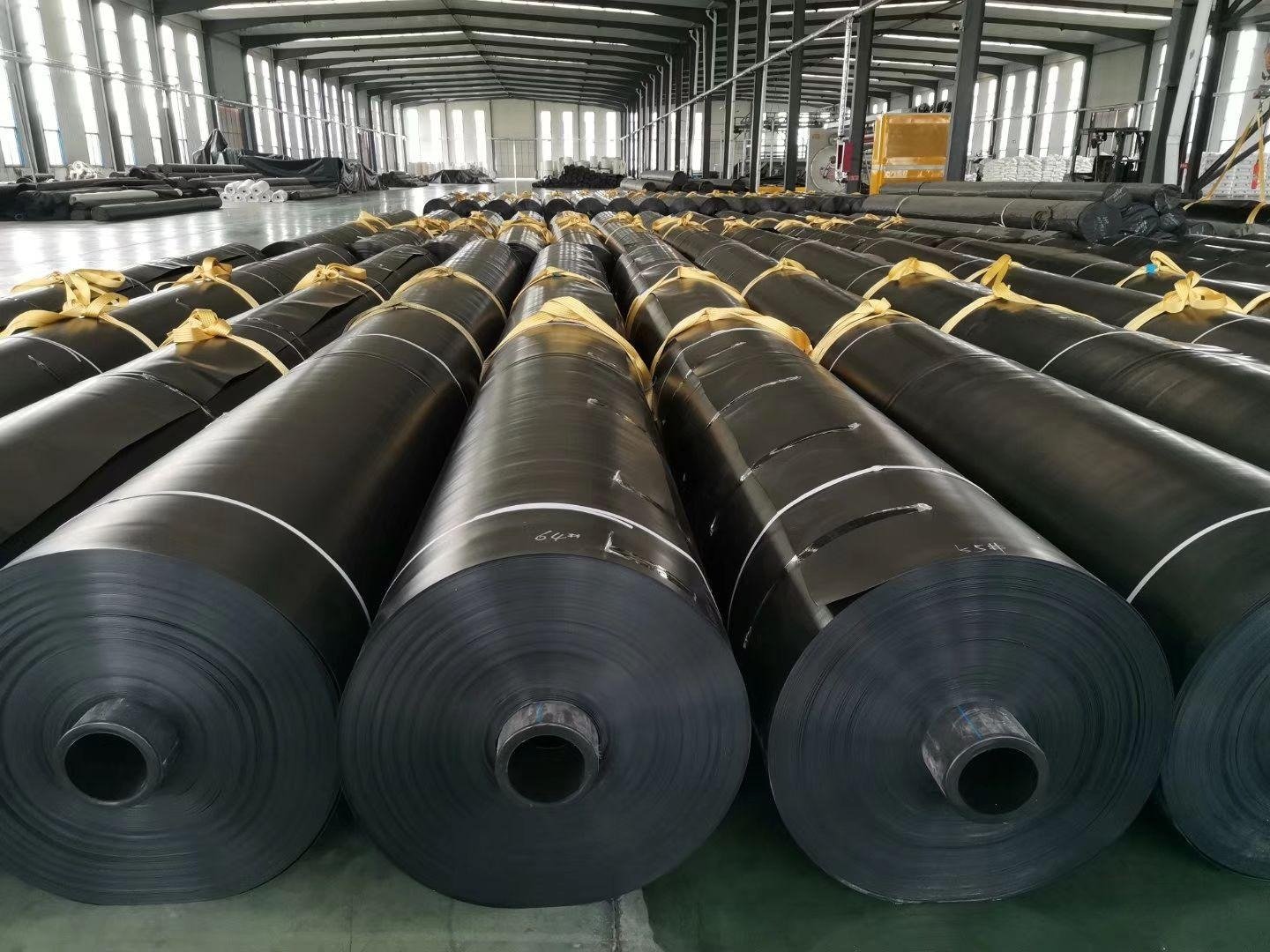
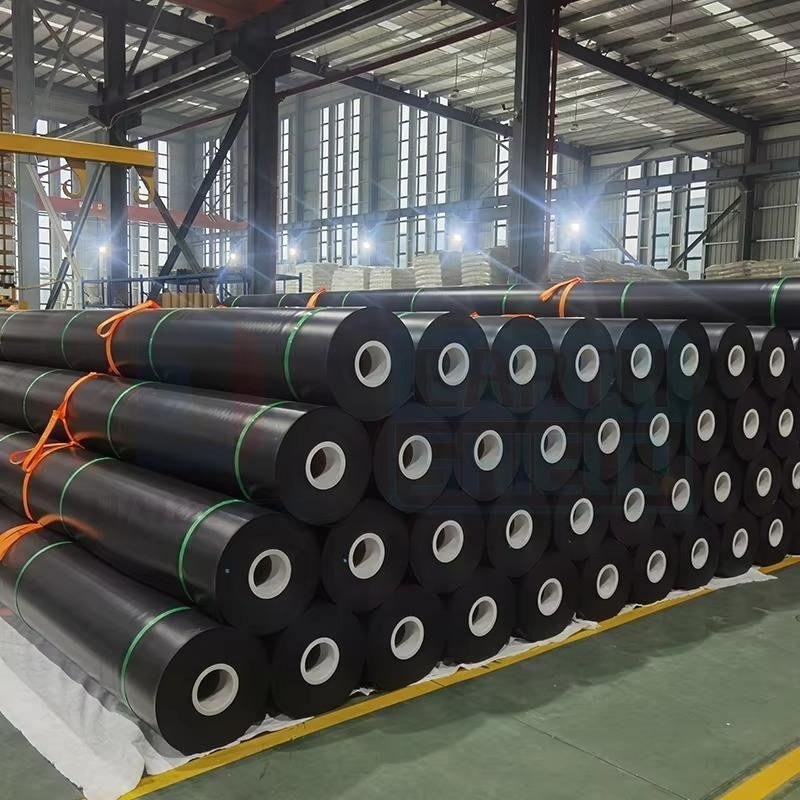
Black HDPE geomembrane is one of the most widely used solutions for demanding water-containment projects.

Its major advantages include:

  • High tensile strength
  • Good puncture resistance
  • Excellent chemical resistance
  • Strong UV resistance
  • Weldable seams
  • Multiple thickness options
  • Large roll and panel configurations

HDPE is particularly suitable for large ponds, irrigation reservoirs, aquaculture facilities, wastewater ponds, and industrial water containment.

Best for: Large and long-term pond projects where strength and durability are priorities.

3.2 EPDM Black Pond Liners – Best for Flexibility

EPDM pond liners are known for their high elasticity and flexibility.

They can conform well to irregular pond shapes and are commonly used in ornamental ponds, garden ponds, and koi ponds.

Advantages:

  • Excellent flexibility
  • Good conformability
  • Suitable for irregular geometries
  • Relatively easy to handle for many smaller projects

Best for: Decorative ponds, koi ponds, and projects where flexibility is more important than very high mechanical strength.

3.3 RPE Black Pond Liners – Best Strength-to-Weight Option

Reinforced polyethylene liners can provide high mechanical performance while maintaining relatively low weight.

This can make transportation and installation easier, particularly for larger pond areas.

Best for: Projects requiring a balance between strength, weight, and installation efficiency.

3.4 LLDPE Black Pond Liners – Best for High Flexibility

LLDPE geomembranes generally provide greater elongation and flexibility than conventional HDPE.

This can be advantageous where the subgrade may experience movement or where the pond geometry is complex.

Best for: Irregular pond structures and applications where flexibility and conformability are important.

3.5 Textured Black HDPE Liners – Best for Sloped Areas

Smooth geomembranes are suitable for many flat or gently sloped surfaces, while textured geomembranes can provide increased interface friction.

For steep pond slopes, the interaction between the liner and adjacent materials should be evaluated during design.

Textured HDPE may be considered where additional interface friction is required.

3.6 PVC Black Pond Liners – Best for Small Water Features

PVC liners are commonly used for smaller ponds and decorative water features.

They can be flexible and relatively easy to handle, making them suitable for certain residential applications.

However, material selection should consider the expected exposure, water chemistry, temperature, and service conditions.

Best for: Small decorative ponds and water features where project requirements are relatively moderate.

3.7 Geotextile-Protected Black Geomembrane Systems – Best for Rough Subgrades

In some projects, the best pond liner solution is not simply a thicker geomembrane.

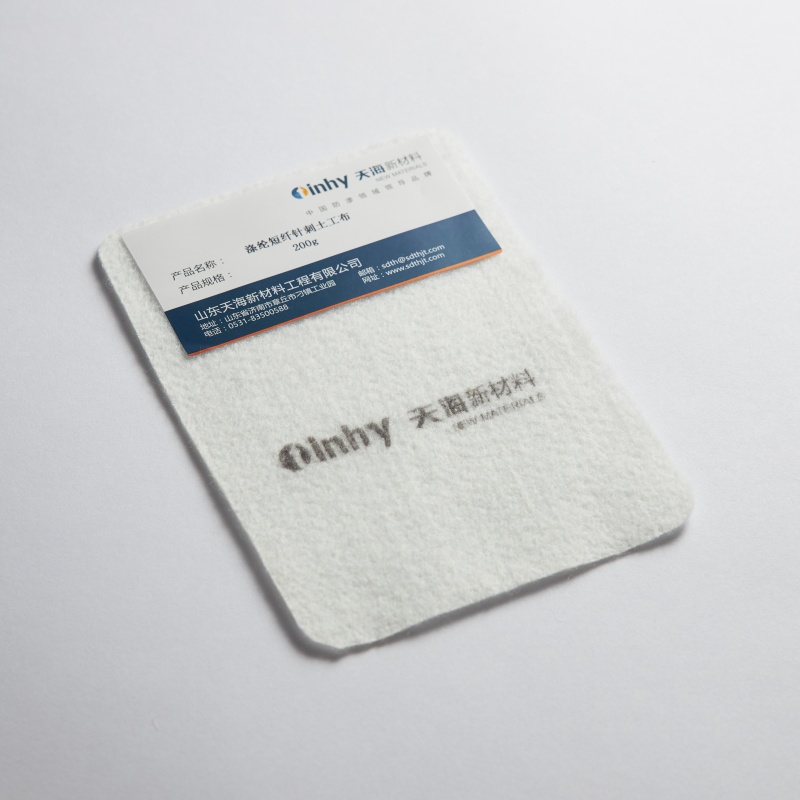
A geotextile + geomembrane system can provide additional protection when the underlying soil contains sharp stones or other potential puncture hazards.

A typical structure may include:

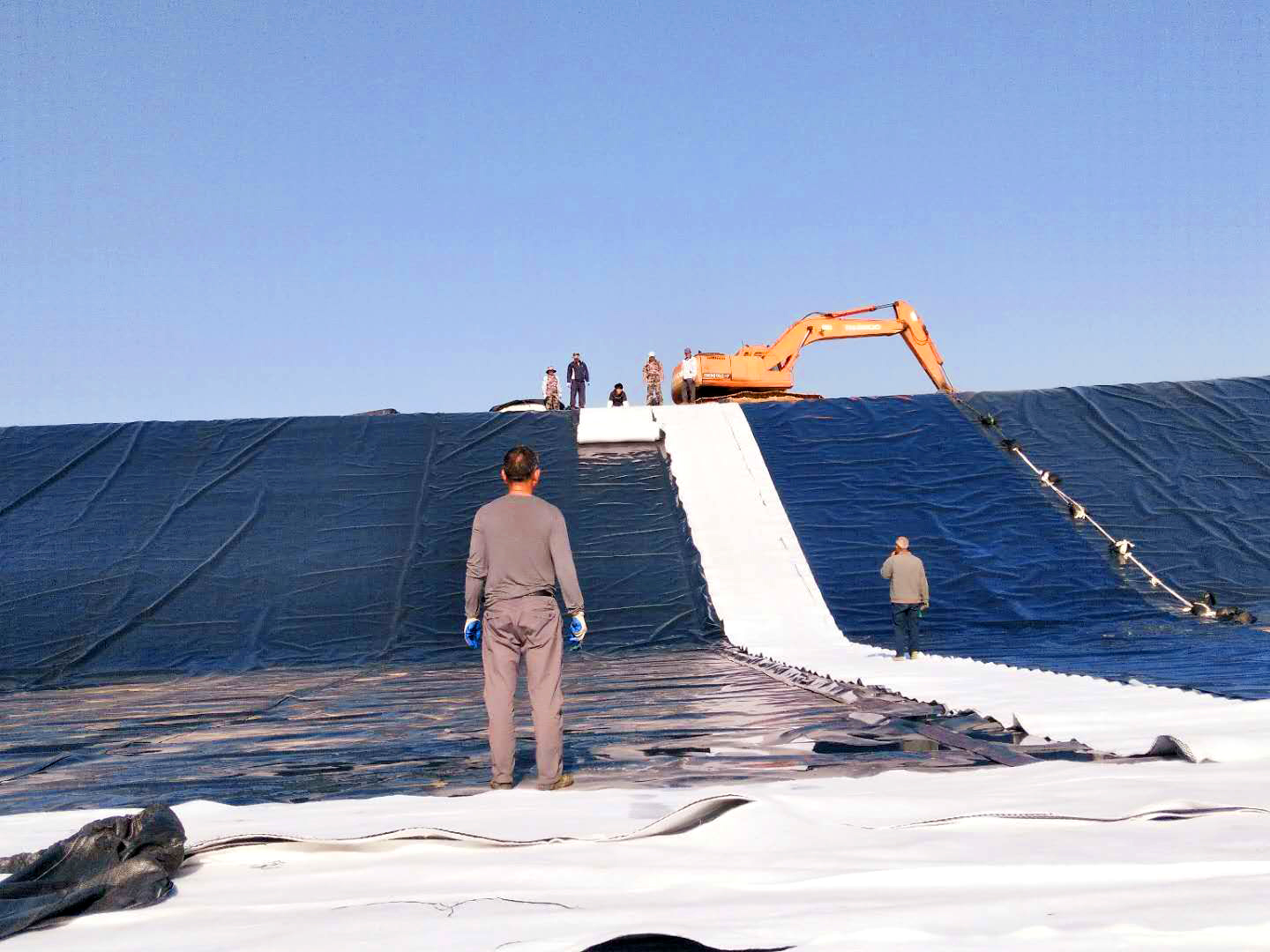
Prepared Subgrade → Geotextile → Black HDPE Geomembrane → Water

The geotextile selection should be based on the site conditions and required protection level.

3.8 Custom-Fabricated Black Geomembrane Panels – Best for Complex Projects

For large or geometrically complex ponds, custom-fabricated geomembrane panels can reduce field welding requirements and improve installation efficiency.

Depending on the project, manufacturers may provide:

  • Custom panel dimensions
  • Factory-fabricated seams
  • Pipe boots
  • Special fittings
  • Customized roll widths
  • Installation drawings
  • Technical support

Best for: Large commercial, aquaculture, irrigation, and engineered water-containment projects.

4. Comparison of the 8 Black Pond Liner Options

Rank Black Pond Liner Type Main Strength Flexibility Best Application
1 Black HDPE Strength & durability Medium Large ponds & reservoirs
2 Black EPDM Flexibility Excellent Koi & decorative ponds
3 Black RPE Strength-to-weight ratio Good Large water features
4 Tinhy Black HDPE Customization & engineered solutions Medium Commercial & industrial ponds
5 Textured HDPE Slope friction Medium Sloped ponds
6 Black LLDPE High elongation High Irregular pond geometry
7 Black PVC Easy handling High Small water features
8 Custom Geomembrane Panels Project-specific design Application-dependent Complex projects

Note: The ranking is a practical comparison based on material characteristics and common project requirements, not a claim of market share or universal product superiority.

5. Why Choose Tinhy Black HDPE Geomembrane?

Tinhy Geosynthetics provides black HDPE geomembranes for water containment and other engineered applications, with options for different thicknesses, surface structures, dimensions, and project requirements.

Tinhy Black HDPE Geomembrane Advantages

1. Multiple Material Options

Tinhy supplies smooth and textured HDPE geomembranes for different installation conditions.

2. Flexible Thickness Selection

Thickness can be selected according to the project requirements, subgrade conditions, mechanical loading, and expected service environment.

3. Smooth and Textured Surfaces

Smooth HDPE is suitable for many standard containment applications, while textured surfaces can be considered where greater interface friction is required.

4. Quality Control

Geomembrane production should be supported by systematic testing of key properties such as thickness, tensile strength, tear resistance, puncture resistance, and oxidative stability.

5. Project Customization

For larger projects, roll dimensions, packaging, and other product specifications can be coordinated according to project requirements.

6. Complete Geosynthetic Solutions

In addition to HDPE geomembranes, Tinhy supplies geotextiles, GCL, drainage materials, geogrids, geocells, and other geosynthetic products that can be combined into engineered containment systems.

6. Black Pond Liner Installation Best Practices

Even a high-quality geomembrane can perform poorly if the installation conditions are not properly controlled.

Step 1: Prepare the Subgrade

Remove sharp rocks, roots, debris, and other objects that could damage the membrane.

The subgrade should be adequately compacted and reasonably smooth.

Step 2: Install Protective Geotextile When Required

A geotextile underlay can be installed where additional puncture protection is required.

Step 3: Deploy the Geomembrane

Avoid excessive dragging of the liner across rough surfaces.

Panels should be positioned to minimize unnecessary wrinkles and field seams.

Step 4: Weld the Seams

HDPE panels are typically joined using appropriate thermal welding equipment.

Welding parameters should be controlled according to membrane material, thickness, equipment, and site conditions.

Step 5: Inspect and Test the Seams

Completed seams should be inspected and tested according to the project quality-control plan.

Step 6: Protect the Finished Liner

If the liner will be exposed to traffic or mechanical damage, additional protection should be considered.

7. Black Pond Liner vs. Other Colors

Black is the most common color for geomembrane pond liners, but color selection should be based on application requirements.

Feature Black Geomembrane Light-Colored Geomembrane
UV stabilization Commonly optimized with carbon black Formulation-dependent
Pond aesthetics Natural dark appearance More visible
Debris visibility Lower Higher
Outdoor use Widely used Application-dependent
Heat absorption Higher Generally lower
Common availability Very high More specialized

For most outdoor pond applications, black geomembrane remains a practical and widely available option.

8. How Much Does a Black Pond Liner Cost?

The final cost of a black pond liner depends on much more than membrane thickness.

Key cost factors include:

  • Membrane material
  • Thickness
  • Total area
  • Roll width
  • Surface type
  • Factory-fabricated panels
  • Geotextile underlay
  • Welding requirements
  • Site accessibility
  • Installation labor
  • Transportation

A cheaper liner may not always produce a lower project cost if it requires more seams, additional protection, or more frequent repairs.

For large ponds, buyers should compare total installed cost rather than only the price per square meter.

9. How to Choose the Best Black Pond Liner for Your Project

Before requesting a quotation, prepare the following information:

Project Information

  • Pond length
  • Pond width
  • Maximum depth
  • Side-slope geometry
  • Total liner area
  • Water type
  • Expected exposure conditions

Technical Requirements

  • Preferred material
  • Required thickness
  • Smooth or textured surface
  • Geotextile protection requirement
  • Fish-safe requirements, if applicable
  • Welding and installation requirements

Supply Requirements

  • Roll dimensions
  • Factory-fabricated panels
  • Packaging
  • Delivery location
  • Required quantity
  • Project schedule

Providing this information allows the manufacturer to recommend a more suitable liner configuration rather than simply quoting a standard product.

10. Frequently Asked Questions

Is black HDPE good for a pond liner?

Yes. Black HDPE geomembrane is widely used for ponds and water-containment applications because of its combination of strength, chemical resistance, UV stability, and weldability.

What thickness of HDPE pond liner should I use?

There is no single thickness that fits every pond. The appropriate thickness depends on pond size, subgrade conditions, installation method, mechanical loading, and expected service life. Common project selections may range from approximately 0.75 mm to 2.0 mm or more.

Is black HDPE liner safe for fish ponds?

For fish and aquaculture applications, the complete liner formulation and applicable product requirements should be reviewed rather than assuming that any black geomembrane is automatically fish-safe. Ask the manufacturer for relevant compliance information when required.

Is HDPE better than EPDM for pond liners?

Neither material is universally better. HDPE generally offers strong mechanical and chemical performance, while EPDM provides excellent flexibility and conformability. The best material depends on pond geometry and project requirements.

Do I need geotextile under an HDPE pond liner?

A geotextile underlay is often beneficial when the subgrade contains rocks, roots, or other puncture hazards. The required geotextile specification should be determined based on site conditions.

Is textured HDPE better than smooth HDPE?

Not necessarily. Textured HDPE can provide greater interface friction and may be useful on slopes, while smooth HDPE is often suitable for flat or standard containment surfaces. The selection should be based on slope stability and interface design.

Conclusion

The best black pond liner depends on the combination of material, thickness, mechanical properties, flexibility, UV resistance, installation conditions, and project requirements.

HDPE is a strong choice for large and demanding water-containment projects, while EPDM, LLDPE, RPE, and PVC can provide advantages for specific applications. In many projects, combining a black geomembrane with an appropriate geotextile protection layer can further improve system reliability.

For commercial ponds, aquaculture facilities, irrigation reservoirs, and engineered water-containment projects, Tinhy Geosynthetics can provide black HDPE geomembrane options with different thicknesses, surface structures, dimensions, and supporting geosynthetic materials.

Need help selecting the right black pond liner? Contact Tinhy Geosynthetics with your pond dimensions, application, and site conditions for a project-specific recommendation and quotation.

Knowledge Base
Share:
info@tinhygeosynthetics.com Bai Jinxi
Consultation

    Get The Latest Product Prices

    Your inquiries are welcomed at any time and please feel free to contact us via email, phone calls, and online chatbox on our site.

    We will definitely give you a reply ASAP after we receive your messages.

      0/180