Resources
Company News
Industry News
Knowledge Base
Project Cases
Innovation
Team Power Fuels TINHY’s Global Geosynthetics Solutions
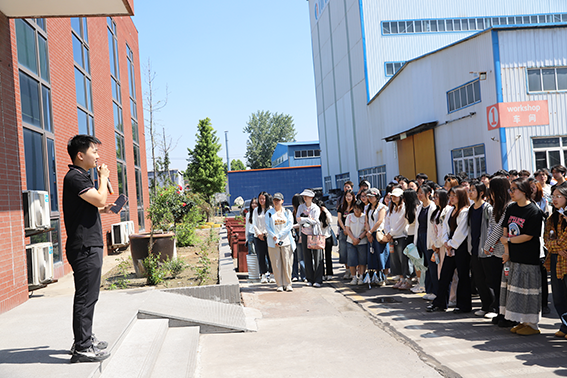
Tinhy and University of Jinan Celebrate Six Years of Industry–University Collaboration
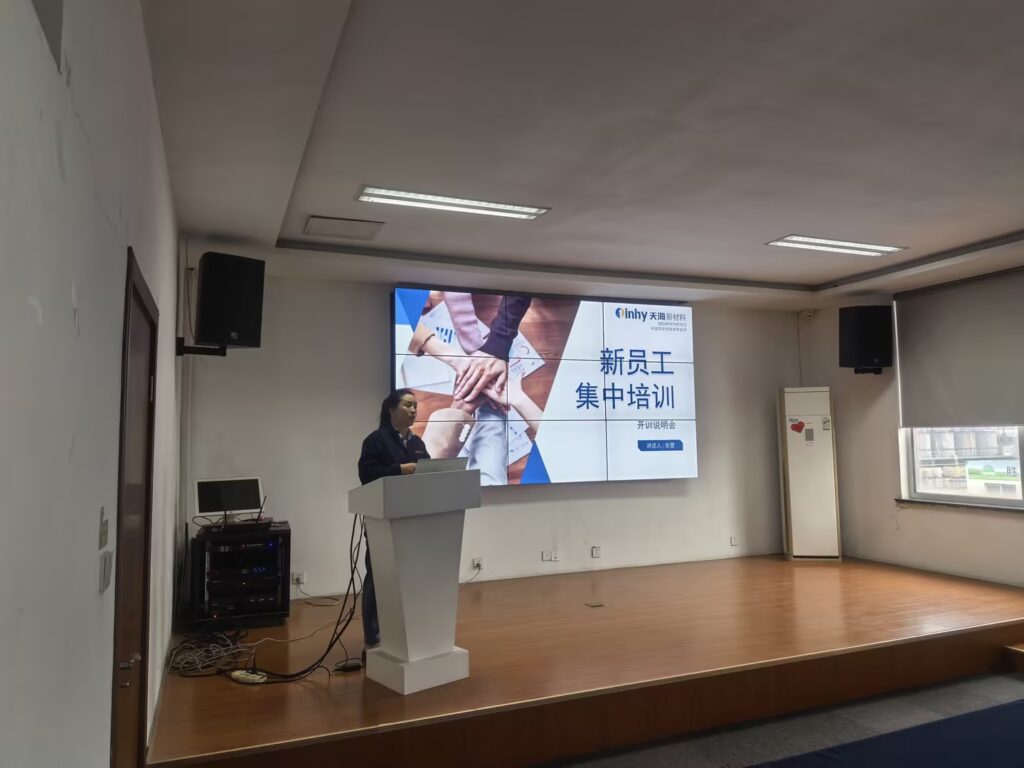
Empowering New Talent, Building the Future: Tinhy Successfully Conducts New Employee Orientation Training
Tinhy Conducts Comprehensive Emergency Drill to Strengthen Workplace Safety Defenses
Company Mid – Year Summary and Team – Building Activity Report
Is geomembrane a geotechnical engineering material?
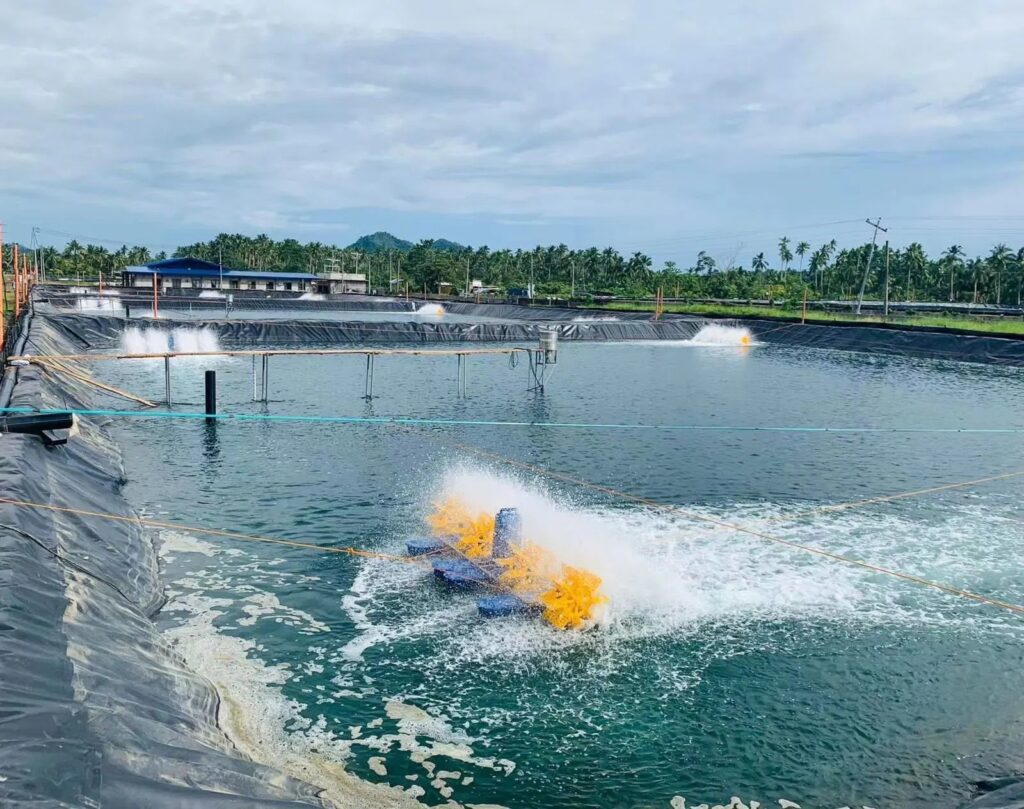
What are the application scenarios of geomembrane?
What are the functions of geotextiles?
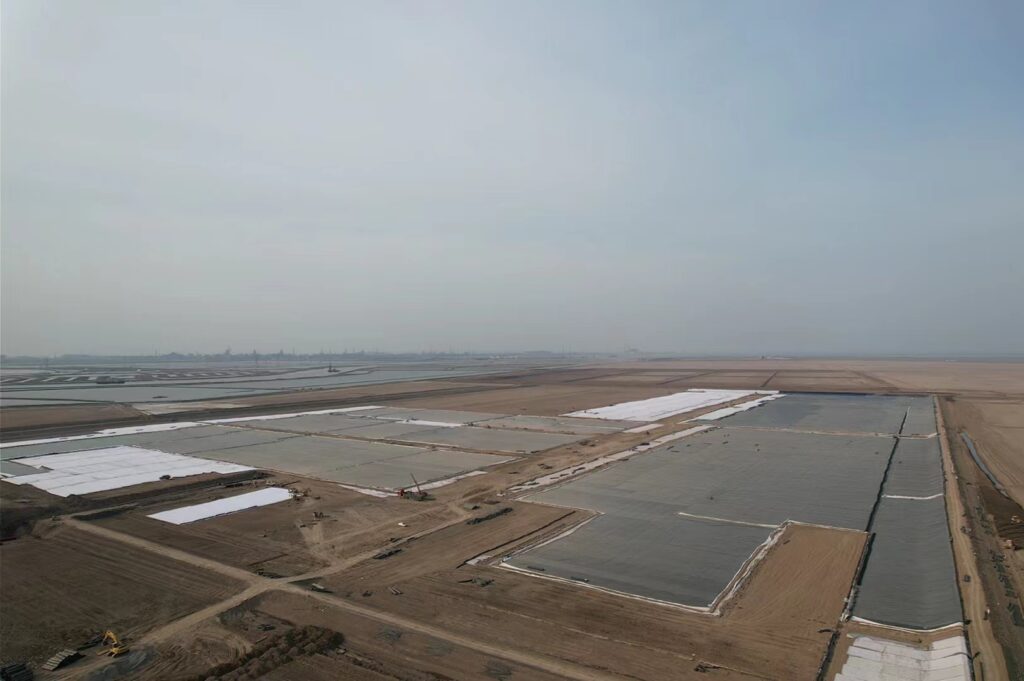
Cómo elegir geomembrana de hdpe en proyectos de ingeniería
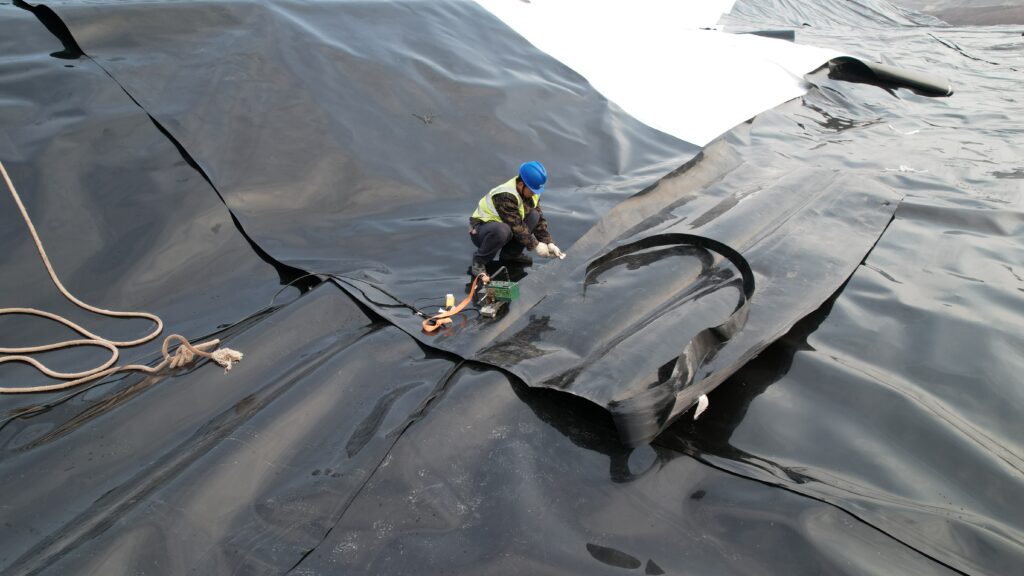
How to choose hdpe geomembrane in engineering projects
China’s Geotechnical Construction Materials Embrace New Opportunities
Tips for Moisture-Proof Storage of Geotextiles
Key Construction Points and Precautions for High-Density Polyethylene Geomembrane
what is pond lining material ?
What is geomembrane?
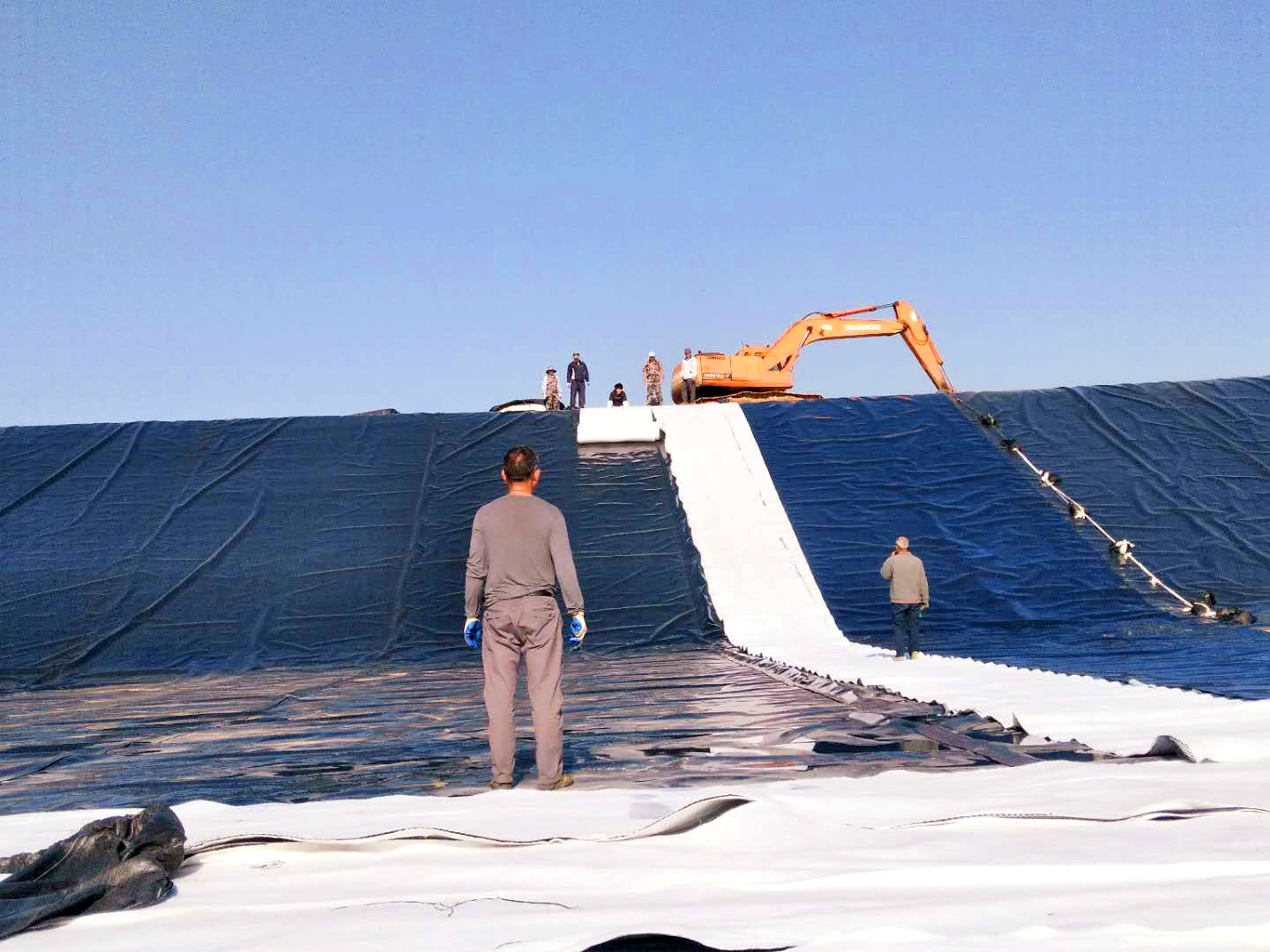
HDPE geomembrane construction plans and technical measures
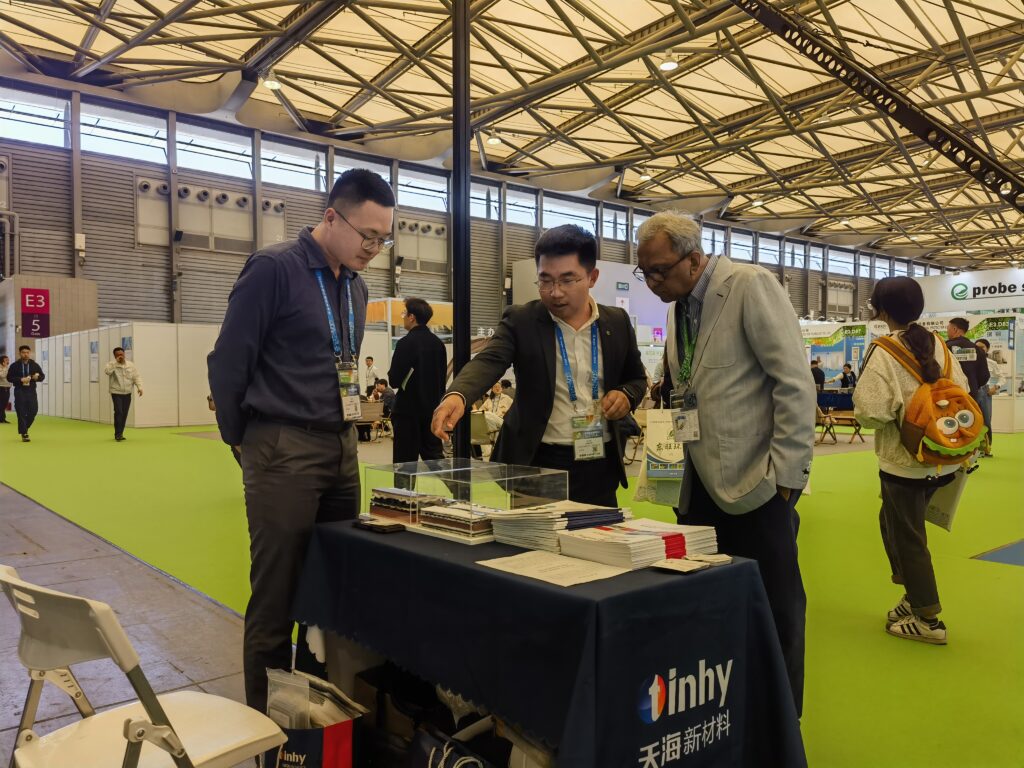
What quality tests do HDPE geomembranes need to do?
Tinhy’s MDS® Drainage Solution
Installation Robots
LDPE Sheet 500 Micron Price: Cost Factors, Applications, and Buying Guide
30 Mil Geomembrane: Specifications, Applications, and How to Choose the Right Liner
PE Geomembranes: 6 Products to Compare and How to Choose the Right Liner
7 Best LLDPE Pond Liner Options for Large Reservoirs: A Buyer’s Guide
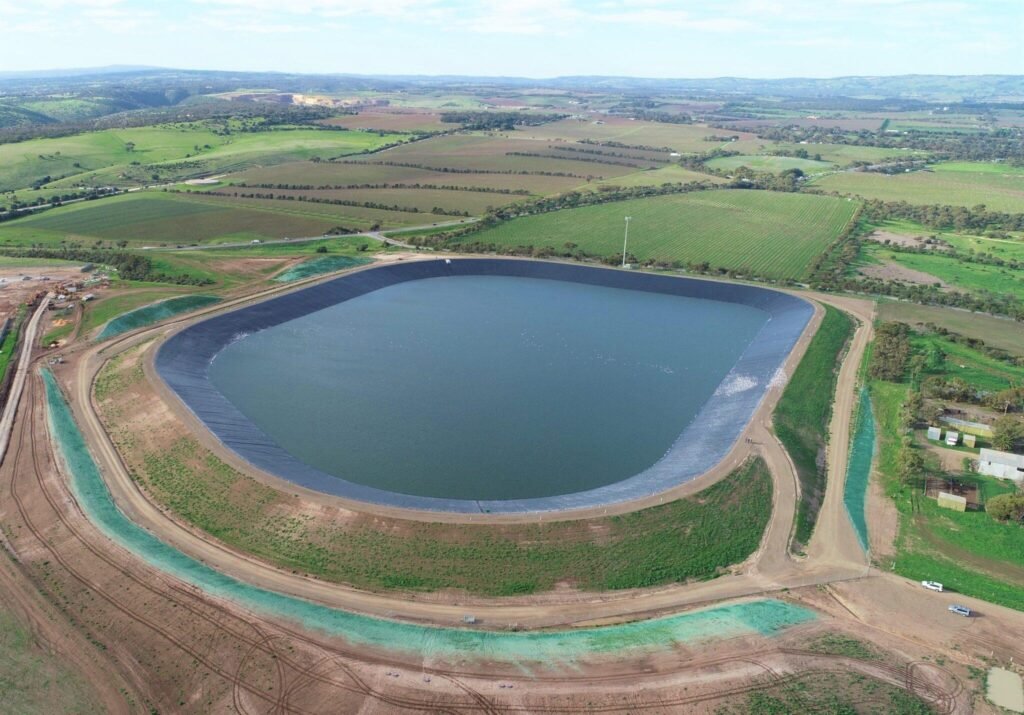
Dam Liner Cost: A Complete Guide to Geomembrane Selection and Budget Planning
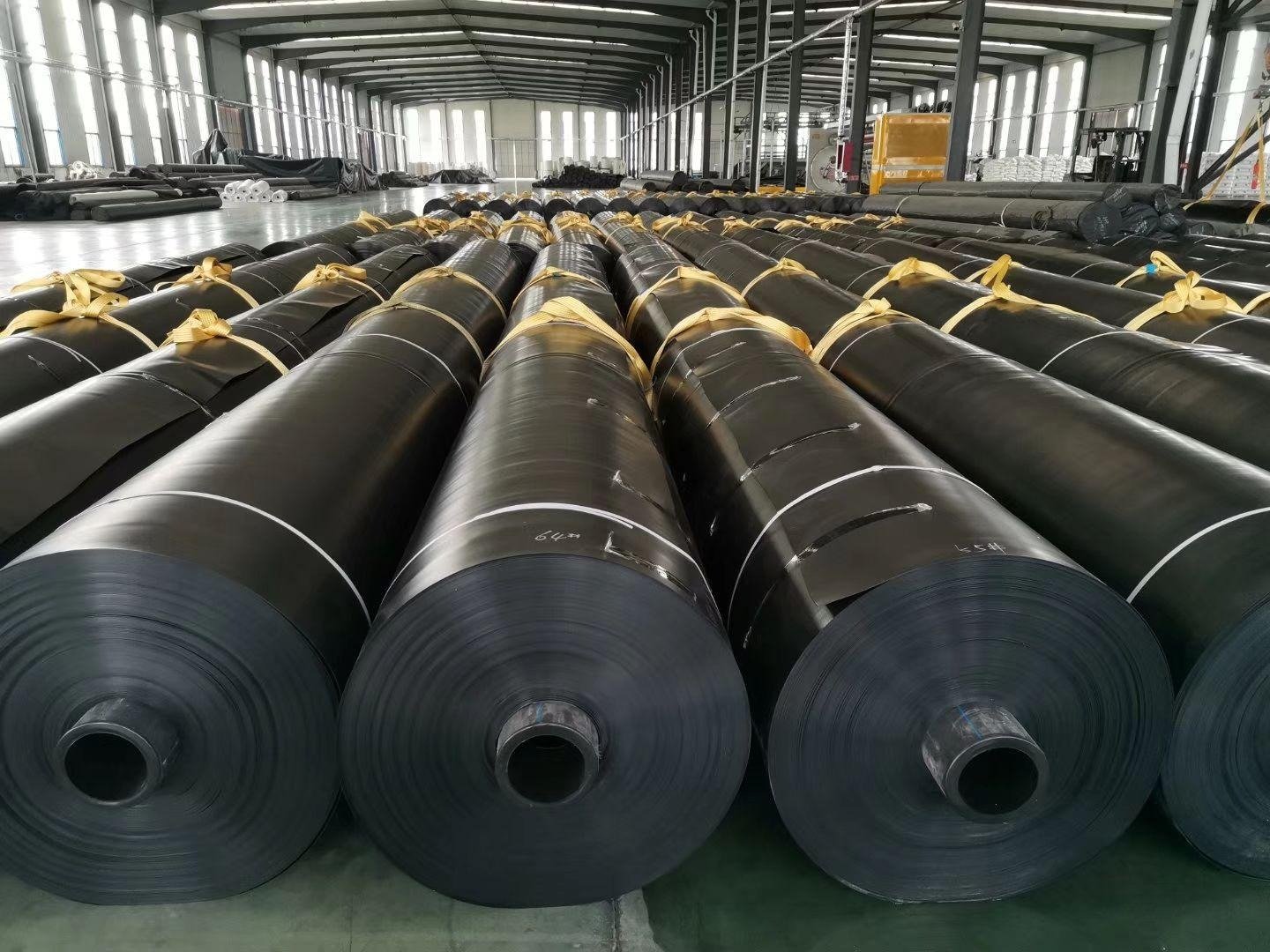
HDPE Pond Liner Suppliers: How to Choose the Right Manufacturer for Your Project
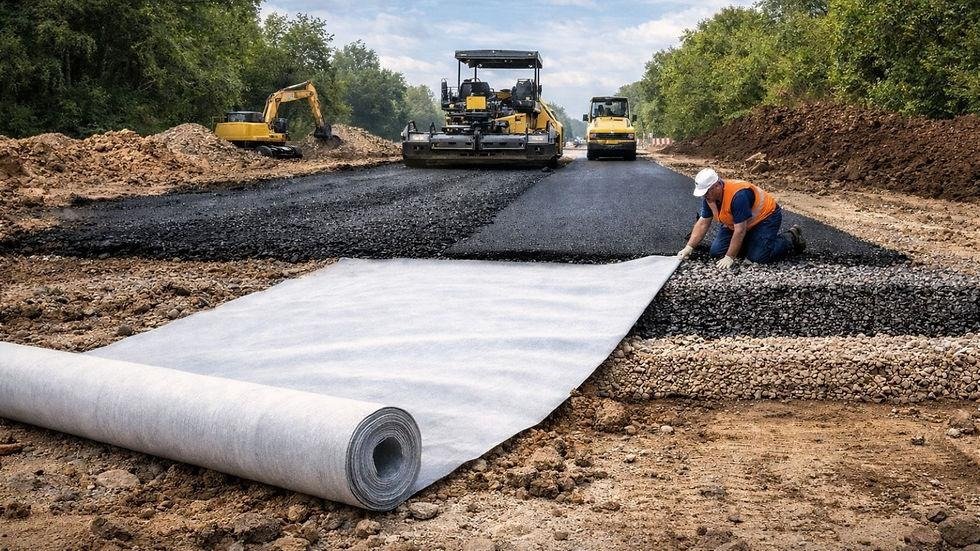
Geo Textiles: Types, Applications, Benefits & Selection Guide
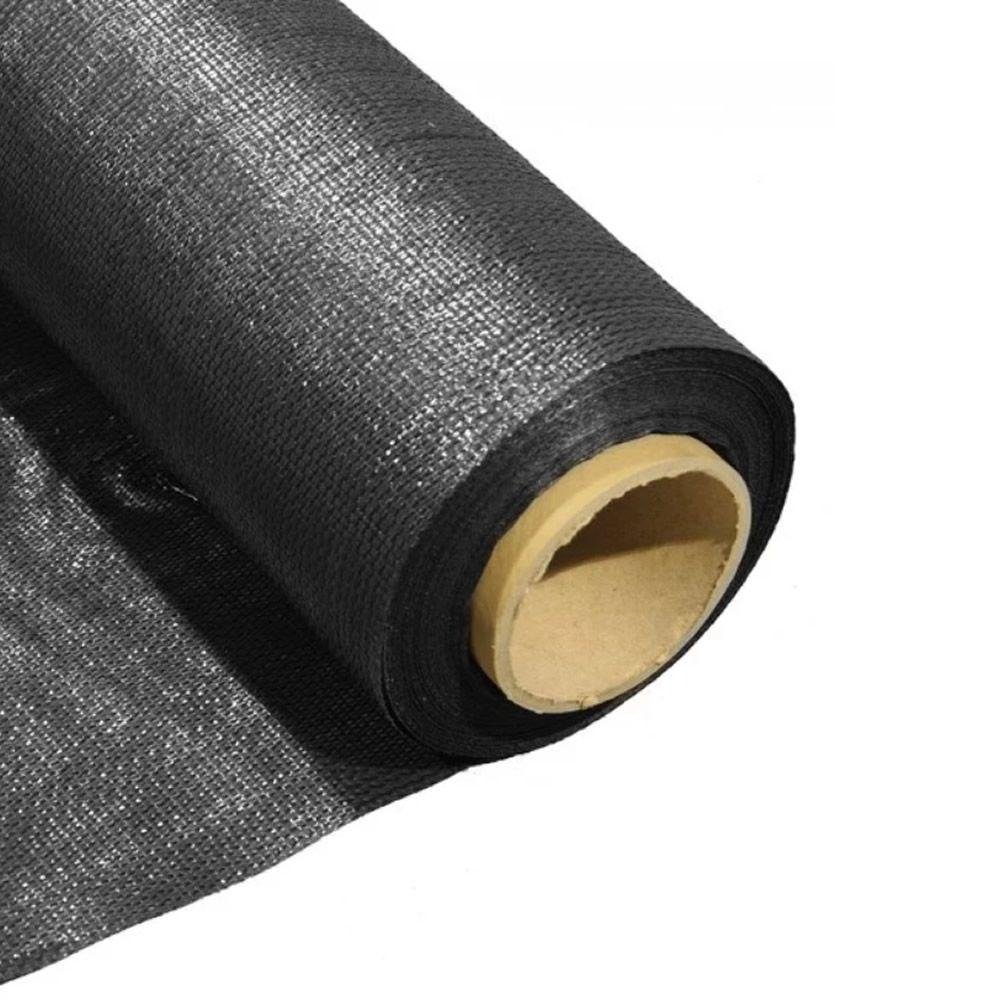
PP Woven Geotextiles: Properties, Applications & Selection Guide
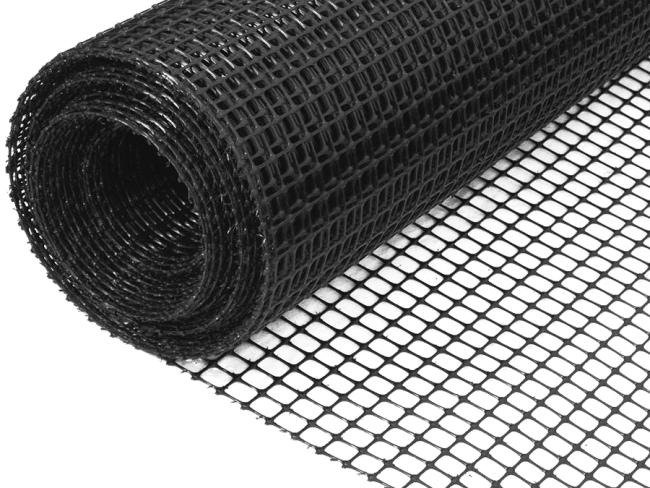
Geogrid Price: Types, Cost Factors & Buying Guide
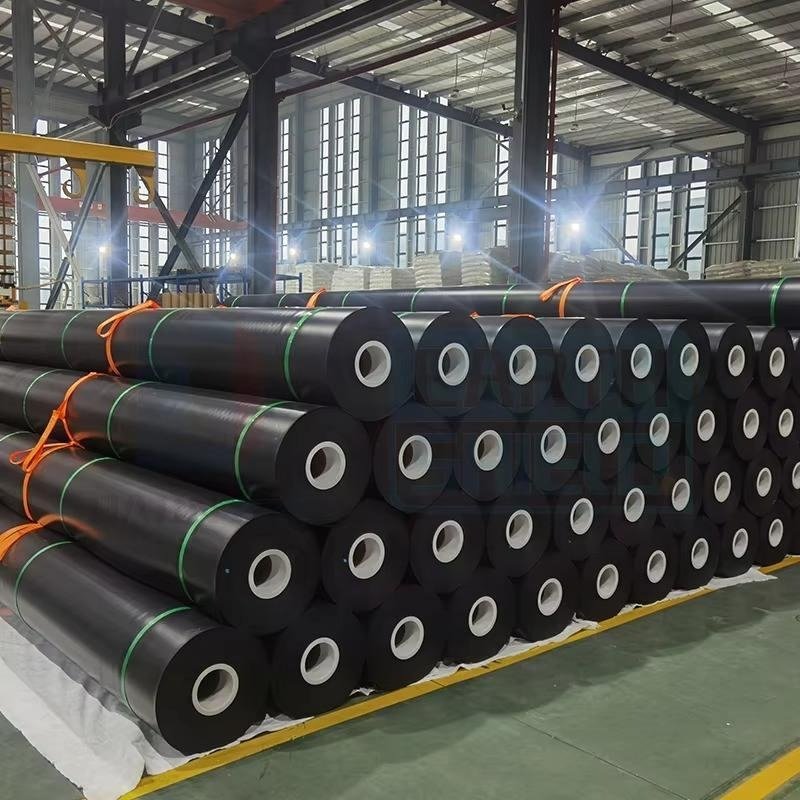
Geomembrane Manufacturers: 7 Companies to Consider for Your Project
Should HDPE or PVC be used to install geomembrane in reservoirs?
What is the price of geomembrane?
Material characteristics of three different geomembranes
Esquema de construcción de geomembrana de HDPE y medidas técnicas
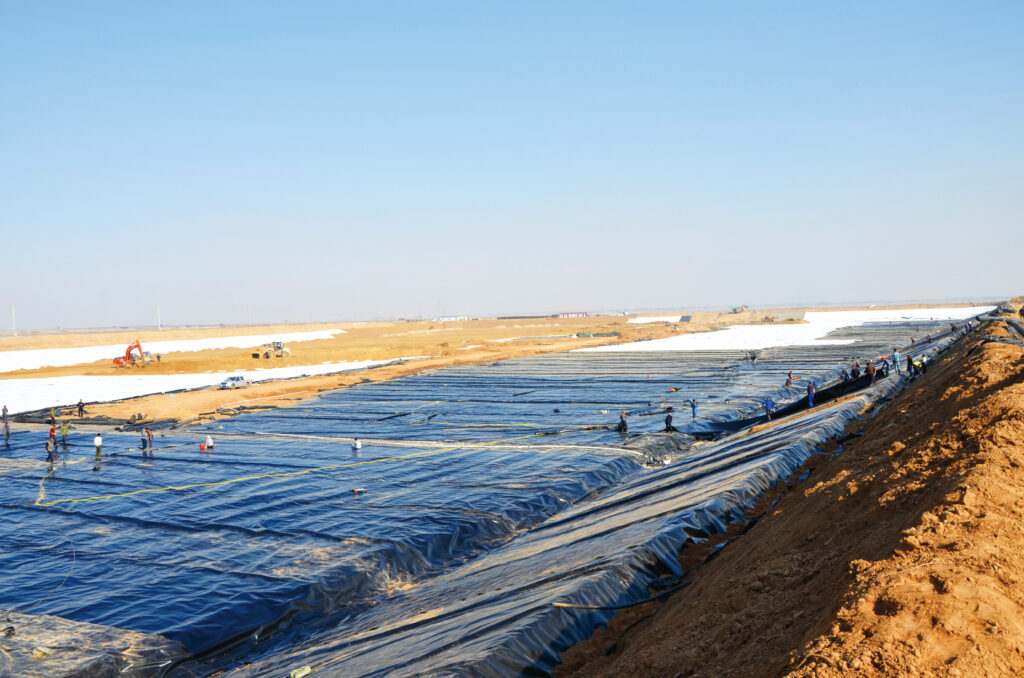
hdpe geomembrane pond liner in Congo (DRC)
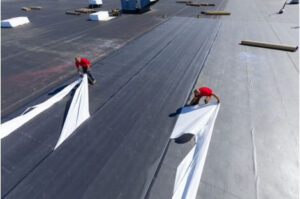
How to lay and weld HDPE geomembrane?
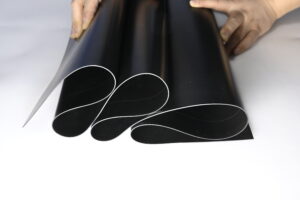
HDPE geomembrane 0.2-4.0mm
HOME ABOUT PRODUCTS APPLICATION CONTENTUS RESOURCES
Home Resources Knowledge Base LDPE Sheet 500 Micron Price: Cost Factors, Applications, and Buying Guide

LDPE Sheet 500 Micron Price: Cost Factors, Applications, and Buying Guide

time:October 22, 2026 Views:5

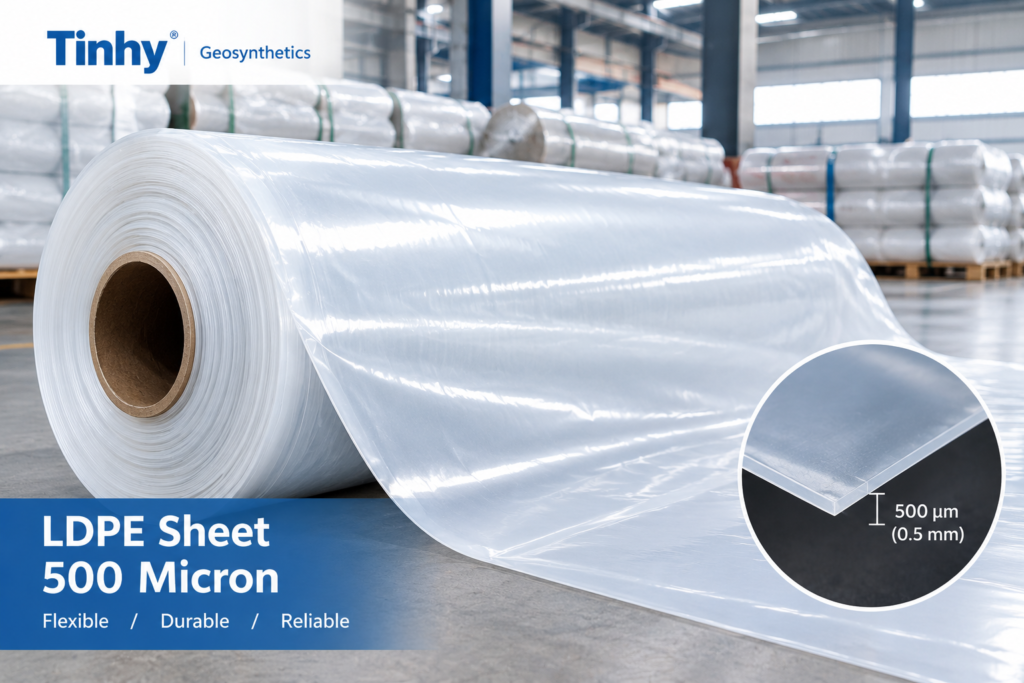
When sourcing plastic sheets for agriculture, construction, packaging, or containment projects, understanding the LDPE sheet 500 micron price helps buyers compare materials and plan their budgets.

A 500-micron LDPE sheet is 0.5 mm thick. Made from low-density polyethylene, it is generally flexible, lightweight, and resistant to moisture. However, its price can vary depending on resin quality, sheet dimensions, additives, order quantity, fabrication requirements, and delivery destination.

For buyers comparing LDPE sheets with engineered geomembranes, it is also important to consider the intended application. A general-purpose plastic sheet and a geomembrane designed for an engineered containment system may have different testing, installation, and performance requirements.

This guide explains the main factors affecting the price of 500-micron LDPE sheets and how to evaluate quotations for your project.

1. What Is a 500-Micron LDPE Sheet?

LDPE stands for low-density polyethylene, a thermoplastic material commonly used to manufacture flexible films and sheets.

A 500-micron LDPE sheet has the following nominal thickness:

  • Thickness: 500 microns
  • Equivalent thickness: 0.5 mm or approximately 20 mil
  • Material: Low-density polyethylene
  • Typical characteristics: Flexibility, moisture resistance, and ease of handling

Actual properties depend on the resin formulation, manufacturing process, additives, and product specifications. Thickness tolerance, tensile properties, puncture resistance, UV resistance, and chemical compatibility should be confirmed with the supplier.

Common Applications

500-micron LDPE sheets may be considered for applications such as:

  • Agriculture: Protective covers, temporary barriers, and selected agricultural lining applications.
  • Construction: Temporary moisture barriers and protective sheeting.
  • Packaging: Protective covers and industrial wrapping where the specified film properties are suitable.
  • Industrial use: General-purpose covers and selected containment applications.

For long-term outdoor exposure or projects involving chemicals, wastewater, mining residues, or significant hydrostatic pressure, buyers should verify that the material is specifically designed and tested for the intended service conditions.

2. What Is the Price of a 500-Micron LDPE Sheet?

There is no single price that applies to every 500-micron LDPE sheet. A reliable quotation requires details about the product, order quantity, and delivery requirements.

Online prices can be useful as an initial reference, but they may represent different material grades, roll sizes, order quantities, or trade terms. Prices should therefore be compared on an equivalent basis.

For a current quotation, buyers should provide the supplier with the required thickness, width, length, total quantity, material requirements, and destination.

2.1 Material Grade and Resin Quality

The resin formulation is one of the factors affecting the price of an LDPE sheet.

Depending on the application and supplier’s offering, options may include:

  • Virgin-resin material: Selected where consistent material properties and specified quality requirements are important.
  • Recycled-content material: May be considered for suitable applications when the buyer accepts the relevant performance and quality requirements.
  • UV-stabilized material: May be required for products exposed to sunlight.
  • Special formulations: Additional additives or customized properties may affect production cost.

Do not compare quotations on price alone. Ask suppliers to identify the material grade and confirm whether the proposed product meets your project requirements.

2.2 Thickness and Sheet Dimensions

Thickness affects the amount of resin used per square meter, while sheet width and roll length affect manufacturing, packaging, and transportation.

A thicker sheet generally requires more material than a thinner sheet of the same area. However, the final price also depends on the resin grade, production efficiency, dimensions, and order quantity.

When comparing quotations, confirm:

  • Nominal thickness and allowable tolerance
  • Sheet width and roll length
  • Total area supplied
  • Whether the dimensions are standard or customized
  • Packaging and roll weight, where relevant

Make sure the quoted price covers the same thickness and usable area before comparing suppliers.

2.3 Order Quantity

Order quantity can influence the unit price because production setup, packaging, and handling costs may be distributed across a larger volume.

Small orders may have a higher unit cost, while larger orders may qualify for different pricing arrangements. The actual discount depends on the manufacturer, product specifications, production schedule, and order terms.

Ask for quotations at your expected purchase volume. If your project will be delivered in stages, clarify whether the supplier can maintain consistent specifications across separate batches.

2.4 Customization and Processing

Standard rolls may cost less than products requiring additional processing.

Potential cost factors include:

  • Customized width or length
  • Cutting and fabrication
  • Special packaging
  • Additional quality inspections or testing
  • Specific documentation requirements

For projects that require welded seams or prefabricated panels, confirm which processing steps are included in the quotation and which will be charged separately.

2.5 Shipping and Delivery

Freight can make a significant difference to the total landed cost, especially for international orders.

The final delivery cost may depend on:

  • Shipment volume and weight
  • Roll dimensions and packaging
  • Shipping method
  • Destination and local handling
  • Import duties, taxes, and customs requirements
  • Delivery terms agreed with the supplier

Request a quotation that clearly identifies the product price, packing cost, freight, and other applicable charges. This makes it easier to compare offers from different suppliers.

3. How to Calculate the Material Cost

A simple way to estimate the material budget is to multiply the required area by the supplier’s quoted price per square meter.

Material cost = Required area × Unit price per square meter

For example, if a supplier quotes a hypothetical price of US$2.00/m² and the project requires 5,000 m²:

  • Required area: 5,000 m²
  • Illustrative unit price: US$2.00/m²
  • Estimated material cost: US$10,000

This example is for calculation purposes only and is not a current Tinhy quotation.

The actual project budget may also include cutting, fabrication, installation, underlay materials, testing, freight, taxes, and site preparation. For lining projects, buyers should also consider the material needed for overlaps, anchoring, detailing, and installation losses.

4. LDPE Sheet vs. HDPE Geomembrane: What Should Buyers Consider?

LDPE sheets and HDPE geomembranes are both polyethylene products, but they are not automatically interchangeable.

LDPE is often selected where flexibility and conformability are important. HDPE geomembranes are commonly specified for engineered containment projects where defined material properties, installation procedures, and quality-control requirements are essential.

The right choice depends on the project rather than on price alone.

Comparison factor LDPE sheet HDPE geomembrane
Material Low-density polyethylene High-density polyethylene
General characteristic Flexible and conformable Typically stiffer, with properties dependent on formulation and thickness
Potential uses Covers, barriers, and selected lining applications Landfills, reservoirs, mining, and other engineered containment applications
Selection priorities Flexibility, thickness, dimensions, and intended exposure Design specifications, thickness, surface type, chemical compatibility, and seam quality
Key checks Material data and suitability for use Applicable geomembrane specifications, test results, installation, and quality assurance

This table provides general guidance only. Actual product performance must be assessed using the manufacturer’s technical data and the requirements of the project.

If the project requires an engineered liner, confirm the specified material type with the designer or project engineer before substituting one polyethylene product for another.

5. How to Choose the Right 500-Micron LDPE Sheet

Step 1: Define the Application

Identify whether the sheet will be used indoors or outdoors, exposed to sunlight, in contact with water or chemicals, or subject to mechanical loads.

These conditions influence the required material formulation and testing.

Step 2: Confirm Thickness and Tolerance

Specify the nominal thickness and acceptable tolerance. If thickness is critical to the application, request supporting inspection or test documentation.

Step 3: Check the Technical Data

Ask the supplier for the relevant technical data sheet. Depending on the intended use, useful information may include tensile properties, elongation, tear resistance, puncture resistance, UV stabilization, and chemical compatibility.

Avoid relying on a generic specification when the project requires a particular performance level.

Step 4: Compare Equivalent Quotations

Check that all suppliers are quoting the same material type, thickness, dimensions, order quantity, packaging, and delivery terms.

A lower price may not represent better value if the product specification or included services differ.

Step 5: Consider Total Project Cost

Evaluate more than the purchase price. Fabrication, transportation, installation, inspection, maintenance, and replacement risks may affect the total cost over the service life of the project.

For engineered lining systems, material selection and installation quality should follow the project design and applicable specifications.

6. Questions to Ask Before Ordering

Before placing an order, buyers can use this checklist:

  • Is the product LDPE sheet or an engineered geomembrane?
  • What are the nominal thickness and tolerance?
  • What are the available widths and roll lengths?
  • Is the material suitable for the intended exposure and operating conditions?
  • Are technical data and relevant test reports available?
  • Is customized fabrication required?
  • What is the minimum order quantity, if any?
  • Are packaging and shipping included in the quotation?
  • What is the production lead time?
  • Which delivery terms and payment terms apply?

Providing these details at the quotation stage helps reduce misunderstandings and makes supplier comparisons more accurate.

7. LDPE and Geomembrane Solutions from Tinhy Geosynthetics

Tinhy Geosynthetics focuses on geosynthetic products for civil engineering, environmental protection, water conservancy, and industrial projects.

For projects involving polyethylene liners, buyers can discuss their application requirements with the Tinhy team to determine which product type is appropriate. Depending on the project, relevant considerations may include material type, thickness, smooth or textured surface, roll dimensions, technical documentation, and delivery arrangements.

For engineered containment projects, the product should be selected according to the design specification and verified technical requirements rather than by thickness or price alone.

Request a quotation from Tinhy Geosynthetics with your required product type, thickness, dimensions, quantity, application, and delivery destination to receive a project-specific response.

Frequently Asked Questions

Is 500 microns the same as 0.5 mm?

Yes. A thickness of 500 microns is equivalent to 0.5 mm, or approximately 20 mil.

What affects the price of a 500-micron LDPE sheet?

The main factors include resin grade, additives, thickness tolerance, sheet dimensions, order quantity, processing, packaging, and shipping destination.

Is a thicker LDPE sheet always better?

Not necessarily. The correct thickness depends on the intended application, loading conditions, exposure, and required service life. A product should meet the project specification rather than simply be selected by thickness.

Can LDPE sheets be used for water containment?

Some polyethylene sheets may be suitable for selected lining applications, but suitability depends on the product design and service conditions. For engineered reservoirs or other containment systems, confirm the required liner type and specifications with the project designer.

How can I obtain an accurate quotation?

Provide the supplier with the material type, thickness, width, roll length, total quantity, intended application, customization requirements, and delivery destination. Ask for a breakdown of material and delivery costs.

Conclusion

The LDPE sheet 500 micron price depends on material quality, dimensions, order quantity, customization, and logistics. The best way to compare suppliers is to confirm that each quotation covers the same specifications and delivery requirements.

For projects requiring polyethylene liners or other geosynthetic materials, define the application first, review the technical documentation, and evaluate total project cost before making a purchasing decision. Contact Tinhy Geosynthetics to discuss your project requirements and request a suitable product quotation.

Knowledge Base
Share:
info@tinhygeosynthetics.com Bai Jinxi
Consultation

    Get The Latest Product Prices

    Your inquiries are welcomed at any time and please feel free to contact us via email, phone calls, and online chatbox on our site.

    We will definitely give you a reply ASAP after we receive your messages.

      0/180