Resources
Company News
Industry News
Knowledge Base
Project Cases
Innovation
Team Power Fuels TINHY’s Global Geosynthetics Solutions
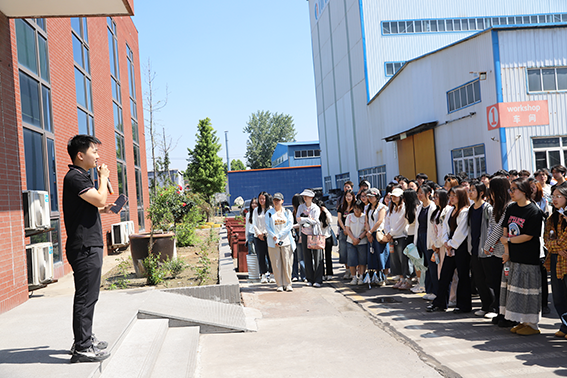
Tinhy and University of Jinan Celebrate Six Years of Industry–University Collaboration
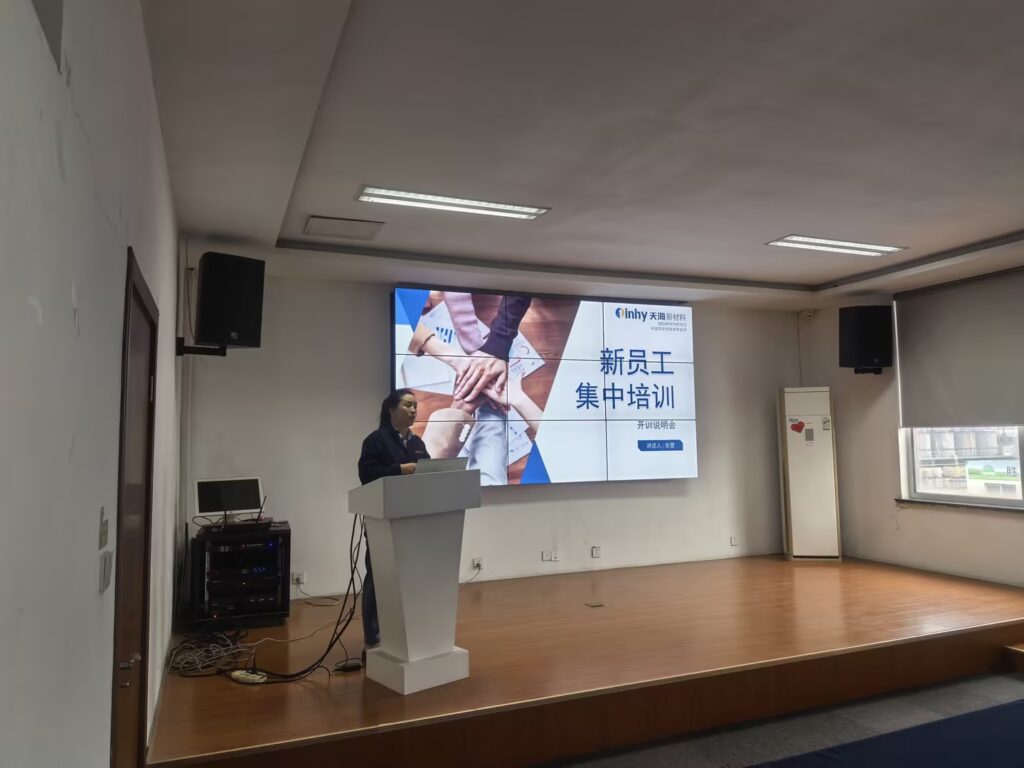
Empowering New Talent, Building the Future: Tinhy Successfully Conducts New Employee Orientation Training
Tinhy Conducts Comprehensive Emergency Drill to Strengthen Workplace Safety Defenses
Company Mid – Year Summary and Team – Building Activity Report
Is geomembrane a geotechnical engineering material?
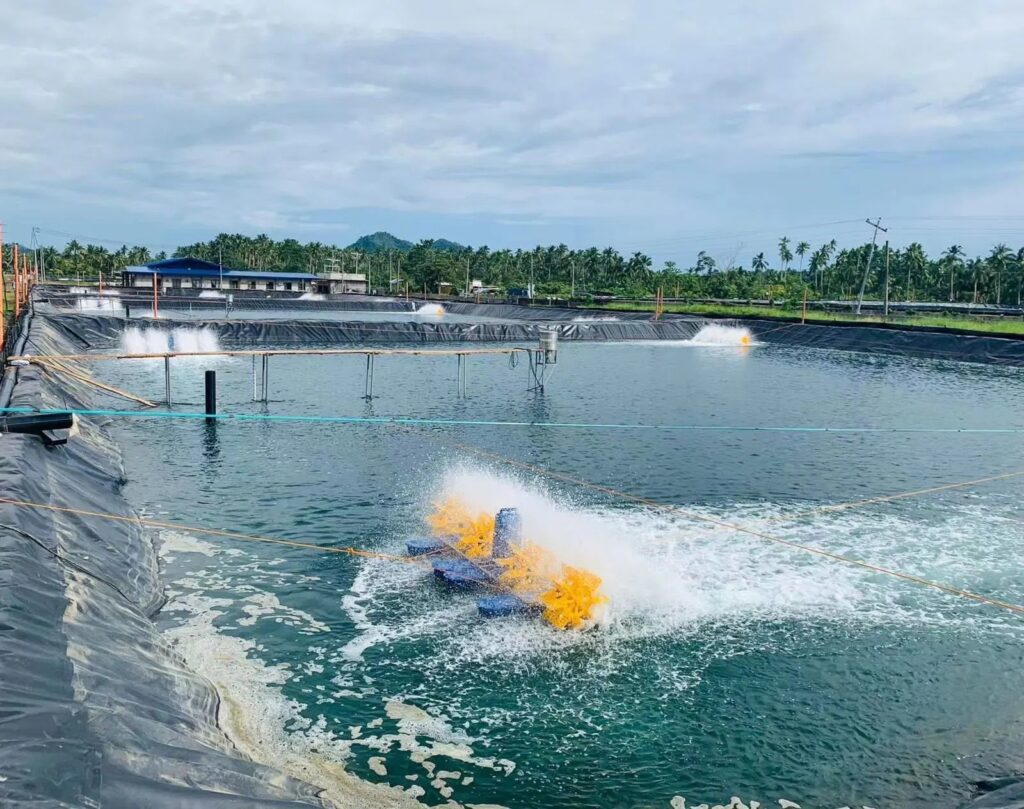
What are the application scenarios of geomembrane?
What are the functions of geotextiles?
Cómo elegir geomembrana de hdpe en proyectos de ingeniería
How to choose hdpe geomembrane in engineering projects
China’s Geotechnical Construction Materials Embrace New Opportunities
Tips for Moisture-Proof Storage of Geotextiles
Key Construction Points and Precautions for High-Density Polyethylene Geomembrane
what is pond lining material ?
What is geomembrane?
HDPE geomembrane construction plans and technical measures
What quality tests do HDPE geomembranes need to do?
Tinhy’s MDS® Drainage Solution
Installation Robots
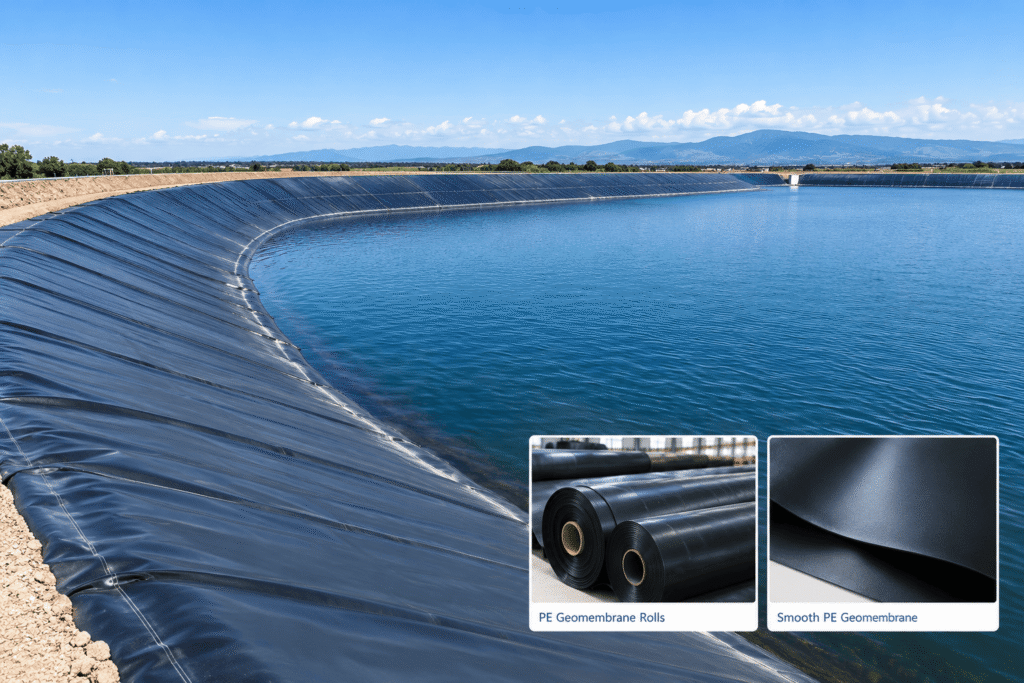
PE Geomembranes: 6 Products to Compare and How to Choose the Right Liner
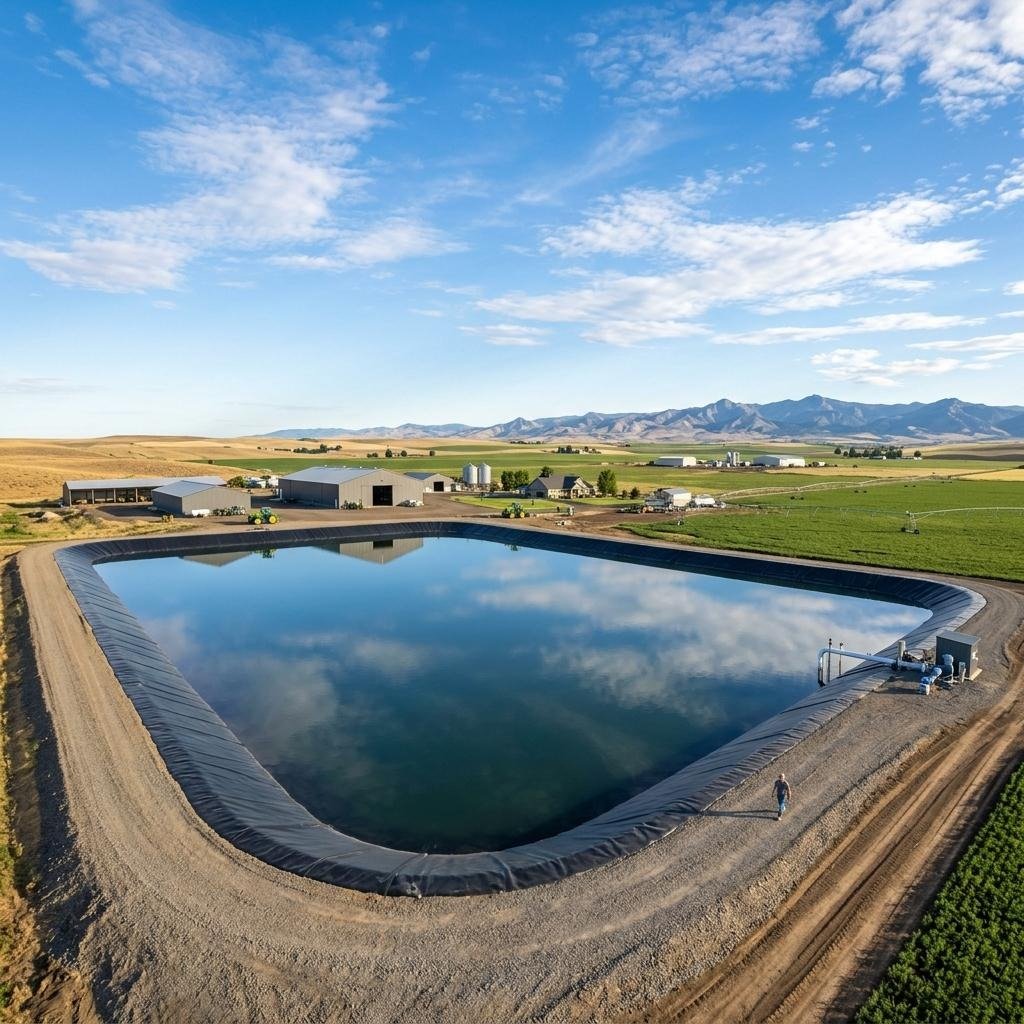
7 Best LLDPE Pond Liner Options for Large Reservoirs: A Buyer’s Guide
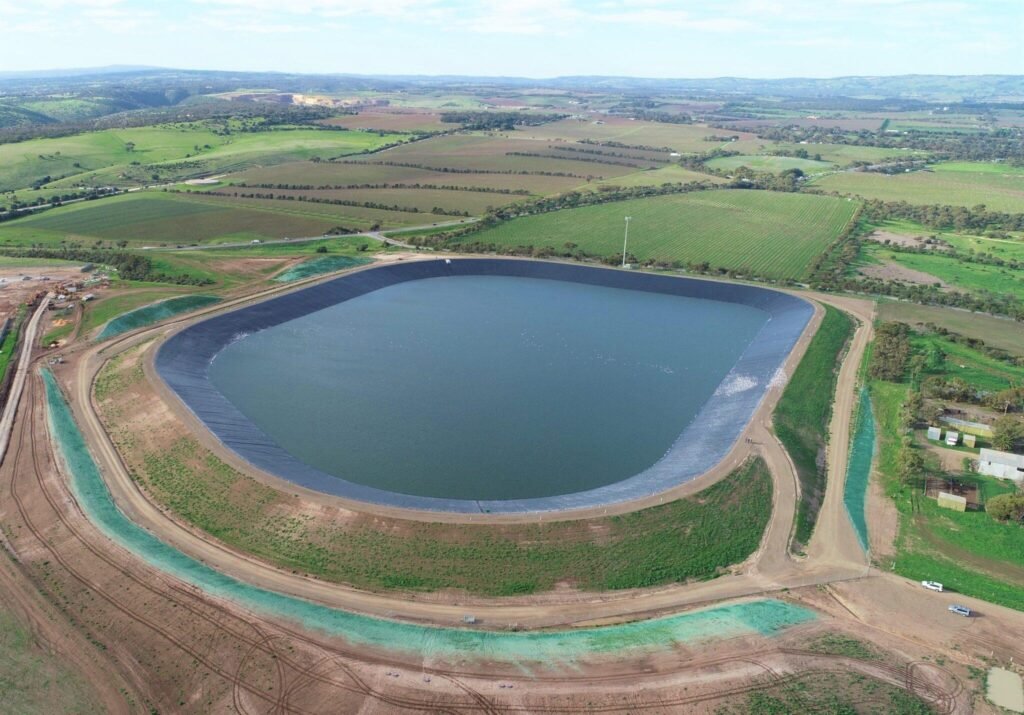
Dam Liner Cost: A Complete Guide to Geomembrane Selection and Budget Planning
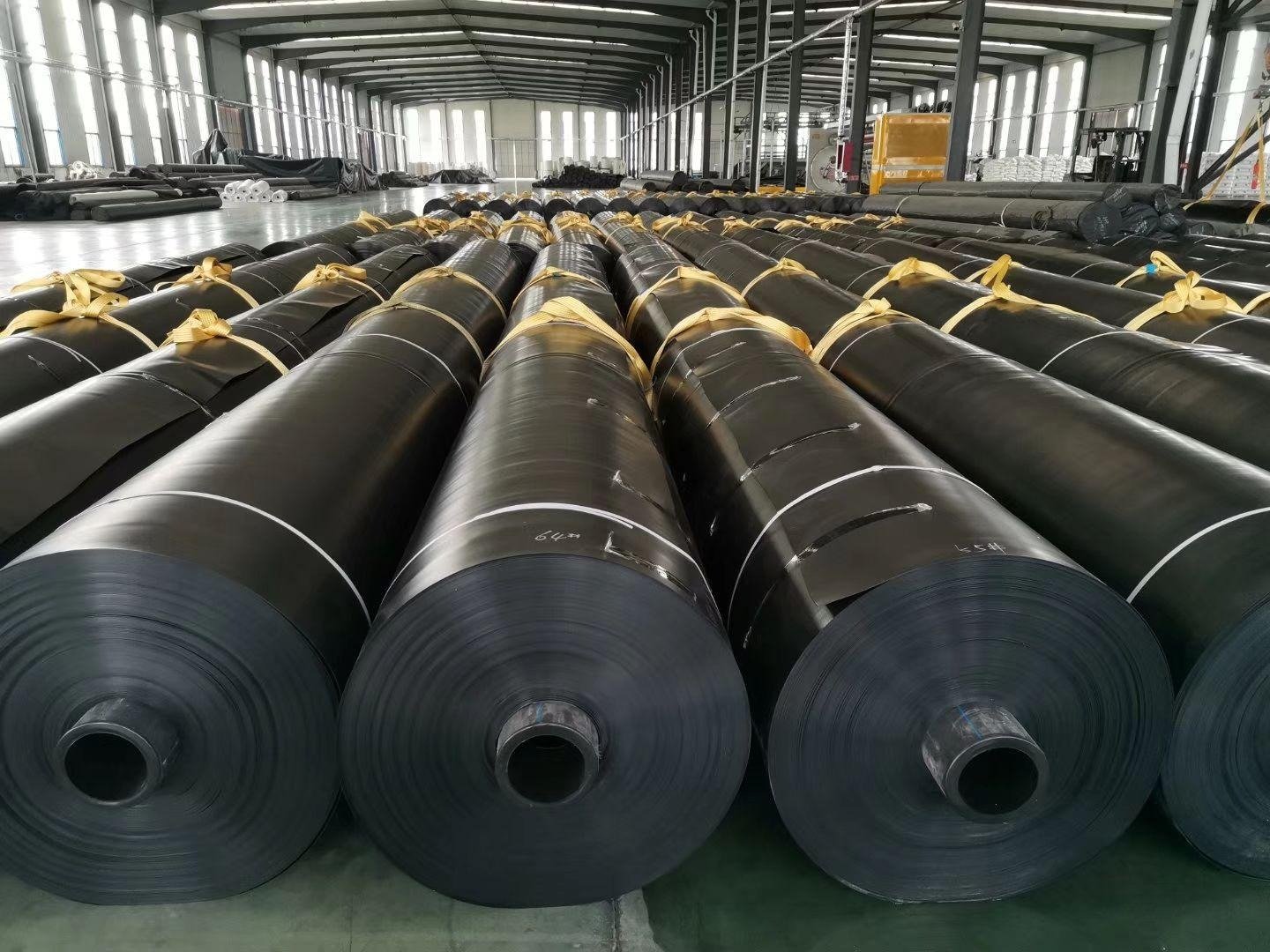
HDPE Pond Liner Suppliers: How to Choose the Right Manufacturer for Your Project
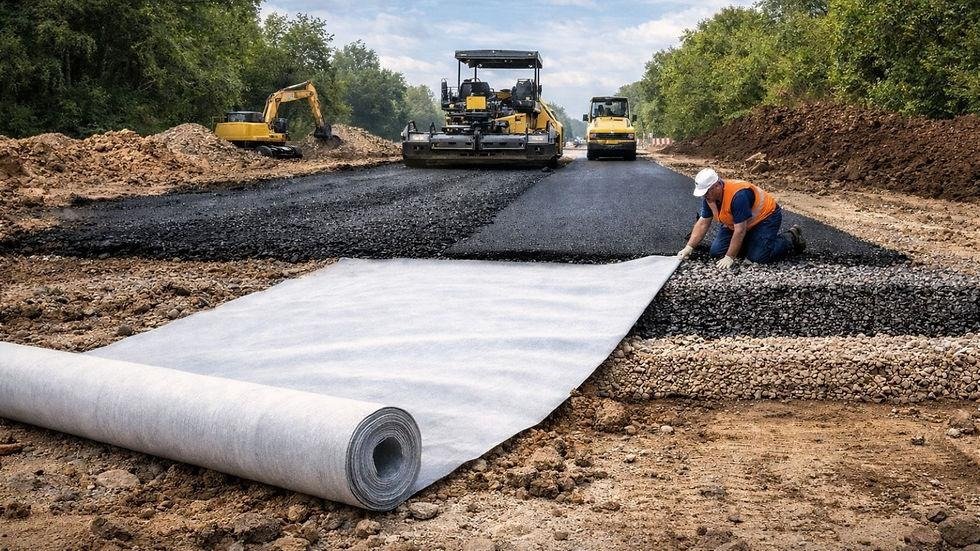
Geo Textiles: Types, Applications, Benefits & Selection Guide
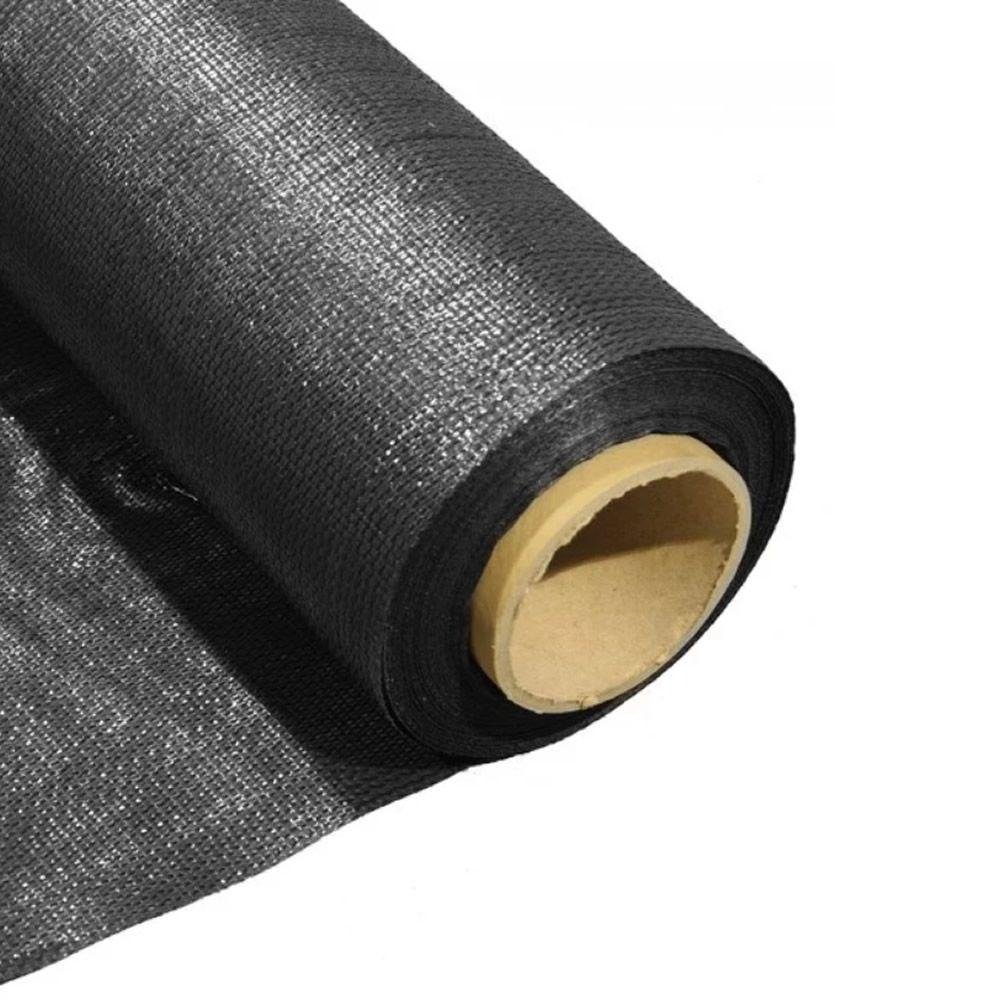
PP Woven Geotextiles: Properties, Applications & Selection Guide
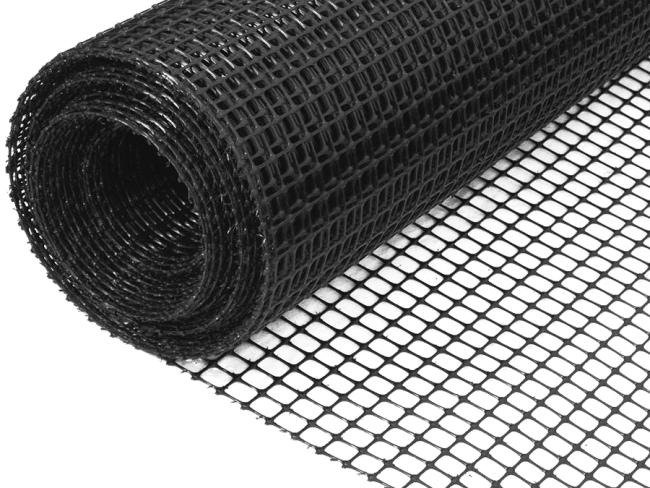
Geogrid Price: Types, Cost Factors & Buying Guide
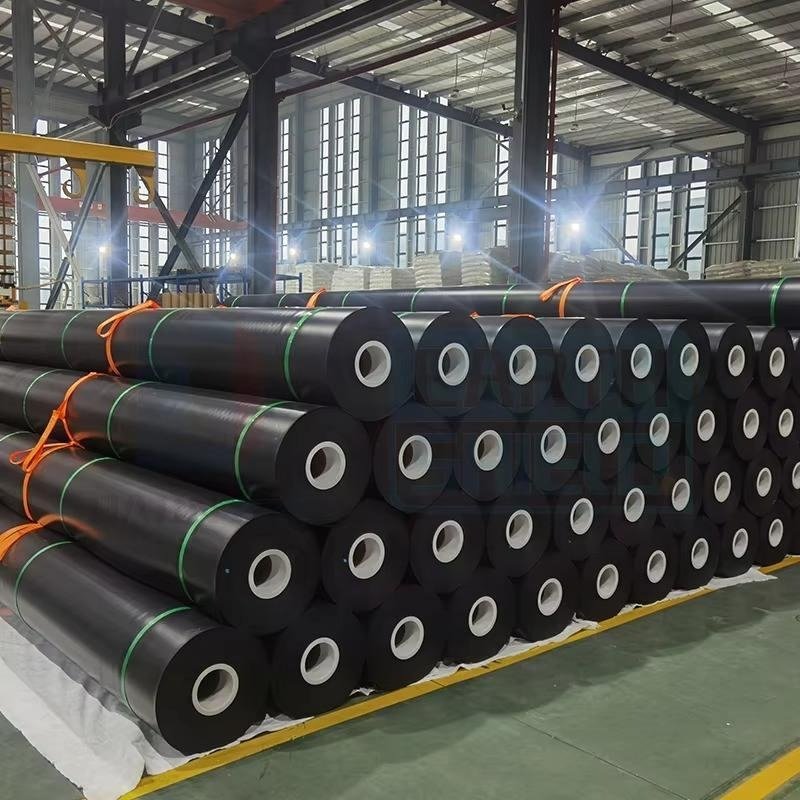
Geomembrane Manufacturers: 7 Companies to Consider for Your Project
Woven Geotextile Fabric Price: Specifications, Applications & Buying Guide
8 Geogrid Options for Retaining Walls: Types, Specifications & Buying Guide
Should HDPE or PVC be used to install geomembrane in reservoirs?
What is the price of geomembrane?
Material characteristics of three different geomembranes
Esquema de construcción de geomembrana de HDPE y medidas técnicas
hdpe geomembrane pond liner in Congo (DRC)
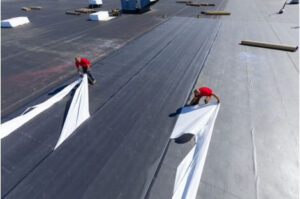
How to lay and weld HDPE geomembrane?
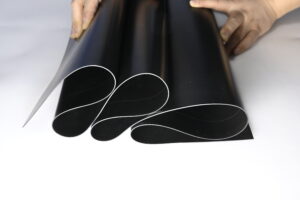
HDPE geomembrane 0.2-4.0mm
HOME ABOUT PRODUCTS APPLICATION CONTENTUS RESOURCES
Home Resources Knowledge Base PE Geomembranes: 6 Products to Compare and How to Choose the Right Liner

PE Geomembranes: 6 Products to Compare and How to Choose the Right Liner

time:October 20, 2026 Views:4

Polyethylene (PE) geomembranes are widely used in environmental protection, mining, waste management, and water containment projects. Designed to provide a low-permeability barrier, they help control liquid seepage and protect surrounding soil and groundwater when correctly specified and installed.

High-density polyethylene (HDPE) geomembranes are a common choice for demanding containment applications because of their chemical resistance, mechanical properties, and availability in different thicknesses and surface finishes. However, the right product depends on the project environment, engineering specification, installation conditions, and quality requirements.

For project owners, engineers, and procurement teams, comparing geomembranes involves more than looking at price per square meter. Material properties, test documentation, manufacturing consistency, technical support, and delivery capability should all be considered.

This guide introduces six PE geomembrane product lines identified in the source material, explains the main evaluation criteria, and provides practical advice for selecting a suitable geomembrane. Tinhy Geosynthetics also supplies geomembrane and geosynthetic products for civil engineering and environmental applications.

1. What Are PE Geomembranes?

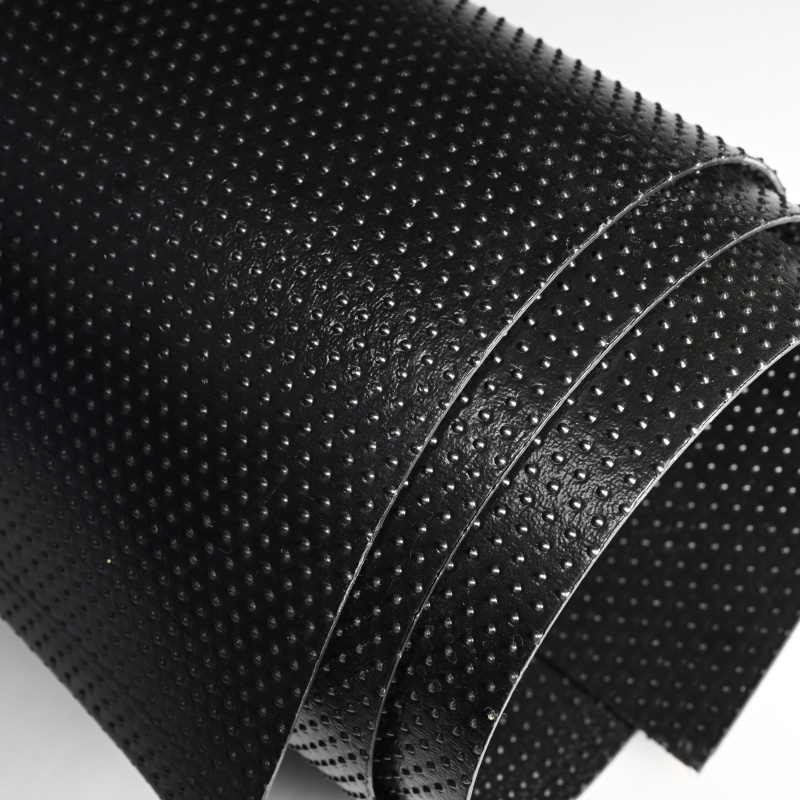
PE geomembranes are flexible sheets manufactured from polyethylene resins. They are used as low-permeability barriers in systems designed to contain water, wastewater, process solutions, or other liquids.

Common PE geomembrane types include:

  • HDPE geomembrane: High-density polyethylene geomembranes are widely used in landfill lining, mining containment, reservoirs, and industrial applications.
  • LLDPE geomembrane: Linear low-density polyethylene geomembranes are generally more flexible and may be considered for applications where flexibility and deformation characteristics are important.
  • Smooth geomembrane: A smooth surface may be suitable for flat areas and other applications where the specified interface properties are met.
  • Textured geomembrane: Textured surfaces may increase interface friction with adjacent materials and can be considered for certain slopes and containment structures.

Product properties vary by formulation, thickness, manufacturing process, and surface configuration. The exact technical data sheet should always be reviewed before specifying or purchasing a geomembrane.

2. Where Are PE Geomembranes Used?

PE geomembranes are used in a range of civil engineering and environmental containment systems.

Landfills and Waste Containment

Geomembranes can form part of landfill base liners, caps, and leachate containment systems. Their role is to help limit liquid migration as part of a properly designed system that may also include drainage layers, geotextiles, and other components.

Mining and Tailings Facilities

Mining operations may use geomembranes in heap leach pads, process-water ponds, tailings-related facilities, and secondary containment. Product selection should account for the chemistry of the contained liquids, mechanical loading, subgrade conditions, and the project’s design requirements.

Water Reservoirs and Irrigation

Geomembranes are used to help reduce seepage from reservoirs, irrigation ponds, canals, and other water storage structures. The liner specification should reflect the site geometry, water conditions, exposure, and installation method.

Wastewater and Industrial Containment

Industrial lagoons, wastewater treatment facilities, and secondary containment systems may use geomembranes to control liquid migration. Chemical compatibility should be confirmed for the specific liquid and operating conditions.

Aquaculture and Agricultural Ponds

Geomembranes may be used in fish farming ponds, agricultural water storage, and other lined water containment applications. Selection should consider the intended use and any applicable water-contact requirements.

3. Six PE Geomembrane Products to Compare

The following products appear in the supplied reference article. This list is intended as a starting point for procurement research, not a verified ranking of quality or performance. Confirm current product names, specifications, availability, and certification details directly with the relevant manufacturer.

1. Solmax GSE HD Geomembrane

The reference identifies GSE HD as an HDPE geomembrane product line from Solmax.

When evaluating this option, buyers should review the current product documentation for available thicknesses, surface configurations, mechanical properties, and compliance with the project specification.

Evaluation points:

  • Available smooth and textured configurations
  • Required thickness and mechanical properties
  • Relevant quality and test documentation
  • Technical support and delivery availability

Potential applications may include landfill lining, mining containment, industrial wastewater facilities, and other engineered containment systems, subject to the product specification.

2. AGRU Sure-Grip HDPE Geomembrane

The reference identifies AGRU Sure-Grip as a textured HDPE geomembrane option.

Textured geomembranes may be considered where interface friction between the liner and adjacent materials is an important design factor. The actual interface performance depends on the surface configuration and the materials in contact.

Evaluation points:

  • Surface texture and interface friction data
  • Slope geometry and stability requirements
  • Compatibility with adjacent geosynthetics or soil
  • Installation and welding requirements

For slopes or other areas where sliding resistance is critical, the project engineer should assess the complete interface system rather than selecting a textured liner based on its name alone.

3. Layfield Enviro Liner 6000 Series

The reference lists Layfield’s Enviro Liner 6000 Series among the products to compare for demanding mechanical applications.

Buyers should verify the exact product type and formulation because product names and configurations may cover different material specifications.

Evaluation points:

  • Product type and intended use
  • Tensile, tear, and puncture test results
  • Available thicknesses and roll dimensions
  • Compatibility with the contained liquid
  • Current technical data sheets and supporting documentation

Use the product’s verified data rather than assuming that every product in a series has identical performance.

4. NAUE Carbofol HDPE Geomembrane

The source article identifies NAUE Carbofol as an HDPE geomembrane product line.

When evaluating this option, buyers should confirm the current product configuration, applicable standards, and relevant durability documentation. Requirements may differ between landfill, mining, tunnel, and other containment projects.

Evaluation points:

  • Required thickness and surface finish
  • Mechanical and oxidative-resistance test data
  • Applicable regional standards
  • Product availability and delivery terms
  • Technical support for the intended application

5. Atarfil HDPE Geomembrane

The reference includes Atarfil HDPE geomembranes as an option to investigate for manufacturing consistency and product uniformity.

For any geomembrane supplier, consistency should be evaluated through the applicable product specifications, quality-control records, and test results rather than broad claims about manufacturing technology.

Evaluation points:

  • Thickness and dimensional tolerances
  • Roll-to-roll quality documentation
  • Relevant mechanical properties
  • Surface configurations
  • Supply capacity and lead time

6. BPM Geomembrane Liner

The reference identifies BPM as a supplier of HDPE geomembrane liners for a variety of containment applications.

For buyers comparing export-oriented suppliers, the main considerations include product specification, documentation, order quantity, logistics, and the ability to meet project requirements.

Evaluation points:

  • Available thicknesses and surface finishes
  • Product-specific technical data sheets
  • Required test reports and standards
  • Packaging and shipping arrangements
  • Production lead time and commercial terms

The suitability of any product should be established by comparing its verified properties against the project’s specification.

4. PE Geomembrane Comparison: What Should Buyers Compare?

Rather than relying on a generic ranking, compare each candidate against the same technical and commercial criteria.

Comparison factor What to verify
Polymer type HDPE, LLDPE, or another specified material
Thickness Nominal thickness, tolerance, and required specification
Tensile properties Yield and break properties according to the applicable test method
Puncture and tear resistance Relevant results for the specified product
Stress-crack resistance Test method and acceptance criteria, where applicable
Oxidative resistance OIT results and applicable test conditions
Surface finish Smooth or textured, as required by the design
Chemical compatibility Suitability for the contained liquid or process solution
Quality documentation Current technical data sheets, test reports, and certificates where required
Logistics Roll dimensions, packing, order quantity, lead time, and destination

Why Test Methods Matter

Technical values are only comparable when the test methods, specimen conditions, and units are understood. For example, different tensile or puncture test methods should not be treated as interchangeable.

Likewise, a certificate or test report for one product configuration does not automatically establish compliance for every product from the same supplier.

Request the documentation that corresponds to the exact product and thickness being quoted.

5. How to Choose the Right PE Geomembrane

Step 1: Define the Application

Identify whether the liner will be used for a landfill, mining facility, reservoir, wastewater lagoon, or another containment system. The application determines the relevant design and regulatory requirements.

Step 2: Assess Site Conditions

Review the subgrade, slope geometry, anticipated loads, exposure to sunlight, temperature conditions, and potential contact with chemicals. These factors may influence material type, thickness, surface finish, and protection requirements.

Step 3: Select the Required Thickness

Thickness should be specified according to the engineering design and site conditions. A thicker liner may be required in some applications, but thickness alone does not determine the performance of the complete containment system.

Step 4: Decide Between Smooth and Textured Surfaces

Smooth geomembranes may be suitable for certain flat or low-shear interfaces. Textured geomembranes may be considered when additional interface friction is required.

The selection should be based on the design, slope stability assessment, and interface properties of the adjacent materials.

Step 5: Verify Chemical Compatibility

For mining, industrial, and waste containment applications, determine which liquids or chemicals may contact the liner. Request compatibility information for the relevant exposure conditions.

Step 6: Review Quality and Compliance Documentation

Ask for product-specific data sheets, test reports, and documentation for any required standards. Verify that the offered product meets the acceptance criteria in the project specification.

Step 7: Compare Total Project Cost

Compare the material price alongside transportation, installation, welding, protective layers, seam inspection, and quality assurance. A meaningful comparison requires suppliers to quote the same product specification and scope of supply.

6. Installation and Quality Assurance

Even a geomembrane with suitable material properties can underperform if the lining system is poorly installed.

Subgrade Preparation

The installation surface should be prepared according to the project specification. Sharp objects, unsuitable soil, abrupt changes in grade, and other potential damage sources should be addressed before the liner is deployed.

Panel Layout and Welding

Panel layout should consider the site geometry, slope direction, anchorage, weather, and installation sequence. Suitable welding procedures and trained installation personnel are important for reliable seams.

Seam Testing

The project quality plan may require non-destructive and destructive seam testing, depending on the design and applicable standards. Inspection records should be maintained according to the project requirements.

Protection and Covering

Where the design calls for protective geotextiles or cover layers, these components should be specified and installed appropriately. Exposed geomembranes should be suitable for the expected UV and weathering conditions.

The exact installation and inspection procedures should be established by the project’s engineering and quality-assurance teams.

7. Common Mistakes When Buying PE Geomembranes

Choosing based on price alone. A low unit price is not meaningful if the quoted product differs in thickness, properties, documentation, or scope of supply.

Comparing non-equivalent test results. Different test methods and conditions can produce results that are not directly comparable.

Ignoring the subgrade. Ground conditions and protective layers influence the risk of puncture and mechanical damage.

Assuming all HDPE geomembranes are identical. Formulation, thickness, surface finish, manufacturing quality, and documentation can vary between products.

Overlooking installation costs. Welding, inspection, transportation, and handling can contribute significantly to the total project budget.

Accepting unsupported performance claims. Service life, chemical resistance, and compliance should be evaluated against relevant technical documentation and project conditions.

8. PE Geomembrane Supply from Tinhy Geosynthetics

Tinhy Geosynthetics supplies geosynthetic materials for civil engineering, environmental protection, and water containment applications. Its product portfolio includes geomembranes, geotextiles, and related geosynthetic products.

For buyers sourcing PE geomembranes, Tinhy can be contacted to discuss project requirements and confirm the availability of suitable products.

When requesting information or a quotation, provide:

  • Project application and location
  • Required polymer type and thickness
  • Smooth or textured surface requirements
  • Estimated area and order quantity
  • Applicable standards and testing requirements
  • Delivery destination and expected schedule

Product availability, specifications, test documentation, and commercial terms should be confirmed for the exact product and order.

Frequently Asked Questions

What is the difference between PE and HDPE geomembranes?

PE geomembrane is a broad term for polyethylene geomembranes. HDPE is one type of polyethylene geomembrane. LLDPE is another type and generally offers greater flexibility. The appropriate material depends on the project requirements.

Which PE geomembrane is best for landfills?

The correct liner depends on the landfill design, applicable regulations, leachate characteristics, subgrade, and project specification. Buyers should verify the product’s compliance and mechanical properties before selection.

Are textured HDPE geomembranes always better for slopes?

No. Textured geomembranes may increase interface friction, but slope stability depends on the complete system, including the liner, adjacent materials, geometry, and loading conditions.

What technical documents should a geomembrane supplier provide?

Depending on the project, useful documents may include a current technical data sheet, product-specific test reports, applicable compliance documentation, and quality-control records.

How do I compare geomembrane prices?

Request quotations using the same polymer type, thickness, surface finish, dimensions, quantity, documentation requirements, and delivery terms. Include installation and testing costs if comparing total installed cost.

Conclusion

PE geomembranes are important components of engineered containment systems for landfills, mining, industrial facilities, reservoirs, and other applications. The best choice depends on the project specification, material properties, site conditions, quality documentation, and installation requirements.

The six product lines discussed in this guide offer starting points for further supplier research, but they should not be treated as a verified performance ranking. Confirm the current technical information directly with each manufacturer and compare all quotations against the same requirements.

Tinhy Geosynthetics can discuss geomembrane and geosynthetic supply requirements for your project. Share your application, technical specification, required quantity, and delivery destination to request product information and a project-specific quotation.

Knowledge Base
Share:
info@tinhygeosynthetics.com Bai Jinxi
Consultation

    Get The Latest Product Prices

    Your inquiries are welcomed at any time and please feel free to contact us via email, phone calls, and online chatbox on our site.

    We will definitely give you a reply ASAP after we receive your messages.

      0/180