Resources
Company News
Industry News
Knowledge Base
Project Cases
Innovation
Team Power Fuels TINHY’s Global Geosynthetics Solutions
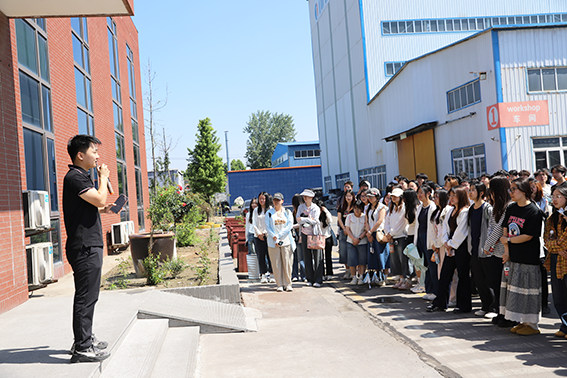
Tinhy and University of Jinan Celebrate Six Years of Industry–University Collaboration
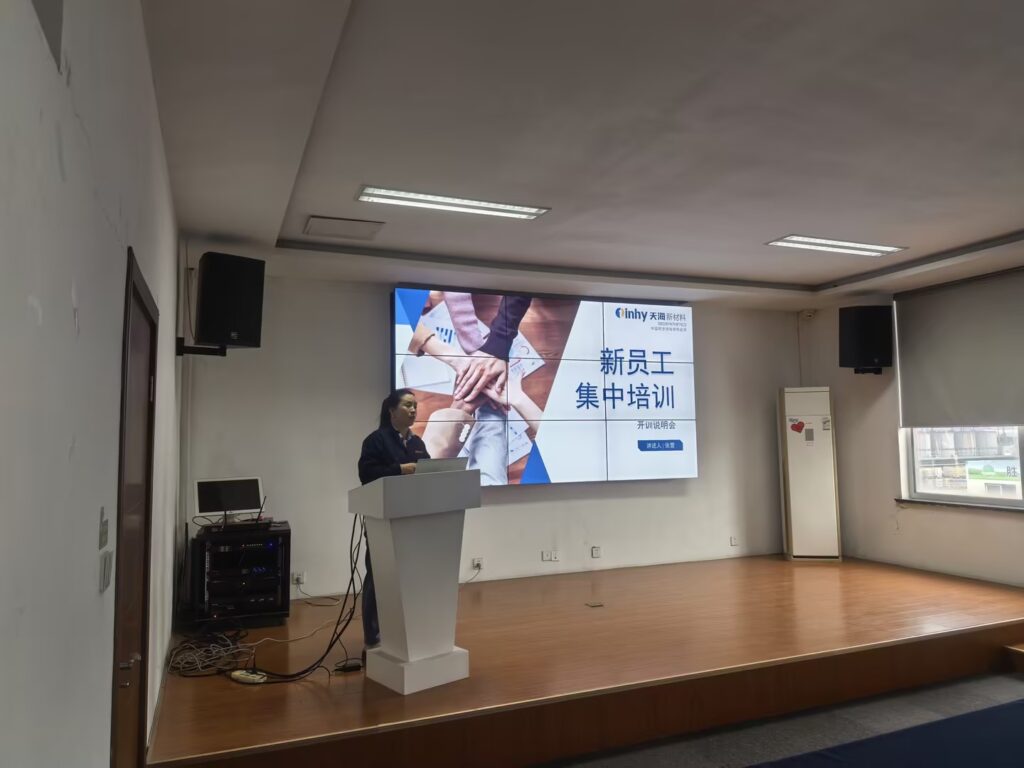
Empowering New Talent, Building the Future: Tinhy Successfully Conducts New Employee Orientation Training
Tinhy Conducts Comprehensive Emergency Drill to Strengthen Workplace Safety Defenses
Company Mid – Year Summary and Team – Building Activity Report
Is geomembrane a geotechnical engineering material?
What are the application scenarios of geomembrane?
What are the functions of geotextiles?
Cómo elegir geomembrana de hdpe en proyectos de ingeniería
How to choose hdpe geomembrane in engineering projects
China’s Geotechnical Construction Materials Embrace New Opportunities
Tips for Moisture-Proof Storage of Geotextiles
Key Construction Points and Precautions for High-Density Polyethylene Geomembrane
what is pond lining material ?
What is geomembrane?
HDPE geomembrane construction plans and technical measures
What quality tests do HDPE geomembranes need to do?
Tinhy’s MDS® Drainage Solution
Installation Robots
Geo Textiles: Types, Applications, Benefits & Selection Guide
PP Woven Geotextiles: Properties, Applications & Selection Guide
Geogrid Price: Types, Cost Factors & Buying Guide
Geomembrane Manufacturers: 7 Companies to Consider for Your Project
Woven Geotextile Fabric Price: Specifications, Applications & Buying Guide
8 Geogrid Options for Retaining Walls: Types, Specifications & Buying Guide
LDPE Sheet 500 Micron Price: Cost Factors, Specifications & Buying Guide
7 Black PVC Pond Liner Options: Specifications & Buying Guide
8 Geotextile Suppliers to Consider in 2026: Products & Buying Guide
7 PVC Geomembrane Manufacturers: Products, Quality & Buying Guide
Should HDPE or PVC be used to install geomembrane in reservoirs?
What is the price of geomembrane?
Material characteristics of three different geomembranes
Esquema de construcción de geomembrana de HDPE y medidas técnicas
hdpe geomembrane pond liner in Congo (DRC)
How to lay and weld HDPE geomembrane?
HDPE geomembrane 0.2-4.0mm
HOME ABOUT PRODUCTS APPLICATION CONTENTUS RESOURCES
Home Resources Knowledge Base Geo Textiles: Types, Applications, Benefits & Selection Guide

Geo Textiles: Types, Applications, Benefits & Selection Guide
time:October 13, 2026 Views:9

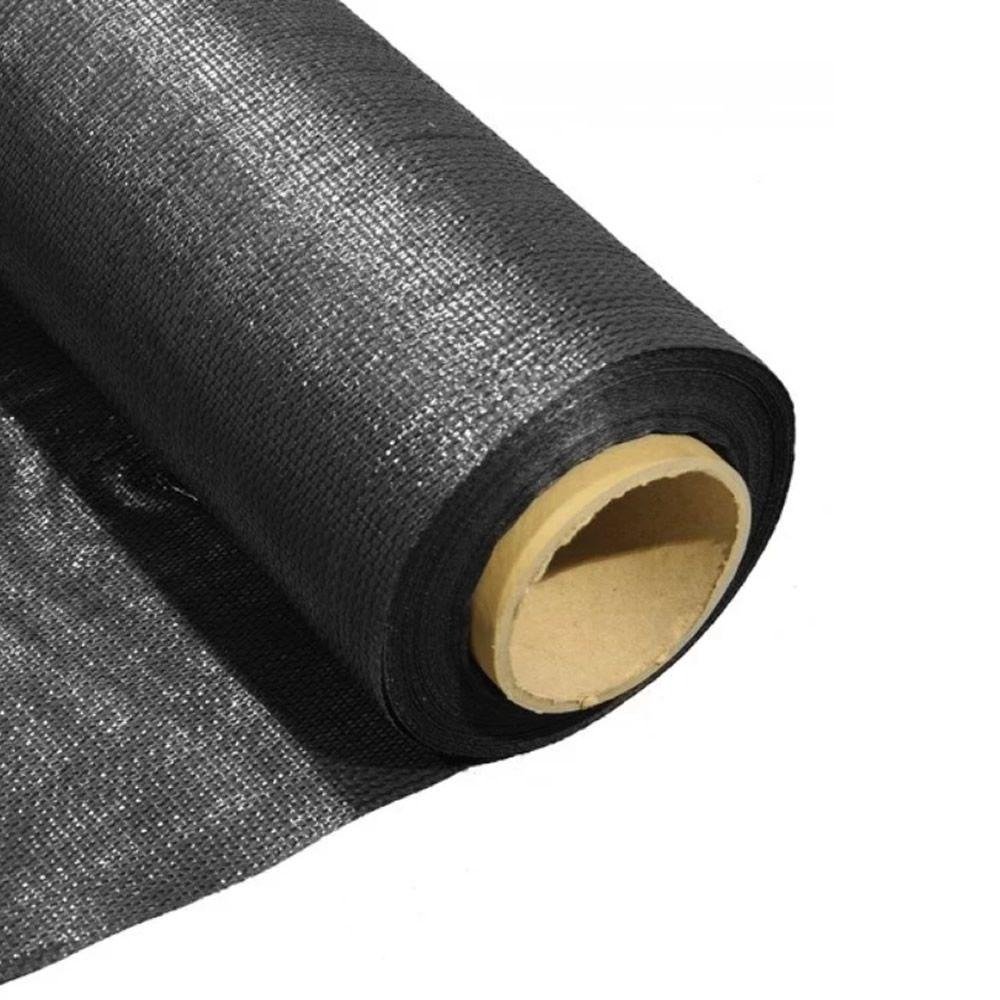
Geo textiles are permeable geosynthetic materials used in civil engineering, infrastructure, environmental protection, and landscaping projects. Installed in contact with soil or other construction materials, they help perform essential functions such as separation, filtration, drainage, reinforcement, and erosion control.

From road construction and railway foundations to retaining structures, drainage systems, landfills, and coastal protection, geo textiles help engineers manage soil movement and water flow while supporting the performance of engineered systems.

However, not every geotextile is designed for the same purpose. Woven and nonwoven products have different structures and properties, and the appropriate choice depends on site conditions, design requirements, hydraulic performance, loading, and installation methods.

In this guide, Tinhy Geosynthetics explains the main types of geo textiles, their applications, the technical specifications buyers should review, and how to select a suitable product for an engineering project.

1. What Are Geo Textiles?

Geo textiles, also commonly written as geotextiles, are permeable fabrics used in combination with soil, aggregate, or other construction materials. They are commonly manufactured from synthetic polymers such as polypropylene (PP) or polyester (PET).

Depending on the material and manufacturing process, a geotextile may be woven, nonwoven, or manufactured in another specialized structure. Each type offers different mechanical and hydraulic characteristics.

The primary functions of geo textiles include:

  • Separation: Helps prevent adjacent soil and aggregate layers from mixing.
  • Filtration: Allows water to pass through while retaining soil particles under suitable conditions.
  • Drainage: Supports water movement within or along a geotextile system when the product is designed for the required flow conditions.
  • Reinforcement: Provides tensile resistance within an engineered soil structure when designed for that purpose.
  • Erosion control: Helps protect soil against movement caused by water or surface flow in suitable applications.
  • Protection: Provides a cushioning or protective layer for certain geosynthetic systems, subject to the product’s mechanical properties.

A single product may perform more than one function, but its suitability should be confirmed against the project’s technical specification.

2. Main Types of Geo Textiles

Understanding the differences between geotextile types is the first step in product selection.

2.1 Woven Geotextiles

Woven geotextiles are manufactured by interlacing polymer tapes or yarns in two directions. The resulting structure is often selected for applications requiring tensile strength, dimensional stability, separation, or stabilization.

Common applications include:

  • Road base and subgrade separation
  • Construction and temporary access roads
  • Industrial yards and working platforms
  • Selected soil reinforcement applications
  • Infrastructure projects with specified tensile requirements

Woven geotextiles vary significantly by yarn type, weave structure, tensile properties, and opening size. Buyers should not assume that all woven fabrics have the same filtration or reinforcement capability.

2.2 Nonwoven Geotextiles

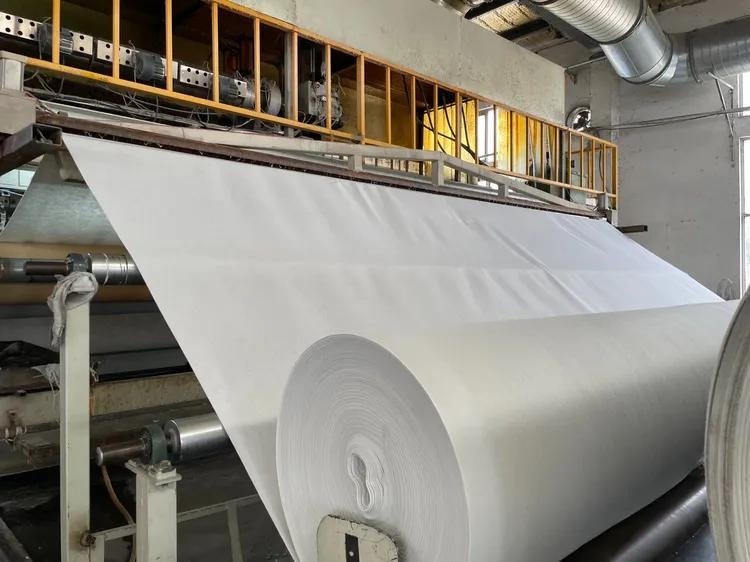
Nonwoven geotextiles are generally manufactured by bonding synthetic fibers through mechanical, thermal, or other processes. Needle-punched nonwoven geotextiles are widely used in civil engineering applications.

Depending on their specifications, nonwoven products can provide:

  • Filtration around drainage aggregates and pipes
  • Separation between soil and aggregate
  • Protection and cushioning for geomembranes
  • Drainage-related functions in compatible systems
  • Erosion-control support in selected designs

Nonwoven geotextiles are available in different mass-per-unit-area grades and mechanical performance levels. The correct grade depends on the soil, hydraulic requirements, installation stresses, and intended function.

2.3 Specialized and Composite Geotextiles

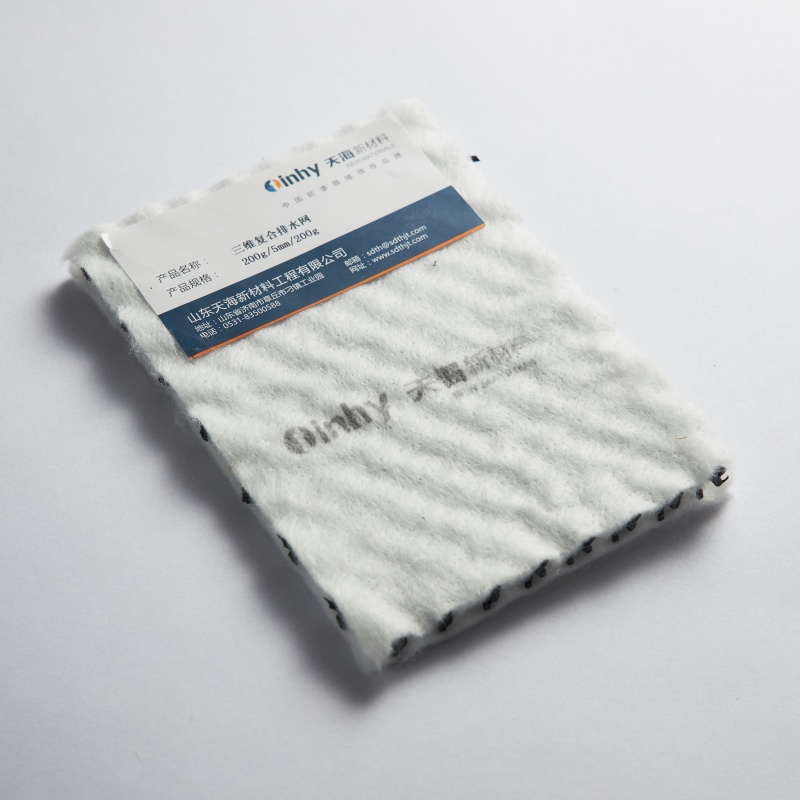
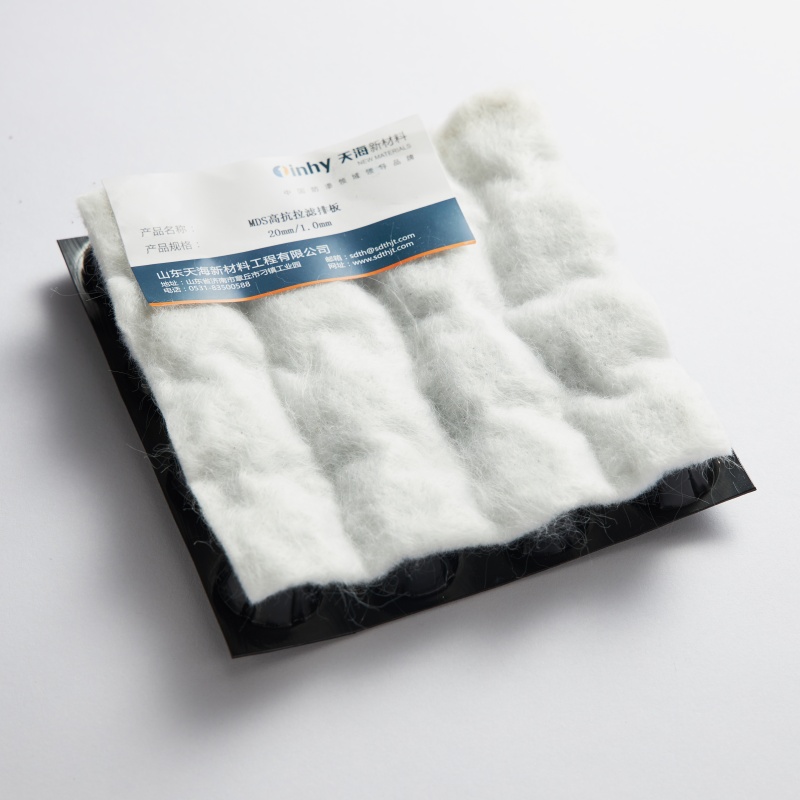
Some projects require geotextiles combined with other geosynthetic materials. Composite products may integrate filtration, drainage, separation, or barrier-related functions into a single system.

Examples include geotextile components used with geomembranes, geonets, drainage composites, or geosynthetic clay liners (GCLs).

The system should be evaluated as a whole, including compatibility between materials, hydraulic requirements, protection needs, and installation details.

3. Common Applications of Geo Textiles

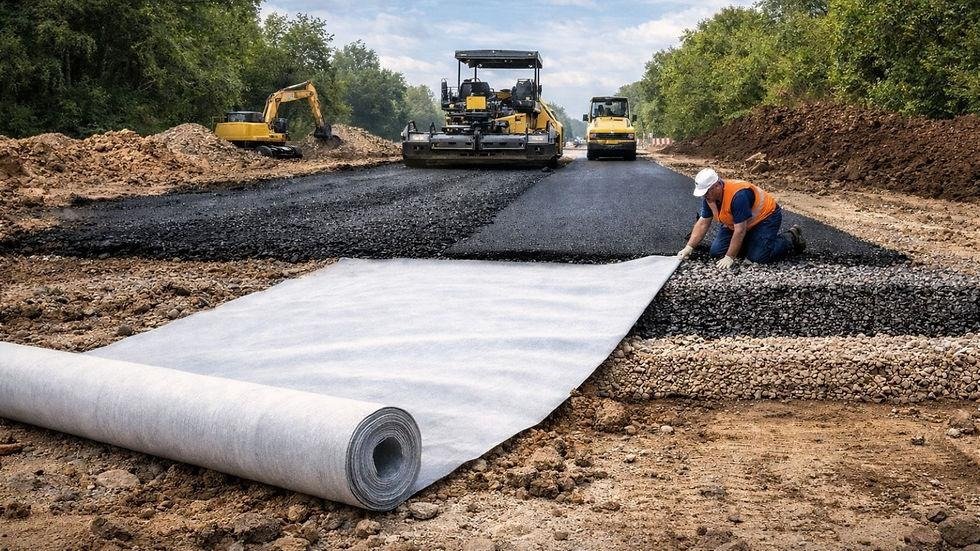
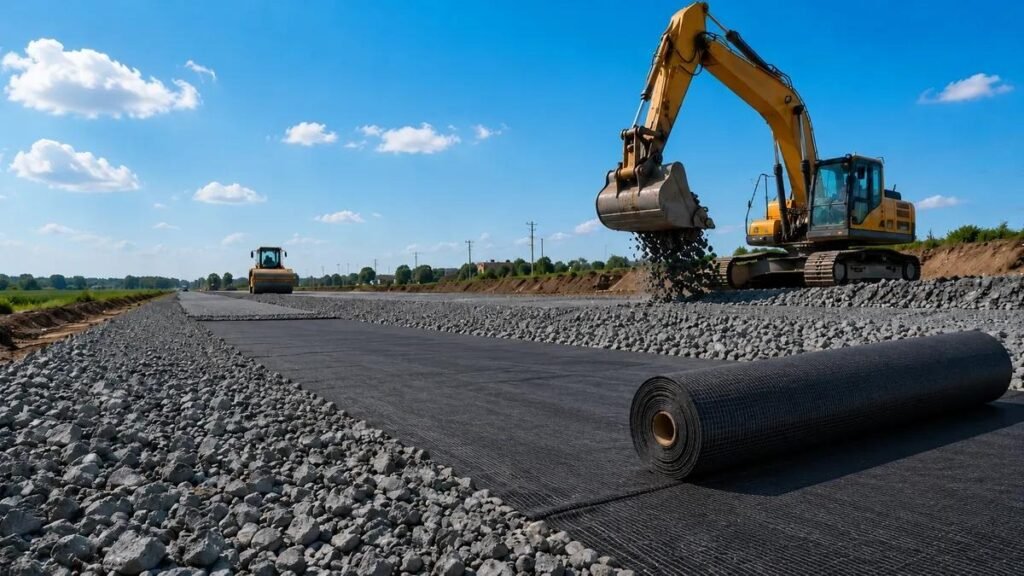
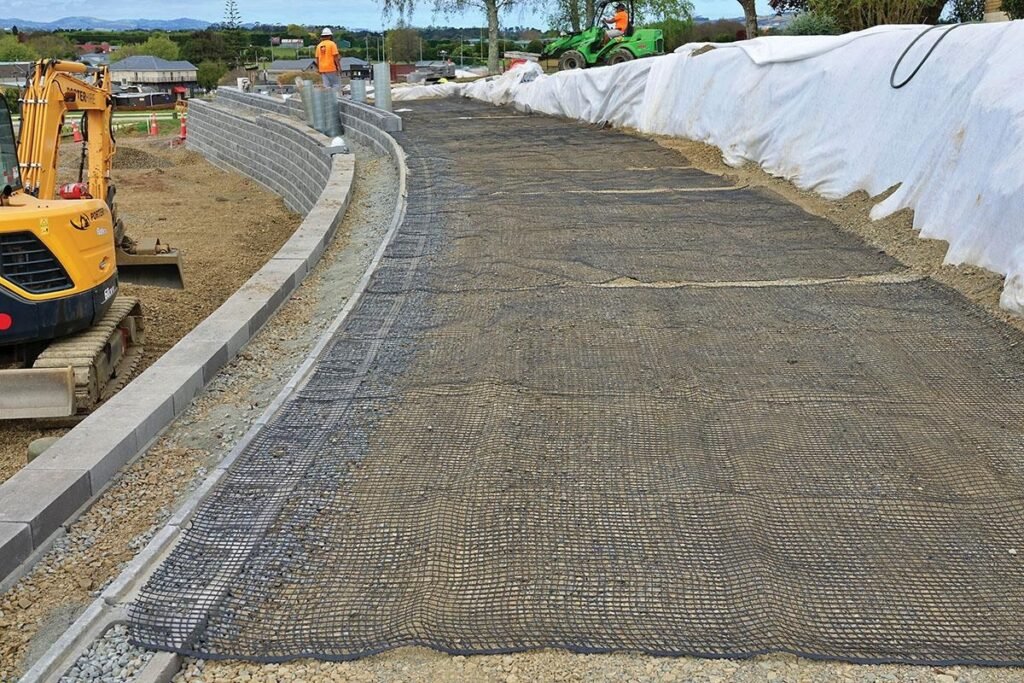
3.1 Road Construction and Ground Stabilization

Geo textiles are commonly used between natural soil and granular road base materials. Their separation function helps limit the migration of subgrade fines into the aggregate layer.

In suitable designs, this can help maintain the integrity of the road base and support more consistent construction performance.

Typical applications include rural roads, unpaved access routes, temporary construction roads, parking areas, and industrial yards.

Product selection should consider subgrade strength, aggregate gradation, traffic loading, tensile properties, puncture resistance, and installation conditions.

3.2 Drainage and Filtration Systems

Geotextiles are often placed around drainage aggregates or perforated pipes to help retain surrounding soil while allowing water to enter the drainage system.

For filtration applications, the relationship between soil particle size, apparent opening size, and water permeability is particularly important.

A geotextile that is too restrictive may impede flow or be vulnerable to clogging under certain conditions. A fabric with openings that are too large may not retain the surrounding soil effectively. Appropriate selection requires consideration of the soil and hydraulic conditions.

3.3 Retaining Walls and Embankments

Selected geotextiles can be incorporated into engineered retaining structures, slopes, and embankments.

Where reinforcement is required, the product must have appropriate tensile properties and be designed for the loading, geometry, soil characteristics, connection details, and long-term performance requirements.

Not every geotextile is a reinforcement geosynthetic. The design engineer should confirm that the selected product is suitable for the intended structural role.

3.4 Landfills and Environmental Protection

In landfill and containment systems, geotextiles may serve as protective or filtration layers alongside geomembranes, drainage materials, and other geosynthetics.

For example, a suitable nonwoven geotextile may help protect a geomembrane against localized stresses from adjacent materials. In drainage layers, a geotextile may help prevent fine soil from entering the drainage aggregate.

Chemical exposure, puncture resistance, compatibility with adjacent materials, and the project specification should be reviewed before selection.

3.5 Coastal, Riverbank, and Erosion-Control Projects

Geo textiles can be used in selected coastal, riverbank, and hydraulic engineering applications to help manage soil movement and support engineered protection systems.

The required fabric depends on flow velocity, soil gradation, exposure conditions, installation method, and the type of protective layer. In demanding hydraulic environments, a geotextile should be selected as part of a designed system rather than as a standalone solution.

3.6 Landscaping and Civil Engineering Projects

Depending on the required performance, geotextiles may also be used in landscaping, green spaces, paths, drainage works, and other ground-related projects.

The material should be chosen according to its intended function rather than by appearance or weight alone.

4. Woven vs. Nonwoven Geo Textiles

Woven and nonwoven geotextiles are both useful, but they are not interchangeable in every application.

Feature Woven Geotextiles Nonwoven Geotextiles
Manufacturing structure Interlaced tapes or yarns Bonded fibers
Typical selection priority Tensile strength, separation, stabilization Filtration, protection, separation, drainage-related functions
Tensile behavior Depends on yarn and weave design Depends on fiber, bonding process, and product grade
Filtration performance Depends on opening size and permeability Depends on fiber structure, opening size, and permeability
Protection applications Possible with suitable specifications Commonly used where cushioning or protection is required
Key selection factors Tensile properties, elongation, openings, durability Mass per unit area, tensile and puncture properties, filtration and flow characteristics

Which type should you choose?

Consider woven geotextiles when the design emphasizes tensile performance and separation or stabilization. Consider nonwoven geotextiles when filtration, cushioning, or drainage-related characteristics are important.

For projects requiring several functions, a combination of geosynthetic products may be more appropriate than relying on one material to do everything.

5. Key Geo Textile Specifications to Check

When comparing geotextiles, buyers should review the technical data sheet and confirm that the reported properties match the project specification.

Specification Why It Matters
Polymer type Identifies the material, such as PP or PET
Mass per unit area (g/m²) Describes fabric mass; it does not independently establish performance
Tensile strength Indicates tensile capacity in the specified direction and test method
Elongation Shows how much the material stretches under tensile loading
Puncture resistance Helps assess resistance to damage from aggregates and installation activities
Tear resistance Indicates resistance to tearing under the specified test
Apparent opening size (AOS) Helps evaluate soil retention and filtration compatibility
Permittivity or permeability Indicates water transmission through the material under defined conditions
UV resistance Relevant when the fabric may be exposed before burial or installation
Roll width and length Affects transport, handling, overlaps, and installation planning
Applicable test standards Helps ensure meaningful comparisons between suppliers

There is no single set of values suitable for every geotextile application. Required specifications should be established from the project design, site conditions, and applicable standards.

6. How to Select the Right Geo Textiles

A structured selection process helps buyers identify products that match their engineering requirements.

Step 1: Identify the Primary Function

Decide whether the main requirement is separation, filtration, drainage, reinforcement, erosion control, or protection. Some projects require more than one function.

Step 2: Evaluate Site and Soil Conditions

Review soil gradation, subgrade strength, groundwater conditions, drainage needs, loading, aggregate size, and exposure conditions.

Step 3: Define the Required Properties

Specify the relevant tensile strength, elongation, puncture resistance, opening size, permeability, durability, and other project-specific requirements.

Step 4: Confirm Test Standards and Documentation

Ask the supplier for a technical data sheet and relevant test reports. Confirm that test methods, units, and acceptance criteria are consistent with the project specification.

Step 5: Check Roll Dimensions and Installation Requirements

Review roll width, roll length, overlaps, handling equipment, storage, and installation methods. Proper handling and placement help reduce damage during construction.

Step 6: Compare the Total Delivered Cost

Evaluate quotations based on equivalent specifications. Consider product price, packaging, shipping, duties, handling, documentation, and any project-specific inspection requirements.

The lowest unit price does not necessarily represent the best value if the material fails to meet the required performance criteria.

7. Common Mistakes When Buying Geo Textiles

Choosing by weight alone. Two fabrics with the same mass per unit area can have different mechanical and hydraulic properties.

Ignoring soil compatibility. Filtration performance depends on the relationship between the geotextile and the surrounding soil.

Using the wrong product type. A product designed for separation may not be suitable for structural reinforcement or demanding filtration.

Overlooking installation damage. Sharp aggregates, improper handling, and unsuitable construction practices can damage geotextiles.

Leaving products exposed without protection. Follow the manufacturer’s recommendations for storage and UV exposure.

Comparing non-equivalent quotations. Confirm that suppliers quote the same material type, specifications, dimensions, test methods, and delivery terms.

8. Why Choose Tinhy Geosynthetics?

Tinhy Geosynthetics supplies geosynthetic materials for civil engineering, infrastructure, and environmental projects. Its product portfolio includes geotextiles and complementary materials such as geomembranes, geosynthetic clay liners, geonets, and drainage products.

For international buyers, selecting a supplier involves more than comparing prices. Product consistency, technical documentation, clear specifications, packaging, and delivery arrangements are also important.

When contacting Tinhy Geosynthetics, buyers can share the following information to help clarify suitable product options:

  • Intended application and project location
  • Required geotextile type and polymer
  • Target mass per unit area and technical properties
  • Roll width, roll length, and estimated quantity
  • Applicable standards or project specifications
  • Destination port and requested delivery schedule

For projects using multiple geosynthetic materials, identifying the function of each layer helps the team evaluate product compatibility and sourcing requirements.

Contact Tinhy Geosynthetics to discuss your project requirements and request product information.

9. Frequently Asked Questions

What are geo textiles used for?

Geo textiles are used for soil separation, filtration, drainage-related functions, reinforcement, erosion control, and protection in suitable civil engineering applications.

What is the difference between woven and nonwoven geotextiles?

Woven geotextiles are made by interlacing tapes or yarns and are often selected for tensile and stabilization requirements. Nonwoven geotextiles are made from bonded fibers and are frequently used for filtration, protection, and separation. The best choice depends on the application and required specifications.

Are geo textiles suitable for road construction?

Yes. Geotextiles are widely used in road construction to help separate subgrade soil from aggregate layers. The selected product should meet the project’s mechanical and hydraulic requirements.

What does geotextile weight mean?

Geotextile weight, usually expressed in grams per square meter (g/m²), indicates the mass of fabric per unit area. It is useful for identifying a product grade but should be considered alongside tensile strength, puncture resistance, opening size, permeability, and other relevant properties.

How do I choose the right geotextile for drainage?

Review the soil gradation, water flow requirements, apparent opening size, permeability or permittivity, and potential clogging conditions. A geotechnical or drainage design may be needed for demanding applications.

What information should I provide when requesting a quotation?

Share the application, required product properties, roll dimensions, estimated order quantity, applicable standards, destination country or port, and delivery requirements. Project specifications or drawings can help clarify the request.

Conclusion

Geo textiles play an important role in modern civil engineering by supporting soil separation, filtration, drainage, reinforcement, protection, and erosion control. Their effectiveness depends on selecting the right structure and technical properties for the intended application.

For engineers, contractors, distributors, and project buyers, the best starting point is to define the required function, assess the site conditions, review technical documentation, and compare equivalent products.

Tinhy Geosynthetics supports geosynthetic sourcing for infrastructure and environmental projects. Contact our team to discuss your geo textile requirements and explore suitable product options.

Knowledge Base
Share:
info@tinhygeosynthetics.com Bai Jinxi
Consultation

    Get The Latest Product Prices

    Your inquiries are welcomed at any time and please feel free to contact us via email, phone calls, and online chatbox on our site.

    We will definitely give you a reply ASAP after we receive your messages.

      0/180