Resources
Company News
Industry News
Knowledge Base
Project Cases
Innovation
Team Power Fuels TINHY’s Global Geosynthetics Solutions
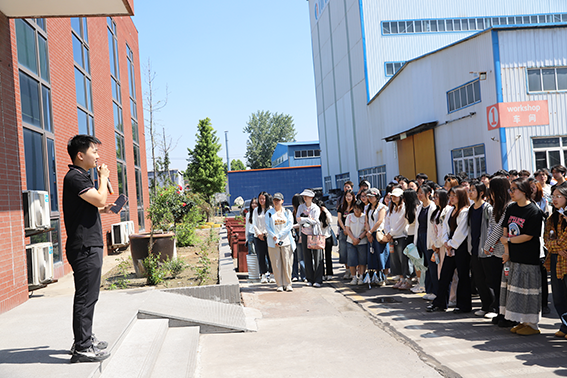
Tinhy and University of Jinan Celebrate Six Years of Industry–University Collaboration
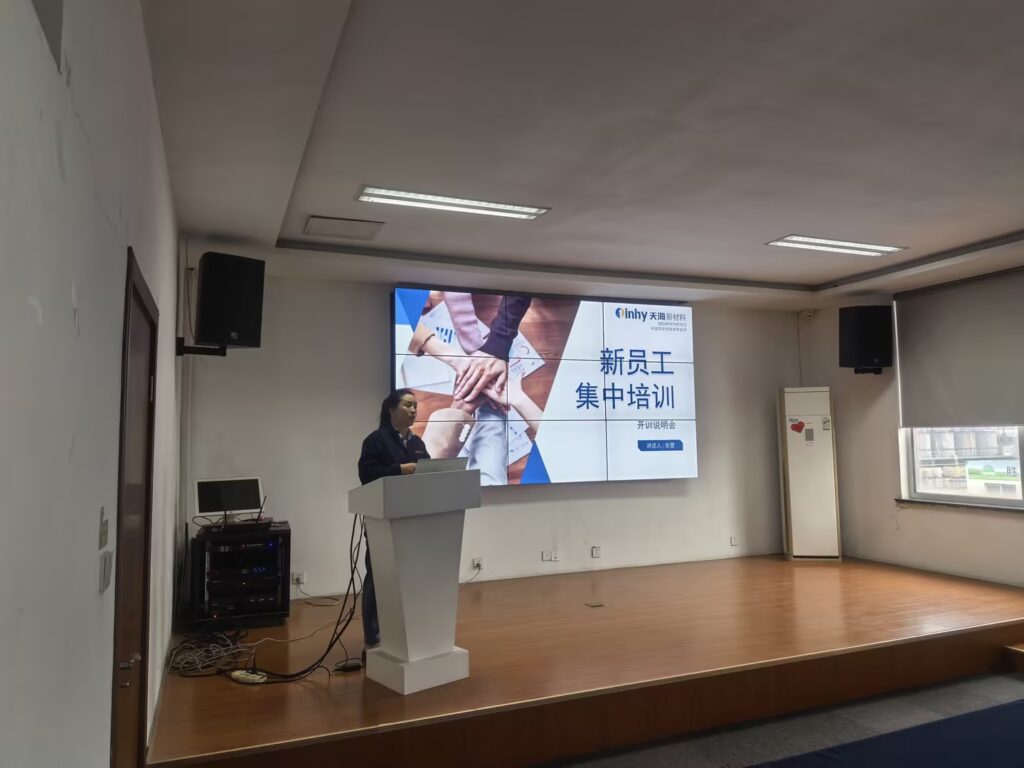
Empowering New Talent, Building the Future: Tinhy Successfully Conducts New Employee Orientation Training
Tinhy Conducts Comprehensive Emergency Drill to Strengthen Workplace Safety Defenses
Company Mid – Year Summary and Team – Building Activity Report
Is geomembrane a geotechnical engineering material?
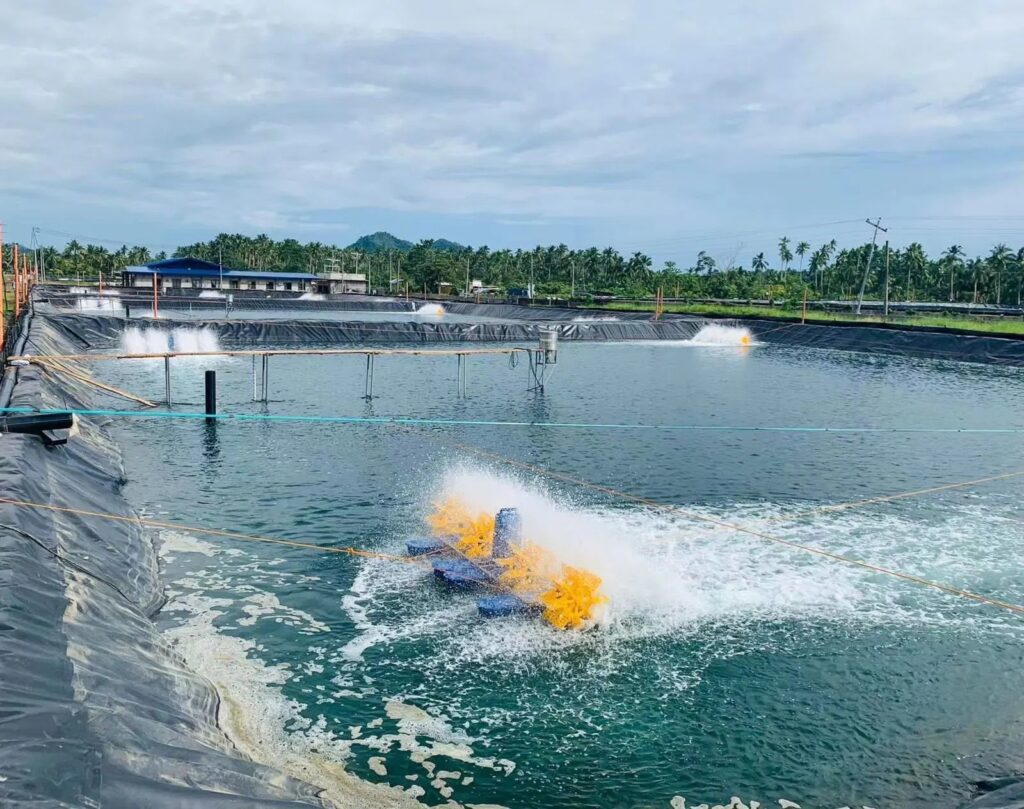
What are the application scenarios of geomembrane?
What are the functions of geotextiles?
Cómo elegir geomembrana de hdpe en proyectos de ingeniería
How to choose hdpe geomembrane in engineering projects
China’s Geotechnical Construction Materials Embrace New Opportunities
Tips for Moisture-Proof Storage of Geotextiles
Key Construction Points and Precautions for High-Density Polyethylene Geomembrane
what is pond lining material ?
What is geomembrane?
HDPE geomembrane construction plans and technical measures
What quality tests do HDPE geomembranes need to do?
Tinhy’s MDS® Drainage Solution
Installation Robots
7 Best LLDPE Pond Liner Options for Large Reservoirs: A Buyer’s Guide
Dam Liner Cost: A Complete Guide to Geomembrane Selection and Budget Planning
HDPE Pond Liner Suppliers: How to Choose the Right Manufacturer for Your Project
Geo Textiles: Types, Applications, Benefits & Selection Guide
PP Woven Geotextiles: Properties, Applications & Selection Guide
Geogrid Price: Types, Cost Factors & Buying Guide
Geomembrane Manufacturers: 7 Companies to Consider for Your Project
Woven Geotextile Fabric Price: Specifications, Applications & Buying Guide
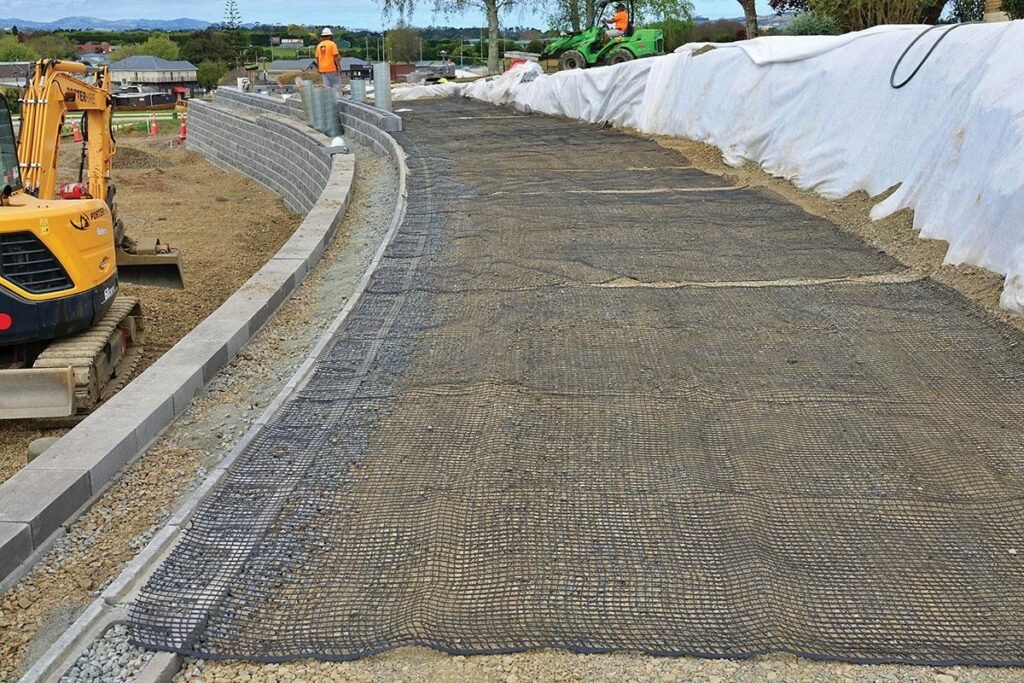
8 Geogrid Options for Retaining Walls: Types, Specifications & Buying Guide
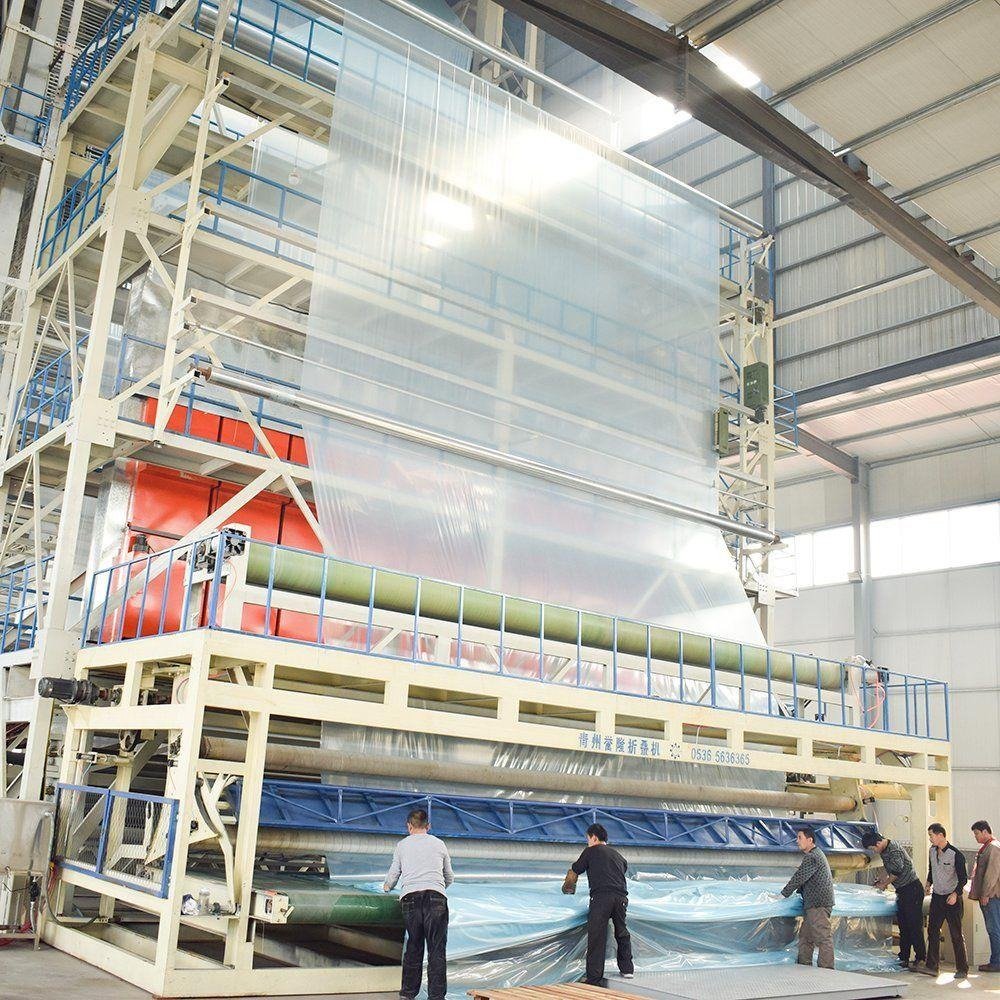
LDPE Sheet 500 Micron Price: Cost Factors, Specifications & Buying Guide
Should HDPE or PVC be used to install geomembrane in reservoirs?
What is the price of geomembrane?
Material characteristics of three different geomembranes
Esquema de construcción de geomembrana de HDPE y medidas técnicas
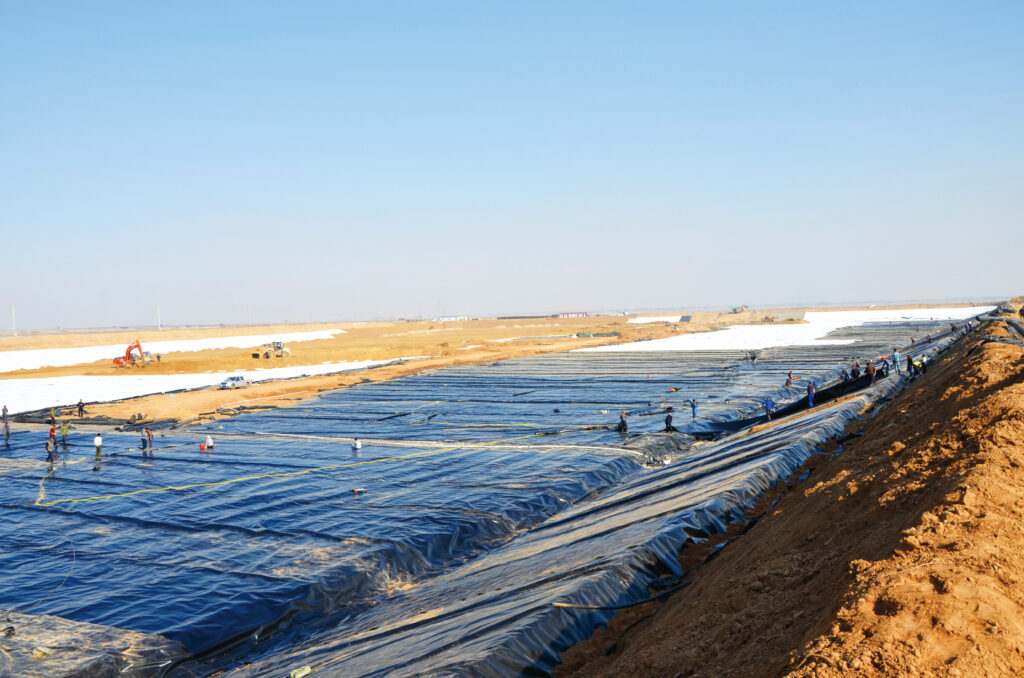
hdpe geomembrane pond liner in Congo (DRC)
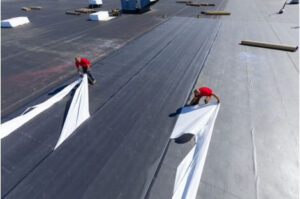
How to lay and weld HDPE geomembrane?
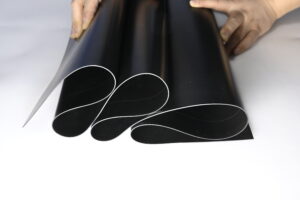
HDPE geomembrane 0.2-4.0mm
HOME ABOUT PRODUCTS APPLICATION CONTENTUS RESOURCES
Home Resources Knowledge Base 7 Best LLDPE Pond Liner Options for Large Reservoirs: A Buyer’s Guide

7 Best LLDPE Pond Liner Options for Large Reservoirs: A Buyer’s Guide

time:October 19, 2026 Views:5

Choosing the right LLDPE pond liner for large reservoirs is an important decision for water storage, irrigation, aquaculture, and environmental containment projects. A suitable liner helps control seepage, protect the surrounding ground, and accommodate certain forms of ground movement when properly selected and installed.

Linear low-density polyethylene (LLDPE) geomembranes are valued for their flexibility and high elongation. These properties can make them suitable for reservoirs with irregular contours or subgrades where deformation is a design consideration.

However, not every reservoir requires the same liner. Material specifications, thickness, surface finish, installation conditions, and supplier capabilities should all be evaluated before placing an order.

In this guide, Tinhy Geosynthetics explains seven LLDPE pond liner options and supply approaches worth considering, along with practical advice for comparing products and selecting a liner for a large reservoir.

Table of Contents

1. Why Choose an LLDPE Pond Liner?

LLDPE geomembranes are flexible polymer liners used to create low-permeability barriers in water containment and environmental engineering applications.

Compared with more rigid geomembrane materials, LLDPE can offer greater flexibility and elongation. This can be useful when a project involves irregular surfaces or anticipated ground deformation, subject to the material specification and engineering design.

Key considerations include:

  • Flexibility: Helps the liner conform to certain irregular surfaces and accommodate deformation within its design limits.
  • Low permeability: Provides a barrier to help reduce water seepage.
  • Chemical resistance: Suitability depends on the liner formulation and the substances it may contact.
  • Outdoor durability: UV and weathering performance should be verified for exposed installations.
  • Installation requirements: Seam welding, subgrade preparation, and quality inspection are essential to the completed lining system.

LLDPE is not automatically the best choice for every reservoir. Compare it with HDPE and other suitable materials based on the actual project requirements.

2. Seven LLDPE Pond Liner Options to Consider

The following list is a buyer’s shortlist of products and supply approaches, not a laboratory-verified ranking. Product availability, specifications, certifications, and suitability must be confirmed with the relevant manufacturer.

Option 1: Tinhy Geosynthetics — Project-Specific Geomembrane Sourcing

Best for: Buyers seeking geosynthetic materials and support for reservoir, irrigation, and water containment projects.

Tinhy Geosynthetics supplies geosynthetic materials for civil engineering and environmental applications, including geomembranes and geotextiles.

When evaluating an LLDPE liner for your project, contact Tinhy to confirm whether the required LLDPE product and specification are available. Provide your required thickness, dimensions, project location, and technical standards so the team can assess the request accurately.

What to confirm:

  • Availability of the requested LLDPE formulation and thickness
  • Technical data sheets and relevant test reports
  • Roll dimensions and packaging options
  • Quality-control documentation
  • Order quantity, lead time, and delivery terms

Important: Confirm the exact product specification with Tinhy before specifying LLDPE in a tender or purchase order.

Option 2: Solmax GSE LL — A Documented LLDPE Product Line

Best for: Project teams comparing LLDPE geomembranes against defined engineering specifications.

The supplied reference identifies Solmax GSE LL as an LLDPE geomembrane product line associated with the GRI-GM17 specification. Buyers should consult the manufacturer’s current product documentation to confirm the applicable standard, available thicknesses, and intended applications.

What to evaluate:

  • Applicable technical specification
  • Thickness and mechanical properties
  • Availability for the project location
  • Delivery schedule and commercial terms

A documented product specification can help engineers and procurement teams compare material properties more consistently.

Option 3: Solmax GSE LLX — For Projects Requiring Enhanced Flexibility

Best for: Applications where flexibility and deformation behavior are important design considerations.

The reference describes GSE LLX as an LLDPE product line intended for applications requiring enhanced flexibility and multiaxial performance. Buyers should verify the current product data sheet and consult the manufacturer about suitability for their specific reservoir.

What to evaluate:

  • Relevant tensile and elongation properties
  • Performance under the anticipated deformation conditions
  • Compatibility with the proposed installation method
  • Whether the additional performance is necessary for the design

A specialized product is not automatically the most economical choice. Its benefits should be assessed against the actual project requirements.

Option 4: Layfield LLDPE Geomembrane — Including Prefabrication Considerations

Best for: Projects where flexible liners and prefabricated panels may simplify installation.

The reference describes Layfield as supplying LLDPE geomembranes and offering prefabrication options. Buyers should verify the available configurations and manufacturing capabilities directly.

Prefabricated panels may reduce the number of field seams under suitable conditions. However, large panels also require careful transportation, handling, lifting, and positioning.

What to evaluate:

  • Maximum practical panel dimensions
  • Site access and lifting equipment
  • Factory seam quality-control procedures
  • Field connection requirements
  • Total installed cost compared with standard rolls

Option 5: Jinseed LLDPE Geomembrane — For Factory-Supply Comparison

Best for: Buyers comparing product configurations and export supply options.

The supplied reference identifies Jinseed as a supplier of LLDPE geomembranes for ponds and containment applications. Before purchasing, request current product documentation and verify the properties relevant to the intended application.

What to evaluate:

  • Available thicknesses and roll dimensions
  • Thickness tolerance and mechanical test results
  • Production schedule and order quantity
  • Packing, shipping, and destination requirements
  • Batch-level quality documentation, where required

Factory-direct sourcing may be suitable for bulk procurement, but buyers should compare the complete quotation and product specification rather than assuming that a direct-supply model guarantees a lower total cost.

Option 6: GSC Geosynthetics LLDPE Pond Liner — For Pond-Lining Applications

Best for: Buyers comparing products specifically presented for ponds and reservoirs.

The reference describes GSC Geosynthetics as offering an LLDPE pond liner for water containment applications. The exact product specification and suitability should be verified before procurement.

What to evaluate:

  • Intended use and available product configurations
  • Relevant mechanical and durability properties
  • Manufacturing quality-control procedures
  • Technical support and delivery terms

Request supporting test documentation for any properties that are critical to the project.

Option 7: Prefabricated LLDPE Reservoir Liner — A Supply Format to Compare

Best for: Projects where panel layout and site access make factory prefabrication practical.

Prefabricated LLDPE liners are not a single brand or manufacturer. They are a supply approach in which panels are prepared in a controlled manufacturing environment and delivered for installation.

Depending on the project geometry, prefabrication may reduce the amount of field welding and simplify deployment.

However, panel dimensions are constrained by transport, site access, lifting equipment, and the installation sequence. Field connections may still be required and must be inspected appropriately.

What to evaluate:

  • Feasibility of transporting and deploying large panels
  • Factory seam quality and inspection records
  • Number and location of field seams
  • Handling requirements and risk of damage
  • Total installed cost compared with standard rolls

Buyer tip: Ask suppliers to quote both standard rolls and prefabricated panels when both options are technically feasible.

3. How to Choose the Right LLDPE Pond Liner

The best liner is the one that meets the project’s technical requirements and can be installed reliably under actual site conditions.

Step 1: Assess the Reservoir Conditions

Define the reservoir’s dimensions, water depth, slope geometry, subgrade conditions, and exposure to sunlight. Identify whether differential settlement, irregular surfaces, or chemical exposure are relevant concerns.

Step 2: Confirm the Required Thickness

Thickness should be specified by the project’s engineering requirements, not by reservoir capacity alone. Consider subgrade quality, potential puncture damage, protective layers, installation conditions, and design loads.

Step 3: Review Mechanical Properties

Depending on the specification, relevant properties may include:

  • Thickness and thickness tolerance
  • Tensile properties and elongation
  • Tear resistance
  • Puncture resistance
  • Stress-crack resistance, where applicable
  • UV and oxidative resistance for the intended exposure

Use the current technical data sheet and applicable test methods to evaluate these properties.

Step 4: Check Applicable Standards

The reference identifies GRI-GM17 as a relevant specification for LLDPE geomembranes. If a project requires GRI-GM17 or another standard, confirm the exact product’s compliance and request the supporting documentation.

Do not assume that every LLDPE geomembrane meets the same standard or acceptance criteria.

Step 5: Plan Subgrade Protection and Installation

A liner’s performance depends on more than the membrane itself. Site preparation, protective geotextiles where specified, anchorage, panel layout, welding, and seam inspection all affect the finished system.

For exposed reservoirs, verify that the product is suitable for the expected UV and weathering conditions.

Step 6: Compare Complete Supplier Quotations

Compare suppliers using the same product specification, quantity, roll dimensions, packaging, documentation, and delivery terms. Include installation and testing costs when evaluating the total project budget.

4. LLDPE vs. HDPE Pond Liners

LLDPE and HDPE geomembranes are both used in water containment, but they have different material characteristics.

Consideration LLDPE Geomembrane HDPE Geomembrane
Flexibility Generally more flexible Generally more rigid
Elongation Often offers higher elongation Depends on formulation and product specification
Surface conformity May suit irregular surfaces and certain deformation conditions Suitable when its properties meet the design requirements
Chemical resistance Depends on formulation and exposure Generally good resistance to many chemicals
Selection priorities Flexibility and deformation requirements Strength, chemical exposure, and project-specific design needs

These are general material comparisons, not a substitute for product-level data. Actual performance varies by formulation, thickness, manufacturing quality, and installation.

For a large reservoir, have the project engineer compare both materials against the same design criteria before making a final selection.

5. What Affects the Total Cost of an LLDPE Reservoir Liner?

The total cost includes more than the price of the geomembrane.

Material Specifications

Thickness, formulation, surface finish, and product configuration affect material cost. Request quotations for a clearly defined specification.

Order Quantity and Roll Dimensions

Large orders may offer different unit pricing from small orders. Roll width and length can also influence the number of seams, handling requirements, and installation planning.

Protective Geotextile

Depending on the subgrade and design, a protective geotextile may be required to reduce the risk of mechanical damage. Its specification and quantity should be assessed as part of the complete system.

Transportation and Handling

Freight costs depend on shipment volume, destination, packing method, and unloading requirements. Oversized prefabricated panels may need specialized handling.

Installation and Testing

Budget for qualified installation crews, welding, seam inspection, and any specified material or construction testing.

When comparing suppliers, ask for a clear breakdown of material, delivery, and any additional services included in the quotation.

6. Questions to Ask an LLDPE Pond Liner Supplier

Before placing an order, ask the supplier:

  1. Is the requested LLDPE product available for this project?
  2. What thicknesses, roll widths, and lengths can you supply?
  3. Can you provide a current technical data sheet and relevant test reports?
  4. Does the product meet the project’s specified standard?
  5. What quality inspections are carried out during production?
  6. Can prefabricated panels be supplied, if required?
  7. What are the minimum order quantity and production lead time?
  8. What packaging and shipping arrangements are available?
  9. What installation and seam-testing procedures should be followed?
  10. Which warranty and after-sales terms apply to the quoted product?

Clear answers to these questions help reduce uncertainty during procurement and make supplier comparisons more meaningful.

7. Why Consider Tinhy Geosynthetics?

Tinhy Geosynthetics supplies geosynthetic materials for civil engineering, water containment, and environmental applications. Its product portfolio includes geomembranes, geotextiles, and related geosynthetic solutions.

For large reservoir projects, buyers can discuss their material requirements with Tinhy and confirm which products and specifications are available for the intended application.

Potential procurement topics include:

  • Geomembrane product selection
  • Required thickness and technical parameters
  • Product documentation and quality-control requirements
  • Roll dimensions, packaging, and order quantity
  • Related geotextile protection requirements
  • Delivery arrangements for international projects

Product availability, certifications, test results, and lead times should be confirmed for the specific product and order.

To make the inquiry more efficient, provide your project location, reservoir area, required liner material, thickness, quantity, and any applicable technical standards.

Frequently Asked Questions

Is LLDPE a good choice for a large reservoir?

LLDPE may be suitable when flexibility and elongation are important design considerations. The final choice depends on reservoir geometry, subgrade conditions, exposure, mechanical requirements, and the project specification.

What thickness is suitable for an LLDPE pond liner?

There is no universal thickness for every reservoir. The appropriate specification depends on site conditions, design loads, protection requirements, and installation methods. Confirm the required thickness with the project engineer.

Does LLDPE meet GRI-GM17?

Some LLDPE geomembrane products are specified against GRI-GM17. Buyers should verify compliance for the exact product through current technical documentation and applicable test reports.

Is a prefabricated reservoir liner better than standard rolls?

Prefabrication may reduce field seams or simplify installation on suitable projects. However, transportation, lifting, panel dimensions, and field connections must also be considered. Compare the total installed cost before choosing.

Can LLDPE liners be used in exposed reservoirs?

They may be used in exposed applications when the product is suitable for the expected UV and weathering conditions. Request the relevant durability documentation and follow the project design requirements.

What information is needed for an LLDPE liner quotation?

Provide the project location, application, reservoir dimensions or estimated lining area, required thickness, roll dimensions if known, relevant standards, quantity, and delivery requirements.

Conclusion

Selecting an LLDPE pond liner for a large reservoir requires careful consideration of material flexibility, thickness, mechanical properties, exposure conditions, installation, and supplier documentation.

The seven options and supply approaches in this guide provide a starting point for procurement research, not a universal ranking. Always verify the exact product specifications and compare quotations against the same engineering requirements.

Tinhy Geosynthetics can discuss geosynthetic material requirements for reservoir and water containment projects. Contact our team with your project details to confirm suitable product options and request a project-specific quotation.

Knowledge Base
Share:
info@tinhygeosynthetics.com Bai Jinxi
Consultation

    Get The Latest Product Prices

    Your inquiries are welcomed at any time and please feel free to contact us via email, phone calls, and online chatbox on our site.

    We will definitely give you a reply ASAP after we receive your messages.

      0/180