Resources
Company News
Industry News
Knowledge Base
Project Cases
Innovation
Team Power Fuels TINHY’s Global Geosynthetics Solutions
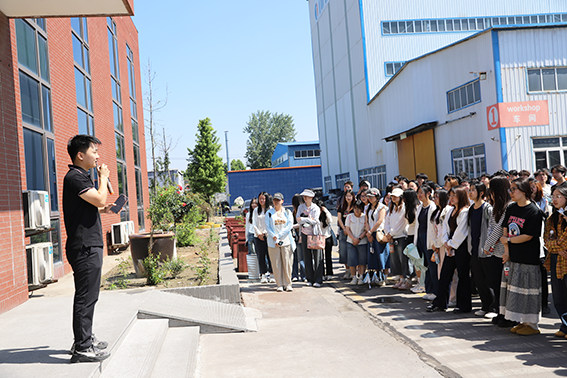
Tinhy and University of Jinan Celebrate Six Years of Industry–University Collaboration
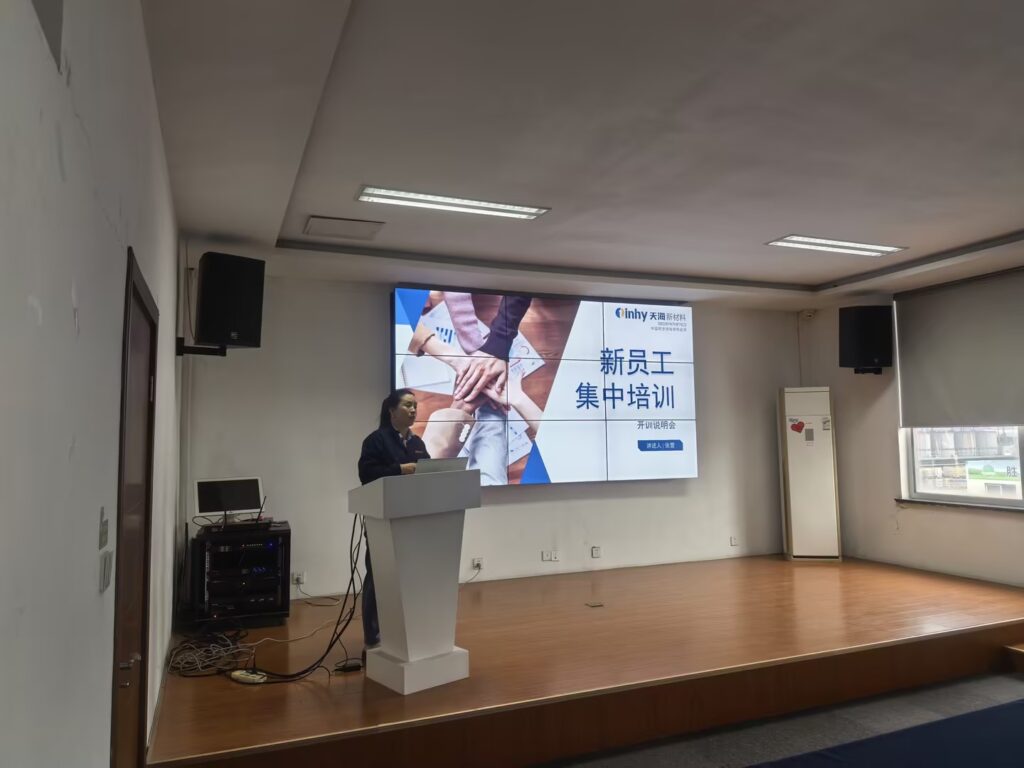
Empowering New Talent, Building the Future: Tinhy Successfully Conducts New Employee Orientation Training
Tinhy Conducts Comprehensive Emergency Drill to Strengthen Workplace Safety Defenses
Company Mid – Year Summary and Team – Building Activity Report
Is geomembrane a geotechnical engineering material?
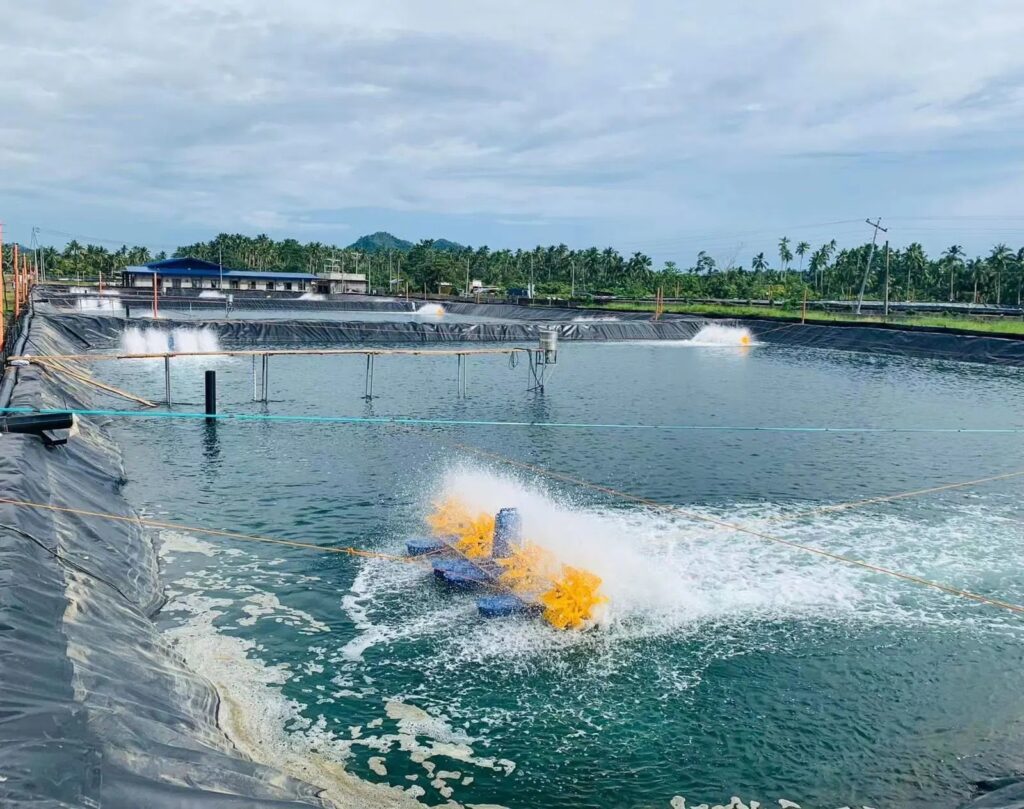
What are the application scenarios of geomembrane?
What are the functions of geotextiles?
Cómo elegir geomembrana de hdpe en proyectos de ingeniería
How to choose hdpe geomembrane in engineering projects
China’s Geotechnical Construction Materials Embrace New Opportunities
Tips for Moisture-Proof Storage of Geotextiles
Key Construction Points and Precautions for High-Density Polyethylene Geomembrane
what is pond lining material ?
What is geomembrane?
HDPE geomembrane construction plans and technical measures
What quality tests do HDPE geomembranes need to do?
Tinhy’s MDS® Drainage Solution
Installation Robots
Comprehensive Guide to 1mm Geomembrane for Landfill Applications
Top 7 Global Non Woven Geotextile Suppliers
The 7 Best PP Woven Geotextiles Review: Strength, Applications & Buying Guide
The 6 Best Geotextile 300g Review: Heavy-Duty Nonwoven Geotextile for Soil Stabilization
The 6 Best 1000 Micron HDPE Sheets Reviewed in 2026
What Is a 60 Mil Geomembrane? Complete Guide to 1.5mm HDPE Geomembrane (2026)
Top 7 Global Geocomposite Manufacturers in 2026
Top 10 Best 1.5mm HDPE Geomembrane Sheets in 2026 – Expert Review & Buying Guide
Top 7 EPDM Geomembrane Applications and Buying Guide in 2026
The 8 Best Geomembrane 1mm Solutions for Engineering Projects in 2026
Should HDPE or PVC be used to install geomembrane in reservoirs?
What is the price of geomembrane?
Material characteristics of three different geomembranes
Esquema de construcción de geomembrana de HDPE y medidas técnicas
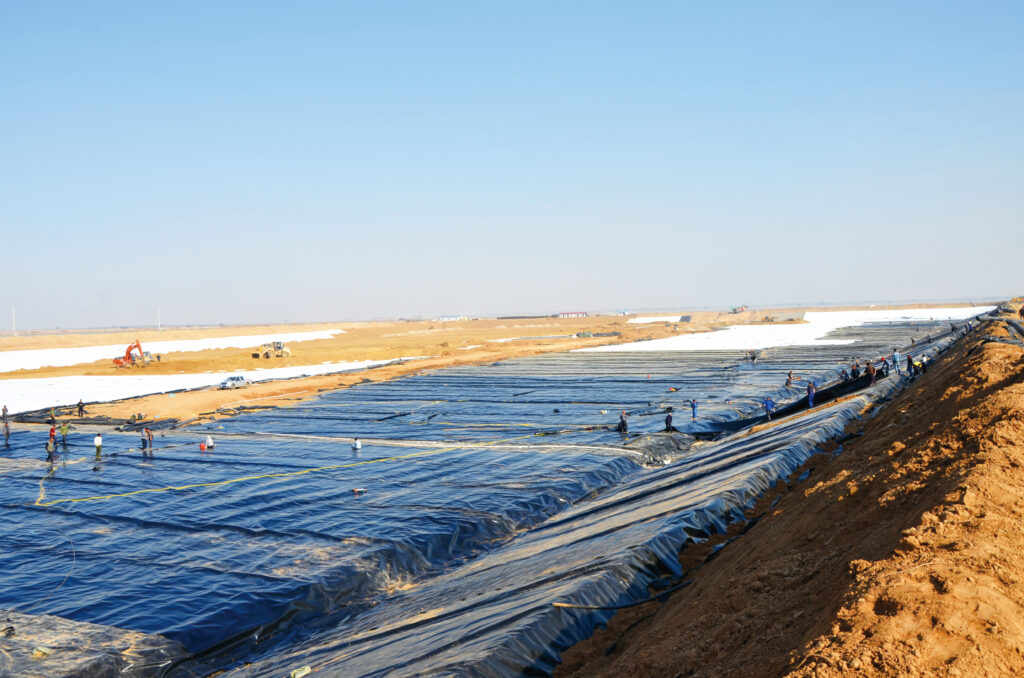
hdpe geomembrane pond liner in Congo (DRC)
How to lay and weld HDPE geomembrane?
HDPE geomembrane 0.2-4.0mm
HOME ABOUT PRODUCTS APPLICATION CONTENTUS RESOURCES
Home Resources Knowledge Base Comprehensive Guide to 1mm Geomembrane for Landfill Applications

Comprehensive Guide to 1mm Geomembrane for Landfill Applications

time:August 21, 2026 Views:3

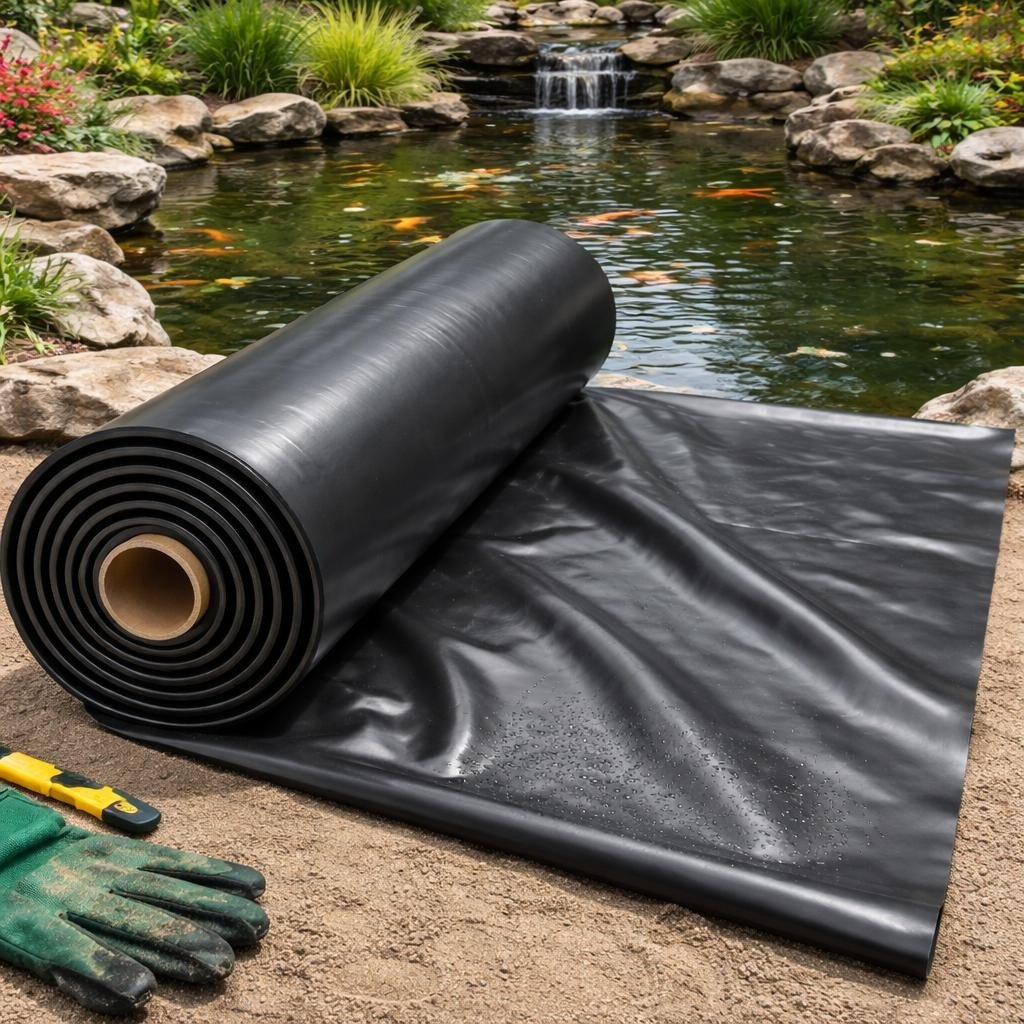
A 1mm geomembrane, also commonly referred to as a 40 mil geomembrane, is widely used as an impermeable barrier in environmental containment and landfill engineering.

Modern landfill projects require reliable liner systems to help control the migration of leachate and landfill gas. A properly selected and professionally installed HDPE geomembrane liner can form an important part of the landfill containment system, helping protect surrounding soil and groundwater.

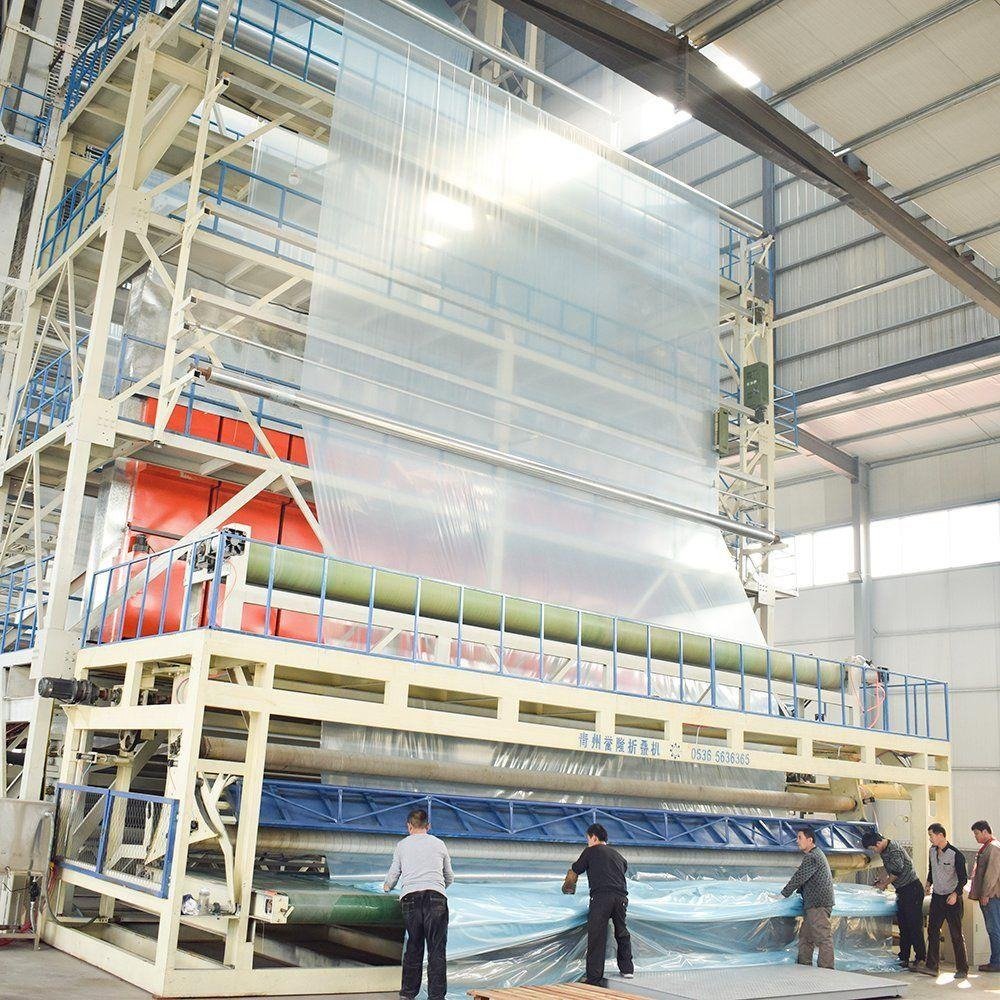
At Tinhy Geosynthetics Co., Ltd., we manufacture and supply HDPE geomembranes and other geosynthetic materials for landfill, mining, water containment, wastewater treatment and environmental protection projects. Our geomembrane products are available in different thicknesses, widths, surface finishes and customized specifications.

This guide explains what a 1mm geomembrane for landfill is, its advantages, applications and the key factors to consider when selecting a suitable landfill liner.

1. What Is a 1mm Geomembrane?

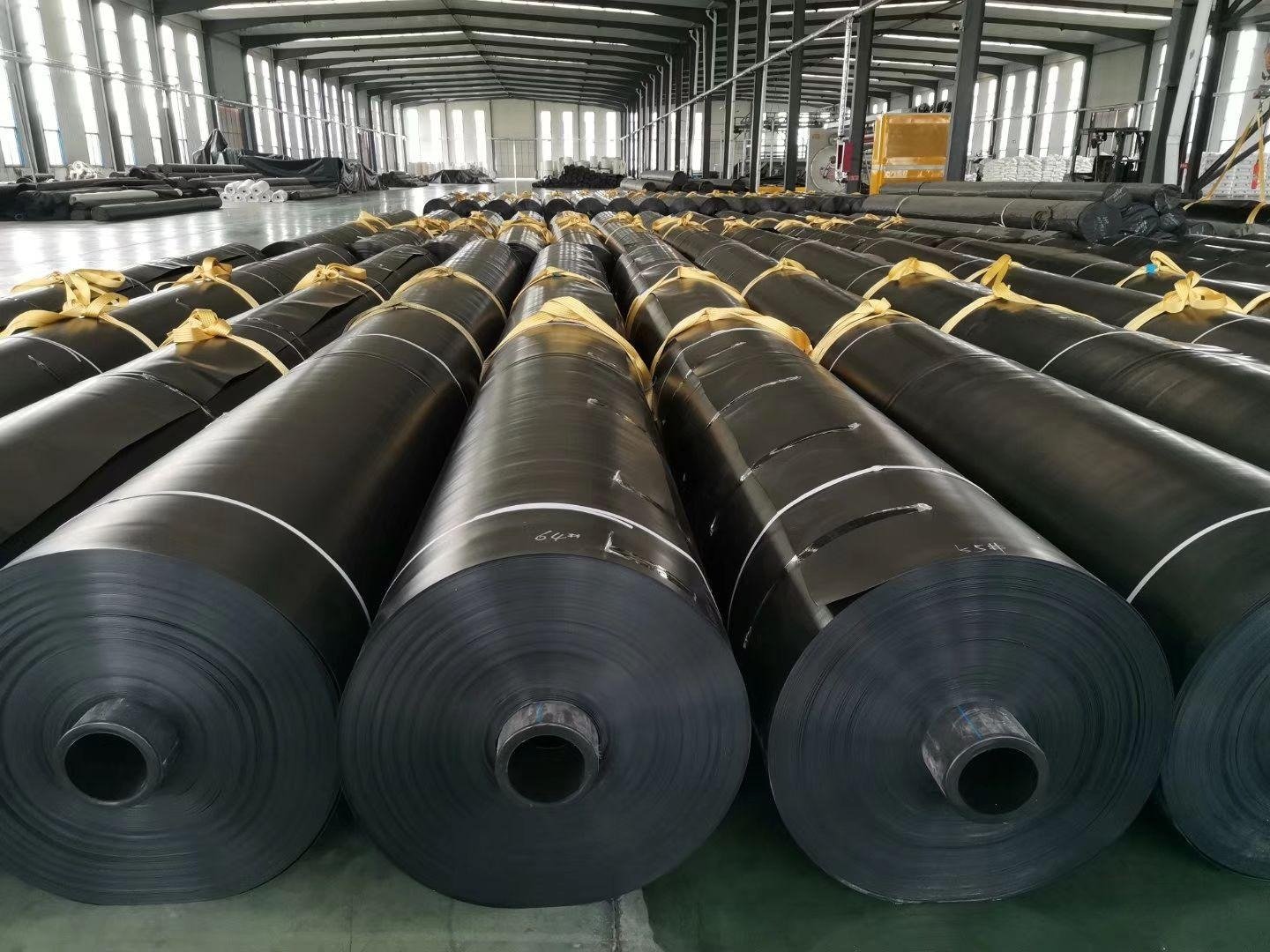
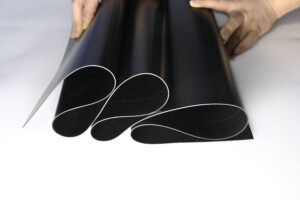
A 1mm geomembrane is a polymeric liner with a nominal thickness of 1.0 mm, approximately equivalent to 40 mil.

For landfill and containment applications, the material is commonly manufactured from high-density polyethylene (HDPE). Depending on project requirements, other materials such as LLDPE, PVC or specialized geomembrane formulations may also be considered.

HDPE geomembranes are manufactured using polyethylene resin combined with carefully controlled additives, which may include:

  • Carbon black for UV resistance
  • Antioxidants for long-term durability
  • Thermal stabilizers
  • Processing stabilizers
  • Other additives designed for specific performance requirements

The finished geomembrane forms a continuous, low-permeability barrier that can help control the movement of liquids and gases.

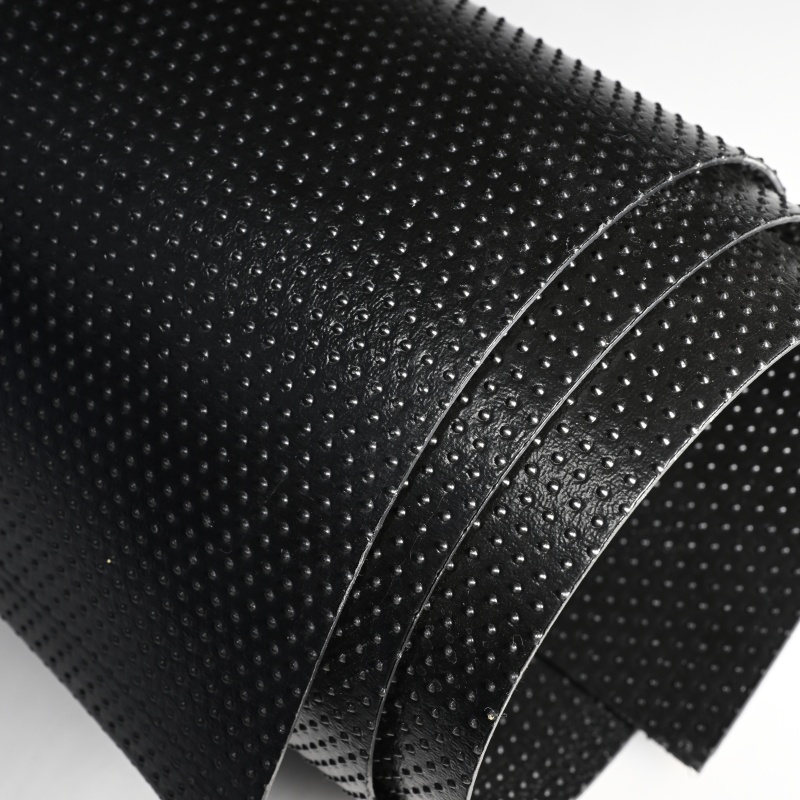
A 1mm HDPE geomembrane may be available with different surface options, including:

  • Smooth HDPE geomembrane
  • Single-sided textured HDPE geomembrane
  • Double-sided textured HDPE geomembrane

The appropriate surface should be selected according to the engineering design, especially where interface friction and slope stability are important.

2. Why Is Geomembrane Important in Landfill Projects?

A modern landfill is not simply a location where waste is deposited. It is an engineered waste containment facility that may include several components designed to manage environmental risks.

Depending on the project design and local regulations, a landfill containment system may include:

  • Compacted subgrade
  • Geosynthetic clay liner or mineral barrier
  • HDPE geomembrane liner
  • Protective geotextile
  • Leachate drainage layer
  • Leachate collection pipes
  • Geocomposite drainage materials
  • Waste layers
  • Final cover or cap system

One of the primary functions of the landfill liner system is to help control leachate migration.

Leachate is generated when water moves through waste and dissolves or carries contaminants. If not properly contained and collected, leachate may create environmental risks.

A properly designed HDPE landfill liner can help provide a highly effective containment barrier as part of the overall landfill engineering system.

3. What Are the Benefits of 1mm Geomembrane for Landfills?

3.1 Low Permeability

One of the main advantages of an HDPE geomembrane is its very low permeability to liquids.

When properly installed and welded, a continuous geomembrane liner can form an effective barrier within the landfill containment system.

However, overall containment performance depends not only on the geomembrane sheet itself, but also on:

  • Seam quality
  • Subgrade preparation
  • Protection layers
  • Penetrations and details
  • Drainage system design
  • Construction quality control

3.2 Good Chemical Resistance

Landfill leachate may contain a variety of chemicals and dissolved materials.

HDPE is widely used in containment applications because of its resistance to many chemical environments. The specific compatibility of a geomembrane should always be evaluated based on the actual chemicals, concentrations and operating conditions of the project.

For demanding applications, chemical compatibility testing may be required before final material selection.

3.3 Mechanical Strength and Puncture Resistance

A 1mm geomembrane provides greater mechanical protection than thinner geomembrane products.

The liner must withstand potential stresses caused by:

  • Subgrade irregularities
  • Construction activities
  • Aggregate and drainage materials
  • Waste placement
  • Settlement
  • Localized loads

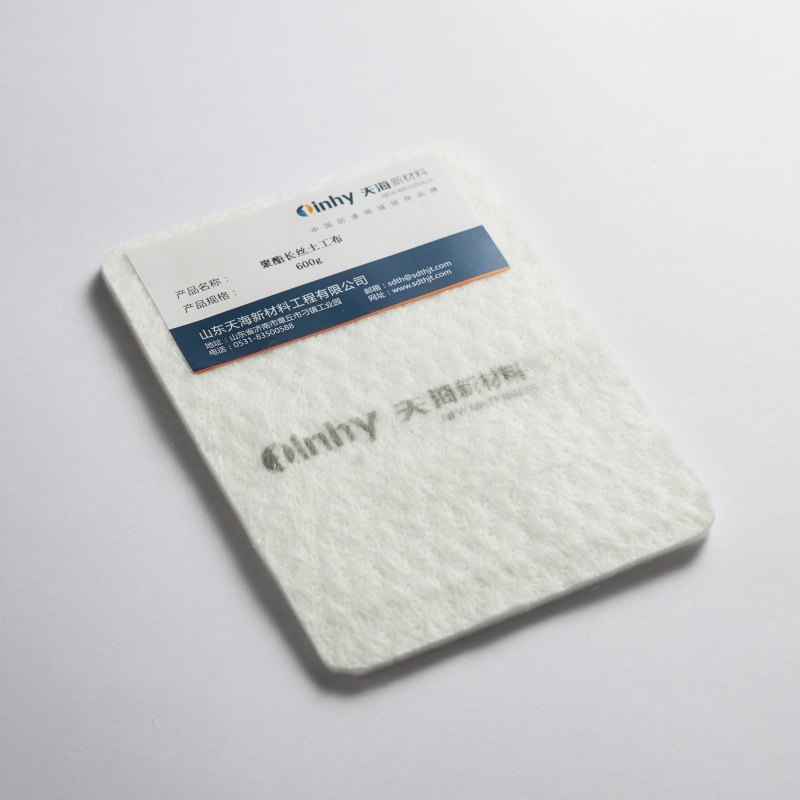
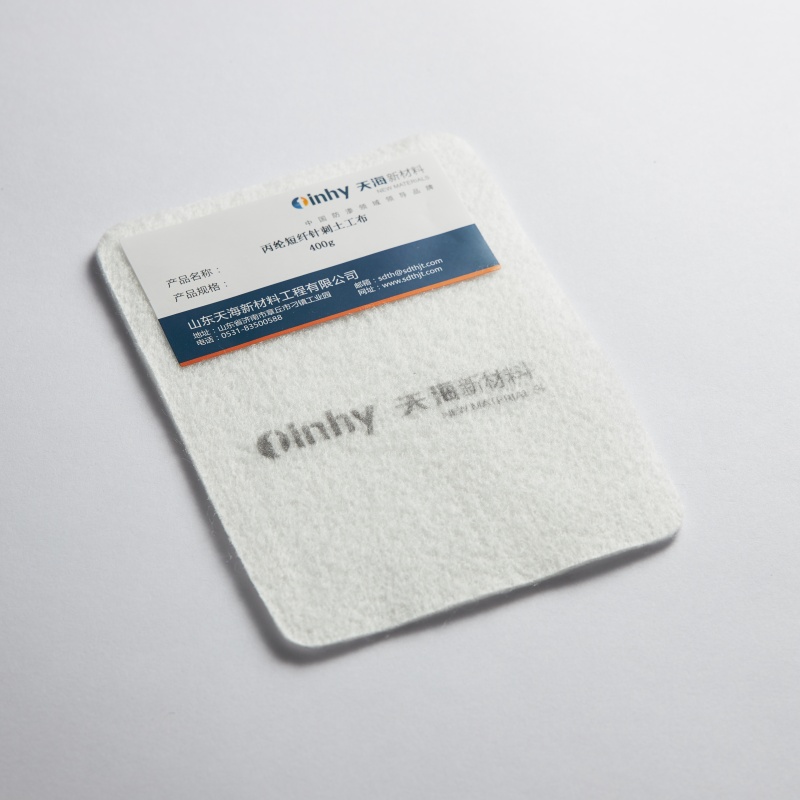
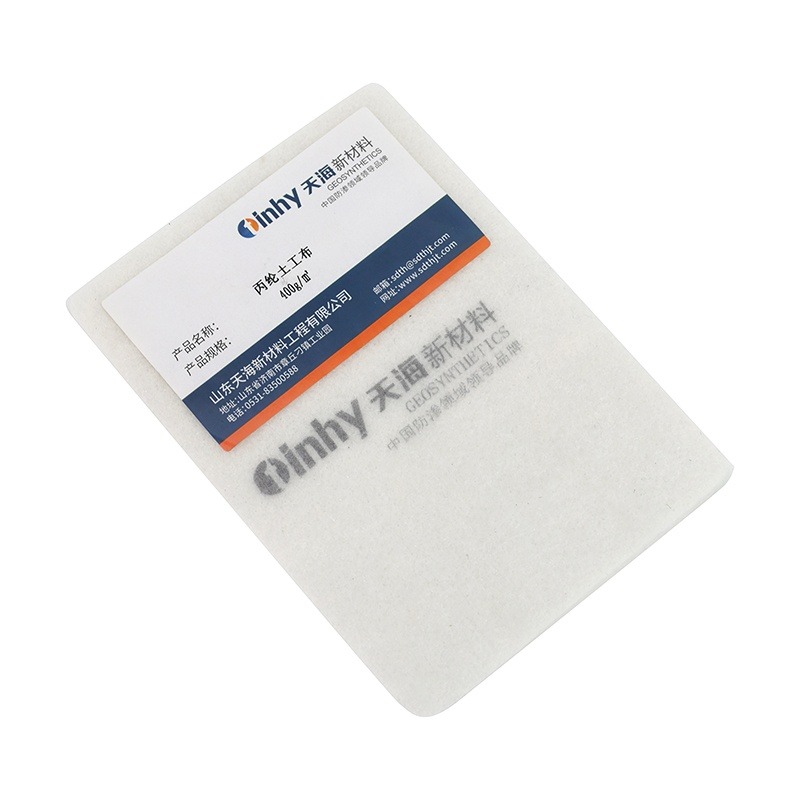
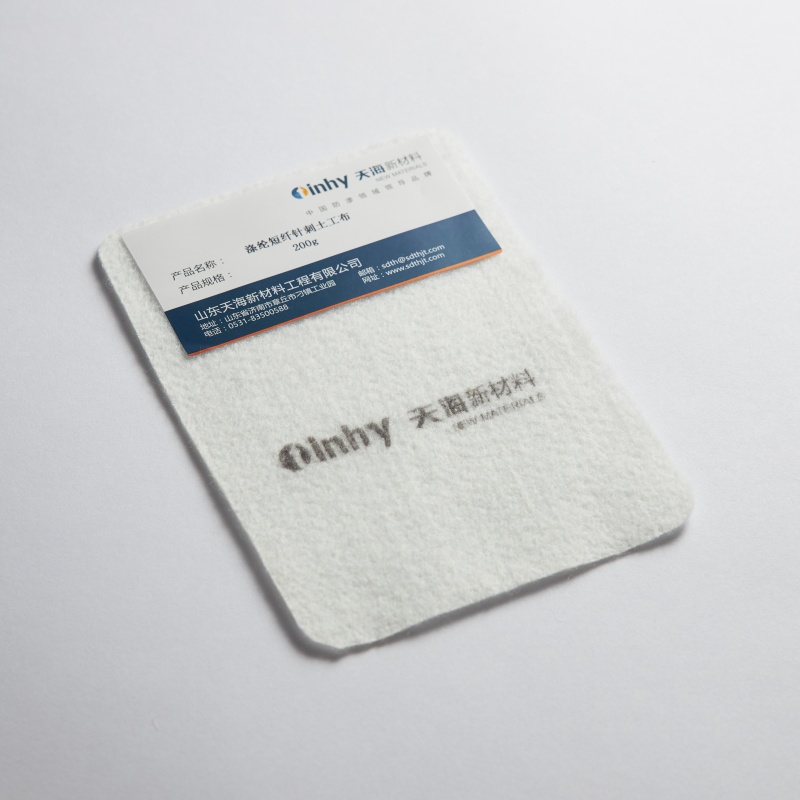
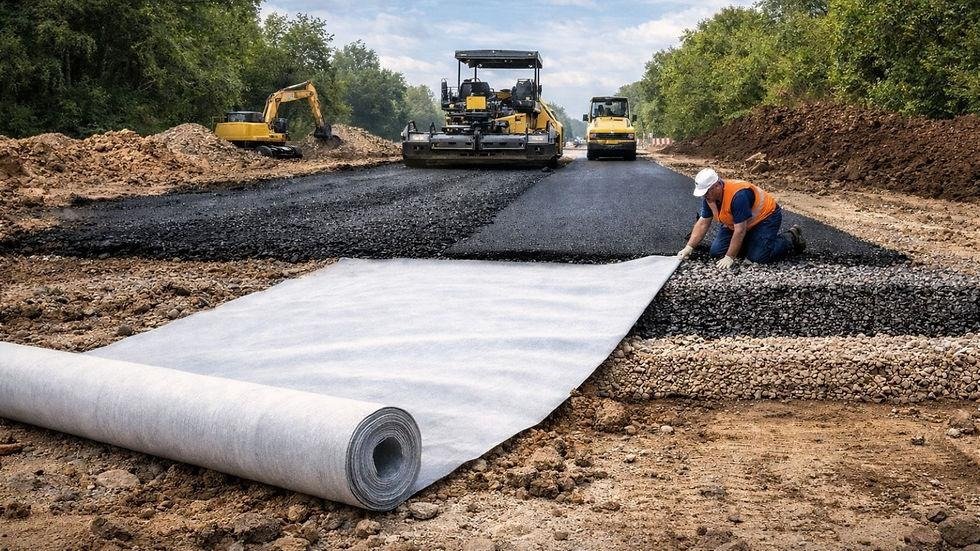
In many landfill applications, a nonwoven geotextile protection layer is installed together with the geomembrane to provide additional cushioning and puncture protection.

3.4 UV and Weather Resistance

HDPE geomembranes containing properly dispersed carbon black and appropriate stabilizers can provide good resistance to outdoor exposure.

Nevertheless, the expected service life of a geomembrane depends on many factors, including:

  • Exposure conditions
  • Temperature
  • Chemical environment
  • Mechanical stress
  • Installation quality
  • Cover system design

For long-term exposed applications, the geomembrane formulation should be specifically selected for the expected environmental conditions.

3.5 Long-Term Engineering Performance

When properly designed, manufactured, installed and protected, HDPE geomembranes can provide long-term containment performance.

For landfill projects, long-term durability should be evaluated as part of the complete engineering design rather than based on thickness alone.

4. Typical Specifications of a 1mm HDPE Geomembrane

The specifications of a 1mm HDPE geomembrane can vary depending on the resin formulation, manufacturing process and project requirements.

Typical properties that may be evaluated include:

Property Typical Test Standard
Thickness ASTM D5199
Density ASTM D1505
Tensile Properties ASTM D6693
Tear Resistance ASTM D1004
Puncture Resistance ASTM D4833
Carbon Black Content ASTM D4218
Carbon Black Dispersion ASTM D5596
Oxidative Induction Time ASTM D3895 / ASTM D5885
Stress Crack Resistance ASTM D5397
UV Resistance ASTM D7238 or relevant project standards

For HDPE landfill liners, project specifications may reference industry standards such as GRI-GM13, depending on the application and design requirements.

It is important to review the complete technical data sheet rather than selecting a geomembrane based only on thickness.

5. Where Can 1mm Geomembrane Be Used?

Although this article focuses on landfill applications, 1mm HDPE geomembrane can also be used in other containment projects.

5.1 Landfill Bottom Liners

A geomembrane can be installed as part of a composite or single liner system to help control leachate migration.

The final liner configuration should be determined by the landfill engineering design and applicable regulations.

5.2 Landfill Side Slopes

Geomembranes can also be installed on landfill side slopes.

For slopes, textured geomembranes may be considered where increased interface friction is required. The appropriate surface type should be determined through engineering analysis and interface shear testing where necessary.

5.3 Leachate Ponds

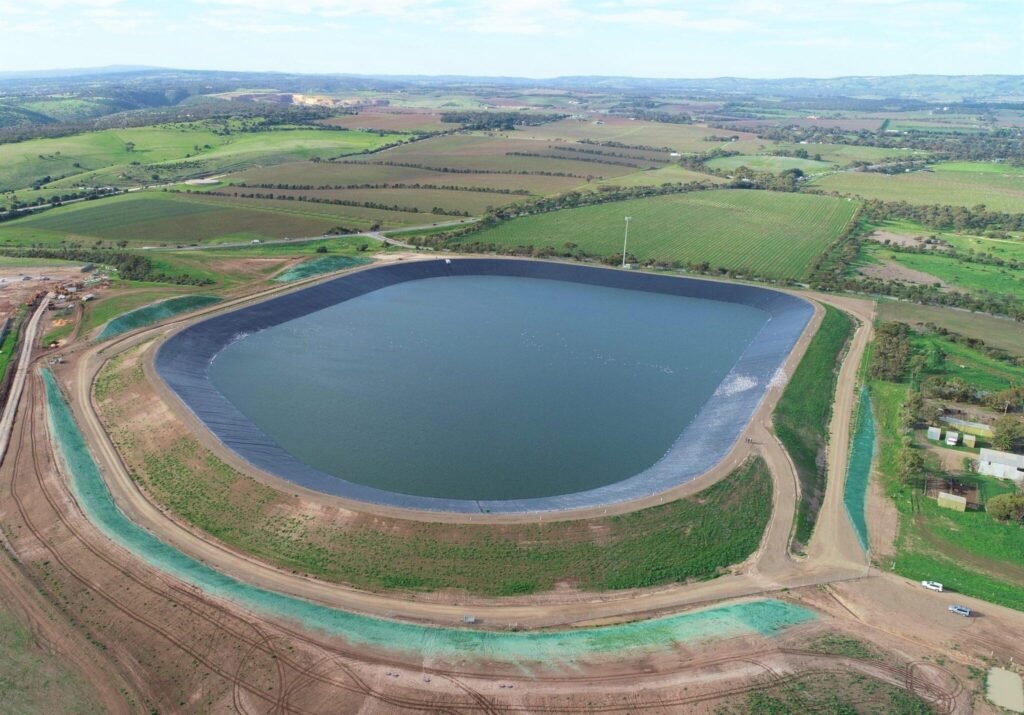
Geomembrane liners can be used for leachate collection and storage ponds associated with waste management facilities.

5.4 Mining Containment

HDPE geomembranes are widely used in mining projects, including:

  • Heap leach pads
  • Process ponds
  • Tailings containment
  • Evaporation ponds
  • Secondary containment areas

5.5 Water Reservoirs and Ponds

A 1mm geomembrane may also be used for water containment projects, depending on:

  • Water pressure
  • Subgrade conditions
  • Exposure
  • Design life
  • Mechanical protection requirements

5.6 Wastewater Treatment

Geomembrane liners can be used in wastewater ponds, treatment lagoons and industrial liquid containment systems.

6. How to Choose the Right 1mm Geomembrane for a Landfill?

Selecting a landfill geomembrane requires more consideration than simply choosing a thickness.

6.1 Choose the Right Material

For many landfill projects, HDPE is a commonly selected material because of its:

  • Chemical resistance
  • Low permeability
  • Mechanical strength
  • Durability
  • Weldability

However, HDPE may not be the best choice for every application.

For projects involving complex shapes, differential settlement or high flexibility requirements, LLDPE or another geomembrane material may be more suitable.

The selection should be based on project-specific engineering requirements.

6.2 Determine Whether 1mm Thickness Is Suitable

A 1mm geomembrane is not automatically suitable for every landfill project.

The required thickness may depend on:

  • Landfill regulations
  • Waste type
  • Subgrade conditions
  • Hydrostatic pressure
  • Chemical exposure
  • Expected mechanical loads
  • Installation method
  • Protection system
  • Design life

Some projects may require thicker geomembranes, such as 1.5mm or 2.0mm HDPE liners.

The final thickness should always comply with the project design and applicable regulatory requirements.

6.3 Select Smooth or Textured Surface

Smooth geomembrane is commonly used where high interface friction is not required.

Textured geomembrane may be selected for slopes or other areas where improved interface friction is necessary.

Potential options include:

  • Smooth/smooth
  • Textured/smooth
  • Smooth/textured
  • Double-sided textured

The appropriate configuration should be determined by the liner system design.

6.4 Consider the Complete Geosynthetic System

A landfill liner system often uses multiple geosynthetic products together.

For example, a typical system may include:

Subgrade → Geosynthetic Clay Liner → HDPE Geomembrane → Nonwoven Geotextile → Drainage Layer

The exact configuration varies by project.

At Tinhy Geosynthetics, we can supply a range of complementary geosynthetic materials, including:

  • HDPE geomembrane
  • Textured geomembrane
  • Geotextile
  • Geosynthetic clay liner (GCL)
  • Geonet and drainage composite
  • Geogrid
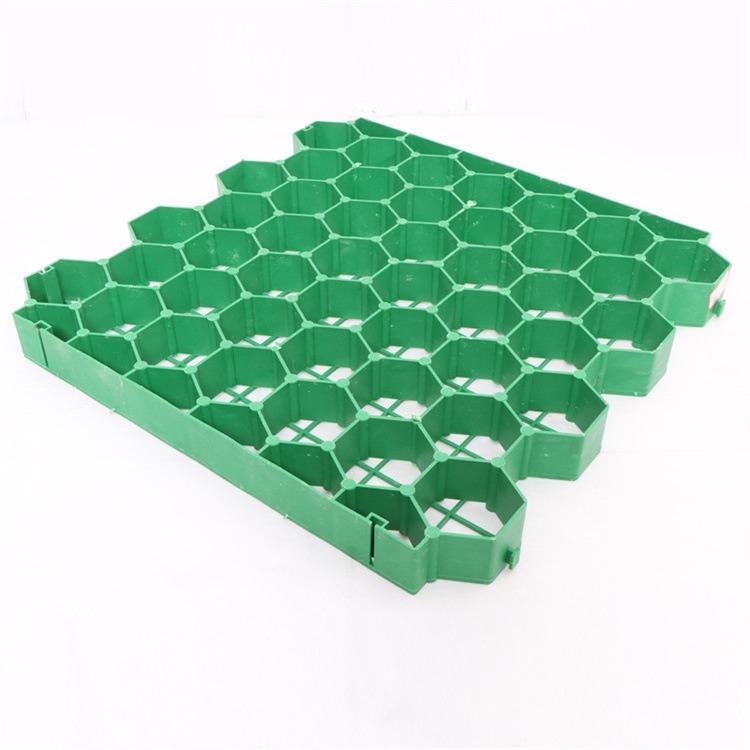
  • Geocell

Using compatible geosynthetic materials from an experienced manufacturer can help simplify material coordination for large projects.

7. How Is a 1mm Geomembrane Installed in a Landfill?

Proper installation is critical to geomembrane performance.

A typical installation process includes the following steps.

Step 1: Subgrade Preparation

The installation surface should be prepared according to the project requirements.

Potential issues such as the following should be addressed:

  • Sharp stones
  • Construction debris
  • Roots
  • Excessive surface irregularities
  • Standing water

Step 2: Geomembrane Deployment

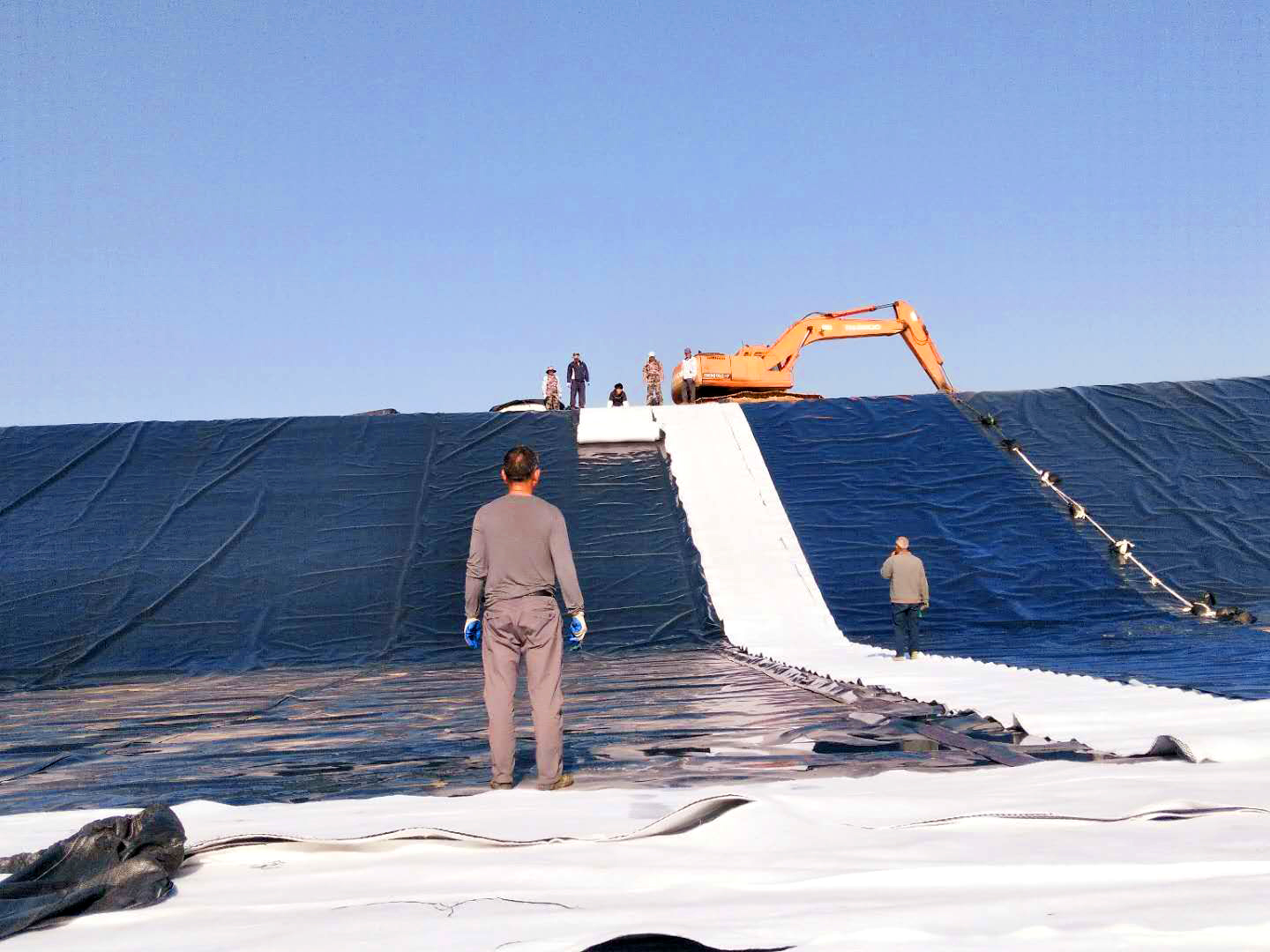
Geomembrane rolls are positioned and deployed according to the approved panel layout.

Roll size and panel layout should be planned to reduce unnecessary seams where practical.

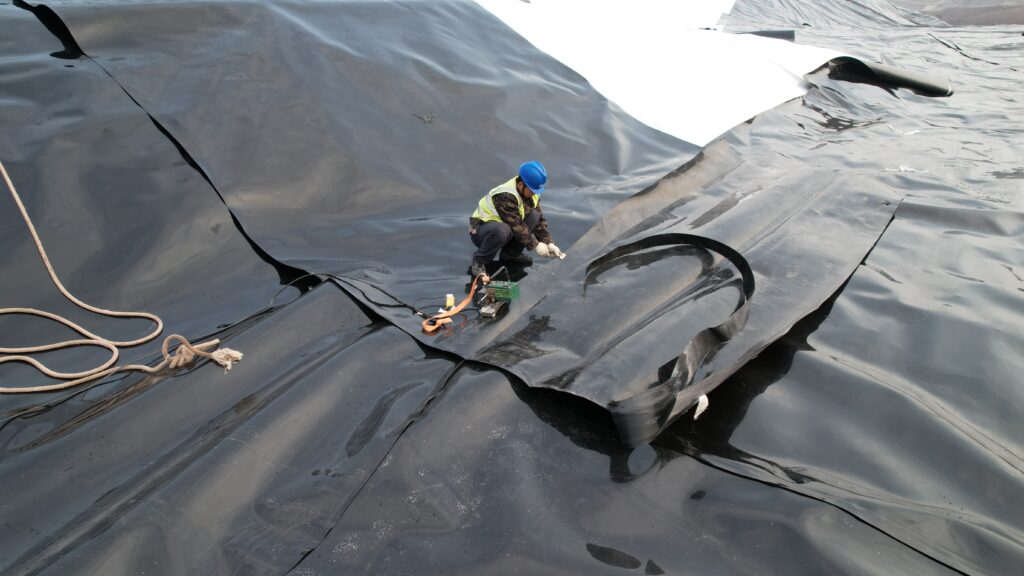
Step 3: Seam Welding

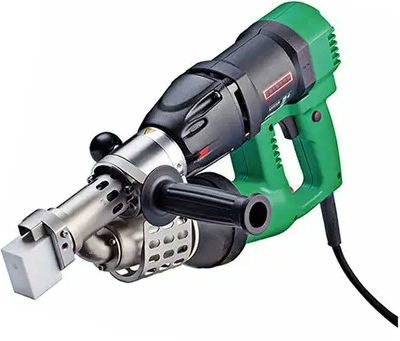
HDPE geomembrane panels are commonly joined using thermal welding equipment.

Depending on the application, installation methods may include:

  • Double-track wedge welding
  • Extrusion welding

Installation parameters should be controlled according to the material, equipment and site conditions.

Step 4: Seam Testing

Seams should be inspected and tested as required by the project quality plan.

Common quality-control methods may include:

  • Air pressure testing
  • Vacuum box testing
  • Destructive seam testing
  • Visual inspection

Step 5: Protection and Cover

After installation and testing, the geomembrane may be protected with geotextiles, drainage materials, soil or other specified layers.

The protection system is important for reducing the risk of damage during subsequent construction and landfill operations.

8. Why Choose Tinhy Geosynthetics for 1mm Geomembrane?

Tinhy Geosynthetics Co., Ltd. specializes in the manufacturing and supply of geomembranes and geosynthetic products for environmental, civil engineering and containment applications.

Our product range includes geomembranes with different:

  • Thicknesses
  • Widths
  • Surface finishes
  • Material formulations
  • Roll dimensions

We support projects requiring materials for landfill, mining, reservoirs, wastewater treatment, aquaculture and other containment applications.

Our capabilities include:

  • Advanced geomembrane production lines
  • In-house quality control
  • Third-party testing support
  • ISO management system certifications
  • Customized product specifications
  • Technical documentation
  • International project supply

For large projects, material selection should be based on project specifications and engineering requirements. Our team can provide product information and technical documentation to help customers evaluate suitable geomembrane options.

9. Frequently Asked Questions About 1mm Geomembrane

Is 1mm geomembrane the same as 40 mil geomembrane?

Approximately, yes. A thickness of 1.0 mm is equivalent to about 39.4 mil, which is commonly referred to as 40 mil geomembrane.

Is 1mm HDPE geomembrane suitable for landfills?

It can be suitable for certain landfill applications, depending on the engineering design and local regulations. Some landfill projects may require thicker geomembranes.

What is the difference between smooth and textured geomembrane?

Smooth geomembrane has a relatively flat surface, while textured geomembrane has an engineered roughened surface designed to increase interface friction.

Does a landfill geomembrane need a geotextile?

Many landfill liner systems use nonwoven geotextiles as protection or separation layers. Whether a geotextile is required depends on the liner system design.

How do I select the right geomembrane thickness?

Consider the project design, applicable regulations, chemical environment, mechanical loading, subgrade conditions, protection system and required service life.

10. Conclusion

A 1mm geomembrane for landfill applications can provide an effective containment solution when it is properly selected as part of a complete landfill liner system.

HDPE geomembranes offer important advantages, including low permeability, chemical resistance, mechanical strength and good weldability. However, successful landfill containment depends on much more than the thickness of the geomembrane. Material selection, liner system design, subgrade preparation, protective layers, seam quality and installation quality control all play critical roles.

Before selecting a 1mm HDPE landfill liner, engineers and project owners should evaluate the specific site conditions and applicable project requirements.

Tinhy Geosynthetics Co., Ltd. supplies HDPE geomembranes and a complete range of geosynthetic materials for landfill containment and other environmental engineering projects. Contact us for technical specifications, product data and customized geomembrane solutions for your project.

Knowledge Base
Share:
info@tinhygeosynthetics.com Bai Jinxi
Consultation

    Get The Latest Product Prices

    Your inquiries are welcomed at any time and please feel free to contact us via email, phone calls, and online chatbox on our site.

    We will definitely give you a reply ASAP after we receive your messages.

      0/180