Resources
Company News
Industry News
Knowledge Base
Project Cases
Innovation
Team Power Fuels TINHY’s Global Geosynthetics Solutions
Tinhy and University of Jinan Celebrate Six Years of Industry–University Collaboration
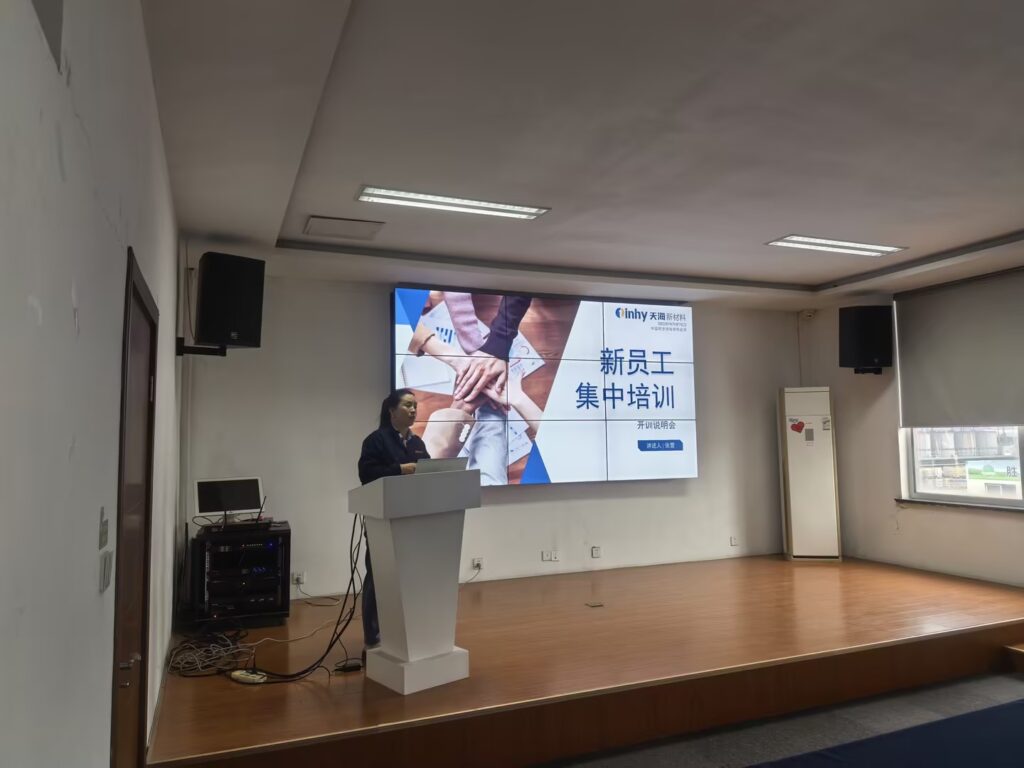
Empowering New Talent, Building the Future: Tinhy Successfully Conducts New Employee Orientation Training
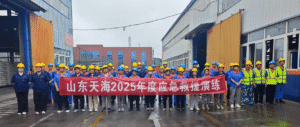
Tinhy Conducts Comprehensive Emergency Drill to Strengthen Workplace Safety Defenses
Company Mid – Year Summary and Team – Building Activity Report
Is geomembrane a geotechnical engineering material?
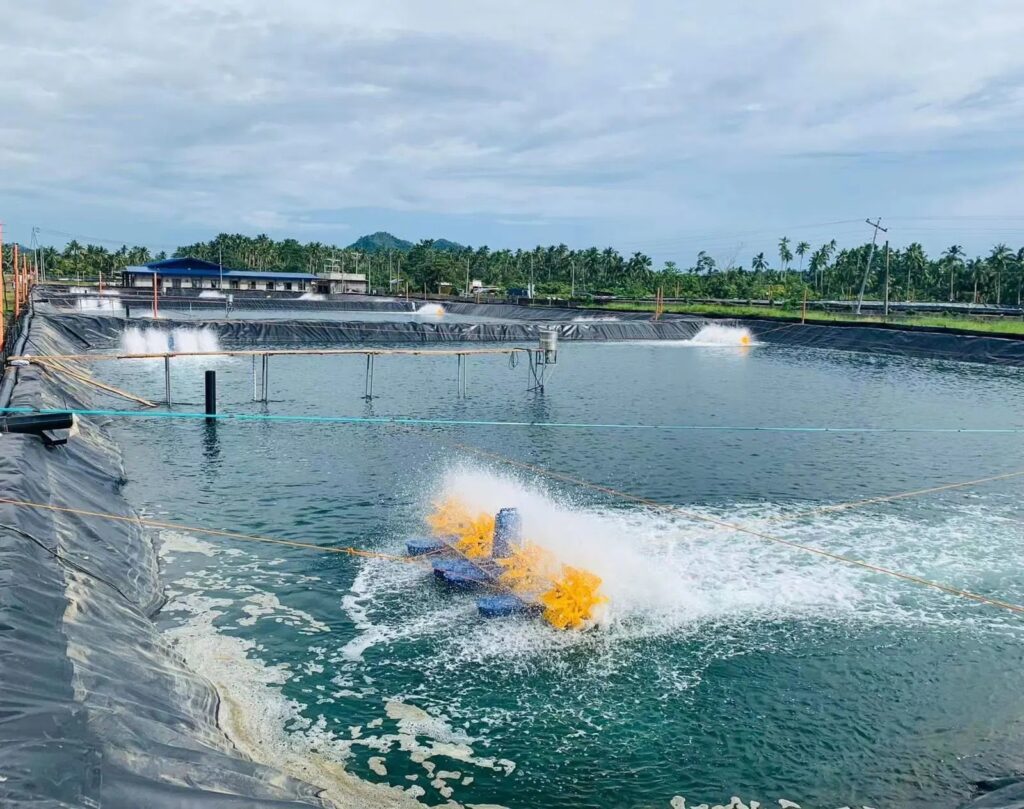
What are the application scenarios of geomembrane?
What are the functions of geotextiles?
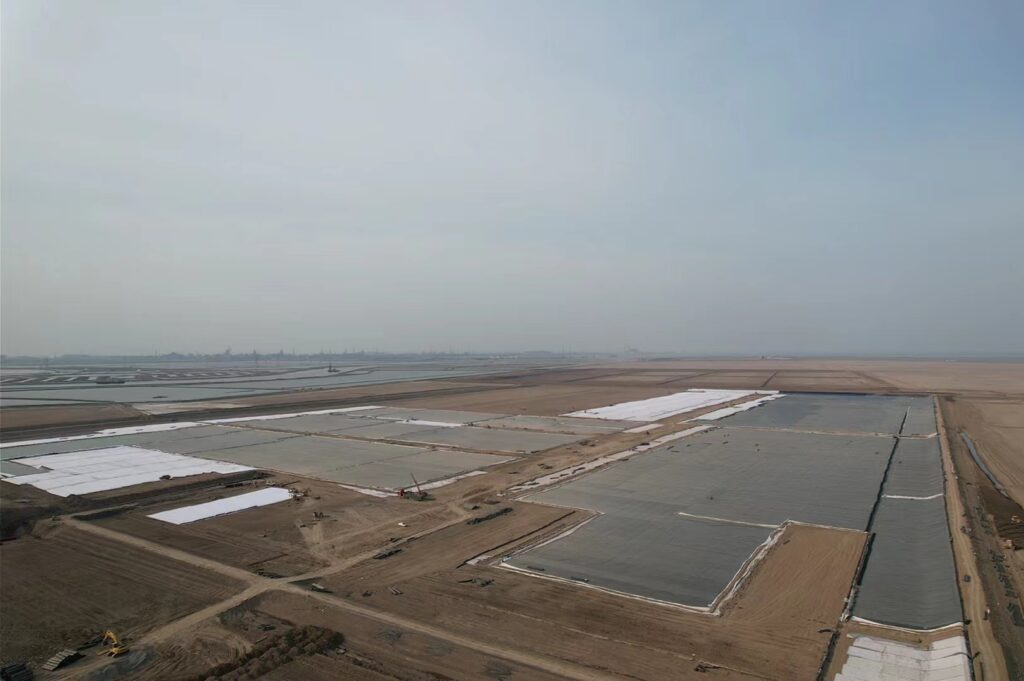
Cómo elegir geomembrana de hdpe en proyectos de ingeniería
How to choose hdpe geomembrane in engineering projects
China’s Geotechnical Construction Materials Embrace New Opportunities
Tips for Moisture-Proof Storage of Geotextiles
Key Construction Points and Precautions for High-Density Polyethylene Geomembrane
what is pond lining material ?
What is geomembrane?
HDPE geomembrane construction plans and technical measures
What quality tests do HDPE geomembranes need to do?
Tinhy’s MDS® Drainage Solution
Installation Robots
Top 7 Global Non Woven Geotextile Suppliers
The 7 Best PP Woven Geotextiles Review: Strength, Applications & Buying Guide
The 6 Best Geotextile 300g Review: Heavy-Duty Nonwoven Geotextile for Soil Stabilization
The 6 Best 1000 Micron HDPE Sheets Reviewed in 2026
What Is a 60 Mil Geomembrane? Complete Guide to 1.5mm HDPE Geomembrane (2026)
Top 7 Global Geocomposite Manufacturers in 2026
Top 10 Best 1.5mm HDPE Geomembrane Sheets in 2026 – Expert Review & Buying Guide
Top 7 EPDM Geomembrane Applications and Buying Guide in 2026
The 8 Best Geomembrane 1mm Solutions for Engineering Projects in 2026
How Much Does Geogrid Cost? A Complete Guide to Geogrid Pricing and Selection
Should HDPE or PVC be used to install geomembrane in reservoirs?
What is the price of geomembrane?
Material characteristics of three different geomembranes
Esquema de construcción de geomembrana de HDPE y medidas técnicas
hdpe geomembrane pond liner in Congo (DRC)
How to lay and weld HDPE geomembrane?
HDPE geomembrane 0.2-4.0mm
HOME ABOUT PRODUCTS APPLICATION CONTENTUS RESOURCES
Home Resources Knowledge Base Top 7 Global Non Woven Geotextile Suppliers

Top 7 Global Non Woven Geotextile Suppliers

time:August 20, 2026 Views:11

Non woven geotextiles are widely used in modern civil engineering, environmental protection, transportation, drainage, and containment projects. Made primarily from polypropylene (PP) or polyester (PET) fibers, these permeable geosynthetic fabrics can provide separation, filtration, drainage, protection, and—in certain applications—reinforcement.

As infrastructure investment continues to expand worldwide, demand for reliable non woven geotextile suppliers is increasing. Engineers and contractors are no longer selecting geotextiles based only on weight in grams per square meter. Mechanical properties, hydraulic performance, raw material quality, manufacturing consistency, testing capability, certifications, roll dimensions, and technical support all play important roles in product selection.

This guide reviews seven well-known global non woven geotextile suppliers and manufacturers. The companies are presented based on their market presence, product portfolios, engineering capabilities, and suitability for different types of projects.

1. Why Is Choosing the Right Non Woven Geotextile Supplier Important?

The performance of a non woven geotextile can directly affect the long-term stability and service life of an engineering project.

A suitable geotextile should perform its intended function without premature damage during installation or service. For example, a geotextile used beneath a road base may need high puncture resistance and tensile strength, while a geotextile used in a drainage system may require appropriate permeability and apparent opening size.

When comparing non woven geotextile suppliers, buyers should consider the following factors.

1.1 Product Quality and Raw Materials

High-quality PP or PET fibers and a stable needle-punching or continuous-filament manufacturing process are essential for producing uniform non woven geotextiles.

Important properties may include:

  • Mass per unit area
  • Tensile strength
  • Elongation
  • CBR puncture resistance
  • Tear resistance
  • Permittivity
  • Water flow rate
  • Apparent opening size
  • UV resistance

The required values depend on the project design and local specifications.

1.2 Manufacturing and Quality Control

Large infrastructure projects often require consistent product performance across multiple production batches.

A reliable supplier should have:

  • Established production lines
  • Raw material inspection procedures
  • In-process quality control
  • Finished-product testing
  • Traceability and documentation
  • Third-party testing capability where required

1.3 Certifications and Technical Standards

Depending on the project and destination market, geotextiles may need to comply with relevant ISO, ASTM, EN, CE, or project-specific requirements.

Common testing standards include ASTM D4632 for grab tensile strength, ASTM D4833 for puncture resistance, ASTM D4491 for permittivity, and ASTM D4751 for apparent opening size.

1.4 Product Customization

Different projects may require customized:

  • Fabric weight
  • Roll width
  • Roll length
  • Polymer type
  • Mechanical strength
  • Hydraulic properties
  • Packaging
  • Private-label specifications

This can be particularly important for distributors, contractors, and international geosynthetics brands.

1.5 Global Supply Capability

For international projects, a supplier’s export experience and logistics capability can be just as important as the product itself.

Factors to evaluate include:

  • Export markets
  • Production capacity
  • Container loading experience
  • Delivery reliability
  • Technical documentation
  • Communication and after-sales support

2. Top 7 Global Non Woven Geotextile Suppliers

2.1 Solmax

Solmax is one of the world’s most recognized geosynthetics companies, with an extensive product portfolio covering geomembranes, geotextiles, geogrids, geocomposites, geosynthetic clay liners, and other engineered geosynthetic solutions.

The company’s non woven geotextile products are widely used in demanding applications such as landfills, mining projects, transportation infrastructure, drainage systems, and environmental containment.

Key Strengths

  • Broad global presence
  • Extensive geosynthetics portfolio
  • Strong engineering and technical resources
  • Experience in large infrastructure projects
  • Products for demanding environmental applications

Best For

Large-scale projects requiring established international specifications, technical engineering support, and a comprehensive geosynthetics system.

2.2 HUESKER

HUESKER is a German geosynthetics manufacturer with a long history in civil engineering and environmental applications.

The company is known for developing engineered solutions involving geotextiles, geogrids, geocomposites, and other technical textile products.

HUESKER products are commonly used in:

  • Road construction
  • Railway engineering
  • Soil stabilization
  • Environmental engineering
  • Mining
  • Hydraulic engineering

Key Strengths

  • Strong engineering background
  • High-performance technical textiles
  • Advanced customized solutions
  • Experience with challenging soil conditions
  • Strong presence in international infrastructure markets

Best For

Projects requiring specialized engineering design and high-performance geosynthetic solutions.

2.3 TenCate Geosynthetics

TenCate is a well-known name in the geosynthetics industry, particularly in transportation, separation, filtration, stabilization, and erosion-control applications.

Its geotextile product range has been widely specified in roads, railways, drainage systems, and other civil engineering projects.

The company has developed a strong reputation for products designed to improve construction efficiency and long-term infrastructure performance.

Key Strengths

  • Strong market recognition
  • Experience with transportation infrastructure
  • Established product specifications
  • Extensive engineering application knowledge
  • Products widely accepted in major markets

Best For

Road, railway, drainage, and civil engineering projects requiring established geotextile specifications.

2.4 NAUE GmbH & Co. KG

NAUE is a German geosynthetics company with expertise in geotextiles, geogrids, geocomposites, and engineered environmental protection systems.

The company’s products are used in a wide range of applications, including:

  • Road and railway construction
  • Landfills
  • Slope protection
  • Hydraulic engineering
  • Drainage systems
  • Soil stabilization

NAUE is particularly known for its engineering-oriented approach and focus on complete geosynthetic systems.

Key Strengths

  • European engineering expertise
  • Comprehensive geosynthetics portfolio
  • Strong environmental engineering experience
  • High-performance technical products
  • Project-specific solutions

Best For

Infrastructure and environmental projects requiring integrated geosynthetic systems.

2.5 Maccaferri

Maccaferri is an international engineering solutions company with a long history in civil engineering and geotechnical applications.

While widely known for reinforced earth structures, erosion-control systems, and gabion technology, Maccaferri also provides geosynthetic products for drainage, filtration, separation, and soil reinforcement.

Key Strengths

  • Long engineering history
  • Integrated geotechnical solutions
  • Experience with retaining structures and slope protection
  • Global project experience
  • Broad civil engineering application expertise

Best For

Projects involving slope stabilization, erosion control, retaining structures, drainage, and integrated civil engineering systems.

2.6 SKAPS Industries

SKAPS Industries is a manufacturer and supplier of geosynthetics, including geotextiles and related products used in environmental and civil engineering applications.

Its non woven geotextiles are designed for functions such as:

  • Separation
  • Filtration
  • Drainage
  • Cushioning
  • Protection

SKAPS products are used in applications including transportation, landfill construction, pond lining, and industrial containment.

Key Strengths

  • Focus on geotextile manufacturing
  • Broad range of non woven products
  • Experience in environmental applications
  • International distribution capability
  • Products for separation and filtration

Best For

Projects requiring standard and heavy-duty non woven geotextiles for civil and environmental applications.

2.7 Tinhy Geosynthetics Co., Ltd.

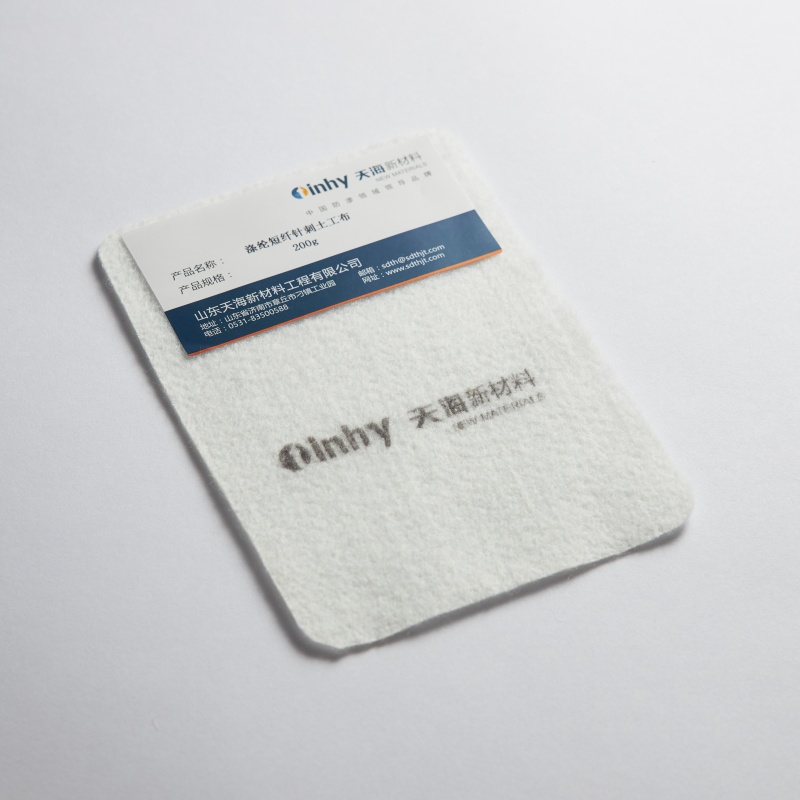
Tinhy Geosynthetics Co., Ltd. is a professional manufacturer and supplier of geomembranes and geosynthetic products for civil engineering, environmental protection, water conservancy, mining, transportation, and containment projects.

Established in 2002, Tinhy has developed manufacturing capabilities covering a broad range of geosynthetic materials. Its product portfolio includes geomembranes, non woven geotextiles, woven geotextiles, geogrids, geocells, geosynthetic clay liners, drainage products, geonets, and other geosynthetic solutions.

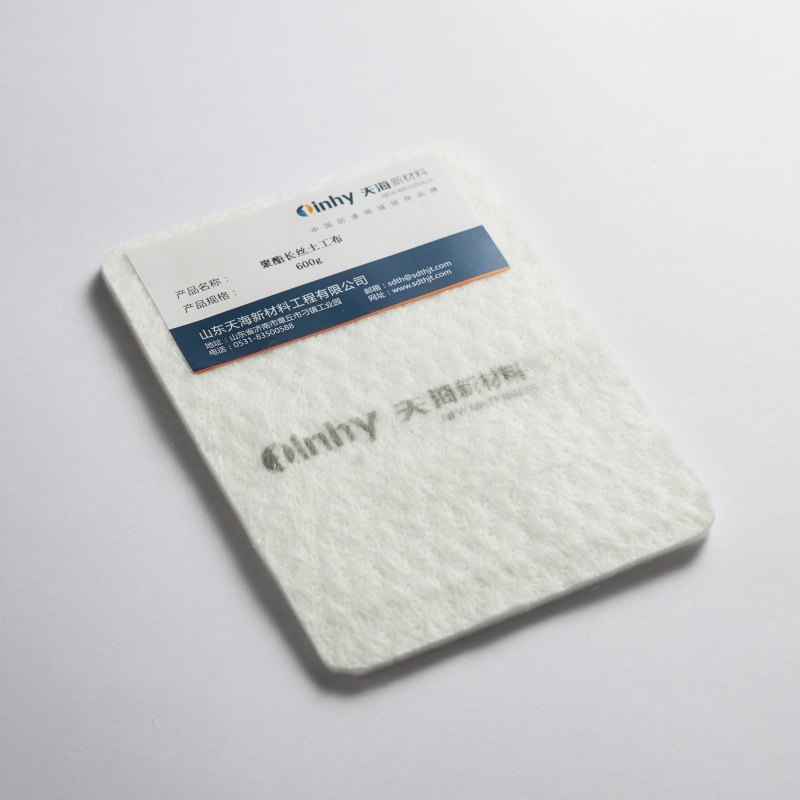
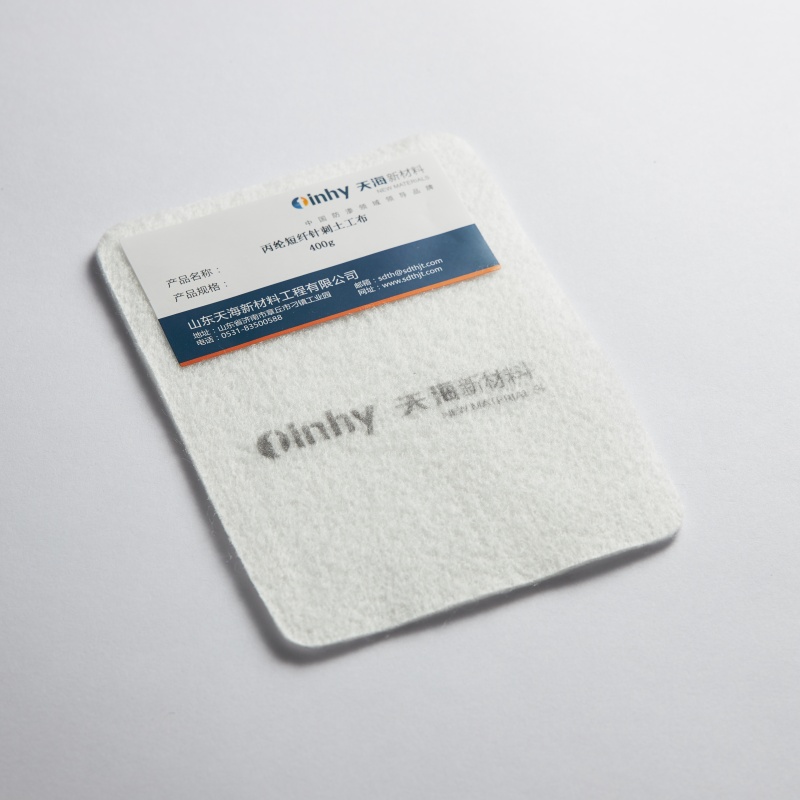
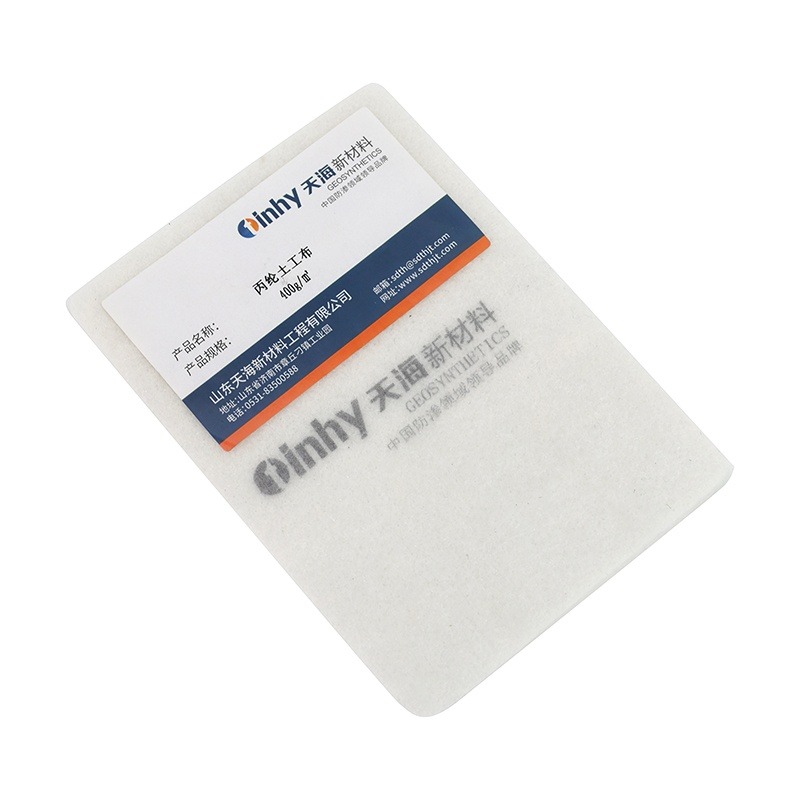
For non woven geotextile projects, Tinhy can provide different product configurations based on project requirements, including variations in material, weight, dimensions, and performance characteristics.

Non Woven Geotextile Product Options

Tinhy non woven geotextiles can be manufactured for applications requiring:

  • Soil separation
  • Filtration
  • Drainage
  • Geomembrane protection
  • Erosion control
  • Road and railway construction
  • Landfill engineering
  • Water conservancy projects

Available options may include different weights and specifications depending on project requirements.

Key Advantages of Tinhy Geosynthetics

Experienced Manufacturing Background

Tinhy has been involved in the geosynthetics industry for more than two decades, providing products for domestic and international engineering projects.

Broad Product Portfolio

Customers can source multiple geosynthetic materials from one supplier, including geomembranes and geotextiles for complete lining and protection systems.

Quality Control Capability

Product quality is supported by in-house testing and quality-control procedures. Tinhy also maintains relevant management certifications and works with third-party testing when required for specific projects.

Customized Solutions

Products can be supplied according to project requirements for:

  • Weight
  • Thickness
  • Roll size
  • Material type
  • Surface structure
  • Mechanical performance
  • Hydraulic performance

International Supply Experience

Tinhy serves customers in multiple international markets and can support export packaging, shipping coordination, product documentation, and project communication.

Best For

Contractors, distributors, engineering companies, and project owners looking for a manufacturer capable of supplying customized non woven geotextiles and complementary geosynthetic products.

3. Comparison of the Top Non Woven Geotextile Suppliers

Supplier Headquarters / Main Market Key Strength Non Woven Geotextile Applications
Solmax Global Large-scale geosynthetics systems Landfills, mining, environmental containment
HUESKER Germany High-performance engineering solutions Roads, railways, stabilization
TenCate Geosynthetics International Transportation and civil engineering Roads, drainage, separation
NAUE Germany Integrated geosynthetic systems Infrastructure and environmental projects
Maccaferri Italy / Global Geotechnical engineering solutions Slopes, drainage, erosion control
SKAPS Industries USA / Global Geotextile manufacturing Filtration, protection, separation
Tinhy Geosynthetics China / Global Manufacturing and customized supply Civil engineering, containment, roads, water projects

4. How to Choose the Best Non Woven Geotextile Supplier

The best supplier depends on the requirements of the specific project.

4.1 Identify the Main Function

First determine what the geotextile needs to do.

Separation

The geotextile prevents different soil layers from mixing.

Common applications include:

  • Roads
  • Driveways
  • Railway subgrades
  • Aggregate foundations

Filtration

The geotextile allows water to pass while retaining soil particles.

Typical applications include:

  • Drainage trenches
  • French drains
  • Retaining structures
  • Coastal and hydraulic projects

Drainage

The geotextile helps facilitate water movement within a geosynthetic drainage system.

Protection

A heavy-duty non woven geotextile can protect geomembranes against puncture from stones, aggregates, or uneven subgrades.

Reinforcement

In certain applications, geotextiles contribute to soil stabilization and load distribution.

4.2 Compare Mechanical Properties

Important properties may include:

  • Tensile strength
  • Elongation
  • CBR puncture resistance
  • Tear resistance
  • Burst resistance

A lightweight geotextile may be sufficient for landscaping, while landfill protection or heavy construction traffic may require a much heavier product.

4.3 Compare Hydraulic Properties

For filtration and drainage applications, evaluate:

  • Permittivity
  • Water flow rate
  • Apparent opening size
  • Long-term filtration behavior

The correct hydraulic properties depend on the soil particle distribution and drainage requirements.

4.4 Check Manufacturing Quality

Before placing a large order, request:

  • Technical data sheet
  • Certificate of analysis
  • Test reports
  • Raw material information
  • Sample material
  • Third-party testing documents, where required

4.5 Evaluate Total Project Cost

The lowest material price does not always provide the lowest overall project cost.

Consider:

  • Material cost
  • Shipping cost
  • Roll width
  • Installation efficiency
  • Number of seams
  • Expected service life
  • Potential maintenance costs

A wider roll, for example, may reduce installation time and the number of overlaps.

5. Common Applications of Non Woven Geotextiles

5.1 Road Construction

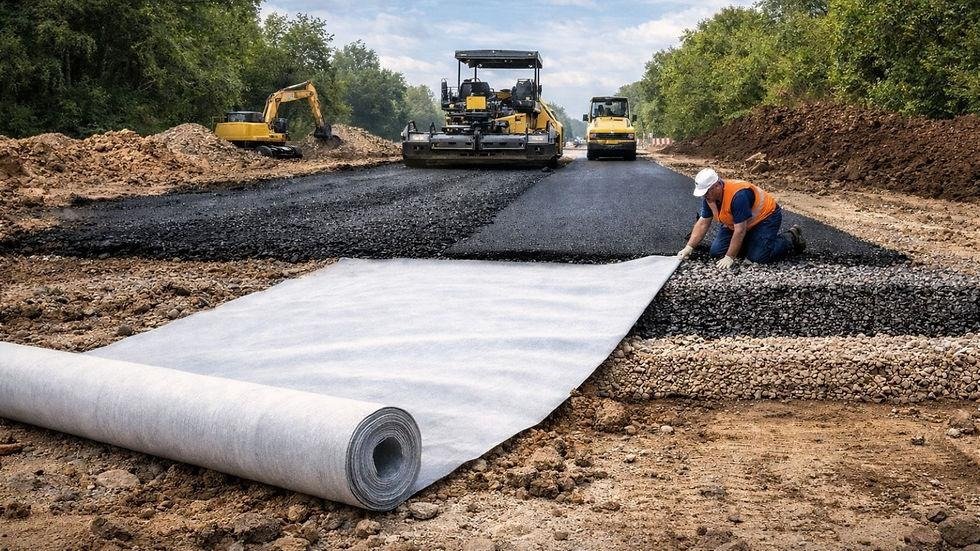
Non woven geotextiles can separate soft subgrade soil from aggregate layers and help maintain drainage performance.

5.2 Railway Construction

They are used beneath ballast and sub-ballast layers to improve separation and drainage.

5.3 Landfills

Heavy-duty non woven geotextiles can protect geomembranes and serve as filtration layers within landfill systems.

5.4 Mining

Geotextiles are used in heap leach pads, tailings facilities, containment systems, and drainage applications.

5.5 Water Conservancy

Typical applications include:

  • Reservoirs
  • Canals
  • Dams
  • Riverbanks
  • Irrigation systems

5.6 Drainage Systems

Non woven geotextiles are commonly wrapped around drainage aggregates or pipes to prevent fine soil particles from entering the drainage system.

5.7 Pond and Reservoir Liners

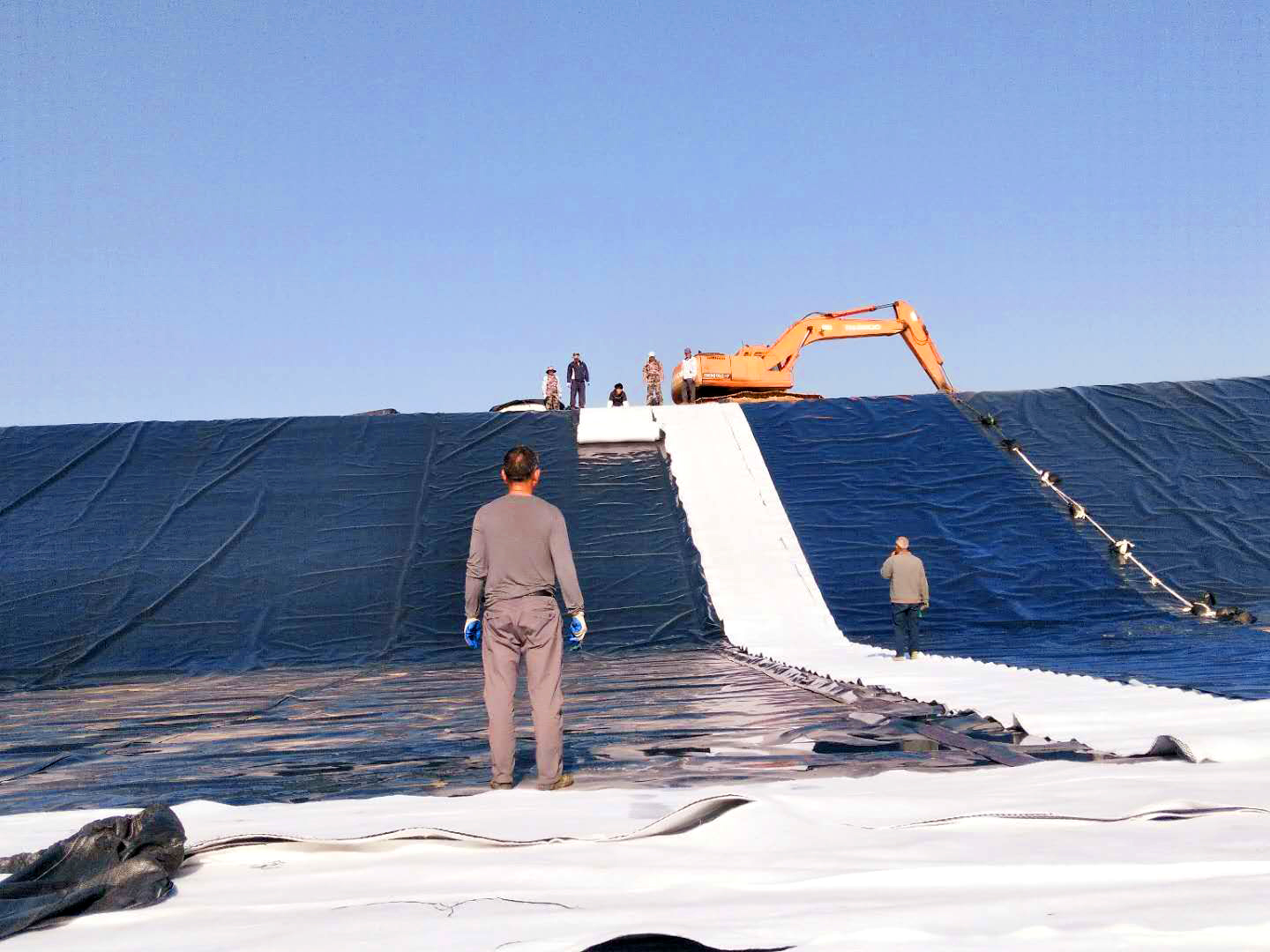
When used with geomembranes, non woven geotextiles can provide cushioning and puncture protection.

6. Why Work Directly With a Non Woven Geotextile Manufacturer?

Working directly with a manufacturer can provide several advantages.

More Flexible Specifications

Manufacturers may be able to customize weight, roll size, material, and performance requirements.

Better Supply Coordination

Direct communication with the production side can improve planning for large or customized orders.

Integrated Product Supply

For projects requiring multiple geosynthetic materials, a manufacturer with a broad product portfolio can simplify sourcing.

For example, a containment project may require:

  • HDPE geomembrane
  • Non woven geotextile
  • Geosynthetic clay liner
  • Drainage geocomposite
  • Geonet

Sourcing these products through one experienced supplier may improve product compatibility and procurement efficiency.

7. Conclusion

Selecting the right non woven geotextile supplier requires more than comparing product prices. Engineers, contractors, and distributors should evaluate the supplier’s manufacturing capabilities, product range, testing procedures, technical documentation, customization capability, and experience with international projects.

Global suppliers such as Solmax, HUESKER, TenCate Geosynthetics, NAUE, Maccaferri, and SKAPS Industries offer different strengths across infrastructure, environmental engineering, drainage, and geotechnical applications.

For buyers seeking a combination of manufacturing capability, customized specifications, competitive supply, and access to a broader range of geosynthetic products, Tinhy Geosynthetics Co., Ltd. is also a strong option to consider.

The original source article similarly frames supplier selection around quality, durability, customization, certifications, and global supply capability, although this rewritten version reorganizes the content and adapts it to Tinhy’s positioning.

For the best result, always select the non woven geotextile according to the actual project design, soil conditions, loading requirements, drainage requirements, installation conditions, and applicable standards rather than choosing a product based on weight alone.

Tinhy Geosynthetics can provide customized non woven geotextile solutions together with geomembranes and other geosynthetic materials for international engineering projects.

Knowledge Base
Share:
info@tinhygeosynthetics.com Bai Jinxi
Consultation

    Get The Latest Product Prices

    Your inquiries are welcomed at any time and please feel free to contact us via email, phone calls, and online chatbox on our site.

    We will definitely give you a reply ASAP after we receive your messages.

      0/180