Resources
Company News
Industry News
Knowledge Base
Project Cases
Innovation
Team Power Fuels TINHY’s Global Geosynthetics Solutions
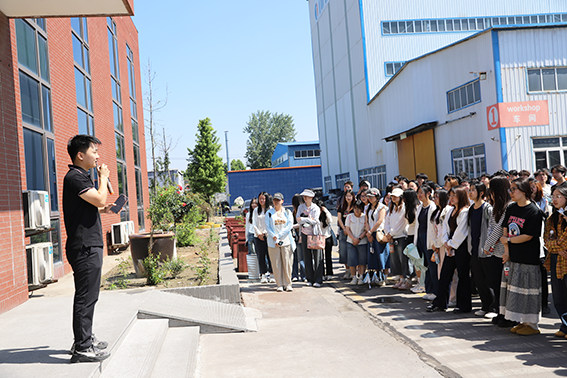
Tinhy and University of Jinan Celebrate Six Years of Industry–University Collaboration
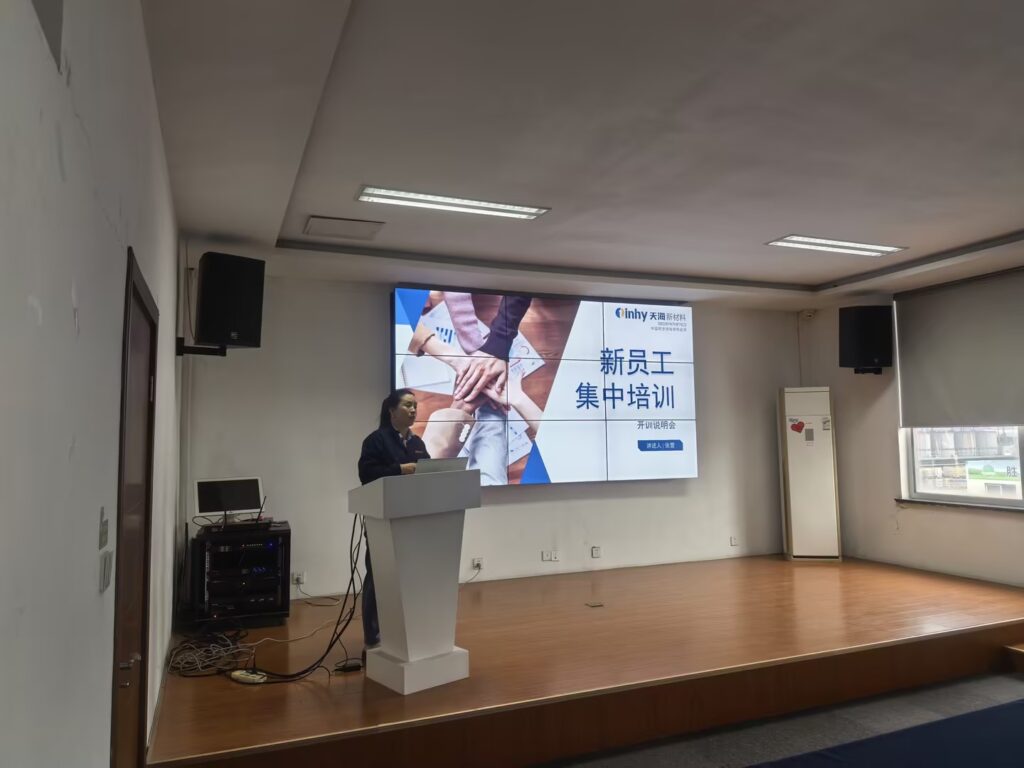
Empowering New Talent, Building the Future: Tinhy Successfully Conducts New Employee Orientation Training
Tinhy Conducts Comprehensive Emergency Drill to Strengthen Workplace Safety Defenses
Company Mid – Year Summary and Team – Building Activity Report
Is geomembrane a geotechnical engineering material?
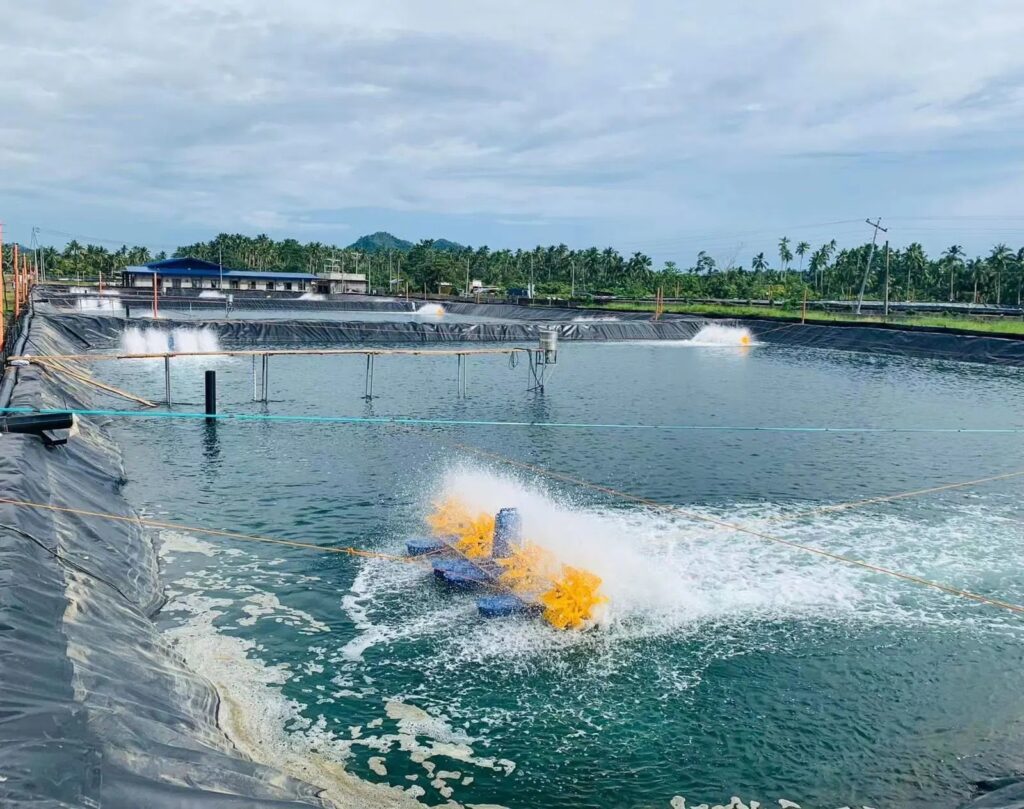
What are the application scenarios of geomembrane?
What are the functions of geotextiles?
Cómo elegir geomembrana de hdpe en proyectos de ingeniería
How to choose hdpe geomembrane in engineering projects
China’s Geotechnical Construction Materials Embrace New Opportunities
Tips for Moisture-Proof Storage of Geotextiles
Key Construction Points and Precautions for High-Density Polyethylene Geomembrane
what is pond lining material ?
What is geomembrane?
HDPE geomembrane construction plans and technical measures
What quality tests do HDPE geomembranes need to do?
Tinhy’s MDS® Drainage Solution
Installation Robots
The 6 Best 1000 Micron HDPE Sheets Reviewed in 2026
What Is a 60 Mil Geomembrane? Complete Guide to 1.5mm HDPE Geomembrane (2026)
Top 7 Global Geocomposite Manufacturers in 2026
Top 10 Best 1.5mm HDPE Geomembrane Sheets in 2026 – Expert Review & Buying Guide
Top 7 EPDM Geomembrane Applications and Buying Guide in 2026
The 8 Best Geomembrane 1mm Solutions for Engineering Projects in 2026
How Much Does Geogrid Cost? A Complete Guide to Geogrid Pricing and Selection
Textured HDPE Geomembrane: 8 Powerful Benefits and Applications for Slope & Containment Projects
4 oz Non Woven Geotextile: 7 Powerful Benefits, Applications and Buying Guide
40 mil LLDPE Liner: 7 Powerful Applications, Benefits and Selection Guide
Should HDPE or PVC be used to install geomembrane in reservoirs?
What is the price of geomembrane?
Material characteristics of three different geomembranes
Esquema de construcción de geomembrana de HDPE y medidas técnicas
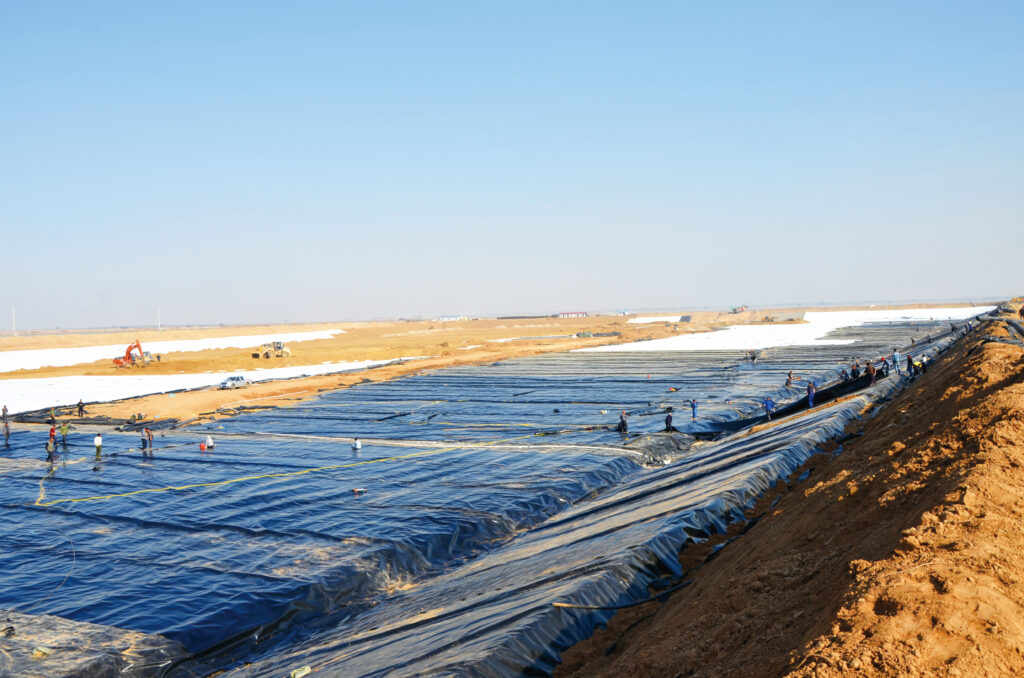
hdpe geomembrane pond liner in Congo (DRC)
How to lay and weld HDPE geomembrane?
HDPE geomembrane 0.2-4.0mm
HOME ABOUT PRODUCTS APPLICATION CONTENTUS RESOURCES
Home Resources Knowledge Base The 6 Best 1000 Micron HDPE Sheets Reviewed in 2026

The 6 Best 1000 Micron HDPE Sheets Reviewed in 2026

time:August 17, 2026 Views:6

When a containment project requires a reliable balance between strength, flexibility, durability, and cost, 1000 micron HDPE sheet is one of the most commonly considered geomembrane specifications.

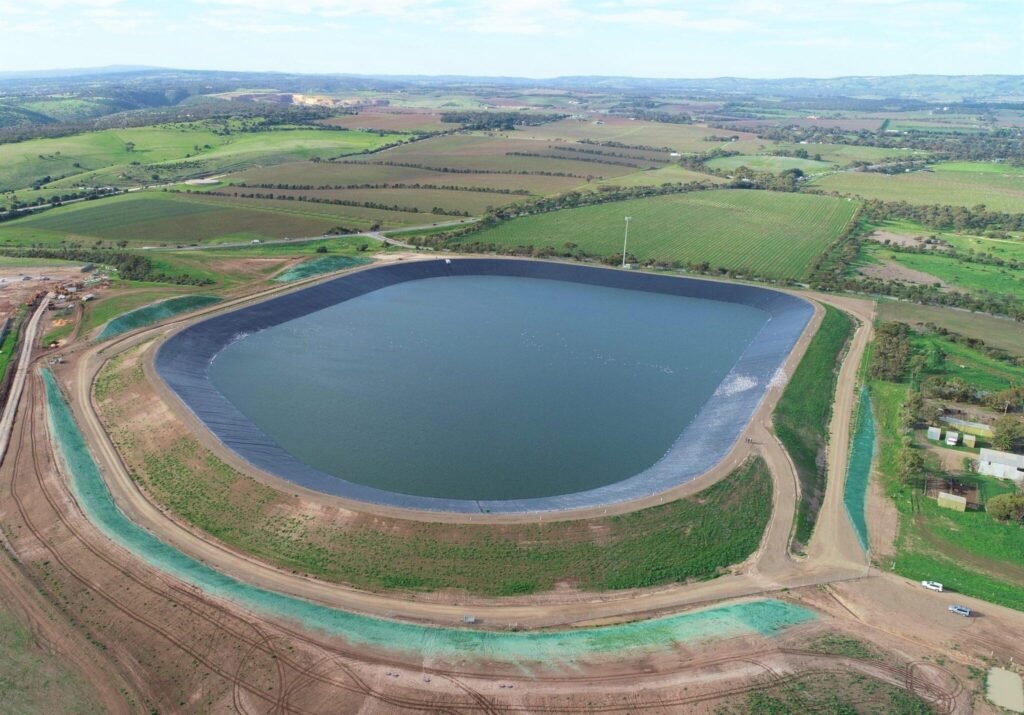
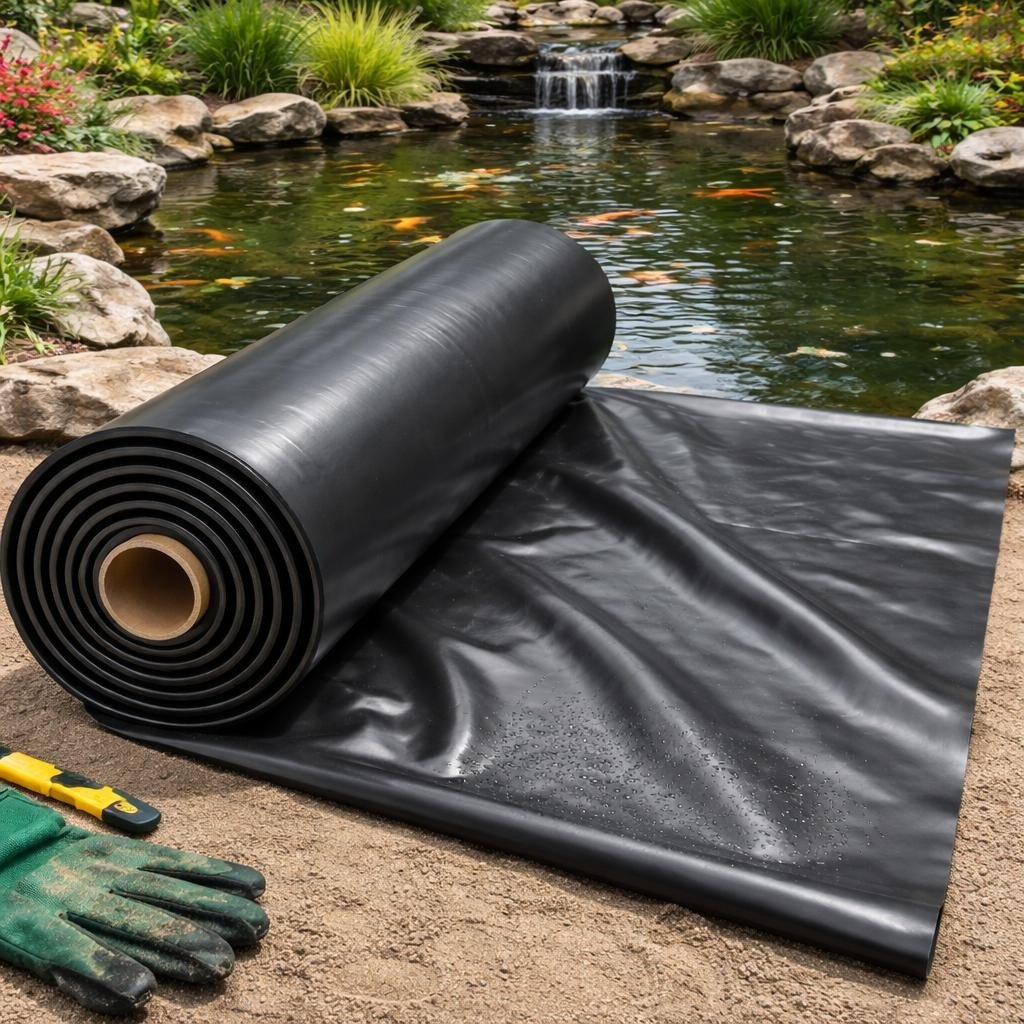
With a nominal thickness of 1.0 mm (approximately 40 mil), 1000 micron HDPE geomembrane is suitable for a wide range of applications, including water reservoirs, aquaculture ponds, wastewater lagoons, irrigation canals, landfill systems, mining facilities, and industrial containment.

However, thickness alone does not determine geomembrane performance. Resin quality, carbon black content, tensile strength, puncture resistance, stress crack resistance, oxidation resistance, surface texture, roll dimensions, and welding performance can all affect the long-term reliability of a liner system.

In this guide, we review six manufacturers and product options for 1000 micron HDPE geomembranes, comparing their typical characteristics, strengths, limitations, and suitable applications. We also explain what engineers, contractors, and buyers should check before selecting a 1.0 mm HDPE liner.

Note: Technical values can vary according to product formulation, manufacturing process, surface type, and applicable standards. Buyers should always request the manufacturer’s current technical data sheet and third-party test reports for project-specific verification.

Table of Contents

1. What Is a 1000 Micron HDPE Sheet?

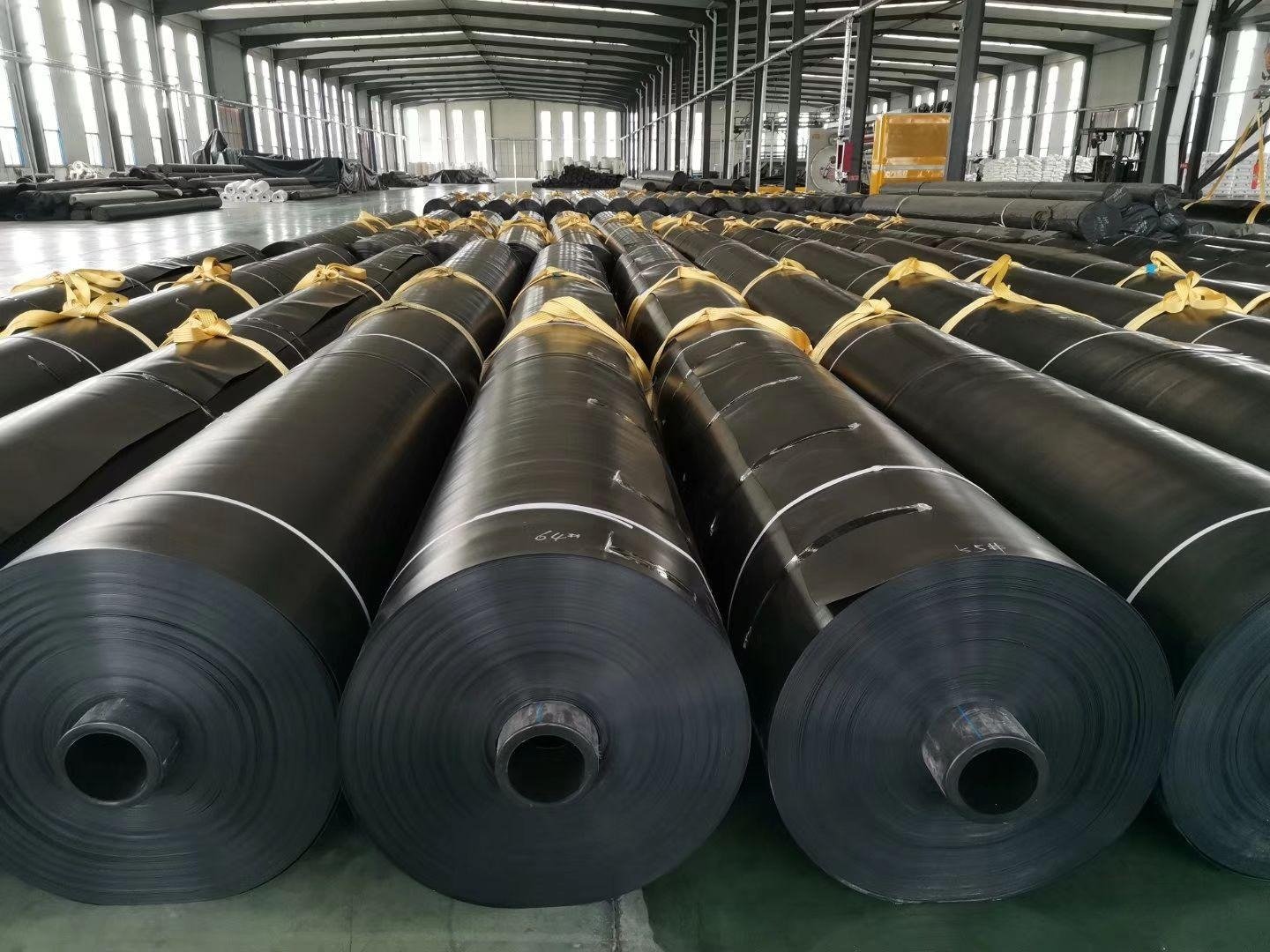
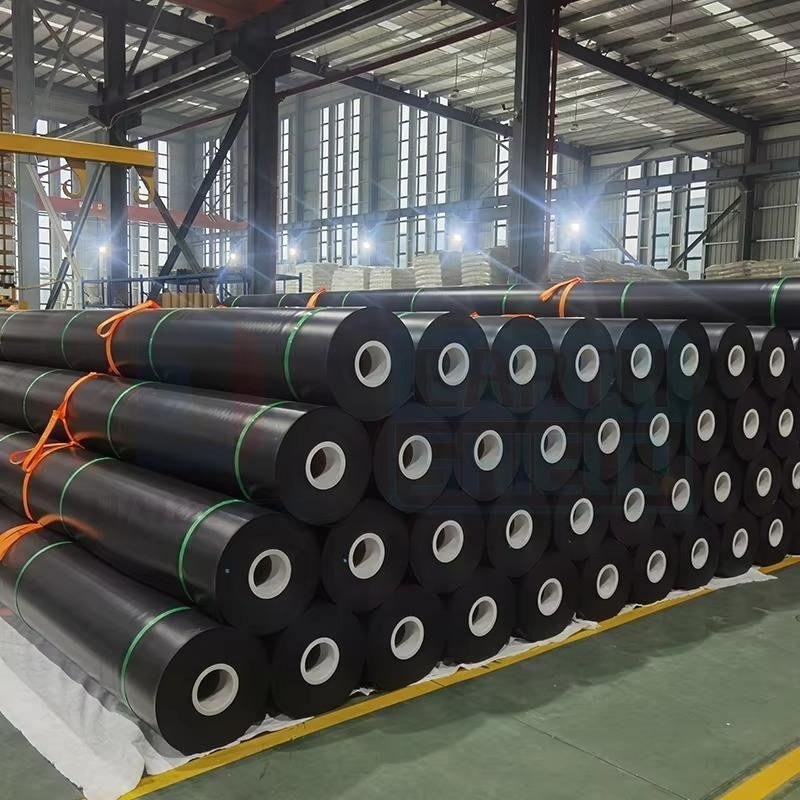
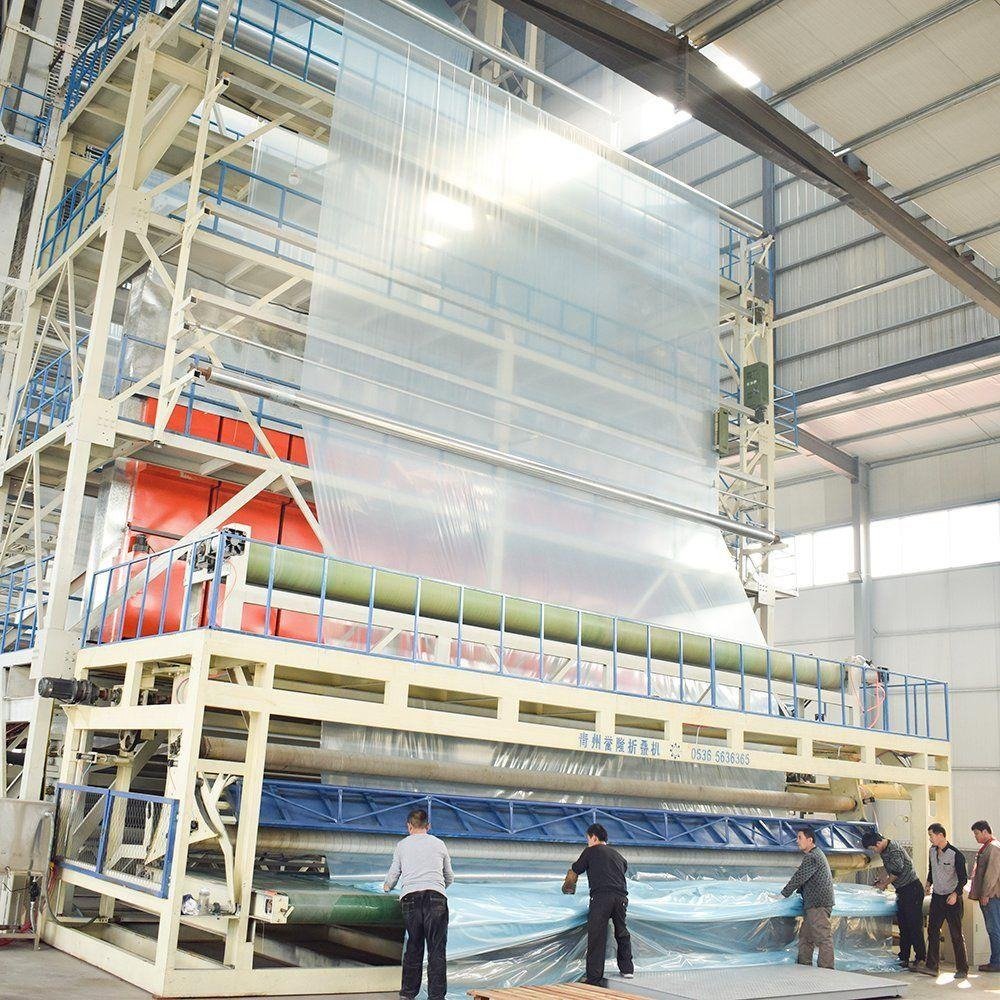
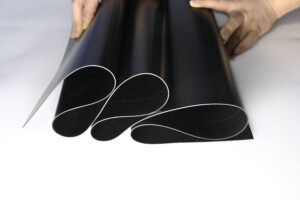
A 1000 micron HDPE sheet is a geomembrane manufactured primarily from high-density polyethylene with a nominal thickness of 1,000 microns, or 1.0 mm.

It is approximately equivalent to a 40 mil geomembrane.

HDPE geomembranes are manufactured as continuous polymer sheets and are typically available in smooth or textured surfaces. For outdoor applications, carbon black and stabilizing additives are incorporated into the formulation to improve resistance to ultraviolet radiation and oxidation.

Typical properties of a 1.0 mm HDPE geomembrane may include:

Property Typical Range
Nominal Thickness 1.0 mm / 1000 microns
Equivalent Thickness Approx. 40 mil
Material HDPE
Density ≥0.940 g/cm³
Carbon Black Approximately 2–3%
Tensile Strength Project/product dependent
Elongation at Break Typically >600%
Puncture Resistance Product dependent
Surface Smooth / Textured
Color Primarily Black
Joining Method Hot Wedge / Extrusion Welding

The actual values should always be checked against the manufacturer’s applicable specification, such as GRI-GM13 for HDPE geomembranes.

2. Why Choose a 1000 Micron HDPE Geomembrane?

A 1.0 mm geomembrane is often selected because it provides a practical middle ground between thinner liners and heavier 1.5–2.0 mm geomembranes.

Key advantages include:

Low permeability

HDPE has extremely low hydraulic conductivity, making it highly effective as a barrier against water and liquid migration.

Good mechanical strength

A 1.0 mm liner provides significantly better puncture and tear resistance than many thinner geomembranes.

Chemical resistance

HDPE offers excellent resistance to many acids, alkalis, salts, hydrocarbons, and industrial chemicals.

UV resistance

Black HDPE geomembranes formulated with appropriate carbon black and stabilizers can withstand prolonged outdoor exposure.

Weldability

HDPE can be joined using thermal welding equipment, creating continuous liner systems with strong field seams.

Cost efficiency

Compared with thicker geomembranes, 1000 micron HDPE can reduce material weight and project costs when the engineering design does not require a thicker liner.

3. The 6 Best 1000 Micron HDPE Sheets Reviewed

Our comparison focuses on manufacturers and products commonly associated with HDPE geomembrane applications. Rather than ranking products solely by price, we consider material quality, manufacturing capability, technical performance, surface options, application suitability, and overall value.

3.1 AGRU HDPE Geomembrane – Best for High-Performance Engineering

AGRU is an established European manufacturer of polymer-based products and geosynthetic systems.

Its HDPE geomembranes are designed for demanding environmental and industrial applications where chemical resistance, durability, and manufacturing consistency are important.

Key Features

  • HDPE geomembrane solutions
  • Smooth and textured surfaces
  • High chemical resistance
  • Strong puncture resistance
  • Suitable for demanding containment systems
  • Available for environmental and industrial applications

Pros

  • Strong reputation in geosynthetic engineering
  • Suitable for demanding projects
  • Good range of specialized products
  • Strong technical support

Cons

  • Premium positioning can result in higher material costs
  • Not always necessary for simple water containment projects

Best For

Mining, landfills, hazardous waste containment, and technically demanding projects.

3.2 Solmax HDPE Geomembrane – Best for Large Infrastructure Projects

Solmax is one of the major global geosynthetics manufacturers, with a broad portfolio covering geomembranes and other containment products.

Its HDPE geomembranes are widely used in environmental, mining, water, and infrastructure applications.

Key Features

  • HDPE geomembrane systems
  • Smooth and textured configurations
  • Large project supply capability
  • Multiple thickness options
  • Designed for environmental containment

Pros

  • Extensive global project experience
  • Suitable for large-scale projects
  • Broad product portfolio
  • Strong engineering support

Cons

  • Premium products may have higher procurement costs
  • Specifications and availability can vary by region

Best For

Large reservoirs, landfills, mining operations, and major infrastructure projects.

3.3 Atarfil HDPE Geomembrane – Best for Specialized Containment

Atarfil is a European manufacturer specializing in high-performance geomembranes for environmental and water containment applications.

Its products are designed for applications where long-term impermeability and chemical resistance are important.

Key Features

  • HDPE geomembranes
  • Smooth and textured surfaces
  • High chemical resistance
  • UV-resistant formulations
  • Environmental containment applications

Pros

  • Strong technical focus
  • Suitable for exposed applications
  • Good product consistency
  • International project experience

Cons

  • Premium pricing
  • Product selection should be matched carefully to project requirements

Best For

Water containment, wastewater, landfills, and environmental protection projects.

3.4 Layfield HDPE Geomembrane – Best for Water Containment

Layfield is a North American manufacturer and supplier of flexible containment systems.

Its geomembrane solutions are widely associated with water management, industrial containment, and environmental applications.

Key Features

  • HDPE liner systems
  • Water containment solutions
  • Custom fabrication options
  • Smooth and textured products
  • Suitable for reservoirs and industrial applications

Pros

  • Strong water containment experience
  • Custom fabrication capabilities
  • Good technical support

Cons

  • Regional supply considerations
  • Large international projects may require additional logistics planning

Best For

Reservoirs, irrigation ponds, wastewater facilities, and industrial containment.

3.5 Tinhy Geosynthetics 1000 Micron HDPE Geomembrane – Best Value for Global Projects

Tinhy Geosynthetics is a China-based manufacturer specializing in geomembranes and other geosynthetic products for environmental protection, water management, mining, and civil engineering.

For projects looking for a balance between technical performance, customization, production capacity, and competitive factory pricing, Tinhy’s 1000 micron HDPE geomembrane is an option worth considering.

Key Features

  • 1.0 mm / 1000 micron HDPE geomembrane
  • Smooth and textured surfaces
  • Black and customized colors available for selected applications
  • Virgin or project-specified raw materials
  • Customized roll widths and lengths
  • Thermal welding compatibility
  • Production according to applicable international specifications

Tinhy also manufactures a wider range of geomembrane thicknesses, allowing buyers to select a liner based on actual engineering requirements rather than simply choosing one standard thickness.

Pros

  • Competitive factory pricing
  • Flexible customization
  • Suitable for export projects
  • Wide range of geosynthetic products
  • In-house quality control
  • Technical support for international customers

Cons

  • Project specifications should be confirmed before ordering
  • Buyers should request current test reports for critical applications

Best For

Aquaculture, reservoirs, wastewater ponds, irrigation projects, landfill applications, and industrial containment.

3.6 Raven / Solmax HDPE Liner – Best for Flexible Containment Solutions

Raven’s geomembrane business has become part of the broader Solmax organization, with products historically recognized in flexible containment applications.

HDPE liners in this product category are designed for applications requiring impermeability, durability, and relatively easy deployment.

Key Features

  • HDPE containment liners
  • Industrial containment applications
  • Flexible sheet systems
  • Various thickness options
  • Strong chemical resistance

Pros

  • Long history in flexible containment
  • Suitable for industrial applications
  • Good material performance

Cons

  • Product availability depends on region
  • Buyers should confirm the current product portfolio and specifications

Best For

Industrial containment, wastewater, water storage, and environmental projects.

4. Comparison of 1000 Micron HDPE Sheets

The following table provides a general comparison framework. Actual specifications and prices should be confirmed directly with manufacturers.

Manufacturer Typical Thickness Surface Options Main Strength Best Application
AGRU 1.0 mm Smooth / Textured Engineering performance Mining & landfill
Solmax 1.0 mm Smooth / Textured Large-scale supply Infrastructure
Atarfil 1.0 mm Smooth / Textured Chemical & UV resistance Environmental
Layfield 1.0 mm Smooth / Textured Water containment Reservoirs
Tinhy Geosynthetics 1.0 mm Smooth / Textured Value & customization Water & environmental projects
Raven / Solmax 1.0 mm Smooth / Textured Flexible containment Industrial

Important: A manufacturer’s position in this comparison does not mean it is universally better or worse than another supplier. The appropriate product depends on project specifications, environmental conditions, installation requirements, and total lifecycle cost.

5. Smooth vs. Textured 1000 Micron HDPE Sheet

One of the most important decisions is choosing the correct surface.

Smooth HDPE Geomembrane

Smooth liners are generally preferred for:

  • Reservoir bottoms
  • Aquaculture ponds
  • Wastewater lagoons
  • Flat containment areas
  • Canal sections with low slope

Advantages

  • Easier deployment
  • Easier cleaning
  • Lower surface friction
  • Efficient thermal welding
  • Usually lower cost

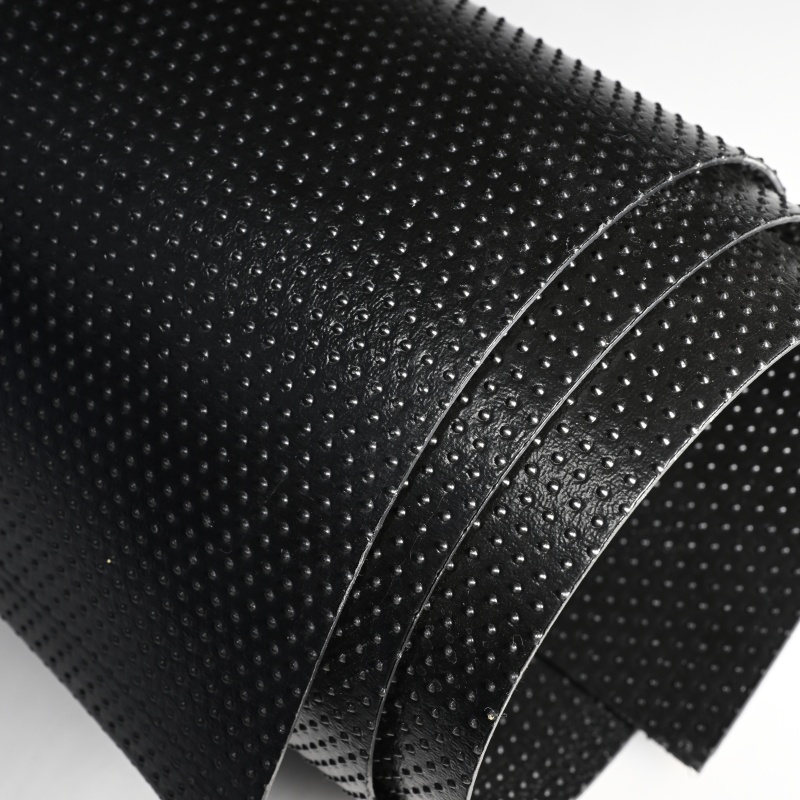
Textured HDPE Geomembrane

Textured geomembranes are designed to provide greater interface friction.

They are commonly used for:

  • Landfill slopes
  • Mining facilities
  • Steep reservoirs
  • Secondary containment slopes
  • Composite liner systems

Advantages

  • Higher interface friction
  • Better slope stability
  • Reduced risk of liner movement
  • Suitable for complex containment structures

For steep slopes, surface texture should be selected based on the project’s interface friction requirements and engineering calculations.

6. What Should You Check Before Buying 1000 Micron HDPE Sheet?

Thickness is only one part of geomembrane quality.

Before placing an order, buyers should evaluate at least the following factors.

1. Raw Material

Ask whether the manufacturer uses:

  • Virgin HDPE resin
  • Recycled material
  • A blend of virgin and recycled resin

For critical containment projects, virgin resin is generally preferred because of its more consistent mechanical and long-term performance.

2. Carbon Black Content

Black HDPE geomembranes normally contain carbon black to improve UV resistance.

The carbon black should be properly dispersed throughout the polymer matrix.

Poor dispersion can create weak points and reduce long-term performance.

3. Oxidation Resistance

Ask for OIT test results where required by the project specification.

Oxidative resistance is particularly important for geomembranes exposed to elevated temperatures and long-term environmental stress.

4. Mechanical Properties

Check:

  • Tensile strength
  • Elongation
  • Tear resistance
  • Puncture resistance
  • Stress crack resistance

The required values should be matched to the applicable geomembrane standard and project design.

5. Roll Dimensions

Larger rolls can reduce the number of field seams.

This can potentially reduce:

  • Welding length
  • Installation time
  • Labor requirements
  • Potential seam-related risks

However, roll dimensions must also be compatible with site access and deployment equipment.

7. 1000 Micron vs. 1500 Micron HDPE Geomembrane

How does 1.0 mm compare with 1.5 mm?

Factor 1000 Micron 1500 Micron
Thickness 1.0 mm 1.5 mm
Weight Lower Higher
Material Cost Lower Higher
Puncture Resistance Good Higher
Flexibility Good Moderate
Installation Easier More demanding
Typical Use Medium-duty Heavy-duty
Large Landfill Applications Project dependent More common
Reservoirs Excellent Excellent
Aquaculture Excellent Excellent

For relatively flat water containment projects, 1000 micron HDPE may provide an excellent balance of performance and cost.

For projects involving heavy equipment, aggressive construction conditions, high puncture risk, or demanding landfill/mining applications, 1.5 mm or thicker geomembrane may be more appropriate.

The final selection should always be based on engineering design rather than thickness alone.

8. Installation of 1000 Micron HDPE Geomembrane

Even a high-quality geomembrane can fail if it is improperly installed.

A typical installation process includes:

Step 1: Subgrade Preparation

Remove:

  • Sharp stones
  • Roots
  • Debris
  • Construction waste
  • Other objects that could puncture the liner

The subgrade should be properly compacted and graded.

Step 2: Geotextile Protection

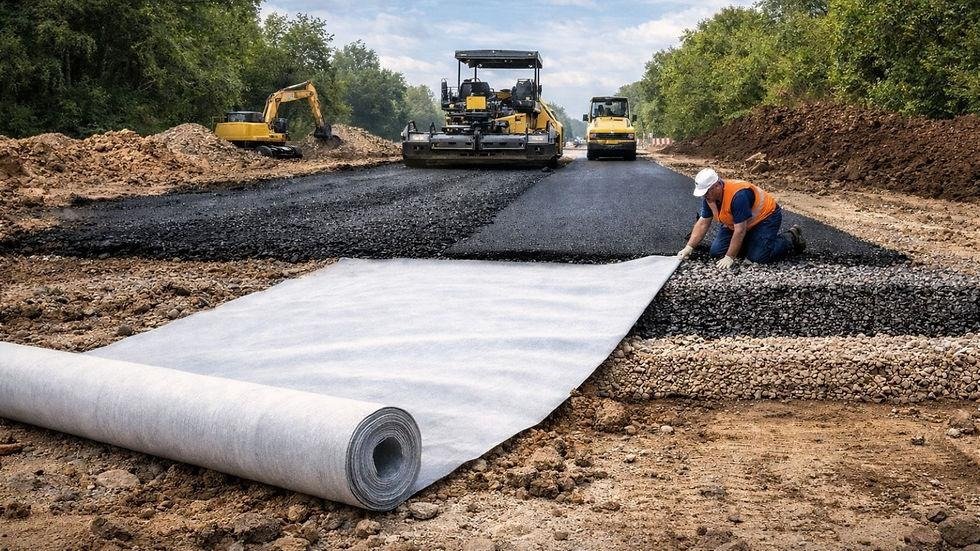
Where puncture risk is significant, a nonwoven geotextile can be installed beneath or above the geomembrane as a protective layer.

Step 3: Panel Deployment

Geomembrane rolls should be deployed carefully without dragging them over rough surfaces.

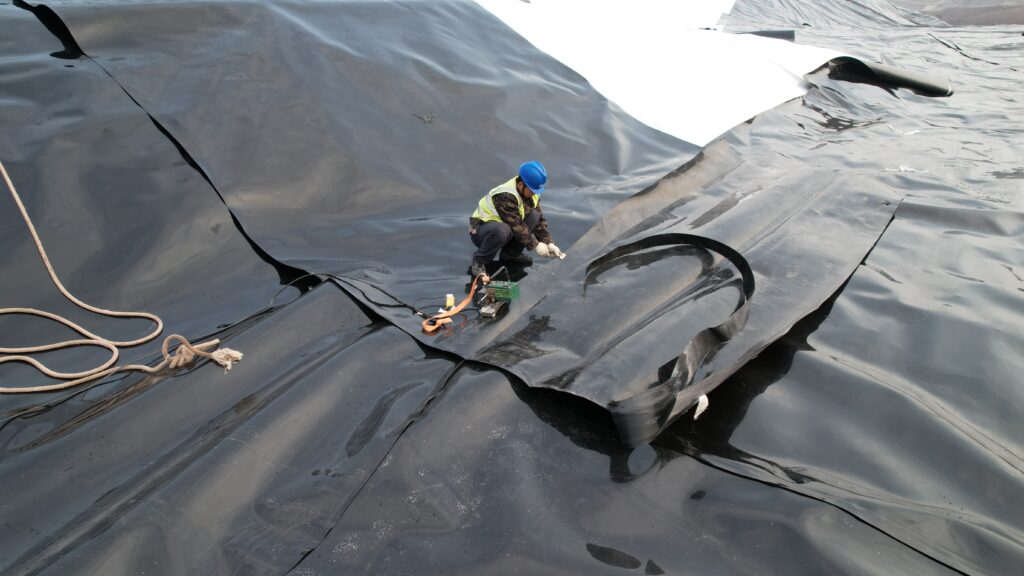
Step 4: Thermal Welding

Adjacent panels are joined using:

  • Automatic wedge welding
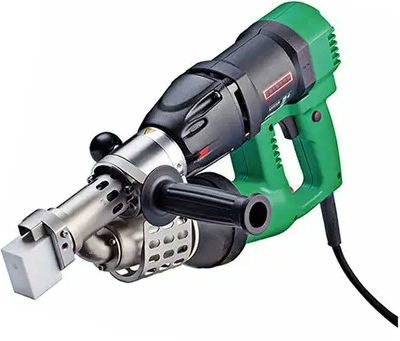
  • Extrusion welding for details and repairs

Step 5: Seam Testing

Field seams should be tested using appropriate quality-control methods.

Depending on the seam type, testing may include:

  • Air pressure testing
  • Vacuum box testing
  • Peel testing
  • Shear testing

Step 6: Final Inspection

The completed liner should be inspected before backfilling or covering.

9. How Long Does a 1000 Micron HDPE Sheet Last?

There is no single service-life value that applies to every project.

The actual lifespan depends on:

  • UV exposure
  • Temperature
  • Chemical environment
  • Installation quality
  • Subgrade conditions
  • Mechanical loading
  • Whether the liner is exposed or buried

A properly manufactured and installed HDPE geomembrane can provide decades of service, particularly when protected from direct mechanical damage.

For long-term projects, service-life assessments should consider the specific resin formulation, antioxidant package, temperature, exposure conditions, and applicable durability testing.

10. Is 1000 Micron HDPE Sheet Suitable for Your Project?

A 1.0 mm HDPE geomembrane can be an excellent option when you need:

Good impermeability + good mechanical strength + reasonable cost + easy installation.

It is particularly attractive for:

  • Aquaculture ponds
  • Agricultural reservoirs
  • Irrigation canals
  • Wastewater ponds
  • Water storage
  • Industrial containment
  • Selected landfill and mining applications

However, 1.0 mm should not automatically be considered suitable for every project.

If the site has steep slopes, heavy construction traffic, sharp subgrade conditions, high puncture risk, or aggressive chemicals, a thicker geomembrane or additional protective system may be necessary.

11. Why Consider Tinhy Geosynthetics?

At Tinhy Geosynthetics, we understand that choosing a geomembrane is not simply a matter of selecting a thickness.

Our team provides HDPE geomembranes in different thicknesses and surface configurations to meet the requirements of:

  • Water containment
  • Aquaculture
  • Landfills
  • Mining
  • Wastewater treatment
  • Irrigation
  • Industrial containment
  • Civil engineering

Our manufacturing and quality-control process focuses on:

Material Quality
Careful selection and control of polyethylene raw materials and additives.

Consistent Thickness
Production control helps maintain consistent geomembrane thickness across the roll.

Surface Options
Smooth, textured, and other surface configurations can be supplied according to project requirements.

Customized Dimensions
Roll width and length can be discussed according to transportation, deployment, and installation requirements.

Quality Testing
Products can be tested for key physical and mechanical properties according to applicable standards.

Global Supply
Tinhy Geosynthetics has supplied geosynthetic products to customers in more than 40 countries.

Frequently Asked Questions

Is 1000 micron the same as 1 mm?

Yes.

1,000 microns = 1.0 mm.

It is approximately equivalent to 40 mil.

Is 1000 micron HDPE good for ponds?

Yes. A 1.0 mm HDPE geomembrane is commonly suitable for many pond and water-containment applications, particularly when the subgrade is properly prepared and protected.

Is 1000 micron HDPE suitable for landfills?

It can be used in landfill systems, but the appropriate thickness depends on the landfill design, waste characteristics, subgrade conditions, loading, and regulatory requirements. Many demanding landfill applications use thicker geomembranes or composite liner systems.

Which is better: 1000 micron or 1500 micron?

Neither is universally better.

1000 micron offers lower weight and cost, while 1500 micron provides greater thickness and generally higher resistance to mechanical damage.

The right choice depends on the engineering requirements of the project.

Can 1000 micron HDPE be welded?

Yes. HDPE geomembranes are commonly joined using hot wedge welding and extrusion welding.

Professional welding and seam testing are essential for achieving a reliable containment system.

Conclusion

A 1000 micron HDPE sheet is more than simply a 1 mm plastic liner. Its performance depends on the quality of the polymer, additive formulation, manufacturing consistency, mechanical properties, UV resistance, surface configuration, and installation quality.

For water containment, aquaculture, irrigation, wastewater, and many industrial applications, 1.0 mm HDPE geomembrane offers an attractive balance between durability and cost.

For more demanding landfill and mining projects, engineers should evaluate whether a thicker liner, textured surface, protective geotextile, or composite containment system is required.

When comparing suppliers, don’t look only at the lowest price. Ask for technical data sheets, test reports, raw material information, applicable standard compliance, roll specifications, and quality-control documentation.

Tinhy Geosynthetics provides 1000 micron HDPE geomembranes and other geosynthetic solutions for international projects, with customized specifications and technical support available for different containment requirements.

Need help selecting the right HDPE geomembrane thickness for your project? Contact Tinhy Geosynthetics with your project size, application, installation conditions, and required specifications, and our technical team can recommend a suitable liner configuration.

Knowledge Base
Share:
info@tinhygeosynthetics.com Bai Jinxi
Consultation

    Get The Latest Product Prices

    Your inquiries are welcomed at any time and please feel free to contact us via email, phone calls, and online chatbox on our site.

    We will definitely give you a reply ASAP after we receive your messages.

      0/180