Resources
Company News
Industry News
Knowledge Base
Project Cases
Innovation
Team Power Fuels TINHY’s Global Geosynthetics Solutions
Tinhy and University of Jinan Celebrate Six Years of Industry–University Collaboration
Empowering New Talent, Building the Future: Tinhy Successfully Conducts New Employee Orientation Training

Tinhy Conducts Comprehensive Emergency Drill to Strengthen Workplace Safety Defenses
Company Mid – Year Summary and Team – Building Activity Report
Is geomembrane a geotechnical engineering material?
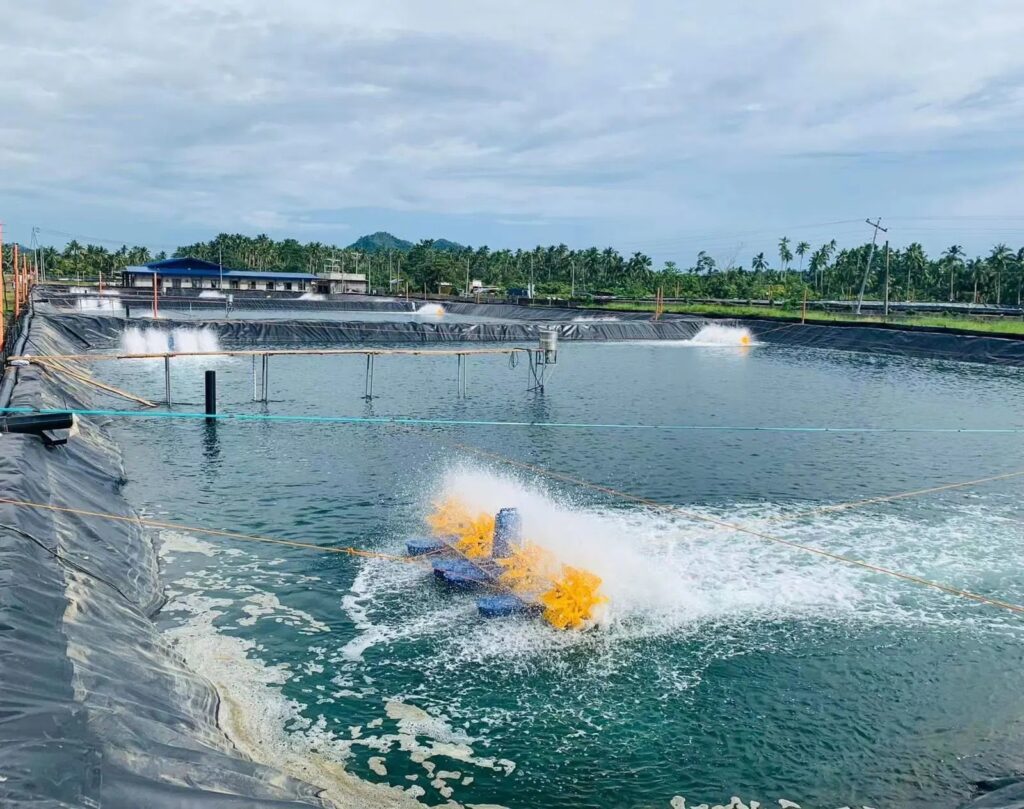
What are the application scenarios of geomembrane?
What are the functions of geotextiles?
Cómo elegir geomembrana de hdpe en proyectos de ingeniería
How to choose hdpe geomembrane in engineering projects
China’s Geotechnical Construction Materials Embrace New Opportunities
Tips for Moisture-Proof Storage of Geotextiles
Key Construction Points and Precautions for High-Density Polyethylene Geomembrane
what is pond lining material ?
What is geomembrane?
HDPE geomembrane construction plans and technical measures

What quality tests do HDPE geomembranes need to do?
Tinhy’s MDS® Drainage Solution
Installation Robots
How Much Does Geotextile Cost per Square Foot?
Best HDPE Geomembrane 1.5 mm for Long-Term Containment Projects
What Is 400g/m² Geotextile? Properties, Applications and Selection Guide
Top 7 Global Geocomposite Manufacturers for Drainage, Reinforcement and Environmental Projects
Top 7 Global Pond Liner Suppliers in 2026
The 7 Best Geotextile 200 Review: 2026 Buyer’s Guide
The 6 Best LLDPE Geomembrane Liners Review: 2026 Buyer’s Guide
HDPE Smooth Geomembrane: A Reliable GRI GM13 Liner for Long-Term Containment Projects
How to Read an HDPE Geomembrane Technical Data Sheet Before Buying
Smooth vs. Textured HDPE Geomembrane: Which One Is Right for Your Project?
Should HDPE or PVC be used to install geomembrane in reservoirs?
What is the price of geomembrane?
Material characteristics of three different geomembranes
Esquema de construcción de geomembrana de HDPE y medidas técnicas
hdpe geomembrane pond liner in Congo (DRC)
How to lay and weld HDPE geomembrane?
HDPE geomembrane 0.2-4.0mm
HOME ABOUT PRODUCTS APPLICATION CONTENTUS RESOURCES
Home Resources Knowledge Base How Much Does Geotextile Cost per Square Foot?

How Much Does Geotextile Cost per Square Foot?

time:July 11, 2026 Views:9

Geotextile is one of the most widely used geosynthetic materials in civil engineering, road construction, drainage, erosion control, landfill protection, agriculture, landscaping and hydraulic projects. It is designed to separate soil layers, filter water, reinforce weak ground, protect geomembranes and improve long-term project stability.

For contractors, engineers, distributors and project owners, one of the most common questions is: How much does geotextile cost per square foot?

In general, geotextile material costs can range from about $0.10 to $1.00 per square foot for many common applications. For special high-strength, heavy-duty or customized geotextiles, the cost may be higher. The final price depends on the geotextile type, raw material, weight, strength, roll size, order quantity, shipping cost and project requirements.

As a professional geosynthetics manufacturer and supplier, Tinhy Geosynthetics provides woven geotextiles, nonwoven geotextiles and related geosynthetic solutions for road construction, drainage, landfills, erosion control, ponds, reservoirs and other engineering projects.

This guide explains the main factors that affect geotextile cost per square foot and helps you choose the right geotextile fabric for your project.

Table of Contents

What Is Geotextile?

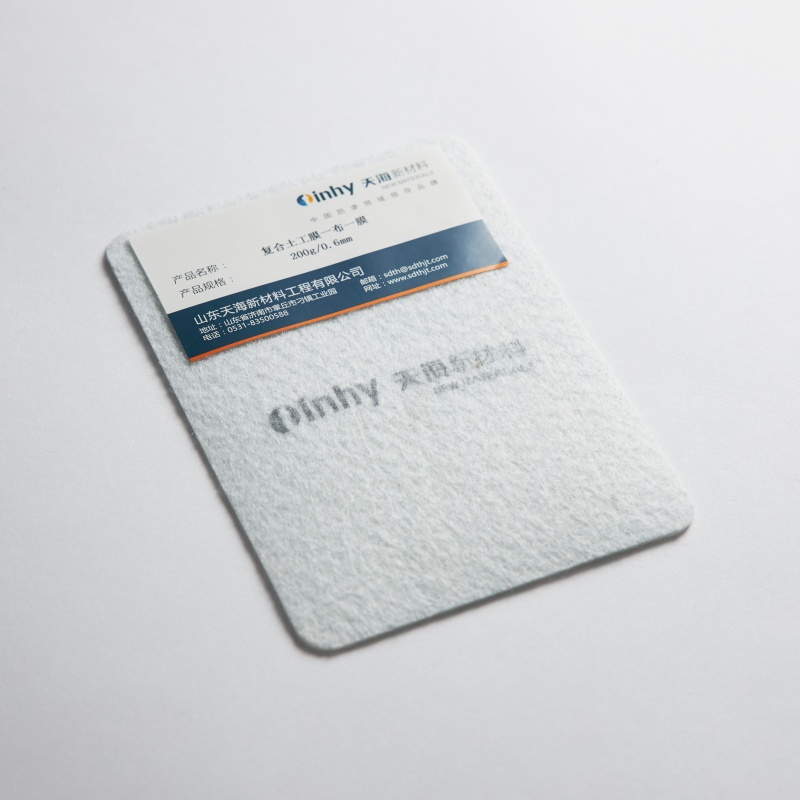
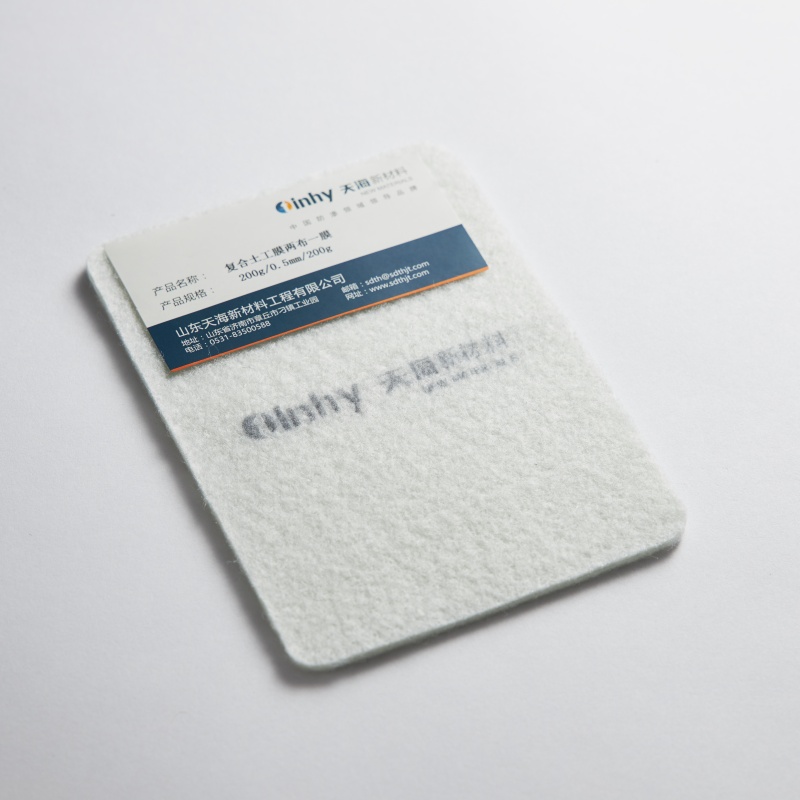
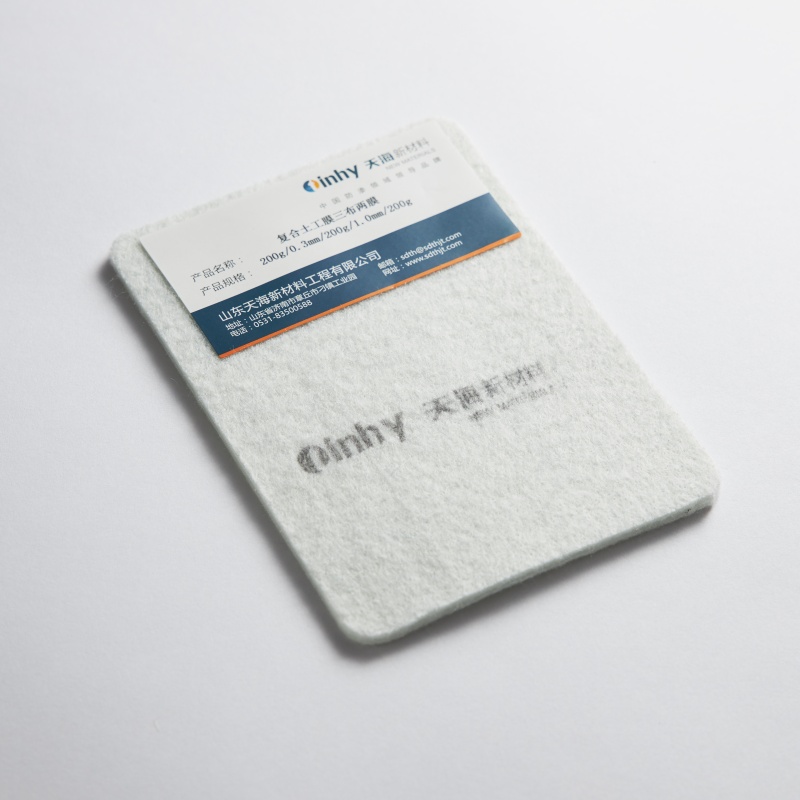
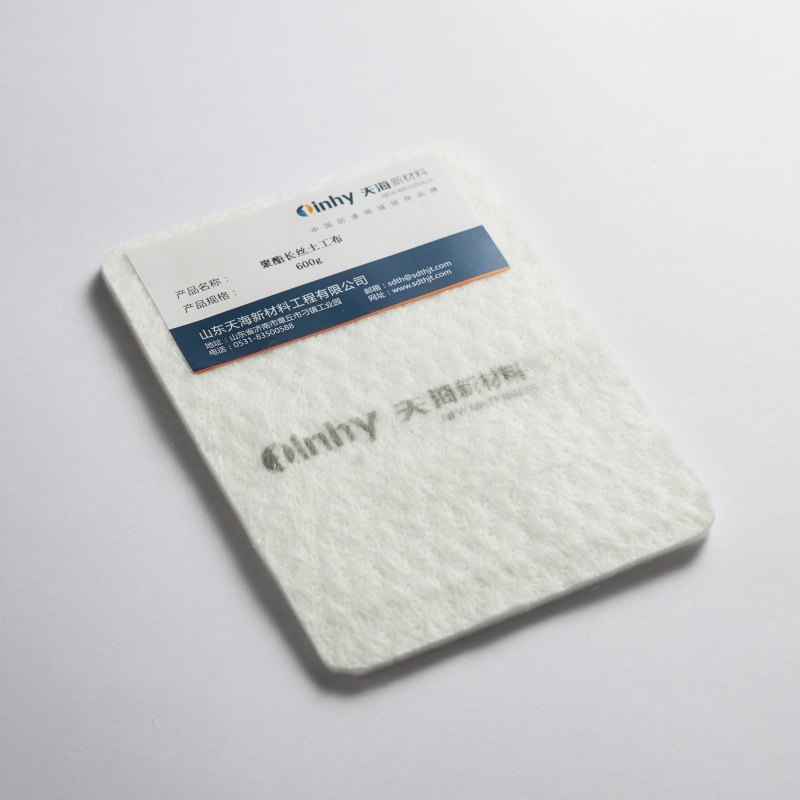
Geotextile is a permeable synthetic fabric made mainly from polypropylene or polyester fibers. It is used together with soil, rock, aggregate, geomembranes or other construction materials to improve project performance.

Depending on the structure and application, geotextiles can perform several functions:

  • Separation
  • Filtration
  • Drainage
  • Reinforcement
  • Protection
  • Erosion control

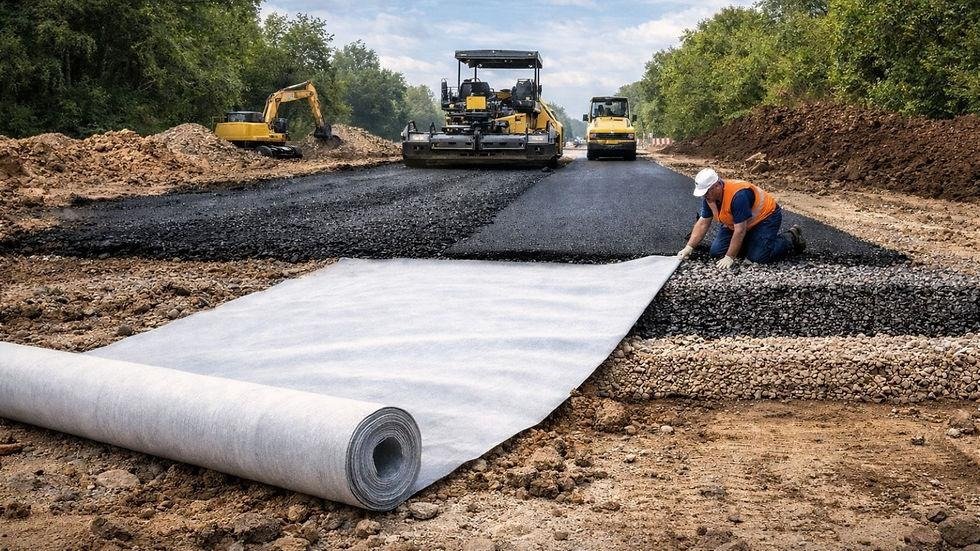
For example, in road construction, geotextile can prevent soft subgrade soil from mixing with aggregate. In drainage systems, it allows water to pass through while keeping soil particles in place. In landfill and pond lining systems, it can protect geomembranes from puncture damage.

Main Types of Geotextile and Their Cost

The cost of geotextile per square foot mainly depends on the product type. The two most common types are woven geotextile and nonwoven geotextile.

1. Woven Geotextile Cost

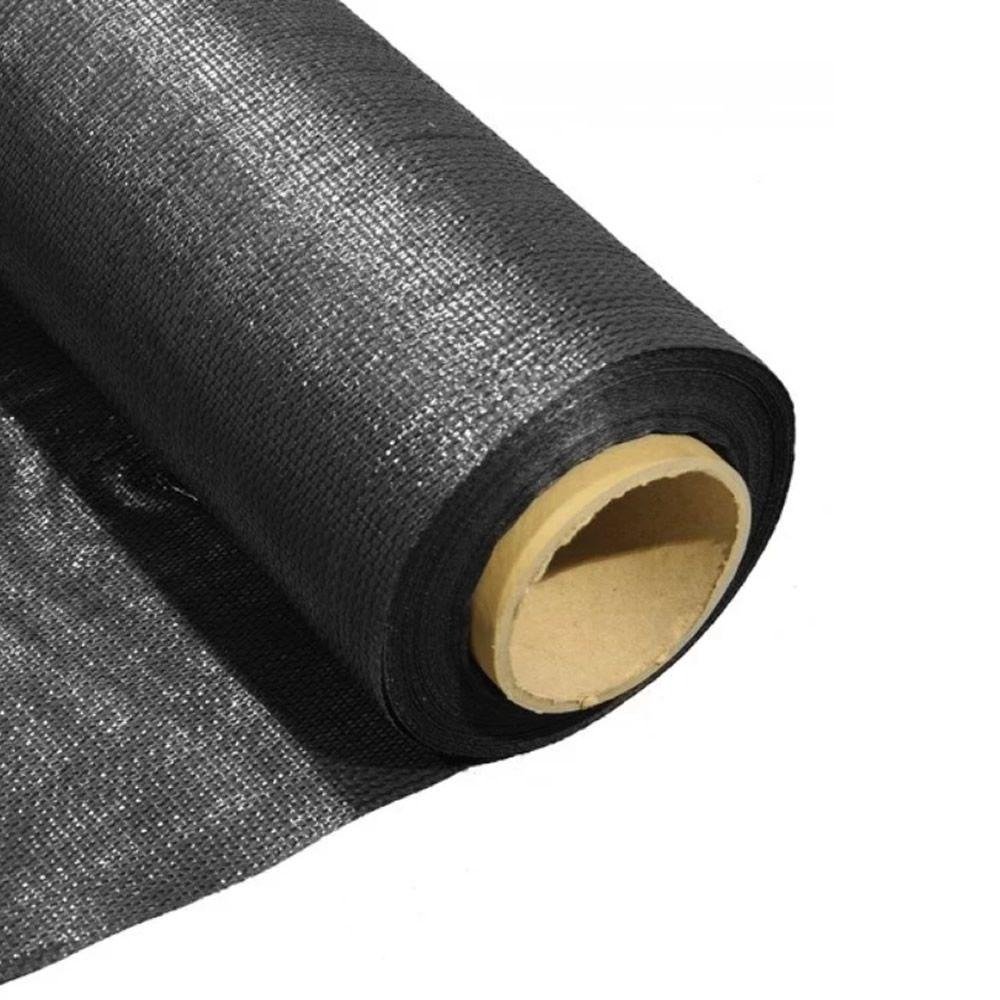
Woven geotextile is made by weaving synthetic yarns together. It usually has high tensile strength and low elongation, making it suitable for reinforcement and separation applications.

Typical Cost Range

Woven geotextile generally costs around:

$0.30 to $0.80 per square foot

The price may vary depending on tensile strength, roll size, raw material quality and order quantity.

Common Applications

Woven geotextile is commonly used for:

  • Road base reinforcement
  • Driveway stabilization
  • Railway construction
  • Retaining wall reinforcement
  • Soil separation
  • Construction access roads
  • Heavy-load working platforms

Main Advantages

  • High tensile strength
  • Good load distribution
  • Strong soil separation performance
  • Suitable for roads and heavy-duty applications
  • Long service life when properly installed

When to Choose Woven Geotextile

Choose woven geotextile when your project requires strength, stabilization and separation. It is especially suitable for road construction, parking lots, driveways, embankments and weak soil reinforcement.

2. Nonwoven Geotextile Cost

Nonwoven geotextile is made by bonding synthetic fibers through needle punching or thermal processes. It has good permeability and flexibility, making it ideal for filtration, drainage and protection.

Typical Cost Range

Nonwoven geotextile generally costs around:

$0.15 to $0.60 per square foot

Lightweight nonwoven geotextiles are usually more economical, while heavy-duty nonwoven geotextiles cost more because they use more raw material and provide higher puncture resistance.

Common Applications

Nonwoven geotextile is commonly used for:

  • Drainage systems
  • French drains
  • Landfill protection layers
  • Pond liner protection
  • Geomembrane cushion layers
  • Erosion control
  • Slope protection
  • Road separation
  • Landscaping and filtration

Main Advantages

  • Good water permeability
  • Excellent filtration performance
  • Flexible and easy to install
  • Good puncture protection for geomembranes
  • Suitable for irregular surfaces

When to Choose Nonwoven Geotextile

Choose nonwoven geotextile when your project requires filtration, drainage or geomembrane protection. It is widely used in drainage trenches, landfill liners, pond liners, reservoirs and erosion control systems.

3. Heavy-Duty Geotextile Cost

Heavy-duty geotextile has higher weight, greater strength and better puncture resistance. It may be woven or nonwoven, depending on the application.

Typical Cost Range

Heavy-duty geotextile can cost around:

$0.60 to $2.00+ per square foot

Special engineering-grade products may cost more, especially if they require high tensile strength, high puncture resistance, UV stabilization or customized specifications.

Common Applications

  • Landfill liner protection
  • Mining projects
  • Heavy road construction
  • Retaining walls
  • Coastal protection
  • Large drainage systems
  • High-load separation layers
  • Industrial containment projects

When to Choose Heavy-Duty Geotextile

Heavy-duty geotextile is suitable for demanding projects where standard geotextile may not provide enough strength or protection.

Geotextile Cost by Application

Different projects require different geotextile specifications. Below are common applications and the typical product choices.

Application Recommended Geotextile Type Typical Cost Level
Driveway stabilization Woven geotextile Medium
Road construction Woven geotextile Medium to high
French drain Nonwoven geotextile Low to medium
Pond liner protection Nonwoven geotextile Medium
Landfill protection Heavy-duty nonwoven geotextile Medium to high
Erosion control Nonwoven or woven geotextile Low to medium
Retaining wall drainage Nonwoven geotextile Medium
Railway construction High-strength woven geotextile High
Mining project Heavy-duty geotextile High
Landscaping Lightweight nonwoven geotextile Low

Key Factors That Affect Geotextile Cost per Square Foot

1. Geotextile Type

Woven and nonwoven geotextiles have different production methods and performance characteristics. Woven geotextile is usually more expensive when high tensile strength is required. Nonwoven geotextile is often more cost-effective for drainage and filtration.

2. Fabric Weight

Geotextile weight is usually measured in grams per square meter, also known as GSM. Higher GSM means the fabric is thicker or heavier, which usually increases strength, puncture resistance and cost.

Common weight ranges include:

  • Lightweight geotextile: 100–200 gsm
  • Medium-duty geotextile: 200–400 gsm
  • Heavy-duty geotextile: 400–800 gsm or higher

A 150 gsm nonwoven geotextile will cost less than a 600 gsm nonwoven geotextile because it uses less material.

3. Tensile Strength

For road reinforcement, embankments and heavy-load projects, tensile strength is an important performance indicator. Higher tensile strength usually means higher cost, but it may reduce long-term maintenance and failure risk.

4. Puncture Resistance

If the geotextile is used under rocks, gravel, landfill waste or geomembranes, puncture resistance becomes very important. Heavy-duty nonwoven geotextiles with higher puncture resistance are usually more expensive.

5. Raw Material Quality

Geotextiles made from high-quality virgin polypropylene or polyester usually perform better and have more stable properties. Recycled materials may reduce cost, but they may not always be suitable for demanding engineering projects.

6. Roll Width and Roll Length

Larger rolls can reduce overlaps and installation time. However, roll size also affects packaging, container loading and transportation cost.

7. Order Quantity

Bulk orders usually have lower unit prices. A small retail purchase may cost more per square foot than a full-container or large project order.

8. Custom Specifications

Customized color, width, weight, strength, packaging, branding or special treatment can increase the final price.

9. Shipping Cost

Geotextile is usually supplied in rolls. Shipping cost depends on roll size, order volume, destination, container loading and delivery terms.

10. Installation Cost

The product price is only one part of the total project cost. Installation cost may include site preparation, labor, overlaps, anchoring, cutting, fixing pins, equipment and quality inspection.

Woven vs Nonwoven Geotextile: Which Is More Cost-Effective?

Both woven and nonwoven geotextiles can be cost-effective when used correctly. The key is to match the product to the project function.

Comparison Item Woven Geotextile Nonwoven Geotextile
Main Function Reinforcement and separation Filtration, drainage and protection
Strength Higher tensile strength Better flexibility and permeability
Water Flow Lower permeability Higher permeability
Typical Cost Medium to high Low to medium
Best For Roads, driveways, stabilization Drains, ponds, landfills, erosion control
Installation Suitable for flat and load-bearing areas Suitable for irregular surfaces and drainage layers

If your project needs soil stabilization and load support, woven geotextile is usually the better choice.
If your project needs water filtration, drainage or liner protection, nonwoven geotextile is usually more suitable.

How to Estimate Geotextile Cost for Your Project

To estimate your geotextile cost, follow these steps:

Step 1: Measure the Project Area

Calculate the total area in square feet or square meters.

For example:

Length × Width = Project Area

If the project area is 100 ft × 50 ft:

100 × 50 = 5,000 sq ft

Step 2: Add Overlap Allowance

Geotextile rolls usually need overlaps between adjacent sheets. Depending on the project, overlap may add 5% to 15% extra material.

For a 5,000 sq ft project, adding 10% overlap:

5,000 × 1.10 = 5,500 sq ft

Step 3: Choose the Right Geotextile Type

Select woven or nonwoven geotextile based on the project function.

Step 4: Multiply by Unit Price

If the selected geotextile costs $0.35 per square foot:

5,500 × $0.35 = $1,925

This is the estimated material cost before shipping and installation.

Step 5: Add Shipping and Installation

Finally, add transportation, labor, accessories, anchoring and site preparation costs.

Example Geotextile Cost Calculation

Project Example: Drainage System

  • Project area: 2,000 sq ft
  • Product: 200 gsm nonwoven geotextile
  • Estimated unit price: $0.25/sq ft
  • Overlap allowance: 10%

Material quantity:

2,000 × 1.10 = 2,200 sq ft

Estimated material cost:

2,200 × $0.25 = $550

This estimate does not include shipping, labor or accessories.

Project Example: Road Base Reinforcement

  • Project area: 10,000 sq ft
  • Product: woven geotextile
  • Estimated unit price: $0.50/sq ft
  • Overlap allowance: 10%

Material quantity:

10,000 × 1.10 = 11,000 sq ft

Estimated material cost:

11,000 × $0.50 = $5,500

For large orders, the final unit price may be lower depending on order quantity and delivery terms.

How to Reduce Geotextile Cost Without Reducing Quality

1. Choose the Correct Product Type

Do not use high-strength woven geotextile for a simple drainage project if nonwoven geotextile is sufficient. Likewise, do not use lightweight nonwoven geotextile for heavy road stabilization.

2. Confirm the Required GSM

Higher GSM is not always better. The right GSM should match the application, soil condition and design requirement.

3. Buy in Bulk

Larger orders usually reduce the unit price. If you are a distributor or contractor, bulk purchasing can significantly improve cost efficiency.

4. Optimize Roll Size

Choosing suitable roll width and length can reduce waste, overlaps and installation time.

5. Work with a Direct Manufacturer

Buying from a direct manufacturer such as Tinhy Geosynthetics can help reduce intermediate costs and improve customization flexibility.

6. Plan Shipping Early

Container loading, roll packaging and delivery schedule can affect the final landed cost. Early planning helps avoid urgent freight costs.

Why Choose Tinhy Geosynthetics?

Tinhy Geosynthetics supplies geotextiles and other geosynthetic materials for global construction, environmental and hydraulic projects. We help customers select suitable products based on project application, soil condition, drainage requirement, strength demand and budget.

Tinhy Geosynthetics Can Provide:

  • Woven geotextile
  • Nonwoven geotextile
  • High-strength geotextile
  • Geotextile for road construction
  • Geotextile for drainage and filtration
  • Geotextile for pond liner protection
  • Geotextile for landfill projects
  • Geotextile for erosion control
  • Customized roll size and packaging
  • Export support for international buyers

Advantages of Working with Tinhy Geosynthetics

  • Direct geosynthetics supply
  • Flexible specifications
  • Competitive project pricing
  • Support for bulk orders
  • Technical product recommendation
  • Stable quality control
  • Practical export packaging
  • Solutions for contractors, distributors and project owners

Whether you need geotextile for a driveway, road, drainage trench, pond, landfill, reservoir, mining project or erosion control system, Tinhy Geosynthetics can help you choose a suitable and cost-effective solution.

Frequently Asked Questions

How much does geotextile cost per square foot?

For many common projects, geotextile material costs usually range from about $0.10 to $1.00 per square foot. Heavy-duty or special geotextiles may cost more.

Is woven geotextile more expensive than nonwoven geotextile?

In many cases, woven geotextile is more expensive because it is designed for higher tensile strength and reinforcement. Nonwoven geotextile is often more economical for drainage and filtration.

What is the cheapest geotextile?

Lightweight nonwoven geotextile is usually the most economical option. However, the cheapest product may not be suitable for heavy-duty or long-term engineering projects.

What geotextile should I use for a driveway?

Woven geotextile is usually recommended for driveways because it provides separation and stabilization under aggregate.

What geotextile should I use for drainage?

Nonwoven geotextile is usually recommended for drainage because it allows water to pass through while filtering soil particles.

Does geotextile price include installation?

Usually no. The product price normally refers to material only. Installation, shipping, accessories and site preparation should be calculated separately.

Can I buy customized geotextile rolls?

Yes. Tinhy Geosynthetics can support customized roll width, roll length, weight, packaging and specifications according to project needs.

Conclusion

Geotextile cost per square foot depends on many factors, including product type, fabric weight, strength, raw material, roll size, order quantity, shipping and installation requirements. For general reference, nonwoven geotextile is often more economical for drainage and filtration, while woven geotextile is more suitable for reinforcement and separation.

The most cost-effective choice is not always the cheapest product. The right geotextile should match your project’s soil condition, load requirement, drainage demand and service life expectations.

Tinhy Geosynthetics provides woven and nonwoven geotextiles for road construction, drainage, landfill, pond, reservoir, erosion control and other engineering applications. Contact Tinhy Geosynthetics today to get a suitable geotextile solution and project quotation.

Knowledge Base
Share:
info@tinhygeosynthetics.com Bai Jinxi
Consultation

    Get The Latest Product Prices

    Your inquiries are welcomed at any time and please feel free to contact us via email, phone calls, and online chatbox on our site.

    We will definitely give you a reply ASAP after we receive your messages.

      0/180