Resources
Company News
Industry News
Knowledge Base
Project Cases
Innovation
Team Power Fuels TINHY’s Global Geosynthetics Solutions
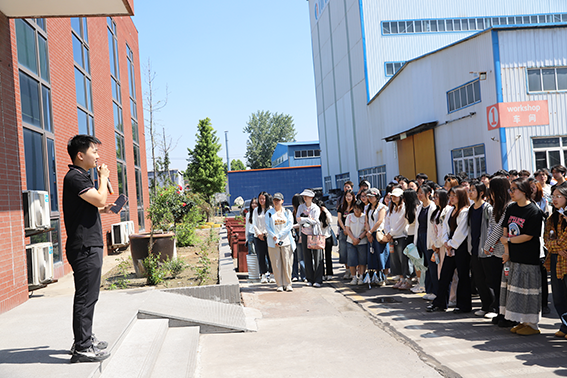
Tinhy and University of Jinan Celebrate Six Years of Industry–University Collaboration
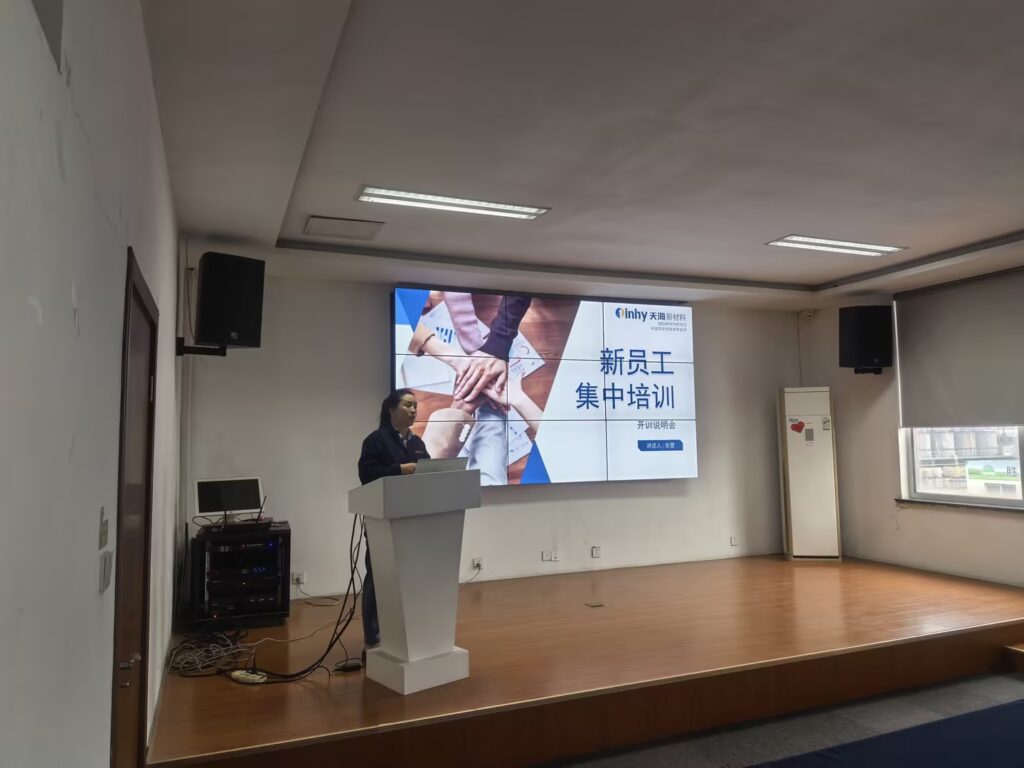
Empowering New Talent, Building the Future: Tinhy Successfully Conducts New Employee Orientation Training
Tinhy Conducts Comprehensive Emergency Drill to Strengthen Workplace Safety Defenses
Company Mid – Year Summary and Team – Building Activity Report
Is geomembrane a geotechnical engineering material?
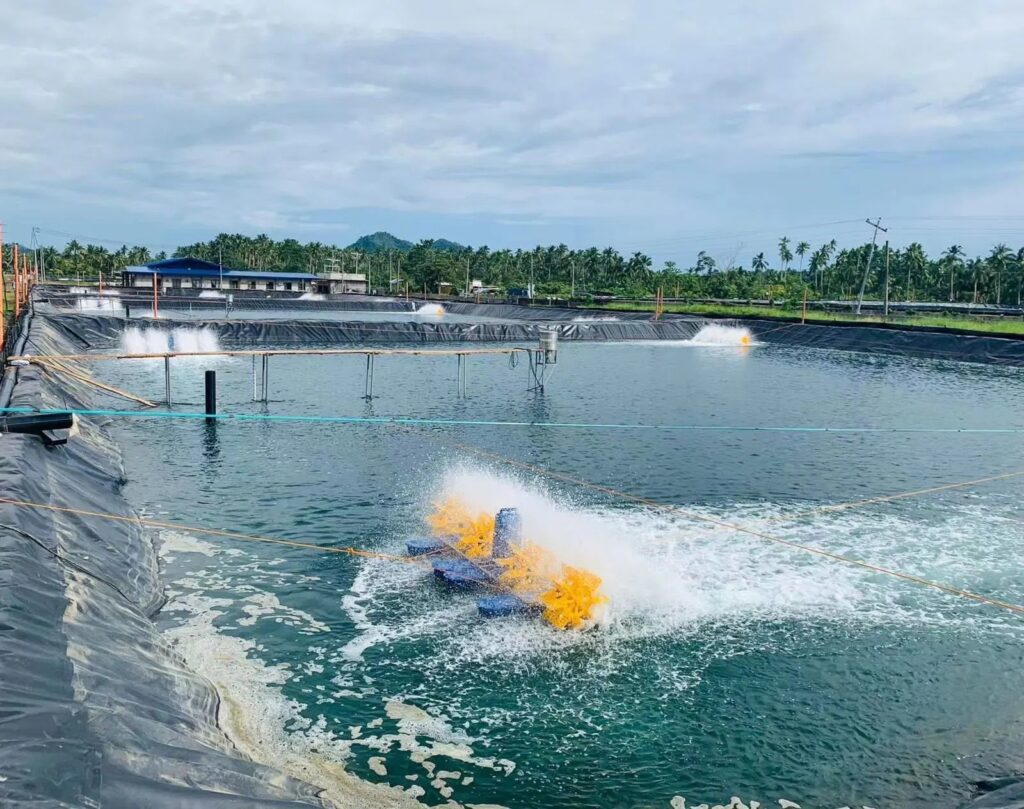
What are the application scenarios of geomembrane?
What are the functions of geotextiles?
Cómo elegir geomembrana de hdpe en proyectos de ingeniería
How to choose hdpe geomembrane in engineering projects
China’s Geotechnical Construction Materials Embrace New Opportunities
Tips for Moisture-Proof Storage of Geotextiles
Key Construction Points and Precautions for High-Density Polyethylene Geomembrane
what is pond lining material ?
What is geomembrane?
HDPE geomembrane construction plans and technical measures
What quality tests do HDPE geomembranes need to do?
Tinhy’s MDS® Drainage Solution
Installation Robots
HDPE Geomembrane Liner Systems for Tailings Storage Facilities: Design, Components and QA/QC
HDPE Geomembrane Quality Inspection: 10 Key Tests and Standards
Smooth vs Textured HDPE Geomembrane: Differences, Applications and Selection Guide
HDPE Geomembrane Thickness Selection Guide
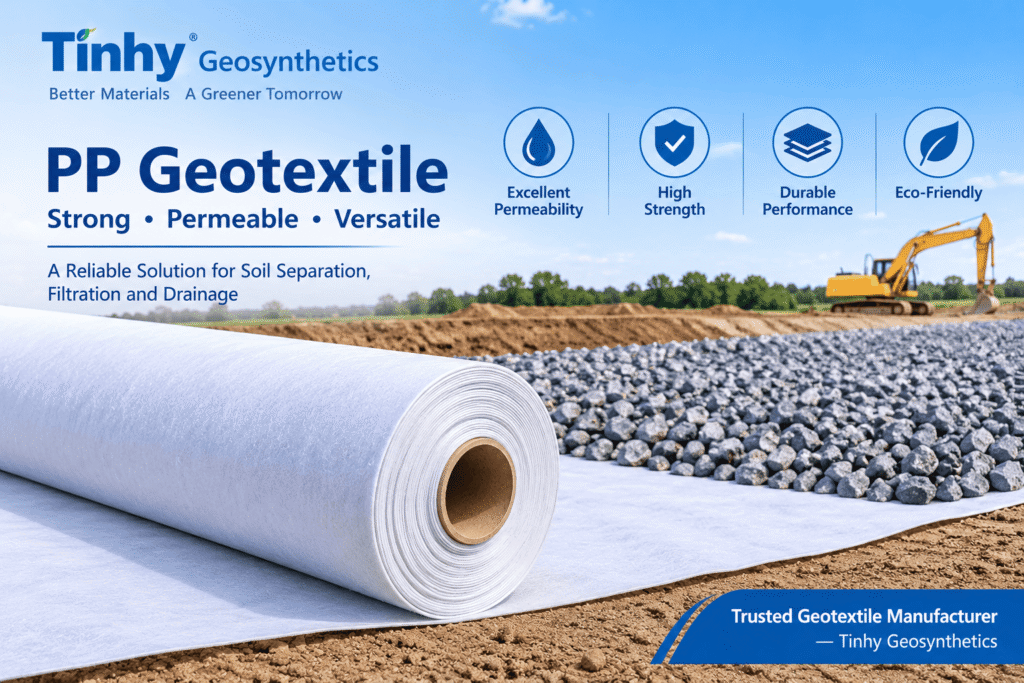
PP Geotextile: Types, Properties, Applications and Selection Guide
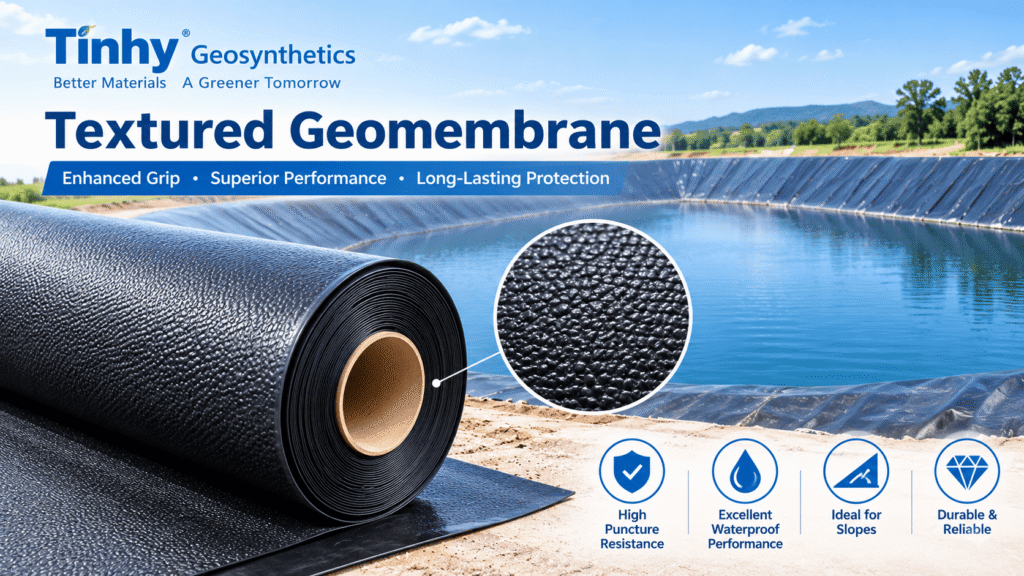
Textured Geomembrane: Benefits, Applications and Selection Guide
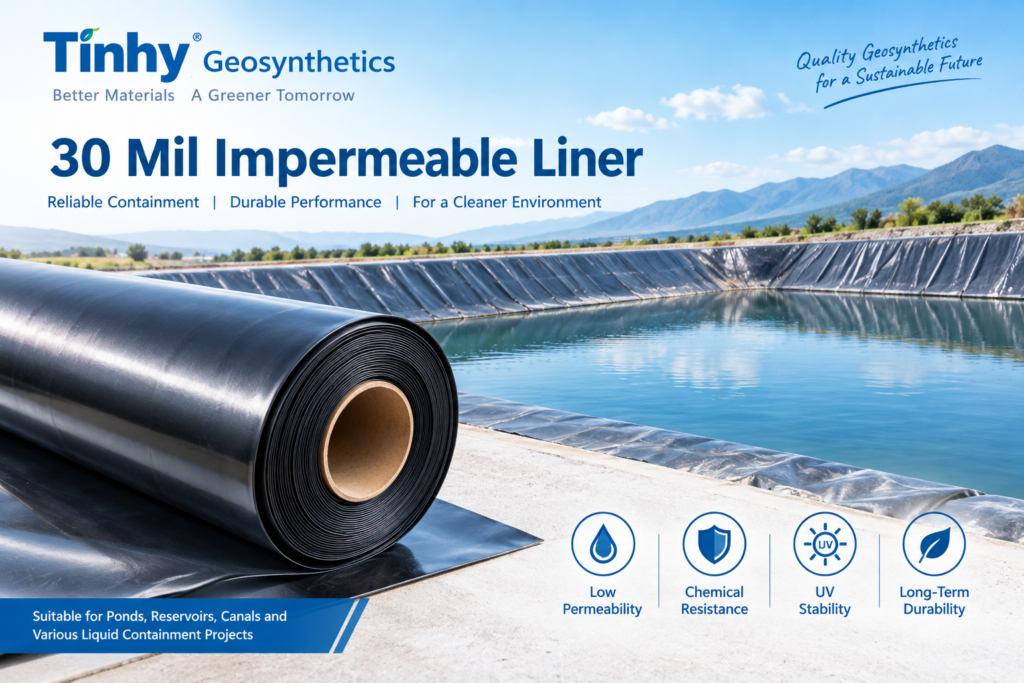
30 Mil Impermeable Liner: A Guide to Thickness, Uses and Selection
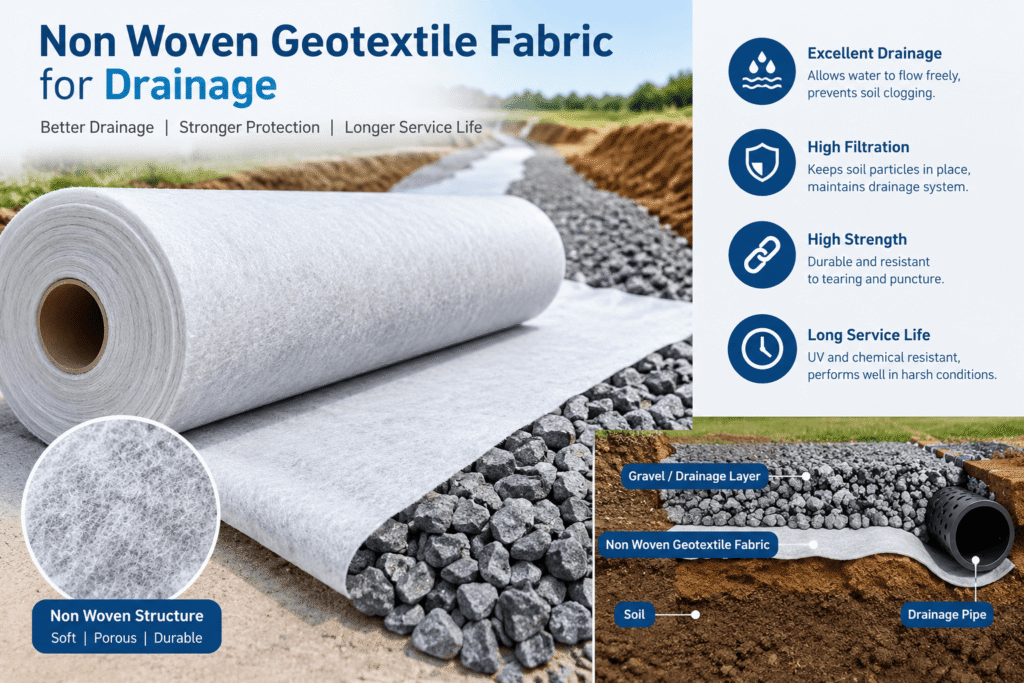
Non Woven Geotextile Fabric for Drainage: A Complete Guide
30 Mil PVC Liner: Thickness, Benefits, Applications and Buying Guide
LLDPE Geomembrane: Properties, Specifications, Benefits and Applications
Should HDPE or PVC be used to install geomembrane in reservoirs?
What is the price of geomembrane?
Material characteristics of three different geomembranes
Esquema de construcción de geomembrana de HDPE y medidas técnicas
hdpe geomembrane pond liner in Congo (DRC)
How to lay and weld HDPE geomembrane?
HDPE geomembrane 0.2-4.0mm
HOME ABOUT PRODUCTS APPLICATION CONTENTUS RESOURCES
Home Resources Knowledge Base HDPE Geomembrane Liner Systems for Tailings Storage Facilities: Design, Components and QA/QC

HDPE Geomembrane Liner Systems for Tailings Storage Facilities: Design, Components and QA/QC

time:November 07, 2026 Views:9

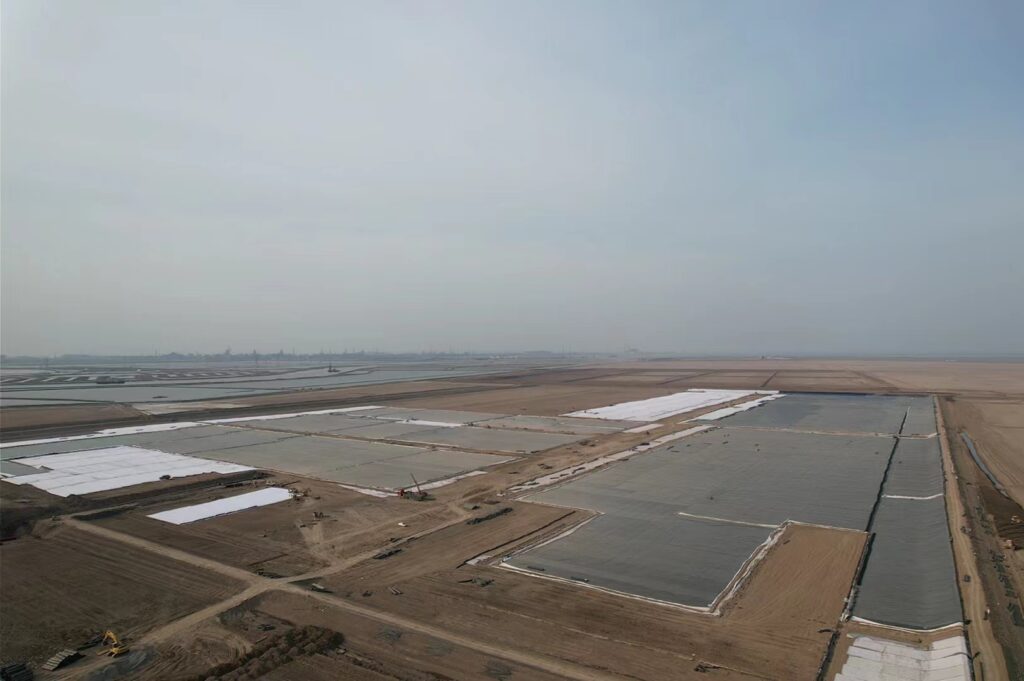
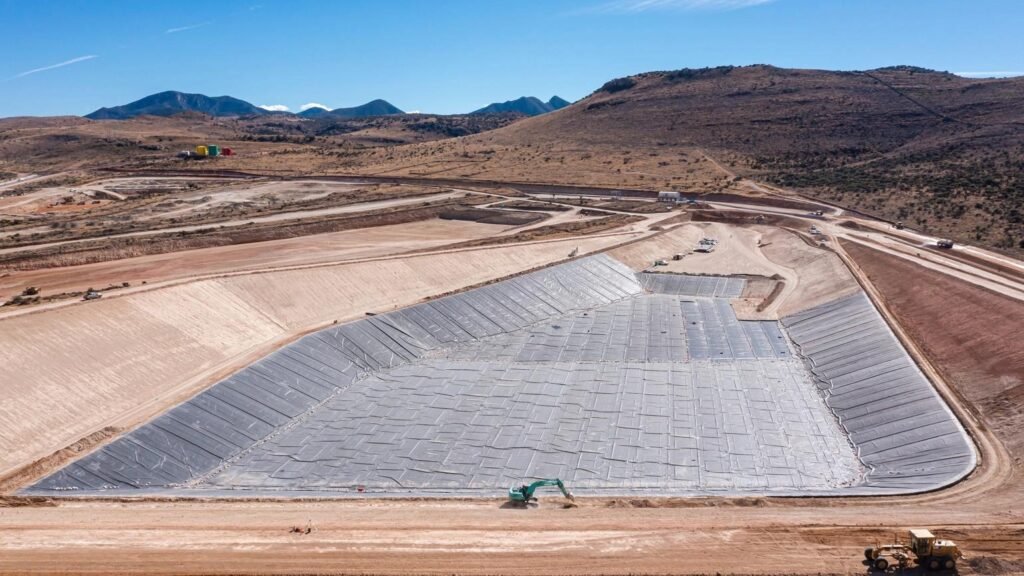
Mining operations generate large volumes of tailings that must be stored and managed under carefully controlled conditions. A Tailings Storage Facility (TSF) is an engineered facility designed to contain mine tailings and associated water throughout its operating life and subsequent closure stages.

Seepage control is an important part of TSF design. HDPE geomembranes are widely used as low-permeability barriers in mining containment applications. When properly specified and installed as part of an engineered liner system, they can help reduce seepage and limit the migration of potentially contaminated water into surrounding soil and groundwater.

However, a geomembrane should never be considered a complete tailings facility solution on its own. Its performance depends on the supporting subgrade, protection materials, drainage arrangements, interface stability, installation quality and long-term monitoring.

This guide explains the main functions of HDPE geomembranes in tailings storage facilities and the key considerations when specifying a mining liner system.

1. What Is a Tailings Storage Facility?

A Tailings Storage Facility is an engineered structure used to store residual materials generated during mineral processing. Depending on the mining process, tailings may contain fine mineral particles, water, dissolved salts, residual processing chemicals and other substances.

A TSF may include several engineered elements:

  • A containment embankment or dam structure
  • A prepared foundation and basin
  • A tailings deposition and storage area
  • Water collection and management facilities
  • Seepage collection or drainage systems
  • Monitoring and instrumentation systems

The design varies according to site geology, topography, tailings characteristics, water balance, climate, regulatory requirements and the selected tailings storage method.

A tailings storage facility is not the same as a heap leach pad or a process water pond. These mining applications may all use geomembranes, but their loading conditions, chemical exposure, drainage requirements and liner configurations can be significantly different.

2. Why Are HDPE Geomembranes Used in Tailings Containment?

HDPE geomembranes are used as low-permeability barrier components in selected mining containment systems.

2.1 Seepage Control

A properly manufactured and installed geomembrane provides a barrier that significantly reduces liquid movement through the lined area.

This function is particularly important where seepage may affect groundwater quality or surrounding environmental conditions.

Actual seepage performance also depends on the condition of the geomembrane, seam integrity, subgrade contact, hydraulic head and the overall liner configuration.

2.2 Chemical Compatibility

Mine tailings and process water can contain different chemical constituents, including acids, alkalis, salts and residual processing chemicals.

HDPE generally offers good resistance to many chemical environments. Nevertheless, compatibility should be evaluated against the actual chemical composition, concentration, temperature and exposure duration of the project.

Generic chemical-resistance descriptions should not replace project-specific evaluation when unusual or aggressive conditions are expected.

2.3 Mechanical Performance

During construction and operation, a geomembrane may be exposed to stresses caused by:

  • Subgrade irregularities
  • Localized loading
  • Settlement and deformation
  • Installation activities
  • Contact with coarse or sharp materials
  • Long-term loading from deposited tailings

The material specification and protective layers should be selected to address the expected conditions.

2.4 Environmental Protection

By limiting seepage through the containment boundary, an engineered liner system can contribute to environmental protection.

It should be integrated with water management, seepage collection, inspection and monitoring measures rather than treated as a substitute for them.

3. Main Components of a Tailings Facility Liner System

The liner configuration must be developed for the actual project. A system may incorporate several geosynthetic and soil components.

3.1 Prepared Subgrade

The prepared foundation supports the liner system.

Before geomembrane installation, the subgrade should be evaluated for:

  • Sharp stones and protruding objects
  • Surface irregularities
  • Soft or unstable areas
  • Differential settlement risks
  • Drainage and groundwater conditions
  • Construction traffic and access requirements

The surface should be prepared according to the project drawings and installation specifications.

Poor subgrade preparation can increase localized stress and the risk of geomembrane damage.

3.2 Geotextile Protection Layer

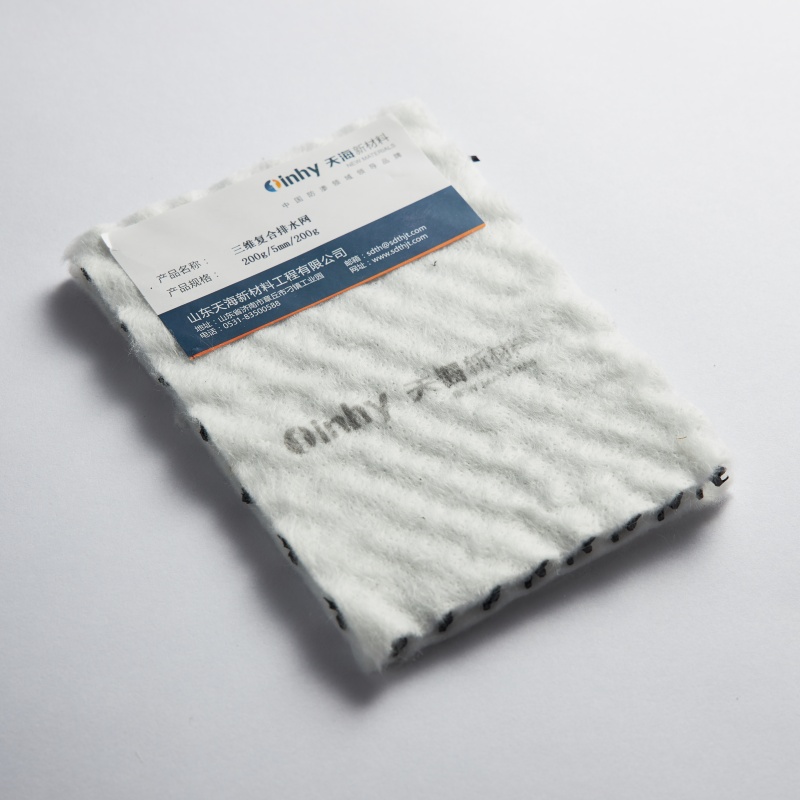
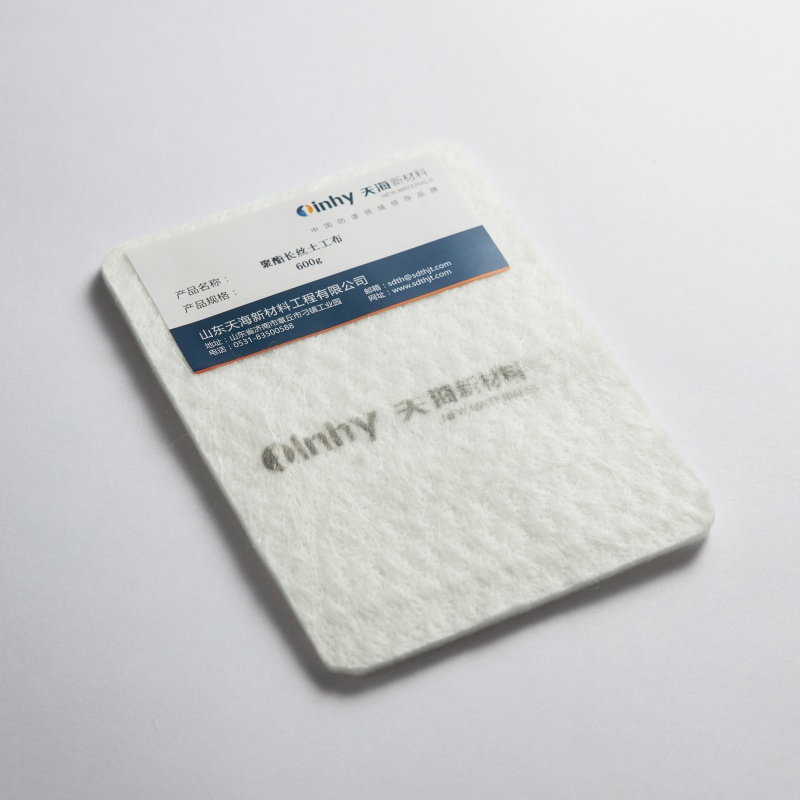
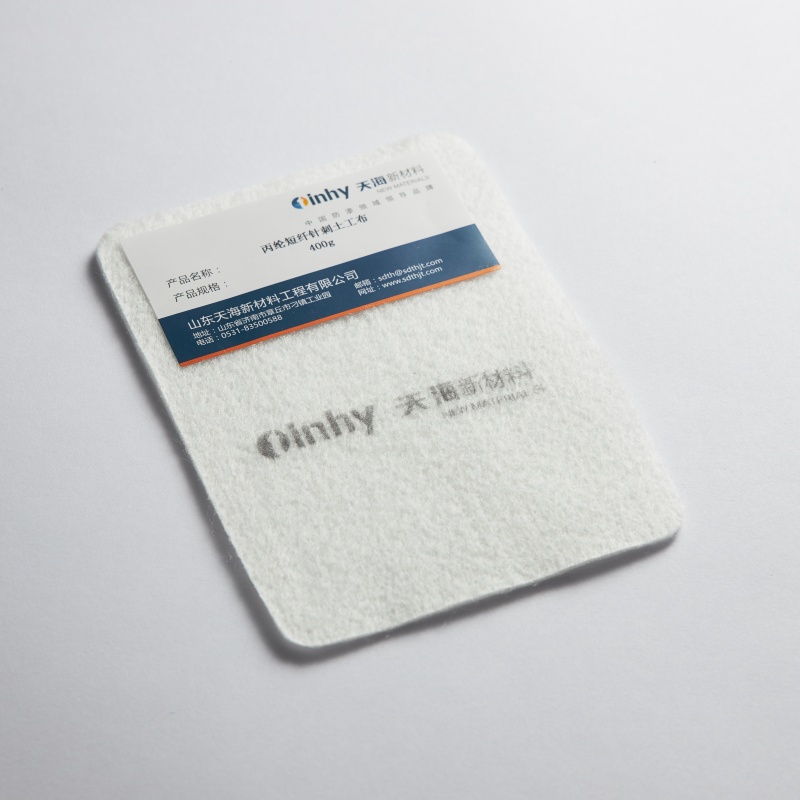
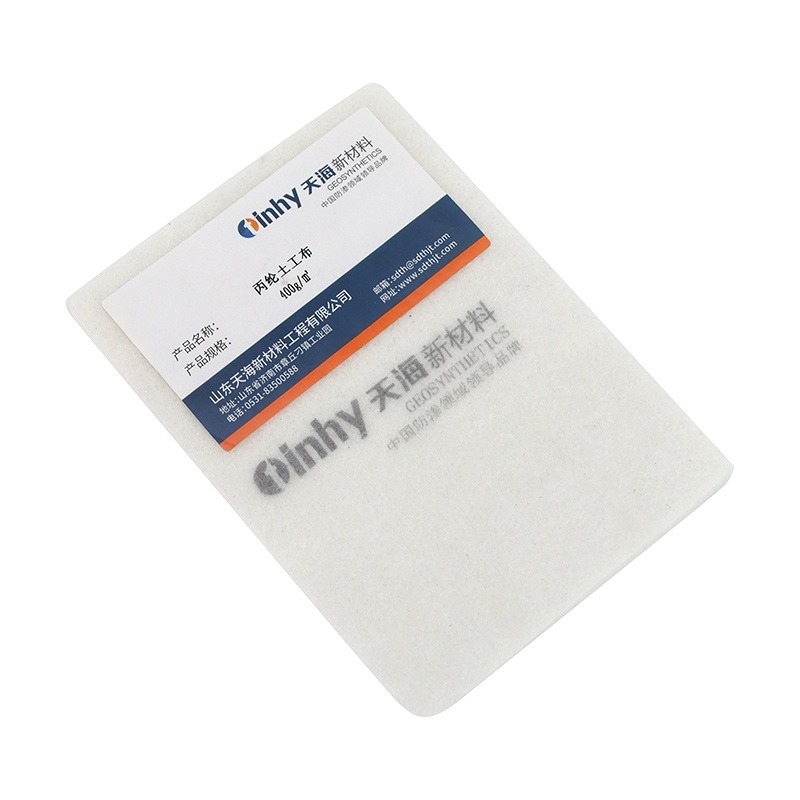
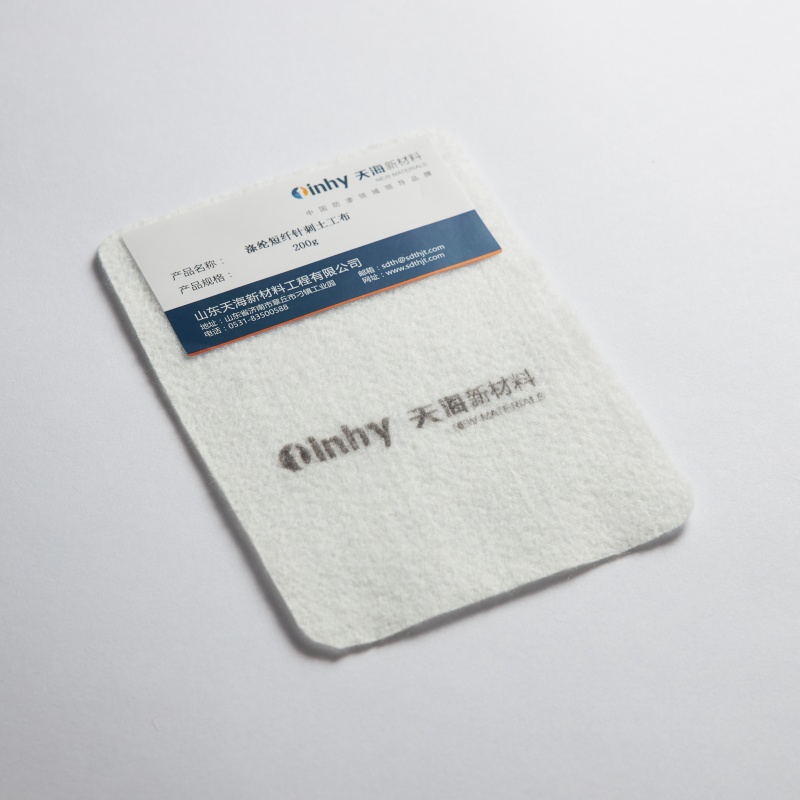
Nonwoven geotextiles may be incorporated above or below a geomembrane where protection is required.

Their functions can include:

  • Cushioning the geomembrane against localized contact stresses
  • Reducing the risk of damage from sharp particles
  • Providing separation between adjacent materials
  • Supporting filtration functions where specified by the design

The appropriate geotextile should be selected according to its mass per unit area, puncture resistance, tensile properties, thickness and contact materials.

A standard geotextile weight should not be assumed suitable for every tailings project.

3.3 HDPE Geomembrane Barrier

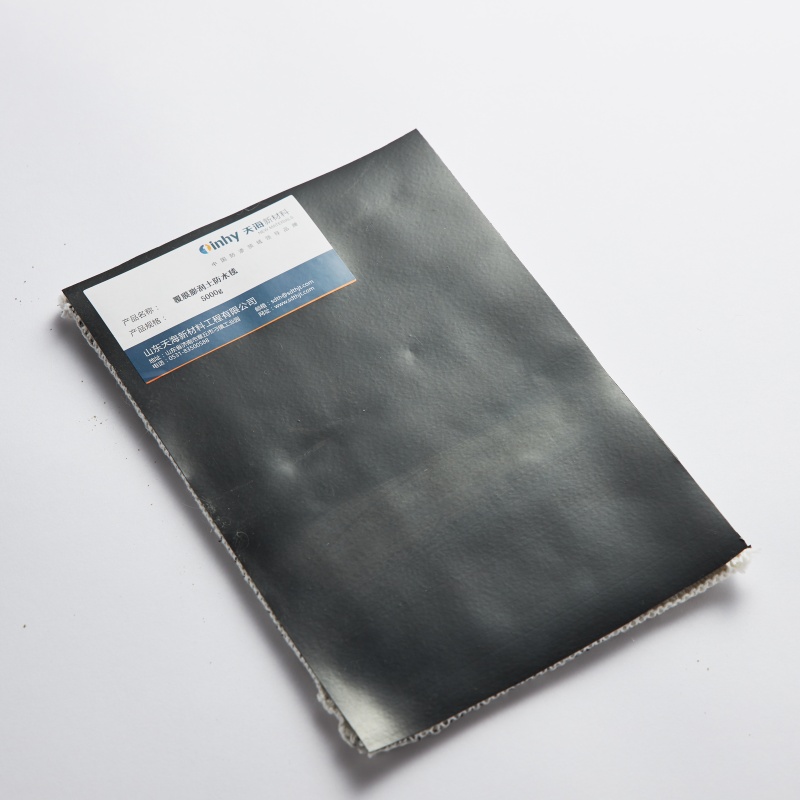
The HDPE geomembrane is the primary low-permeability component in many mining liner configurations.

The specification may include:

  • Material type and resin requirements
  • Nominal thickness
  • Smooth or textured surface
  • Tensile and puncture properties
  • Oxidative resistance
  • Carbon black content and dispersion
  • Roll width and length
  • Applicable material standards

The final specification should be consistent with the project design and procurement documents.

3.4 Drainage and Seepage Collection Components

Drainage systems may be required to collect or convey water, manage hydraulic pressure, or provide a means of detecting and managing leakage.

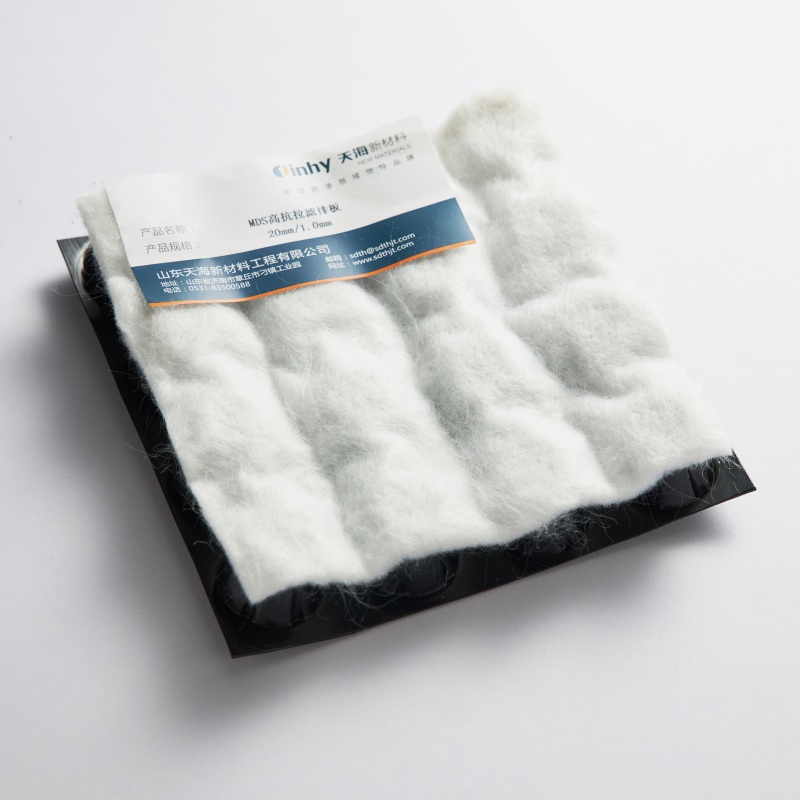
Depending on the design, components may include drainage aggregates, geonets, geocomposites, perforated pipes and collection channels.

The drainage layer must be designed for the expected flow conditions, loading, filter compatibility and long-term performance.

Its location relative to the geomembrane should be determined by the project engineer. It should not be assumed that every TSF requires the same drainage arrangement.

3.5 Composite or Double-Liner Configurations

Some projects may require a composite liner or a double-liner system.

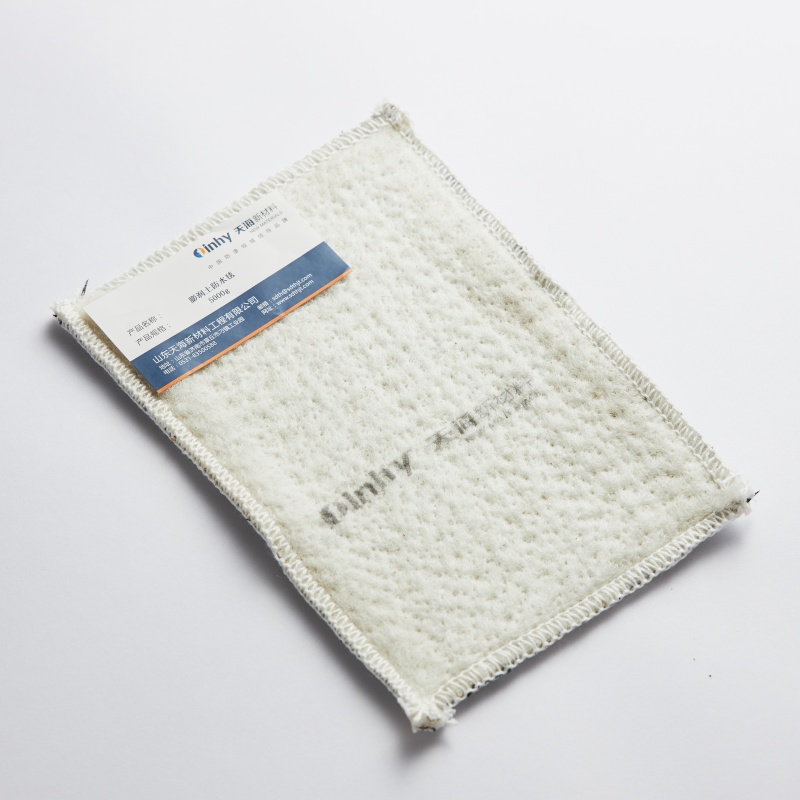
A composite liner may combine a geomembrane with a compacted low-permeability soil layer or a geosynthetic clay liner (GCL).

A double-liner configuration may incorporate a secondary barrier and an intermediate leak collection or detection layer.

The selection depends on regulatory requirements, environmental risk, site conditions, hydraulic conditions and project-specific design criteria.

4. How to Select the Right HDPE Geomembrane

Selecting an HDPE geomembrane involves more than comparing product thickness and price.

4.1 Thickness Selection

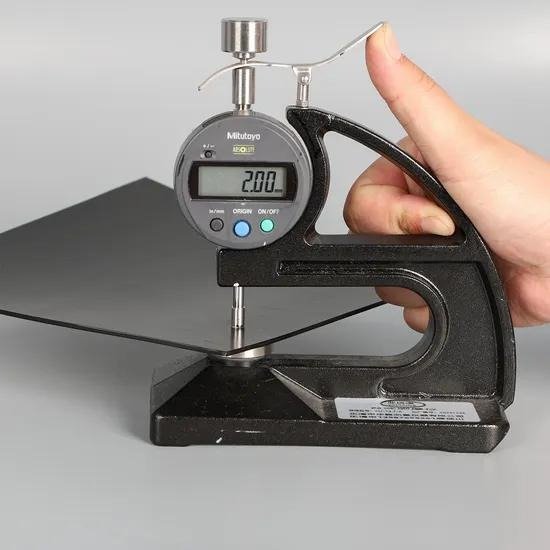
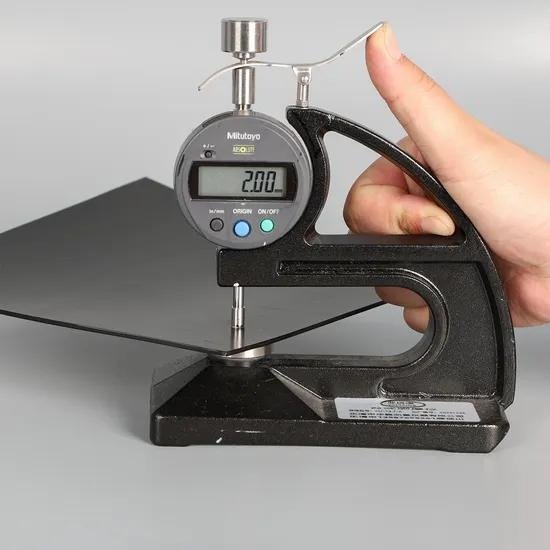
HDPE geomembranes are available in different thicknesses, including 1.0 mm, 1.5 mm, 2.0 mm, 2.5 mm and 3.0 mm.

These are common product thickness options, not universal design recommendations for tailings facilities.

The required thickness should be evaluated against:

  • Subgrade condition and stiffness
  • Expected normal and localized loading
  • Potential puncture and installation risks
  • Tailings characteristics
  • Protection layer configuration
  • Slope geometry
  • Design life and exposure conditions
  • Applicable project specifications

A thicker geomembrane does not automatically solve problems caused by poor subgrade preparation, inadequate protection or an unsuitable liner configuration.

For more information, see the HDPE Geomembrane Thickness Selection Guide.

4.2 Smooth or Textured Surface?

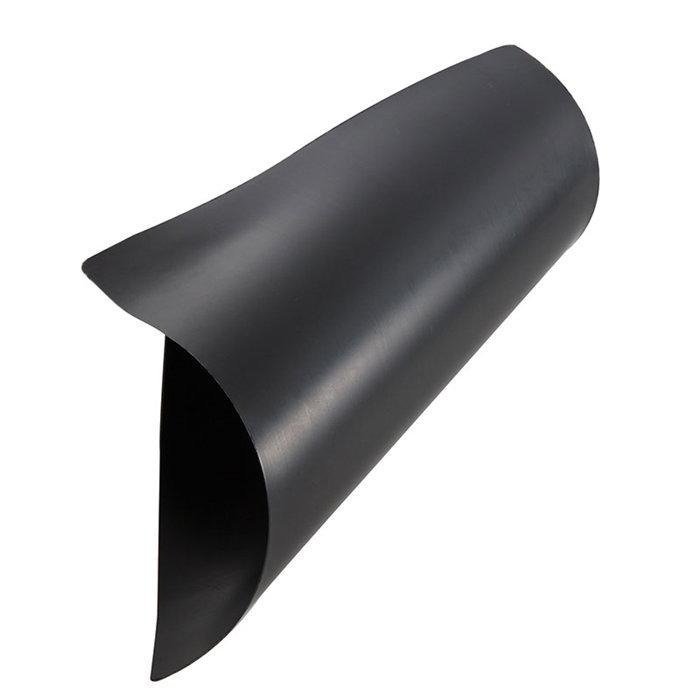
Smooth and textured HDPE geomembranes may be used in different parts of a mining containment system.

Smooth geomembranes may be considered for base areas or other locations where the design does not require enhanced interface friction.

Textured geomembranes may be considered on slopes or at interfaces where higher shear resistance is required.

However, surface texture alone cannot establish slope stability.

Interface shear testing should represent the actual materials in contact, such as geomembrane against soil, geotextile, GCL or drainage composites.

ASTM D5321/D5321M provides a test method for evaluating the shear resistance of soil-geosynthetic and geosynthetic-geosynthetic interfaces.

The test results should be assessed by the project design team as part of the overall stability analysis.

Read more: Smooth vs Textured HDPE Geomembrane.

4.3 Chemical and Temperature Conditions

Before specifying a geomembrane, the project team should provide available information about:

  • Tailings and process-water chemistry
  • pH range
  • Chemical concentrations
  • Operating temperature
  • Expected exposure duration
  • Outdoor UV exposure
  • Potential contact with oils, solvents or oxidizing substances

This information helps determine whether additional compatibility evaluation or specific material requirements are necessary.

5. Installation Considerations for Mining Geomembranes

Installation quality has a direct influence on liner system performance.

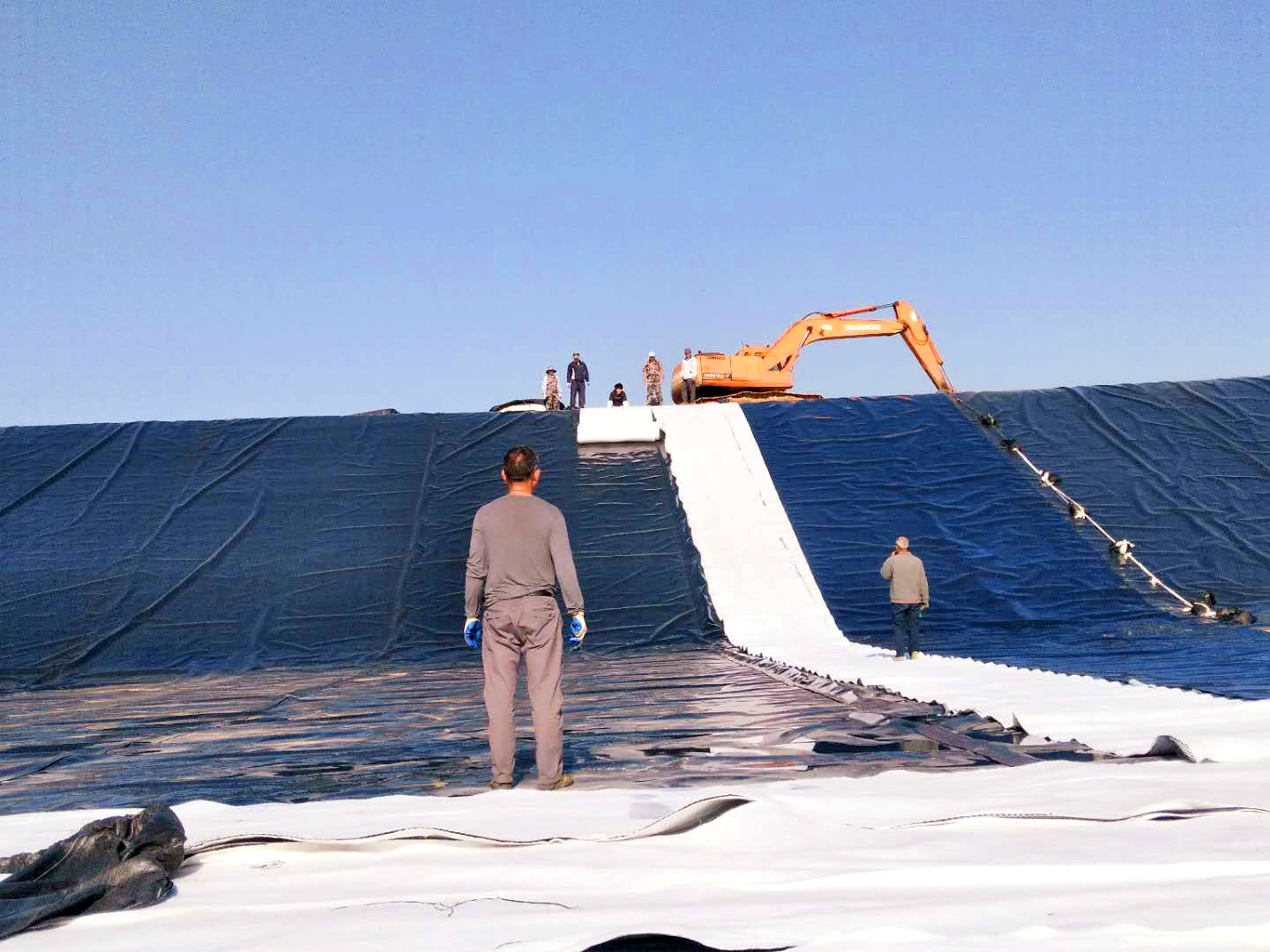
Large mining projects may involve extensive panel deployment, long seam lengths, changing weather conditions and challenging site access.

Important installation considerations include:

5.1 Panel Layout and Deployment

Panel layout should follow the approved installation drawings.

The installation team should consider:

  • Roll dimensions and panel orientation
  • Slope direction and anchor details
  • Seam locations
  • Wind conditions
  • Site access and equipment movement
  • Protection against damage during deployment

Uncontrolled movement of equipment over exposed geomembranes should be avoided.

5.2 Thermal Welding

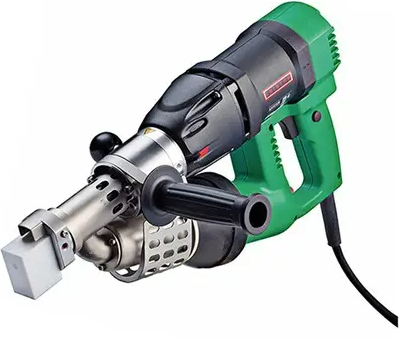
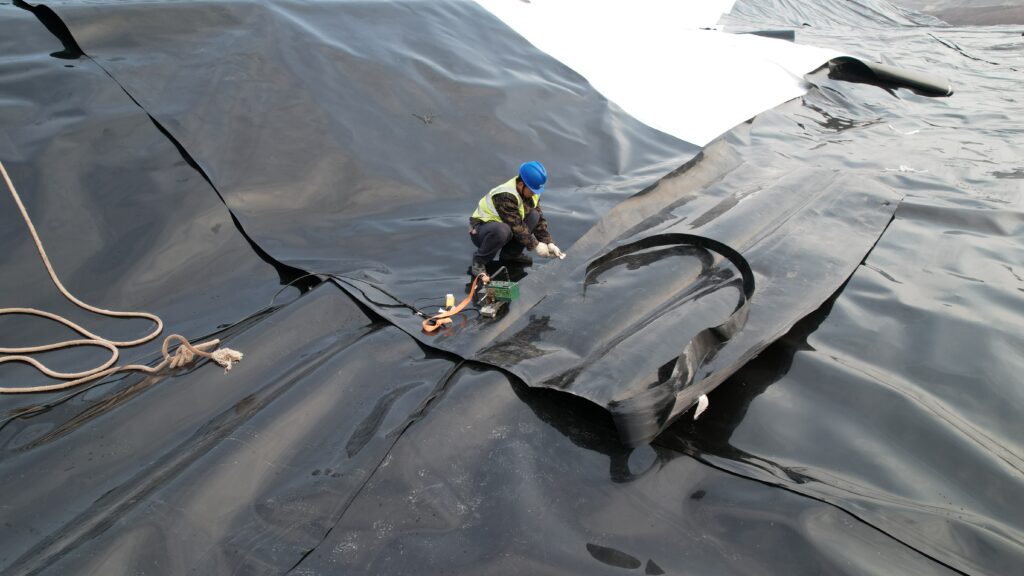
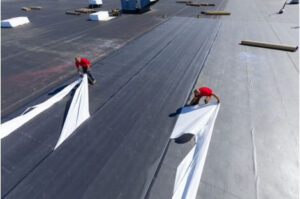
HDPE geomembrane panels are commonly joined using hot wedge welding and extrusion welding.

Welding conditions should be controlled according to the material, equipment, weather and project procedures.

Trial seams should be completed as required by the project specification before production welding begins.

5.3 Field Seam Inspection

Field seams are critical parts of the containment barrier.

Depending on the seam configuration and project requirements, quality control may include:

  • Visual inspection
  • Air-pressure testing of suitable dual-track seams
  • Vacuum testing of suitable details and seams
  • Destructive peel and shear testing
  • Documentation of repairs and retesting

ASTM D6392/D6392M is a relevant method for destructive testing of nonreinforced geomembrane seams made using thermo-fusion methods. The applicable method should be selected according to the seam type and project specification.

The inspection program should be documented in the project’s Construction Quality Assurance (CQA) plan.

6. Quality Control: What Should Buyers Check?

Before accepting HDPE geomembrane materials for a mining project, buyers and project teams should review the relevant technical and quality documents.

Important checks may include:

Quality Item What to Verify
Thickness Test method, measured values and specified tolerance
Density Compliance with the specified material requirements
Tensile properties Yield and break properties where specified
Tear resistance Results against project requirements
Puncture resistance Performance under the specified test method
Stress crack resistance Compliance with applicable requirements
Carbon black Content and dispersion where required
Oxidative resistance OIT results and applicable test method
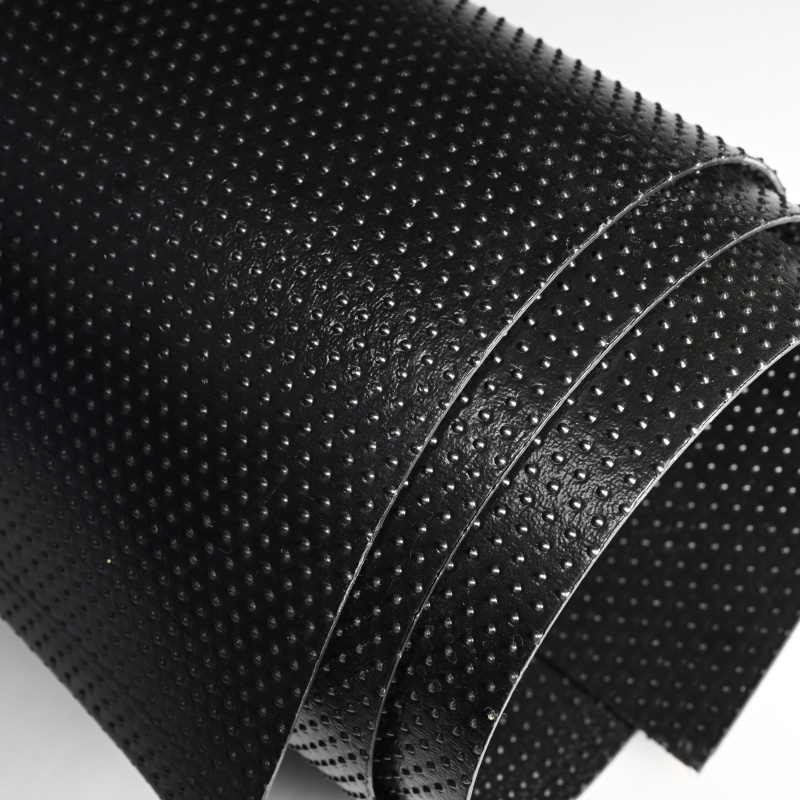
Surface type Smooth, single-sided textured or double-sided textured
Roll identification Product type, thickness, dimensions and batch traceability

For HDPE geomembranes, GRI-GM13 is a widely referenced material specification. The project team should verify the applicable revision, product category, thickness range, test methods and acceptance criteria.

Factory material testing and field installation testing are different quality-control activities. A factory test report does not replace field seam inspection and CQA documentation.

For a more detailed explanation, see HDPE Geomembrane Quality Inspection: 10 Key Tests and Standards.

7. What Information Should Be Provided When Requesting a Quotation?

For a mining geomembrane project, a detailed inquiry helps manufacturers prepare a more accurate technical and commercial proposal.

Buyers should provide:

  1. Project country and delivery location
  2. Project type: TSF, tailings pond or another mining application
  3. Required geomembrane material
  4. Thickness and surface type
  5. Total quantity or estimated coverage area
  6. Roll width and length requirements
  7. Tailings or process-water chemical information, if available
  8. Geotextile, GCL or drainage material requirements
  9. Applicable standards and technical specifications
  10. Required delivery schedule

Where available, project drawings, technical specifications and liner system details should also be shared for review.

8. Frequently Asked Questions

What is the main function of HDPE geomembrane in a tailings storage facility?

HDPE geomembrane is used as a low-permeability barrier to reduce seepage through designated areas of the containment system. Its performance depends on material quality, subgrade preparation, seam integrity and the complete liner design.

Is HDPE geomembrane suitable for acidic mine tailings?

HDPE generally has good resistance to many acidic environments. However, suitability depends on the specific chemical composition, concentration, temperature and exposure duration. Project-specific compatibility should be evaluated where necessary.

What thickness of HDPE geomembrane is used for tailings facilities?

Common product options include 1.5 mm, 2.0 mm, 2.5 mm and 3.0 mm. The final thickness must be determined by the engineering design and project specifications rather than by a general industry rule.

Should textured HDPE geomembrane be used on tailings dam slopes?

Textured geomembrane may be considered where increased interface shear resistance is required. The actual interface performance should be verified through appropriate testing and slope stability analysis.

Is geotextile necessary for a tailings liner system?

Not in every project. Geotextile may be used for protection, separation or filtration where required by the design. Its properties and placement should be selected according to the actual contact materials and loading conditions.

Does HDPE geomembrane alone guarantee tailings facility safety?

No. A geomembrane is only one component of a broader engineered facility. Overall safety also depends on embankment and foundation stability, water management, drainage, construction quality, operation, monitoring and closure planning.

Conclusion

HDPE geomembranes can play an important role in seepage control for mining and tailings containment projects. However, reliable performance requires more than selecting a suitable membrane.

The complete liner system should account for subgrade preparation, protection layers, drainage, interface shear strength, material compatibility, welding quality and inspection procedures.

For mining companies, EPC contractors and engineering consultants, early coordination between the design team, material manufacturer and installation contractor helps ensure that the selected geosynthetics meet the actual project requirements.

Looking for HDPE geomembranes for a mining or tailings containment project?

Contact Tinhy Geosynthetics with your required thickness, surface type, quantity, roll dimensions and project specifications. Our team can provide product information and a quotation based on your project requirements.

Knowledge Base
Share:
info@tinhygeosynthetics.com Bai Jinxi
Consultation

    Get The Latest Product Prices

    Your inquiries are welcomed at any time and please feel free to contact us via email, phone calls, and online chatbox on our site.

    We will definitely give you a reply ASAP after we receive your messages.

      0/180