Resources
Company News
Industry News
Knowledge Base
Project Cases
Innovation
Team Power Fuels TINHY’s Global Geosynthetics Solutions
Tinhy and University of Jinan Celebrate Six Years of Industry–University Collaboration
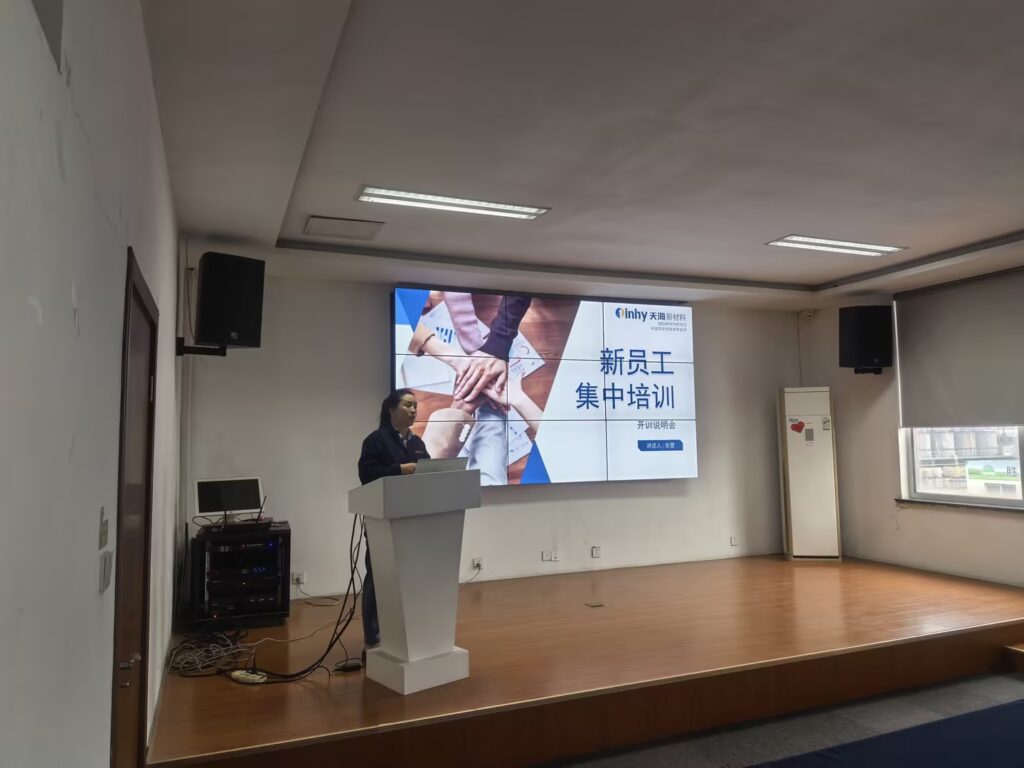
Empowering New Talent, Building the Future: Tinhy Successfully Conducts New Employee Orientation Training

Tinhy Conducts Comprehensive Emergency Drill to Strengthen Workplace Safety Defenses
Company Mid – Year Summary and Team – Building Activity Report
Is geomembrane a geotechnical engineering material?
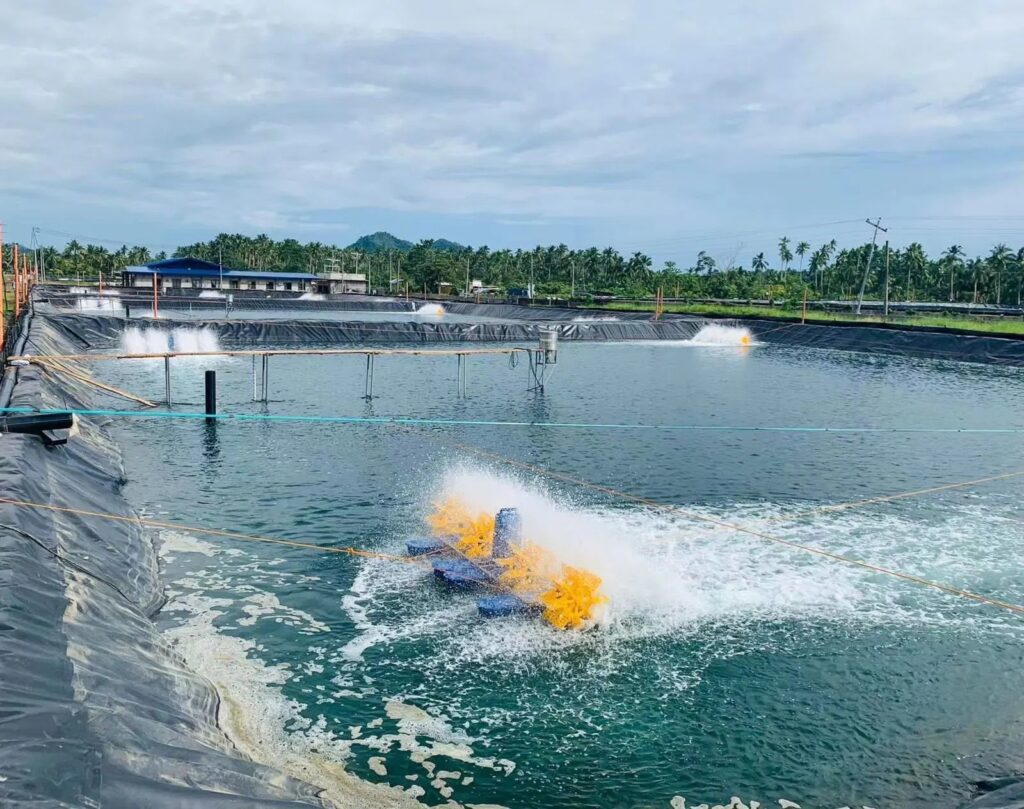
What are the application scenarios of geomembrane?
What are the functions of geotextiles?
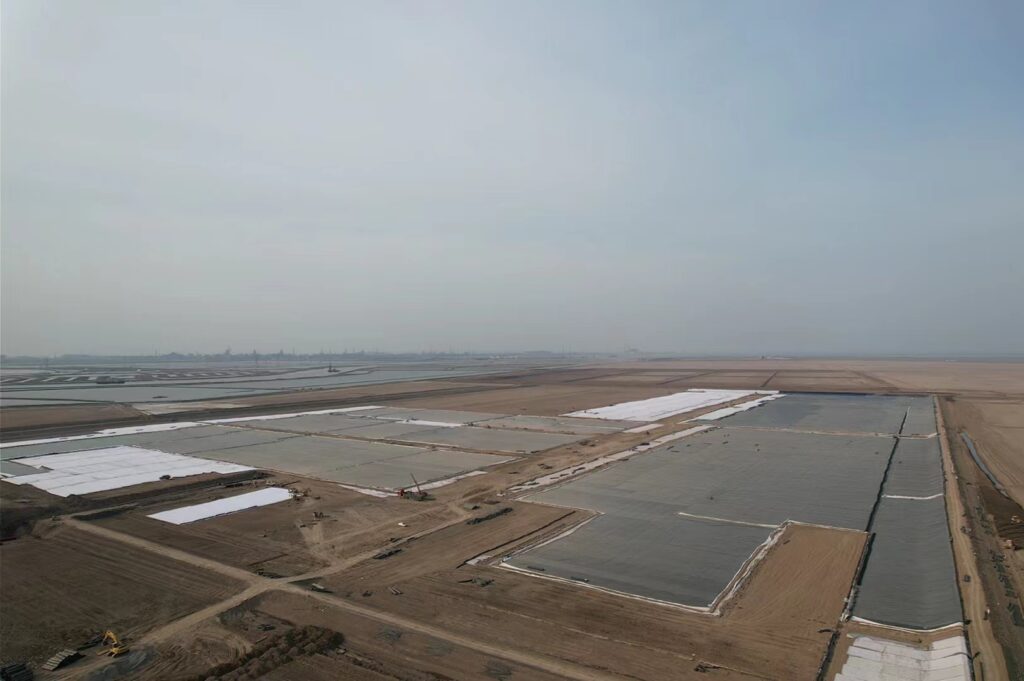
Cómo elegir geomembrana de hdpe en proyectos de ingeniería
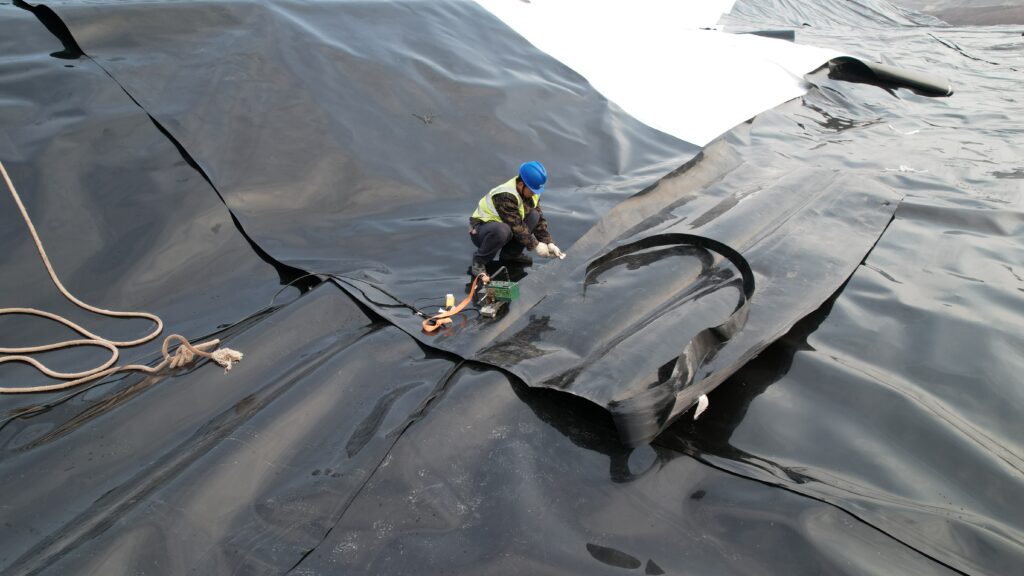
How to choose hdpe geomembrane in engineering projects
China’s Geotechnical Construction Materials Embrace New Opportunities
Tips for Moisture-Proof Storage of Geotextiles
Key Construction Points and Precautions for High-Density Polyethylene Geomembrane
what is pond lining material ?
What is geomembrane?
HDPE geomembrane construction plans and technical measures

What quality tests do HDPE geomembranes need to do?
Tinhy’s MDS® Drainage Solution
Installation Robots
HDPE Geomembrane Quality Inspection: 10 Key Tests and Standards
Smooth vs Textured HDPE Geomembrane: Differences, Applications and Selection Guide
HDPE Geomembrane Thickness Selection Guide
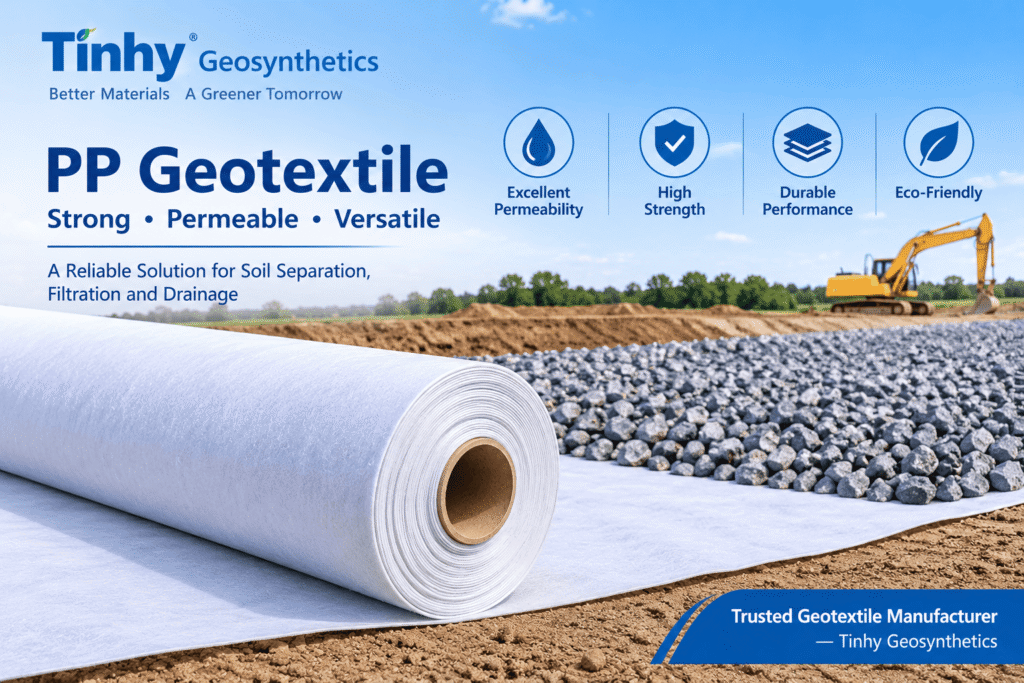
PP Geotextile: Types, Properties, Applications and Selection Guide
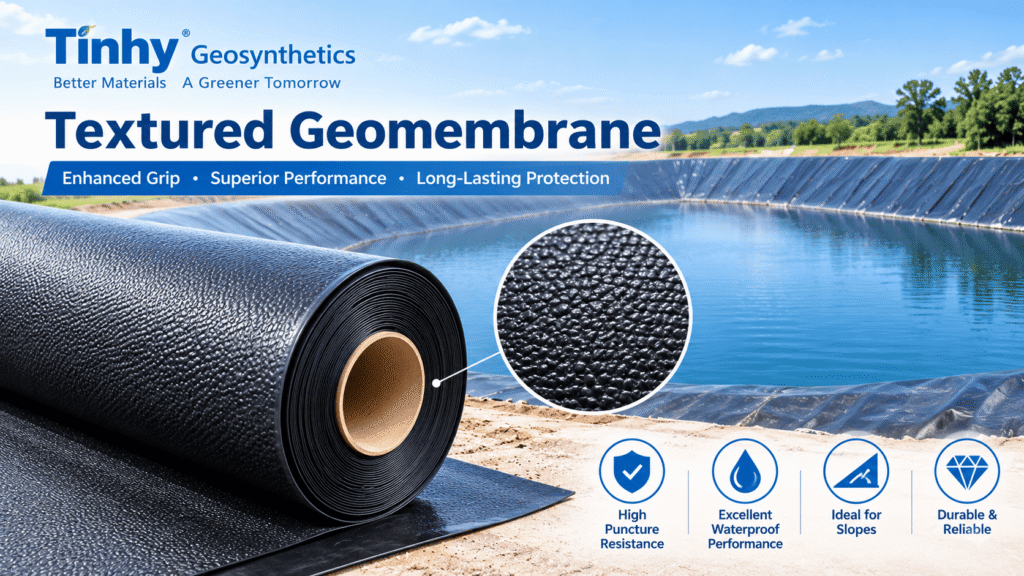
Textured Geomembrane: Benefits, Applications and Selection Guide
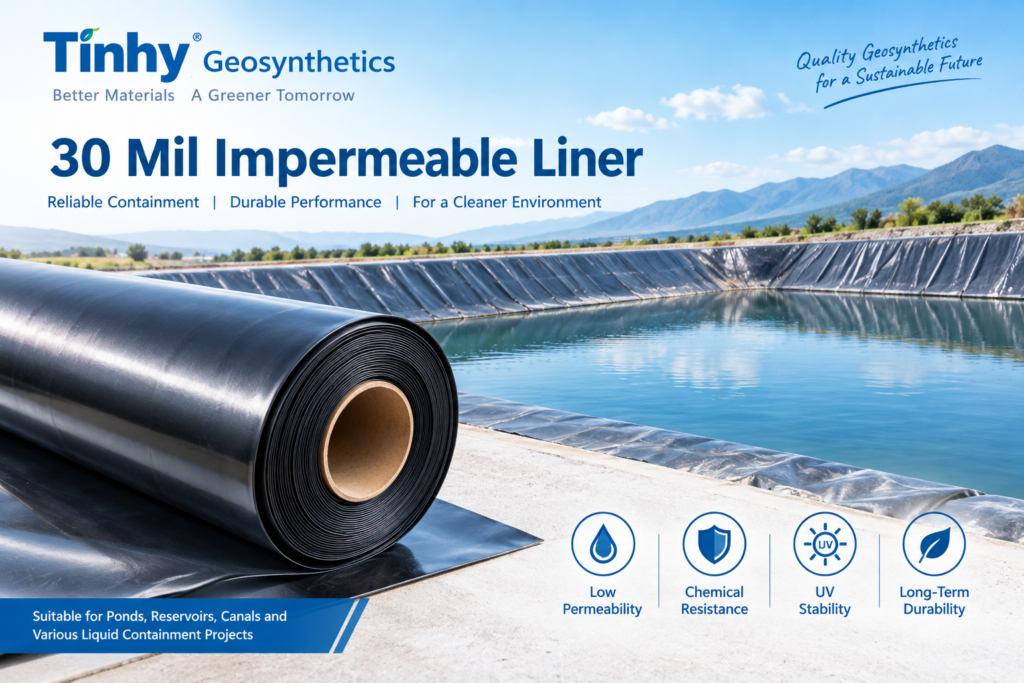
30 Mil Impermeable Liner: A Guide to Thickness, Uses and Selection
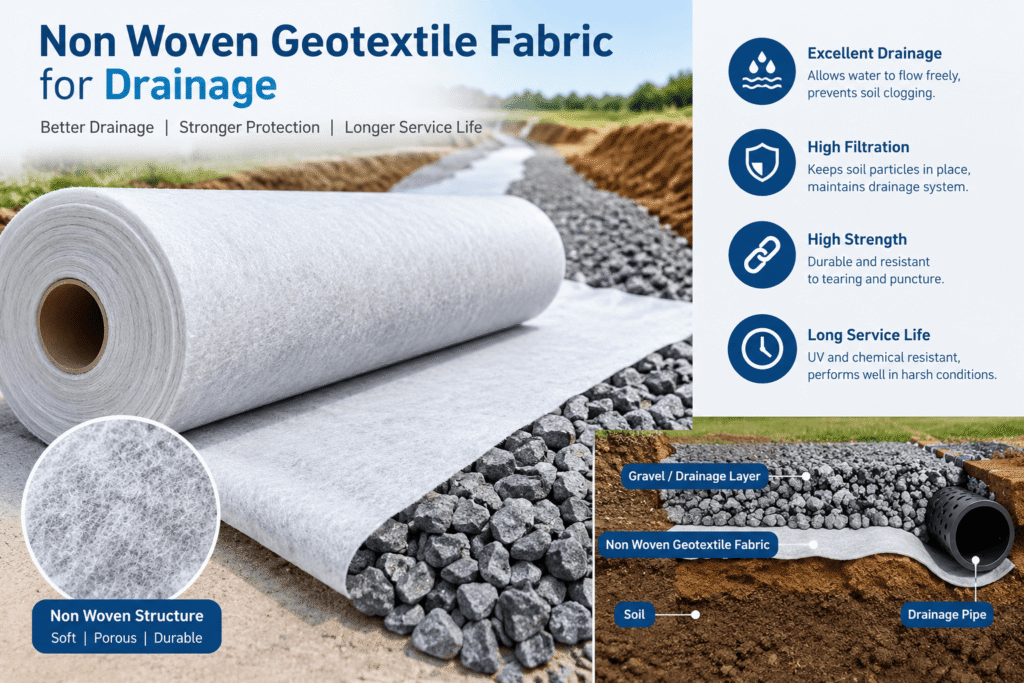
Non Woven Geotextile Fabric for Drainage: A Complete Guide
30 Mil PVC Liner: Thickness, Benefits, Applications and Buying Guide
LLDPE Geomembrane: Properties, Specifications, Benefits and Applications
Geomembrane Service Life: How Long Does a Geomembrane Last?
Should HDPE or PVC be used to install geomembrane in reservoirs?
What is the price of geomembrane?
Material characteristics of three different geomembranes
Esquema de construcción de geomembrana de HDPE y medidas técnicas
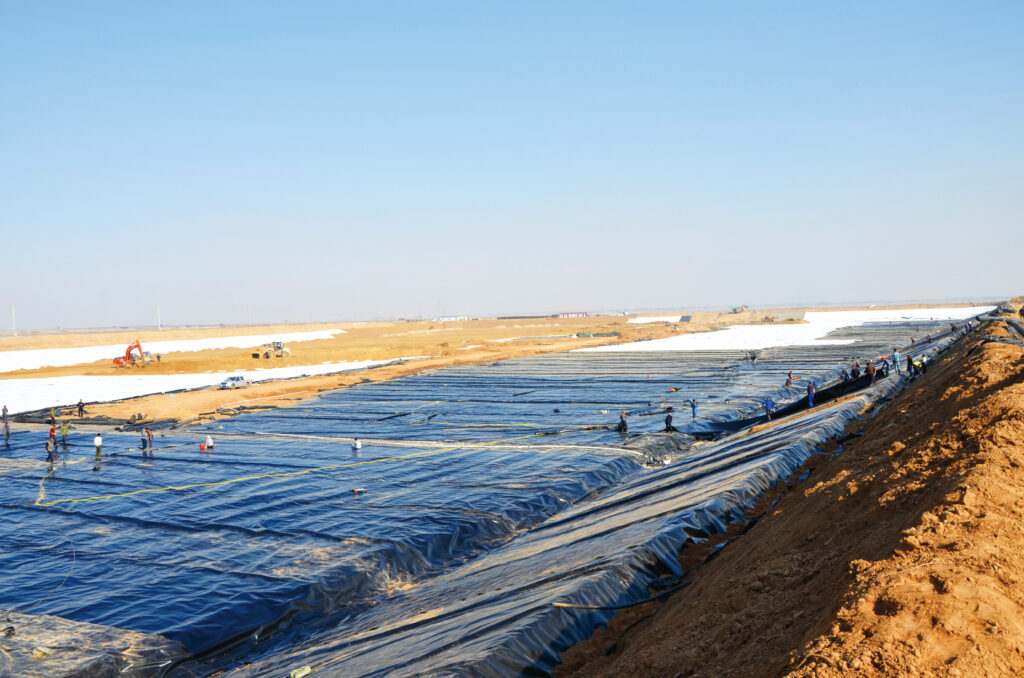
hdpe geomembrane pond liner in Congo (DRC)
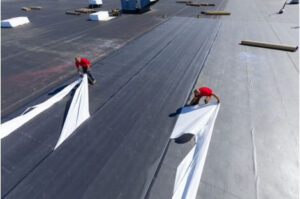
How to lay and weld HDPE geomembrane?
HDPE geomembrane 0.2-4.0mm
HOME ABOUT PRODUCTS APPLICATION CONTENTUS RESOURCES
Home Resources Knowledge Base HDPE Geomembrane Quality Inspection: 10 Key Tests and Standards

HDPE Geomembrane Quality Inspection: 10 Key Tests and Standards

time:November 06, 2026 Views:2

HDPE geomembrane is widely used in landfills, mining facilities, reservoirs, wastewater treatment ponds, aquaculture projects, and industrial containment systems. Its performance depends not only on thickness but also on material properties, manufacturing consistency, and installation quality.

For buyers, contractors, and project engineers, checking a product’s technical data sheet is an important first step. However, a reliable quality inspection process should go further by reviewing relevant laboratory test results, production quality records, and field seam inspection documents.

This guide introduces 10 important HDPE geomembrane quality tests and explains what buyers should check before accepting a product.

1. Why HDPE Geomembrane Quality Inspection Matters

HDPE geomembrane serves as a low-permeability barrier in containment systems. Material defects, inconsistent thickness, inadequate mechanical properties, or poor field welding can affect the performance of the completed liner system.

Quality inspection helps buyers and project teams:

  • Verify that the product meets the specified technical requirements.
  • Check consistency between production batches.
  • Identify potential material weaknesses before installation.
  • Confirm that welded seams meet project quality requirements.
  • Maintain traceable quality documentation.

A product should be evaluated against the applicable project specification and relevant testing standards. No single test can demonstrate the overall quality of an HDPE geomembrane.

2. 10 Key HDPE Geomembrane Quality Tests

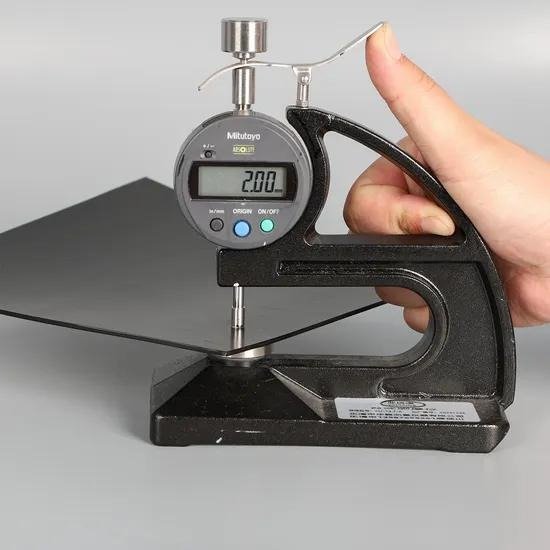
Test 1: Thickness Measurement

Thickness is one of the first properties buyers should verify.

An HDPE geomembrane must meet the nominal thickness and applicable tolerance stated in the purchase specification. Thickness measurement helps identify whether the product is consistent with the ordered specification.

ASTM D5199 is commonly used to measure the nominal thickness of geosynthetics. For textured geomembranes, ASTM D5994/D5994M addresses core thickness measurement.

Buyers should confirm:

  • Nominal thickness
  • Measurement method
  • Individual and average measurement results
  • Applicable tolerance
  • Surface type, especially for textured products

Do not compare textured and smooth geomembranes using an unclear thickness definition. The textured profile and core thickness are not necessarily the same measurement.

Test 2: Density Measurement

Density helps characterize the polyethylene material used in the geomembrane.

For HDPE geomembranes, formulated density is an important property included in GRI-GM13. Density testing can help verify material consistency and conformity with the specified product requirements.

Commonly referenced methods include ASTM D1505 and ASTM D792, depending on the applicable specification.

A density result should be reviewed together with other material properties. Density alone cannot prove that a geomembrane meets all mechanical and durability requirements.

Test 3: Tensile Properties Test

The tensile test evaluates how the geomembrane responds when a controlled pulling force is applied.

Relevant results may include:

  • Yield strength
  • Break strength
  • Yield elongation
  • Break elongation

ASTM D6693/D6693M is a commonly referenced test method for determining tensile properties of nonreinforced polyethylene geomembranes.

These results help characterize the material’s tensile behavior under the specified laboratory test conditions.

Buyers should check whether the report identifies the specimen direction, test method, product thickness, and reported values. Machine direction and cross-machine direction results may both be relevant under the applicable specification.

Test 4: Tear Resistance Test

Tear resistance evaluates the force required to continue a tear in a geomembrane specimen.

This property is important when considering possible damage during handling, deployment, and installation.

ASTM D1004 is commonly referenced for initial tear resistance testing of plastic film and sheeting in HDPE geomembrane specifications.

The test result should be compared with the applicable product specification. A higher tear resistance value may be beneficial, but it should not be used as a substitute for checking puncture resistance, tensile properties, or installation protection.

Test 5: Puncture Resistance Test

Puncture resistance measures how a geomembrane responds to a concentrated force applied through a specified probe.

It is particularly relevant where the liner may contact soil particles, aggregates, protective layers, or other materials that could create localized stresses.

ASTM D4833 is a commonly referenced index puncture test method for geomembranes and related products.

Buyers should review the test method, specimen thickness, reported force, and project acceptance criteria.

A geomembrane’s puncture resistance should also be considered together with subgrade preparation and any protective geotextile layer included in the design.

Test 6: Stress Crack Resistance Test

Environmental stress cracking is a potential long-term failure mechanism for polyethylene materials under certain combinations of stress and environmental exposure.

Stress crack resistance testing helps evaluate the material’s resistance to this type of failure under defined laboratory conditions.

ASTM D5397 includes a notched constant tensile load test method used in evaluating the stress crack resistance of polyethylene geomembranes.

For textured geomembranes, specimen preparation and test suitability require particular attention. GRI-GM13 provides specific guidance concerning testing textured materials and smooth-edge specimens.

Buyers should check the reported test method, specimen preparation, test duration, and applicable acceptance requirements.

Test 7: Carbon Black Content and Dispersion

Carbon black is commonly incorporated into black HDPE geomembranes to help protect the material from ultraviolet radiation.

Two different quality checks are relevant:

Carbon black content: ASTM D4218 is commonly referenced to determine the carbon black content of polyethylene geomembranes.

Carbon black dispersion: ASTM D5596 is used for microscopic evaluation of carbon black dispersion in polyolefin geosynthetics.

Content and dispersion are separate properties. A carbon black content result alone does not show whether the material has a uniform dispersion.

Buyers should review both properties where they are required by the applicable specification.

Test 8: Oxidative Induction Time (OIT)

Oxidative Induction Time testing evaluates the antioxidant protection of a geomembrane under specified laboratory conditions.

OIT is commonly measured using differential scanning calorimetry. ASTM D3895 is associated with standard OIT testing, while ASTM D5885 is used for high-pressure OIT testing.

OIT results provide information about antioxidant protection under the test conditions. They should not be interpreted as a direct prediction of the geomembrane’s service life.

When reviewing an OIT report, confirm the test method, reported value, product specification, and acceptance criteria.

Test 9: UV Resistance and Aging Tests

Geomembranes exposed to sunlight may experience changes in material properties over time.

UV resistance testing evaluates the material’s performance after exposure under specified laboratory conditions. GRI-GM13 includes requirements related to UV resistance and oxidative stability for HDPE geomembranes.

For relevant product specifications, buyers should review:

  • The exposure or aging test method
  • Test duration and conditions
  • Retained property requirements
  • The applicable acceptance criteria

UV resistance should be considered alongside installation exposure, cover conditions, temperature, and the intended service environment.

Test 10: Welded Seam Integrity Testing

The quality of the geomembrane sheet and the quality of field seams are two different aspects of a containment system.

During installation, adjacent geomembrane panels are joined using suitable thermal welding methods. The completed seams must be inspected and tested according to the project quality assurance and quality control plan.

Common seam inspection methods include:

  • Air pressure testing: Used for suitable double-track fusion seams.
  • Vacuum box testing: Commonly used to examine suitable extrusion-welded areas and repairs.
  • Destructive peel testing: Evaluates seam separation behavior.
  • Destructive shear testing: Evaluates the mechanical strength of a welded seam.
  • Visual inspection: Identifies visible defects, incomplete welds, contamination, and other irregularities.

ASTM D6392/D6392M covers destructive peel and shear testing of nonreinforced geomembrane seams produced using thermo-fusion methods.

Air pressure and vacuum testing procedures should follow the applicable project specification and relevant test procedures. Not every test is suitable for every seam configuration.

Importantly, seam testing is generally part of field installation quality control, not a substitute for factory testing of the geomembrane sheet.

3. Factory Quality Control vs. Field Installation Inspection

A complete geomembrane quality program includes both factory and field inspection.

Inspection Stage Main Checks Typical Records
Raw material and production Material identification, process control, product consistency Raw material records, production records
Finished product Thickness, density, tensile, tear, puncture, and other specified properties Factory test reports, technical data sheets
Roll inspection Surface appearance, roll dimensions, packaging, identification Roll labels, inspection records
Installation Panel deployment, welding conditions, visual inspection Installation logs, welding records
Seam quality control Air pressure, vacuum, peel, and shear testing as applicable Seam test reports, repair records
Final acceptance Defect closure, documentation, traceability QA/QC dossier and final inspection records

The required inspection frequency and acceptance values should be defined by the project specification, applicable standard, and approved quality plan.

4. GRI-GM13 and ASTM Test Standards

GRI-GM13 is a widely referenced specification for HDPE smooth and textured geomembranes. Revision 19, dated June 11, 2025, includes material property requirements, test methods, and testing frequencies.

Some commonly referenced test methods include:

Property Commonly Referenced Test Method
Thickness ASTM D5199
Textured geomembrane core thickness ASTM D5994/D5994M
Density ASTM D1505 / ASTM D792
Tensile properties ASTM D6693/D6693M
Tear resistance ASTM D1004
Puncture resistance ASTM D4833
Stress crack resistance ASTM D5397
Carbon black content ASTM D4218
Carbon black dispersion ASTM D5596
Standard OIT ASTM D3895
High-pressure OIT ASTM D5885
Thermo-fusion seam peel and shear ASTM D6392/D6392M

This is a reference list, not a statement that every test is required for every product or project. The exact methods, testing frequency, and acceptance values must be checked against the current applicable specification.

5. What Documents Should Buyers Request?

Before purchasing HDPE geomembrane, buyers should request documents that correspond to the exact product being quoted.

A practical document checklist includes:

  1. Product technical data sheet with thickness and surface type.
  2. Factory quality-control or inspection report.
  3. Relevant test reports for specified physical and mechanical properties.
  4. Applicable GRI-GM13 compliance documentation, where required.
  5. Third-party laboratory reports, if required by the project.
  6. Roll identification and traceability information.
  7. Packaging and roll dimension details.
  8. Project-specific quality documentation, where applicable.

Check that the product name, thickness, surface type, test method, report date, and manufacturer details are consistent across the documents.

A certificate or test report should not be treated as proof of compliance unless its scope, issuing organization, product identification, and validity can be verified.

6. Frequently Asked Questions

What is the most important quality test for HDPE geomembrane?

There is no single test that can establish overall product quality. Thickness, tensile properties, tear resistance, puncture resistance, stress crack resistance, and oxidative stability provide different information. The required tests depend on the project specification.

What is GRI-GM13?

GRI-GM13 is a specification for the test properties, testing methods, and testing frequency of HDPE smooth and textured geomembranes. Buyers should confirm the applicable revision and product thickness scope.

How is HDPE geomembrane thickness tested?

Nominal thickness is commonly measured using ASTM D5199. For textured geomembranes, core thickness measurement is addressed by ASTM D5994/D5994M. The applicable method should be identified in the product specification.

Does a tensile test prove that a geomembrane is high quality?

No. A tensile test measures specific tensile properties under defined laboratory conditions. Other properties, such as puncture resistance, tear resistance, stress crack resistance, and oxidative stability, should also be reviewed where required.

How are HDPE geomembrane seams tested?

Depending on the seam configuration and project requirements, methods may include air pressure testing, vacuum box testing, destructive peel testing, and destructive shear testing.

Should buyers request third-party test reports?

Third-party testing may be required for critical projects, tender submissions, independent verification, or contractual acceptance. Buyers should confirm the laboratory’s identity, report scope, product identification, and test methods.

How often should HDPE geomembrane be tested?

Testing frequency depends on the applicable specification, production quality plan, order requirements, and project acceptance criteria. GRI-GM13 includes testing frequency requirements for properties within its scope.

Can a technical data sheet replace a laboratory test report?

A technical data sheet summarizes product specifications and declared properties. A laboratory test report provides evidence of measured results for identified samples. For important projects, buyers may need both.

Conclusion

HDPE geomembrane quality inspection should cover the material’s physical, mechanical, and durability properties, as well as the integrity of field-installed seams.

For buyers, the best approach is to compare product-specific technical data, relevant laboratory reports, production traceability, and project quality requirements rather than relying only on a product description or a single test result.

Need HDPE geomembrane technical data or quality documentation for your project?

Contact TINHY Geosynthetics with your required thickness, surface type, project application, quantity, and destination. Our team can provide product specifications and available quality documentation for your review.

Request HDPE Geomembrane Specifications and Quotation.

Knowledge Base
Share:
info@tinhygeosynthetics.com Bai Jinxi
Consultation

    Get The Latest Product Prices

    Your inquiries are welcomed at any time and please feel free to contact us via email, phone calls, and online chatbox on our site.

    We will definitely give you a reply ASAP after we receive your messages.

      0/180