Resources
Company News
Industry News
Knowledge Base
Project Cases
Innovation
Team Power Fuels TINHY’s Global Geosynthetics Solutions
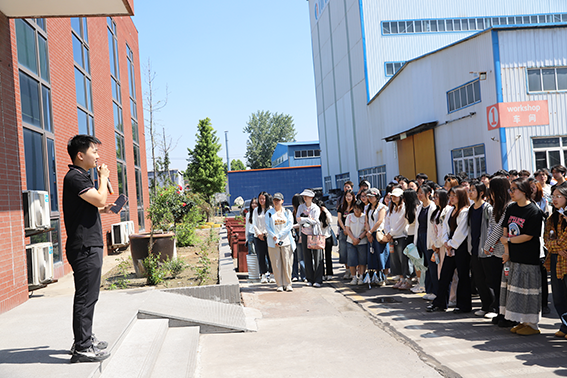
Tinhy and University of Jinan Celebrate Six Years of Industry–University Collaboration
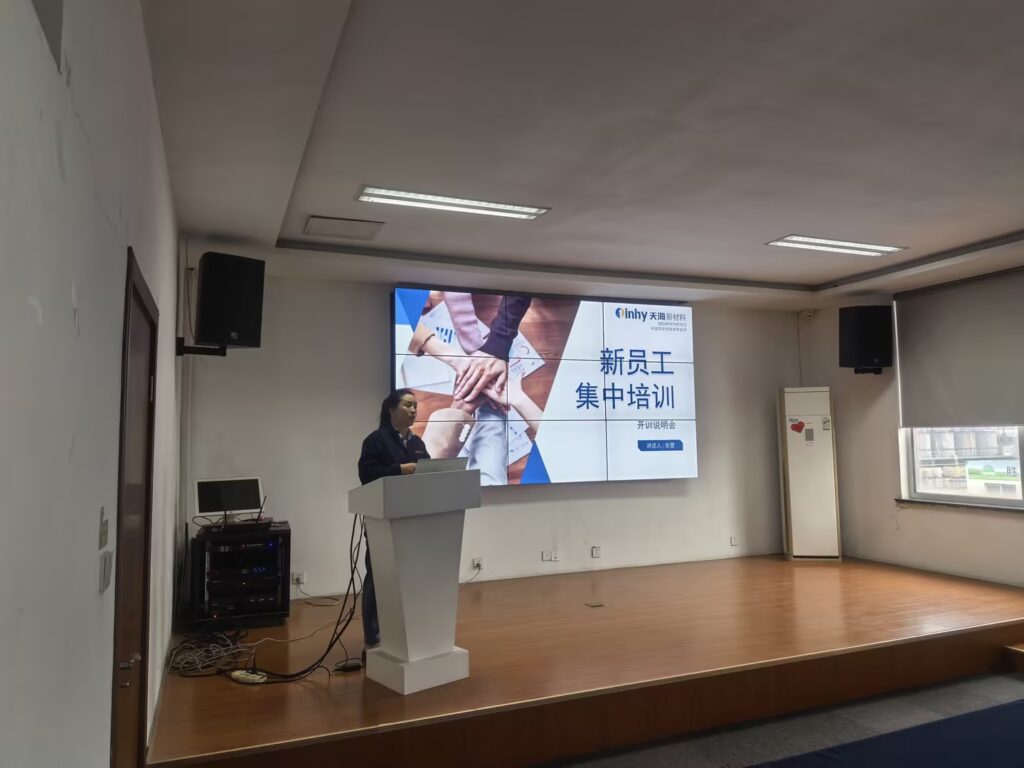
Empowering New Talent, Building the Future: Tinhy Successfully Conducts New Employee Orientation Training
Tinhy Conducts Comprehensive Emergency Drill to Strengthen Workplace Safety Defenses
Company Mid – Year Summary and Team – Building Activity Report
Is geomembrane a geotechnical engineering material?
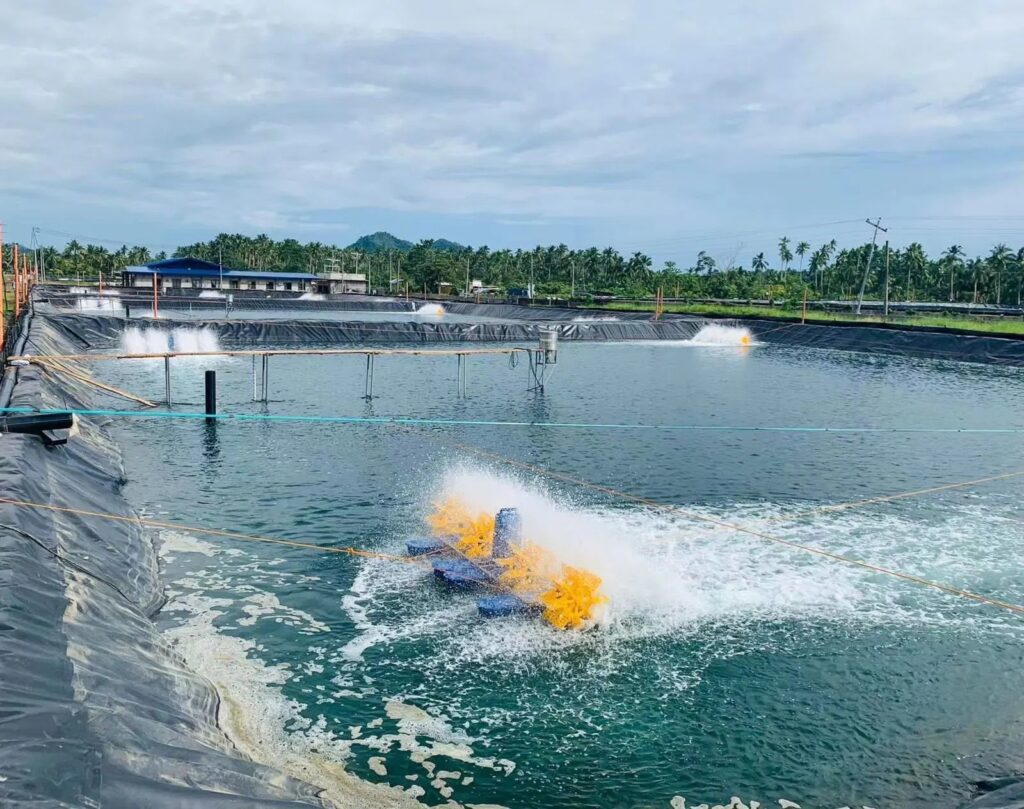
What are the application scenarios of geomembrane?
What are the functions of geotextiles?
Cómo elegir geomembrana de hdpe en proyectos de ingeniería
How to choose hdpe geomembrane in engineering projects
China’s Geotechnical Construction Materials Embrace New Opportunities
Tips for Moisture-Proof Storage of Geotextiles
Key Construction Points and Precautions for High-Density Polyethylene Geomembrane
what is pond lining material ?
What is geomembrane?
HDPE geomembrane construction plans and technical measures
What quality tests do HDPE geomembranes need to do?
Tinhy’s MDS® Drainage Solution
Installation Robots
Smooth vs Textured HDPE Geomembrane: Differences, Applications and Selection Guide
HDPE Geomembrane Thickness Selection Guide
PP Geotextile: Types, Properties, Applications and Selection Guide
Textured Geomembrane: Benefits, Applications and Selection Guide
30 Mil Impermeable Liner: A Guide to Thickness, Uses and Selection
Non Woven Geotextile Fabric for Drainage: A Complete Guide
30 Mil PVC Liner: Thickness, Benefits, Applications and Buying Guide
LLDPE Geomembrane: Properties, Specifications, Benefits and Applications
Geomembrane Service Life: How Long Does a Geomembrane Last?
Polyethylene Geomembranes: HDPE vs. LLDPE and How to Choose
Should HDPE or PVC be used to install geomembrane in reservoirs?
What is the price of geomembrane?
Material characteristics of three different geomembranes
Esquema de construcción de geomembrana de HDPE y medidas técnicas
hdpe geomembrane pond liner in Congo (DRC)
How to lay and weld HDPE geomembrane?
HDPE geomembrane 0.2-4.0mm
HOME ABOUT PRODUCTS APPLICATION CONTENTUS RESOURCES
Home Resources Knowledge Base Smooth vs Textured HDPE Geomembrane: Differences, Applications and Selection Guide

Smooth vs Textured HDPE Geomembrane: Differences, Applications and Selection Guide

time:November 05, 2026 Views:11

When selecting an HDPE geomembrane for a containment project, buyers need to consider more than material type and thickness. Surface texture is another important factor, especially in projects involving slopes, embankments, and multilayer geosynthetic systems.

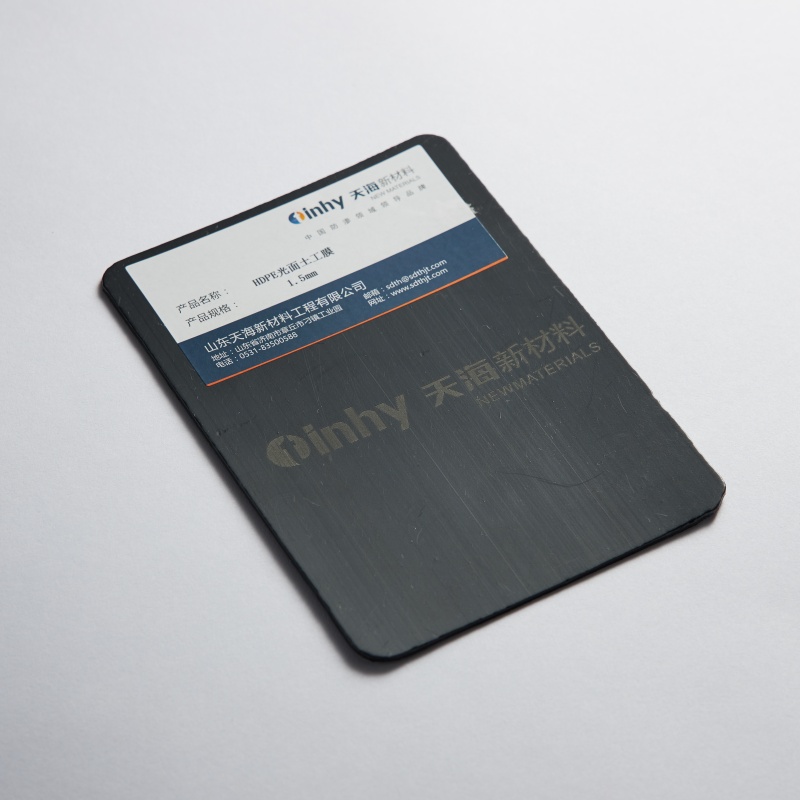
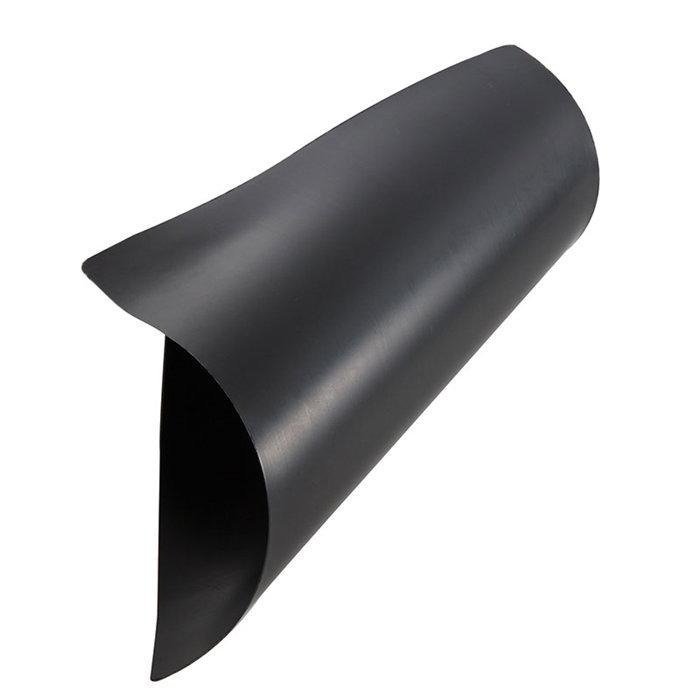
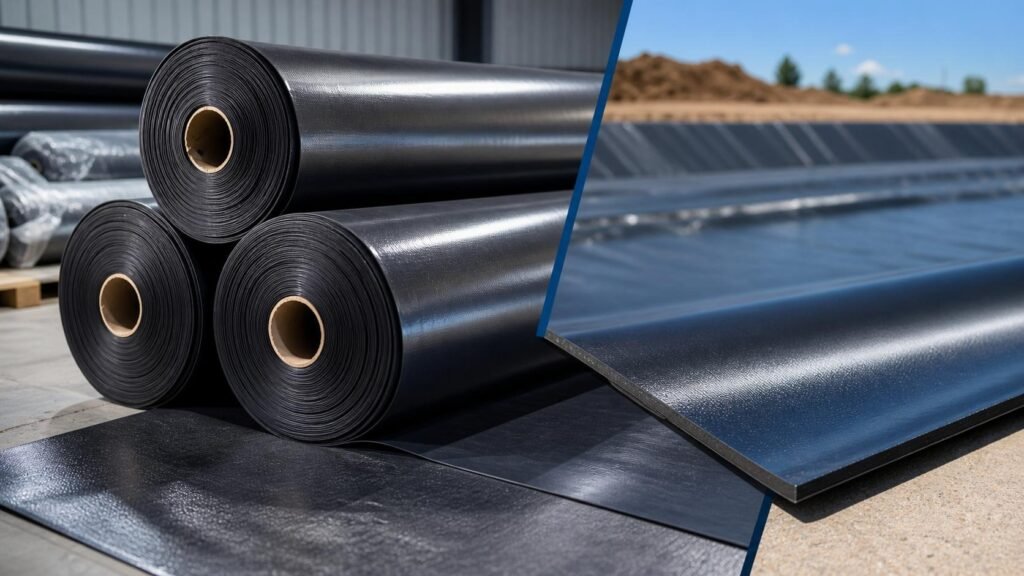
Smooth HDPE geomembranes have a relatively flat surface and are widely used in ponds, reservoirs, landfill bases, and general containment applications. Textured HDPE geomembranes feature a roughened surface designed to improve friction at the interface between the liner and adjacent materials.

So, which type should you choose?

The answer depends on the project layout, slope conditions, materials in contact with the liner, and engineering requirements. This guide compares smooth and textured HDPE geomembranes and explains how to select the appropriate surface configuration.

1. What Is Smooth HDPE Geomembrane?

Smooth HDPE geomembrane is a high-density polyethylene liner with relatively even surfaces on both sides. It is manufactured to provide a low-permeability barrier for containing water, wastewater, leachate, and other liquids.

Its surface characteristics make it suitable for many general lining applications.

Key Characteristics of Smooth HDPE Geomembrane

  • Relatively flat and uniform surface
  • Low permeability for liquid containment
  • Good chemical resistance, subject to compatibility assessment
  • Suitable for common thermal welding methods
  • Available in different thicknesses and roll dimensions
  • Generally easier to clean than textured surfaces

Common Applications

Smooth HDPE geomembrane is commonly considered for:

  • Aquaculture and fish ponds
  • Agricultural water storage
  • Reservoir bottoms
  • Wastewater treatment ponds
  • Landfill base liners
  • Industrial containment areas
  • Canal and water conservation projects

For relatively flat areas where enhanced interface friction is not a primary design requirement, smooth HDPE geomembrane can be a practical and economical choice.

2. What Is Textured HDPE Geomembrane?

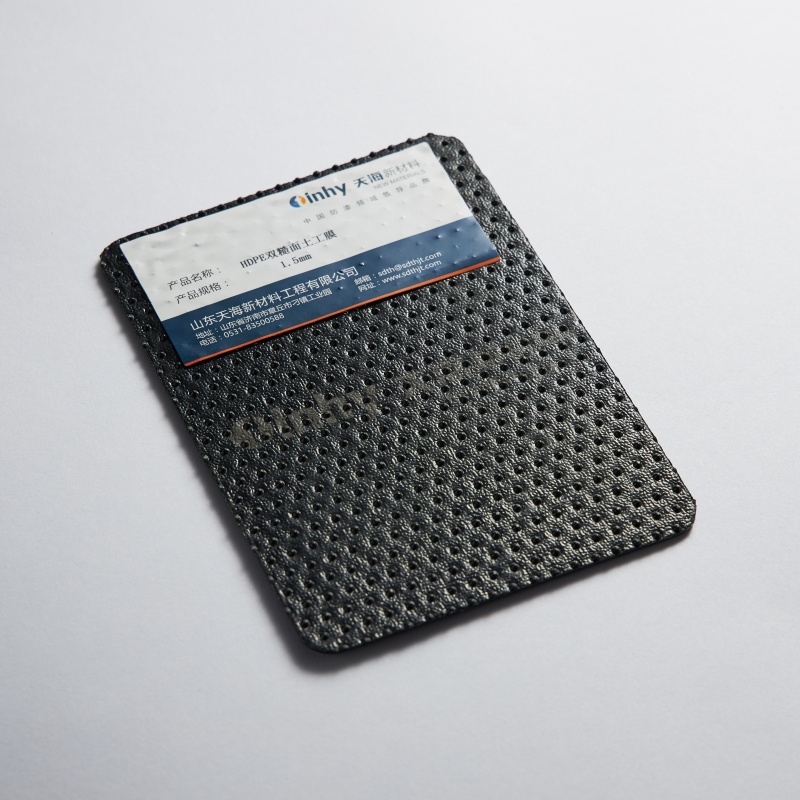
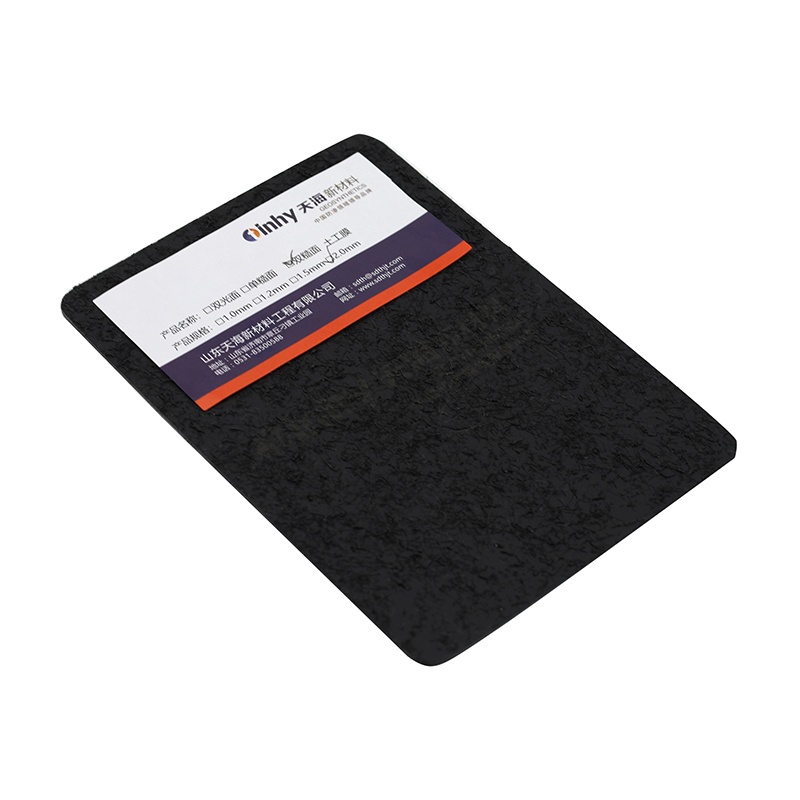
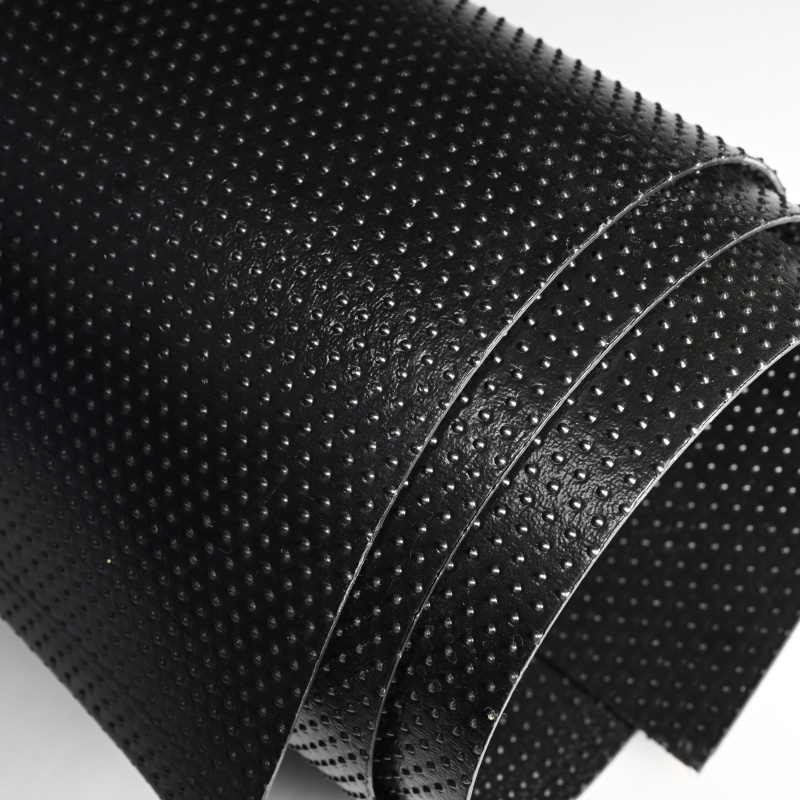
Textured HDPE geomembrane is an HDPE liner with a roughened or structured surface on one or both sides. The surface is designed to improve interface friction between the geomembrane and adjacent materials.

Depending on the manufacturing configuration, textured geomembranes are commonly available as:

  • Single-sided textured HDPE geomembrane
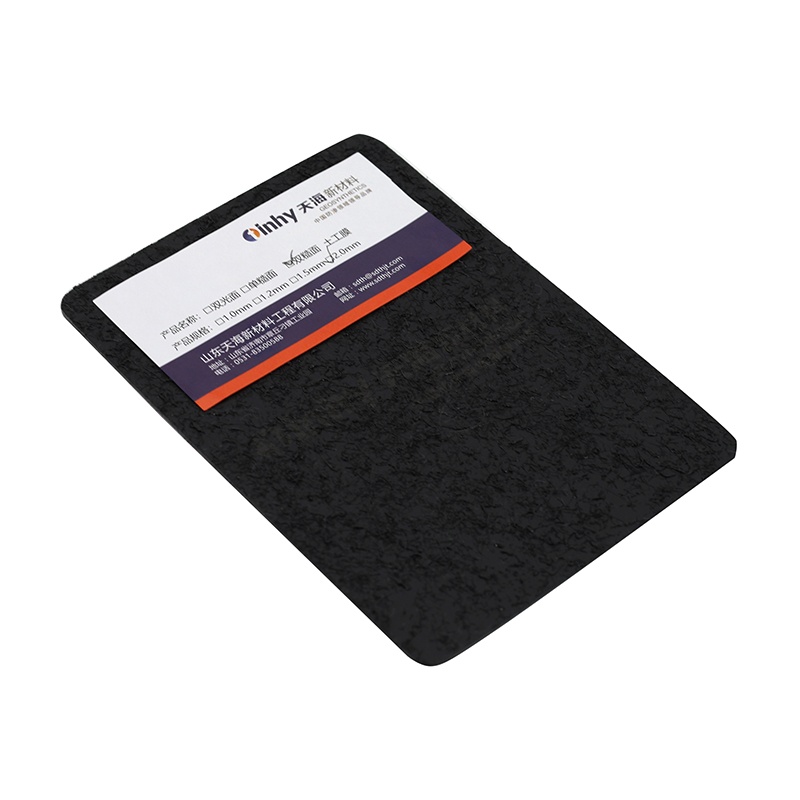
  • Double-sided textured HDPE geomembrane

The textured surface may improve resistance to sliding at interfaces involving soil, geotextiles, drainage composites, or other geosynthetic materials.

Key Characteristics of Textured HDPE Geomembrane

  • Roughened surface on one or both sides
  • Designed to improve interface shear resistance
  • Useful in selected slope and multilayer containment systems
  • Available in different thicknesses and surface configurations
  • Requires project-specific interface performance evaluation

Common Applications

Textured HDPE geomembrane may be considered for:

  • Landfill side slopes
  • Mining heap leach pads
  • Tailings containment facilities
  • Steep reservoir slopes
  • Embankments
  • Landfill cover systems
  • Multilayer geosynthetic lining systems

The main reason for selecting a textured liner is usually its interface performance, not simply its appearance.

3. Smooth vs Textured HDPE Geomembrane: Key Differences

Both smooth and textured HDPE geomembranes provide a low-permeability containment barrier when manufactured and installed according to the applicable specifications. Their main difference is the surface configuration and its effect on interaction with adjacent materials.

Comparison Factor Smooth HDPE Geomembrane Textured HDPE Geomembrane
Surface Relatively flat Roughened or structured
Interface friction Depends on contacting materials and test conditions Designed to improve interface friction
Typical application Flat areas and general containment Slopes and multilayer systems
Cleaning Generally easier Surface texture may retain more dirt or particles
Welding Common thermal welding methods Requires attention to welding edges and product configuration
Surface configuration Smooth on both sides Single-sided or double-sided texture
Selection basis Containment requirements and design Containment plus interface shear requirements

Neither type is universally better. The correct selection depends on the complete lining system and the project’s engineering design.

4. How Does Surface Texture Affect Interface Friction?

Interface friction is an important consideration when a geomembrane is installed on a slope or placed between different geosynthetic layers.

When two materials are in contact, their resistance to sliding depends on several factors, including:

  • Surface characteristics of both materials
  • Type of soil or geosynthetic in contact
  • Normal stress acting on the interface
  • Moisture and environmental conditions
  • Installation and placement conditions
  • Long-term loading and project-specific factors

A textured geomembrane is designed to improve interaction with adjacent materials. However, the actual interface shear strength cannot be determined from surface appearance alone.

For example, a textured HDPE liner placed against a nonwoven geotextile may produce different interface shear results from the same liner placed against compacted soil or a drainage composite.

Why Is Interface Shear Testing Important?

For projects involving steep slopes, landfill sidewalls, or mining containment systems, engineers may need interface shear test data to evaluate the stability of the lining system.

ASTM D5321/D5321M provides a direct shear test method for determining the shear resistance of soil-geosynthetic and geosynthetic-geosynthetic interfaces.

The test configuration should represent the actual materials and relevant project conditions as closely as practical.

The design team should review the test results together with slope geometry, normal stress, loading conditions, and the complete lining system.

Textured geomembrane can contribute to improved interface performance, but it does not independently guarantee slope stability.

5. Single-Sided vs Double-Sided Textured HDPE Geomembrane

Textured HDPE geomembrane is available in different surface configurations. The choice depends on which interfaces require improved friction.

Single-Sided Textured Geomembrane

Single-sided textured geomembrane has one roughened surface and one relatively smooth surface.

It may be considered when enhanced interface friction is required on one side of the liner, while the other side has different installation or interface requirements.

Before selection, confirm which side will face the soil, geotextile, drainage layer, or other adjacent material.

Double-Sided Textured Geomembrane

Double-sided textured geomembrane has roughened surfaces on both sides.

It may be considered in multilayer systems where interface friction is important on both sides of the liner.

For example, a project may require interaction with a protective geotextile on one side and a drainage or soil layer on the other.

The appropriate configuration should be confirmed through project design and interface shear evaluation. A double-sided textured product should not automatically be assumed to provide the required stability without testing.

6. Where Should Smooth and Textured HDPE Geomembranes Be Used?

The following table provides general selection guidance. Final surface selection should follow the project drawings and engineering requirements.

Project Application Surface Type to Evaluate Main Considerations
Fish and aquaculture ponds Smooth Pond geometry, subgrade, water depth, protection
Agricultural reservoirs Smooth or textured Slope design, water depth, interface requirements
Wastewater treatment ponds Smooth or textured Liquid chemistry, slope conditions, protection
Landfill base liners Smooth or textured Drainage layers, subgrade, interface design
Landfill side slopes Textured may be considered Interface shear strength and slope stability
Mining heap leach pads Textured may be considered Loads, solution chemistry, slope and interface design
Tailings containment facilities Smooth or textured Overall liner system, loading and stability analysis
Industrial containment Smooth or textured Stored materials, foundation, and project specification

Many engineered projects use both surface types in different areas.

For example, a landfill system may use smooth geomembrane in selected base areas and textured geomembrane on side slopes where interface friction is a design consideration.

The final arrangement must be determined by the project engineer.

7. How to Choose the Right HDPE Geomembrane

Before requesting a quotation, buyers should review the following factors.

7.1 Project Layout and Slope Conditions

Identify the flat areas, side slopes, embankments, and transitions in the project.

A project with substantial sloped sections may require additional interface shear evaluation.

7.2 Adjacent Materials

Confirm what will contact each side of the geomembrane.

Common materials include:

  • Compacted soil
  • Nonwoven geotextile
  • Geosynthetic clay liner (GCL)
  • Drainage geocomposite
  • Sand or gravel
  • Other geomembranes

Different material combinations can produce different interface shear behavior.

7.3 Thickness and Mechanical Properties

Surface texture and thickness should be selected as separate but related specification items.

Buyers should check:

  • Nominal thickness
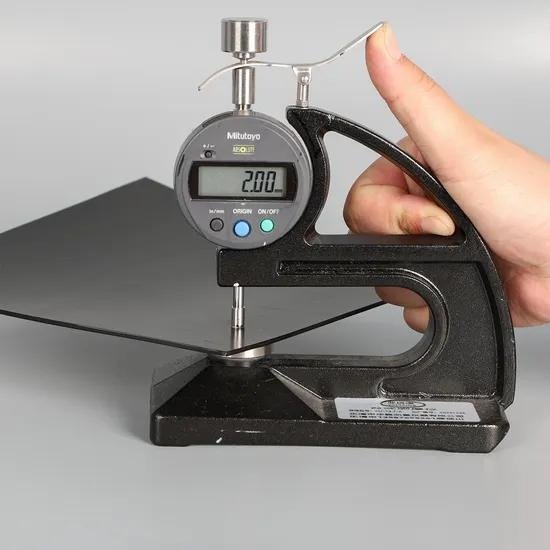
  • Applicable thickness measurement method
  • Tensile properties
  • Tear resistance
  • Puncture resistance
  • Stress crack resistance
  • Oxidative resistance

A textured surface does not replace the need to meet the required mechanical properties.

7.4 Welding and Installation

Both smooth and textured HDPE geomembranes can be joined using suitable thermal welding methods.

However, textured products require attention to the weld-edge configuration and the manufacturer’s installation recommendations.

Before field installation, the contractor should conduct trial welds under actual site conditions and follow the project’s seam quality assurance and quality control procedures.

8. Technical Specifications and Quality Checks

When comparing smooth and textured HDPE geomembranes, buyers should request a technical data sheet that clearly identifies the surface configuration and applicable test methods.

Important information includes:

Item What Buyers Should Confirm
Material HDPE formulation and product grade
Thickness Nominal thickness and applicable tolerance
Surface Smooth, single-sided textured, or double-sided textured
Density Test method and specified value
Tensile properties Test method and acceptance requirements
Puncture resistance Test method and project requirement
Stress crack resistance Applicable test method and requirement
Oxidative resistance OIT test method and acceptance criteria
Interface shear Test results where required by the design
Roll dimensions Width, length, and roll weight

Relevant standards may include:

  • GRI-GM13: Specification for HDPE smooth and textured geomembranes.
  • ASTM D5321/D5321M: Direct shear testing of soil-geosynthetic and geosynthetic-geosynthetic interfaces.
  • ASTM D5994/D5994M: Measurement of smooth geomembrane thickness and textured geomembrane core thickness.

Always confirm the current edition and project-specific acceptance criteria before ordering.

For textured geomembranes, buyers should pay particular attention to core thickness measurement. The overall textured profile and the core thickness are not necessarily the same measurement.

9. Frequently Asked Questions

What is the main difference between smooth and textured HDPE geomembrane?

The main difference is the surface configuration. Smooth HDPE geomembrane has a relatively flat surface, while textured HDPE geomembrane has a roughened surface designed to improve interface friction under suitable conditions.

Is textured HDPE geomembrane better for slopes?

Textured geomembrane is often considered for slopes where interface shear resistance is important. However, the final selection must be supported by project-specific interface shear data and slope stability analysis.

Can smooth and textured geomembranes be used in the same project?

Yes. Some projects use smooth geomembrane in flat areas and textured geomembrane in selected sloped areas. The arrangement depends on the engineering design.

What is the difference between single-sided and double-sided textured geomembrane?

Single-sided textured geomembrane has a roughened surface on one side, while double-sided textured geomembrane has roughened surfaces on both sides. The choice depends on the required interface conditions.

Does textured geomembrane have better waterproofing performance?

Both smooth and textured HDPE geomembranes are designed to provide a low-permeability barrier. Surface texture mainly affects interface interaction rather than automatically improving the barrier performance.

Is textured HDPE geomembrane more expensive than smooth HDPE geomembrane?

Textured products may have a higher unit price depending on thickness, manufacturing process, surface configuration, order quantity, and supplier. Buyers should compare equivalent specifications and project requirements.

How do I test the friction performance of textured geomembrane?

Interface shear testing, such as ASTM D5321/D5321M, can be used to evaluate the shear resistance between a geomembrane and adjacent soil or geosynthetic materials. The test arrangement should represent the intended project interfaces.

What information should I provide when requesting a quotation?

Provide the project application, required thickness, surface type, quantity, roll dimensions, adjacent materials, slope conditions, technical standard, and delivery destination.

Conclusion

Smooth and textured HDPE geomembranes serve the same basic containment purpose but have different surface characteristics and selection considerations.

Smooth HDPE geomembrane is widely used in general lining applications, particularly where enhanced interface friction is not a primary design requirement. Textured HDPE geomembrane may be more suitable for selected slopes and multilayer systems where interface shear resistance needs to be considered.

The right product should be selected based on the complete project design, including slope conditions, adjacent materials, thickness, mechanical properties, and installation requirements.

Looking for smooth or textured HDPE geomembrane for your project?

Contact TINHY Geosynthetics with your project application, required thickness, surface configuration, quantity, and destination. Our team can provide product specifications and a quotation based on your requirements.

Request HDPE Geomembrane Specifications and Quotation.

Knowledge Base
Share:
info@tinhygeosynthetics.com Bai Jinxi
Consultation

    Get The Latest Product Prices

    Your inquiries are welcomed at any time and please feel free to contact us via email, phone calls, and online chatbox on our site.

    We will definitely give you a reply ASAP after we receive your messages.

      0/180