Resources
Company News
Industry News
Knowledge Base
Project Cases
Innovation
Team Power Fuels TINHY’s Global Geosynthetics Solutions
Tinhy and University of Jinan Celebrate Six Years of Industry–University Collaboration
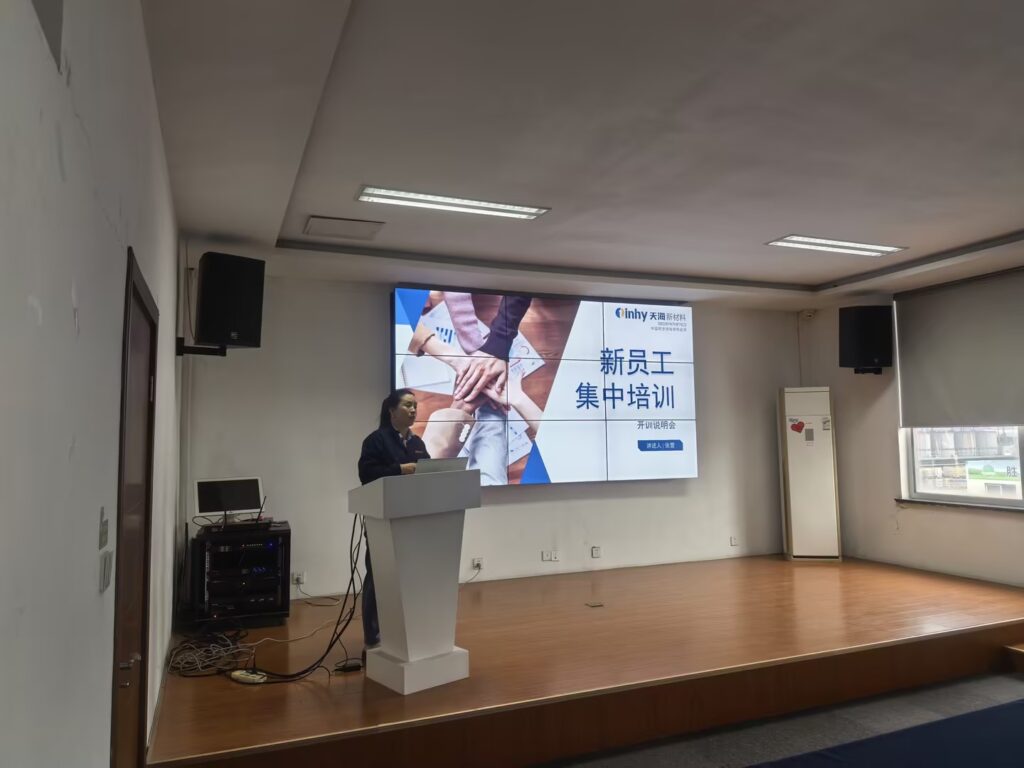
Empowering New Talent, Building the Future: Tinhy Successfully Conducts New Employee Orientation Training
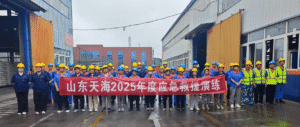
Tinhy Conducts Comprehensive Emergency Drill to Strengthen Workplace Safety Defenses
Company Mid – Year Summary and Team – Building Activity Report
Is geomembrane a geotechnical engineering material?
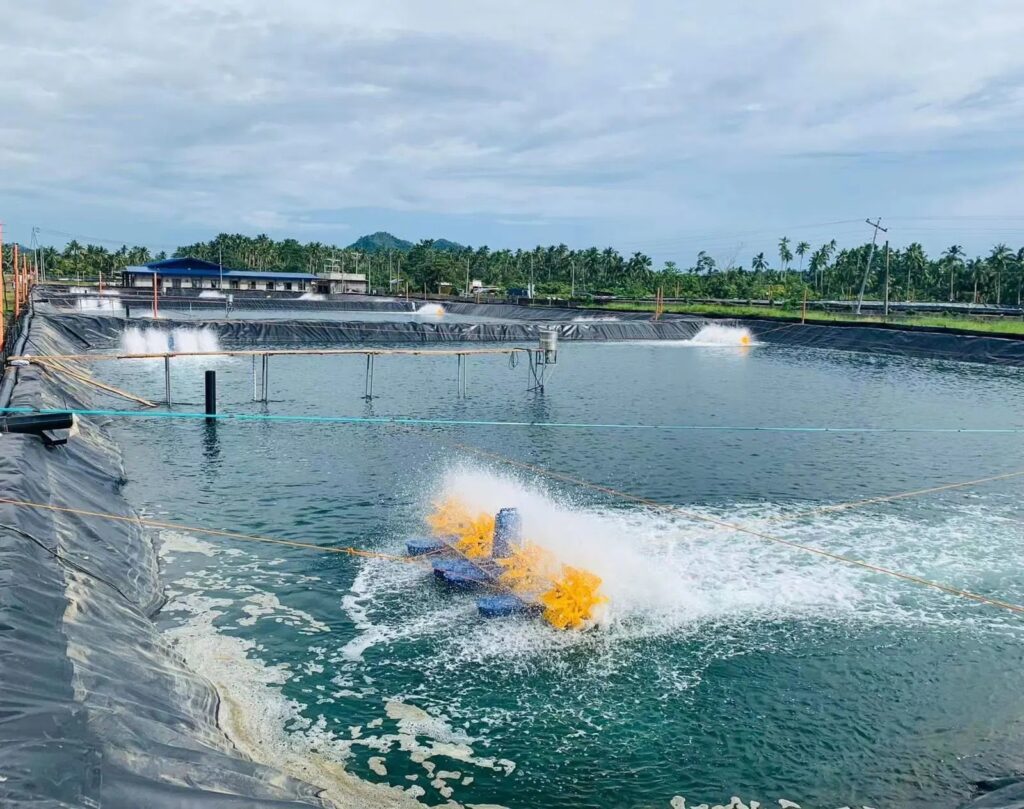
What are the application scenarios of geomembrane?
What are the functions of geotextiles?
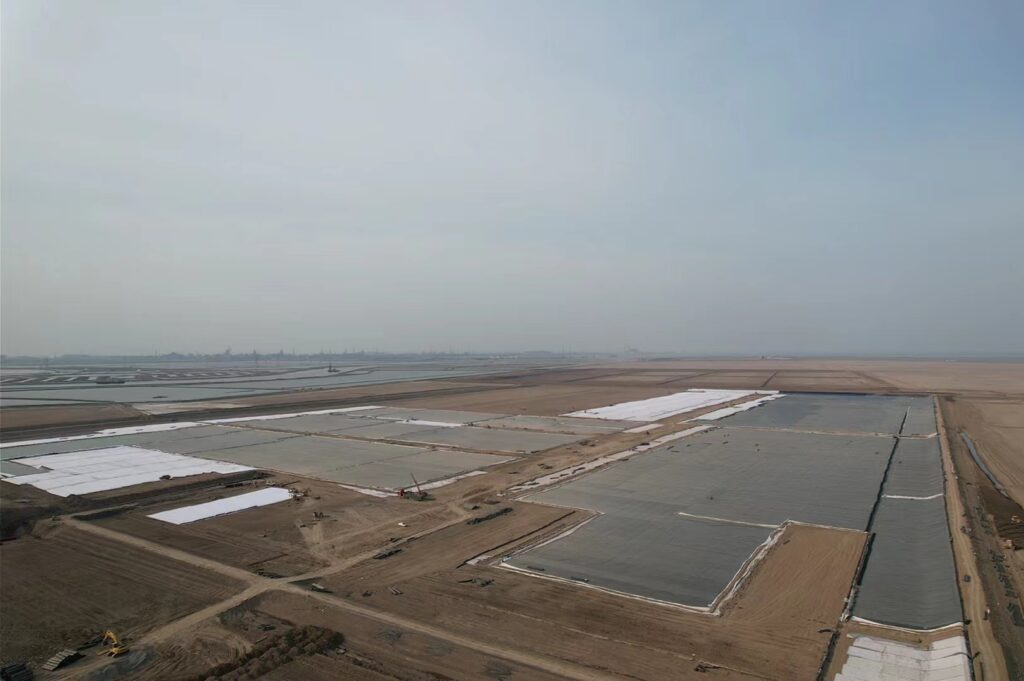
Cómo elegir geomembrana de hdpe en proyectos de ingeniería
How to choose hdpe geomembrane in engineering projects
China’s Geotechnical Construction Materials Embrace New Opportunities
Tips for Moisture-Proof Storage of Geotextiles
Key Construction Points and Precautions for High-Density Polyethylene Geomembrane
what is pond lining material ?
What is geomembrane?
HDPE geomembrane construction plans and technical measures
What quality tests do HDPE geomembranes need to do?
Tinhy’s MDS® Drainage Solution
Installation Robots
The 6 Best Geomat Manufacturers in 2026: Complete Comparison Guide
How to Choose the Right Waterproof Geomembrane for Your Project?
What Is 60 Mil HDPE Geomembrane and What Are Its Applications?
Comprehensive Guide to 1mm Geomembrane for Landfill Applications
Top 7 Global Non Woven Geotextile Suppliers
The 7 Best PP Woven Geotextiles Review: Strength, Applications & Buying Guide
The 6 Best Geotextile 300g Review: Heavy-Duty Nonwoven Geotextile for Soil Stabilization
The 6 Best 1000 Micron HDPE Sheets Reviewed in 2026
What Is a 60 Mil Geomembrane? Complete Guide to 1.5mm HDPE Geomembrane (2026)
Top 7 Global Geocomposite Manufacturers in 2026
Should HDPE or PVC be used to install geomembrane in reservoirs?
What is the price of geomembrane?
Material characteristics of three different geomembranes
Esquema de construcción de geomembrana de HDPE y medidas técnicas
hdpe geomembrane pond liner in Congo (DRC)
How to lay and weld HDPE geomembrane?
HDPE geomembrane 0.2-4.0mm
HOME ABOUT PRODUCTS APPLICATION CONTENTUS RESOURCES
Home Resources Knowledge Base The 6 Best Geomat Manufacturers in 2026: Complete Comparison Guide

The 6 Best Geomat Manufacturers in 2026: Complete Comparison Guide

time:August 31, 2026 Views:5

Choosing the right geomat manufacturer is an important decision for slope erosion control, soil stabilization, vegetation establishment, and environmental restoration projects.

A high-quality 3D geomat can help retain surface soil, reduce the impact of rainfall and runoff, and provide a three-dimensional structure for vegetation and root development. However, geomats from different manufacturers can vary significantly in polymer quality, three-dimensional structure, thickness, mechanical properties, UV resistance, manufacturing consistency, and customization options.

With so many geomat manufacturers and geomat suppliers available worldwide, how do you identify the right one for your project?

In this guide, we compare six established companies involved in geomats, erosion-control mats, or related geosynthetic solutions. The comparison focuses on product capabilities, application range, manufacturing experience, technical support, and suitability for different project requirements.

Note: This is an industry comparison rather than an official market-share ranking. Product availability, specifications, and pricing can vary by region and product series. Always request the latest technical data sheet and test reports for the specific product before making a purchasing decision.

Table of Contents

1. What Is a Geomat?

A geomat, also called a 3D geomat or 3D erosion control mat, is a three-dimensional polymeric geosynthetic material designed primarily for surface erosion control and vegetation establishment.

Unlike a conventional flat geotextile, a geomat has a three-dimensional open structure. This structure can retain soil particles, reduce surface runoff erosion, and create a favorable environment for grass and plant roots.

Depending on the product design, geomats may be manufactured using polymers such as HDPE or polypropylene.

Typical applications include:

  • Slope erosion control
  • Highway and railway embankments
  • Riverbank protection
  • Canal and drainage channel protection
  • Reservoir slopes
  • Mining site rehabilitation
  • Land reclamation
  • Landscaping
  • Vegetated slopes
  • Soil and water conservation

The appropriate geomat should be selected according to slope angle, soil conditions, rainfall, runoff velocity, vegetation requirements, UV exposure, and project design life.

2. How We Selected the Geomat Manufacturers

Instead of ranking manufacturers only by brand recognition, we considered several factors that are important when purchasing geomats.

Product Range

Does the manufacturer offer dedicated geomats or related erosion-control products?

Material Quality

The polymer formulation should provide suitable mechanical strength, environmental resistance, and durability for the intended application.

Three-Dimensional Structure

The structure should provide adequate space for soil retention and vegetation development.

Erosion-Control Performance

The product should be appropriate for the expected soil, slope, rainfall, and hydraulic conditions.

Manufacturing Capability

Large and experienced manufacturers may provide more consistent production, customization options, and long-term supply.

Technical Support

Engineering assistance, product documentation, installation recommendations, and project support can be important for large infrastructure projects.

Global Availability

For international buyers, export experience, logistics, lead time, and product availability can significantly affect total project cost.

3. The 6 Best Geomat Manufacturers in 2026

3.1 Maccaferri – Advanced Geomat and Slope Protection Solutions

Maccaferri is an established international engineering company with a strong focus on erosion control, slope stabilization, hydraulic works, and geotechnical engineering.

Its MacMat geomat system is designed using synthetic filaments formed into a three-dimensional, flexible and highly porous structure. Maccaferri also offers reinforced versions such as MacMat R for applications requiring additional structural support.

Key Strengths

  • Advanced 3D geomat technology
  • Strong focus on erosion control
  • Solutions for slope stabilization
  • Reinforced geomat options
  • Extensive engineering experience
  • Applications in infrastructure and environmental protection

Typical Applications

Maccaferri’s geomat solutions can be considered for:

  • Highway slopes
  • Riverbanks
  • Channels
  • Coastal protection
  • Embankments
  • Mining areas
  • Landslide-prone slopes
  • Hydraulic engineering projects

Best For

Complex erosion-control and slope-stabilization projects requiring engineering support.

3.2 TenCate Geosynthetics – High-Performance Erosion Control Systems

TenCate Geosynthetics is a well-established name in the international geosynthetics industry. Its product portfolio includes high-performance geosynthetic solutions for soil stabilization, erosion control, reinforcement, and infrastructure applications.

For demanding erosion-control projects, high-performance turf reinforcement mats and related geosynthetic systems can provide enhanced soil and vegetation protection.

Key Strengths

  • Strong international reputation
  • High-performance geosynthetic technology
  • Extensive technical expertise
  • Infrastructure project experience
  • Broad geosynthetic portfolio

Typical Applications

  • Steep slopes
  • Channels
  • Highway infrastructure
  • River and water-management projects
  • Soil stabilization
  • Vegetation reinforcement

Best For

Large infrastructure projects where high-performance specifications and established engineering support are priorities.

3.3 NAUE – European Geosynthetic Engineering Specialist

NAUE is a German geosynthetics manufacturer known for engineered solutions involving separation, reinforcement, filtration, drainage, erosion control, and environmental protection.

Its portfolio includes erosion-control systems designed for soil protection and vegetation establishment.

Key Strengths

  • Strong geotechnical engineering background
  • European manufacturing expertise
  • Broad geosynthetic product portfolio
  • Focus on technical performance
  • Solutions for environmental and infrastructure applications

Typical Applications

  • Slope protection
  • Soil stabilization
  • Environmental restoration
  • Infrastructure projects
  • Hydraulic engineering
  • Land reclamation

Best For

Engineering-driven projects where technical specifications and system design are particularly important.

4. Tinhy Geosynthetics – Geomat Manufacturer for Global Projects

Tinhy Geosynthetics Co., Ltd. is a China-based geosynthetics manufacturer offering geomembranes, geotextiles, GCL, drainage materials, geogrids, geocells, geomats, and other geosynthetic products.

Tinhy’s Geomat is designed as a three-layer erosion-control mat for surface protection and vegetation support.

The company was established in 2002 and has developed a large manufacturing base with more than 25 production lines and more than 300 employees. Its product portfolio allows customers to source multiple geosynthetic materials from one manufacturer.

Key Strengths

4.1 Three-Dimensional Erosion-Control Structure

Tinhy Geomat provides a three-dimensional structure designed to retain soil and support vegetation growth.

This makes it suitable for projects where the objective is to combine erosion control with natural vegetation establishment.

4.2 Integrated Geosynthetic Product Portfolio

One of Tinhy’s advantages is its broad product range.

In addition to geomat, customers can source:

  • HDPE geomembrane
  • LLDPE geomembrane
  • Geotextile
  • Geosynthetic clay liner
  • 3D geonet composite
  • Drainage board
  • Geogrid
  • Geocell
  • Other reinforcement and stabilization materials

This can simplify procurement when a project requires multiple geosynthetic materials.

4.3 Manufacturing and Quality Control

Tinhy operates large-scale production facilities and emphasizes quality control from raw-material sourcing through production and finished-product testing.

For international projects, buyers can request technical documentation and test reports for the specific geomat specification.

4.4 Global Project Support

Tinhy’s geosynthetic solutions are supplied for projects involving:

  • Mining
  • Municipal waste
  • Industrial waste
  • Water conservation
  • Aquaculture
  • Infrastructure
  • Transportation
  • Agriculture
  • Oil and gas

Typical Geomat Applications

Tinhy Geomat can be considered for:

  • Highway slope protection
  • Railway embankments
  • Canal slopes
  • Reservoir slopes
  • Riverbank erosion control
  • Mining rehabilitation
  • Land reclamation
  • Vegetation restoration

Best For

International buyers looking for a combination of geomat manufacturing, customized supply, competitive project economics, and access to multiple geosynthetic products from one supplier.

5. Thrace Group – Polypropylene Erosion Control Mat Manufacturer

Thrace Group is an international technical-textile and geosynthetics manufacturer with a portfolio that includes erosion-control products.

Its erosion-control mats include UV-stabilized woven mats manufactured from polypropylene monofilament yarns. These products are designed for applications such as slopes, riverbanks, channels, and pipe inlet/outlet areas.

Key Strengths

  • Polypropylene erosion-control mat technology
  • UV-stabilized products
  • Technical textile manufacturing experience
  • International market presence
  • Multiple application options

Typical Applications

  • Slopes
  • Riverbanks
  • Channels
  • Pipe outlets
  • Surface erosion control
  • Vegetation-supported erosion control

Best For

Projects requiring polypropylene-based erosion-control matting and technical textile solutions.

6. Propex – Soil Stabilization and Erosion Control Solutions

Propex has extensive experience in geosynthetic materials for soil stabilization, erosion control, reinforcement, and infrastructure applications.

Its product portfolio has historically included geosynthetic solutions used in transportation, environmental protection, and soil stabilization projects.

Key Strengths

  • Geosynthetic manufacturing experience
  • Soil stabilization expertise
  • Erosion-control applications
  • Infrastructure experience
  • Technical product development

Typical Applications

  • Roads
  • Embankments
  • Slopes
  • Construction platforms
  • Soil stabilization
  • Erosion-control projects

Best For

Transportation and soil-stabilization projects requiring established geosynthetic technologies.

7. Geomat Manufacturer Comparison

Rank Manufacturer Main Strength Typical Applications Best For
1 Maccaferri Advanced erosion & slope systems Slopes, channels, riverbanks Complex engineering projects
2 TenCate Geosynthetics High-performance geosynthetics Infrastructure, slopes, channels High-performance specifications
3 NAUE Geotechnical engineering Slopes, restoration, infrastructure Engineering-driven projects
4 Tinhy Geosynthetics Integrated manufacturing & customization Slopes, canals, embankments, rehabilitation Global sourcing & multi-product projects
5 Thrace Group PP erosion-control mats Slopes, rivers, channels Technical textile applications
6 Propex Stabilization & erosion control Roads, slopes, infrastructure Soil stabilization projects

This table should be viewed as a practical comparison rather than an official global market ranking. The most suitable manufacturer depends on product specification, project requirements, location, logistics, and budget.

8. What Should You Look for in a Geomat Manufacturer?

Choosing the right supplier requires more than comparing the price per square meter.

8.1 Polymer Type

Ask whether the product is manufactured from HDPE, PP, or another polymer.

The material should be selected according to:

  • UV exposure
  • Temperature
  • Chemical environment
  • Mechanical requirements
  • Expected service life

8.2 Mass per Unit Area

Mass per unit area is an important product parameter.

A heavier geomat does not automatically mean it is better for every project. The correct specification depends on slope conditions, erosion risk, installation method, and design requirements.

8.3 Thickness

Geomats are available in different thicknesses and three-dimensional structures.

Higher thickness may provide greater void volume and soil-retention capacity, but the appropriate thickness should be determined according to the project rather than simply selecting the thickest product.

8.4 Tensile and Mechanical Properties

For demanding projects, review:

  • Tensile strength
  • Elongation
  • Tear resistance
  • Structural stability
  • Installation survivability

Request test data for the actual product specification instead of relying only on general catalog information.

8.5 UV Resistance

Because geomats are commonly installed outdoors, UV resistance is an important consideration.

This is especially important when vegetation may take several months to become established.

Ask the supplier for relevant UV-aging or weathering test data when long-term outdoor exposure is expected.

8.6 Hydraulic Conditions

A geomat suitable for a mild vegetated slope may not be appropriate for a high-flow drainage channel.

Before selecting a product, consider:

  • Runoff velocity
  • Rainfall intensity
  • Channel slope
  • Water depth
  • Soil type
  • Vegetation coverage

For severe hydraulic conditions, additional reinforcement or alternative erosion-control systems may be required.

9. Geomat Applications

9.1 Highway and Railway Slopes

Geomats can protect exposed soil on road and railway embankments while vegetation becomes established.

The three-dimensional structure helps retain surface soil and reduce erosion caused by rainfall and runoff.

9.2 Riverbank Protection

For suitable riverbank conditions, geomats can be incorporated into vegetation-based erosion-control systems.

The objective is to protect the soil surface while allowing vegetation and roots to develop.

9.3 Canal and Drainage Channels

Geomats can be used on channel slopes where hydraulic conditions are compatible with vegetated erosion-control systems.

For higher-flow channels, engineers may combine geomats with reinforcement or other protection systems.

9.4 Reservoir Slopes

Reservoir and water-conservation projects often contain exposed embankment slopes that are vulnerable to rainfall erosion.

A geomat can help stabilize the soil surface and support vegetation.

9.5 Mining Rehabilitation

After mining activities, exposed soil can be vulnerable to wind and water erosion.

Geomats can be incorporated into land-rehabilitation systems to help retain topsoil and establish vegetation.

9.6 Land Reclamation

Geomats are also suitable for environmental restoration and reclamation projects where soil retention and vegetation establishment are important.

10. Geomat vs. Geotextile vs. Geocell

Geomats are sometimes confused with other geosynthetic products.

Product Primary Function Typical Application
Geomat Surface erosion control & vegetation support Slopes, channels, embankments
Geotextile Separation, filtration, drainage, protection Roads, drainage, containment
Geocell Soil confinement & stabilization Slopes, roads, channels
Geogrid Soil reinforcement Roads, retaining structures, slopes
Riprap Hard erosion protection Rivers, channels, hydraulic works

These materials can also be used together.

For example, a complex slope project may use geotextile for separation, geomat for surface erosion control, and geogrid or geocell for reinforcement.

The correct combination depends on the engineering design.

11. How Is a Geomat Installed?

A typical geomat installation may include the following steps:

Step 1: Prepare the Slope

Remove debris, large stones, roots, and other objects that could damage the material.

Step 2: Grade the Surface

Create a stable and relatively smooth slope according to the project design.

Step 3: Prepare the Anchor Trench

An anchor trench or other approved anchoring system is commonly used at the top of the slope.

Step 4: Deploy the Geomat

Roll the geomat along the prepared slope without excessive stretching.

Step 5: Fix the Material

Use appropriate anchors, staples, pins, or other approved fixing methods according to the soil and slope conditions.

Step 6: Treat Overlaps

Adjacent rolls should be overlapped and secured according to the manufacturer’s installation instructions.

Step 7: Establish Vegetation

Place topsoil, seed, hydroseed, or other vegetation media as required.

Step 8: Inspect the Installation

Check anchoring, overlaps, exposed areas, and potential damage before and after major rainfall events.

Correct installation is just as important as product quality.

12. Why Choose Tinhy Geosynthetics for Geomat?

For buyers comparing geomat manufacturers, Tinhy provides several practical advantages.

Integrated Geosynthetic Manufacturing

Instead of purchasing only one erosion-control product, customers can source multiple geosynthetic materials from one manufacturer.

Large Production Capability

Tinhy has more than 25 production lines and a manufacturing base developed for large-scale geosynthetic production.

Broad Product Portfolio

The company supplies:

  • Geomembranes
  • Geotextiles
  • Geomats
  • GCL
  • Geogrids
  • Geocells
  • Drainage materials
  • Geonet composites

Quality Documentation

Tinhy provides product specifications and quality documentation for international project requirements.

Customized Supply

Depending on project requirements, customers can discuss geomat specifications, dimensions, packaging, and production requirements with the technical team.

International Project Experience

Tinhy’s broader geosynthetic product range is supplied for applications in mining, waste management, water conservation, infrastructure, transportation, agriculture, aquaculture, and oil and gas.


13. Frequently Asked Questions About Geomat Manufacturers

What is the best geomat manufacturer?

There is no single manufacturer that is best for every project. The right supplier depends on the geomat specification, slope conditions, hydraulic environment, project standards, quantity, delivery location, and budget.

Maccaferri, TenCate, NAUE, Tinhy, Thrace, and Propex represent different strengths within the broader erosion-control and geosynthetics market.

What is a 3D geomat used for?

A 3D geomat is primarily used for surface erosion control and vegetation establishment. It can help retain soil and reduce erosion from rainfall and surface runoff.

Is HDPE or PP better for geomat?

Neither material is universally better. The appropriate polymer depends on UV exposure, mechanical requirements, environmental conditions, temperature, project design, and product construction.

How long does a geomat last?

Service life depends on polymer type, UV stabilization, installation conditions, vegetation establishment, environmental exposure, and project requirements. Ask the manufacturer for product-specific durability and UV-aging data.

Can geomat replace concrete?

Not always. Geomat is primarily intended for erosion control and vegetation-supported protection. In severe hydraulic conditions or high-load applications, concrete, riprap, reinforced geomats, geocells, or other engineered systems may be more appropriate.

How do I choose the right geomat?

Start with the slope angle, soil type, rainfall, runoff velocity, vegetation requirements, UV exposure, and expected service life. Then compare the manufacturer’s technical data and installation requirements.


14. Final Conclusion

The global geomat market includes manufacturers with different strengths, technologies, and application focuses.

Maccaferri is particularly strong in engineered erosion-control and slope-stabilization systems. TenCate Geosynthetics offers high-performance geosynthetic technologies for demanding infrastructure applications. NAUE provides engineering-focused geosynthetic solutions. Tinhy Geosynthetics combines geomat production with a broad portfolio of geomembranes, geotextiles, GCL, drainage, reinforcement, and stabilization materials. Thrace Group provides polypropylene-based erosion-control mats, while Propex has extensive experience in soil stabilization and erosion-control geosynthetics.

For project owners and contractors, the best manufacturer should not be selected based solely on brand name or price.

Instead, compare:

  • Polymer type
  • Mass per unit area
  • Thickness
  • Three-dimensional structure
  • Mechanical properties
  • UV resistance
  • Erosion-control performance
  • Installation requirements
  • Quality documentation
  • Production capacity
  • Lead time
  • Total project cost

For projects requiring a reliable geomat supplier and broader geosynthetic solution, Tinhy Geosynthetics can provide product selection support and customized supply based on project requirements.

Need a geomat for slope protection, canal erosion control, riverbank protection, or mining rehabilitation? Contact Tinhy Geosynthetics with your project area, slope angle, application, and required specification for a suitable product recommendation.

Knowledge Base
Share:
info@tinhygeosynthetics.com Bai Jinxi
Consultation

    Get The Latest Product Prices

    Your inquiries are welcomed at any time and please feel free to contact us via email, phone calls, and online chatbox on our site.

    We will definitely give you a reply ASAP after we receive your messages.

      0/180