Resources
Company News
Industry News
Knowledge Base
Project Cases
Innovation
Team Power Fuels TINHY’s Global Geosynthetics Solutions
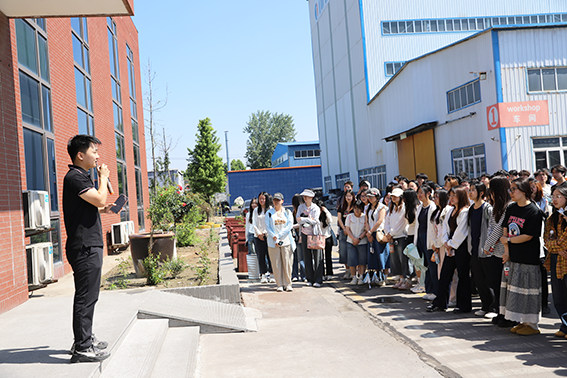
Tinhy and University of Jinan Celebrate Six Years of Industry–University Collaboration
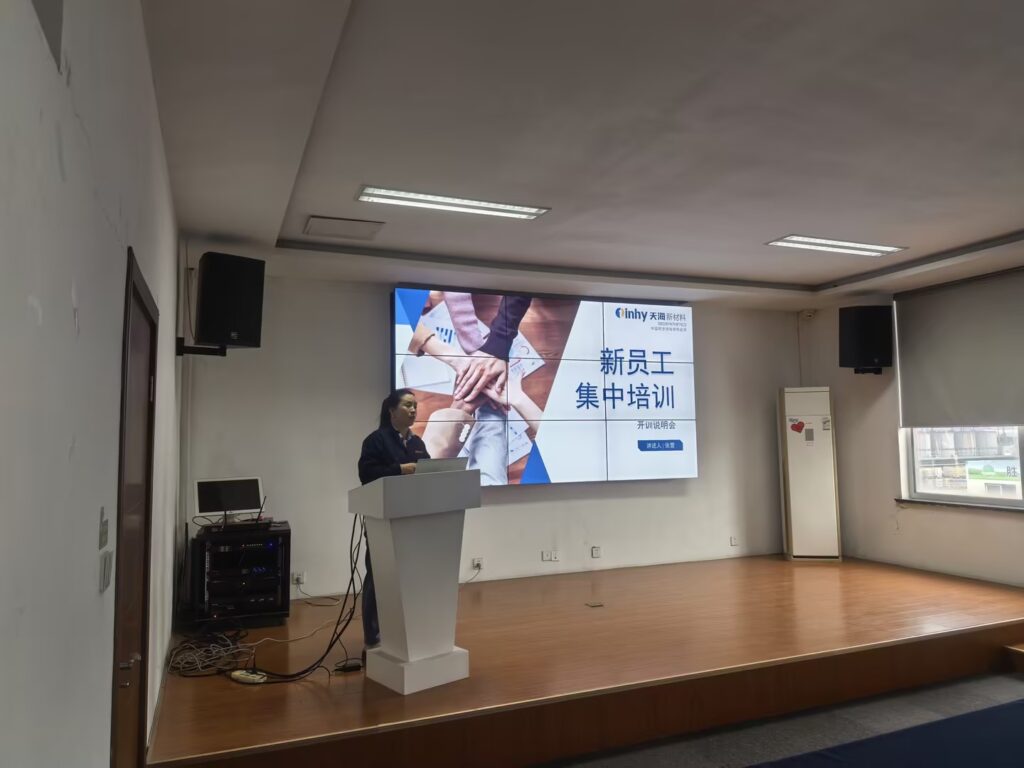
Empowering New Talent, Building the Future: Tinhy Successfully Conducts New Employee Orientation Training
Tinhy Conducts Comprehensive Emergency Drill to Strengthen Workplace Safety Defenses
Company Mid – Year Summary and Team – Building Activity Report
Is geomembrane a geotechnical engineering material?
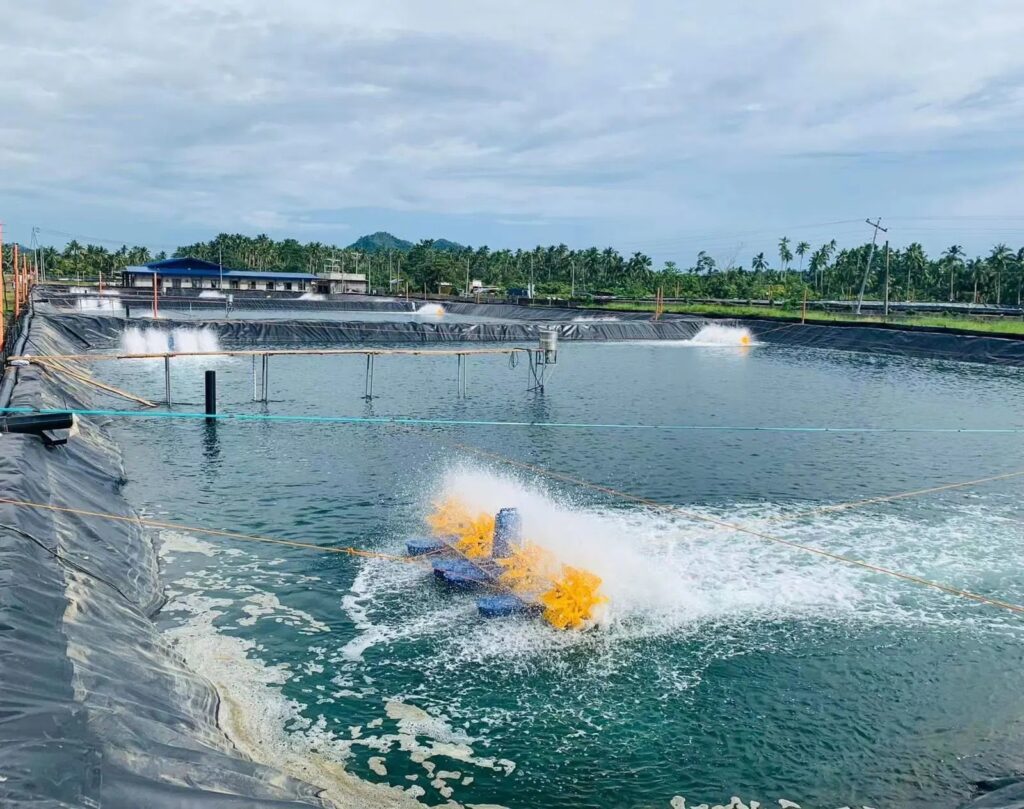
What are the application scenarios of geomembrane?
What are the functions of geotextiles?
Cómo elegir geomembrana de hdpe en proyectos de ingeniería
How to choose hdpe geomembrane in engineering projects
China’s Geotechnical Construction Materials Embrace New Opportunities
Tips for Moisture-Proof Storage of Geotextiles
Key Construction Points and Precautions for High-Density Polyethylene Geomembrane
what is pond lining material ?
What is geomembrane?
HDPE geomembrane construction plans and technical measures
What quality tests do HDPE geomembranes need to do?
Tinhy’s MDS® Drainage Solution
Installation Robots
How to Choose the Right Waterproof Geomembrane for Your Project?
What Is 60 Mil HDPE Geomembrane and What Are Its Applications?
Comprehensive Guide to 1mm Geomembrane for Landfill Applications
Top 7 Global Non Woven Geotextile Suppliers
The 7 Best PP Woven Geotextiles Review: Strength, Applications & Buying Guide
The 6 Best Geotextile 300g Review: Heavy-Duty Nonwoven Geotextile for Soil Stabilization
The 6 Best 1000 Micron HDPE Sheets Reviewed in 2026
What Is a 60 Mil Geomembrane? Complete Guide to 1.5mm HDPE Geomembrane (2026)
Top 7 Global Geocomposite Manufacturers in 2026
Top 10 Best 1.5mm HDPE Geomembrane Sheets in 2026 – Expert Review & Buying Guide
Should HDPE or PVC be used to install geomembrane in reservoirs?
What is the price of geomembrane?
Material characteristics of three different geomembranes
Esquema de construcción de geomembrana de HDPE y medidas técnicas
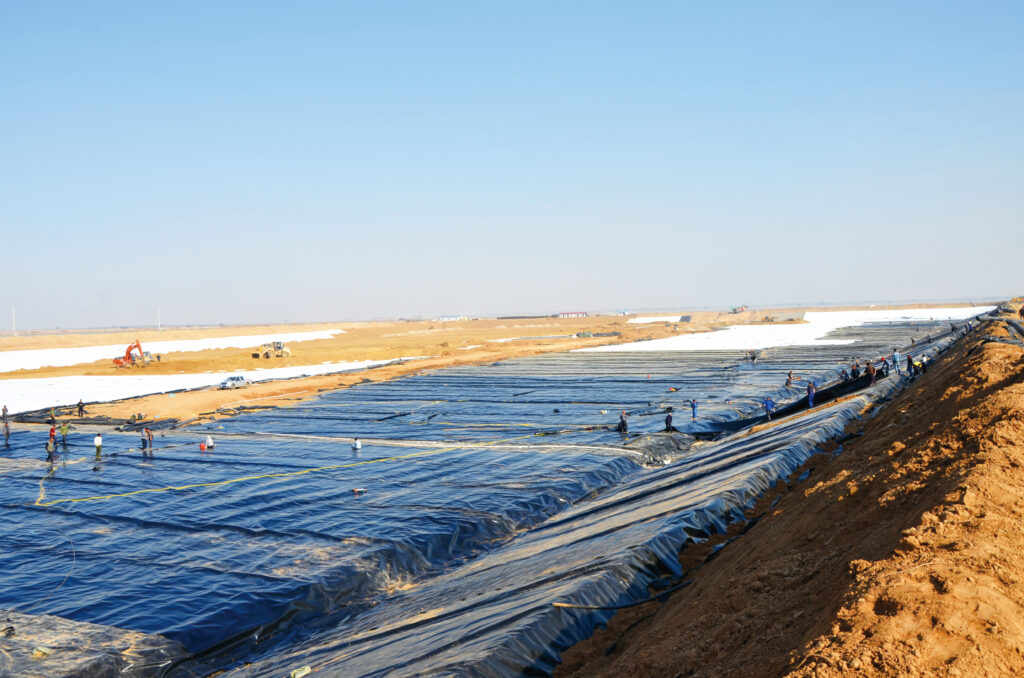
hdpe geomembrane pond liner in Congo (DRC)
How to lay and weld HDPE geomembrane?
HDPE geomembrane 0.2-4.0mm
HOME ABOUT PRODUCTS APPLICATION CONTENTUS RESOURCES
Home Resources Knowledge Base How to Choose the Right Waterproof Geomembrane for Your Project?

How to Choose the Right Waterproof Geomembrane for Your Project?

time:August 28, 2026 Views:3

Waterproof geomembranes play an important role in modern geotechnical, environmental, agricultural, and water-management projects. By providing a low-permeability barrier, geomembranes help control water and liquid migration, reduce seepage, and protect soil and groundwater from contamination.

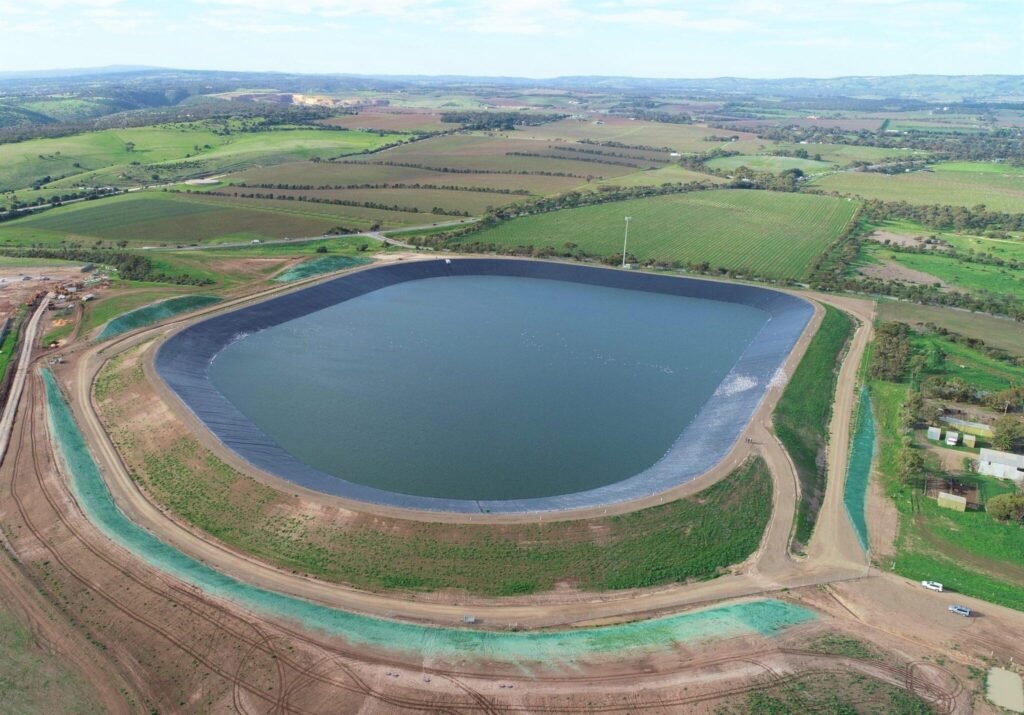
Among the available geomembrane materials, HDPE geomembrane is widely selected for ponds, reservoirs, aquaculture facilities, landfills, mining projects, wastewater treatment systems, and other containment applications because of its combination of chemical resistance, durability, UV resistance, and long-term performance.

Tinhy Geosynthetics Co., Ltd specializes in the manufacturing and supply of geomembranes and geosynthetic products for international infrastructure and environmental projects.

But how do you choose the right waterproof geomembrane for your project?

The answer depends on several factors, including material, thickness, flexibility, chemical compatibility, UV exposure, installation conditions, project requirements, and supplier quality.

This guide explains the most important considerations when selecting a waterproof geomembrane.

1. What Is a Waterproof Geomembrane?

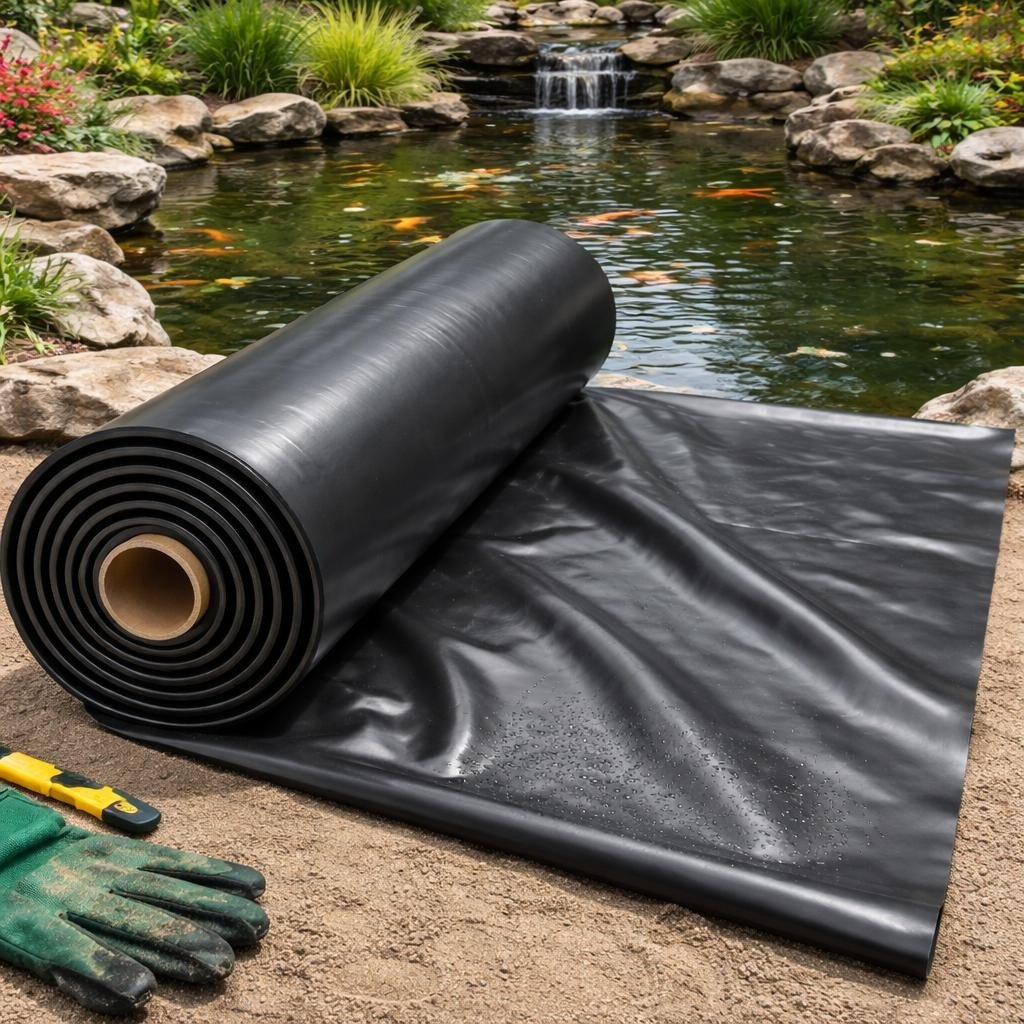
A waterproof geomembrane is a synthetic polymeric liner designed to provide a low-permeability barrier against water, liquids, and, in certain applications, gases.

Geomembranes are commonly manufactured from materials such as:

  • HDPE — High-Density Polyethylene
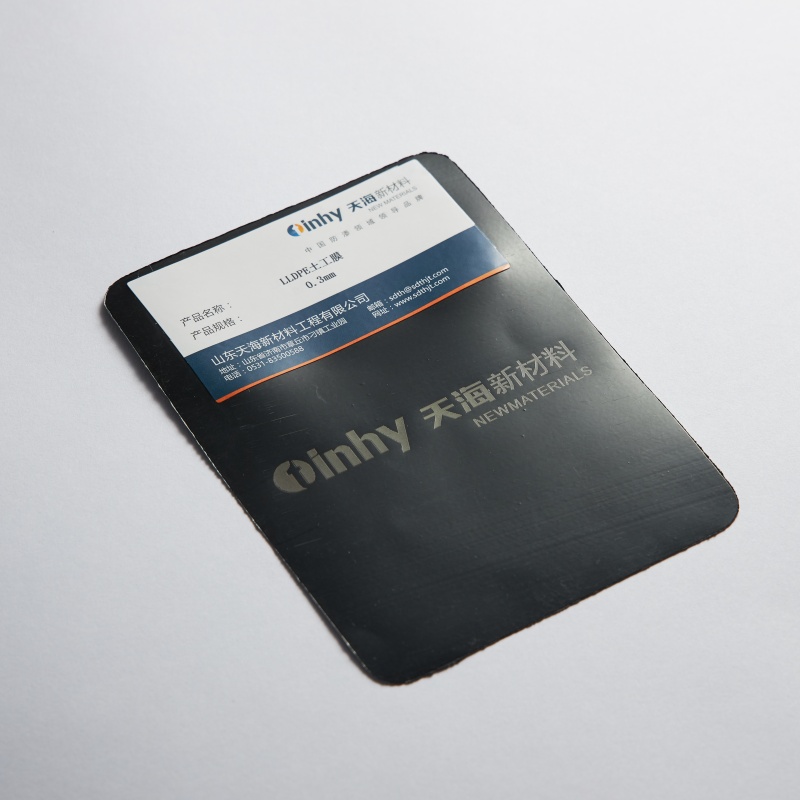
  • LLDPE — Linear Low-Density Polyethylene
  • LDPE — Low-Density Polyethylene
  • PVC — Polyvinyl Chloride
  • EPDM — Ethylene Propylene Diene Monomer
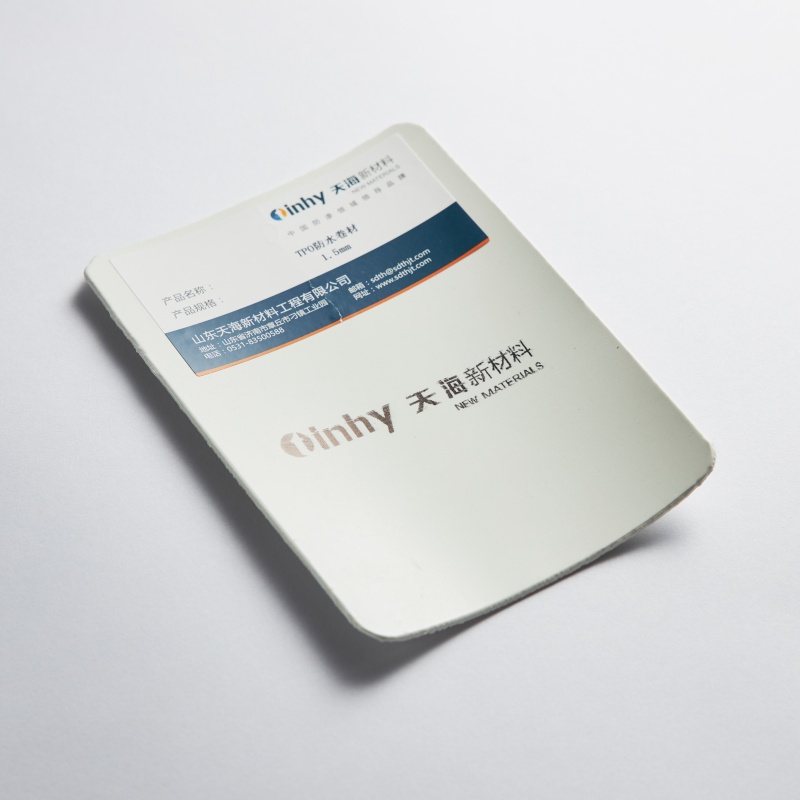
  • TPO — Thermoplastic Polyolefin

Among these materials, HDPE geomembrane is one of the most widely used solutions for large-scale containment and waterproofing projects.

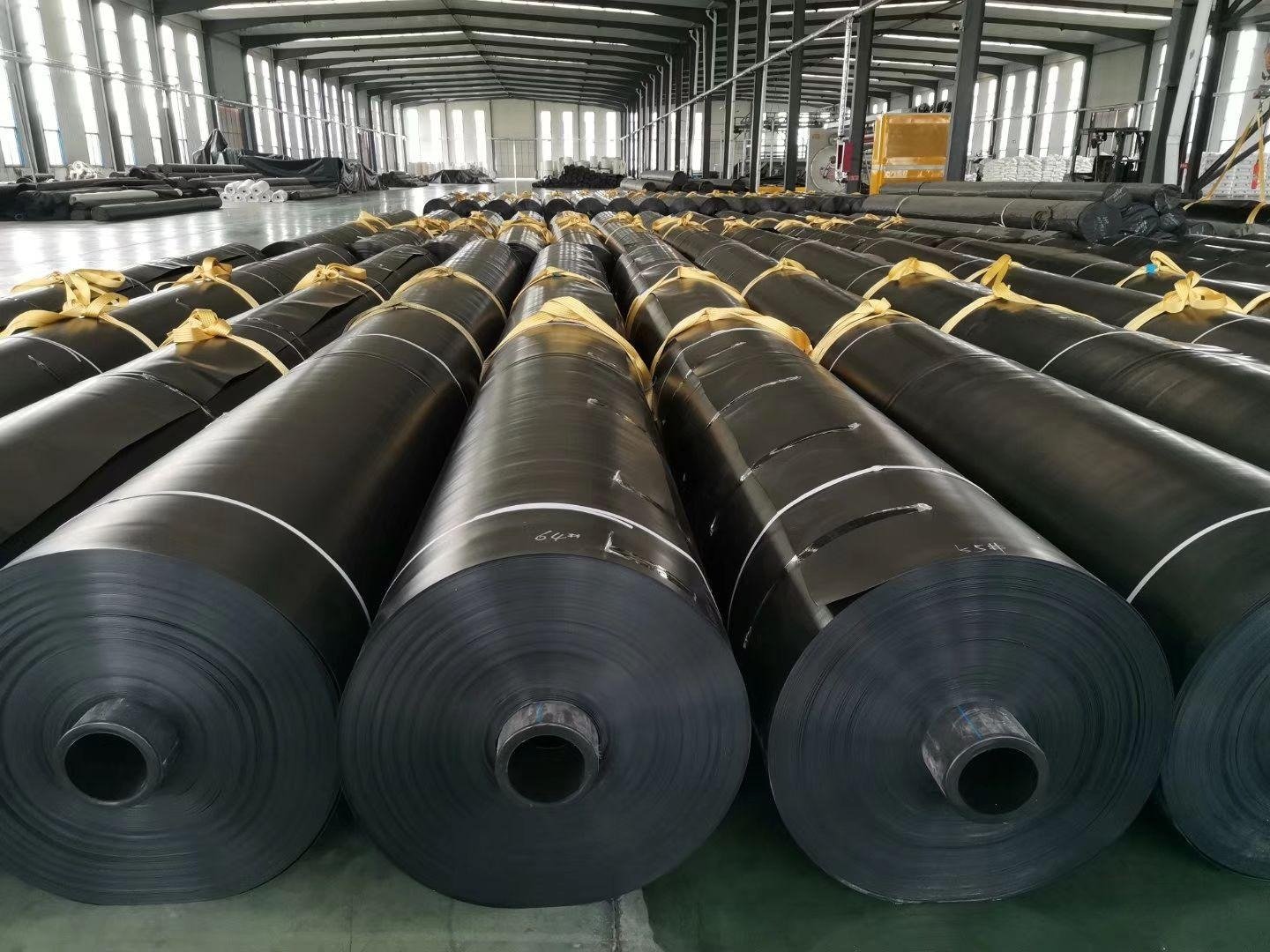
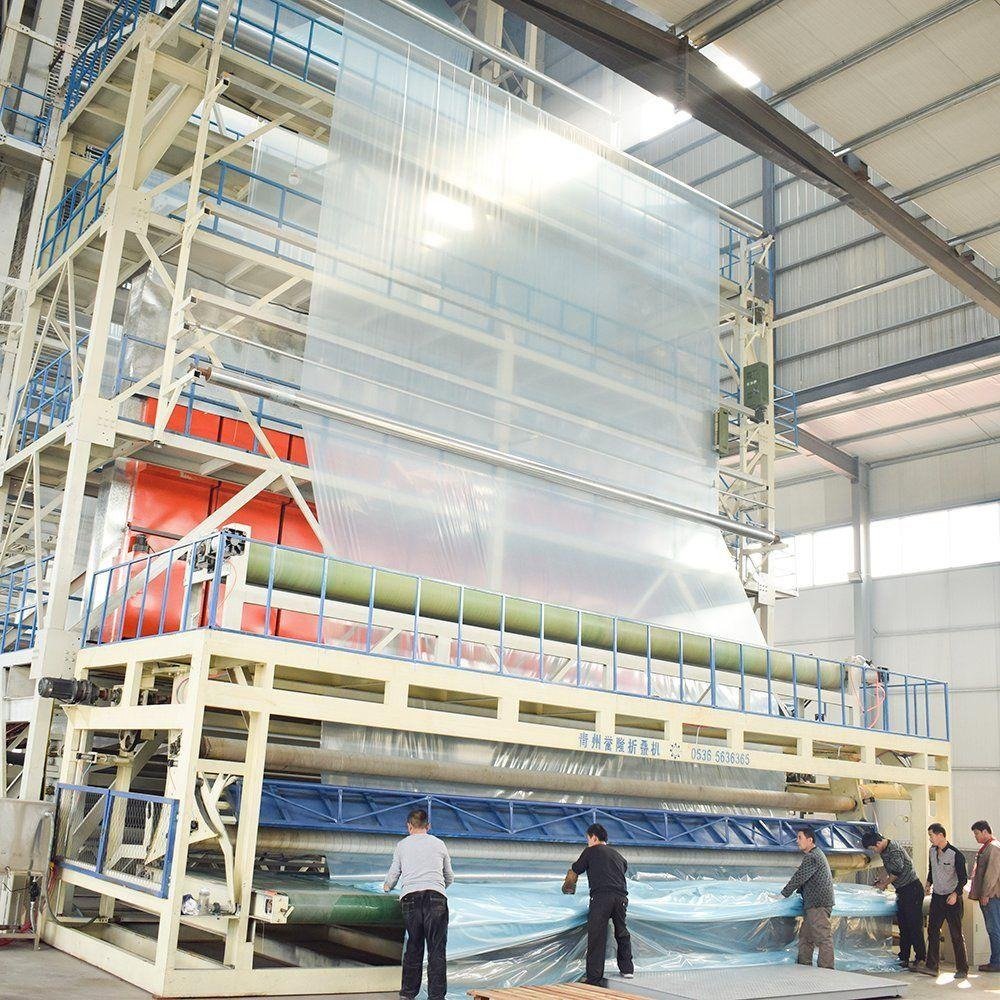
HDPE geomembranes are manufactured from polyethylene resin with additives such as carbon black, antioxidants, and stabilizers. These formulations help improve resistance to UV exposure, oxidation, weathering, and environmental stress.

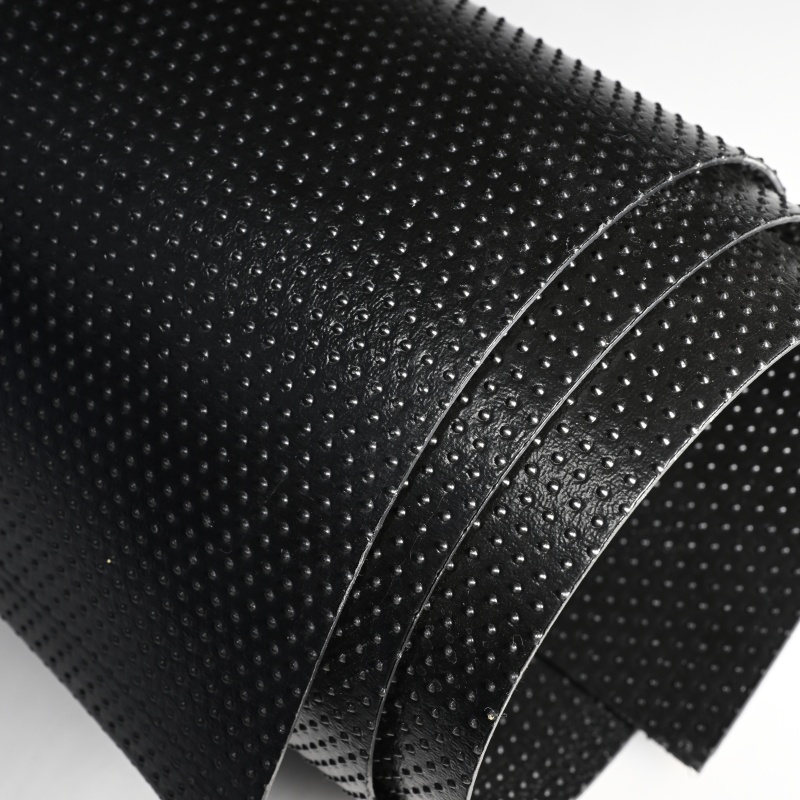
Depending on project requirements, geomembranes can be supplied with smooth, textured, or specially textured surfaces.

Typical applications include:

  • Aquaculture ponds
  • Water reservoirs
  • Irrigation canals
  • Landfill liners
  • Wastewater treatment ponds
  • Mining and tailings facilities
  • Industrial containment
  • Agricultural ponds
  • Dam and canal waterproofing

The right geomembrane should be selected according to the actual site conditions rather than thickness or price alone.

2. How to Choose the Right Waterproof Geomembrane?

There is no single geomembrane that is suitable for every project. The selection process should begin with an assessment of the project’s environmental and engineering requirements.

The following factors are particularly important.

2.1 Choose the Right Geomembrane Material

Different polymer materials offer different combinations of strength, flexibility, chemical resistance, and service performance.

HDPE Geomembrane

HDPE is a popular choice for demanding containment applications because it provides:

  • Excellent chemical resistance
  • High tensile strength
  • Good puncture resistance
  • Strong UV resistance
  • Good environmental stress crack resistance
  • Long-term durability
  • Reliable thermal welding performance

HDPE geomembranes are particularly suitable for landfills, mining, reservoirs, wastewater ponds, aquaculture ponds, canals, and industrial containment.

LLDPE Geomembrane

LLDPE generally provides greater flexibility than HDPE.

It can be a good choice where the liner needs to accommodate:

  • Irregular subgrades
  • Differential settlement
  • Complex pond geometries
  • More demanding deformation conditions

For projects where flexibility is a priority, LLDPE may provide advantages over conventional HDPE.

PVC and EPDM

PVC geomembranes are flexible and can be convenient for certain agricultural and waterproofing applications.

EPDM is highly flexible and is commonly considered for applications where flexibility and weather exposure are important.

However, material selection should always consider chemical compatibility, installation method, design life, temperature, exposure conditions, and project specifications.

3. Choose the Appropriate Geomembrane Thickness

Thickness is one of the most important factors affecting geomembrane performance.

Common HDPE geomembrane thicknesses include:

  • 0.5 mm
  • 0.75 mm
  • 1.0 mm
  • 1.5 mm
  • 2.0 mm
  • 2.5 mm
  • 3.0 mm

Thicker geomembranes generally provide greater resistance to puncture, tearing, construction damage, and mechanical stress.

However, thicker does not automatically mean better for every project.

For example:

  • Small agricultural ponds may use thinner liners depending on subgrade and protection requirements.
  • Aquaculture ponds may require a balance between flexibility and durability.
  • Landfill and mining projects typically require more robust liner systems.
  • Heavy construction environments may justify a thicker geomembrane and additional protection layers.

The final thickness should be determined according to the project design, substrate conditions, waste or liquid characteristics, loading conditions, and applicable standards.

4. Consider UV and Weather Resistance

For exposed applications, UV resistance is critical.

A geomembrane installed in an uncovered reservoir, pond, canal, or other outdoor environment may be exposed to:

  • Direct sunlight
  • UV radiation
  • Rain
  • Wind
  • Temperature fluctuations
  • Freeze-thaw cycles

High-quality HDPE geomembranes generally incorporate carbon black and stabilizing additives to improve resistance to UV radiation and oxidative degradation.

When purchasing a geomembrane for an exposed project, ask the manufacturer for relevant test data and technical documentation, rather than relying only on general claims such as “UV resistant.”

5. Check Chemical Compatibility

Not every geomembrane performs identically when exposed to chemicals.

This is especially important for:

  • Landfill leachate
  • Mining solutions
  • Tailings
  • Industrial wastewater
  • Chemical storage
  • Agricultural chemicals
  • Waste treatment facilities

HDPE offers broad chemical resistance, but the actual compatibility depends on the specific chemical composition, concentration, temperature, and exposure duration.

For demanding projects, the geomembrane supplier should review the expected chemical environment and provide appropriate technical data before material selection.

6. Consider Flexibility and Conformity

Geomembrane flexibility is particularly important when the liner must follow irregular surfaces.

A flexible liner can better accommodate:

  • Curved pond profiles
  • Uneven terrain
  • Settlement
  • Complex geometries
  • Local deformation during installation

HDPE provides high mechanical strength, while LLDPE generally offers greater flexibility.

Therefore, the choice between HDPE and LLDPE should consider the balance between mechanical strength and flexibility required by the project.

Proper subgrade preparation remains essential regardless of the selected material.

7. Consider Geomembrane Surface Type

Waterproof geomembranes are commonly available in smooth and textured surfaces.

Smooth Geomembrane

Smooth HDPE geomembrane is commonly used on relatively flat surfaces where high interface friction is not a primary design requirement.

Typical applications include:

  • Pond bottoms
  • Reservoir bottoms
  • Landfill base liners
  • Secondary containment
  • Water storage

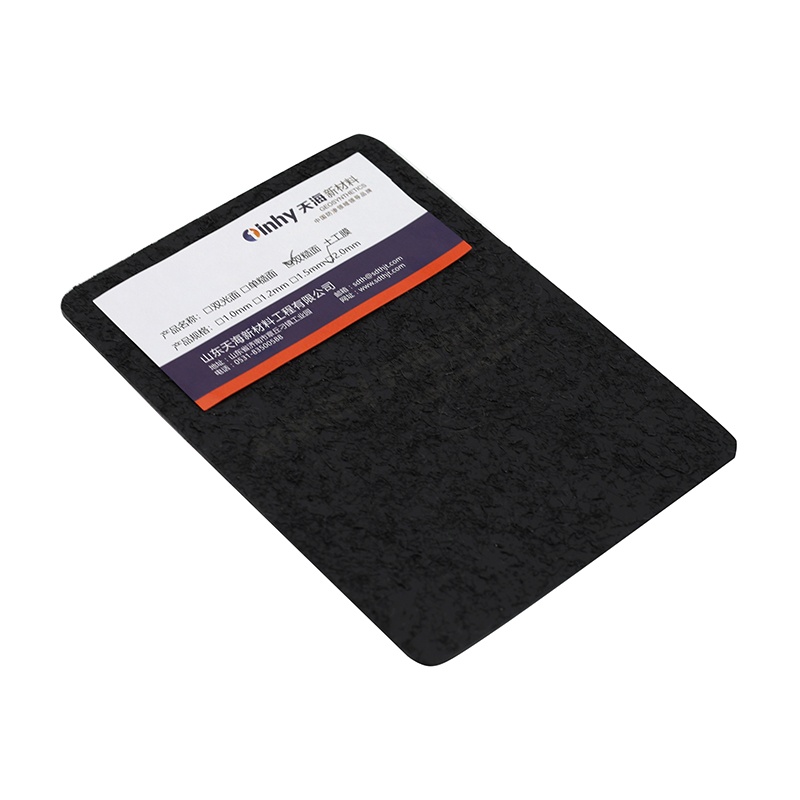
Textured Geomembrane

Textured geomembranes provide higher interface friction than smooth liners and are often selected for sloped applications.

They can be useful for:

  • Landfill side slopes
  • Mining facilities
  • Reservoir slopes
  • Tailings facilities
  • Steep containment structures

The appropriate surface configuration should be determined by the project’s slope stability and interface requirements.

8. Pay Attention to Geomembrane Installation

Even a high-quality geomembrane can perform poorly if it is installed incorrectly.

A typical installation process includes:

Step 1: Subgrade Preparation

The installation surface should be properly prepared, compacted, and cleared of sharp objects, debris, roots, and other materials that could damage the liner.

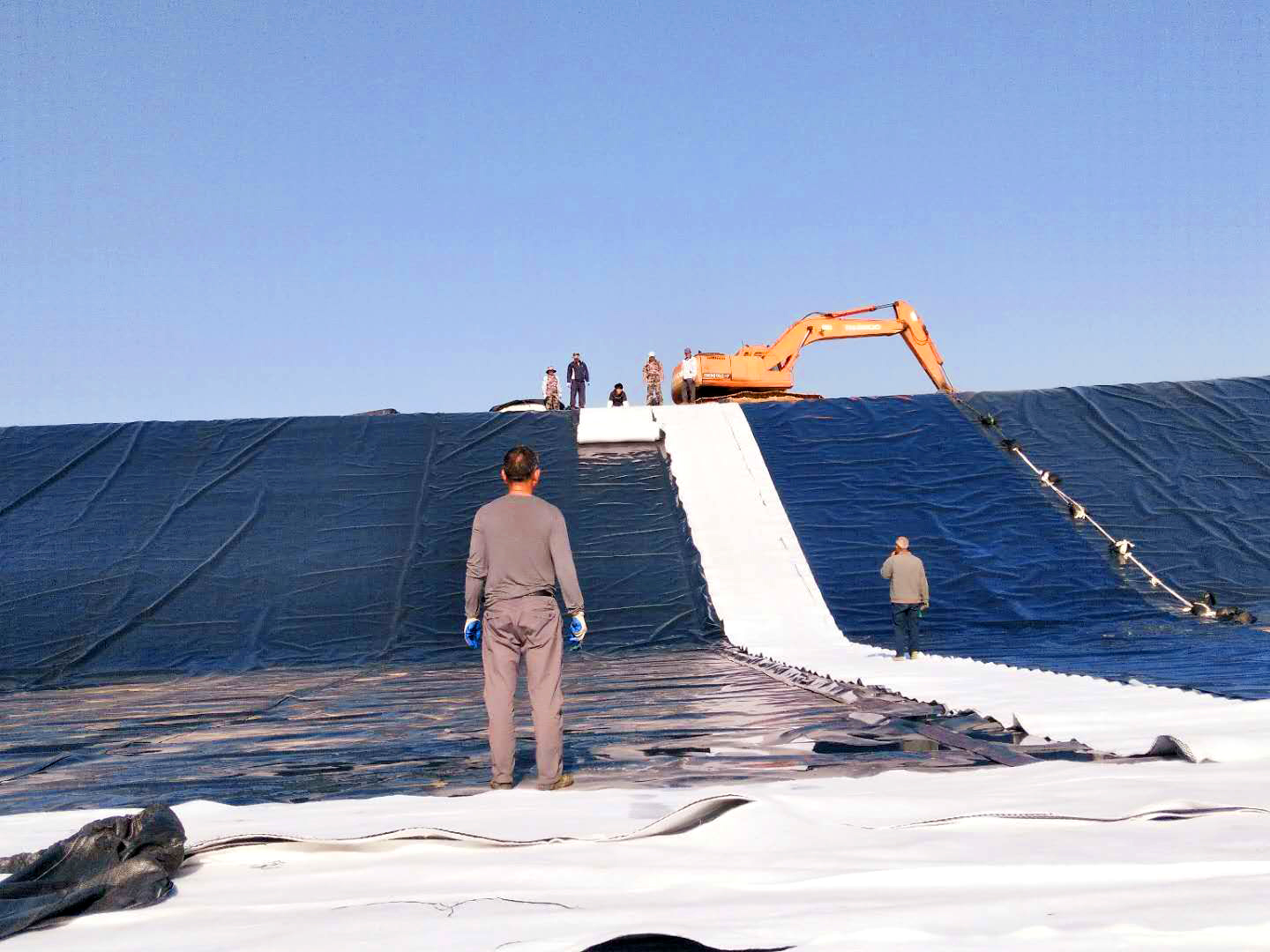
Step 2: Geomembrane Deployment

The geomembrane rolls are carefully positioned according to the approved installation layout.

Avoid unnecessary dragging, excessive tension, and folding that could cause damage.

Step 3: Seaming

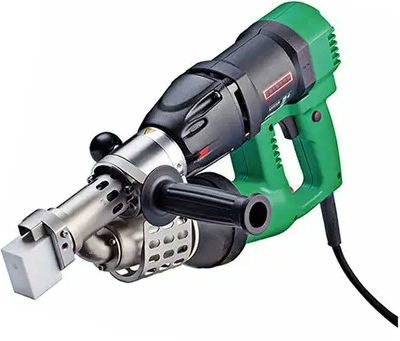
HDPE geomembranes are commonly joined using thermal welding equipment, including:

  • Double-track wedge welding
  • Extrusion welding

The welding method should be selected according to the geomembrane type, thickness, and project requirements.

Step 4: Seam Testing

Welded seams should be inspected and tested to identify potential defects.

Depending on the project specification, testing can include:

  • Air-pressure testing
  • Vacuum testing
  • Peel testing
  • Shear testing
  • Visual inspection

Step 5: Final Inspection and Repair

The completed liner should be carefully inspected before protective or drainage layers are placed above it.

9. Select the Right Geomembrane Size and Roll Width

Roll dimensions can significantly affect installation efficiency.

Wider rolls can reduce the number of field seams, which may help reduce:

  • Welding time
  • Labor requirements
  • Installation complexity
  • Potential seam locations

However, roll width must also consider:

  • Transportation limitations
  • Container loading
  • Handling equipment
  • Site access
  • Deployment equipment
  • Installation crew capability

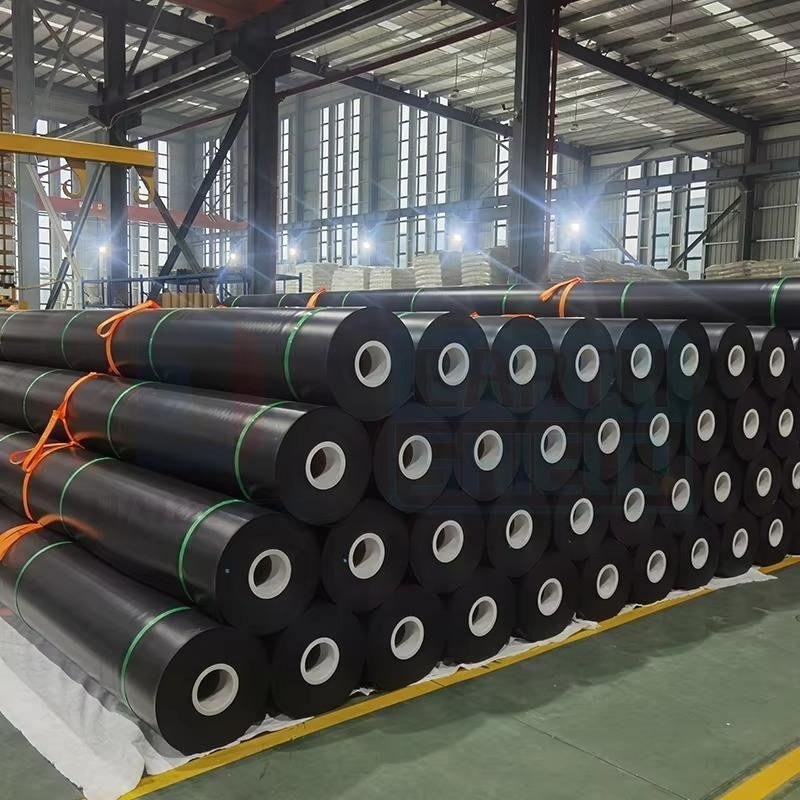
At Tinhy Geosynthetics, geomembrane dimensions can be customized according to project requirements, including thickness, width, length, surface type, and color.

For international projects, roll dimensions should be optimized together with the shipping and installation plan.

10. Choose a Reliable Geomembrane Manufacturer

Supplier selection is just as important as product selection.

Before purchasing a waterproof geomembrane, consider the manufacturer’s:

  • Production capability
  • Quality control system
  • Testing facilities
  • Raw material control
  • Manufacturing experience
  • International project experience
  • Technical documentation
  • Third-party testing
  • Certifications
  • After-sales technical support

A reliable manufacturer should be able to provide technical data sheets, test reports, product specifications, and quality documentation for the supplied geomembrane.

Why Choose Tinhy Geosynthetics?

Tinhy Geosynthetics focuses on the manufacturing, R&D, and supply of geomembranes and geosynthetic materials for international engineering projects.

Our product range includes:

  • HDPE Geomembrane
  • LLDPE Geomembrane
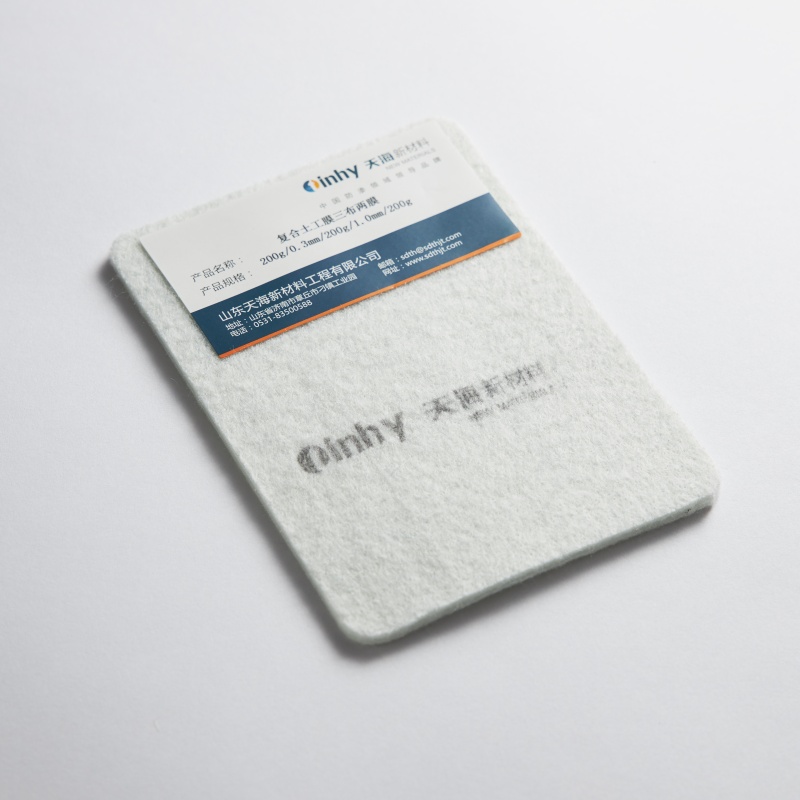
  • Composite Geomembrane
  • Textured Geomembrane
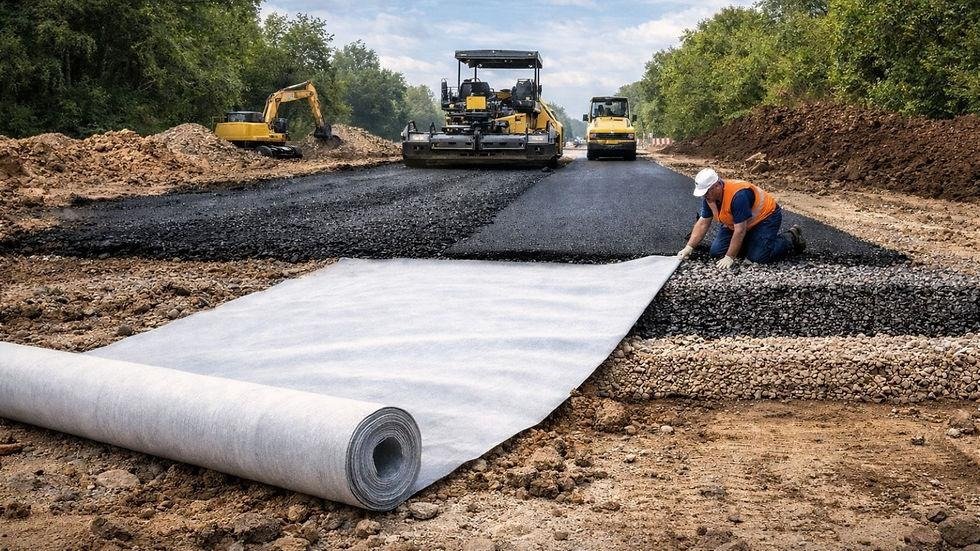
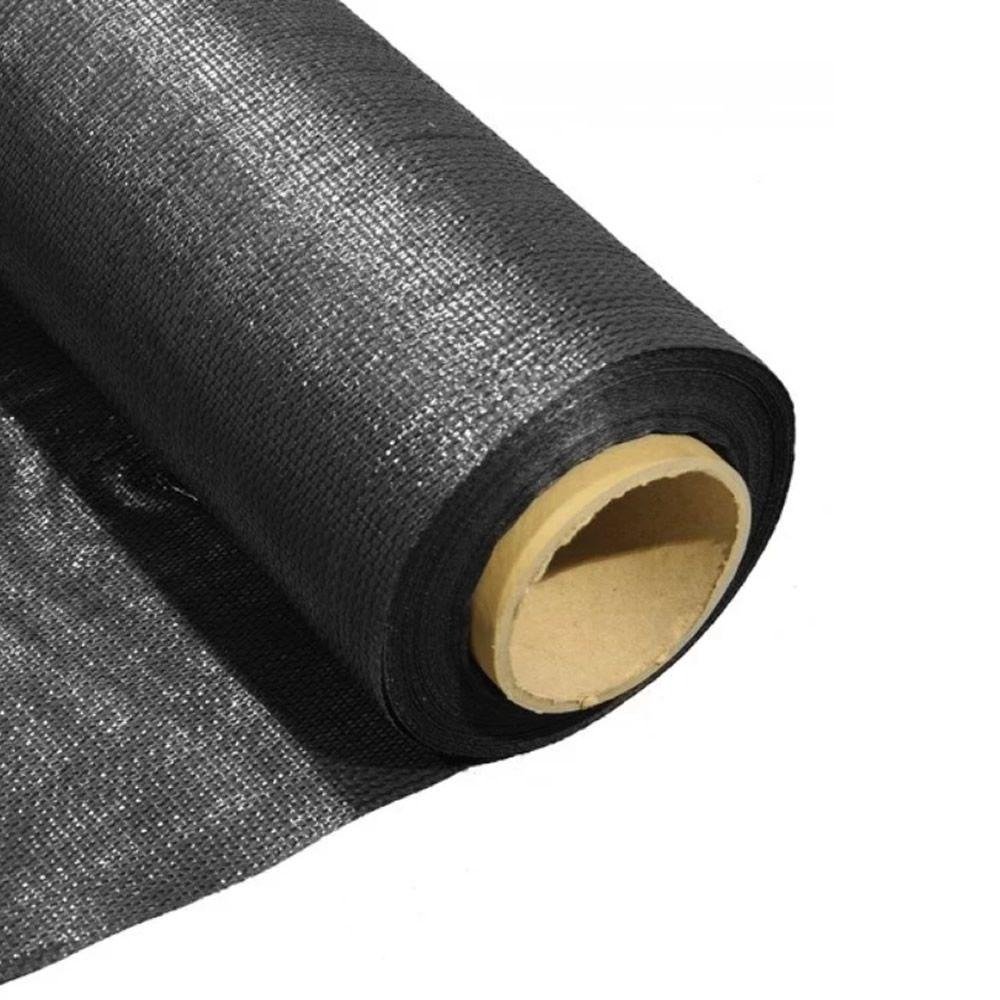
  • Geotextile
  • Geosynthetic Clay Liner
  • Geocomposite
  • Drainage Board
  • Geogrid
  • Geocell
  • Other geosynthetic solutions

Tinhy combines manufacturing capability, quality control, technical support, and project-oriented solutions to help customers select suitable materials for different applications.

For projects with specific technical requirements, our team can assist with material selection, thickness recommendations, roll dimensions, surface configuration, and supporting technical documentation.

11. Waterproof Geomembrane Cost Considerations

Price is an important factor, but the lowest material price does not necessarily mean the lowest project cost.

The total cost should consider:

Material cost + transportation + installation + welding + protection + maintenance + expected service life

For example, a wider geomembrane roll may have a slightly higher material cost but reduce the number of field seams and installation labor.

Similarly, selecting an appropriate thickness can help balance initial investment and long-term durability.

For this reason, geomembrane selection should focus on total project value rather than price per square meter alone.

12. Check Applicable Standards and Test Data

For engineering projects, geomembrane selection should be based on the project specification and applicable industry standards.

For HDPE geomembranes, specifications may reference standards and guidelines such as:

  • GRI-GM13
  • ASTM test methods
  • ISO standards
  • Project-specific technical specifications

Important properties to evaluate may include:

  • Thickness
  • Density
  • Tensile strength
  • Elongation
  • Tear resistance
  • Puncture resistance
  • Carbon black content
  • Carbon black dispersion
  • Oxidative induction time
  • Environmental stress crack resistance

Instead of selecting a geomembrane solely based on its nominal thickness, engineers should compare the complete technical data sheet and relevant test reports.

13. Waterproof Geomembrane Applications

The right waterproof geomembrane can be used across many industries.

Aquaculture

HDPE and LLDPE geomembranes can be used to line:

  • Fish ponds
  • Shrimp ponds
  • Aquaculture reservoirs
  • Hatchery ponds

They help reduce water seepage and facilitate easier pond management.

Water Storage

Geomembranes are widely used for:

  • Reservoirs
  • Agricultural ponds
  • Irrigation canals
  • Water treatment facilities

Landfills

Geomembranes form an important component of landfill lining and capping systems, helping control leachate migration and protect surrounding soil and groundwater.

Mining

Geomembranes are used in:

  • Heap leach pads
  • Tailings facilities
  • Evaporation ponds
  • Process water ponds
  • Secondary containment

Wastewater Treatment

Geomembrane liners can be used in wastewater lagoons, treatment ponds, and containment structures where seepage control is required.

14. How to Select the Right Waterproof Geomembrane: A Quick Checklist

Before placing an order, review these key questions:

Selection Factor What to Check
Material HDPE, LLDPE, PVC, EPDM, etc.
Thickness Based on design and site conditions
Surface Smooth or textured
UV Exposure Required for exposed applications
Chemical Environment Check compatibility
Mechanical Loading Puncture, tear and tensile requirements
Subgrade Smooth, compacted and free of sharp objects
Roll Width Balance installation and transportation
Welding Confirm suitable seaming method
Standards ASTM, GRI, ISO or project specifications
Testing Manufacturer and third-party test reports
Supplier Manufacturing capacity and technical support

Conclusion

Choosing the right waterproof geomembrane requires more than simply comparing prices or thicknesses. Material type, thickness, surface structure, chemical compatibility, UV exposure, flexibility, installation conditions, roll dimensions, and applicable standards should all be considered together.

For many demanding containment and waterproofing projects, HDPE geomembrane provides an effective combination of mechanical strength, chemical resistance, UV stability, durability, and weldability.

For projects requiring greater flexibility, LLDPE may be more appropriate. For sloped structures, textured geomembranes can provide additional interface friction.

The key is to select the geomembrane based on the actual engineering requirements of the project.

Tinhy Geosynthetics provides geomembrane and geosynthetic solutions for aquaculture, water containment, landfill, mining, wastewater treatment, agriculture, and other environmental and civil engineering applications.

If you are planning a geomembrane project, provide us with the application, required area, thickness, site conditions, and delivery location, and Tinhy can help you evaluate a suitable geomembrane solution.

Knowledge Base
Share:
info@tinhygeosynthetics.com Bai Jinxi
Consultation

    Get The Latest Product Prices

    Your inquiries are welcomed at any time and please feel free to contact us via email, phone calls, and online chatbox on our site.

    We will definitely give you a reply ASAP after we receive your messages.

      0/180