Resources
Company News
Industry News
Knowledge Base
Project Cases
Innovation
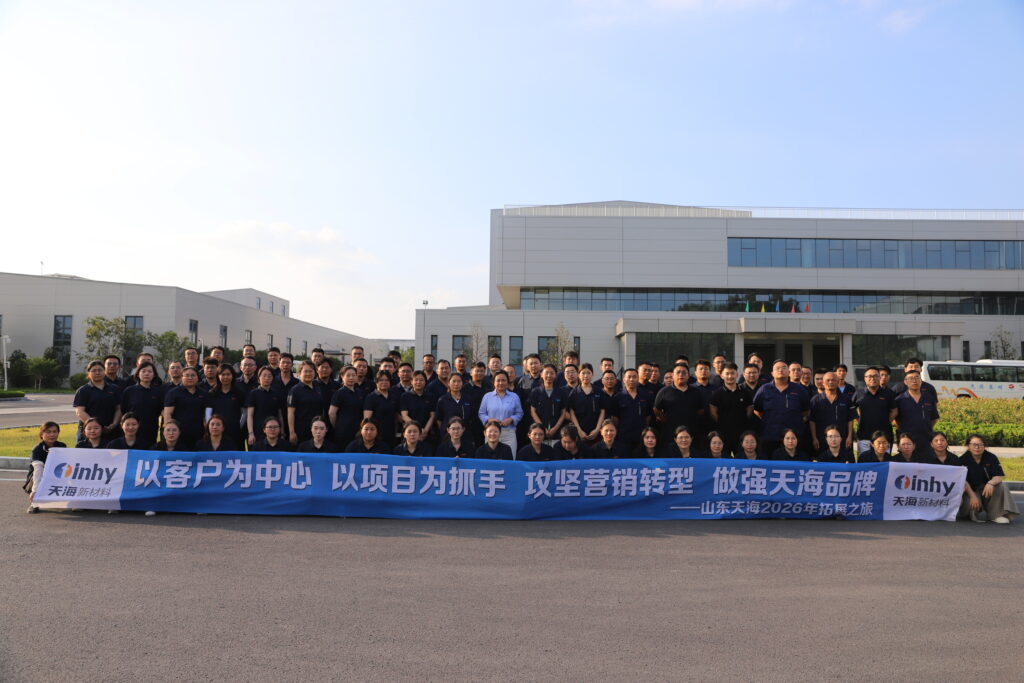
Team Power Fuels TINHY’s Global Geosynthetics Solutions
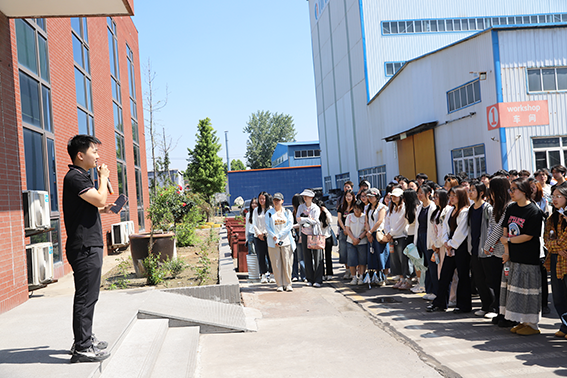
Tinhy and University of Jinan Celebrate Six Years of Industry–University Collaboration
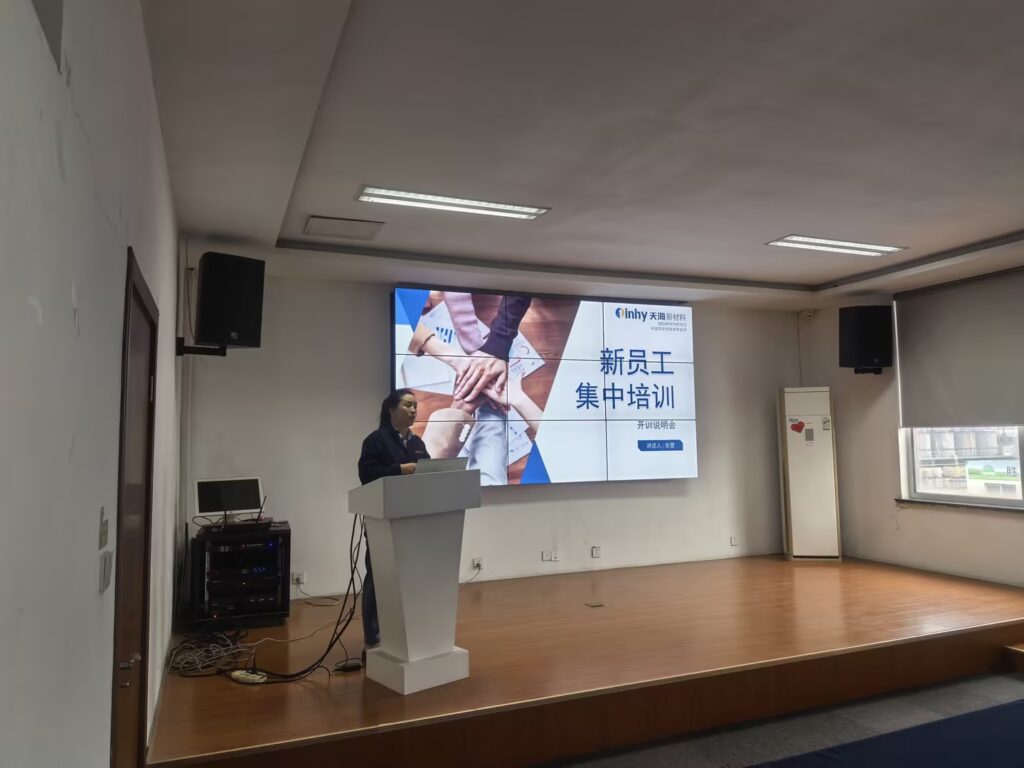
Empowering New Talent, Building the Future: Tinhy Successfully Conducts New Employee Orientation Training
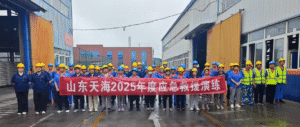
Tinhy Conducts Comprehensive Emergency Drill to Strengthen Workplace Safety Defenses
Company Mid – Year Summary and Team – Building Activity Report
Is geomembrane a geotechnical engineering material?
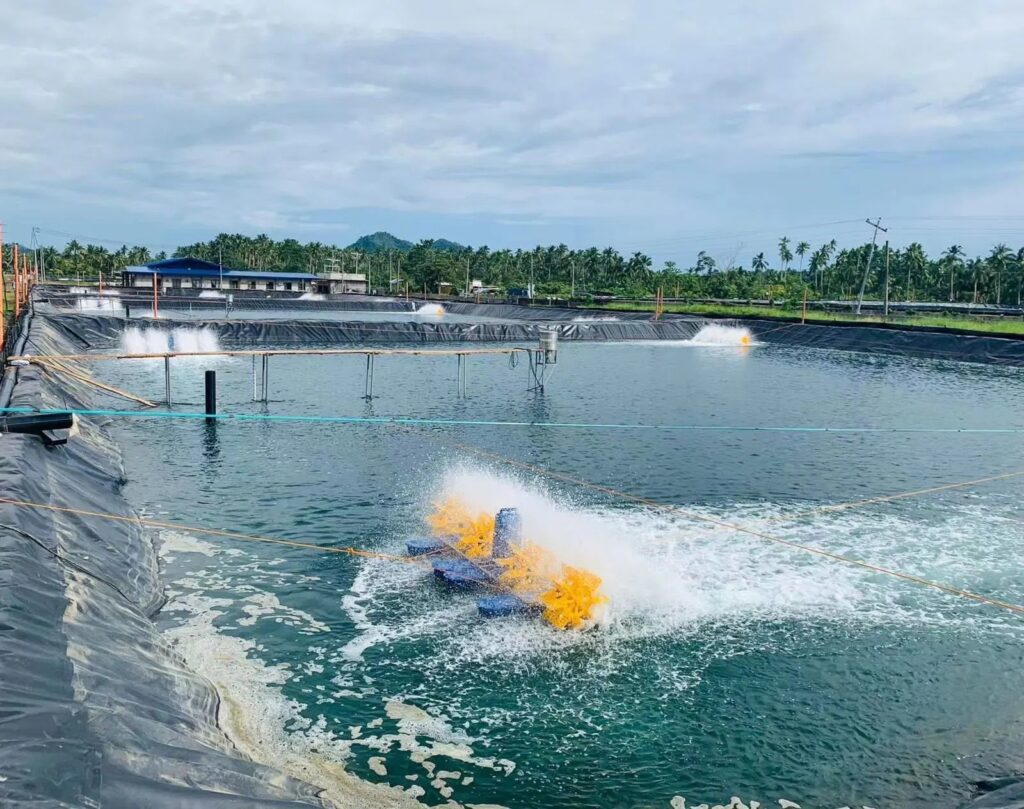
What are the application scenarios of geomembrane?
What are the functions of geotextiles?
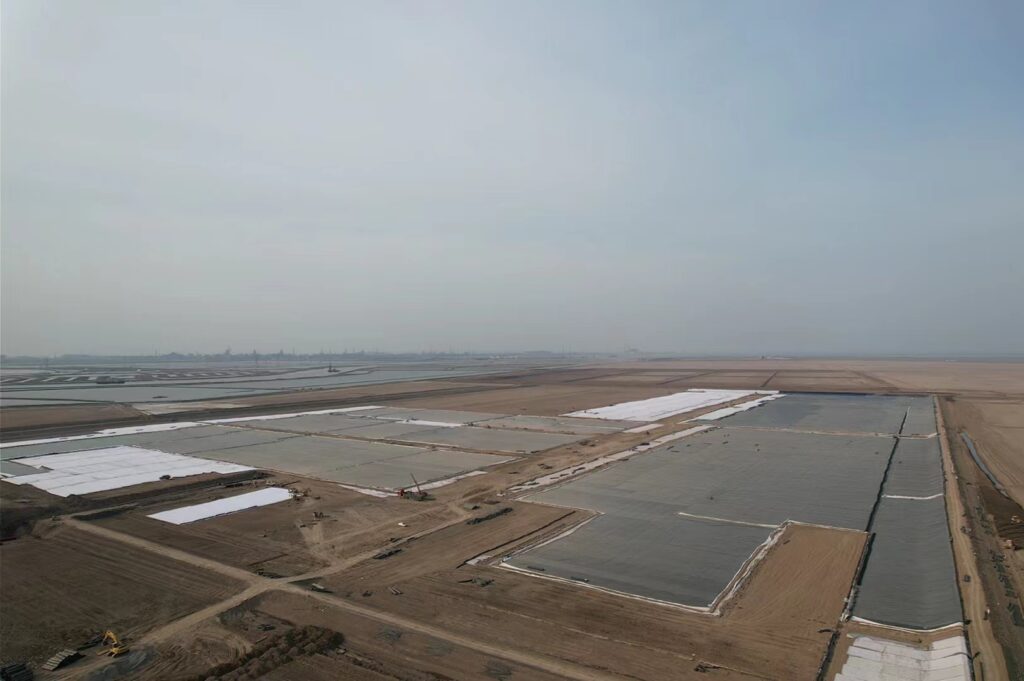
Cómo elegir geomembrana de hdpe en proyectos de ingeniería
How to choose hdpe geomembrane in engineering projects
China’s Geotechnical Construction Materials Embrace New Opportunities
Tips for Moisture-Proof Storage of Geotextiles
Key Construction Points and Precautions for High-Density Polyethylene Geomembrane
what is pond lining material ?
What is geomembrane?
HDPE geomembrane construction plans and technical measures
What quality tests do HDPE geomembranes need to do?
Tinhy’s MDS® Drainage Solution
Installation Robots
30 Mil Impermeable Liner: A Guide to Thickness, Uses and Selection
Non Woven Geotextile Fabric for Drainage: A Complete Guide
30 Mil PVC Liner: Thickness, Benefits, Applications and Buying Guide
LLDPE Geomembrane: Properties, Specifications, Benefits and Applications
Geomembrane Service Life: How Long Does a Geomembrane Last?
Polyethylene Geomembranes: HDPE vs. LLDPE and How to Choose
2mm HDPE Liner: Specifications, Applications, and Supplier Selection Guide
Woven vs. Non Woven Geotextile: Key Differences and How to Choose
LDPE Sheet 500 Micron Price: Cost Factors, Applications, and Buying Guide
30 Mil Geomembrane: Specifications, Applications, and How to Choose the Right Liner
Should HDPE or PVC be used to install geomembrane in reservoirs?
What is the price of geomembrane?
Material characteristics of three different geomembranes
Esquema de construcción de geomembrana de HDPE y medidas técnicas
hdpe geomembrane pond liner in Congo (DRC)
How to lay and weld HDPE geomembrane?
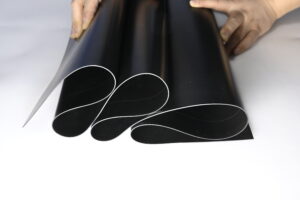
HDPE geomembrane 0.2-4.0mm
HOME ABOUT PRODUCTS APPLICATION CONTENTUS RESOURCES
Home Resources Knowledge Base Non Woven Geotextile Fabric for Drainage: A Complete Guide

Non Woven Geotextile Fabric for Drainage: A Complete Guide

time:October 30, 2026 Views:7

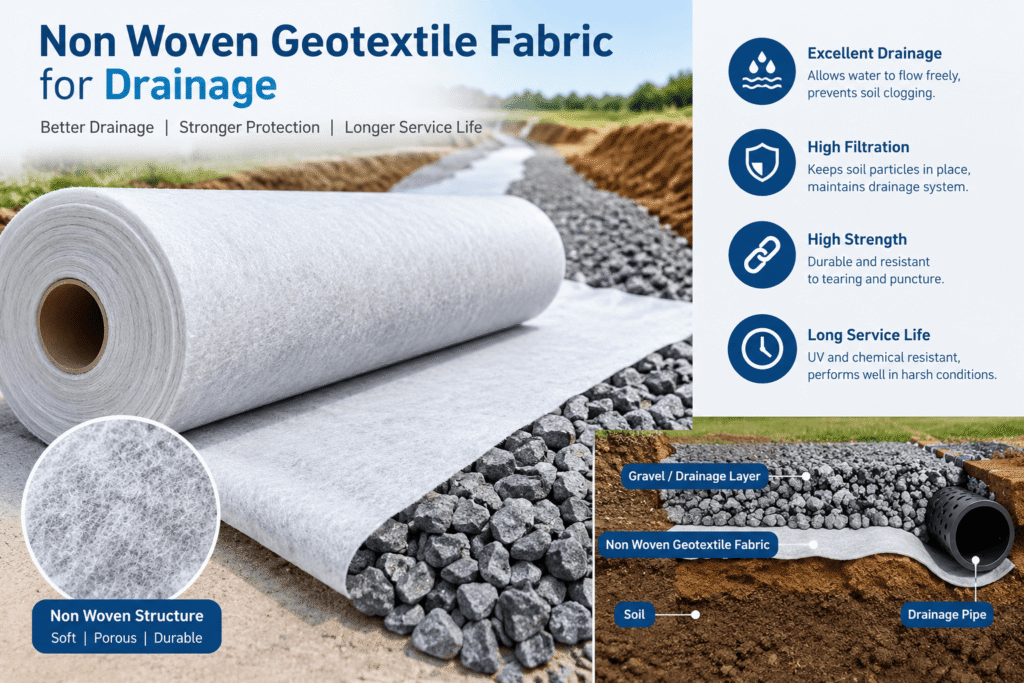
Effective drainage is essential for maintaining the stability and performance of roads, retaining walls, foundations, and other civil engineering structures. Excess water can contribute to soil erosion, reduced soil strength, and drainage system blockages.

Non woven geotextile fabric for drainage is widely used in drainage systems because it can allow water to pass through while helping retain surrounding soil particles. When selected and installed correctly, it can help improve drainage performance and reduce the risk of soil migration into drainage materials.

At Tinhy Geosynthetics, we provide geosynthetic solutions for civil engineering and infrastructure projects. This guide explains how non woven geotextile fabric works in drainage systems, its key benefits, and what to consider when selecting a suitable product.

What Is Non Woven Geotextile Fabric for Drainage?

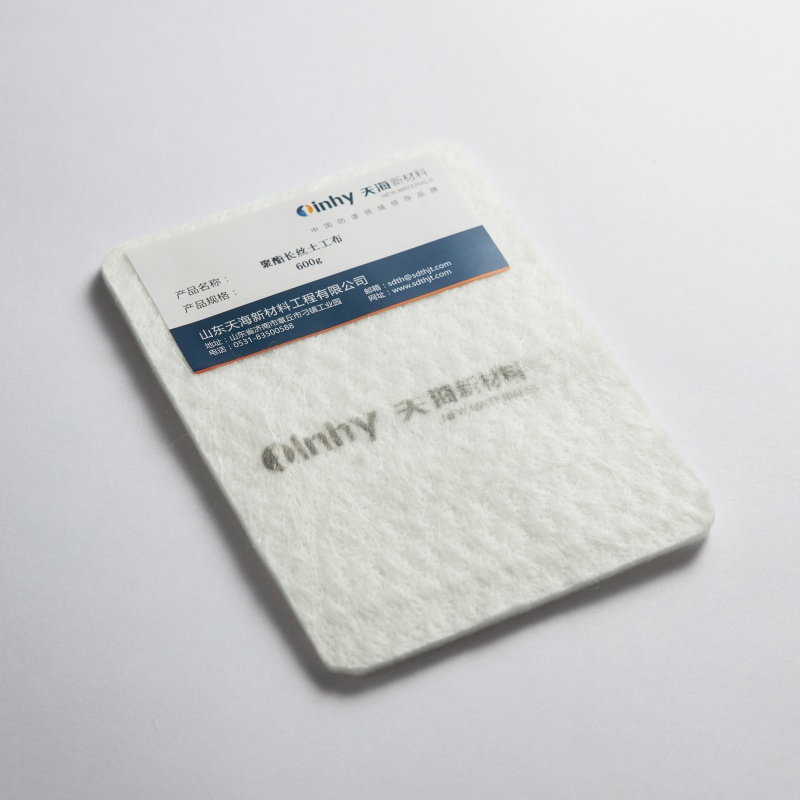
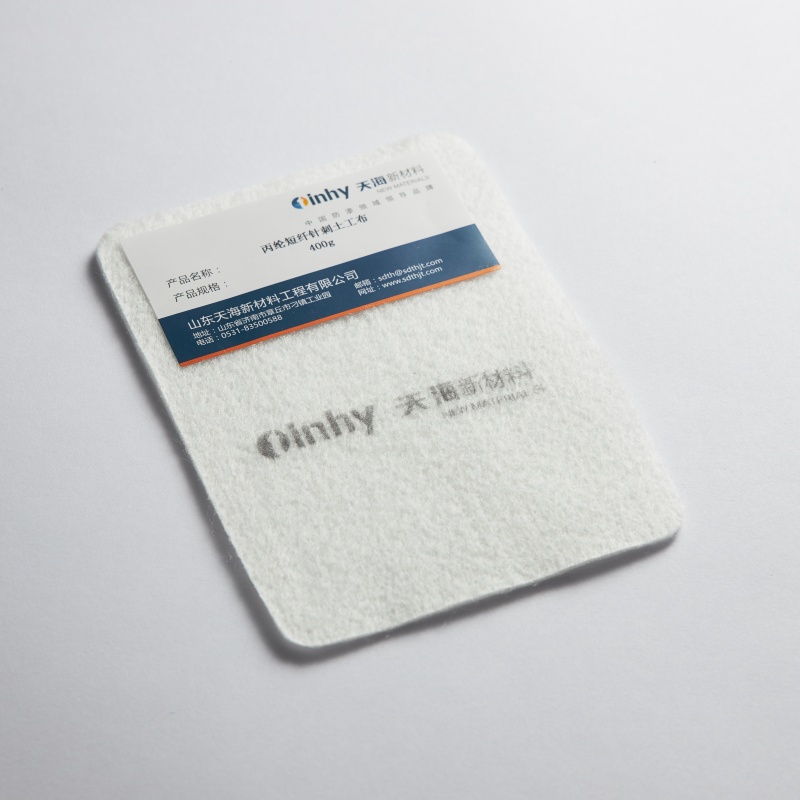
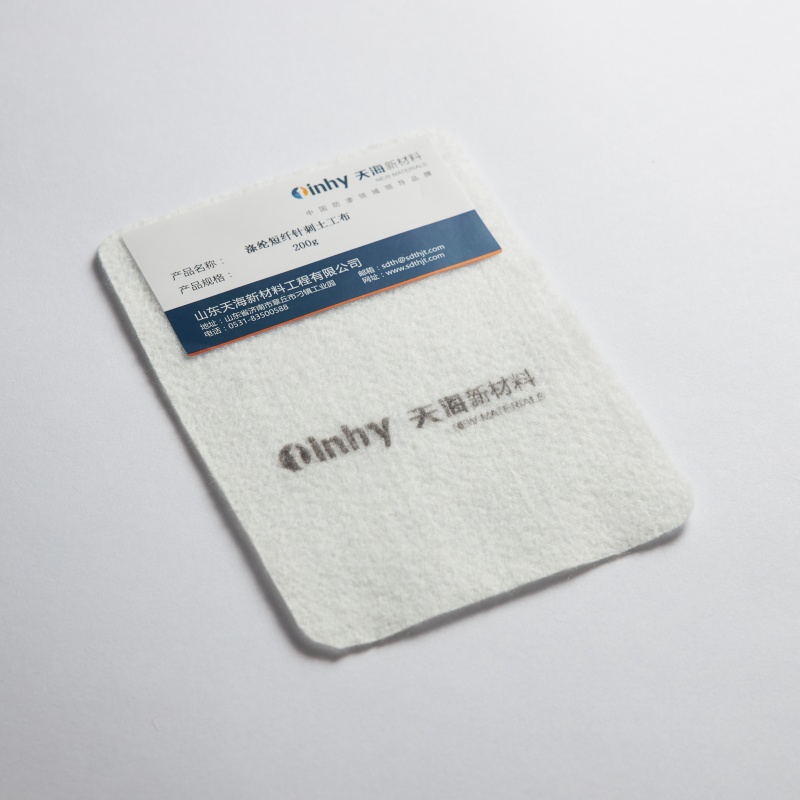
Non woven geotextile fabric is a permeable textile made by bonding fibers together rather than weaving them into an ordered pattern. Depending on the manufacturing process, the fibers may be mechanically bonded, thermally bonded, or produced using other bonding methods.

For drainage applications, non woven geotextiles are commonly used as a filtration and separation layer. They allow water to flow through the fabric while helping prevent soil particles from entering and clogging drainage aggregate or drainage pipes.

The fabric is often made from polypropylene (PP) or polyester (PET). The appropriate material depends on project conditions, including soil characteristics, chemical exposure, installation requirements, and design specifications.

How Does Non Woven Geotextile Fabric Work in Drainage?

A drainage system needs to collect and move water without allowing excessive soil particles to enter the drainage layer. Non woven geotextile fabric helps perform this function in three main ways.

1. Filtration

Water passes through the geotextile while the fabric retains an appropriate proportion of surrounding soil particles. Proper filtration design helps reduce soil loss while maintaining water flow.

2. Separation

The geotextile helps separate fine soil from coarse drainage aggregate. This reduces the mixing of different materials and helps preserve the structure of the drainage layer.

3. Protection of Drainage Components

When used around drainage aggregate or perforated pipes, the fabric can help limit the entry of soil particles. The geotextile must be selected according to the soil and drainage conditions to reduce the risk of clogging.

Important: A geotextile is not a substitute for a properly designed drainage outlet. Water must still have a suitable path to discharge from the system.

Common Applications of Non Woven Geotextile Fabric for Drainage

1. French Drains and Subsurface Drainage

In French drains, non woven geotextile fabric is often placed around drainage aggregate or used as specified in the system design. It helps separate the surrounding soil from the aggregate while allowing water to enter the drainage layer.

The correct fabric opening size and permeability are important because the surrounding soil determines how the filtration system should perform.

2. Retaining Wall Drainage

Retaining walls need drainage systems to manage water behind the wall. Non woven geotextile can be installed between the backfill soil and drainage aggregate, subject to the project design.

By limiting soil migration into the drainage layer, the fabric can help maintain the function of the drainage system.

3. Road and Highway Construction

Non woven geotextiles may be used in road drainage structures to help separate soil from granular drainage materials and facilitate water movement. Product selection should account for the subgrade, expected loading, construction methods, and drainage requirements.

4. Foundation and Basement Drainage

For suitable foundation drainage designs, non woven geotextile fabric can serve as a filtration layer around drainage aggregate or other drainage components. Its compatibility with the surrounding soil and drainage materials is essential.

5. Landscaping and Sports Facilities

Drainage systems beneath landscaped areas and sports surfaces may incorporate non woven geotextile to separate soil from drainage layers and help prevent fine particles from migrating into the drainage materials.

The fabric specification should match the site conditions and the requirements of the overall drainage system.

Key Benefits of Non Woven Geotextile Fabric for Drainage

Choosing the right non woven geotextile can provide several practical benefits:

  • Water permeability: Allows water to pass through the fabric when its hydraulic properties are appropriate for the project.
  • Soil filtration: Helps retain soil particles while allowing water to flow.
  • Material separation: Reduces the mixing of surrounding soil and drainage aggregate.
  • Installation flexibility: Can be cut and positioned to suit many drainage layouts.
  • Durability: Suitable products can provide long-term service when their material properties, installation, and exposure conditions are properly considered.

Actual performance depends on the product specification, soil conditions, installation quality, and drainage system design.

How to Choose the Right Non Woven Geotextile for Drainage

Not every non woven geotextile is suitable for every drainage project. Before purchasing, consider the following factors.

1. Mass per Unit Area

Geotextile products are often specified by mass per unit area, such as 150 g/m², 200 g/m², or 300 g/m². However, a higher weight does not automatically mean better drainage performance.

The required specification should be determined by the filtration requirements, installation conditions, and mechanical demands of the project.

2. Water Permeability and Permittivity

The geotextile must provide sufficient water flow for the intended drainage function. Compare the product’s documented hydraulic properties with the project’s design requirements.

3. Apparent Opening Size

Apparent opening size is an important consideration when selecting a geotextile for soil filtration. The opening characteristics should be compatible with the particle-size distribution of the surrounding soil.

4. Tensile and Puncture Resistance

During placement and backfilling, the fabric may be exposed to handling, aggregate, and construction equipment. Tensile strength and puncture resistance should therefore be appropriate for the installation conditions.

5. Polymer Type and Site Conditions

PP and PET non woven geotextiles may be suitable for different project requirements. Consider the expected exposure, soil chemistry, temperature, and other environmental conditions when choosing a product.

For reliable selection, review the product data sheet and consult the project engineer where necessary.

Installation Tips for Non Woven Geotextile Fabric

Correct installation is essential to achieving the intended filtration and drainage performance.

  1. Prepare the surface: Remove sharp objects and debris that could damage the fabric.
  2. Follow the design layout: Position the geotextile according to the drainage system drawings and specified orientation.
  3. Provide adequate overlaps: Follow the project specifications for overlap width and joint details.
  4. Avoid unnecessary damage: Do not drag the fabric over sharp surfaces or expose it to avoidable construction damage.
  5. Place drainage aggregate carefully: Avoid displacing or tearing the fabric during aggregate placement and compaction.
  6. Complete the drainage outlet: Ensure that the drainage system has a properly designed route for water discharge.

Installation procedures should follow the project specifications and applicable engineering requirements.

Non Woven vs. Woven Geotextile for Drainage

Non woven and woven geotextiles have different structures and properties.

Non woven geotextiles are frequently selected for filtration and drainage because their fiber structure can provide suitable water-flow and soil-retention characteristics. Woven geotextiles are often selected when particular tensile or separation requirements are important.

Neither type is universally better. The correct choice depends on soil conditions, hydraulic requirements, mechanical loads, and the design of the drainage system.

Why Choose Tinhy Geosynthetics?

Tinhy Geosynthetics focuses on the manufacturing, installation, and research and development of geomembranes and geosynthetics. We support customers looking for geosynthetic materials for infrastructure and civil engineering projects.

When evaluating non woven geotextile fabric for drainage, it is important to match product specifications with the project’s soil conditions, hydraulic requirements, and installation demands.

Contact Tinhy Geosynthetics to discuss your project requirements and request product information.

Frequently Asked Questions

Is non woven geotextile fabric suitable for drainage?

Yes. Non woven geotextiles are commonly used as filtration and separation layers in drainage systems. The product must be selected to suit the surrounding soil and the system’s hydraulic requirements.

What weight of non woven geotextile is best for drainage?

There is no single weight that suits every drainage project. Common product weights include 150, 200, and 300 g/m², but the final specification should be based on filtration, permeability, strength, and installation requirements.

Can non woven geotextile fabric prevent drainage pipes from clogging?

It can help reduce the entry of soil particles into drainage aggregate or pipes when properly selected and installed. However, no fabric can guarantee that a drainage system will never clog. Soil conditions, filter compatibility, and maintenance also matter.

What is the difference between non woven and woven geotextile fabric?

Non woven geotextiles are made by bonding fibers together, while woven geotextiles are made by interlacing yarns. Their hydraulic and mechanical properties differ, so the choice should be based on the project’s design requirements.

How do I select non woven geotextile fabric for my project?

Start by identifying the soil type, drainage requirements, installation conditions, and expected loads. Then compare the product’s permeability, apparent opening size, mass per unit area, and mechanical properties against the project specifications.

Conclusion

Non woven geotextile fabric for drainage plays an important role in many subsurface drainage systems by supporting filtration, separation, and water movement. Choosing the right product requires more than comparing fabric weight: soil compatibility, hydraulic properties, strength, and installation conditions all need to be considered.

For product information and project discussions, contact Tinhy Geosynthetics to explore suitable geosynthetic solutions for your requirements.

Knowledge Base
Share:
info@tinhygeosynthetics.com Bai Jinxi
Consultation

    Get The Latest Product Prices

    Your inquiries are welcomed at any time and please feel free to contact us via email, phone calls, and online chatbox on our site.

    We will definitely give you a reply ASAP after we receive your messages.

      0/180