Resources
Company News
Industry News
Knowledge Base
Project Cases
Innovation
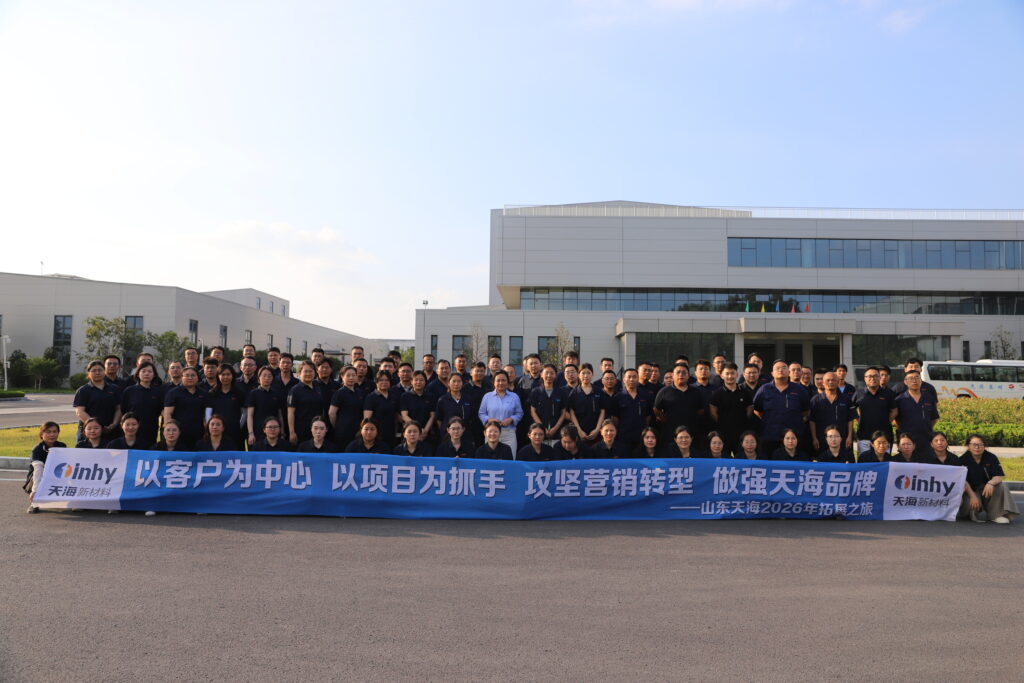
Team Power Fuels TINHY’s Global Geosynthetics Solutions
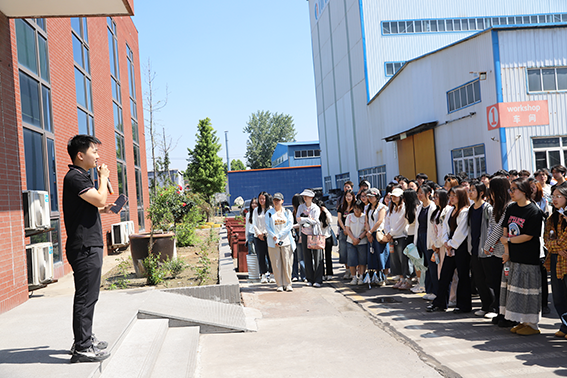
Tinhy and University of Jinan Celebrate Six Years of Industry–University Collaboration
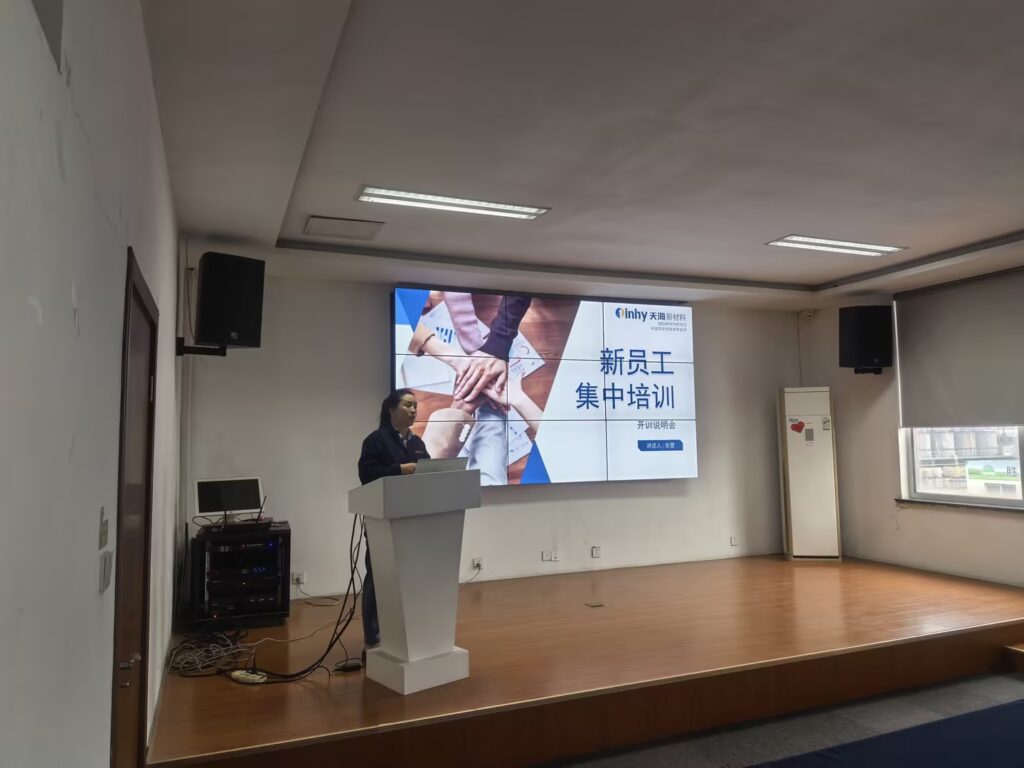
Empowering New Talent, Building the Future: Tinhy Successfully Conducts New Employee Orientation Training
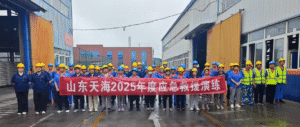
Tinhy Conducts Comprehensive Emergency Drill to Strengthen Workplace Safety Defenses
Company Mid – Year Summary and Team – Building Activity Report
Is geomembrane a geotechnical engineering material?
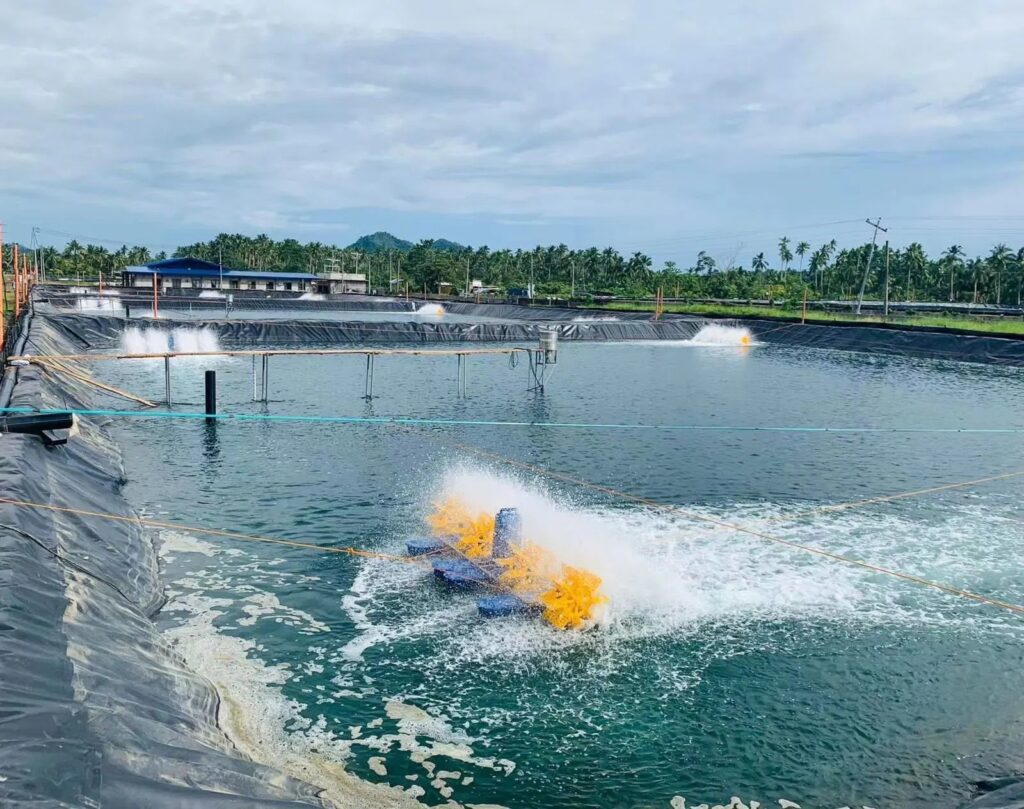
What are the application scenarios of geomembrane?
What are the functions of geotextiles?
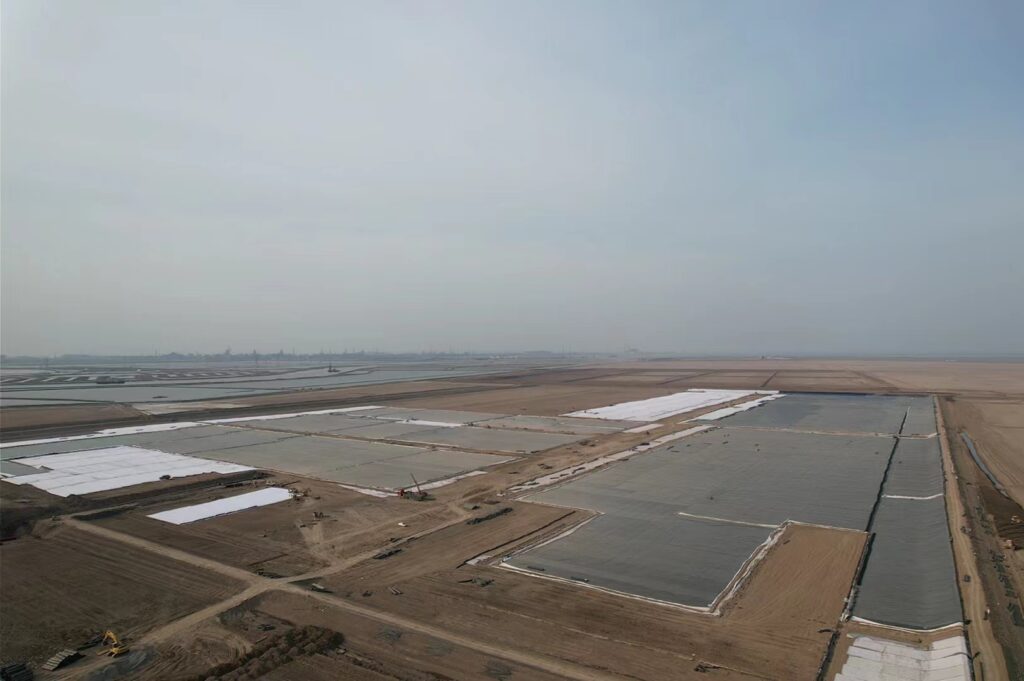
Cómo elegir geomembrana de hdpe en proyectos de ingeniería
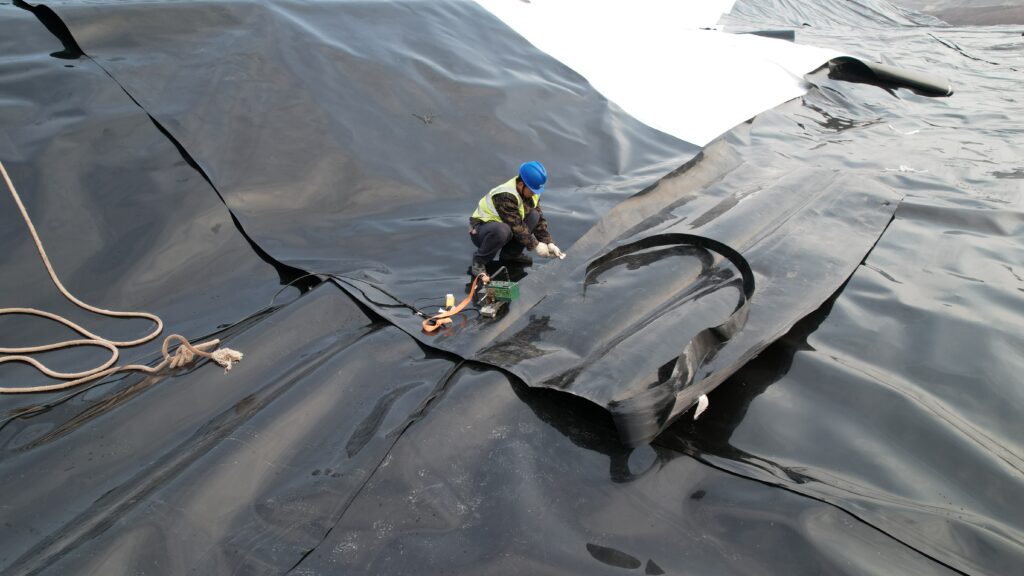
How to choose hdpe geomembrane in engineering projects
China’s Geotechnical Construction Materials Embrace New Opportunities
Tips for Moisture-Proof Storage of Geotextiles
Key Construction Points and Precautions for High-Density Polyethylene Geomembrane
what is pond lining material ?
What is geomembrane?
HDPE geomembrane construction plans and technical measures
What quality tests do HDPE geomembranes need to do?
Tinhy’s MDS® Drainage Solution
Installation Robots
Woven vs. Non Woven Geotextile: Key Differences and How to Choose
LDPE Sheet 500 Micron Price: Cost Factors, Applications, and Buying Guide
30 Mil Geomembrane: Specifications, Applications, and How to Choose the Right Liner
PE Geomembranes: 6 Products to Compare and How to Choose the Right Liner
7 Best LLDPE Pond Liner Options for Large Reservoirs: A Buyer’s Guide
Dam Liner Cost: A Complete Guide to Geomembrane Selection and Budget Planning
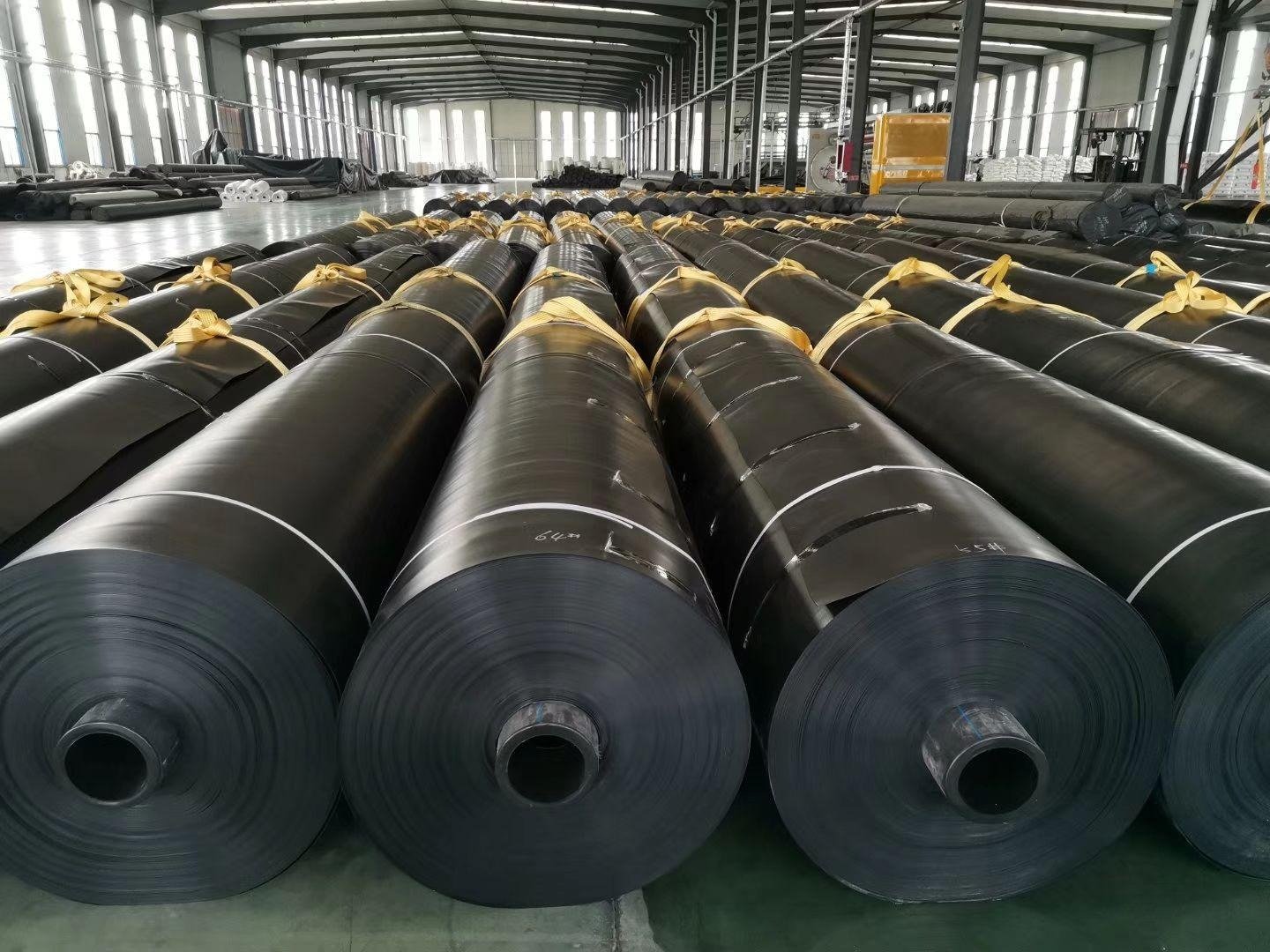
HDPE Pond Liner Suppliers: How to Choose the Right Manufacturer for Your Project
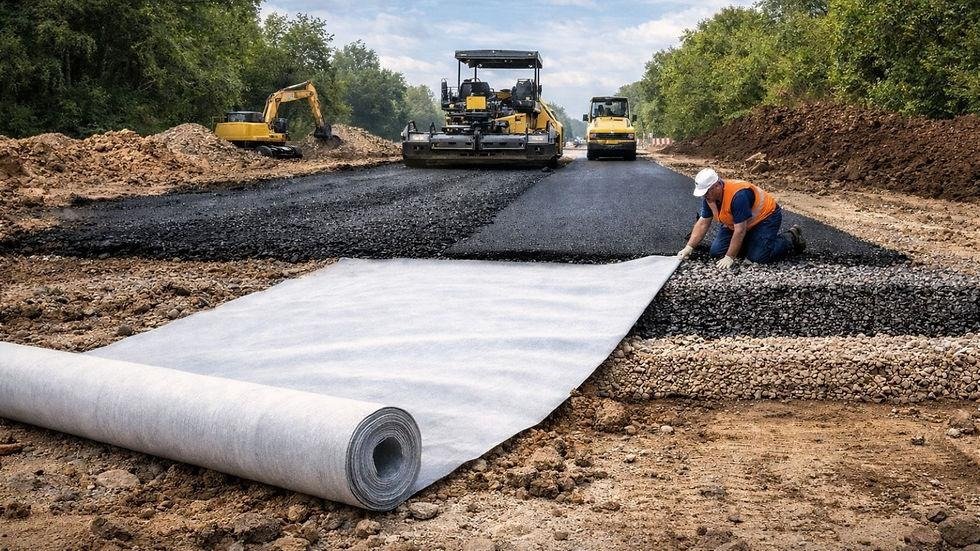
Geo Textiles: Types, Applications, Benefits & Selection Guide
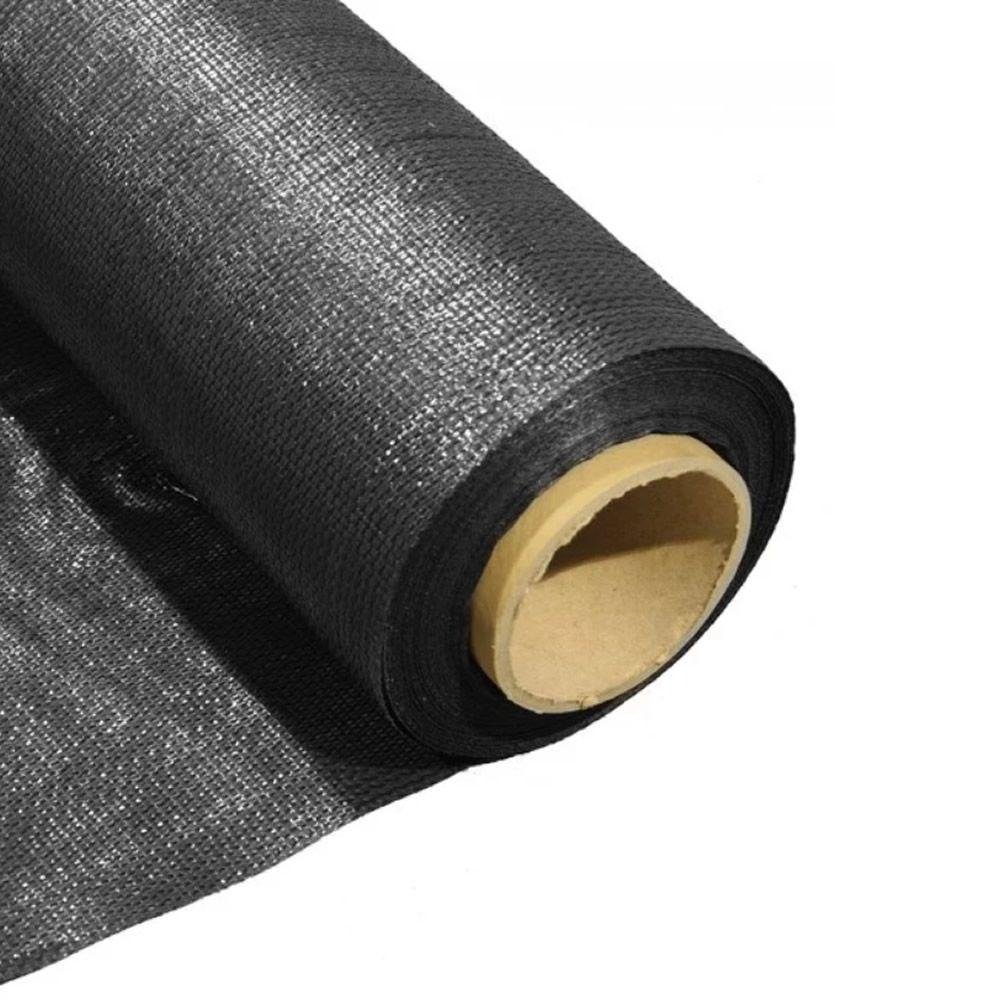
PP Woven Geotextiles: Properties, Applications & Selection Guide
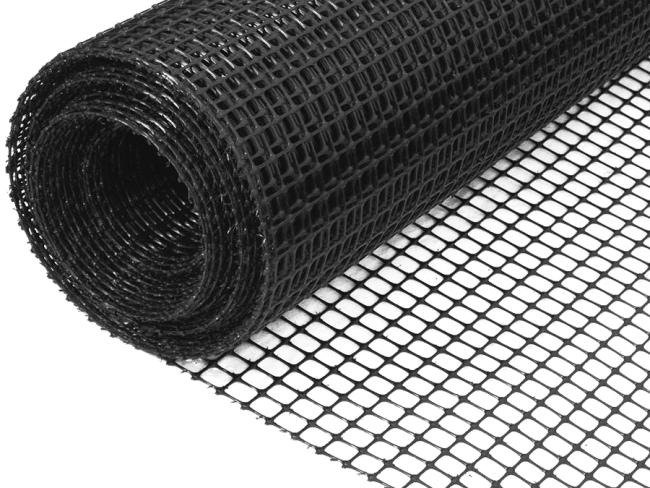
Geogrid Price: Types, Cost Factors & Buying Guide
Should HDPE or PVC be used to install geomembrane in reservoirs?
What is the price of geomembrane?
Material characteristics of three different geomembranes
Esquema de construcción de geomembrana de HDPE y medidas técnicas
hdpe geomembrane pond liner in Congo (DRC)
How to lay and weld HDPE geomembrane?
HDPE geomembrane 0.2-4.0mm
HOME ABOUT PRODUCTS APPLICATION CONTENTUS RESOURCES
Home Resources Knowledge Base Woven vs. Non Woven Geotextile: Key Differences and How to Choose

Woven vs. Non Woven Geotextile: Key Differences and How to Choose

time:October 23, 2026 Views:11

Choosing between woven and non woven geotextile is an important decision in road construction, drainage, soil stabilization, erosion control, and environmental engineering. Although both materials are used to improve the performance of soil and geotechnical structures, their manufacturing methods and physical properties make them suitable for different applications.

Woven geotextiles are generally selected when tensile strength, soil stabilization, and reinforcement are important. Non woven geotextiles are often preferred for filtration, drainage, cushioning, and protection.

However, the best choice depends on the project design, soil conditions, hydraulic requirements, and specified material properties. This guide explains the main differences between woven and non-woven geotextiles and helps engineers, contractors, and buyers select the right product.

1. What Is Woven Geotextile?

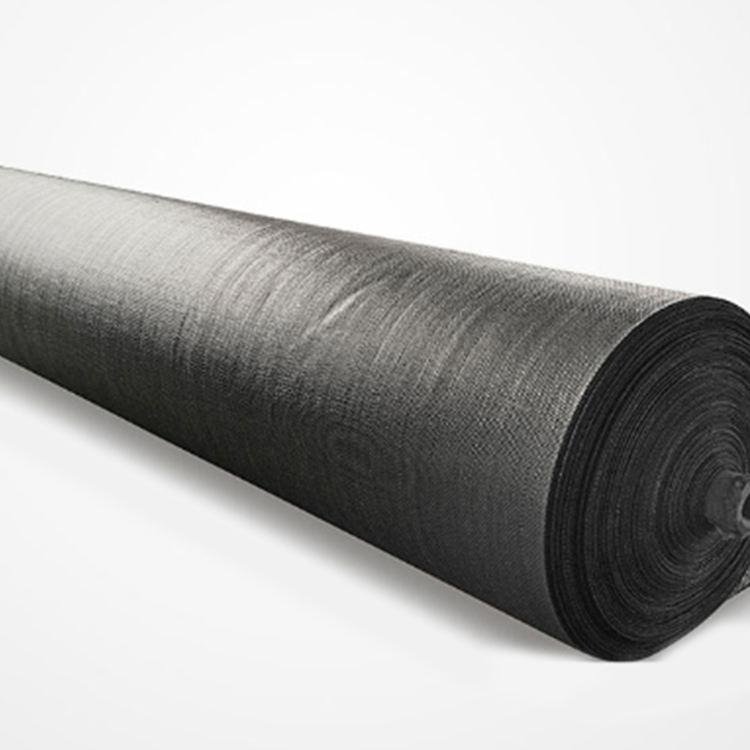
Woven geotextile is manufactured by interlacing yarns or tapes in a regular pattern. Common materials include polypropylene (PP) and polyester (PET).

The weaving process creates a structured fabric that can provide high tensile strength and relatively low elongation, depending on the yarn type and fabric construction.

Key Characteristics of Woven Geotextile

  • High tensile strength for specified reinforcement applications
  • Relatively low elongation in many woven products
  • Stable fabric structure
  • Suitable for soil separation and stabilization
  • Available in different material types, strengths, and roll dimensions

Common Types of Woven Geotextile

Slit-film woven geotextile

Manufactured from flat polymer tapes woven together, slit-film woven geotextile is commonly considered for soil separation and stabilization beneath roads, working platforms, and other civil engineering structures.

Monofilament woven geotextile

Made from individual polymer filaments, this type can provide defined openings and controlled water flow. It may be selected for filtration applications where both soil retention and permeability are important.

The appropriate product should be chosen according to the required tensile properties, opening size, permeability, and soil conditions.

2. What Is Non-Woven Geotextile?

Non-woven geotextile is made by arranging synthetic fibers or filaments into a web and bonding them together mechanically, thermally, or through other manufacturing processes.

Needle-punched non-woven geotextile is widely used in civil engineering because its fibrous structure can provide filtration, separation, cushioning, and protection.

Key Characteristics of Non-Woven Geotextile

  • Flexible structure that conforms to uneven surfaces
  • Suitable for filtration and drainage applications
  • Available in a wide range of mass per unit area
  • Can provide cushioning and protection for geomembranes
  • Performance varies with fiber type, bonding method, thickness, and fabric construction

Common Types of Non-Woven Geotextile

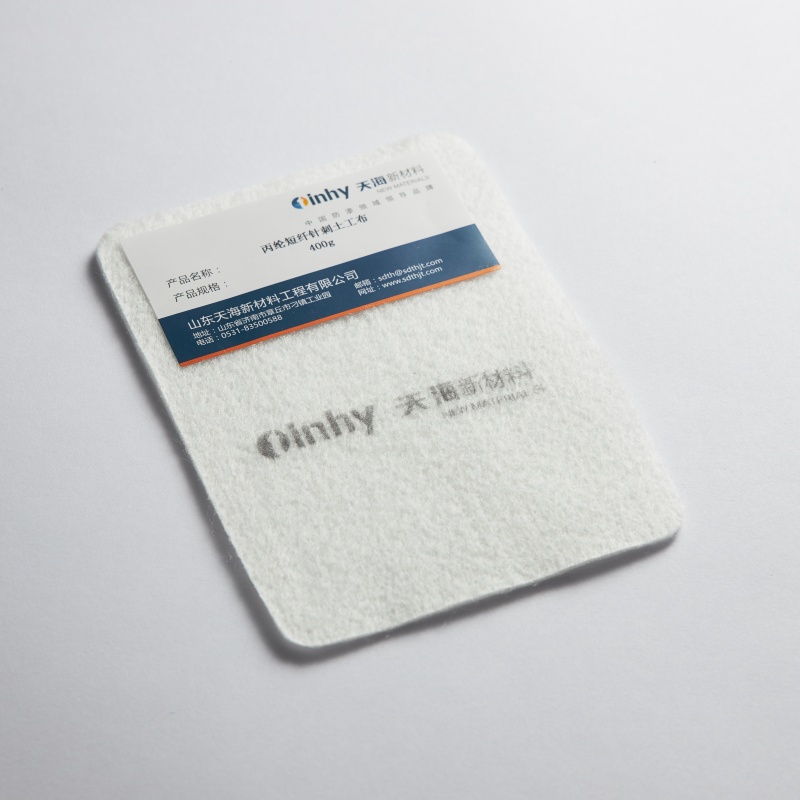
Needle-punched non-woven geotextile

Fibers are mechanically entangled using needles to form a fibrous fabric. Depending on its specifications, it can be used for filtration, drainage, separation, and protection.

Heat-bonded non-woven geotextile

Fibers are bonded using heat. These fabrics can have a different thickness, surface texture, and mechanical behavior from needle-punched products.

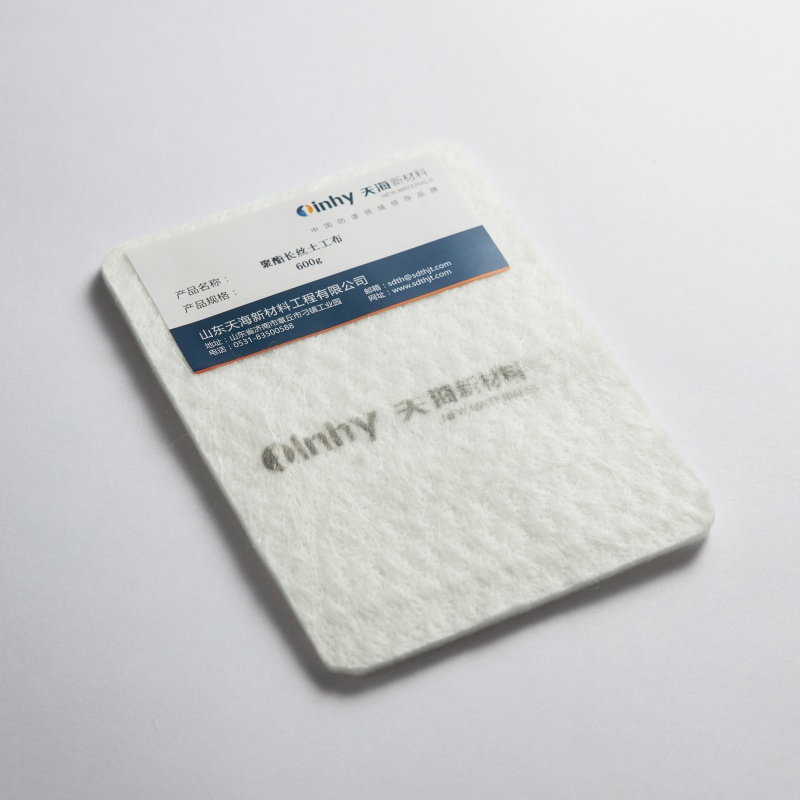
Continuous-filament non-woven geotextile

Made from continuous synthetic filaments, this type is available in various constructions and can be specified for separation, filtration, and protection applications.

Not all non-woven products have the same hydraulic or mechanical properties. Always review the technical data for the exact product being considered.

3. Woven vs Non Woven Geotextile: Key Differences

The main difference is the fabric structure. Woven products use interlaced yarns or tapes, while non-woven products use bonded fibers or filaments.

Comparison factor Woven geotextile Non-woven geotextile
Manufacturing Yarns or tapes are interlaced Fibers or filaments are bonded into a web
Tensile behavior Often selected for high tensile strength and lower elongation Varies by construction; many products offer greater elongation
Filtration Depends on opening size and fabric design Often selected for its fibrous pore structure
Drainage Depends on permeability and opening characteristics Commonly used in filtration and drainage systems
Flexibility Varies by weave and material Often conforms well to irregular surfaces
Typical functions Separation, stabilization, and reinforcement Filtration, drainage, separation, and protection
Selection criteria Tensile strength, elongation, opening size, and permeability Mass per unit area, tensile properties, permeability, and puncture resistance

These are general tendencies, not universal rules. Product specifications and project conditions determine actual performance.

4. Strength and Soil Stabilization

Woven geotextiles are frequently considered for applications where tensile reinforcement and soil stabilization are important.

When placed between soil layers or beneath aggregate, a suitably specified woven geotextile can help maintain separation and contribute to the designed load-distribution system.

Typical applications include:

  • Road subgrade stabilization
  • Temporary construction access roads
  • Working platforms
  • Embankments and selected reinforcement systems
  • Separation between subgrade soil and aggregate

When comparing woven geotextiles, review tensile strength in the relevant directions, elongation, seam requirements where applicable, and long-term design considerations.

Non-woven geotextiles can also provide separation and contribute to the performance of a soil structure. Their suitability depends on the required mechanical properties and the project’s design.

5. Filtration and Drainage Performance

Filtration allows water to pass through a geotextile while limiting the movement of soil particles. The fabric must be compatible with the surrounding soil and the anticipated hydraulic conditions.

Non-woven geotextiles are commonly used as filter layers in drainage trenches, retaining-wall drainage systems, and other applications where water must pass through the fabric.

Common applications include:

  • French drains and subsurface drainage
  • Retaining-wall drainage layers
  • Drainage trenches
  • Erosion-control systems
  • Filtration layers around selected drainage aggregates

Woven geotextiles, particularly products designed with controlled openings, can also be suitable for specific filtration applications.

When selecting a filter geotextile, consider apparent opening size, permeability or permittivity, soil gradation, hydraulic conditions, and the risk of clogging. A product should not be chosen solely because it is woven or non-woven.

6. Geotextile for Geomembrane Protection

Geotextiles are often used with geomembranes in reservoirs, landfills, mining facilities, and other containment projects.

A properly specified protection geotextile can help reduce the risk of mechanical damage to a geomembrane from contact with the subgrade or adjacent materials.

Non-woven geotextiles are commonly considered for this purpose because their thickness and fibrous structure can provide cushioning. The required mass per unit area and mechanical properties depend on the geomembrane, subgrade, overlying material, and installation conditions.

Before selecting a protection layer, review:

  • Geotextile mass per unit area and thickness
  • Puncture and other relevant mechanical properties
  • Subgrade condition and surface irregularities
  • Contact stresses from the overlying material
  • Compatibility with the geomembrane system

The geotextile should be treated as part of the complete lining system rather than as an independent substitute for proper subgrade preparation and installation quality control.

7. How to Choose the Right Geotextile

Step 1: Identify the Primary Function

Determine whether the project primarily requires reinforcement, separation, filtration, drainage, or protection. Some projects require more than one function.

Step 2: Review the Site Conditions

Consider soil type, aggregate size, groundwater conditions, loading, slope geometry, exposure, and installation methods.

Step 3: Specify the Required Properties

Depending on the application, the specification may include:

  • Mass per unit area (GSM)
  • Tensile strength and elongation
  • Apparent opening size
  • Permittivity or permeability
  • Puncture resistance
  • Thickness
  • UV resistance where exposure is expected

GSM alone does not establish whether a geotextile is suitable. Two fabrics with the same mass per unit area can have different mechanical and hydraulic properties.

Step 4: Compare Technical Data

Ask suppliers for the technical data sheet and relevant test reports. Confirm the test methods and units so that products can be compared on a consistent basis.

Step 5: Consider Installation and Total Project Cost

Review roll dimensions, overlap requirements, handling, installation productivity, and compatibility with other materials in the system.

A low unit price may not represent the best value if the product does not meet the design requirements.

8. Woven and Non Woven Geotextile from Tinhy Geosynthetics

Tinhy Geosynthetics supplies geosynthetic materials for civil engineering, infrastructure, environmental protection, and water-related projects.

For geotextile selection, buyers should start with the intended application and required technical specifications. Depending on project needs, relevant considerations may include woven or non-woven construction, polymer type, mass per unit area, tensile properties, filtration requirements, roll dimensions, and delivery arrangements.

For projects involving geomembranes, the geotextile may also form part of a combined system for separation, filtration, drainage, or liner protection.

To discuss a project with Tinhy Geosynthetics, provide the application, required product type, target specifications, estimated quantity, and delivery destination. The information helps the team assess the appropriate product options for your requirements.

Request a Geotextile Quote to discuss your project specifications and sourcing needs.

Frequently Asked Questions

Is woven geotextile stronger than non-woven geotextile?

Many woven geotextiles are designed for high tensile strength and relatively low elongation. However, actual strength depends on the product construction and specifications. Compare the relevant test results rather than relying on fabric type alone.

Which geotextile is better for drainage?

Non-woven geotextiles are commonly used in drainage and filtration applications. The correct choice depends on the soil, required water flow, opening size, and clogging considerations. Some woven products are also designed for filtration.

Can non woven geotextile be used under roads?

Yes. Non-woven geotextiles can be used in road projects for functions such as separation and filtration when their properties meet the design requirements. Where high tensile reinforcement is the primary requirement, a suitable woven geotextile may also be considered.

What does GSM mean in geotextile?

GSM means grams per square meter and describes the fabric’s mass per unit area. It is one specification parameter, but it does not independently determine tensile strength, permeability, puncture resistance, or suitability for a project.

Can geotextile protect an HDPE geomembrane?

A suitably selected geotextile can serve as a protective layer for an HDPE geomembrane. The required product depends on the subgrade, liner system, overlying materials, and project design.

Conclusion

Woven and non-woven geotextiles serve different but sometimes overlapping functions in civil engineering.

Woven geotextiles are often considered for reinforcement and stabilization, while non-woven geotextiles are widely used for filtration, drainage, separation, and geomembrane protection. The final choice should be based on the design requirements, site conditions, and verified technical data.

For your next infrastructure or containment project, compare the required properties first and select the geotextile that meets the specification. Contact Tinhy Geosynthetics to discuss suitable geosynthetic materials for your project.

Knowledge Base
Share:
info@tinhygeosynthetics.com Bai Jinxi
Consultation

    Get The Latest Product Prices

    Your inquiries are welcomed at any time and please feel free to contact us via email, phone calls, and online chatbox on our site.

    We will definitely give you a reply ASAP after we receive your messages.

      0/180