Resources
Company News
Industry News
Knowledge Base
Project Cases
Innovation
Team Power Fuels TINHY’s Global Geosynthetics Solutions
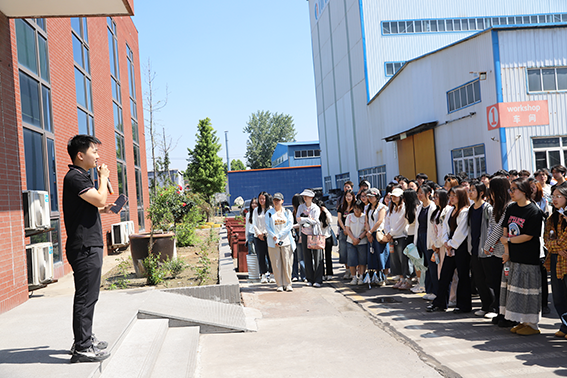
Tinhy and University of Jinan Celebrate Six Years of Industry–University Collaboration
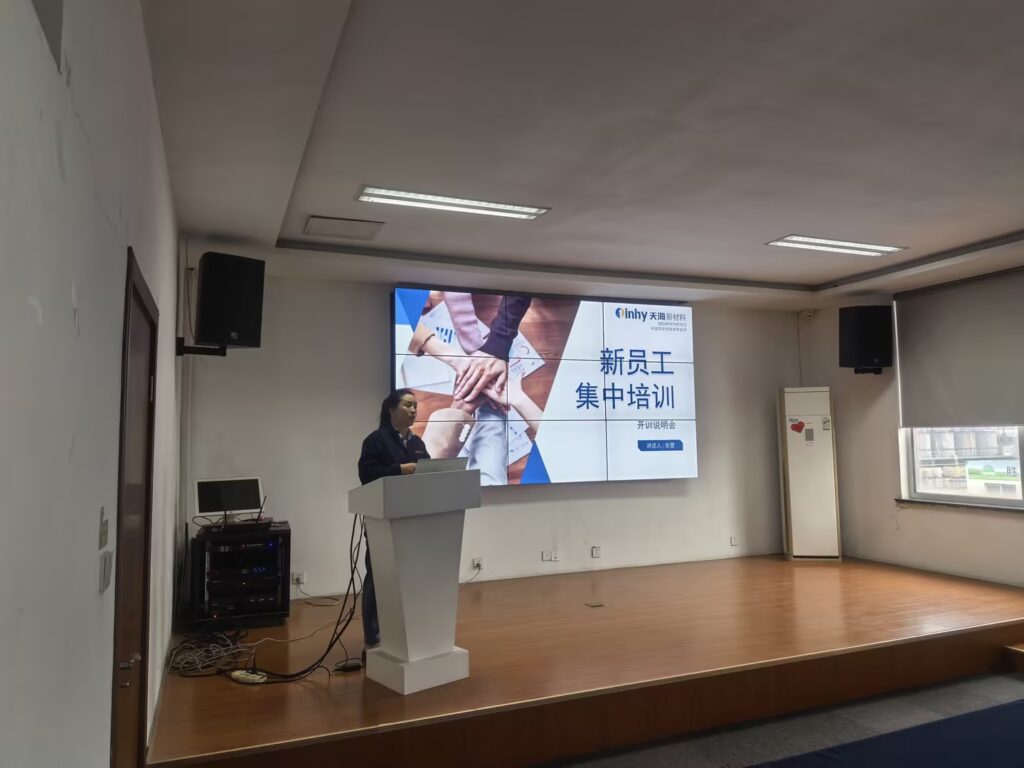
Empowering New Talent, Building the Future: Tinhy Successfully Conducts New Employee Orientation Training
Tinhy Conducts Comprehensive Emergency Drill to Strengthen Workplace Safety Defenses
Company Mid – Year Summary and Team – Building Activity Report
Is geomembrane a geotechnical engineering material?
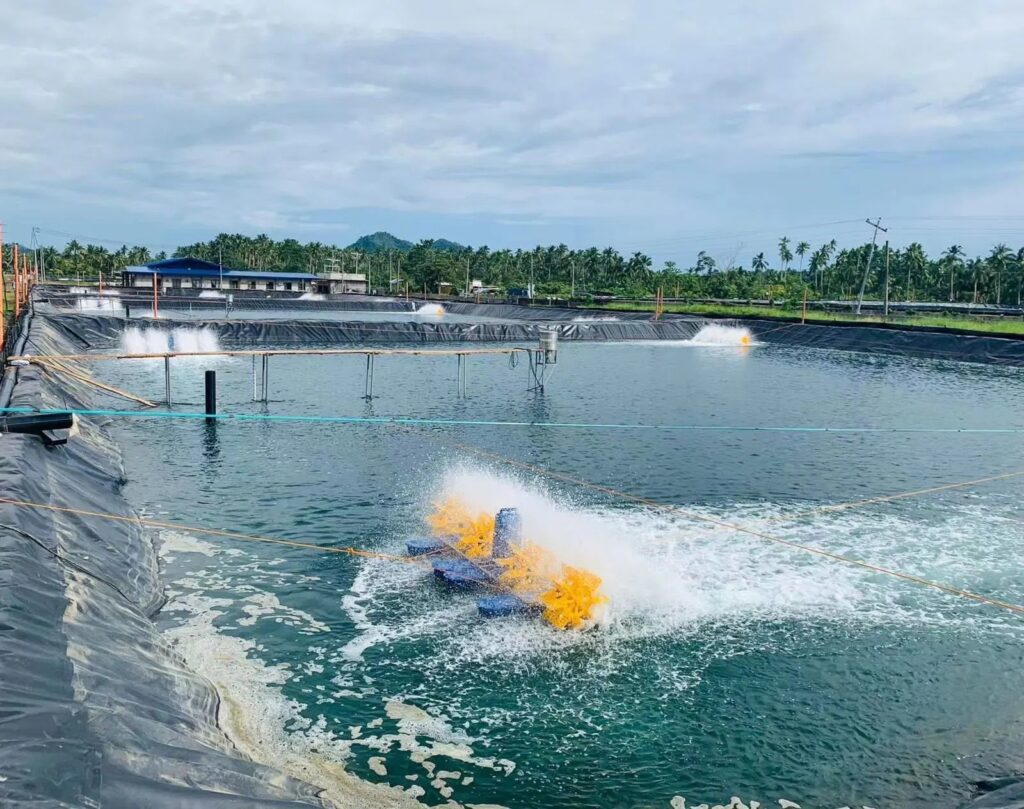
What are the application scenarios of geomembrane?
What are the functions of geotextiles?
Cómo elegir geomembrana de hdpe en proyectos de ingeniería
How to choose hdpe geomembrane in engineering projects
China’s Geotechnical Construction Materials Embrace New Opportunities
Tips for Moisture-Proof Storage of Geotextiles
Key Construction Points and Precautions for High-Density Polyethylene Geomembrane
what is pond lining material ?
What is geomembrane?
HDPE geomembrane construction plans and technical measures
What quality tests do HDPE geomembranes need to do?
Tinhy’s MDS® Drainage Solution
Installation Robots
Textured Geomembrane: Benefits, Applications and Selection Guide
30 Mil Impermeable Liner: A Guide to Thickness, Uses and Selection
Non Woven Geotextile Fabric for Drainage: A Complete Guide
30 Mil PVC Liner: Thickness, Benefits, Applications and Buying Guide
LLDPE Geomembrane: Properties, Specifications, Benefits and Applications
Geomembrane Service Life: How Long Does a Geomembrane Last?
Polyethylene Geomembranes: HDPE vs. LLDPE and How to Choose
2mm HDPE Liner: Specifications, Applications, and Supplier Selection Guide
Woven vs. Non Woven Geotextile: Key Differences and How to Choose
LDPE Sheet 500 Micron Price: Cost Factors, Applications, and Buying Guide
Should HDPE or PVC be used to install geomembrane in reservoirs?
What is the price of geomembrane?
Material characteristics of three different geomembranes
Esquema de construcción de geomembrana de HDPE y medidas técnicas
hdpe geomembrane pond liner in Congo (DRC)
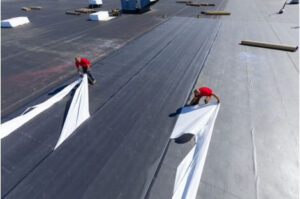
How to lay and weld HDPE geomembrane?
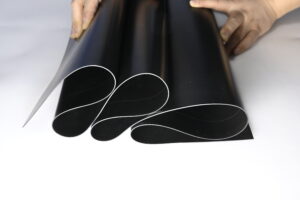
HDPE geomembrane 0.2-4.0mm
HOME ABOUT PRODUCTS APPLICATION CONTENTUS RESOURCES
Home Resources Knowledge Base Textured Geomembrane: Benefits, Applications and Selection Guide

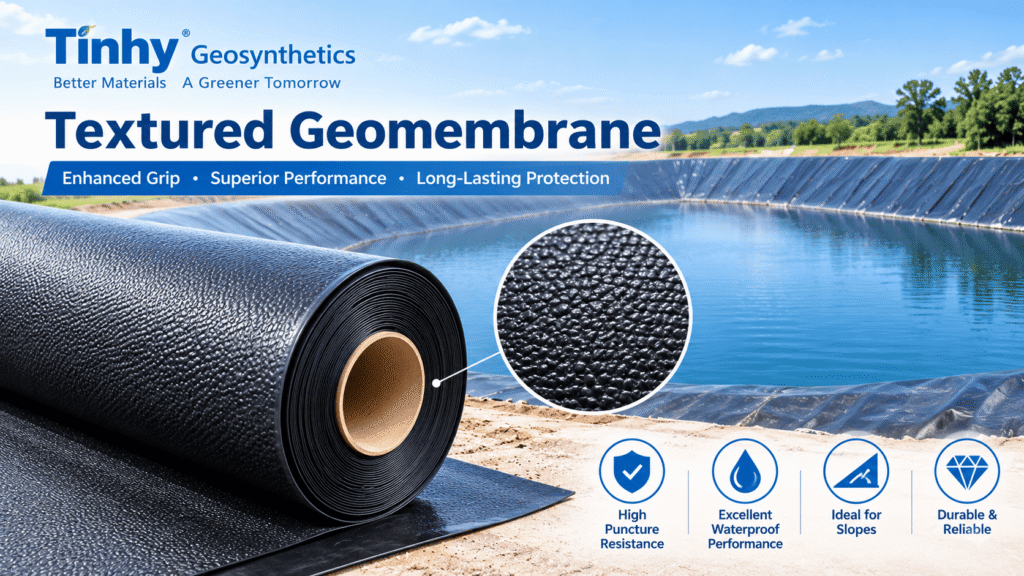
Textured Geomembrane: Benefits, Applications and Selection Guide

time:November 02, 2026 Views:15

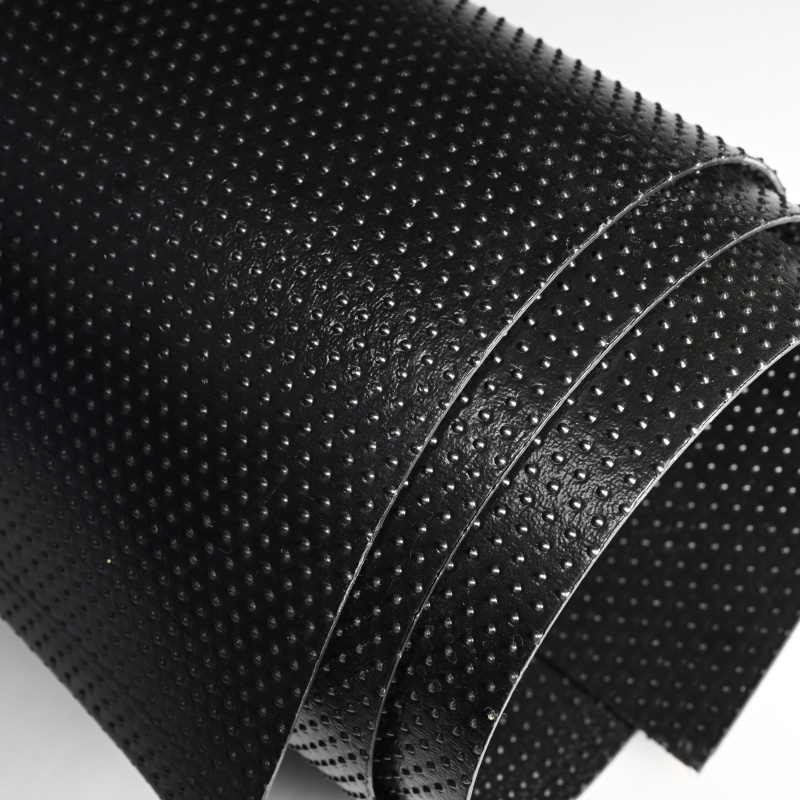
When a geomembrane is installed on a slope, the interaction between the liner and adjacent materials can be an important part of the project design. A textured geomembrane features a roughened surface designed to improve interface friction under suitable conditions.

Compared with smooth geomembranes, textured geomembranes may provide better interface shear resistance when placed against compatible soils or geosynthetic materials. This makes them an important option for certain containment systems, especially where slope stability is a design consideration.

At Tinhy Geosynthetics, we provide geomembrane and geosynthetic solutions for civil engineering and environmental projects. In this guide, we explain what textured geomembrane is, how it differs from smooth geomembrane, and what buyers should consider when selecting a product.

What Is a Textured Geomembrane?

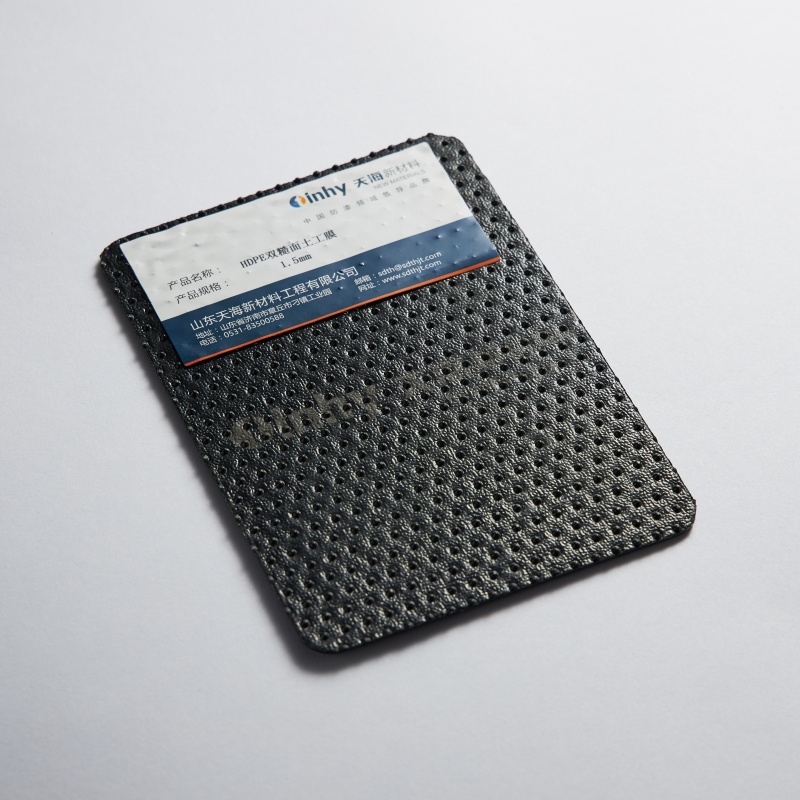
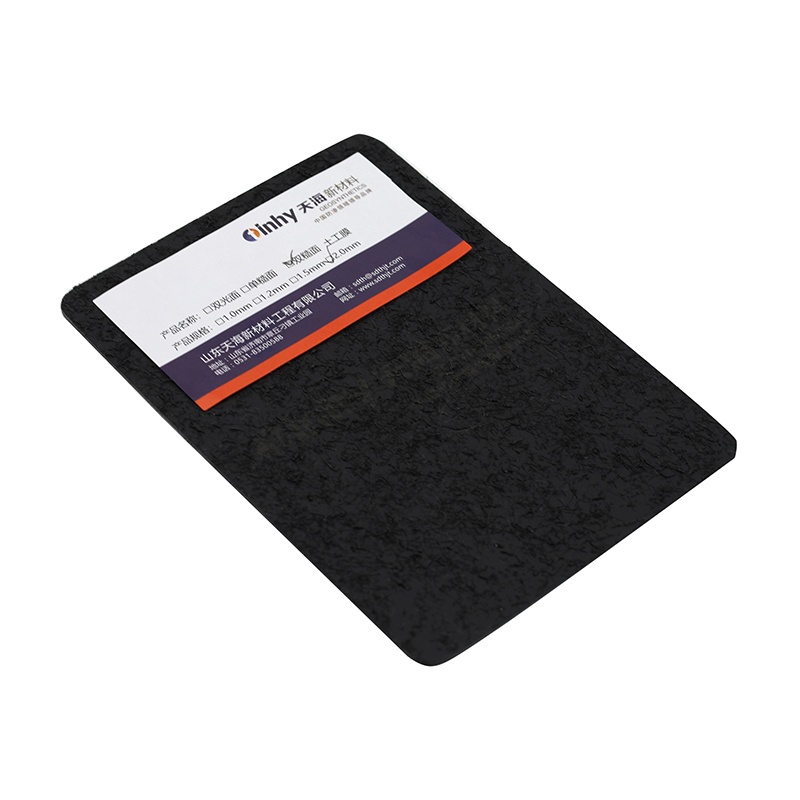
A textured geomembrane is a synthetic impermeable liner with a roughened surface on one or both sides. The texture is designed to improve friction at the interface between the geomembrane and adjacent materials.

Textured geomembranes are commonly available in HDPE (high-density polyethylene). Depending on the product and manufacturing process, the surface may have a single-sided or double-sided texture.

The texture profile, polymer formulation, thickness, and manufacturing process can affect the product’s properties. Buyers should review the manufacturer’s technical data sheet to confirm the actual specification.

Key Benefits of Textured Geomembrane

1. Improved Interface Friction

The main purpose of a textured geomembrane is to improve friction between the liner and adjacent materials under suitable conditions.

This can be particularly important in engineered slopes, where the interface between a geomembrane and soil, geotextile, or another geosynthetic layer forms part of the overall stability design.

Actual interface shear strength depends on the materials in contact, surface texture, normal stress, and test conditions. Project designers should use appropriate test data rather than assume a universal friction value.

2. Support for Slope Lining Systems

Textured geomembranes may be selected for lined slopes where interface friction is a key design consideration.

The complete lining system may include several layers, such as geomembrane, geotextile, drainage materials, and soil cover. Each interface should be evaluated as part of the overall slope stability assessment.

3. Liquid Containment

Like other suitable geomembranes, textured geomembranes provide a low-permeability barrier when the product is properly specified and installed.

The liner’s containment performance depends on its material properties, seams, penetrations, installation quality, and the requirements of the project.

4. Product Options for Different Designs

Textured geomembranes are available in different thicknesses, surface configurations, and product specifications. This allows designers to consider suitable options for different site conditions.

The final choice should be based on engineering requirements, product documentation, and compatibility with the other materials in the lining system.

Textured Geomembrane vs. Smooth Geomembrane

Textured and smooth geomembranes serve similar basic barrier functions, but their surface characteristics differ.

Feature Textured Geomembrane Smooth Geomembrane
Surface Roughened texture on one or both sides Relatively smooth surface
Interface friction Designed to improve friction under suitable conditions Depends on the contacting materials and test conditions
Slope applications Often considered where interface shear resistance is important May be suitable where the design permits its interface properties
Material options Available in different textures and specifications Available in different thicknesses and specifications
Selection basis Texture, shear strength data, thickness, and project design Thickness, material properties, and project design

Neither type is universally better. The appropriate geomembrane depends on the project’s containment requirements, slope geometry, adjacent materials, and engineering design.

Common Applications of Textured Geomembrane

1. Landfill Lining Systems

Textured geomembranes may be considered in landfill lining systems, particularly where the design requires attention to interface shear resistance along slopes.

The selected product must meet the project’s material, thickness, chemical compatibility, and installation requirements.

2. Mining and Tailings Containment

Mining facilities and tailings containment systems may incorporate textured geomembranes as part of an engineered lining system.

Because these projects can involve complex slopes, liquids, and multiple geosynthetic layers, product selection should be based on project-specific design criteria and verified interface shear strength data.

3. Reservoirs and Water Containment

Some reservoirs and water containment structures use geomembranes to limit seepage. Textured products may be considered where the slope design and interface conditions justify their use.

The choice between textured and smooth geomembrane should follow the engineering design rather than the application name alone.

4. Slope Protection and Containment Covers

Textured geomembranes can be used in selected containment covers and engineered slopes where interface friction is an important factor.

The overall system design should account for drainage, anchoring, cover materials, and potential movement along the liner interface.

How to Choose the Right Textured Geomembrane

Before purchasing textured geomembrane, consider the following factors.

1. Geomembrane Material

HDPE is a common material for textured geomembranes. Other materials may be available depending on the manufacturer’s product range.

Confirm the polymer type and check its compatibility with the liquids, temperatures, and environmental conditions expected at the site.

2. Thickness

Geomembranes are available in a range of thicknesses. The required thickness depends on the project design, mechanical demands, installation conditions, and applicable specifications.

A thicker product is not automatically the best choice for every project. Confirm the required specification with the project engineer.

3. Surface Texture

Determine whether the project requires single-sided or double-sided texturing. The selection should consider the materials contacting each side of the liner.

The product’s actual surface characteristics should be verified using the manufacturer’s technical documentation.

4. Interface Shear Strength

For slope applications, interface shear strength can be a critical design parameter.

Request test data for the relevant interfaces, such as geomembrane against geotextile, soil, or other lining materials. The test configuration and conditions should reflect the intended application as closely as practical.

5. Quality and Technical Documentation

Review the manufacturer’s product data sheet, quality documentation, thickness specifications, and relevant test reports.

Where project specifications require particular standards or third-party testing, confirm that the proposed product documentation meets those requirements.

Installation Considerations

Correct installation is essential for textured geomembrane performance.

  • Prepare the subgrade: Remove sharp objects and unsuitable materials that could damage the liner.
  • Follow the approved layout: Place panels according to the project drawings and manufacturer’s instructions.
  • Use suitable welding procedures: Welding parameters depend on the geomembrane material, thickness, equipment, and site conditions.
  • Inspect seams: Apply the inspection and testing procedures specified for the project.
  • Avoid unnecessary damage: Control movement of equipment and materials over the installed liner.
  • Coordinate adjacent layers: Ensure geotextiles, drainage layers, soil cover, and other components are installed in the intended sequence.

For sloped installations, follow the approved slope stability design, anchoring details, and construction procedures.

Why Choose Tinhy Geosynthetics?

Tinhy Geosynthetics focuses on the manufacturing, installation, and research and development of geomembranes and geosynthetics for civil engineering and environmental projects.

When evaluating textured geomembrane, we recommend matching the product specification to the project’s slope conditions, interface requirements, containment needs, and installation methods.

Contact Tinhy Geosynthetics to discuss your project requirements and request relevant product information.

Frequently Asked Questions

What is textured geomembrane used for?

Textured geomembrane is used in selected containment systems where a low-permeability barrier and improved interface friction are required. Commonly considered projects include landfill lining, mining containment, and engineered slopes.

What is the difference between textured and smooth geomembrane?

The main difference is the surface. Textured geomembrane has a roughened surface designed to improve interface friction, while smooth geomembrane has a relatively smooth surface. The appropriate type depends on the project design and interface properties.

Is textured HDPE geomembrane suitable for slopes?

It may be suitable for certain slopes, but the decision must be based on slope stability calculations and verified interface shear strength data for the materials used in the system.

Is double-sided textured geomembrane better than single-sided textured geomembrane?

Not necessarily. Double-sided texturing may be considered when both interfaces require enhanced friction, while single-sided texturing may be sufficient for other designs. The required configuration depends on the lining system and engineering specifications.

How do I select a textured geomembrane manufacturer?

Review the manufacturer’s product range, technical data sheets, quality-control procedures, relevant test reports, production capabilities, and ability to support project-specific requirements.

Conclusion

Textured geomembrane is an important option for containment systems where interface friction and slope stability require careful consideration. Selecting the right product involves more than choosing a surface texture: material, thickness, interface shear strength, chemical compatibility, and installation quality all matter.

For product information and project discussions, contact Tinhy Geosynthetics to explore suitable geomembrane solutions for your project.

Knowledge Base
Share:
info@tinhygeosynthetics.com Bai Jinxi
Consultation

    Get The Latest Product Prices

    Your inquiries are welcomed at any time and please feel free to contact us via email, phone calls, and online chatbox on our site.

    We will definitely give you a reply ASAP after we receive your messages.

      0/180