Resources
Company News
Industry News
Knowledge Base
Project Cases
Innovation
Team Power Fuels TINHY’s Global Geosynthetics Solutions
Tinhy and University of Jinan Celebrate Six Years of Industry–University Collaboration
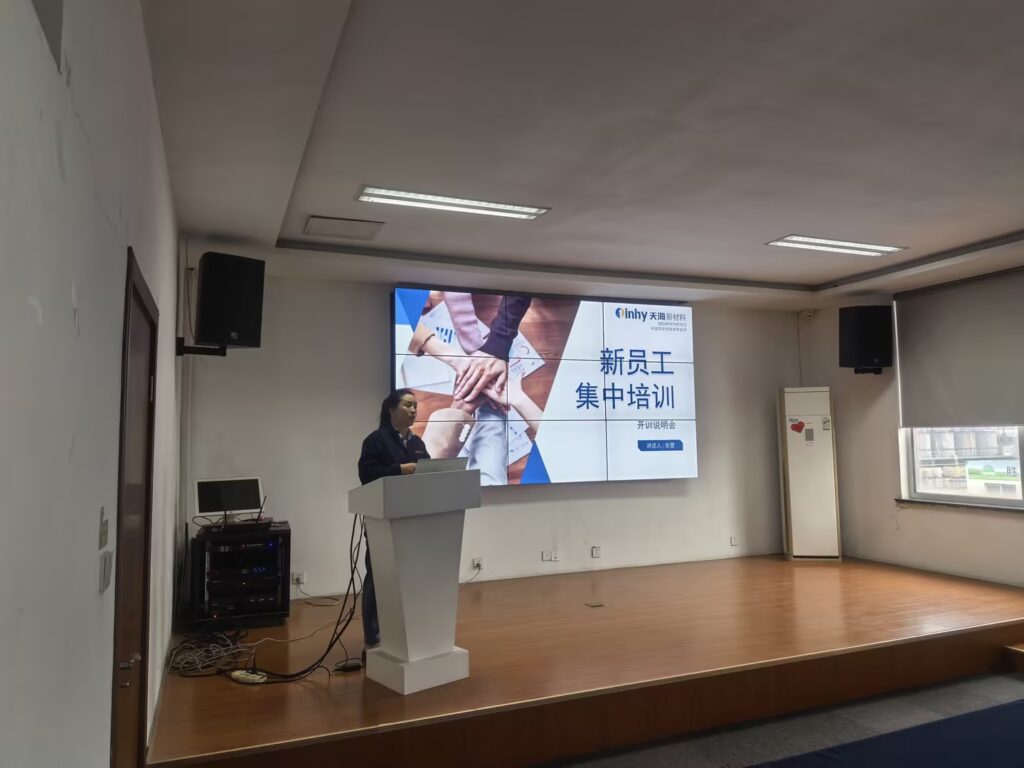
Empowering New Talent, Building the Future: Tinhy Successfully Conducts New Employee Orientation Training
Tinhy Conducts Comprehensive Emergency Drill to Strengthen Workplace Safety Defenses
Company Mid – Year Summary and Team – Building Activity Report
Is geomembrane a geotechnical engineering material?
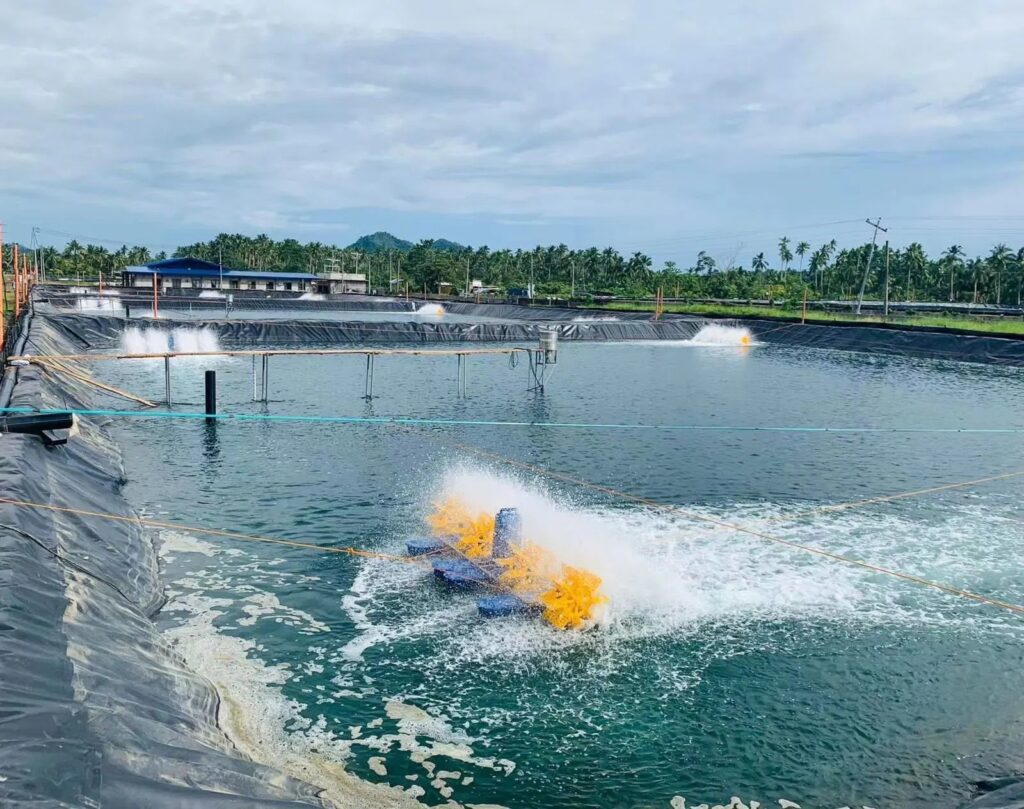
What are the application scenarios of geomembrane?
What are the functions of geotextiles?
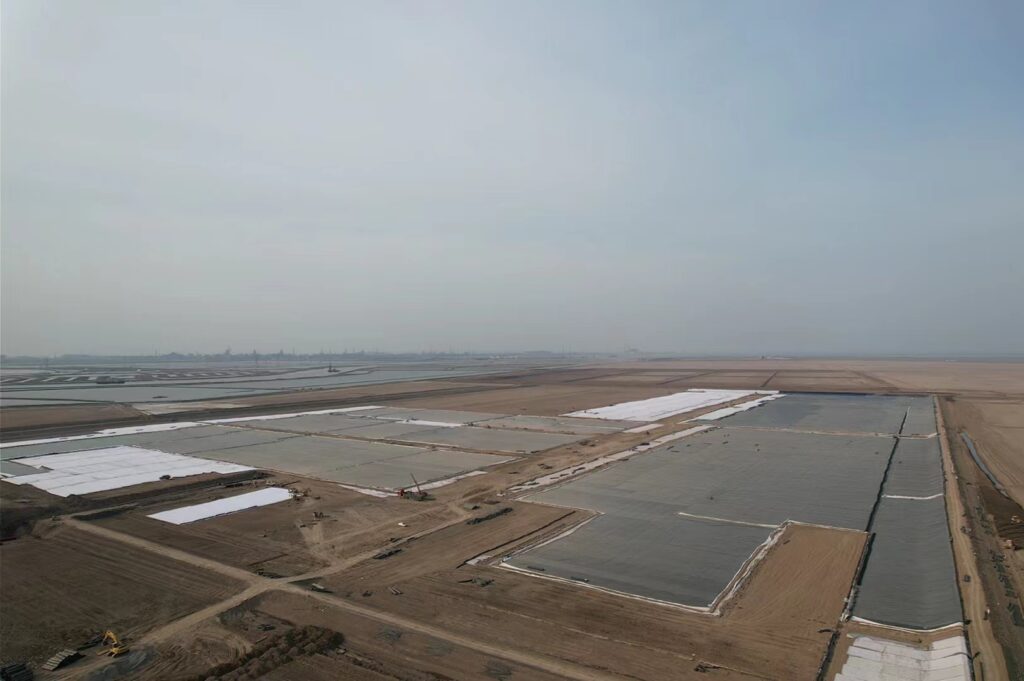
Cómo elegir geomembrana de hdpe en proyectos de ingeniería
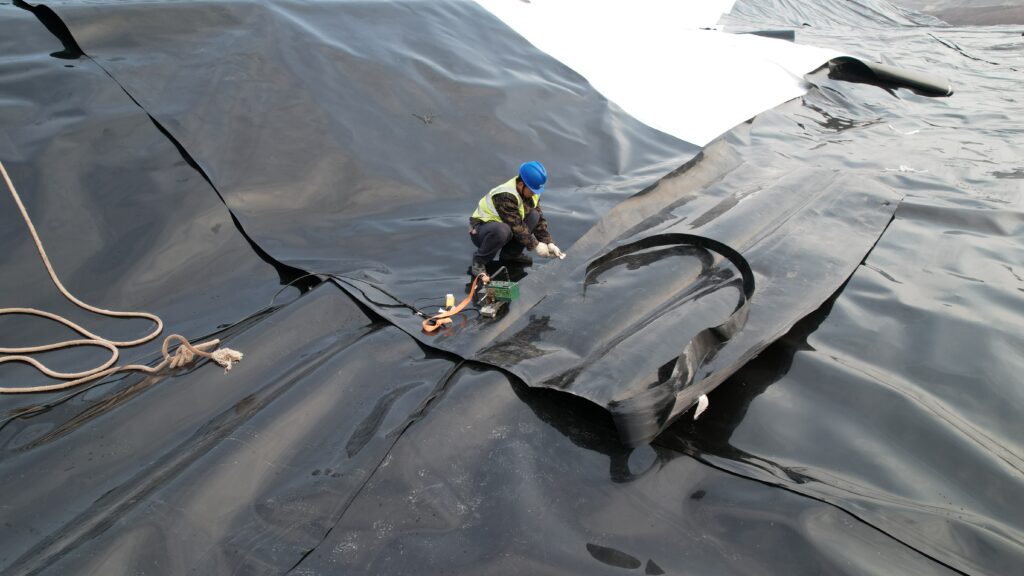
How to choose hdpe geomembrane in engineering projects
China’s Geotechnical Construction Materials Embrace New Opportunities
Tips for Moisture-Proof Storage of Geotextiles
Key Construction Points and Precautions for High-Density Polyethylene Geomembrane
what is pond lining material ?
What is geomembrane?
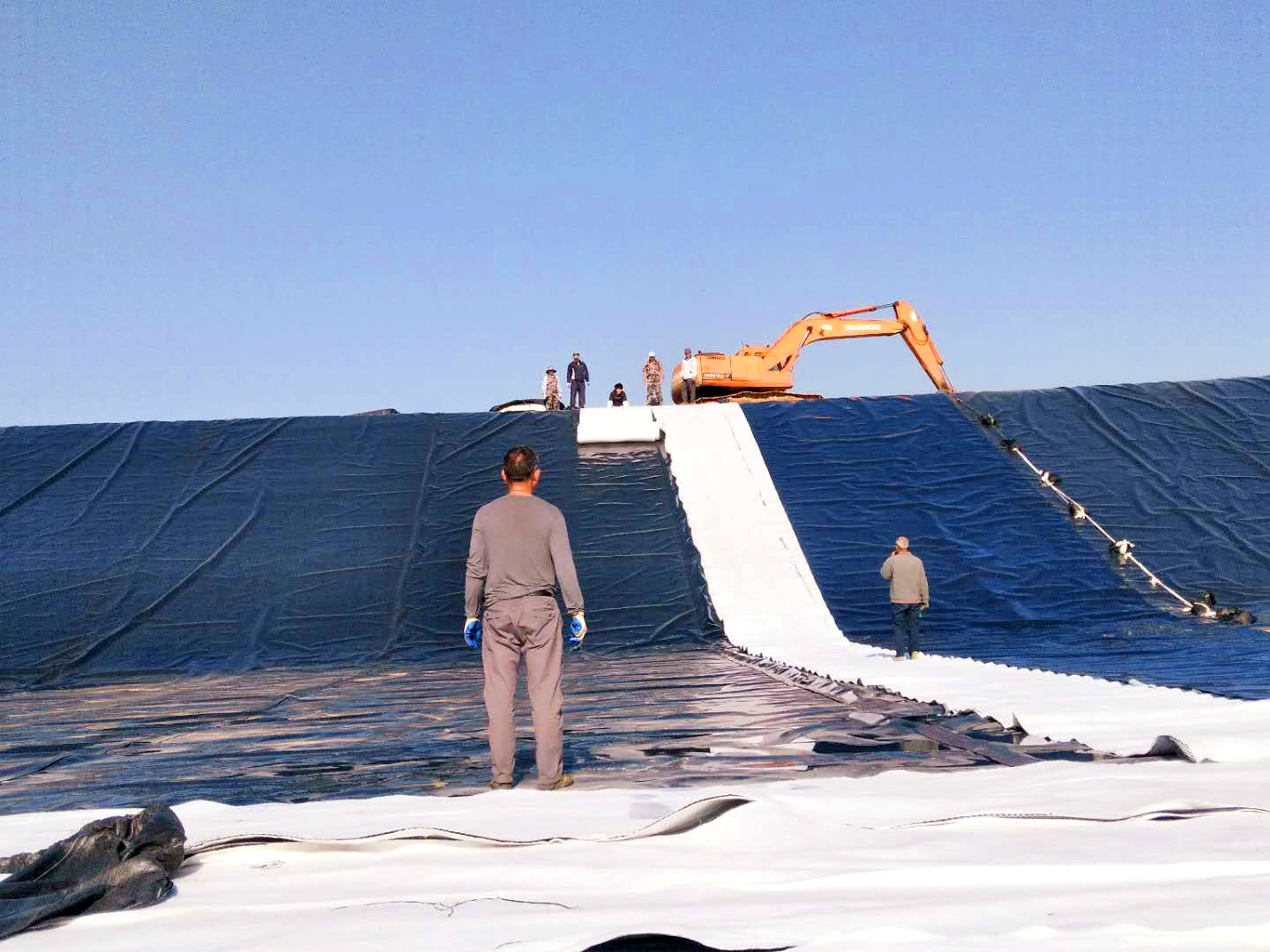
HDPE geomembrane construction plans and technical measures
What quality tests do HDPE geomembranes need to do?
Tinhy’s MDS® Drainage Solution
Installation Robots
Geotextile for Road Construction: Functions, Types and Selection Guide
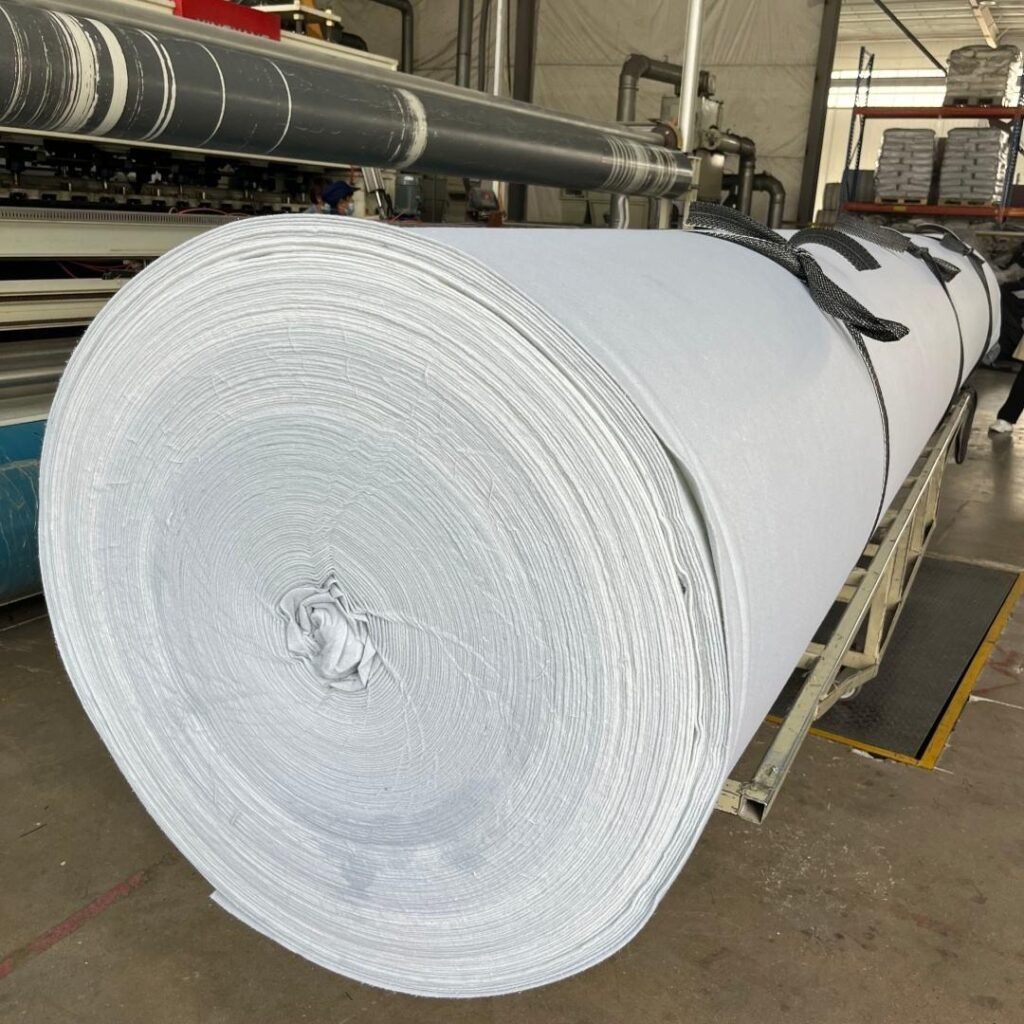
Nonwoven Geotextile Weight Selection Guide: How to Choose the Right GSM
PET vs PP Nonwoven Geotextile: Key Differences, Applications and Selection Guide
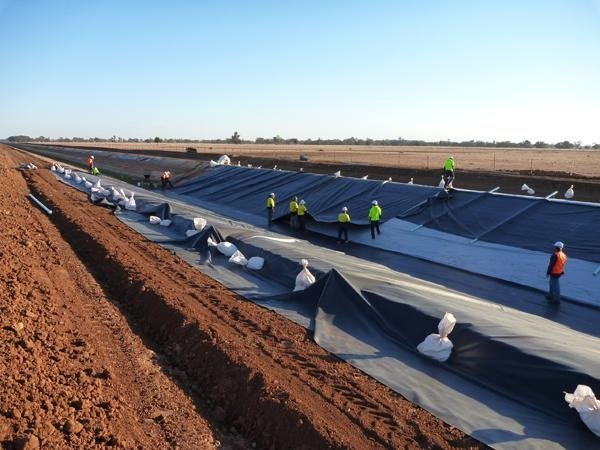
HDPE Geomembrane Installation and Welding Quality Control: A Complete Guide
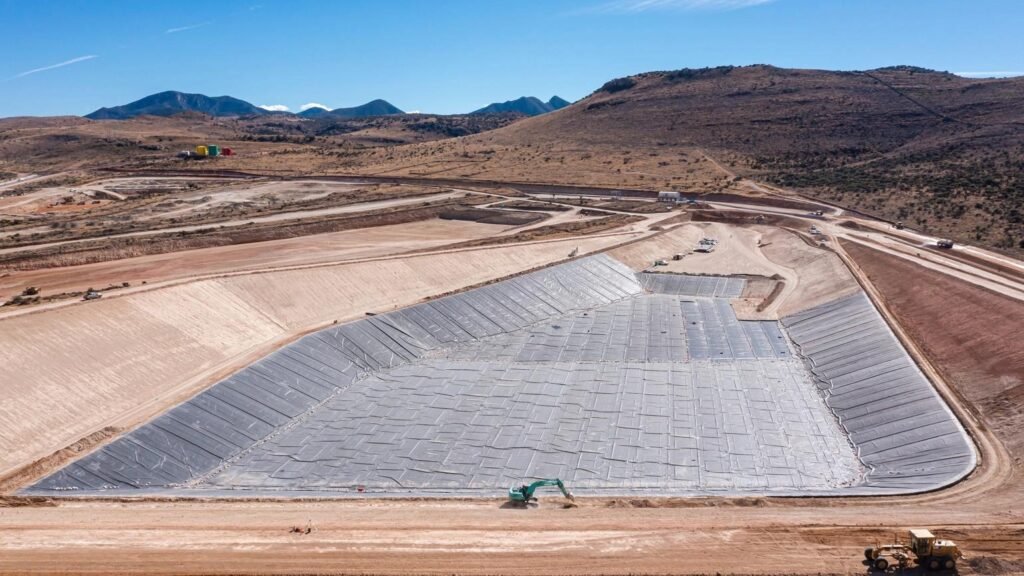
HDPE Geomembrane Liner Systems for Tailings Storage Facilities: Design, Components and QA/QC
HDPE Geomembrane Quality Inspection: 10 Key Tests and Standards
Smooth vs Textured HDPE Geomembrane: Differences, Applications and Selection Guide
HDPE Geomembrane Thickness Selection Guide
PP Geotextile: Types, Properties, Applications and Selection Guide
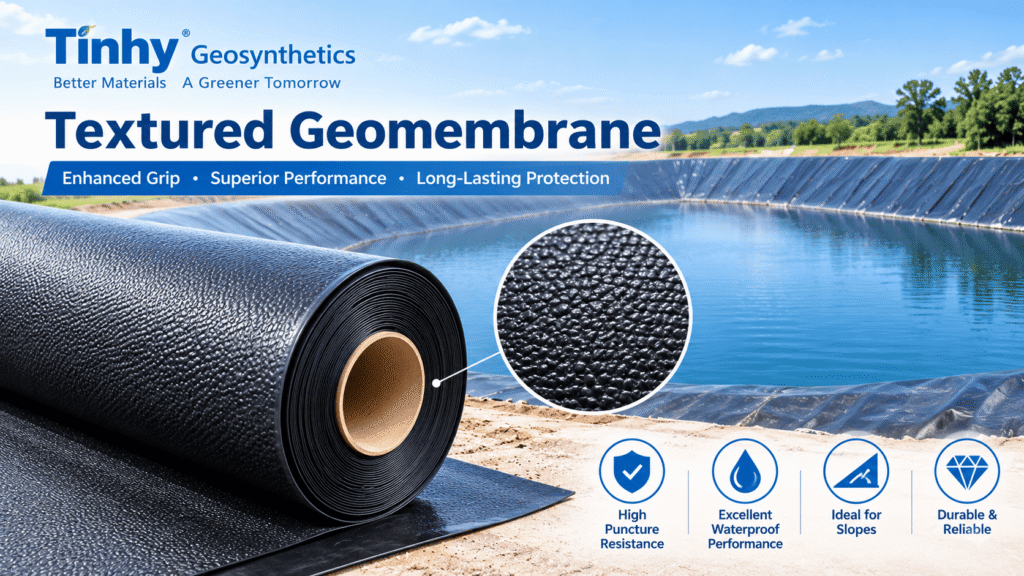
Textured Geomembrane: Benefits, Applications and Selection Guide
Should HDPE or PVC be used to install geomembrane in reservoirs?
What is the price of geomembrane?
Material characteristics of three different geomembranes
Esquema de construcción de geomembrana de HDPE y medidas técnicas
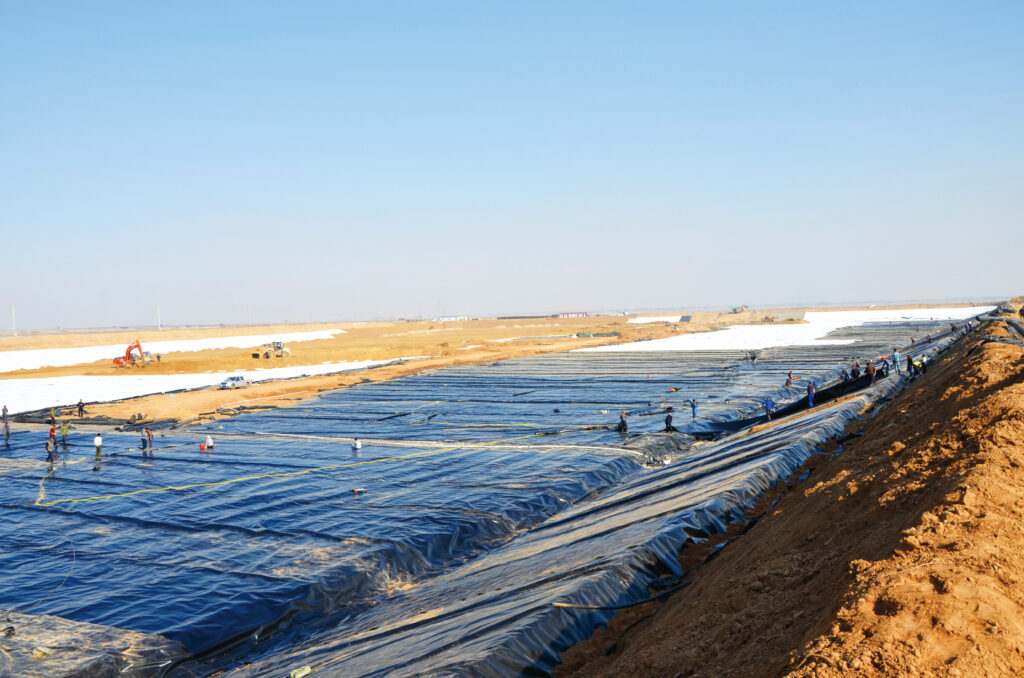
hdpe geomembrane pond liner in Congo (DRC)
How to lay and weld HDPE geomembrane?
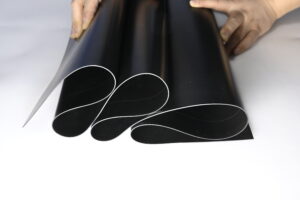
HDPE geomembrane 0.2-4.0mm
HOME ABOUT PRODUCTS APPLICATION CONTENTUS RESOURCES
Home Resources Knowledge Base Geotextile for Road Construction: Functions, Types and Selection Guide

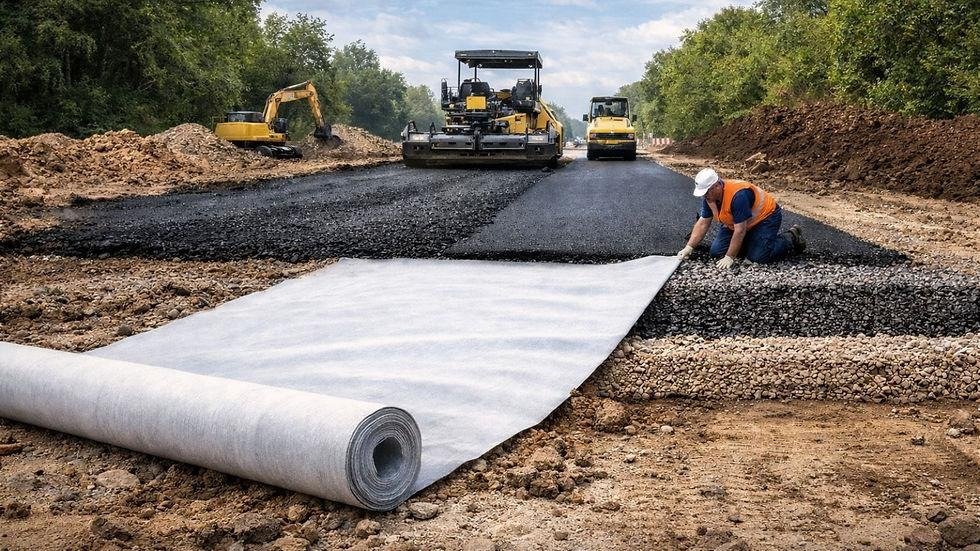
Geotextile for Road Construction: Functions, Types and Selection Guide

time:November 12, 2026 Views:7

Road construction projects often encounter weak subgrade soils, water accumulation, aggregate contamination and uneven ground conditions. These problems can affect pavement performance, increase maintenance requirements and create additional construction costs.

Geotextiles are widely used in road engineering to help manage the interaction between soil and aggregate layers. Depending on the product structure and engineering design, they can provide separation, filtration, drainage and reinforcement-related functions.

However, not every geotextile is suitable for every road project. Woven geotextiles, nonwoven geotextiles and geogrids have different properties and perform different roles.

This guide explains how to select the right geotextile for road construction based on subgrade conditions, project requirements and technical specifications.

1. Why Are Geotextiles Used in Road Construction?

A typical road structure consists of several layers, including the subgrade, subbase, base course and pavement surface.

When aggregate is placed directly over weak or moisture-sensitive soil, the materials may mix during construction or under repeated traffic loading. Fine soil particles can migrate into the aggregate layer, reducing its effective thickness and affecting drainage and structural performance.

A properly selected geotextile can help address this problem.

The main functions include:

1.1 Soil Separation

Separation is one of the most common applications of geotextiles in road construction.

A geotextile is installed between the natural subgrade and granular aggregate layer. It helps prevent soil particles from migrating upward and aggregate from penetrating downward.

Maintaining separation helps preserve the intended thickness and condition of the road base.

1.2 Filtration

When water moves through soil, fine particles may be carried toward drainage layers.

A suitable geotextile allows water to pass through while retaining soil particles according to the filtration design.

This function is important in roads with wet subgrades, roadside drainage systems and areas with groundwater concerns.

1.3 Drainage

Certain geotextiles allow water to pass through their structure or along an engineered drainage system.

They may be used with drainage aggregates, perforated pipes and other drainage components to help manage water around road foundations.

The required hydraulic performance should be evaluated according to soil conditions and expected water flow.

1.4 Reinforcement and Stabilization Support

Geosynthetics can contribute to the performance of road structures over weak subgrades.

Depending on the design, geotextiles may provide tensile resistance and help distribute stresses or maintain separation during construction.

Geogrids may be more appropriate where aggregate confinement and reinforcement are the primary design objectives.

The actual improvement depends on the subgrade, aggregate, geosynthetic properties, pavement design and construction method. A geotextile should not be assumed to replace the required aggregate thickness or conventional ground improvement without engineering verification.

2. Types of Geosynthetics Used in Road Construction

The three commonly considered products are woven geotextile, nonwoven geotextile and geogrid.

2.1 Woven Geotextile

Woven geotextiles are manufactured by interlacing polymer tapes or yarns.

They are often selected for applications where tensile strength, dimensional stability and separation are important.

Potential road applications include:

  • Subgrade and aggregate separation
  • Temporary access roads
  • Construction roads
  • Industrial yards
  • Selected reinforcement-related applications

Important specifications include tensile strength, elongation, opening size, permeability and installation survivability.

Not all woven products have the same filtration properties. The opening size and water-flow characteristics should be checked when filtration is required.

2.2 Nonwoven Geotextile

Nonwoven geotextiles are generally produced by bonding synthetic fibers through needle punching or other manufacturing processes.

Their fiber structure can provide filtration, water permeability and cushioning characteristics.

Common applications include:

  • Road drainage systems
  • Separation between soil and aggregate
  • Filtration beneath drainage stone
  • Protection of adjacent geosynthetic materials
  • Selected road subgrade applications

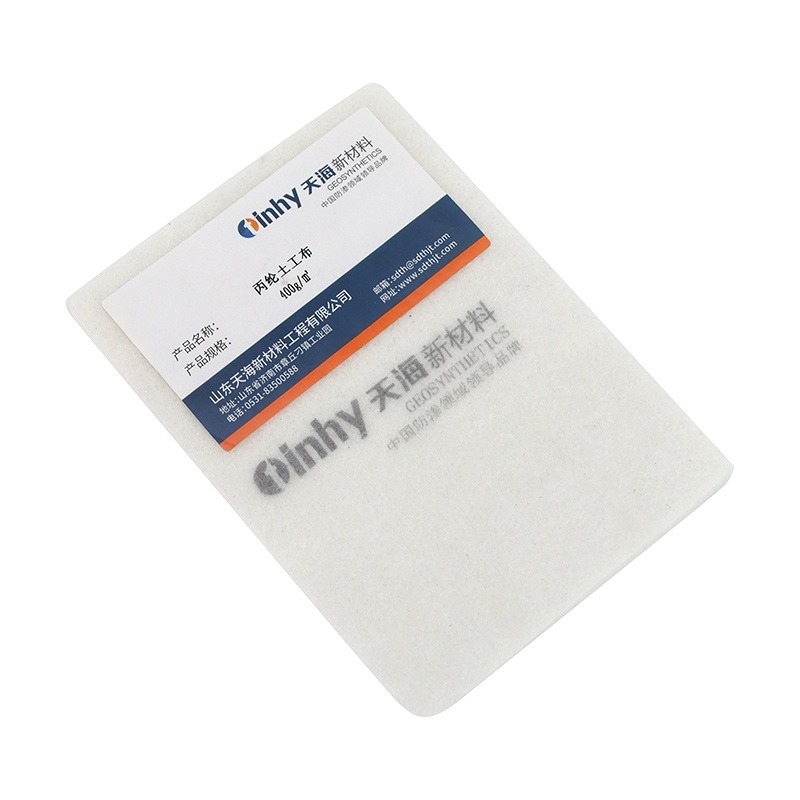
For nonwoven geotextiles, important specifications include mass per unit area, thickness, tensile strength, puncture resistance, apparent opening size and permittivity.

2.3 Geogrid

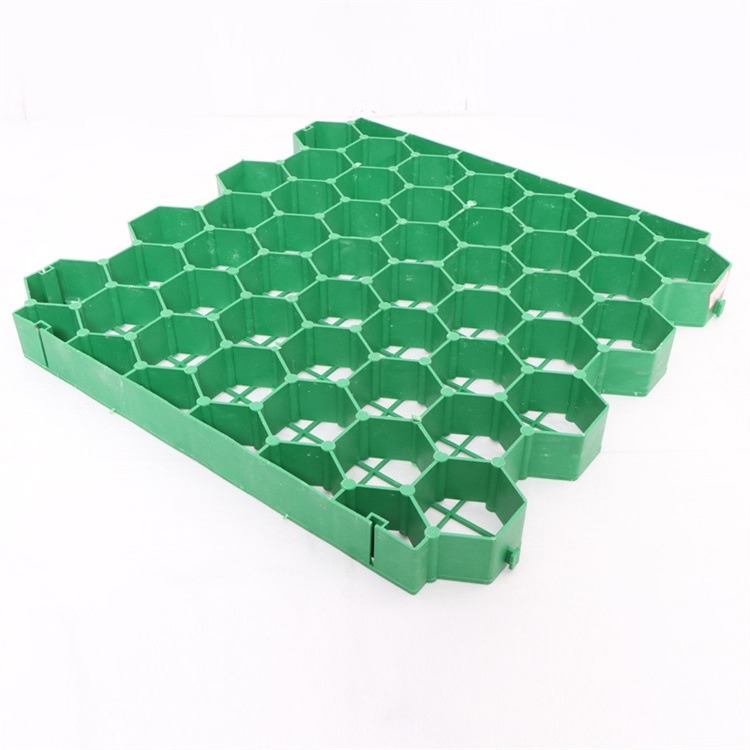
Geogrids are open-grid geosynthetic products designed primarily for reinforcement and aggregate confinement.

They are often considered when the project requires improved interaction between the aggregate layer and the reinforcement material.

Potential applications include:

  • Road base reinforcement
  • Weak subgrade stabilization systems
  • Temporary construction platforms
  • Industrial yards
  • Selected paved and unpaved road structures

Geogrids and geotextiles are not interchangeable. In some road designs, both may be used together, with each product performing a different function.

3. Woven Geotextile vs. Nonwoven Geotextile vs. Geogrid

Product Main Characteristics Common Road Functions
Woven geotextile Interlaced tapes or yarns; tensile properties depend on construction Separation and selected reinforcement-related applications
Nonwoven geotextile Bonded fiber structure; often good filtration and permeability Filtration, drainage, separation and protection
Geogrid Open-grid structure designed for soil and aggregate interaction Reinforcement and aggregate confinement

The right product depends on the primary engineering requirement.

For example, a road over wet fine-grained soil may require separation and filtration. A road over a very weak subgrade may require a designed stabilization system. A geogrid may be considered for reinforcement, while a geotextile may be required to provide separation or filtration.

4. How to Select Geotextile for Road Construction

Product selection should begin with site conditions and engineering requirements rather than a fixed GSM value.

4.1 Evaluate Subgrade Soil Conditions

The subgrade is the foundation of the road structure.

Before selecting a geotextile, obtain relevant information about:

  • Soil classification
  • Particle-size distribution
  • Soil strength or CBR
  • Moisture content
  • Groundwater level
  • Plasticity and sensitivity
  • Expected construction traffic

Weak, saturated or fine-grained soils may require particular attention to separation and filtration.

4.2 Define the Required Function

Identify what the geosynthetic is expected to do.

Is the primary purpose:

  • Preventing aggregate and soil from mixing?
  • Retaining soil while allowing water to pass?
  • Providing a drainage filter?
  • Reinforcing a weak subgrade?
  • Improving construction-platform survivability?

A product selected for separation alone may not meet a demanding filtration or reinforcement requirement.

4.3 Check Mechanical Properties

The selected product should have mechanical properties suitable for the installation environment and expected loads.

Review:

  • Tensile strength
  • Elongation
  • Puncture resistance
  • Tear resistance
  • Installation survivability
  • Long-term durability requirements

Where design tensile properties are required, wide-width tensile testing may be relevant. ASTM D4595/D4595M is a test method for measuring geotextile tensile properties using a wide-width specimen.

4.4 Check Filtration and Hydraulic Properties

When the geotextile performs a filtration function, evaluate:

  • Apparent Opening Size (AOS)
  • Permittivity
  • Water-flow capacity
  • Soil retention criteria
  • Potential clogging conditions

ASTM D4751 is used to determine the apparent opening size of geotextiles. The test result should be considered together with the surrounding soil gradation and filtration design.

4.5 Consider Installation Conditions

The geotextile must survive handling, aggregate placement, compaction and construction traffic.

Consider:

  • Aggregate particle size and angularity
  • Placement and spreading equipment
  • Construction sequence
  • Subgrade preparation
  • Panel overlap or joining requirements
  • Potential damage during installation

A product that meets laboratory requirements may still perform poorly if it is damaged or installed incorrectly.

5. What GSM Geotextile Is Suitable for Road Construction?

Geotextile weight is commonly expressed in grams per square meter (GSM).

Different weights are available for road projects, but there is no universal GSM specification for all road construction.

A 200 GSM product and a 400 GSM product may have different mechanical properties, but weight alone cannot establish which one is suitable.

The selection should consider:

  • Subgrade strength
  • Aggregate size
  • Construction traffic
  • Required tensile properties
  • Puncture resistance
  • Filtration and drainage requirements
  • Product structure and raw material

For procurement, buyers should request the technical data sheet and compare the measured properties against the project specification.

For more information, see our Nonwoven Geotextile Weight Selection Guide.

6. Typical Road Construction Applications

6.1 Rural and Unpaved Roads

Geotextiles can be installed between the natural soil and aggregate base to help maintain separation.

The appropriate material depends on soil conditions, aggregate properties, traffic and drainage requirements.

6.2 Highway and Paved Road Subgrades

In selected pavement structures, geotextiles can provide separation and filtration beneath aggregate layers.

The design must account for traffic loading, pavement structure, subgrade strength and drainage.

6.3 Temporary Construction Access Roads

Temporary access roads often experience heavy construction equipment and repeated vehicle movement.

A suitable geosynthetic system may help maintain separation and support construction activities over weak ground. Product strength and installation survivability should be evaluated for the actual equipment and loading conditions.

6.4 Parking Areas and Industrial Yards

Parking areas, container yards and industrial platforms may use geotextiles between the subgrade and granular layers.

The material helps limit intermixing and supports the intended aggregate structure when properly selected and installed.

6.5 Roadside and Subsurface Drainage

Nonwoven geotextiles are frequently considered as filter fabrics around drainage aggregate and perforated pipes.

The fabric should retain surrounding soil while allowing water to enter the drainage system without unacceptable clogging.

7. Installation Considerations

Correct installation is essential for achieving the intended performance.

A typical installation sequence includes:

  1. Prepare the subgrade and remove sharp objects or debris that may damage the fabric.
  2. Check the surface condition and confirm that it meets the project requirements.
  3. Unroll the geotextile in the specified direction without excessive tension or wrinkles.
  4. Provide overlaps or seams according to the project specification and site conditions.
  5. Place aggregate carefully to avoid dragging or displacing the geotextile.
  6. Spread and compact aggregate using the approved construction method.
  7. Inspect for visible damage and repair or replace affected areas according to the project requirements.

Overlap width should not be treated as one fixed value for every project. It depends on subgrade conditions, installation method, product type and engineering specifications.

For further details, refer to our Geotextile Installation Guide.

8. Quality Control: What Should Buyers Check?

Before accepting a geotextile shipment, review the following information:

Property Relevant Test Method
Mass per unit area ASTM D5261
Grab tensile properties ASTM D4632/D4632M
Wide-width tensile properties ASTM D4595/D4595M
Apparent Opening Size ASTM D4751
Permittivity ASTM D4491/D4491M
CBR puncture resistance ASTM D6241
Thickness ASTM D5199

The applicable test methods and acceptance values should follow the project specification and current standard editions.

Buyers should also check:

  • Product material and structure
  • Roll identification and dimensions
  • Manufacturer’s technical data sheet
  • Quality control test reports
  • Production batch traceability
  • Packaging and transportation condition

A product certificate should be traceable to the supplied material and relevant production batch.

9. Frequently Asked Questions

What is the main purpose of geotextile in road construction?

Its main functions can include soil separation, filtration and drainage. Depending on the product and design, it may also contribute to reinforcement-related performance.

Is woven or nonwoven geotextile better for roads?

Neither is universally better. Woven geotextiles are often considered where tensile properties and separation are important. Nonwoven geotextiles are frequently selected for filtration and drainage. The final choice depends on the design requirements.

Can geotextile replace a geogrid?

Not automatically. Geotextiles and geogrids have different structures and functions. A geogrid may be selected for reinforcement and aggregate confinement, while a geotextile may provide separation and filtration.

What GSM is best for road construction?

There is no single best GSM. The required weight depends on subgrade conditions, aggregate, loading, mechanical properties and hydraulic requirements.

Can nonwoven geotextile be used under road aggregate?

Yes. It can be used for separation and filtration in suitable road structures. Its mechanical and hydraulic properties must match the project specification.

Does geotextile improve road lifespan?

A properly designed and installed geotextile may help maintain separation, filtration and drainage functions. The overall road service life also depends on pavement design, soil conditions, drainage, materials, traffic and maintenance.

What information is needed to request a road geotextile quotation?

Provide the application, soil conditions, required product type, technical specifications, roll dimensions, total quantity, destination and applicable project standards.

Conclusion

Geotextiles play an important role in many road construction projects by helping separate soil layers, retain soil particles and support drainage systems.

However, choosing the right product requires more than selecting a GSM value or relying on a general product description.

Engineers and buyers should evaluate subgrade conditions, required functions, mechanical properties, filtration performance and installation requirements before approving a product.

Contact TINHY Geosynthetics to discuss woven geotextile, nonwoven geotextile and geogrid options for your road construction project. Share your project requirements and technical specifications to request product information and a quotation.

Knowledge Base
Share:
info@tinhygeosynthetics.com Bai Jinxi
Consultation

    Get The Latest Product Prices

    Your inquiries are welcomed at any time and please feel free to contact us via email, phone calls, and online chatbox on our site.

    We will definitely give you a reply ASAP after we receive your messages.

      0/180