Resources
Company News
Industry News
Knowledge Base
Project Cases
Innovation
Team Power Fuels TINHY’s Global Geosynthetics Solutions
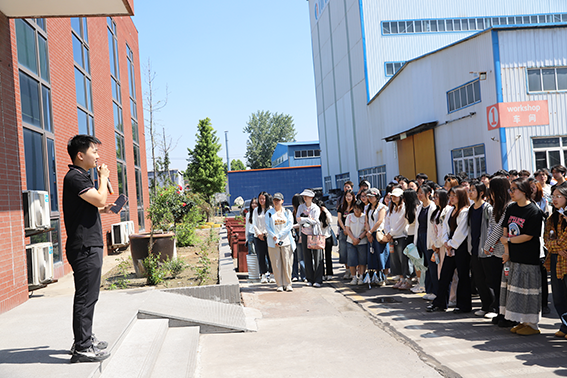
Tinhy and University of Jinan Celebrate Six Years of Industry–University Collaboration
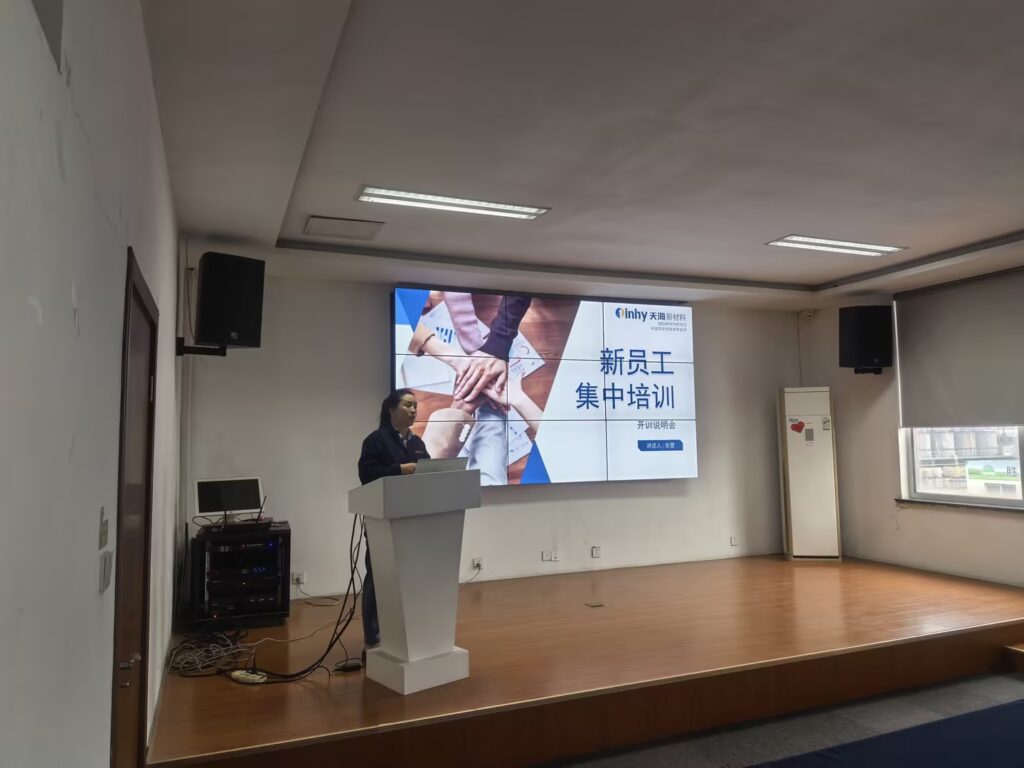
Empowering New Talent, Building the Future: Tinhy Successfully Conducts New Employee Orientation Training
Tinhy Conducts Comprehensive Emergency Drill to Strengthen Workplace Safety Defenses
Company Mid – Year Summary and Team – Building Activity Report
Is geomembrane a geotechnical engineering material?
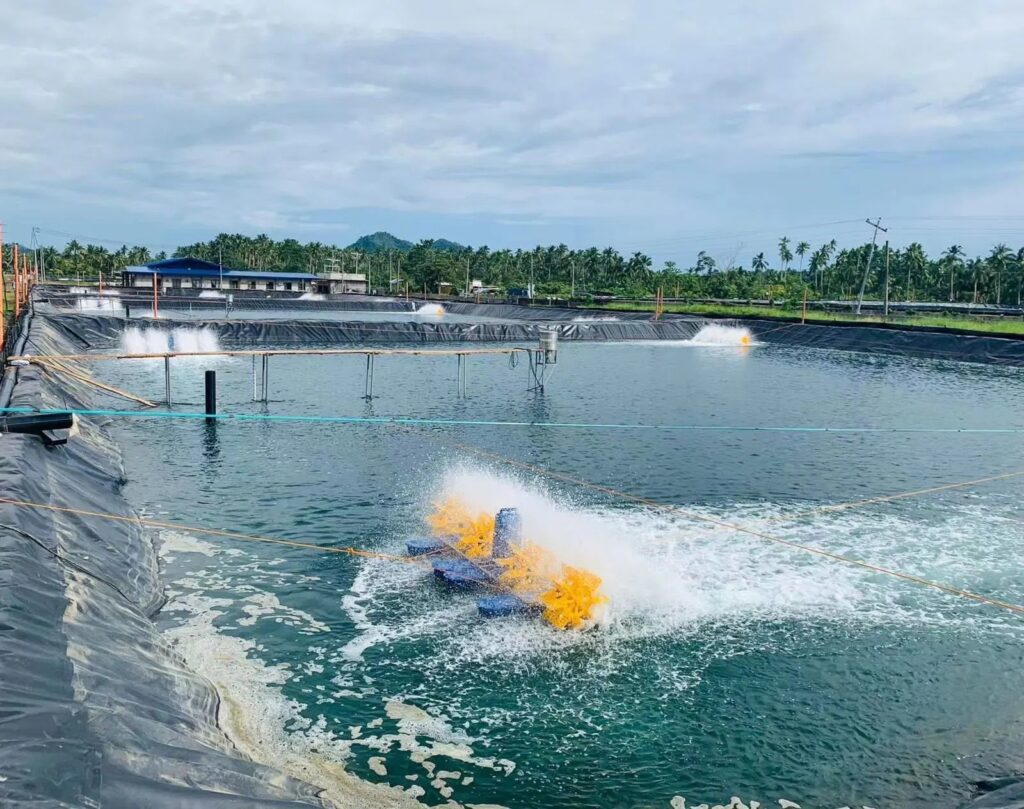
What are the application scenarios of geomembrane?
What are the functions of geotextiles?
Cómo elegir geomembrana de hdpe en proyectos de ingeniería
How to choose hdpe geomembrane in engineering projects
China’s Geotechnical Construction Materials Embrace New Opportunities
Tips for Moisture-Proof Storage of Geotextiles
Key Construction Points and Precautions for High-Density Polyethylene Geomembrane
what is pond lining material ?
What is geomembrane?
HDPE geomembrane construction plans and technical measures
What quality tests do HDPE geomembranes need to do?
Tinhy’s MDS® Drainage Solution
Installation Robots
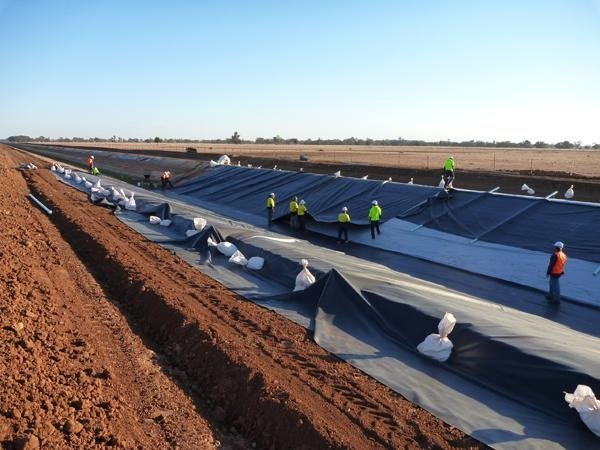
HDPE Geomembrane Installation and Welding Quality Control: A Complete Guide
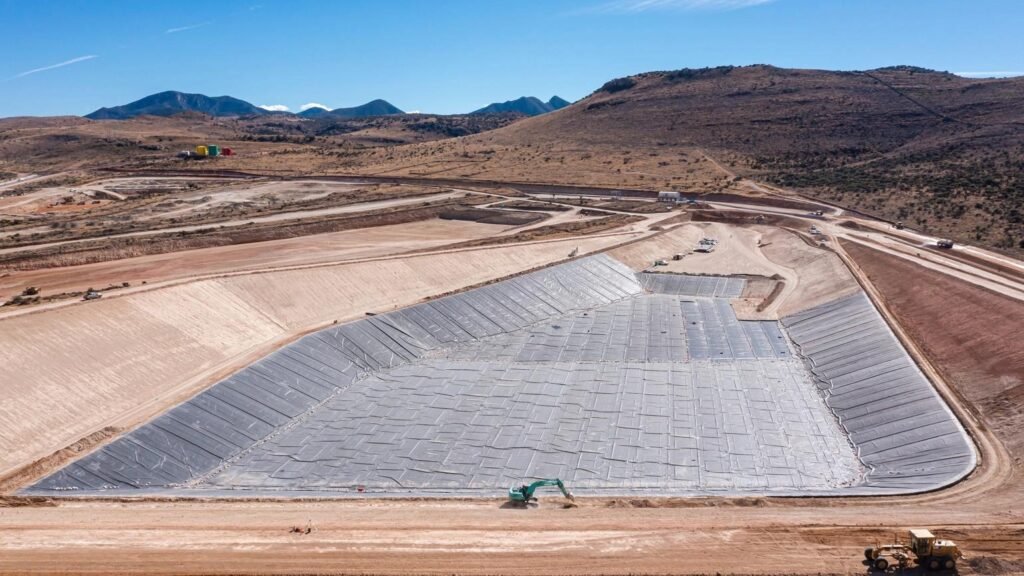
HDPE Geomembrane Liner Systems for Tailings Storage Facilities: Design, Components and QA/QC
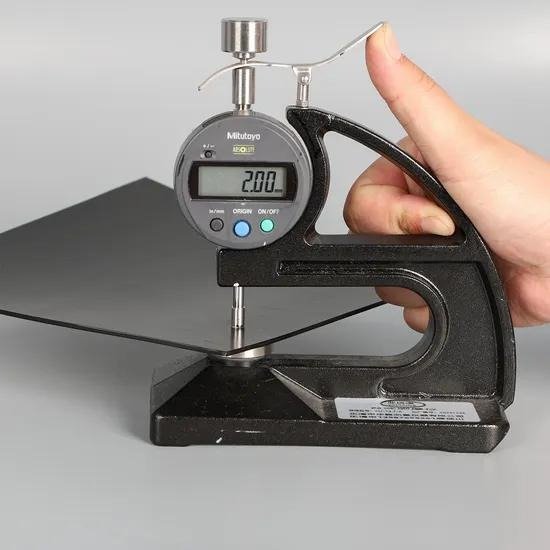
HDPE Geomembrane Quality Inspection: 10 Key Tests and Standards
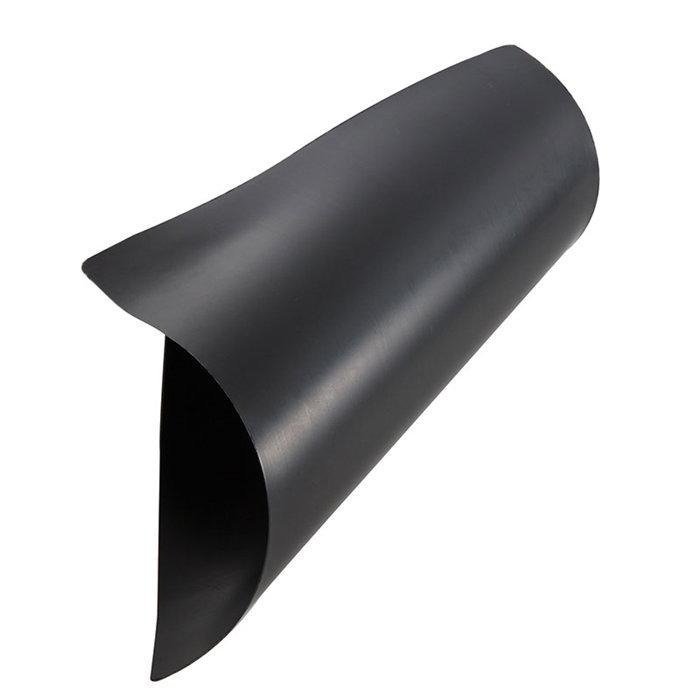
Smooth vs Textured HDPE Geomembrane: Differences, Applications and Selection Guide
HDPE Geomembrane Thickness Selection Guide
PP Geotextile: Types, Properties, Applications and Selection Guide
Textured Geomembrane: Benefits, Applications and Selection Guide
30 Mil Impermeable Liner: A Guide to Thickness, Uses and Selection
Non Woven Geotextile Fabric for Drainage: A Complete Guide
30 Mil PVC Liner: Thickness, Benefits, Applications and Buying Guide
Should HDPE or PVC be used to install geomembrane in reservoirs?
What is the price of geomembrane?
Material characteristics of three different geomembranes
Esquema de construcción de geomembrana de HDPE y medidas técnicas
hdpe geomembrane pond liner in Congo (DRC)
How to lay and weld HDPE geomembrane?
HDPE geomembrane 0.2-4.0mm
HOME ABOUT PRODUCTS APPLICATION CONTENTUS RESOURCES
Home Resources Knowledge Base HDPE Geomembrane Installation and Welding Quality Control: A Complete Guide

HDPE Geomembrane Installation and Welding Quality Control: A Complete Guide

time:November 09, 2026 Views:24

HDPE geomembranes are widely used in landfills, mining facilities, reservoirs, wastewater treatment plants, and other containment projects. They provide a low-permeability barrier when properly specified and incorporated into an engineered lining system.

However, the performance of an HDPE geomembrane depends on more than the quality of the manufactured sheet. Site preparation, panel deployment, seam welding, inspection, testing, and protection all play important roles in the final installation quality.

This guide explains the main stages of HDPE geomembrane installation and the quality control measures that project owners, contractors, and procurement teams should understand.

Table of Contents

1. Pre-Installation Preparation

Before geomembrane installation begins, the construction team should review the approved drawings, technical specifications, installation procedures, and quality assurance requirements.

1.1 Review Project Drawings and Specifications

The installation team should confirm:

  • Geomembrane material type and nominal thickness
  • Smooth or textured surface requirements
  • Panel dimensions and layout
  • Seam locations and welding methods
  • Anchor trench and edge termination details
  • Required protection and drainage layers
  • Field testing methods and acceptance criteria
  • Inspection and documentation requirements

The panel layout should be reviewed before deployment to reduce unnecessary seams, difficult connections, and material waste.

1.2 Inspect the Subgrade

A properly prepared foundation is essential for geomembrane installation.

Before liner deployment, inspect the subgrade for:

  • Sharp stones, roots, and construction debris
  • Protrusions and uneven surfaces
  • Soft or unstable areas
  • Surface cracks and voids
  • Drainage conditions
  • Compliance with specified compaction and grading requirements

The surface should meet the project acceptance criteria before geomembrane placement.

Where additional cushioning is required, a suitable geotextile protection layer may be incorporated into the lining system. The geotextile type and properties should be selected according to the subgrade and design requirements.

1.3 Inspect Delivered Geomembrane Rolls

Before installation, check the delivered materials against the purchase order and approved technical specifications.

Important inspection items include:

  • Product identification and roll numbers
  • Nominal thickness and dimensions
  • Smooth or textured surface type
  • Packaging and transportation condition
  • Visible holes, cuts, or surface defects
  • Technical data sheets and test documentation

Any damaged or nonconforming roll should be identified and handled according to the project inspection procedure.

2. HDPE Geomembrane Deployment

Once the subgrade has been accepted, geomembrane panels can be deployed according to the approved panel layout.

2.1 Plan the Panel Layout

Panel placement should consider the site geometry, slope direction, drainage structures, penetrations, and welding access.

A good layout helps:

  • Reduce unnecessary field seams
  • Avoid excessive material waste
  • Simplify welding operations
  • Improve panel identification and traceability
  • Coordinate installation with other construction activities

For large projects, panel numbering and deployment records should be maintained throughout installation.

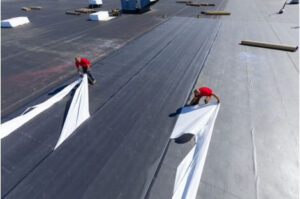
2.2 Unroll and Position the Geomembrane

Use suitable lifting and deployment equipment to handle geomembrane rolls safely.

During deployment:

  • Avoid dragging the geomembrane across rough surfaces.
  • Prevent unnecessary stretching and mechanical damage.
  • Position panels according to the approved layout.
  • Maintain suitable overlap for the specified welding method.
  • Avoid excessive wrinkles and folds.
  • Protect deployed panels from wind and construction traffic.

Panel overlap dimensions should follow the approved welding procedure and project specification. There is no single overlap dimension that applies to every material thickness, seam type, and installation condition.

2.3 Allow for Temperature-Related Movement

HDPE geomembranes expand and contract with temperature changes.

Installation planning should account for material temperature, ambient conditions, solar exposure, panel positioning, and the welding schedule.

The installation team should follow the manufacturer’s recommendations and project-specific procedures to manage wrinkles, thermal movement, and panel alignment.

3. HDPE Geomembrane Welding Methods

Adjacent HDPE geomembrane panels are commonly joined using thermal welding methods.

The two main methods are hot wedge welding and extrusion welding.

3.1 Hot Wedge Welding

Hot wedge welding is commonly used for long, continuous field seams.

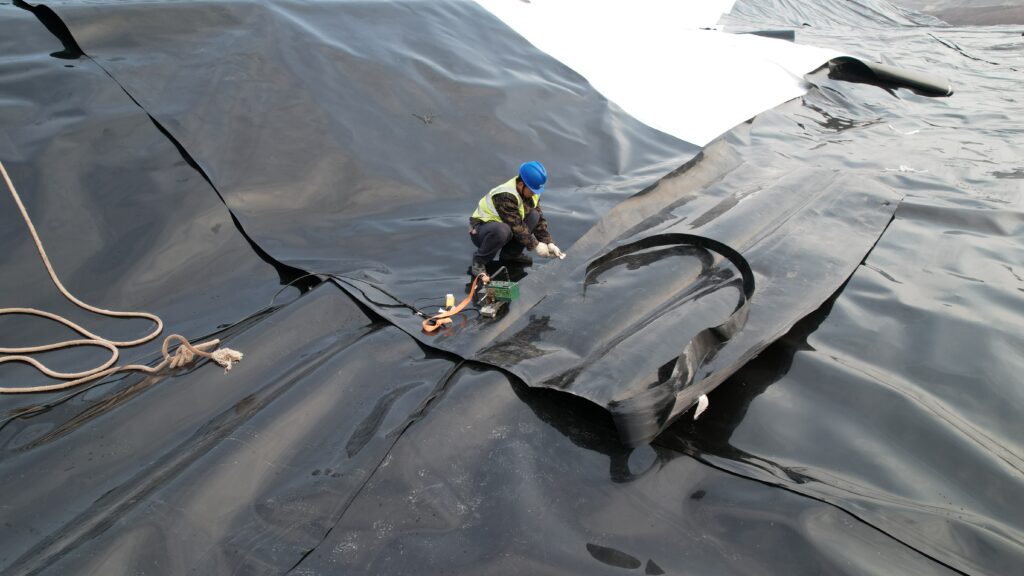
A heated wedge melts the contact surfaces of overlapping geomembrane panels. Pressure rollers then bring the softened surfaces together to form a bonded seam.

Dual-track wedge welding creates two parallel weld tracks with an unbonded channel between them. This channel can be used for air pressure testing where the seam configuration and project procedure permit.

Typical applications include:

  • Long straight panel seams
  • Large landfill liner areas
  • Mining containment facilities
  • Reservoir and pond lining projects

3.2 Extrusion Welding

Extrusion welding is commonly used for details and locations where automatic wedge welding is not practical.

Molten compatible polymer is applied to the prepared seam area to join the geomembrane surfaces.

Typical applications include:

  • Pipe penetrations
  • Corners and irregular details
  • T-joints and connections
  • Patches and repairs
  • Areas inaccessible to automatic wedge welding equipment

Surface preparation is especially important for extrusion welding. Grinding, cleaning, and welding procedures should follow the approved method statement and avoid damaging the parent geomembrane.

3.3 Hot Air Welding

Hot air equipment may be used for specific preparation, tacking, or detail operations where permitted by the installation procedure.

It should not be treated as an interchangeable substitute for every primary seam welding method. The selected joining method must be suitable for the geomembrane material, seam configuration, and project requirements.

4. Welding Quality Control

A reliable welding operation requires controlled equipment, trained personnel, suitable environmental conditions, and documented inspection.

4.1 Check Welding Equipment

Before production welding, inspect the welding equipment and confirm that it is suitable for the geomembrane material and thickness.

Check:

  • Equipment condition and maintenance
  • Temperature control
  • Welding speed adjustment
  • Pressure settings
  • Power supply
  • Calibration or verification records, where required

Actual welding settings should be established through trial seams and adjusted according to the material, equipment, and site conditions.

4.2 Conduct Trial Seams

Trial seams should be completed as required by the project specification, particularly before production welding and when relevant conditions change.

Trial seams help the installation team evaluate whether the selected welding settings produce acceptable seam performance.

Factors that may require renewed trial seams include:

  • Changes in geomembrane thickness or material
  • Changes in welding equipment
  • Changes in environmental conditions
  • Changes in welding personnel
  • Significant adjustments to welding settings

Trial seam results should be recorded and reviewed before production welding proceeds.

4.3 Monitor Welding Conditions

During production welding, monitor:

  • Surface cleanliness and dryness
  • Panel alignment and overlap
  • Welding temperature and speed
  • Pressure and equipment operation
  • Weather and site conditions
  • Visible seam appearance

Welding should be carried out under conditions permitted by the approved procedure. Rain, moisture, dust, wind, and temperature changes may affect the operation and require protective measures or temporary suspension.

5. HDPE Geomembrane Seam Testing Methods

Visual inspection alone cannot establish the integrity of every completed seam. A project quality plan may require a combination of nondestructive and destructive testing.

The methods below serve different purposes and should be selected according to the seam type and project specification.

5.1 Visual Inspection

Visual inspection is performed throughout installation.

Inspectors should look for:

  • Incomplete or irregular welds
  • Visible contamination
  • Wrinkles affecting seam areas
  • Burned or overheated material
  • Gaps and unbonded sections
  • Visible holes, cuts, or damage
  • Poorly completed repairs

Defects should be marked, documented, and repaired according to the approved procedure.

5.2 Air Pressure Testing

Air pressure testing is commonly used for suitable dual-track fusion seams.

Air is introduced into the channel between the two parallel weld tracks. The pressure response is monitored according to the specified test procedure.

This method can help identify discontinuities in the tested channel. It is not suitable for every seam configuration and does not replace destructive seam strength testing.

5.3 Vacuum Box Testing

Vacuum box testing is commonly used for suitable extrusion welds, patches, and other details.

A vacuum box and an appropriate test solution are applied to the test area. The inspector observes for indications of leakage according to the approved procedure.

The method is particularly useful for checking localized areas that cannot be tested using a dual-track air channel.

5.4 Destructive Peel and Shear Testing

Destructive testing evaluates the mechanical integrity of selected seam samples.

The sample is tested to assess peel and shear behavior. The results are compared with the applicable project acceptance criteria.

ASTM D6392/D6392M is a relevant standard for destructive peel and shear testing of nonreinforced geomembrane seams produced using thermofusion methods.

Destructive test locations, sampling frequency, specimen preparation, and acceptance requirements should be established in the project specification.

5.5 Other Nondestructive Testing Methods

Other methods may be specified for particular geomembrane systems and seam configurations.

ASTM D4437/D4437M provides a practice covering nondestructive testing methods for evaluating the integrity of seams in flexible polymeric sheet geomembranes.

The project engineer and quality team should determine which methods are appropriate for the installed material and seam design.

6. Defect Repair and Retesting

Any identified defect should be repaired before the affected area is covered or accepted.

A typical repair process includes:

  1. Mark and identify the defective area.
  2. Determine the likely cause of the defect.
  3. Prepare the repair area according to the approved procedure.
  4. Apply a compatible repair method and material.
  5. Inspect the completed repair.
  6. Perform the required retesting.
  7. Record the repair location and test result.

Repairs may involve extrusion welding, patches, or other approved techniques depending on the defect and geomembrane condition.

Repair records should identify the location, repair method, responsible personnel, inspection result, and retesting status.

7. Protection and Covering After Installation

After the geomembrane has passed the required inspection and testing, subsequent construction activities should protect the completed liner.

Depending on the design, protection measures may include:

  • Nonwoven geotextile protection layers
  • Drainage geocomposites
  • Soil cover
  • Concrete protection
  • Other specified protective materials

Construction equipment and workers should not damage the completed geomembrane.

Where cover placement is required, the method, equipment, and material handling procedures should follow the approved construction plan.

The liner should be inspected for damage caused by subsequent work before final acceptance.

8. Installation QA/QC Documentation

A complete quality assurance and quality control record helps demonstrate that the installed geomembrane meets the project requirements.

Typical records include:

Record Information to Include
Material inspection Roll numbers, dimensions, product identification and inspection results
Subgrade acceptance Inspection records and approved release
Panel deployment Panel layout, roll identification and installation locations
Welding records Equipment, operator, date, conditions and welding details
Trial seam records Test conditions and results
Nondestructive testing Test locations, methods and results
Destructive testing Sample identification, peel and shear results
Repair records Defect location, repair method and retest results
Final inspection Outstanding items, corrective actions and acceptance records

The required documentation and inspection frequency should be defined in the project Construction Quality Assurance (CQA) plan.

9. Common HDPE Geomembrane Installation Problems

The following issues can affect installation quality if they are not properly managed.

Poor Subgrade Preparation

Sharp objects, uneven surfaces, and unstable areas can increase the risk of geomembrane damage.

Prevention: Inspect and accept the subgrade before liner deployment.

Incorrect Welding Conditions

Unsuitable welding settings or unstable environmental conditions can result in weak or inconsistent seams.

Prevention: Conduct trial seams and monitor production welding.

Insufficient Seam Inspection

Relying only on visual inspection may leave some defects undetected.

Prevention: Apply the testing methods required by the project QA/QC plan.

Inadequate Repair Documentation

Unrecorded repairs make it difficult to verify the condition of the completed liner.

Prevention: Mark, repair, retest, and document every identified defect.

Damage During Subsequent Construction

Heavy equipment, dropped tools, or careless material placement can damage an accepted liner.

Prevention: Establish access controls and protective procedures for completed geomembrane areas.

10. What Should Buyers Confirm Before Starting an Installation Project?

For project owners, EPC contractors, and procurement teams, it is useful to confirm the following information before installation begins:

  • Approved geomembrane material and technical specification
  • Required thickness and surface type
  • Roll dimensions and panel layout
  • Installation method statement
  • Welding equipment and procedures
  • Trial seam requirements
  • Nondestructive and destructive testing requirements
  • Repair procedures and acceptance criteria
  • Protection and covering arrangements
  • QA/QC documentation and final handover requirements

Clear technical requirements help coordinate the material supplier, installation contractor, testing personnel, and project engineering team.

Frequently Asked Questions

1. What are the main steps in HDPE geomembrane installation?

The main steps generally include reviewing project requirements, preparing and accepting the subgrade, inspecting materials, deploying panels, welding seams, testing seams, repairing defects, installing protection layers, and completing final inspection.

2. What is the difference between hot wedge welding and extrusion welding?

Hot wedge welding is commonly used for long continuous seams between overlapping geomembrane panels. Extrusion welding is generally used for details, penetrations, patches, repairs, and areas where automatic wedge welding is not practical.

3. How are HDPE geomembrane seams tested?

Depending on the seam configuration and project specification, testing may include visual inspection, air pressure testing, vacuum box testing, and destructive peel and shear testing.

4. What is an HDPE geomembrane trial seam?

A trial seam is a test weld produced before or during installation under specified conditions. It helps verify whether the selected welding procedure and equipment settings can produce acceptable seam performance.

5. Is air pressure testing required for every geomembrane seam?

No. Air pressure testing is suitable for certain dual-track seams with an accessible test channel. Other seam types may require vacuum testing, visual inspection, destructive testing, or another specified method.

6. What standard is used for destructive geomembrane seam testing?

ASTM D6392/D6392M covers destructive peel and shear testing of nonreinforced geomembrane seams produced using thermofusion methods. The applicable edition and acceptance criteria should be confirmed in the project specification.

7. Can geomembrane be installed in rainy or windy conditions?

Installation suitability depends on site conditions, material handling, welding requirements, and the approved installation procedure. Moisture, wind, and unstable weather may affect deployment and welding quality. The installation team should follow project-specific limits and suspend work when conditions are unsuitable.

Conclusion

Successful HDPE geomembrane installation requires coordinated preparation, controlled panel deployment, appropriate welding procedures, systematic seam testing, and complete quality documentation.

Material quality is important, but installation quality determines whether the specified liner system is properly constructed.

For project owners and contractors, a clear installation method statement and QA/QC plan can help identify defects early, manage repairs, and support reliable project acceptance.

Contact TINHY Geosynthetics to discuss HDPE geomembrane material requirements for your containment project. Share your required thickness, surface type, roll dimensions, project application, and estimated quantity to request product information and a quotation.

Knowledge Base
Share:
info@tinhygeosynthetics.com Bai Jinxi
Consultation

    Get The Latest Product Prices

    Your inquiries are welcomed at any time and please feel free to contact us via email, phone calls, and online chatbox on our site.

    We will definitely give you a reply ASAP after we receive your messages.

      0/180