Resources
Company News
Industry News
Knowledge Base
Project Cases
Innovation
Team Power Fuels TINHY’s Global Geosynthetics Solutions
Tinhy and University of Jinan Celebrate Six Years of Industry–University Collaboration
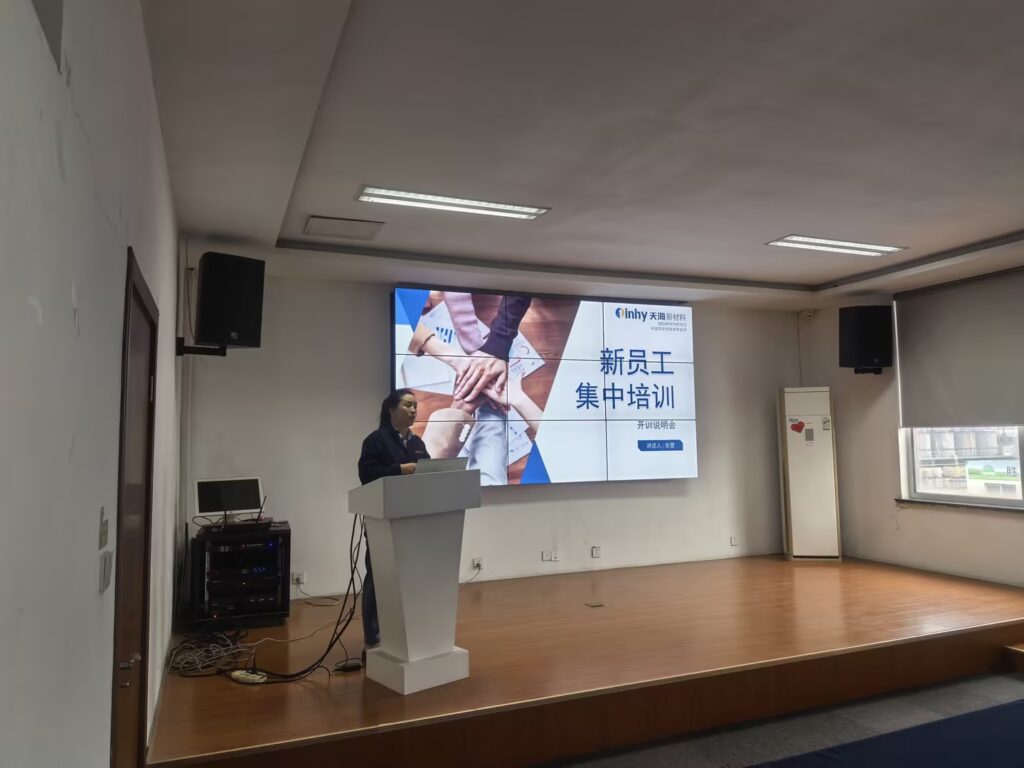
Empowering New Talent, Building the Future: Tinhy Successfully Conducts New Employee Orientation Training
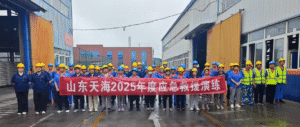
Tinhy Conducts Comprehensive Emergency Drill to Strengthen Workplace Safety Defenses
Company Mid – Year Summary and Team – Building Activity Report
Is geomembrane a geotechnical engineering material?
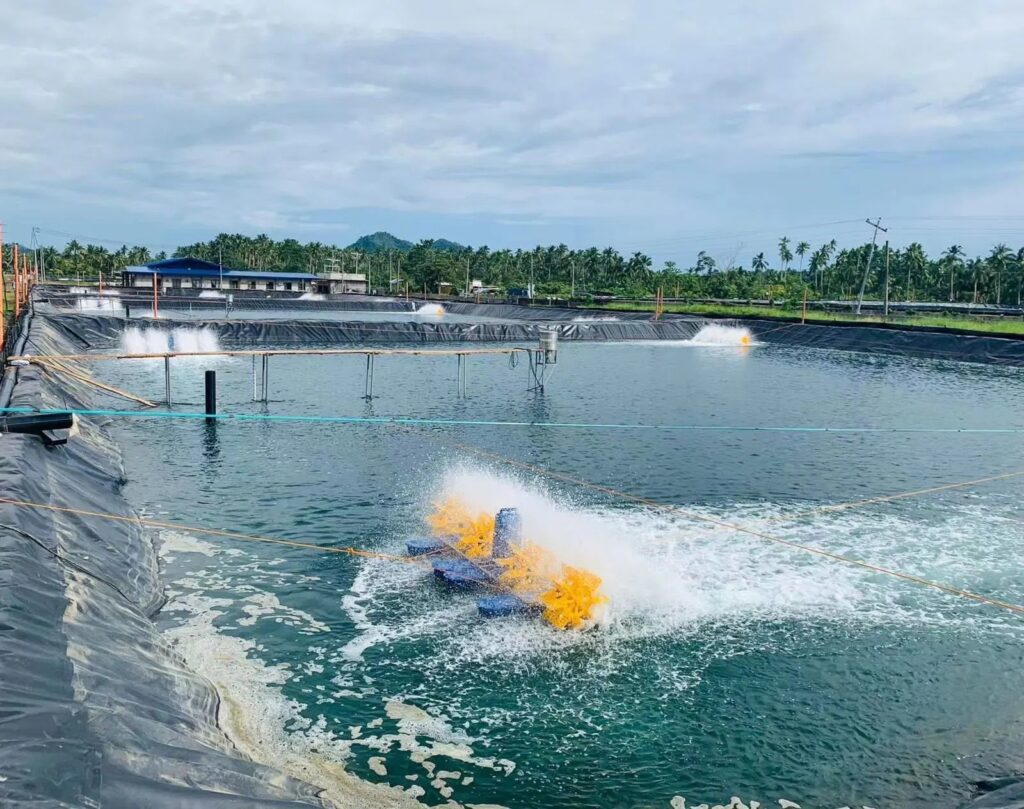
What are the application scenarios of geomembrane?
What are the functions of geotextiles?
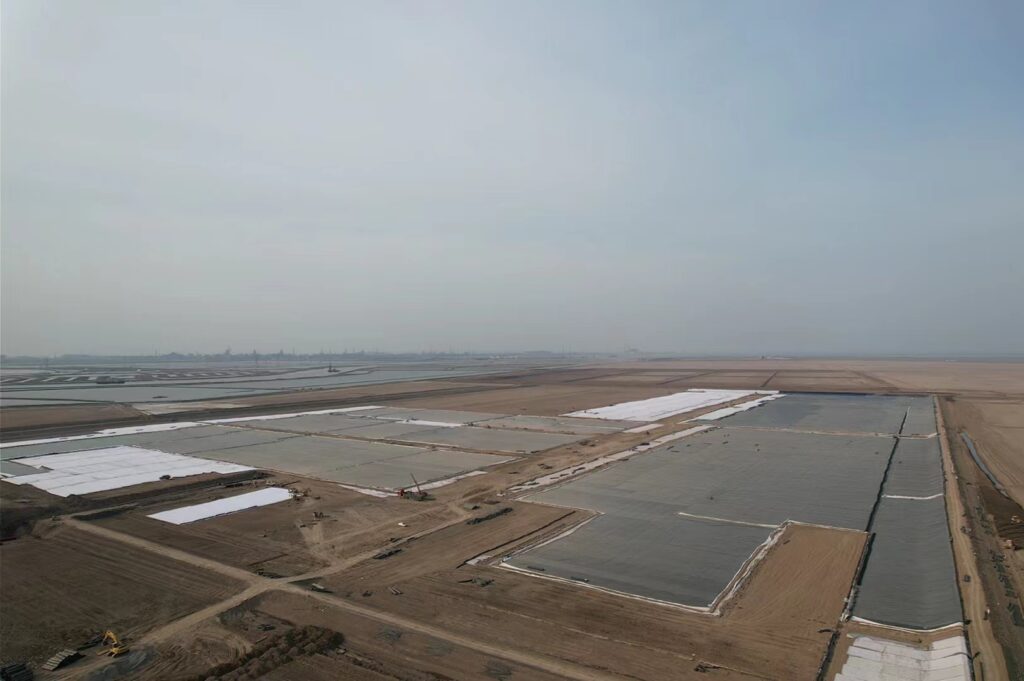
Cómo elegir geomembrana de hdpe en proyectos de ingeniería
How to choose hdpe geomembrane in engineering projects
China’s Geotechnical Construction Materials Embrace New Opportunities
Tips for Moisture-Proof Storage of Geotextiles
Key Construction Points and Precautions for High-Density Polyethylene Geomembrane
what is pond lining material ?
What is geomembrane?
HDPE geomembrane construction plans and technical measures
What quality tests do HDPE geomembranes need to do?
Tinhy’s MDS® Drainage Solution
Installation Robots
PET vs PP Nonwoven Geotextile: Key Differences, Applications and Selection Guide
HDPE Geomembrane Installation and Welding Quality Control: A Complete Guide
HDPE Geomembrane Liner Systems for Tailings Storage Facilities: Design, Components and QA/QC
HDPE Geomembrane Quality Inspection: 10 Key Tests and Standards
Smooth vs Textured HDPE Geomembrane: Differences, Applications and Selection Guide
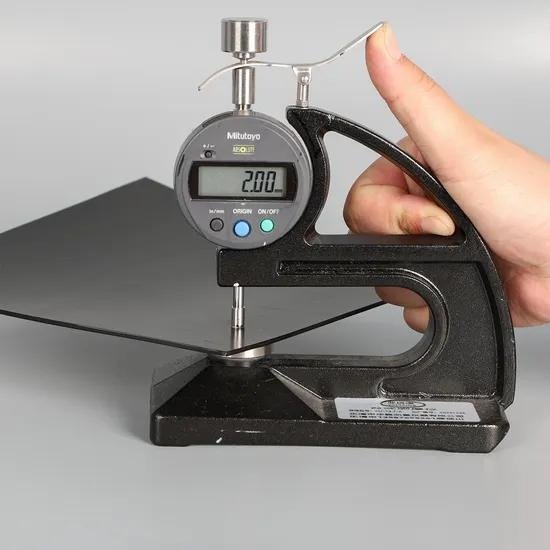
HDPE Geomembrane Thickness Selection Guide
PP Geotextile: Types, Properties, Applications and Selection Guide
Textured Geomembrane: Benefits, Applications and Selection Guide
30 Mil Impermeable Liner: A Guide to Thickness, Uses and Selection
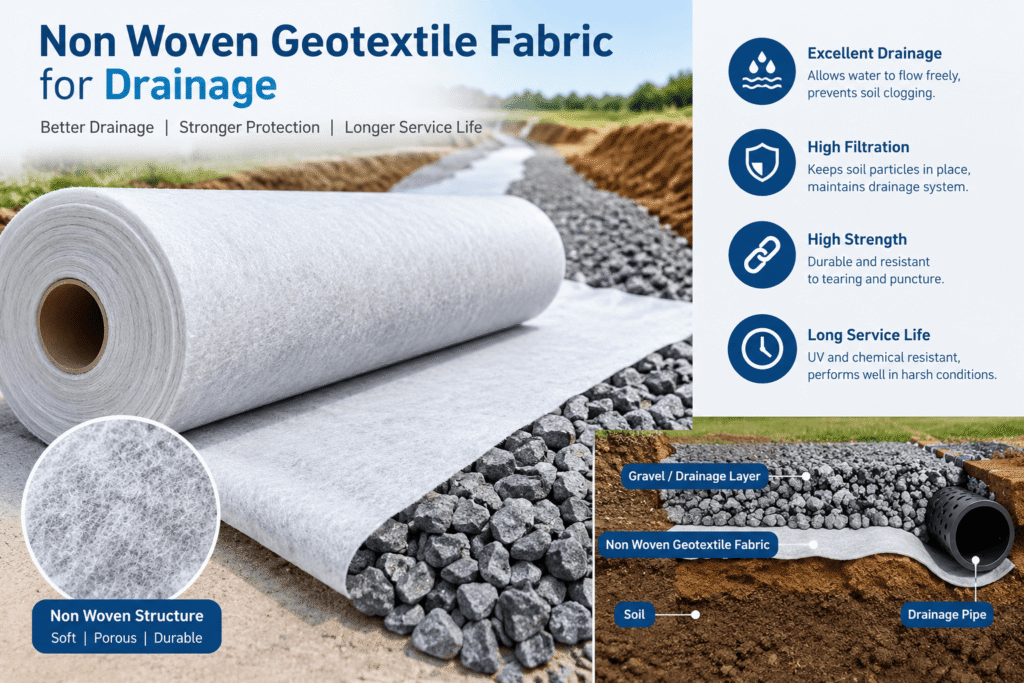
Non Woven Geotextile Fabric for Drainage: A Complete Guide
Should HDPE or PVC be used to install geomembrane in reservoirs?
What is the price of geomembrane?
Material characteristics of three different geomembranes
Esquema de construcción de geomembrana de HDPE y medidas técnicas
hdpe geomembrane pond liner in Congo (DRC)
How to lay and weld HDPE geomembrane?
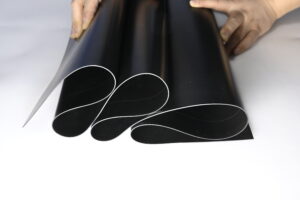
HDPE geomembrane 0.2-4.0mm
HOME ABOUT PRODUCTS APPLICATION CONTENTUS RESOURCES
Home Resources Knowledge Base PET vs PP Nonwoven Geotextile: Key Differences, Applications and Selection Guide

PET vs PP Nonwoven Geotextile: Key Differences, Applications and Selection Guide

time:November 10, 2026 Views:4

Polypropylene (PP) and polyester (PET) are two commonly used polymers in nonwoven geotextile manufacturing. Both materials are widely applied in civil engineering, drainage, filtration, road construction, landfill systems, and geomembrane protection.

However, PP and PET geotextiles do not have identical properties. Their chemical resistance, mechanical behavior, moisture response, durability, and suitability for different project environments can vary.

So, which is better: PET or PP nonwoven geotextile?

The answer depends on the project requirements. This guide compares the two materials and explains how engineers, contractors, and procurement teams can select the appropriate nonwoven geotextile.

Table of Contents

1. What Are PET and PP Nonwoven Geotextiles?

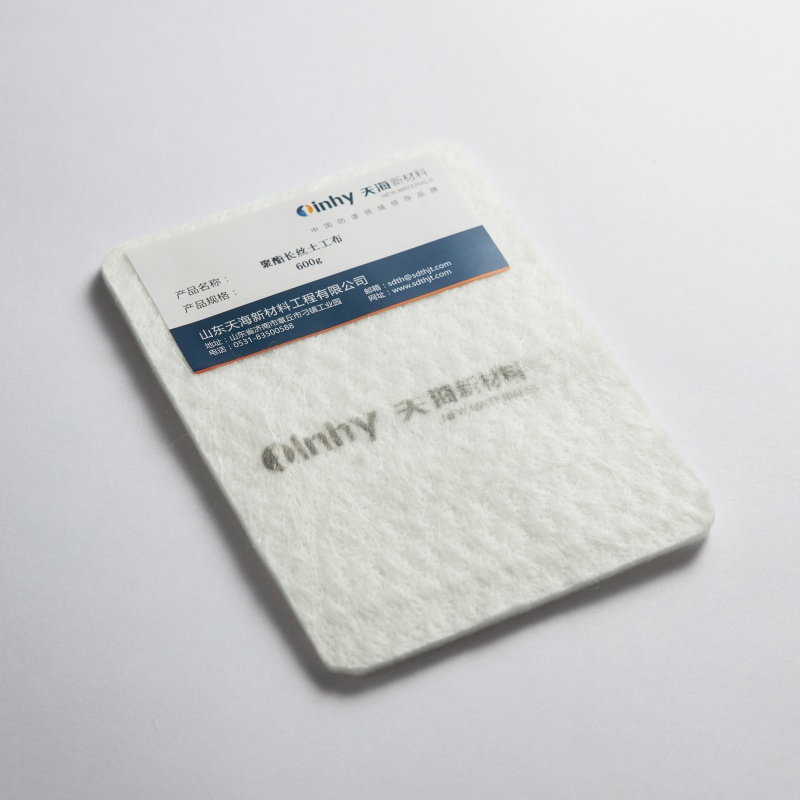
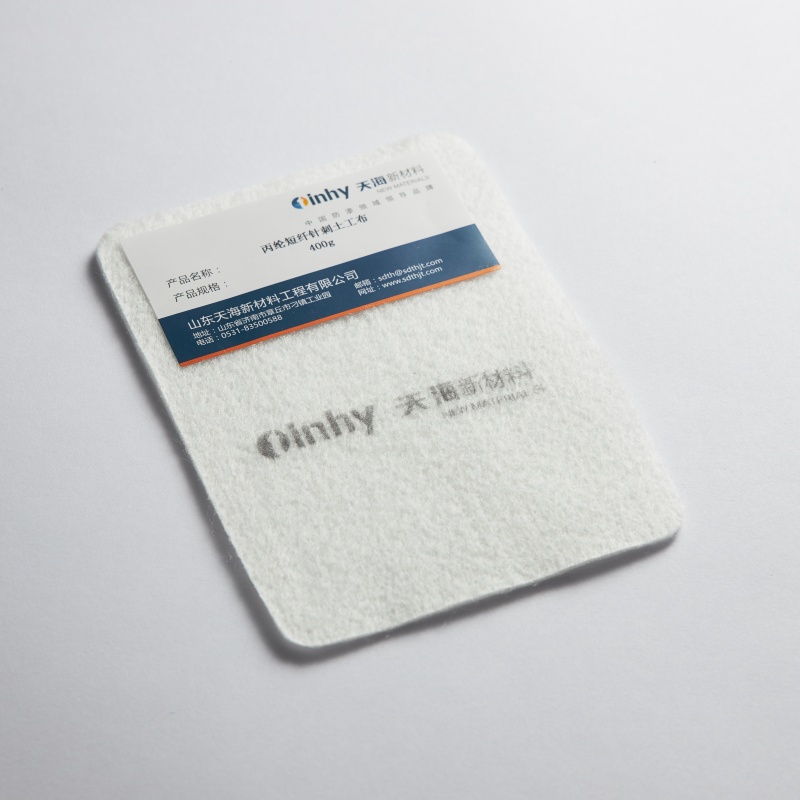
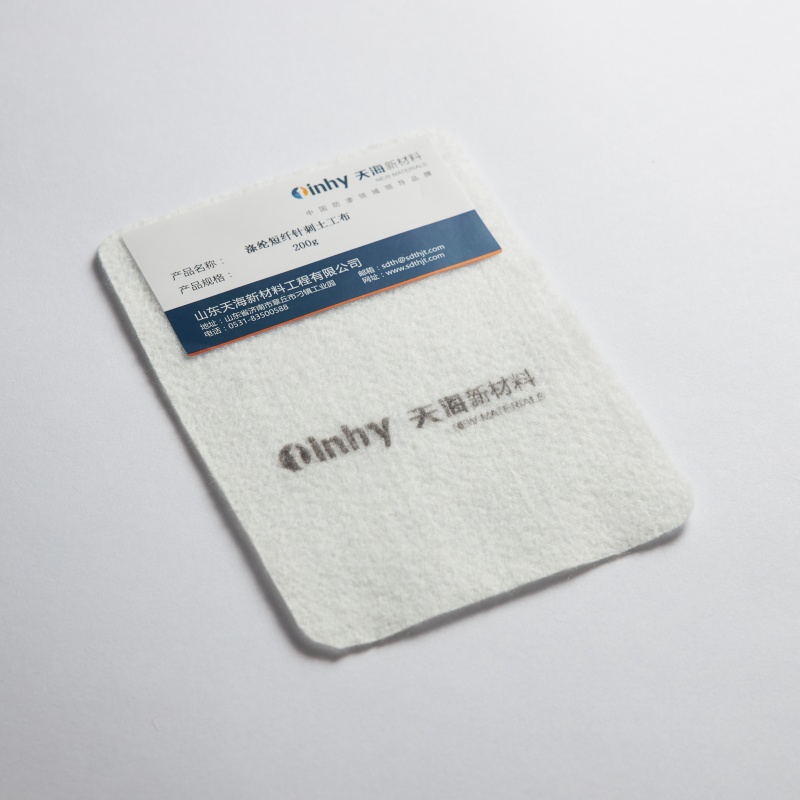
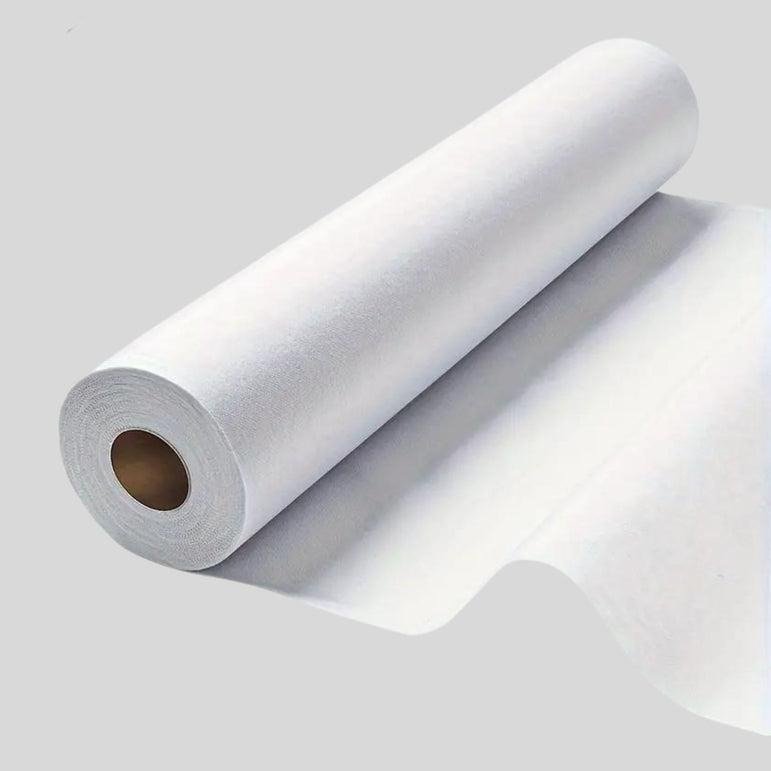
Nonwoven geotextiles are permeable synthetic fabrics made by bonding fibers together rather than weaving yarns into a regular pattern.

Needle-punched nonwoven geotextiles are commonly manufactured by mechanically entangling fibers with barbed needles. This creates a three-dimensional fiber structure with interconnected pores.

Both PP and PET can be used to manufacture nonwoven geotextiles.

1.1 What Is PP Nonwoven Geotextile?

PP stands for polypropylene, a thermoplastic polymer widely used in geosynthetic manufacturing.

PP nonwoven geotextiles are commonly selected for:

  • Drainage and filtration
  • Soil separation
  • Road construction
  • Retaining wall drainage
  • Landfill drainage systems
  • Pond and reservoir liner protection
  • General civil engineering applications

Polypropylene has low water absorption and generally offers good resistance to many acids and alkalis. Its suitability still depends on the chemical concentration, temperature, exposure duration, polymer formulation, and stabilization system.

1.2 What Is PET Nonwoven Geotextile?

PET stands for polyethylene terephthalate, a type of polyester.

PET nonwoven geotextiles are used in applications where specific mechanical properties, dimensional stability, or long-term load performance are required.

Typical applications include:

  • Road and railway construction
  • Soil separation and stabilization
  • Drainage systems
  • Geomembrane protection
  • Landfill engineering
  • Civil infrastructure projects

PET can provide high tensile performance and good resistance to creep in suitable product designs. However, its suitability should be evaluated carefully in highly alkaline environments because polyester can be susceptible to hydrolysis.

2. PET vs PP Nonwoven Geotextile: Main Differences

The following table summarizes important differences between the two materials.

Comparison PP Nonwoven Geotextile PET Nonwoven Geotextile
Full name Polypropylene Polyester
Polymer density Approximately 0.90–0.92 g/cm³ Approximately 1.22–1.38 g/cm³
Water absorption Very low Higher than PP
Chemical resistance Generally good resistance to many acids and alkalis Good resistance to many chemicals, but alkaline exposure requires attention
Creep behavior Depends on fiber and product design Often advantageous in applications requiring low creep
Mechanical performance Depends on fiber structure, GSM and manufacturing Can provide high tensile performance depending on product design
UV durability Requires suitable stabilization Also requires suitable stabilization
Common applications Drainage, filtration, separation and protection Infrastructure, filtration, separation and selected reinforcement applications
Selection priority Chemical compatibility and general-purpose performance Mechanical requirements and long-term loading conditions

These are general polymer characteristics, not guaranteed performance values for every geotextile. Actual properties must be confirmed using the manufacturer’s technical data sheet and test reports.

3. Chemical Resistance: PP vs PET

Chemical compatibility is an important consideration when selecting geotextiles for landfills, mining facilities, wastewater systems, and industrial applications.

3.1 PP Chemical Resistance

Polypropylene generally offers good resistance to many acids, alkalis, salts, and other common chemicals.

It may be considered for applications involving:

  • Drainage water
  • Landfill-related environments
  • Certain industrial drainage systems
  • Soil stabilization in chemically demanding environments
  • Contact with alkaline materials

However, PP is susceptible to oxidation, particularly under heat and prolonged UV exposure. Suitable polymer stabilization and installation protection are important.

3.2 PET Chemical Resistance

Polyester also provides good resistance to many chemicals, but it requires additional attention in strongly alkaline environments.

Under certain combinations of high alkalinity, temperature, moisture, and exposure duration, polyester fibers may undergo hydrolysis. This process can reduce the polymer’s molecular weight and mechanical properties.

For example, applications involving lime, cement, concrete, or strongly alkaline soil may require additional compatibility assessment.

3.3 Which Material Is Better for Chemical Environments?

PP may be a more suitable starting point where exposure to strongly alkaline conditions is expected.

PET may be suitable in many other chemical environments, but the actual chemical composition and exposure conditions must be reviewed.

Neither polymer should be selected solely from a general chemical-resistance chart. For demanding applications, request material-specific compatibility information and appropriate testing.

4. Mechanical Performance: Strength, Puncture and Creep

Mechanical performance is often a major factor in geotextile selection.

However, comparing PP and PET only by polymer type can be misleading.

The actual performance of a nonwoven geotextile depends on:

  • Polymer quality
  • Fiber diameter and length
  • Staple fiber or continuous filament structure
  • Needle-punching conditions
  • Mass per unit area
  • Fabric thickness
  • Manufacturing consistency

4.1 Tensile Strength

Tensile strength measures a geotextile’s resistance to pulling forces.

PET geotextiles can provide high tensile strength in suitable constructions. PP products can also achieve strong mechanical performance when designed with appropriate fiber structures and manufacturing parameters.

Buyers should compare the actual tensile test results rather than assuming that one polymer is always stronger.

4.2 Puncture Resistance

Puncture resistance is important when a geotextile is installed beneath or above an HDPE geomembrane.

The fabric may be exposed to stones, aggregate, rough subgrade surfaces, or localized construction loads.

For liner protection, compare relevant puncture test results, thickness, mass per unit area, and the conditions of the proposed liner system.

A higher GSM does not automatically guarantee better protection.

4.3 Creep Resistance

Creep refers to gradual deformation under sustained loading.

For applications involving long-term tensile loads, engineers should review the creep characteristics of the complete geotextile product.

PET is often considered where low creep is an important design requirement. Nevertheless, long-term performance depends on polymer formulation, fiber structure, manufacturing quality, loading conditions, and environmental exposure.

5. Applications: When Should You Choose PP or PET?

The best material depends on the primary function of the geotextile and the surrounding environment.

5.1 Drainage and Filtration

Both PP and PET nonwoven geotextiles can be used for drainage and filtration.

Important selection parameters include:

  • Apparent Opening Size (AOS)
  • Permittivity
  • Water flow rate
  • Soil particle distribution
  • Resistance to clogging
  • Long-term chemical compatibility

The geotextile must allow sufficient water flow while retaining the surrounding soil particles.

5.2 Road Construction

In road projects, geotextiles may provide separation, filtration, drainage, and selected stabilization functions.

PP and PET can both be suitable depending on the design requirements.

The engineer should evaluate tensile properties, puncture resistance, installation survivability, soil conditions, and expected traffic loading.

5.3 Landfill and Mining Projects

Landfills and mining facilities may involve complex chemical conditions and demanding installation environments.

PP may be considered where alkaline chemical compatibility is a key concern.

PET may be considered for selected applications where its mechanical properties are appropriate.

The final choice should be based on project-specific chemical assessment, mechanical requirements, and relevant durability testing.

5.4 HDPE Geomembrane Protection

Nonwoven geotextiles are commonly used as cushioning and protection layers in geomembrane systems.

Both PP and PET products may be suitable, depending on:

  • Geomembrane type and thickness
  • Subgrade roughness
  • Aggregate size and shape
  • Cover material
  • Installation loading
  • Required puncture protection

The protection layer should be evaluated as part of the complete liner system, not selected by polymer name alone.

6. How to Select the Right PP or PET Geotextile

Before purchasing, buyers should establish the project’s functional and technical requirements.

Step 1: Identify the Main Function

Determine whether the geotextile is primarily required for:

  • Filtration
  • Drainage
  • Separation
  • Protection
  • Reinforcement
  • Erosion control

Different functions require different combinations of hydraulic and mechanical properties.

Step 2: Evaluate the Chemical Environment

Identify the substances that may contact the geotextile.

Important information includes:

  • Soil pH
  • Chemical composition
  • Salt concentration
  • Contact with lime or cement
  • Temperature
  • Moisture conditions
  • Expected exposure duration

Where the environment is chemically aggressive, request a compatibility review before selecting the polymer.

Step 3: Determine the Required Mechanical Properties

Review the design requirements for:

  • Tensile strength
  • Elongation
  • Puncture resistance
  • Tear resistance
  • Creep behavior
  • Installation survivability

Do not select a product based on GSM alone.

Step 4: Check Hydraulic Performance

For drainage and filtration applications, evaluate:

  • Apparent Opening Size
  • Permittivity
  • Water flow rate
  • Soil retention
  • Clogging resistance

The selected geotextile must be compatible with the surrounding soil and drainage design.

Step 5: Confirm Manufacturing Structure

PP and PET are raw material categories. They do not describe the entire product structure.

Buyers should also confirm whether the product is:

  • Staple fiber needle-punched nonwoven
  • Continuous filament needle-punched nonwoven
  • Thermally bonded nonwoven
  • Another specified nonwoven construction

Different structures can produce different mechanical and hydraulic properties.

Step 6: Review Technical Documentation

Before ordering, request:

  • Product technical data sheet
  • Mass per unit area
  • Thickness
  • Tensile strength test results
  • Puncture resistance
  • Apparent Opening Size
  • Permittivity or water flow rate
  • UV resistance information, if exposed
  • Chemical compatibility information, where necessary
  • Relevant quality and test reports

7. PP vs PET: Which One Is More Cost-Effective?

The most economical geotextile is not necessarily the one with the lowest price per square meter.

Total project value depends on material performance, installation conditions, required service life, and the consequences of premature failure.

PP may provide a practical and economical option for many general-purpose drainage, filtration, and protection applications.

PET may offer advantages in selected projects where its mechanical properties and long-term load behavior meet specific design requirements.

For a fair comparison, buyers should request quotations for equivalent product specifications and compare:

  • Material type
  • GSM
  • Thickness
  • Tensile strength
  • Puncture resistance
  • Hydraulic properties
  • Roll dimensions
  • Quality documentation
  • Delivery terms

Comparing two products by price alone, without checking their technical performance, can lead to an incorrect purchasing decision.

8. PP and PET Nonwoven Geotextile: Technical Standards to Review

Depending on the project and applicable specification, buyers may need to review the following test methods.

Standard Test Property
ASTM D5261 Mass per unit area
ASTM D5199 Nominal thickness
ASTM D4632/D4632M Grab tensile properties
ASTM D4595/D4595M Wide-width tensile properties
ASTM D6241 CBR puncture resistance
ASTM D4751 Apparent Opening Size
ASTM D4491/D4491M Water permeability and permittivity
ASTM D4355/D4355M UV resistance by xenon-arc exposure

The appropriate standards depend on the product, project specification, and required performance.

Not every project requires every test. The current edition, specimen preparation, test frequency, and acceptance values should be confirmed before procurement.

9. Why Choose TINHY Nonwoven Geotextile?

TINHY Geosynthetics supplies geosynthetic materials for infrastructure, environmental protection, drainage, water management, and civil engineering projects.

Nonwoven geotextile requirements can vary according to polymer, fiber structure, mass per unit area, roll dimensions, and intended application.

For project procurement, buyers should confirm the available PP and PET product configurations against the required technical specification.

When contacting TINHY, provide:

  • Required polymer: PP or PET
  • Product structure
  • Required GSM
  • Roll width and length
  • Main application
  • Mechanical and hydraulic requirements
  • Total project quantity
  • Destination country or port
  • Required test reports or certifications

This information helps the supplier evaluate the requested product and prepare a more accurate quotation.

Frequently Asked Questions

1. What is the main difference between PET and PP nonwoven geotextile?

PP is polypropylene, while PET is polyester. They differ in density, moisture response, chemical compatibility, creep behavior, and other polymer properties. The final performance also depends on fiber structure and manufacturing quality.

2. Is PP or PET better for nonwoven geotextile?

Neither material is universally better. PP may be preferred in certain alkaline environments, while PET may be considered for applications requiring specific mechanical or long-term load properties. The choice should follow project requirements.

3. Which material is better for landfill applications?

PP is often considered for landfill applications where chemical compatibility, particularly under alkaline conditions, is important. However, the complete leachate chemistry, temperature, exposure conditions, and product specifications must be evaluated.

4. Can PET geotextile be used in alkaline soil?

It may be suitable in some conditions, but strong alkalinity, particularly in the presence of lime or cement, can increase the risk of polyester hydrolysis. Project-specific compatibility assessment is recommended.

5. Is PP geotextile waterproof?

No. PP nonwoven geotextile is permeable. It allows water to pass through while helping retain soil particles. It is not a waterproofing membrane.

6. Which material is better for HDPE geomembrane protection?

Both PP and PET nonwoven geotextiles can be considered. Selection should be based on puncture resistance, thickness, fabric structure, subgrade conditions, cover materials, and project requirements.

7. Does a higher GSM mean better geotextile quality?

Not necessarily. GSM indicates mass per unit area, but it does not independently determine filtration performance, tensile strength, puncture resistance, or durability. Buyers should compare the full technical data sheet.

8. What information should I provide when requesting a quotation?

Provide the polymer type, GSM, roll dimensions, application, project quantity, destination, and any required technical standards or test values. Soil and chemical conditions are also useful for engineering applications.

Conclusion

PET and PP are both important materials for nonwoven geotextile manufacturing, but they have different characteristics and application considerations.

PP is commonly considered for drainage, filtration, separation, and applications where resistance to many chemicals, including alkaline environments, is important.

PET may be appropriate for applications requiring particular mechanical properties and long-term load performance, provided the chemical and environmental conditions are suitable.

The best selection is not based on material type or GSM alone. Engineers and buyers should evaluate chemical compatibility, tensile properties, puncture resistance, hydraulic performance, fiber structure, and installation conditions.

Contact TINHY Geosynthetics to discuss PP or PET nonwoven geotextile requirements for your project. Share your application, required GSM, roll dimensions, quantity, and technical specification to request product information and a quotation.

Knowledge Base
Share:
info@tinhygeosynthetics.com Bai Jinxi
Consultation

    Get The Latest Product Prices

    Your inquiries are welcomed at any time and please feel free to contact us via email, phone calls, and online chatbox on our site.

    We will definitely give you a reply ASAP after we receive your messages.

      0/180