Resources
Company News
Industry News
Knowledge Base
Project Cases
Innovation
Team Power Fuels TINHY’s Global Geosynthetics Solutions
Tinhy and University of Jinan Celebrate Six Years of Industry–University Collaboration
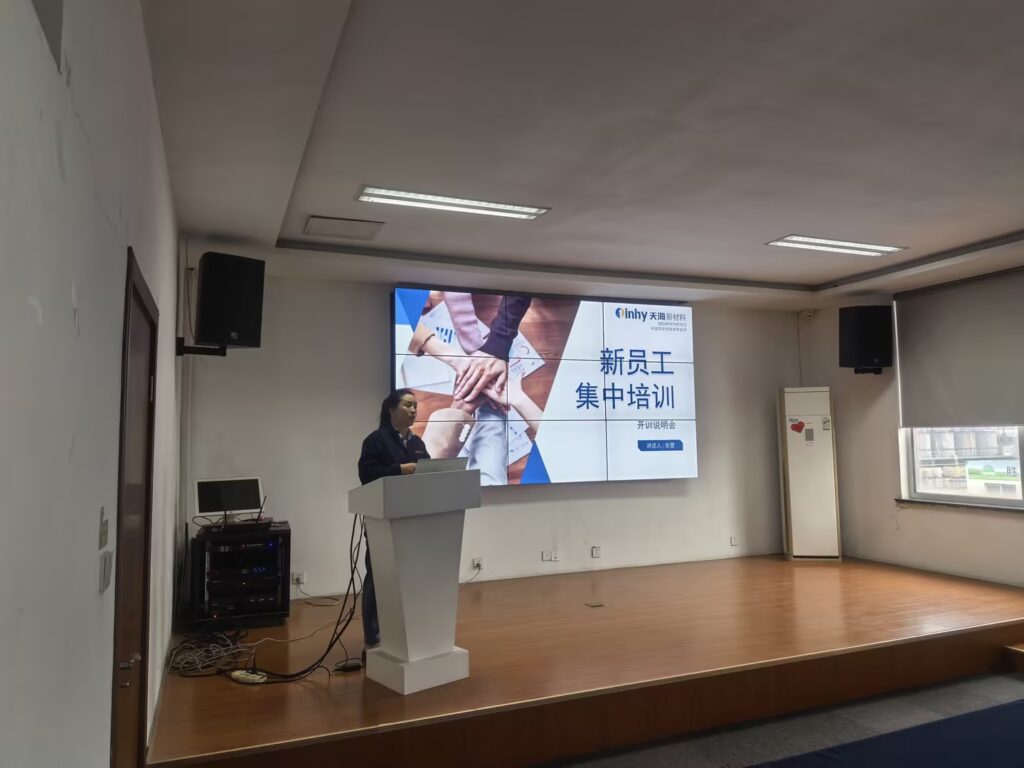
Empowering New Talent, Building the Future: Tinhy Successfully Conducts New Employee Orientation Training
Tinhy Conducts Comprehensive Emergency Drill to Strengthen Workplace Safety Defenses
Company Mid – Year Summary and Team – Building Activity Report
Is geomembrane a geotechnical engineering material?
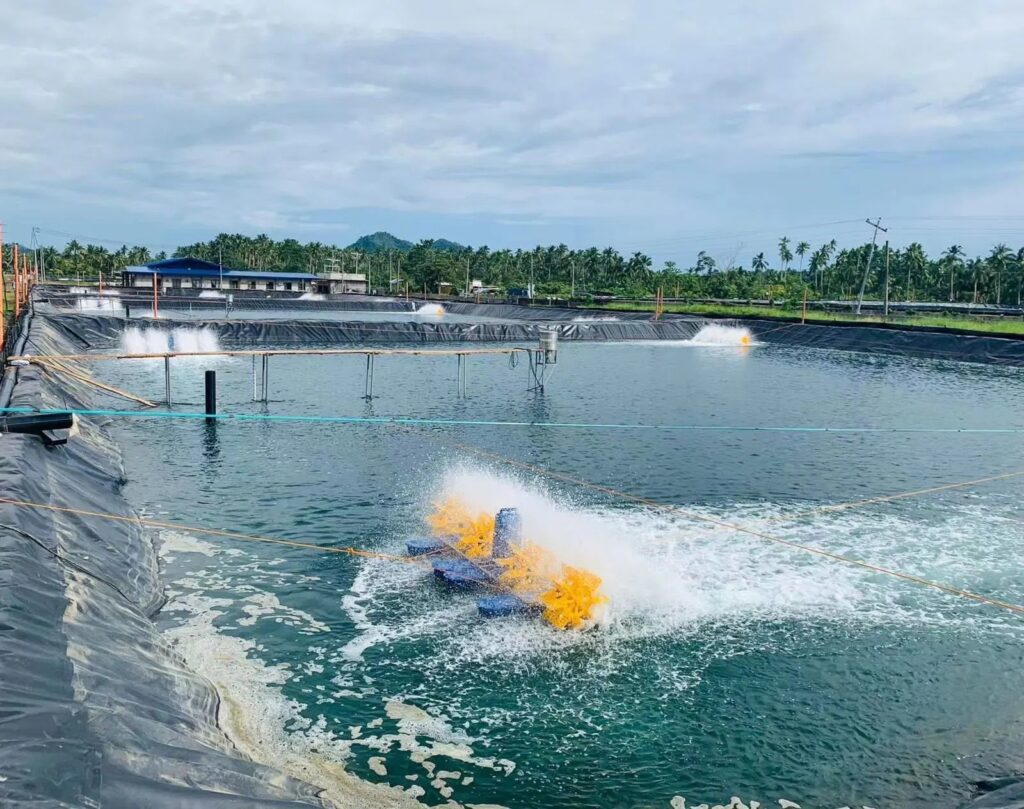
What are the application scenarios of geomembrane?
What are the functions of geotextiles?
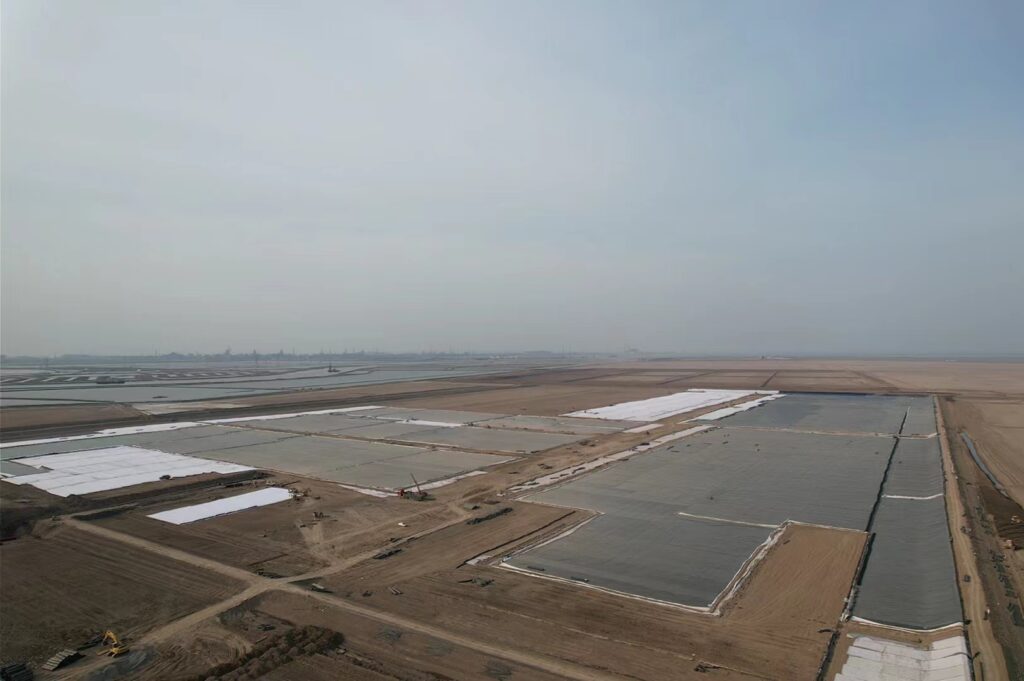
Cómo elegir geomembrana de hdpe en proyectos de ingeniería
How to choose hdpe geomembrane in engineering projects
China’s Geotechnical Construction Materials Embrace New Opportunities
Tips for Moisture-Proof Storage of Geotextiles
Key Construction Points and Precautions for High-Density Polyethylene Geomembrane
what is pond lining material ?
What is geomembrane?
HDPE geomembrane construction plans and technical measures
What quality tests do HDPE geomembranes need to do?
Tinhy’s MDS® Drainage Solution
Installation Robots
How to Verify a Geomembrane Manufacturer in China: A Factory Audit Checklist
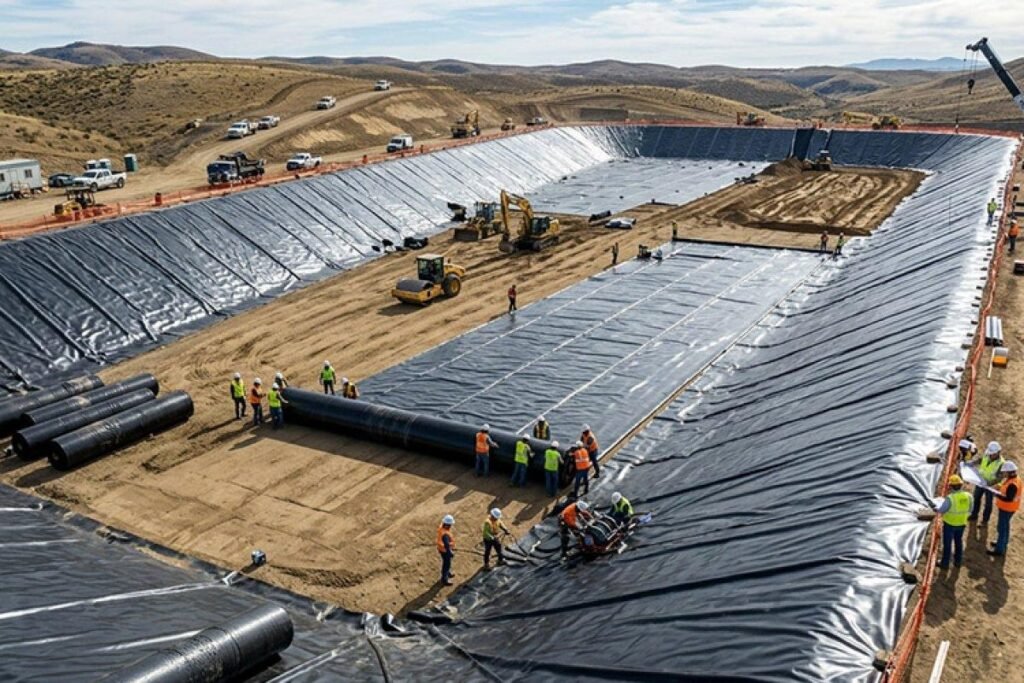
Geomembrane Roll Width and Panel Layout: How to Reduce Seams and Installation Waste
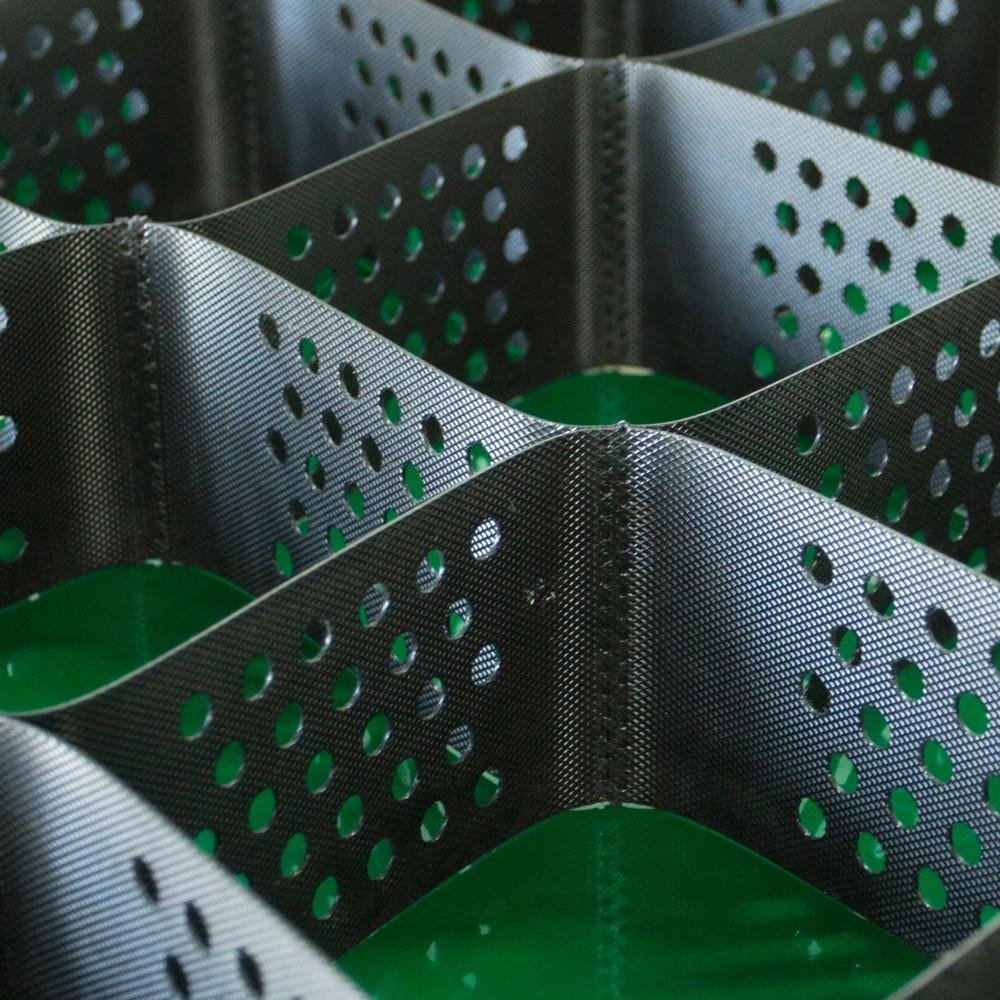
Geocell Specifications and Technical Data Sheet Guide
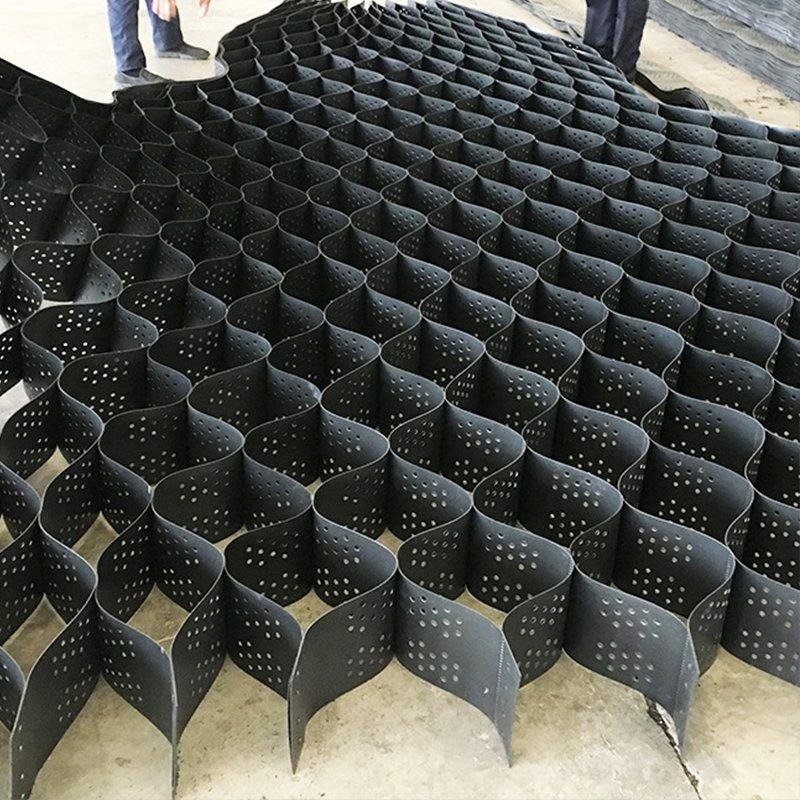
Geocell vs Geogrid: Key Differences, Applications and Selection Guide
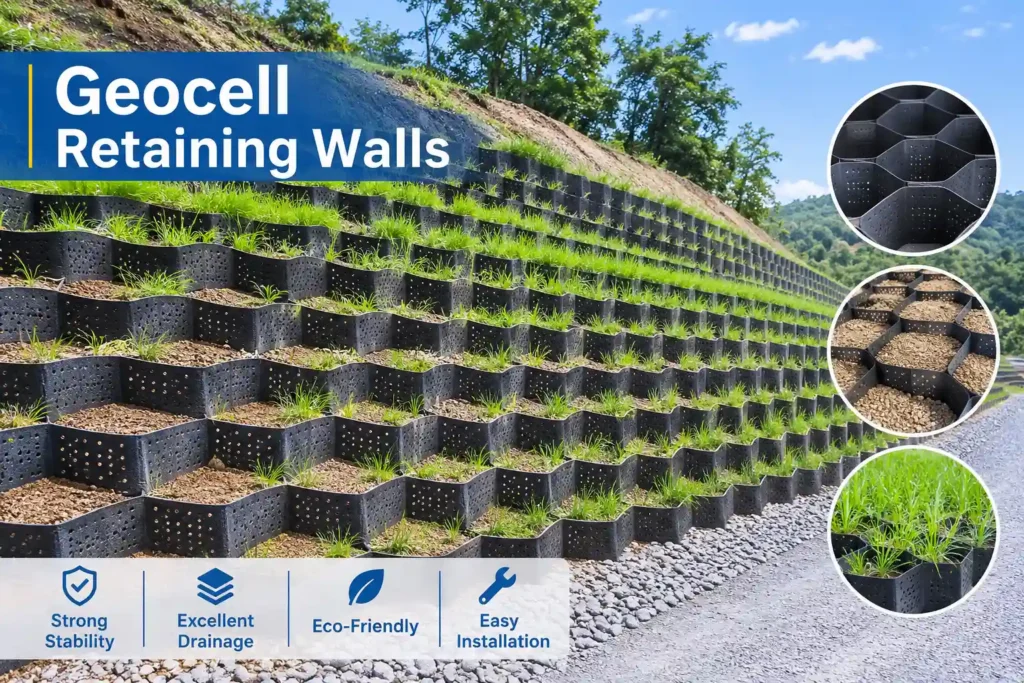
Geocell Retaining Walls: Design Principles, Applications and Installation Guide
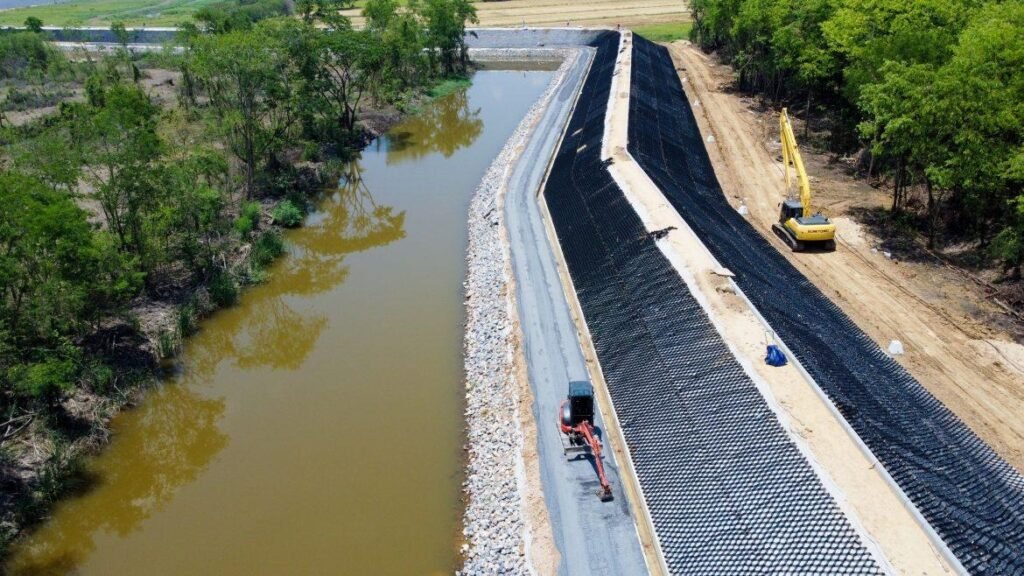
Geocell for Channel Protection: Applications, Hydraulic Design Factors and Installation Guide
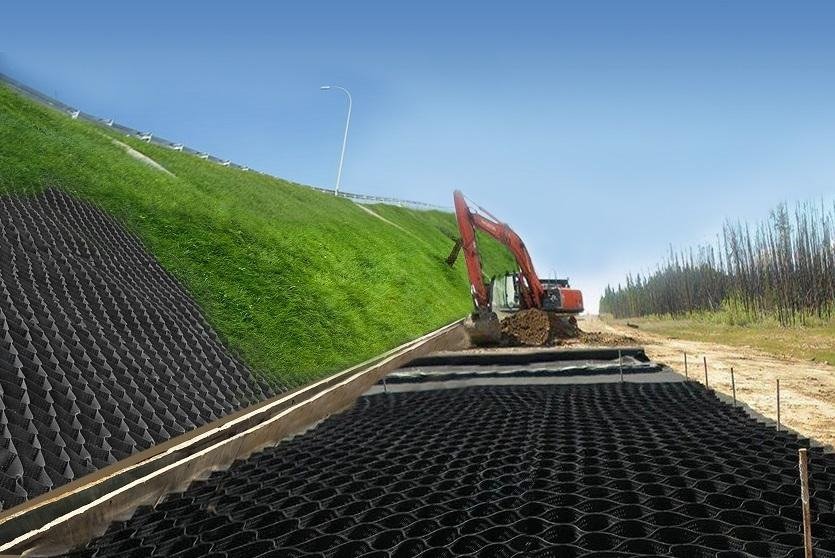
Geocell for Slope Protection: Design Factors, Applications and Installation Guide
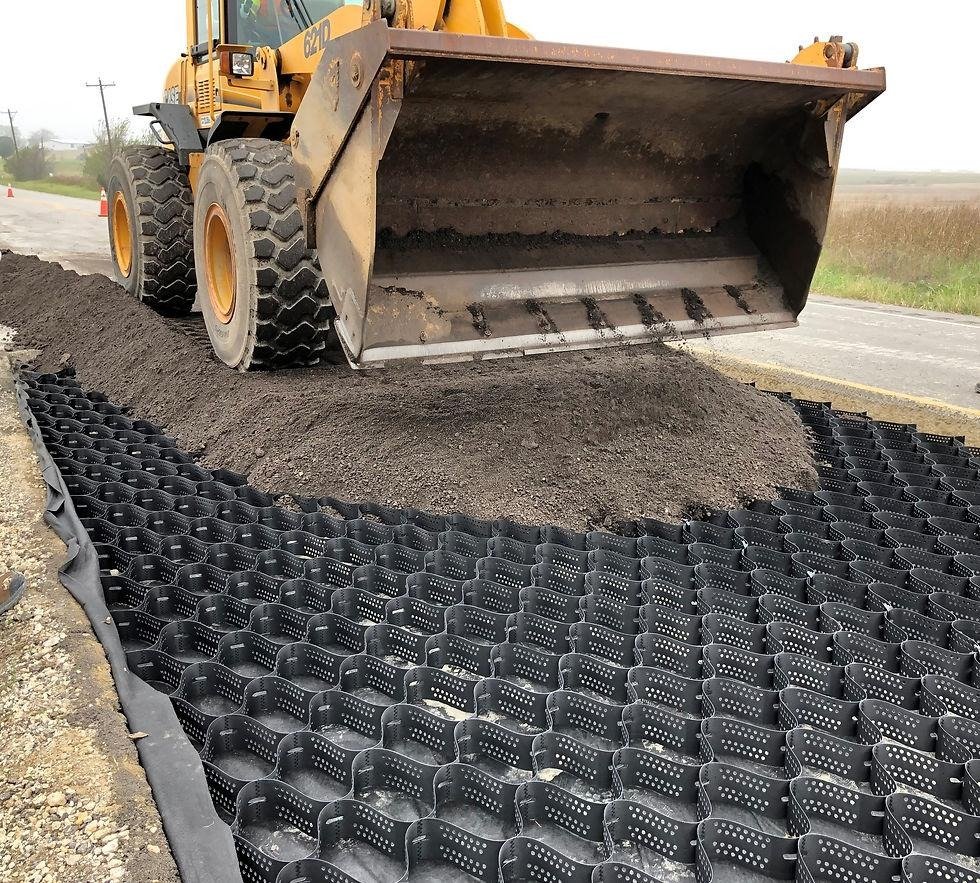
Geocell for Road Construction: Applications, Benefits and Selection Guide
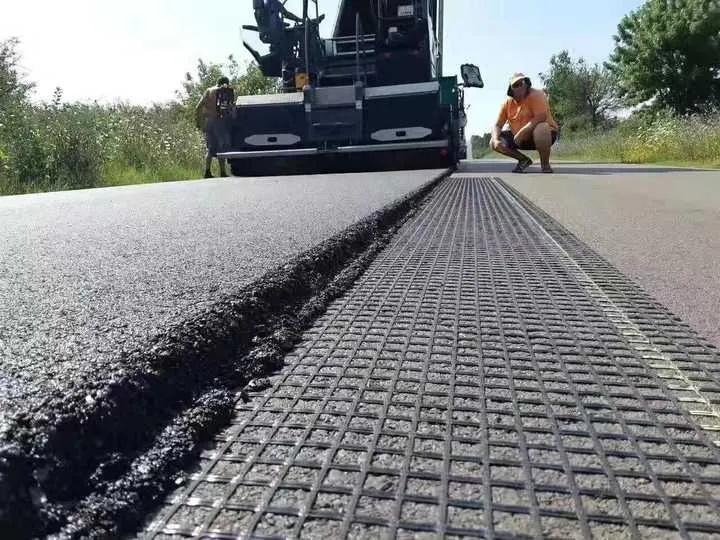
Geogrid for Road Construction: Types, Applications and Selection Guide
Geotextile for Road Construction: Functions, Types and Selection Guide
Should HDPE or PVC be used to install geomembrane in reservoirs?
What is the price of geomembrane?
Material characteristics of three different geomembranes
Esquema de construcción de geomembrana de HDPE y medidas técnicas
hdpe geomembrane pond liner in Congo (DRC)
How to lay and weld HDPE geomembrane?
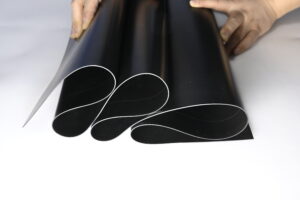
HDPE geomembrane 0.2-4.0mm
HOME ABOUT PRODUCTS APPLICATION CONTENTUS RESOURCES
Home Resources Knowledge Base How to Verify a Geomembrane Manufacturer in China: A Factory Audit Checklist

How to Verify a Geomembrane Manufacturer in China: A Factory Audit Checklist

time:November 24, 2026 Views:13

China is an important sourcing market for geomembranes and geosynthetic materials. International buyers can find manufacturers supplying HDPE geomembranes, LLDPE liners, geotextiles, geosynthetic clay liners (GCL), drainage products and other materials for infrastructure and environmental projects.

However, not every supplier advertising as a geomembrane manufacturer operates the same production facilities, quality-control systems or technical capabilities.

For overseas buyers, verifying a supplier before placing a bulk order is an important step in procurement risk management. A supplier’s website, product catalog or quotation alone may not be enough to confirm its manufacturing capability.

This guide explains how to verify a geomembrane manufacturer in China through company checks, factory audits, production inspection, quality documentation, product testing and export capability.

Whether you are sourcing HDPE geomembrane for a landfill, mining project, reservoir, wastewater facility or aquaculture pond, the following checklist can help you evaluate potential suppliers more systematically.

1. Verify the Company’s Legal Identity

The first step is confirming that the supplier is a legally registered business and that the company information is consistent.

Request the supplier’s registered company name in Chinese and English, business registration information and official business license.

Check the following:

  • Registered company name
  • Unified Social Credit Code
  • Registered address
  • Legal representative
  • Business scope
  • Registration status
  • Establishment date

The registered business scope may provide useful information about whether the company is involved in manufacturing, trading, construction or related activities.

However, business scope alone does not prove that the company operates a geomembrane factory.

Compare the registration information with the company website, quotation, contract, invoice details and payment beneficiary.

If different entities are involved in manufacturing, exporting and receiving payments, ask the supplier to explain the relationship and provide appropriate documentation.

A clear and consistent company identity is an important foundation for commercial due diligence.

2. Confirm Whether the Supplier Owns or Operates a Factory

One of the most important questions for international buyers is whether the supplier is an actual manufacturer, a trading company, or a combination of both.

Trading companies are not inherently unreliable. They may provide valuable sourcing, communication and logistics services. However, buyers should understand the supplier’s role before evaluating production capability or negotiating manufacturing terms.

Ask the supplier:

  • Where is the manufacturing facility located?
  • Which company operates the production facility?
  • Can you arrange a factory video call?
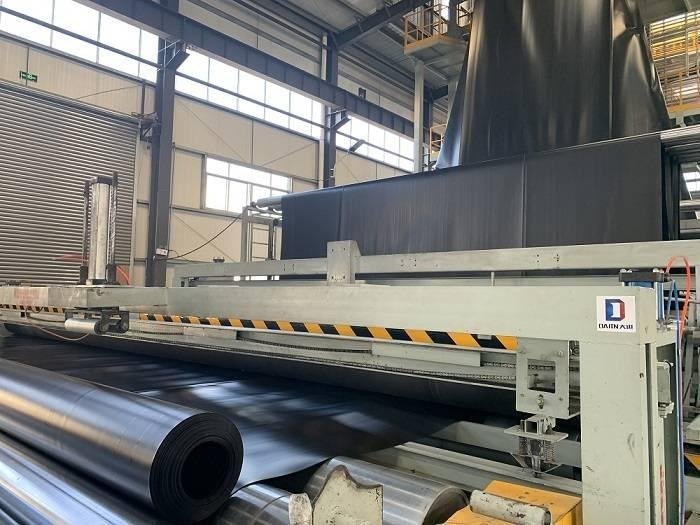
  • Can you show the geomembrane production line?
  • Can you demonstrate the laboratory and quality-control process?
  • Can the production facility be inspected before ordering?
  • Who is responsible for manufacturing quality and after-sales service?

A remote factory audit can help buyers observe production equipment, raw material storage, finished rolls, inspection procedures and staff activities.

For larger projects, an independent third-party factory inspection may be appropriate.

3. Inspect the Geomembrane Production Equipment

A geomembrane manufacturer’s production capability should be evaluated against the specific product you intend to purchase.

For HDPE geomembrane, ask the supplier to show the production process, including:

  • Raw material preparation
  • Extrusion equipment
  • Sheet formation
  • Thickness control
  • Surface configuration
  • Cooling and finishing
  • Roll winding
  • Product labeling
  • Finished-product inspection

Different geomembrane products may require different manufacturing configurations.

For example, smooth HDPE geomembrane and textured HDPE geomembrane may involve different production processes. A manufacturer should be able to explain how the required surface type is produced and controlled.

During a factory video inspection, request a live walkthrough rather than relying only on prerecorded promotional footage.

If the project requires a specific thickness, surface type, roll width or production volume, verify that the equipment can manufacture that configuration.

4. Evaluate Production Capacity and Delivery Capability

Production capacity matters when purchasing large quantities or working under a construction schedule.

However, advertised daily or annual production capacity does not automatically guarantee that a supplier can meet your order deadline.

Ask for information about:

  • Number and type of production lines
  • Product-specific manufacturing capability
  • Available production schedule
  • Current order backlog
  • Required production lead time
  • Maximum roll dimensions
  • Available thicknesses
  • Customization capability
  • Packing and loading arrangements

For large orders, request a production schedule showing the expected manufacturing and inspection stages.

If the order requires several thicknesses or surface configurations, confirm whether the production schedule accounts for each product separately.

A supplier should provide a realistic delivery commitment based on the actual order specification rather than a generic lead-time statement.

5. Check the Quality-Control System

Quality control is one of the most important areas in a geomembrane factory audit.

Buyers should understand how the manufacturer controls product quality from raw material receipt through finished-roll inspection.

A typical quality-control process may include:

Raw Material Inspection

Confirm how incoming resin and additives are identified, inspected and documented.

Questions to ask:

  • What resin grade is used?
  • Is the raw material supplier documented?
  • Are material batches traceable?
  • Are incoming materials inspected?
  • How are raw materials stored?

Production Quality Control

Ask how the manufacturer monitors production consistency.

Depending on the product and process, checks may include:

  • Thickness measurements
  • Width measurements
  • Surface appearance
  • Roll dimensions
  • Production parameters
  • Product identification
  • Sampling procedures

Finished Product Inspection

Before shipment, the manufacturer should have a documented procedure for finished-product inspection.

Request examples of inspection records and ask how nonconforming products are identified and handled.

A clear inspection process is more useful than a general statement that the factory follows strict quality control.

6. Verify the Testing Laboratory and Test Reports

A geomembrane manufacturer should be able to provide technical information and test documentation relevant to the products being supplied.

Depending on the project specification, testing may include:

  • Thickness
  • Density
  • Tensile properties
  • Tear resistance
  • Puncture resistance
  • Stress crack resistance
  • Carbon black content
  • Carbon black dispersion
  • Oxidative induction time
  • Seam testing, where applicable

Buyers should verify the actual laboratory capability rather than relying only on photographs of testing equipment.

Request:

  • Laboratory equipment list
  • Calibration records, where relevant
  • Sample test reports
  • Test methods
  • Test dates
  • Tested product identification
  • Laboratory accreditation scope, if applicable

If the supplier claims laboratory accreditation, verify the accreditation certificate and scope directly with the issuing organization or accreditation body.

A laboratory accreditation applies to the defined scope of testing. It should not be interpreted as blanket certification of every product manufactured by the company.

For project-specific requirements, independent testing by an approved laboratory may provide additional verification.

7. Verify Certifications and Compliance Documents

Certification claims should be checked carefully.

Ask the supplier for copies of the relevant certificates and verify:

  • Certificate number
  • Issuing organization
  • Company name
  • Validity period
  • Scope of certification
  • Covered manufacturing location
  • Applicable product or management system

Examples of documents buyers may encounter include:

  • ISO 9001 Quality Management System
  • ISO 14001 Environmental Management System
  • Product conformity documents
  • Relevant third-party testing reports
  • Project-specific compliance documentation

A management-system certificate does not automatically certify the performance of a specific geomembrane roll.

Similarly, a test report for one product specification should not be assumed to apply to another thickness, formulation or surface configuration without appropriate technical justification.

For HDPE geomembrane projects, buyers may also need to evaluate conformity with the project specification and applicable standards, such as GRI-GM13 where specified.

Always confirm the standard edition and the exact product requirements.

8. Request Samples and Verify Product Consistency

Samples can help buyers conduct an initial product evaluation before committing to a large order.

When requesting samples, specify the exact product configuration:

  • Material type
  • Thickness
  • Smooth or textured surface
  • Color
  • Required dimensions
  • Applicable specification

A sample should be identifiable and traceable to the supplier and product specification.

If the project requires laboratory testing, agree on the sampling procedure and test requirements before production.

For bulk orders, buyers should consider pre-shipment inspection and sampling to verify that the delivered products match the agreed specification.

Samples alone cannot establish the quality of an entire production batch, but they can help identify obvious differences and confirm the supplier’s ability to provide the requested product.

9. Evaluate Export Experience and Logistics

For overseas procurement, manufacturing capability is only part of the supplier evaluation.

The manufacturer should also understand the requirements of international shipments.

Check whether the supplier can support:

  • Export documentation
  • Commercial invoices
  • Packing lists
  • Certificate of origin, where required
  • Product labeling
  • Container loading
  • Packaging protection
  • Shipping coordination
  • Agreed Incoterms
  • Delivery schedule communication

For large geomembrane rolls, packaging and loading arrangements are particularly important.

Confirm the roll dimensions, weights, loading plan and container configuration before production or shipment.

If the project involves multiple products, ask whether the supplier can coordinate shipments and documentation for the complete order.

10. Assess Communication and Technical Support

A reliable manufacturing partner should be able to communicate clearly about technical and commercial requirements.

During the inquiry stage, evaluate whether the supplier:

  • Understands the project application
  • Asks relevant technical questions
  • Provides consistent specifications
  • Responds clearly to technical inquiries
  • Communicates production progress
  • Identifies limitations
  • Provides documentation promptly
  • Handles specification changes systematically

For complex containment projects, technical communication is particularly important.

The supplier should understand that geomembrane performance depends on product specification, subgrade preparation, panel layout, welding, testing, protection and installation quality.

A supplier that simply quotes a price without clarifying the project requirements may not be the best choice for a technically demanding order.

11. Compare Quotations on an Equivalent Basis

After verifying several manufacturers, compare quotations using the same specification.

A supplier comparison should include:

Evaluation Item What to Confirm
Product HDPE, LLDPE or other specified material
Thickness Nominal thickness and tolerance
Surface Smooth or textured
Roll dimensions Width and length
Technical properties Required mechanical properties
Testing Test methods and reports
Certification Validity and scope
Quantity Total area and roll quantity
Packaging Roll protection and loading
Production time Confirmed lead time
Delivery Incoterms and destination
Payment Contract terms and beneficiary
Quality assurance Inspection and claims procedure

A lower quotation may reflect differences in thickness, raw material, product specification, packaging, delivery terms or documentation.

Before comparing prices, make sure the products and commercial terms are equivalent.

12. Geomembrane Manufacturer Factory Audit Checklist

Use the following checklist when conducting a remote or onsite audit.

Company Verification

  • Registered company name confirmed
  • Business registration reviewed
  • Factory address verified
  • Manufacturer or trading role clarified
  • Contracting and payment entities explained

Factory Verification

  • Production facility observed
  • Relevant production lines confirmed
  • Product-specific capability verified
  • Raw material storage inspected
  • Finished products observed
  • Production capacity discussed

Quality Control

  • Raw material inspection process reviewed
  • Production inspection process reviewed
  • Finished product inspection process reviewed
  • Batch traceability confirmed
  • Nonconforming product procedure reviewed

Testing and Certification

  • Laboratory equipment reviewed
  • Sample test reports provided
  • Test methods identified
  • Accreditation scope verified, where applicable
  • Certificates checked for validity

Product Verification

  • Product specifications confirmed
  • Sample identified
  • Thickness and dimensions reviewed
  • Surface configuration confirmed
  • Testing requirements agreed

Export and Delivery

  • Export experience confirmed
  • Packaging reviewed
  • Container loading plan discussed
  • Shipping documents confirmed
  • Delivery schedule agreed

Commercial Verification

  • Quotation specification reviewed
  • Contract details confirmed
  • Payment beneficiary verified
  • Inspection arrangements agreed
  • Quality claims and dispute procedures defined

Frequently Asked Questions

How can I tell whether a geomembrane supplier is a real manufacturer?

Request the registered company information, factory address, production-line details, manufacturing process, quality-control records and a live factory video inspection. For large orders, consider an independent factory audit.

Is it safe to buy geomembrane directly from a Chinese factory?

Buying directly from a manufacturer can provide access to production information, customization and factory-level communication. However, buyers should still verify the company’s legal identity, product specifications, quality documentation, contract terms and delivery arrangements.

What documents should I request from a geomembrane manufacturer?

Common documents include the business license, technical data sheet, product specifications, test reports, relevant certificates, quotation, contract, packing information and shipment documents. The exact requirements depend on the project and destination country.

How do I verify a manufacturer’s ISO certificate?

Check the certificate number, company name, issuing organization, validity period, scope and covered manufacturing location. Where possible, verify the certificate directly through the issuing certification body.

Should I conduct a factory inspection before placing an order?

For large-volume, technically demanding or high-risk projects, a factory inspection can be useful. Buyers may conduct a live video audit, visit the facility or hire a third-party inspection company depending on the order value and project requirements.

Can a test report guarantee geomembrane quality?

A test report provides evidence of specific tested properties for the identified sample and product configuration. It does not automatically guarantee every roll or the overall performance of the installed containment system.

For bulk orders, combine documentation review with agreed sampling, inspection and traceability procedures.

What is the difference between a manufacturer and a trading company?

A manufacturer operates or controls production activities, while a trading company primarily coordinates sourcing and sales. Both can be legitimate suppliers. The key is understanding who produces the material, who controls quality and who is contractually responsible for the order.

Conclusion

Verifying a geomembrane manufacturer in China requires more than reviewing a website or comparing quotations.

Buyers should evaluate the company’s legal identity, factory operations, production equipment, capacity, raw material control, testing capability, certifications, product consistency, export experience and technical communication.

A structured factory audit can help identify potential risks before production and shipment. For large projects, combine supplier verification with clear technical specifications, contractual inspection requirements and independent testing where appropriate.

When sourcing HDPE geomembrane for international projects, choose a supplier that can demonstrate its manufacturing capability, provide traceable technical documentation and communicate clearly throughout the procurement process.

TINHY Geosynthetics manufactures geomembranes and other geosynthetic materials for international engineering projects. Buyers can contact our team to request product specifications, test documentation, manufacturing information and a quotation based on their project requirements.

Request a technical quotation and manufacturing information for your geomembrane project.

Knowledge Base
Share:
info@tinhygeosynthetics.com Bai Jinxi
Consultation

    Get The Latest Product Prices

    Your inquiries are welcomed at any time and please feel free to contact us via email, phone calls, and online chatbox on our site.

    We will definitely give you a reply ASAP after we receive your messages.

      0/180