Resources
Company News
Industry News
Knowledge Base
Project Cases
Innovation
Team Power Fuels TINHY’s Global Geosynthetics Solutions
Tinhy and University of Jinan Celebrate Six Years of Industry–University Collaboration
Empowering New Talent, Building the Future: Tinhy Successfully Conducts New Employee Orientation Training
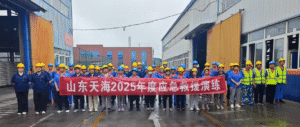
Tinhy Conducts Comprehensive Emergency Drill to Strengthen Workplace Safety Defenses
Company Mid – Year Summary and Team – Building Activity Report
Is geomembrane a geotechnical engineering material?
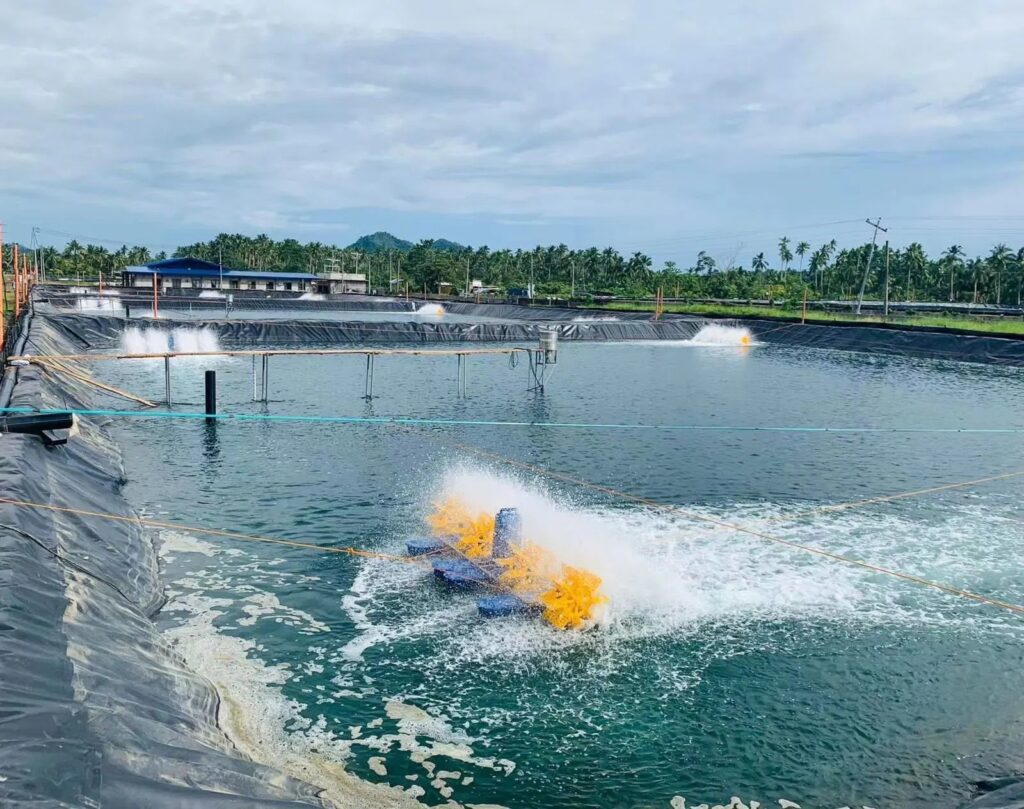
What are the application scenarios of geomembrane?
What are the functions of geotextiles?
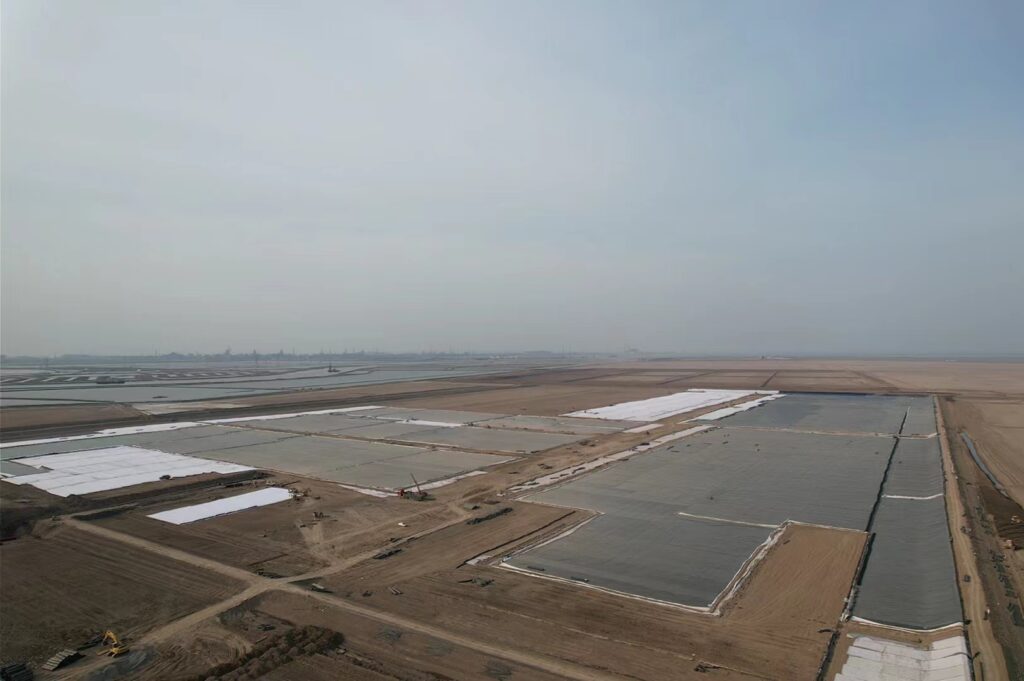
Cómo elegir geomembrana de hdpe en proyectos de ingeniería
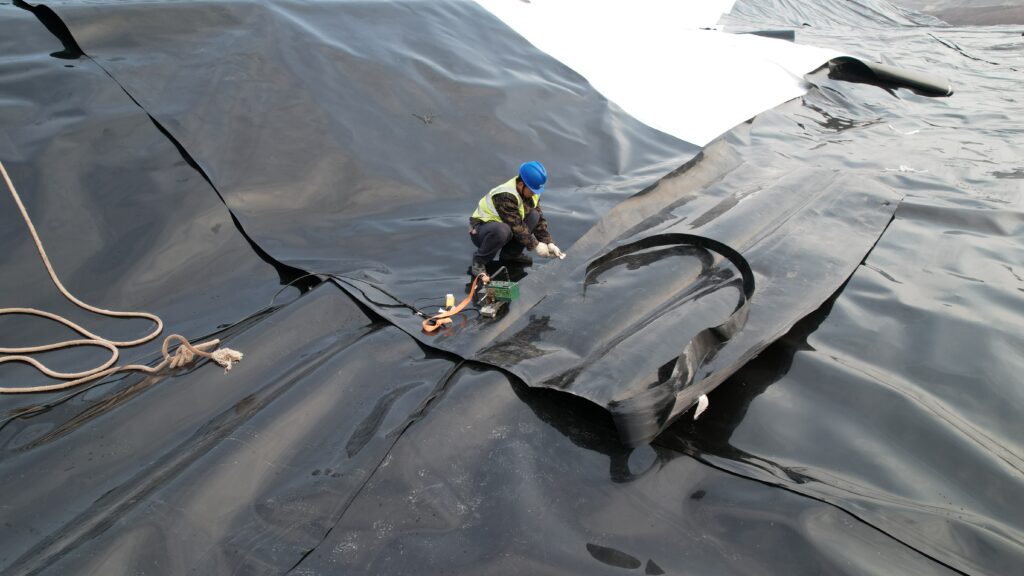
How to choose hdpe geomembrane in engineering projects
China’s Geotechnical Construction Materials Embrace New Opportunities
Tips for Moisture-Proof Storage of Geotextiles
Key Construction Points and Precautions for High-Density Polyethylene Geomembrane
what is pond lining material ?
What is geomembrane?
HDPE geomembrane construction plans and technical measures
What quality tests do HDPE geomembranes need to do?
Tinhy’s MDS® Drainage Solution
Installation Robots
Geocell for Road Construction: Applications, Benefits and Selection Guide
Geogrid for Road Construction: Types, Applications and Selection Guide
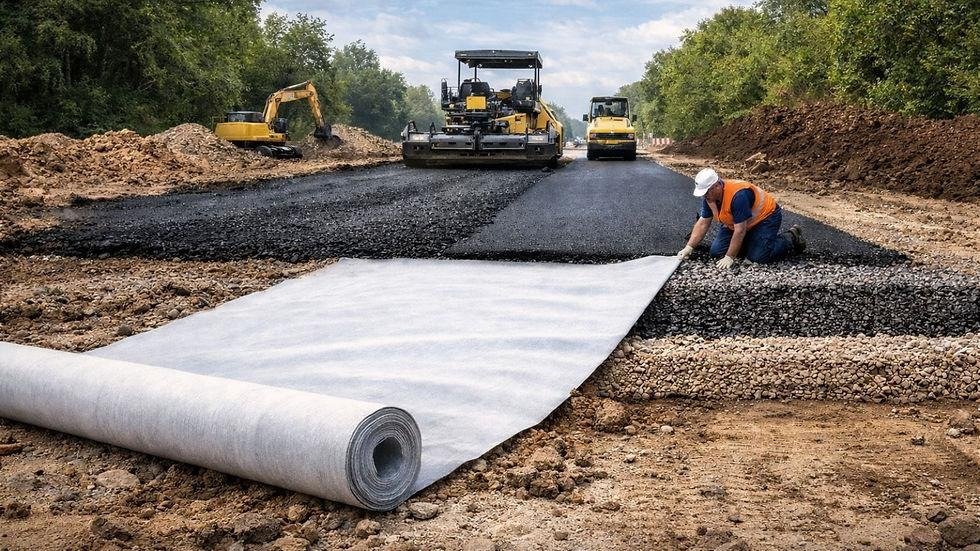
Geotextile for Road Construction: Functions, Types and Selection Guide
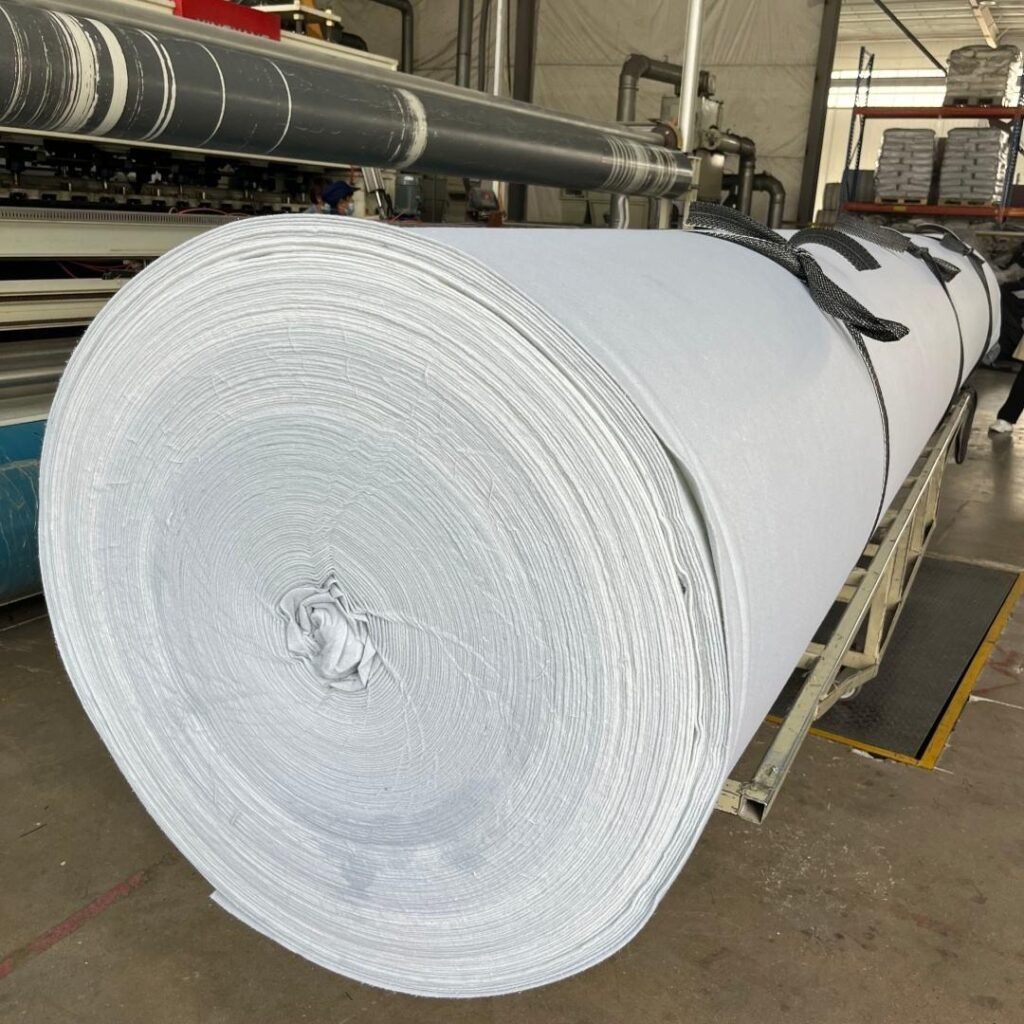
Nonwoven Geotextile Weight Selection Guide: How to Choose the Right GSM
PET vs PP Nonwoven Geotextile: Key Differences, Applications and Selection Guide
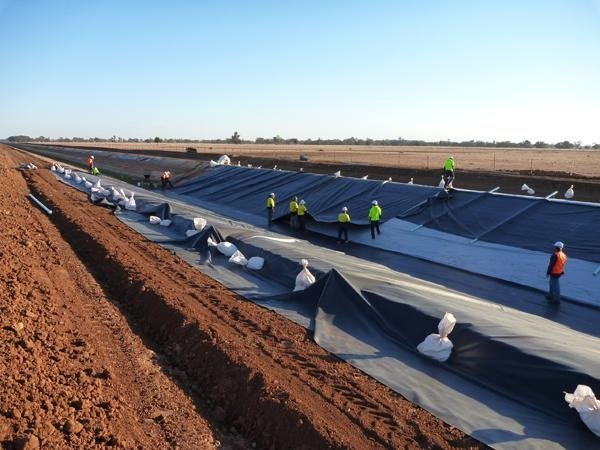
HDPE Geomembrane Installation and Welding Quality Control: A Complete Guide
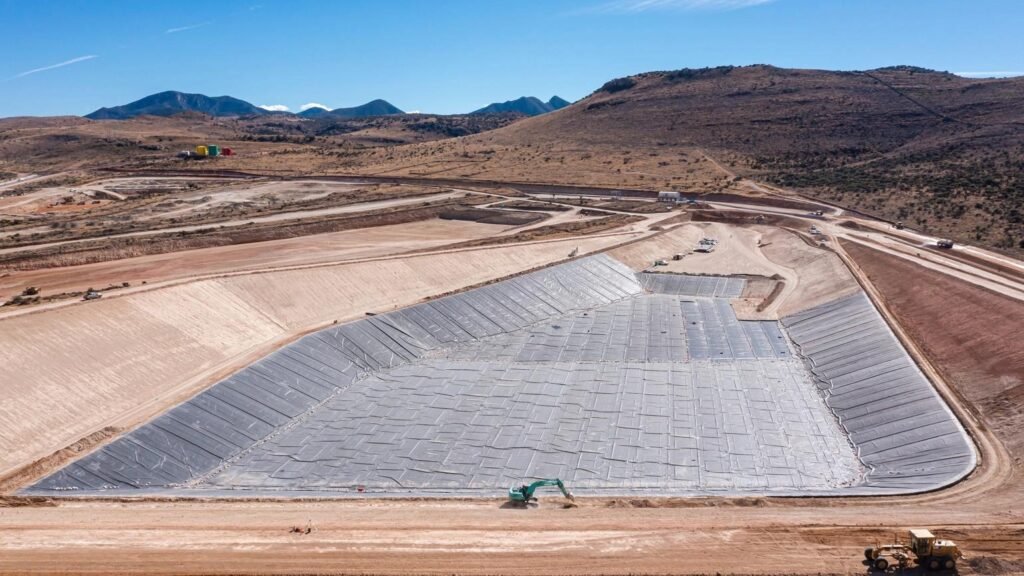
HDPE Geomembrane Liner Systems for Tailings Storage Facilities: Design, Components and QA/QC
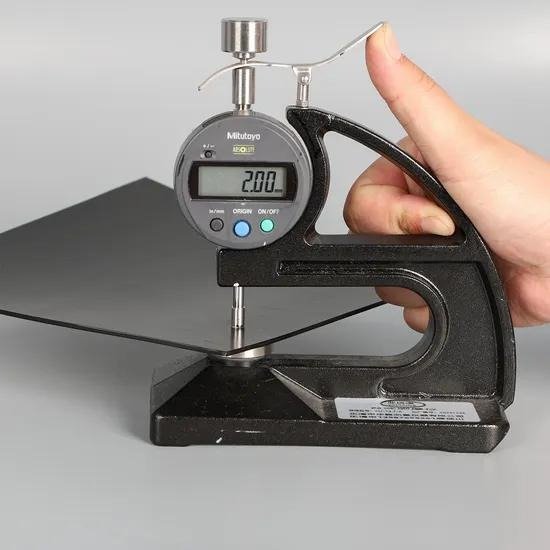
HDPE Geomembrane Quality Inspection: 10 Key Tests and Standards
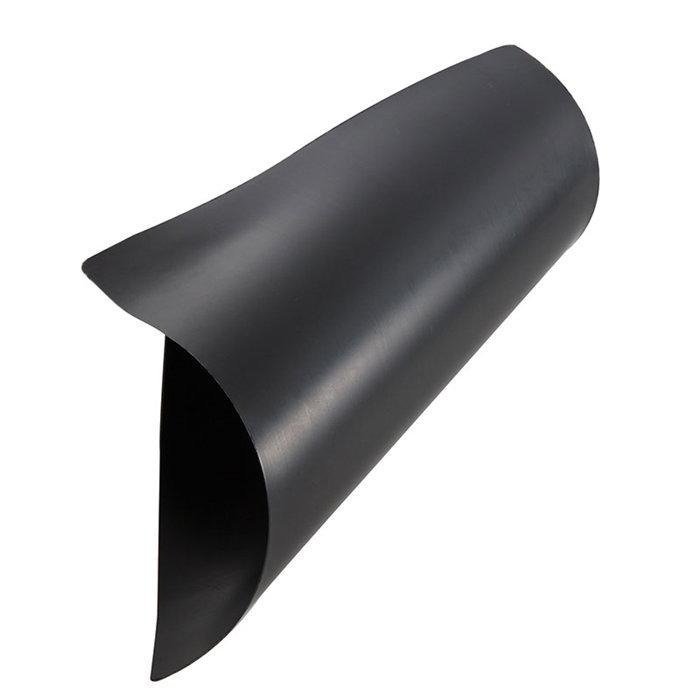
Smooth vs Textured HDPE Geomembrane: Differences, Applications and Selection Guide
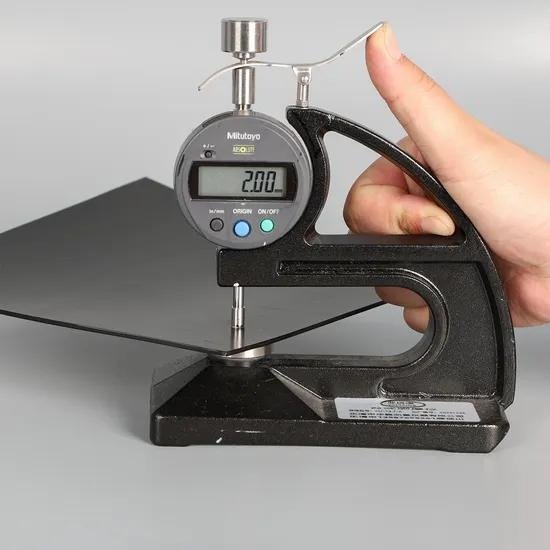
HDPE Geomembrane Thickness Selection Guide
Should HDPE or PVC be used to install geomembrane in reservoirs?
What is the price of geomembrane?
Material characteristics of three different geomembranes
Esquema de construcción de geomembrana de HDPE y medidas técnicas
hdpe geomembrane pond liner in Congo (DRC)
How to lay and weld HDPE geomembrane?
HDPE geomembrane 0.2-4.0mm
HOME ABOUT PRODUCTS APPLICATION CONTENTUS RESOURCES
Home Resources Knowledge Base Geocell for Road Construction: Applications, Benefits and Selection Guide

Geocell for Road Construction: Applications, Benefits and Selection Guide

time:November 16, 2026 Views:6

Road construction over weak or unstable ground can be challenging. Soft subgrades, repeated vehicle loading, aggregate movement and water accumulation may lead to rutting, settlement and increased maintenance requirements.

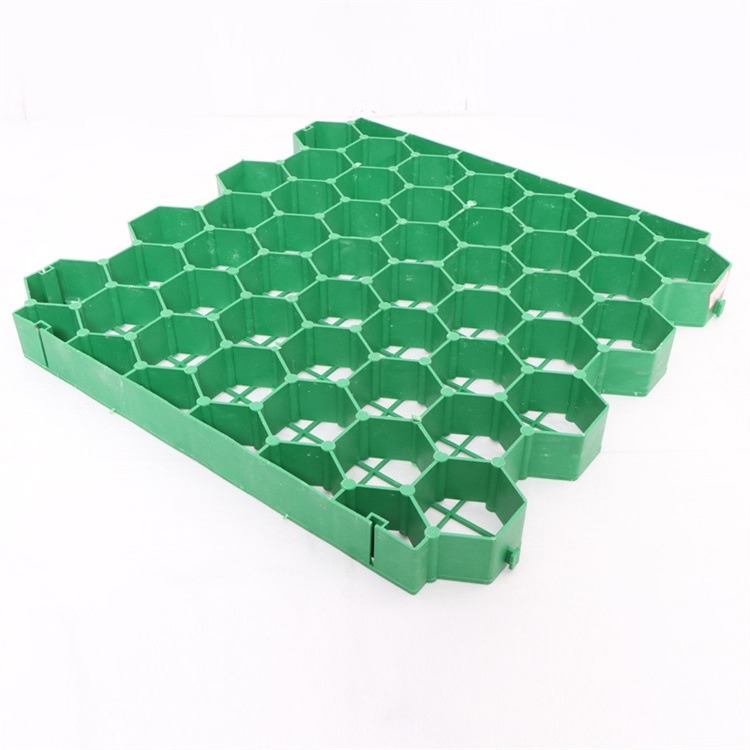
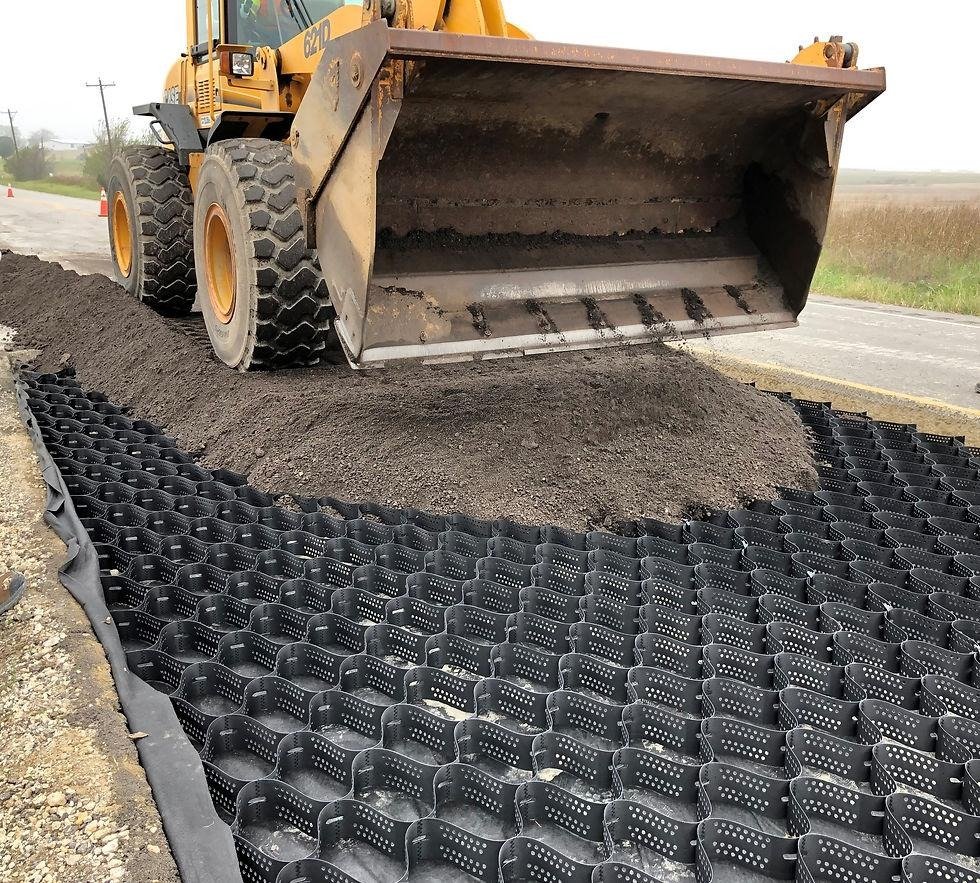
Geocells are three-dimensional geosynthetic confinement systems used in road construction and ground stabilization. Their honeycomb-like structure creates individual cells that contain soil, sand or aggregate, helping limit lateral movement of the infill material under loading.

Compared with conventional geotextiles and geogrids, geocells provide three-dimensional confinement rather than relying primarily on a flat reinforcement layer.

This guide explains how HDPE geocells work, where they are used in road construction, which technical specifications matter and how to select a suitable product for your project.

1. What Is a Geocell?

A geocell is a three-dimensional cellular confinement system generally manufactured from polymer sheets connected through welding or other approved joining processes.

When expanded, the connected strips form a honeycomb-like structure. The cells are filled with materials such as:

  • Crushed stone
  • Gravel
  • Sand
  • Selected soil
  • Concrete, where specified by the design

Once filled and compacted, the geocell confines the infill material within individual cells.

HDPE (high-density polyethylene) is commonly used in geocell manufacturing because of its chemical resistance, flexibility and durability characteristics.

At TINHY Geosynthetics, the product catalogue includes HDPE geocell models such as TGLG5, TGLG8, TGLG10, TGLG15 and TGLG20. Buyers should confirm the current product dimensions and technical specifications before ordering.

2. How Does Geocell Work in Road Construction?

Geocell works through three-dimensional confinement.

When vehicle wheels apply vertical loads to a road surface, the granular material within the road structure experiences vertical and horizontal stresses.

Without sufficient restraint, aggregate particles may move laterally, contributing to deformation and rutting.

A geocell system helps control this movement through several mechanisms.

2.1 Lateral Confinement

The cell walls restrict the lateral movement of the infill material.

This confinement helps maintain the position and structure of the aggregate within the reinforced layer.

2.2 Load Distribution

The interconnected cells can help distribute applied loads across a wider area of the underlying soil.

The actual load distribution depends on cell geometry, infill properties, geocell stiffness, subgrade strength and the road design.

2.3 Aggregate Stability

By containing aggregate within individual cells, geocells help reduce uncontrolled lateral spreading.

This can be useful in applications involving weak subgrades, unpaved roads and construction platforms.

2.4 Improved Surface Stability

When correctly designed and installed, geocell-confined aggregate can provide a more stable surface for selected road and ground-support applications.

However, geocell does not eliminate settlement or replace the need for proper subgrade preparation, drainage and pavement design.

3. Main Applications of Geocell in Road Construction

3.1 Weak Subgrade Stabilization

Weak subgrades can deform under construction equipment and repeated traffic loads.

Geocells may be used with suitable infill materials to create a confined layer over weak ground.

Important project factors include:

  • Subgrade strength and CBR
  • Groundwater and drainage conditions
  • Wheel loads
  • Traffic frequency
  • Required geocell depth
  • Infill material characteristics

For very weak soils, the design may also require geotextile separation or other ground improvement measures.

3.2 Unpaved Road Construction

Unpaved roads often experience aggregate movement and rutting, particularly in areas with weak soils or heavy vehicle traffic.

A geocell system can confine the granular fill and help maintain the road surface.

Potential applications include:

  • Rural access roads
  • Forestry roads
  • Mining access roads
  • Agricultural roads
  • Temporary construction roads
  • Industrial access routes

The appropriate geocell depth and infill material should be determined according to the subgrade, traffic loading and required road performance.

3.3 Temporary Construction Platforms

Construction equipment may need to operate over soft or variable ground.

Geocells can be incorporated into designed working platforms to confine granular fill and improve construction access.

The design should consider equipment axle loads, ground conditions, construction duration and the consequences of platform deformation.

3.4 Parking Areas and Industrial Yards

Geocells can also be used in selected parking areas, storage yards and industrial surfaces.

When filled with aggregate, they help confine the material and maintain the intended surface structure.

For paved industrial yards, the geocell layer must be coordinated with the complete pavement design.

3.5 Road Embankments and Slopes

Geocells may be used on selected embankments and slopes to confine soil or aggregate.

The system can help maintain the position of infill materials and support surface protection.

Slope projects must also consider global stability, groundwater, surface runoff, erosion and anchoring requirements.

Geocell confinement alone does not guarantee overall slope stability.

4. Geocell vs. Geogrid vs. Geotextile

Although all three are geosynthetic products, their structures and primary functions are different.

Product Structure Main Function Typical Road Application
Geocell Three-dimensional honeycomb cells Infill confinement Weak subgrade support and aggregate stabilization
Geogrid Two-dimensional open grid Soil reinforcement and aggregate interaction Road base reinforcement
Geotextile Woven or nonwoven fabric Separation, filtration, drainage and selected reinforcement Subgrade separation and drainage

When Should You Choose Geocell?

Consider geocell when the project requires three-dimensional confinement of soil or aggregate.

When Should You Choose Geogrid?

Consider geogrid when the design requires reinforcement and interaction between the grid and surrounding aggregate or soil.

When Should You Choose Geotextile?

Consider geotextile when separation, filtration, drainage or cushioning is required.

Some projects may use more than one geosynthetic product. The combination and installation sequence should be determined by the engineering design.

5. How to Select the Right Geocell

Selecting geocell requires more than choosing a product based on its expanded cell depth.

The following factors should be evaluated.

5.1 Cell Depth

Cell depth is an important parameter affecting the confinement system.

Different depths may be suitable for different subgrade conditions, loading requirements and infill materials.

The required depth should be assessed together with:

  • Subgrade strength
  • Wheel loading
  • Number of load cycles
  • Aggregate characteristics
  • Required deformation performance
  • Overall road structure

A deeper cell is not automatically better for every application.

5.2 Cell Size and Aperture Geometry

Cell size affects how the infill material is contained.

The selected cell geometry should be compatible with the aggregate size, application and design requirements.

Small cell areas may be considered for certain wheel-load support applications, while larger cells may be suitable for other uses such as erosion protection.

The appropriate size should be determined from project-specific requirements.

5.3 HDPE Material Quality

For HDPE geocells, buyers should review:

  • Polymer material identification
  • Sheet thickness
  • Density and relevant material properties
  • Environmental stress resistance
  • UV stabilization where exposure is expected
  • Long-term durability requirements

The actual performance depends on the material formulation and manufacturing quality.

5.4 Weld or Joint Strength

The connections between geocell strips are important to the integrity of the expanded structure.

Check the manufacturer’s relevant seam or weld strength data and quality control procedures.

Product dimensions and connection performance should be verified against the technical specification.

5.5 Surface Texture and Perforation

Some geocells have textured or perforated cell walls.

Texture can influence interaction between the infill and cell walls. Perforations may allow lateral water movement between adjacent cells.

Where drainage is important, the designer should assess the perforation configuration, infill gradation and drainage path.

Do not assume that all geocells have the same drainage characteristics.

5.6 Infill Material

The infill material is an essential part of the geocell system.

Possible materials include:

  • Crushed stone
  • Gravel
  • Sand
  • Selected soil
  • Concrete for specific applications

The material should be compatible with the cell dimensions and intended function.

For road support applications, aggregate gradation, particle shape, compaction and drainage properties should be evaluated.

6. Geocell Installation for Road Construction

Correct installation is important for achieving the intended confinement performance.

A typical installation sequence includes the following steps.

Step 1: Prepare the Subgrade

Remove unsuitable materials and prepare the ground according to the project specification.

Check for:

  • Soft or unstable areas
  • Standing water
  • Sharp objects
  • Large depressions
  • Unsuitable organic materials

Additional separation or ground improvement may be necessary depending on site conditions.

Step 2: Install the Geotextile Layer if Required

Where separation or filtration is required, a suitable geotextile may be installed below the geocell system.

The need for this layer should be confirmed by the engineering design.

Step 3: Expand and Position the Geocell

Expand the geocell panels to the specified dimensions.

Position the panels according to the approved layout and secure them using the specified connection and anchoring methods.

Check the expanded dimensions and cell configuration before filling.

Step 4: Connect Adjacent Panels

Adjacent panels should be connected according to the manufacturer’s installation instructions and project requirements.

Connection quality is important for maintaining the continuity of the confinement system.

Step 5: Fill the Cells

Place the approved infill material into the expanded cells.

Avoid dropping material from excessive heights or using equipment in a way that may distort or damage the cell walls.

The filling sequence should maintain the intended panel geometry.

Step 6: Spread and Compact the Infill

Spread and compact the infill material according to the project specification.

Compaction should achieve the required density while avoiding damage to the geocell.

Construction equipment should not travel directly over unfilled or inadequately protected cells unless the approved construction method specifically allows it.

Step 7: Complete the Road Layer

After the geocell layer is filled and inspected, place the specified cover or pavement layer.

The cover thickness and construction sequence must follow the design.

7. Quality Control: What Should Buyers Check?

Before purchasing geocell for an engineering project, review the following information.

Item What to Verify
Material HDPE or other specified polymer
Cell depth Expanded depth according to specification
Cell size Expanded cell dimensions and geometry
Sheet thickness Nominal and measured thickness
Weld strength Relevant connection or seam test data
Surface Smooth or textured
Perforation Perforated or non-perforated
Panel dimensions Length and width when expanded
UV performance Relevant exposure requirements
Packaging Folded panel protection and identification
Traceability Batch identification and quality records

ASTM D8269 provides guidance on geocells for geotechnical and roadway applications. The applicable test requirements and acceptance criteria should be confirmed against the project specification.

8. Frequently Asked Questions

What is geocell used for in road construction?

Geocell is used to confine soil or aggregate in a three-dimensional cellular structure. It may be used in weak subgrade stabilization, unpaved roads, construction platforms and selected road embankment applications.

Is HDPE geocell suitable for weak soil?

HDPE geocell may be incorporated into engineered systems over weak subgrades. The required depth, cell geometry, infill and any additional separation layer depend on the soil conditions and loading.

What is the difference between geocell and geogrid?

Geocell is a three-dimensional confinement system, while geogrid is a two-dimensional open-grid reinforcement product. They have different structures and reinforcement mechanisms.

What material is used to fill geocell?

Common infill materials include crushed stone, gravel, sand and selected soil. Concrete may be used in certain applications when specified by the design.

Does geocell need geotextile underneath?

Not every project requires geotextile beneath geocell. A separation or filtration layer may be needed when the underlying soil conditions require it. The decision should follow the project design.

Which geocell depth should I choose?

There is no universal depth suitable for all projects. Selection depends on subgrade strength, traffic loading, cell geometry, infill material and required performance.

Can geocell be used for slope protection?

Yes. Geocell can confine soil or aggregate on selected slopes and embankments. The project must also address slope stability, drainage, anchoring and erosion-control requirements.

What information is needed for a geocell quotation?

Provide the application, required cell depth, cell dimensions, surface type, perforation requirements, infill material, project quantity, delivery destination and applicable technical specifications.

Conclusion

Geocell is a three-dimensional geosynthetic confinement system used in road construction, ground stabilization and selected slope applications.

By confining soil or aggregate within individual cells, geocells can help limit lateral material movement and improve the performance of appropriately designed construction layers.

The right product should be selected according to subgrade conditions, loading, cell geometry, infill material, connection strength and installation requirements.

Contact TINHY Geosynthetics to discuss HDPE geocell options for road construction, weak subgrade stabilization and infrastructure projects. Share your project specifications, required cell depth, expanded dimensions and estimated quantity to request product information and a quotation.

Knowledge Base
Share:
info@tinhygeosynthetics.com Bai Jinxi
Consultation

    Get The Latest Product Prices

    Your inquiries are welcomed at any time and please feel free to contact us via email, phone calls, and online chatbox on our site.

    We will definitely give you a reply ASAP after we receive your messages.

      0/180