Resources
Company News
Industry News
Knowledge Base
Project Cases
Innovation
Team Power Fuels TINHY’s Global Geosynthetics Solutions
Tinhy and University of Jinan Celebrate Six Years of Industry–University Collaboration
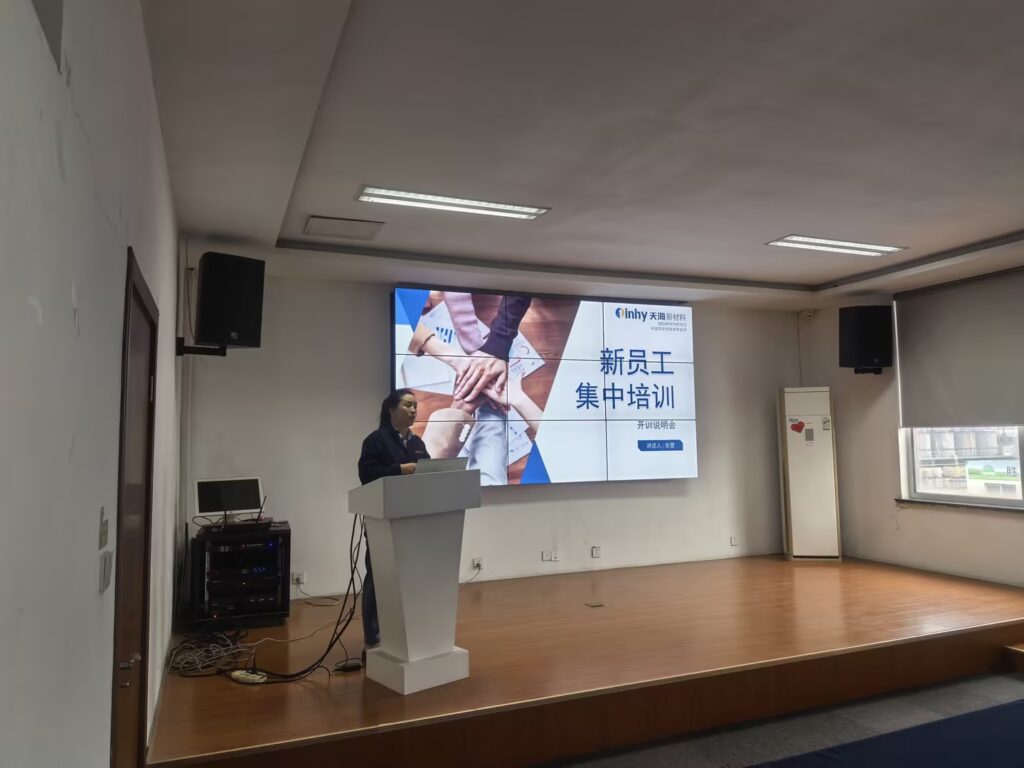
Empowering New Talent, Building the Future: Tinhy Successfully Conducts New Employee Orientation Training
Tinhy Conducts Comprehensive Emergency Drill to Strengthen Workplace Safety Defenses
Company Mid – Year Summary and Team – Building Activity Report
Is geomembrane a geotechnical engineering material?
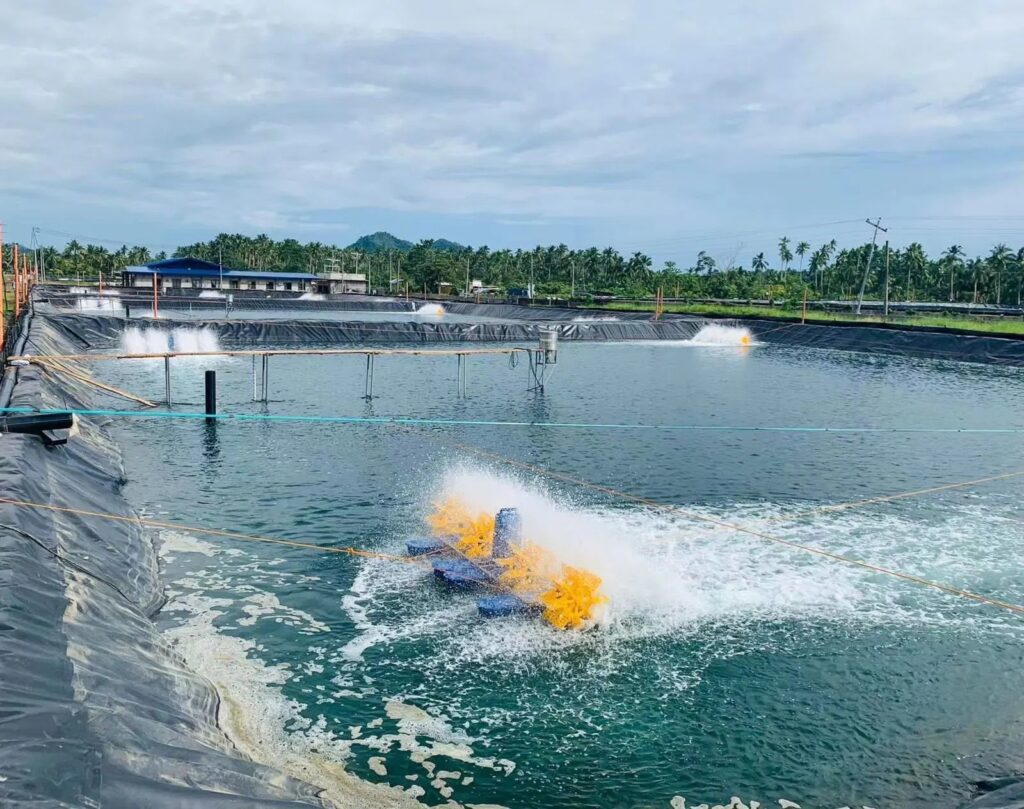
What are the application scenarios of geomembrane?
What are the functions of geotextiles?
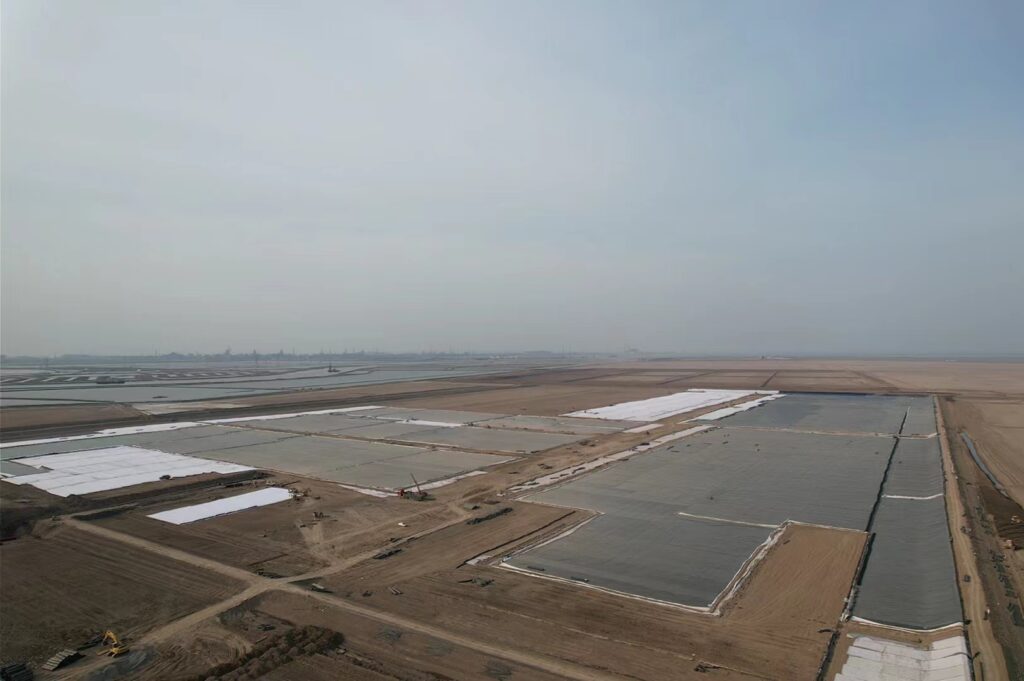
Cómo elegir geomembrana de hdpe en proyectos de ingeniería
How to choose hdpe geomembrane in engineering projects
China’s Geotechnical Construction Materials Embrace New Opportunities
Tips for Moisture-Proof Storage of Geotextiles
Key Construction Points and Precautions for High-Density Polyethylene Geomembrane
what is pond lining material ?
What is geomembrane?
HDPE geomembrane construction plans and technical measures

What quality tests do HDPE geomembranes need to do?
Tinhy’s MDS® Drainage Solution
Installation Robots
Geocell for Slope Protection: Design Factors, Applications and Installation Guide
Geocell for Road Construction: Applications, Benefits and Selection Guide
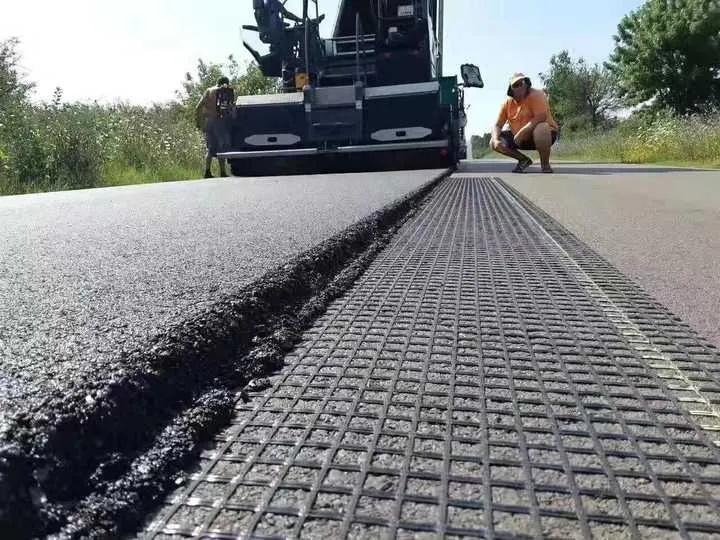
Geogrid for Road Construction: Types, Applications and Selection Guide
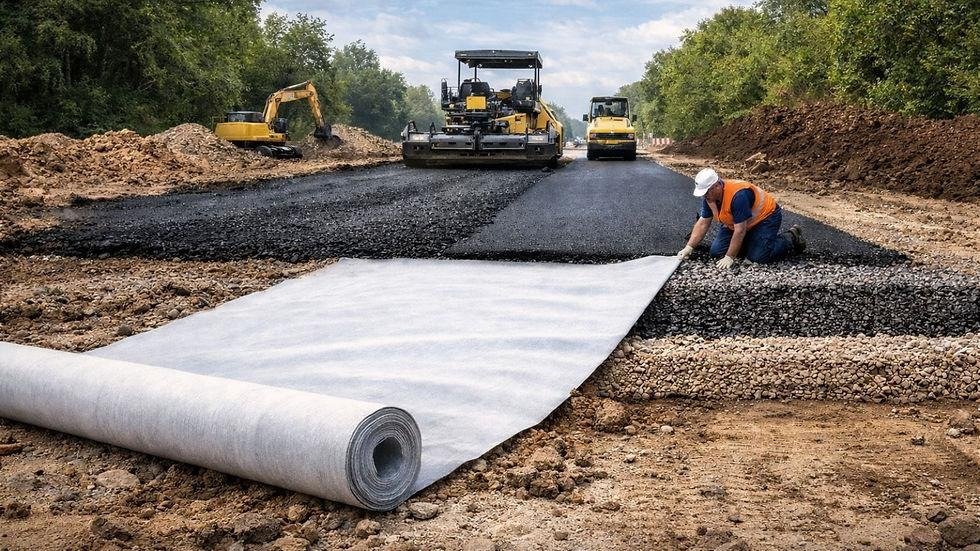
Geotextile for Road Construction: Functions, Types and Selection Guide
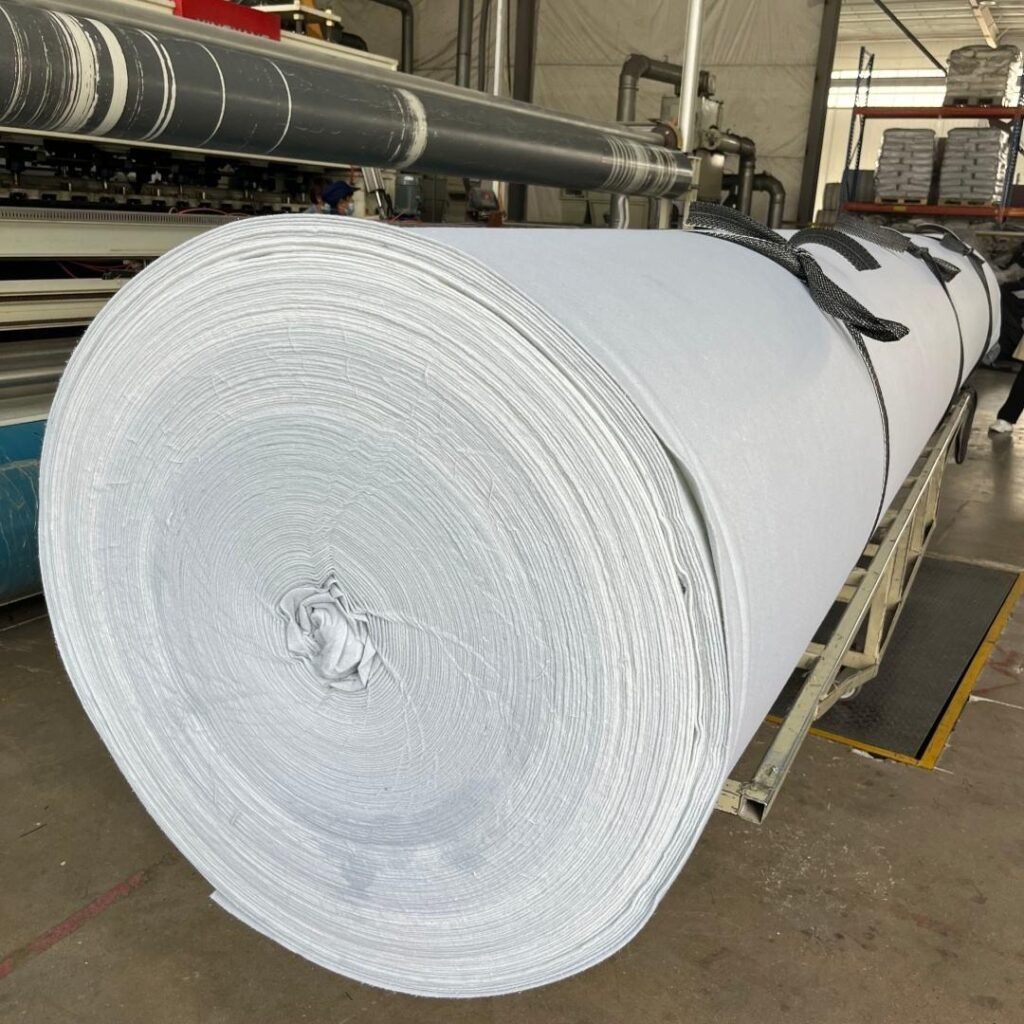
Nonwoven Geotextile Weight Selection Guide: How to Choose the Right GSM
PET vs PP Nonwoven Geotextile: Key Differences, Applications and Selection Guide
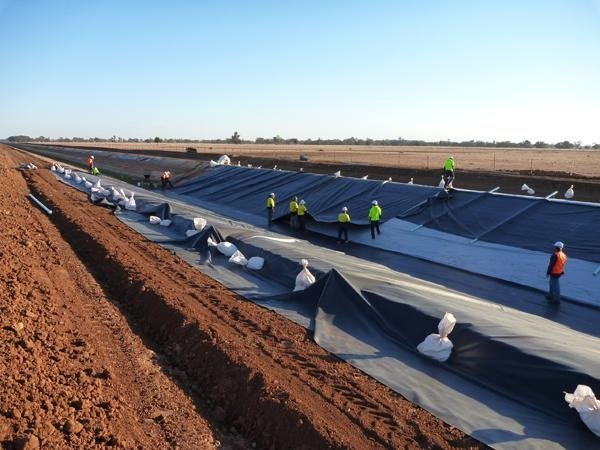
HDPE Geomembrane Installation and Welding Quality Control: A Complete Guide
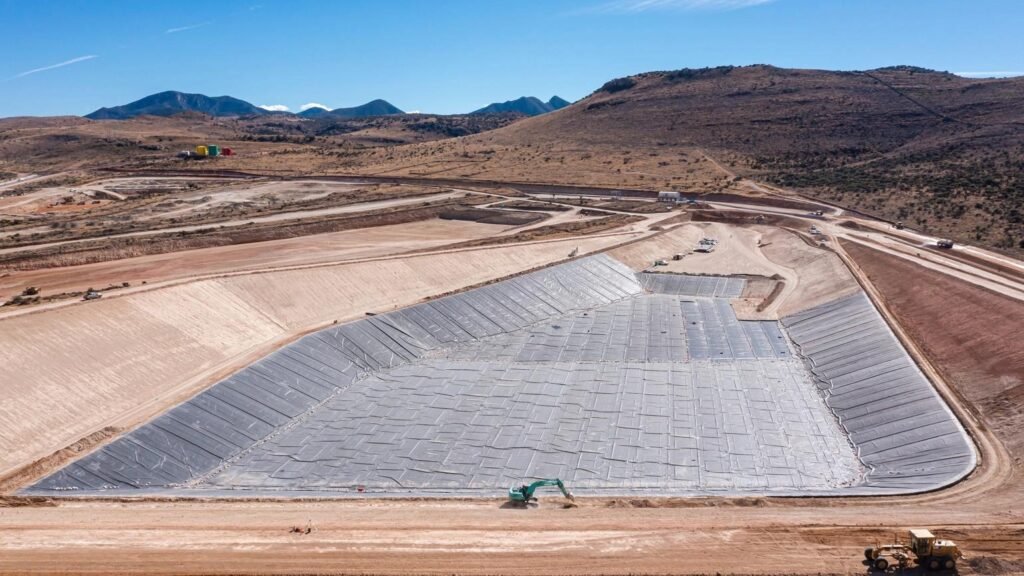
HDPE Geomembrane Liner Systems for Tailings Storage Facilities: Design, Components and QA/QC
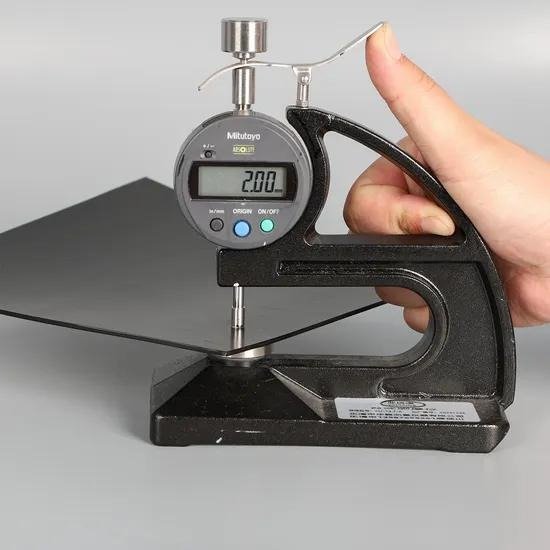
HDPE Geomembrane Quality Inspection: 10 Key Tests and Standards
Smooth vs Textured HDPE Geomembrane: Differences, Applications and Selection Guide
Should HDPE or PVC be used to install geomembrane in reservoirs?
What is the price of geomembrane?
Material characteristics of three different geomembranes
Esquema de construcción de geomembrana de HDPE y medidas técnicas
hdpe geomembrane pond liner in Congo (DRC)
How to lay and weld HDPE geomembrane?
HDPE geomembrane 0.2-4.0mm
HOME ABOUT PRODUCTS APPLICATION CONTENTUS RESOURCES
Home Resources Knowledge Base Geocell for Slope Protection: Design Factors, Applications and Installation Guide

Geocell for Slope Protection: Design Factors, Applications and Installation Guide

time:November 17, 2026 Views:5

Slopes and embankments are exposed to rainfall, surface runoff, wind and other environmental forces. Without suitable surface protection, soil particles can be washed away, drainage channels may develop, and local erosion can gradually affect the performance of the slope.

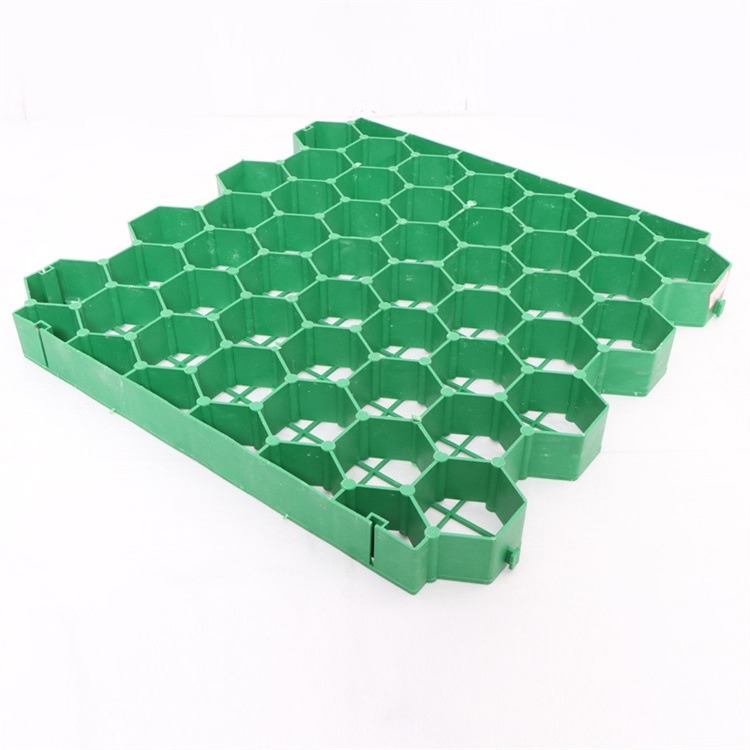
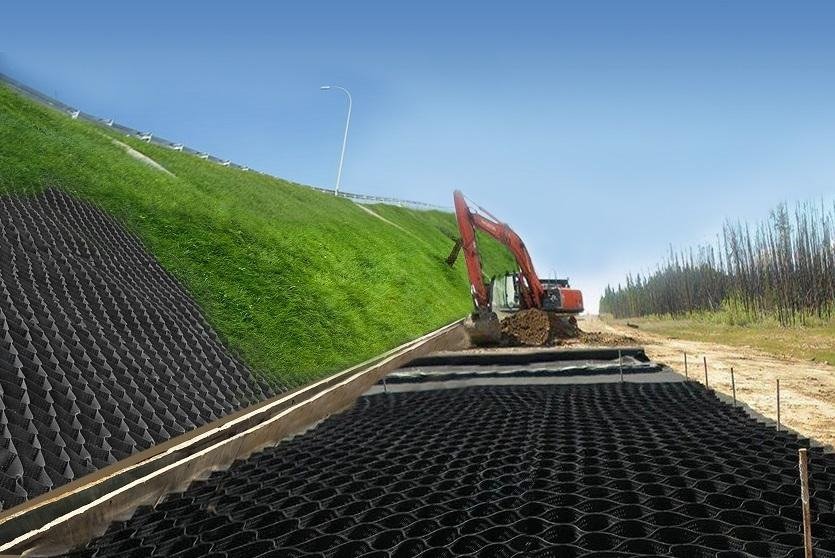
HDPE geocell is a three-dimensional cellular confinement system that can be used in selected slope protection projects. When expanded and filled with suitable materials, its interconnected cells help confine soil, aggregate or other specified infill on the slope surface.

However, geocell is not a universal solution for every slope. Proper application requires consideration of slope geometry, soil conditions, surface water, anchorage, infill material and overall stability.

This guide explains how geocells are used for slope protection and what engineers, contractors and buyers should consider when selecting and installing an HDPE geocell system.

1. What Is Geocell Slope Protection?

Geocell is a three-dimensional geosynthetic system generally manufactured from polymer strips connected by a series of joints or welds. When the panels are expanded, they form a honeycomb-like structure.

The cells are filled with selected materials such as:

  • Topsoil for vegetated slopes
  • Gravel or crushed stone for granular protection
  • Other engineered fill materials specified for the project
  • Concrete in certain applications where a hard surface is required

The cell walls provide lateral confinement to the infill. This helps limit the movement of soil or aggregate within the cellular structure.

For slope protection, geocell is normally installed over a prepared slope surface and secured using an anchoring system designed for the project.

It is important to distinguish surface erosion control from overall slope stability. Geocell can help protect the slope face, but it does not independently prevent deep-seated slope failure or replace geotechnical slope analysis.

2. How Does Geocell Help Protect Slopes?

2.1 Confinement of Soil and Aggregate

Rainfall and surface runoff can move unprotected soil particles downslope. Geocell divides the infill into interconnected cells, helping restrict lateral movement and maintain the position of the fill.

This confinement can be useful on selected embankments, roadside slopes, landscaping areas and other erosion-prone surfaces.

2.2 Support for Vegetation

For vegetated slope systems, cells can be filled with suitable topsoil and seeded or planted according to the project requirements.

The cellular structure helps retain the growing medium on the slope surface while vegetation develops. Once established, plant roots can contribute to surface soil reinforcement and erosion resistance.

Vegetation establishment depends on soil quality, climate, water availability, plant selection and maintenance. Geocell alone does not guarantee successful vegetation growth.

2.3 Protection with Granular or Concrete Infill

Where vegetation is unsuitable or a more durable surface is required, geocell may be filled with gravel, crushed stone or concrete, subject to the hydraulic and structural design.

The choice of infill should consider slope angle, runoff velocity, expected water exposure, drainage conditions and maintenance requirements.

2.4 Adaptability to Different Slope Profiles

Geocell panels can be expanded and arranged to follow many slope surfaces. They can be used on selected embankments, roadside slopes, drainage channels and landscape projects.

The panel layout, connections and anchoring details must be designed for the actual slope geometry.

3. Common Applications of Geocell for Slope Protection

3.1 Roadside Slopes and Highway Embankments

Road construction often creates cut slopes and embankments exposed to rainfall and runoff.

Geocell can be incorporated into a surface protection system to confine topsoil or aggregate and help reduce surface erosion.

The system should be coordinated with roadside drainage, slope geometry and any required vegetation or maintenance plan.

3.2 Riverbanks and Canal Slopes

Geocell may be used in selected riverbank and canal protection systems.

For these applications, hydraulic conditions are particularly important. Water velocity, flow depth, potential scour, fluctuating water levels and the characteristics of the underlying soil must be assessed.

Where flow forces are high, additional protection or a different lining system may be required.

3.3 Landscape and Green Slope Projects

Geocell can support a vegetated finish on selected landscape slopes by confining suitable growing soil.

The design should consider the required vegetation, soil depth, irrigation, rainfall and long-term maintenance.

3.4 Industrial and Infrastructure Embankments

Industrial facilities, reservoirs and infrastructure projects may include slopes that require erosion protection.

Geocell can be considered as one component of the surface protection system, provided that the project-specific geotechnical and drainage requirements are addressed.

4. Key Factors When Selecting Geocell for Slope Protection

Selecting a geocell system requires more than choosing a product by cell depth alone.

4.1 Slope Angle and Length

Slope angle and length influence the forces acting on the geocell, infill and anchoring system.

A longer or steeper slope may require a more detailed anchorage arrangement, additional restraints or a different system configuration.

There is no single maximum slope angle that applies to every geocell project. Feasibility must be evaluated using the site conditions, product properties, infill characteristics and engineering design.

4.2 Geocell Depth and Cell Dimensions

Cell depth and expanded cell dimensions influence the volume of infill confined within the system.

The selection should consider:

  • Slope geometry
  • Infill type and particle size
  • Required surface protection
  • Anchorage and connection details
  • Product strength and durability requirements

A deeper cell is not automatically the best option. The appropriate configuration should be confirmed by the project designer and supported by relevant product data.

4.3 Material and Weld Quality

HDPE is commonly used for geocell manufacturing because of its chemical resistance and suitability for flexible cellular structures.

For procurement, buyers should review relevant product information, including:

  • Polymer and raw material information
  • Sheet or strip thickness
  • Weld or joint strength
  • Cell depth and expanded dimensions
  • Surface texture and perforation, if specified
  • Relevant durability and quality-control test results

Product properties should be checked against the project specification rather than relying only on general descriptions.

4.4 Anchorage System

Anchorage is one of the most important considerations in slope applications.

Depending on the design, the system may include:

  • Crest anchor trenches
  • Toe restraints
  • Steel stakes or pins
  • Tendons or other reinforcement components
  • Connections between adjacent panels

The required anchorage type, spacing, embedment and strength depend on slope geometry, soil conditions, infill weight and expected forces.

Do not copy anchor spacing or trench dimensions from another project without checking whether the site and system are comparable.

4.5 Infill Material

The infill material should match the intended surface finish and environmental conditions.

Infill material Typical purpose Key considerations
Topsoil Vegetated slope Soil quality, plant growth and erosion during establishment
Gravel or crushed stone Granular surface protection Particle size, grading, drainage and hydraulic forces
Concrete Hard surface protection Structural design, joints, drainage and construction details

The selected material should be compatible with the cell dimensions and the expected environmental exposure.

4.6 Drainage and Water Management

Water management is essential in slope protection.

The design should consider surface runoff, seepage, groundwater and possible water concentration behind or beneath the protection system.

A geotextile layer may be required for separation or filtration, depending on the soil and drainage conditions. It should be selected based on the soil gradation, filtration criteria and project requirements.

Geocell should not be treated as a substitute for drainage design.

5. Geocell Slope Protection Installation Process

The following is a general installation sequence. Actual construction should follow approved drawings, product instructions and project specifications.

Step 1: Prepare the Slope Surface

Remove loose soil, debris, large stones and other materials that may damage the geocell or prevent close contact with the slope.

Shape the surface to the required profile and address local depressions or unstable areas before installation.

Any required slope stabilization and drainage work should be completed before placing the geocell.

Step 2: Install the Geotextile Underlayer if Required

A suitable geotextile may be installed beneath the geocell where separation, filtration or protection is required.

The geotextile type, overlap and anchorage should follow the project specification.

Not every slope requires a geotextile underlayer. Its use should be determined by the soil conditions and system design.

Step 3: Construct the Anchorage

Prepare crest, toe or intermediate anchorage features as shown in the approved design.

Install the specified anchors, stakes or tendons and check their positions before expanding the geocell panels.

Special care is required where the system is installed above a geomembrane or another waterproofing layer. Anchors must not puncture or damage the barrier system. The restraint detail must be coordinated with the liner design.

Step 4: Expand and Position the Geocell Panels

Expand the panels to the specified dimensions and position them along the slope.

Check that the cells are uniformly opened and that the panels follow the slope profile without excessive distortion.

Step 5: Connect Adjacent Panels

Connect neighboring panels using the manufacturer-approved connection method.

Inspect the connections to ensure that the cellular structure remains continuous and that the joints are secure.

Step 6: Fill the Cells

Place the approved infill carefully and distribute it evenly across the panels.

Avoid excessive drop heights and construction methods that may damage the cell walls or displace the panels.

For vegetated systems, use suitable growing soil. For granular or hard-surface systems, use the material specified by the design.

Step 7: Finish the Surface

Complete the specified filling, grading, compaction or vegetation work.

Inspect the finished surface, panel connections, exposed edges and anchorage points. Confirm that drainage paths remain functional and that no unintended water concentration has been created.

6. Geocell vs. Geomat and Geotextile for Slope Protection

Geocell, geomat and geotextile can all be used in erosion-control projects, but they have different structures and functions.

Material Main function Typical use
Geocell Three-dimensional confinement of infill Soil or aggregate confinement on selected slopes
Geomat Surface erosion control and vegetation support Vegetated slopes and surface erosion protection
Nonwoven geotextile Filtration, separation and protection Underlayer beneath stone, soil or other protection systems

These materials may be used individually or in combination.

For example, a project may require geotextile for filtration and separation, geocell for soil confinement, and vegetation for long-term surface protection.

The correct combination depends on the site investigation and engineering design.

7. Quality Control and Inspection

Before and during installation, the project team should check the following items:

  • Product dimensions and cell depth
  • Material and weld quality documentation
  • Panel dimensions after expansion
  • Panel-to-panel connections
  • Anchorage locations and installation
  • Geotextile type and overlap, where specified
  • Infill material and placement method
  • Surface finish and drainage condition

The inspection plan should be established before construction. Product acceptance criteria and testing requirements should follow the project specification and applicable standards.

8. Frequently Asked Questions

What is geocell used for in slope protection?

Geocell is used to confine soil, aggregate or other specified infill on selected slopes. It can help reduce surface material movement and support vegetated or granular protection systems.

Can geocell prevent slope failure?

Geocell can provide surface confinement, but it does not independently guarantee overall slope stability. Deep-seated failure, groundwater, pore pressure and global stability must be evaluated by qualified geotechnical professionals.

Can geocell be filled with topsoil?

Yes. Topsoil can be used in vegetated slope systems when the soil properties, cell configuration, vegetation and environmental conditions are suitable.

Can geocell be used on steep slopes?

Geocell may be used on selected steep slopes, but the system requires project-specific assessment of anchorage, infill, slope geometry, drainage and stability. There is no universal maximum slope angle for all products and site conditions.

Is geotextile required under geocell?

Not always. A geotextile underlayer may be needed for separation, filtration or protection. The decision depends on the underlying soil and the project design.

Can geocell be installed over an HDPE geomembrane?

It may be possible in a specifically designed protection system, but the anchoring method must not damage the geomembrane. The geocell, protective layers and restraint details should be coordinated with the geomembrane designer.

What information is needed to select geocell for a slope project?

Useful information includes slope height, angle and length, soil conditions, drainage and water exposure, proposed infill, required surface finish, geocell dimensions and project quantity.

Conclusion

HDPE geocell can be an effective component of selected slope protection systems by confining soil or aggregate within a three-dimensional cellular structure.

Successful application depends on more than the geocell product itself. Slope geometry, anchorage, infill, drainage, vegetation and overall geotechnical stability must be considered together.

TINHY Geosynthetics supplies HDPE geocell products for applications including slope and embankment erosion control. Contact our team with your project drawings, slope dimensions, proposed infill and technical requirements to discuss suitable product options.

Knowledge Base
Share:
info@tinhygeosynthetics.com Bai Jinxi
Consultation

    Get The Latest Product Prices

    Your inquiries are welcomed at any time and please feel free to contact us via email, phone calls, and online chatbox on our site.

    We will definitely give you a reply ASAP after we receive your messages.

      0/180