Resources
Company News
Industry News
Knowledge Base
Project Cases
Innovation
Team Power Fuels TINHY’s Global Geosynthetics Solutions
Tinhy and University of Jinan Celebrate Six Years of Industry–University Collaboration
Empowering New Talent, Building the Future: Tinhy Successfully Conducts New Employee Orientation Training
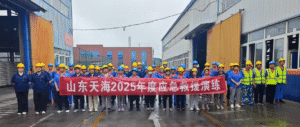
Tinhy Conducts Comprehensive Emergency Drill to Strengthen Workplace Safety Defenses
Company Mid – Year Summary and Team – Building Activity Report
Is geomembrane a geotechnical engineering material?
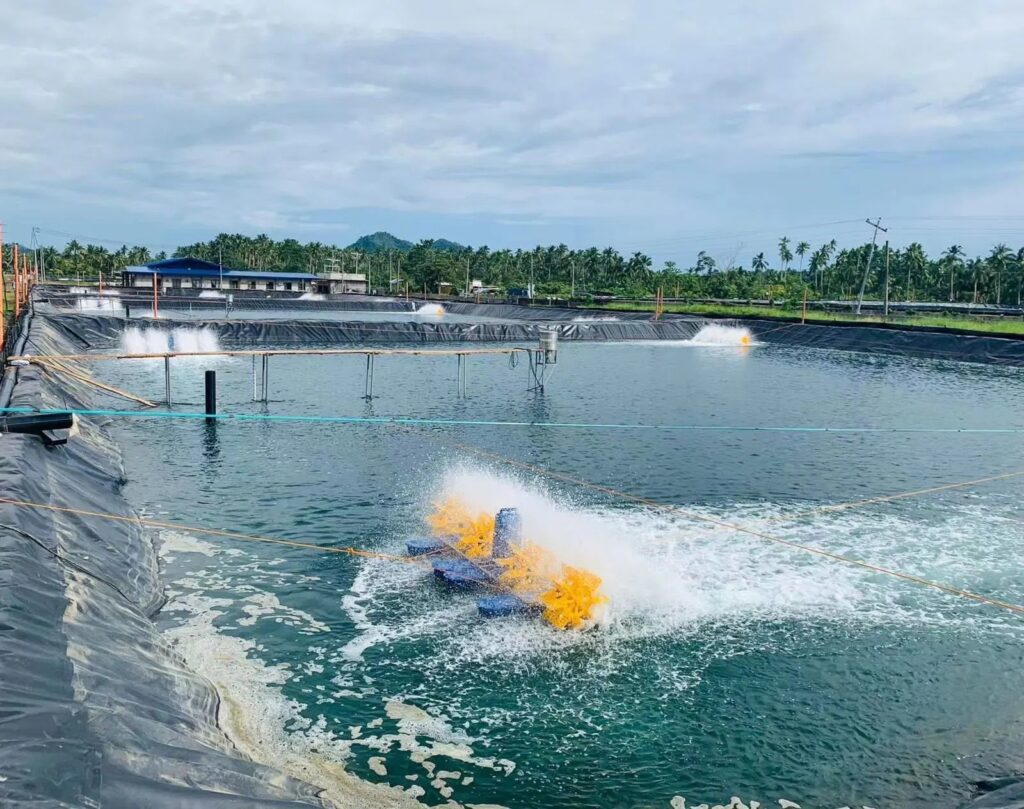
What are the application scenarios of geomembrane?
What are the functions of geotextiles?
Cómo elegir geomembrana de hdpe en proyectos de ingeniería
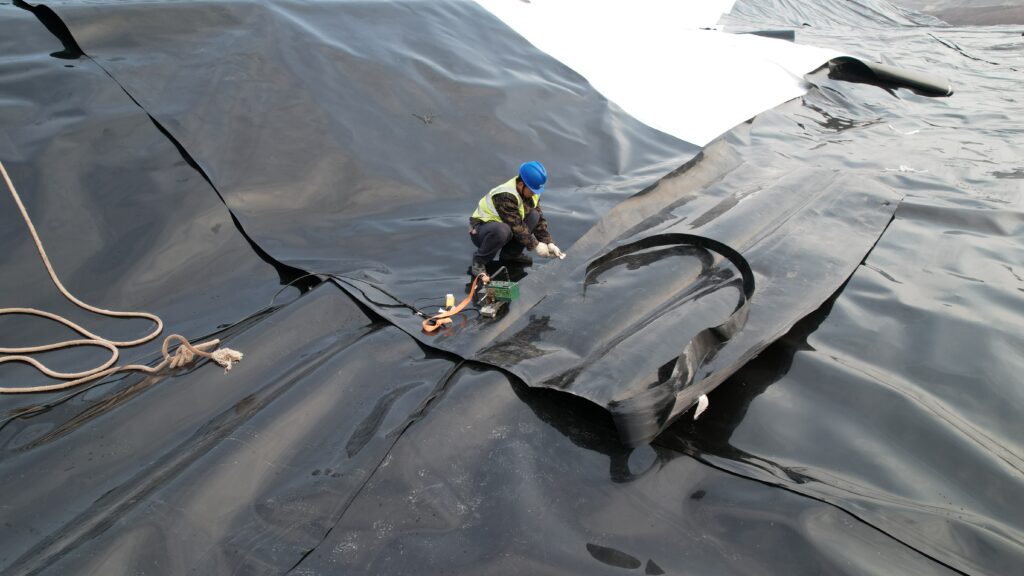
How to choose hdpe geomembrane in engineering projects
China’s Geotechnical Construction Materials Embrace New Opportunities
Tips for Moisture-Proof Storage of Geotextiles
Key Construction Points and Precautions for High-Density Polyethylene Geomembrane
what is pond lining material ?
What is geomembrane?
HDPE geomembrane construction plans and technical measures
What quality tests do HDPE geomembranes need to do?
Tinhy’s MDS® Drainage Solution
Installation Robots
Geocell Specifications and Technical Data Sheet Guide
Geocell vs Geogrid: Key Differences, Applications and Selection Guide
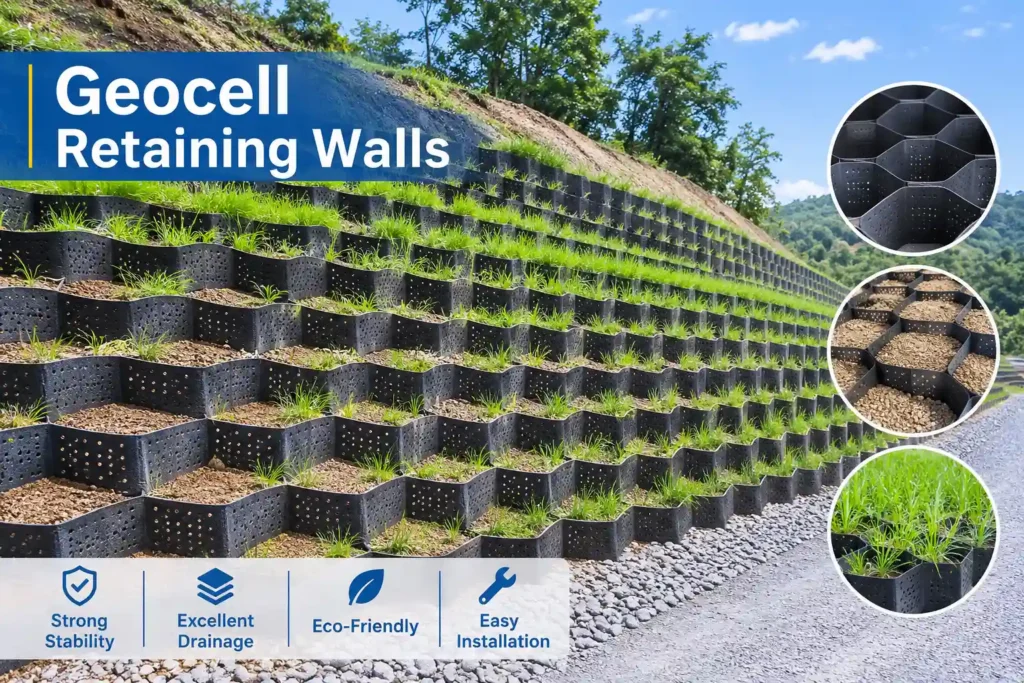
Geocell Retaining Walls: Design Principles, Applications and Installation Guide
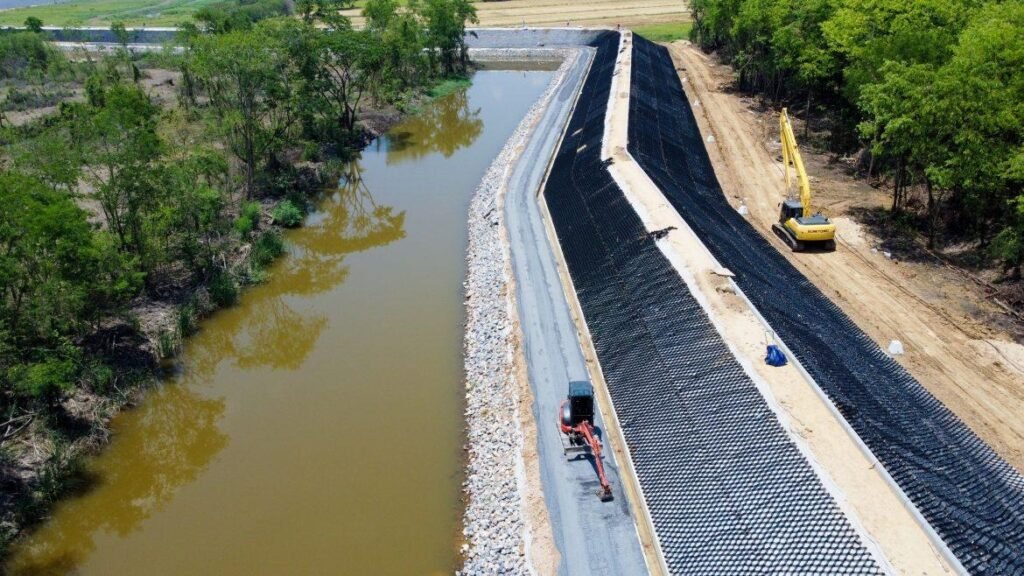
Geocell for Channel Protection: Applications, Hydraulic Design Factors and Installation Guide
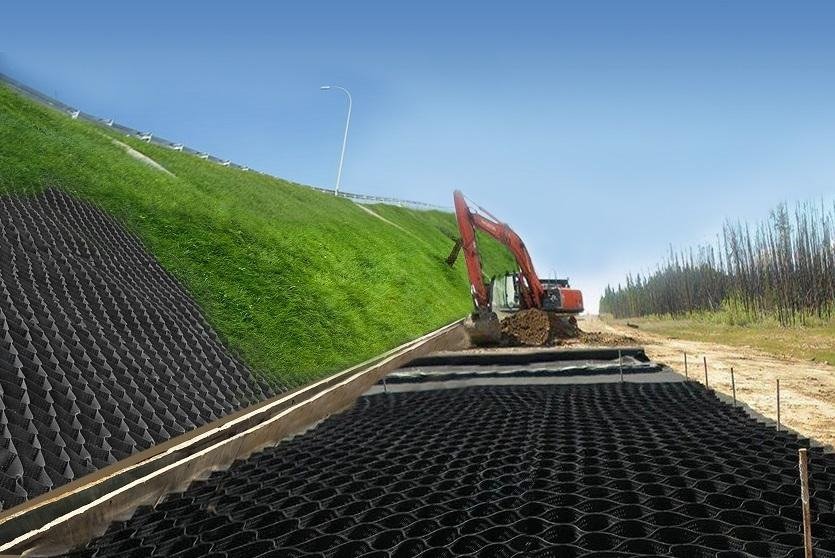
Geocell for Slope Protection: Design Factors, Applications and Installation Guide
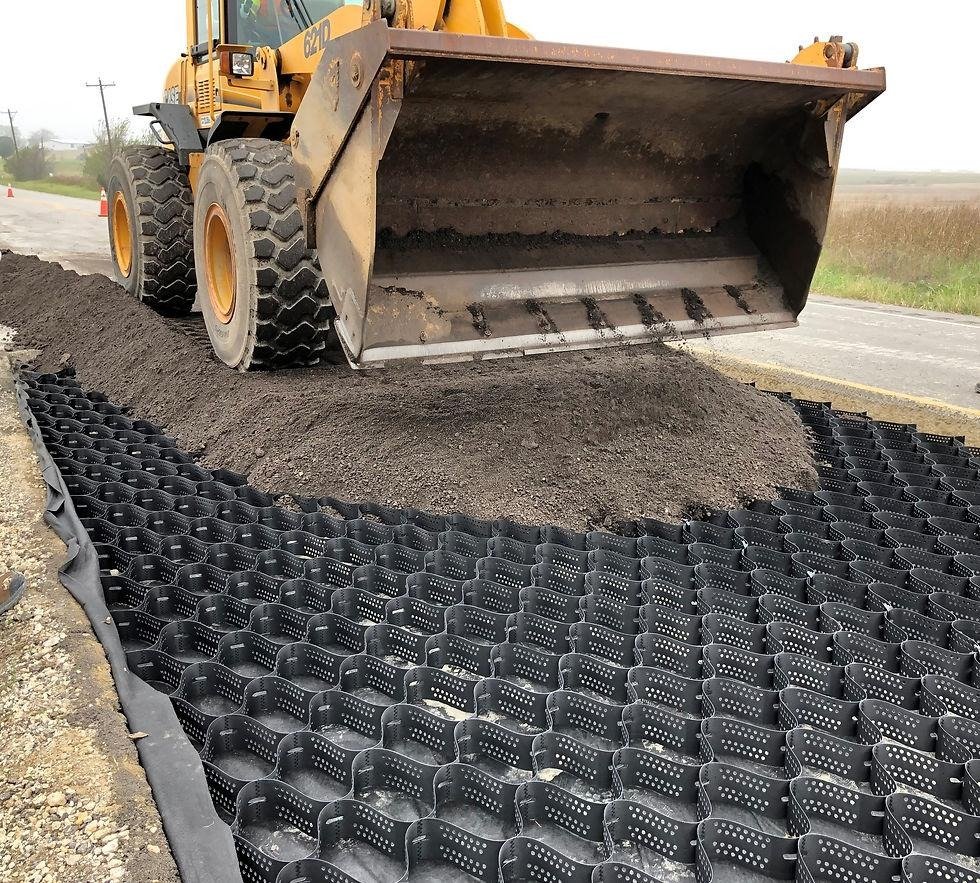
Geocell for Road Construction: Applications, Benefits and Selection Guide
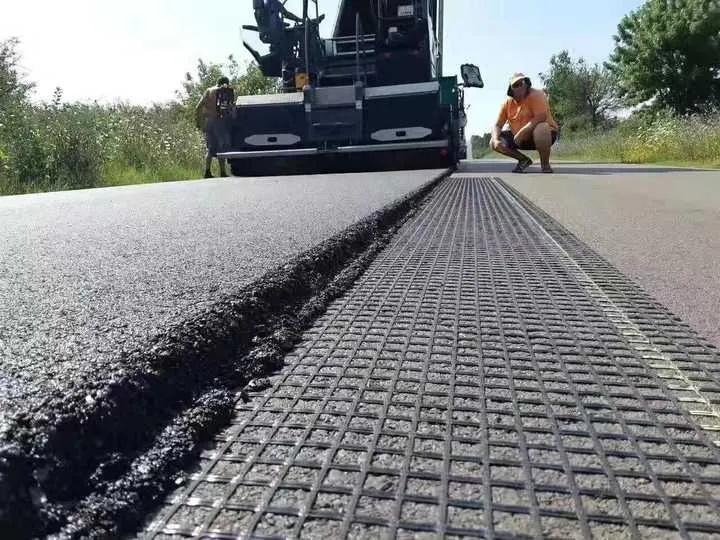
Geogrid for Road Construction: Types, Applications and Selection Guide
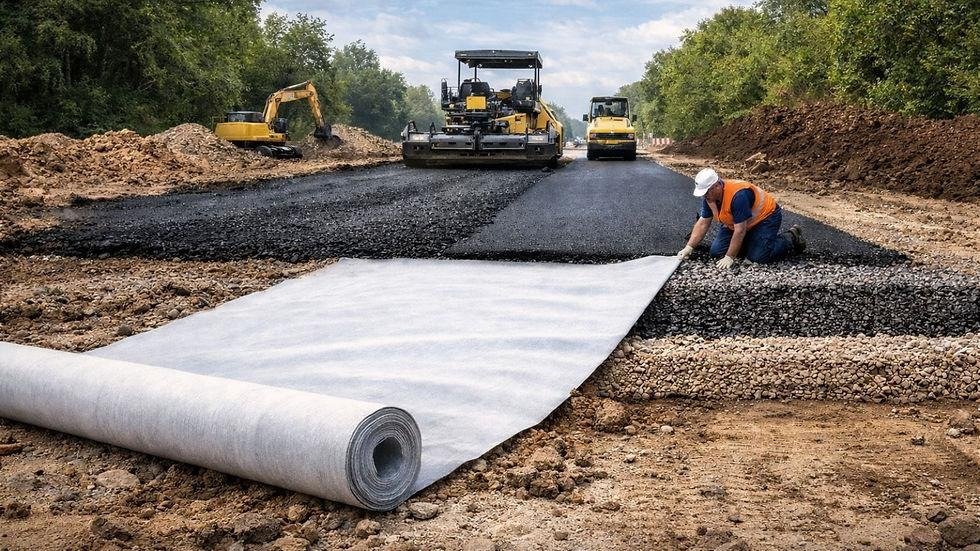
Geotextile for Road Construction: Functions, Types and Selection Guide
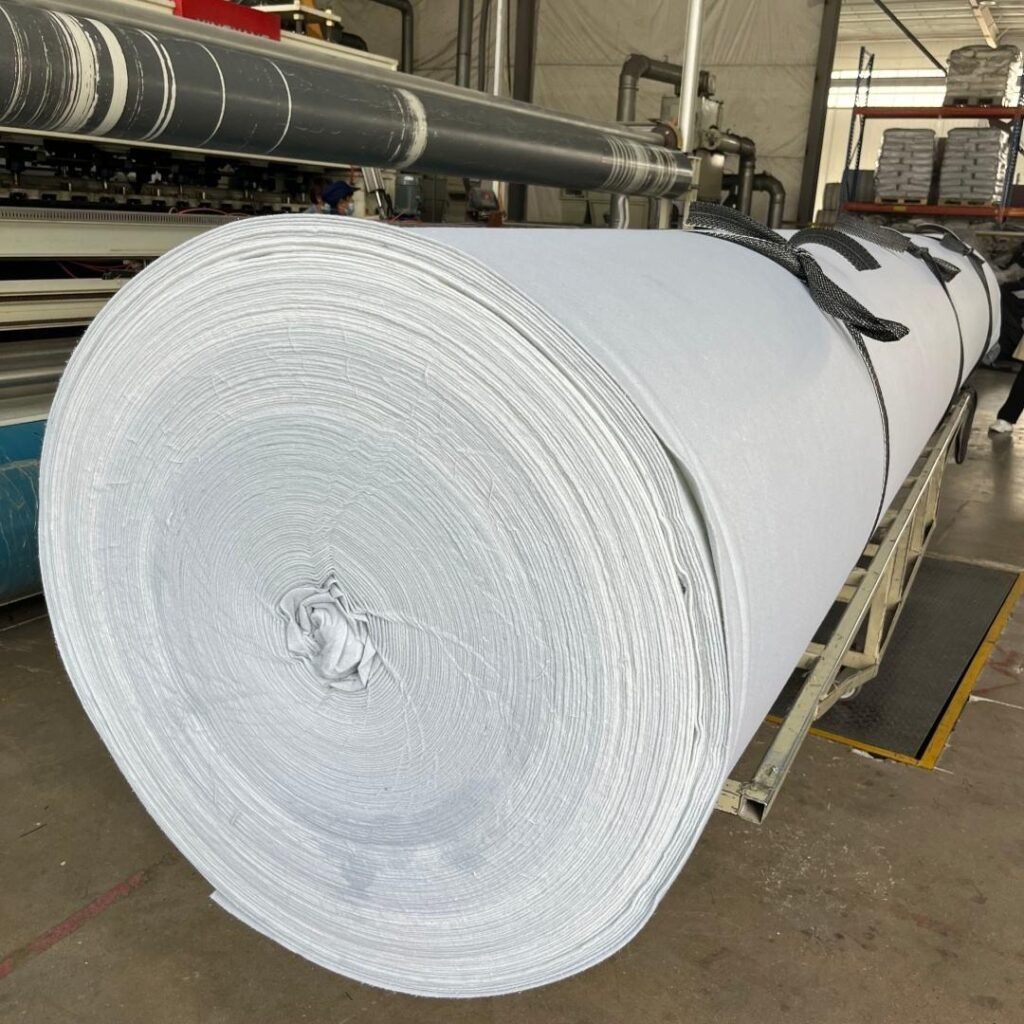
Nonwoven Geotextile Weight Selection Guide: How to Choose the Right GSM
PET vs PP Nonwoven Geotextile: Key Differences, Applications and Selection Guide
Should HDPE or PVC be used to install geomembrane in reservoirs?
What is the price of geomembrane?
Material characteristics of three different geomembranes
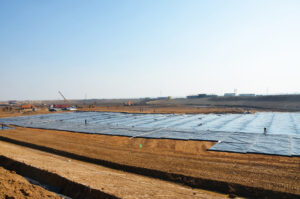
Esquema de construcción de geomembrana de HDPE y medidas técnicas
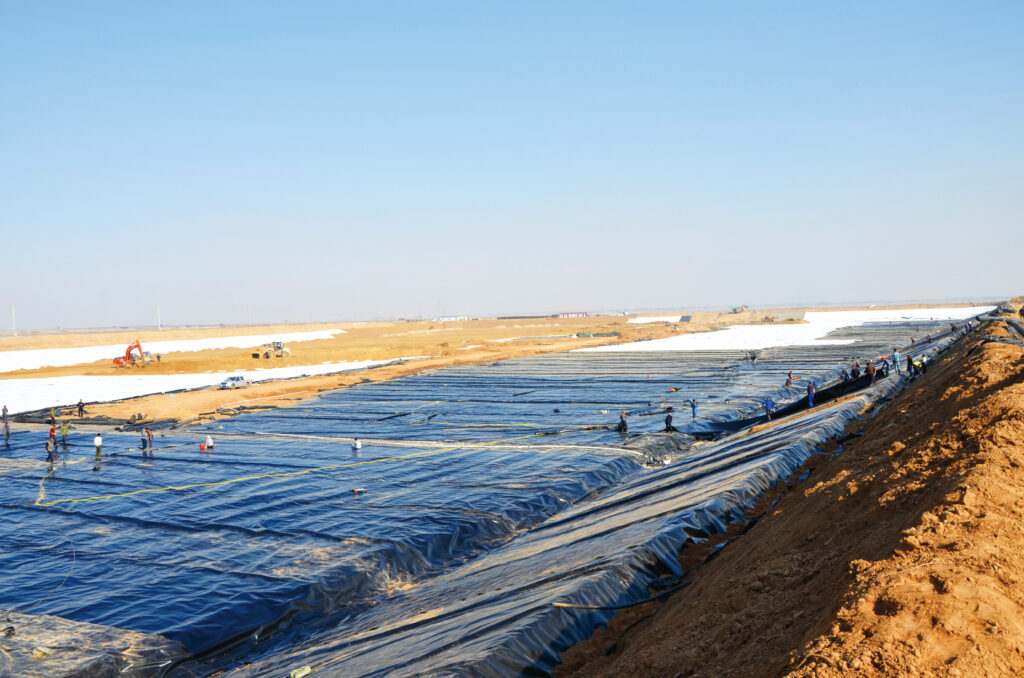
hdpe geomembrane pond liner in Congo (DRC)
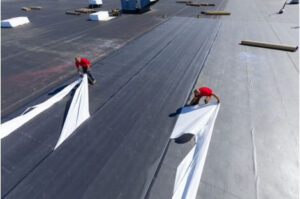
How to lay and weld HDPE geomembrane?
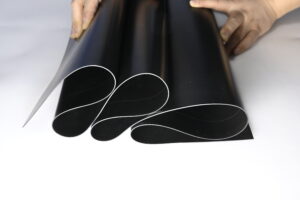
HDPE geomembrane 0.2-4.0mm
HOME ABOUT PRODUCTS APPLICATION CONTENTUS RESOURCES
Home Resources Knowledge Base Geocell Specifications and Technical Data Sheet Guide

Geocell Specifications and Technical Data Sheet Guide

time:November 21, 2026 Views:22

When purchasing HDPE geocell for road construction, slope protection, retaining structures or ground stabilization, reviewing the product’s technical data sheet is an essential step before placing an order.

Geocell products may look similar, but their specifications can vary significantly in cell depth, expanded cell dimensions, polymer properties, sheet thickness, weld strength, surface texture and perforation design. These differences can affect product selection, installation requirements and suitability for a specific engineering application.

A quotation that lists only geocell height, price per square meter and quantity may not provide enough information for a meaningful technical comparison.

This guide explains the key HDPE geocell specifications, how to evaluate a technical data sheet, and what information buyers should request from manufacturers before purchasing.

1. What Is an HDPE Geocell Technical Data Sheet?

A geocell technical data sheet (TDS) is a document that describes the product’s physical dimensions, material characteristics, manufacturing properties and relevant test results.

It helps engineers, contractors, distributors and procurement teams determine whether a product meets the requirements of a project.

A typical geocell specification sheet may include:

  • Polymer material
  • Cell depth
  • Expanded cell dimensions
  • Strip or sheet thickness
  • Weld or joint strength
  • Panel dimensions
  • Surface texture
  • Perforation
  • Relevant mechanical properties
  • Quality-control and testing information

Not every manufacturer uses the same format. Buyers should confirm that the listed values are measured, declared, specified or guaranteed properties, and understand the test method and acceptance criteria associated with each value.

2. Key Geocell Specifications to Check

2.1 Cell Depth

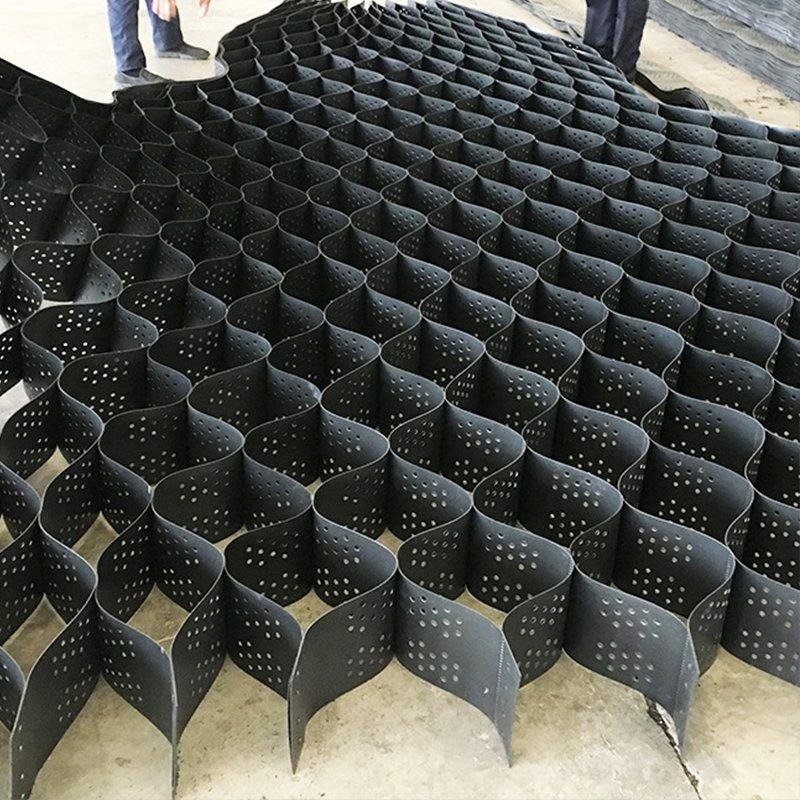
Cell depth is the vertical height of the cellular structure after the geocell panel is expanded.

Common product configurations may include different depths for road stabilization, slope protection, channel lining and other applications.

Cell depth affects the geometry of the confinement system and the volume of infill contained within each cell. However, a deeper geocell is not automatically better for every project.

Selection should consider:

  • Subgrade conditions
  • Traffic or applied loading
  • Infill material
  • Required confinement
  • Slope geometry
  • Construction method
  • Design requirements

For road applications, the selected depth should be evaluated together with the pavement structure, subgrade strength and aggregate characteristics.

For slope protection, cell depth should be assessed alongside slope angle, anchorage, drainage, infill and erosion-control requirements.

Always confirm whether the specified depth refers to the nominal expanded height and whether dimensional tolerances are provided.

2.2 Expanded Cell Dimensions

Expanded cell dimensions describe the approximate length and width of individual cells when the panel is fully expanded.

These dimensions influence cell geometry, infill compatibility and the configuration of the cellular structure.

When reviewing a specification, check whether the cell dimensions are clearly identified as:

  • Expanded dimensions
  • Nominal dimensions
  • Cell length and width
  • Dimensions measured using a specified method

Cell geometry should be compatible with the proposed infill material.

For example, aggregate gradation, particle size and placement method should be considered when selecting a cellular confinement system for road construction.

Do not compare two products solely by cell dimensions without also checking cell depth, sheet thickness, weld strength and material properties.

2.3 Sheet or Strip Thickness

The thickness of the HDPE strips forming the geocell walls is an important product specification.

Buyers should verify:

  • Nominal strip thickness
  • Measurement method
  • Permitted thickness tolerance
  • Whether the value refers to smooth or textured material
  • Whether the thickness is measured before or after texturing, where applicable

Thickness values from different manufacturers may not be directly comparable if measurement methods or product structures differ.

For textured geocell, buyers should confirm how the manufacturer defines and measures sheet thickness, particularly when raised surface features are present.

Thickness should be evaluated together with polymer properties, weld quality and other relevant performance requirements.

2.4 Weld or Joint Strength

Geocell panels are manufactured by joining polymer strips at specified intervals to form the cellular structure.

Weld strength is therefore an important property to review.

The technical data sheet should identify, where applicable:

  • Weld strength or joint strength
  • Test method
  • Specimen preparation
  • Test direction or configuration
  • Minimum or average acceptance value
  • Applicable quality-control requirements

The welds must maintain the intended cellular configuration during expansion, filling, placement and construction.

Buyers should not rely on a general statement such as “high weld strength” without supporting technical information when the project requires defined acceptance criteria.

A manufacturer’s quality-control records and relevant test reports can provide additional evidence for product evaluation.

2.5 HDPE Material Properties

High-density polyethylene (HDPE) is commonly used in geocell manufacturing because of its flexibility, chemical resistance and suitability for outdoor geotechnical applications.

However, not all HDPE formulations have identical properties.

When reviewing material specifications, consider:

  • Polymer identification
  • Density, where required
  • Relevant mechanical properties
  • Environmental stress-cracking resistance, if specified
  • UV stabilization and exposure requirements
  • Chemical exposure conditions
  • Durability requirements for the intended service environment

Material properties should be supported by relevant test documentation where required.

Do not assume that all products described as HDPE geocell have identical durability or performance.

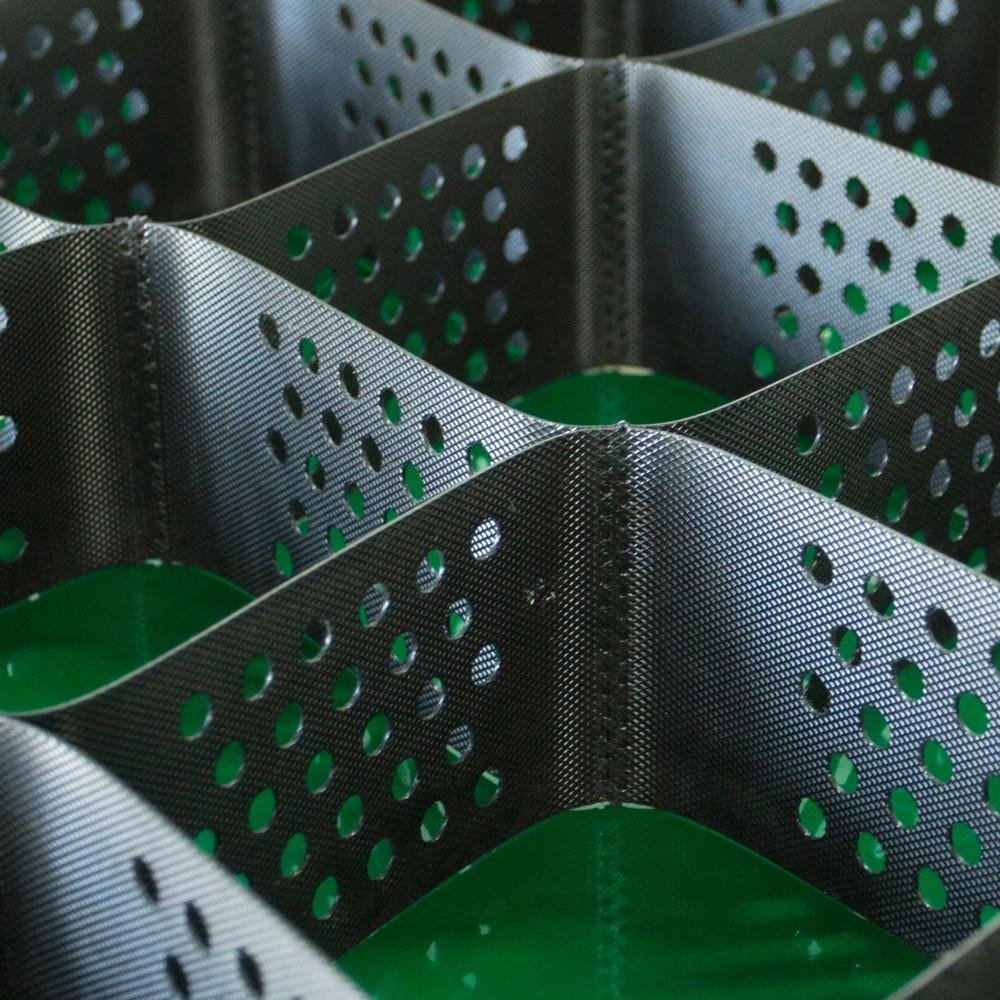
2.6 Surface Texture

Geocell strips may have smooth or textured surfaces depending on product design.

Textured surfaces may influence interaction between the cell walls and the infill material. The significance of this characteristic depends on the application, infill and design requirements.

When comparing products, check:

  • Smooth or textured surface
  • Texture configuration
  • Relevant surface characteristics
  • Whether the specification includes any performance-related test information

Surface texture should not be treated as a substitute for evaluating the overall product specification.

2.7 Perforation

Some geocell products contain perforations in the cell walls.

Perforation may allow water and material movement between adjacent cells and can influence the interaction between the cell structure and the infill.

Whether perforated or non-perforated geocell is appropriate depends on the application and project design.

Buyers should confirm:

  • Whether perforation is required
  • Hole size and configuration, where specified
  • Hole spacing
  • Perforation pattern
  • Whether the product is supplied with or without perforation

The perforation design should be considered together with infill characteristics, drainage requirements and construction conditions.

3. How to Compare Two Geocell Technical Data Sheets

When evaluating quotations from different manufacturers, use the same specification checklist for every supplier.

Specification What to verify
Material HDPE or specified polymer
Cell depth Nominal expanded height
Cell dimensions Expanded cell geometry
Strip thickness Nominal thickness and tolerance
Weld strength Test method and declared value
Surface Smooth or textured
Perforation Perforated or non-perforated
Panel dimensions Expanded length and width
UV requirements Relevant exposure and durability requirements
Quality documentation Test reports and inspection records
Packaging Folded panel size and packing method
Traceability Batch number and product identification

A supplier comparison should be based on the same requirements.

If one supplier quotes a thicker strip, a different cell depth or a different expanded cell size, the products may not represent equivalent specifications even if both are described as HDPE geocell.

For engineering projects, the product should be reviewed against the approved design and project specification before procurement.

4. How to Select Geocell Specifications for Different Applications

Geocell for Road Construction

For road construction, review the subgrade strength, traffic loading, aggregate characteristics, required deformation performance and road structure.

Important specifications may include:

  • Cell depth
  • Expanded cell dimensions
  • Strip thickness
  • Weld strength
  • Infill compatibility
  • Relevant durability requirements

Read our guide to Geocell for Road Construction for application-specific selection factors.

Geocell for Slope Protection

Slope applications require evaluation of slope geometry, erosion conditions, anchorage, drainage and infill.

Relevant product properties may include cell depth, cell dimensions, weld strength, material durability and surface configuration.

Product selection alone cannot establish overall slope stability.

See our Geocell for Slope Protection Guide for more information.

Geocell for Retaining Walls

For retaining wall applications, product specifications should be evaluated as part of the complete wall system.

The design may involve geocell dimensions, connections, infill, drainage, reinforcement arrangements and facing configuration.

A geocell specification sheet by itself cannot confirm whether a retaining wall is structurally suitable.

Read Geocell Retaining Walls: Design Principles, Applications and Installation Guide for additional design considerations.

Geocell for Channel Protection

Channel protection projects require consideration of hydraulic conditions, channel geometry, erosion, infill, anchorage and drainage.

Cell dimensions and material properties should be reviewed together with the design requirements.

See our Geocell for Channel Protection Guide for hydraulic and installation considerations.

5. What Test Reports Should Buyers Request?

When a project requires technical verification, buyers may request relevant product test reports and quality-control records.

Depending on the specification, documentation may cover:

  • Strip thickness and dimensional measurements
  • Weld or joint strength
  • Polymer identification or material properties
  • Relevant mechanical performance
  • UV or durability testing
  • Batch inspection records
  • Product conformity documents
  • Third-party laboratory reports, where required

ASTM D8269 provides guidance related to geocells in geotechnical and roadway applications. Buyers should confirm the applicable edition, test requirements and acceptance criteria specified by the project.

A standard reference in a brochure does not automatically mean every property has been tested or certified under that standard.

Always review the actual test report, the test method, the tested product configuration and the scope of any certification.

6. Questions to Ask a Geocell Manufacturer Before Ordering

Before confirming an order, procurement teams should clarify the following:

  1. What polymer material is used for the geocell?
  2. What are the cell depth and expanded cell dimensions?
  3. What is the specified strip thickness and tolerance?
  4. What weld or joint strength data is available?
  5. Is the product smooth, textured or perforated?
  6. Are test reports available for the required properties?
  7. Can the manufacturer supply the required panel dimensions?
  8. What packaging method is used for transport?
  9. How are product batches identified and traced?
  10. Can the supplier provide a technical data sheet matching the quotation?

Clear technical communication before ordering helps reduce specification misunderstandings and makes supplier comparison more efficient.

7. Requesting a Geocell Quotation

To receive an accurate quotation, provide the manufacturer with as much project information as possible.

Recommended information includes:

  • Application: road, slope, channel, retaining wall or other project
  • Required cell depth
  • Expanded cell dimensions
  • Strip thickness
  • Smooth or textured surface
  • Perforation requirement
  • Estimated quantity in square meters
  • Panel dimensions, if specified
  • Infill material
  • Destination country and port
  • Applicable standards or project specifications

If the technical specifications have not yet been finalized, share the project drawings, site conditions and intended application so the supplier can provide product information for preliminary evaluation.

Frequently Asked Questions

What are the most important geocell specifications?

The most important specifications commonly include cell depth, expanded cell dimensions, strip thickness, weld strength, material properties, surface texture and perforation. The relative importance of each depends on the project application.

What is the difference between geocell depth and cell size?

Cell depth refers to the height of the cellular structure. Cell size refers to the dimensions of individual cells when expanded. Both influence the configuration and compatibility of the system with the infill and project requirements.

Is thicker geocell always better?

No. Thickness is one specification among several. Product selection should consider the material, cell geometry, weld strength, application, infill, design requirements and relevant performance data.

How can I verify geocell weld strength?

Request the manufacturer’s test data showing the test method, specimen configuration and reported results. Where the project specifies a minimum value, verify that the test report and product meet the applicable acceptance criteria.

Does all HDPE geocell have the same quality?

No. Products may differ in polymer formulation, manufacturing process, thickness, weld quality, dimensions and durability-related properties. Buyers should evaluate actual specifications and supporting documentation.

What is the difference between smooth and textured geocell?

Smooth and textured geocell differ in the surface configuration of the cell walls. Texture may influence interaction with infill material, but product selection should be based on application requirements and relevant technical information.

What information do I need to request a geocell quotation?

Provide the application, cell depth, expanded dimensions, strip thickness, surface type, perforation requirement, quantity, destination and project specifications. If these details are not finalized, project drawings and application information can help initiate a technical discussion.

Conclusion

A geocell technical data sheet is an important tool for evaluating products and comparing manufacturers.

Buyers should review the complete specification rather than relying only on cell depth, price or general product descriptions. Material properties, expanded dimensions, strip thickness, weld strength, surface configuration, quality documentation and project requirements should all be considered.

Selecting the appropriate HDPE geocell requires matching product specifications with the intended application and engineering design.

TINHY Geosynthetics supplies HDPE geocell products for road construction, slope protection, retaining structures, channel protection and other ground stabilization applications.

Contact our team to request a geocell technical data sheet, product specifications and quotation for your project.

Knowledge Base
Share:
info@tinhygeosynthetics.com Bai Jinxi
Consultation

    Get The Latest Product Prices

    Your inquiries are welcomed at any time and please feel free to contact us via email, phone calls, and online chatbox on our site.

    We will definitely give you a reply ASAP after we receive your messages.

      0/180