Resources
Company News
Industry News
Knowledge Base
Project Cases
Innovation
Team Power Fuels TINHY’s Global Geosynthetics Solutions
Tinhy and University of Jinan Celebrate Six Years of Industry–University Collaboration
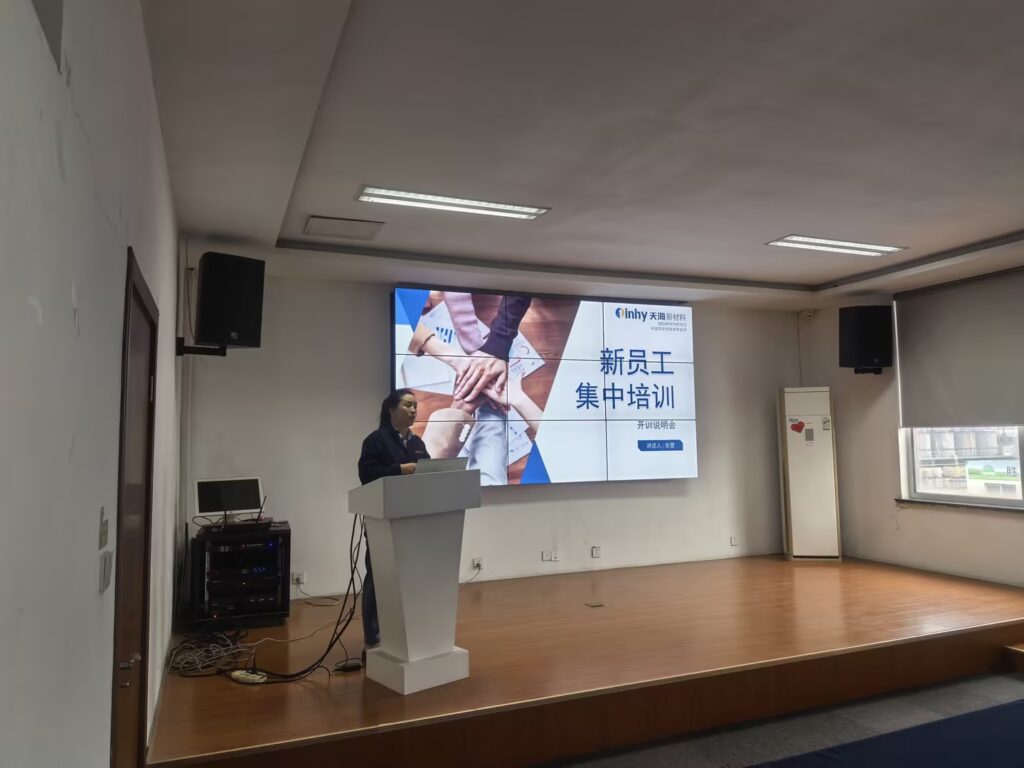
Empowering New Talent, Building the Future: Tinhy Successfully Conducts New Employee Orientation Training

Tinhy Conducts Comprehensive Emergency Drill to Strengthen Workplace Safety Defenses
Company Mid – Year Summary and Team – Building Activity Report
Is geomembrane a geotechnical engineering material?
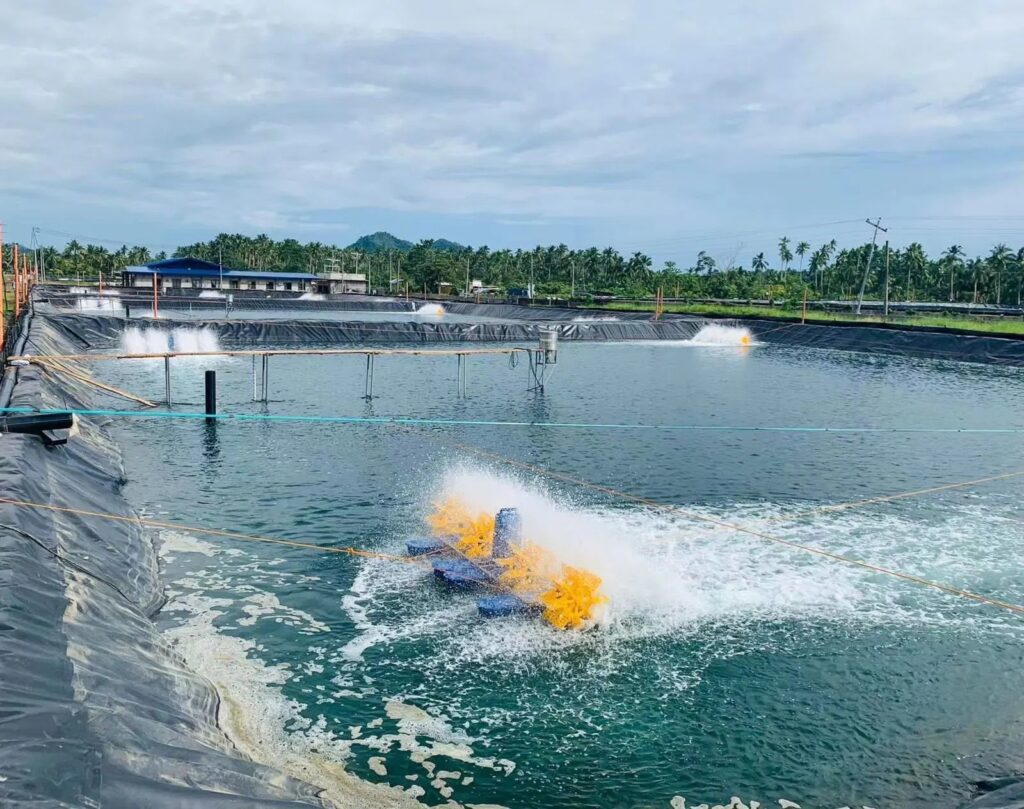
What are the application scenarios of geomembrane?
What are the functions of geotextiles?
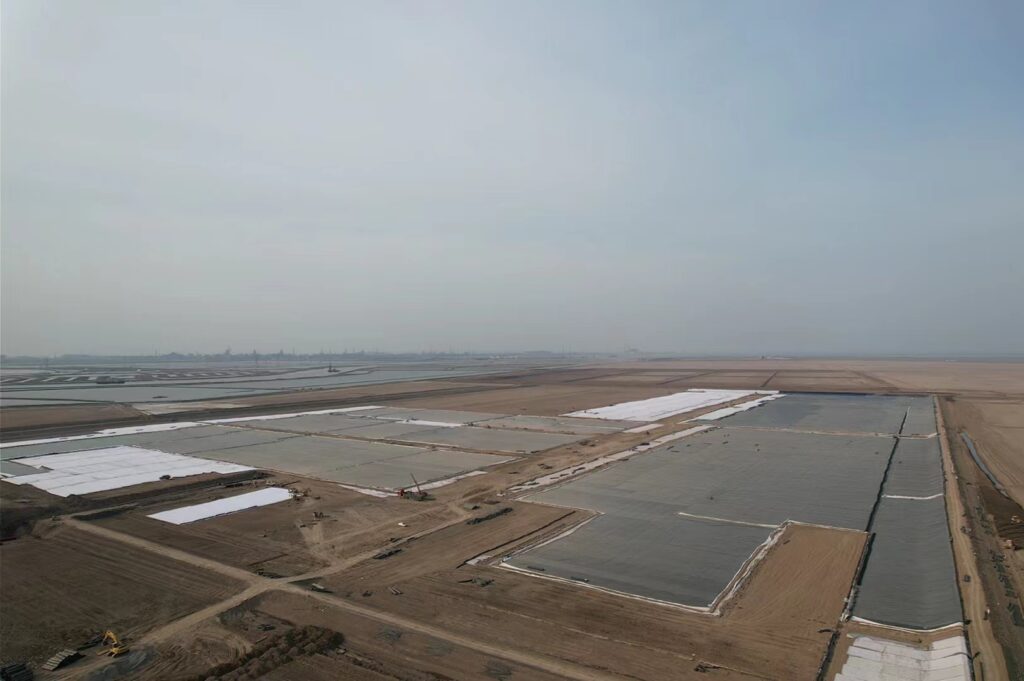
Cómo elegir geomembrana de hdpe en proyectos de ingeniería
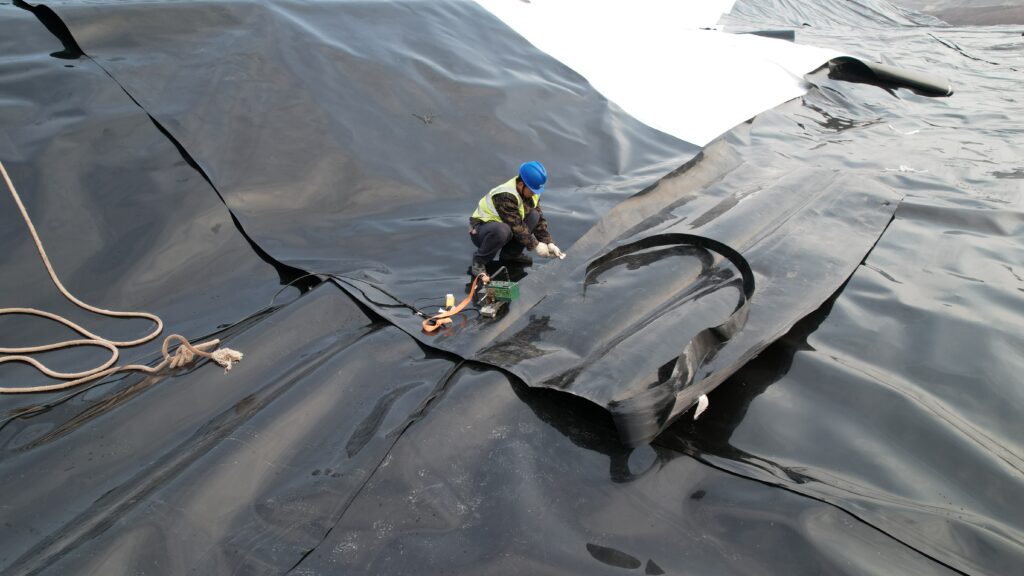
How to choose hdpe geomembrane in engineering projects
China’s Geotechnical Construction Materials Embrace New Opportunities
Tips for Moisture-Proof Storage of Geotextiles
Key Construction Points and Precautions for High-Density Polyethylene Geomembrane
what is pond lining material ?
What is geomembrane?
HDPE geomembrane construction plans and technical measures

What quality tests do HDPE geomembranes need to do?
Tinhy’s MDS® Drainage Solution
Installation Robots
Geocell vs Geogrid: Key Differences, Applications and Selection Guide
Geocell Retaining Walls: Design Principles, Applications and Installation Guide
Geocell for Channel Protection: Applications, Hydraulic Design Factors and Installation Guide
Geocell for Slope Protection: Design Factors, Applications and Installation Guide
Geocell for Road Construction: Applications, Benefits and Selection Guide
Geogrid for Road Construction: Types, Applications and Selection Guide
Geotextile for Road Construction: Functions, Types and Selection Guide
Nonwoven Geotextile Weight Selection Guide: How to Choose the Right GSM
PET vs PP Nonwoven Geotextile: Key Differences, Applications and Selection Guide
HDPE Geomembrane Installation and Welding Quality Control: A Complete Guide
Should HDPE or PVC be used to install geomembrane in reservoirs?
What is the price of geomembrane?
Material characteristics of three different geomembranes
Esquema de construcción de geomembrana de HDPE y medidas técnicas
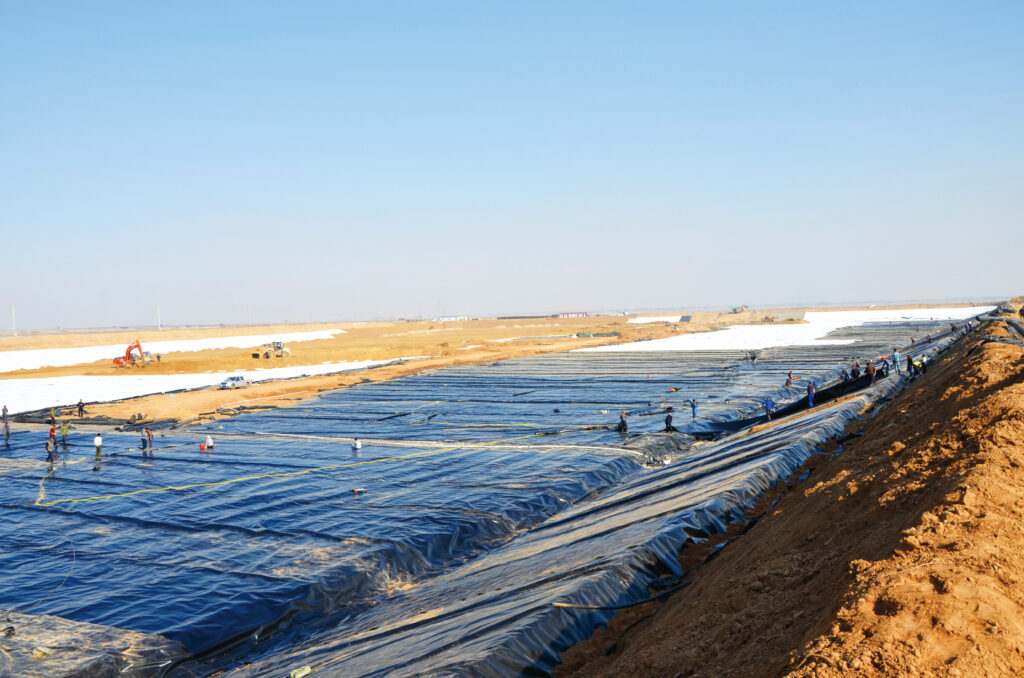
hdpe geomembrane pond liner in Congo (DRC)
How to lay and weld HDPE geomembrane?
HDPE geomembrane 0.2-4.0mm
HOME ABOUT PRODUCTS APPLICATION CONTENTUS RESOURCES
Home Resources Knowledge Base Geocell vs Geogrid: Key Differences, Applications and Selection Guide

Geocell vs Geogrid: Key Differences, Applications and Selection Guide

time:November 20, 2026 Views:6

Geocell and geogrid are two widely used geosynthetic materials in civil engineering, particularly in road construction, soil stabilization, embankments, retaining walls and infrastructure projects.

Although both products can improve the performance of soil and aggregate systems, they have different structures, reinforcement mechanisms and application requirements.

A geocell is a three-dimensional cellular confinement system that contains soil or aggregate within interconnected cells. A geogrid is a two-dimensional open-grid reinforcement material designed to interact with surrounding soil or aggregate and transfer tensile forces.

So, geocell vs geogrid—which one should you choose?

The answer depends on the project objective, subgrade conditions, loading requirements, infill material, drainage conditions and engineering design.

This guide compares geocell and geogrid to help engineers, contractors, distributors and project buyers understand their differences and select the appropriate material.

Table of Contents

1. What Is Geocell?

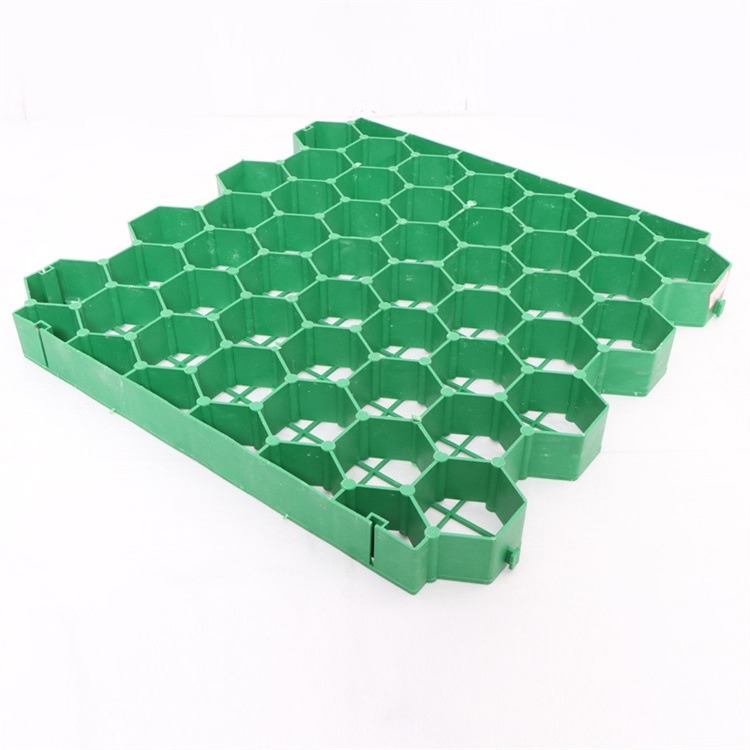
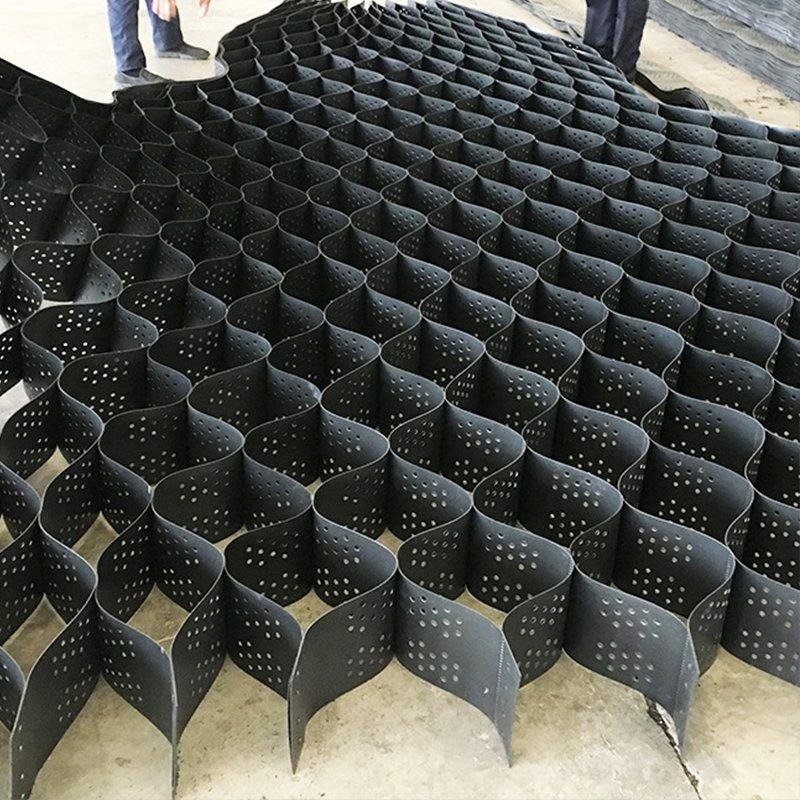
Geocell is a three-dimensional cellular confinement system generally manufactured from polymer strips connected by welds or other approved joining processes.

When expanded, the panels form a honeycomb-like structure. The cells are filled with soil, sand, gravel, crushed stone or other specified materials.

The cellular walls provide lateral confinement to the infill, helping restrict its movement.

Main Functions of Geocell

Geocell is commonly used for:

  • Weak subgrade stabilization
  • Road base and aggregate stabilization
  • Construction platforms
  • Slope and embankment erosion protection
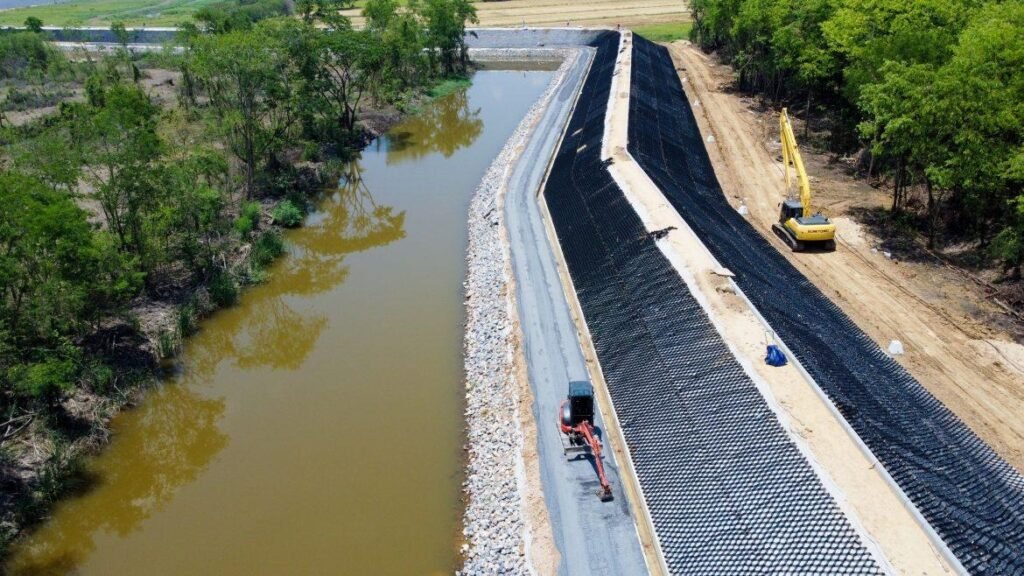
  • Channel and riverbank protection
  • Retaining wall construction
  • Ground reinforcement in parking areas and driveways

The actual performance depends on the geocell dimensions, material properties, infill, subgrade conditions, loading and installation quality.

2. What Is Geogrid?

Geogrid is a geosynthetic reinforcement material with an open-grid structure consisting of interconnected ribs and apertures.

The openings allow soil or aggregate particles to interact with the grid. When installed within a soil or aggregate layer, geogrid can contribute to reinforcement through mechanisms such as interlocking, interface interaction and tensile resistance.

Different geogrid products are designed for different applications.

Common Types of Geogrid

Biaxial geogrid

Provides tensile properties in two principal directions and is commonly considered for road base reinforcement and aggregate stabilization.

Uniaxial geogrid

Provides its primary tensile reinforcement in one direction and is commonly used in reinforced soil walls, slopes and embankments.

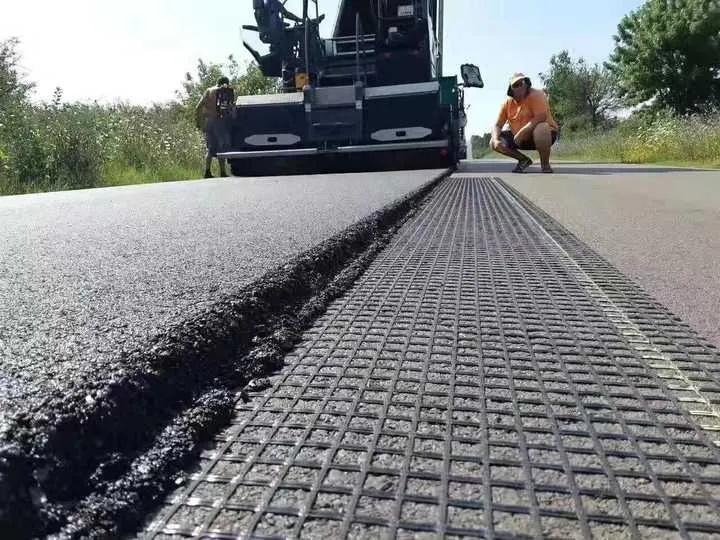
Fiberglass geogrid

Often used in asphalt reinforcement applications, including selected pavement rehabilitation projects.

Polyester geogrid

Used in selected soil reinforcement applications, depending on its construction, tensile properties and project requirements.

Product selection must be based on the required mechanical properties and design methodology rather than the material name alone.

3. Geocell vs Geogrid: Main Differences

The most fundamental difference is their physical structure and primary reinforcement mechanism.

Comparison Geocell Geogrid
Structure Three-dimensional honeycomb cellular system Two-dimensional open-grid structure
Primary mechanism Lateral confinement of infill Tensile reinforcement and soil interaction
Installation configuration Expanded and filled cells Laid within or between soil/aggregate layers
Infill requirement Usually filled with soil or aggregate Soil or aggregate interacts with grid apertures
Typical materials HDPE cellular panels HDPE, PP, polyester, fiberglass or other polymers, depending on product
Road application Cellular confinement and stabilization Reinforcement of soil and aggregate layers
Slope application Surface confinement and erosion protection Reinforcement within engineered slope systems
Retaining wall Cellular wall or facing component Reinforcement layers within retained soil
Channel protection Confinement of selected infill Not generally the primary channel-lining product
Design factors Cell dimensions, infill, connections, anchorage Tensile properties, stiffness, aperture, interaction and pullout

These differences explain why geocell and geogrid should not be considered interchangeable products.

4. How Does Geocell Reinforce Soil?

4.1 Three-Dimensional Lateral Confinement

When geocell is expanded and filled, the cell walls restrict lateral movement of the infill material.

The cells help maintain the position of soil or aggregate and create a confined layer.

This mechanism can be useful where aggregate spreading, soil movement or surface erosion is a concern.

4.2 Load Distribution

The confined infill and interconnected cellular structure can contribute to load distribution over the underlying soil.

The actual effect depends on the subgrade strength, cell geometry, infill properties, applied loads and overall construction design.

4.3 Infill Stability

Geocell separates the infill into individual cells.

This can help reduce uncontrolled lateral spreading of aggregate under loading and improve the stability of the confined material.

Geocell does not eliminate settlement or replace the need for proper foundation preparation and drainage.

5. How Does Geogrid Reinforce Soil?

5.1 Tensile Reinforcement

Geogrid provides tensile resistance within the reinforced soil system.

The reinforcement helps resist deformation when the surrounding soil or aggregate interacts with the grid.

5.2 Aggregate Interlocking

For suitable grid structures and aggregate materials, particles interact with the grid apertures and ribs.

This interaction can contribute to lateral restraint and load distribution within the reinforced layer.

The performance depends on the aperture geometry, aggregate properties, grid stiffness and construction conditions.

5.3 Reinforced Soil Structures

Geogrid is commonly used in reinforced soil retaining walls and slopes.

In these applications, reinforcement layers are installed within compacted soil to provide tensile resistance and improve the stability of the reinforced mass.

The required reinforcement length, spacing, strength and connection details must be determined through engineering design.

6. Geocell vs Geogrid for Road Construction

Road construction is one of the most common applications where buyers compare geocell and geogrid.

Both products may be incorporated into road stabilization systems, but they perform different functions.

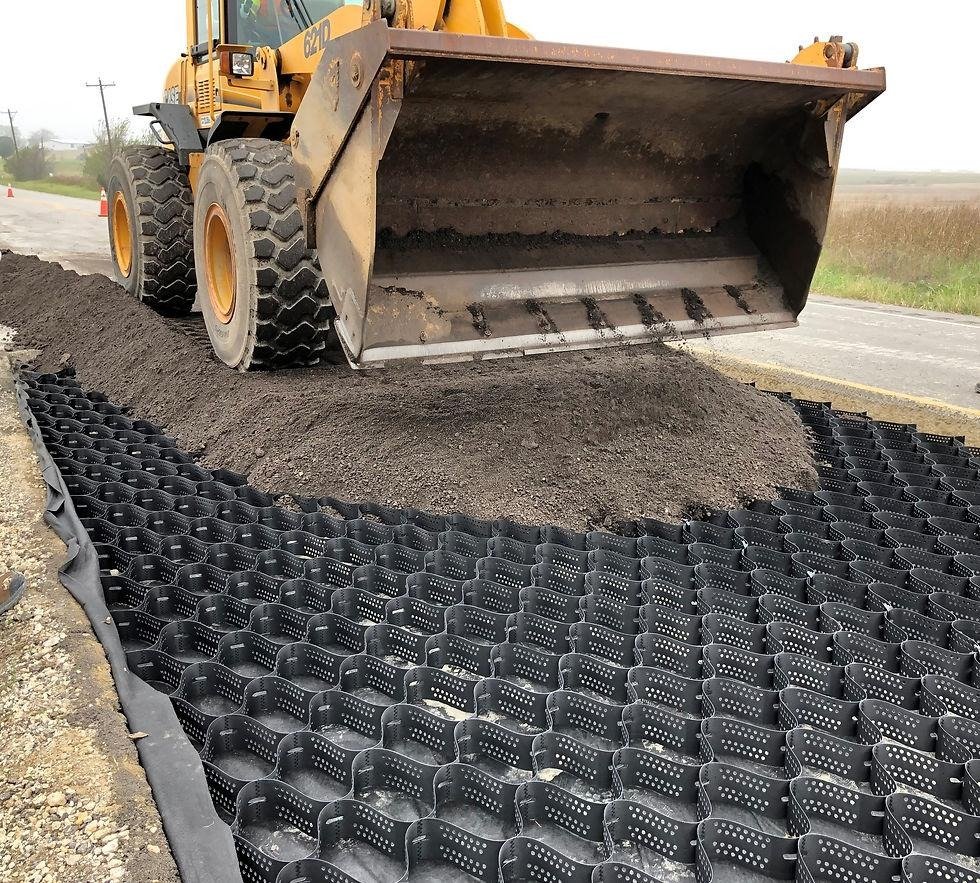
When Geocell May Be Considered

Geocell may be suitable for projects requiring three-dimensional confinement of aggregate or soil, including:

  • Roads over selected weak subgrades
  • Unpaved roads
  • Temporary construction roads
  • Working platforms
  • Aggregate stabilization
  • Selected access roads and parking areas

The system is evaluated according to subgrade strength, traffic loading, cell depth, infill material and required performance.

When Geogrid May Be Considered

Geogrid may be considered when the road design requires reinforcement and interaction between the grid and surrounding aggregate.

Typical applications include:

  • Road base reinforcement
  • Aggregate stabilization
  • Weak subgrade improvement systems
  • Pavement support applications
  • Industrial yards
  • Selected temporary access roads

Which Is Better for Roads?

Neither is universally better.

Geocell provides three-dimensional confinement, while geogrid provides reinforcement through its grid structure and interaction with soil or aggregate.

The appropriate product depends on the road design, soil conditions, traffic loading, construction requirements and performance objectives.

Some engineered systems may use geocell, geogrid or other geosynthetics in combination.

7. Geocell vs Geogrid for Slopes and Retaining Walls

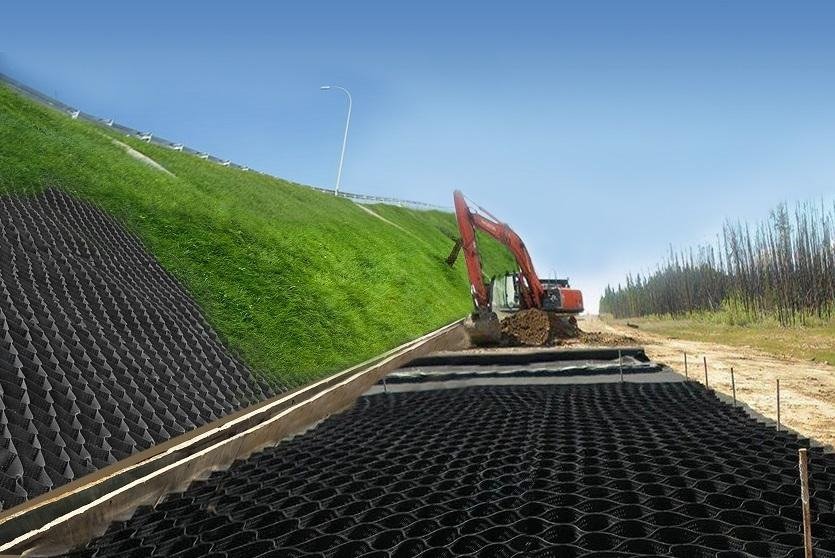
Geocell for Slope Protection

Geocell can be expanded over selected slope surfaces and filled with soil, aggregate or other specified materials.

It helps confine the infill and can support surface erosion-control systems.

For vegetated slopes, cells may be filled with suitable topsoil and planted.

Slope protection must still address anchorage, drainage, surface runoff and overall stability.

Geogrid for Reinforced Slopes

Geogrid is commonly used as tensile reinforcement within engineered soil slopes.

The reinforcement layers are incorporated into the soil mass to help resist deformation and improve stability.

Design must consider reinforcement properties, soil interaction, embedment, spacing, length and global stability.

Geocell for Retaining Walls

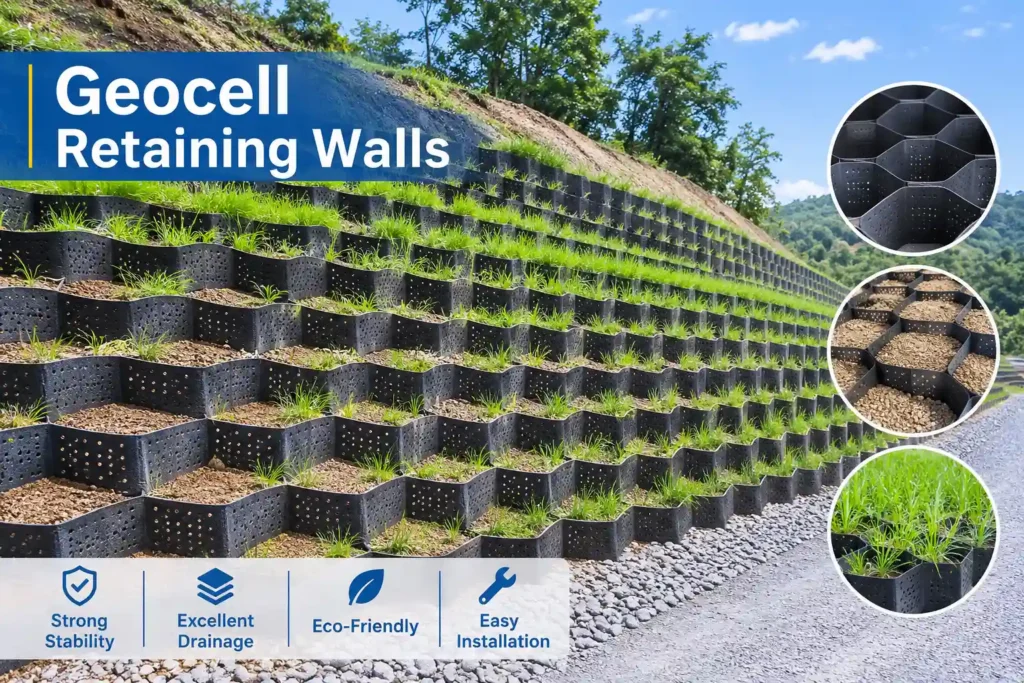
Geocell can be used in selected retaining wall configurations, including cellular gravity-type structures and geocell-facing systems.

The design may rely on the weight and geometry of the cellular structure or include additional soil reinforcement.

Geogrid for Retaining Walls

Geogrid is widely used in mechanically stabilized earth structures.

Horizontal reinforcement layers extend into the retained soil to provide tensile resistance and interact with the surrounding soil.

The required reinforcement strength, length, spacing, connections and drainage are determined by the design.

8. Geocell vs Geogrid: Which Specifications Should You Compare?

Comparing products only by nominal tensile strength or price can lead to incorrect selection.

Geocell Specifications

When purchasing geocell, review:

  • Cell depth
  • Expanded cell dimensions
  • Strip or sheet thickness
  • Weld or joint strength
  • Polymer and material information
  • Surface texture
  • Perforation, if required
  • Relevant durability test results
  • Installation and connection details

The selected cell geometry should be compatible with the project application and infill.

Geogrid Specifications

When purchasing geogrid, review:

  • Tensile strength in the required direction
  • Tensile strength at specified strain
  • Junction or node strength, where applicable
  • Aperture dimensions
  • Rib structure
  • Polymer type
  • Long-term design strength where required
  • Creep and durability reduction factors, where applicable
  • Installation damage resistance
  • Soil interaction and pullout requirements

For retaining wall and reinforced slope applications, ultimate tensile strength alone is not sufficient to determine design suitability.

The engineer must consider the required long-term design strength and the applicable design method.

9. Geocell vs Geogrid Installation

Although installation methods differ, both systems require proper subgrade preparation and quality control.

Geocell Installation

A typical geocell installation includes:

  1. Prepare and grade the subgrade.
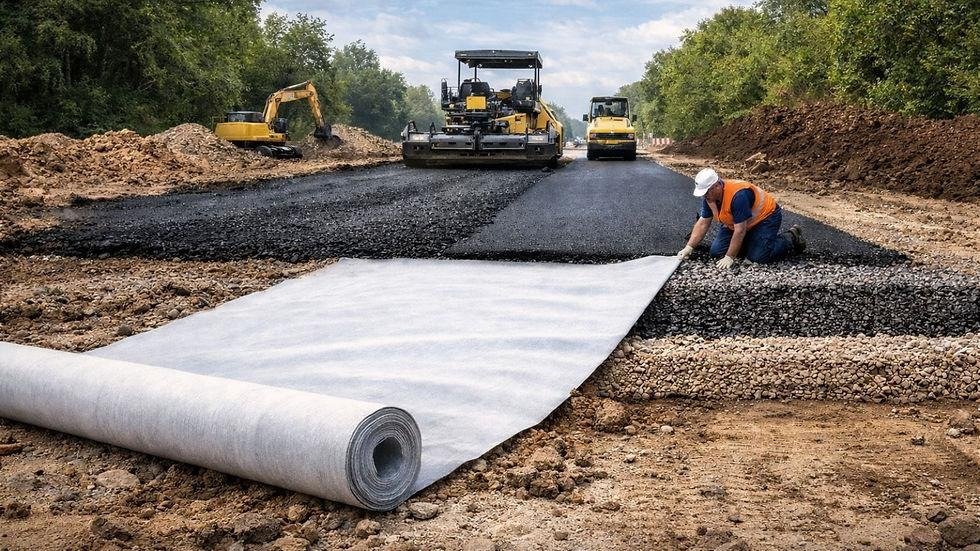
  2. Install a geotextile separator or filter if required.
  3. Prepare anchorage and restraint details.
  4. Expand and position the geocell panels.
  5. Connect adjacent panels.
  6. Fill the cells with specified material.
  7. Complete filling, grading and compaction according to the project requirements.

The installation method should prevent damage to the cell walls and panel connections.

Geogrid Installation

A typical geogrid installation includes:

  1. Prepare the subgrade.
  2. Install the geogrid in the specified direction and position.
  3. Maintain the required overlaps or connections.
  4. Place aggregate carefully over the grid.
  5. Spread and compact the material according to the construction specification.
  6. Inspect the grid for displacement or damage before covering.

The actual installation procedure depends on the product, road or wall design and project specification.

10. Can Geocell and Geogrid Be Used Together?

Yes. In some engineered projects, geocell and geogrid may be used together when their functions are complementary.

For example, a road stabilization system may require a geogrid reinforcement layer and a geocell-confined aggregate layer.

A retaining structure may also incorporate different geosynthetic materials for reinforcement, facing, drainage or separation.

However, combining products does not automatically improve performance.

The designer should determine:

  • The function of each layer
  • Installation sequence
  • Interaction between materials
  • Required separation or filter layers
  • Connection details
  • Infill and aggregate specifications
  • Overall system performance

Each material should have a clearly defined role in the engineering design.

11. Common Mistakes When Choosing Geocell or Geogrid

Choosing Based Only on Price

A lower material price does not necessarily mean a lower project cost.

Installation labor, infill requirements, equipment, transportation, design performance and maintenance should all be considered.

Comparing Tensile Strength Without Considering Function

Geocell and geogrid have different structures and reinforcement mechanisms.

A direct tensile-strength comparison without considering the system design may be misleading.

Selecting Geocell Only by Cell Depth

Cell depth alone does not determine suitability.

The project must also consider subgrade strength, loading, infill, cell dimensions and construction requirements.

Selecting Geogrid Only by Ultimate Tensile Strength

For reinforced soil structures, long-term design strength, soil interaction, pullout, connections and durability are important.

Ignoring Drainage and Subgrade Preparation

Neither geocell nor geogrid replaces proper drainage or foundation preparation.

Poor subgrade conditions and water management can negatively affect the performance of the complete system.

12. Frequently Asked Questions

What is the main difference between geocell and geogrid?

Geocell is a three-dimensional cellular confinement system that contains soil or aggregate within individual cells. Geogrid is a two-dimensional open-grid reinforcement material that interacts with surrounding soil or aggregate and provides tensile reinforcement.

Is geocell stronger than geogrid?

There is no universal answer.

The products have different structures and mechanisms, so strength comparisons must consider the application, testing method and required engineering performance.

Which is better for weak soil, geocell or geogrid?

Either may be considered in an engineered stabilization system, depending on the soil conditions, loading, design method and required performance.

Geocell provides cellular confinement, while geogrid provides reinforcement through its grid structure and soil interaction.

Which is better for road construction?

The answer depends on the road structure, subgrade, traffic loading and design requirements.

Geocell may be selected for cellular confinement of aggregate, while geogrid may be selected for reinforcement and aggregate interaction. Some projects may require additional geotextile separation or filtration.

Can geocell replace geogrid in retaining walls?

Not automatically.

Geocell and geogrid retaining wall systems have different structural configurations and design mechanisms. Any substitution requires appropriate engineering evaluation.

Can geocell and geogrid be installed together?

Yes, they may be used together in selected engineered systems. Their functions, installation sequence, interfaces and performance requirements must be established in the design.

Does geocell require geotextile underneath?

Not every project requires an underlayer. A geotextile may be necessary for separation, filtration or protection, depending on the soil and project requirements.

How do I choose the right product for my project?

Start with the project function, soil conditions, loads, drainage requirements and design specifications.

Then evaluate the relevant product properties, installation requirements and cost.

For major infrastructure projects, selection should be confirmed by the project engineer.

Conclusion

Geocell and geogrid are both valuable geosynthetic materials, but they serve different primary functions.

Geocell provides three-dimensional confinement of soil or aggregate, making it useful for selected road stabilization, slope protection, channel protection and retaining wall applications.

Geogrid provides tensile reinforcement through its open-grid structure and soil interaction, making it widely used in road base reinforcement, reinforced slopes and retaining wall systems.

The right choice depends on the engineering objective, soil conditions, loading, drainage, product properties and construction requirements.

TINHY Geosynthetics supplies HDPE geocell and geogrid products for road construction, soil stabilization, retaining walls, slopes and infrastructure projects.

Contact our team with your project specifications, application, required product properties and estimated quantity to discuss suitable geosynthetic solutions.

Knowledge Base
Share:
info@tinhygeosynthetics.com Bai Jinxi
Consultation

    Get The Latest Product Prices

    Your inquiries are welcomed at any time and please feel free to contact us via email, phone calls, and online chatbox on our site.

    We will definitely give you a reply ASAP after we receive your messages.

      0/180