Resources
Company News
Industry News
Knowledge Base
Project Cases
Innovation
Team Power Fuels TINHY’s Global Geosynthetics Solutions
Tinhy and University of Jinan Celebrate Six Years of Industry–University Collaboration
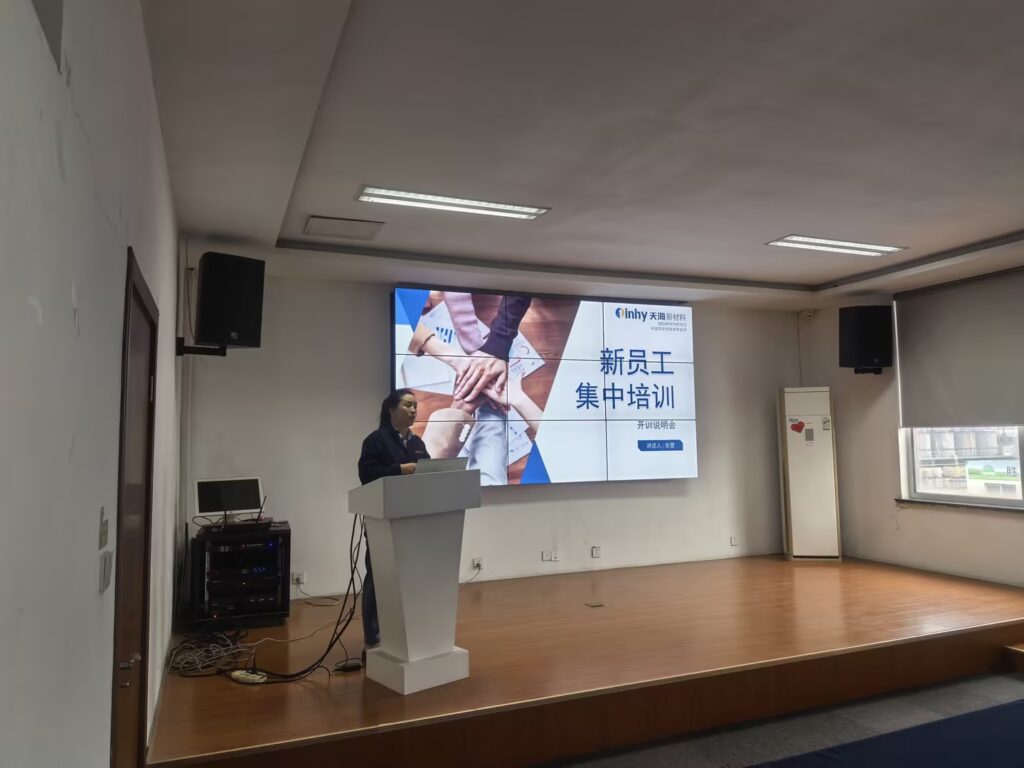
Empowering New Talent, Building the Future: Tinhy Successfully Conducts New Employee Orientation Training
Tinhy Conducts Comprehensive Emergency Drill to Strengthen Workplace Safety Defenses
Company Mid – Year Summary and Team – Building Activity Report
Is geomembrane a geotechnical engineering material?
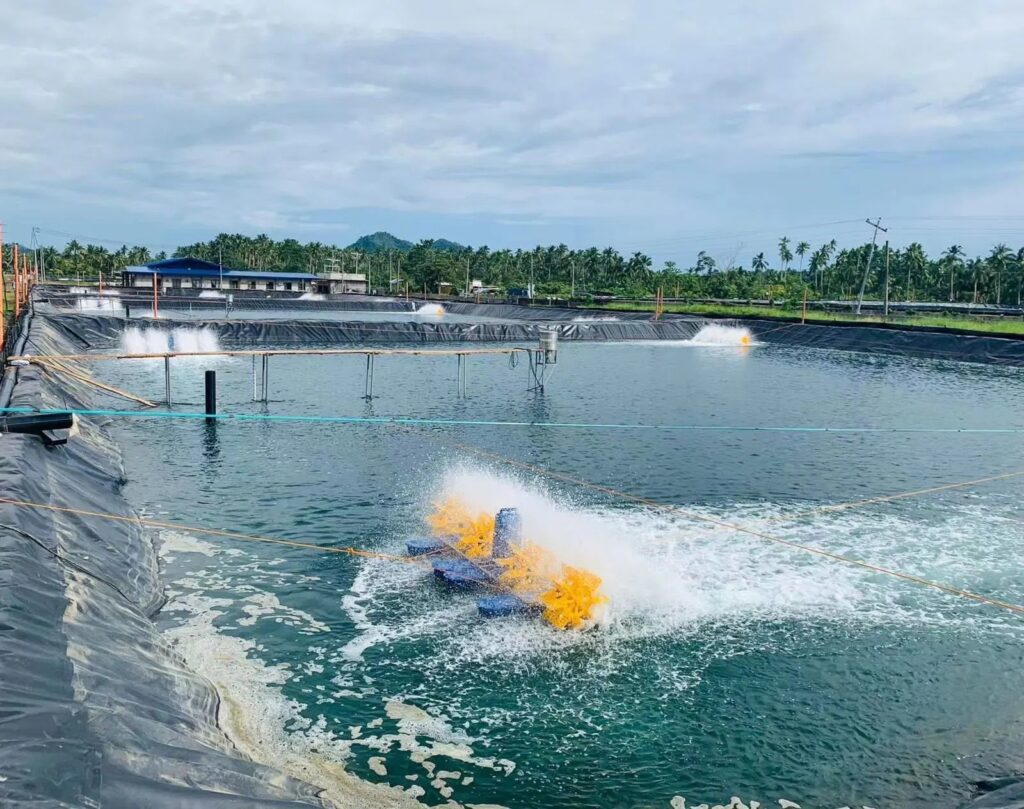
What are the application scenarios of geomembrane?
What are the functions of geotextiles?
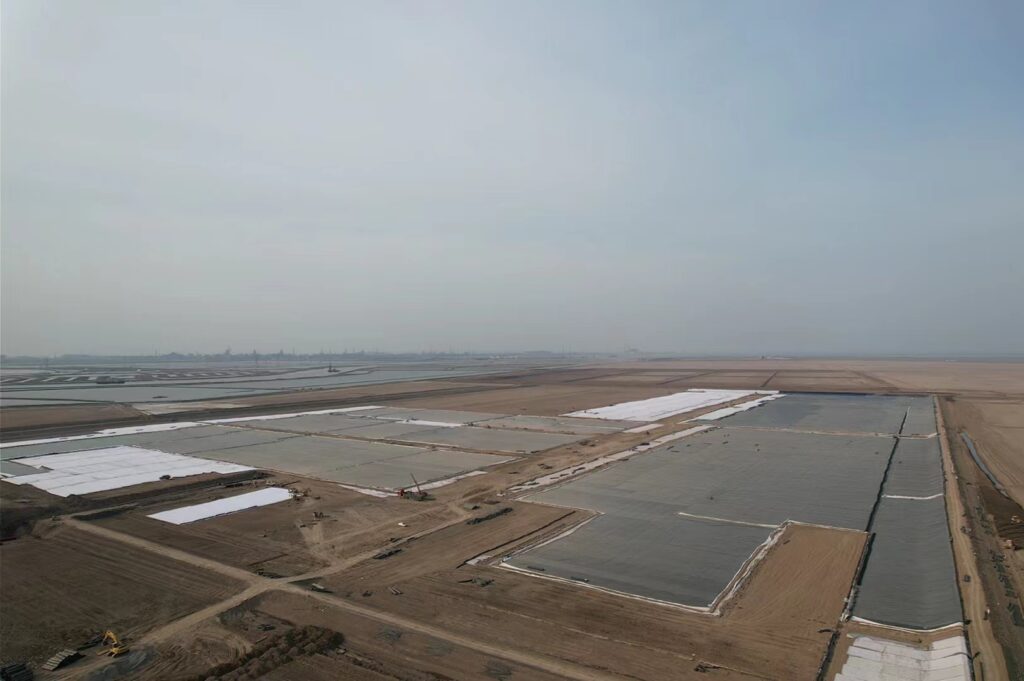
Cómo elegir geomembrana de hdpe en proyectos de ingeniería
How to choose hdpe geomembrane in engineering projects
China’s Geotechnical Construction Materials Embrace New Opportunities
Tips for Moisture-Proof Storage of Geotextiles
Key Construction Points and Precautions for High-Density Polyethylene Geomembrane
what is pond lining material ?
What is geomembrane?
HDPE geomembrane construction plans and technical measures
What quality tests do HDPE geomembranes need to do?
Tinhy’s MDS® Drainage Solution
Installation Robots
Geocell for Channel Protection: Applications, Hydraulic Design Factors and Installation Guide
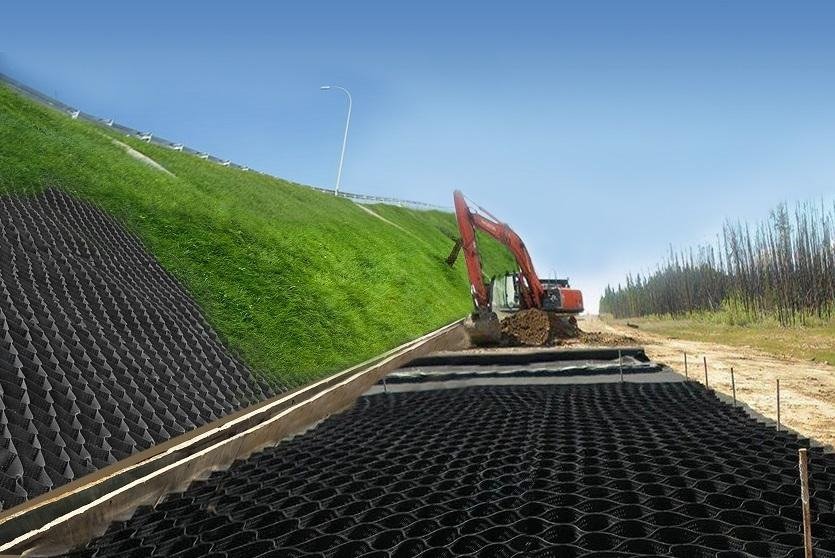
Geocell for Slope Protection: Design Factors, Applications and Installation Guide
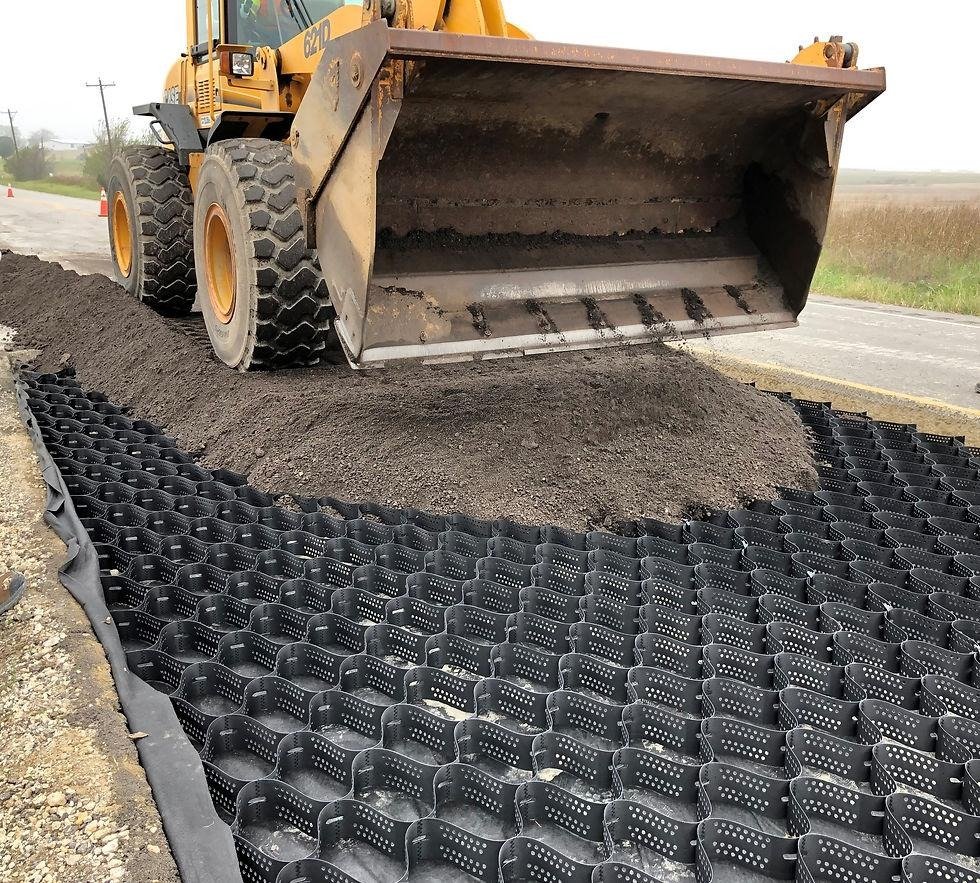
Geocell for Road Construction: Applications, Benefits and Selection Guide
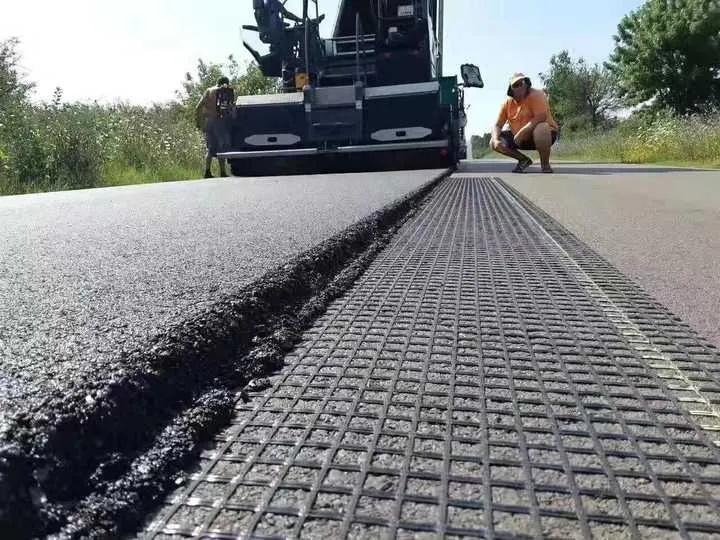
Geogrid for Road Construction: Types, Applications and Selection Guide
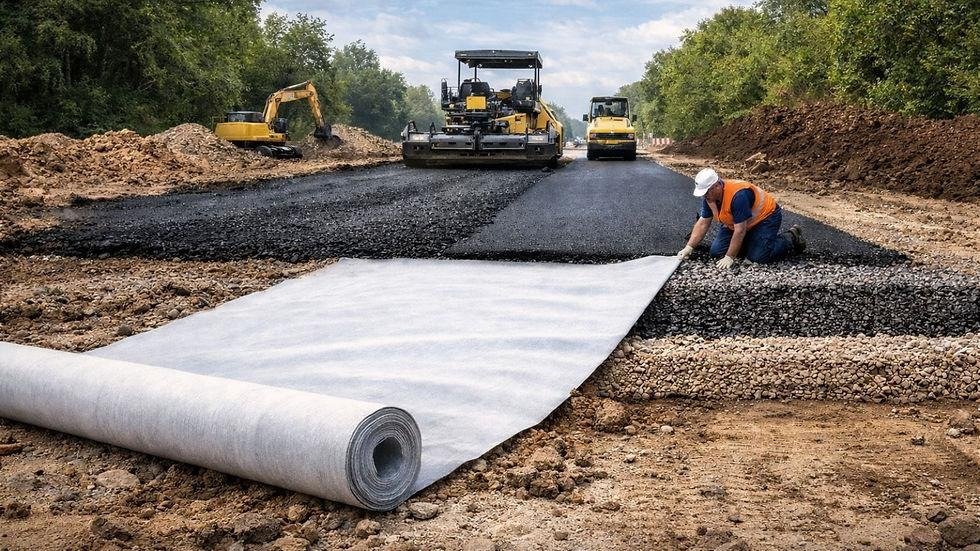
Geotextile for Road Construction: Functions, Types and Selection Guide
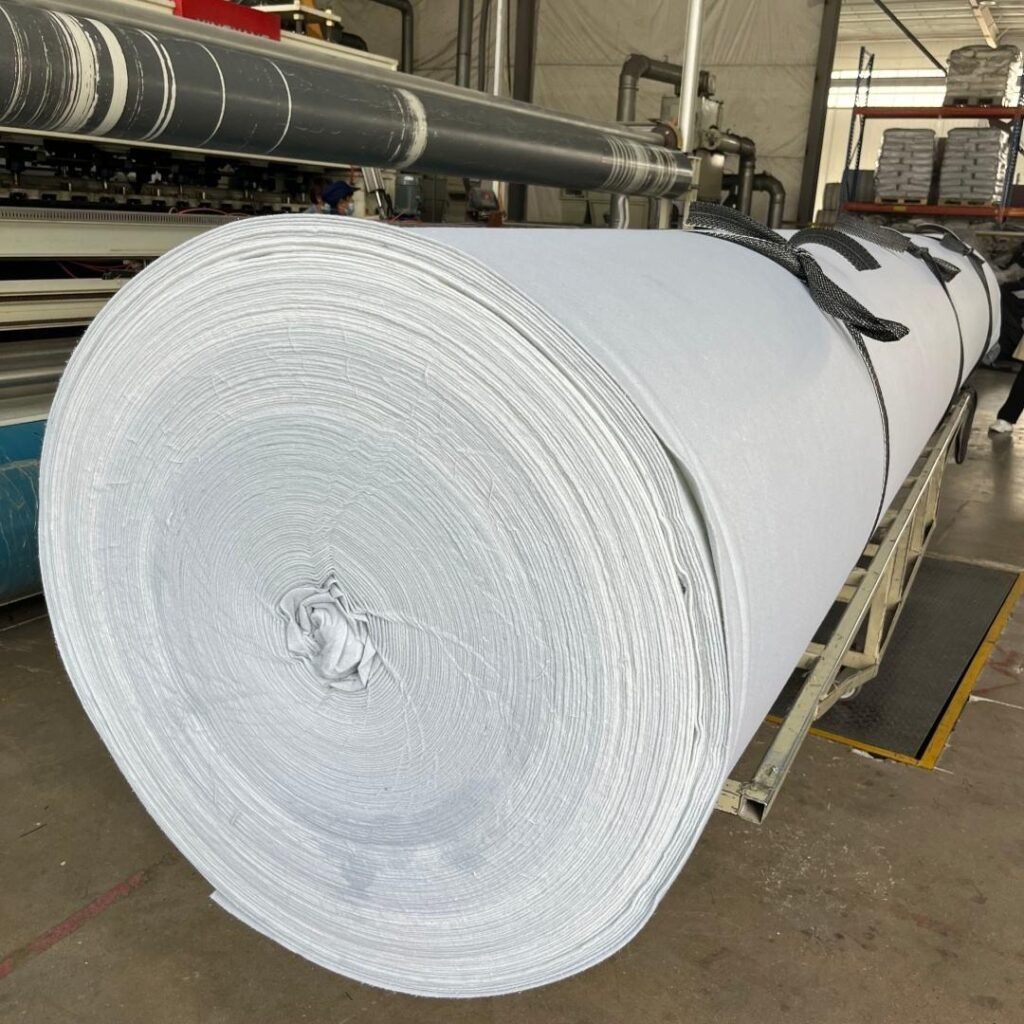
Nonwoven Geotextile Weight Selection Guide: How to Choose the Right GSM
PET vs PP Nonwoven Geotextile: Key Differences, Applications and Selection Guide
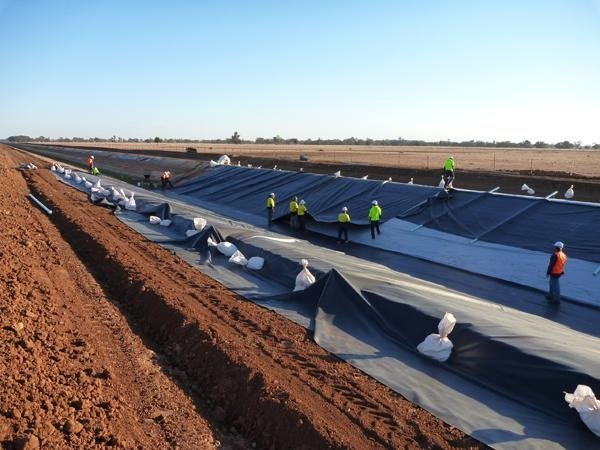
HDPE Geomembrane Installation and Welding Quality Control: A Complete Guide
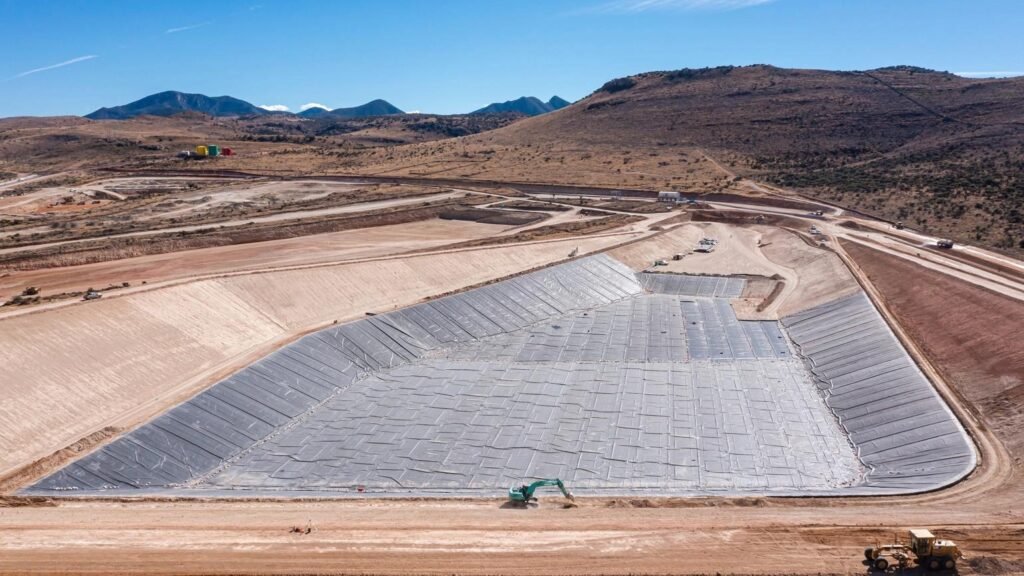
HDPE Geomembrane Liner Systems for Tailings Storage Facilities: Design, Components and QA/QC
HDPE Geomembrane Quality Inspection: 10 Key Tests and Standards
Should HDPE or PVC be used to install geomembrane in reservoirs?
What is the price of geomembrane?
Material characteristics of three different geomembranes
Esquema de construcción de geomembrana de HDPE y medidas técnicas
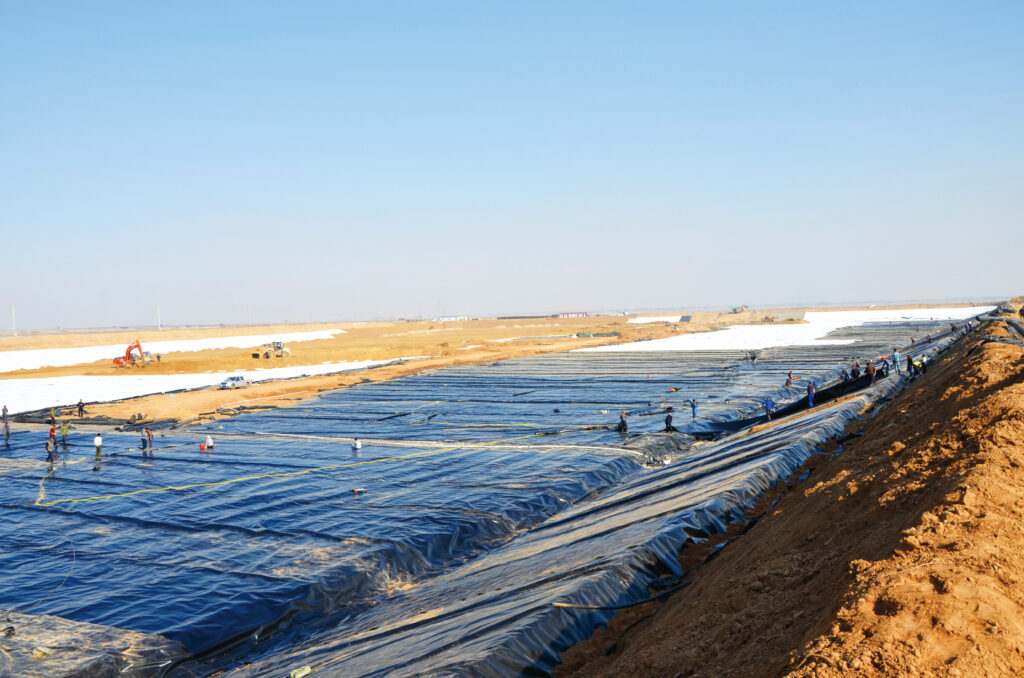
hdpe geomembrane pond liner in Congo (DRC)
How to lay and weld HDPE geomembrane?
HDPE geomembrane 0.2-4.0mm
HOME ABOUT PRODUCTS APPLICATION CONTENTUS RESOURCES
Home Resources Knowledge Base Geocell for Channel Protection: Applications, Hydraulic Design Factors and Installation Guide

Geocell for Channel Protection: Applications, Hydraulic Design Factors and Installation Guide

time:November 18, 2026 Views:2

Drainage channels, irrigation canals and riverbanks are frequently exposed to flowing water, rainfall and fluctuating water levels. When the channel bed or banks consist of erodible soil, flowing water can gradually remove surface materials, undermine the channel profile and damage nearby infrastructure.

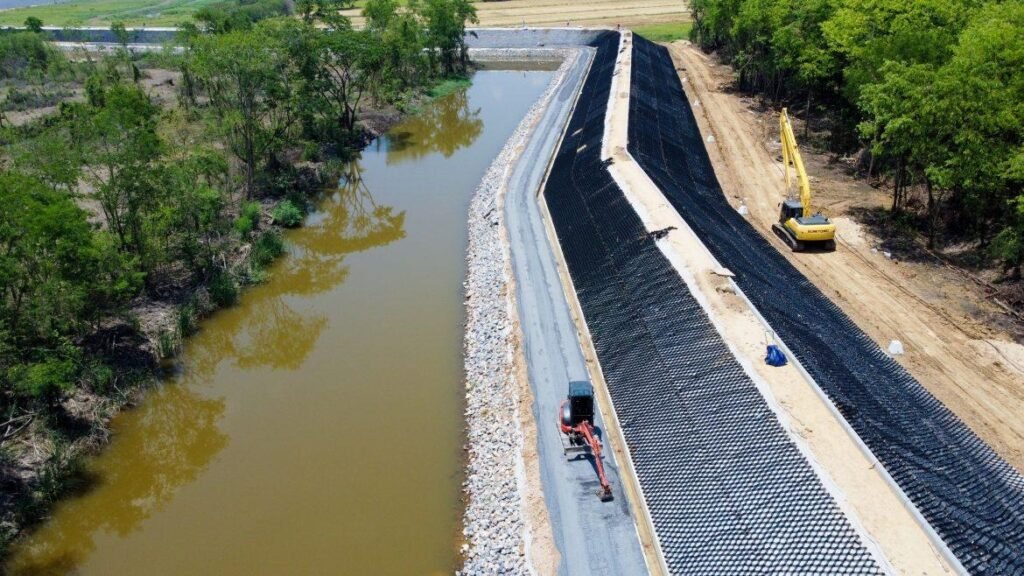
HDPE geocell is a three-dimensional cellular confinement system that can be used in selected channel and riverbank protection projects. When expanded and filled with suitable materials, its interconnected cells help confine soil, aggregate or concrete, forming a protective layer over the prepared channel surface.

However, successful channel protection requires more than selecting a geocell product. Hydraulic conditions, channel geometry, foundation soil, filtration, anchorage and outlet details must all be considered.

This guide explains how geocells can be used for channel protection and what engineers, contractors and buyers should evaluate when selecting and installing an HDPE geocell system.

Table of Contents

1. What Is Geocell Channel Protection?

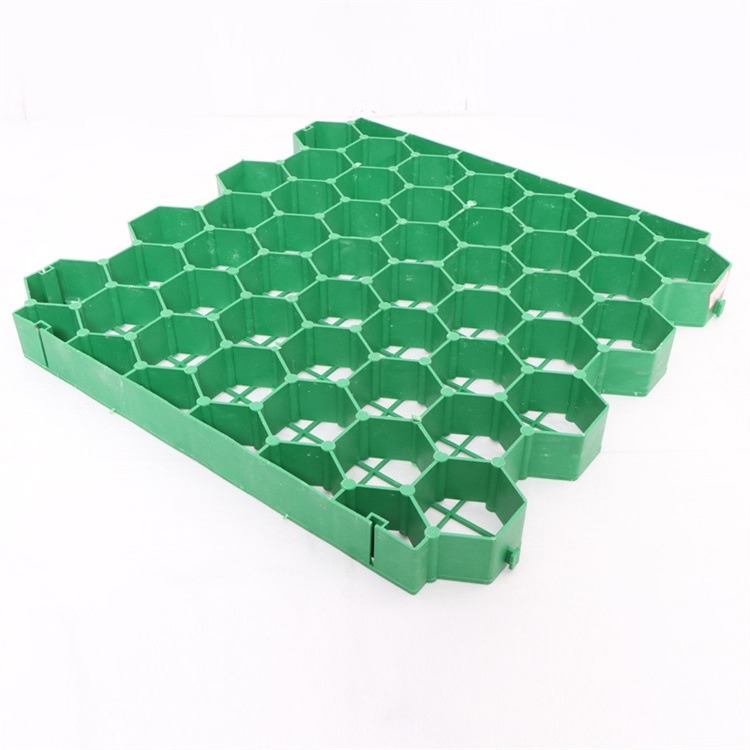
Geocell is a three-dimensional geosynthetic system manufactured from polymer strips connected by a series of joints or welds. When expanded, the panels form a honeycomb-like structure.

The cells are filled with materials selected for the project, such as:

  • Selected soil or topsoil
  • Gravel or crushed stone
  • Other specified granular materials
  • Concrete for certain engineered lining applications

The cell walls provide lateral confinement to the infill and help limit its movement within the cellular structure.

In channel protection, geocell panels may be installed along the channel bed, side slopes or riverbank surfaces, depending on the design.

A complete protection system may also include a geotextile filter layer, an appropriate anchorage arrangement and drainage details.

Geocell is a surface protection component. It does not automatically prevent channel scour, piping, bank instability or deep-seated failure. These risks must be assessed as part of the hydraulic and geotechnical design.

2. How Does Geocell Help Protect Channels?

2.1 Confinement of Infill Materials

Flowing water can move loose soil, sand and aggregate along a channel bed or bank.

Geocell divides the infill into interconnected cells, restricting lateral movement and helping maintain the position of the selected fill.

This confinement can be useful in channels where the design requires a flexible surface protection layer.

2.2 Reduction of Surface Erosion

When correctly designed and installed, a geocell system can help protect the underlying soil from direct exposure to flowing water and surface runoff.

The level of protection depends on the infill, cell configuration, channel geometry, hydraulic loading and construction quality.

Geocell should not be assumed to withstand every flow condition. High-velocity flow, turbulence, hydraulic jumps and local scour may require additional protection or a different lining system.

2.3 Support for Vegetated Channel Banks

For selected low-energy channels, cells can be filled with suitable topsoil to support vegetation.

Plants can help protect the surface once established, while the cellular structure helps retain the growing medium in position.

Vegetated protection requires suitable soil, plant species, water conditions and maintenance. It may not be appropriate where flow forces are too high or vegetation cannot establish reliably.

2.4 Flexible Protection for Channel Profiles

Geocell panels can be expanded and arranged to follow many channel profiles.

They may be used on channel beds, side slopes and selected transitions, provided that the panel layout, anchorage and connections are designed for the actual geometry.

3. Common Applications of Geocell for Channel Protection

3.1 Drainage Channels

Drainage channels collect and convey stormwater from roads, industrial facilities, construction sites and developed land.

Where the channel surface is vulnerable to erosion, geocell may be considered as part of a designed lining system.

The design should account for peak discharge, flow depth, channel slope, surface roughness, expected sediment and outlet conditions.

3.2 Irrigation Canals

Irrigation canals may experience continuous or intermittent flow, water-level fluctuations and erosion along the bed and banks.

Geocell can be considered for selected canal protection applications where a confined soil, aggregate or concrete surface is suitable.

The designer should also evaluate seepage requirements. If the canal needs to retain water, a separate impermeable lining system may be required. Geocell itself should not be treated as a waterproof barrier.

3.3 Riverbanks and Stream Channels

Riverbanks and stream channels are exposed to changing flow conditions, seasonal water levels and possible scour.

Geocell may be used in selected riverbank protection systems, particularly where the design calls for confinement of granular material or support for vegetation.

The design must consider channel migration, toe scour, flood conditions, bank geometry and the potential for undermining.

3.4 Stormwater Management Systems

Stormwater ponds, open channels and engineered drainage systems may require erosion-resistant surfaces.

Geocell can be evaluated for selected applications where the infill, hydraulic loading and maintenance requirements are compatible with the system.

3.5 Industrial and Infrastructure Drainage

Industrial sites, roads, railways and other infrastructure projects often include drainage channels that need long-term surface protection.

Geocell may be incorporated into the channel lining design to help confine the selected fill and reduce surface material displacement.

4. Hydraulic Design Factors Before Selecting Geocell

Channel protection is strongly influenced by hydraulic conditions. Selecting a product based only on cell depth or panel dimensions is not sufficient.

4.1 Flow Velocity and Discharge

Flow velocity and discharge are important inputs when evaluating channel lining requirements.

The designer should consider:

  • Design discharge and peak flow
  • Flow depth and velocity distribution
  • Channel slope and cross-section
  • Flow duration and frequency
  • Potential turbulence and hydraulic jumps
  • Localized high-velocity zones

A geocell system suitable for a small drainage channel may not be appropriate for a large river or high-energy spillway.

Do not use a single published flow-velocity value as a universal acceptance limit for all geocell products. Hydraulic resistance depends on the complete system, including infill, cell geometry, channel profile and installation details.

4.2 Channel Bed and Bank Geometry

The channel cross-section affects how water flows and where erosion may occur.

Important factors include:

  • Channel bottom width
  • Side slope angle
  • Channel depth
  • Longitudinal gradient
  • Bends and transitions
  • Inlet and outlet configurations

Curves, transitions and changes in channel section can create local turbulence or concentrated flow. These areas may require additional design attention and protection details.

4.3 Scour and Toe Protection

Scour can remove soil from the channel bed or the toe of a bank, potentially undermining an otherwise intact surface protection system.

The design should evaluate potential bed degradation, local scour, toe erosion and downstream conditions.

Toe protection, embedment or other structural details may be necessary. Their configuration should be determined by hydraulic and geotechnical analysis.

4.4 Water Retention and Seepage

Not all channel protection systems are designed to retain water.

For irrigation canals or reservoirs where seepage control is required, the design may include an HDPE geomembrane or another suitable impermeable barrier.

In such systems, geocell may serve as a protective or confinement layer, but the anchorage and support details must not damage the geomembrane.

The geocell, protective geotextile and geomembrane should be designed as a coordinated system.

5. How to Select Geocell for Channel Protection

5.1 Cell Depth and Expanded Cell Dimensions

Cell depth and expanded cell dimensions influence the amount and arrangement of infill within the system.

Selection should consider:

  • Channel geometry
  • Infill type and particle size
  • Hydraulic conditions
  • Required surface finish
  • Anchorage and connection details
  • Product properties and durability requirements

A deeper cell is not automatically better. The appropriate configuration should be confirmed through project design and relevant product data.

5.2 HDPE Material and Weld Quality

HDPE is commonly used in geocell manufacturing because of its suitability for flexible cellular structures and its resistance to many environmental exposures.

When evaluating a product, buyers should request relevant technical information, including:

  • Raw material information
  • Strip or sheet thickness
  • Weld or joint strength
  • Cell depth
  • Expanded cell dimensions
  • Surface texture and perforation, if applicable
  • Relevant quality-control and durability test results

Product acceptance should be based on the project specification and verified technical documentation.

5.3 Infill Material

The infill material should match the hydraulic conditions and intended protection function.

Infill material Possible application Key considerations
Selected soil or topsoil Vegetated channel banks Soil retention, vegetation and flow conditions
Gravel or crushed stone Granular channel protection Particle size, grading, movement and hydraulic forces
Concrete Hard channel lining Structural design, joints, drainage and construction details

The selected aggregate must be compatible with the cell dimensions. In high-flow areas, the designer should assess the possibility of particle movement, abrasion and local damage.

5.4 Geotextile Filter Layer

A geotextile may be installed beneath the geocell to provide filtration or separation between the underlying soil and the infill.

Its purpose is to allow water to pass while retaining an appropriate proportion of soil particles.

Filter selection should consider:

  • Soil particle-size distribution
  • Apparent opening size
  • Permittivity or water flow capacity
  • Soil retention requirements
  • Clogging potential
  • Installation damage resistance

A geotextile should not be selected by weight alone. The filtration design must be compatible with the base soil and hydraulic conditions.

5.5 Anchorage and Panel Connections

Channel flow can exert forces on the lining system, particularly at bends, transitions, side slopes and exposed edges.

The design may require:

  • Crest or bank anchorage
  • Toe restraints
  • Anchors or stakes
  • Panel-to-panel connections
  • Special details at inlets and outlets
  • Additional restraint in areas exposed to higher hydraulic forces

Anchor type, spacing and embedment must be established by the project design. They should not be copied from unrelated installations.

6. Geocell Channel Protection Installation Process

The following is a general installation sequence. Actual work should follow approved drawings, manufacturer instructions and project specifications.

Step 1: Prepare the Channel Surface

Remove loose soil, vegetation, debris and unsuitable materials.

Shape the channel bed and banks to the specified profile. Address soft areas, local depressions and unstable sections before installing the protection system.

Complete required drainage, foundation and toe preparation work.

Step 2: Install the Geotextile Filter if Required

Place the specified geotextile over the prepared surface where filtration or separation is required.

Follow the project requirements for overlaps, connections and edge termination.

The geotextile should be installed without excessive wrinkles, tears or damage.

Step 3: Prepare Anchorage and Edge Details

Construct the specified anchorage at the channel crest, toe, edges and other designated locations.

Check that the anchoring arrangement is suitable for the expected forces and underlying soil conditions.

Where an impermeable liner is present, ensure that the anchorage method does not puncture or damage the barrier.

Step 4: Expand and Position Geocell Panels

Expand the panels to the specified dimensions and position them along the channel bed and banks.

Check that the panels follow the designed channel profile and that the cells are uniformly opened.

Step 5: Connect Adjacent Panels

Connect neighboring panels using the approved connection method.

Inspect the joints to confirm that the cellular structure is continuous and properly secured.

Pay particular attention to transitions, curves and changes in channel cross-section.

Step 6: Fill the Cells

Place the specified infill carefully and distribute it evenly within the cells.

Avoid construction methods that may damage the cell walls, displace the panels or disturb the filter layer.

The filling method should be appropriate for the material and channel geometry.

Step 7: Complete the Surface and Inspect

Finish the infill according to the design.

Inspect the channel bed, side slopes, toe, edges, panel connections and anchorage.

Confirm that the completed surface is continuous and that the channel maintains the intended flow path without unintended obstructions.

7. Geocell vs. Other Channel Protection Materials

Different erosion-control products have different functions. The choice depends on the hydraulic conditions, foundation soil and required service performance.

Material Main function Typical application
Geocell Three-dimensional confinement of infill Selected channels, banks and embankments
Riprap Hydraulic surface armoring Channel beds, banks and outlets
Gabions Flexible rock-filled structural protection Riverbanks, channel edges and retaining structures
Concrete lining Hard surface protection and conveyance Engineered canals and drainage channels
Nonwoven geotextile Filtration and separation Filter layer beneath riprap or other protection systems

These materials may be used in combination. For example, a project may require geotextile filtration beneath a geocell layer, or additional rock protection at a channel outlet.

The appropriate system should be selected through hydraulic and geotechnical design rather than by comparing material prices alone.

8. Quality Control and Inspection

Quality control should cover both the supplied geocell and the completed installation.

Before and during construction, check:

  • Product dimensions and cell depth
  • Material and weld quality documentation
  • Panel expansion dimensions
  • Panel-to-panel connections
  • Geotextile type and installation, where specified
  • Infill material and grading
  • Anchorage and edge restraints
  • Channel profile and surface continuity
  • Inlet, outlet and transition details
  • Drainage and flow-path conditions

Inspection frequency and acceptance criteria should follow the project specification and approved quality plan.

9. Frequently Asked Questions

What is geocell used for in channel protection?

Geocell can be used to confine soil, gravel, crushed stone or other specified infill in selected drainage channels, irrigation canals and riverbank protection systems. It helps limit the movement of surface materials when properly designed and installed.

Can geocell be used in river channels?

Yes, geocell may be considered for selected riverbank and channel applications. The design must account for flow velocity, discharge, flood conditions, scour, channel geometry and anchorage.

Can geocell replace concrete channel lining?

Not in every situation. Geocell and concrete lining have different characteristics. Geocell may provide a flexible confined-infill surface, while concrete provides a hard lining. The choice depends on hydraulic loading, seepage requirements, maintenance and project design.

Does geocell make a channel waterproof?

No. Geocell is not an impermeable liner. Where water retention is required, an HDPE geomembrane or another suitable barrier system may be needed.

Is geotextile required under geocell in a channel?

Not always. A filter geotextile may be required to prevent the migration of base soil while allowing water to pass. Its selection depends on the soil and hydraulic conditions.

Can geocell be filled with concrete?

Concrete may be used in certain engineered applications. The concrete mix, cell configuration, joints, drainage and structural requirements should be specified by the project designer.

What information is needed to select geocell for a channel project?

Useful information includes channel length, bottom width, side slope, depth, design discharge, flow conditions, foundation soil, infill material, filtration requirements and estimated quantity.

Conclusion

HDPE geocell can be considered for selected channel and riverbank protection systems where three-dimensional confinement of soil or aggregate is required.

Successful performance depends on the complete protection design, including hydraulic conditions, channel geometry, foundation soil, filter layers, infill, anchorage and installation quality.

TINHY Geosynthetics supplies HDPE geocell products for applications including channel and riverbank protection. Contact our team with your channel drawings, dimensions, project conditions and technical requirements to discuss suitable product options.

Knowledge Base
Share:
info@tinhygeosynthetics.com Bai Jinxi
Consultation

    Get The Latest Product Prices

    Your inquiries are welcomed at any time and please feel free to contact us via email, phone calls, and online chatbox on our site.

    We will definitely give you a reply ASAP after we receive your messages.

      0/180