Resources
Company News
Industry News
Knowledge Base
Project Cases
Innovation
Tinhy and University of Jinan Celebrate Six Years of Industry–University Collaboration
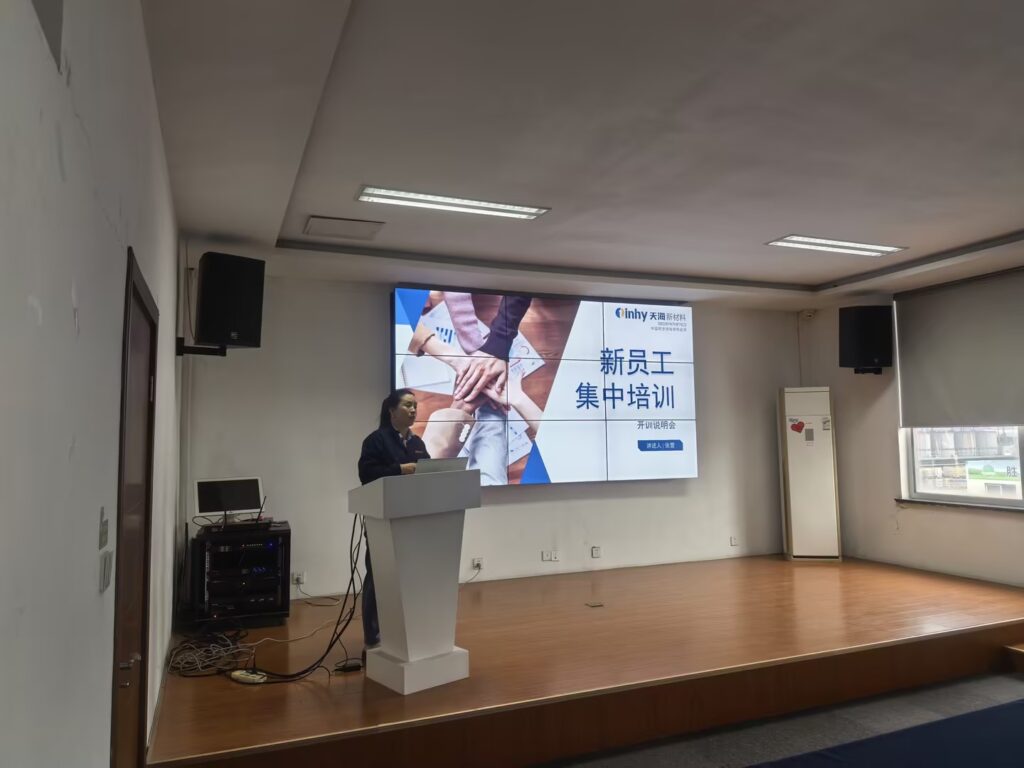
Empowering New Talent, Building the Future: Tinhy Successfully Conducts New Employee Orientation Training
Tinhy Conducts Comprehensive Emergency Drill to Strengthen Workplace Safety Defenses
Company Mid – Year Summary and Team – Building Activity Report
Is geomembrane a geotechnical engineering material?
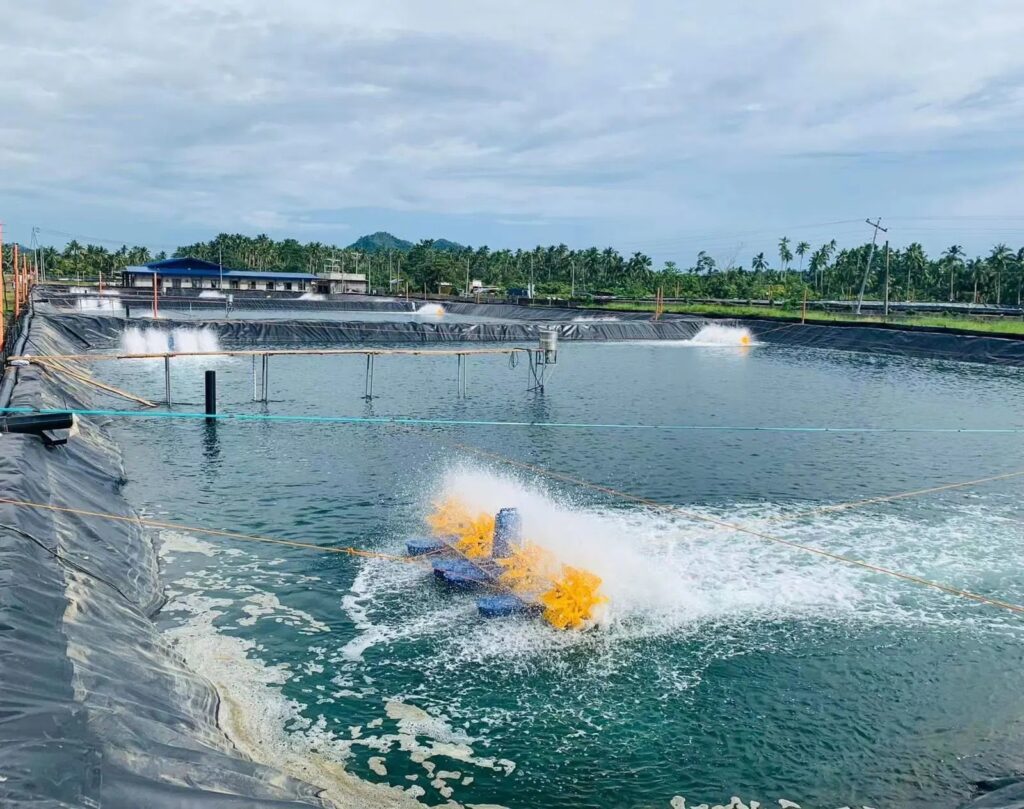
What are the application scenarios of geomembrane?
What are the functions of geotextiles?
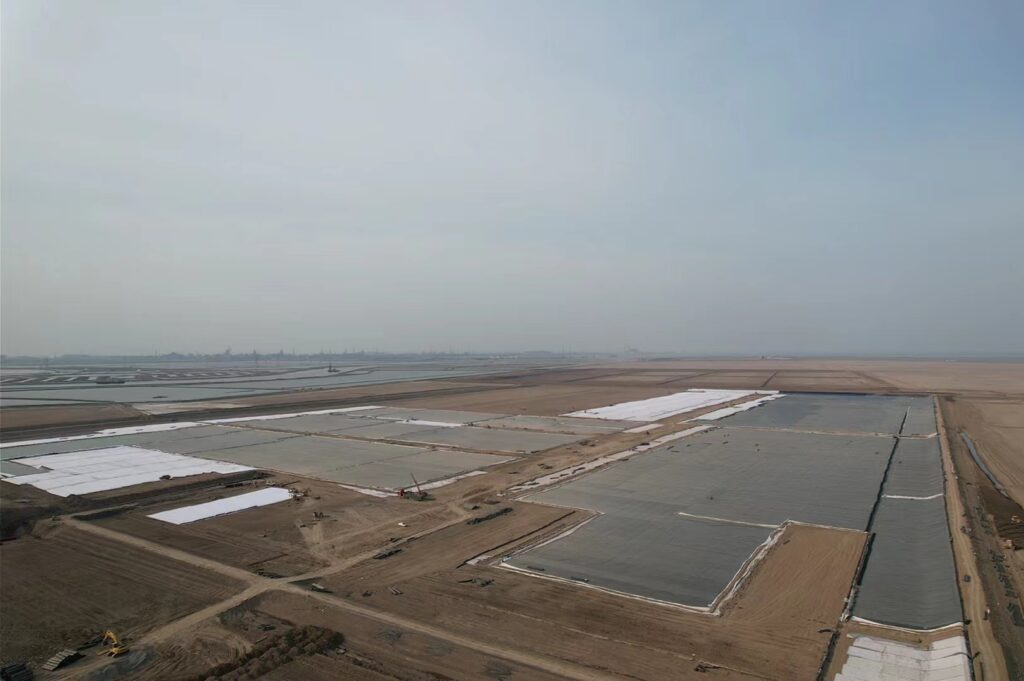
Cómo elegir geomembrana de hdpe en proyectos de ingeniería
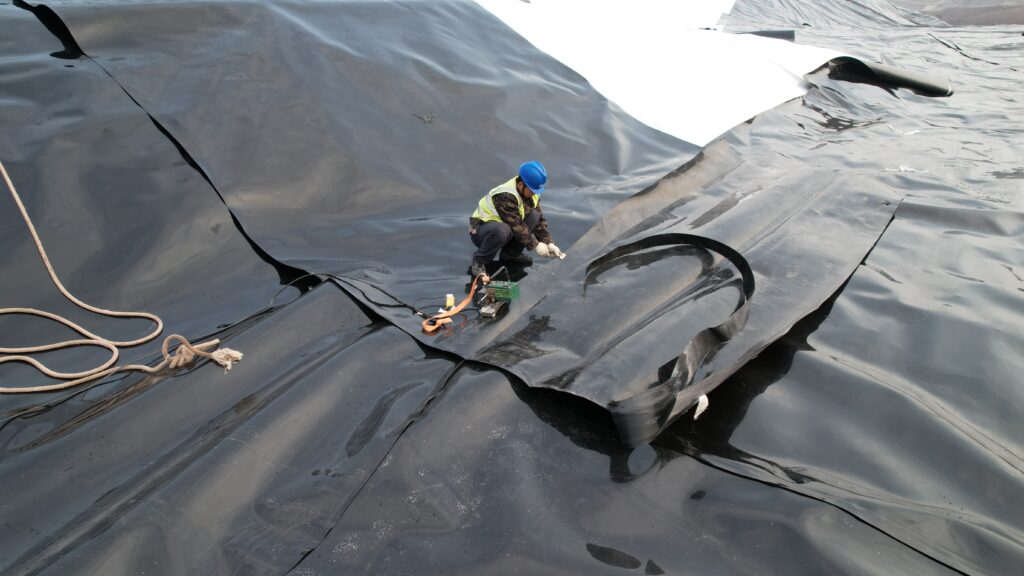
How to choose hdpe geomembrane in engineering projects
¿Qué ancho elegir para geomembrana?
China’s Geotechnical Construction Materials Embrace New Opportunities
Tips for Moisture-Proof Storage of Geotextiles
Key Construction Points and Precautions for High-Density Polyethylene Geomembrane
what is pond lining material ?
What is geomembrane?
HDPE geomembrane construction plans and technical measures
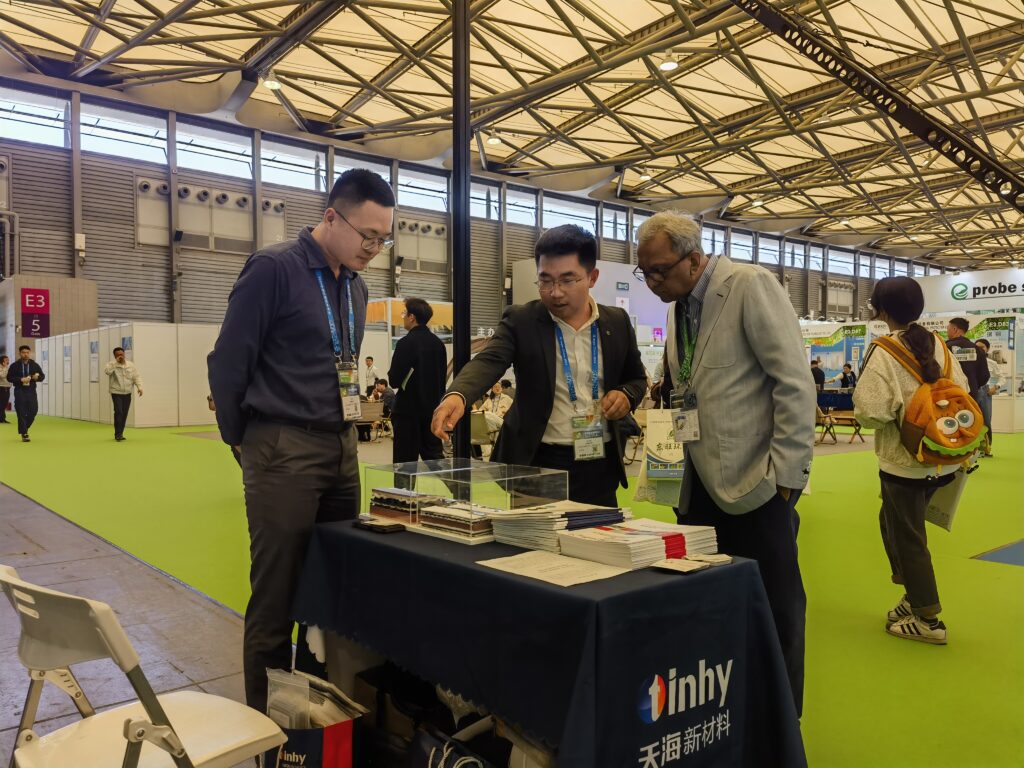
What quality tests do HDPE geomembranes need to do?
Tinhy’s MDS® Drainage Solution
Installation Robots
HDPE Smooth Geomembrane: A Reliable GRI GM13 Liner for Long-Term Containment Projects
How to Read an HDPE Geomembrane Technical Data Sheet Before Buying
Smooth vs. Textured HDPE Geomembrane: Which One Is Right for Your Project?
HDPE Geomembrane and GCL Liner Solutions for Reliable Containment Projects
1.5 mm HDPE Liner: Uses, Benefits and Installation Guide
HDPE Liner Suppliers: How to Choose the Right Partner for Your Project
40 Mil HDPE Liner: A Practical Guide to Applications, Benefits, and Selection
30 Mil HDPE Liner: A Practical Guide for Containment, Pond, and Industrial Applications
Geofabric Suppliers: 9 Essential Factors to Choose the Right Partner for Your Project
Geotextile 150 GSM: Applications, Benefits, and How to Choose the Right Geotextile Fabric
Should HDPE or PVC be used to install geomembrane in reservoirs?
What is the price of geomembrane?
Material characteristics of three different geomembranes
Esquema de construcción de geomembrana de HDPE y medidas técnicas
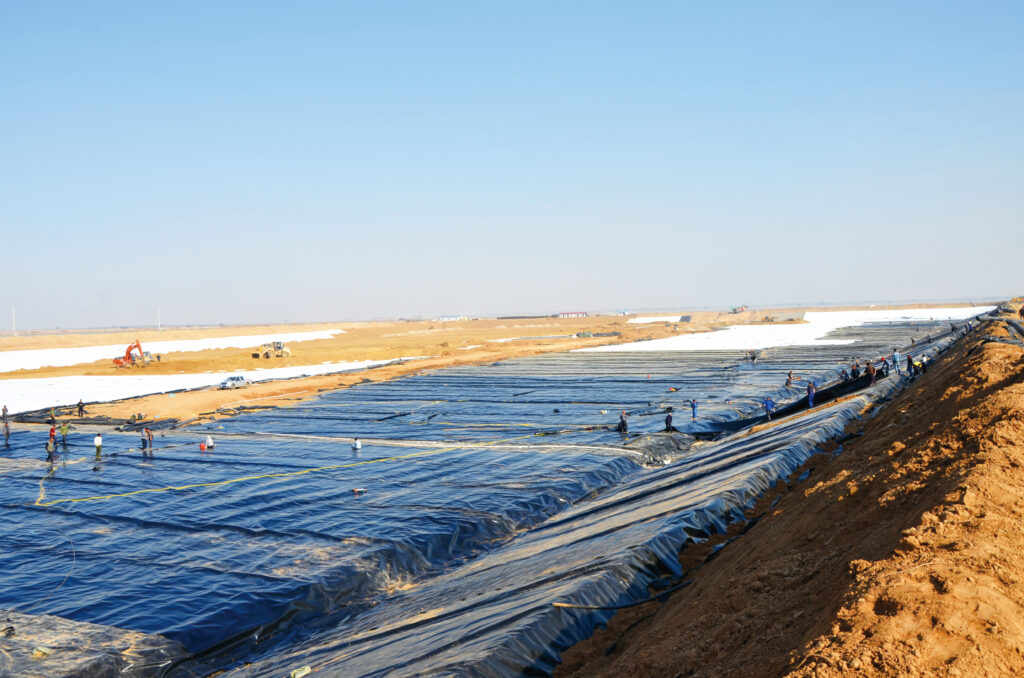
hdpe geomembrane pond liner in Congo (DRC)
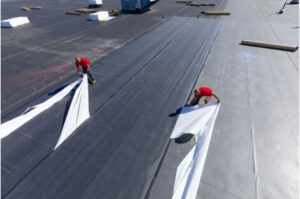
How to lay and weld HDPE geomembrane?
HDPE geomembrane 0.2-4.0mm
HOME ABOUT PRODUCTS APPLICATION CONTENTUS RESOURCES
Home Resources Knowledge Base HDPE Smooth Geomembrane: A Reliable GRI GM13 Liner for Long-Term Containment Projects

HDPE Smooth Geomembrane: A Reliable GRI GM13 Liner for Long-Term Containment Projects

time:June 29, 2026 Views:10

In modern environmental engineering, containment performance is no longer optional. Whether the project involves a landfill, wastewater treatment pond, mining leach pad, aquaculture pond, evaporation basin, or industrial storage facility, the liner system must be strong, stable, chemically resistant, and reliable over many years of service. Among the many geosynthetic materials available today, HDPE smooth geomembrane has become one of the most widely used solutions for long-term containment applications.

HDPE, or high-density polyethylene, is valued for its excellent chemical resistance, low permeability, high tensile strength, UV resistance, and long service life. When manufactured according to recognized standards such as GRI GM13, HDPE smooth geomembrane provides a dependable barrier against liquid migration, soil contamination, seepage loss, and environmental leakage. For project owners, contractors, engineers, and distributors, choosing the right geomembrane is not only a purchasing decision but also a risk-control decision.

This article explains what HDPE smooth geomembrane is, why GRI GM13 compliance matters, which technical properties are important, and how this material supports a wide range of environmental and industrial containment projects.

What Is HDPE Smooth Geomembrane?

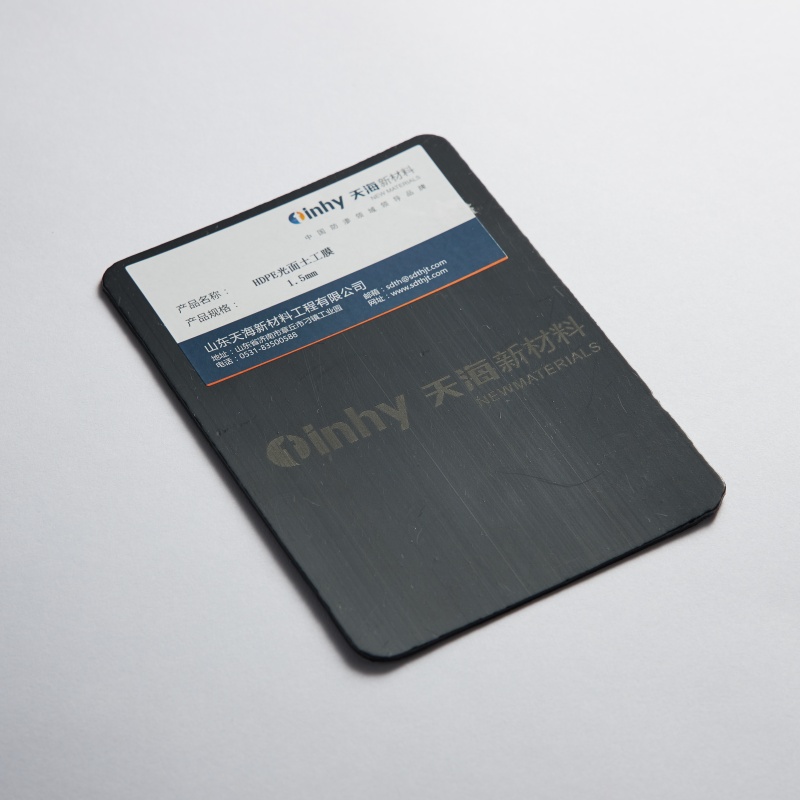
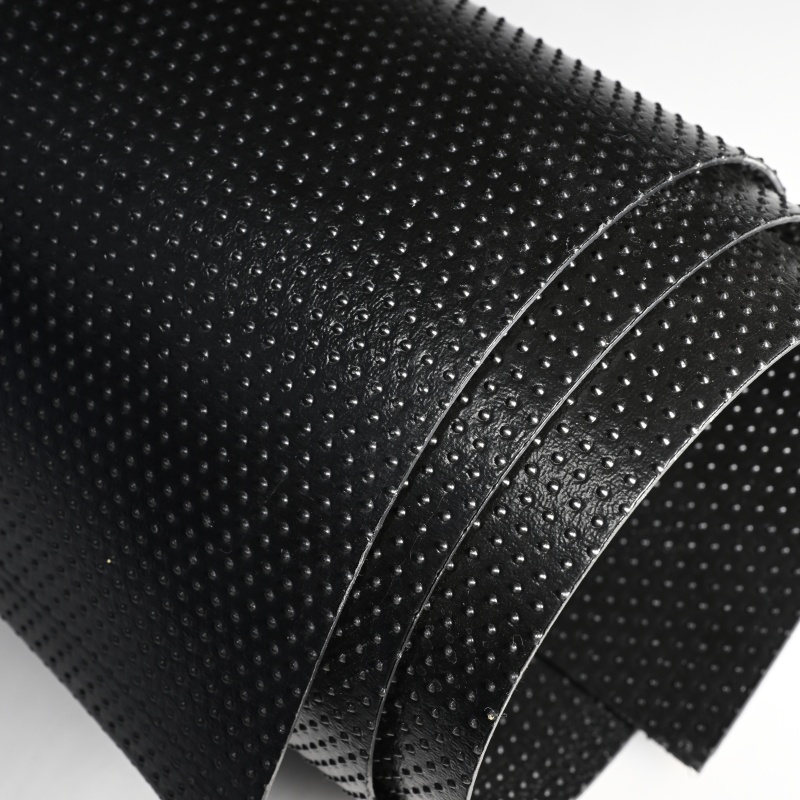
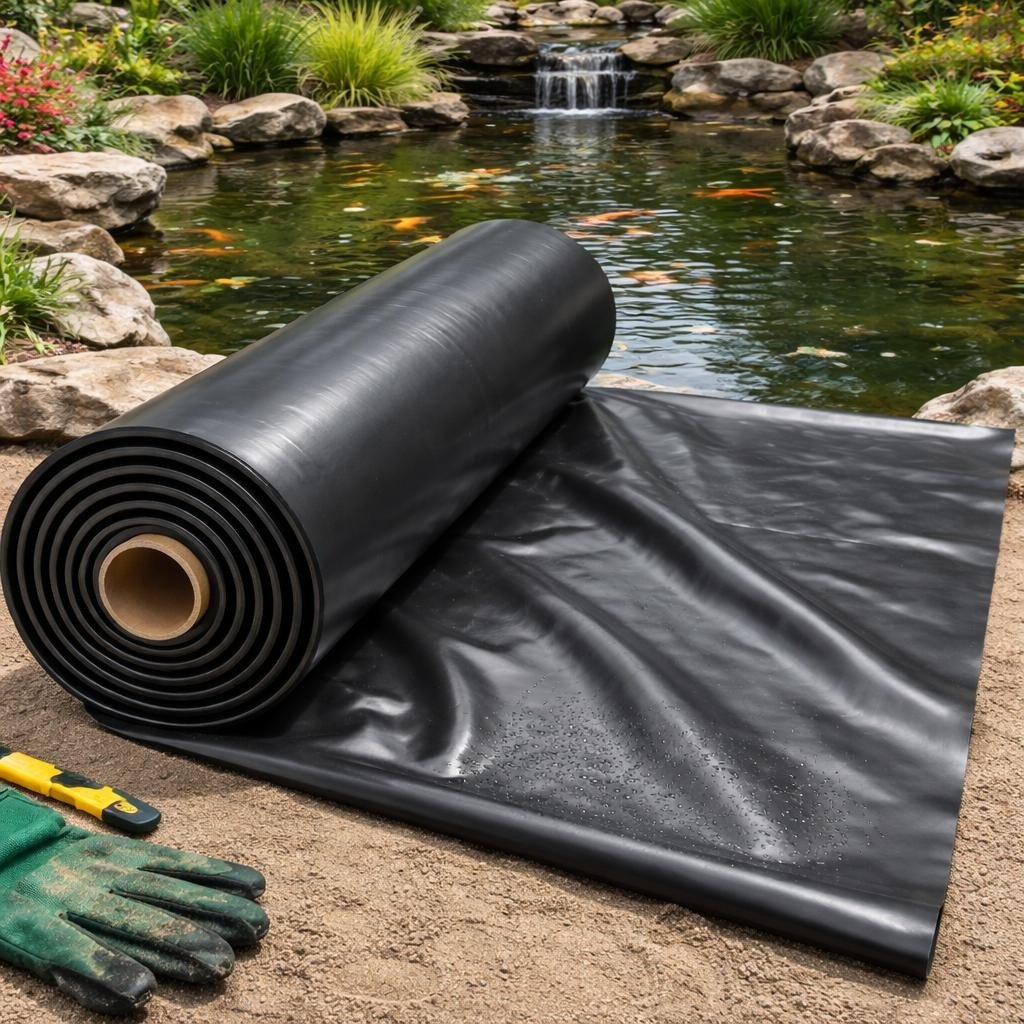
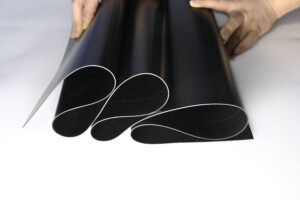
HDPE smooth geomembrane is a flexible synthetic liner made from high-density polyethylene resin, carbon black, antioxidants, and other carefully controlled additives. It is manufactured into continuous rolls and installed as an impermeable barrier in containment systems. The smooth surface makes it especially suitable for applications where close contact with the subgrade, easy welding, efficient installation, and stable hydraulic performance are required.

Unlike natural clay liners, HDPE geomembrane offers much lower permeability and more predictable performance. Clay can crack, dry, erode, or vary in quality depending on local soil conditions. In contrast, a properly manufactured and installed HDPE geomembrane provides a consistent engineered barrier with measurable physical and formulation properties.

Smooth HDPE geomembrane is commonly used in:

Landfill base liners and cover systems
Wastewater treatment ponds
Industrial wastewater containment
Mining heap leach pads and tailings storage
Evaporation ponds
Aquaculture and fish ponds
Agricultural reservoirs
Canals and irrigation projects
Chemical storage areas
Secondary containment systems

Because many of these applications involve long exposure to water, chemicals, sunlight, stress, and soil movement, the geomembrane must be designed for durability from the beginning.

Why GRI GM13 Matters

GRI GM13 is one of the most recognized specifications for HDPE geomembranes. It provides minimum requirements for key properties such as thickness, density, tensile strength, tear resistance, puncture resistance, carbon black content, carbon black dispersion, stress crack resistance, oxidative induction time, oven aging, and UV resistance.

For buyers, GRI GM13 is important because it creates a clear benchmark. Instead of relying only on general product claims, engineers and procurement teams can evaluate whether the geomembrane meets established technical performance requirements. This is especially valuable for international projects where material quality, documentation, and compliance are critical.

A geomembrane that meets or exceeds GRI GM13 can give project stakeholders greater confidence in quality control, manufacturing consistency, installation performance, and long-term durability. It also helps reduce the risk of premature failure caused by weak formulation, poor carbon black dispersion, inadequate antioxidant protection, or insufficient mechanical strength.

Key Technical Properties of HDPE Smooth Geomembrane

When selecting an HDPE smooth geomembrane, thickness alone is not enough. A reliable liner must combine mechanical strength, chemical stability, resistance to environmental aging, and consistent manufacturing quality. The following properties are especially important.

1. Thickness Options for Different Project Requirements

HDPE smooth geomembranes are available in different thicknesses to match different engineering needs. Common thickness options include 0.5mm, 0.75mm, 1.0mm, 1.25mm, 1.5mm, 2.0mm, 2.5mm, and 3.0mm.

Thinner geomembranes may be suitable for smaller ponds, temporary containment, agricultural reservoirs, or projects with lower mechanical stress. Medium thicknesses such as 1.0mm and 1.5mm are widely used in aquaculture, wastewater ponds, and general environmental containment. Heavier thicknesses such as 2.0mm, 2.5mm, and 3.0mm are commonly selected for landfills, mining applications, industrial containment, and projects where higher puncture resistance and long-term durability are required.

The correct thickness should be selected based on subgrade condition, liquid type, loading, installation environment, service life expectations, and engineering design requirements.

2. Tensile Strength and Elongation

Tensile strength measures how much force the geomembrane can resist before yielding or breaking. This is important during installation and service because geomembranes may experience stress from handling, deployment, welding, soil settlement, thermal expansion, and waste or liquid loading.

A high-quality HDPE smooth geomembrane should offer strong yield strength and break strength across different thicknesses. At the same time, elongation is also important. HDPE geomembrane is not a rigid plate; it must be able to deform without immediate failure. High break elongation allows the liner to accommodate movement, settlement, and localized stress while maintaining barrier performance.

For large projects such as landfills and mining pads, tensile performance is especially important because the installed liner may cover large surface areas and face complex mechanical forces over time.

3. Tear Resistance

Tear resistance indicates the geomembrane’s ability to resist the growth of a tear after damage begins. During installation, geomembrane rolls may be dragged, unfolded, welded, and positioned on prepared ground. Even with careful construction, the liner can be exposed to localized stress points.

Good tear resistance helps prevent small defects from developing into larger failures. This property becomes even more important in challenging sites where wind, uneven ground, machinery, or difficult installation conditions may increase the risk of mechanical damage.

4. Puncture Resistance

Puncture resistance is one of the most important properties for containment liners. A geomembrane may be placed over soil, compacted clay, gravel, geotextile, or other layers. If the subgrade contains sharp stones, roots, debris, or hard particles, the liner may face puncture risk.

Higher puncture resistance helps improve safety during installation and operation. However, puncture resistance should not rely only on geomembrane thickness. Proper subgrade preparation, geotextile protection layers, welding quality, and installation supervision are also necessary to build a complete and reliable liner system.

For landfill, mining, and industrial projects, puncture resistance is often a key factor in material selection because failure can lead to leakage, soil contamination, regulatory problems, and costly repairs.

5. Carbon Black Content and UV Resistance

Carbon black is added to HDPE geomembrane to improve resistance to ultraviolet radiation. Outdoor containment projects may expose the liner to sunlight during installation and, in some cases, during long-term service. Without adequate UV protection, polymers can degrade, become brittle, and lose mechanical properties.

A proper carbon black content range and good carbon black dispersion are essential. Content alone is not enough; the carbon black must be evenly dispersed throughout the material. Poor dispersion can create weak points and reduce long-term performance.

For exposed applications such as evaporation ponds, reservoirs, and certain mining or wastewater facilities, UV resistance is especially important. A well-formulated HDPE geomembrane with stable antioxidant protection and UV resistance can maintain performance under demanding environmental conditions.

6. Stress Crack Resistance

Stress cracking is a critical long-term failure mode for polyethylene materials. It can occur when the material is exposed to sustained stress, chemical environment, and time. Even if a liner appears strong initially, poor stress crack resistance can lead to failure after years of service.

High stress crack resistance is therefore essential for projects requiring long service life. Landfills, hazardous containment systems, mining leach pads, and industrial wastewater ponds should pay close attention to this property when comparing geomembrane suppliers.

A geomembrane with strong stress crack resistance can better withstand installation stress, welding stress, thermal movement, chemical exposure, and long-term loading.

7. Oxidative Induction Time and Aging Resistance

Oxidative Induction Time, often called OIT, is an indicator of antioxidant protection in HDPE geomembrane. Antioxidants help slow down polymer oxidation, which can reduce strength and flexibility over time. Standard OIT and High Pressure OIT are commonly used to evaluate the material’s resistance to oxidative aging.

A reliable HDPE geomembrane should maintain good OIT performance not only at the beginning but also after oven aging and UV exposure testing. This is important because containment projects are long-term systems. The liner must not only pass initial quality control but also remain stable during service.

For buyers, OIT data helps evaluate whether the geomembrane has been formulated for long-term durability rather than short-term appearance.

Advantages of HDPE Smooth Geomembrane

HDPE smooth geomembrane offers several practical advantages that explain its popularity in environmental and industrial containment.

First, it has very low permeability. This helps prevent seepage and reduces the risk of groundwater contamination. For wastewater ponds, landfills, and chemical containment areas, this barrier function is the core purpose of the liner.

Second, it has excellent chemical resistance. HDPE can resist many acids, alkalis, salts, and organic chemicals, making it suitable for industrial wastewater, mining solutions, and landfill leachate.

Third, it has strong mechanical properties. Tensile strength, tear resistance, and puncture resistance allow the liner to perform under demanding construction and operating conditions.

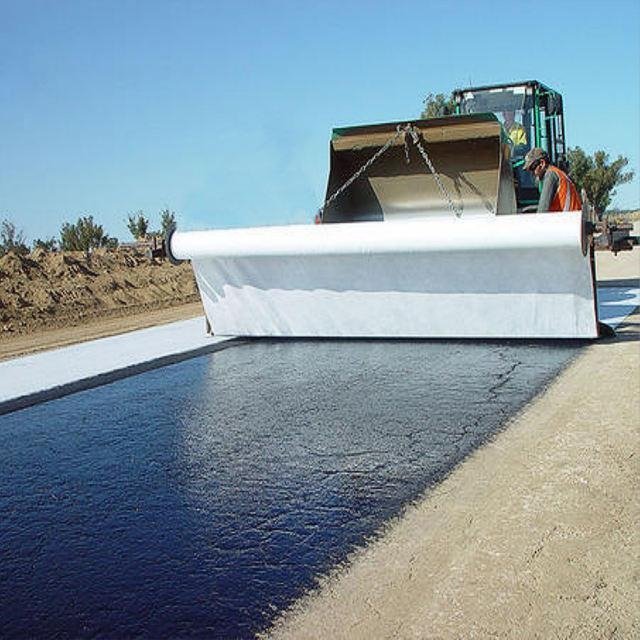
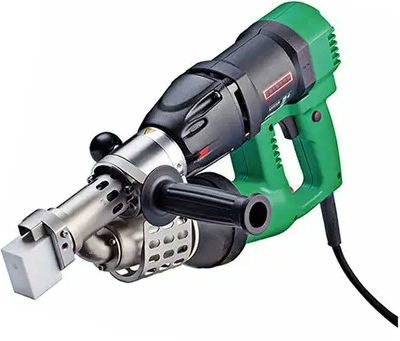
Fourth, HDPE smooth geomembrane is weldable. Field welding allows large panels to be joined into continuous liner systems. With proper welding equipment, trained technicians, and quality testing, the seams can provide reliable containment performance.

Fifth, it is available in large roll widths and multiple roll lengths. Larger rolls can reduce the number of seams, improve installation efficiency, and support large-scale engineering projects.

Finally, HDPE smooth geomembrane offers long-term value. While initial material cost is important, the real value of a geomembrane is measured by durability, leakage prevention, maintenance reduction, and risk control over the life of the project.

How to Choose the Right HDPE Smooth Geomembrane

When choosing an HDPE smooth geomembrane, buyers should consider more than price. A lower-cost liner with weak formulation or inconsistent quality may create much higher costs later. The following factors should be reviewed before purchase.

Check whether the geomembrane meets recognized standards such as GRI GM13. Review the technical data sheet carefully, including density, melt flow index, carbon black content, stress crack resistance, OIT, tensile strength, tear resistance, and puncture resistance.

Select the right thickness according to the project type. For example, a small decorative pond and a landfill base liner do not require the same material thickness. Engineering design, site conditions, and regulatory requirements should guide the decision.

Ask for quality control documentation. Reliable manufacturers should provide roll test data, production traceability, and inspection records. Consistency from roll to roll is important for large projects.

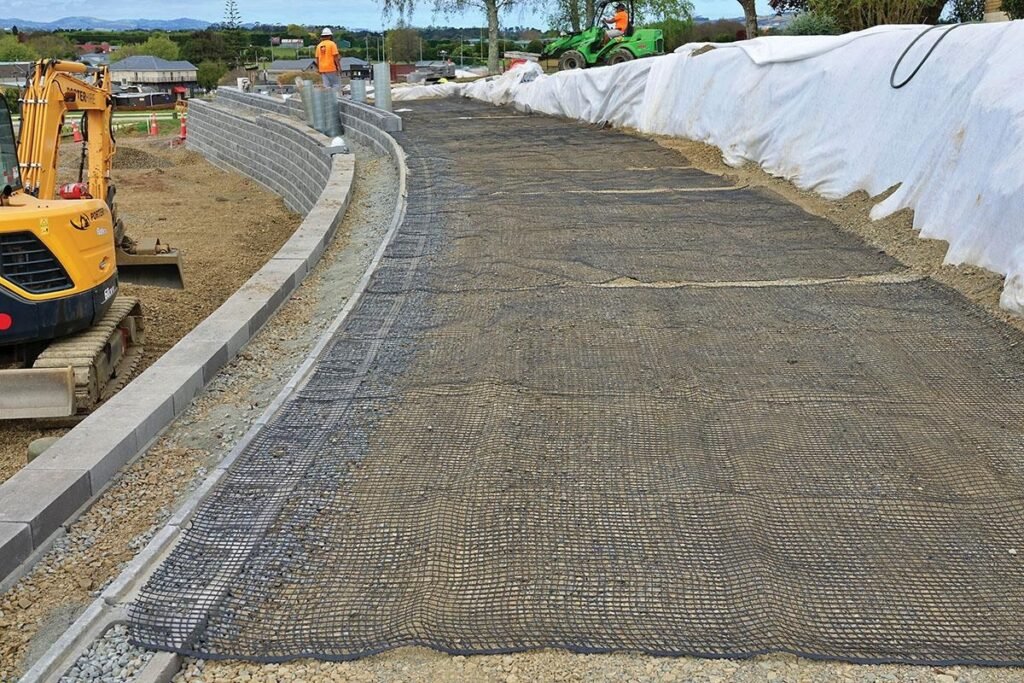
Consider installation conditions. Even the best geomembrane can fail if installed poorly. Proper subgrade preparation, protection geotextiles, welding procedures, seam testing, and construction supervision are essential.

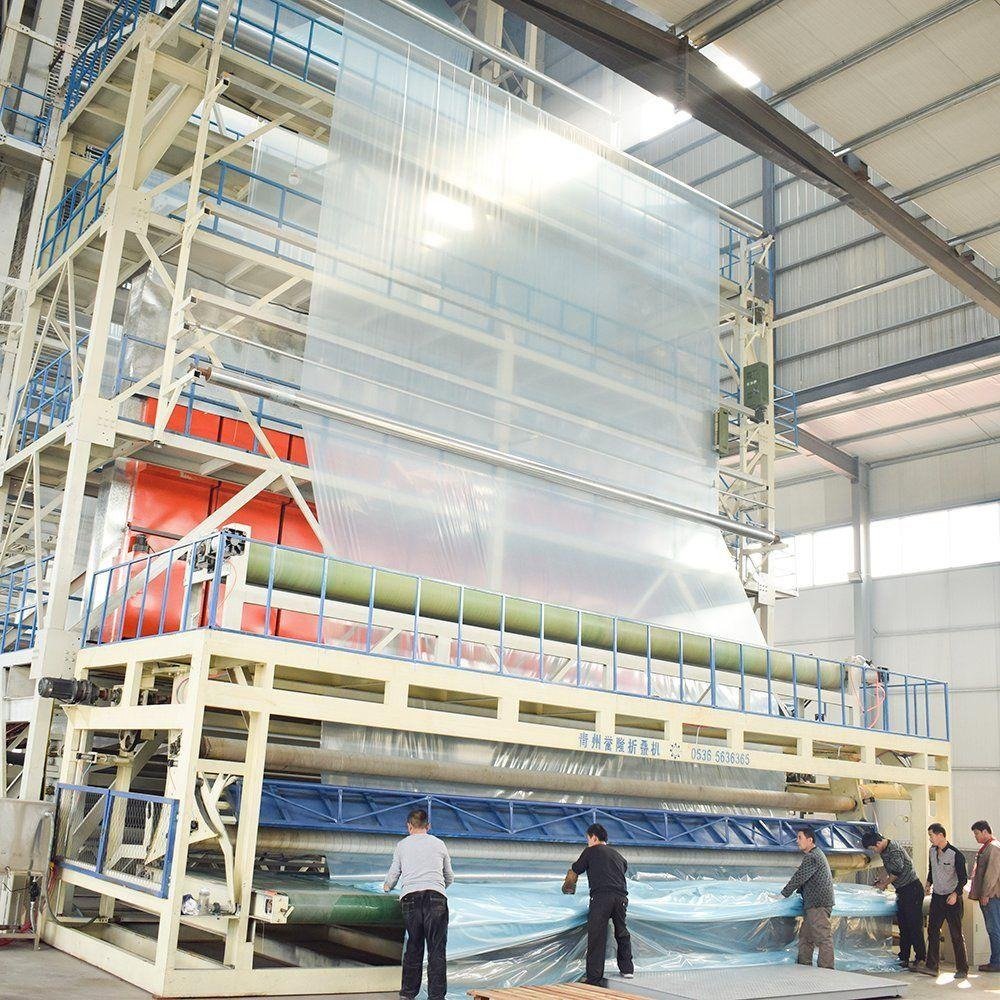
Evaluate manufacturer experience. A supplier with advanced production technology, stable quality control, export experience, and technical support can help reduce project risk.

Applications of HDPE Smooth Geomembrane

HDPE smooth geomembrane can be used in many industries because its core function is simple but essential: reliable containment.

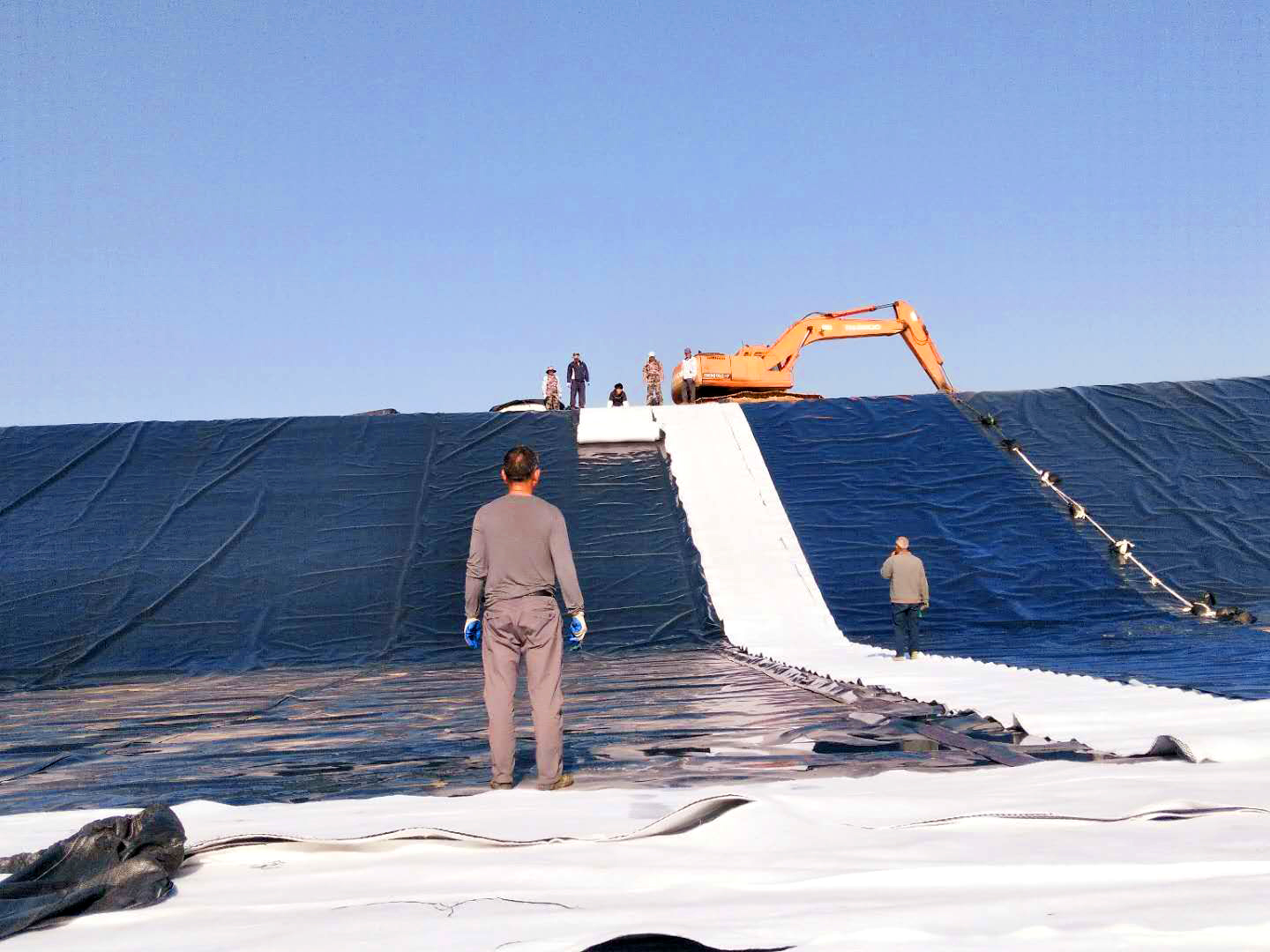
In landfill projects, it acts as a base liner or cover liner to prevent leachate migration and protect groundwater. In wastewater treatment, it lines lagoons, oxidation ponds, and industrial wastewater basins. In mining, it is used for heap leach pads, tailings ponds, and solution containment. In agriculture, it helps reduce water loss in reservoirs, canals, and irrigation ponds. In aquaculture, it creates a clean and controlled pond environment. In industrial plants, it provides secondary containment for chemicals and process liquids.

Across all these applications, the goal is the same: prevent leakage, protect the environment, and improve operational reliability.

Conclusion

HDPE smooth geomembrane is one of the most trusted liner materials for containment engineering. Its combination of low permeability, chemical resistance, tensile strength, puncture resistance, UV stability, stress crack resistance, and long-term aging protection makes it suitable for a wide range of environmental and industrial projects.

For buyers and engineers, choosing a GRI GM13 HDPE smooth geomembrane is a practical way to improve project safety and quality. By reviewing technical properties, selecting the right thickness, confirming manufacturing standards, and ensuring proper installation, project stakeholders can build containment systems that perform reliably for many years.

Whether used in landfill lining, wastewater treatment, mining containment, aquaculture, agriculture, or industrial storage, HDPE smooth geomembrane provides a strong and durable barrier for modern infrastructure. For projects where leakage control and long-term protection matter, it remains one of the most dependable geosynthetic solutions available.

Knowledge Base
Share:
info@tinhygeosynthetics.com Bai Jinxi
Consultation

    Get The Latest Product Prices

    Your inquiries are welcomed at any time and please feel free to contact us via email, phone calls, and online chatbox on our site.

    We will definitely give you a reply ASAP after we receive your messages.

      0/180