Resources
Company News
Industry News
Knowledge Base
Project Cases
Innovation
Tinhy and University of Jinan Celebrate Six Years of Industry–University Collaboration
Empowering New Talent, Building the Future: Tinhy Successfully Conducts New Employee Orientation Training
Tinhy Conducts Comprehensive Emergency Drill to Strengthen Workplace Safety Defenses
Company Mid – Year Summary and Team – Building Activity Report
Is geomembrane a geotechnical engineering material?
What are the application scenarios of geomembrane?
What are the functions of geotextiles?
Cómo elegir geomembrana de hdpe en proyectos de ingeniería
How to choose hdpe geomembrane in engineering projects
¿Qué ancho elegir para geomembrana?
China’s Geotechnical Construction Materials Embrace New Opportunities
Tips for Moisture-Proof Storage of Geotextiles
Key Construction Points and Precautions for High-Density Polyethylene Geomembrane
what is pond lining material ?
What is geomembrane?
HDPE geomembrane construction plans and technical measures

What quality tests do HDPE geomembranes need to do?
Tinhy’s MDS® Drainage Solution
Installation Robots
The 7 Best Geotextile 200 Review: 2026 Buyer’s Guide
The 6 Best LLDPE Geomembrane Liners Review: 2026 Buyer’s Guide
HDPE Smooth Geomembrane: A Reliable GRI GM13 Liner for Long-Term Containment Projects
How to Read an HDPE Geomembrane Technical Data Sheet Before Buying
Smooth vs. Textured HDPE Geomembrane: Which One Is Right for Your Project?
HDPE Geomembrane and GCL Liner Solutions for Reliable Containment Projects
1.5 mm HDPE Liner: Uses, Benefits and Installation Guide
HDPE Liner Suppliers: How to Choose the Right Partner for Your Project
40 Mil HDPE Liner: A Practical Guide to Applications, Benefits, and Selection
30 Mil HDPE Liner: A Practical Guide for Containment, Pond, and Industrial Applications
Should HDPE or PVC be used to install geomembrane in reservoirs?
What is the price of geomembrane?
Material characteristics of three different geomembranes
Esquema de construcción de geomembrana de HDPE y medidas técnicas
hdpe geomembrane pond liner in Congo (DRC)
How to lay and weld HDPE geomembrane?
HDPE geomembrane 0.2-4.0mm
HOME ABOUT PRODUCTS APPLICATION CONTENTUS RESOURCES
Home Resources Knowledge Base The 7 Best Geotextile 200 Review: 2026 Buyer’s Guide

The 7 Best Geotextile 200 Review: 2026 Buyer’s Guide

time:July 01, 2026 Views:9

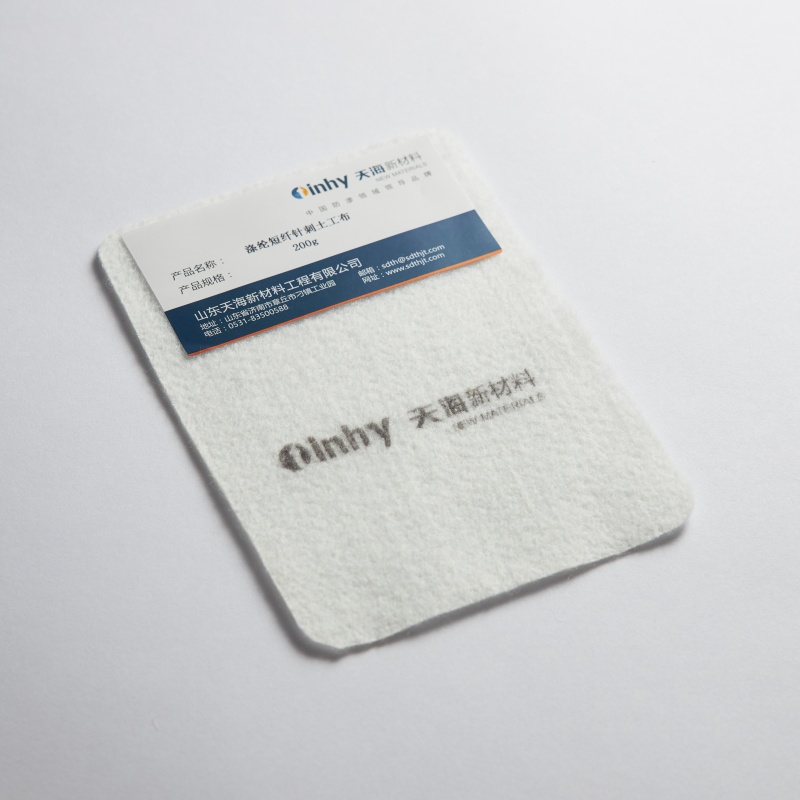
Geotextile 200 is one of the most commonly used medium-weight geotextile fabrics in civil engineering, drainage, road construction, retaining walls, soil separation, filtration, and erosion control projects. In most applications, “geotextile 200” refers to a non woven geotextile fabric with a weight of around 180–220 g/m², offering a practical balance between strength, permeability, flexibility, and cost.

For contractors, engineers, landscape builders, and project owners, choosing the right geotextile 200 fabric can directly affect drainage efficiency, soil stability, service life, and overall project performance. A high-quality 200gsm geotextile fabric helps prevent soil migration, separate fine soil from aggregates, improve water flow, protect geomembranes, and reduce long-term maintenance costs.

In this review, we compare the 7 best geotextile 200 fabrics based on material quality, tensile strength, puncture resistance, filtration performance, drainage capacity, installation convenience, application range, and overall value.

Among these options, Tinhy Geosynthetics Geotextile 200 stands out as the best overall choice for buyers looking for reliable performance, custom specifications, competitive pricing, and large-scale project supply.

Table of Contents

What Is Geotextile 200?

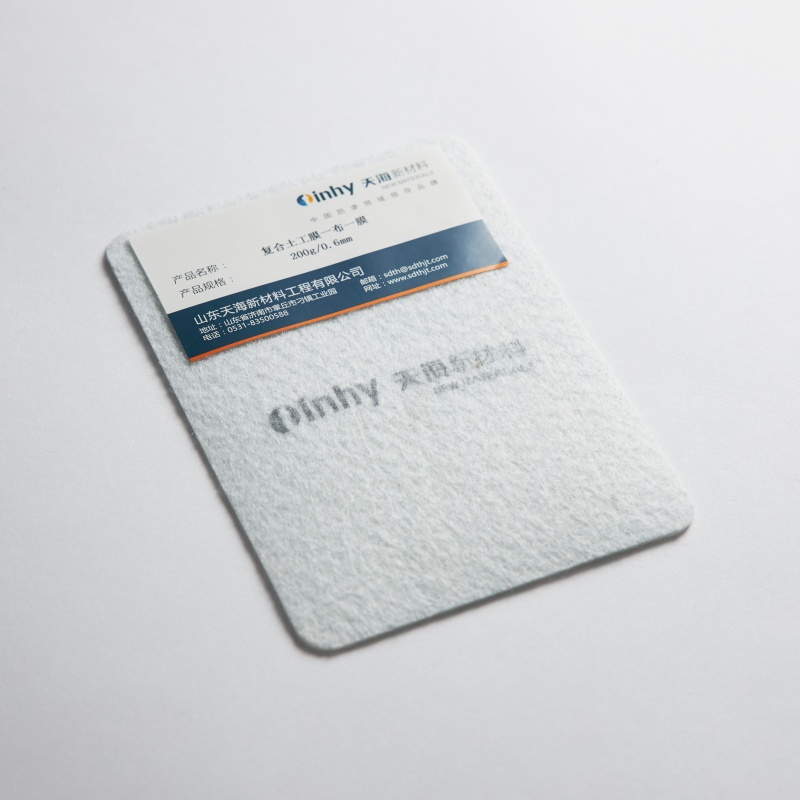
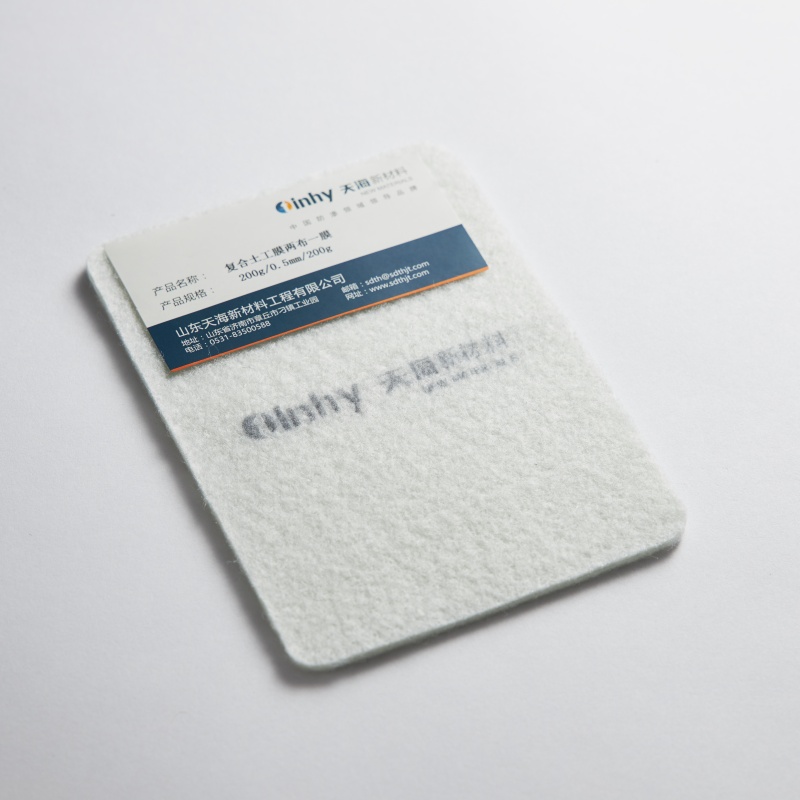
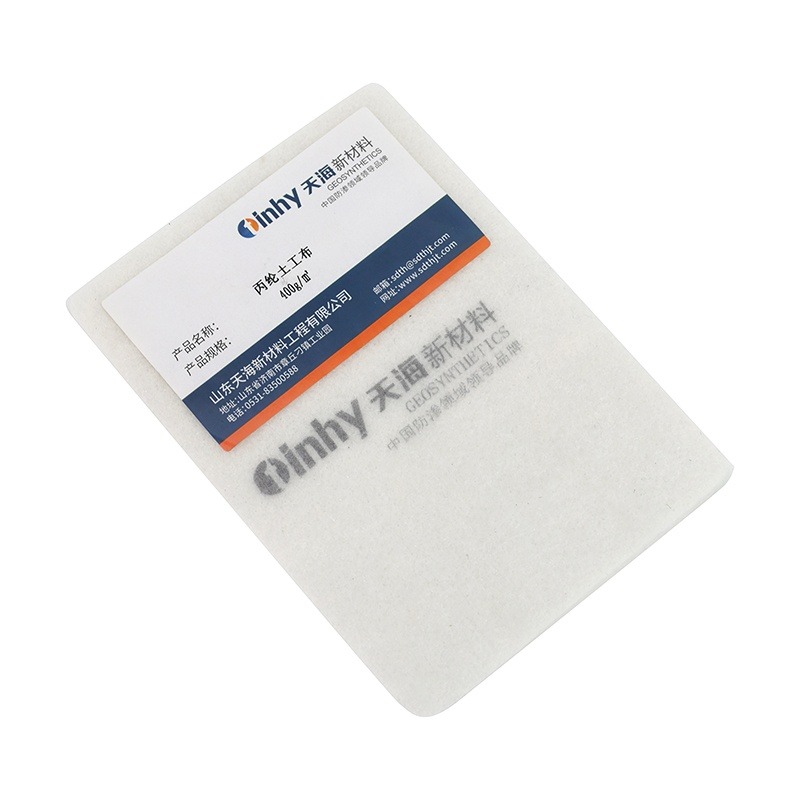
Geotextile 200 is a medium-weight geotextile fabric commonly used for separation, filtration, drainage, protection, and light reinforcement. It is usually made from polypropylene or polyester fibers through needle-punching or continuous filament production.

The “200” generally refers to the fabric weight, around 200 g/m². This weight range provides better strength than lightweight geotextiles while still maintaining good permeability and flexibility.

Geotextile 200 is widely used in:

  • Retaining wall drainage
  • Road subgrade separation
  • French drains and trench drains
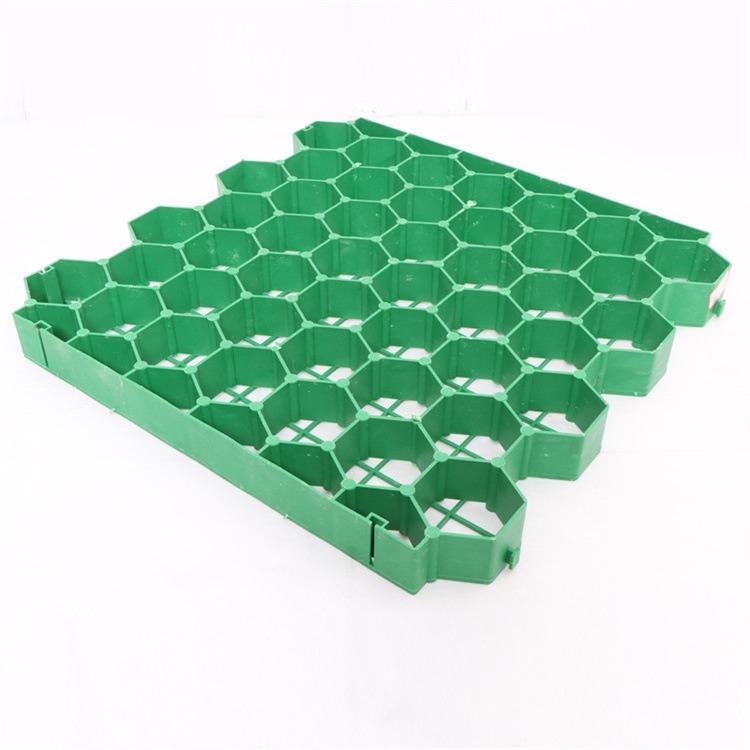
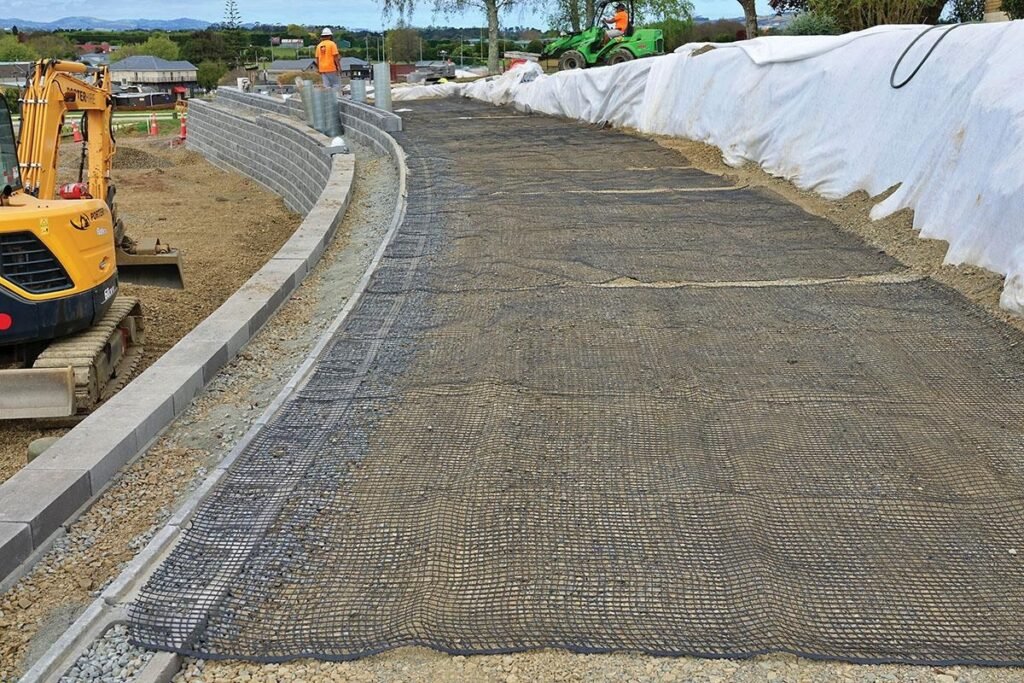
  • Gravel driveway stabilization
  • Embankment filtration
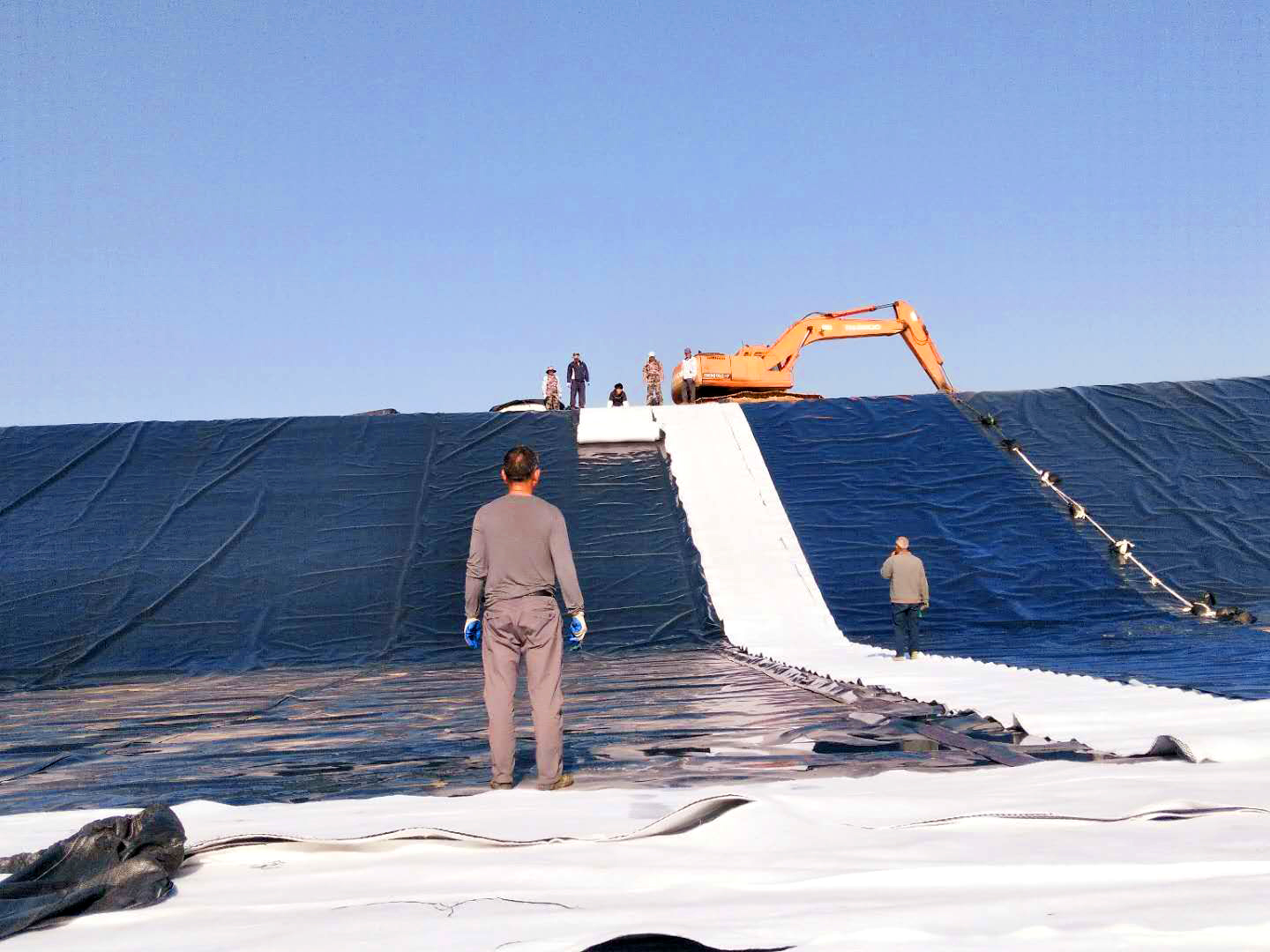
  • Landfill liner protection
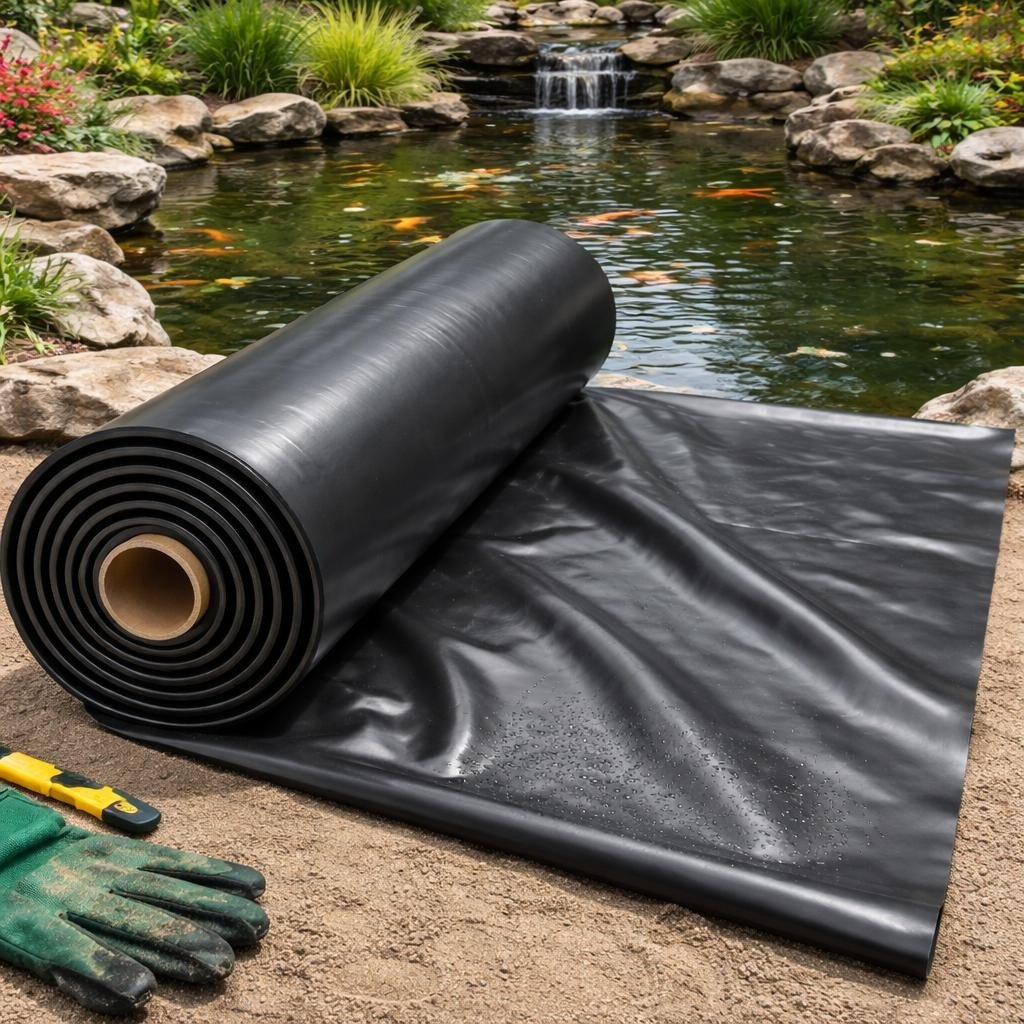
  • Pond and canal projects
  • Roof gardens and green roofs
  • Coastal protection and riprap bedding
  • Drainage layers behind concrete or block walls

Because it is strong, permeable, and easy to install, geotextile 200 is one of the most versatile geotextile grades for general civil engineering and drainage projects.

Main Functions of Geotextile 200

1. Separation

Geotextile 200 prevents different soil layers from mixing. For example, when used under gravel roads or driveways, it separates soft subgrade soil from the aggregate layer, helping maintain road structure and reduce rutting.

2. Filtration

A good geotextile 200 fabric allows water to pass through while retaining soil particles. This is especially important in retaining walls, French drains, embankments, and drainage trenches.

3. Drainage

Geotextile 200 helps water move through drainage systems while preventing clogging caused by fine soil migration. This reduces hydrostatic pressure behind retaining walls and improves long-term stability.

4. Protection

When used with geomembranes, geotextile 200 can act as a cushioning layer to reduce puncture risks caused by stones, roots, or uneven subgrades.

5. Stabilization

In road construction, parking areas, and gravel driveways, geotextile 200 helps improve load distribution and maintain the integrity of aggregate layers.

How to Choose the Best Geotextile 200 Fabric

Before selecting a geotextile 200 fabric, project owners should consider the following factors.

1. Material Type

Most geotextile 200 fabrics are made from polypropylene or polyester. Polypropylene is widely used because of its chemical resistance and cost efficiency. Polyester filament geotextiles usually offer higher tensile strength and dimensional stability.

2. Manufacturing Method

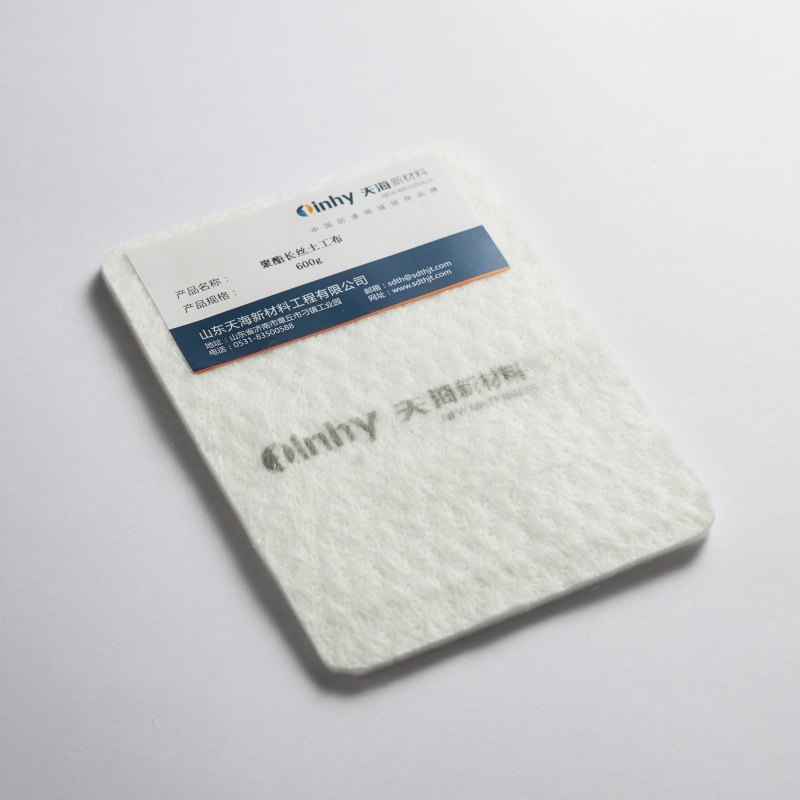
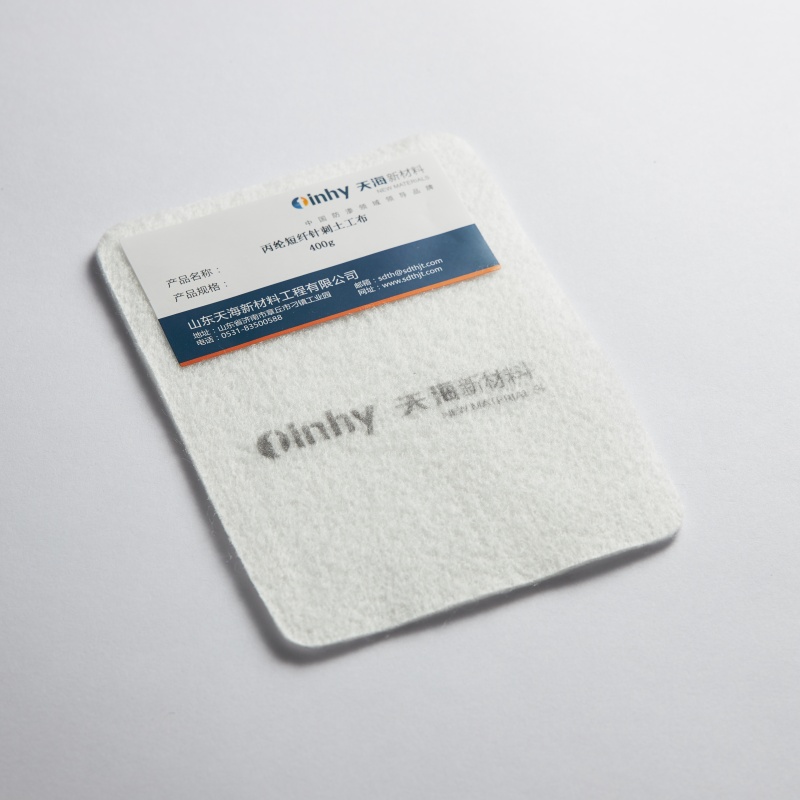
Needle-punched non woven geotextiles are the most common choice for filtration, drainage, and separation. Continuous filament non woven geotextiles usually provide stronger tensile and puncture performance than short-fiber fabrics.

3. Tensile Strength

Higher tensile strength is important for road construction, retaining walls, embankments, and large-scale civil engineering projects.

4. Puncture Resistance

If the site contains sharp stones, coarse aggregates, or uneven surfaces, puncture resistance is critical. A stronger geotextile can better protect drainage systems or geomembranes.

5. Permeability

For drainage and filtration applications, water flow capacity is very important. The fabric should allow water to pass through while preventing soil particles from clogging the system.

6. AOS Opening Size

AOS, or apparent opening size, determines how well the geotextile retains soil particles while allowing water to flow. The right AOS depends on the soil type and drainage design.

7. Roll Size and Installation Efficiency

Wider rolls can reduce seams and improve installation speed, especially on large projects such as roads, retaining walls, landfills, and drainage systems.

The 7 Best Geotextile 200 Fabrics of 2026

1. Best Overall: Tinhy Geosynthetics Geotextile 200

Tinhy Geosynthetics offers high-quality geotextile 200 fabrics for drainage, filtration, separation, protection, and soil stabilization applications. With strong manufacturing capability and project supply experience, Tinhy provides reliable geotextile solutions for retaining walls, roads, drainage trenches, landfills, embankments, ponds, and infrastructure projects.

Tinhy Geotextile 200 can be supplied in non woven needle-punched or filament non woven structures according to project requirements. It offers a strong balance of permeability, tensile strength, puncture resistance, flexibility, and cost efficiency.

Key Features

  • Medium-weight geotextile fabric around 200 g/m²
  • Good tensile and puncture resistance
  • Excellent filtration and drainage performance
  • Suitable for separation, protection, and stabilization
  • Available in polypropylene or polyester options
  • Custom roll width and length available
  • Easy to cut, overlap, and install on site
  • Suitable for large-scale civil engineering procurement

Best For

Tinhy Geosynthetics Geotextile 200 is best for contractors, engineers, distributors, and project owners looking for a reliable and cost-effective geotextile fabric for retaining walls, road construction, drainage systems, gravel driveways, embankments, and erosion control projects.

Pros

  • Strong overall performance for multiple applications
  • Good balance between strength and permeability
  • Suitable for drainage and soil separation
  • Customizable specifications and roll sizes
  • Competitive factory pricing
  • Suitable for bulk orders and international projects
  • Reliable option for retaining wall and road construction

Cons

  • Final specification should be selected according to soil and drainage conditions
  • Heavy-duty projects may require a higher-weight geotextile

Our Take

Tinhy Geosynthetics is the best overall choice in this review because it provides practical performance, flexible customization, stable product quality, and strong project value. For buyers searching for geotextile 200 fabric for drainage, retaining walls, roadways, or soil separation, Tinhy offers a dependable solution with competitive supply advantages.

2. Best Premium Option: TenCate Mirafi Non Woven Geotextile

TenCate Mirafi is a well-known geosynthetics brand with a strong reputation in civil engineering and infrastructure applications. Its non woven geotextile fabrics are commonly used for drainage, filtration, separation, and soil stabilization projects.

Key Features

  • Strong brand recognition
  • Good drainage and filtration performance
  • Suitable for retaining walls and road applications
  • Reliable quality for engineering projects
  • Commonly specified in infrastructure work

Best For

TenCate Mirafi non woven geotextile is best for projects requiring premium brand recognition and proven performance in demanding civil engineering applications.

Pros

  • Trusted global brand
  • Good permeability
  • Suitable for retaining wall drainage
  • Strong specification support

Cons

  • Higher price than many alternatives
  • Availability may vary depending on region

Our Take

TenCate Mirafi is a strong premium option for engineers and contractors who prioritize brand reputation and proven project history.

3. Best for Retaining Wall Drainage: Propex Geotex Non Woven Geotextile

Propex Geotex non woven geotextiles are widely used in drainage, filtration, separation, and erosion control applications. Their geotextile products are suitable for retaining wall drainage layers, trench drains, and civil construction projects.

Key Features

  • Good drainage performance
  • Suitable for retaining wall backfill systems
  • Helps prevent soil migration
  • Good balance of strength and flow capacity
  • Commonly used in construction and landscaping projects

Best For

Propex Geotex is best for retaining wall drainage, French drains, trench drains, and soil filtration applications.

Pros

  • Reliable filtration performance
  • Suitable for drainage-heavy applications
  • Easy to install
  • Good civil engineering use history

Cons

  • May cost more than standard local options
  • Product availability depends on market region

Our Take

Propex is a good choice for retaining wall and drainage applications where stable filtration and contractor familiarity are important.

4. Best Value Option: US Fabrics Non Woven Geotextile 200

US Fabrics offers a wide range of geotextile products for civil engineering, drainage, erosion control, and construction applications. Its medium-weight non woven geotextile fabrics are practical options for standard drainage and separation projects.

Key Features

  • Good value for medium-duty projects
  • Suitable for drainage and filtration
  • Used in roads, trenches, and retaining walls
  • Practical strength and permeability
  • Easy to handle and install

Best For

US Fabrics Geotextile 200 is best for contractors who need dependable performance at a reasonable cost for general drainage, road, and retaining wall projects.

Pros

  • Cost-effective
  • Good permeability
  • Suitable for standard civil applications
  • Practical for contractors and installers

Cons

  • May not be ideal for highly demanding heavy-duty projects
  • Regional supply may affect lead time

Our Take

US Fabrics is a solid value option for standard geotextile 200 applications, especially where cost control and basic drainage performance are key priorities.

5. Best European Option: Thrace Non Woven Geotextile 200

Thrace Group provides geosynthetic solutions for civil engineering, infrastructure, environmental, and construction projects. Its non woven geotextile fabrics are widely used for filtration, drainage, separation, and protection.

Key Features

  • European manufacturing background
  • Good filtration and drainage properties
  • Suitable for retaining walls and road projects
  • Available in different weights and specifications
  • Reliable for international infrastructure use

Best For

Thrace Non Woven Geotextile 200 is best for international projects requiring European geosynthetic product options and stable engineering performance.

Pros

  • Reliable quality
  • Good filtration function
  • Suitable for drainage and separation
  • Multiple specification options

Cons

  • Pricing may be higher than local or direct factory alternatives
  • Availability may depend on region

Our Take

Thrace is a good option for buyers who prefer European geotextile products for drainage, filtration, and infrastructure applications.

6. Best for Standard Construction Use: Carthage Mills Non Woven Geotextile

Carthage Mills offers geotextile and erosion control products for construction, drainage, roadwork, and soil stabilization applications. Its medium-weight non woven geotextiles are suitable for standard construction uses.

Key Features

  • Practical for general construction projects
  • Suitable for drainage trenches and retaining walls
  • Helps separate soil and aggregate layers
  • Easy to install
  • Available in common roll formats

Best For

Carthage Mills non woven geotextile is best for light to medium-duty retaining walls, landscape drainage, trench drains, and construction separation applications.

Pros

  • Practical and easy to use
  • Suitable for common jobsite applications
  • Good for standard drainage work
  • Contractor-friendly

Cons

  • May not offer the highest puncture or tensile performance
  • Better suited for standard rather than heavy-duty projects

Our Take

Carthage Mills is a reliable standard-use option for contractors looking for geotextile fabric for drainage and separation in general construction projects.

7. Best for Drainage Systems: ADS Non Woven Geotextile

ADS provides drainage and water management solutions, including geotextile fabrics used in drainage systems, trench drains, and retaining wall applications. Its non woven geotextile products are practical choices for projects focused on water flow and soil filtration.

Key Features

  • Designed for drainage-related applications
  • Suitable for trench drains and French drains
  • Helps prevent soil clogging in drainage aggregate
  • Practical for retaining wall drainage systems
  • Easy to use with drainage pipe systems

Best For

ADS non woven geotextile is best for drainage-heavy projects such as French drains, trench drains, retaining wall drainage, and stormwater management systems.

Pros

  • Good drainage focus
  • Suitable for pipe and aggregate systems
  • Helps reduce clogging
  • Practical for landscape and civil drainage

Cons

  • May not be the best option for high-strength reinforcement
  • Application range is more drainage-focused

Our Take

ADS is a practical option for drainage projects where water flow, filtration, and ease of installation are the main priorities.

Comparison Table: 7 Best Geotextile 200 Fabrics

Rank Brand / Product Best For Key Strengths Common Applications
1 Tinhy Geosynthetics Geotextile 200 Best Overall Strength, drainage, customization, value Retaining walls, roads, drainage, separation
2 TenCate Mirafi Non Woven Geotextile Premium Projects Brand reputation, engineering performance Infrastructure, retaining walls, roadwork
3 Propex Geotex Non Woven Geotextile Retaining Wall Drainage Filtration, flow capacity, soil retention Retaining walls, French drains, trenches
4 US Fabrics Non Woven Geotextile 200 Value Projects Cost-effective, practical performance Roads, drainage, soil separation
5 Thrace Non Woven Geotextile 200 European Projects Reliable quality, filtration Infrastructure, drainage, protection
6 Carthage Mills Non Woven Geotextile Standard Construction Easy installation, practical use Landscaping, trench drains, retaining walls
7 ADS Non Woven Geotextile Drainage Systems Drainage focus, clogging prevention French drains, pipe drainage, stormwater

Common Applications of Geotextile 200

Retaining Wall Drainage

Geotextile 200 is commonly placed behind retaining walls to separate soil from drainage aggregate. It helps reduce clogging, improve water flow, and lower hydrostatic pressure behind the wall.

Road Construction

In road subgrade applications, geotextile 200 separates soft soil from aggregate base layers. This helps improve load distribution, reduce rutting, and extend pavement service life.

French Drains and Trench Drains

Geotextile 200 is widely used to wrap drainage aggregate or perforated pipes. It allows water to enter the system while preventing soil particles from clogging the drain.

Gravel Driveways

For gravel driveways, geotextile 200 helps prevent aggregate from sinking into the soil. It improves stability and reduces maintenance caused by rutting and gravel loss.

Landfill and Pond Protection

Geotextile 200 can be used as a protective layer for geomembranes, reducing puncture risks from stones and uneven surfaces.

Embankments and Erosion Control

In embankment and slope applications, geotextile 200 helps with filtration, separation, and surface stability.

Why Choose Tinhy Geosynthetics Geotextile 200?

Tinhy Geosynthetics provides geotextile solutions for civil engineering, environmental protection, water management, transportation infrastructure, and construction projects. Its geotextile 200 products are designed to deliver reliable filtration, separation, drainage, and protection performance.

Tinhy Geosynthetics is a strong choice for buyers who need:

  • Custom geotextile weight and specifications
  • Non woven and filament geotextile options
  • Reliable drainage and filtration performance
  • Good puncture and tensile resistance
  • Large roll sizes for efficient installation
  • Competitive factory pricing
  • Bulk order support for contractors and distributors
  • Technical support for engineering applications
  • Solutions for retaining walls, roads, drainage, landfills, ponds, and erosion control

For contractors, distributors, and project owners, Tinhy Geosynthetics offers a practical combination of product quality, customization capability, project support, and cost efficiency.

Buying Advice for Geotextile 200

When purchasing geotextile 200, do not choose based on price alone. The right product should match the soil condition, drainage requirement, load level, and project design.

For retaining walls, filtration and permeability are critical. For roads and driveways, tensile strength and separation performance are more important. For geomembrane protection, puncture resistance should be carefully evaluated.

Before ordering, buyers should confirm:

  • Fabric weight
  • Material type
  • Tensile strength
  • Puncture resistance
  • Permeability
  • AOS opening size
  • Roll width and length
  • UV resistance
  • Required standards or certifications
  • Installation method
  • Project environment

If the project is large or technically demanding, it is recommended to consult the supplier for specification selection before purchase.

FAQ About Geotextile 200

1. What does geotextile 200 mean?

Geotextile 200 usually refers to a geotextile fabric with a weight of around 200 g/m². It is a medium-weight fabric commonly used for drainage, filtration, separation, protection, and stabilization.

2. Is geotextile 200 suitable for retaining walls?

Yes. Geotextile 200 is commonly used behind retaining walls to separate soil from drainage aggregate and prevent clogging. It helps improve drainage and reduce water pressure behind the wall.

3. Can geotextile 200 be used under gravel driveways?

Yes. Geotextile 200 can be used under gravel driveways to separate subgrade soil from aggregate, reduce rutting, improve stability, and extend the service life of the driveway.

4. Is non woven geotextile better for drainage?

For most drainage and filtration applications, non woven geotextile is preferred because it allows water to pass through while retaining soil particles.

5. What is the difference between woven and non woven geotextile?

Woven geotextiles are usually stronger in tensile performance and are often used for reinforcement and stabilization. Non woven geotextiles are better for drainage, filtration, separation, and protection.

6. How do I install geotextile 200?

The site should be cleared of sharp objects, roots, and large stones. The geotextile should be laid flat with proper overlap, then covered with aggregate, soil, or other materials according to project design.

Final

Geotextile 200 is a versatile and cost-effective fabric for drainage, filtration, separation, protection, and soil stabilization. It is widely used in retaining walls, road construction, French drains, gravel driveways, embankments, landfills, ponds, and erosion control projects.

Among the seven options reviewed, Tinhy Geosynthetics Geotextile 200 stands out as the best overall choice because it offers reliable performance, customizable specifications, broad application coverage, competitive pricing, and strong supply capability.

For premium projects, TenCate Mirafi is a recognized global brand. Propex is strong for retaining wall drainage, US Fabrics offers good value, Thrace provides European product options, Carthage Mills is practical for standard construction, and ADS is suitable for drainage-focused applications.

If you are looking for high-quality geotextile 200 fabric for your project, Tinhy Geosynthetics can provide customized geotextile solutions, technical support, and competitive pricing for international civil engineering and drainage applications.

Contact Tinhy Geosynthetics today to request product specifications, samples, and a project quotation for geotextile 200 fabric.

Knowledge Base
Share:
info@tinhygeosynthetics.com Bai Jinxi
Consultation

    Get The Latest Product Prices

    Your inquiries are welcomed at any time and please feel free to contact us via email, phone calls, and online chatbox on our site.

    We will definitely give you a reply ASAP after we receive your messages.

      0/180