Resources
Company News
Industry News
Knowledge Base
Project Cases
Innovation
Team Power Fuels TINHY’s Global Geosynthetics Solutions
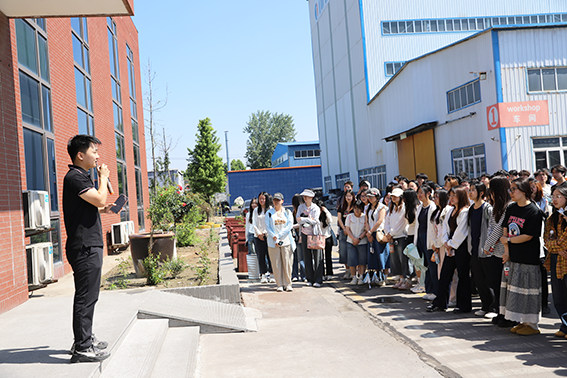
Tinhy and University of Jinan Celebrate Six Years of Industry–University Collaboration
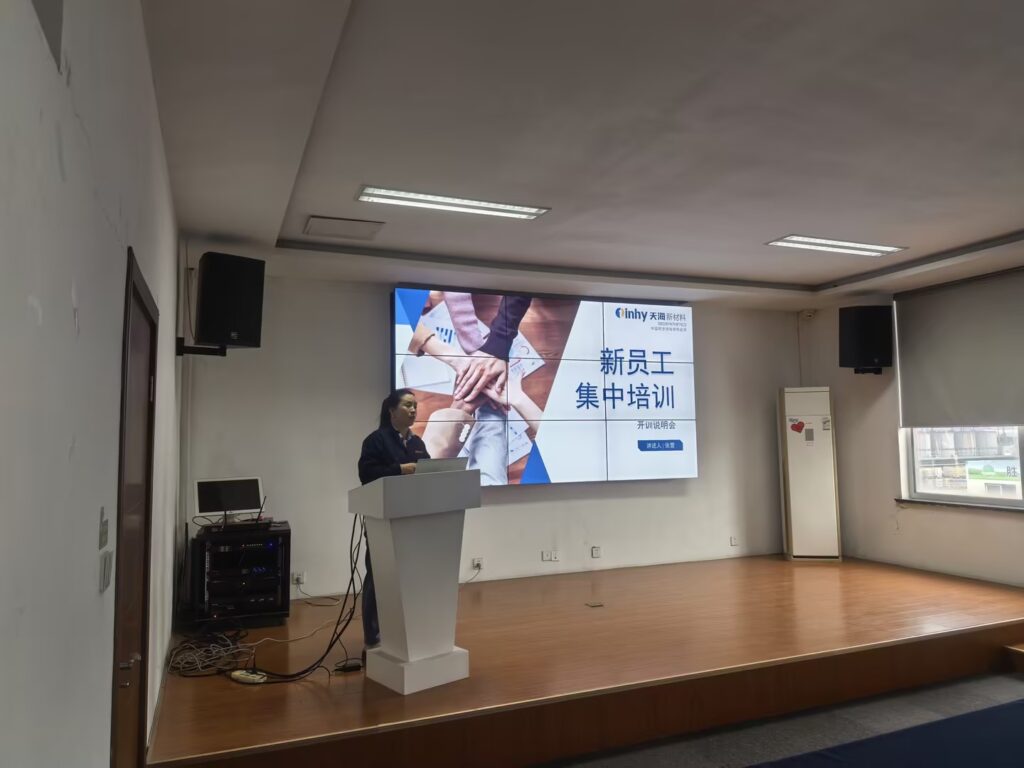
Empowering New Talent, Building the Future: Tinhy Successfully Conducts New Employee Orientation Training
Tinhy Conducts Comprehensive Emergency Drill to Strengthen Workplace Safety Defenses
Company Mid – Year Summary and Team – Building Activity Report
Is geomembrane a geotechnical engineering material?
What are the application scenarios of geomembrane?
What are the functions of geotextiles?
Cómo elegir geomembrana de hdpe en proyectos de ingeniería
How to choose hdpe geomembrane in engineering projects
China’s Geotechnical Construction Materials Embrace New Opportunities
Tips for Moisture-Proof Storage of Geotextiles
Key Construction Points and Precautions for High-Density Polyethylene Geomembrane
what is pond lining material ?
What is geomembrane?
HDPE geomembrane construction plans and technical measures
What quality tests do HDPE geomembranes need to do?
Tinhy’s MDS® Drainage Solution
Installation Robots
Geotextile Landscape Fabric: The Complete Guide to Choosing the Right Material for Landscaping Projects
Best Geomembrane for Mining: How to Choose the Right Liner for Long-Term Containment Performance
Soil Stabilization Geotextile: 7 Proven Benefits for Stronger and Longer-Lasting Infrastructure
Geomembrane Cost Per Square Foot: The Complete 2026 Buyer’s Guide for Cost-Effective Containment Projects
Geomembrane in Road Construction: 7 Proven Benefits for Building Longer-Lasting Roads
Geocomposite Solutions for Global Infrastructure Projects | Tinhy Geosynthetics
Nonwoven Geotextile Membrane: A Practical Solution for Filtration, Drainage, Separation and Protection
How Much Does a Geomembrane Liner Cost?
20 Mil HDPE Liner: A Cost-Effective Geomembrane Solution for Ponds, Reservoirs and Light Containment
How Much Does Geotextile Cost per Square Foot?
Should HDPE or PVC be used to install geomembrane in reservoirs?
What is the price of geomembrane?
Material characteristics of three different geomembranes
Esquema de construcción de geomembrana de HDPE y medidas técnicas
hdpe geomembrane pond liner in Congo (DRC)
How to lay and weld HDPE geomembrane?
HDPE geomembrane 0.2-4.0mm
HOME ABOUT PRODUCTS APPLICATION CONTENTUS RESOURCES
Home Resources Knowledge Base Geotextile Landscape Fabric: The Complete Guide to Choosing the Right Material for Landscaping Projects

Geotextile Landscape Fabric: The Complete Guide to Choosing the Right Material for Landscaping Projects

time:July 23, 2026 Views:5

Introduction

Geotextile landscape fabric has become an essential material for modern landscaping, hardscaping, and ground stabilization projects. Whether you are installing a residential garden, constructing a commercial parking area, building a retaining wall, or improving drainage around a property, selecting the right landscape fabric can significantly improve long-term performance while reducing maintenance costs.

Many people think landscape fabric is simply a weed barrier. In reality, high-quality geotextile landscape fabric performs several critical engineering functions simultaneously. It suppresses weed growth, separates different soil layers, improves drainage, reduces erosion, and stabilizes aggregate foundations. These combined benefits help create landscapes that remain functional and attractive for many years.

At Tinhy Geosynthetics, we have specialized in manufacturing woven and nonwoven geotextiles since 2002. Our products are used in infrastructure, environmental protection, water conservancy, mining, transportation, and landscaping projects across more than 40 countries. Based on decades of manufacturing experience, this guide explains everything you need to know about geotextile landscape fabric, including how it works, where it is used, how to choose the right product, and why professional geotextiles outperform ordinary weed barriers.

What Is Geotextile Landscape Fabric?

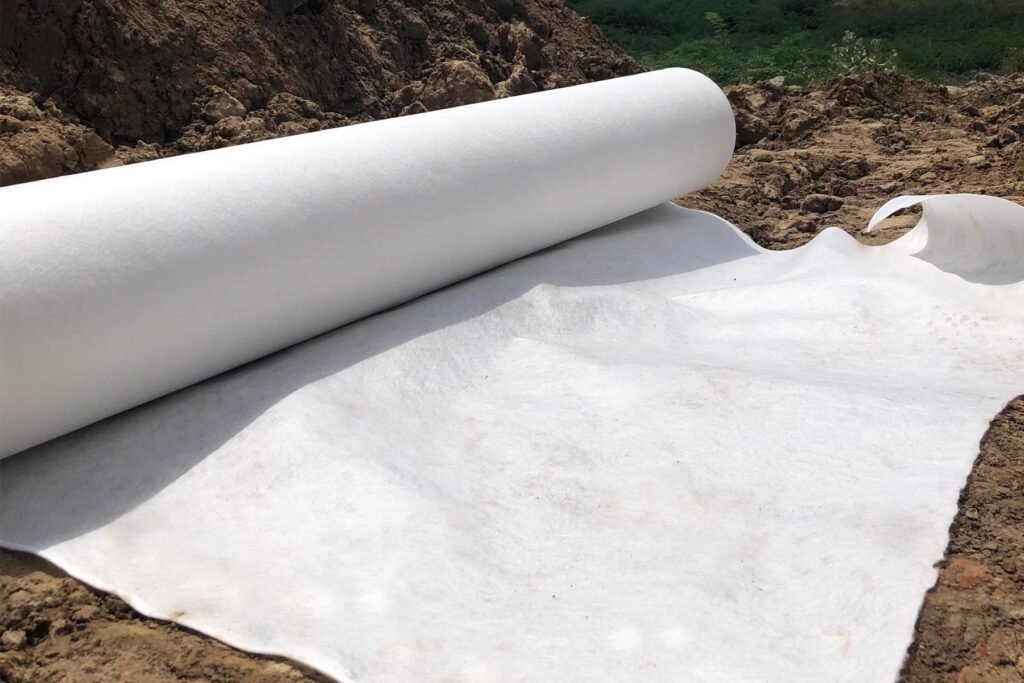
Geotextile landscape fabric is a permeable synthetic textile manufactured from polypropylene or polyester fibers. Unlike plastic sheeting, geotextile fabric allows water and air to pass through while preventing soil movement and suppressing unwanted vegetation.

Depending on the manufacturing process, landscape fabrics are generally divided into two categories:

Woven Geotextile

Woven geotextiles are produced by interlacing high-strength synthetic yarns into a stable fabric structure. They offer excellent tensile strength and load distribution, making them ideal for applications requiring reinforcement and stabilization.

Typical applications include:

  • Driveways
  • Gravel roads
  • Parking areas
  • Walkways
  • Base stabilization

Nonwoven Geotextile

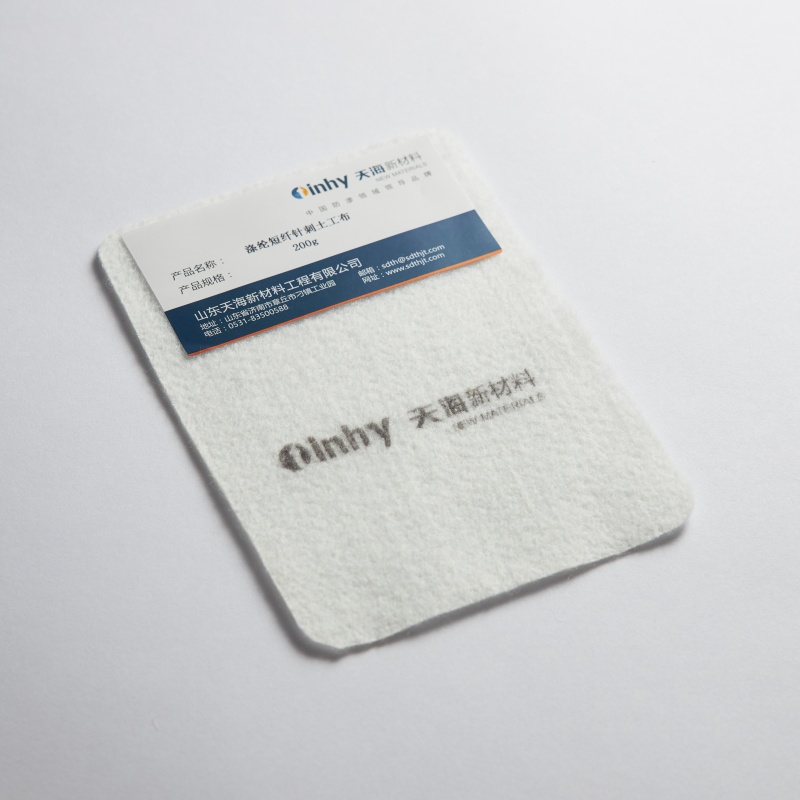
Nonwoven geotextiles are manufactured by bonding continuous or staple fibers using needle punching or heat treatment. They provide excellent filtration, drainage, and cushioning properties.

They are commonly used for:

  • French drains
  • Retaining walls
  • Drainage systems
  • Pond underlayment
  • Erosion control

Choosing between woven and nonwoven fabric depends on the specific performance requirements of your landscaping project.

How Does Geotextile Landscape Fabric Work?

A geotextile landscape fabric performs several engineering functions simultaneously.

Weed Suppression

The fabric blocks sunlight from reaching weed seeds beneath the surface, reducing weed germination while still allowing moisture and nutrients to reach desirable plants.

Unlike plastic films, quality geotextiles maintain soil health by permitting air circulation.

Soil Separation

When gravel or decorative stone is placed directly on soil, the two materials gradually mix due to traffic and weather conditions.

A geotextile separator maintains distinct material layers, preserving the thickness and stability of aggregate surfaces.

Drainage

Water can easily pass through the fabric while soil particles remain in place.

This filtration function prevents water accumulation that could otherwise weaken foundations or damage landscaping structures.

Reinforcement

High-strength woven geotextiles distribute loads over a wider area, reducing localized settlement and increasing the bearing capacity of weak soils.

Erosion Control

On slopes and embankments, landscape fabric helps hold soil in place while allowing vegetation to establish naturally.

This minimizes surface erosion caused by rainfall and runoff.

Key Benefits of Geotextile Landscape Fabric

1. Effective Weed Control

One of the primary reasons homeowners and contractors install landscape fabric is to reduce weed growth.

Unlike chemical herbicides that require repeated application, geotextile fabric provides long-term physical weed suppression without harming surrounding plants.

With proper installation and sufficient mulch or decorative stone cover, weed maintenance can be dramatically reduced.

2. Improved Drainage Performance

Poor drainage often causes landscape failure.

Standing water promotes root rot, weakens retaining walls, and creates muddy walkways.

Nonwoven geotextiles allow water to flow freely while preventing fine soil particles from clogging drainage systems.

This keeps drainage structures operating efficiently for years.

3. Increased Soil Stability

Landscape installations often experience gradual settlement due to soil movement.

Woven geotextiles reinforce weak subgrades by distributing applied loads more evenly.

This is especially important for:

  • Gravel driveways
  • Garden paths
  • Parking areas
  • Patio foundations

Improved soil stability helps reduce maintenance and extends the service life of hardscape installations.

4. Reduced Maintenance Costs

A professionally installed geotextile landscape fabric minimizes ongoing maintenance by:

  • Reducing weed removal
  • Preventing gravel contamination
  • Improving drainage
  • Reducing erosion
  • Maintaining a clean landscape appearance

Over the lifetime of a project, these benefits often outweigh the initial material investment.

5. Protects Landscape Structures

A high-quality geotextile landscape fabric not only improves soil performance but also protects surrounding landscape structures from premature damage.

When installed beneath pavers, decorative gravel, retaining walls, or artificial turf, the fabric helps maintain a stable base by minimizing soil movement and preventing aggregate migration. This stability reduces uneven settlement, cracking, and surface deformation over time.

For commercial landscaping projects, maintaining structural integrity means fewer repairs, lower maintenance costs, and a longer service life for hardscape installations.

6. Supports Sustainable Landscaping

Sustainable landscaping is becoming increasingly important for municipalities, developers, and homeowners alike.

Geotextile landscape fabric contributes to environmentally responsible construction by:

  • Reducing soil erosion
  • Minimizing sediment runoff
  • Lowering herbicide usage
  • Extending the lifespan of landscape materials
  • Reducing replacement frequency

Unlike impermeable plastic sheets, high-quality geotextiles maintain natural water infiltration, helping preserve healthy soil ecosystems while supporting sustainable landscape design.

7. Provides Long-Term Durability

Professional geotextile landscape fabrics are engineered for long-term outdoor performance.

Manufactured from premium polypropylene or polyester fibers, they resist:

  • Biological degradation
  • Mold and mildew
  • Soil chemicals
  • Moisture damage
  • UV exposure during installation

Once covered with gravel, mulch, or soil, a properly selected geotextile can continue performing effectively for many years with minimal maintenance.

Common Applications of Geotextile Landscape Fabric

Because of its versatility, geotextile landscape fabric is used in both residential and commercial projects.

Garden Beds

Landscape fabric helps suppress weeds while allowing water and nutrients to reach plant roots. It also keeps decorative mulch cleaner by reducing soil contamination.

Gravel Driveways

A woven geotextile separates gravel from the subgrade, preventing stones from sinking into soft soil. This improves load distribution and reduces the need for frequent gravel replacement.

Walkways and Pathways

Installing landscape fabric beneath gravel or crushed stone pathways helps maintain a level surface while minimizing weed growth and erosion.

Retaining Walls

Nonwoven geotextiles are commonly installed behind retaining walls to improve drainage, filter soil particles, and reduce hydrostatic pressure.

French Drains

Needle-punched nonwoven geotextiles wrap drainage pipes and gravel, preventing fine soil from clogging the drainage system while maintaining water flow.

Artificial Turf

Landscape fabric creates a clean, stable foundation beneath synthetic grass and helps prevent weed growth through the base layer.

Erosion Control on Slopes

Geotextiles stabilize soil on embankments and landscaped slopes while allowing vegetation to establish naturally, reducing erosion caused by rainfall and surface runoff.

How to Choose the Right Geotextile Landscape Fabric

Selecting the correct landscape fabric depends on the intended application rather than simply choosing the thickest material.

Choose Woven Fabric for Reinforcement

Woven geotextiles are recommended for projects that require high tensile strength, such as:

  • Driveways
  • Parking areas
  • Road bases
  • Heavy-load landscapes

These fabrics provide excellent soil stabilization and load distribution.

Choose Nonwoven Fabric for Drainage

Nonwoven geotextiles perform best when filtration and water flow are priorities.

They are ideal for:

  • French drains
  • Retaining walls
  • Pond underlayment
  • Drainage trenches
  • Erosion control

Consider Fabric Weight

Heavier fabrics generally provide greater puncture resistance and durability.

However, selecting a fabric based solely on weight is not recommended. The appropriate specification should match project requirements, including expected traffic loads, soil conditions, and drainage needs.

Evaluate Water Permeability

For drainage applications, permeability is one of the most important performance indicators.

A high-quality geotextile should allow water to pass freely while retaining soil particles, ensuring long-term filtration efficiency without clogging.

Verify Mechanical Properties

Before purchasing, review key technical specifications such as:

  • Tensile strength
  • Elongation
  • Puncture resistance
  • Apparent Opening Size (AOS)
  • Permittivity
  • Mass per unit area

These properties determine whether the fabric is suitable for your specific project.

Common Mistakes When Using Landscape Fabric

Many landscape failures are caused by incorrect material selection or installation.

Avoid these common mistakes:

  • Using plastic sheeting instead of permeable geotextile fabric
  • Choosing lightweight fabric for heavy-load applications
  • Installing fabric directly over sharp rocks without preparing the subgrade
  • Failing to overlap adjacent fabric panels adequately
  • Leaving the fabric exposed to sunlight for extended periods
  • Selecting woven fabric where filtration is required or nonwoven fabric where reinforcement is needed

Proper installation is just as important as selecting the right product.

Why Choose Tinhy Geosynthetics?

Since 2002, Tinhy Geosynthetics has been committed to delivering high-performance geosynthetic solutions for infrastructure, environmental, mining, water management, and landscaping projects worldwide.

Our advantages include:

  • Over 20 years of geosynthetic manufacturing experience
  • More than 20 advanced automated production lines
  • Comprehensive woven and nonwoven geotextile product range
  • ISO 9001, ISO 14001, and ISO 45001 certified manufacturing
  • Strict in-house quality control and laboratory testing
  • Customized specifications and OEM services
  • Fast production and global delivery
  • Export experience in over 40 countries

Whether you are designing a residential garden, constructing a commercial landscape, or developing a large-scale infrastructure project, Tinhy provides reliable geotextile solutions tailored to your engineering requirements.

Frequently Asked Questions

What is geotextile landscape fabric used for?

Geotextile landscape fabric is used for weed suppression, soil separation, drainage, erosion control, and ground stabilization in landscaping and civil engineering projects.

Is woven or nonwoven landscape fabric better?

It depends on the application. Woven geotextiles are better for reinforcement and load support, while nonwoven geotextiles are preferred for filtration and drainage.

Does landscape fabric stop weeds permanently?

Landscape fabric significantly reduces weed growth by blocking sunlight. However, wind-blown seeds can still germinate in mulch above the fabric, so occasional maintenance may still be required.

Can water pass through geotextile landscape fabric?

Yes. High-quality geotextile fabrics are permeable, allowing water and air to pass through while retaining soil particles.

How long does geotextile landscape fabric last?

Depending on the material, installation quality, and environmental conditions, professional-grade geotextile landscape fabric can provide reliable performance for many years when properly covered and maintained.

Conclusion

Geotextile landscape fabric is far more than a simple weed barrier. It is a versatile geosynthetic material that improves soil stability, enhances drainage, controls erosion, separates construction layers, and extends the lifespan of landscaping projects. Whether used beneath gravel driveways, retaining walls, garden beds, drainage systems, or artificial turf, the right geotextile fabric delivers long-term performance and reduces maintenance costs.

At Tinhy Geosynthetics, we combine over two decades of manufacturing expertise with advanced production technology to provide woven and nonwoven geotextiles that meet the highest standards of quality and reliability. By selecting the appropriate geotextile for your application, you can build stronger, more durable, and more sustainable landscape systems that stand the test of time.

Knowledge Base
Share:
info@tinhygeosynthetics.com Bai Jinxi
Consultation

    Get The Latest Product Prices

    Your inquiries are welcomed at any time and please feel free to contact us via email, phone calls, and online chatbox on our site.

    We will definitely give you a reply ASAP after we receive your messages.

      0/180