Resources
Company News
Industry News
Knowledge Base
Project Cases
Innovation
Team Power Fuels TINHY’s Global Geosynthetics Solutions
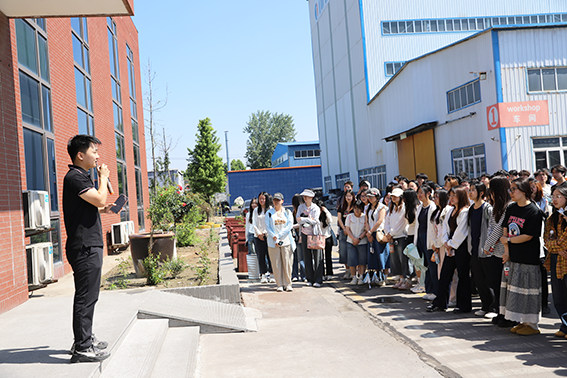
Tinhy and University of Jinan Celebrate Six Years of Industry–University Collaboration
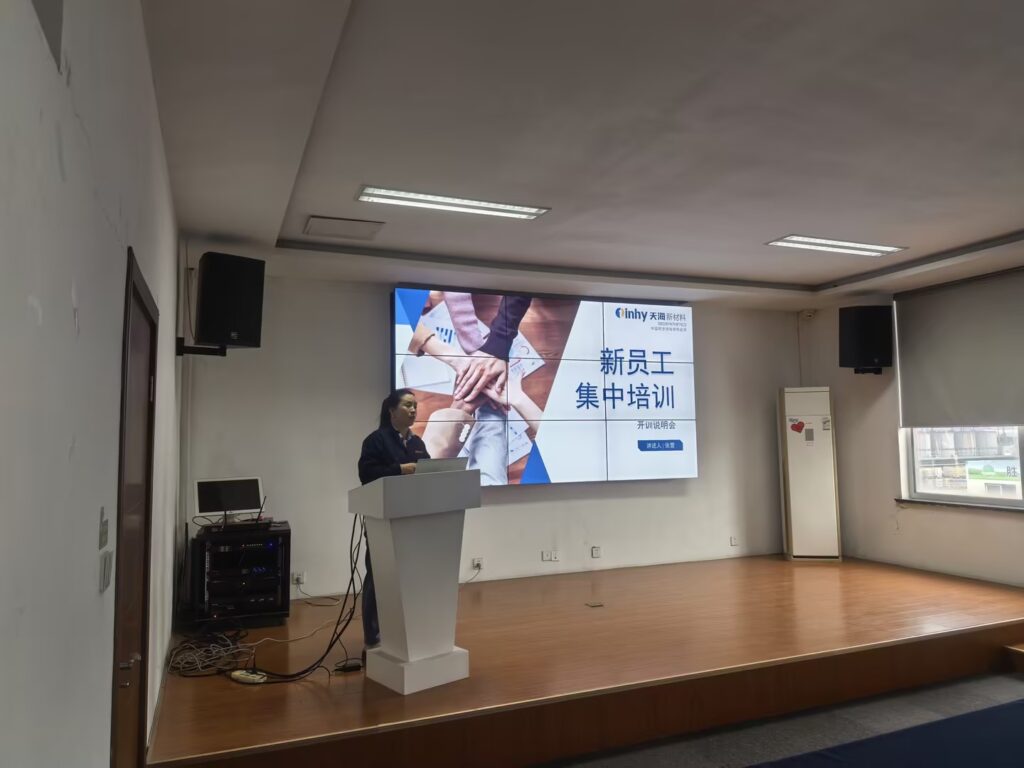
Empowering New Talent, Building the Future: Tinhy Successfully Conducts New Employee Orientation Training
Tinhy Conducts Comprehensive Emergency Drill to Strengthen Workplace Safety Defenses
Company Mid – Year Summary and Team – Building Activity Report
Is geomembrane a geotechnical engineering material?
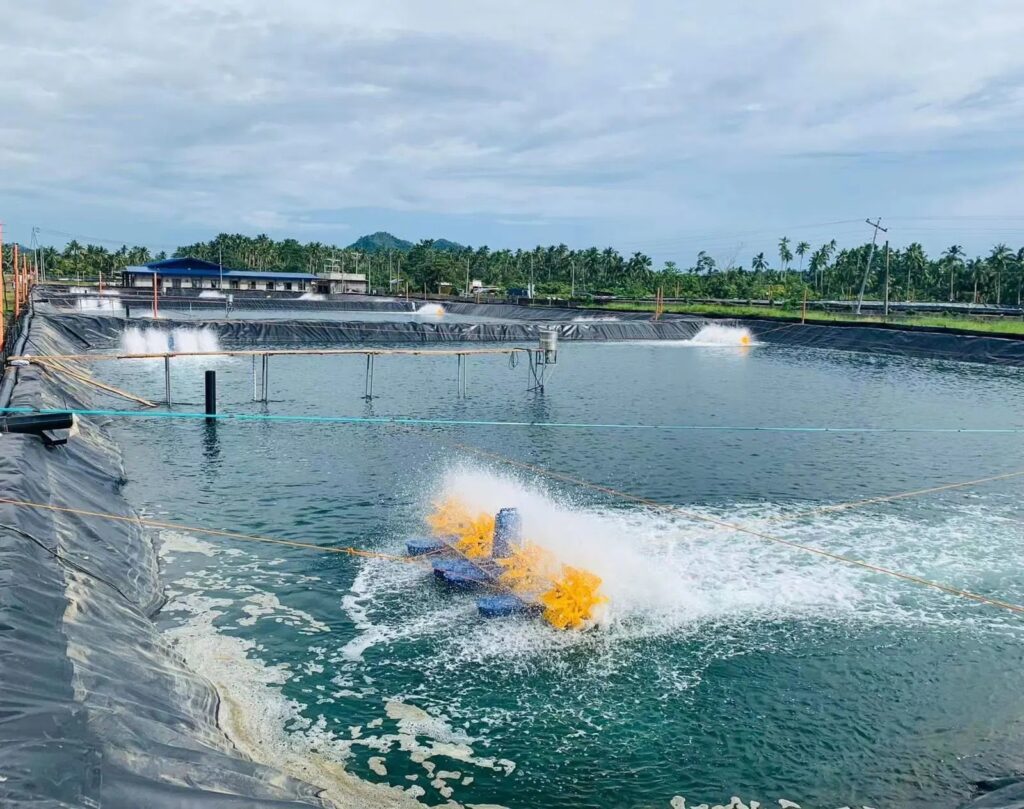
What are the application scenarios of geomembrane?
What are the functions of geotextiles?
Cómo elegir geomembrana de hdpe en proyectos de ingeniería
How to choose hdpe geomembrane in engineering projects
China’s Geotechnical Construction Materials Embrace New Opportunities
Tips for Moisture-Proof Storage of Geotextiles
Key Construction Points and Precautions for High-Density Polyethylene Geomembrane
what is pond lining material ?
What is geomembrane?
HDPE geomembrane construction plans and technical measures
What quality tests do HDPE geomembranes need to do?
Tinhy’s MDS® Drainage Solution
Installation Robots
The 7 Best PP Woven Geotextiles Review: Strength, Applications & Buying Guide
The 6 Best Geotextile 300g Review: Heavy-Duty Nonwoven Geotextile for Soil Stabilization
The 6 Best 1000 Micron HDPE Sheets Reviewed in 2026
What Is a 60 Mil Geomembrane? Complete Guide to 1.5mm HDPE Geomembrane (2026)
Top 7 Global Geocomposite Manufacturers in 2026
Top 10 Best 1.5mm HDPE Geomembrane Sheets in 2026 – Expert Review & Buying Guide
Top 7 EPDM Geomembrane Applications and Buying Guide in 2026
The 8 Best Geomembrane 1mm Solutions for Engineering Projects in 2026
How Much Does Geogrid Cost? A Complete Guide to Geogrid Pricing and Selection
Textured HDPE Geomembrane: 8 Powerful Benefits and Applications for Slope & Containment Projects
Should HDPE or PVC be used to install geomembrane in reservoirs?
What is the price of geomembrane?
Material characteristics of three different geomembranes
Esquema de construcción de geomembrana de HDPE y medidas técnicas
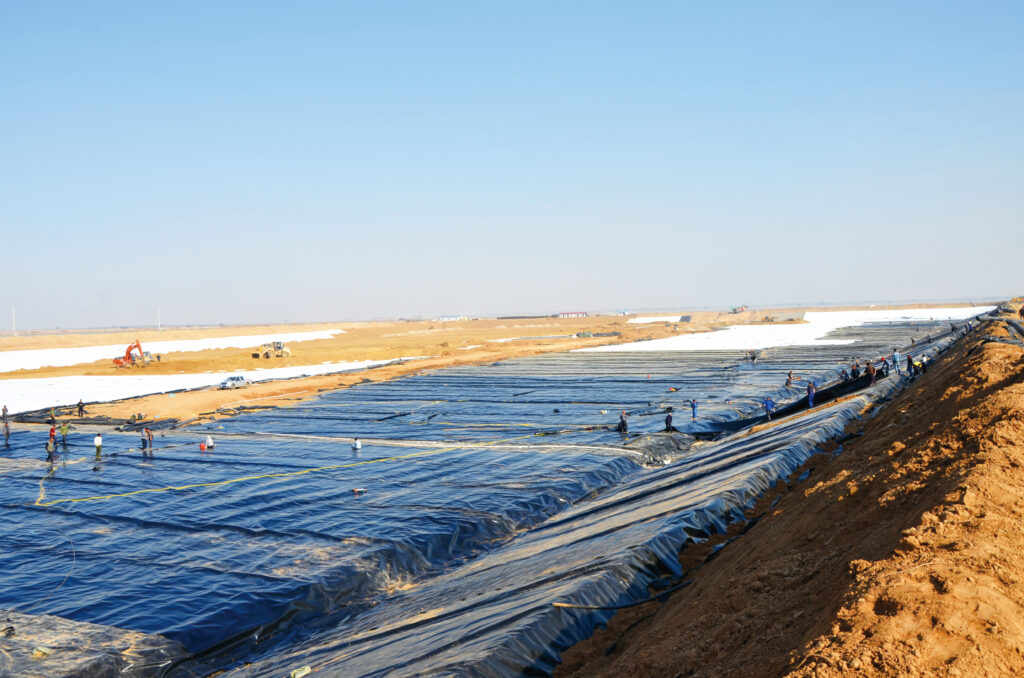
hdpe geomembrane pond liner in Congo (DRC)
How to lay and weld HDPE geomembrane?
HDPE geomembrane 0.2-4.0mm
HOME ABOUT PRODUCTS APPLICATION CONTENTUS RESOURCES
Home Resources Knowledge Base The 7 Best PP Woven Geotextiles Review: Strength, Applications & Buying Guide

The 7 Best PP Woven Geotextiles Review: Strength, Applications & Buying Guide

time:August 19, 2026 Views:5

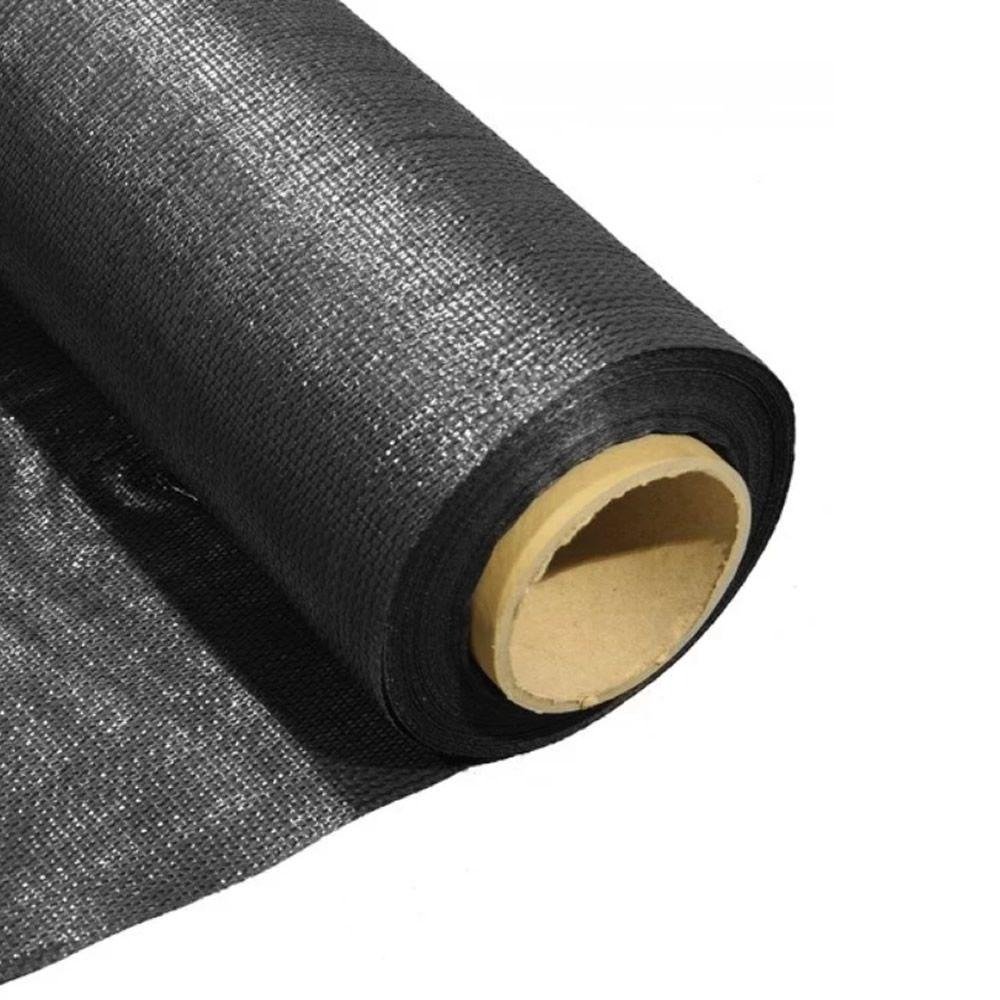
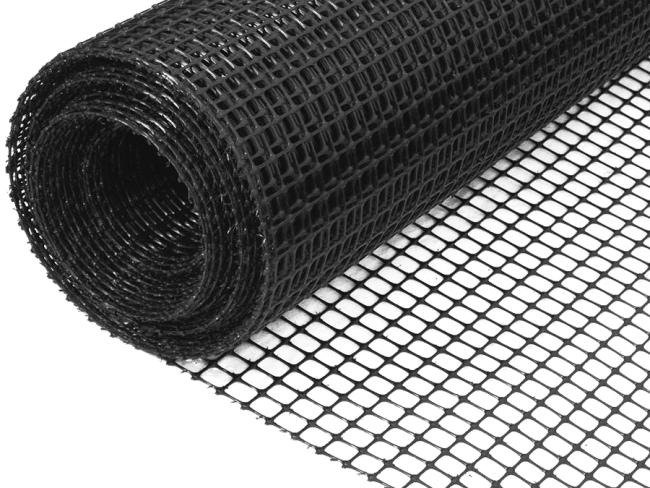
PP woven geotextile, also known as polypropylene woven geotextile, is a high-strength geosynthetic widely used for soil stabilization, separation, reinforcement, and erosion control. Unlike nonwoven geotextiles, which are primarily selected for filtration and drainage, woven geotextiles are designed to provide higher tensile strength and load distribution with relatively low elongation.

For road construction, mining access roads, railway subgrades, embankments, container yards, and other heavy-duty applications, choosing the right PP woven geotextile manufacturer can have a significant impact on project performance, installation efficiency, and lifecycle cost.

Typical PP woven geotextiles are manufactured from polypropylene tapes, monofilaments, or high-tenacity yarns. Depending on the manufacturing process and grade, they can provide tensile strengths ranging from approximately 30 to 120 kN/m, while maintaining controlled apertures and good resistance to chemicals and biological degradation.

This guide reviews 7 widely recognized PP woven geotextile products and manufacturers, comparing their typical performance, applications, strengths, limitations, and price positioning. It also explains how to select the right PP woven geotextile for different soil and loading conditions.

Table of Contents

1. What Is PP Woven Geotextile?

PP woven geotextile is a permeable synthetic fabric manufactured by interlacing polypropylene tapes or yarns into a stable woven structure.

The woven structure gives the material a combination of:

  • High tensile strength
  • Low elongation
  • Good dimensional stability
  • Soil separation
  • Load distribution
  • Reinforcement capability
  • Resistance to chemicals and biological degradation

Compared with nonwoven geotextiles, woven PP geotextiles generally have higher tensile strength and lower elongation, making them particularly suitable for stabilization and reinforcement applications.

Typical PP Woven Geotextile Properties

Property Typical Range
Material Polypropylene (PP)
Weight 100–600 g/m²
Tensile Strength 30–120 kN/m
Elongation 10–20%
Grab Tensile Strength 800–2,000 N
CBR Puncture 1,500–6,000 N
Aperture Size Approximately 0.1–1.0 mm
UV Stabilization Available
Chemical Resistance Excellent
Standard Colors Black, customized

Actual values vary according to the product construction, yarn type, weight, and applicable testing standard. Project specifications should therefore be based on the manufacturer’s current technical data sheet rather than generic ranges.

2. Why Use PP Woven Geotextiles?

The main advantage of a woven geotextile is its ability to transfer and distribute tensile loads.

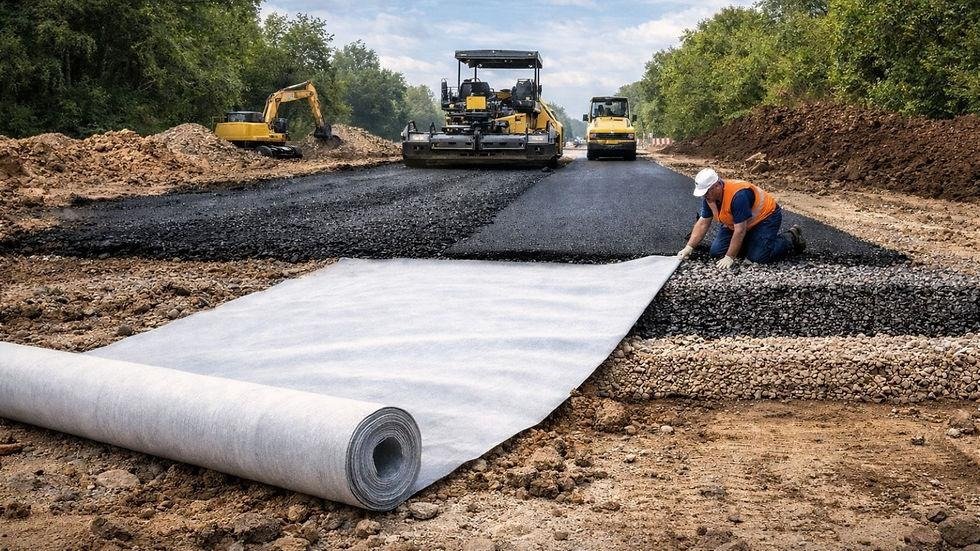
When installed between weak subgrade soil and aggregate, the geotextile creates a stable interface that reduces intermixing between the two layers.

2.1 Soil Stabilization

On weak subgrades, aggregate can gradually migrate into the underlying soil under repeated traffic.

A woven geotextile helps distribute loads and maintain separation, reducing rutting and deformation.

It is particularly useful for:

  • Unpaved roads
  • Construction access roads
  • Mining haul roads
  • Temporary roads
  • Working platforms
  • Parking areas

2.2 Separation

PP woven geotextile prevents fine soil particles from migrating into the aggregate layer.

This helps preserve the designed thickness and performance of the aggregate base.

2.3 Reinforcement

High-strength woven geotextiles can provide tensile reinforcement within soil structures.

They are commonly considered for:

  • Embankments
  • Slopes
  • Road bases
  • Railway subgrades
  • Retaining structures

2.4 Cost Reduction

A properly designed geotextile stabilization system may allow engineers to optimize aggregate thickness, especially when construction takes place over weak or variable subgrades.

However, aggregate savings should always be determined through engineering design rather than assumed as a fixed percentage.

3. How to Select the Best PP Woven Geotextile

The “best” PP woven geotextile is not necessarily the product with the highest tensile strength.

Selection should be based on the actual project requirements.

Key Evaluation Factors

1. Tensile Strength

For reinforcement and stabilization, tensile strength is one of the most important parameters.

Typical products may range from approximately 30 kN/m to more than 100 kN/m.

2. Elongation

Lower elongation allows the reinforcement effect to develop with relatively limited deformation.

3. CBR Puncture Resistance

CBR puncture resistance is important when the geotextile will experience construction traffic, aggregate placement, or sharp aggregate particles.

4. Grab Tensile Strength

Grab tensile strength provides an indication of installation survivability.

5. Aperture Size

Aperture dimensions influence interaction with soil particles and hydraulic performance.

6. UV Resistance

If the material will remain exposed during construction or service, UV stabilization becomes particularly important.

7. Chemical Resistance

Polypropylene offers good resistance to many acids, alkalis, and salts, making it suitable for demanding environments.

8. Certification and Testing

Always request current technical data and test reports based on the standards specified for the project.

Common standards include:

  • ASTM D4595
  • ASTM D4632
  • ASTM D4533
  • ASTM D6241
  • ASTM D4751
  • ASTM D4491
  • ASTM D4355
  • EN ISO 10319
  • AASHTO M288

4. The 7 Best PP Woven Geotextiles

4.1 TenCate Mirafi® HP Series – High-Strength Reinforcement

TenCate Mirafi® woven geotextiles are widely recognized in transportation and geotechnical engineering applications.

The HP series focuses on high tensile strength and reinforcement performance, making it suitable for demanding road and soil stabilization projects.

Key Features

  • High-tenacity polypropylene construction
  • High tensile strength
  • Low elongation
  • Strong installation survivability
  • Suitable for weak subgrades
  • Available in different strength grades

Best Applications

  • Heavy-haul roads
  • Railway infrastructure
  • Embankments
  • Soft-soil stabilization
  • Reinforced soil structures

Pros

  • Strong engineering track record
  • High-strength options
  • Suitable for demanding infrastructure projects

Cons

  • Premium price positioning
  • May be unnecessary for low-load applications

Best for: Projects where reinforcement strength and specification compliance are the primary priorities.

4.2 Propex Geotex® Woven – Road Stabilization

Propex Geotex® woven geotextiles are designed for stabilization, separation, and reinforcement applications.

Their woven polypropylene structure provides a combination of tensile strength and relatively low elongation.

Key Features

  • Woven polypropylene construction
  • Multiple strength grades
  • Good installation survivability
  • Suitable for transportation applications

Best Applications

  • Unpaved roads
  • Construction entrances
  • Parking areas
  • Mining access roads
  • Aggregate stabilization

Pros

  • Strong transportation-market presence
  • Multiple product grades
  • Good balance between strength and cost

Cons

  • Availability varies by market
  • Higher-strength grades can carry a premium price

Best for: Road stabilization projects requiring predictable mechanical performance.

4.3 HUESKER Fortrac® – High-Modulus Reinforcement

HUESKER is well known for technical geosynthetics used in reinforced soil and infrastructure applications.

Fortrac® products are particularly associated with high-strength reinforcement.

Key Features

  • High-strength woven structure
  • Low elongation
  • High tensile capacity
  • Suitable for reinforced soil structures

Applications

  • Reinforced embankments
  • Steep slopes
  • Retaining structures
  • Road infrastructure
  • Land development

Pros

  • Excellent reinforcement capability
  • Suitable for engineered structures
  • Strong technical support

Cons

  • Premium pricing
  • Over-specified for simple separation projects

Best for: High-performance reinforcement and engineered soil structures.

4.4 Thrace Woven PP Geotextile – Balanced Performance

Thrace Group manufactures a broad range of technical textiles and geosynthetic products.

Its woven PP geotextiles offer a balance of tensile strength, dimensional stability, and cost.

Typical Applications

  • Road stabilization
  • Railway construction
  • Separation
  • Soil reinforcement
  • Erosion control

Advantages

  • Good mechanical performance
  • Multiple product configurations
  • Competitive international positioning

Limitations

  • Product availability depends on region
  • Performance varies between individual grades

Best for: Transportation and infrastructure projects seeking balanced performance.

4.5 SKAPS Woven PP Geotextile – Cost-Effective Stabilization

SKAPS offers woven polypropylene geotextiles for stabilization and separation applications.

These products are commonly considered for projects where controlling material cost is important.

Applications

  • Access roads
  • Parking lots
  • Construction platforms
  • Soil stabilization
  • Aggregate separation

Pros

  • Competitive pricing
  • Multiple strength grades
  • Suitable for general stabilization

Cons

  • Some high-strength applications may require premium grades

Best for: Cost-conscious road and construction projects.

4.6 WinFab Woven PP Geotextile – General Stabilization

WinFab woven PP geotextiles are another option for general soil stabilization and separation.

They are typically used where moderate tensile performance and economical material costs are required.

Applications

  • Temporary roads
  • Site access
  • Construction platforms
  • Driveways
  • General soil separation

Pros

  • Cost-effective
  • Simple installation
  • Suitable for general-purpose applications

Cons

  • Not necessarily the first choice for highly engineered reinforcement structures

Best for: General stabilization and temporary infrastructure.

4.7 Tinhy Geosynthetics PP Woven Geotextile – Flexible OEM & Project Supply

https://images.openai.com/static-rsc-4/lPWcxVqN5d2P_gd1rp8a05BBYsEUx1p4r8foCpjWhOu8YaKnid5jjP3RWSBN5AHNlzR4TeuK4H5md0jvyfEy7E_9kuIftorbAzrleTiDhJQHuf0Rx9PCzG9zJajYBnggkcbBTwhL3nezrvtHVLkT3NXEMKXCu9jLwwVzWmkZhekS6gxGfag3fpE_aDYASrzG?purpose=fullsizehttps://images.openai.com/static-rsc-4/zynJluD1GbpIjiTagkjXqNNK7Gr91U7rFZDcWfVg0I6VjA-z248_XpUkwFYmsboCdlDD3--j7QAgvjRTjGUDaCLdsDJxMAZ9z6M1a41xBxDch3a_50dAi7sC6wIxKDivtT4ja11QwjainqKn1nnFe-nr2IH9WEhrE_-se1Hn7MXd3RFhXrAQV2BEycMx3W2s?purpose=fullsizehttps://images.openai.com/static-rsc-4/6irztTK6jsy72-U_UTecADsVw8zpoULa1a-UQpyTn3caG9MWHBN2vd3GTBgYcix6zbyKGDQ0ImKaXS52FDgMtAIIr3PHkHicsRG7SzYXjWdo2MC8pDOshP2QUIwcCJErfQcLp8gofUjmmXwhLK9CIBHMDTTvhYitWK89ofRg4XE3R_Q1KpNRtptUj4rrHDkT?purpose=fullsize

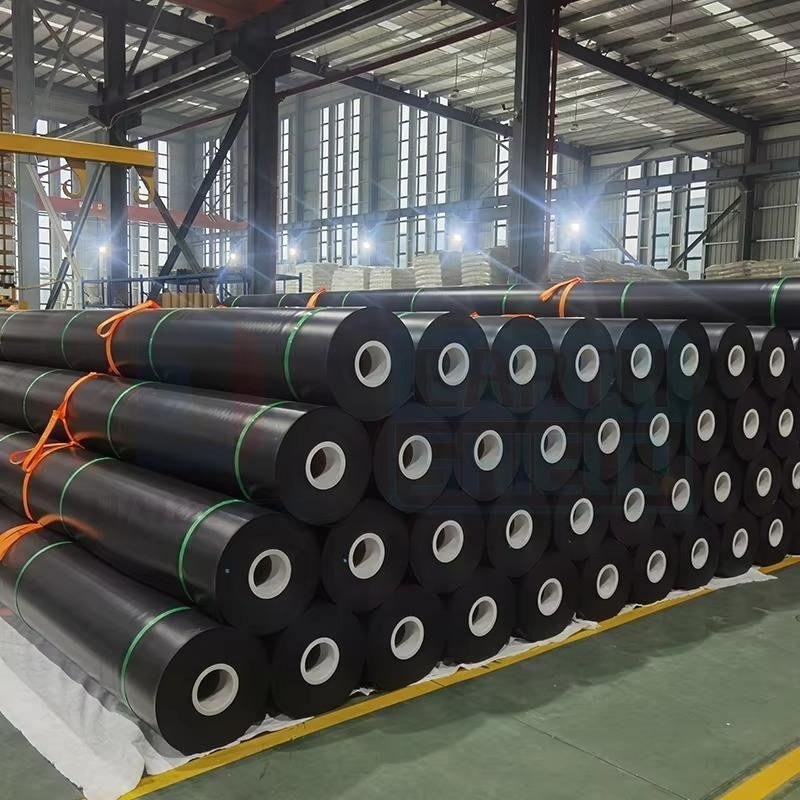
Tinhy Geosynthetics provides PP woven geotextiles for road construction, soil stabilization, separation, reinforcement, and other civil engineering applications.

Rather than positioning one fixed specification as suitable for every project, Tinhy can supply different weights, tensile strengths, widths, and surface configurations according to project requirements.

Product Advantages

High-Strength PP Construction

Polypropylene woven structures provide high tensile strength and dimensional stability for demanding stabilization applications.

Customizable Specifications

Depending on project requirements, products can be customized according to:

  • Weight
  • Tensile strength
  • Roll width
  • Roll length
  • Aperture
  • Color
  • Packaging
  • OEM branding

Wide Application Range

Tinhy PP woven geotextiles can be considered for:

  • Road base stabilization
  • Mining roads
  • Railway subgrades
  • Construction platforms
  • Parking lots
  • Embankments
  • Soil separation
  • Erosion control

Quality Control

For international projects, product selection should be supported by technical data sheets and applicable laboratory testing. Tinhy can provide relevant product documentation according to project requirements.

Project-Oriented Supply

For large projects, the product specification can be matched to the actual soil conditions, loading requirements, aggregate characteristics, and installation method rather than simply selecting a geotextile based on weight alone.

Why Consider Tinhy?

Tinhy is particularly suitable for buyers looking for:

  • Direct manufacturer supply
  • Competitive project pricing
  • Customized specifications
  • OEM/private-label production
  • Flexible roll dimensions
  • International export support
  • Geosynthetic product integration

Best for: Importers, contractors, distributors, and infrastructure projects requiring customized PP woven geotextile solutions with competitive factory pricing.

5. PP Woven Geotextile Comparison

Manufacturer / Product Material Typical Strength Position Main Application Price Position
TenCate Mirafi HP PP woven High Heavy reinforcement Premium
Propex Geotex Woven PP woven Medium–High Road stabilization Mid–Premium
HUESKER Fortrac PP/PET woven Very High Reinforced soil Premium
Thrace Woven PP woven Medium–High Roads & rail Mid
SKAPS Woven PP woven Medium–High Stabilization Competitive
WinFab Woven PP woven Medium General stabilization Competitive
Tinhy Geosynthetics PP woven Customizable Roads, mining, separation & reinforcement Competitive

Important: The values and price levels above are positioning categories rather than universal specifications. Actual performance depends on the exact product grade and project requirements.

6. PP Woven vs Nonwoven Geotextile

One of the most common purchasing mistakes is choosing a geotextile based only on weight.

A 300 g/m² woven geotextile and a 300 g/m² nonwoven geotextile can have completely different performance characteristics.

Property PP Woven Nonwoven
Tensile Strength High Moderate–High
Elongation Lower Higher
Reinforcement Excellent Limited–Moderate
Separation Excellent Excellent
Filtration Moderate Excellent
Drainage Moderate Excellent
Puncture Resistance Product dependent Generally good
Soil Stabilization Excellent Good
Reinforced Soil Excellent Limited
Typical Road Use Stabilization/Reinforcement Separation/Filtration

Simple Selection Rule

Choose PP woven geotextile when your project primarily requires:

strength + stabilization + reinforcement + separation

Choose nonwoven geotextile when your project primarily requires:

filtration + drainage + cushioning + separation

In some projects, the best solution is not choosing one over the other, but using woven and nonwoven geotextiles together.

7. Applications of PP Woven Geotextiles

Road Construction

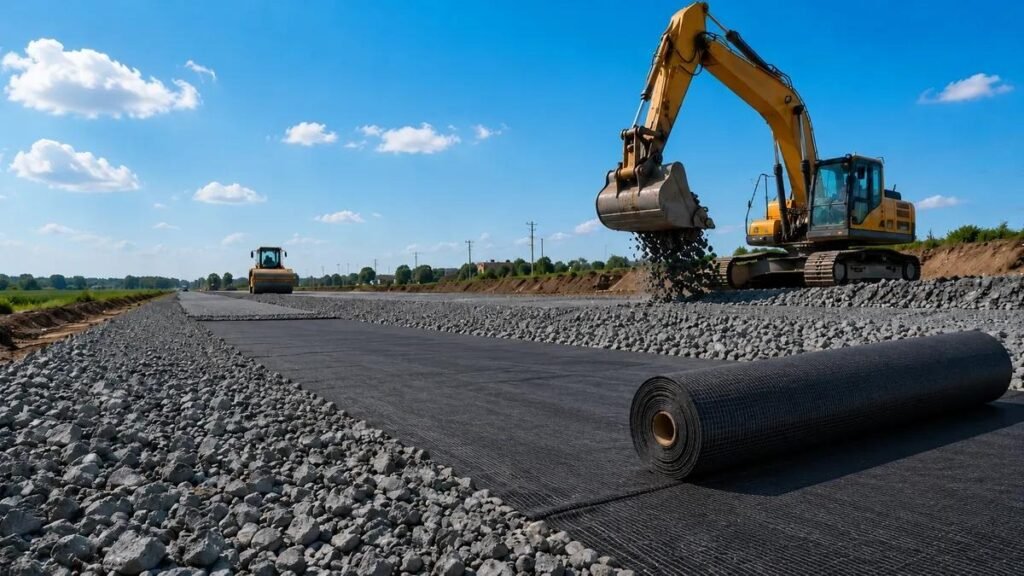
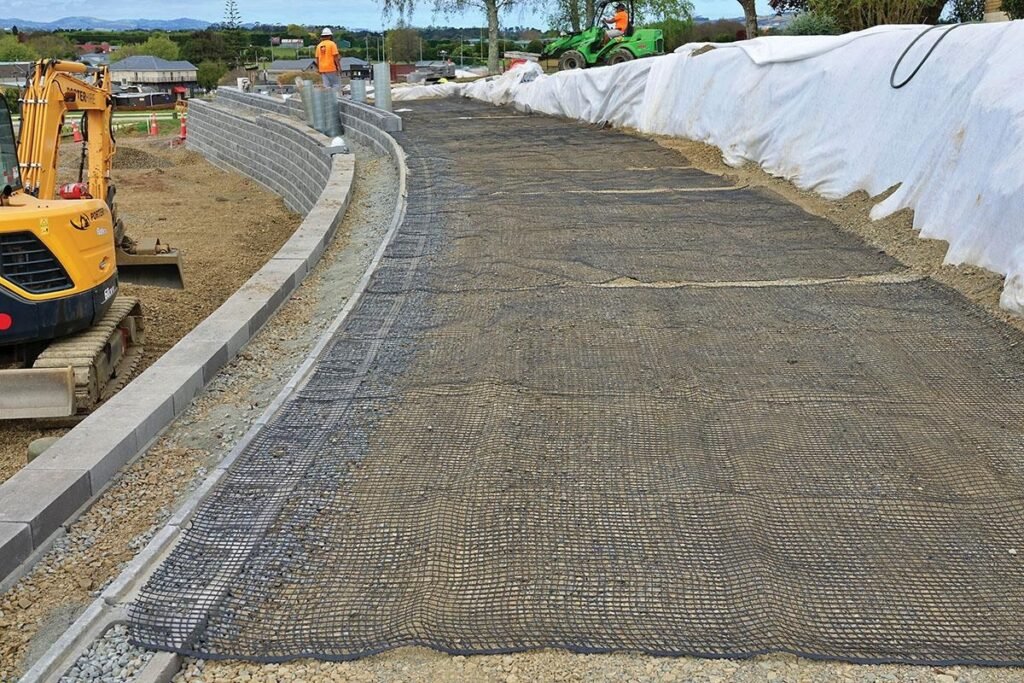
PP woven geotextile is widely used beneath aggregate layers to stabilize weak subgrades.

It helps:

  • Separate soil and aggregate
  • Distribute loads
  • Reduce rutting
  • Maintain aggregate thickness
  • Improve construction access

Mining Roads

Mining projects often involve heavy vehicle loads and weak or variable subgrades.

High-strength woven geotextiles can provide reinforcement and separation beneath haul roads and working platforms.

Railway Construction

Woven geotextiles can be used for separation and stabilization beneath railway subgrades and ballast-related structures.

Embankments

High-strength products can reinforce soil structures and contribute to slope stability when properly designed.

Parking Lots and Container Yards

Woven geotextiles can help stabilize aggregate bases under repeated vehicle loading.

Temporary Access Roads

For construction projects, woven geotextiles can create a more stable working platform while reducing contamination between aggregate and subgrade.

8. How to Choose the Right PP Woven Geotextile

Before requesting a quotation, prepare the following information.

1. Project Type

For example:

  • Highway
  • Mining road
  • Railway
  • Landfill
  • Parking area
  • Embankment

2. Subgrade Condition

If available, provide:

  • Soil type
  • CBR value
  • Groundwater conditions
  • Bearing capacity

3. Traffic Loading

Specify:

  • Vehicle type
  • Approximate axle load
  • Traffic frequency
  • Construction equipment

4. Required Strength

Do not select a product only by GSM.

Instead, compare:

  • Tensile strength
  • Grab tensile
  • Tear strength
  • CBR puncture
  • Elongation
  • Aperture size

5. Installation Conditions

Consider:

  • Aggregate size
  • Subgrade roughness
  • Construction equipment
  • Exposure time
  • Overlap requirements

6. Testing Requirements

For international projects, ask suppliers for current test reports and technical data corresponding to the project specification.

9. PP Woven Geotextile: Common Buying Mistakes

Mistake 1: Choosing by GSM Only

A heavier geotextile is not automatically stronger or better.

The manufacturing process and yarn structure can significantly affect tensile and puncture performance.

Mistake 2: Ignoring Soil Conditions

A product suitable for a firm subgrade may not be appropriate for extremely soft soil.

Mistake 3: Comparing Tensile Strength Without Test Standards

Always confirm whether tensile data comes from:

  • ASTM D4595
  • ASTM D4632
  • EN ISO 10319

Different test methods produce different values.

Mistake 4: Ignoring Installation Damage

The product must survive aggregate placement and construction traffic, not just laboratory tensile testing.

Mistake 5: Buying the Cheapest Product

The lowest material price may not produce the lowest total project cost.

Consider:

Material + transportation + installation + aggregate + maintenance + service life

10. Final Thoughts

PP woven geotextiles remain an important solution for soil stabilization, reinforcement, separation, and heavy-duty road construction.

Leading manufacturers such as TenCate, Propex, HUESKER, Thrace, SKAPS, and WinFab offer different product grades for various engineering requirements.

However, there is no single “best” PP woven geotextile for every project.

The correct selection should consider:

  • Tensile strength
  • CBR puncture resistance
  • Elongation
  • Aperture size
  • Soil conditions
  • Traffic loading
  • Aggregate characteristics
  • Installation conditions
  • Required design life
  • Total installed cost

For buyers looking for customized specifications, competitive factory pricing, OEM supply, and international project support, Tinhy Geosynthetics can provide PP woven geotextile solutions matched to specific project requirements.

Instead of asking only “How much does a PP woven geotextile cost?”, a better question is:

Which PP woven geotextile provides the required performance at the lowest total project cost?

That approach helps engineers, contractors, distributors, and importers select a product that performs reliably in the field—not just on a quotation sheet.

Knowledge Base
Share:
info@tinhygeosynthetics.com Bai Jinxi
Consultation

    Get The Latest Product Prices

    Your inquiries are welcomed at any time and please feel free to contact us via email, phone calls, and online chatbox on our site.

    We will definitely give you a reply ASAP after we receive your messages.

      0/180