Resources
Company News
Industry News
Knowledge Base
Project Cases
Innovation
Team Power Fuels TINHY’s Global Geosynthetics Solutions
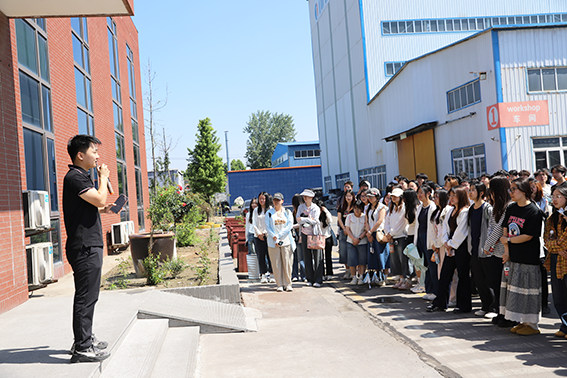
Tinhy and University of Jinan Celebrate Six Years of Industry–University Collaboration
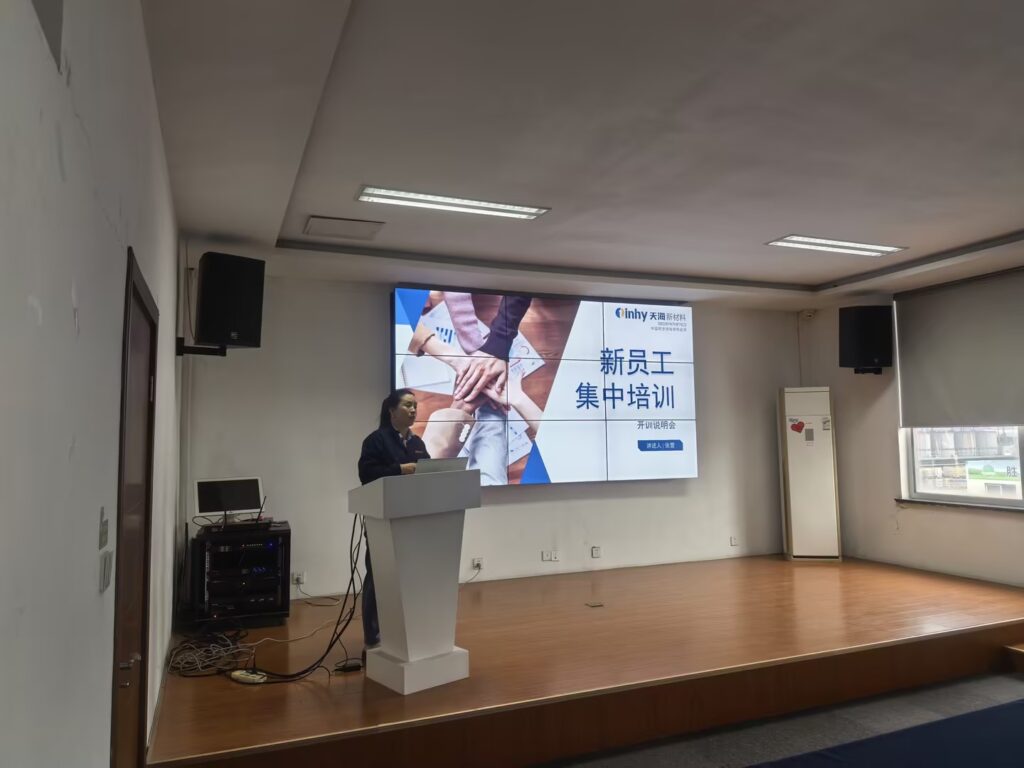
Empowering New Talent, Building the Future: Tinhy Successfully Conducts New Employee Orientation Training
Tinhy Conducts Comprehensive Emergency Drill to Strengthen Workplace Safety Defenses
Company Mid – Year Summary and Team – Building Activity Report
Is geomembrane a geotechnical engineering material?
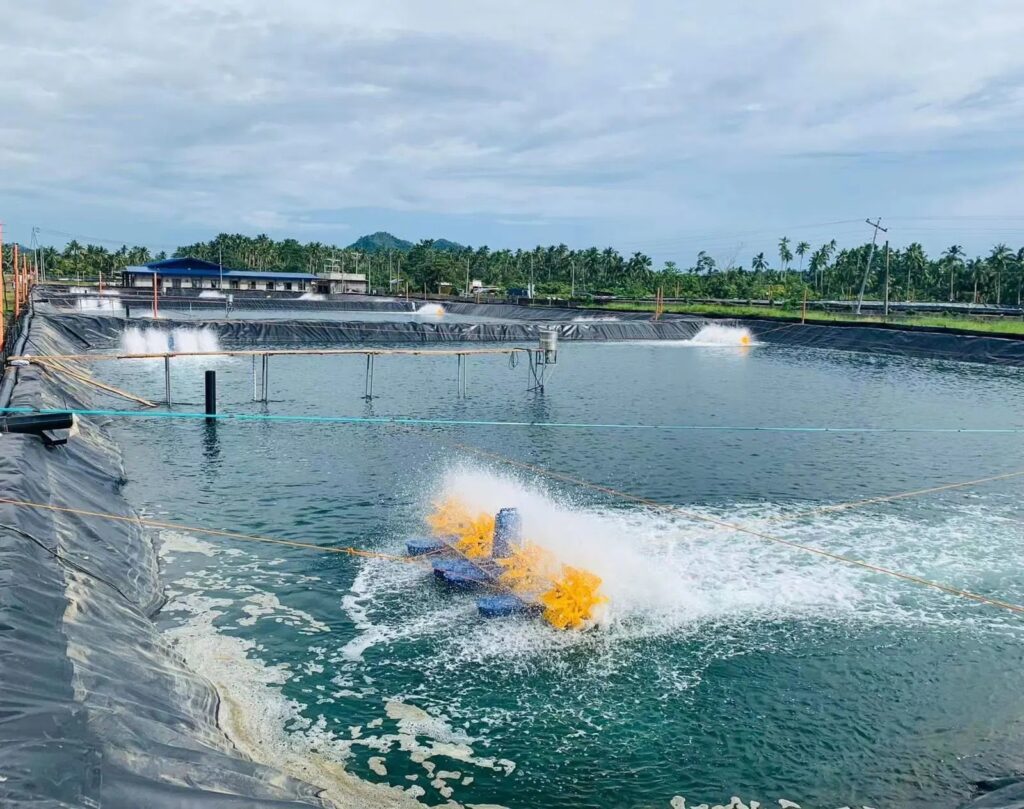
What are the application scenarios of geomembrane?
What are the functions of geotextiles?
Cómo elegir geomembrana de hdpe en proyectos de ingeniería
How to choose hdpe geomembrane in engineering projects
China’s Geotechnical Construction Materials Embrace New Opportunities
Tips for Moisture-Proof Storage of Geotextiles
Key Construction Points and Precautions for High-Density Polyethylene Geomembrane
what is pond lining material ?
What is geomembrane?
HDPE geomembrane construction plans and technical measures
What quality tests do HDPE geomembranes need to do?
Tinhy’s MDS® Drainage Solution
Installation Robots
What Is 60 Mil HDPE Geomembrane and What Are Its Applications?
Comprehensive Guide to 1mm Geomembrane for Landfill Applications
Top 7 Global Non Woven Geotextile Suppliers
The 7 Best PP Woven Geotextiles Review: Strength, Applications & Buying Guide
The 6 Best Geotextile 300g Review: Heavy-Duty Nonwoven Geotextile for Soil Stabilization
The 6 Best 1000 Micron HDPE Sheets Reviewed in 2026
What Is a 60 Mil Geomembrane? Complete Guide to 1.5mm HDPE Geomembrane (2026)
Top 7 Global Geocomposite Manufacturers in 2026
Top 10 Best 1.5mm HDPE Geomembrane Sheets in 2026 – Expert Review & Buying Guide
Top 7 EPDM Geomembrane Applications and Buying Guide in 2026
Should HDPE or PVC be used to install geomembrane in reservoirs?
What is the price of geomembrane?
Material characteristics of three different geomembranes
Esquema de construcción de geomembrana de HDPE y medidas técnicas
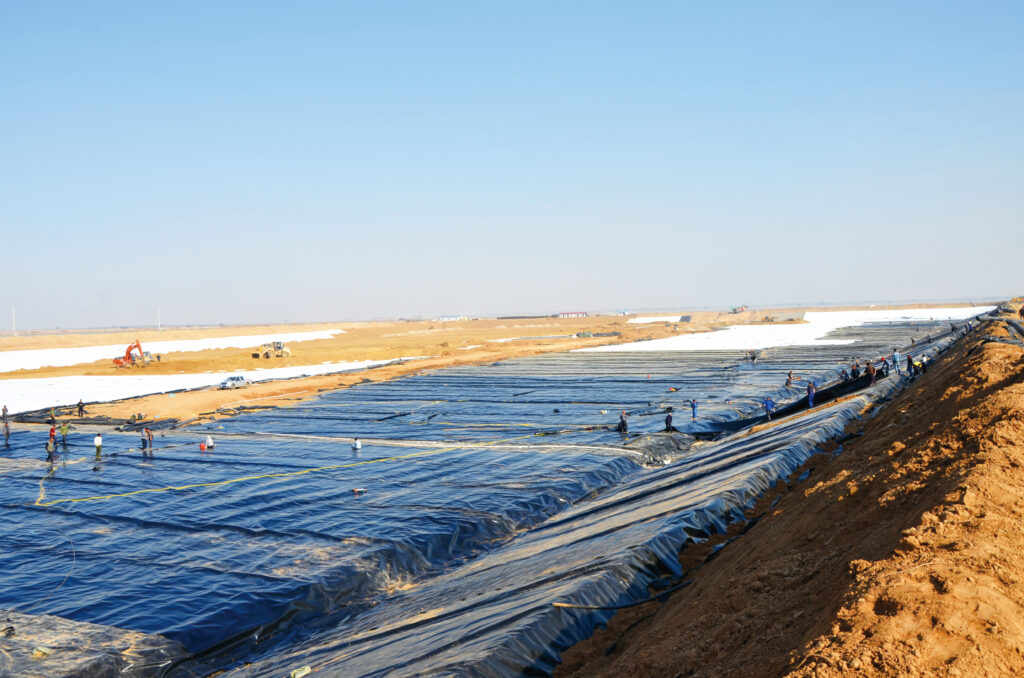
hdpe geomembrane pond liner in Congo (DRC)
How to lay and weld HDPE geomembrane?
HDPE geomembrane 0.2-4.0mm
HOME ABOUT PRODUCTS APPLICATION CONTENTUS RESOURCES
Home Resources Knowledge Base What Is 60 Mil HDPE Geomembrane and What Are Its Applications?

What Is 60 Mil HDPE Geomembrane and What Are Its Applications?

time:August 27, 2026 Views:8

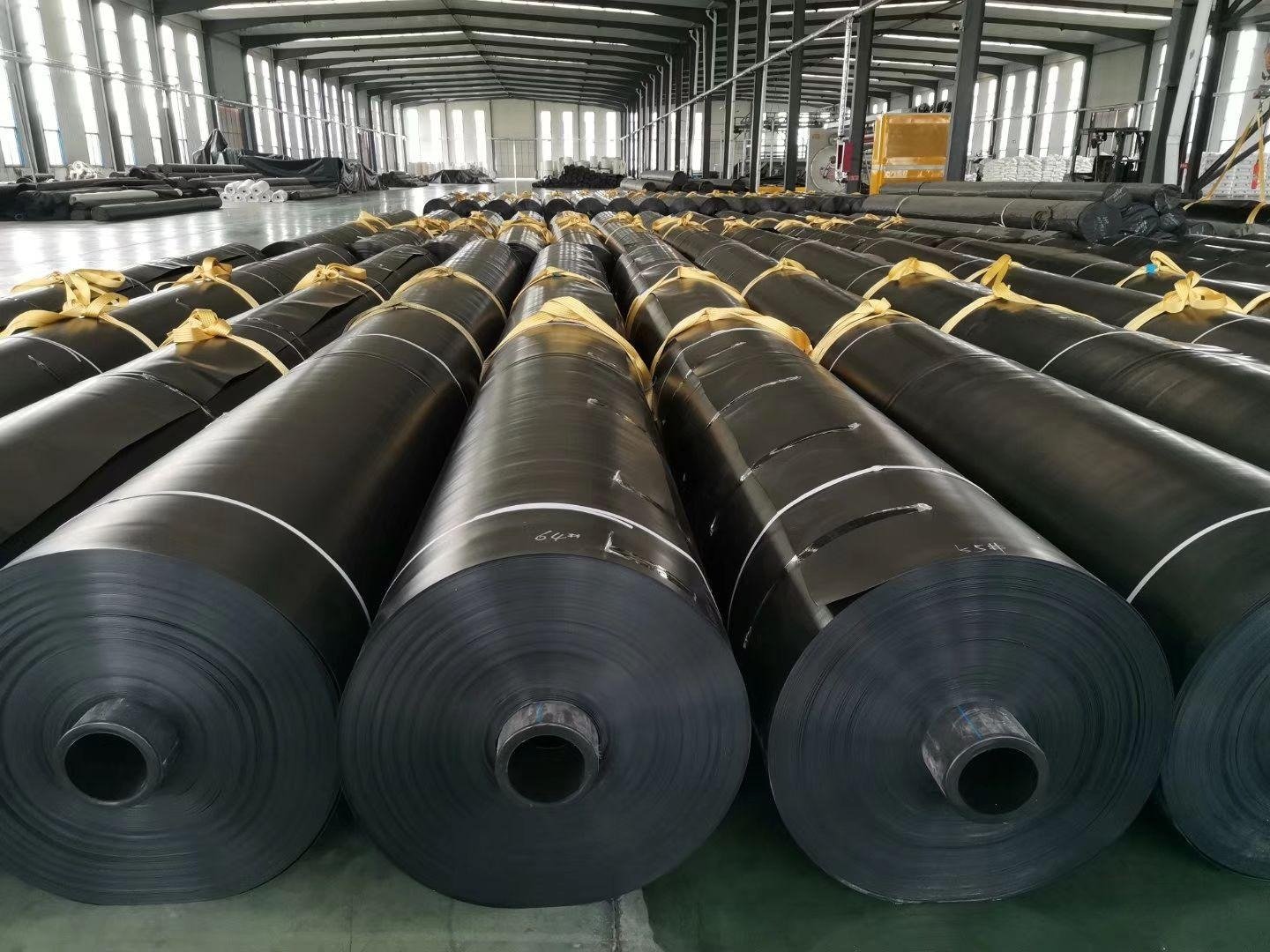
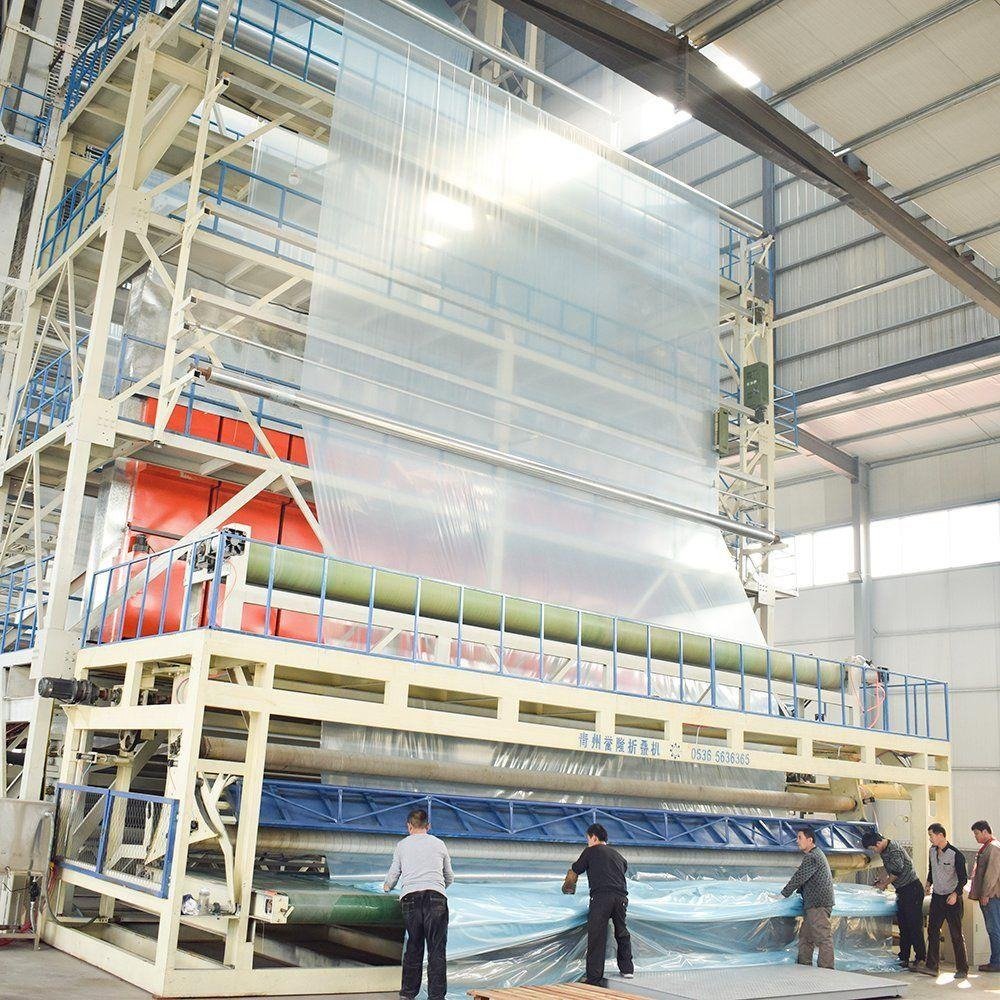
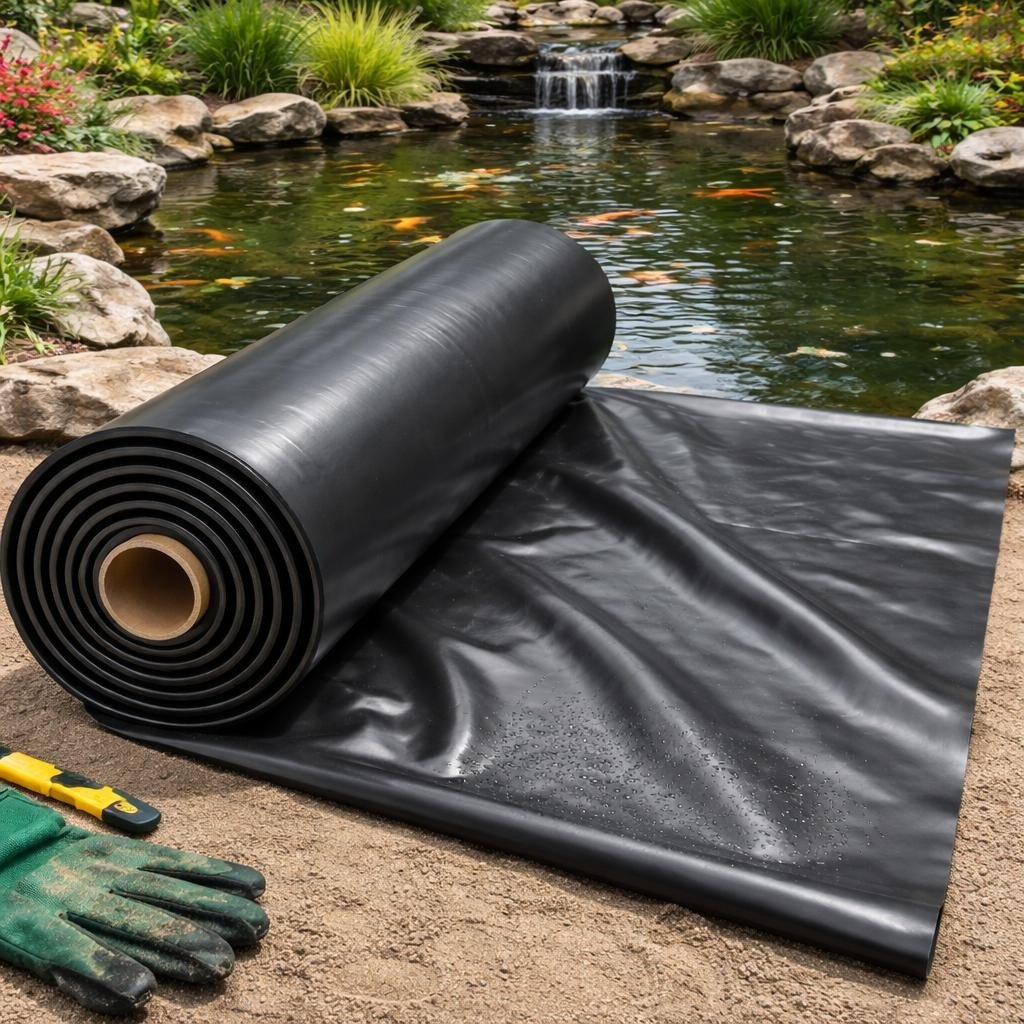
60 mil HDPE geomembrane is a heavy-duty impermeable liner made from high-density polyethylene (HDPE). With a nominal thickness of approximately 1.5 mm (0.060 inch), it is widely used for containment, waterproofing, seepage control, and environmental protection.

Because of its excellent chemical resistance, puncture resistance, UV stability, and long-term durability, a 60 mil HDPE liner is commonly selected for demanding applications such as landfills, mining projects, tailings ponds, reservoirs, wastewater ponds, canals, and industrial containment systems.

At Tinhy Geosynthetics Co., Ltd., we manufacture a wide range of HDPE geomembranes for different project requirements. Available thicknesses include 0.5 mm, 0.75 mm, 1.0 mm, 1.5 mm, 2.0 mm, and thicker customized options, with smooth, textured, and specialty surface configurations available.

This guide explains what a 60 mil HDPE geomembrane is, its key properties, benefits, applications, installation considerations, and how to select the right liner for your project.

1. What Is 60 Mil HDPE Geomembrane?

A 60 mil HDPE geomembrane is a high-density polyethylene geomembrane with a nominal thickness of:

  • 60 mil
  • 0.060 inch
  • Approximately 1.5 mm
  • Approximately 1,500 microns

HDPE geomembrane is a polymeric liner designed to create a very low-permeability barrier. Its primary function is to control or prevent the migration of liquids, gases, leachate, chemicals, and other contaminants.

60 mil thickness represents a popular heavy-duty specification for projects requiring greater mechanical protection and durability than thinner liners such as 20 mil, 30 mil, or 40 mil geomembranes.

A typical HDPE geomembrane formulation consists primarily of polyethylene resin, together with carbon black, antioxidants, and stabilizing additives designed to improve resistance to UV exposure, oxidation, and environmental aging.

Depending on the project specification, 60 mil HDPE geomembrane can be supplied as:

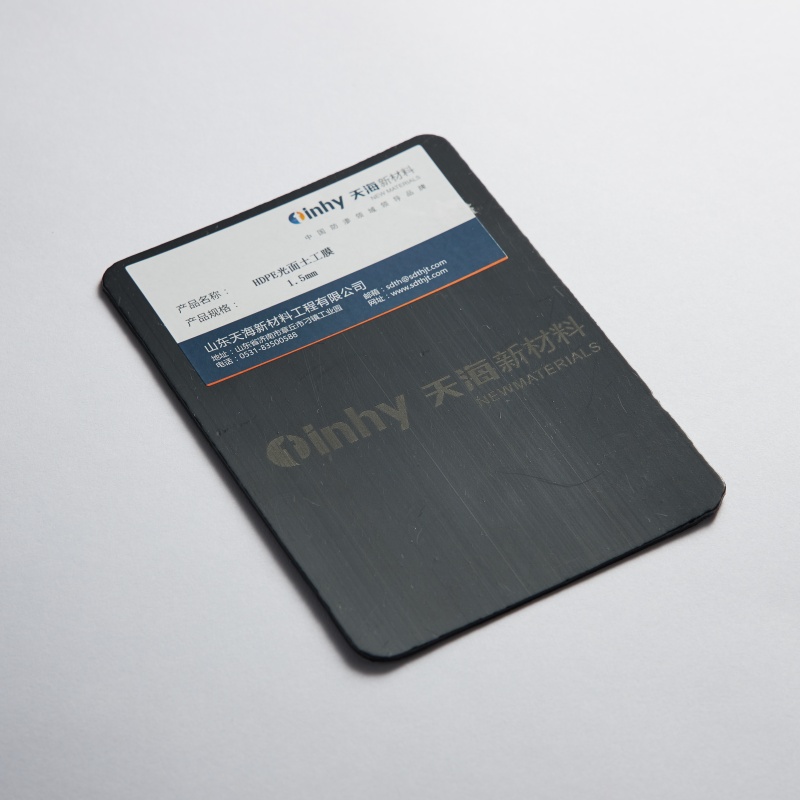
  • Smooth HDPE geomembrane
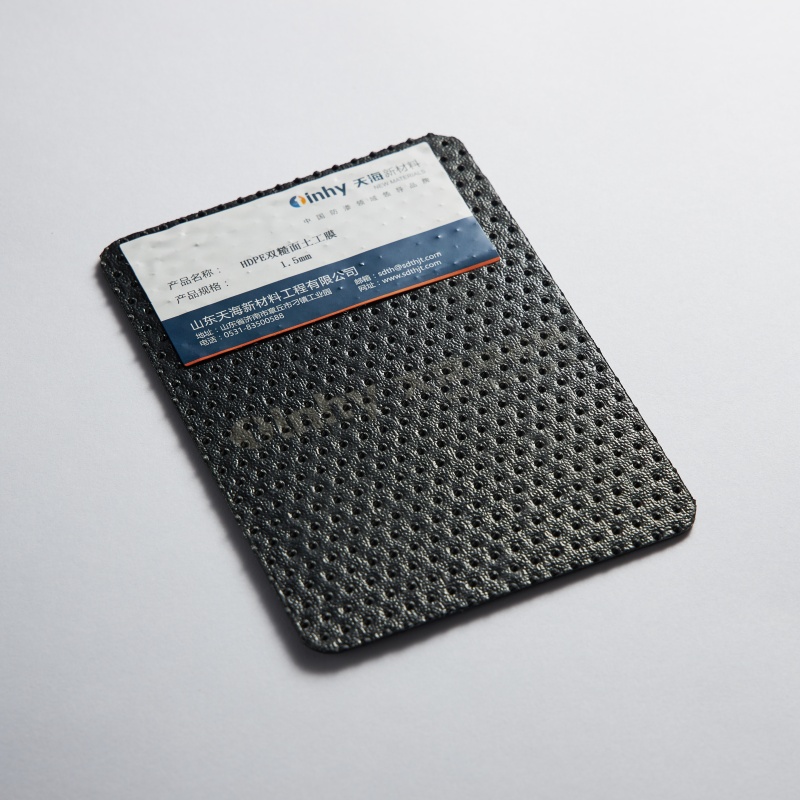
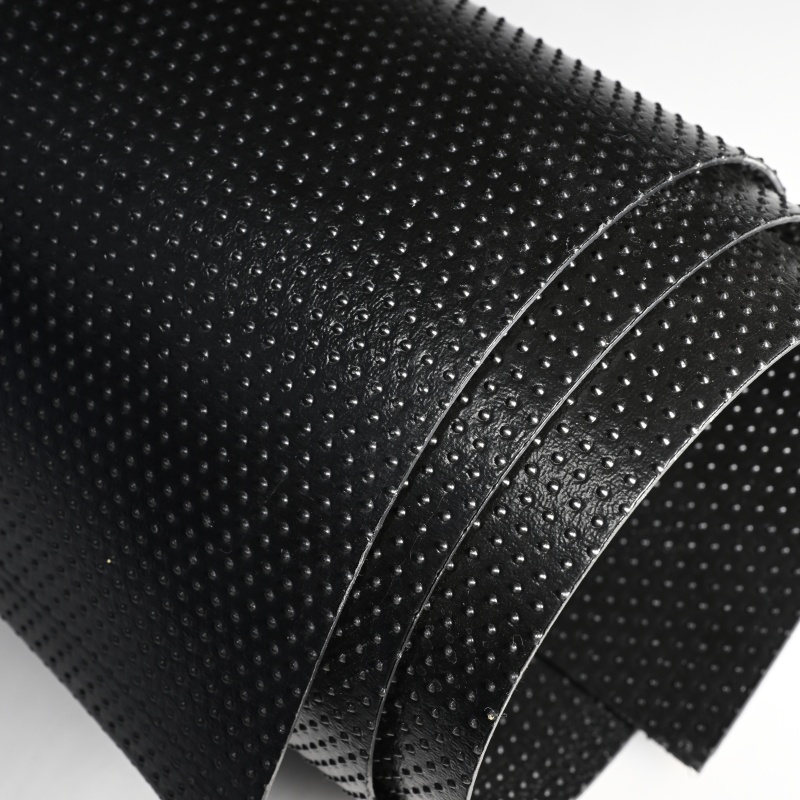
  • Single-sided textured HDPE geomembrane
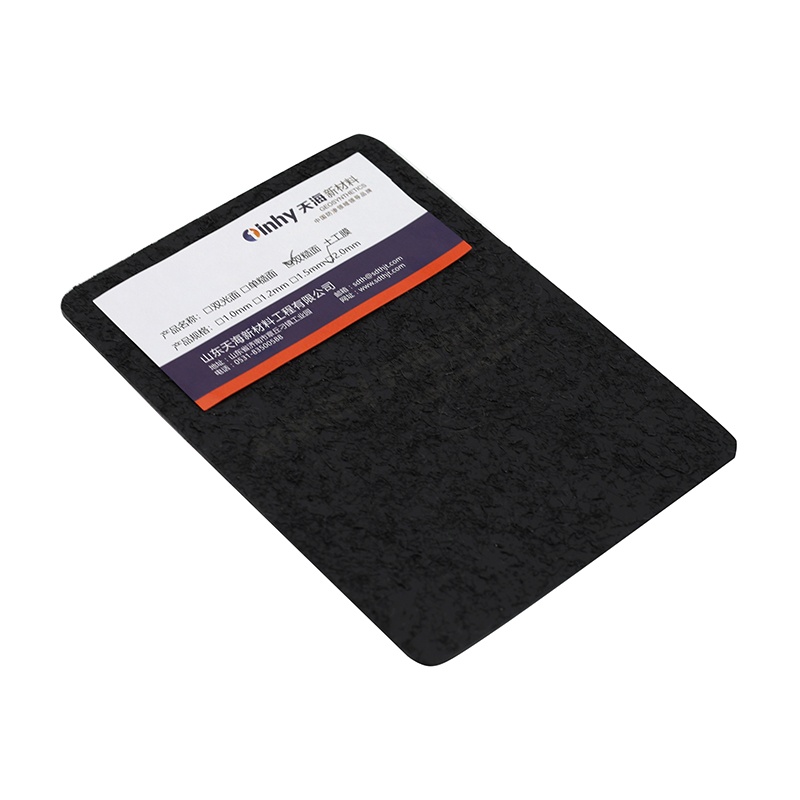
  • Double-sided textured HDPE geomembrane
  • High-friction textured geomembrane
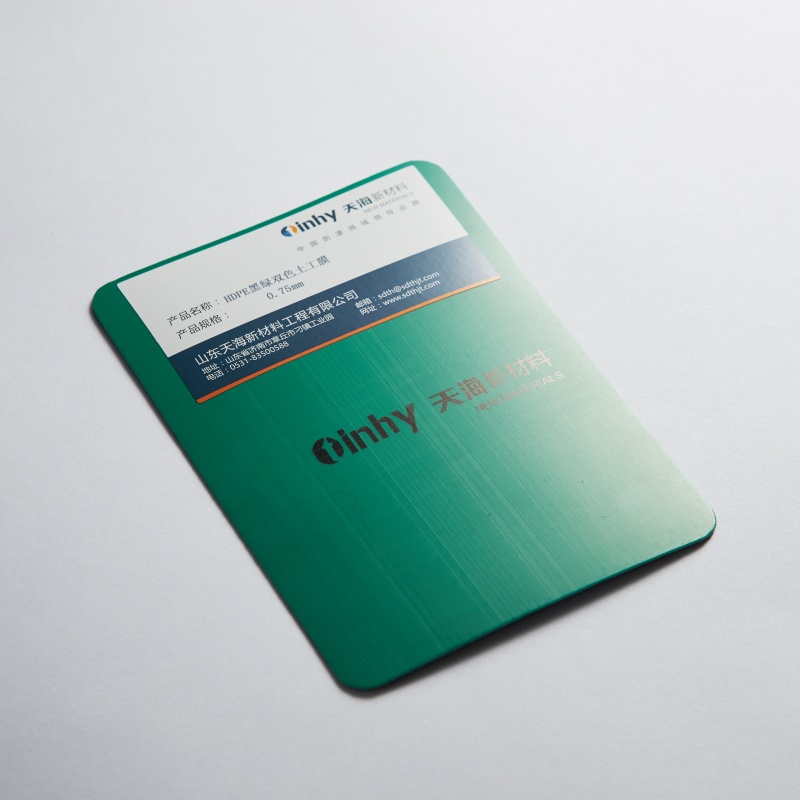
  • Custom-colored geomembrane

The final product specifications should be selected according to the project design requirements and applicable standards, such as GRI-GM13, where applicable.

2. Why Choose a 60 Mil HDPE Geomembrane?

A 60 mil HDPE liner provides a balance between mechanical durability, chemical resistance, installation practicality, and material cost.

Compared with thinner geomembranes, a 1.5 mm liner generally provides greater resistance to puncture and construction damage. Compared with thicker liners, it may offer easier handling and installation while still providing heavy-duty containment performance.

2.1 Excellent Seepage Control

HDPE geomembrane is designed to provide an effective barrier against liquid migration.

When properly selected, installed, welded, and protected, a 60 mil HDPE geomembrane can help control:

  • Leachate migration
  • Water seepage
  • Chemical leakage
  • Industrial wastewater loss
  • Contaminant migration into soil
  • Groundwater contamination risks

For critical containment systems, geomembrane performance depends not only on the sheet itself but also on seam quality, subgrade preparation, protection layers, drainage design, and overall system engineering.

2.2 High Chemical Resistance

One of the major advantages of HDPE geomembrane is its resistance to many chemicals.

60 mil HDPE liners can be considered for applications involving:

  • Acids
  • Alkalis
  • Salts
  • Wastewater
  • Industrial chemicals
  • Mining process solutions
  • Hydrocarbons and other substances, subject to compatibility evaluation

For aggressive chemical environments, chemical compatibility testing and project-specific engineering evaluation are recommended before final material selection.

2.3 Strong Mechanical Performance

At approximately 1.5 mm thick, a 60 mil geomembrane provides improved mechanical robustness compared with thinner liners.

Depending on the resin formulation and product specification, HDPE geomembrane offers important properties such as:

  • Tensile strength
  • Elongation
  • Tear resistance
  • Puncture resistance
  • Environmental stress crack resistance
  • Oxidative stability

These properties are especially important in landfill, mining, and industrial containment applications where the liner may experience installation stresses, loading, settlement, or contact with aggregate materials.

2.4 UV and Weather Resistance

Black HDPE geomembrane commonly contains carbon black to improve resistance to ultraviolet degradation.

This makes 60 mil HDPE geomembrane suitable for many exposed outdoor applications, including:

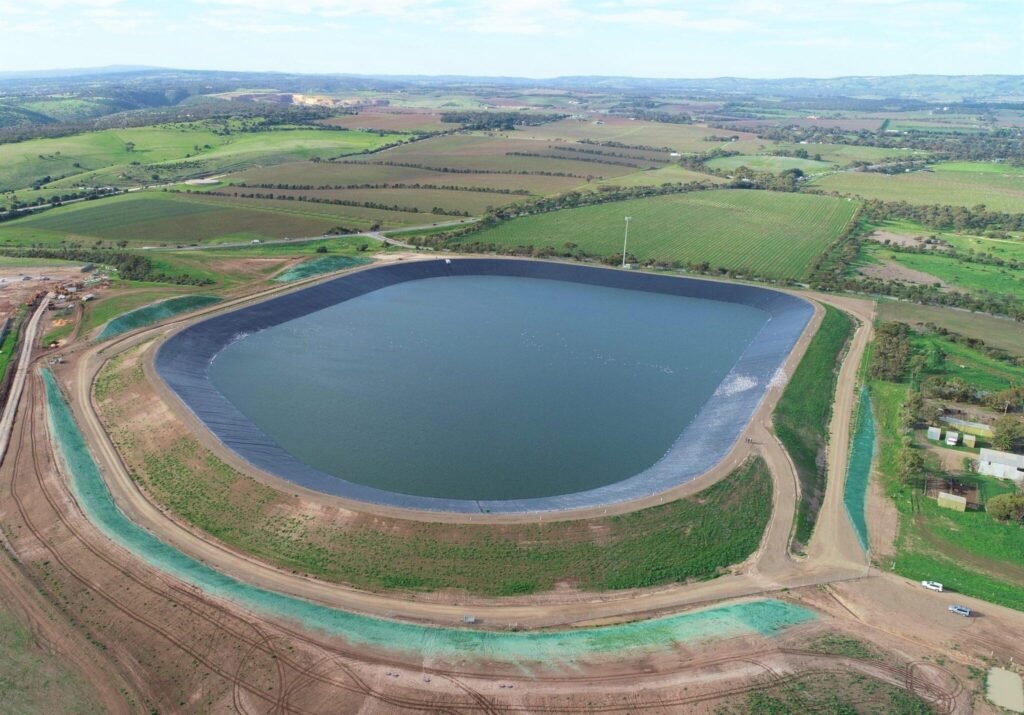
  • Reservoirs
  • Evaporation ponds
  • Mining facilities
  • Industrial containment areas
  • Water storage ponds
  • Canal lining systems

The expected service life of an exposed geomembrane depends on the formulation, climate, temperature, solar exposure, installation conditions, and maintenance practices.

2.5 Long-Term Durability

HDPE geomembranes are widely used in long-term containment applications because of their chemical stability and resistance to environmental degradation.

For buried applications, a properly designed geomembrane system can provide long-term performance. However, actual service life should always be evaluated based on the specific project environment rather than assuming a fixed lifespan.

3. What Are the Main Applications of 60 Mil HDPE Geomembrane?

60 mil HDPE geomembrane is used in a wide variety of environmental, civil engineering, mining, agricultural, and industrial applications.

3.1 Landfill Liners and Landfill Caps

Landfills are one of the most important applications for HDPE geomembranes.

A 60 mil HDPE liner can be used as part of a landfill containment system to help control the migration of leachate and landfill gases.

Typical applications include:

  • Primary bottom liners
  • Secondary containment liners
  • Landfill caps
  • Side slope liners
  • Leachate containment systems

In landfill projects, the complete lining system may also include:

  • Geotextiles
  • Geosynthetic clay liners (GCL)
  • Geocomposite drainage layers
  • Leak detection systems
  • Protective cushioning layers

For landfill slopes, textured geomembranes may be selected to provide increased interface friction.

3.2 Mining and Heap Leach Projects

Mining operations often require reliable containment systems to manage process solutions, tailings, and other materials.

60 mil HDPE geomembrane can be used for:

  • Heap leach pads
  • Tailings ponds
  • Evaporation ponds
  • Process water ponds
  • Secondary containment
  • Mine waste storage areas
  • Solution channels

For sloped mining applications, single-sided or double-sided textured HDPE geomembranes may provide improved frictional performance between adjacent geosynthetic or soil layers.

3.3 Tailings Storage Facilities

Tailings may contain fine particles, process chemicals, and potentially harmful substances. Proper containment is therefore essential for environmental protection.

HDPE geomembrane may be used in:

  • Tailings pond lining
  • Tailings storage areas
  • Containment channels
  • Seepage control systems
  • Process water management systems

The geomembrane system should be designed together with appropriate drainage, filtration, protection, and geotechnical stability measures.

3.4 Reservoir and Water Storage Liners

Water loss through seepage can significantly affect the efficiency of reservoirs and storage ponds.

A 60 mil HDPE geomembrane can be used to line:

  • Agricultural reservoirs
  • Irrigation ponds
  • Municipal water storage ponds
  • Industrial water reservoirs
  • Firewater ponds
  • Raw water storage systems

HDPE provides a durable waterproof barrier that can help reduce seepage losses and protect the surrounding soil.

3.5 Wastewater Treatment and Industrial Ponds

Industrial and municipal wastewater facilities often require reliable containment systems.

Applications include:

  • Wastewater lagoons
  • Equalization ponds
  • Treatment ponds
  • Sludge containment
  • Industrial wastewater storage
  • Secondary containment systems

Material selection should consider the specific chemical composition, temperature, and concentration of the contained liquid.

3.6 Canals and Irrigation Systems

HDPE geomembrane can help improve water conservation by reducing seepage through soil-based channels.

Typical applications include:

  • Irrigation canals
  • Water conveyance channels
  • Agricultural ditches
  • Water diversion systems
  • Canal rehabilitation projects

Geomembrane may be protected with concrete, soil, geotextile, or other cover systems depending on the project design.

3.7 Aquaculture and Agriculture

60 mil HDPE geomembrane can also be used in agricultural and aquaculture applications requiring a durable containment liner.

Applications include:

  • Fish ponds
  • Shrimp ponds
  • Agricultural reservoirs
  • Water storage ponds
  • Biogas systems
  • Farm wastewater ponds

For projects requiring greater flexibility around irregular shapes or settlement, LLDPE geomembrane may also be considered.

4. Smooth vs. Textured 60 Mil HDPE Geomembrane

Choosing the right surface finish is an important part of geomembrane selection.

Smooth 60 Mil HDPE Geomembrane

Smooth HDPE geomembrane is commonly used for:

  • Flat pond bottoms
  • Landfill bases
  • Water reservoirs
  • Industrial containment
  • Canal lining

Advantages:

  • Smooth and uniform surface
  • Efficient extrusion and welding
  • Easy cleaning
  • Suitable for many flat containment applications

Textured 60 Mil HDPE Geomembrane

Textured geomembrane is commonly used where increased interface friction is required.

Applications include:

  • Landfill side slopes
  • Mining slopes
  • Tailings facilities
  • Steep reservoirs
  • Multi-layer geosynthetic systems

Available configurations may include:

  • Single-sided textured HDPE
  • Double-sided textured HDPE

The required interface friction should be determined through project-specific testing and engineering design.

5. What Specifications Should You Check?

When purchasing a 60 mil HDPE geomembrane, thickness alone is not enough.

Important specifications may include:

Property Why It Matters
Thickness Influences durability and mechanical protection
Density Indicates HDPE material characteristics
Tensile properties Measures strength and elongation
Tear resistance Helps evaluate resistance to damage
Puncture resistance Important for rough subgrades
Carbon black content Supports UV resistance
Carbon black dispersion Indicates additive distribution quality
Oxidative stability Helps evaluate long-term aging resistance
Stress crack resistance Important for long-term HDPE performance
Surface texture Affects interface friction
Roll width Influences the number of field seams
Welding performance Critical to overall containment integrity

For major projects, buyers should request:

  • Technical data sheets
  • Product specifications
  • Quality inspection reports
  • Third-party laboratory test reports where required
  • Production batch information
  • Material certificates
  • Installation and welding procedures

6. How Is 60 Mil HDPE Geomembrane Installed?

Correct installation is essential to the performance of a geomembrane system.

Step 1: Prepare the Subgrade

The installation surface should be properly prepared before deployment.

Typical requirements include:

  • Remove sharp stones and debris
  • Eliminate protrusions
  • Level the surface as required
  • Compact the subgrade
  • Address soft or unstable areas
  • Install a geotextile cushion where necessary

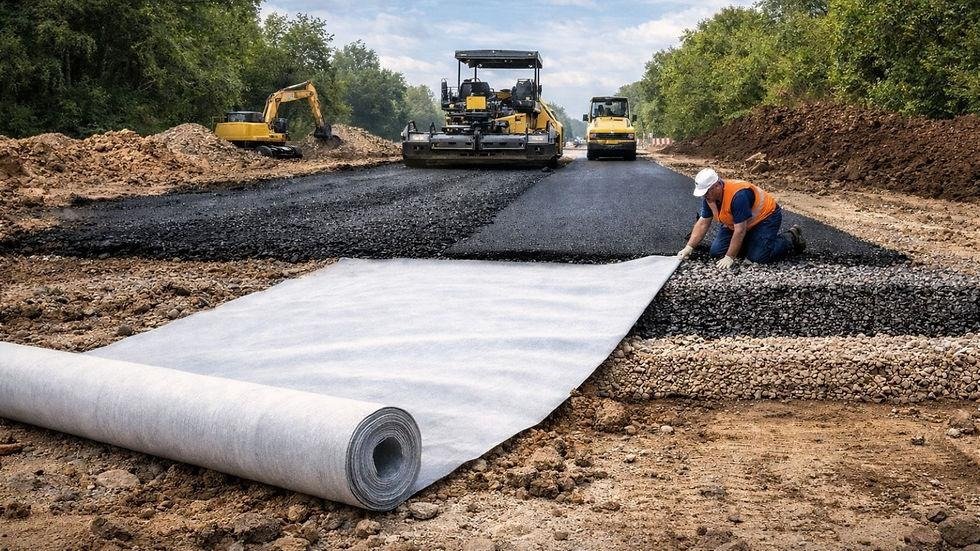
A protective geotextile layer may be used beneath or above the geomembrane to reduce the risk of puncture damage.

Step 2: Deploy the Geomembrane

Geomembrane panels are placed according to the approved layout plan.

Installation crews should consider:

  • Panel orientation
  • Slope direction
  • Seam locations
  • Thermal expansion and contraction
  • Weather conditions
  • Anchorage requirements

Step 3: Weld the Seams

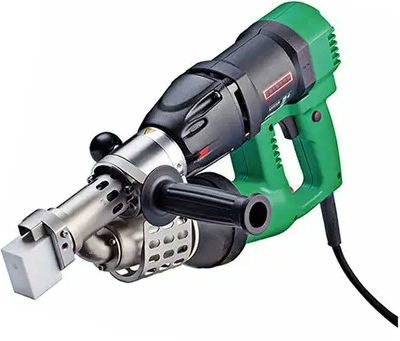
HDPE geomembrane panels are commonly joined using thermal welding methods such as:

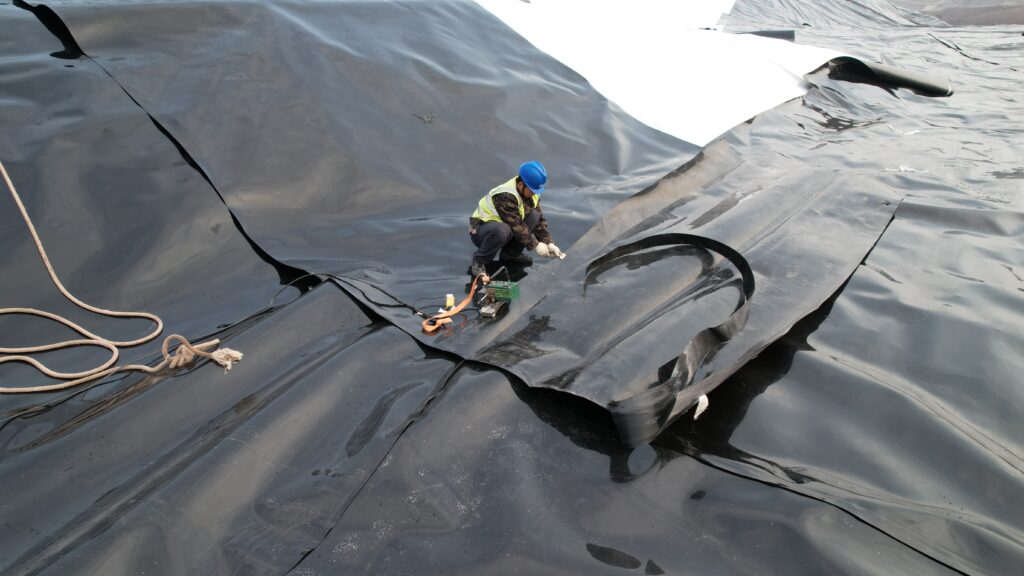
  • Hot wedge welding
  • Extrusion welding

The appropriate welding method depends on the application and seam configuration.

Step 4: Test the Seams

Seam testing is a critical part of quality assurance.

Depending on the welding method and project requirements, testing may include:

  • Air pressure testing
  • Vacuum box testing
  • Destructive peel testing
  • Destructive shear testing
  • Trial weld testing

A documented quality assurance program is particularly important for landfill, mining, and hazardous containment projects.

Step 5: Install Protective Layers

Depending on the system design, the installed geomembrane may be protected with:

  • Nonwoven geotextiles
  • Sand layers
  • Drainage materials
  • Geocomposites
  • Concrete
  • Soil cover
  • Riprap or other protective systems

7. How to Choose the Right 60 Mil HDPE Geomembrane?

Before purchasing a 60 mil geomembrane, consider the following factors.

7.1 Type of Contained Material

Identify what the liner will contain:

  • Clean water
  • Wastewater
  • Leachate
  • Mining solution
  • Industrial chemicals
  • Sludge
  • Agricultural wastewater

Chemical compatibility should be evaluated when necessary.

7.2 Site Conditions

Evaluate:

  • Soil conditions
  • Groundwater conditions
  • Slope angles
  • Settlement potential
  • Rock and aggregate exposure
  • Construction traffic
  • Climate and UV exposure

7.3 Smooth or Textured Surface

Generally:

  • Smooth HDPE is suitable for many flat containment areas.
  • Textured HDPE may be preferred for slopes or applications requiring higher interface friction.

7.4 Protection Requirements

If the subgrade contains sharp stones or irregular materials, consider using a nonwoven geotextile protection layer.

The required geotextile weight should be selected according to puncture risk and engineering design.

7.5 Quality and Supplier Capability

A reliable geomembrane supplier should be able to provide more than just the material.

Look for:

  • Stable production capacity
  • Quality control procedures
  • Technical documentation
  • Custom roll sizes
  • Third-party testing capability
  • Project support
  • Installation guidance
  • Geomembrane welding equipment and accessories where needed

8. Why Choose Tinhy Geosynthetics?

Tinhy Geosynthetics Co., Ltd. provides geomembrane and geosynthetic solutions for environmental, civil engineering, mining, water management, and containment projects.

Our product range includes:

  • HDPE geomembrane
  • LLDPE geomembrane
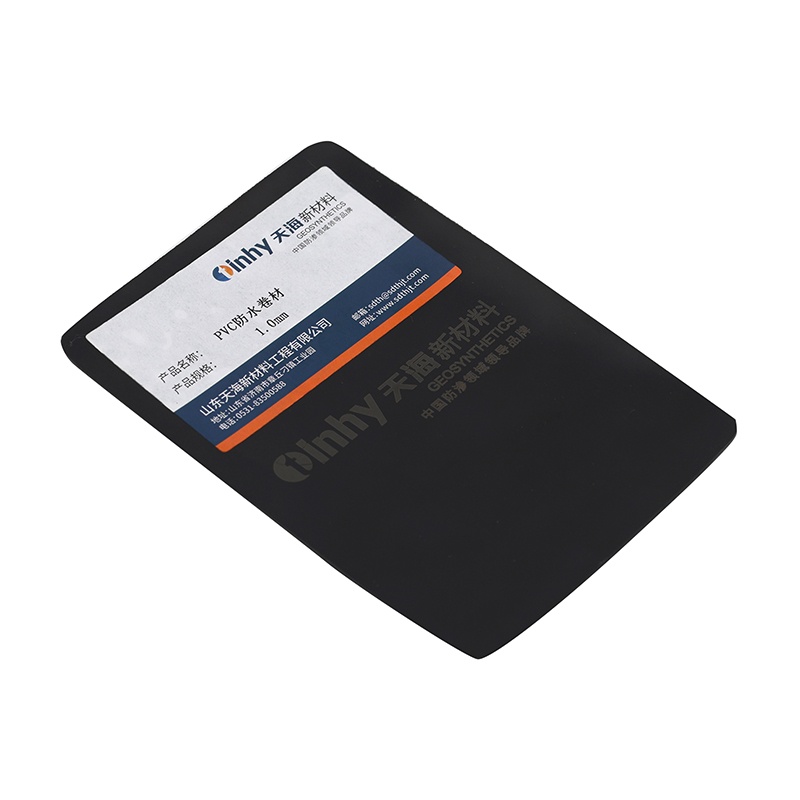
  • PVC geomembrane
  • Composite geomembrane
  • Textured geomembrane
  • Geotextiles
  • Geosynthetic clay liners
  • Geogrids
  • Geocells
  • Geocomposites
  • Drainage products and other geosynthetics

With experience in geosynthetics manufacturing and project applications, Tinhy can support customers with product selection based on project requirements.

For 60 mil HDPE geomembrane projects, we can provide customized options for:

  • Thickness
  • Roll width
  • Roll length
  • Surface type
  • Color
  • Technical specifications
  • Project packaging requirements

Quality control and product testing are important throughout the production process to help ensure consistency and compliance with agreed project specifications.

9. Conclusion

60 mil HDPE geomembrane, equivalent to approximately 1.5 mm thickness, is a heavy-duty containment liner widely used for landfill, mining, tailings, reservoirs, wastewater treatment, canals, industrial containment, and water management projects.

Its key advantages include:

  • Excellent seepage control
  • Strong chemical resistance
  • Good puncture and mechanical resistance
  • UV and weather resistance
  • Long-term durability
  • Thermal weldability
  • Availability in smooth and textured surfaces

However, selecting the right geomembrane involves more than choosing a thickness. Engineers and project owners should consider chemical compatibility, subgrade conditions, slope stability, surface texture, protection requirements, seam testing, and overall liner system design.

For demanding containment projects, working with an experienced geosynthetics manufacturer can help ensure that the selected 60 mil HDPE geomembrane matches the actual technical requirements of the project.

Contact Tinhy Geosynthetics today to discuss your HDPE geomembrane project and receive customized product specifications and technical support.

Knowledge Base
Share:
info@tinhygeosynthetics.com Bai Jinxi
Consultation

    Get The Latest Product Prices

    Your inquiries are welcomed at any time and please feel free to contact us via email, phone calls, and online chatbox on our site.

    We will definitely give you a reply ASAP after we receive your messages.

      0/180