Resources
Company News
Industry News
Knowledge Base
Project Cases
Innovation
Team Power Fuels TINHY’s Global Geosynthetics Solutions
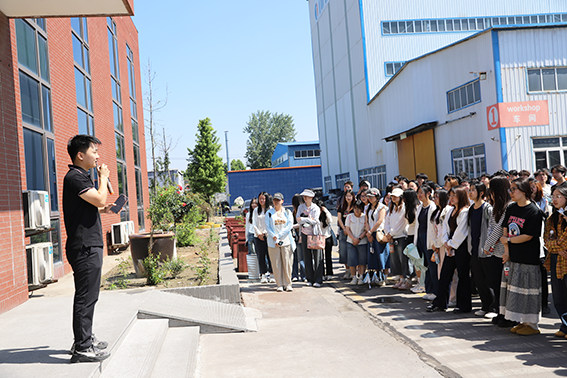
Tinhy and University of Jinan Celebrate Six Years of Industry–University Collaboration
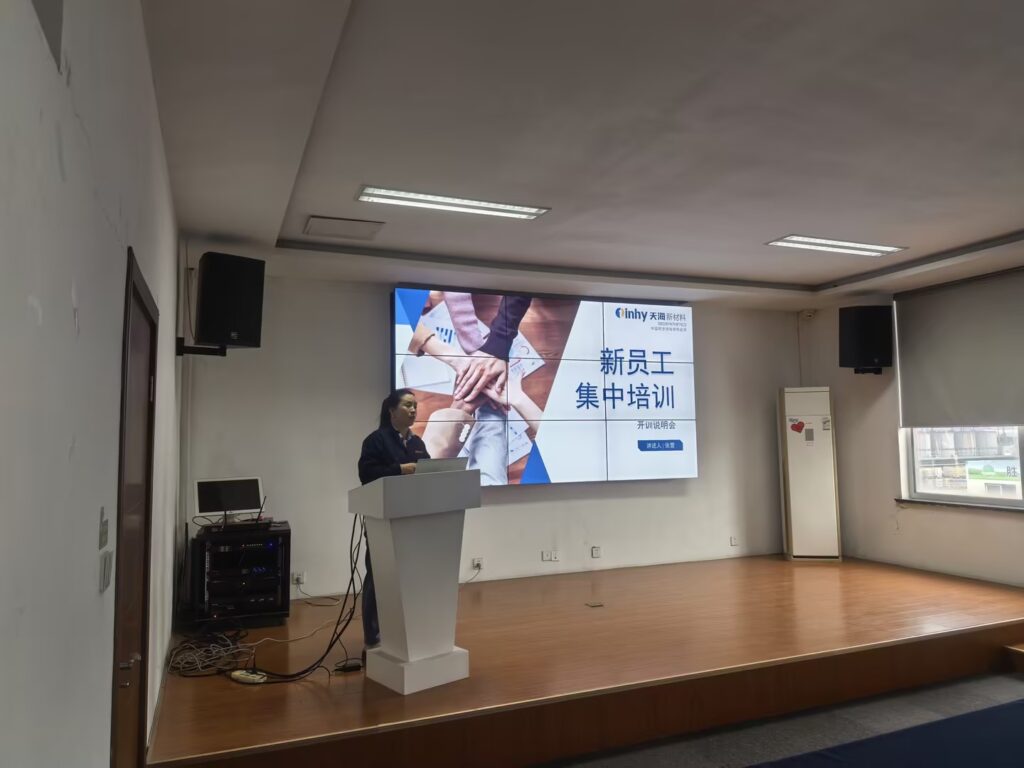
Empowering New Talent, Building the Future: Tinhy Successfully Conducts New Employee Orientation Training
Tinhy Conducts Comprehensive Emergency Drill to Strengthen Workplace Safety Defenses
Company Mid – Year Summary and Team – Building Activity Report
Is geomembrane a geotechnical engineering material?
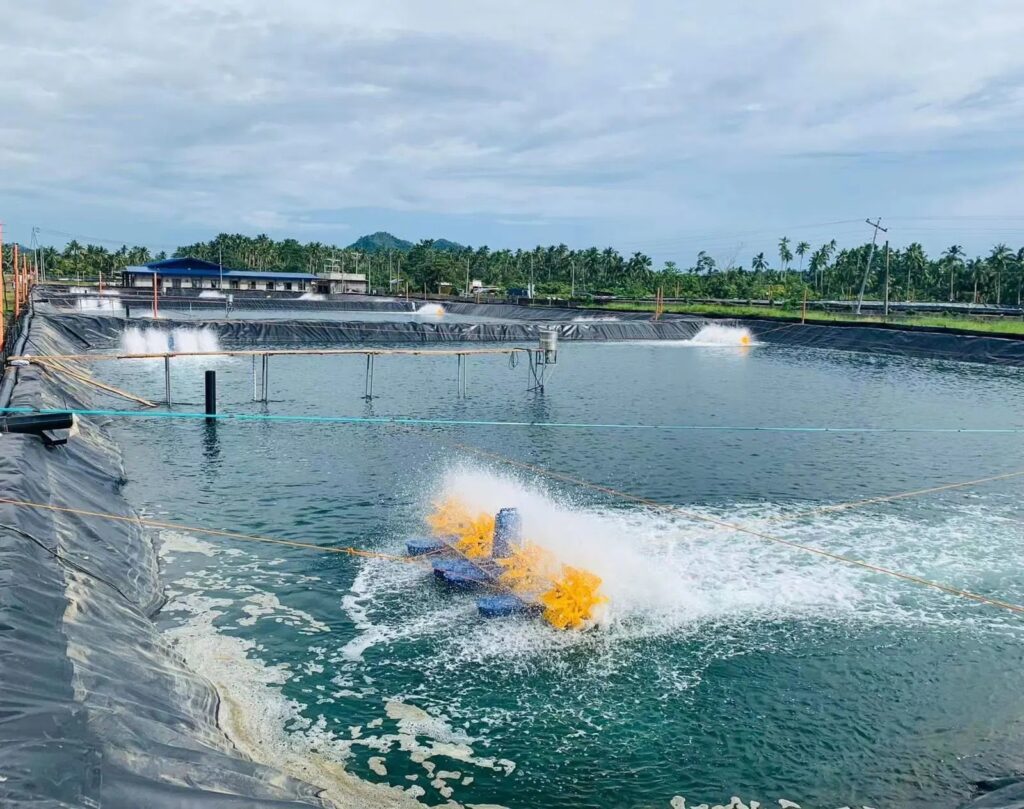
What are the application scenarios of geomembrane?
What are the functions of geotextiles?
Cómo elegir geomembrana de hdpe en proyectos de ingeniería
How to choose hdpe geomembrane in engineering projects
China’s Geotechnical Construction Materials Embrace New Opportunities
Tips for Moisture-Proof Storage of Geotextiles
Key Construction Points and Precautions for High-Density Polyethylene Geomembrane
what is pond lining material ?
What is geomembrane?
HDPE geomembrane construction plans and technical measures
What quality tests do HDPE geomembranes need to do?
Tinhy’s MDS® Drainage Solution
Installation Robots
How to Choose the Right HDPE Liner for Tailings Dams
The 7 Best Reservoir Liner Materials for Water Containment Projects
Top 8 HDPE Pond Liner Manufacturers in the World
Geogrid vs Geotextile: Differences, Applications & How to Choose
Filament Geotextile vs Staple Fiber Geotextile: Key Differences and Applications
The 6 Best Geomat Manufacturers in 2026: Complete Comparison Guide
How to Choose the Right Waterproof Geomembrane for Your Project?
What Is 60 Mil HDPE Geomembrane and What Are Its Applications?
Comprehensive Guide to 1mm Geomembrane for Landfill Applications
Top 7 Global Non Woven Geotextile Suppliers
Should HDPE or PVC be used to install geomembrane in reservoirs?
What is the price of geomembrane?
Material characteristics of three different geomembranes
Esquema de construcción de geomembrana de HDPE y medidas técnicas
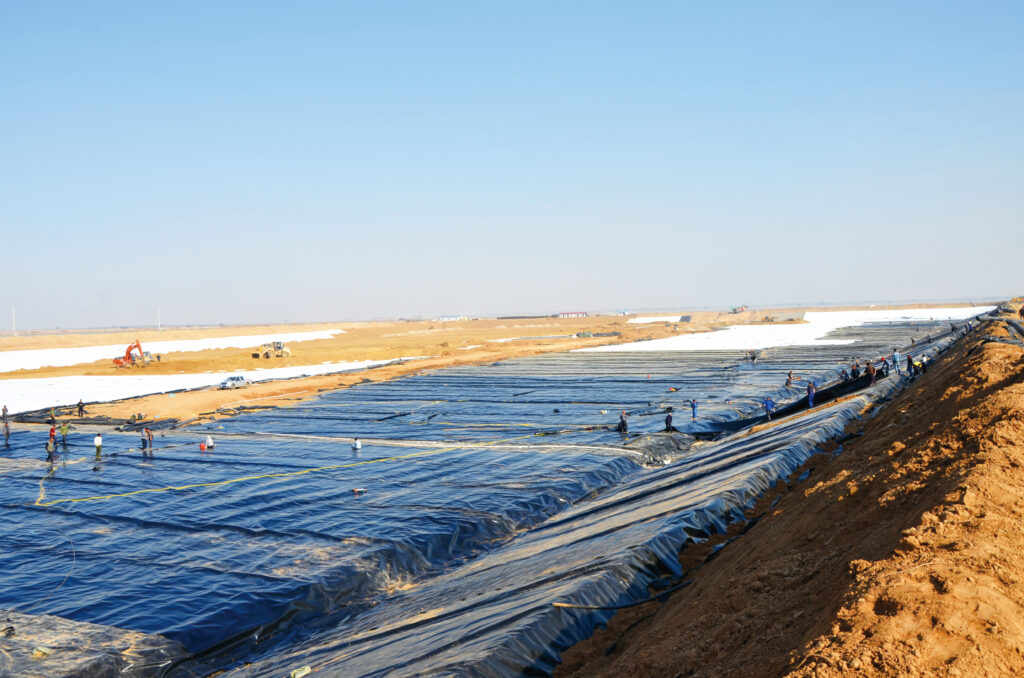
hdpe geomembrane pond liner in Congo (DRC)
How to lay and weld HDPE geomembrane?
HDPE geomembrane 0.2-4.0mm
HOME ABOUT PRODUCTS APPLICATION CONTENTUS RESOURCES
Home Resources Knowledge Base How to Choose the Right HDPE Liner for Tailings Dams

How to Choose the Right HDPE Liner for Tailings Dams

time:September 05, 2026 Views:10

Selecting the right HDPE liner for tailings dams is a critical part of tailings storage facility (TSF) design. Unlike conventional water ponds, tailings facilities may be exposed to aggressive chemical conditions, heavy loads, slope movement, equipment traffic, and long-term environmental stresses.

A properly specified HDPE geomembrane can provide a low-permeability barrier between mine tailings and the underlying soil and groundwater. However, choosing a suitable liner is not simply a matter of selecting the thickest or most expensive geomembrane.

The right specification should consider tailings chemistry, subgrade conditions, liner thickness, puncture resistance, seam performance, UV exposure, slope stability, installation conditions, applicable standards, and lifecycle cost.

In this guide, Tinhy Geosynthetics explains the key factors engineers, mining companies, EPC contractors, and project owners should evaluate when selecting an HDPE liner for a tailings dam.

Table of Contents

What Is an HDPE Liner for Tailings Dams?

An HDPE geomembrane is a synthetic polymeric membrane designed to provide a low-permeability barrier in containment systems.

In tailings storage facilities, the geomembrane can be incorporated into the liner system beneath or around areas containing mine tailings, process water, or other mining-related materials.

The primary purpose is to control seepage and reduce the risk of contaminants migrating into surrounding soil and groundwater.

Tailings can contain complex mixtures of:

  • Fine mineral particles
  • Dissolved salts
  • Acids or alkaline compounds
  • Heavy metals
  • Process chemicals
  • Water and suspended solids

Because the composition varies significantly between mining operations, the liner should be selected according to the actual chemistry and operating conditions of the facility.

Why HDPE Geomembrane Is Used in Tailings Containment

HDPE is widely used in demanding containment applications because it combines low permeability with strong mechanical and chemical resistance.

Low Permeability

A geomembrane creates a continuous barrier designed to significantly reduce liquid migration through the containment system.

Chemical Resistance

HDPE has good resistance to many acids, alkalis, salts, and other chemicals. Nevertheless, compatibility should always be evaluated against the specific tailings chemistry.

Mechanical Strength

Tailings facilities can expose liners to stresses caused by subgrade irregularities, settlement, loading, installation activities, and equipment movement.

UV and Weather Resistance

Where geomembranes remain exposed during construction or operation, UV stabilization and appropriate material formulation are important considerations.

Thermal Performance

Mining projects can operate in environments ranging from extremely cold regions to high-temperature climates. The geomembrane specification should therefore account for expected temperature conditions.

7 Key Factors When Choosing an HDPE Liner for Tailings Dams

1. Analyze Tailings Chemistry and Chemical Compatibility

Chemical compatibility should be one of the first considerations when specifying an HDPE liner.

Different mining processes generate different chemical environments. For example, tailings may contain acidic or alkaline solutions, dissolved salts, hydrocarbons, or other process chemicals.

Before selecting a geomembrane, project teams should obtain available information about:

  • pH range
  • Chemical composition
  • Temperature
  • Solvent exposure
  • Oxidizing conditions
  • Expected chemical concentration
  • Duration of exposure

The liner supplier should then provide relevant chemical-resistance information or testing where necessary.

Why Chemical Compatibility Matters

A geomembrane may have excellent general chemical resistance while still requiring specific evaluation for an unusual chemical mixture or elevated operating temperature.

For high-risk applications, chemical compatibility testing is preferable to relying only on generic material descriptions.

2. Select the Appropriate HDPE Liner Thickness

Thickness is one of the most visible specifications when purchasing a geomembrane, but thicker does not automatically mean better.

Tailings applications may use relatively heavy geomembranes because of their demanding mechanical environment, but the required thickness should be determined through engineering evaluation.

Factors include:

  • Subgrade roughness
  • Potential puncture hazards
  • Tailings loading
  • Installation conditions
  • Slope geometry
  • Equipment access
  • Expected settlement
  • Required service life
  • Protection system

Common HDPE geomembrane thicknesses for demanding applications may include approximately 1.5 mm, 2.0 mm, 2.5 mm, and 3.0 mm, although the appropriate specification must be determined for the individual project.

Thicker Is Not Always the Most Efficient Choice

An unnecessarily thick liner can increase:

  • Material cost
  • Transportation weight
  • Deployment difficulty
  • Handling requirements
  • Welding time

The objective should be to select a thickness that provides sufficient mechanical protection without creating unnecessary cost or installation complexity.

3. Evaluate Puncture, Tear, and Mechanical Resistance

Tailings storage facilities can present challenging subgrade conditions.

Sharp aggregate, rocks, construction debris, uneven surfaces, settlement, and construction traffic can all create mechanical stresses.

Important properties to evaluate include:

Puncture Resistance

Puncture resistance indicates how well the geomembrane can withstand localized mechanical loading.

Tear Resistance

Tear resistance is particularly important during panel deployment, handling, welding, and construction.

Tensile Properties

Tensile strength and elongation provide information about how the material responds to applied stresses.

Interface Behavior

The interaction between geomembrane, geotextile, soil, drainage materials, and other liner components should also be considered.

Where the subgrade presents significant puncture risks, a nonwoven geotextile protection layer may be incorporated into the liner system.

The protection geotextile should be selected according to the actual subgrade and loading conditions rather than using a standard weight for every project.

4. Pay Special Attention to Seam Quality

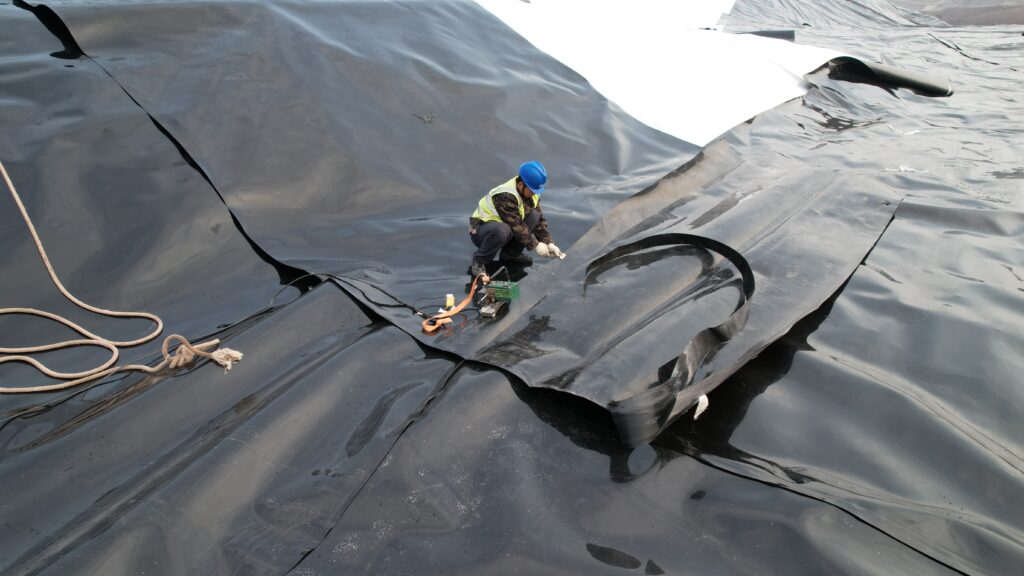
A high-quality geomembrane can still perform poorly if its field seams are improperly installed.

For large tailings facilities, thousands of meters of seams may be required. Seam design, welding equipment, operator experience, weather conditions, and quality control can therefore have a major impact on system reliability.

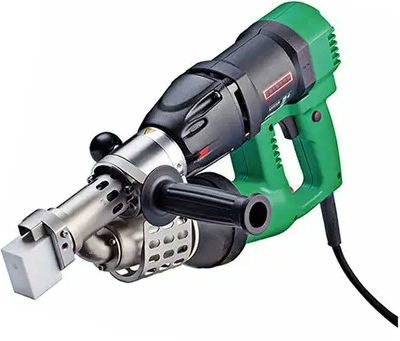
Common thermal welding methods for HDPE geomembranes include:

  • Hot wedge welding
  • Extrusion welding

Field Seam Quality Control

Depending on the project specification, seam testing may include:

  • Air-pressure testing
  • Vacuum testing
  • Visual inspection
  • Destructive seam testing
  • Other project-specific non-destructive testing methods

The exact testing program should be established in the project’s quality assurance and quality control plan.

Image Title: HDPE Geomembrane Seam Welding and Quality Control
ALT: HDPE geomembrane seam welding for tailings dam liner installation

5. Consider UV Exposure and Temperature

Some tailings liner systems may remain exposed to sunlight for extended periods, particularly during construction or in sections that are not immediately covered.

UV exposure can gradually affect polymer properties. Therefore, exposed geomembranes should use an appropriate stabilization package and meet the project’s durability requirements.

Temperature should also be considered.

Extreme temperatures can affect:

  • Material dimensions
  • Installation behavior
  • Thermal expansion and contraction
  • Welding conditions
  • Long-term material performance

For projects in hot climates, cold regions, or areas with large temperature fluctuations, the geomembrane specification should be evaluated for the actual environmental conditions.

6. Evaluate Slope Stability and Interface Friction

Tailings storage facilities often contain slopes, embankments, and containment structures where interface friction is important.

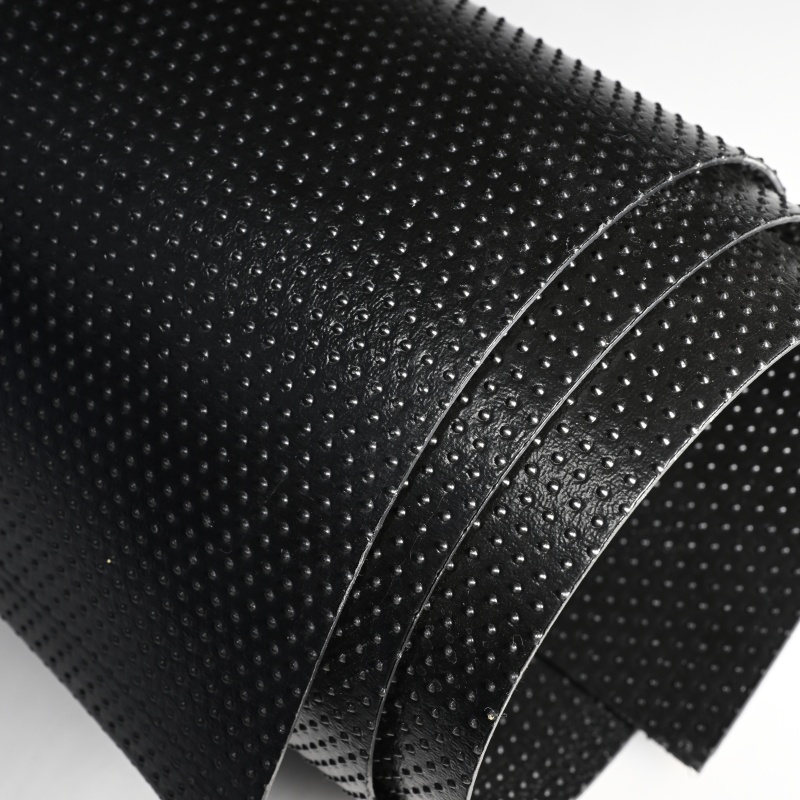
A smooth geomembrane may be appropriate for certain areas, while a textured HDPE geomembrane can provide higher interface friction where required by the engineering design.

Textured geomembranes may be produced using different manufacturing technologies, including co-extrusion or other surface-texturing processes.

Smooth HDPE

Typically considered where lower surface friction is desirable.

Textured HDPE

Can be considered where increased interface friction is needed between the geomembrane and adjacent materials.

The selection should be based on interface shear testing and slope stability calculations, not simply on whether a liner is smooth or textured.

Image Title: Textured HDPE Geomembrane for Tailings Dam Slopes
ALT: Textured HDPE geomembrane providing interface friction on mining containment slopes

7. Check Applicable Standards and Project Requirements

Tailings facilities are high-consequence infrastructure, so liner specifications should be developed according to applicable regulations, engineering standards, and project requirements.

Depending on the project location and design, specifications may reference standards and guidelines such as:

  • GRI-GM13
  • ASTM test methods
  • ISO standards
  • Local environmental regulations
  • Mining-specific regulatory requirements
  • Project-specific QA/QC specifications

Certification alone should not be treated as proof that a particular geomembrane is suitable for every mining application.

The buyer should review the actual technical data sheet, test reports, material formulation, and applicable compliance documentation.

HDPE Liner Material Specifications for Tailings Dams

When requesting quotations from geomembrane manufacturers, buyers should provide as much project information as possible.

A typical technical specification may include:

Property What to Consider
Material HDPE geomembrane
Thickness Based on engineering design
Surface Smooth or textured
Resin Suitable-quality polyethylene resin
Carbon black Appropriate for exposed applications
Stabilizers Antioxidant and UV stabilization
Tensile properties Project specification
Puncture resistance Site-specific requirement
Tear resistance Construction and service requirements
Seam performance Project welding specification
Roll width Based on installation layout
Roll length Based on transport and deployment
Testing Applicable ASTM/GRI/ISO or project methods

This information allows manufacturers to prepare a more meaningful technical and commercial proposal.

HDPE Liner and Geotextile: Why a Composite System May Be Needed

In demanding tailings applications, the geomembrane is often only one component of the containment system.

A typical system may include:

Tailings → Drainage/Protection Layer → HDPE Geomembrane → Geotextile Protection Layer → Prepared Subgrade

The exact configuration depends on the engineering design.

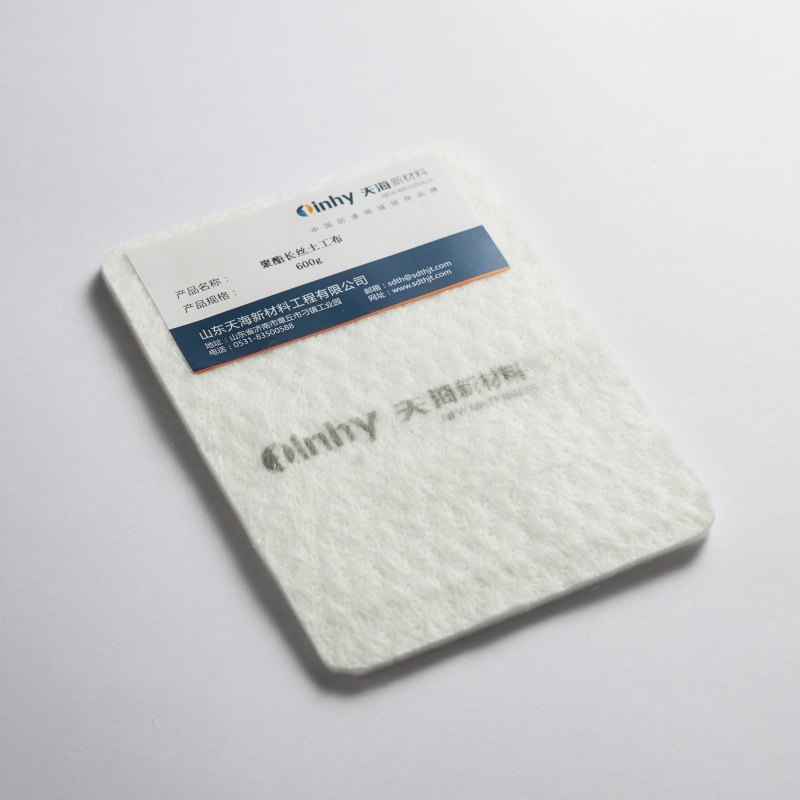
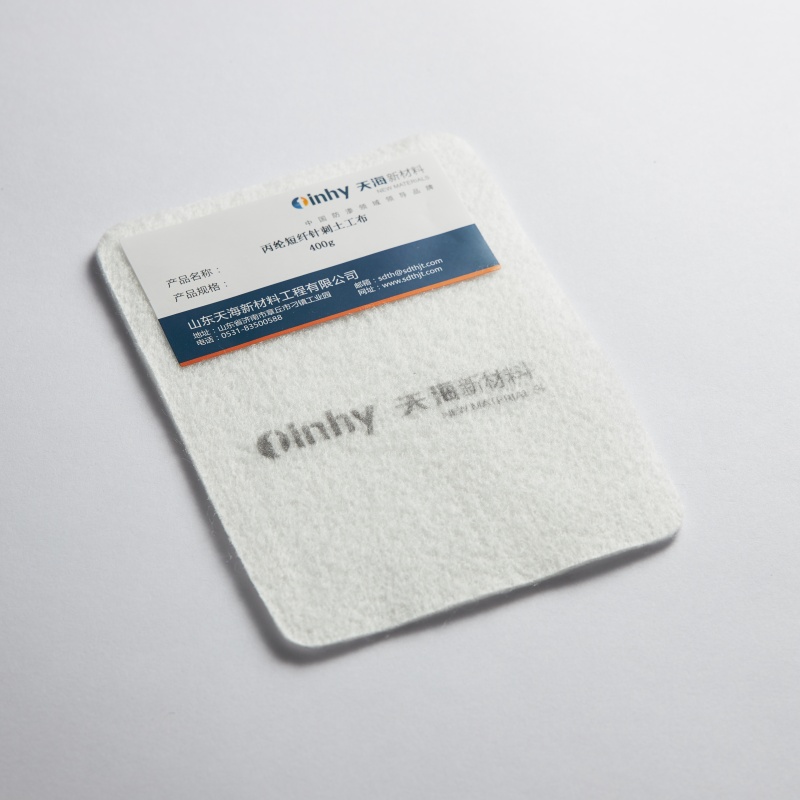
A geotextile can provide protection between the geomembrane and an abrasive subgrade or adjacent materials.

For example, a nonwoven geotextile may help distribute localized stresses and reduce the risk of geomembrane damage from sharp particles.

The appropriate geotextile mass, polymer type, and mechanical properties should be determined according to project conditions.

How to Balance HDPE Liner Cost and Performance

The lowest purchase price is rarely the best way to evaluate a tailings liner.

A more useful approach is to consider total cost of ownership.

Material Cost

Thickness, resin quality, surface type, and order quantity influence the initial liner price.

Installation Cost

Panel size, site accessibility, welding conditions, weather, slope geometry, and project schedule can influence installation costs.

Protection Cost

Poor subgrade conditions may require additional geotextile protection or improved subgrade preparation.

Quality Control Cost

Large tailings facilities require inspection and seam testing to verify installation quality.

Repair and Remediation Cost

Liner damage discovered late in construction or operation can be significantly more expensive to repair than preventing the problem during design and installation.

Therefore, the objective should be:

Adequate Performance + Appropriate Material Specification + Reliable Installation + Effective QA/QC = Lower Lifecycle Risk

Why Choosing the Right Manufacturer Matters

The manufacturer should be evaluated on more than price.

For a large mining project, consider:

Production Capability

Can the supplier consistently produce the required thickness, width, surface texture, and quantity?

Quality Control

Does the manufacturer have an established laboratory and documented testing procedures?

Raw Material Management

Can the supplier provide information about the polymer formulation and raw material quality?

Technical Documentation

Can the manufacturer provide technical data sheets, test reports, certificates, and quality documentation required by the project?

Customization

Can the supplier provide project-specific roll dimensions, textured surfaces, custom packaging, and other requirements?

Technical Support

Does the supplier understand geomembrane deployment, thermal welding, seam testing, protection systems, and other aspects of large-scale installation?

Tinhy Geosynthetics for Mining and Tailings Containment

Tinhy Geosynthetics provides geomembrane and geosynthetic solutions for demanding environmental and mining applications.

Its product range includes HDPE geomembranes, textured HDPE geomembranes, geotextiles, GCL, drainage materials, geogrids, and other geosynthetic products.

For tailings-related projects, liner specifications can be evaluated according to factors such as:

  • Tailings chemistry
  • Required thickness
  • Smooth or textured surface
  • Subgrade conditions
  • Slope configuration
  • Protection requirements
  • Roll dimensions
  • Installation method
  • Applicable project standards

Tinhy also operates an in-house laboratory and quality-control system for testing and product verification.

For project procurement, buyers can request technical data sheets, applicable test reports, roll specifications, production information, and samples before finalizing the liner specification.

HDPE Liner Selection Checklist for Tailings Dams

Before ordering an HDPE liner, project teams should confirm:

Material

  • HDPE material grade is suitable for the application
  • Chemical compatibility has been evaluated
  • UV stabilization is suitable for expected exposure

Mechanical Performance

  • Required thickness has been determined
  • Puncture resistance meets project requirements
  • Tear and tensile properties are appropriate
  • Subgrade conditions have been evaluated

Design

  • Smooth/textured surface has been selected
  • Slope stability has been assessed
  • Interface shear properties have been evaluated
  • Anchoring and termination details are defined

Installation

  • Welding method has been specified
  • Qualified welding personnel are available
  • Seam testing procedures are established
  • Geotextile protection requirements are defined

Supplier

  • Technical data is available
  • Test reports are available
  • Production capacity is sufficient
  • Quality-control procedures are documented
  • Technical support is available

Frequently Asked Questions

What thickness of HDPE liner is suitable for a tailings dam?

There is no universal thickness suitable for every tailings facility. Thickness should be determined based on subgrade conditions, mechanical loading, chemical exposure, slope geometry, installation requirements, and expected service conditions. Heavy-duty applications may use thicker geomembranes, but engineering justification should guide the final specification.

Is textured HDPE better for tailings dams?

Not necessarily. Textured HDPE can provide higher interface friction and may be advantageous on slopes, but smooth geomembrane may be appropriate for other areas. The choice should be based on interface shear and slope stability requirements.

Can HDPE resist acidic mine tailings?

HDPE generally has good resistance to many acidic and alkaline environments, but actual compatibility depends on the chemical composition, concentration, temperature, and exposure duration. Specific chemical compatibility should be evaluated for the tailings involved.

Should geotextile be installed under an HDPE tailings liner?

A geotextile protection layer may be recommended where the subgrade contains sharp or abrasive materials or where additional protection is required by the design. The geotextile specification should be based on site conditions.

How are HDPE geomembrane seams joined?

HDPE geomembranes are commonly joined using thermal welding techniques such as hot wedge welding and extrusion welding. Seam testing and inspection are important parts of the installation quality-control process.

Is a thicker HDPE liner always better?

No. A thicker liner can provide additional mechanical protection, but excessive thickness may increase material, transportation, handling, and installation costs. The optimum thickness should balance performance requirements and lifecycle cost.

Conclusion

Choosing the right HDPE liner for tailings dams requires more than comparing thickness and price.

A reliable liner specification should consider the complete containment system—from tailings chemistry and subgrade conditions to geomembrane properties, slope stability, welding, seam testing, protection layers, and long-term environmental exposure.

For most demanding tailings applications, the key considerations include:

  1. Chemical compatibility
  2. Appropriate geomembrane thickness
  3. Puncture and tear resistance
  4. Seam quality and welding
  5. UV and temperature resistance
  6. Slope stability and interface friction
  7. Applicable standards and QA/QC requirements
  8. Total lifecycle cost

The most effective solution is not necessarily the thickest or cheapest liner. It is the liner system that provides the required level of containment performance while remaining practical to manufacture, transport, install, inspect, and maintain.

For mining companies, EPC contractors, and engineering consultants, working with an experienced geomembrane manufacturer can simplify material specification and help ensure that the selected HDPE liner is matched to the actual conditions of the tailings storage facility.

Need help selecting an HDPE liner for your tailings project? Share your tailings chemistry, reservoir or dam dimensions, liner thickness requirements, slope conditions, and delivery location with Tinhy Geosynthetics for a project-specific recommendation.

Knowledge Base
Share:
info@tinhygeosynthetics.com Bai Jinxi
Consultation

    Get The Latest Product Prices

    Your inquiries are welcomed at any time and please feel free to contact us via email, phone calls, and online chatbox on our site.

    We will definitely give you a reply ASAP after we receive your messages.

      0/180