Resources
Company News
Industry News
Knowledge Base
Project Cases
Innovation
Team Power Fuels TINHY’s Global Geosynthetics Solutions
Tinhy and University of Jinan Celebrate Six Years of Industry–University Collaboration
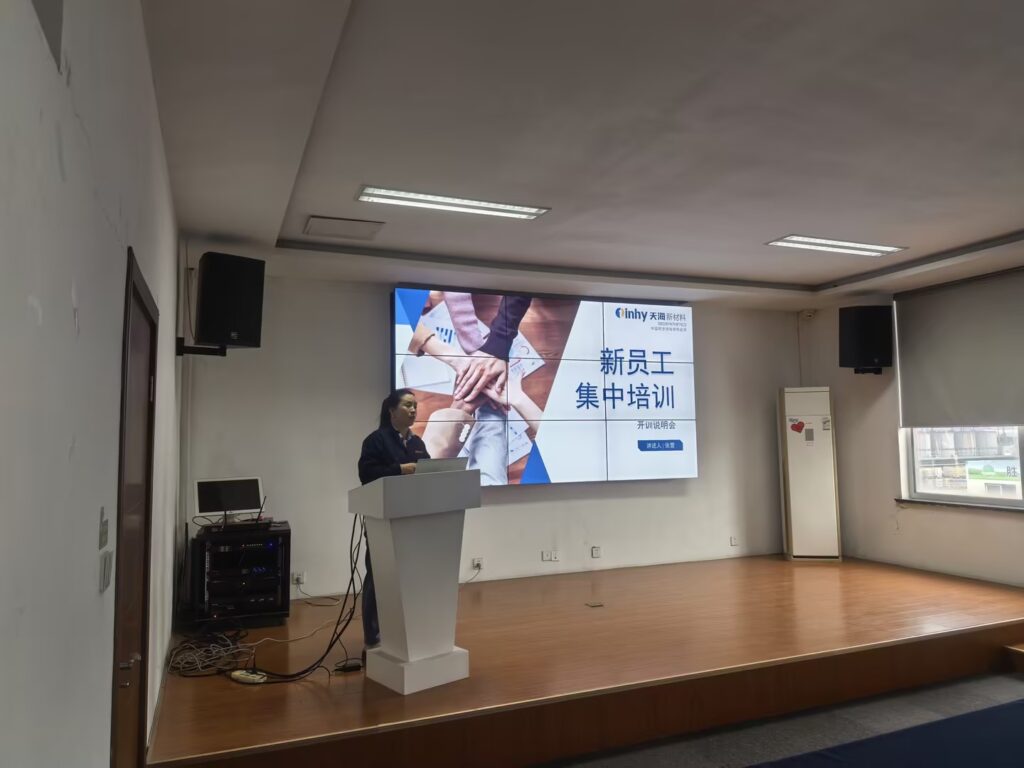
Empowering New Talent, Building the Future: Tinhy Successfully Conducts New Employee Orientation Training
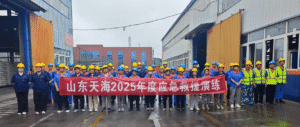
Tinhy Conducts Comprehensive Emergency Drill to Strengthen Workplace Safety Defenses
Company Mid – Year Summary and Team – Building Activity Report
Is geomembrane a geotechnical engineering material?
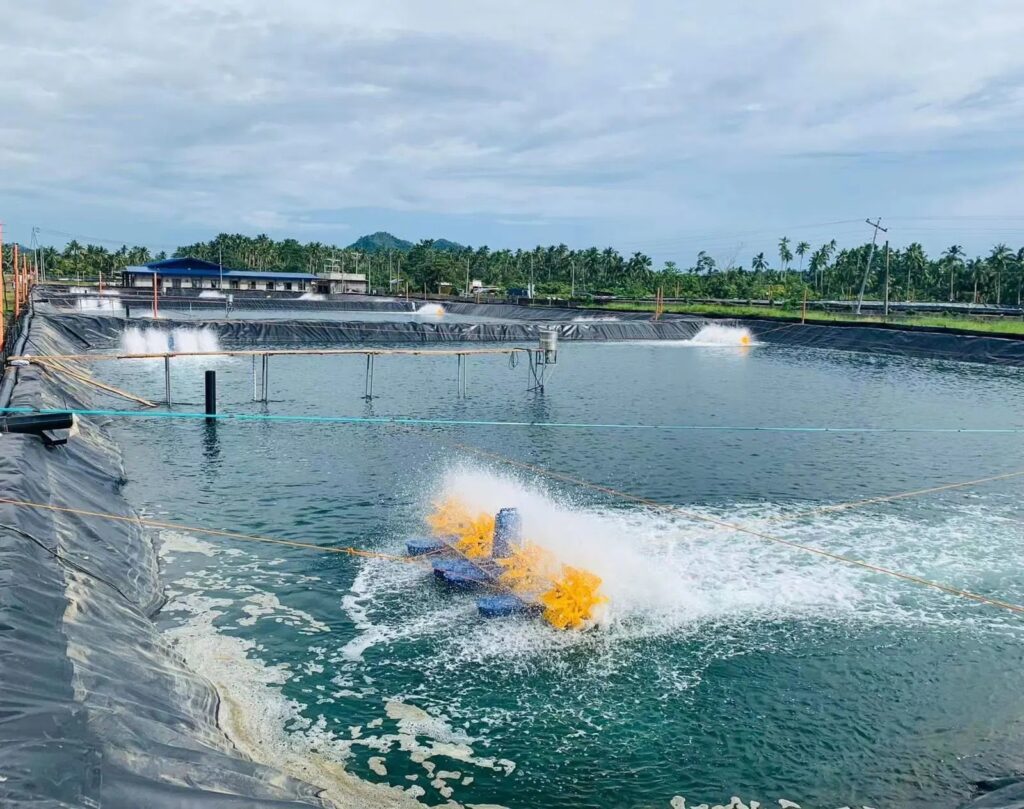
What are the application scenarios of geomembrane?
What are the functions of geotextiles?
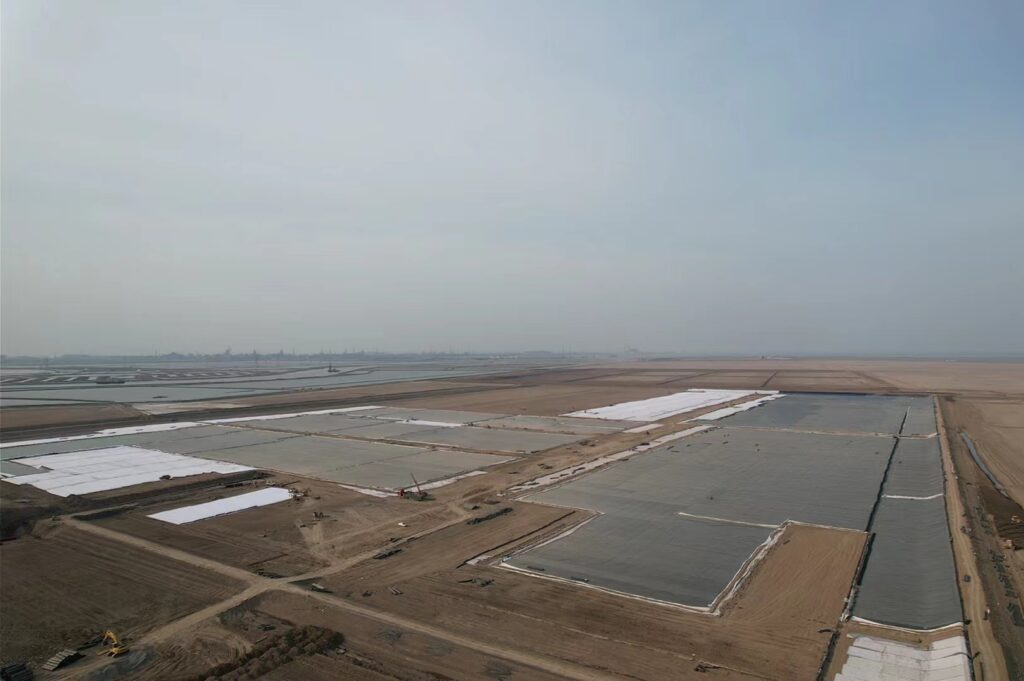
Cómo elegir geomembrana de hdpe en proyectos de ingeniería
How to choose hdpe geomembrane in engineering projects
China’s Geotechnical Construction Materials Embrace New Opportunities
Tips for Moisture-Proof Storage of Geotextiles
Key Construction Points and Precautions for High-Density Polyethylene Geomembrane
what is pond lining material ?
What is geomembrane?
HDPE geomembrane construction plans and technical measures
What quality tests do HDPE geomembranes need to do?
Tinhy’s MDS® Drainage Solution
Installation Robots
The 7 Best Reservoir Liner Materials for Water Containment Projects
Top 8 HDPE Pond Liner Manufacturers in the World
Geogrid vs Geotextile: Differences, Applications & How to Choose
Filament Geotextile vs Staple Fiber Geotextile: Key Differences and Applications
The 6 Best Geomat Manufacturers in 2026: Complete Comparison Guide
How to Choose the Right Waterproof Geomembrane for Your Project?
What Is 60 Mil HDPE Geomembrane and What Are Its Applications?
Comprehensive Guide to 1mm Geomembrane for Landfill Applications
Top 7 Global Non Woven Geotextile Suppliers
The 7 Best PP Woven Geotextiles Review: Strength, Applications & Buying Guide
Should HDPE or PVC be used to install geomembrane in reservoirs?
What is the price of geomembrane?
Material characteristics of three different geomembranes
Esquema de construcción de geomembrana de HDPE y medidas técnicas
hdpe geomembrane pond liner in Congo (DRC)
How to lay and weld HDPE geomembrane?
HDPE geomembrane 0.2-4.0mm
HOME ABOUT PRODUCTS APPLICATION CONTENTUS RESOURCES
Home Resources Knowledge Base The 7 Best Reservoir Liner Materials for Water Containment Projects

The 7 Best Reservoir Liner Materials for Water Containment Projects

time:September 04, 2026 Views:5

Choosing the right reservoir liner material is essential for controlling water loss, protecting soil and groundwater, and extending the service life of a reservoir. The best liner depends on the reservoir size, site conditions, water quality, climate, installation method, and project budget.

For large agricultural, industrial, mining, and water-storage reservoirs, HDPE geomembrane is one of the most widely specified solutions because of its low permeability, chemical resistance, UV resistance, and long-term durability. For projects requiring greater flexibility, LLDPE and EPDM can be attractive alternatives. RPE and PVC are commonly considered for smaller or less demanding applications, while GCL and compacted clay provide clay-based barrier solutions.

This guide reviews seven common reservoir liner materials and explains their advantages, limitations, and typical applications so project owners, engineers, contractors, and buyers can make a more informed selection.

Table of Contents

What Is a Reservoir Liner?

A reservoir liner is a low-permeability barrier installed between stored water and the underlying soil. Its primary purpose is to reduce seepage and maintain water storage efficiency.

Depending on the project, a reservoir liner may be installed on the reservoir floor, side slopes, embankments, or other areas where water containment is required.

Reservoir liners are commonly used for:

  • Agricultural irrigation reservoirs
  • Industrial water storage
  • Municipal water containment
  • Stormwater retention ponds
  • Aquaculture ponds
  • Mining water reservoirs
  • Process-water ponds
  • Landscape and recreational ponds
  • Environmental containment systems

A properly selected liner can significantly reduce uncontrolled seepage while helping protect the surrounding ground from water migration.

Why Is Reservoir Liner Selection Important?

Not every liner material performs the same way under different environmental and construction conditions.

A reservoir located in a hot, sunny region may require strong UV resistance. A reservoir constructed over uneven or settling ground may benefit from a more flexible material. Industrial or mining water may require higher chemical resistance, while potable-water applications require appropriate material certifications.

Several factors should therefore be considered before selecting a liner.

1. Water Retention

The primary function of a liner is to reduce water loss through seepage. A low-permeability geomembrane can create an effective hydraulic barrier when properly specified and installed.

2. Durability

Reservoir liners may be exposed to sunlight, temperature changes, wind, rain, biological activity, and mechanical stresses. Material durability directly affects maintenance and replacement requirements.

3. Puncture and Tear Resistance

Subgrade conditions can include stones, roots, construction debris, and uneven surfaces. A suitable liner system may require sufficient thickness and, in many cases, a geotextile protective layer beneath the geomembrane.

4. Chemical Compatibility

Industrial, agricultural, mining, and wastewater reservoirs can contain different chemicals or dissolved substances. The liner must be compatible with the expected water chemistry.

5. Installation Requirements

Some liner materials are heat-welded, while others may use adhesives, tapes, mechanical connections, or overlapping systems. Large reservoirs generally require professional installation and seam testing.

The 7 Best Reservoir Liner Materials

1. HDPE Geomembrane – Best for Large Agricultural and Industrial Reservoirs

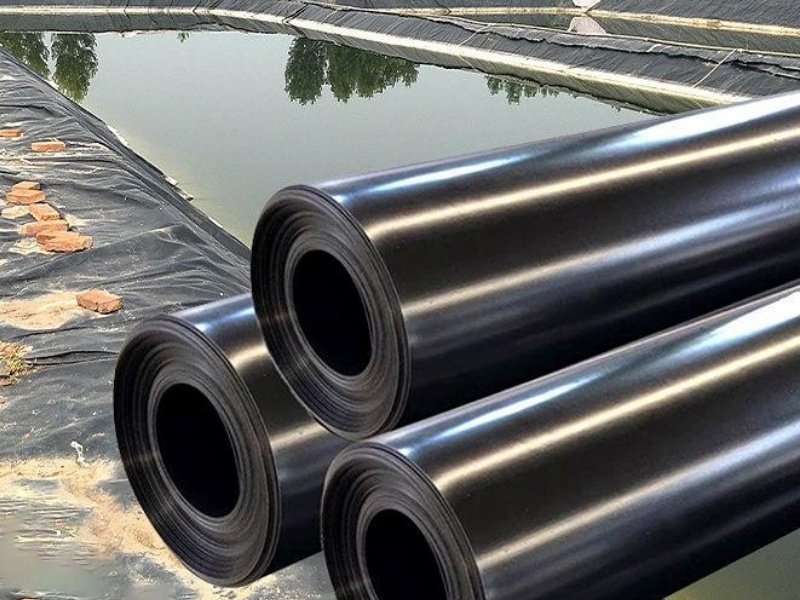
HDPE (High-Density Polyethylene) geomembrane is one of the most commonly used liner materials for large-scale water containment projects.

HDPE combines very low permeability with strong mechanical performance, chemical resistance, and good outdoor durability. It can be manufactured in different thicknesses and surface configurations to suit project requirements.

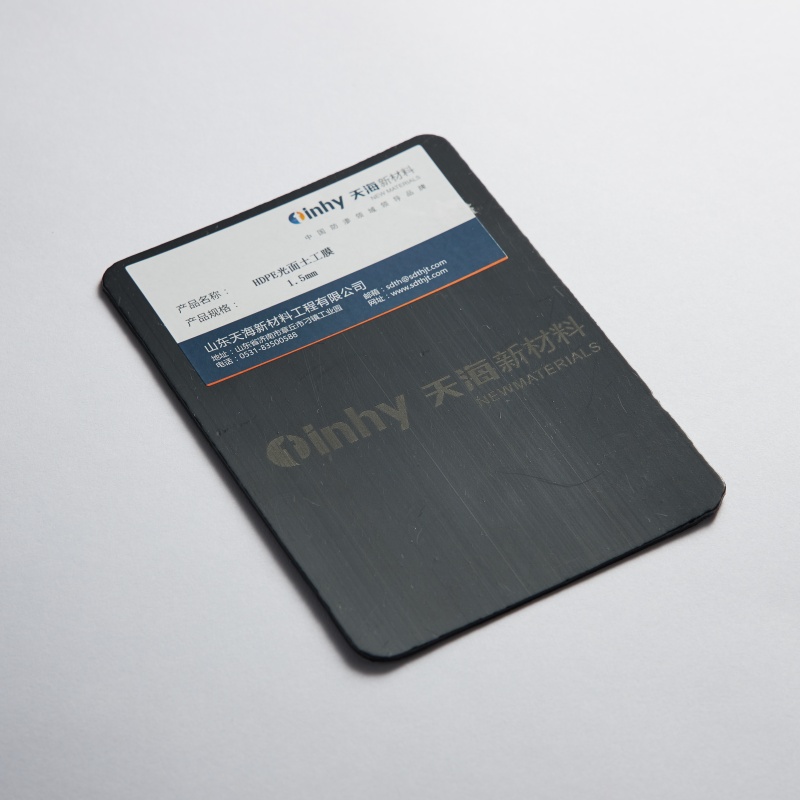
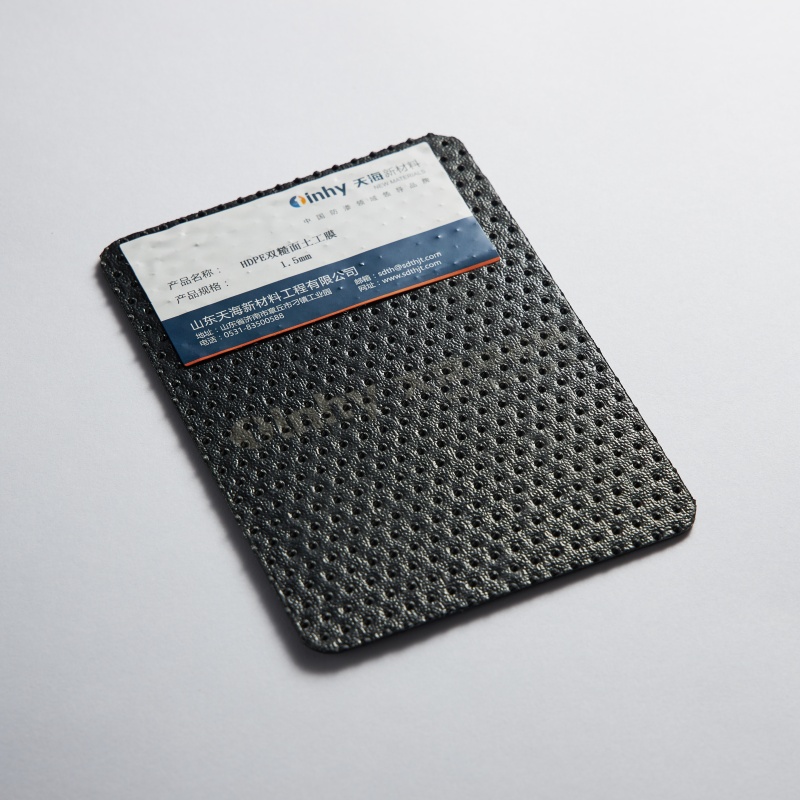
Smooth HDPE geomembrane is commonly used where low-friction surfaces are preferred, while textured HDPE can provide additional interface friction on slopes.

Key Advantages of HDPE

  • Very low permeability
  • Strong tensile and puncture resistance
  • Good resistance to many chemicals
  • Good UV and weather resistance
  • Suitable for large-scale projects
  • Available in a wide range of thicknesses
  • Can be thermally welded for continuous seams
  • Suitable for custom fabrication and large rolls

Typical Applications

HDPE reservoir liners are widely considered for:

  • Agricultural irrigation reservoirs
  • Industrial water storage
  • Mining water ponds
  • Stormwater reservoirs
  • Wastewater containment
  • Aquaculture
  • Municipal water projects

Limitations

HDPE is less flexible than some rubber-based liner materials. Proper subgrade preparation and installation are particularly important for large systems.

For reservoirs with significant slope changes or complex geometry, textured surfaces, engineered anchoring, and appropriate protective layers may be required.

2. LLDPE Geomembrane – Best for Flexible Reservoir Designs

LLDPE (Linear Low-Density Polyethylene) geomembrane offers greater flexibility than conventional HDPE while maintaining the low permeability expected from a polyethylene geomembrane.

Its flexibility allows the material to conform more easily to irregular surfaces, curved reservoir profiles, and areas where some subgrade movement may occur.

Key Advantages of LLDPE

  • High flexibility
  • Good elongation characteristics
  • Good puncture and tear resistance
  • Low permeability
  • Good weather resistance when properly formulated
  • Suitable for irregular reservoir shapes
  • Heat-weldable seams

Typical Applications

LLDPE can be considered for:

  • Medium-sized reservoirs
  • Agricultural ponds
  • Aquaculture facilities
  • Stormwater ponds
  • Landscape water features
  • Irregularly shaped water containment systems

Limitations

For very large industrial reservoirs where higher stiffness and structural strength are priorities, HDPE may be preferred depending on the engineering design.

Material selection should always be based on project-specific specifications rather than flexibility alone.

3. EPDM Rubber Liner – Best for Flexible and Complex-Shaped Ponds

EPDM (Ethylene Propylene Diene Monomer) is a synthetic rubber liner known for its flexibility and ability to accommodate complex pond geometries.

Unlike polyethylene geomembranes, EPDM behaves more like an elastomeric membrane. It can remain flexible over a broad temperature range and is widely used in decorative ponds, water features, and certain water-storage applications.

Key Advantages of EPDM

  • Excellent flexibility
  • Good resistance to weathering
  • Good UV resistance
  • Suitable for irregular shapes
  • Performs well in temperature fluctuations
  • Useful for projects where flexibility is a major requirement

Typical Applications

EPDM is commonly considered for:

  • Landscape ponds
  • Decorative water features
  • Aquaculture ponds
  • Small and medium reservoirs
  • Complex-shaped water containment systems

For potable-water projects, the liner should be specifically certified for the intended water-contact application. Buyers should verify the actual certification of the selected product rather than assuming that all EPDM products are suitable for drinking water.

Limitations

EPDM can have a higher material cost than some polyethylene options, and seam and connection methods differ from those used with thermoplastic geomembranes.

4. RPE – Best for Reinforced Flexible Liner Systems

RPE (Reinforced Polyethylene) typically incorporates a reinforcement layer between polyethylene coatings or layers. This construction can provide a useful combination of flexibility, tensile performance, and handling characteristics.

RPE can be an option for projects where a reinforced membrane system is preferred over a conventional single-layer sheet.

Key Advantages

  • Reinforced construction
  • Good tear resistance
  • Lightweight compared with some heavy geomembranes
  • Flexible and easy to handle
  • Suitable for prefabricated panels
  • Can be useful for smaller containment projects

Typical Applications

RPE may be considered for:

  • Agricultural water storage
  • Small reservoirs
  • Temporary water containment
  • Landscape ponds
  • Irrigation systems

Limitations

The performance of RPE varies considerably according to reinforcement type, coating structure, resin quality, thickness, and manufacturing process.

For demanding industrial, mining, or large permanent reservoirs, project specifications should be reviewed carefully before selecting RPE.

5. PVC Geomembrane – Best for Smaller and Simpler Projects

PVC (Polyvinyl Chloride) geomembrane is a flexible liner material used in a variety of pond and water-containment applications.

PVC can be relatively easy to cut, handle, and install, making it attractive for smaller projects where construction requirements are less demanding.

Key Advantages

  • Flexible
  • Easy to handle
  • Available in different thicknesses
  • Suitable for smaller water features
  • Can be fabricated for certain applications
  • Generally accessible for small projects

Typical Applications

PVC liners may be used for:

  • Decorative ponds
  • Garden ponds
  • Small water reservoirs
  • Temporary water containment
  • Landscape applications

Limitations

PVC formulations differ significantly in plasticizer content, UV resistance, temperature performance, and service life. Therefore, product quality and application suitability are important considerations.

For large exposed reservoirs requiring long-term outdoor performance, HDPE or another engineered geomembrane may be a more appropriate choice depending on the design.

6. GCL – Best for Clay-Based Composite Liner Systems

A GCL (Geosynthetic Clay Liner) combines bentonite clay with geotextile carrier layers to create a low-permeability barrier.

When hydrated under appropriate confinement conditions, bentonite swells and forms a low-permeability layer. GCLs are commonly used as part of composite liner systems rather than simply as a standalone exposed reservoir membrane.

Key Advantages

  • Contains natural bentonite clay
  • Factory-manufactured thickness
  • Can provide a low-permeability barrier
  • Useful as part of composite containment systems
  • Can be combined with geomembranes

Typical Applications

GCL may be considered for:

  • Environmental containment
  • Waste containment
  • Water-retention systems
  • Mining applications
  • Composite liner systems
  • Projects where clay-based barrier technology is desirable

Limitations

GCL performance depends strongly on hydration, confinement, overlapping, subgrade conditions, and installation quality.

It should not automatically be treated as a direct replacement for an exposed geomembrane. In many reservoir designs, GCL is used beneath a geomembrane as part of a multi-layer barrier system.

7. Compacted Clay – Best for Traditional Natural Barrier Systems

Compacted clay is one of the oldest methods for reducing water seepage from reservoirs.

When suitable clay soil is compacted to the required density and moisture condition, it can create a relatively low-permeability barrier.

Key Advantages

  • Uses locally available soil where suitable
  • No synthetic membrane required
  • Can integrate naturally with earth structures
  • Familiar construction method
  • Suitable for certain large earth reservoirs

Typical Applications

Compacted clay can be considered for:

  • Agricultural reservoirs
  • Farm ponds
  • Irrigation storage
  • Earth dams
  • Natural water-retention systems

Limitations

The effectiveness of compacted clay depends heavily on soil properties, moisture content, compaction quality, thickness, cracking potential, and site conditions.

Drying, shrinkage, settlement, and cracking can compromise the barrier. In difficult soil conditions, a geomembrane or composite liner system may provide more predictable hydraulic performance.

Reservoir Liner Materials Comparison

The following table provides a general comparison of the seven materials. Actual performance depends on product formulation, thickness, site conditions, design, and installation quality.

Material Flexibility Durability Chemical Resistance UV/Weather Resistance Typical Project Scale Main Advantage
HDPE Medium Excellent Excellent Excellent Medium–Large Strength and long-term containment
LLDPE High Excellent Excellent Good–Excellent Small–Large Flexibility
EPDM Very High Excellent Moderate–Good* Excellent Small–Medium Flexible installation
RPE High Good–Excellent Good Good Small–Medium Reinforced construction
PVC High Moderate–Good Good Moderate–Good* Small–Medium Easy handling
GCL Low as exposed membrane Good in suitable systems Site-dependent Not intended for exposed use Medium–Large Bentonite-based barrier
Compacted Clay Low Site-dependent Site-dependent Not applicable Medium–Large Natural soil barrier

*Performance varies significantly by formulation and product grade.

How to Choose the Best Reservoir Liner Material

There is no single liner that is best for every reservoir. The correct selection should begin with the project’s actual engineering requirements.

1. Consider Reservoir Size

For large agricultural, industrial, mining, or municipal reservoirs, HDPE geomembrane is often a practical starting point because it combines low permeability, mechanical strength, weldable seams, and scalable installation.

Smaller ponds may allow more flexibility in material selection, including EPDM, PVC, or reinforced polyethylene systems.

2. Evaluate the Ground Conditions

The subgrade is just as important as the liner itself.

Before installation, check for:

  • Sharp rocks
  • Roots
  • Construction debris
  • Uneven surfaces
  • Soft soil
  • Settlement potential
  • Groundwater pressure
  • Slope stability

A geotextile underlay can be incorporated into the liner system where additional protection against puncture or abrasion is required.

3. Consider Reservoir Geometry

For regular-shaped reservoirs with large areas, HDPE can be highly practical.

For irregular shapes, steep transitions, or areas requiring significant conformity to the subgrade, LLDPE or EPDM may offer advantages depending on the project design.

Textured geomembranes can also be considered when additional interface friction is required on slopes.

4. Match the Liner to the Water

The stored water should be considered before material selection.

Different projects may contain:

  • Fresh irrigation water
  • Stormwater
  • Aquaculture water
  • Industrial process water
  • Mining-affected water
  • Wastewater
  • Potable water

Chemical compatibility and applicable water-contact certifications should be verified for the specific product.

5. Consider Climate and Exposure

Outdoor reservoirs may experience:

  • Strong solar radiation
  • High temperatures
  • Freezing conditions
  • Large temperature fluctuations
  • Heavy rainfall
  • Wind
  • Long-term UV exposure

The liner formulation, thickness, surface type, and installation system should be selected accordingly.

What Thickness Should a Reservoir Liner Be?

Liner thickness should not be selected simply according to reservoir size.

The appropriate thickness depends on factors such as:

  • Reservoir depth
  • Subgrade quality
  • Water pressure
  • Slope geometry
  • Installation method
  • Expected mechanical loading
  • Exposure conditions
  • Required design life
  • Protective geotextile requirements

For HDPE and other geomembranes, project specifications commonly use thicknesses expressed in mm or mil.

Typical geomembrane thickness ranges may include:

  • 0.75 mm: lighter-duty applications
  • 1.0 mm: common general-purpose applications
  • 1.5 mm: higher mechanical-demand applications
  • 2.0 mm and above: demanding industrial or heavy-duty applications

These values are only a general reference. A project engineer should determine the required thickness based on site-specific conditions and applicable standards.

Smooth vs. Textured Reservoir Liners

HDPE geomembranes are available in both smooth and textured surfaces.

Smooth HDPE Geomembrane

Smooth surfaces are useful where:

  • Low friction is desirable
  • Easy cleaning is important
  • Flat areas dominate
  • Drainage or sliding behavior is part of the design

Textured HDPE Geomembrane

Textured surfaces can provide higher interface friction and may be advantageous for:

  • Steep reservoir slopes
  • Embankments
  • Landfill side slopes
  • Composite liner systems
  • Applications requiring improved soil/geomembrane interaction

The choice between smooth and textured geomembrane should be based on interface shear requirements rather than simply selecting one surface type universally.

Why Geotextile Is Often Used Under a Reservoir Liner

A geomembrane should not be expected to compensate for poor subgrade preparation.

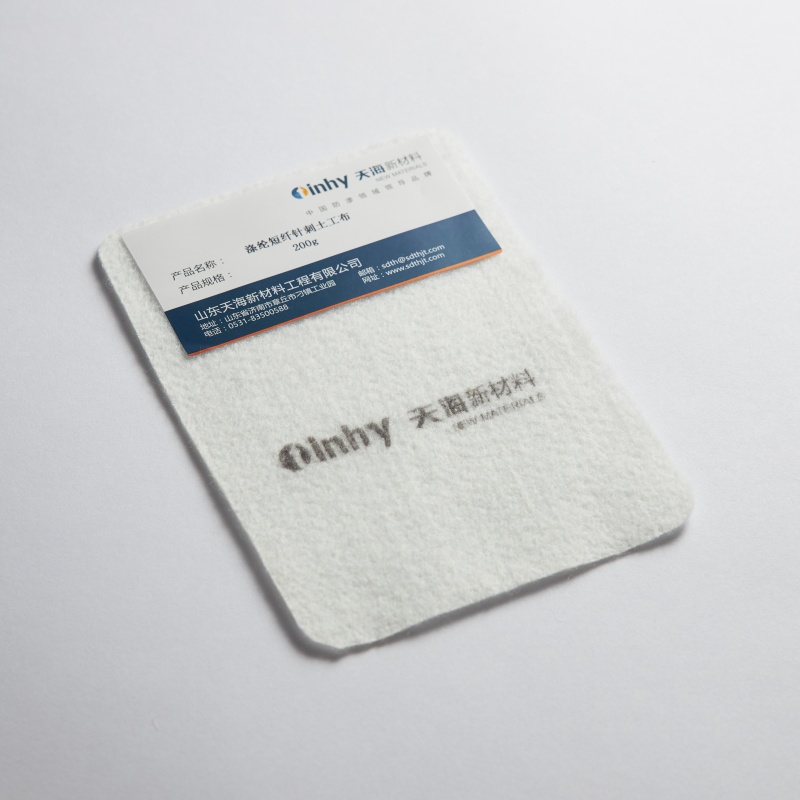
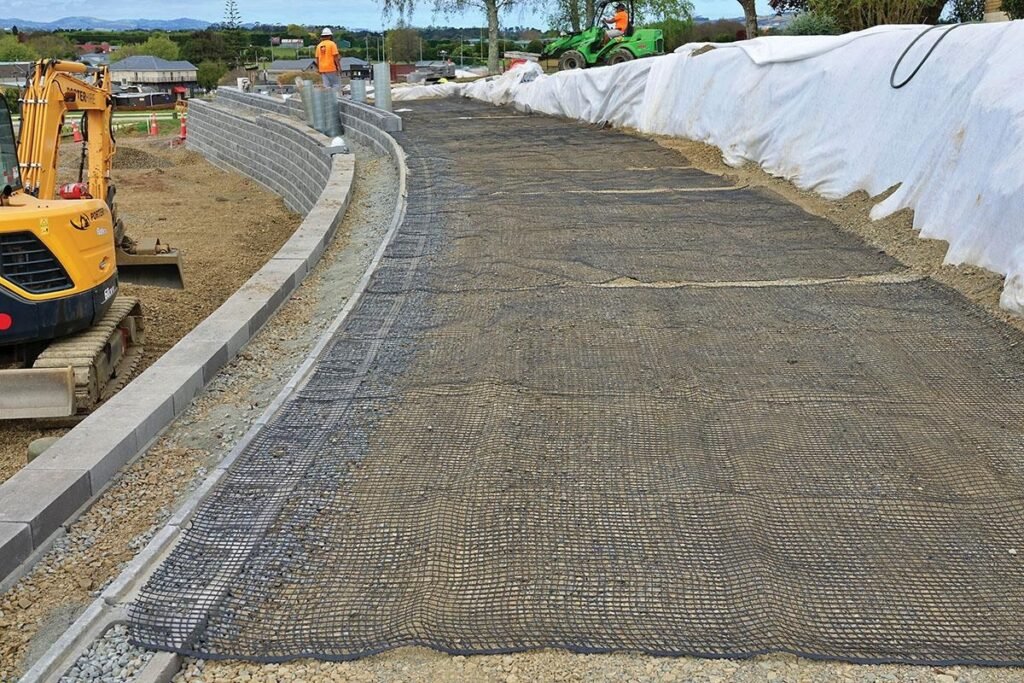
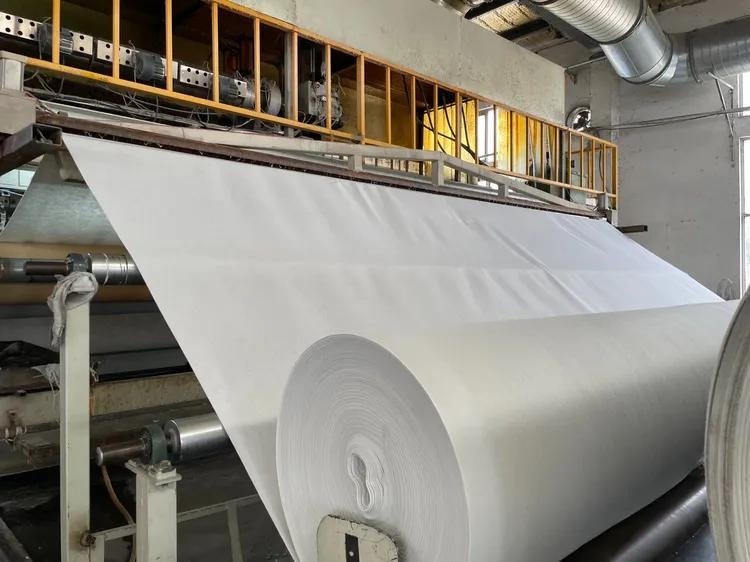
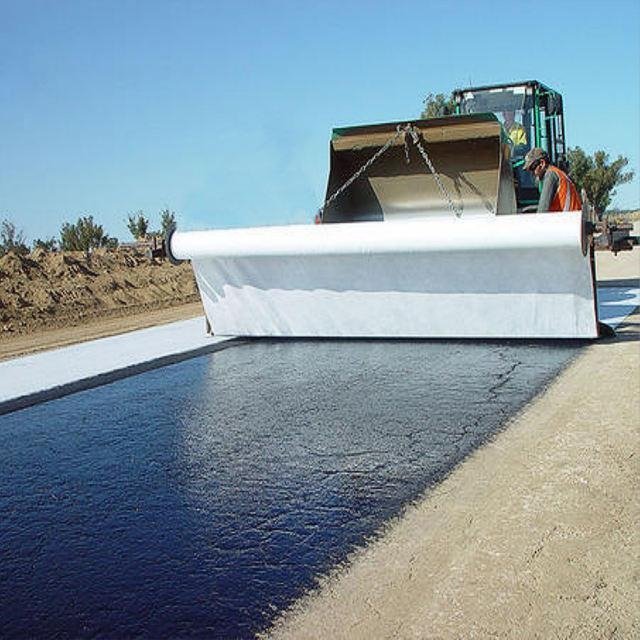
Where the ground contains stones, rough aggregate, roots, or other potential puncture hazards, a geotextile protection layer can be installed beneath the geomembrane.

The geotextile can help:

  • Protect the geomembrane
  • Distribute localized pressure
  • Reduce puncture risk
  • Improve separation between soil and liner
  • Provide additional cushioning

The appropriate geotextile weight and type depend on the subgrade and project requirements.

For example, heavier nonwoven geotextiles can be considered where greater puncture protection is required.

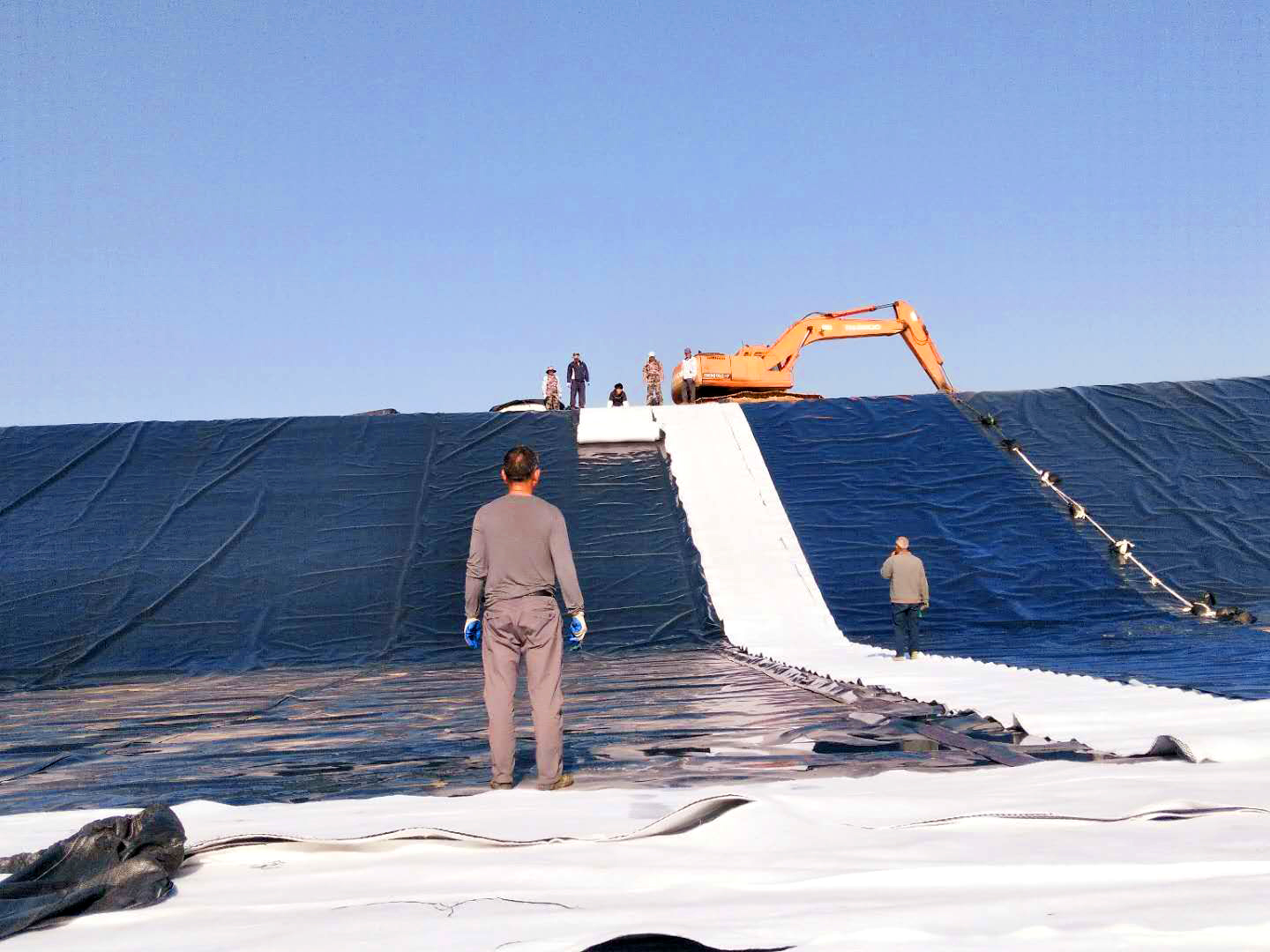
Reservoir Liner Installation: Key Steps

The liner is only as effective as its installation.

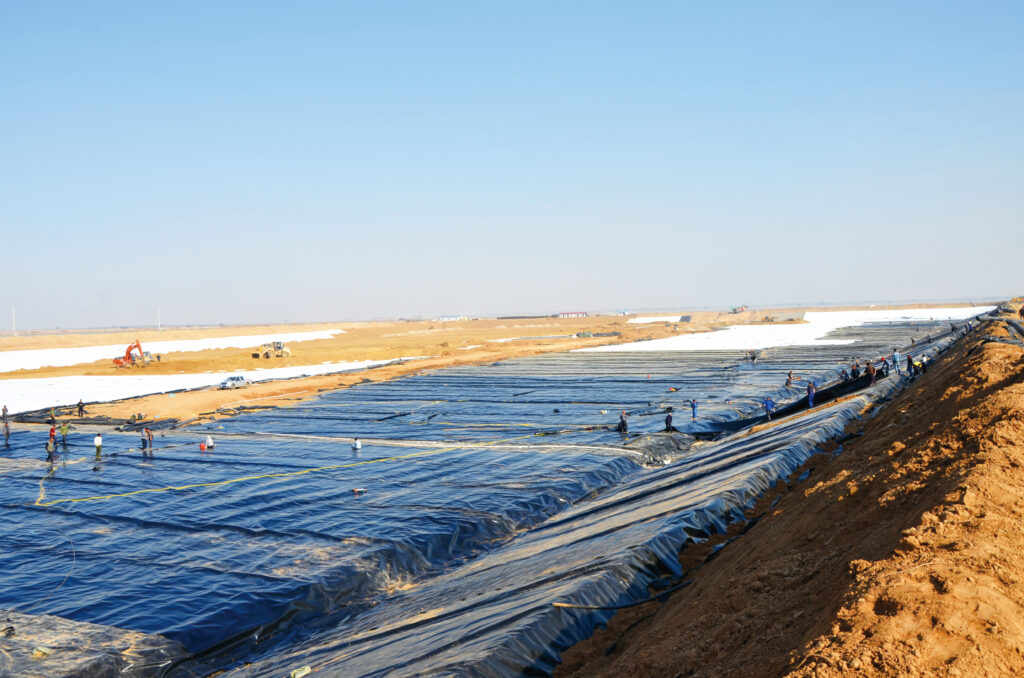
A typical geomembrane reservoir installation includes the following stages:

Step 1: Site Preparation

Remove vegetation, roots, sharp objects, and unsuitable soil. The subgrade should be properly graded and compacted.

Step 2: Install Protective Geotextile

Where required, install the specified geotextile underlay over the prepared subgrade.

Step 3: Deploy the Geomembrane

Geomembrane panels are positioned according to the installation plan. Excessive stretching should be avoided.

Step 4: Weld the Seams

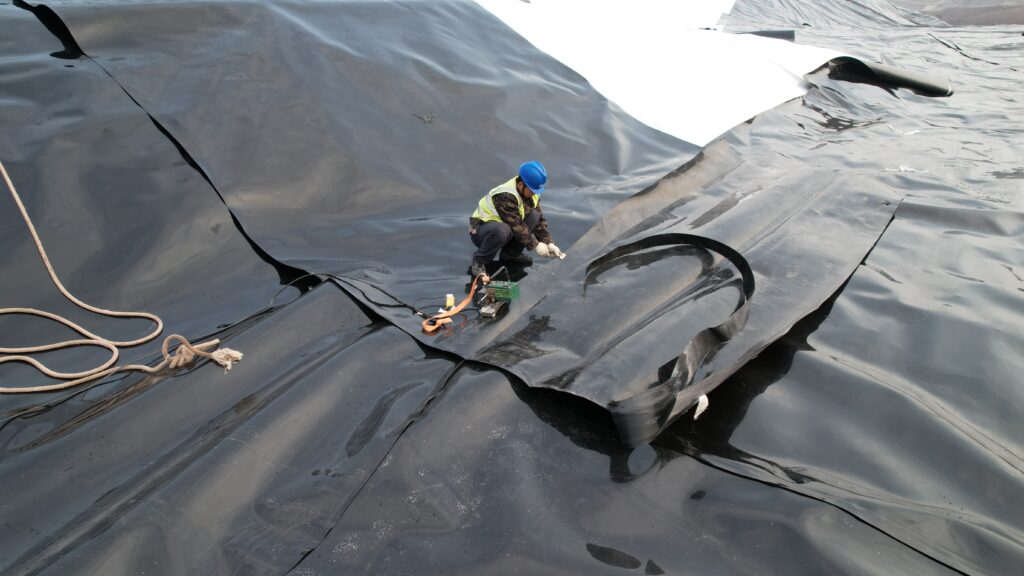
For thermoplastic geomembranes such as HDPE and LLDPE, seams are commonly produced using thermal welding equipment.

Step 5: Inspect and Test Seams

Seams should be inspected and tested according to the project quality-control plan.

Step 6: Complete Anchoring and Penetrations

Anchor trenches, pipe penetrations, outlets, inlets, and other details should be completed according to the engineering design.

Step 7: Final Inspection

Before filling the reservoir, inspect the liner system for visible damage, incomplete seams, wrinkles affecting the design, and construction defects.

How to Choose a Reservoir Liner Manufacturer

Selecting the material is only one part of the purchasing decision. The manufacturer can also have a major impact on product consistency, technical support, lead time, and project risk.

When comparing suppliers, consider the following.

Manufacturing Capability

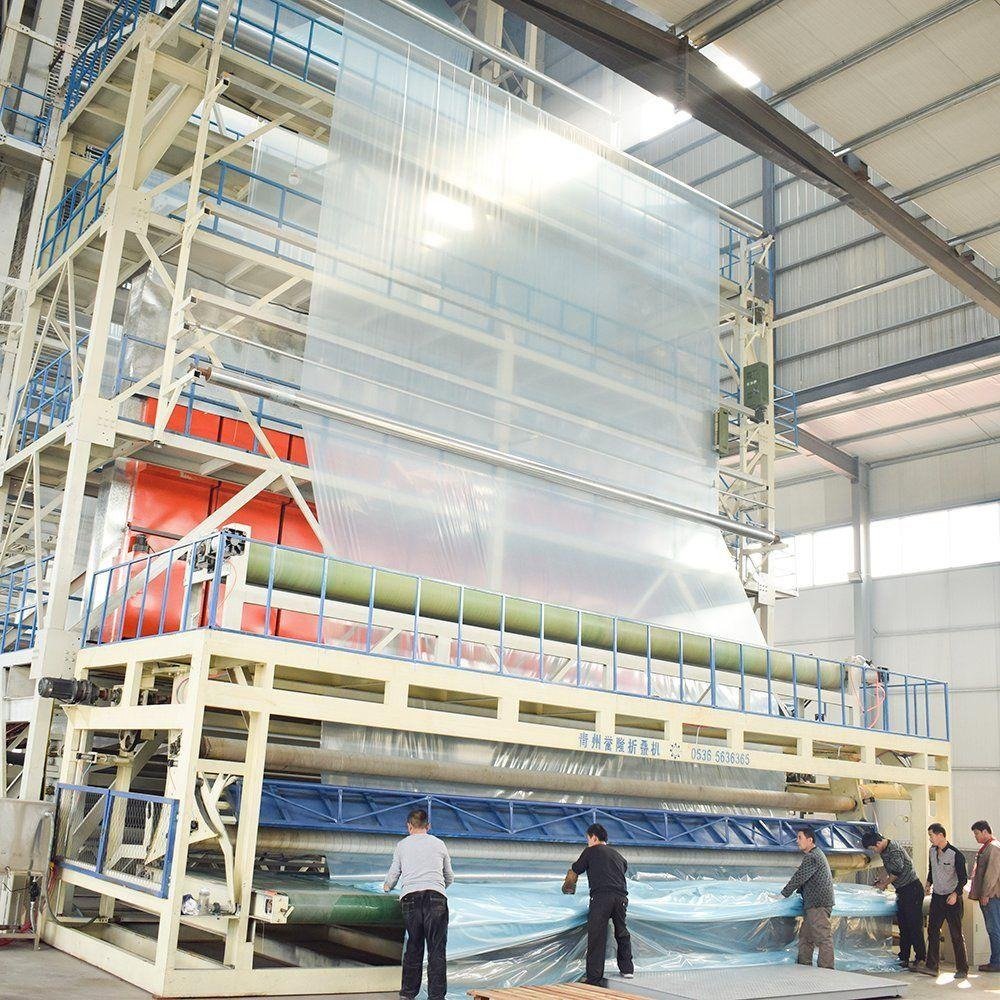
Check whether the manufacturer has suitable production lines for the required geomembrane type, thickness, width, and surface finish.

Raw Material Quality

Ask whether the product is manufactured using virgin resin or recycled materials and whether the formulation is suitable for the intended application.

Quality Control

A reliable manufacturer should have documented quality-control procedures covering raw materials, production, finished products, and testing.

Product Standards

Depending on the project location and application, specifications may reference ASTM, GRI, ISO, EN, or other applicable standards.

Customization

Large projects may require:

  • Custom thickness
  • Custom roll width
  • Smooth or textured surfaces
  • Different colors
  • Prefabricated panels
  • Custom packaging
  • Project-specific documentation

Technical Support

For large reservoir projects, technical support can be valuable during material selection, installation planning, welding, seam testing, and troubleshooting.

Tinhy Geosynthetics: Reservoir Liner Solutions

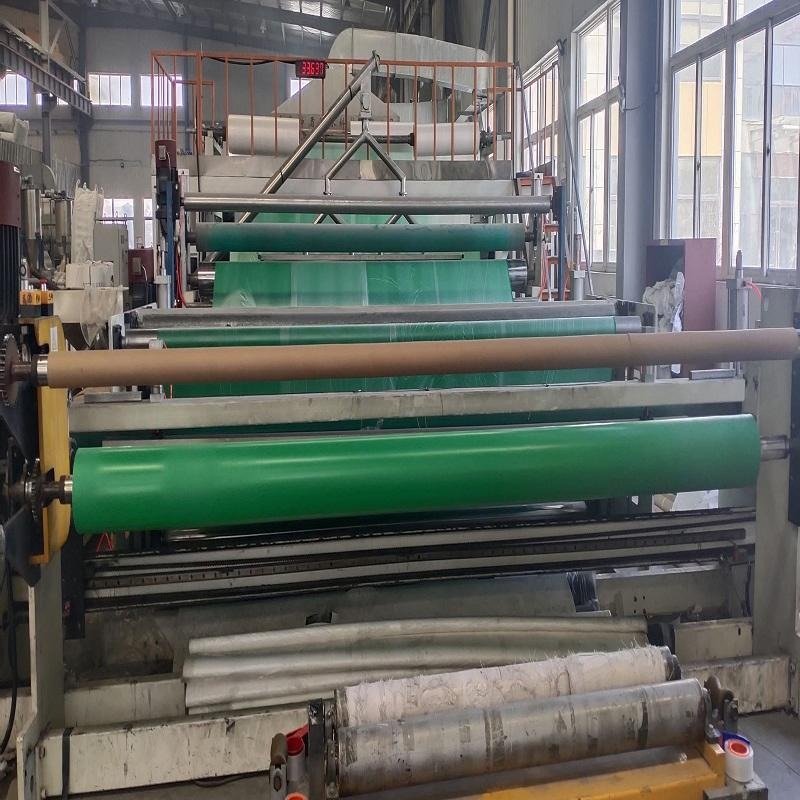
Tinhy Geosynthetics manufactures a range of geomembranes and geosynthetic materials for water containment and environmental engineering applications.

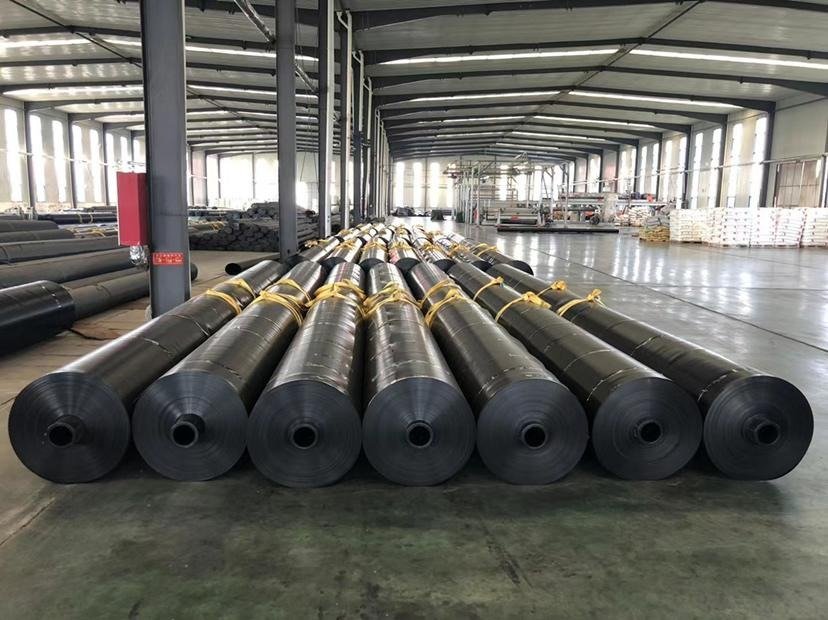
Founded in 2002, Tinhy operates a manufacturing base with more than 25 production lines and an in-house laboratory. Its product range includes HDPE geomembranes, textured HDPE geomembranes, LLDPE geomembranes, geotextiles, GCL, drainage materials, geogrids, and other geosynthetics.

For reservoir projects, material selection can be customized according to factors such as required thickness, surface type, project dimensions, subgrade conditions, and application requirements.

Tinhy’s geosynthetic products are supplied for applications including water conservation, aquaculture, agriculture, mining, industrial waste containment, and infrastructure projects.

For buyers evaluating a reservoir liner supplier, it is useful to request the technical data sheet, applicable test reports, resin information, roll dimensions, packaging details, and quality-control documentation before placing an order.

Reservoir Liner Material Cost: What Affects the Price?

The material price is only one part of the total reservoir liner budget.

Important cost factors include:

Material Type

HDPE, LLDPE, EPDM, RPE, PVC, GCL, and compacted clay have different raw-material and manufacturing costs.

Thickness

Increasing thickness generally increases material consumption and transportation weight.

Project Quantity

Large projects may achieve better unit pricing because of production scale and more efficient transportation.

Geotextile Protection

Rocky or difficult subgrades may require an additional geotextile protection layer.

Installation

Professional deployment, welding, seam testing, anchoring, and detailing contribute to total project cost.

Transportation

Large geomembrane rolls can be heavy and occupy significant container or truck space. Freight should therefore be considered when comparing suppliers from different regions.

For international buyers, it is better to compare total delivered project cost rather than material price alone.

Reservoir Liner Materials FAQ

What is the best material for a reservoir liner?

For many large agricultural, industrial, and water-storage reservoirs, HDPE geomembrane is a strong starting option because of its low permeability, mechanical strength, chemical resistance, and outdoor durability. However, the best material depends on project-specific conditions.

Is HDPE better than LLDPE for reservoirs?

Neither material is universally better. HDPE generally provides higher stiffness and strong mechanical performance, while LLDPE offers greater flexibility. The appropriate choice depends on reservoir geometry, subgrade movement, slope conditions, and engineering specifications.

How long does a reservoir liner last?

Service life varies according to material, thickness, exposure, installation quality, and operating conditions. Properly selected geomembranes can provide long-term service, but buyers should rely on project-specific durability evaluations rather than a single universal lifespan figure.

Can a reservoir liner be installed over soil?

Yes, but the soil must be properly prepared. Sharp rocks, roots, debris, and unstable areas should be removed or treated. A protective geotextile may be required between the soil and geomembrane.

What is the difference between a reservoir liner and a pond liner?

The terms are often used interchangeably, but reservoir liners are typically associated with larger engineered water-storage systems, while pond liners can refer to smaller residential, agricultural, landscape, or aquaculture applications.

Is a 1 mm HDPE liner suitable for a reservoir?

A 1 mm HDPE geomembrane can be suitable for certain reservoir applications, but thickness should be determined from site conditions, reservoir depth, subgrade characteristics, slope design, mechanical requirements, and project specifications.

Do reservoir liners need geotextile underneath?

Not every project requires a geotextile underlay. However, when the subgrade contains rocks, rough aggregate, or other puncture hazards, a properly selected geotextile can provide valuable protection.

Should I choose smooth or textured HDPE?

Smooth HDPE is commonly used on areas where low friction is desirable, while textured HDPE can provide higher interface friction and may be advantageous on slopes. The decision should be based on the project’s interface shear requirements.

Final Thoughts: Selecting the Right Reservoir Liner

The best reservoir liner material depends on more than price. Project size, water type, terrain, climate, reservoir geometry, required design life, installation method, and subgrade conditions all influence the final selection.

In general:

  • HDPE is a strong choice for large agricultural, industrial, and engineered reservoirs.
  • LLDPE is useful where greater flexibility is required.
  • EPDM is attractive for flexible and complex-shaped water containment.
  • RPE can provide reinforced performance for smaller or specialized projects.
  • PVC can be suitable for simpler and smaller water-containment applications.
  • GCL provides a bentonite-based barrier and is often used in composite liner systems.
  • Compacted clay remains an option where suitable local clay and proper compaction conditions are available.

For large projects, the most reliable approach is to evaluate the complete liner system—including geomembrane, geotextile protection, anchoring, seams, drainage, and installation—not just the membrane material itself.

If you are sourcing a reservoir liner manufacturer, prepare the reservoir area, liner thickness, water type, site conditions, roll dimensions, and delivery location. These details allow suppliers to provide a more accurate technical recommendation and quotation.

Knowledge Base
Share:
info@tinhygeosynthetics.com Bai Jinxi
Consultation

    Get The Latest Product Prices

    Your inquiries are welcomed at any time and please feel free to contact us via email, phone calls, and online chatbox on our site.

    We will definitely give you a reply ASAP after we receive your messages.

      0/180