Resources
Company News
Industry News
Knowledge Base
Project Cases
Innovation
Team Power Fuels TINHY’s Global Geosynthetics Solutions
Tinhy and University of Jinan Celebrate Six Years of Industry–University Collaboration
Empowering New Talent, Building the Future: Tinhy Successfully Conducts New Employee Orientation Training
Tinhy Conducts Comprehensive Emergency Drill to Strengthen Workplace Safety Defenses
Company Mid – Year Summary and Team – Building Activity Report
Is geomembrane a geotechnical engineering material?
What are the application scenarios of geomembrane?
What are the functions of geotextiles?
Cómo elegir geomembrana de hdpe en proyectos de ingeniería
How to choose hdpe geomembrane in engineering projects
China’s Geotechnical Construction Materials Embrace New Opportunities
Tips for Moisture-Proof Storage of Geotextiles
Key Construction Points and Precautions for High-Density Polyethylene Geomembrane
what is pond lining material ?
What is geomembrane?
HDPE geomembrane construction plans and technical measures
What quality tests do HDPE geomembranes need to do?
Tinhy’s MDS® Drainage Solution
Installation Robots
10 Geomembrane Options: Types, Manufacturers & Buying Guide
6 LLDPE Geomembrane Manufacturers: Products, Quality & Buying Guide
7 Best Geotextile Manufacturers: Products, Quality & Buying Guide
Woven Geotextile Fabric Price: Cost Guide & Buying Factors
The 10 Best Film Geotextiles Review: Types, Specifications & Buying Guide
The 10 Best 500 Micron Geomembrane Options: Properties, Applications & Buying Guide
The 10 Best Film Geotextiles Review: Types, Performance & Buying Guide
Geotextile Installation: Step-by-Step Guide for Construction Projects
The 7 Best Non Woven Filter Fabric: Properties, Applications & Buying Guide
HDPE Liner Installation: A Step-by-Step Guide for Geomembrane Projects
Should HDPE or PVC be used to install geomembrane in reservoirs?
What is the price of geomembrane?
Material characteristics of three different geomembranes
Esquema de construcción de geomembrana de HDPE y medidas técnicas
hdpe geomembrane pond liner in Congo (DRC)
How to lay and weld HDPE geomembrane?
HDPE geomembrane 0.2-4.0mm
HOME ABOUT PRODUCTS APPLICATION CONTENTUS RESOURCES
Home Resources Knowledge Base 10 Geomembrane Options: Types, Manufacturers & Buying Guide

10 Geomembrane Options: Types, Manufacturers & Buying Guide

time:September 21, 2026 Views:7

Geomembranes are low-permeability synthetic barriers used to control the movement of liquids, gases, and contaminants in applications such as landfills, mining, wastewater treatment, reservoirs, aquaculture, and industrial containment.

Among the most widely used geomembrane materials are HDPE and LLDPE. HDPE is known for its chemical resistance, mechanical strength, and long-term durability, while LLDPE generally provides greater flexibility and elongation for projects where settlement or substrate movement is a concern.

Choosing a geomembrane should not be based on price or thickness alone. Material type, surface structure, thickness, mechanical properties, chemical compatibility, UV exposure, welding requirements, subgrade conditions, and quality documentation all need to be considered.

This guide reviews 10 geomembrane products and product ranges from established manufacturers, explains the main differences between them, and provides a practical framework for selecting a liner for your project.

Note: This article is a product and manufacturer comparison guide, not an independent laboratory ranking. Product specifications and availability can vary by grade, thickness, manufacturing location, and project requirements.

Table of Contents

1. What Is a Geomembrane?

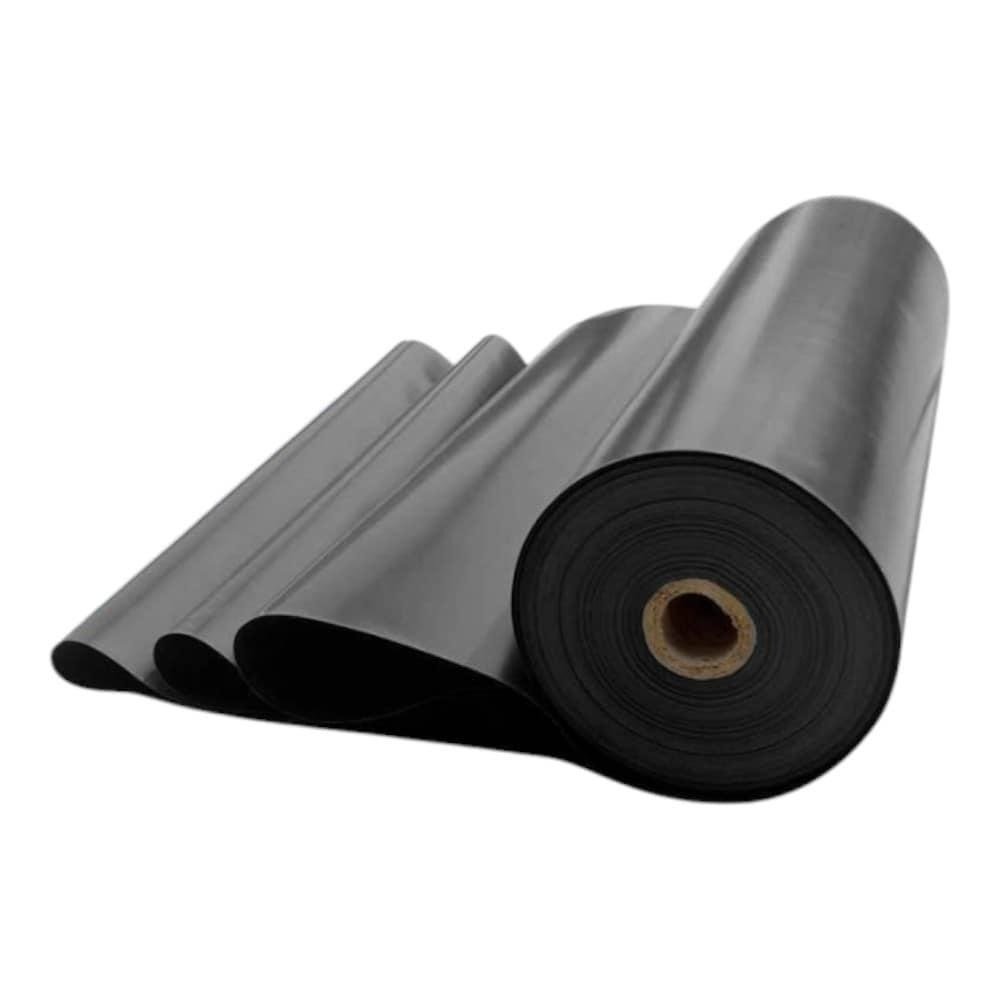
A geomembrane is a manufactured polymer sheet designed to provide a very low-permeability barrier.

Common geomembrane materials include:

  • HDPE — High-Density Polyethylene
  • LLDPE — Linear Low-Density Polyethylene
  • PVC — Polyvinyl Chloride
  • PP — Polypropylene
  • EPDM — Ethylene Propylene Diene Monomer

HDPE geomembranes are widely used for demanding containment applications because of their chemical resistance, mechanical properties, UV resistance, and low permeability.

LLDPE geomembranes are generally more flexible than HDPE and can be useful where differential settlement or deformation is an important design consideration.

Geomembranes can also be manufactured with different surface configurations:

Smooth Geomembrane

Smooth geomembranes have a flat surface and are commonly selected for relatively flat containment areas.

They are generally easier to deploy, clean, inspect, and weld.

Typical applications include:

  • Reservoirs
  • Aquaculture ponds
  • Wastewater lagoons
  • Landfill bases
  • Agricultural ponds
  • Secondary containment

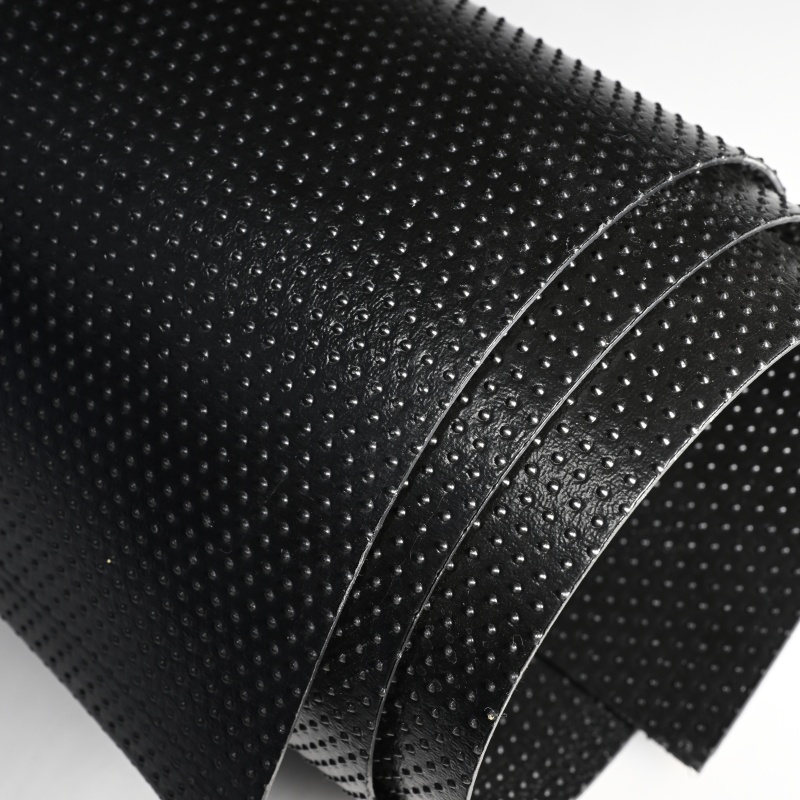
Textured Geomembrane

Textured geomembranes have a structured or roughened surface designed to increase interface friction.

They are particularly useful for:

  • Landfill side slopes
  • Mining slopes
  • Tailings facilities
  • Steep embankments
  • Cover systems
  • Multilayer geosynthetic systems

The required interface friction should be established through project-specific engineering and testing rather than assumed from the geomembrane texture alone.

2. Key Properties to Check

When comparing geomembranes, several technical properties should be reviewed together.

2.1 Thickness

Common HDPE geomembrane thicknesses include:

  • 0.5 mm
  • 0.75 mm
  • 1.0 mm
  • 1.5 mm
  • 2.0 mm
  • 2.5 mm
  • 3.0 mm

Thickness should be selected according to project loading, subgrade conditions, installation requirements, exposure, and design specifications.

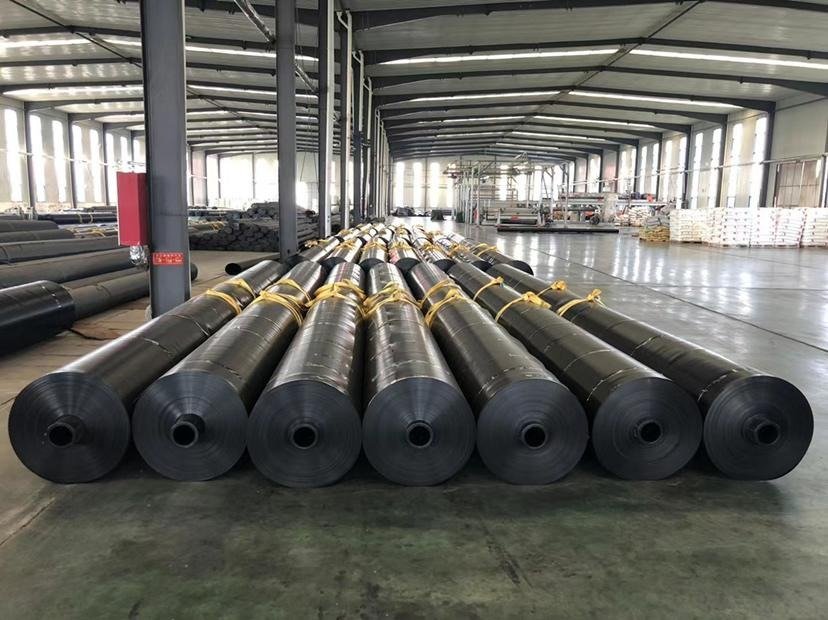
For example, Tinhy’s current smooth HDPE geomembrane range is listed from 0.5 mm to 3.0 mm, with roll widths of approximately 5.8–10 m, depending on product configuration.

2.2 Tensile and Elongation Properties

Tensile strength and elongation provide information about how the geomembrane behaves under mechanical loading.

However, a higher tensile value does not automatically mean that a product is more suitable for every project. The complete specification should be evaluated together with puncture resistance, tear resistance, stress-crack resistance, thickness, and installation conditions.

2.3 Puncture Resistance

Puncture resistance is particularly important where the liner may encounter:

  • Sharp aggregate
  • Rock fragments
  • Construction equipment
  • Settlement
  • Concentrated loads

A protective geotextile layer may be specified beneath the geomembrane where the subgrade presents a puncture risk.

2.4 Chemical Resistance

The chemical environment should be assessed before selecting a geomembrane.

Consider:

  • pH
  • Organic chemicals
  • Hydrocarbons
  • Landfill leachate
  • Mining process fluids
  • Wastewater composition
  • Temperature

The manufacturer should be able to provide chemical compatibility information or testing where required.

2.5 Oxidation and UV Resistance

Exposed geomembranes are affected by solar radiation, oxygen, temperature, and environmental conditions.

For HDPE geomembranes, carbon black and stabilizing additives are commonly incorporated into the formulation to improve resistance to UV and oxidative aging.

For example, Tinhy’s HDPE smooth geomembrane technical data specifies carbon black content of 2.0–2.5%, stress crack resistance of at least 500 hours, and high-pressure OIT requirements under its GM13-based specification.

3. 10 Geomembrane Options to Consider

The following products represent different material technologies, surface structures, and application approaches.

They should be considered according to project requirements rather than treated as a universal ranking.

3.1 Solmax GSE HD Geomembrane

Manufacturer: Solmax
Material: HDPE
Surface: Smooth and textured configurations available

Solmax’s GSE product portfolio includes HDPE geomembranes for applications such as landfill construction, mining, energy, drinking and service water reservoirs, and agriculture. The company also offers GSE LL LLDPE geomembranes and other barrier products.

Key points

  • HDPE geomembrane options
  • Suitable for demanding containment systems
  • Product range covering environmental and industrial applications
  • Additional LLDPE and specialty barrier products available

Suitable for: Landfills, mining, water containment, agriculture, and other containment systems.

3.2 Layfield Enviro Liner 6000

Manufacturer: Layfield
Material: HDPE/LLDPE blend
Product: Enviro Liner 6000

Layfield describes Enviro Liner 6000 as a specialty geomembrane combining blended LLDPE and HDPE resins with an advanced stabilization package. It is designed for demanding long-term containment applications and balances flexibility, chemical resistance, UV stability, and mechanical properties.

Key points

  • HDPE/LLDPE resin blend
  • Designed for long-term containment
  • UV and antioxidant stabilization
  • Combination of flexibility and mechanical strength

Suitable for: Long-term exposed containment and demanding environmental projects.

3.3 AGRU Smooth and Structured Geomembranes

Manufacturer: AGRU America
Materials: HDPE and LLDPE
Surface: Smooth, textured, structured

AGRU America manufactures HDPE and LLDPE geomembranes using a flat-die calendered extrusion process. Its product range includes smooth liners as well as structured products such as MicroSpike, Super Gripnet, and Drain Liner.

MicroSpike is available in HDPE and LLDPE and is designed for containment applications where predictable interface friction is important. AGRU states that its MicroSpike products are available in thicknesses from 30 to 100 mils and can be supplied in single- or double-sided configurations.

Key points

  • HDPE and LLDPE options
  • Smooth and textured configurations
  • Structured geomembranes for higher interface friction
  • Drainage-integrated liner options

Suitable for: Landfills, mining, containment systems, slopes, lagoons, and other engineered lining systems.

3.4 AGRU MicroSpike Geomembrane

Manufacturer: AGRU America
Material: HDPE or LLDPE
Surface: Structured/textured

MicroSpike is a more specialized option within AGRU’s geomembrane portfolio.

Its structured surface is designed to provide more consistent interface characteristics than irregularly textured surfaces. The product is available in both HDPE and LLDPE.

This type of geomembrane can be considered where slope stability and interface friction are important parts of the design.

Suitable for: Steep slopes, landfill systems, containment facilities, and engineered cover systems.

3.5 AGRU Drain Liner

Manufacturer: AGRU America
Material: HDPE or LLDPE
Configuration: Integrated drainage structure

AGRU Drain Liner combines a geomembrane barrier with an integrated drainage structure. According to AGRU, it can be used in single- or double-lined systems where containment and leak detection are important. Applications include landfills, waste ponds, lagoons, heap leach pads, and process ponds.

Key points

  • HDPE or LLDPE
  • Integrated drainage structure
  • Designed for containment and drainage
  • Smooth edges facilitate thermal welding

Suitable for: Double-lined containment systems and projects where drainage and leak detection are important.

3.6 Naue Carbofol Geomembrane

Manufacturer: Naue
Product range: Carbofol®
Material: Polymeric geomembrane

Naue’s current product portfolio includes Carbofol® and Carbofol®+ geomembranes as part of its geosynthetic barrier systems. Naue identifies applications including landfills, dams, ponds, contaminated sites, and earthworks.

It is important to distinguish Carbofol geomembranes from Secugrid, which is a Naue geogrid rather than a geomembrane.

Suitable for: Landfill sealing, ponds, dams, contaminated sites, and engineered earthworks.

3.7 Atarfil HD

Manufacturer: Atarfil
Material: HDPE
Manufacturing: Flat-die technology

Atarfil HD is manufactured from HDPE resin with an antioxidant package using flat-die technology. Atarfil positions the product for demanding containment applications and highlights chemical resistance, oxidation resistance, UV resistance, and stress-cracking performance.

Atarfil also offers textured HDPE geomembranes. Its textured product is designed with a structured surface to increase friction with geosynthetics or natural materials while maintaining smooth edges for welding.

Suitable for: Mining, waste management, water treatment, and other containment projects.

3.8 Atarfil HD EVO

Manufacturer: Atarfil
Material: HDPE
Product type: Advanced HDPE geomembrane

Atarfil HD EVO is positioned as an advanced HDPE geomembrane for demanding environmental applications. The manufacturer highlights stress-cracking resistance, oxidation resistance, OIT/HP OIT performance, oven aging, and UV resistance.

This type of specialty geomembrane is worth considering when the project specification places particular emphasis on long-term exposed performance and environmental durability.

Suitable for: Demanding containment and projects requiring enhanced long-term durability characteristics.

3.9 Tinhy Smooth HDPE Geomembrane

Manufacturer: Tinhy Geosynthetics
Material: HDPE
Surface: Smooth

Tinhy Smooth HDPE Geomembrane is manufactured using co-extrusion calendering or blown-film technology, depending on production configuration. The current product range covers 0.5–3.0 mm thickness, with roll widths listed at approximately 5.8–10 m. The product is tested according to ASTM, ISO, EN, GB/T, GOST, and DIN methods, with specifications including GRI GM13.

The technical data sheet provides thickness-specific tensile, tear, and puncture values rather than one universal performance figure. For example, the listed puncture resistance increases with thickness from 175 N at 0.5 mm to 990 N at 3.0 mm.

Key points

  • 0.5–3.0 mm thickness range
  • 5.8–10 m roll width depending on configuration
  • Smooth surface
  • ASTM/ISO/EN/GB/T/GOST/DIN testing
  • GRI GM13 specification
  • Thickness-specific mechanical properties

Suitable for: Mining, municipal waste, industrial waste, water construction, aquaculture, infrastructure, agriculture, and other containment projects.

3.10 Tinhy Textured HDPE Geomembrane

Manufacturer: Tinhy Geosynthetics
Material: HDPE
Surface: Patterned textured

Tinhy’s textured HDPE geomembrane is designed for applications where increased interface friction is required.

The current product page lists thicknesses from 0.5–3.0 mm, roll widths of approximately 5.8–8 m, and roll lengths of 50–150 m, depending on specification. It is available in smooth and textured configurations across the product range.

Key points

  • Textured surface
  • 0.5–3.0 mm thickness range
  • Designed for higher interface friction
  • ASTM, ISO, EN, GB/T, GOST, and DIN test methods
  • GRI GM13 and related specifications

Suitable for: Landfill slopes, mining slopes, tailings facilities, steep embankments, and multilayer containment systems.

4. Comparison of Geomembrane Options

Product / Range Manufacturer Material Surface / Configuration Key Consideration
GSE HD Solmax HDPE Smooth / textured Environmental and industrial containment
Enviro Liner 6000 Layfield HDPE/LLDPE blend Specialty liner Flexibility and exposed containment
AGRU Smooth Liner AGRU America HDPE/LLDPE Smooth General containment
MicroSpike AGRU America HDPE/LLDPE Structured Interface friction and slope stability
AGRU Drain Liner AGRU America HDPE/LLDPE Integrated drainage Containment + drainage
Carbofol Naue Polymer geomembrane Barrier systems Landfill, pond and earthwork applications
Atarfil HD Atarfil HDPE Smooth Chemical and long-term containment
Atarfil HD EVO Atarfil HDPE Advanced HDPE Demanding environmental conditions
Tinhy Smooth HDPE Tinhy HDPE Smooth Broad thickness and width range
Tinhy Textured HDPE Tinhy HDPE Textured Slopes and higher interface friction

The table is intended as a product-orientation guide rather than a performance ranking. Exact specifications should always be checked against the technical data sheet for the selected grade and thickness.

5. How to Choose the Right Geomembrane

5.1 Choose the Material

Start with the containment environment.

HDPE

HDPE is widely selected when the project requires:

  • Chemical resistance
  • High mechanical strength
  • UV resistance
  • Long-term containment
  • Strong puncture and tear resistance

LLDPE

LLDPE can be advantageous where:

  • Greater flexibility is required
  • Differential settlement is expected
  • The substrate may deform
  • Higher elongation is important

The choice between HDPE and LLDPE should be based on project-specific engineering requirements rather than a simple “better or worse” comparison.

5.2 Choose the Surface

Use smooth geomembrane when interface friction is not the primary design concern.

Use textured geomembrane when the liner forms part of a sloped or multilayer system where interface stability needs to be evaluated.

For steep slopes, interface shear testing should be considered during design.

5.3 Select the Thickness

Thickness should be determined from:

  • Subgrade quality
  • Expected loads
  • Installation conditions
  • Puncture risk
  • Settlement
  • Chemical exposure
  • Required service conditions
  • Project specifications

As a general reference, Tinhy’s current HDPE smooth geomembrane range extends from 0.5 to 3.0 mm. Its technical data shows that tensile, tear, and puncture values increase with thickness.

Do not select thickness based solely on the application name. A “pond project,” for example, can have very different loading and subgrade conditions depending on site design.

5.4 Check Chemical Compatibility

A geomembrane should be compatible with the liquid or waste it will contain.

For industrial and mining projects, request chemical compatibility information when the containment fluid includes:

  • Strong acids
  • Alkalis
  • Hydrocarbons
  • Organic solvents
  • Process chemicals
  • Concentrated salts
  • High-temperature fluids

5.5 Consider the Subgrade

Even a high-quality geomembrane can be damaged by a poorly prepared subgrade.

The liner foundation should be evaluated for:

  • Sharp rocks
  • Roots
  • Voids
  • Settlement
  • Differential movement
  • Drainage
  • Construction traffic

Where necessary, a geotextile protection layer can be incorporated into the lining system.

5.6 Review Welding and QA/QC Requirements

Geomembrane performance depends not only on the sheet itself but also on field installation.

The project should establish:

  • Welding method
  • Trial weld requirements
  • Seam testing
  • Destructive testing frequency
  • Non-destructive testing
  • Panel identification
  • Repair procedures
  • Installation records

ASTM and GRI-based specifications are commonly used as references for geomembrane material and seam quality requirements.

6. Smooth vs. Textured Geomembrane

Feature Smooth Geomembrane Textured Geomembrane
Surface Flat Rough / structured
Welding Generally straightforward Requires attention to textured zone and smooth welding edges
Interface friction Lower Higher
Flat areas Well suited May not be necessary
Slopes Project dependent Often preferred where higher friction is required
Cleaning Easier More difficult
Typical use Ponds, reservoirs, landfill bases Slopes, covers, mining and multilayer systems

The right choice depends on the complete geosynthetic system and project design.

7. Geomembrane Thickness: What Should You Choose?

There is no universal thickness that is correct for every project.

As a starting point, common specifications include:

Thickness Approx. Mil Typical Project Considerations
0.5 mm 20 mil Light-duty containment and some agricultural applications
0.75 mm 30 mil Small ponds and general containment
1.0 mm 40 mil Reservoirs and aquaculture
1.5 mm 60 mil Landfill, wastewater and demanding containment
2.0 mm 80 mil Mining and heavier industrial applications
2.5–3.0 mm 100–120 mil High mechanical-demand applications

These are general reference ranges, not design specifications. Actual thickness should be established by the project engineer based on loading, subgrade, exposure, and regulatory requirements.

8. Do You Need Geotextile Under a Geomembrane?

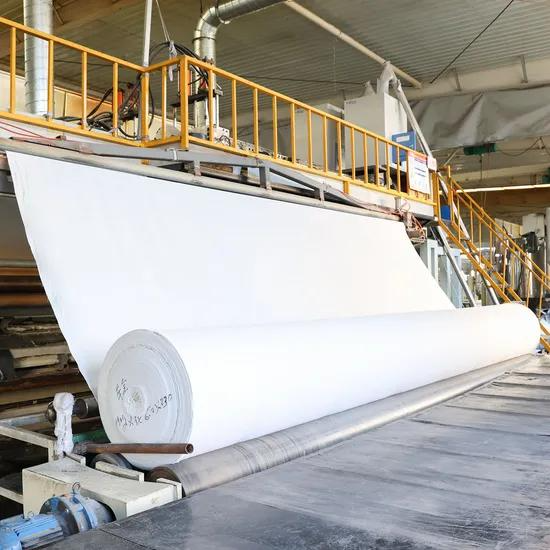
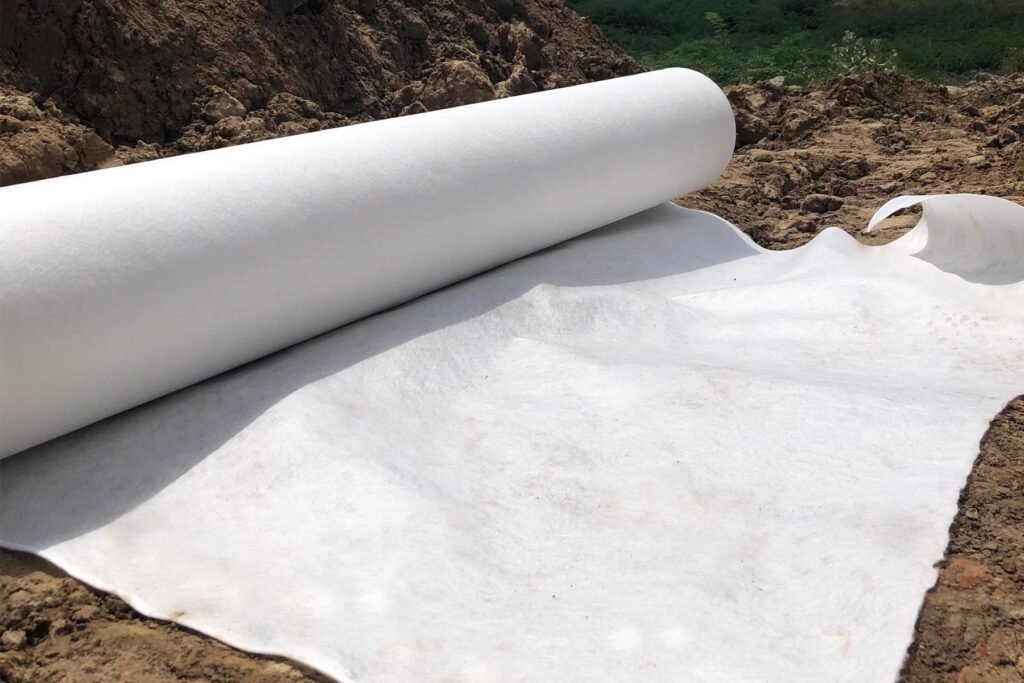
A geotextile is often used beneath a geomembrane when additional protection is required.

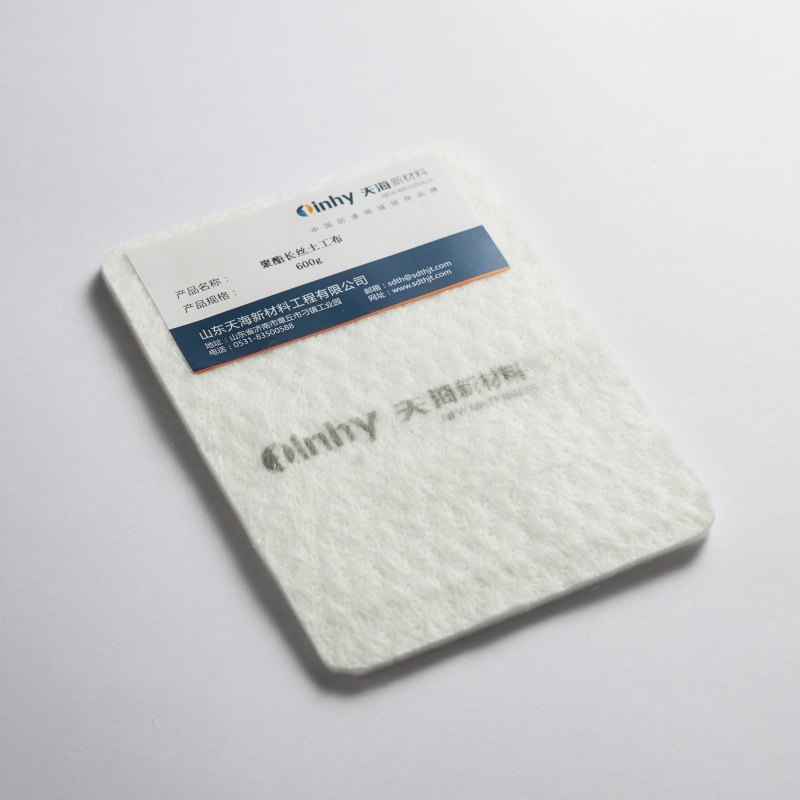
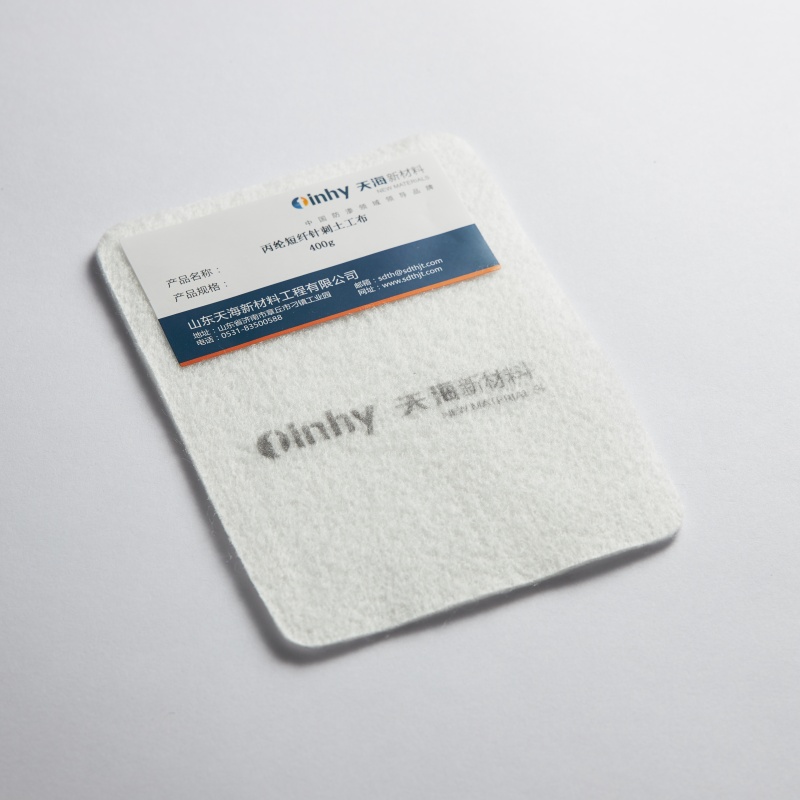
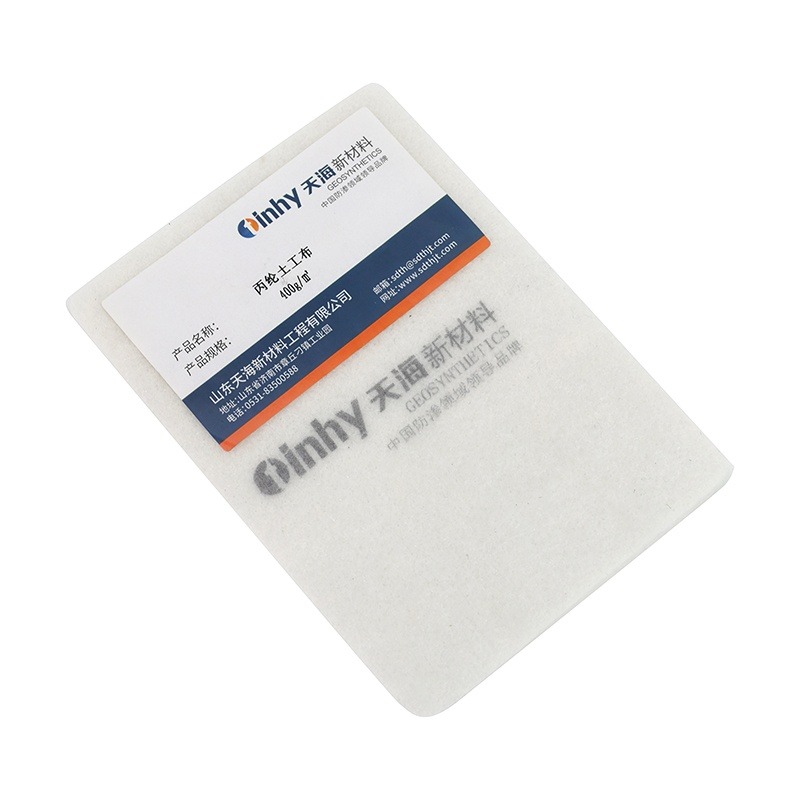
A nonwoven geotextile can help:

  • Cushion the geomembrane
  • Reduce puncture risk
  • Separate the liner from the subgrade
  • Protect against sharp particles
  • Improve installation survivability

The required geotextile mass and performance should be determined based on the subgrade and project design.

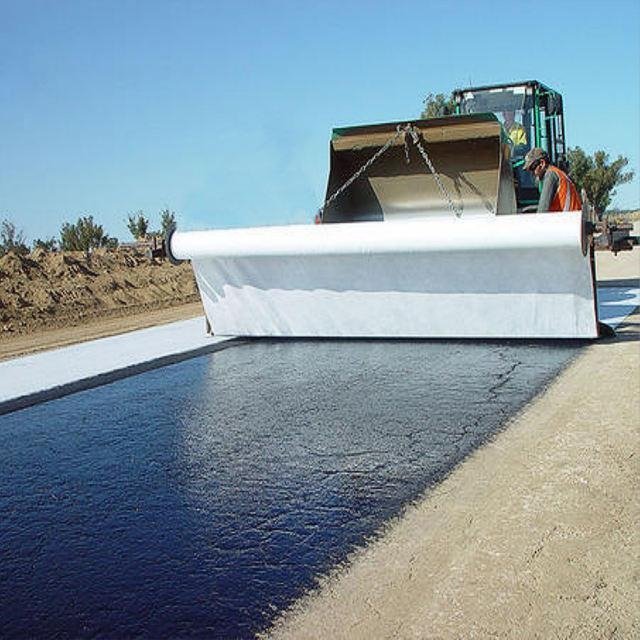
For example, a landfill system may include a geomembrane, protection geotextile, drainage layer, and other geosynthetic components as part of a composite liner system.

9. Common Geomembrane Applications

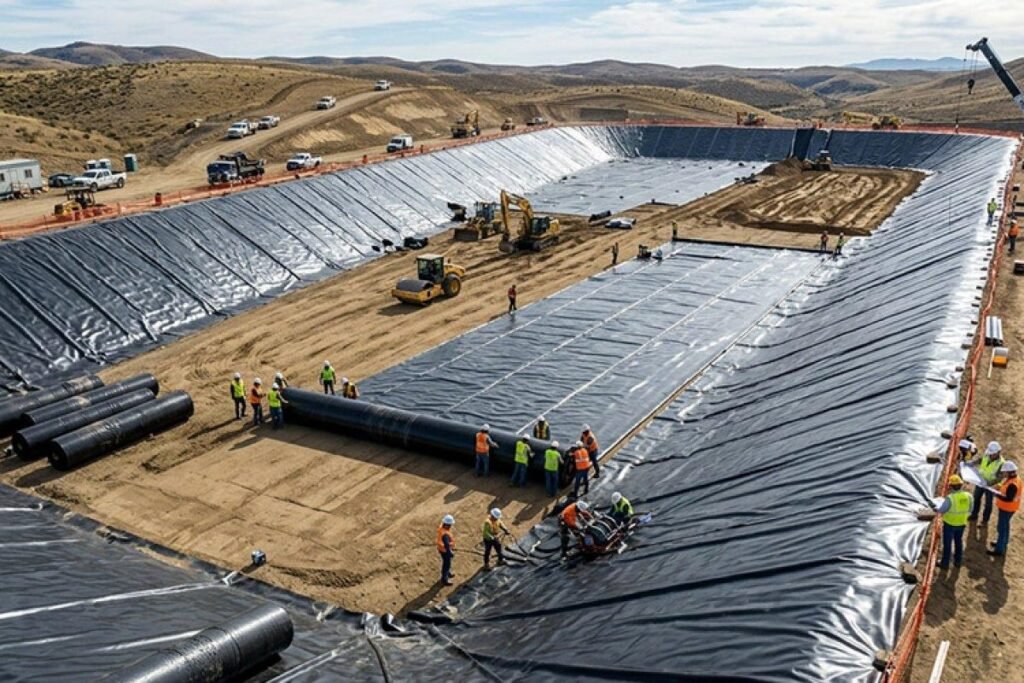
Geomembranes are used across many containment and waterproofing projects.

Landfill

  • Landfill base liners
  • Side slopes
  • Covers
  • Leachate containment
  • Gas-control systems

Mining

  • Heap leach pads
  • Tailings ponds
  • Process ponds
  • Evaporation ponds
  • Secondary containment

Water Management

  • Reservoirs
  • Irrigation canals
  • Water storage ponds
  • Wastewater lagoons
  • Artificial ponds

Aquaculture

  • Fish ponds
  • Shrimp ponds
  • Aquaculture reservoirs
  • Raceway systems

Industrial Containment

  • Chemical containment
  • Wastewater treatment
  • Secondary containment
  • Industrial lagoons
  • Oil and gas facilities

10. How to Evaluate a Geomembrane Manufacturer

Instead of choosing a supplier based only on the lowest price, check the following:

1. Product range

Can the manufacturer supply:

  • HDPE
  • LLDPE
  • Smooth geomembrane
  • Textured geomembrane
  • Different thicknesses
  • Customized roll dimensions

2. Technical documentation

Ask for:

  • Technical data sheet
  • Factory test results
  • Raw material information
  • Applicable standards
  • Quality certificates
  • Third-party testing where required

3. Manufacturing capability

Review:

  • Production lines
  • Manufacturing process
  • Roll dimensions
  • Production capacity
  • Batch traceability
  • Quality-control procedures

4. Testing capability

A reliable supplier should be able to demonstrate how material properties are controlled during production.

Relevant testing can include:

  • Thickness
  • Density
  • Tensile properties
  • Tear resistance
  • Puncture resistance
  • Carbon black content
  • Carbon black dispersion
  • OIT
  • Stress crack resistance

5. Installation support

For large projects, technical support can be as important as the sheet itself.

Ask whether the supplier can provide:

  • Welding guidance
  • Installation specifications
  • Panel layout support
  • Quality documentation
  • Project-specific technical assistance

11. Why Consider Tinhy Geosynthetics?

Tinhy Geosynthetics manufactures HDPE and LLDPE geomembranes together with other geosynthetic products.

Its current smooth HDPE geomembrane range covers 0.5–3.0 mm, with roll widths of approximately 5.8–10 m, while textured HDPE geomembranes are also available in multiple thicknesses and configurations.

Tinhy’s HDPE technical documentation includes testing based on ASTM methods and specifies requirements for properties such as density, carbon black content, stress crack resistance, OIT, tensile strength, tear resistance, and puncture resistance. The technical sheet states that the product specifications meet or exceed GRI GM13.

For buyers comparing suppliers, the important point is not simply the manufacturer’s name. The geomembrane should be matched to the project’s:

  • Material requirements
  • Thickness
  • Surface type
  • Chemical environment
  • Mechanical loading
  • Installation method
  • Quality-control requirements
  • Required standards

12. Common Mistakes When Buying Geomembrane

Mistake 1: Choosing by price only

A lower material price does not necessarily mean a lower total project cost.

Consider material quality, roll dimensions, welding requirements, installation, testing, transportation, and protection.

Mistake 2: Choosing thickness without considering the subgrade

A thicker liner does not eliminate the need for proper subgrade preparation.

Mistake 3: Using smooth geomembrane on a demanding slope without checking interface friction

Slope stability must be evaluated as a complete geosynthetic system.

Mistake 4: Ignoring chemical compatibility

A liner should be checked against the actual containment fluid and operating conditions.

Mistake 5: Buying without technical documentation

Always request a technical data sheet and confirm the required test methods and acceptance values.

Mistake 6: Treating the geomembrane sheet as the entire containment system

The final performance also depends on:

  • Subgrade
  • Geotextile protection
  • Drainage
  • Welding
  • Anchoring
  • QA/QC
  • Inspection
  • Repair

13. Frequently Asked Questions

What is the best geomembrane?

There is no single geomembrane that is best for every project. HDPE, LLDPE, textured, smooth, and specialty geomembranes each have different characteristics. Selection should be based on project conditions and engineering requirements.

Is HDPE better than LLDPE?

Not universally. HDPE generally provides strong chemical resistance and mechanical properties, while LLDPE generally offers greater flexibility and elongation. The appropriate material depends on settlement, loading, chemical exposure, and installation conditions.

What is the most common geomembrane thickness?

Common specifications include 0.5, 0.75, 1.0, 1.5, 2.0, 2.5, and 3.0 mm. The appropriate thickness depends on the project.

What is the difference between smooth and textured geomembrane?

Smooth geomembranes have a flat surface, while textured geomembranes have a structured surface designed to increase interface friction. Textured liners are often considered for slopes and multilayer systems.

Can geomembrane be welded?

Yes. Thermoplastic geomembranes such as HDPE and LLDPE are commonly joined using thermal welding methods. Seam quality should be controlled through trial welds, non-destructive testing, and destructive testing where required by the project specification.

Do I need geotextile under geomembrane?

Not every project requires a geotextile. However, a protection geotextile can be useful where the subgrade contains sharp particles or where additional cushioning is required.

How long does a geomembrane last?

Service life depends on material formulation, exposure, temperature, chemical environment, installation quality, and project conditions. Avoid selecting a geomembrane based on a generic lifetime number without reviewing the specific product and design conditions.

14. Conclusion

Geomembrane selection is a specification-driven decision rather than a simple product ranking.

HDPE remains a widely used material for demanding containment because of its combination of chemical resistance, mechanical strength, UV resistance, and low permeability. LLDPE provides another option where greater flexibility and elongation are important.

The most important factors to compare are:

  • Material type
  • Thickness
  • Smooth or textured surface
  • Tensile and elongation properties
  • Tear and puncture resistance
  • Chemical compatibility
  • UV and oxidation resistance
  • Applicable standards
  • Manufacturing quality control
  • Welding and installation requirements
  • Technical support

The 10 geomembrane options discussed in this guide illustrate the range of products available from established manufacturers, from general-purpose smooth HDPE liners to structured, drainage-integrated, and specialty geomembranes.

For project-specific procurement, request the manufacturer’s current technical data sheet and match the product to the design specification rather than relying on a generic “best” label.

Knowledge Base
Share:
info@tinhygeosynthetics.com Bai Jinxi
Consultation

    Get The Latest Product Prices

    Your inquiries are welcomed at any time and please feel free to contact us via email, phone calls, and online chatbox on our site.

    We will definitely give you a reply ASAP after we receive your messages.

      0/180