Resources
Company News
Industry News
Knowledge Base
Project Cases
Innovation
Team Power Fuels TINHY’s Global Geosynthetics Solutions
Tinhy and University of Jinan Celebrate Six Years of Industry–University Collaboration
Empowering New Talent, Building the Future: Tinhy Successfully Conducts New Employee Orientation Training
Tinhy Conducts Comprehensive Emergency Drill to Strengthen Workplace Safety Defenses
Company Mid – Year Summary and Team – Building Activity Report
Is geomembrane a geotechnical engineering material?
What are the application scenarios of geomembrane?
What are the functions of geotextiles?
Cómo elegir geomembrana de hdpe en proyectos de ingeniería
How to choose hdpe geomembrane in engineering projects
China’s Geotechnical Construction Materials Embrace New Opportunities
Tips for Moisture-Proof Storage of Geotextiles
Key Construction Points and Precautions for High-Density Polyethylene Geomembrane
what is pond lining material ?
What is geomembrane?
HDPE geomembrane construction plans and technical measures
What quality tests do HDPE geomembranes need to do?
Tinhy’s MDS® Drainage Solution
Installation Robots
7 Black PVC Pond Liner Options: Specifications & Buying Guide
8 Geotextile Suppliers to Consider in 2026: Products & Buying Guide
7 PVC Geomembrane Manufacturers: Products, Quality & Buying Guide
6 HDPE Pond Liner Suppliers: Products, Quality & Buying Guide
10 Geomembrane Options: Types, Manufacturers & Buying Guide
6 LLDPE Geomembrane Manufacturers: Products, Quality & Buying Guide
7 Best Geotextile Manufacturers: Products, Quality & Buying Guide
Woven Geotextile Fabric Price: Cost Guide & Buying Factors
The 10 Best Film Geotextiles Review: Types, Specifications & Buying Guide
The 10 Best 500 Micron Geomembrane Options: Properties, Applications & Buying Guide
Should HDPE or PVC be used to install geomembrane in reservoirs?
What is the price of geomembrane?
Material characteristics of three different geomembranes
Esquema de construcción de geomembrana de HDPE y medidas técnicas
hdpe geomembrane pond liner in Congo (DRC)
How to lay and weld HDPE geomembrane?
HDPE geomembrane 0.2-4.0mm
HOME ABOUT PRODUCTS APPLICATION CONTENTUS RESOURCES
Home Resources Knowledge Base 7 Black PVC Pond Liner Options: Specifications & Buying Guide

7 Black PVC Pond Liner Options: Specifications & Buying Guide
time:September 28, 2026 Views:10

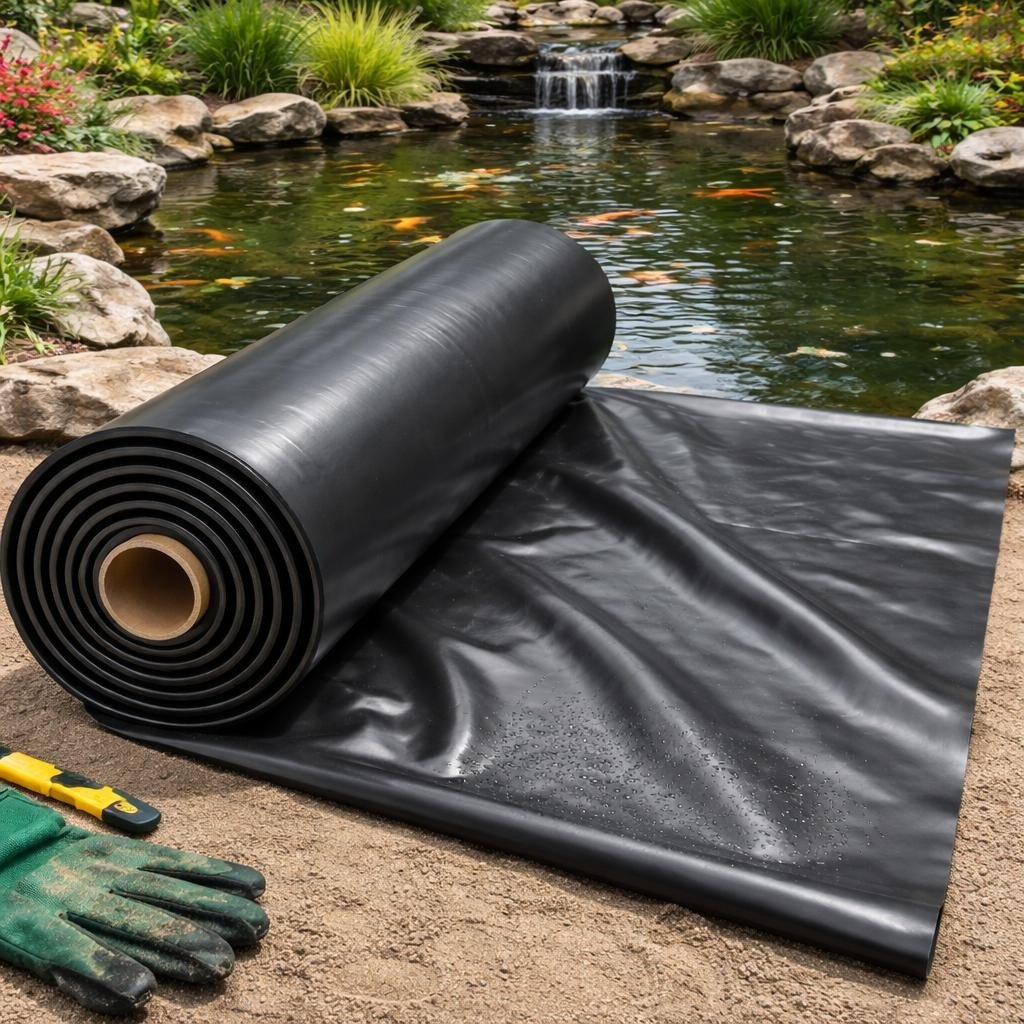
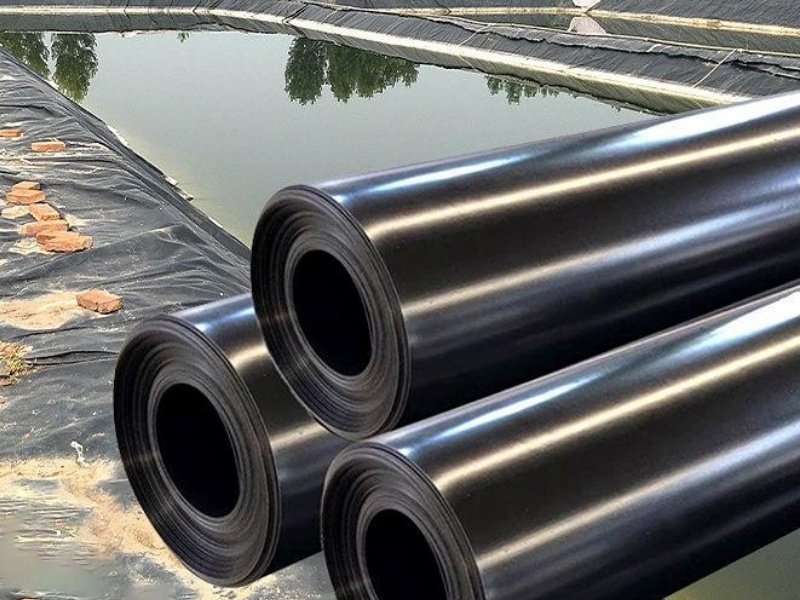
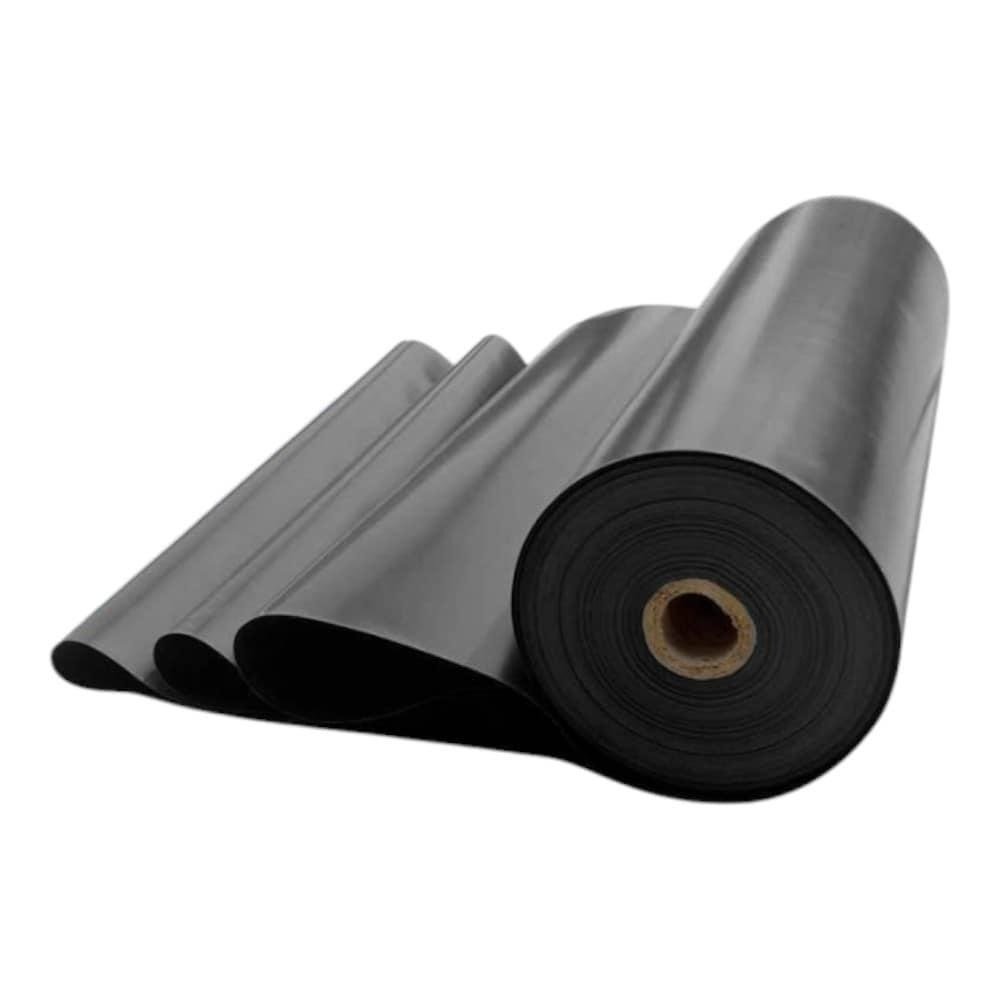
A black PVC pond liner is a flexible waterproof membrane used to create a low-permeability barrier in ponds, reservoirs, aquaculture systems, irrigation facilities, and other water-containment projects.

Compared with more rigid geomembrane materials, PVC liners are known for their flexibility and conformability, which can make them easier to handle around curves, corners, and irregular pond profiles.

However, choosing a pond liner should not be based on color or price alone. Thickness, material formulation, mechanical properties, UV exposure, fish-safe requirements, subgrade conditions, and seaming method should all be considered.

This guide reviews 7 black PVC pond liner options and product types to help buyers compare materials and specifications before purchasing.

Note: The options below are presented as a practical buying guide rather than an independent laboratory ranking. Product specifications and availability should be confirmed with the manufacturer for each project.

What Is a Black PVC Pond Liner?

Black PVC pond liner is a flexible geomembrane made primarily from polyvinyl chloride (PVC), together with formulation components such as plasticizers and stabilizers.

The black color is commonly used for pond and containment liners because it provides a practical appearance and can be formulated for outdoor applications. The exact performance of a PVC liner depends on its formulation, thickness, reinforcement, exposure conditions, and installation quality.

Typical applications include:

  • Decorative and landscape ponds
  • Koi and ornamental ponds
  • Aquaculture ponds
  • Irrigation reservoirs
  • Water storage facilities
  • Small and medium containment systems
  • Selected wastewater and environmental applications

For fish ponds or aquaculture projects, buyers should also confirm that the specific product formulation is suitable for the intended water-contact environment.

1. Firestone Pond Liner Options

Firestone has been associated with flexible pond and water-containment membrane products.

When evaluating a Firestone PVC or flexible pond liner option, buyers should confirm the exact polymer type because pond products may include different membrane technologies.

Important factors include:

  • Material formulation
  • Thickness
  • UV exposure requirements
  • Seaming or joining method
  • Aquaculture suitability
  • Available panel or roll dimensions

For commercial projects, always request the current technical data sheet rather than selecting a product based only on its brand name.

2. Carlisle Pond Liner Products

Carlisle is another established manufacturer of membrane and waterproofing materials.

For pond applications, buyers should identify the exact liner material and confirm whether the product is intended for water containment, exposed installation, fish ponds, or another specific environment.

When comparing products, pay particular attention to:

  • Membrane thickness
  • Flexibility
  • Tensile and tear properties
  • UV and weathering requirements
  • Seaming method
  • Available fabrication options

The correct product should be selected according to the project specification rather than simply choosing the thickest available liner.

3. ASTM-Specified PVC Pond Liner Grades

Some PVC liner products are specified according to ASTM or other recognized testing standards.

This approach can be useful for engineering projects because buyers can compare documented test properties instead of relying only on general product descriptions.

Depending on the project, specifications may cover:

  • Thickness
  • Tensile strength
  • Elongation
  • Tear resistance
  • Puncture resistance
  • Dimensional stability
  • Low-temperature flexibility
  • Weathering or UV-related performance

The exact test requirements should be defined in the project specification.

A material meeting a particular ASTM test method should not automatically be assumed to be suitable for every pond application. The actual product formulation and intended use still need to be confirmed.

4. Fabricated PVC Pond Liners

Factory-fabricated PVC liners are another option for projects where reducing field seaming is important.

Instead of installing individual rolls and completing all connections on site, manufacturers or fabricators may produce larger prefabricated panels according to project dimensions.

Potential advantages include:

  • Reduced field seam requirements
  • Controlled factory fabrication
  • Customized panel dimensions
  • Easier installation for certain pond geometries

For large or irregular ponds, buyers should provide accurate drawings or dimensions when requesting a quotation.

Fabrication quality, seam inspection, packaging, and transportation should also be considered.

5. Fish-Safe PVC Pond Liner Options

For koi ponds and aquaculture facilities, material suitability for aquatic environments is particularly important.

A product marketed as a general waterproof liner should not automatically be considered suitable for fish or aquatic organisms.

Buyers should ask the supplier for information regarding:

  • Material formulation
  • Plasticizers and stabilizers
  • Water-contact suitability
  • Relevant test documentation
  • Intended aquaculture or pond use
  • Installation and curing requirements

For commercial aquaculture projects, the liner specification should be reviewed together with the water quality, fish species, operating conditions, and project requirements.

6. UV-Stabilized Black PVC Pond Liners

Outdoor ponds are exposed to sunlight, temperature changes, rain, and other environmental conditions.

For exposed installations, UV and weathering resistance should therefore be considered when selecting a black PVC liner.

However, UV resistance should not be evaluated simply by asking whether a product is “black.”

Buyers should request technical information covering the actual formulation and relevant weathering or UV test results.

For projects where the liner will be covered by soil, concrete, water, or another protective layer, the exposure conditions may be different from a fully exposed pond.

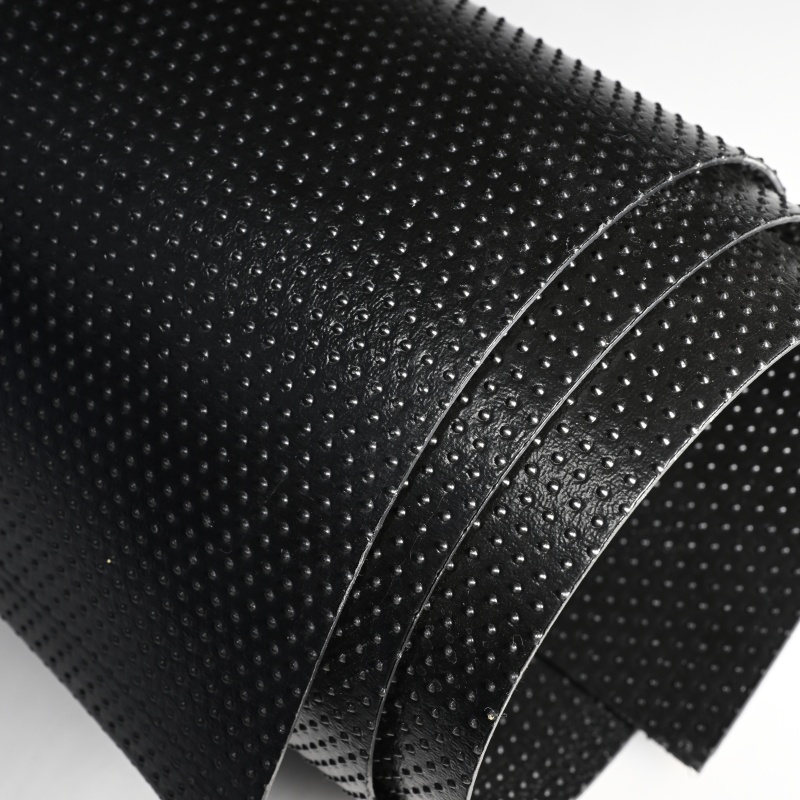
7. Tinhy Geosynthetics PVC Geomembrane

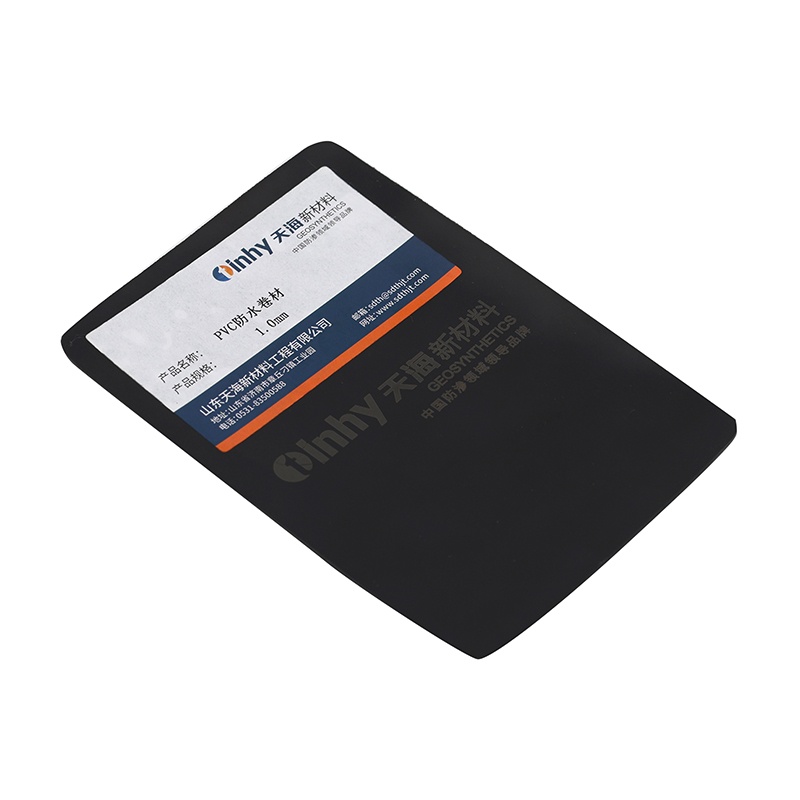
Tinhy Geosynthetics supplies flexible PVC geomembranes for water containment and other engineering applications.

The current Tinhy PVC geomembrane product is described as a flexible PVC waterproof sheet with strong weldability and stable performance. The product can be customized according to project requirements.

Current Tinhy PVC Geomembrane Specifications

Specification Available Range
Material PVC
Thickness 0.5–3.0 mm
Roll width 1–5.8 m
Roll length 50–150 m
Colors Black, blue, green, white
Testing methods ASTM, ISO, EN, GB/T, GOST, DIN
Customization Available according to project requirements

Tinhy lists aquaculture, water construction, agriculture, infrastructure, mining, and other containment-related applications for its PVC geomembrane range.

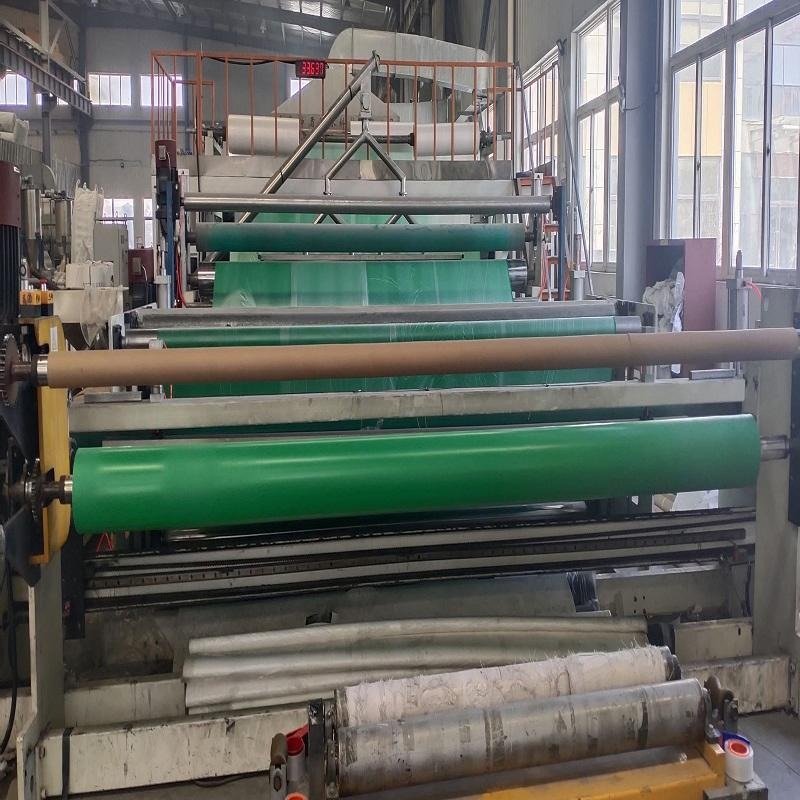
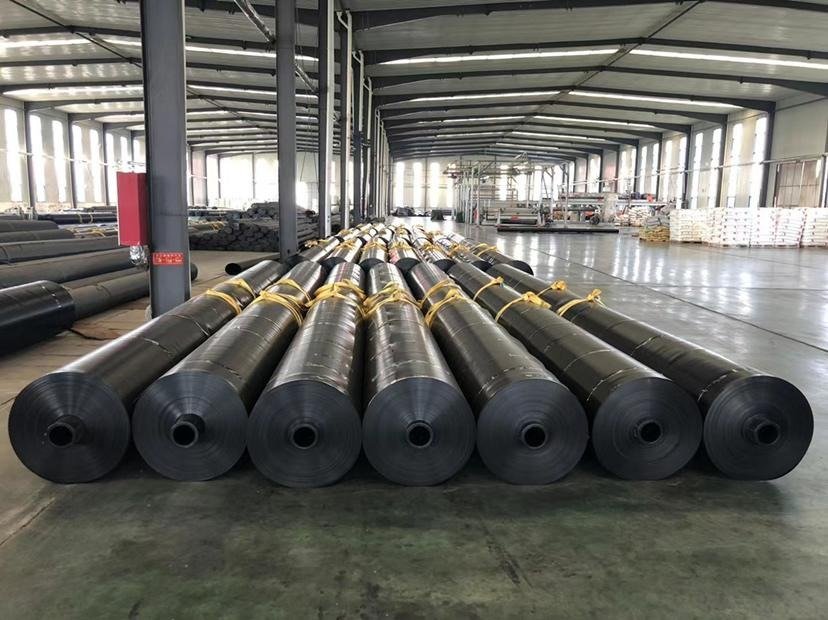
Tinhy Geosynthetics was established in 2002 and currently reports a 120,000 m² manufacturing base, 25+ production lines, and 300+ employees. Its quality system includes ISO certifications, GAI-LAP laboratory accreditation, and third-party testing from organizations including SGS, TÜV, TRI, and BTTG.

For buyers sourcing black PVC pond liner from China, Tinhy can provide customized PVC geomembrane specifications based on thickness, dimensions, application, and project requirements.

Black PVC Pond Liner: Key Specifications to Compare

Before requesting a quotation, buyers should compare the following specifications.

Factor Why It Matters
Thickness Affects handling, mechanical protection, and project design
Tensile strength Indicates resistance to pulling forces
Elongation Important for conforming to movement and irregular surfaces
Tear resistance Helps evaluate resistance to tearing during installation
Puncture resistance Important where the subgrade may contain sharp particles
UV/weathering Relevant for exposed outdoor installations
Chemical compatibility Important for water quality and specific environments
Seaming method Determines how liner panels are joined
Roll dimensions Influences installation efficiency and field seams
Documentation Provides evidence for technical evaluation

Black PVC Pond Liner vs. HDPE Pond Liner

PVC and HDPE are both used as geomembrane materials, but they have different characteristics.

Factor PVC Pond Liner HDPE Pond Liner
Flexibility High Moderate
Conformability Excellent More rigid
Handling Relatively easy Requires careful deployment
Seaming Welding or bonding depending on product Thermal fusion welding
Chemical resistance Good, application-dependent Generally high
Irregular surfaces Good conformability Requires careful installation
Large containment projects Suitable for selected applications Widely used
Project selection Focus on flexibility and formulation Focus on chemical/mechanical requirements

There is no single liner material suitable for every pond.

PVC may be considered when flexibility and conformability are important, while HDPE may be selected when the project places greater emphasis on chemical resistance, mechanical loading, or large-scale containment.

How to Install a Black PVC Pond Liner

Good installation is as important as selecting the correct membrane.

1. Prepare the Subgrade

Remove rocks, roots, sharp objects, and other materials that could damage the liner.

The foundation should be properly graded and compacted according to the project requirements.

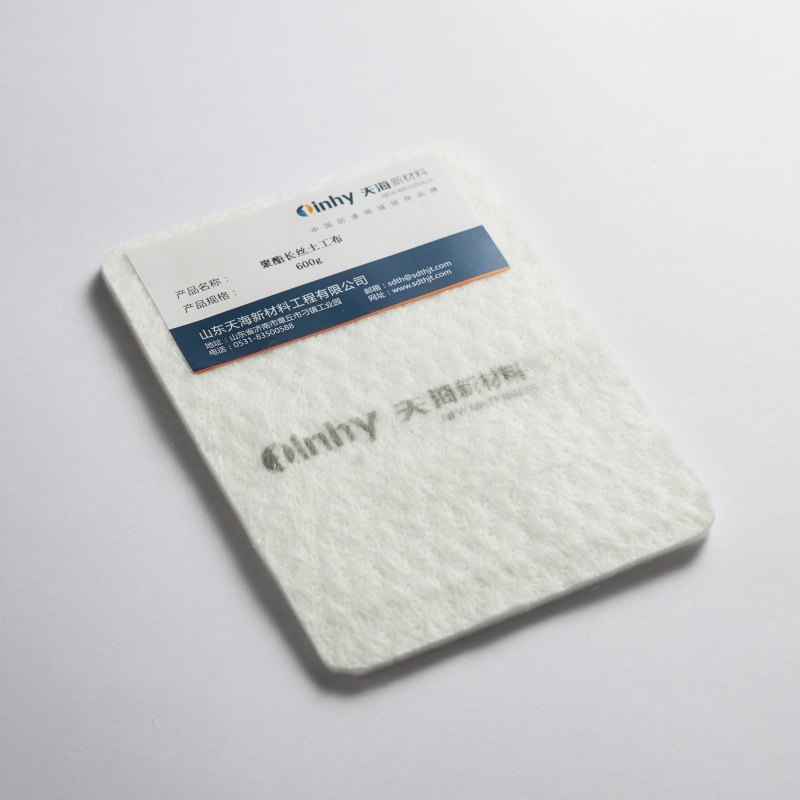
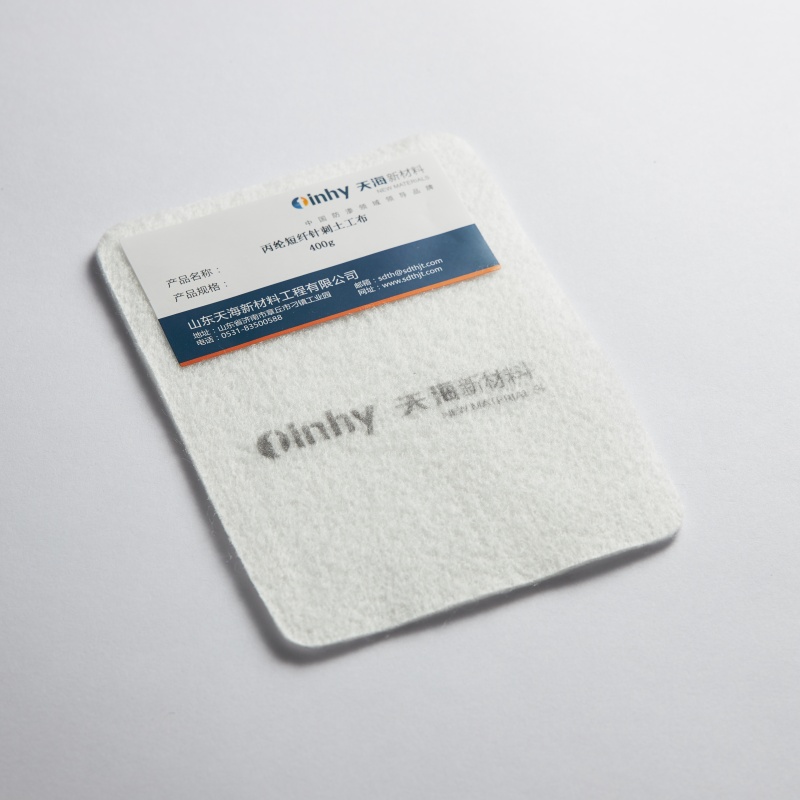
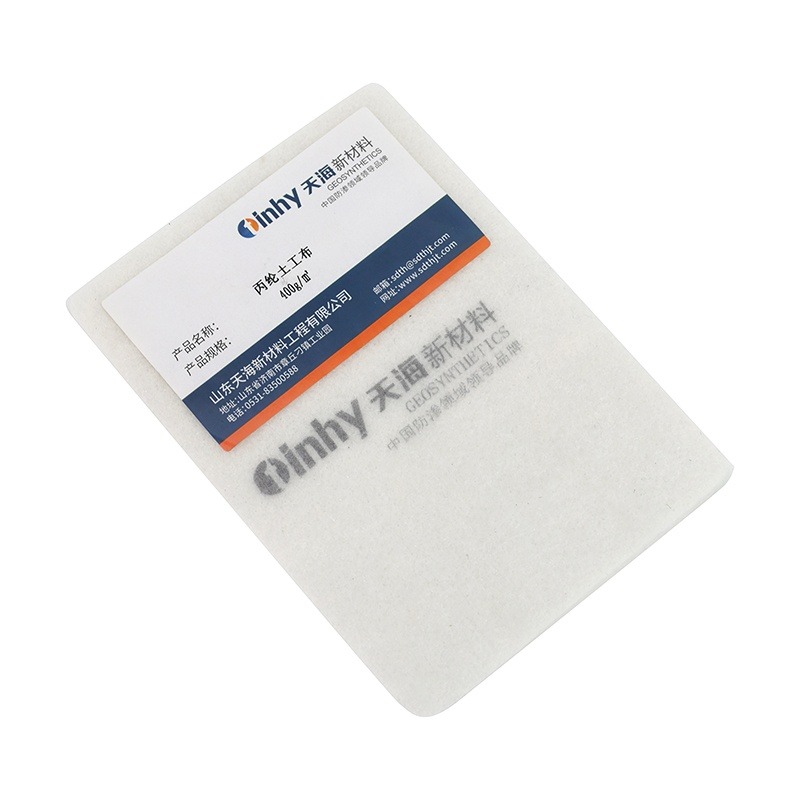
2. Consider a Geotextile Underlayment

Where the subgrade presents a puncture risk, a geotextile protection layer may be installed below the geomembrane.

The appropriate geotextile weight and construction should be selected according to the site conditions.

3. Deploy the Liner Carefully

Avoid dragging the liner over rough surfaces.

Allow the membrane to conform naturally to the pond geometry and avoid unnecessary tension during installation.

4. Join the Membrane

Use the seaming method specified for the particular PVC product.

For welded systems, seam temperature, speed, pressure, and equipment settings should be controlled according to the manufacturer’s requirements.

5. Inspect the Seams

All seams should be visually inspected and tested using the appropriate quality-control method.

Defects should be repaired before the pond is put into service.

6. Protect the Finished Liner

Where necessary, use suitable protective layers to reduce damage from construction activities, rocks, equipment, or other external factors.

How to Choose a Black PVC Pond Liner Supplier

When sourcing pond liner for a commercial project, ask the supplier for:

  1. Current technical data sheet
  2. Material formulation information
  3. Available thicknesses and dimensions
  4. Applicable testing standards
  5. Seam or welding recommendations
  6. Aquaculture suitability documentation, if required
  7. Sample material for evaluation
  8. Quality-control and inspection documents
  9. Packaging and transportation details
  10. Production lead time and customization capability

For large B2B orders, it is better to compare suppliers using the same technical specification instead of comparing prices alone.

FAQ

Is black PVC pond liner suitable for fish ponds?

It can be suitable for fish ponds when the specific PVC formulation and product are designed for the intended aquatic environment. Buyers should confirm the manufacturer’s documentation before use.

Is thicker PVC pond liner always better?

Not necessarily. Thickness should be selected according to the pond size, subgrade, mechanical requirements, installation conditions, and design specification.

Can PVC pond liners be welded?

Many PVC geomembranes can be joined using welding or other manufacturer-specified seaming methods. The exact method depends on the product formulation.

Should geotextile be installed under PVC pond liner?

A geotextile underlayment can be useful when the subgrade creates a risk of puncture or mechanical damage. The need and specification should be determined by site conditions.

What information should I provide when requesting a PVC pond liner quotation?

Provide the pond dimensions, required thickness, application, quantity, liner color, installation conditions, required standards, and whether the liner will be exposed or covered.

Conclusion

A black PVC pond liner can be a practical option for ponds, aquaculture facilities, irrigation reservoirs, and other water-containment projects where flexibility and conformability are important.

The most important selection factors are not simply color or price. Buyers should evaluate:

PVC formulation + thickness + mechanical properties + UV exposure + chemical compatibility + seaming + subgrade + protection + documentation

Tinhy Geosynthetics currently offers PVC geomembranes in approximately 0.5–3.0 mm thickness, with roll widths of 1–5.8 m and customizable dimensions for project requirements.

For B2B sourcing, buyers should provide their pond dimensions, application, required thickness, quantity, and technical standard so the appropriate PVC pond liner specification can be evaluated.

Knowledge Base
Share:
info@tinhygeosynthetics.com Bai Jinxi
Consultation

    Get The Latest Product Prices

    Your inquiries are welcomed at any time and please feel free to contact us via email, phone calls, and online chatbox on our site.

    We will definitely give you a reply ASAP after we receive your messages.

      0/180