Resources
Company News
Industry News
Knowledge Base
Project Cases
Innovation
Tinhy and University of Jinan Celebrate Six Years of Industry–University Collaboration
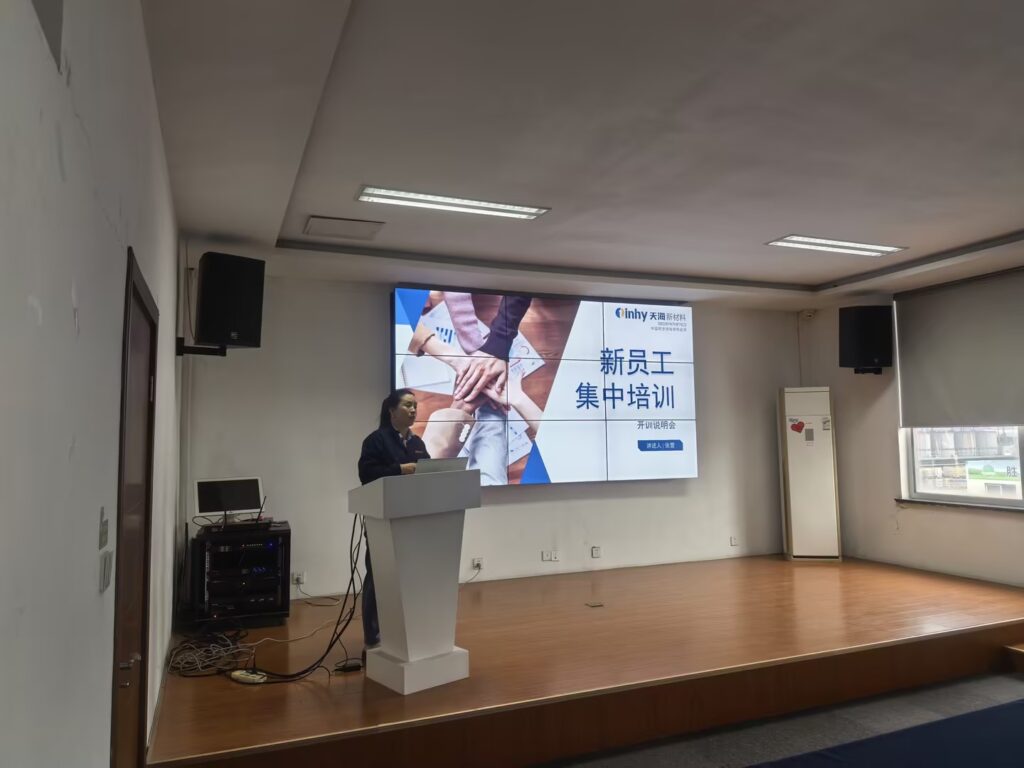
Empowering New Talent, Building the Future: Tinhy Successfully Conducts New Employee Orientation Training
Tinhy Conducts Comprehensive Emergency Drill to Strengthen Workplace Safety Defenses
Company Mid – Year Summary and Team – Building Activity Report
Is geomembrane a geotechnical engineering material?
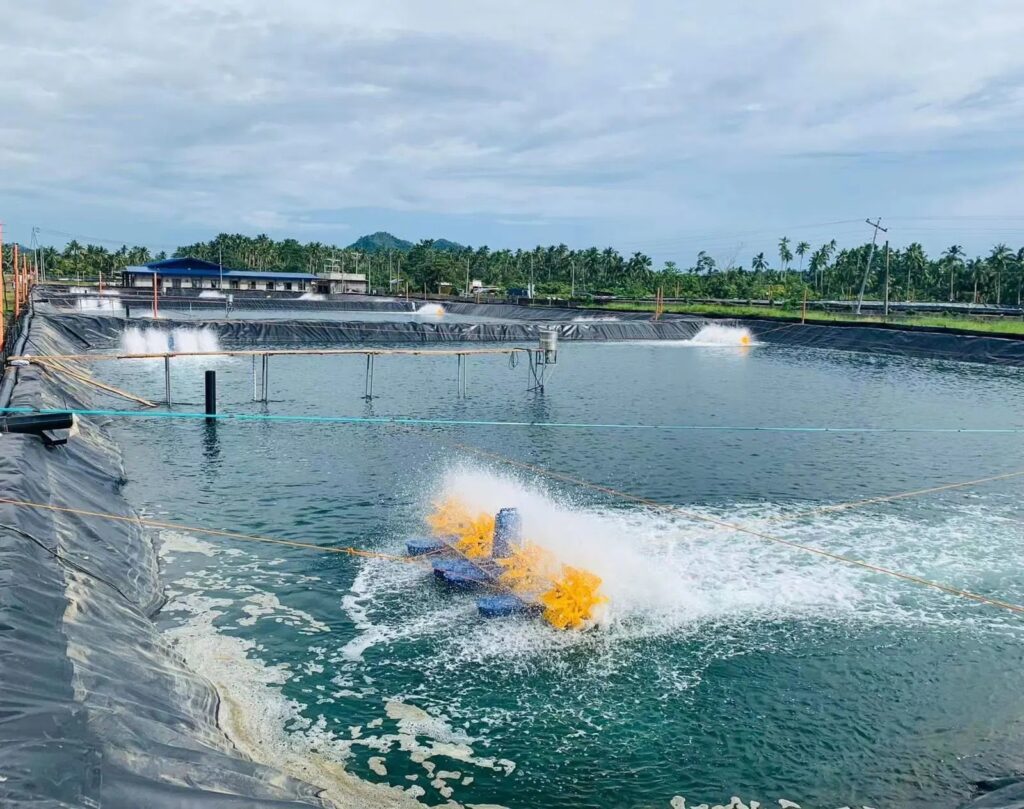
What are the application scenarios of geomembrane?
What are the functions of geotextiles?
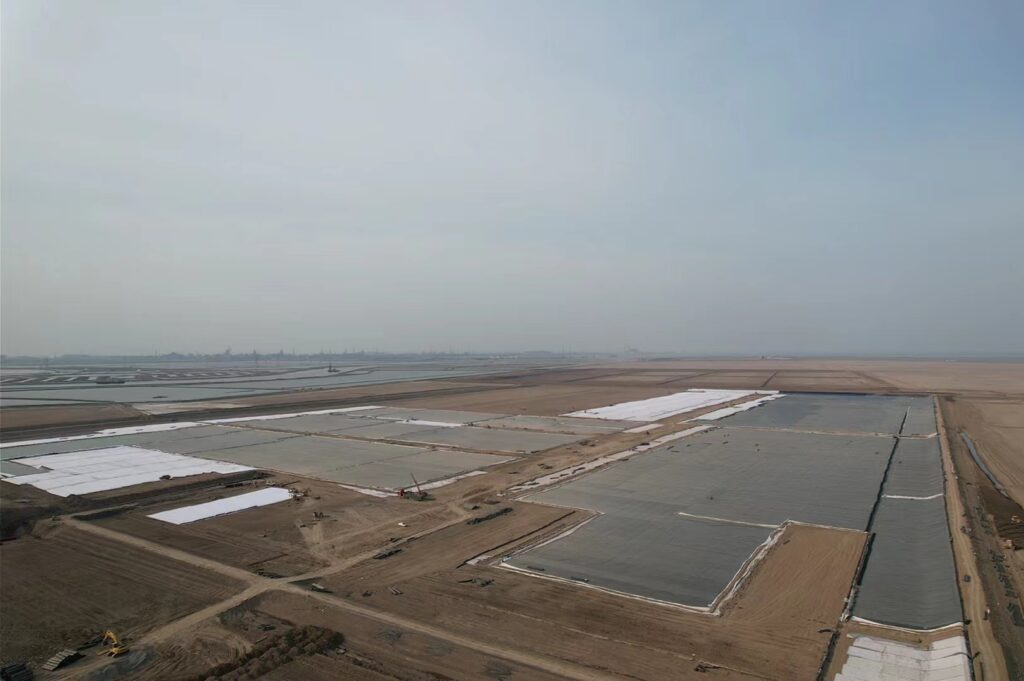
Cómo elegir geomembrana de hdpe en proyectos de ingeniería
How to choose hdpe geomembrane in engineering projects
¿Qué ancho elegir para geomembrana?
China’s Geotechnical Construction Materials Embrace New Opportunities
Tips for Moisture-Proof Storage of Geotextiles
Key Construction Points and Precautions for High-Density Polyethylene Geomembrane
what is pond lining material ?
What is geomembrane?
HDPE geomembrane construction plans and technical measures
What quality tests do HDPE geomembranes need to do?
Tinhy’s MDS® Drainage Solution
Installation Robots
Best Geomembrane for Mining: A Complete Guide to Choosing the Right Liner for Mining Projects
HDPE Geomembrane Sheet: The Complete Guide to Waterproofing, Containment, and Environmental Protection
What Is a Geosynthetic Clay Liner? Benefits, Applications, and Why Engineers Choose Film-Coated GCLs
What Is Nonwoven Fabric Geotextile? The Ultimate Guide to Filtration, Drainage, and Infrastructure Protection
HDPE Textured Liner: Why It Is the Best Choice for Slope Stability and Environmental Containment
HDPE Smooth Liner: 10 Powerful Reasons It Remains the Best Choice for Modern Containment Projects
Non Woven Geotextile for Drainage: Is It Better Than Woven Geotextile?
High Density Polyethylene Geomembrane: Why It Has Become the Industry Standard for Containment Systems
Top Non Woven Geotextile Fabric Manufacturers in 2026: Complete Buyer’s Guide
High Density Polyethylene Pond Liner: Why More Pond Owners Are Switching to HDPE in 2026
Should HDPE or PVC be used to install geomembrane in reservoirs?
What is the price of geomembrane?
Material characteristics of three different geomembranes
Esquema de construcción de geomembrana de HDPE y medidas técnicas
hdpe geomembrane pond liner in Congo (DRC)
How to lay and weld HDPE geomembrane?
HDPE geomembrane 0.2-4.0mm
HOME ABOUT PRODUCTS APPLICATION CONTENTUS RESOURCES
Home Resources Knowledge Base Best Geomembrane for Mining: A Complete Guide to Choosing the Right Liner for Mining Projects

Best Geomembrane for Mining: A Complete Guide to Choosing the Right Liner for Mining Projects

time:June 12, 2026 Views:5

Selecting the best geomembrane for mining is one of the most important decisions in the design of modern mining facilities. Whether the project involves heap leach pads, tailings storage facilities (TSFs), evaporation ponds, process water reservoirs, or wastewater containment systems, the geomembrane serves as the primary barrier protecting soil and groundwater from contamination.

Mining operations expose liner systems to some of the harshest conditions found in civil engineering. Geomembranes must withstand chemical attack, UV radiation, extreme temperatures, heavy loads, and long-term environmental stress while maintaining their containment performance for decades.

With several geomembrane materials available on the market, engineers often ask: What is the best geomembrane for mining projects?

The answer depends on project requirements, but in most cases, HDPE geomembrane remains the preferred choice due to its outstanding chemical resistance, durability, and long service life.

This guide explains the key requirements of mining liner systems, compares different geomembrane materials, and helps project owners choose the most suitable geomembrane for mining applications.

Why Mining Projects Require High-Performance Geomembranes

Mining operations generate large volumes of process solutions, wastewater, and tailings that must be safely contained.

Without an effective liner system, contaminants can migrate into surrounding soil and groundwater, creating significant environmental and regulatory risks.

Modern mining facilities commonly use geomembranes in:

  • Heap leach pads
  • Tailings storage facilities (TSFs)
  • Process solution ponds
  • Pregnant leach solution ponds
  • Evaporation ponds
  • Stormwater management ponds
  • Waste rock containment areas
  • Secondary containment systems

Because these facilities often operate for decades, liner selection is critical to long-term project success.

What Makes the Best Geomembrane for Mining?

A mining geomembrane must provide more than simple waterproofing.

The best geomembrane for mining should offer:

Excellent Chemical Resistance

Mining solutions may contain:

  • Sulfuric acid
  • Cyanide solutions
  • Heavy metals
  • Saline water
  • Industrial chemicals

The geomembrane must resist degradation when exposed to these substances.

Low Permeability

The primary purpose of a mining liner is containment.

A high-quality geomembrane creates an extremely low-permeability barrier that prevents seepage into the environment.

High Puncture Resistance

Mining facilities often involve:

  • Crushed ore
  • Angular rocks
  • Heavy equipment traffic

The geomembrane must withstand mechanical damage during installation and operation.

Long Service Life

Many mining facilities are designed to operate for 20–50 years.

The liner system must maintain performance throughout the project’s lifecycle.

UV Resistance

In many regions, mining liners are exposed to direct sunlight for extended periods.

UV-resistant geomembranes provide better long-term durability.

HDPE Geomembrane: The Most Popular Mining Liner

When discussing the best geomembrane for mining, HDPE geomembrane is often the first material considered.

Advantages of HDPE Geomembrane

Superior Chemical Resistance

HDPE geomembranes resist a wide range of aggressive chemicals used in mining operations.

This makes them ideal for:

  • Gold mining
  • Copper mining
  • Nickel mining
  • Lithium mining
  • Rare earth mining

Excellent Durability

HDPE geomembranes offer:

  • High tensile strength
  • Strong puncture resistance
  • Excellent stress crack resistance

These properties help ensure long-term performance under demanding conditions.

Outstanding UV Stability

The carbon black content in HDPE geomembranes provides excellent protection against UV degradation.

This is particularly important for exposed mining installations.

Long-Term Cost Effectiveness

Although installation quality remains important, HDPE geomembranes often provide the lowest lifecycle cost due to their durability and long service life.

Textured HDPE Geomembrane for Mining Slopes

Many mining facilities include steep side slopes.

In these applications, smooth geomembranes may not provide sufficient friction.

Why Use Textured Geomembranes?

Textured HDPE geomembranes offer:

  • Higher interface friction
  • Improved slope stability
  • Reduced sliding risk
  • Better safety performance

Typical applications include:

  • Heap leach pad side slopes
  • Tailings dam embankments
  • Waste containment facilities

For steep slope projects, textured HDPE geomembranes are often considered the best geomembrane solution.

LLDPE Geomembrane for Flexible Mining Applications

While HDPE dominates mining projects, some applications benefit from the flexibility of LLDPE geomembranes.

Advantages of LLDPE

Compared with HDPE, LLDPE offers:

  • Greater flexibility
  • Higher elongation
  • Better conformity to irregular surfaces

Applications may include:

  • Temporary containment ponds
  • Flexible process water reservoirs
  • Complex subgrade conditions

However, HDPE generally provides superior chemical resistance and long-term durability.

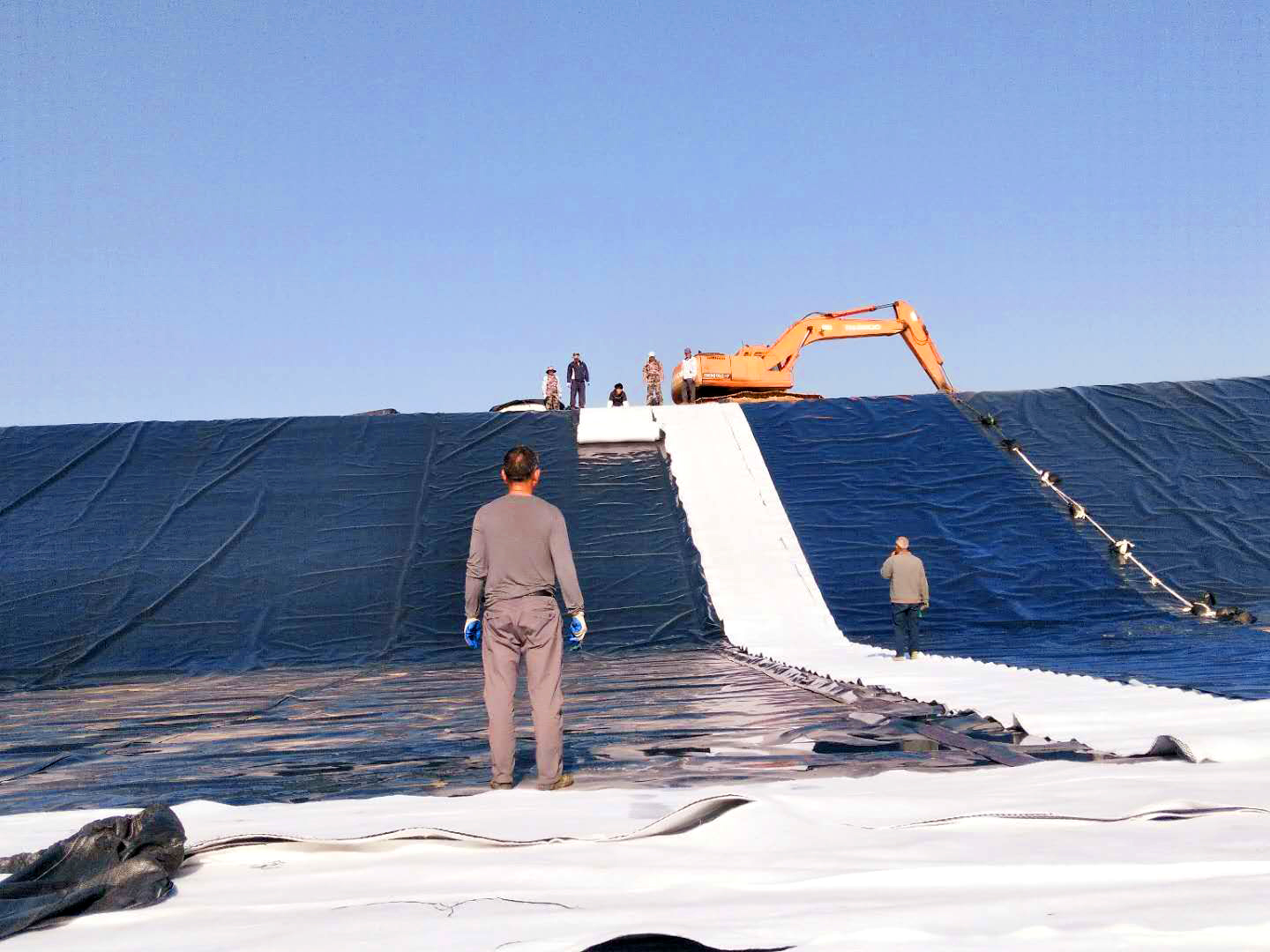
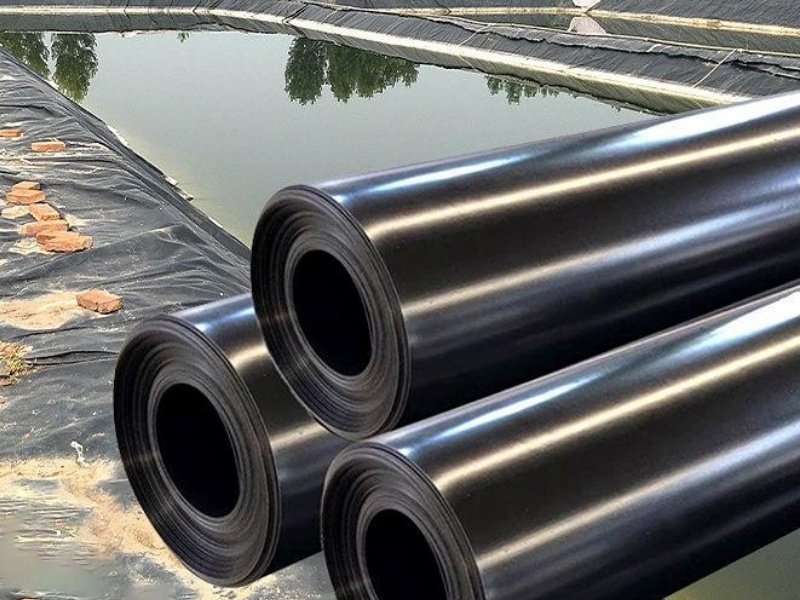
Best Geomembrane for Mining

Best Geomembrane for Mining

Geomembrane Thickness Selection for Mining Projects

Choosing the correct thickness is critical.

Common Thickness Recommendations

1.0 mm HDPE Geomembrane

Suitable for:

  • Water storage ponds
  • Low-risk containment applications

1.5 mm HDPE Geomembrane

Commonly used for:

  • Process ponds
  • Industrial wastewater facilities

2.0 mm HDPE Geomembrane

Widely specified for:

  • Heap leach pads
  • Tailings facilities
  • High-risk containment systems

2.5 mm HDPE Geomembrane

Recommended for:

  • Extreme loading conditions
  • Highly aggressive environments
  • Long-term mining infrastructure

The final thickness should always be determined through engineering analysis.

Best Geomembrane for Different Mining Applications

Heap Leach Pads

Recommended Material

Textured HDPE Geomembrane (1.5–2.0 mm)

Reasons:

  • Excellent chemical resistance
  • High puncture strength
  • Superior slope stability

Tailings Storage Facilities (TSF)

Recommended Material

HDPE Geomembrane + Geosynthetic Clay Liner (GCL)

Benefits:

  • Dual containment protection
  • Enhanced environmental safety
  • Regulatory compliance

Evaporation Ponds

Recommended Material

HDPE Geomembrane

Advantages:

  • UV resistance
  • Chemical resistance
  • Long service life

Process Water Reservoirs

Recommended Material

HDPE Geomembrane or LLDPE Geomembrane

Selection depends on site conditions and flexibility requirements.

Composite Liner Systems for Mining

Modern mining projects increasingly use composite liner systems.

A typical system may include:

  • Compacted subgrade
  • Geosynthetic Clay Liner (GCL)
  • HDPE Geomembrane
  • Protective Geotextile
  • Drainage Layer

Benefits include:

  • Reduced leakage rates
  • Improved environmental protection
  • Increased containment reliability

Many international mining standards recommend composite liner systems for critical facilities.

How to Choose a Geomembrane Manufacturer for Mining Projects

The quality of the geomembrane is only part of the equation.

The manufacturer should provide:

Proven Mining Experience

Look for suppliers with successful mining references.

International Certifications

Important certifications may include:

  • ISO 9001
  • ISO 14001
  • ISO 45001

Quality Testing

Manufacturers should perform testing according to:

  • GRI GM13
  • ASTM standards
  • International quality requirements

Technical Support

Professional suppliers should provide:

  • Design recommendations
  • Installation guidance
  • Welding support
  • Quality assurance documentation

Frequently Asked Questions

What is the best geomembrane for mining?

For most mining applications, HDPE geomembrane is considered the best choice due to its chemical resistance, durability, low permeability, and long service life.

Why is HDPE preferred in mining projects?

HDPE offers superior resistance to mining chemicals, UV exposure, puncture damage, and environmental stress cracking.

Is textured geomembrane necessary for mining?

Textured geomembranes are recommended for slope applications where additional friction and stability are required.

What thickness geomembrane is used in mining?

Most mining projects use HDPE geomembranes ranging from 1.5 mm to 2.5 mm, depending on risk level and design requirements.

Can geomembranes be used with GCLs?

Yes. Many mining facilities use composite liner systems combining HDPE geomembranes and geosynthetic clay liners for enhanced containment performance.

Conclusion

Choosing the best geomembrane for mining requires careful consideration of chemical resistance, durability, permeability, puncture resistance, and long-term performance. While several geomembrane materials are available, HDPE geomembrane remains the industry standard for most mining containment applications due to its proven reliability and exceptional resistance to harsh mining environments.

For heap leach pads, tailings storage facilities, evaporation ponds, and process water reservoirs, properly designed HDPE geomembrane systems can provide decades of environmental protection and operational security. By selecting the right geomembrane thickness, considering textured surfaces where necessary, and partnering with an experienced geomembrane manufacturer, mining operators can significantly reduce environmental risks while maximizing project performance.

Knowledge Base
Share:
info@tinhygeosynthetics.com Bai Jinxi
Consultation

    Get The Latest Product Prices

    Your inquiries are welcomed at any time and please feel free to contact us via email, phone calls, and online chatbox on our site.

    We will definitely give you a reply ASAP after we receive your messages.

      0/180