Resources
Company News
Industry News
Knowledge Base
Project Cases
Innovation
Team Power Fuels TINHY’s Global Geosynthetics Solutions
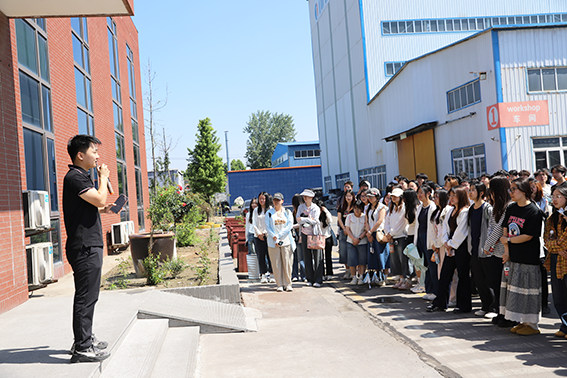
Tinhy and University of Jinan Celebrate Six Years of Industry–University Collaboration
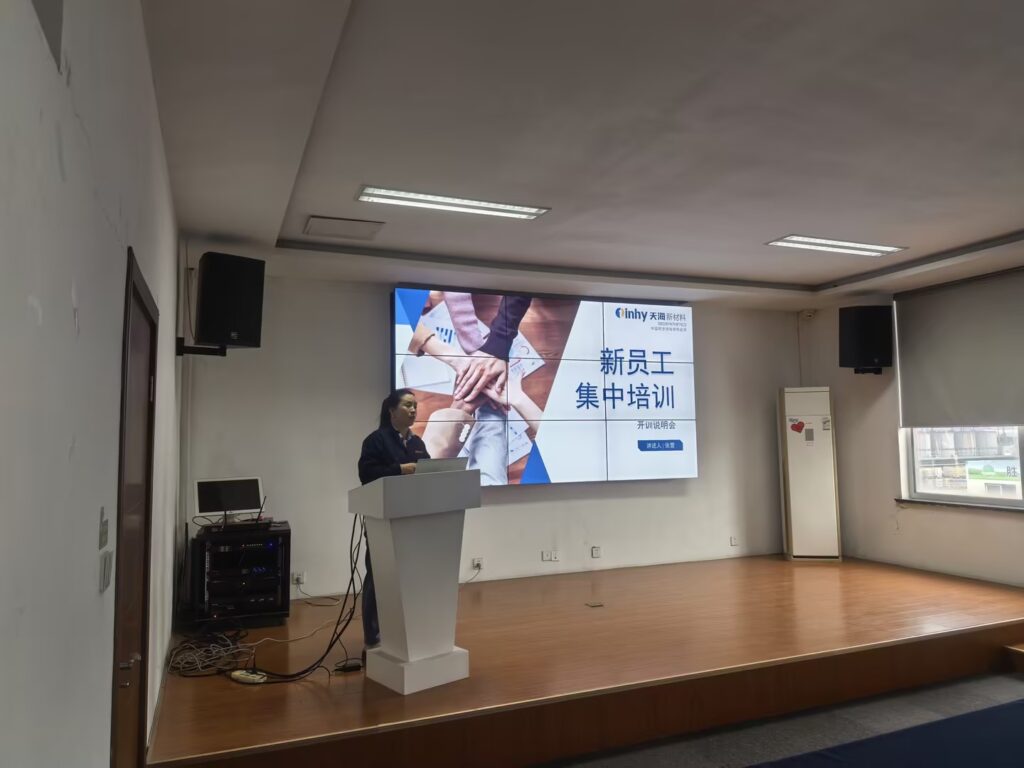
Empowering New Talent, Building the Future: Tinhy Successfully Conducts New Employee Orientation Training
Tinhy Conducts Comprehensive Emergency Drill to Strengthen Workplace Safety Defenses
Company Mid – Year Summary and Team – Building Activity Report
Is geomembrane a geotechnical engineering material?
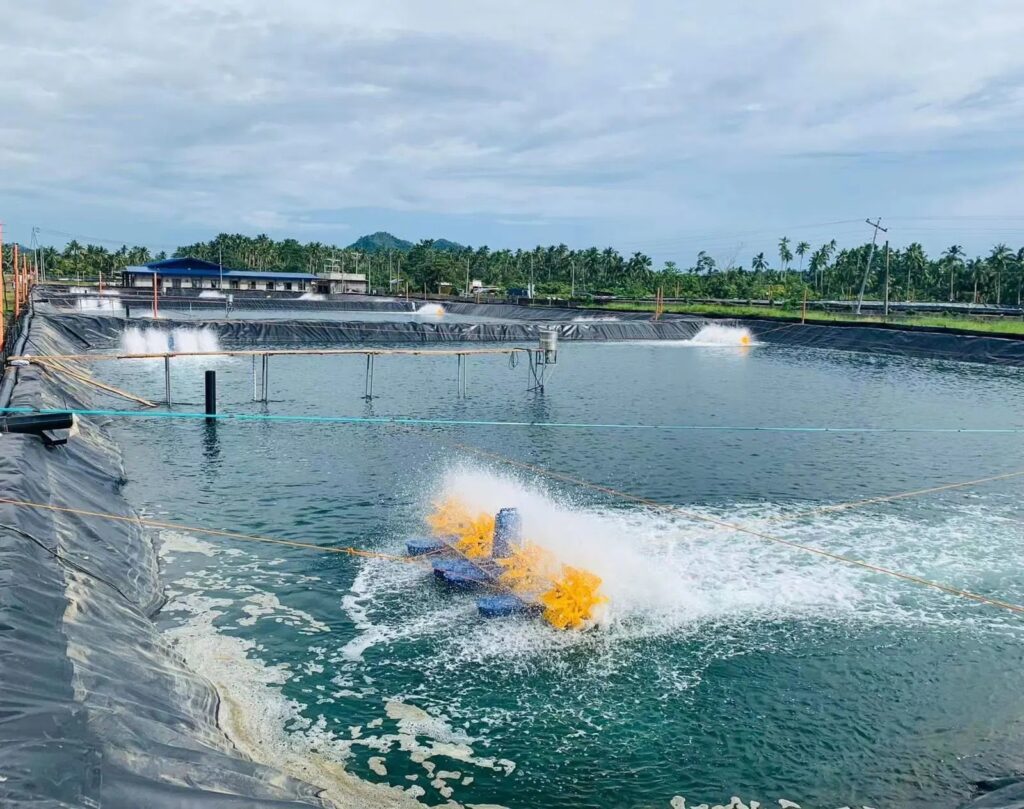
What are the application scenarios of geomembrane?
What are the functions of geotextiles?
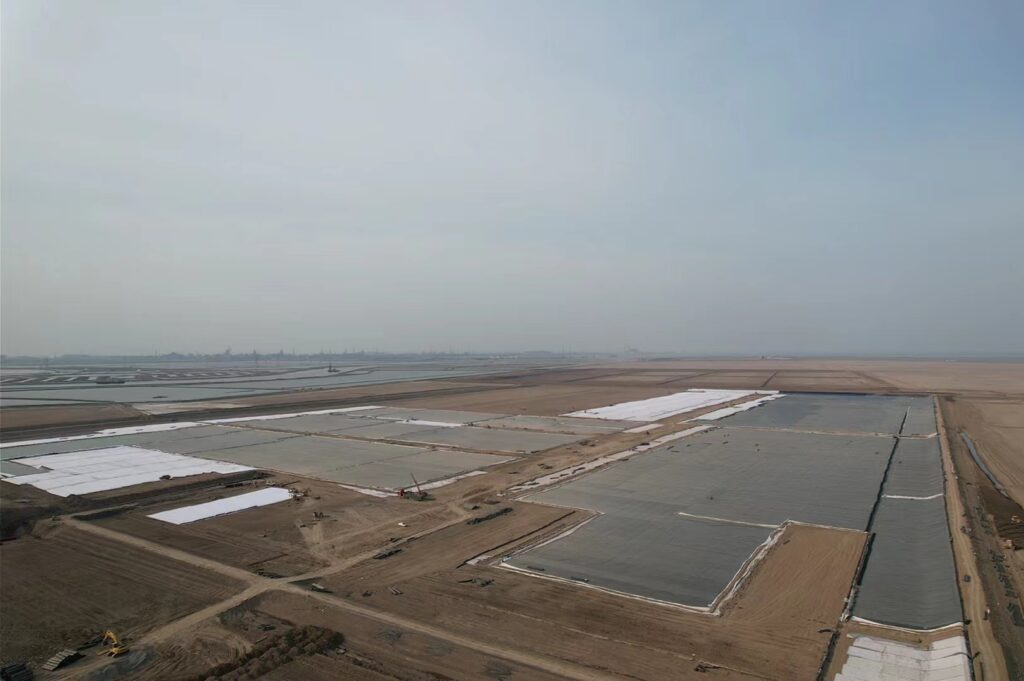
Cómo elegir geomembrana de hdpe en proyectos de ingeniería
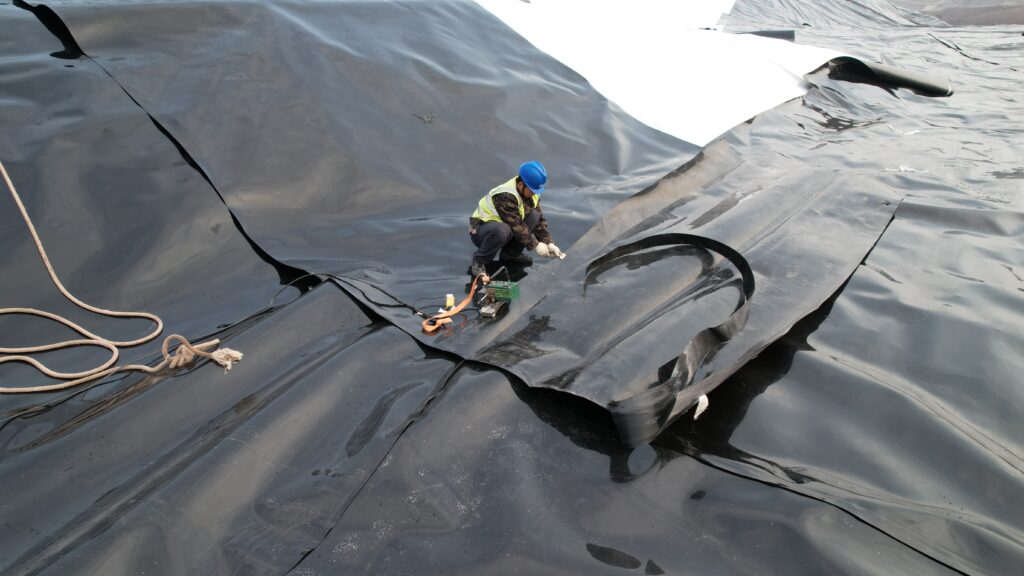
How to choose hdpe geomembrane in engineering projects
China’s Geotechnical Construction Materials Embrace New Opportunities
Tips for Moisture-Proof Storage of Geotextiles
Key Construction Points and Precautions for High-Density Polyethylene Geomembrane
what is pond lining material ?
What is geomembrane?
HDPE geomembrane construction plans and technical measures
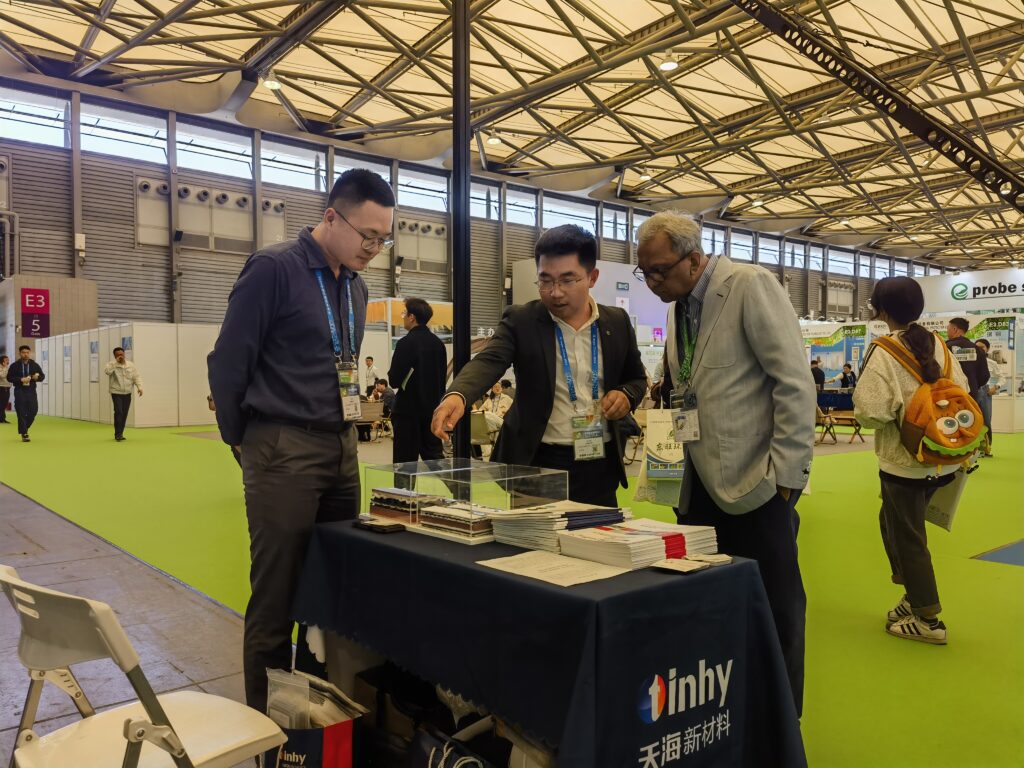
What quality tests do HDPE geomembranes need to do?
Tinhy’s MDS® Drainage Solution
Installation Robots
The 10 Best Film Geotextiles Review: Types, Specifications & Buying Guide
The 10 Best 500 Micron Geomembrane Options: Properties, Applications & Buying Guide
The 10 Best Film Geotextiles Review: Types, Performance & Buying Guide
Geotextile Installation: Step-by-Step Guide for Construction Projects
The 7 Best Non Woven Filter Fabric: Properties, Applications & Buying Guide
HDPE Liner Installation: A Step-by-Step Guide for Geomembrane Projects
The 10 Best Geotextile 200g Review: Properties, Applications & Buying Guide
The 8 Best Black Pond Liners Review: Materials, Performance & Selection Guide
How to Choose the Right HDPE Liner for Tailings Dams
The 7 Best Reservoir Liner Materials for Water Containment Projects
Should HDPE or PVC be used to install geomembrane in reservoirs?
What is the price of geomembrane?
Material characteristics of three different geomembranes
Esquema de construcción de geomembrana de HDPE y medidas técnicas
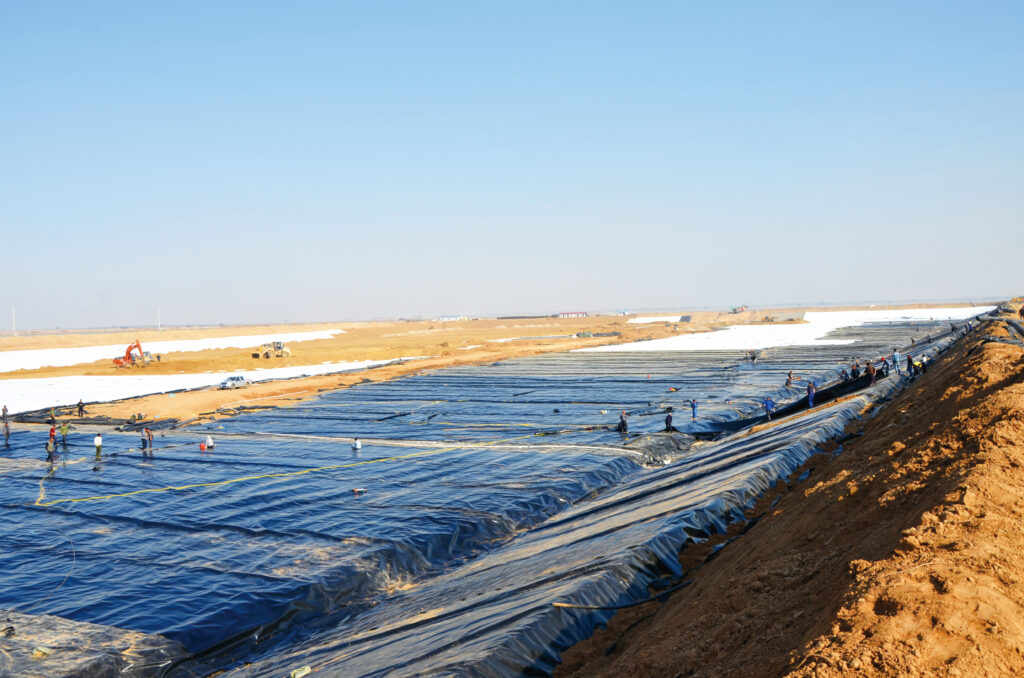
hdpe geomembrane pond liner in Congo (DRC)
How to lay and weld HDPE geomembrane?
HDPE geomembrane 0.2-4.0mm
HOME ABOUT PRODUCTS APPLICATION CONTENTUS RESOURCES
Home Resources Knowledge Base The 10 Best Film Geotextiles Review: Types, Specifications & Buying Guide

The 10 Best Film Geotextiles Review: Types, Specifications & Buying Guide

time:September 16, 2026 Views:12

Choosing the right geotextile can have a significant impact on the performance and service life of a civil engineering project.

From road construction and drainage systems to reservoirs, landfills, mining projects, and soil stabilization, geotextiles are designed to perform different functions depending on their material, structure, weight, and technical properties.

Among the many products available on the market, PP and PET geotextiles, as well as woven and nonwoven geotextiles, are widely used for separation, filtration, drainage, reinforcement, and protection.

But which type is suitable for your project?

In this guide, Tinhy Geosynthetics reviews 10 commonly specified film geotextile options and explains their key characteristics, technical parameters, and selection considerations.

What Is a Film Geotextiles?

Film geotextile is a term sometimes used in the geosynthetics market to describe synthetic geotextile fabrics used in engineering applications.

Unlike a geomembrane, which is designed to provide an impermeable barrier, a geotextile is generally a permeable synthetic fabric that allows water to pass through while controlling the movement of soil particles.

Depending on its design, a geotextile can provide several functions:

  • Separation
  • Filtration
  • Drainage
  • Reinforcement
  • Protection
  • Soil stabilization
  • Erosion control

The most common raw materials are polypropylene (PP) and polyester (PET).

The manufacturing process also matters. Nonwoven geotextiles are generally selected for filtration, drainage, and protection, while woven geotextiles are often used where higher tensile strength and stabilization are required.

How to Choose the Best Film Geotextile

There is no single geotextile that is best for every project.

A suitable product should be selected according to the project’s actual conditions.

Key factors include:

Material
PP and PET have different mechanical, chemical, and environmental characteristics.

Structure
Woven and nonwoven structures provide different combinations of strength, permeability, and flexibility.

Mass per Unit Area
GSM affects the overall weight, thickness, handling, and mechanical performance of the fabric.

Tensile Strength
Important when the geotextile will experience tensile loads, soil movement, or construction stress.

Puncture Resistance
Particularly important when the fabric is installed beneath aggregates or used to protect a geomembrane.

Apparent Opening Size (AOS)
A critical parameter for filtration because it influences soil particle retention.

Permittivity and Water Flow
Important for drainage and filtration applications.

Installation Conditions
Heavy equipment, sharp aggregate, uneven subgrades, and exposed conditions may require higher-performance geotextiles.

The 10 Best Film Geotextile Options

1. Nonwoven PP Needle-Punched Geotextile

Best for: Filtration, drainage, separation, and protection

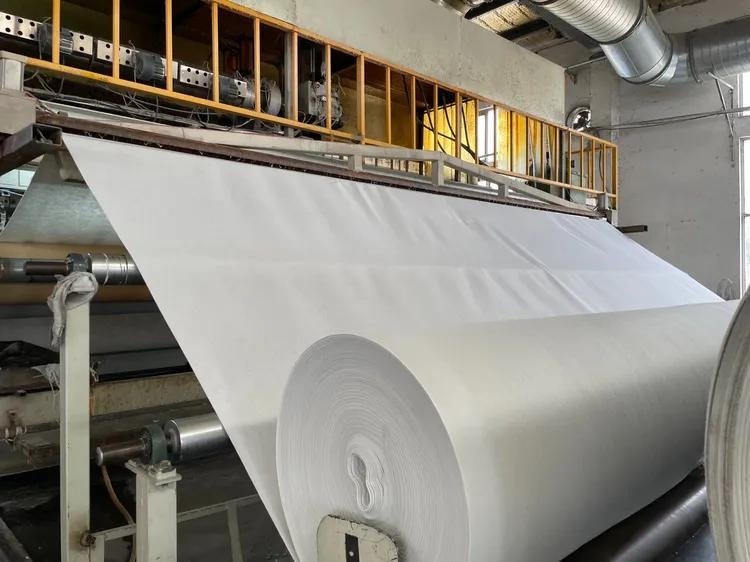
Nonwoven polypropylene needle-punched geotextile is one of the most widely used geotextile products.

It is manufactured by mechanically entangling polypropylene fibers through a needle-punching process. This creates a flexible three-dimensional fiber structure with good permeability and filtration performance.

Key characteristics

  • Polypropylene (PP)
  • Needle-punched structure
  • Good flexibility
  • Good water permeability
  • Good filtration performance
  • Good puncture resistance
  • Available in multiple GSM specifications

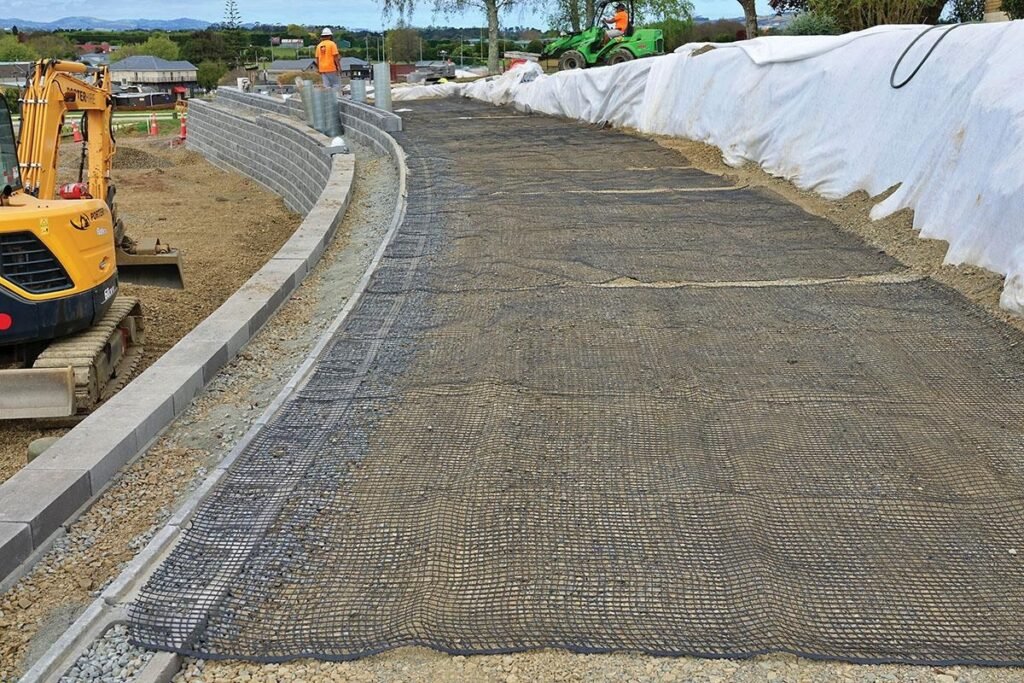
Typical uses include drainage layers, road separation, landfill protection, reservoir lining systems, pond liners, retaining-wall drainage, and general civil engineering.

For projects where filtration and protection are more important than very high tensile reinforcement, nonwoven PP geotextile is a practical option.

2. Nonwoven PET Geotextile

Best for: Filtration, drainage, and demanding soil conditions

Nonwoven polyester geotextile is manufactured from PET fibers and can provide a combination of mechanical strength, flexibility, and filtration performance.

PET geotextiles are commonly considered for projects requiring good long-term mechanical properties and hydraulic performance.

Key characteristics

  • Polyester (PET)
  • Nonwoven structure
  • Good filtration
  • Good puncture resistance
  • High flexibility
  • Suitable for demanding civil engineering projects

PET nonwoven geotextiles can be supplied in different weights and thicknesses depending on the project specification.

The reference material also emphasizes PET’s use in filtration, drainage, separation, and reinforcement, with technical evaluation typically covering tensile strength, flow rate, puncture resistance, and dimensional stability.

3. PP Woven Geotextile

Best for: Soil stabilization, separation, and reinforcement

Woven polypropylene geotextiles are produced by interweaving PP yarns or tapes.

The woven structure provides high dimensional stability and tensile performance, making these products particularly useful where mechanical reinforcement is important.

Typical applications

  • Roads
  • Highways
  • Railway subgrades
  • Working platforms
  • Embankments
  • Soft-soil stabilization
  • Heavy-duty separation

Compared with nonwoven products, woven geotextiles are generally selected when the project places greater emphasis on tensile strength and load distribution.

4. PET Woven Geotextile

Best for: High-strength reinforcement

PET woven geotextiles combine a woven structure with polyester’s mechanical characteristics.

They are suitable for projects where engineers require a high-strength geosynthetic layer with controlled deformation.

Important properties

  • High tensile strength
  • Good dimensional stability
  • Low deformation under load
  • Reinforcement capability
  • Long-term mechanical performance

PET woven geotextiles can be considered for heavily loaded roads, embankments, soil stabilization, and other reinforcement applications.

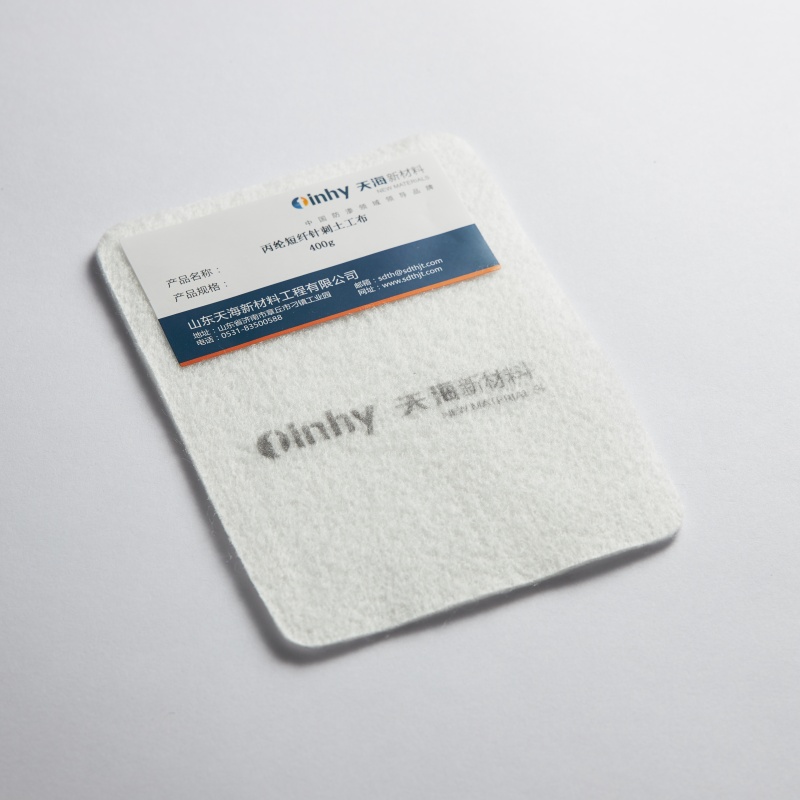
5. PP Staple Fiber Nonwoven Geotextile

Best for: General-purpose drainage and protection

Staple fiber nonwoven geotextiles are manufactured using short PP fibers that are mechanically entangled through needle punching.

The resulting fabric is soft and flexible and can conform well to uneven surfaces.

Common uses

  • Drainage
  • Filtration
  • Road separation
  • Geomembrane protection
  • Pond lining systems
  • Landscaping
  • Erosion control

This type is especially useful where the geotextile needs to provide cushioning or filtration while remaining easy to handle during installation.

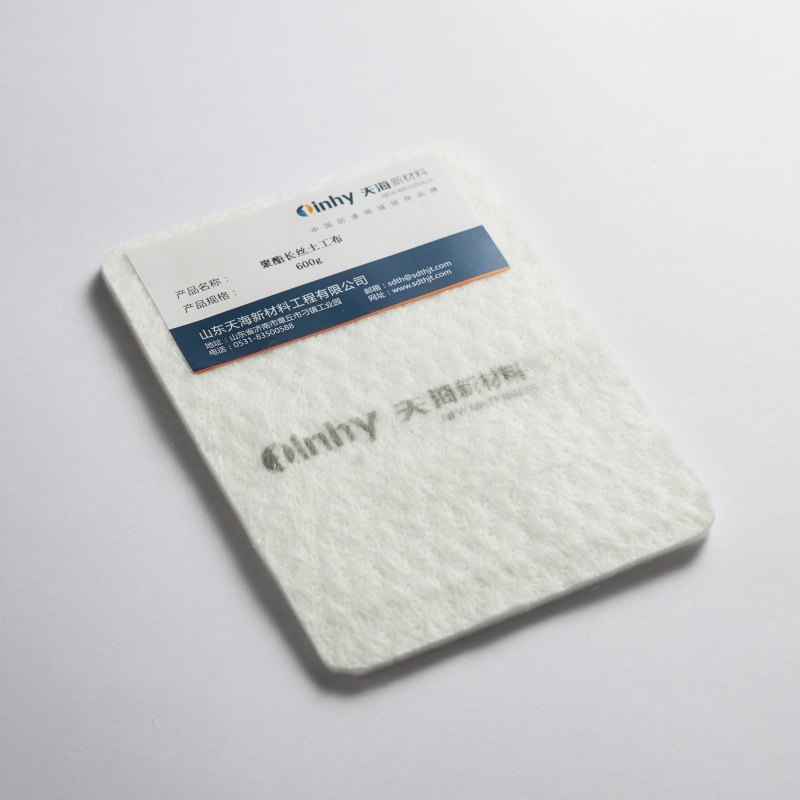
6. PET Continuous Filament Nonwoven Geotextile

Best for: High-strength filtration and protection

Continuous filament nonwoven geotextiles are manufactured using continuous synthetic filaments rather than short staple fibers.

The continuous structure can provide a more uniform fabric structure and a combination of mechanical strength, filtration, and dimensional stability.

Key considerations

  • Continuous PET filaments
  • Uniform fiber structure
  • Good filtration
  • Good tensile performance
  • Good puncture resistance
  • Suitable for demanding applications

The reference article specifically identifies continuous filament PET as a heavy-duty geotextile structure and evaluates it through parameters including tensile strength, elongation, CBR puncture resistance, AOS, flow rate, and thickness.

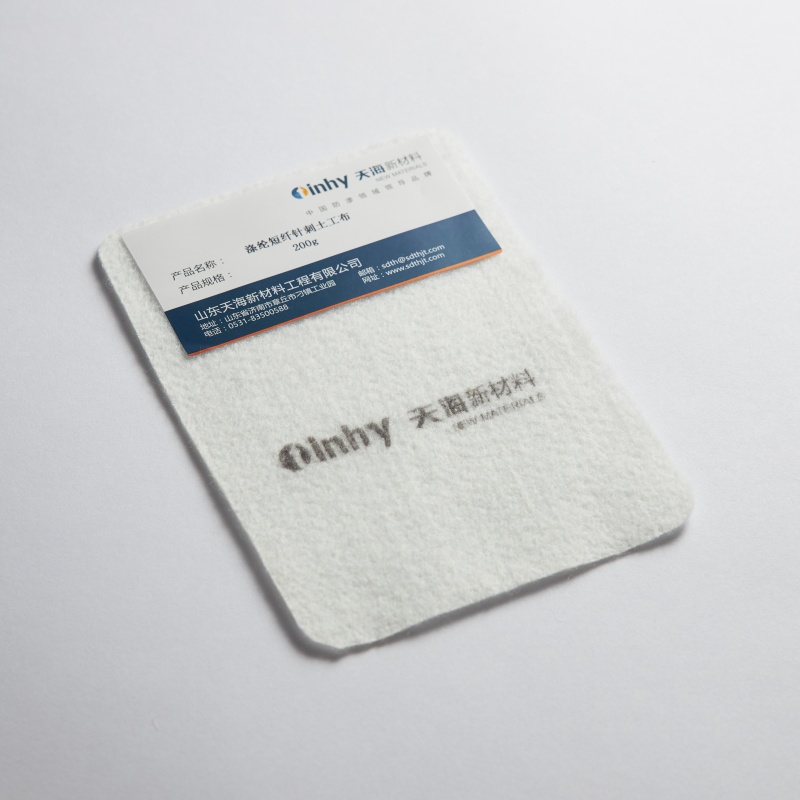
7. 200 g/m² Geotextile

Best for: General drainage and medium-duty separation

A 200 g/m² geotextile is a commonly specified lightweight-to-medium grade.

It offers a balance between material consumption, handling, permeability, and mechanical performance.

Typical applications

  • Drainage
  • Landscaping
  • Light road separation
  • Foundation drainage
  • Pond protection
  • General filtration

However, GSM should never be the only selection criterion.

Two 200 g/m² geotextiles can have different tensile strength, puncture resistance, thickness, AOS, and permeability depending on their material and manufacturing process.

8. 300 g/m² Geotextile

Best for: Heavy-duty separation and protection

A 300 g/m² geotextile provides greater fabric mass than lighter grades and is often selected when higher mechanical resistance is required.

Typical applications include:

  • Road construction
  • Railway projects
  • Drainage systems
  • Landfill protection
  • Reservoirs
  • Pond liners
  • Geomembrane protection
  • Soil stabilization

For geomembrane applications, nonwoven geotextile can act as a protective cushion between the geomembrane and the surrounding soil or aggregate.

This is particularly important where the liner system may be exposed to puncture or construction damage.

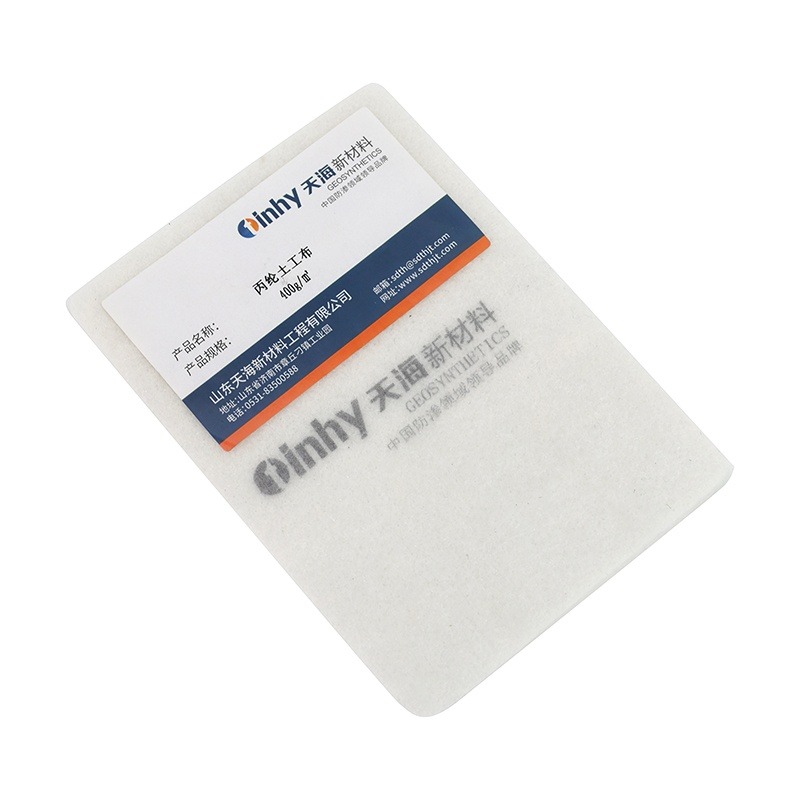
9. 400–600 g/m² Heavy-Duty Geotextile

Best for: Demanding installation conditions

Heavy-duty geotextiles in the 400–600 g/m² range may be considered where construction conditions involve higher mechanical stress.

Potential considerations include:

  • Large aggregate
  • Rocky subgrades
  • Heavy construction equipment
  • High puncture risk
  • Geomembrane protection
  • Mining and environmental projects

A higher GSM generally provides more material mass, but engineers should still evaluate the complete technical data sheet rather than selecting a product based only on weight.

10. Customized Geotextile

Best for: Project-specific requirements

Large infrastructure and environmental projects may require geotextiles with customized specifications.

Depending on the project, customization can include:

  • PP or PET
  • Woven or nonwoven
  • Staple fiber or filament
  • GSM
  • Width
  • Roll length
  • Tensile strength
  • Puncture resistance
  • AOS
  • Hydraulic properties
  • Packaging
  • Product color

For B2B buyers, customized production can be particularly useful when a project has an engineer-approved specification or when a distributor requires a specific product configuration.

Woven vs. Nonwoven Geotextile

Understanding the difference between woven and nonwoven geotextiles is one of the most important steps in product selection.

Feature Nonwoven Geotextile Woven Geotextile
Manufacturing Fibers mechanically bonded Yarns/tapes interwoven
Main Functions Filtration, drainage, protection Separation, stabilization, reinforcement
Flexibility Generally high Generally lower
Filtration Excellent for many applications Depends on structure
Tensile Strength Moderate to high Generally high
Puncture Resistance Good depending on grade Good depending on grade
Typical Use Drainage, landfill, pond protection Roads, platforms, reinforcement

The choice should be based on the primary engineering function, not simply on the product name.

PP vs. PET Geotextile

The raw material is another important consideration.

Feature PP Geotextile PET Geotextile
Material Polypropylene Polyester
Moisture Absorption Low Higher
Chemical Resistance Good Good, depending on environment
Mechanical Performance Good High-performance grades available
Typical Products Woven & nonwoven Woven & nonwoven
Common Uses Roads, drainage, separation Filtration, reinforcement, demanding applications

Project-specific chemical and environmental conditions should always be reviewed before selecting the polymer.

For example, the reference material highlights PET’s use in alkaline and high-load environments, while also emphasizing the importance of evaluating hydrolysis and UV resistance rather than assuming that all polyester products have identical durability.

Key Geotextile Specifications to Compare

When requesting quotations from geotextile manufacturers, buyers should compare technical parameters on the same basis.

Mass per Unit Area

Measured in g/m², GSM indicates the mass of the geotextile per unit area.

Tensile Strength

Tensile strength indicates how much tensile force the fabric can withstand.

Elongation

Elongation indicates how much the geotextile can deform before failure.

Puncture Resistance

Puncture resistance is particularly important for construction survivability and geomembrane protection.

Apparent Opening Size

AOS helps determine whether the geotextile can retain soil particles while allowing water to pass through.

Permittivity

Permittivity is an important hydraulic parameter for filtration and drainage applications.

Water Flow Rate

Flow rate provides additional information about the hydraulic capacity of the fabric.

Thickness

Thickness can affect cushioning, protection, compressibility, and installation performance.

The reference material uses ASTM D5261, D4595, D4632, D6241, D4751, D4491, D4533, D5199, and D4355 among its evaluation parameters.

How to Select the Right Geotextile for Your Project

For Drainage

Consider a nonwoven geotextile with suitable permeability and filtration characteristics.

The product should allow water to pass while limiting soil migration into the drainage layer.

For Road Construction

Consider whether the primary requirement is separation or reinforcement.

Woven geotextiles may be appropriate where higher tensile strength and stabilization are required.

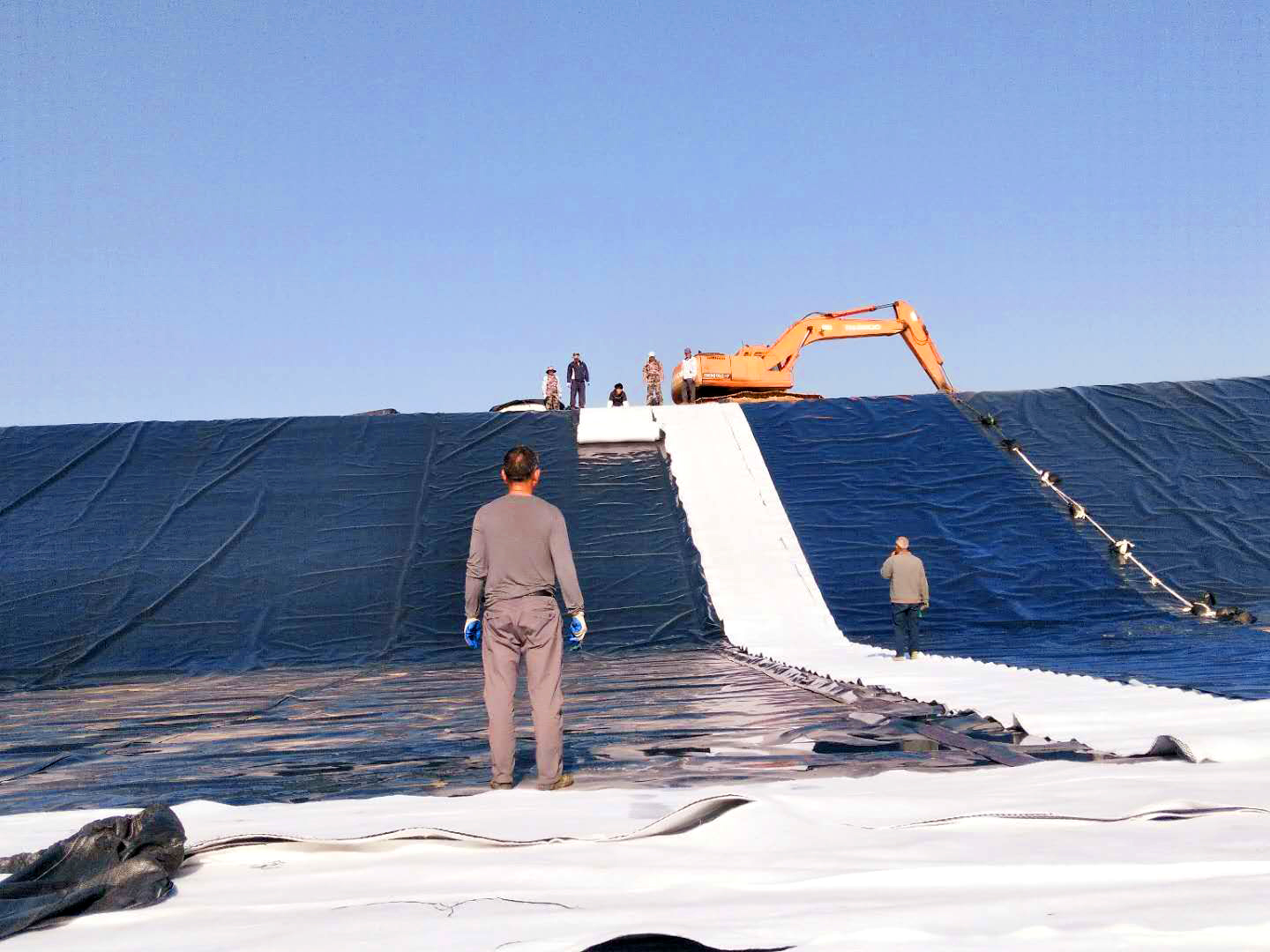
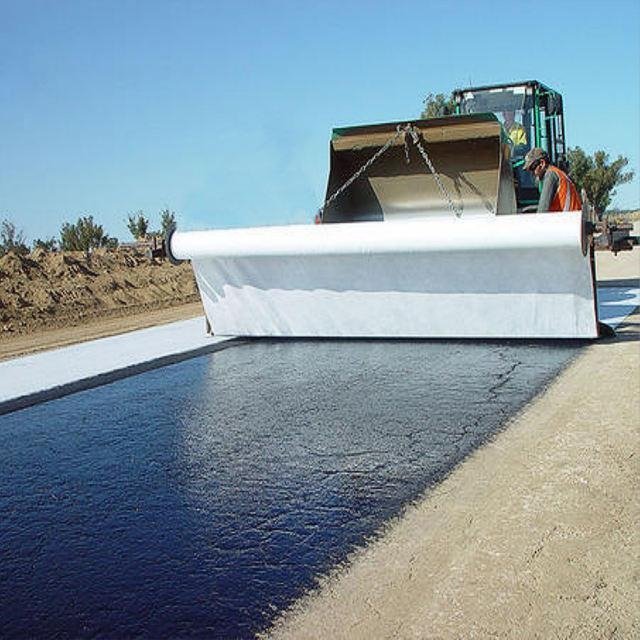
For Landfill and Geomembrane Protection

A nonwoven geotextile can provide cushioning and protection between the geomembrane and the subgrade or drainage layer.

The required puncture resistance and GSM should be determined according to site conditions.

For Reservoirs and Ponds

Nonwoven geotextiles are commonly considered as a protective layer beneath or above geomembranes.

The appropriate weight depends on the subgrade, aggregate, installation method, and liner design.

For Mining Projects

Mining environments can involve demanding chemical, mechanical, and hydraulic conditions.

Material selection should consider chemical compatibility, puncture resistance, tensile properties, filtration requirements, and long-term project conditions.

Tinhy Geosynthetics: Geotextile Manufacturer for Global Projects

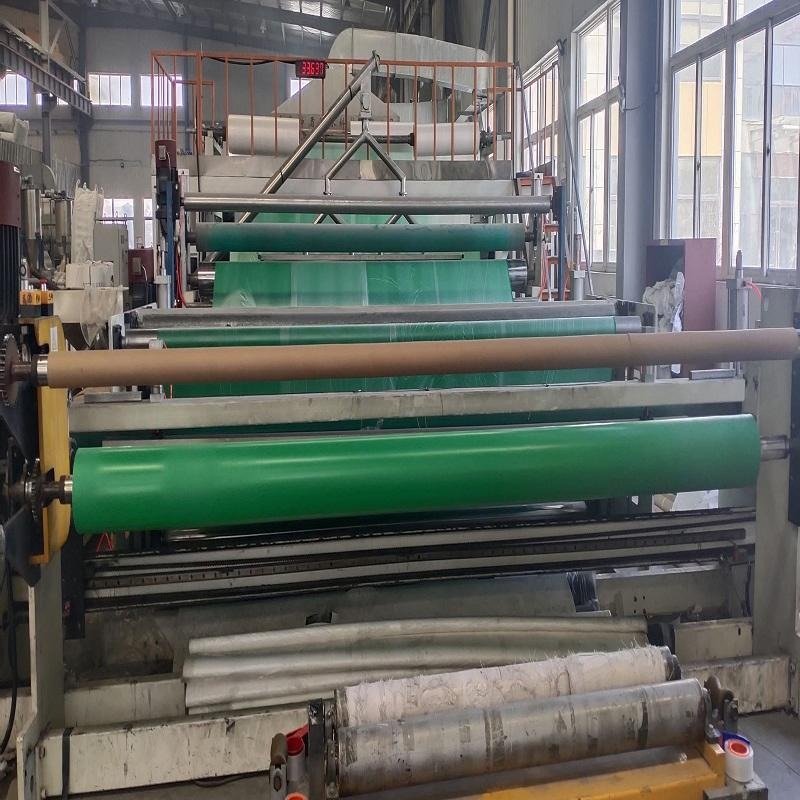
Tinhy Geosynthetics Co., Ltd. has been engaged in geosynthetics manufacturing since 2002.

With more than 24 years of industry experience, Tinhy provides a broad range of geosynthetic products for infrastructure, environmental protection, water management, mining, and other engineering projects.

Our product portfolio includes:

  • Nonwoven Geotextile
  • PP Woven Geotextile
  • PET Geotextile
  • HDPE Geomembrane
  • Composite Geomembrane
  • GCL
  • 3D Geonet Composite
  • Drainage Board
  • Geogrid
  • Geocell
  • Other geosynthetic products

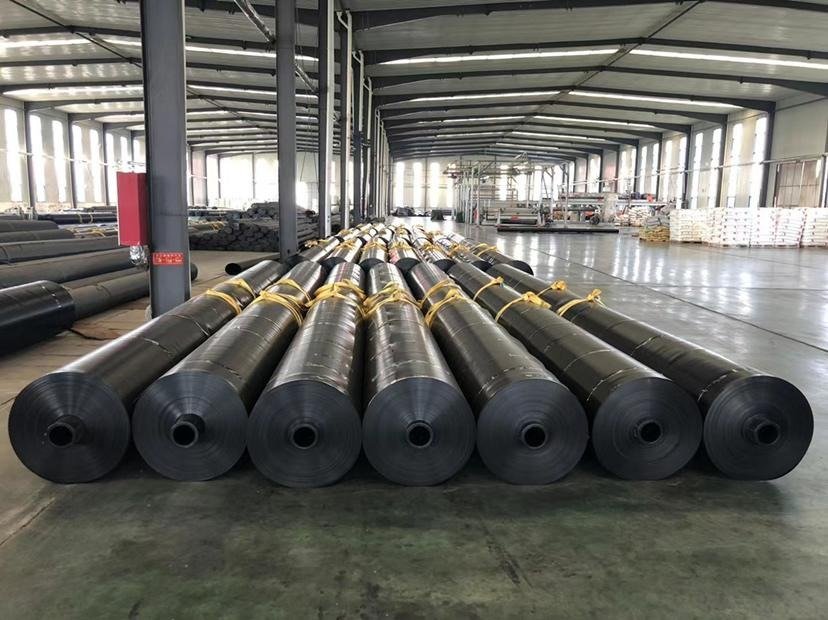
Tinhy has more than 100,000 m² of production facilities, more than 300 experienced employees, and more than 20 production lines.

Our quality-control system covers the production process from raw materials to finished products, supported by in-house laboratory testing and third-party testing where required.

For international B2B customers, we can provide geotextile products according to specific requirements for:

  • GSM
  • Material
  • Structure
  • Width
  • Roll length
  • Tensile strength
  • Puncture resistance
  • Filtration performance
  • Packaging

Geotextile Quality Control at Tinhy

For geosynthetic projects, consistent product quality is just as important as the nominal specification.

At Tinhy, quality control can cover different stages of production:

Raw Materials → Production → In-Process Inspection → Finished Product Testing → Packing → Shipment

Important properties can be tested according to applicable international standards and project specifications.

For B2B buyers, we can support technical documentation and product specifications to help engineers and procurement teams evaluate the material before ordering.

Film Geotextile Buying Checklist

Before requesting a quotation, prepare the following information:

1. Material
PP or PET

2. Structure
Woven or nonwoven

3. Weight
For example, 200 g/m², 300 g/m², 400 g/m², or another specification

4. Main Function
Filtration, drainage, separation, reinforcement, or protection

5. Technical Requirements
Tensile strength, puncture resistance, AOS, permeability, etc.

6. Roll Size
Required width and length

7. Quantity
Total square meters or number of rolls

8. Project Location
Useful for evaluating shipping and packaging requirements

9. Applicable Standard
ASTM, ISO, AASHTO, or project-specific requirements

10. Required Delivery Date
Important for production planning and international shipping

Providing these details allows the manufacturer to recommend a more appropriate product specification and quotation.

Final Thoughts

The best film geotextile is not necessarily the heaviest or strongest product.

The right product should match the engineering function, soil conditions, hydraulic requirements, mechanical loads, installation environment, and project specifications.

For filtration and drainage, nonwoven geotextiles can provide effective soil retention and water flow. For stabilization and reinforcement, woven geotextiles can offer higher tensile performance. PP and PET provide different material characteristics, while GSM, tensile strength, puncture resistance, AOS, and hydraulic properties all need to be considered together.

With more than two decades of manufacturing experience, Tinhy Geosynthetics provides PP and PET geotextile solutions for international infrastructure and environmental projects.

Whether you need 200 g/m² nonwoven geotextile, 300 g/m² geotextile, heavy-duty woven geotextile, or a customized specification, Tinhy can manufacture according to your project requirements.

Looking for a reliable geotextile manufacturer?

Send us your required material, GSM, width, quantity, application, and technical specification.

Tinhy Geosynthetics — Geosynthetic Solutions for Global Projects.

Knowledge Base
Share:
info@tinhygeosynthetics.com Bai Jinxi
Consultation

    Get The Latest Product Prices

    Your inquiries are welcomed at any time and please feel free to contact us via email, phone calls, and online chatbox on our site.

    We will definitely give you a reply ASAP after we receive your messages.

      0/180