Resources
Company News
Industry News
Knowledge Base
Project Cases
Innovation
Team Power Fuels TINHY’s Global Geosynthetics Solutions
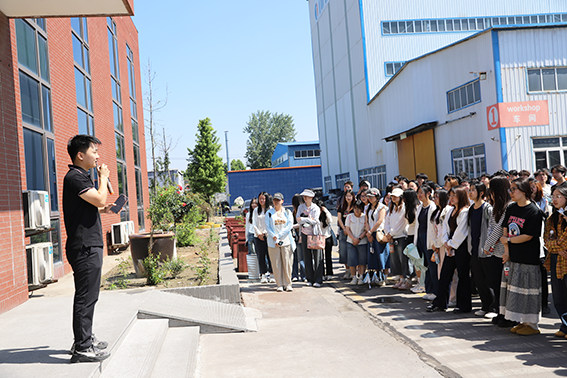
Tinhy and University of Jinan Celebrate Six Years of Industry–University Collaboration
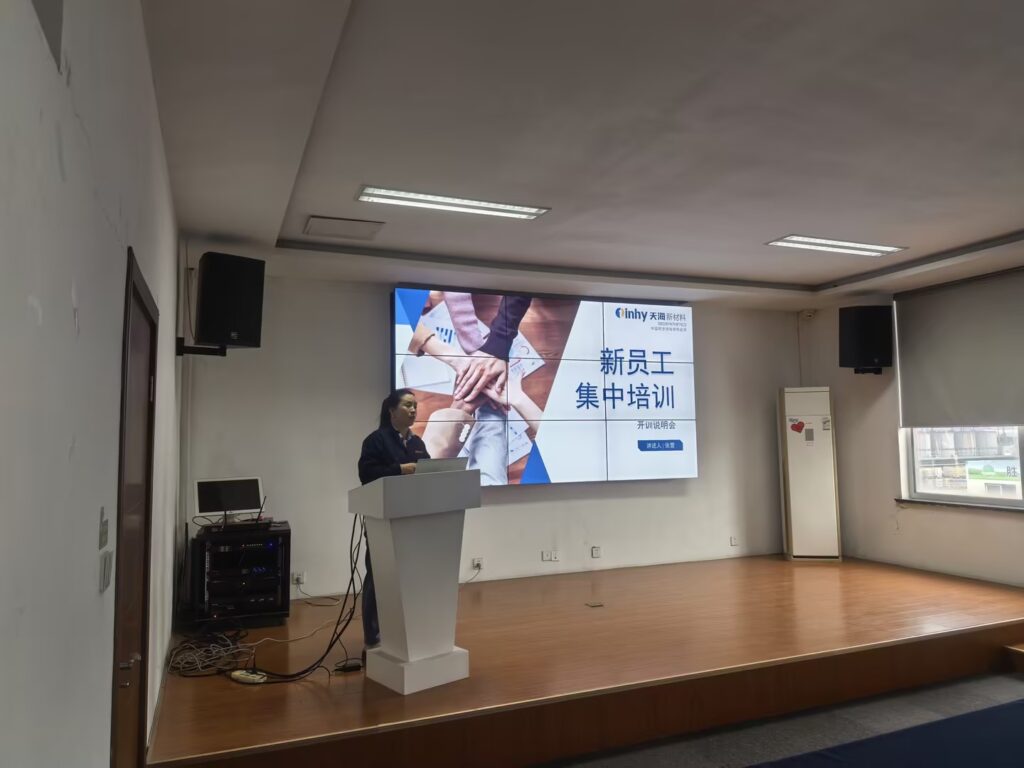
Empowering New Talent, Building the Future: Tinhy Successfully Conducts New Employee Orientation Training

Tinhy Conducts Comprehensive Emergency Drill to Strengthen Workplace Safety Defenses
Company Mid – Year Summary and Team – Building Activity Report
Is geomembrane a geotechnical engineering material?
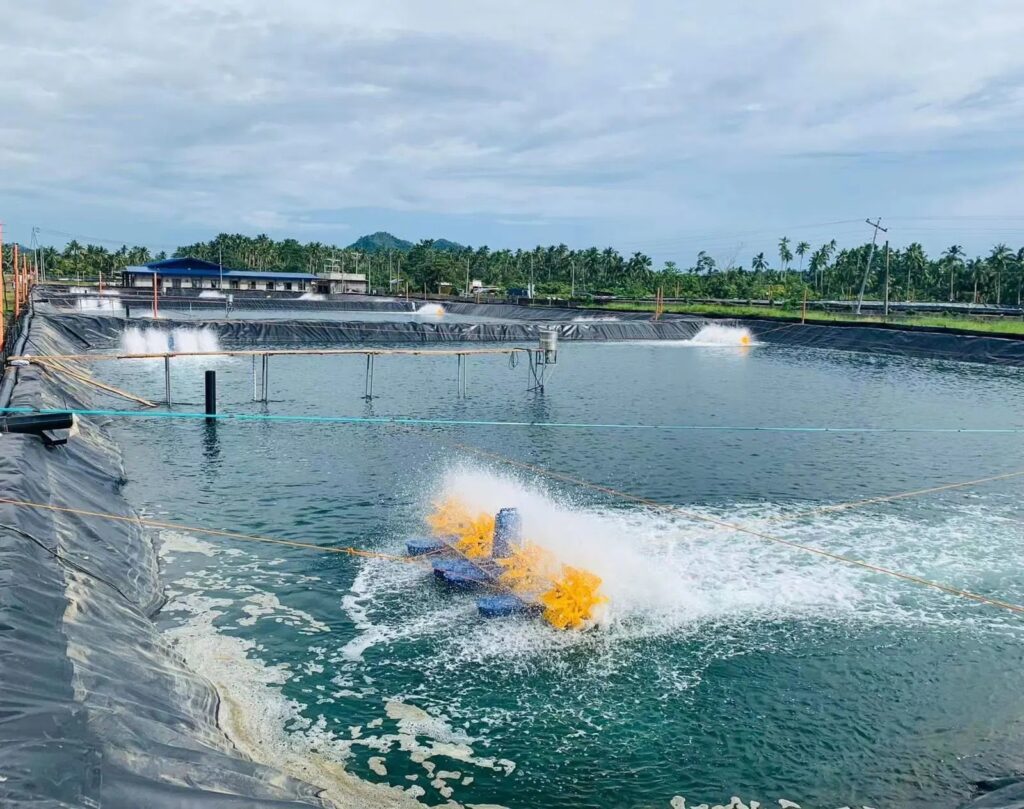
What are the application scenarios of geomembrane?
What are the functions of geotextiles?
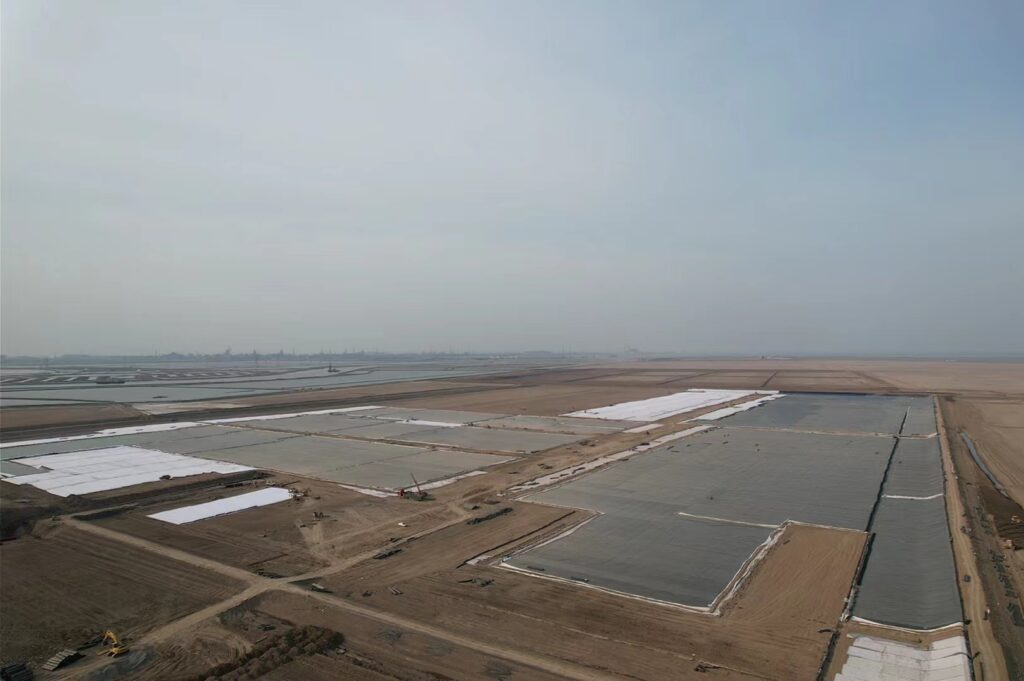
Cómo elegir geomembrana de hdpe en proyectos de ingeniería
How to choose hdpe geomembrane in engineering projects
China’s Geotechnical Construction Materials Embrace New Opportunities
Tips for Moisture-Proof Storage of Geotextiles
Key Construction Points and Precautions for High-Density Polyethylene Geomembrane
what is pond lining material ?
What is geomembrane?
HDPE geomembrane construction plans and technical measures

What quality tests do HDPE geomembranes need to do?
Tinhy’s MDS® Drainage Solution
Installation Robots
Geomembrane Cost Per Square Foot: The Complete 2026 Buyer’s Guide for Cost-Effective Containment Projects
Geomembrane in Road Construction: 7 Proven Benefits for Building Longer-Lasting Roads
Geocomposite Solutions for Global Infrastructure Projects | Tinhy Geosynthetics
Nonwoven Geotextile Membrane: A Practical Solution for Filtration, Drainage, Separation and Protection
How Much Does a Geomembrane Liner Cost?
20 Mil HDPE Liner: A Cost-Effective Geomembrane Solution for Ponds, Reservoirs and Light Containment
How Much Does Geotextile Cost per Square Foot?
Best HDPE Geomembrane 1.5 mm for Long-Term Containment Projects
What Is 400g/m² Geotextile? Properties, Applications and Selection Guide
Top 7 Global Geocomposite Manufacturers for Drainage, Reinforcement and Environmental Projects
Should HDPE or PVC be used to install geomembrane in reservoirs?
What is the price of geomembrane?
Material characteristics of three different geomembranes
Esquema de construcción de geomembrana de HDPE y medidas técnicas
hdpe geomembrane pond liner in Congo (DRC)
How to lay and weld HDPE geomembrane?
HDPE geomembrane 0.2-4.0mm
HOME ABOUT PRODUCTS APPLICATION CONTENTUS RESOURCES
Home Resources Knowledge Base Geomembrane Cost Per Square Foot: The Complete 2026 Buyer’s Guide for Cost-Effective Containment Projects

Geomembrane Cost Per Square Foot: The Complete 2026 Buyer’s Guide for Cost-Effective Containment Projects

time:July 20, 2026 Views:17

Geomembrane cost per square foot is one of the first questions engineers, contractors, and project owners ask when planning a containment system. Whether you’re building a landfill, mining pond, irrigation reservoir, wastewater lagoon, or aquaculture facility, understanding the true cost of a geomembrane liner is essential for accurate budgeting.

However, focusing only on the lowest material price can be misleading. A liner with a lower upfront cost may require more frequent maintenance, have a shorter service life, or fail prematurely under harsh environmental conditions. In many cases, the cheapest geomembrane becomes the most expensive choice over the lifetime of a project.

At Tinhy Geosynthetics, we have more than 20 years of experience manufacturing geomembranes for infrastructure, mining, environmental protection, and water management projects in over 40 countries. One of the most common questions we receive is:

“How much does a geomembrane cost per square foot?”

The answer depends on several important factors, including material type, thickness, surface texture, resin quality, project size, and installation requirements.

This guide explains what affects geomembrane pricing, compares different liner materials, and helps you select the most cost-effective solution based on your project—not simply the lowest purchase price.

What Is the Average Geomembrane Cost Per Square Foot?

There is no universal price for geomembranes because each project has different technical requirements.

In general, the cost is influenced by:

  • Material type
  • Thickness
  • Surface finish
  • Resin quality
  • Roll dimensions
  • Manufacturing standards
  • Order quantity
  • Shipping destination

For large engineering projects, purchasing directly from a manufacturer often provides better pricing than buying through distributors while ensuring consistent product quality.

More importantly, project owners should evaluate total lifecycle cost rather than only the initial material price.

What Factors Affect Geomembrane Cost Per Square Foot?

1. Material Type

The polymer used to manufacture a geomembrane has the greatest influence on its price.

Different materials offer different levels of chemical resistance, flexibility, UV stability, and mechanical performance.

Common options include:

  • HDPE Geomembrane
  • LLDPE Geomembrane
  • PVC Geomembrane
  • RPE Geomembrane
  • EPDM Geomembrane
  • Composite Geomembrane

Each material serves different engineering applications.

2. Geomembrane Thickness

Thickness directly affects resin consumption.

Thicker geomembranes require more raw material and therefore cost more.

Common engineering thicknesses include:

  • 0.5 mm
  • 0.75 mm
  • 1.0 mm
  • 1.5 mm
  • 2.0 mm
  • 2.5 mm

Choosing a thicker liner than necessary increases project costs without always providing additional value.

Proper engineering design should determine the required thickness.

3. Virgin Resin vs Recycled Resin

Raw material quality has a significant impact on both price and long-term performance.

Virgin HDPE resin offers:

  • Better UV resistance
  • Higher oxidation stability
  • Longer service life
  • Improved stress crack resistance

Recycled or blended materials reduce initial costs but may not be suitable for permanent environmental containment projects.

4. Smooth or Textured Surface

Textured geomembranes provide higher friction angles for slope stability.

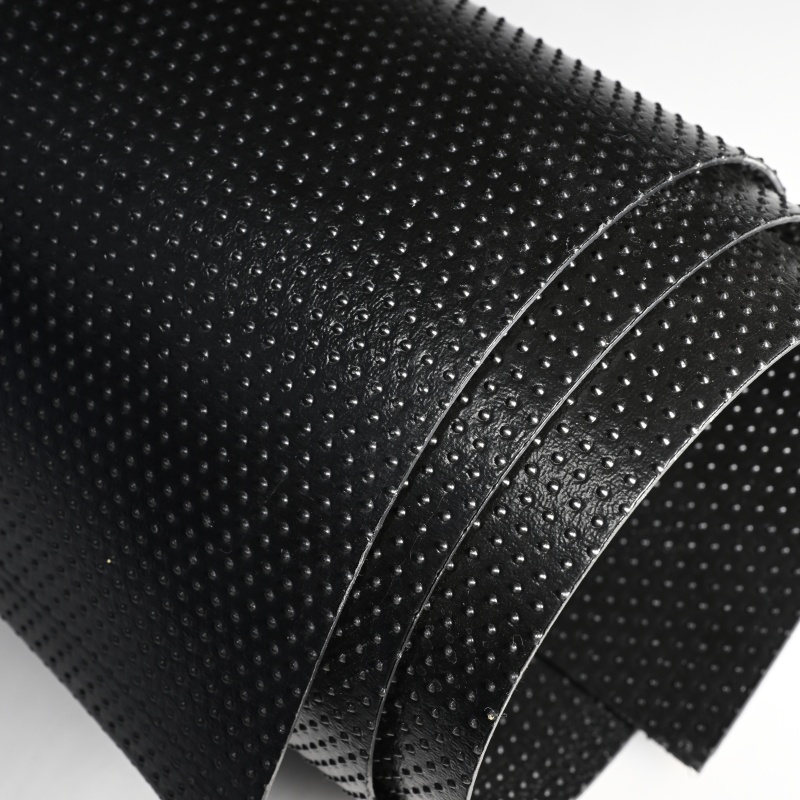
Because textured products require additional manufacturing processes, they generally cost more than smooth geomembranes.

Typical applications include:

  • Landfill side slopes
  • Heap leach pads
  • Steep embankments
  • Tailings facilities

5. Order Quantity

Large engineering projects benefit from economies of scale.

Bulk orders often reduce:

  • Manufacturing cost
  • Packaging cost
  • Transportation cost
  • Unit price

Factory-direct purchasing can significantly improve overall project economics.

Comparing Different Geomembrane Materials

HDPE Geomembrane

HDPE is the most widely specified geomembrane for permanent containment projects.

Advantages include:

  • Excellent chemical resistance
  • Outstanding impermeability
  • Long service life
  • High puncture resistance
  • Proven performance worldwide

Typical applications:

  • Landfills
  • Mining
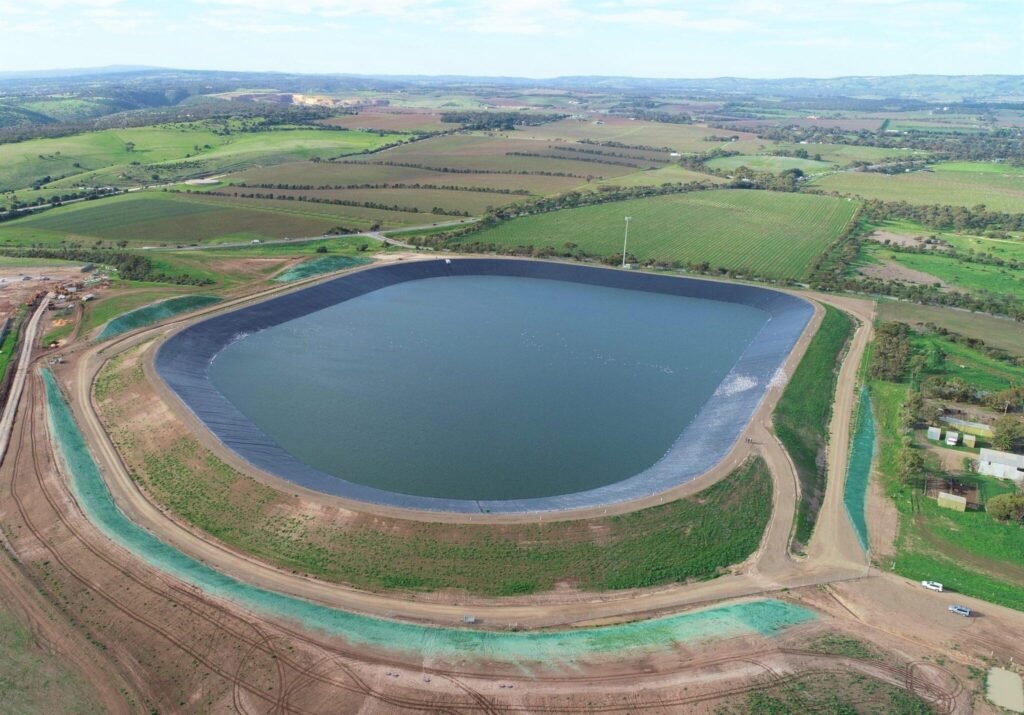
  • Reservoirs
  • Wastewater ponds
  • Industrial containment

For most projects, HDPE provides the best balance between performance and cost.

LLDPE Geomembrane

LLDPE offers greater flexibility than HDPE.

It performs well in applications involving differential settlement or irregular foundations.

Common applications include:

  • Decorative lakes
  • Irrigation ponds
  • Aquaculture
  • Flexible containment systems

Although material costs are similar to HDPE, installation can sometimes be easier due to its flexibility.

RPE Geomembrane

Reinforced polyethylene geomembranes combine lightweight construction with excellent tensile strength.

Benefits include:

  • Large prefabricated panels
  • Reduced field seams
  • Faster installation
  • Lower transportation costs

RPE is particularly suitable for large reservoirs and agricultural water storage.

PVC Geomembrane

PVC geomembranes are highly flexible and easy to fabricate.

However, compared with HDPE, they generally have:

  • Lower UV resistance
  • Shorter service life
  • Lower chemical resistance

PVC is commonly selected for decorative ponds and temporary containment.

EPDM Geomembrane

EPDM liners perform exceptionally well in applications requiring extreme flexibility.

Typical uses include:

  • Landscape ponds
  • Water gardens
  • Irregular water features

Their higher material cost is justified when flexibility is the primary requirement.

Composite Geomembrane

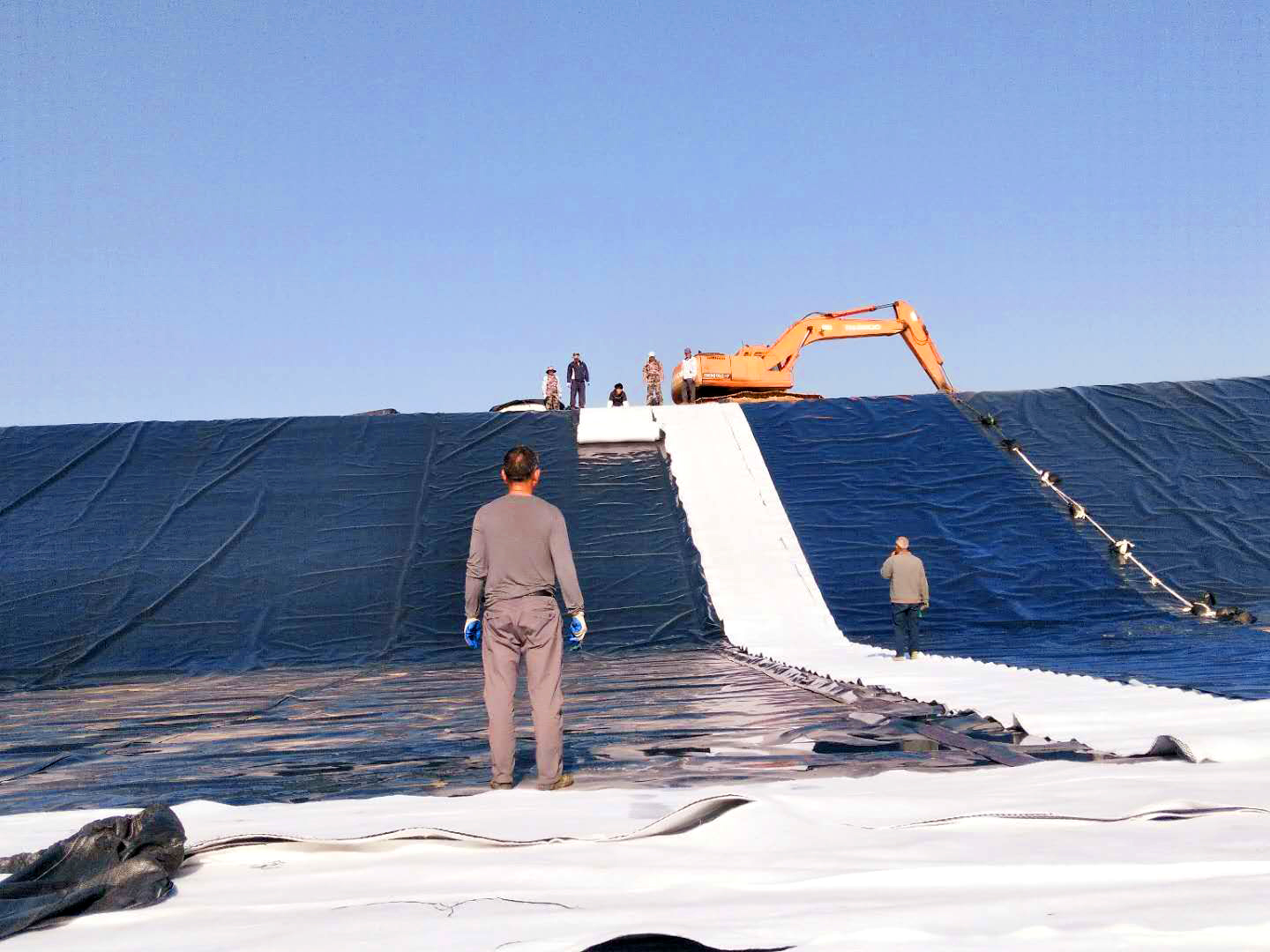
Composite geomembranes combine waterproof membranes with geotextiles.

Advantages include:

  • Improved puncture resistance
  • Better cushioning
  • Enhanced durability
  • Simplified installation

These systems are widely used in transportation, reservoirs, canals, and hydraulic engineering.

How to Reduce the Total Cost of a Geomembrane Project

Material cost is only one part of the overall budget.

Project owners can reduce total costs by following several practical strategies.

Choose the Right Material

Selecting a material that matches the application avoids unnecessary overspending.

For example, not every irrigation pond requires the same liner specification as a hazardous waste landfill.

Avoid Over-Specification

Using a thicker geomembrane than required increases material costs without necessarily improving project performance.

Engineering calculations should determine the appropriate thickness.

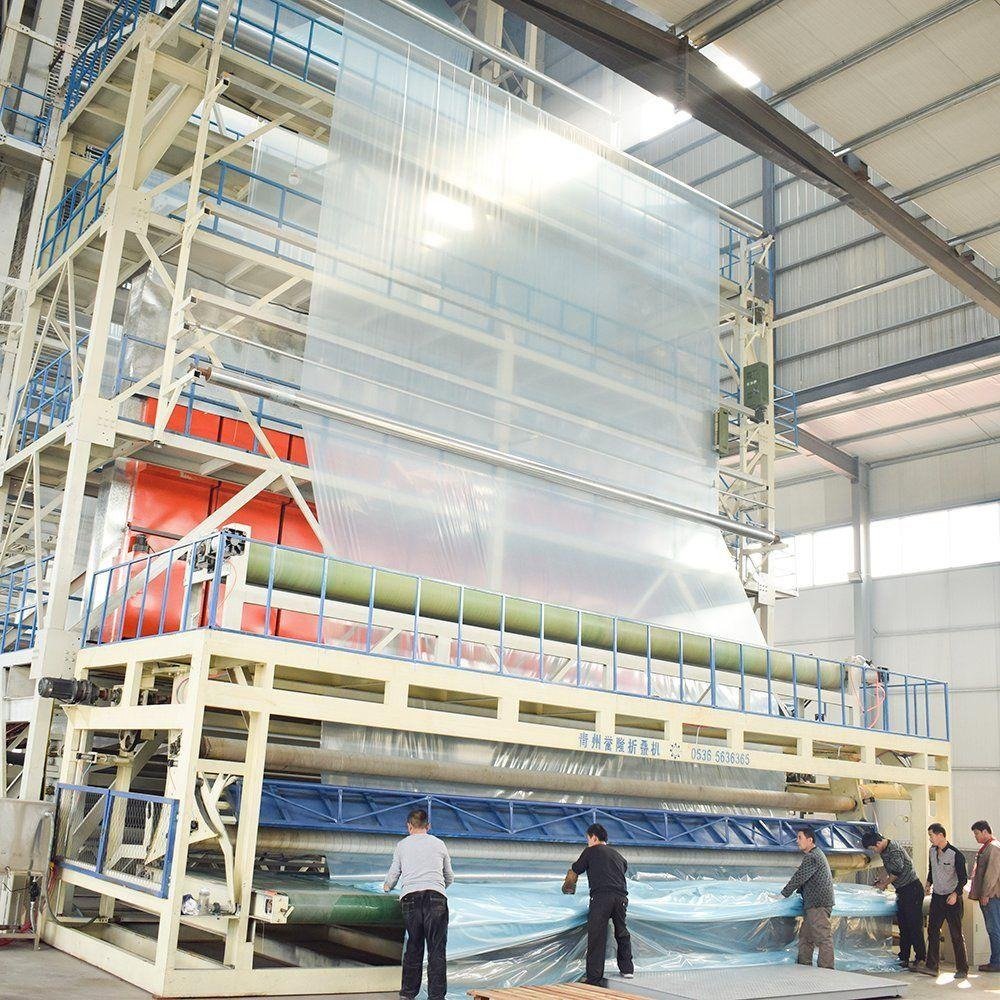
Purchase Directly from the Manufacturer

Factory-direct procurement offers several advantages:

  • Competitive pricing
  • Better quality control
  • Technical support
  • Custom production
  • Reduced lead times

Working directly with experienced manufacturers also improves communication throughout the project.

Reduce Field Welding

Large factory-fabricated panels reduce:

  • Labor costs
  • Installation time
  • Welding risks
  • Project delays

This approach is especially effective for reservoirs and large ponds.

Combine Geomembranes with Geotextiles

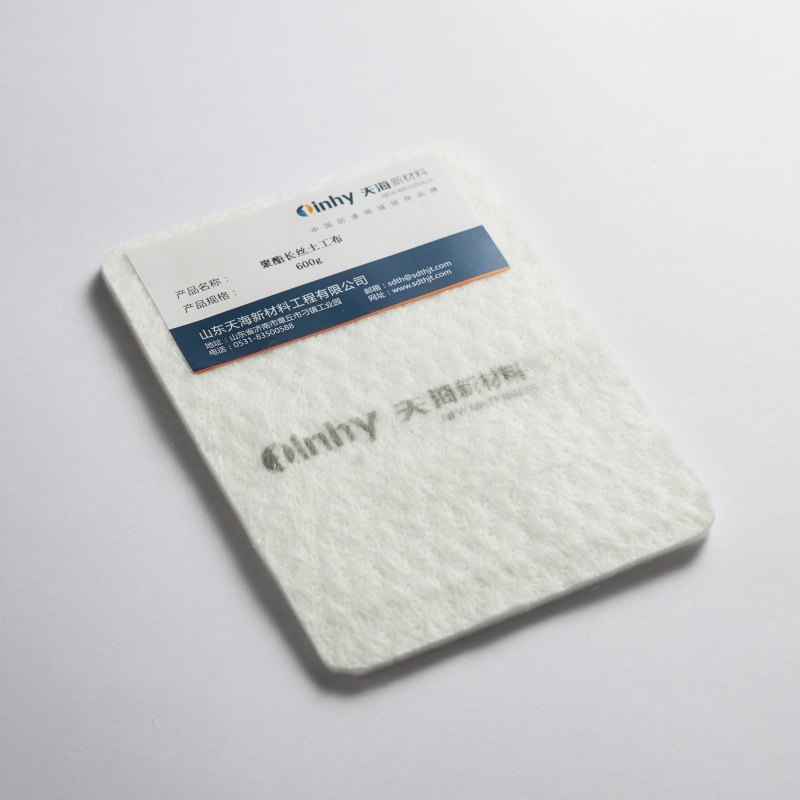
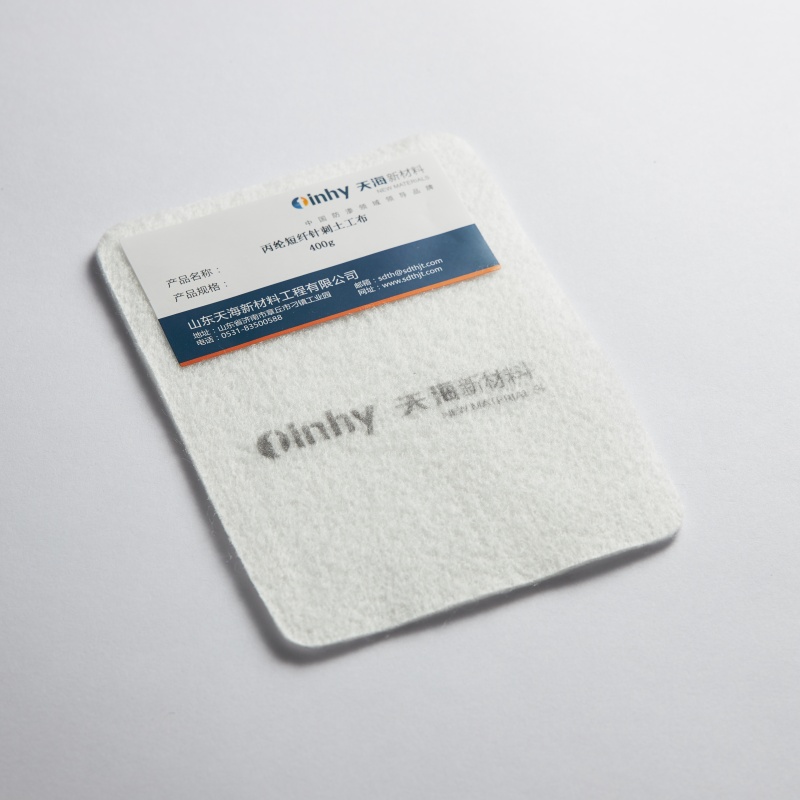
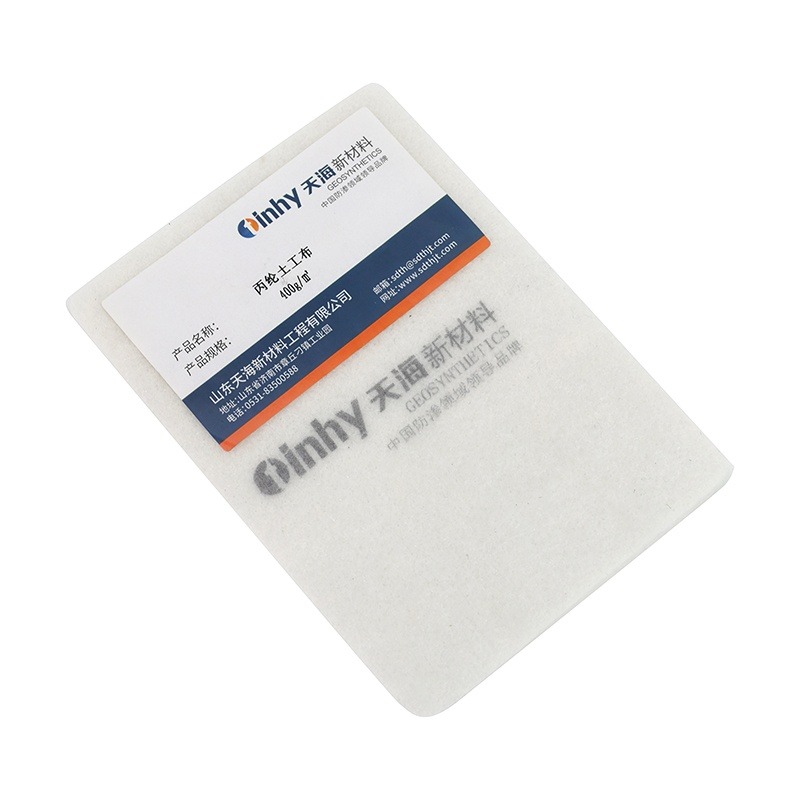
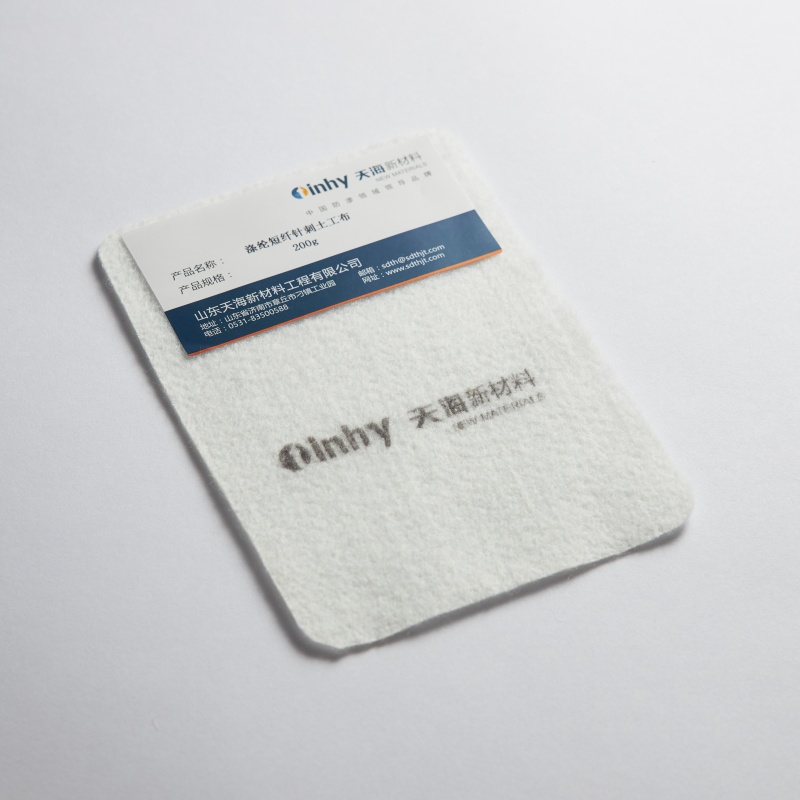
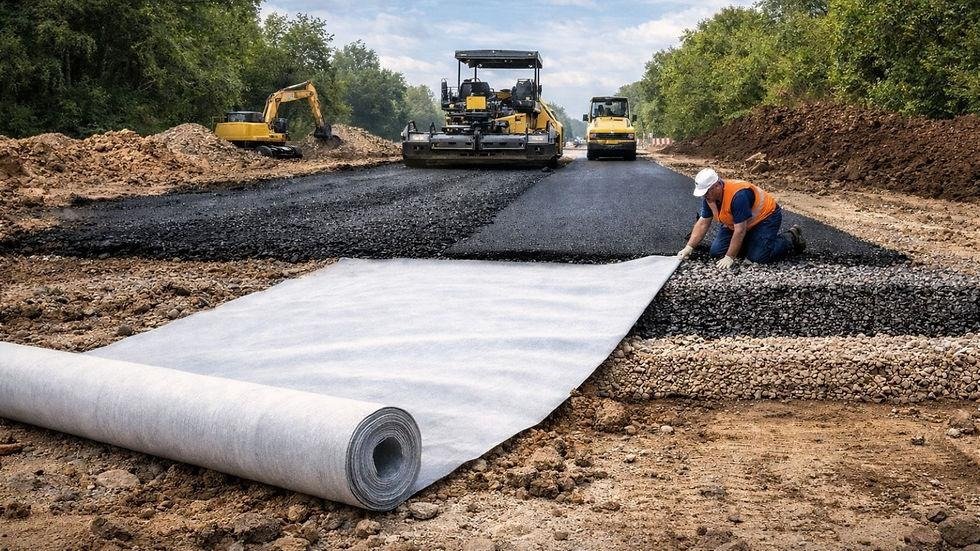
Using nonwoven geotextiles beneath geomembranes protects against puncture damage.

Although this slightly increases initial material costs, it often extends service life and reduces repair expenses.

Which Geomembrane Offers the Best Value?

The answer depends on the project.

Mining

Recommended:

HDPE Geomembrane

Reason:

Excellent chemical resistance and long-term durability.

Landfills

Recommended:

Textured HDPE Geomembrane

Reason:

Slope stability and long service life.

Agricultural Reservoirs

Recommended:

RPE or HDPE Geomembrane

Reason:

Large coverage area and efficient installation.

Aquaculture

Recommended:

HDPE or LLDPE Geomembrane

Reason:

Waterproof performance and easy maintenance.

Decorative Ponds

Recommended:

PVC or EPDM

Reason:

Superior flexibility for irregular shapes.

Why Choose Tinhy Geosynthetics?

Selecting a reliable manufacturer is just as important as selecting the right geomembrane.

At Tinhy Geosynthetics, we have been providing geosynthetic solutions for global infrastructure projects since 2002.

Our strengths include:

  • More than 20 years of manufacturing experience
  • Over 20 advanced production lines
  • ISO 9001, ISO 14001, and ISO 45001 certified manufacturing
  • Strict in-house quality control and laboratory testing
  • OEM and customized production services
  • Export experience to over 40 countries
  • Professional technical consultation and engineering support

Whether your project involves mining, landfills, reservoirs, wastewater treatment, aquaculture, or transportation infrastructure, Tinhy is committed to delivering reliable geomembrane solutions with excellent long-term value.

Frequently Asked Questions

What is the average geomembrane cost per square foot?

The cost depends on the material type, thickness, surface texture, order quantity, and project specifications. Factory-direct purchasing often provides the most competitive pricing.

Is HDPE cheaper than PVC?

Not always. While PVC may have a lower initial material cost for some applications, HDPE generally offers a longer service life and lower lifecycle cost for permanent engineering projects.

Does a thicker geomembrane always provide better value?

No. Selecting the appropriate thickness based on engineering requirements is more cost-effective than simply choosing the thickest available product.

Can I reduce installation costs?

Yes. Choosing larger factory-fabricated panels, minimizing field seams, and working with experienced installation teams can significantly reduce labor expenses.

Should I buy directly from a geomembrane manufacturer?

Yes. Purchasing directly from a reputable manufacturer often results in better pricing, consistent quality, technical support, and customized solutions.

Conclusion

Understanding geomembrane cost per square foot requires looking beyond the initial purchase price. Material selection, thickness, resin quality, installation methods, and service life all contribute to the total cost of ownership.

For most long-term containment projects, high-quality HDPE geomembranes provide the best balance of durability, chemical resistance, and overall value. However, every project is unique, and choosing the right liner should always be based on engineering requirements rather than price alone.

At Tinhy Geosynthetics, we help customers optimize both performance and budget by providing premium geomembrane products, expert technical support, and customized solutions for projects around the world. By partnering with an experienced manufacturer, you can build a containment system that delivers reliable protection and long-term cost efficiency.

Knowledge Base
Share:
info@tinhygeosynthetics.com Bai Jinxi
Consultation

    Get The Latest Product Prices

    Your inquiries are welcomed at any time and please feel free to contact us via email, phone calls, and online chatbox on our site.

    We will definitely give you a reply ASAP after we receive your messages.

      0/180