Resources
Company News
Industry News
Knowledge Base
Project Cases
Innovation
Team Power Fuels TINHY’s Global Geosynthetics Solutions
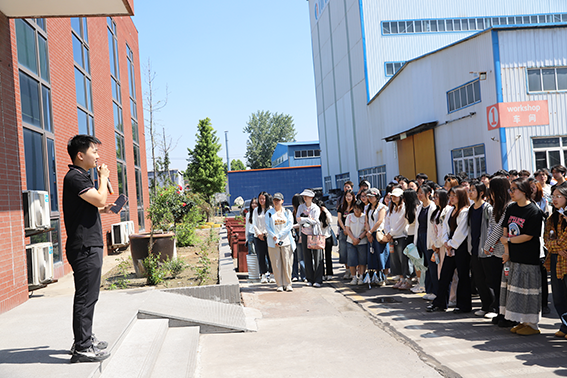
Tinhy and University of Jinan Celebrate Six Years of Industry–University Collaboration
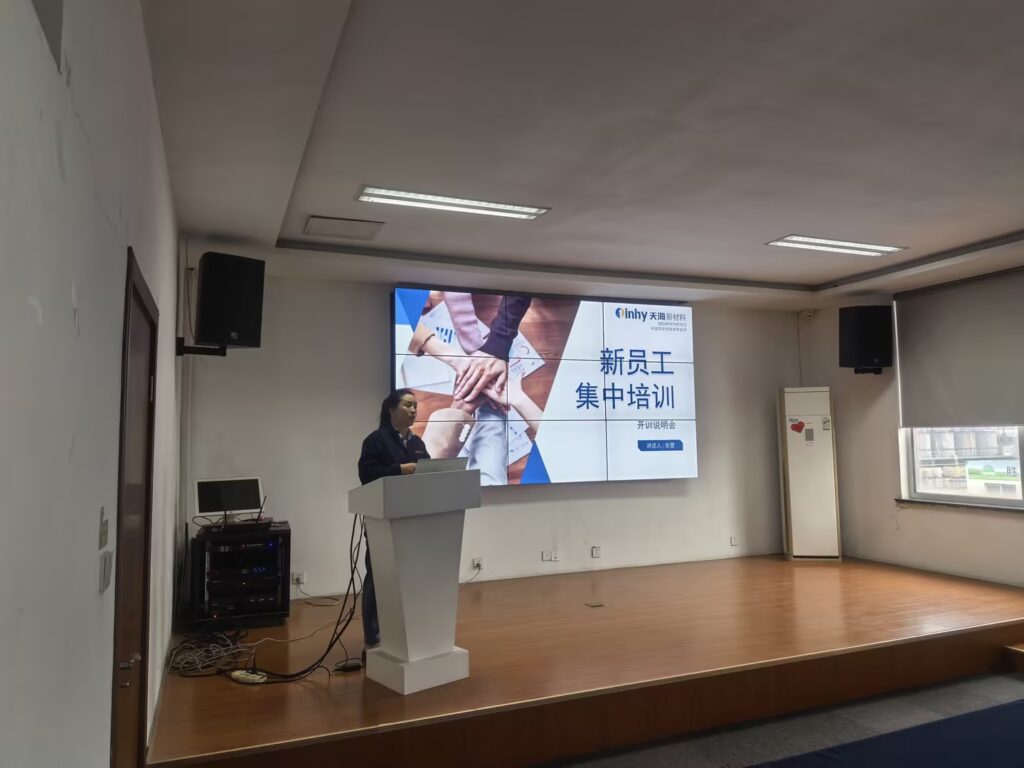
Empowering New Talent, Building the Future: Tinhy Successfully Conducts New Employee Orientation Training

Tinhy Conducts Comprehensive Emergency Drill to Strengthen Workplace Safety Defenses
Company Mid – Year Summary and Team – Building Activity Report
Is geomembrane a geotechnical engineering material?
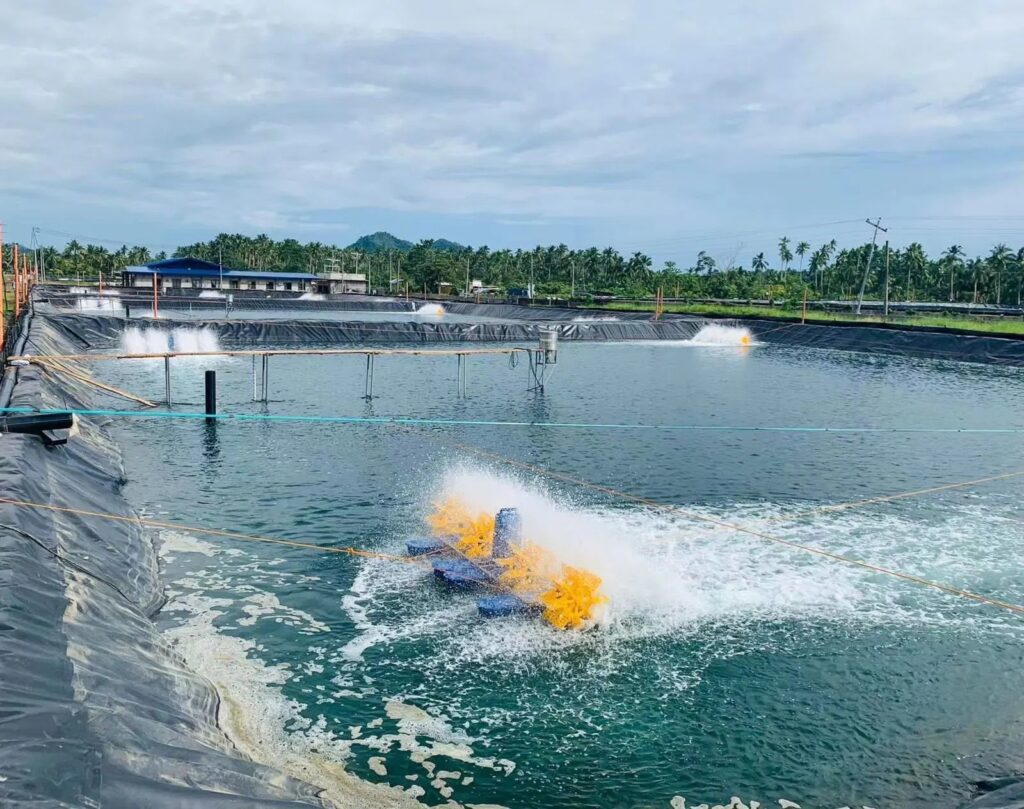
What are the application scenarios of geomembrane?
What are the functions of geotextiles?

Cómo elegir geomembrana de hdpe en proyectos de ingeniería
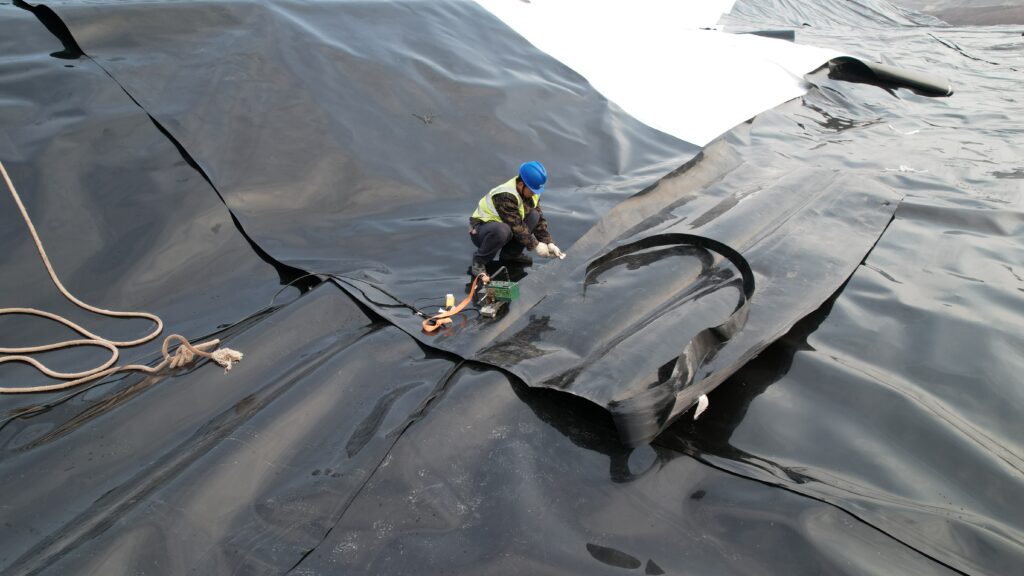
How to choose hdpe geomembrane in engineering projects
China’s Geotechnical Construction Materials Embrace New Opportunities
Tips for Moisture-Proof Storage of Geotextiles
Key Construction Points and Precautions for High-Density Polyethylene Geomembrane
what is pond lining material ?
What is geomembrane?
HDPE geomembrane construction plans and technical measures
What quality tests do HDPE geomembranes need to do?
Tinhy’s MDS® Drainage Solution
Installation Robots
HDPE Geomembrane Raw Materials: How Resin Quality Affects Liner Performance
How to Verify a Geomembrane Manufacturer in China: A Factory Audit Checklist
Geomembrane Roll Width and Panel Layout: How to Reduce Seams and Installation Waste
Geocell Specifications and Technical Data Sheet Guide
Geocell vs Geogrid: Key Differences, Applications and Selection Guide
Geocell Retaining Walls: Design Principles, Applications and Installation Guide
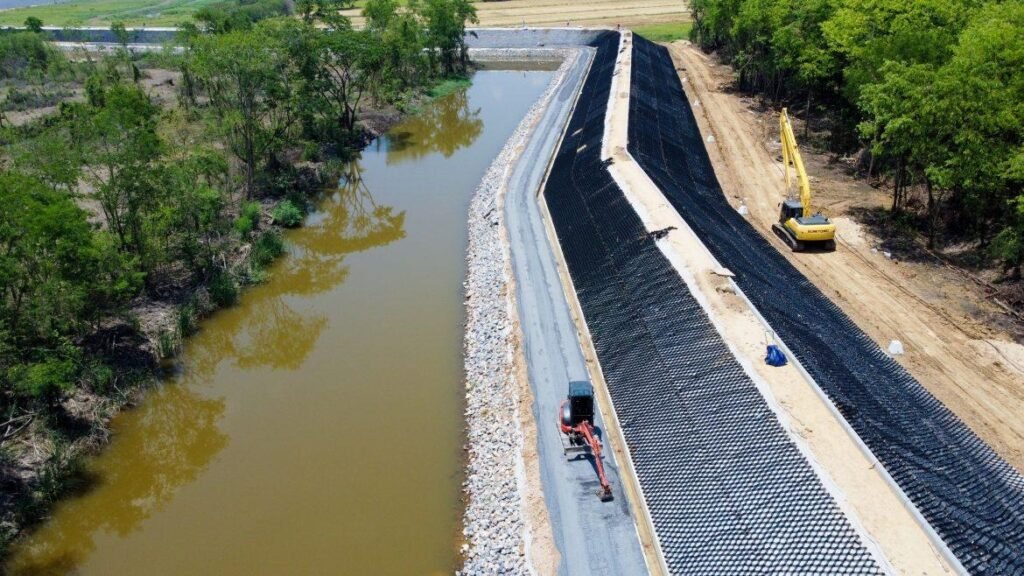
Geocell for Channel Protection: Applications, Hydraulic Design Factors and Installation Guide
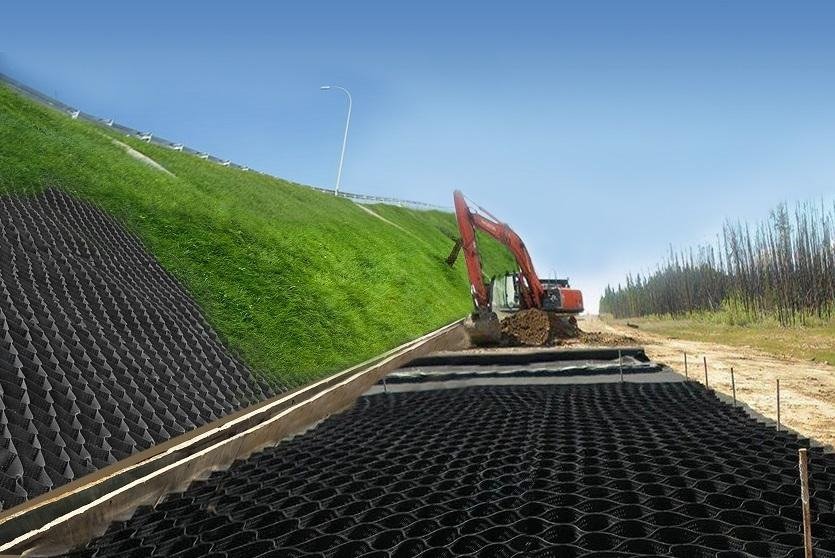
Geocell for Slope Protection: Design Factors, Applications and Installation Guide
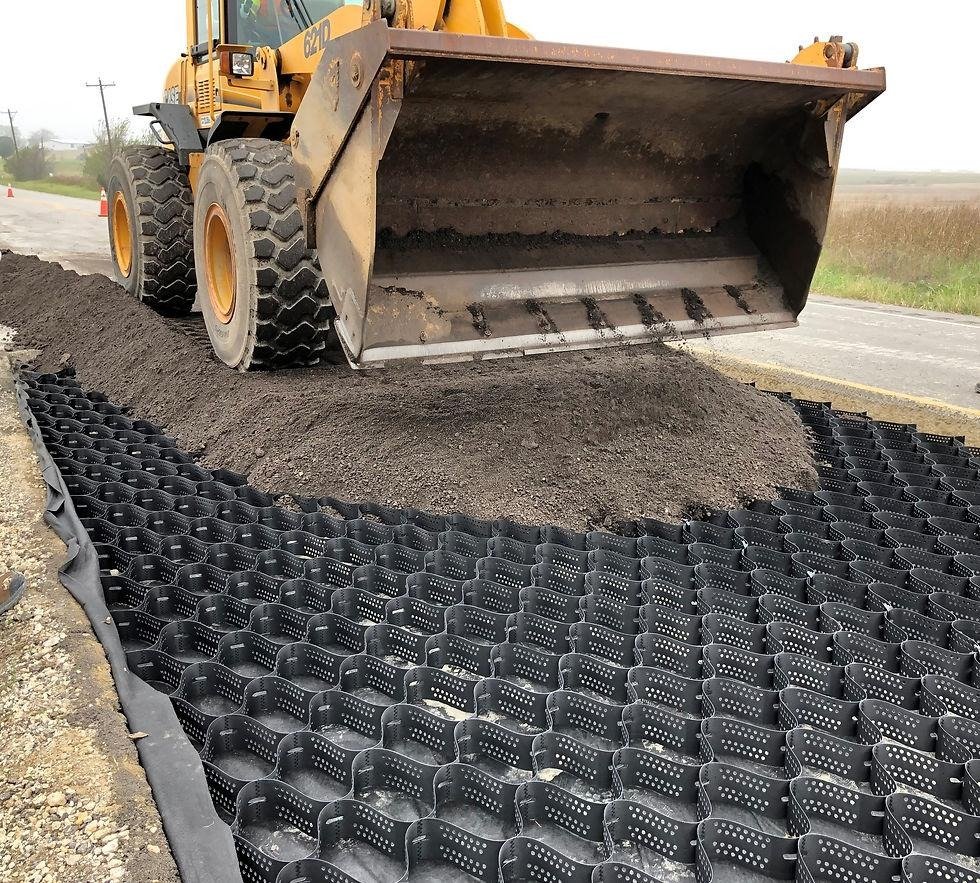
Geocell for Road Construction: Applications, Benefits and Selection Guide
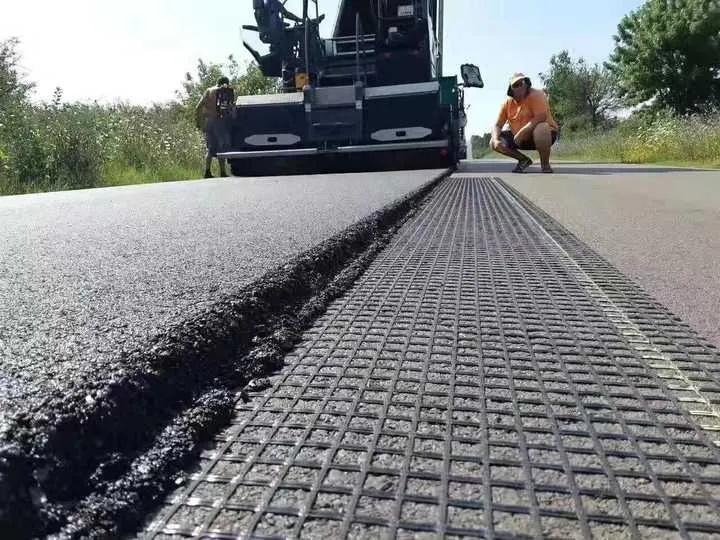
Geogrid for Road Construction: Types, Applications and Selection Guide
Should HDPE or PVC be used to install geomembrane in reservoirs?
What is the price of geomembrane?
Material characteristics of three different geomembranes
Esquema de construcción de geomembrana de HDPE y medidas técnicas
hdpe geomembrane pond liner in Congo (DRC)
How to lay and weld HDPE geomembrane?
HDPE geomembrane 0.2-4.0mm
HOME ABOUT PRODUCTS APPLICATION CONTENTUS RESOURCES
Home Resources Knowledge Base HDPE Geomembrane Raw Materials: How Resin Quality Affects Liner Performance

HDPE Geomembrane Raw Materials: How Resin Quality Affects Liner Performance

time:November 25, 2026 Views:9

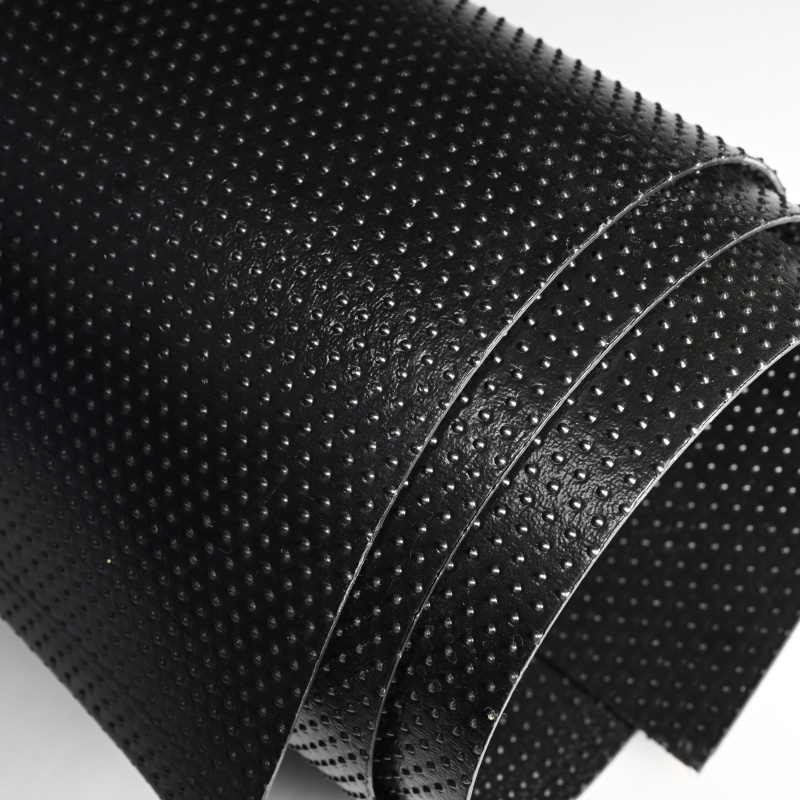
HDPE geomembrane is widely used in landfills, mining facilities, reservoirs, wastewater treatment plants and other containment projects. Its performance depends not only on nominal thickness and manufacturing quality but also on the raw materials and formulation used during production.

Polyethylene resin forms the main polymer component of an HDPE geomembrane. Other ingredients, including carbon black, antioxidants and stabilizing additives, contribute to important material characteristics such as UV resistance and resistance to oxidative degradation.

For international buyers, understanding these materials is useful when evaluating manufacturers, reviewing technical data sheets and comparing product quotations.

A low price does not necessarily indicate poor quality, just as a supplier’s claim of premium raw materials does not automatically prove product performance.

This guide explains the main raw materials used in HDPE geomembrane manufacturing, the properties buyers should check, and how to verify material quality through documentation and testing.

1. What Raw Materials Are Used in HDPE Geomembrane?

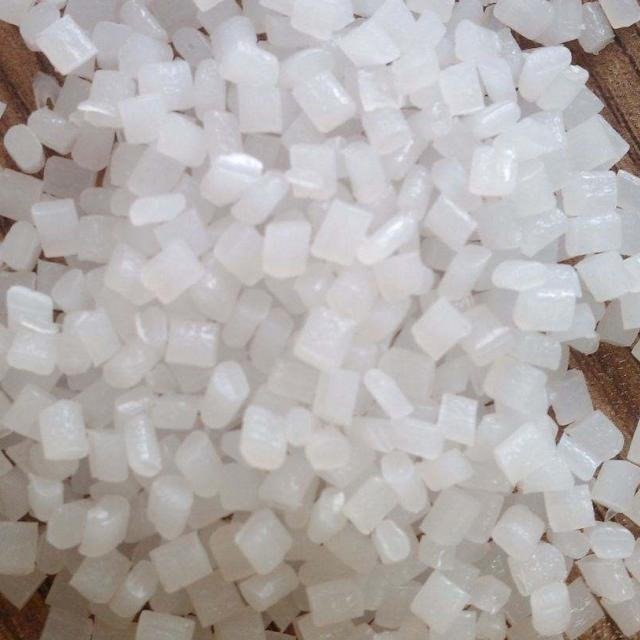
HDPE geomembrane is primarily manufactured from high-density polyethylene resin combined with selected additives.

A typical formulation may include:

  • Polyethylene resin
  • Carbon black
  • Antioxidants
  • Processing and stabilizing additives

The exact formulation depends on the manufacturer’s production process, product design and applicable technical requirements.

Each component serves a different purpose. Buyers should evaluate the complete formulation and finished-product test results rather than judging quality by one ingredient alone.

2. Polyethylene Resin: The Main Material Component

2.1 What Is HDPE Resin?

High-density polyethylene (HDPE) is a thermoplastic polymer commonly used to manufacture geomembranes.

The resin provides the polymer structure of the finished sheet and contributes to its mechanical, chemical and physical properties.

Important resin characteristics include:

  • Density
  • Melt flow rate or melt index
  • Molecular characteristics
  • Environmental stress-cracking resistance
  • Processing consistency
  • Compatibility with the specified formulation

The selected resin must be suitable for geomembrane manufacturing and the intended product requirements.

2.2 Virgin Resin and Recycled Material

Buyers frequently ask whether HDPE geomembrane is made from virgin resin or recycled plastic.

This is an important procurement question, but the terminology needs to be understood correctly.

Virgin resin is newly manufactured polymer material. Recycled material can refer to different sources and processes, including post-consumer recycled resin and controlled production rework.

These materials should not be treated as interchangeable.

GRI-GM13 Revision 19 specifies that the resin should be virgin material with no more than 10% rework, where any rework must be similar HDPE to the parent material. It also prohibits post-consumer resin (PCR) in the formulation.

The applicable project specification may impose additional or different requirements, so buyers should always confirm the governing specification.

When purchasing HDPE geomembrane, ask the manufacturer:

  1. What resin grade is used?
  2. Who supplies the resin?
  3. Can the manufacturer provide resin batch documentation?
  4. Is production rework used?
  5. Is post-consumer recycled resin excluded?
  6. How are resin batches traced to finished rolls?

A statement such as “100% virgin resin” should be supported by material procurement records and an appropriate manufacturer declaration if it is a contractual requirement.

2.3 Resin Density

Density is one of the important characteristics used to identify and evaluate polyethylene resin.

GRI-GM13 Revision 19 covers HDPE geomembranes with formulated sheet density of at least 0.940 g/cm³. The polyethylene resin generally has a density of at least 0.932 g/cm³ under the specification.

These are different measurements referring to different material stages.

Buyers should not confuse the density of the incoming resin with the formulated density of the finished geomembrane.

Relevant test methods include ASTM D1505 and ASTM D792, subject to the applicable specification.

2.4 Melt Flow Rate

Melt flow rate, also referred to as melt index in common industry terminology, describes the flow behavior of molten thermoplastic material under specified test conditions.

It provides useful information about polymer processing characteristics.

For HDPE geomembrane resin, the value should be evaluated against the applicable resin and product requirements.

ASTM D1238 is a commonly referenced method for measuring the melt flow rate of thermoplastics.

A melt flow result alone cannot establish whether a geomembrane is suitable for a project. It should be reviewed together with resin identification, formulation information and finished-product test results.

3. Carbon Black: UV Protection for HDPE Geomembrane

3.1 Why Is Carbon Black Added?

Carbon black is commonly incorporated into black HDPE geomembrane formulations to improve resistance to UV-induced degradation.

Geomembranes exposed to sunlight may experience long-term effects from UV radiation, oxygen and elevated temperatures.

Carbon black helps improve UV resistance when appropriately incorporated and uniformly dispersed throughout the polymer.

However, carbon black content alone does not establish the complete UV durability of a geomembrane.

The formulation, carbon black dispersion, antioxidant package, processing conditions and applicable aging tests must also be considered.

3.2 Carbon Black Content

Carbon black content refers to the proportion of carbon black in the finished material.

GRI-GM13 commonly specifies a carbon black content range of 2.0% to 3.0% for HDPE geomembranes.

ASTM D4218 is used to determine carbon black content in polyethylene materials.

When reviewing a test report, buyers should confirm:

  • Tested product identification
  • Test method
  • Reported carbon black content
  • Sample identification
  • Test date
  • Applicable product specification

A value within the required range is useful evidence, but it should not be treated as proof of overall product quality.

3.3 Carbon Black Dispersion

Carbon black must be distributed appropriately throughout the polymer material.

Poor dispersion can result in localized agglomerations and non-uniform material characteristics.

ASTM D5596 provides a microscopic evaluation method for carbon black dispersion in polyolefin geosynthetics.

An important distinction:

  • ASTM D4218 evaluates carbon black content.
  • ASTM D5596 evaluates carbon black dispersion.

These tests provide different information and should not be used interchangeably.

Buyers should request the relevant results if carbon black quality is an important project requirement.

4. Antioxidants and Stabilizing Additives

4.1 What Do Antioxidants Do?

Antioxidants are incorporated into polyethylene formulations to help control oxidative degradation.

During service, HDPE geomembranes may be exposed to heat, oxygen and other environmental conditions that can affect polymer stability.

Antioxidants help protect the material against oxidation, but their effectiveness depends on the complete formulation and exposure conditions.

4.2 Oxidative Induction Time (OIT)

Oxidative Induction Time (OIT) testing is used to evaluate the oxidation resistance characteristics of polyolefin materials under specified laboratory conditions.

For HDPE geomembranes, standard OIT and high-pressure OIT are commonly referenced in technical specifications.

Relevant test methods include:

  • ASTM D8117 for standard OIT
  • ASTM D5885 for high-pressure OIT

OIT results can provide information about the antioxidant protection of a material.

However, OIT is not a direct measurement of field service life.

A high initial OIT value does not independently guarantee a particular number of years of performance. Long-term behavior also depends on temperature, UV exposure, chemical contact, installation conditions, formulation stability and other environmental factors.

4.3 UV and Thermal Aging

Where a project requires long-term exposure resistance, buyers should review the relevant aging requirements and test reports.

Testing may include oven aging and UV exposure evaluation, depending on the governing specification.

For example, GRI-GM13 includes requirements relating to retained OIT after specified aging procedures.

The results should be interpreted according to the applicable test method and product specification rather than as a direct prediction of field service life.

5. How Raw Material Quality Affects Finished Geomembrane Properties

Raw materials influence the finished product, but product performance is determined by the complete formulation and manufacturing process.

The following table summarizes the main relationships.

Raw Material or Characteristic Main Role What Buyers Should Check
HDPE resin Main polymer structure Resin grade, density, melt flow rate and traceability
Carbon black UV protection Content and dispersion
Antioxidants Oxidation resistance Relevant formulation and OIT results
Stabilizing additives Material stability Applicable formulation and aging test evidence
Production rework Controlled reuse of manufacturing material Source, proportion and compliance with project requirements

Raw material selection is only one part of quality assurance.

Finished geomembrane testing should also cover the mechanical and physical properties required by the project, including thickness, tensile properties, tear resistance, puncture resistance and stress-crack resistance.

A good raw material certificate does not replace finished-product testing.

6. How to Verify HDPE Geomembrane Raw Material Quality

For bulk procurement, international buyers should request documentation that links raw materials to the manufactured product.

6.1 Request the Resin Supplier’s Certificate

Ask the manufacturer to provide available resin supplier documentation, such as:

  • Resin grade and product identification
  • Resin manufacturer
  • Batch or lot number
  • Production date, where available
  • Certificate of Analysis (COA)
  • Relevant physical and processing properties

The certificate should be consistent with the resin actually used in production.

6.2 Request Raw Material Inspection Records

A manufacturer should have a documented procedure for checking incoming raw materials.

Depending on the project requirements, inspection records may include density, melt flow rate, material identification and other relevant properties.

Buyers should ask how frequently incoming materials are inspected and how nonconforming batches are handled.

6.3 Check Formulation and Production Traceability

Traceability connects raw materials, production records and finished geomembrane rolls.

A practical traceability system should help identify:

  • Raw material batch
  • Production date
  • Manufacturing line or production record
  • Product specification
  • Finished roll number
  • Inspection results

This information is especially useful when investigating quality concerns or conducting third-party inspections.

6.4 Verify Finished-Product Test Reports

Request the manufacturer’s current technical data sheet and relevant test reports.

For HDPE geomembrane, common test properties include:

  • Thickness
  • Density
  • Tensile strength and elongation
  • Tear resistance
  • Puncture resistance
  • Carbon black content
  • Carbon black dispersion
  • Stress crack resistance
  • OIT

GRI-GM13 Revision 19 provides a recognized specification framework for smooth and textured HDPE geomembranes in its stated scope.

The buyer should confirm that the test reports correspond to the actual product thickness, surface type and applicable formulation.

7. Questions to Ask an HDPE Geomembrane Manufacturer

Before placing a bulk order, consider asking the manufacturer these questions:

  1. Which HDPE resin grade do you use?
  2. Can you provide the resin supplier’s certificate or COA?
  3. How do you identify and trace incoming resin batches?
  4. Is post-consumer recycled resin used in the formulation?
  5. Is production rework used, and how is it controlled?
  6. How do you test carbon black content?
  7. How do you evaluate carbon black dispersion?
  8. What OIT test methods are used?
  9. Can you provide finished-product test reports?
  10. Can the supplied product meet our project specification?

Clear answers supported by relevant documentation are more valuable than general statements about premium raw materials.

8. Raw Material Verification Checklist for Buyers

Use this checklist when evaluating a geomembrane supplier.

Resin documentation

  • Resin grade identified
  • Resin manufacturer identified
  • Batch information available
  • COA or relevant supplier documentation available
  • Resin properties reviewed

Formulation control

  • Carbon black requirements defined
  • Antioxidant and stabilizer requirements addressed
  • Production rework policy clarified
  • PCR requirements confirmed
  • Applicable formulation requirements documented

Testing and traceability

  • Raw material inspection procedure available
  • Carbon black content testing documented
  • Carbon black dispersion testing documented
  • OIT results available where required
  • Finished-product test reports reviewed
  • Roll identification and batch traceability confirmed

Contract and procurement

  • Applicable product standard confirmed
  • Technical data sheet agreed
  • Inspection requirements included in the contract
  • Sampling and testing arrangements agreed
  • Nonconforming product procedure clarified

Frequently Asked Questions

What raw materials are used in HDPE geomembrane?

HDPE geomembrane is mainly made from high-density polyethylene resin, with additives such as carbon black, antioxidants and stabilizers incorporated according to the product formulation.

Is virgin resin always required for HDPE geomembrane?

The requirement depends on the applicable specification. GRI-GM13 Revision 19 requires virgin resin with no more than 10% qualifying production rework and prohibits post-consumer recycled resin. Project specifications may impose additional requirements.

Why is carbon black added to HDPE geomembrane?

Carbon black is added primarily to improve resistance to UV-induced degradation. Its effectiveness depends on the amount, dispersion and complete polymer formulation.

What is the difference between carbon black content and dispersion?

Carbon black content measures the proportion of carbon black in the material. Dispersion evaluates how uniformly carbon black is distributed within the polymer. ASTM D4218 and ASTM D5596 address these different properties.

Does a higher OIT value mean a longer geomembrane service life?

Not necessarily. OIT is a laboratory indicator of oxidation resistance under specified test conditions. It is not a direct prediction of field service life.

How can I verify the quality of HDPE geomembrane resin?

Request resin identification, supplier documentation, batch certificates, incoming material inspection records and traceability information. Compare these documents with the applicable product specification and finished-product test reports.

Can a geomembrane manufacturer provide raw material certificates?

Manufacturers may be able to provide resin supplier certificates, COAs, material declarations and internal inspection records, depending on their procurement and quality-control systems. Buyers should specify documentation requirements before ordering.

Conclusion

The quality of HDPE geomembrane begins with raw material selection and formulation control, but it must be verified through manufacturing quality control and finished-product testing.

Polyethylene resin, carbon black, antioxidants and stabilizing additives each contribute to different material characteristics. Buyers should therefore look beyond general claims about premium raw materials and request verifiable documentation.

When sourcing HDPE geomembrane for landfill, mining, reservoir, wastewater or other containment projects, confirm the resin requirements, formulation controls, testing methods and product traceability before placing a bulk order.

TINHY Geosynthetics supplies HDPE geomembranes for a wide range of engineering applications. Contact our team to request product technical data sheets, relevant test documentation and a quotation based on your project specifications.

Request HDPE geomembrane specifications and material documentation for your project.

Knowledge Base
Share:
info@tinhygeosynthetics.com Bai Jinxi
Consultation

    Get The Latest Product Prices

    Your inquiries are welcomed at any time and please feel free to contact us via email, phone calls, and online chatbox on our site.

    We will definitely give you a reply ASAP after we receive your messages.

      0/180