Resources
Company News
Industry News
Knowledge Base
Project Cases
Innovation
Team Power Fuels TINHY’s Global Geosynthetics Solutions
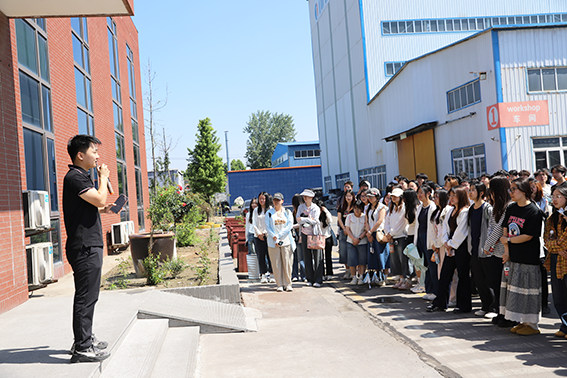
Tinhy and University of Jinan Celebrate Six Years of Industry–University Collaboration
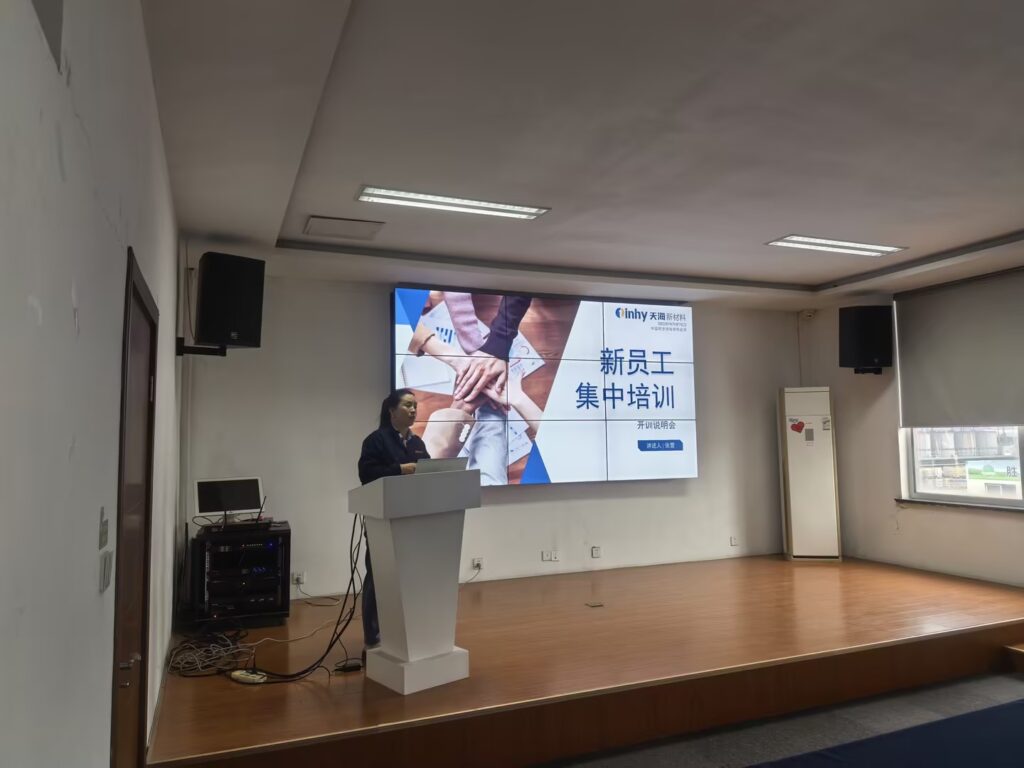
Empowering New Talent, Building the Future: Tinhy Successfully Conducts New Employee Orientation Training
Tinhy Conducts Comprehensive Emergency Drill to Strengthen Workplace Safety Defenses
Company Mid – Year Summary and Team – Building Activity Report
Is geomembrane a geotechnical engineering material?
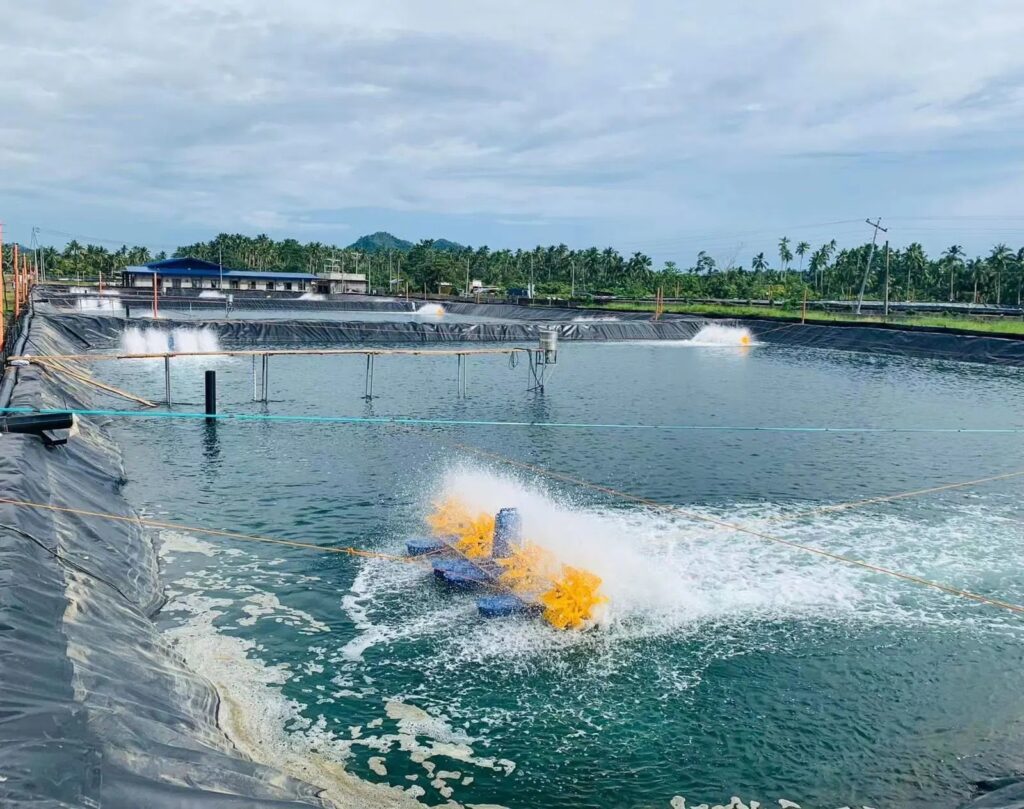
What are the application scenarios of geomembrane?
What are the functions of geotextiles?
Cómo elegir geomembrana de hdpe en proyectos de ingeniería
How to choose hdpe geomembrane in engineering projects
China’s Geotechnical Construction Materials Embrace New Opportunities
Tips for Moisture-Proof Storage of Geotextiles
Key Construction Points and Precautions for High-Density Polyethylene Geomembrane
what is pond lining material ?
What is geomembrane?
HDPE geomembrane construction plans and technical measures
What quality tests do HDPE geomembranes need to do?
Tinhy’s MDS® Drainage Solution
Installation Robots
HDPE Landfill Liner: Complete Guide to Selection, Installation and Benefits
2mm HDPE Geomembrane Review: Technical Specifications, Applications, and Top Supplier Guide
The 10 Best 30 mil Geomembrane Liners in 2026: Complete Manufacturer Review & Buying Guide
Geotextile 150g M2: The Complete Guide to Applications, Benefits, and Selection
PVC Dam Liners: The Complete Guide to Choosing the Right Waterproof Liner for Reservoirs and Irrigation Dams
Geotextile Landscape Fabric: The Complete Guide to Choosing the Right Material for Landscaping Projects
Best Geomembrane for Mining: How to Choose the Right Liner for Long-Term Containment Performance
Soil Stabilization Geotextile: 7 Proven Benefits for Stronger and Longer-Lasting Infrastructure
Geomembrane Cost Per Square Foot: The Complete 2026 Buyer’s Guide for Cost-Effective Containment Projects
Geomembrane in Road Construction: 7 Proven Benefits for Building Longer-Lasting Roads
Should HDPE or PVC be used to install geomembrane in reservoirs?
What is the price of geomembrane?
Material characteristics of three different geomembranes
Esquema de construcción de geomembrana de HDPE y medidas técnicas
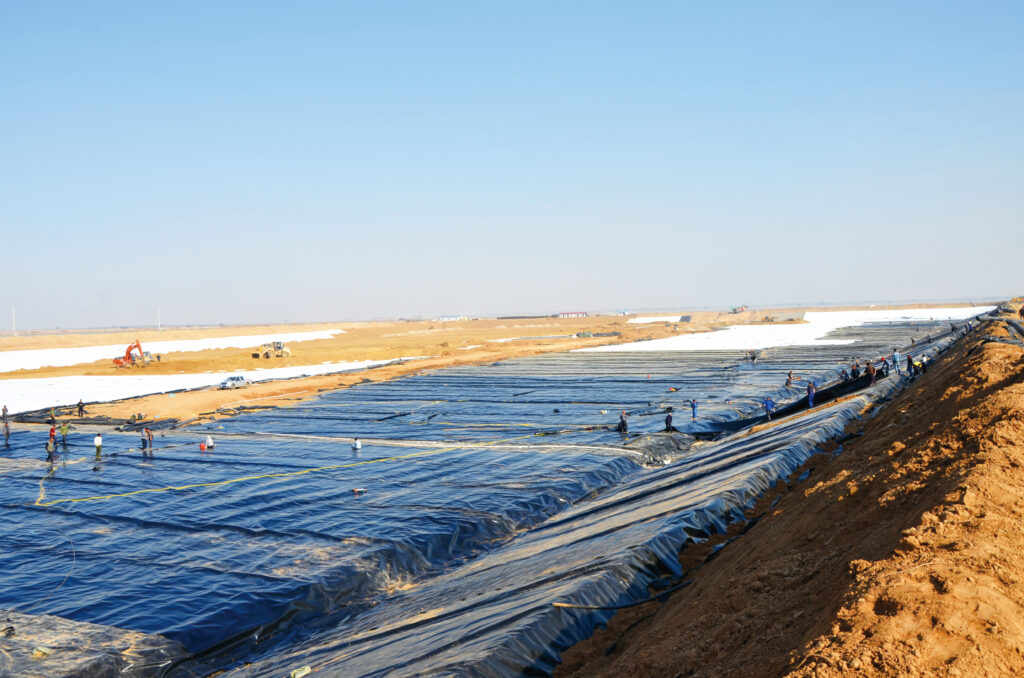
hdpe geomembrane pond liner in Congo (DRC)
How to lay and weld HDPE geomembrane?
HDPE geomembrane 0.2-4.0mm
HOME ABOUT PRODUCTS APPLICATION CONTENTUS RESOURCES
Home Resources Knowledge Base HDPE Landfill Liner: Complete Guide to Selection, Installation and Benefits

HDPE Landfill Liner: Complete Guide to Selection, Installation and Benefits

time:July 29, 2026 Views:4

HDPE landfill liner is one of the most important components in modern landfill engineering. Designed to prevent hazardous leachate from contaminating soil and groundwater, high-density polyethylene geomembranes have become the preferred barrier solution for municipal solid waste landfills, hazardous waste facilities, industrial waste containment areas, and mining waste disposal projects.

As environmental regulations become increasingly strict worldwide, landfill operators require reliable containment systems that can provide decades of protection. Compared with traditional clay liners or other polymer membranes, HDPE landfill liners offer exceptional impermeability, chemical resistance, mechanical strength, and long-term durability.

At Tinhy Geosynthetics, we specialize in manufacturing high-performance geomembranes and geosynthetic products for environmental protection, mining, water management, and infrastructure projects. With more than 20 years of manufacturing experience, advanced production facilities, and exports to over 40 countries, we provide customized HDPE landfill liner solutions designed for demanding engineering applications.

This guide explains everything engineers, contractors, and project owners need to know before selecting an HDPE landfill liner, including material characteristics, thickness selection, system design, installation requirements, and supplier evaluation.

Table of Contents

What Is HDPE Landfill Liner?

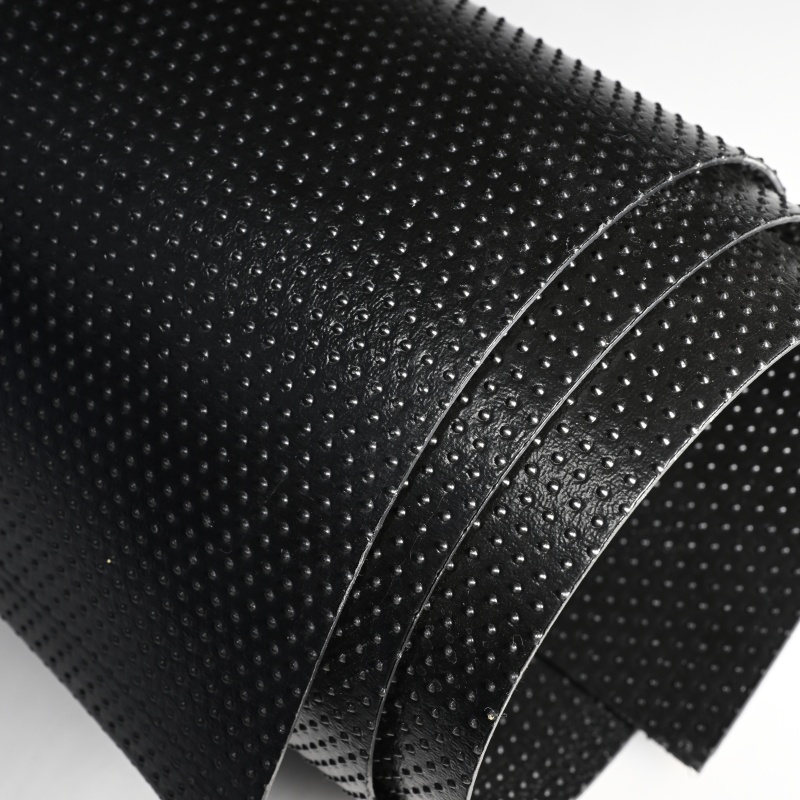
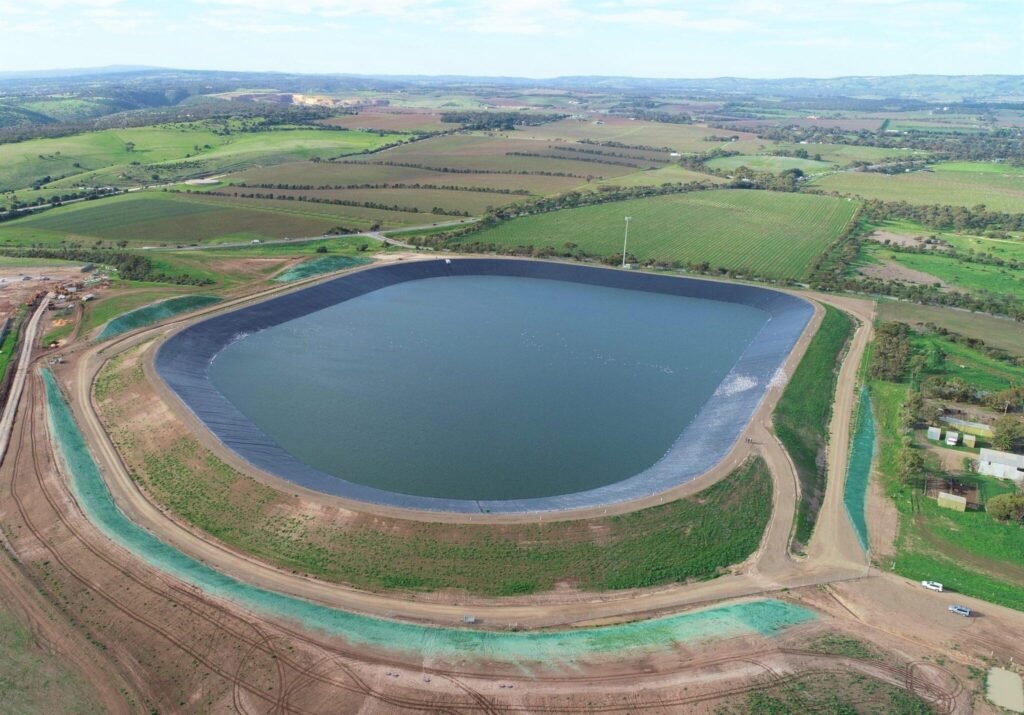
HDPE landfill liner is a high-density polyethylene geomembrane specifically designed for landfill containment applications.

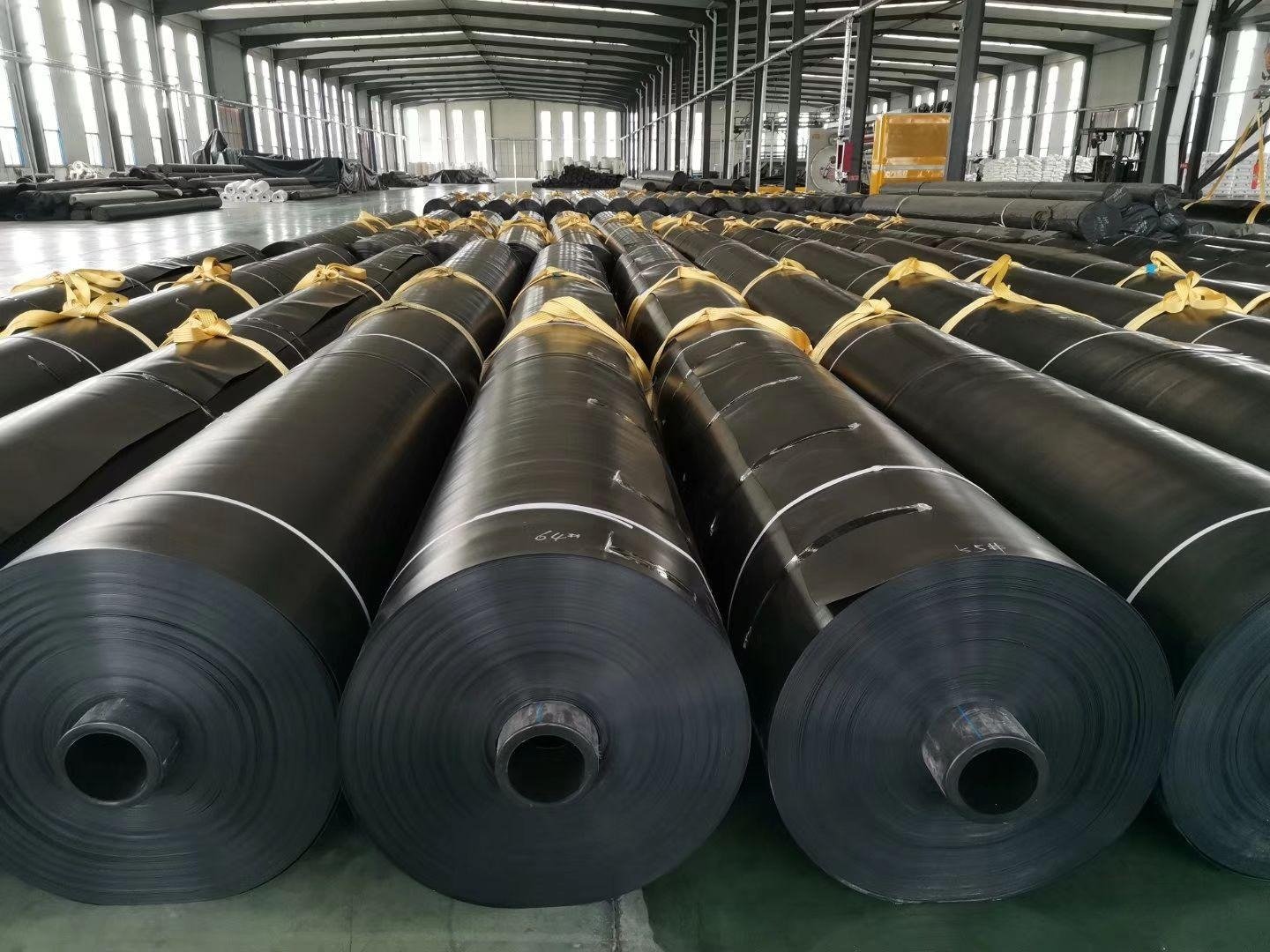
It is manufactured using high-quality polyethylene resin combined with carbon black, antioxidants, and stabilizing additives to improve UV resistance, oxidation resistance, and long-term durability.

The primary purpose of an HDPE landfill liner is to create an impermeable barrier between landfill waste and the surrounding environment.

During landfill operation, waste materials generate leachate containing:

  • Organic acids
  • Heavy metals
  • Chemical compounds
  • Toxic substances
  • Contaminated wastewater

Without an effective liner system, these pollutants may migrate into groundwater and surrounding soil.

HDPE geomembranes prevent this migration by forming a continuous waterproof barrier beneath and around landfill areas.

How Does HDPE Landfill Liner Work?

A landfill liner system is not only a single geomembrane sheet. Modern landfill engineering uses a combination of geosynthetic materials to create a complete containment system.

A typical landfill liner structure includes:

Compacted Subgrade

The foundation layer provides structural support and prevents uneven settlement.

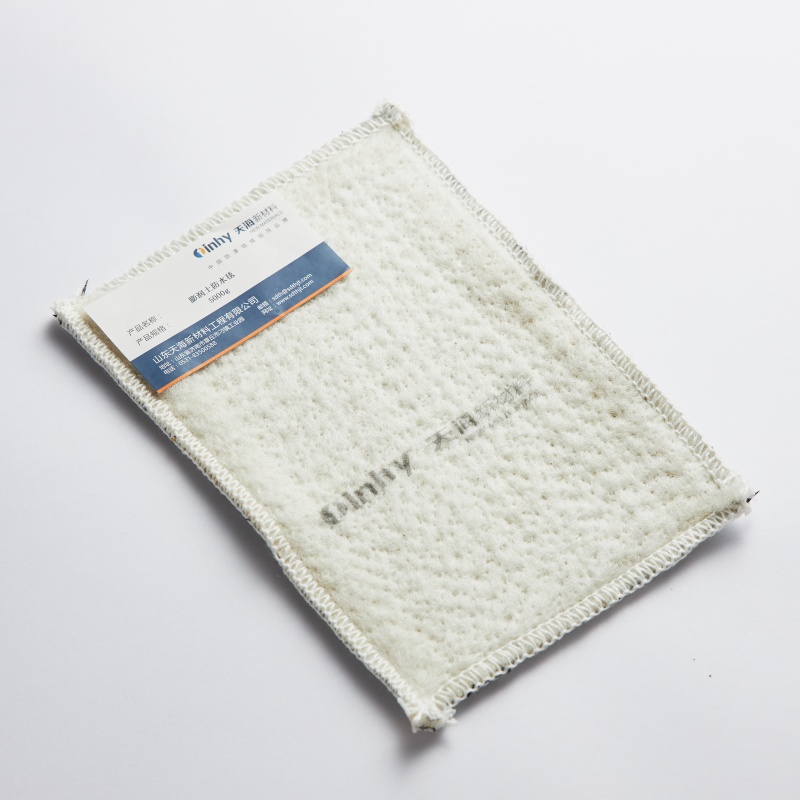
Geosynthetic Clay Liner (GCL)

A secondary waterproofing layer that improves overall containment performance.

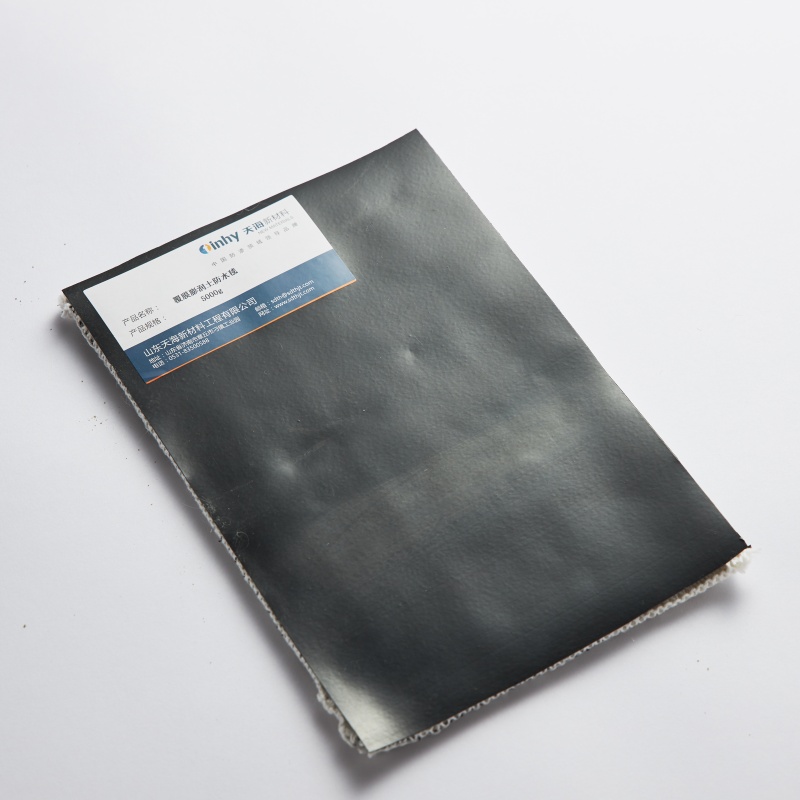
HDPE Geomembrane

The primary impermeable barrier responsible for preventing leachate migration.

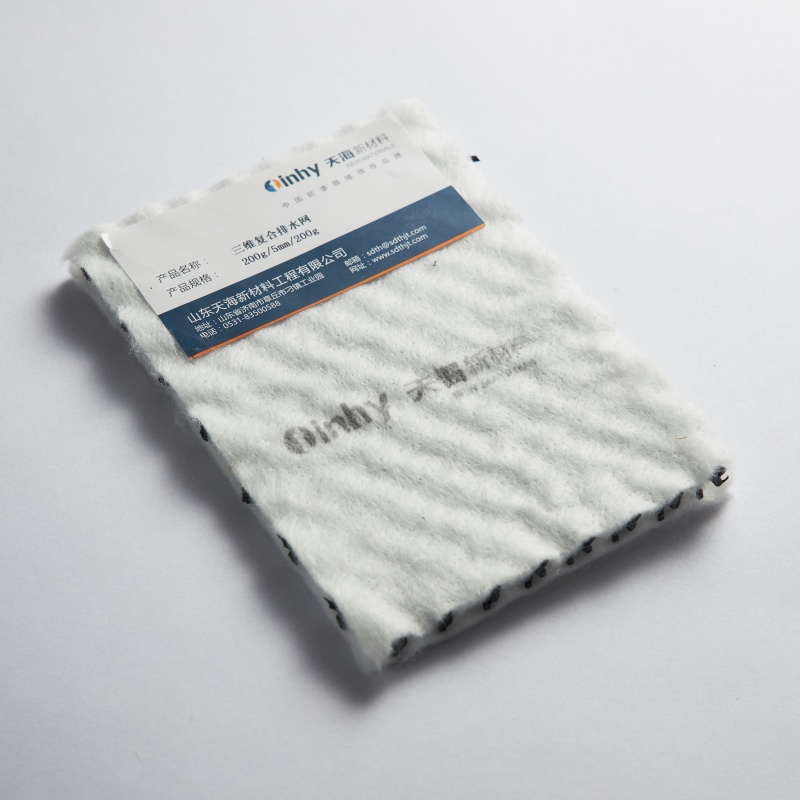
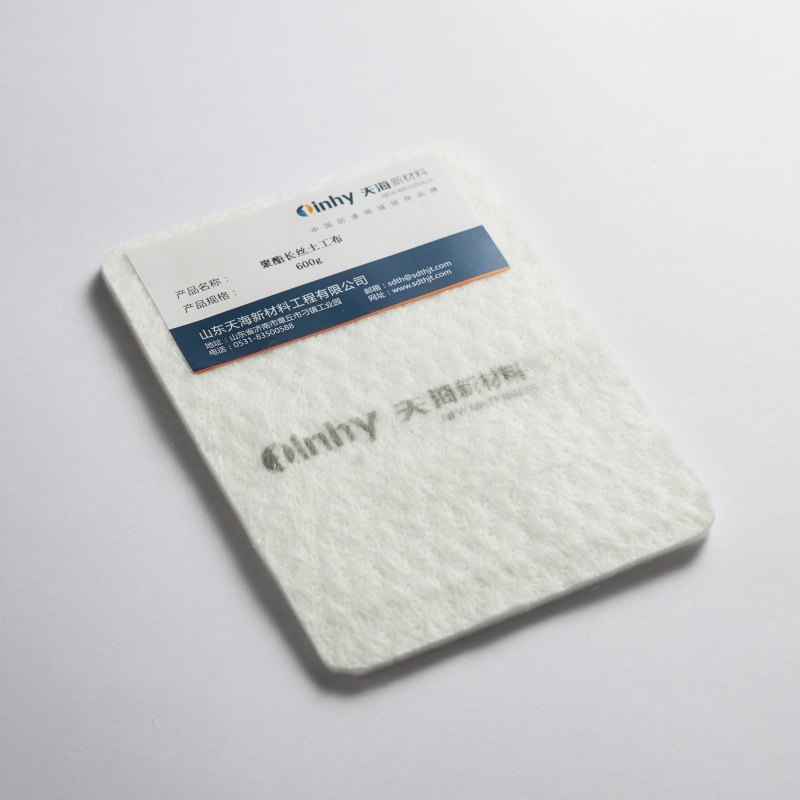
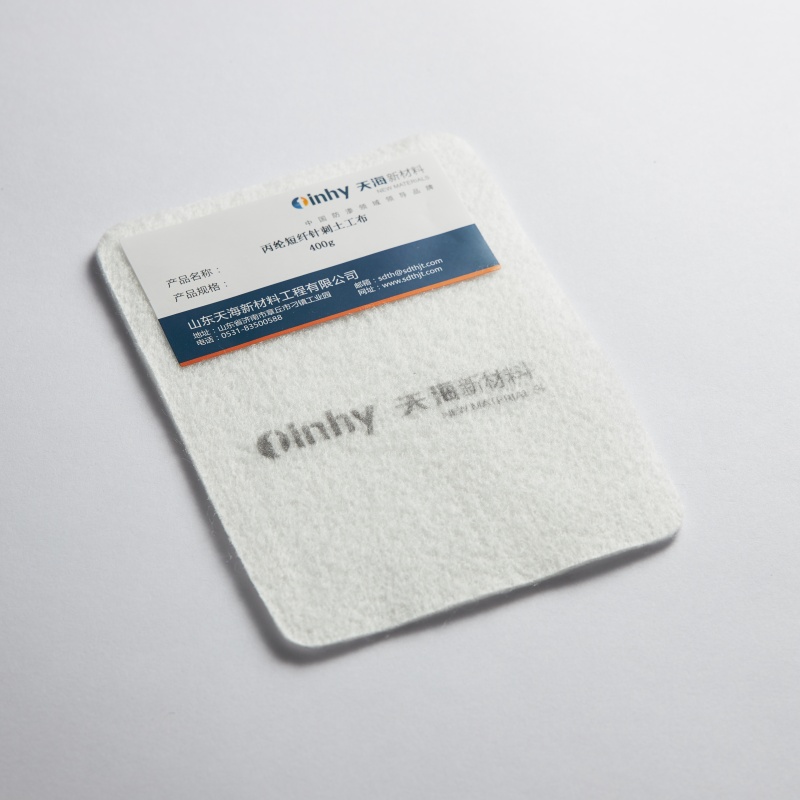
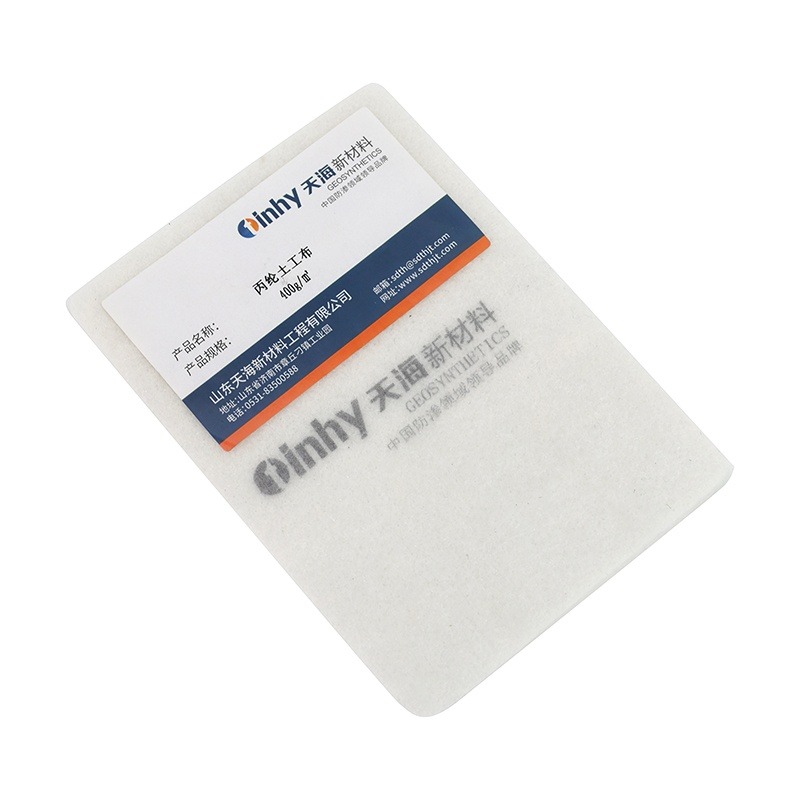
Geotextile Protection Layer

A protective cushion that reduces puncture risks from drainage materials and waste particles.

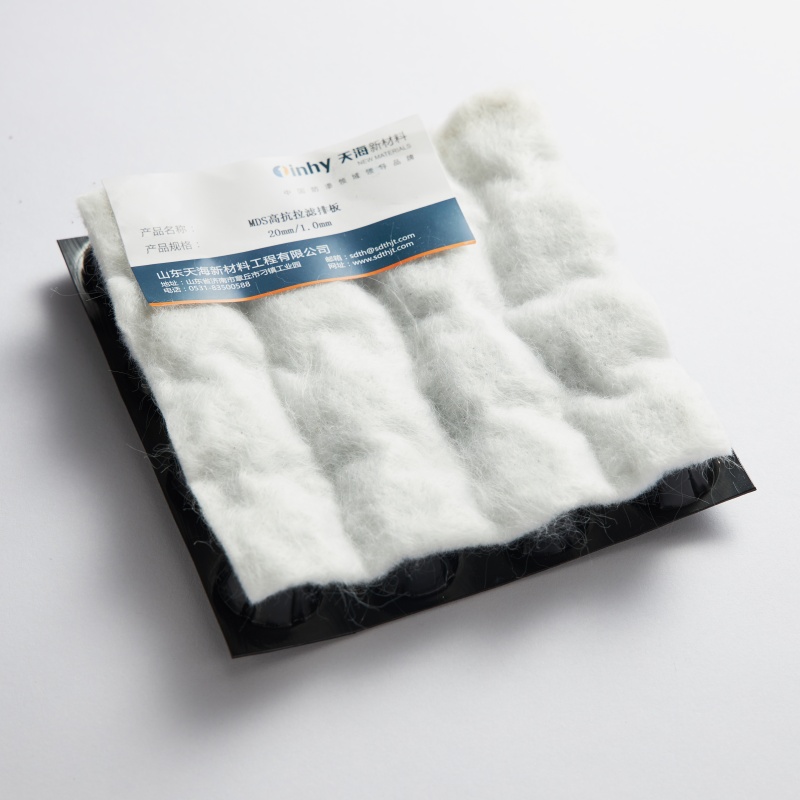
Drainage Layer

A geonet or drainage composite collects and removes leachate efficiently.

This multi-layer design ensures environmental safety throughout the landfill lifecycle.

Key Benefits of HDPE Landfill Liner

1. Exceptional Impermeability

The most important advantage of HDPE landfill liners is their extremely low permeability.

Compared with natural clay barriers, HDPE geomembranes provide a much more reliable waterproof barrier.

Their dense molecular structure prevents:

  • Water infiltration
  • Leachate migration
  • Groundwater contamination

This makes HDPE the preferred choice for projects requiring strict environmental protection.

2. Outstanding Chemical Resistance

Landfill environments contain aggressive chemical substances that may degrade ordinary materials.

HDPE landfill liners provide excellent resistance against:

  • Acidic leachate
  • Alkaline solutions
  • Hydrocarbons
  • Industrial chemicals
  • Biological substances

This chemical stability allows HDPE liners to maintain performance for decades under harsh landfill conditions.

3. Long Service Life

A properly manufactured and installed HDPE landfill liner can provide extremely long-term protection.

Factors contributing to durability include:

  • High-quality polyethylene resin
  • Carbon black protection
  • Antioxidant additives
  • Stress crack resistance
  • UV stabilization

For buried landfill applications, HDPE geomembranes are commonly designed for several decades of service life.

4. High Mechanical Strength

Landfills experience significant mechanical stress from:

  • Heavy waste loads
  • Settlement movement
  • Construction equipment
  • Drainage materials

HDPE geomembranes provide:

  • High tensile strength
  • Excellent elongation
  • Strong puncture resistance
  • Good stress crack resistance

The flexibility of HDPE allows it to adapt to minor foundation movement without cracking.

5. Reliable Welding Performance

HDPE landfill liners are installed by thermal welding methods, including:

  • Hot wedge welding
  • Extrusion welding

These techniques create strong seams that become an integrated part of the liner system.

Professional welding inspection methods include:

  • Air pressure testing
  • Vacuum testing
  • Visual inspection

Proper quality control is essential to prevent leakage risks.

HDPE Landfill Liner Thickness Selection Guide

Choosing the correct thickness depends on landfill type, waste characteristics, and design requirements.

Municipal Solid Waste Landfills

Typical recommendation:

1.5 mm HDPE liner

Suitable for:

  • Household waste landfills
  • General municipal waste facilities
  • Standard containment projects

Hazardous Waste Landfills

Typical recommendation:

2.0 mm or thicker HDPE liner

Hazardous waste facilities require additional protection due to:

  • Higher chemical concentration
  • Greater environmental risk
  • Strict regulatory requirements

Industrial Waste Containment

Thickness selection depends on:

  • Waste characteristics
  • Chemical exposure
  • Expected service life
  • Site conditions

Engineering evaluation is recommended before final selection.

HDPE Smooth vs Textured Landfill Liner

Selecting the correct surface structure is an important part of landfill liner design.

HDPE landfill liners are mainly available in two surface types:

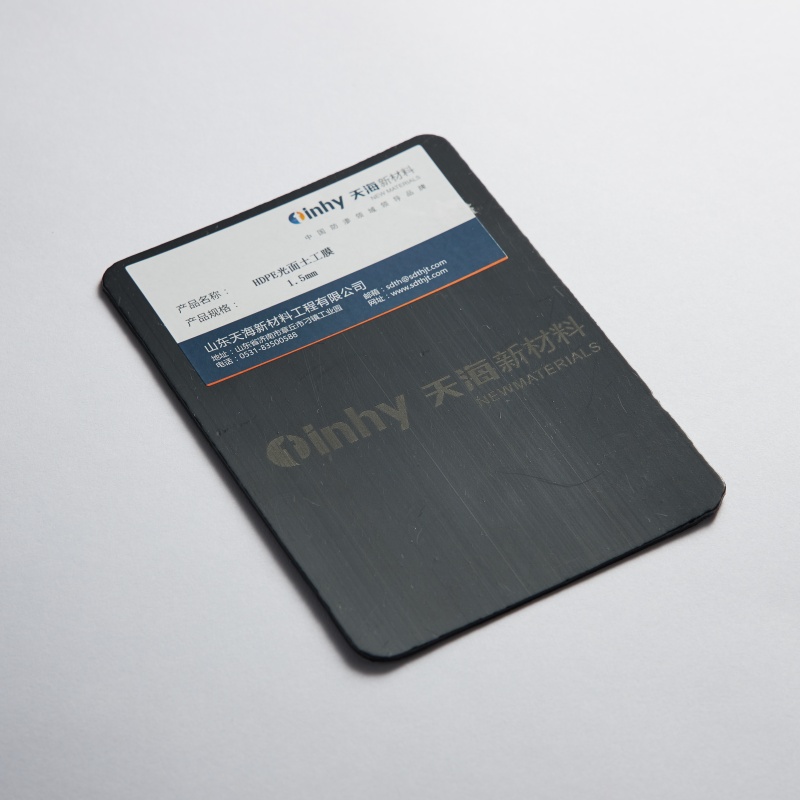
  • Smooth HDPE geomembrane
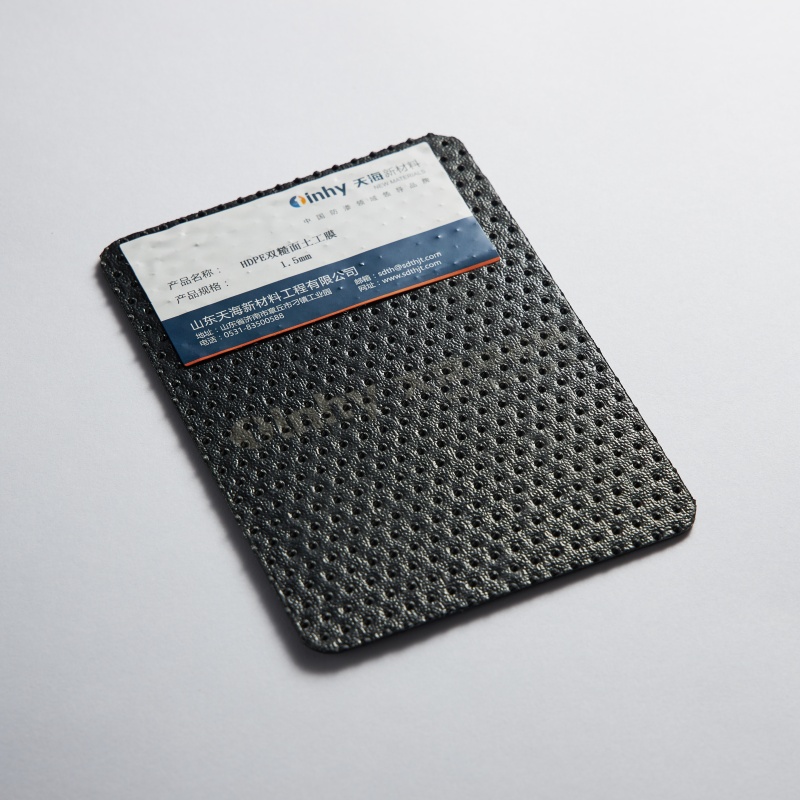
  • Textured HDPE geomembrane

Each type serves different engineering purposes.

Smooth HDPE Landfill Liner

Smooth HDPE liners have a flat surface with excellent contact characteristics and high-quality welding performance.

They are commonly used in:

  • Landfill base areas
  • Leachate collection zones
  • Horizontal containment sections

Advantages include:

  • Excellent interface contact
  • Easier welding inspection
  • Lower friction during installation
  • Stable long-term waterproof performance

Smooth HDPE is usually selected where slope stability is not the primary concern.

Textured HDPE Landfill Liner

Textured HDPE liners feature a rough surface that increases friction between the geomembrane and surrounding materials.

They are widely used for:

  • Landfill side slopes
  • Steep embankments
  • Areas with high waste loading

The increased friction coefficient helps:

  • Prevent liner sliding
  • Improve slope stability
  • Reduce stress on welding seams

For landfill projects with steep slopes, textured HDPE geomembranes are often the preferred choice.

Complete HDPE Landfill Liner System Structure

A reliable landfill containment system requires multiple geosynthetic layers working together.

Single Liner System

A standard municipal landfill commonly uses the following structure:

1. Compacted Soil Foundation

The subgrade provides structural support and must be carefully prepared.

Requirements include:

  • Smooth surface
  • No sharp stones
  • Proper compaction
  • Stable bearing capacity

2. Geosynthetic Clay Liner (GCL)

GCL provides an additional low-permeability barrier layer.

It improves containment performance and provides backup protection.

3. HDPE Geomembrane

The HDPE landfill liner acts as the primary waterproof barrier.

It prevents landfill leachate from entering surrounding soil.

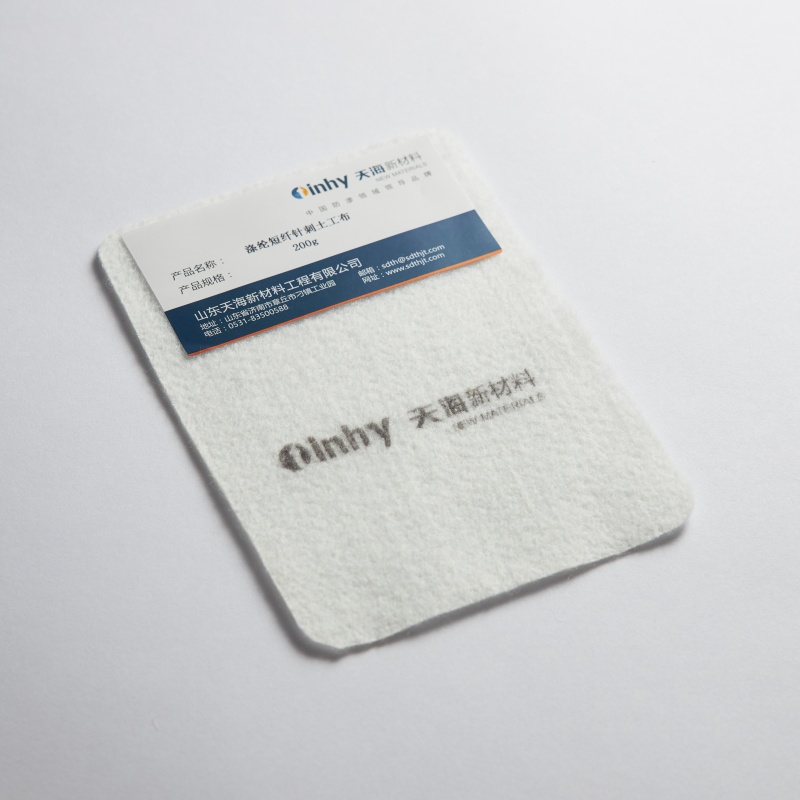
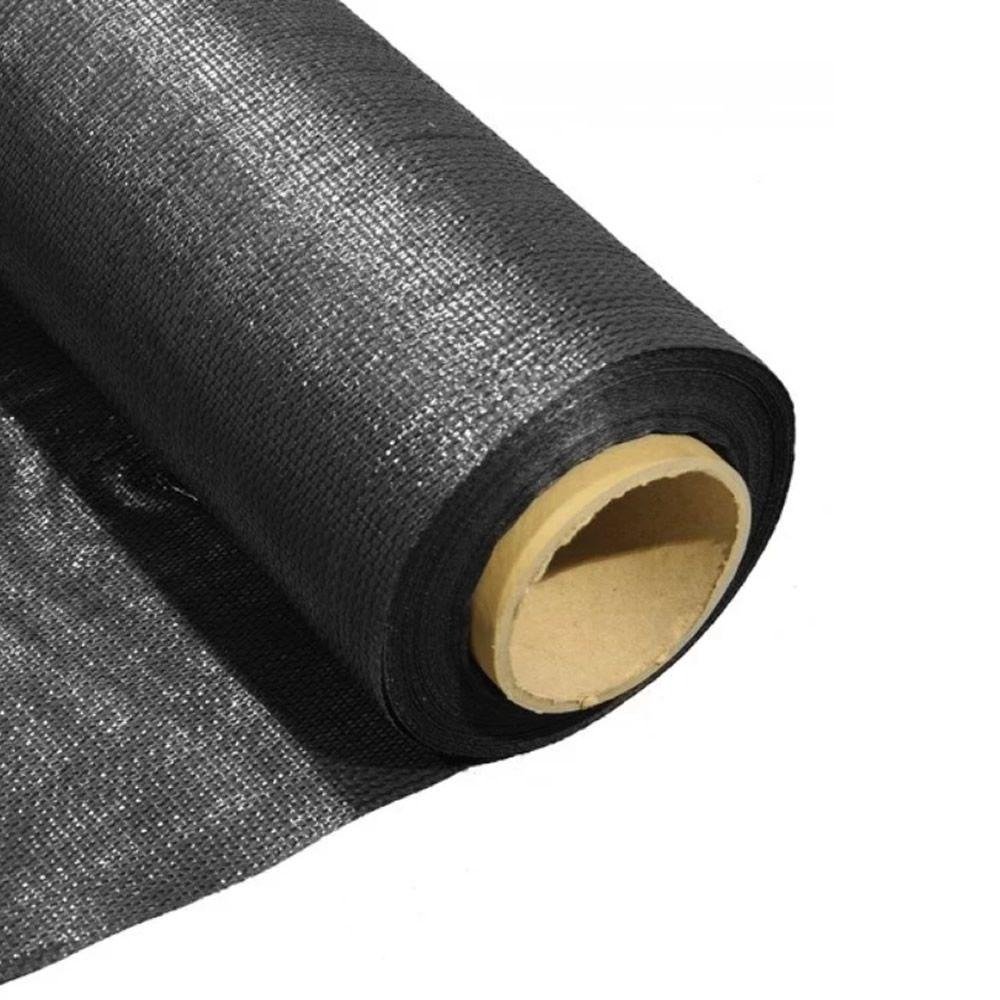
4. Protective Nonwoven Geotextile

A heavy-duty geotextile layer protects the geomembrane from:

  • Drainage gravel damage
  • Construction activities
  • Waste material punctures

5. Drainage Layer

The drainage system collects leachate and transfers it to treatment facilities.

Common materials include:

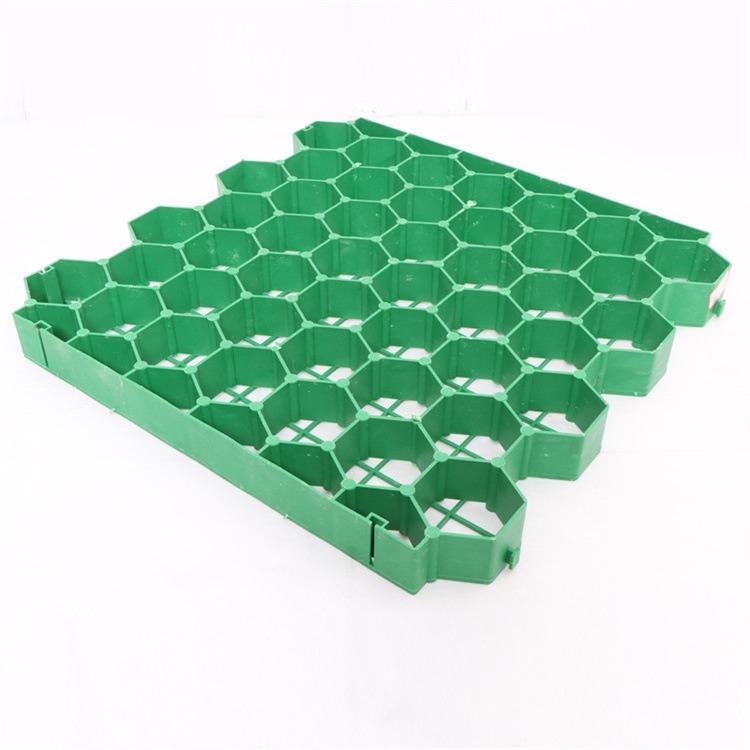
  • Geonet drainage composites
  • Drainage pipes
  • Aggregate drainage layers

Double Liner System for High-Risk Landfills

For hazardous waste facilities, a double liner system provides additional environmental protection.

The structure normally includes:

  • Primary HDPE geomembrane
  • Leakage detection layer
  • Secondary HDPE geomembrane
  • GCL or compacted clay barrier

If the primary liner experiences damage, leaked liquid is collected and detected before reaching the environment.

Double liner systems are commonly applied in:

  • Chemical waste landfills
  • Hazardous waste disposal sites
  • Industrial waste containment facilities

HDPE Landfill Liner Installation Process

The performance of an HDPE landfill liner depends not only on material quality but also on professional installation.

Step 1: Subgrade Preparation

Before installation:

  • Remove sharp objects
  • Eliminate uneven areas
  • Compact the soil surface
  • Ensure proper slope design

Poor subgrade preparation is one of the most common causes of liner damage.

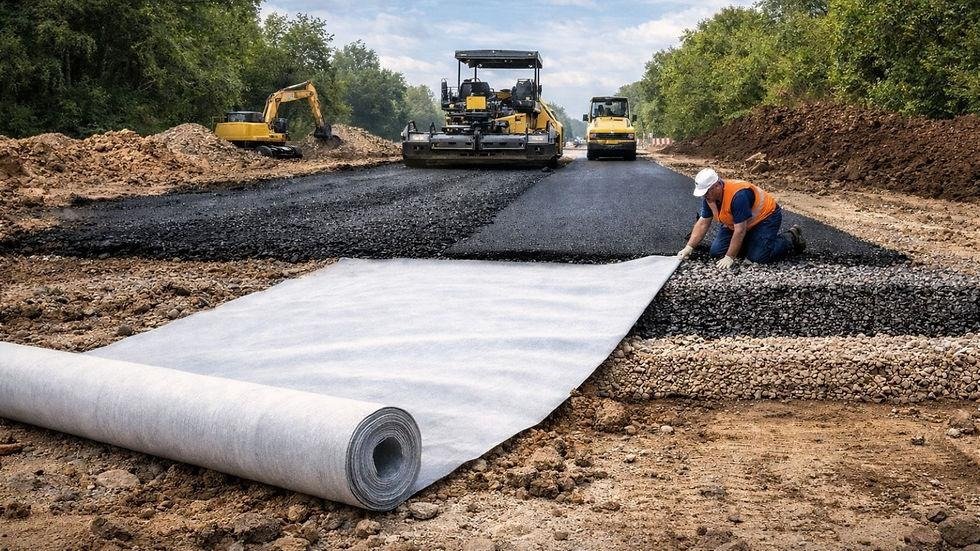
Step 2: Geotextile Protection Installation

A protective geotextile layer is placed before installing the geomembrane.

It helps prevent:

  • Puncture damage
  • Abrasion
  • Mechanical stress

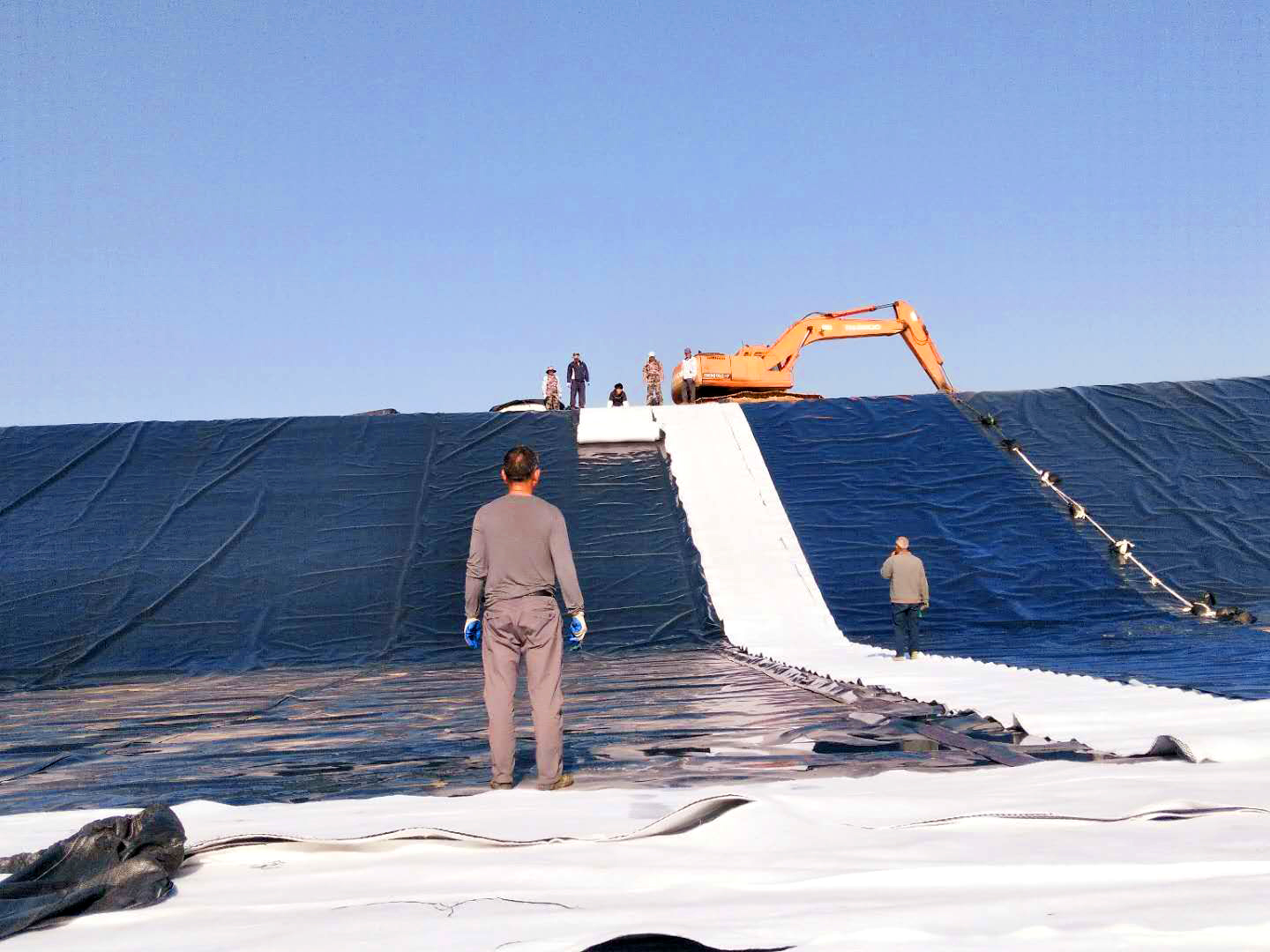
Step 3: HDPE Geomembrane Deployment

During installation:

  • Rolls are carefully unfolded
  • Panels are aligned properly
  • Excessive tension is avoided

The liner should be allowed to naturally adapt to site conditions.

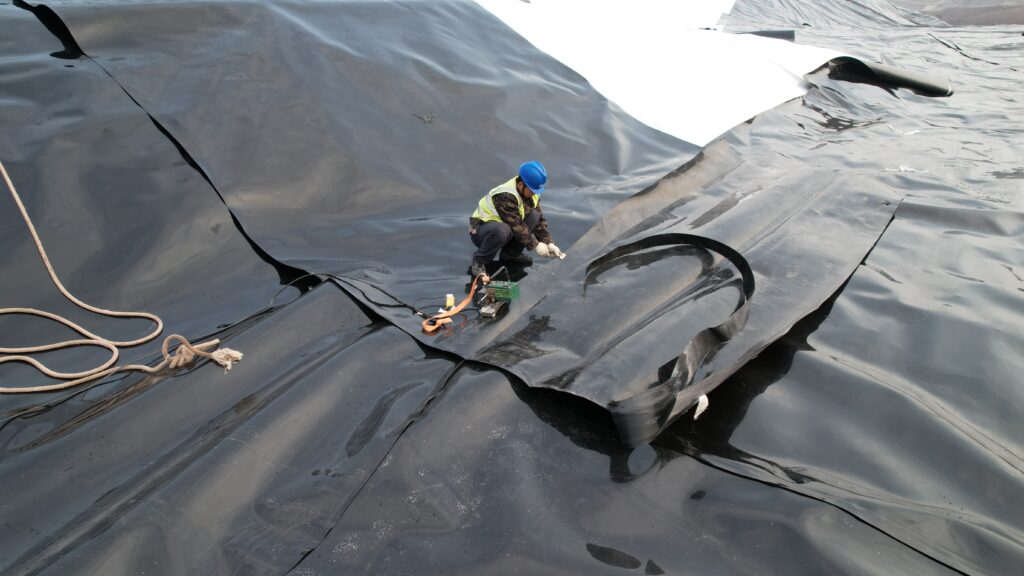
Step 4: Thermal Welding

HDPE panels are connected through professional welding methods.

Common techniques include:

Hot Wedge Welding

Used for long continuous seams.

Benefits:

  • High efficiency
  • Consistent seam quality
  • Suitable for large landfill projects

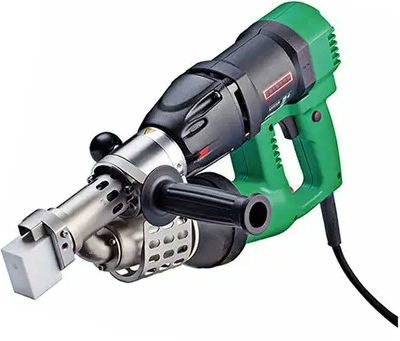
Extrusion Welding

Used for:

  • Repairs
  • Detail connections
  • Complex areas

Step 5: Seam Testing and Quality Control

Every welded seam must be inspected.

Common testing methods include:

Air Pressure Test

Used for double-track welding seams.

Vacuum Box Test

Used for extrusion weld inspection.

Visual Inspection

Checks:

  • Surface defects
  • Alignment problems
  • Welding quality

Complete quality control reduces future leakage risks.

Common HDPE Landfill Liner Failure Causes and Solutions

Even high-quality geomembranes may fail if design or installation is incorrect.

1. Puncture Damage

Cause:

  • Sharp stones
  • Poor subgrade preparation
  • Construction equipment damage

Solution:

Use:

  • Proper geotextile protection
  • Quality site preparation
  • Controlled installation procedures

2. Seam Leakage

Cause:

  • Incorrect welding temperature
  • Poor operator training
  • Insufficient testing

Solution:

Implement:

  • Certified welding technicians
  • Full seam inspection
  • Construction quality assurance plans

3. Liner Sliding on Slopes

Cause:

Smooth geomembrane installed on steep slopes with insufficient friction.

Solution:

Use:

  • Textured HDPE geomembrane
  • Proper anchoring systems
  • Engineering slope analysis

4. Stress Cracking

Cause:

Low-quality resin or insufficient antioxidant protection.

Solution:

Select:

  • Virgin HDPE resin
  • Certified GRI-GM13 products
  • Professional manufacturers

How to Choose a Reliable HDPE Landfill Liner Manufacturer

Choosing the right supplier is as important as selecting the right material.

A professional HDPE geomembrane manufacturer should provide:

1. High-Quality Raw Materials

Premium landfill liners should use:

  • Virgin polyethylene resin
  • Controlled carbon black content
  • Advanced antioxidant systems

Avoid products made from uncontrolled recycled materials for critical landfill applications.

2. Complete Quality Certifications

Reliable manufacturers should provide:

  • ISO 9001 Quality Management System
  • ISO 14001 Environmental Management System
  • Factory inspection reports
  • Third-party laboratory testing

3. Advanced Production Capability

Large-scale landfill projects require stable production capacity.

Important factors include:

  • Wide-width extrusion lines
  • Consistent thickness control
  • Customized specifications
  • Reliable delivery schedules

Why Choose Tinhy Geosynthetics?

At Tinhy Geosynthetics, we provide complete geosynthetic solutions for landfill, mining, water management, and environmental protection projects worldwide.

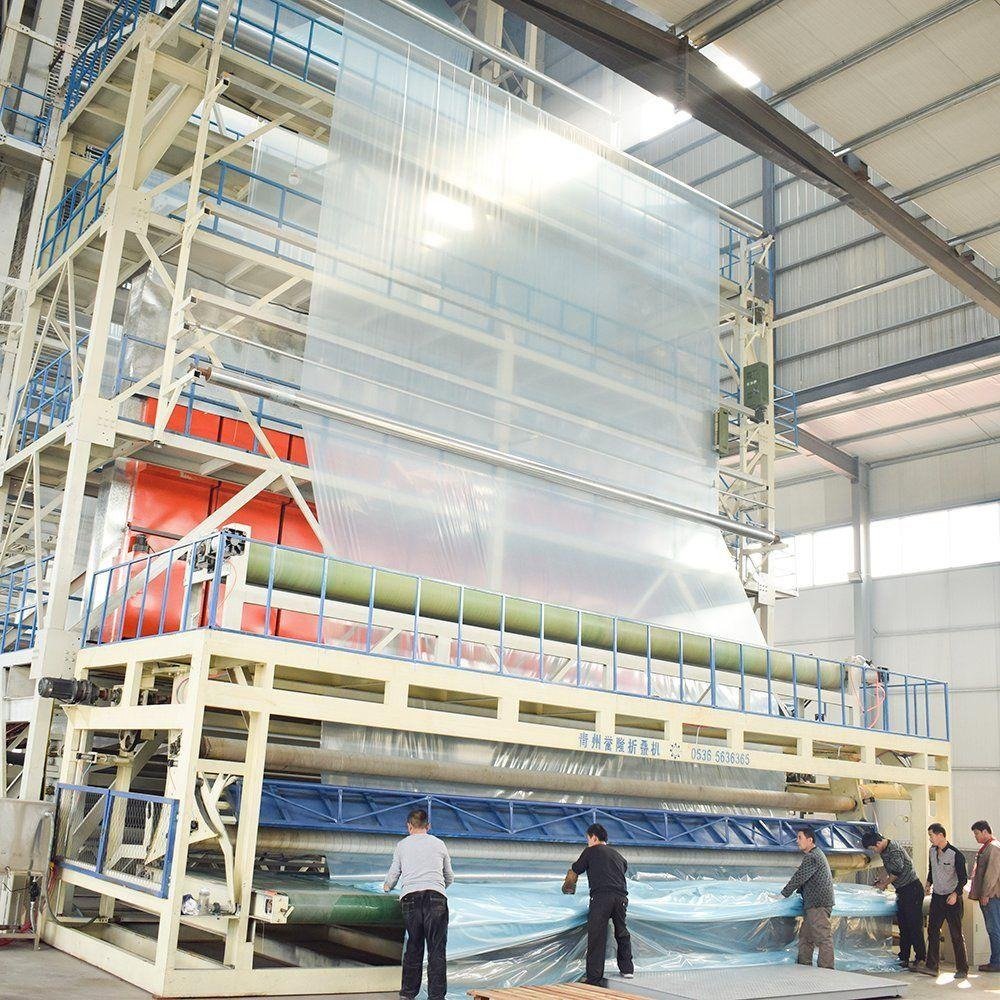
Since 2002, we have focused on manufacturing high-performance geomembranes and related geosynthetic products.

Our advantages include:

20+ Years Manufacturing Experience

We understand the technical requirements of different international engineering projects.

Advanced Production Facilities

With more than 20 production lines, we provide stable capacity for large-scale projects.

Strict Quality Control

Our products are tested according to international standards, including:

  • Thickness testing
  • Tensile strength testing
  • Tear resistance testing
  • Puncture resistance testing
  • Oxidation resistance testing

Complete Product Range

Tinhy supplies:

  • HDPE geomembrane
  • LLDPE geomembrane
  • PVC geomembrane
  • Geotextile
  • GCL
  • Drainage composites
  • Geosynthetic solutions

Global Project Experience

Our products have been supplied to customers in more than 40 countries, supporting projects in:

  • Landfills
  • Mining operations
  • Reservoirs
  • Wastewater treatment
  • Industrial containment

Frequently Asked Questions

What is an HDPE landfill liner?

An HDPE landfill liner is a high-density polyethylene geomembrane used to prevent landfill leachate from contaminating soil and groundwater.

How thick should an HDPE landfill liner be?

Thickness depends on project requirements. Common applications use 1.5 mm for municipal landfills and 2.0 mm or thicker for hazardous waste facilities.

How long does an HDPE landfill liner last?

With proper material selection, installation, and protection, HDPE landfill liners can provide several decades of reliable performance.

Is textured HDPE better than smooth HDPE for landfills?

Neither is universally better. Smooth HDPE is ideal for flat areas, while textured HDPE provides better friction and stability on slopes.

Does HDPE landfill liner need geotextile protection?

Yes. In most landfill systems, protective geotextile layers are recommended to reduce puncture risks from drainage materials and waste loads.

Why is HDPE preferred for landfill applications?

HDPE offers excellent impermeability, chemical resistance, durability, and welding performance, making it one of the most reliable landfill containment materials available.

Conclusion

HDPE landfill liner is the foundation of modern landfill environmental protection systems. With outstanding impermeability, chemical resistance, mechanical strength, and long service life, HDPE geomembranes provide reliable protection against leachate leakage and groundwater contamination.

However, successful landfill containment requires more than selecting a high-quality geomembrane. Proper thickness selection, system design, professional installation, and strict quality control are equally important.

As an experienced geosynthetic manufacturer, Tinhy Geosynthetics provides reliable HDPE landfill liner solutions backed by advanced production technology, strict quality management, and global engineering experience.

Whether you are developing a municipal landfill, hazardous waste facility, or industrial containment project, Tinhy can provide customized geosynthetic solutions designed for long-term environmental protection.

Knowledge Base
Share:
info@tinhygeosynthetics.com Bai Jinxi
Consultation

    Get The Latest Product Prices

    Your inquiries are welcomed at any time and please feel free to contact us via email, phone calls, and online chatbox on our site.

    We will definitely give you a reply ASAP after we receive your messages.

      0/180