Resources
Company News
Industry News
Knowledge Base
Project Cases
Innovation
Empowering New Talent, Building the Future: Tinhy Successfully Conducts New Employee Orientation Training
Tinhy Conducts Comprehensive Emergency Drill to Strengthen Workplace Safety Defenses
Company Mid – Year Summary and Team – Building Activity Report
Is geomembrane a geotechnical engineering material?
What are the application scenarios of geomembrane?
What are the functions of geotextiles?
Cómo elegir geomembrana de hdpe en proyectos de ingeniería
How to choose hdpe geomembrane in engineering projects
¿Qué ancho elegir para geomembrana?
Prueba de envejecimiento térmico de geomembrana.
China’s Geotechnical Construction Materials Embrace New Opportunities
Tips for Moisture-Proof Storage of Geotextiles
Key Construction Points and Precautions for High-Density Polyethylene Geomembrane
what is pond lining material ?
What is geomembrane?
HDPE geomembrane construction plans and technical measures
What quality tests do HDPE geomembranes need to do?
Tinhy’s MDS® Drainage Solution
Installation Robots
High Density Polyethylene Geomembrane: Why It Has Become the Industry Standard for Containment Systems
Top Non Woven Geotextile Fabric Manufacturers in 2026: Complete Buyer’s Guide
High Density Polyethylene Pond Liner: Why More Pond Owners Are Switching to HDPE in 2026
Top 10 Geo Fabric Manufacturers in 2026: Global Leaders in Geosynthetic Solutions
What Is Nonwoven Geotextile Fabric? A Complete Guide to Applications, Benefits, and Selection
HDPE Lining Manufacturer: How to Choose the Right Partner for Containment and Environmental Projects
Geo Fabric Suppliers: 7 Things Global Buyers Must Know Before Importing in 2026
Top Geotextile Factory in China: How to Choose the Right Manufacturer for Infrastructure Projects?
Top Geotech Fabric Suppliers in 2026: Where Global Infrastructure Projects Source Geosynthetics?
Geotextile Cloth Suppliers: Complete Guide to Products, Applications and Global Sourcing in 2026
Should HDPE or PVC be used to install geomembrane in reservoirs?
What is the price of geomembrane?
Material characteristics of three different geomembranes
Esquema de construcción de geomembrana de HDPE y medidas técnicas
hdpe geomembrane pond liner in Congo (DRC)
How to lay and weld HDPE geomembrane?
HDPE geomembrane 0.2-4.0mm
HOME ABOUT PRODUCTS APPLICATION CONTENTUS RESOURCES
Home Resources Knowledge Base High Density Polyethylene Geomembrane: Why It Has Become the Industry Standard for Containment Systems

High Density Polyethylene Geomembrane: Why It Has Become the Industry Standard for Containment Systems

time:June 04, 2026 Views:6

High density polyethylene geomembrane is widely recognized as one of the most effective and reliable geosynthetic materials used in modern containment engineering. Whether the project involves water storage, environmental protection, mining operations, waste management, or industrial facilities, HDPE geomembranes provide an impermeable barrier that prevents liquid migration and protects surrounding ecosystems.

Over the past few decades, increasing environmental regulations and growing demand for sustainable infrastructure have accelerated the adoption of HDPE geomembrane systems worldwide. Engineers, contractors, and project owners increasingly choose high density polyethylene geomembranes because they offer an ideal combination of durability, chemical resistance, flexibility, and cost efficiency.

This article explores the characteristics, applications, advantages, selection criteria, and future outlook of high density polyethylene geomembrane technology.

What Is High Density Polyethylene Geomembrane?

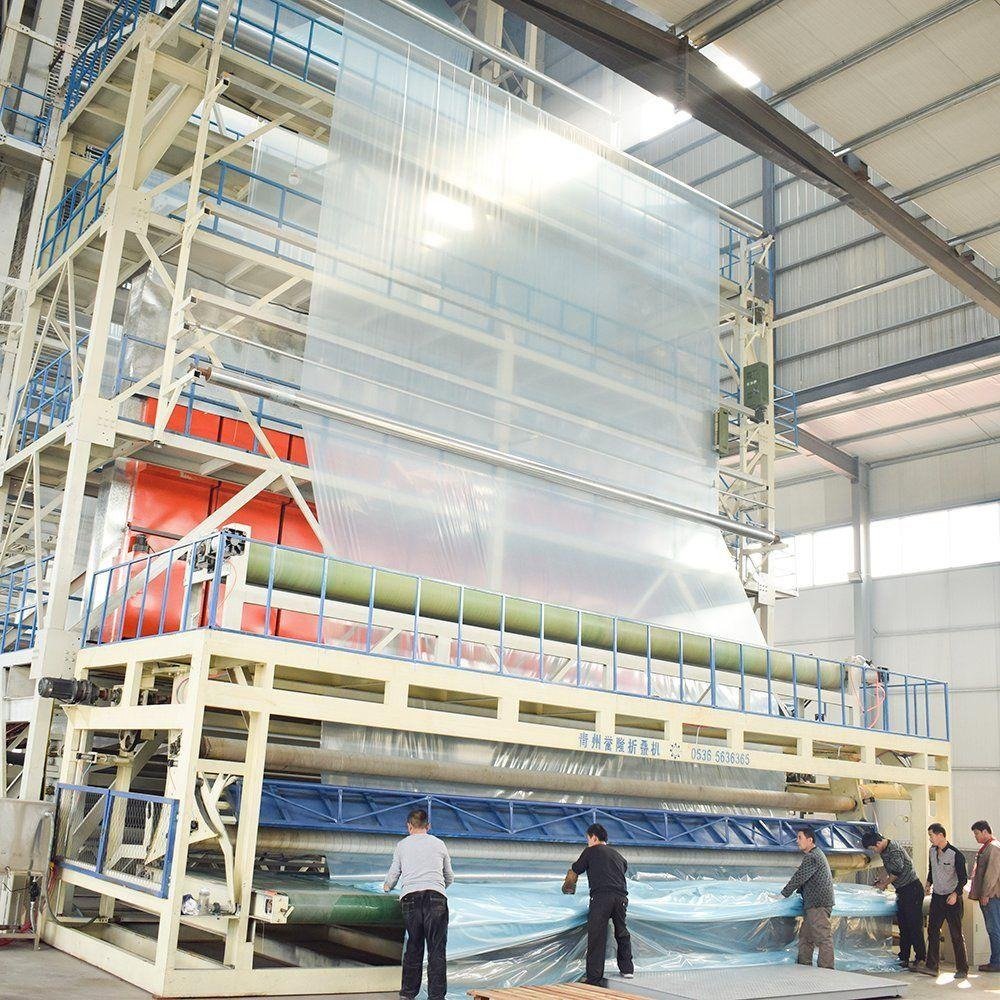
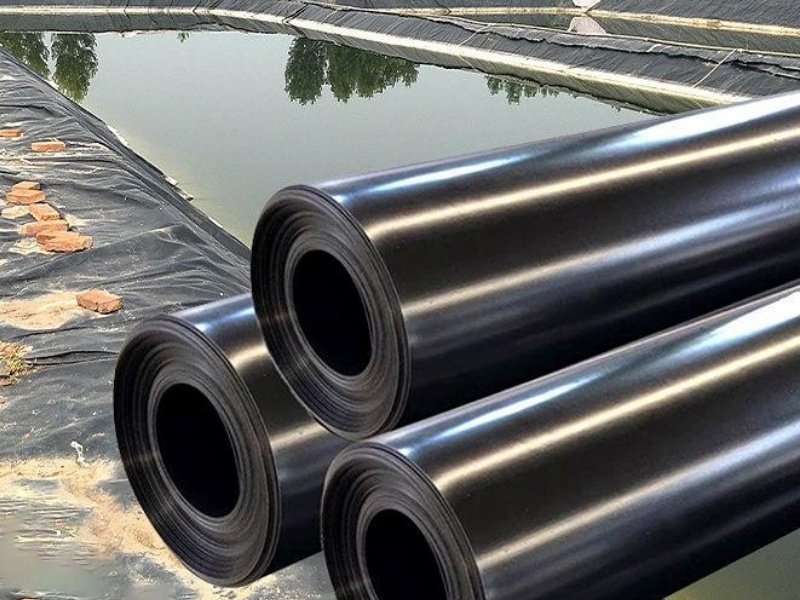
A high density polyethylene geomembrane is a synthetic waterproof membrane manufactured from high-density polyethylene resin through an extrusion process.

The primary purpose of the geomembrane is to create a low-permeability barrier that prevents the movement of:

  • Water
  • Chemicals
  • Waste liquids
  • Contaminants
  • Industrial byproducts

Compared with traditional clay liners or concrete containment structures, HDPE geomembranes offer more consistent performance and easier installation.

The material is available in various thicknesses and surface textures to meet different engineering requirements.

Why HDPE Is the Preferred Material for Geomembranes

Many polymer materials are used in geomembrane manufacturing, including PVC, EPDM, LLDPE, and polypropylene.

However, HDPE remains the most widely specified option.

Superior Chemical Resistance

Industrial and environmental containment systems often encounter aggressive substances.

HDPE performs exceptionally well against:

  • Acids
  • Alkalis
  • Saline solutions
  • Industrial wastewater
  • Landfill leachate

This makes it suitable for highly demanding environments.

Excellent Impermeability

One of the key reasons engineers select HDPE geomembranes is their extremely low permeability.

The material effectively prevents liquid migration and helps protect:

  • Groundwater resources
  • Soil quality
  • Nearby ecosystems

For critical containment projects, impermeability is often the most important design requirement.

Long Service Life

A properly manufactured and installed high density polyethylene geomembrane can remain functional for decades.

Benefits include:

  • Reduced maintenance costs
  • Lower replacement frequency
  • Improved lifecycle value

Many large-scale projects expect service lives exceeding 30 years.

High Mechanical Strength

HDPE geomembranes are engineered to withstand demanding installation and operational conditions.

They offer:

  • High tensile strength
  • Excellent puncture resistance
  • Strong tear resistance
  • Good stress crack resistance

These characteristics help improve long-term reliability.

Main Applications of High Density Polyethylene Geomembrane

One of the reasons for the global popularity of HDPE geomembranes is their versatility.

They are used across numerous industries.

Mining

Mining projects require highly secure containment systems.

Applications include:

  • Heap leach pads
  • Tailings storage facilities
  • Process ponds
  • Evaporation ponds

HDPE geomembranes help prevent contamination while supporting regulatory compliance.

Municipal Waste Management

Modern landfill systems depend heavily on geomembranes.

Applications include:

  • Landfill bottom liners
  • Leachate collection systems
  • Final cover systems

The geomembrane acts as a critical environmental protection barrier.

Industrial Waste Containment

Industrial facilities use HDPE geomembranes to contain:

  • Wastewater
  • Chemical solutions
  • Sludge
  • Process liquids

Containment systems help reduce environmental risks and operational liabilities.

Water Conservation

Water scarcity is becoming a global challenge.

HDPE geomembranes help improve water management through:

  • Reservoir lining
  • Canal lining
  • Water storage ponds
  • Artificial lakes

These systems significantly reduce seepage losses.

Aquaculture

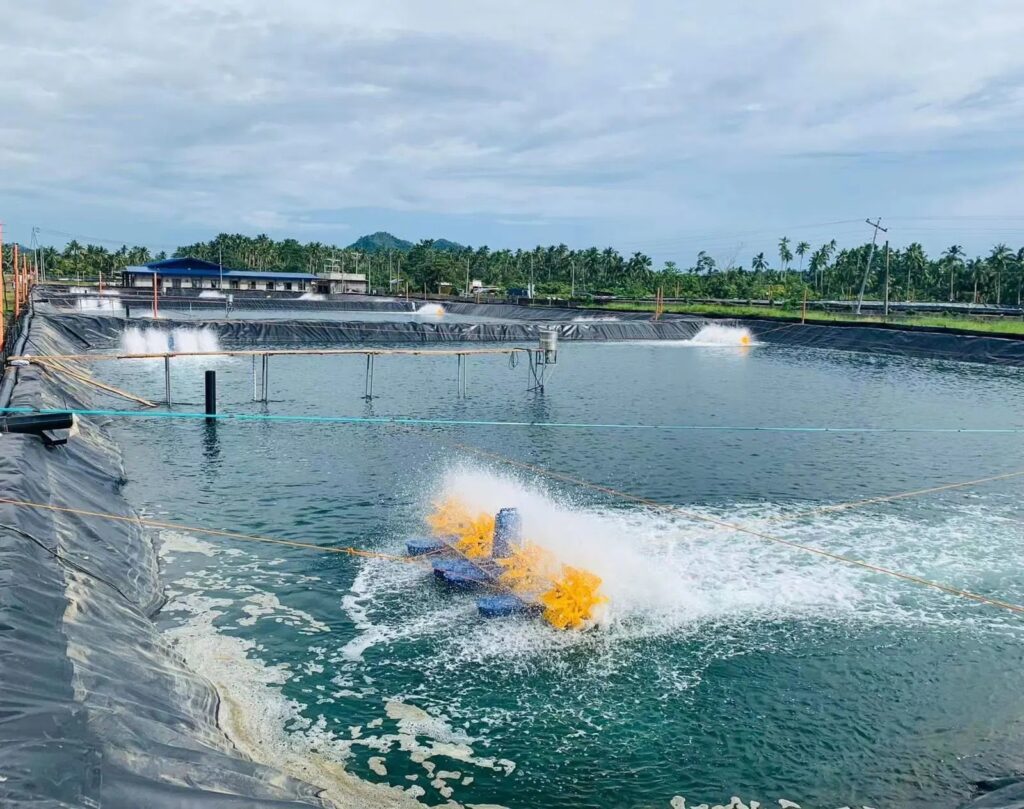
Fish and shrimp farming operations increasingly utilize HDPE-lined ponds.

Benefits include:

  • Better water retention
  • Easier pond maintenance
  • Improved biosecurity
  • Enhanced production efficiency

Agriculture

Agricultural projects use geomembranes for:

  • Irrigation reservoirs
  • Rainwater harvesting systems
  • Water storage ponds

Reliable water storage improves agricultural productivity.

Oil and Gas Industry

HDPE geomembranes are commonly installed in:

  • Secondary containment systems
  • Produced water ponds
  • Drilling fluid storage areas

Their chemical resistance makes them particularly valuable in this sector.

Smooth vs Textured High Density Polyethylene Geomembrane

Choosing the correct surface type is important.

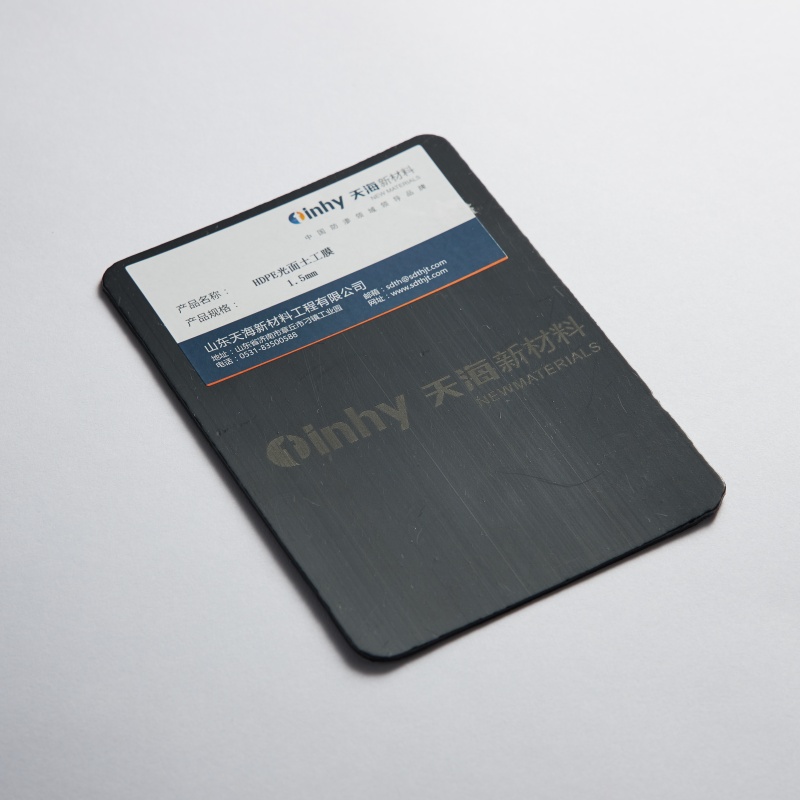
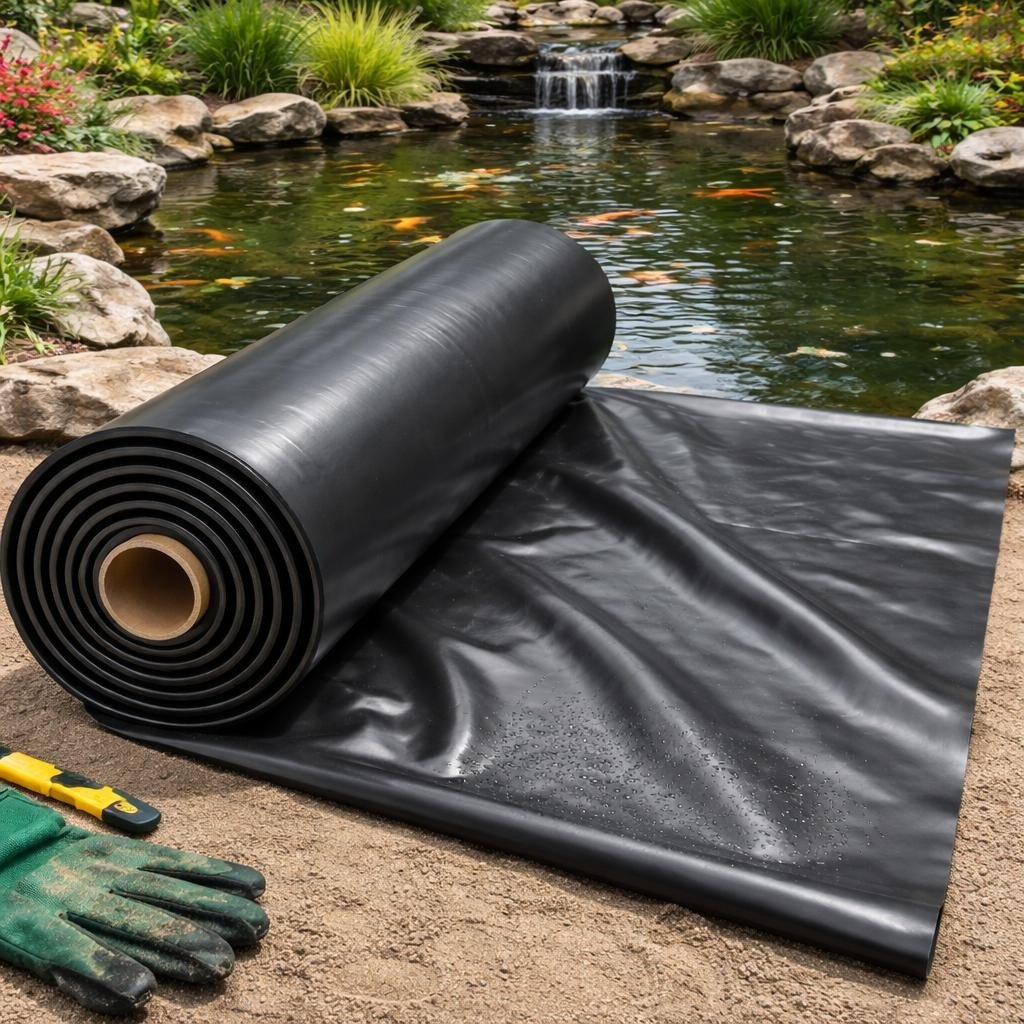
Smooth Geomembrane

Smooth HDPE geomembranes are the most commonly used option.

Advantages include:

  • Cost effectiveness
  • Easy cleaning
  • Simplified installation

Typical applications:

  • Fish ponds
  • Reservoirs
  • Wastewater lagoons
Smooth Geomembrane

Smooth Geomembrane

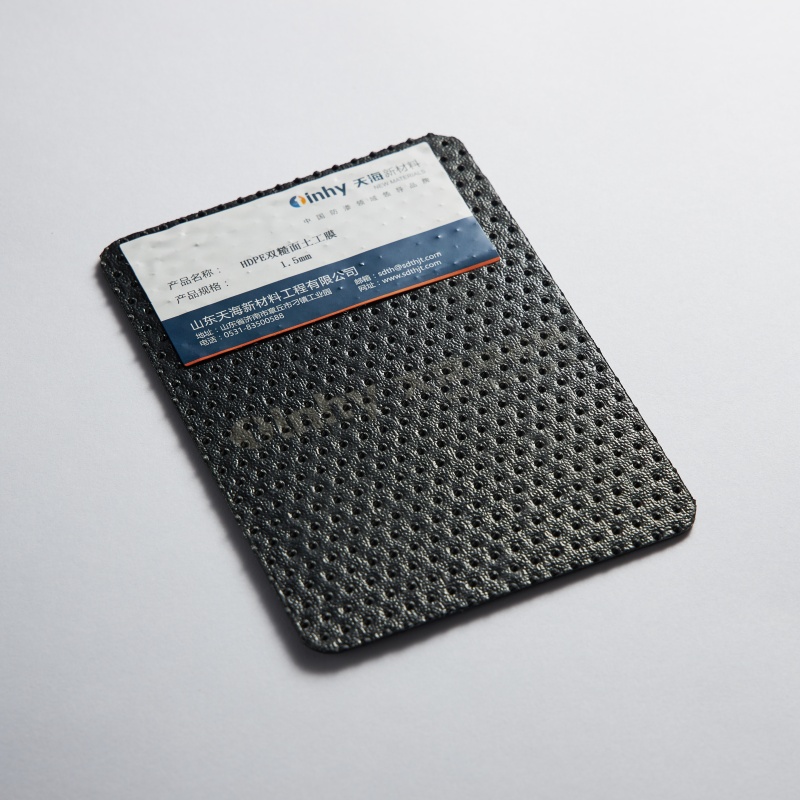
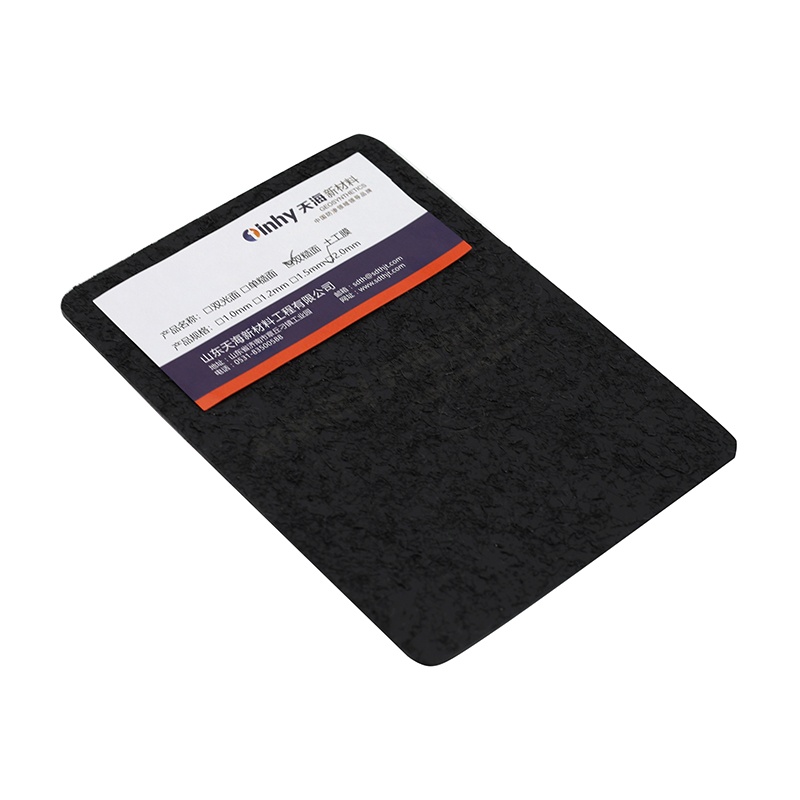
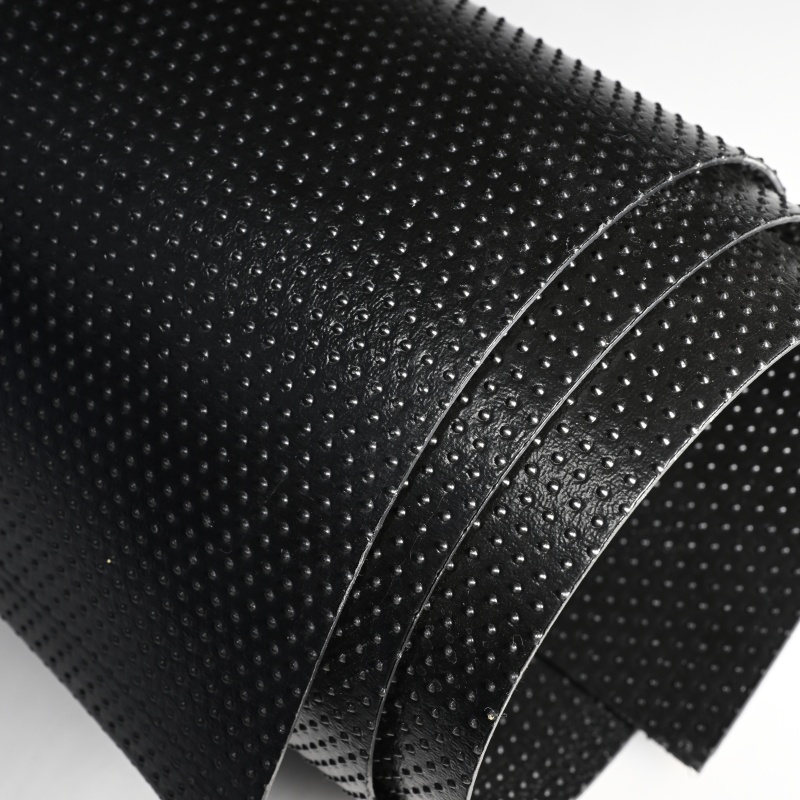
Textured Geomembrane

Textured geomembranes feature an engineered surface that increases friction.

Advantages include:

  • Improved slope stability
  • Enhanced interface friction
  • Better performance on steep embankments

Typical applications:

  • Landfills
  • Mining slopes
  • Dam embankments
Textured Geomembrane

Textured Geomembrane

Common Thickness Options

The appropriate thickness depends on project conditions and design requirements.

0.5 mm HDPE Geomembrane

Generally used for:

  • Small ponds
  • Temporary projects

0.75 mm HDPE Geomembrane

Suitable for:

  • Agricultural reservoirs
  • Water storage systems

1.0 mm HDPE Geomembrane

Widely used in:

  • Aquaculture
  • Water conservation projects

1.5 mm HDPE Geomembrane

One of the most common industrial specifications.

Suitable for:

  • Mining
  • Landfills
  • Wastewater treatment

2.0 mm HDPE Geomembrane

Recommended for:

  • Hazardous waste facilities
  • Critical containment projects

Factors to Consider When Selecting a High Density Polyethylene Geomembrane

Not all geomembranes are created equal.

Several factors should be evaluated before procurement.

Material Quality

High-quality geomembranes are typically manufactured from virgin HDPE resin.

Virgin materials generally provide:

  • Better durability
  • Improved welding performance
  • Longer service life

Mechanical Performance

Review critical properties such as:

  • Tensile strength
  • Puncture resistance
  • Elongation
  • Tear resistance

These factors directly affect field performance.

Environmental Conditions

Consider:

  • UV exposure
  • Temperature range
  • Chemical exposure
  • Ground conditions

Project conditions influence material selection.

Installation Requirements

Some projects require:

  • Textured surfaces
  • Specialized welding
  • Additional geotextile protection

Installation considerations should be addressed during design.

Installation Best Practices

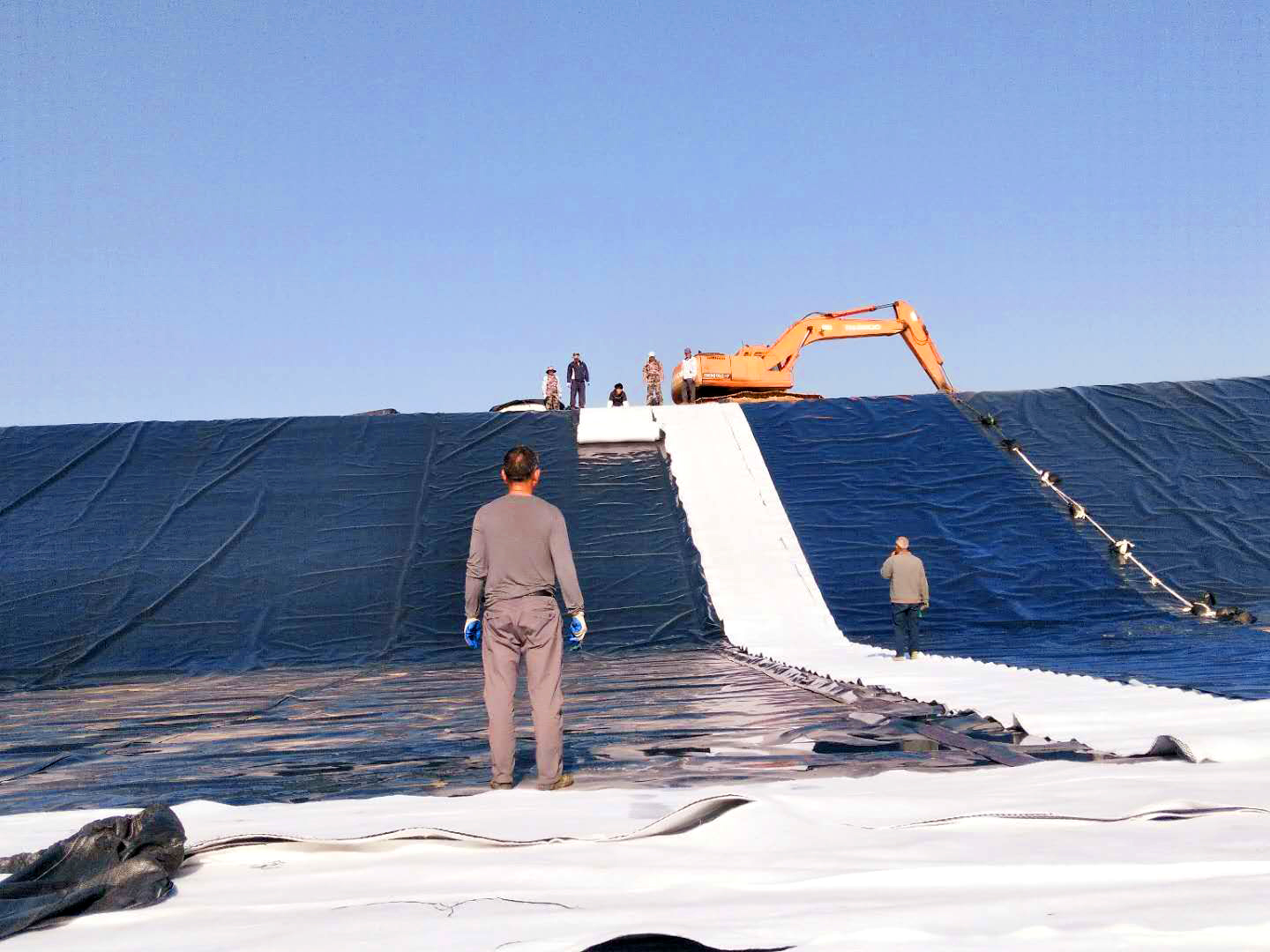
Even the highest-quality geomembrane can fail if installation is poor.

Proper Subgrade Preparation

Before deployment:

  • Remove sharp objects
  • Grade uneven surfaces
  • Compact the soil

A smooth subgrade minimizes puncture risks.

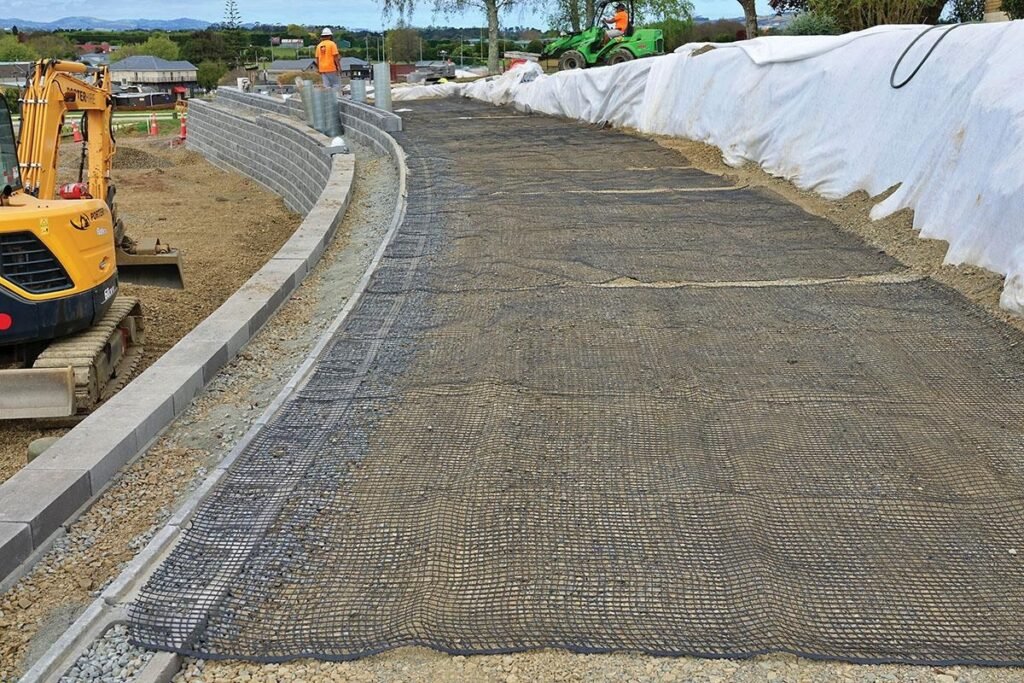
Geotextile Cushion Protection

Many projects install nonwoven geotextiles beneath the geomembrane.

Benefits include:

  • Enhanced puncture protection
  • Improved durability
  • Longer system lifespan

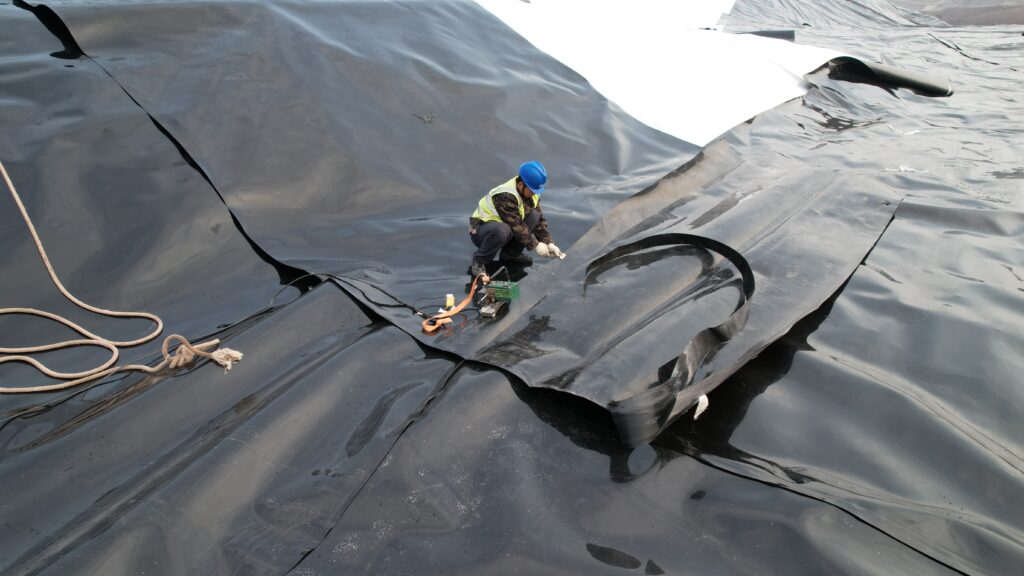
Professional Welding

Panels are typically joined using:

  • Hot wedge welding
  • Extrusion welding

High-quality seams are essential for containment performance.

Quality Assurance Testing

Testing methods include:

  • Vacuum box testing
  • Air pressure testing
  • Seam sampling

Quality control helps ensure leak-free installation.

Future Trends in High Density Polyethylene Geomembrane

The geomembrane industry continues evolving.

Several trends are expected to drive future growth.

Increased Water Infrastructure Investment

Governments worldwide are investing heavily in water conservation systems.

Expansion of Mining Activities

Growing demand for minerals supports additional containment projects.

Stricter Environmental Regulations

Environmental protection requirements continue becoming more rigorous.

Sustainable Engineering Solutions

Geosynthetics help reduce environmental impact while improving project efficiency.

Smart Monitoring Technologies

Future containment systems may integrate monitoring technologies to improve leak detection and asset management.

Conclusion

High density polyethylene geomembrane has become the global standard for containment applications because it combines excellent impermeability, chemical resistance, durability, and cost-effectiveness. From mining and municipal waste management to aquaculture, agriculture, water conservation, and industrial containment, HDPE geomembranes play a vital role in protecting natural resources and supporting sustainable development.

As environmental regulations strengthen and infrastructure investment continues worldwide, demand for high-quality high density polyethylene geomembrane products is expected to grow steadily. Selecting the right geomembrane specification and ensuring professional installation remain key factors for achieving long-term project success.

Knowledge Base
Share:
info@tinhygeosynthetics.com Bai Jinxi
Consultation

    Get The Latest Product Prices

    Your inquiries are welcomed at any time and please feel free to contact us via email, phone calls, and online chatbox on our site.

    We will definitely give you a reply ASAP after we receive your messages.

      0/180