Resources
Company News
Industry News
Knowledge Base
Project Cases
Innovation
Team Power Fuels TINHY’s Global Geosynthetics Solutions
Tinhy and University of Jinan Celebrate Six Years of Industry–University Collaboration
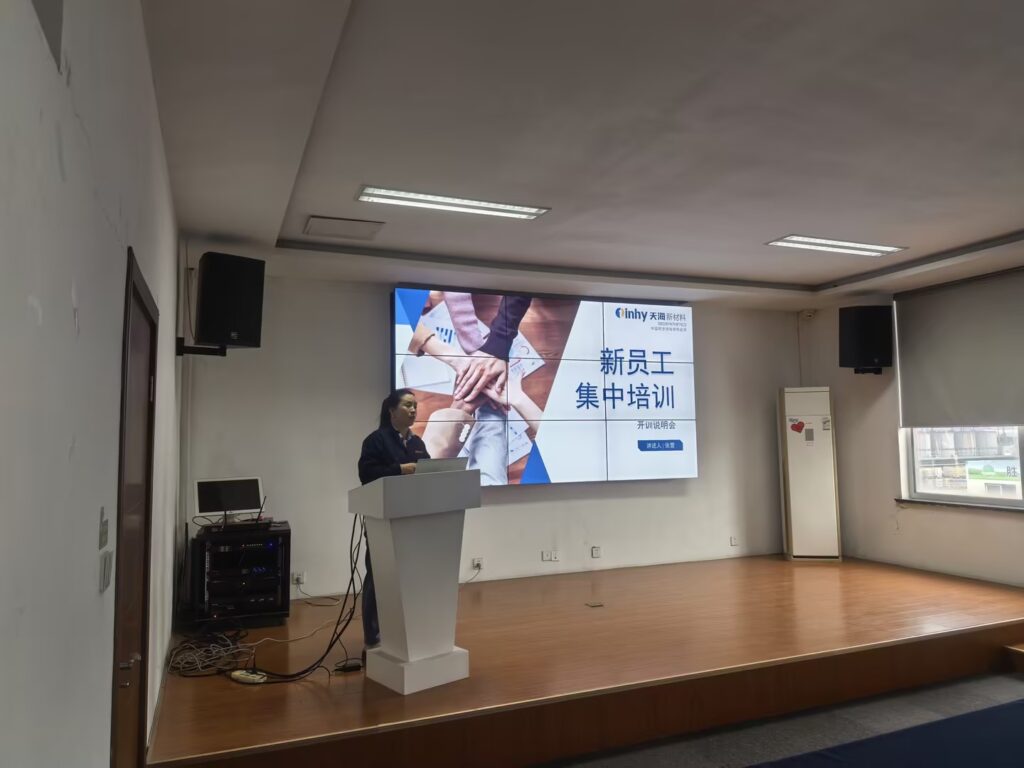
Empowering New Talent, Building the Future: Tinhy Successfully Conducts New Employee Orientation Training

Tinhy Conducts Comprehensive Emergency Drill to Strengthen Workplace Safety Defenses
Company Mid – Year Summary and Team – Building Activity Report
Is geomembrane a geotechnical engineering material?
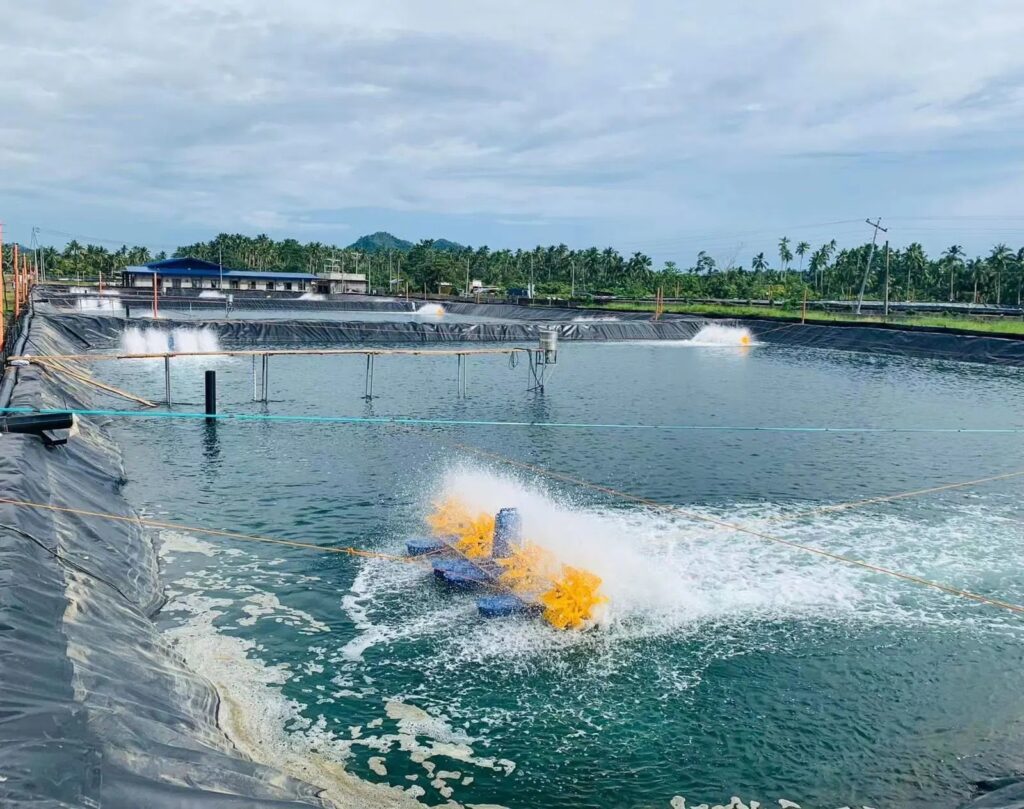
What are the application scenarios of geomembrane?
What are the functions of geotextiles?
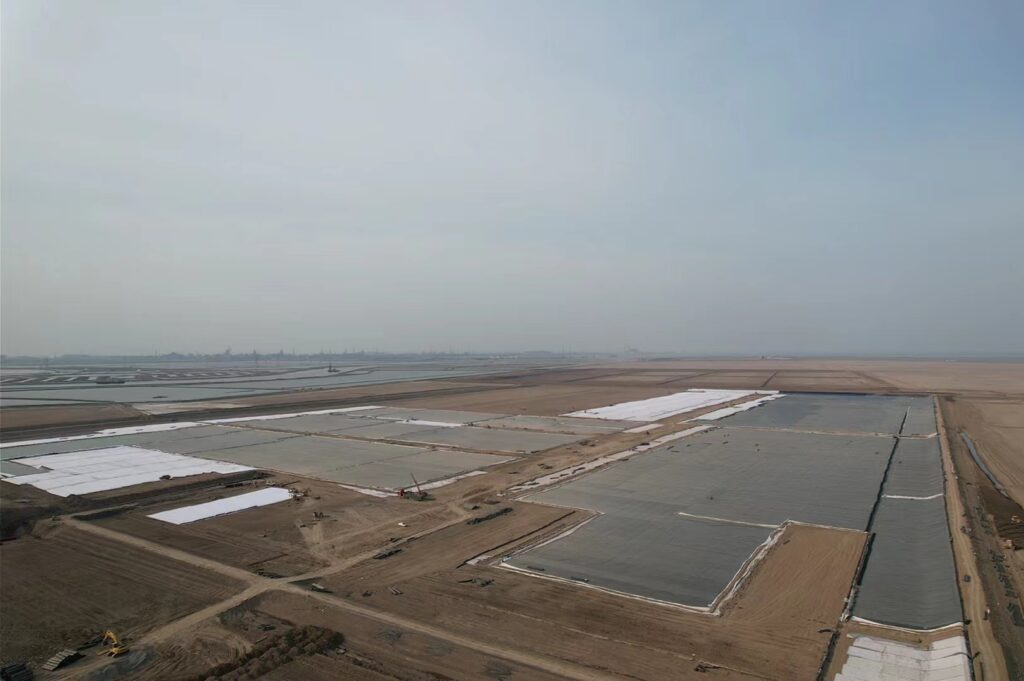
Cómo elegir geomembrana de hdpe en proyectos de ingeniería
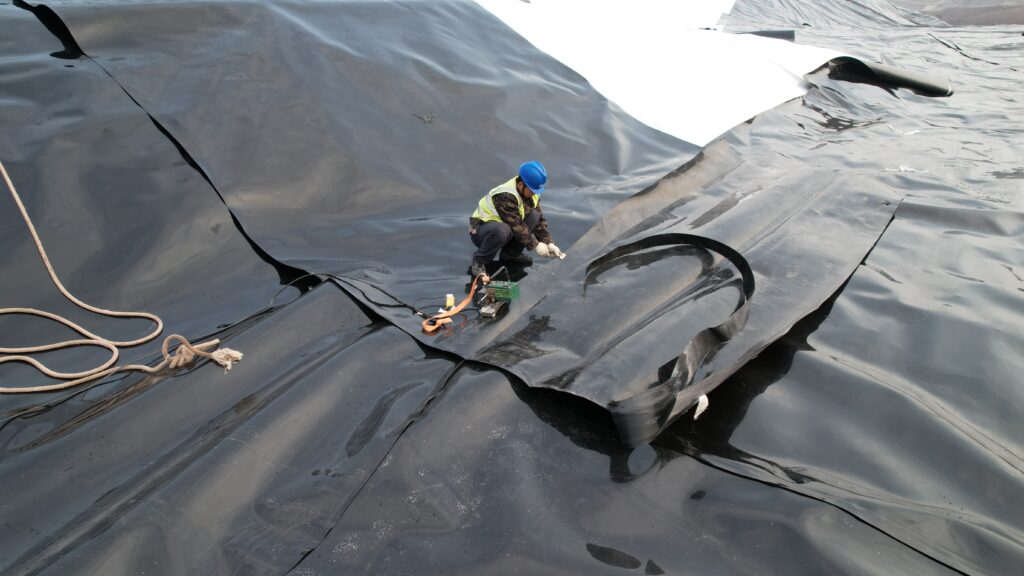
How to choose hdpe geomembrane in engineering projects
China’s Geotechnical Construction Materials Embrace New Opportunities
Tips for Moisture-Proof Storage of Geotextiles
Key Construction Points and Precautions for High-Density Polyethylene Geomembrane
what is pond lining material ?
What is geomembrane?
HDPE geomembrane construction plans and technical measures

What quality tests do HDPE geomembranes need to do?
Tinhy’s MDS® Drainage Solution
Installation Robots
Nonwoven Geotextile Membrane: A Practical Solution for Filtration, Drainage, Separation and Protection
How Much Does a Geomembrane Liner Cost?
20 Mil HDPE Liner: A Cost-Effective Geomembrane Solution for Ponds, Reservoirs and Light Containment
How Much Does Geotextile Cost per Square Foot?
Best HDPE Geomembrane 1.5 mm for Long-Term Containment Projects
What Is 400g/m² Geotextile? Properties, Applications and Selection Guide
Top 7 Global Geocomposite Manufacturers for Drainage, Reinforcement and Environmental Projects
Top 7 Global Pond Liner Suppliers in 2026
The 7 Best Geotextile 200 Review: 2026 Buyer’s Guide
The 6 Best LLDPE Geomembrane Liners Review: 2026 Buyer’s Guide
Should HDPE or PVC be used to install geomembrane in reservoirs?
What is the price of geomembrane?
Material characteristics of three different geomembranes
Esquema de construcción de geomembrana de HDPE y medidas técnicas
hdpe geomembrane pond liner in Congo (DRC)
How to lay and weld HDPE geomembrane?
HDPE geomembrane 0.2-4.0mm
HOME ABOUT PRODUCTS APPLICATION CONTENTUS RESOURCES
Home Resources Knowledge Base Nonwoven Geotextile Membrane: A Practical Solution for Filtration, Drainage, Separation and Protection

Nonwoven Geotextile Membrane: A Practical Solution for Filtration, Drainage, Separation and Protection

time:July 15, 2026 Views:5

Nonwoven geotextile membrane is one of the most widely used geosynthetic materials for drainage, filtration, separation, protection and erosion control. It is commonly used in road construction, French drains, retaining walls, landfills, pond liner protection, slope stabilization, foundation drainage and many other civil engineering projects.

Compared with woven geotextile, nonwoven geotextile has better water permeability, flexibility and conformability. It can allow water to pass through while retaining soil particles, making it especially suitable for drainage and filtration systems.

As a professional geosynthetics manufacturer and supplier, Tinhy Geosynthetics provides nonwoven geotextile membranes in different weights, thicknesses and roll sizes to meet various project requirements. Whether your project needs a lightweight drainage fabric or a heavy-duty protection layer for geomembrane systems, Tinhy Geosynthetics can help you choose a suitable solution.

This guide explains what nonwoven geotextile membrane is, how it works, where it is used, what specifications matter most and how to select the right product for your project.

Table of Contents

What Is Nonwoven Geotextile Membrane?

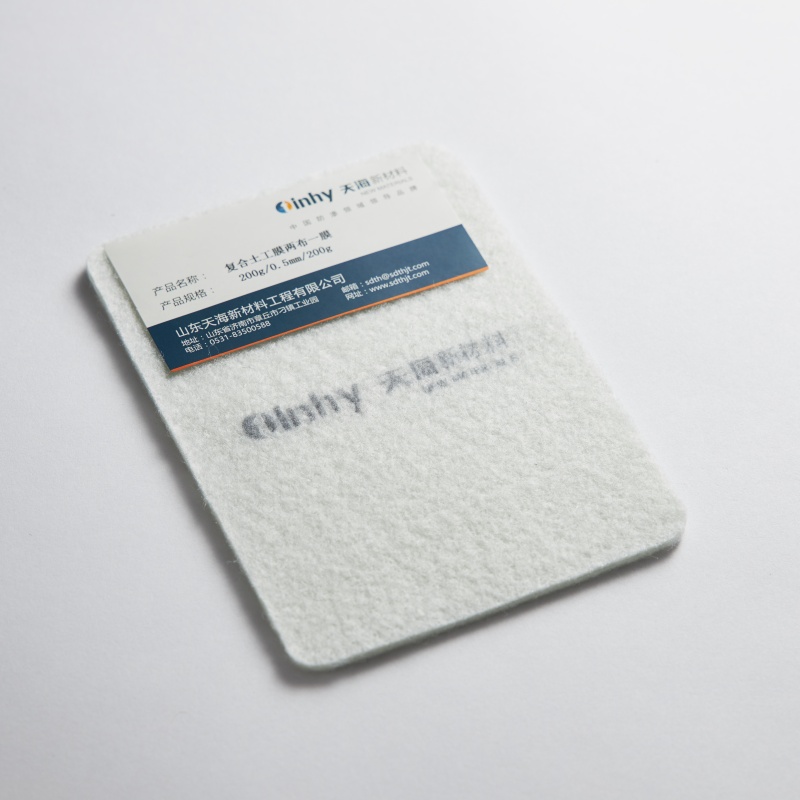
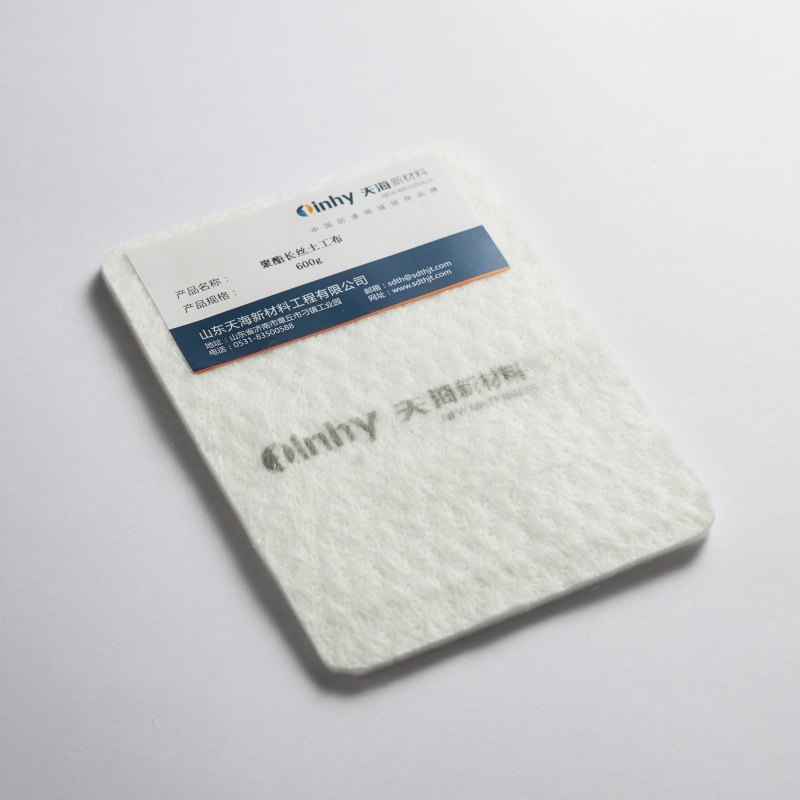
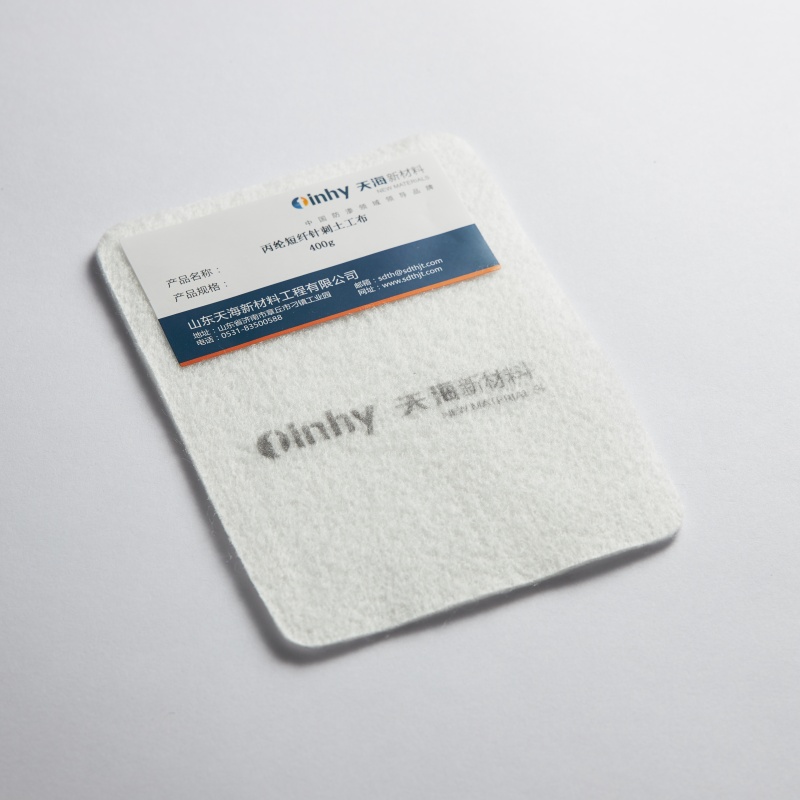
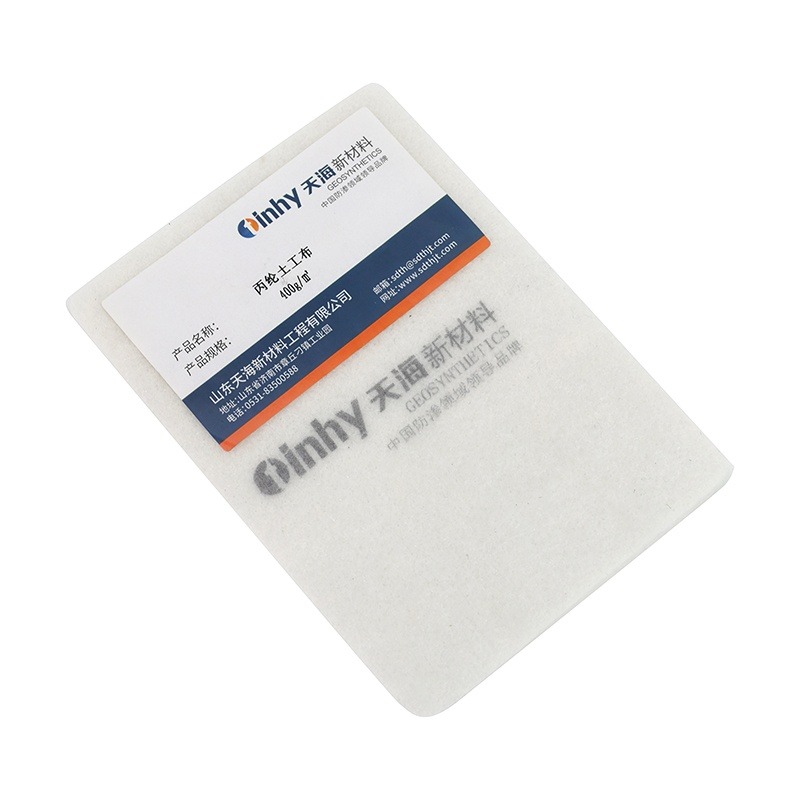
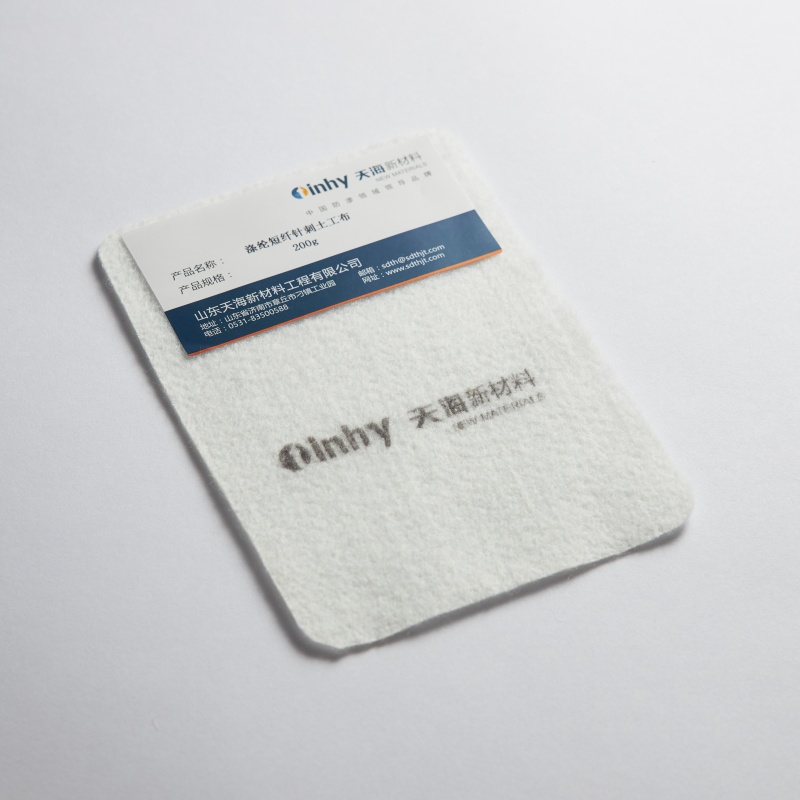
Nonwoven geotextile membrane is a permeable geosynthetic fabric made from synthetic fibers such as polypropylene or polyester. These fibers are bonded together through needle punching, thermal bonding or other manufacturing processes to form a stable, felt-like structure.

Unlike woven geotextile, which is made by weaving yarns together, nonwoven geotextile has a random fiber network. This structure gives it good permeability, flexibility and puncture resistance.

Nonwoven geotextile membrane is mainly used to perform the following functions:

  • Filtration
  • Drainage
  • Separation
  • Protection
  • Cushioning
  • Erosion control
  • Light stabilization

Because it can separate soil layers while allowing water to pass through, nonwoven geotextile is widely used in projects where both filtration and drainage are required.

How Does Nonwoven Geotextile Membrane Work?

Nonwoven geotextile works by creating a permeable barrier between soil and other construction materials. It allows water to flow through the fabric while preventing fine soil particles from migrating into drainage stone, aggregate layers or geosynthetic systems.

For example, in a French drain, the nonwoven geotextile wraps around gravel and drainage pipe. Water can pass through the geotextile into the drainage system, but soil particles are filtered out. This helps prevent clogging and maintains drainage performance over time.

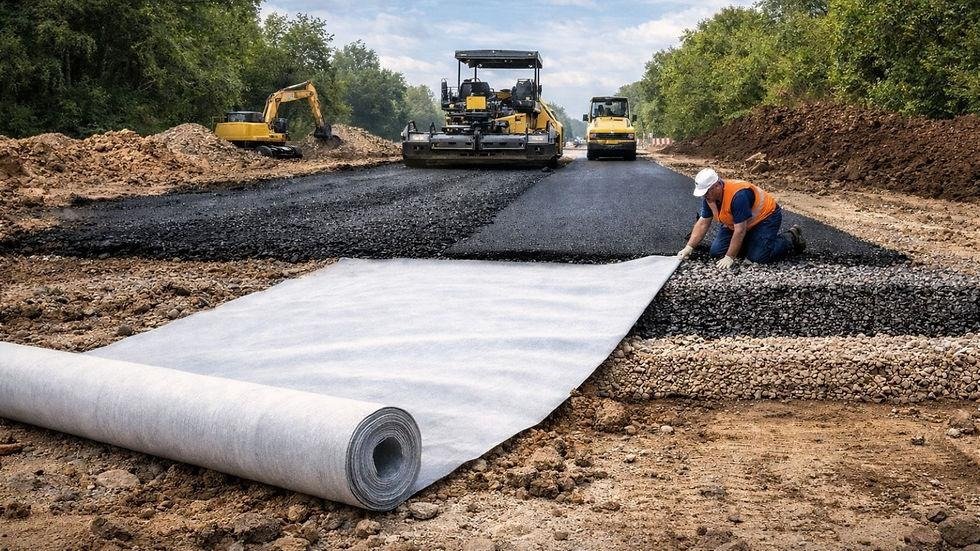
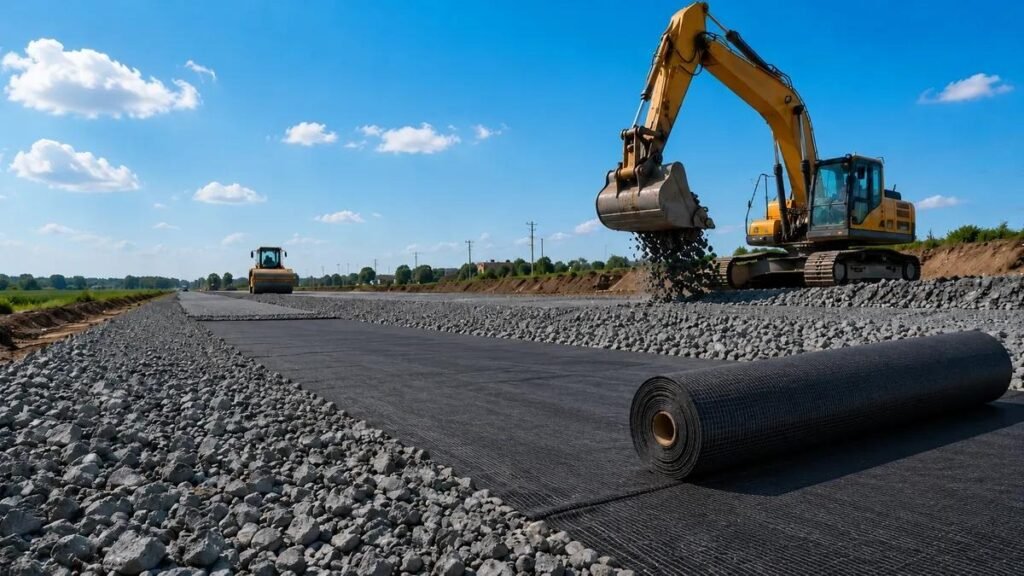
In road construction, nonwoven geotextile can be placed between soft subgrade soil and aggregate base. It helps prevent soil contamination of the aggregate layer while improving drainage and reducing rutting risk.

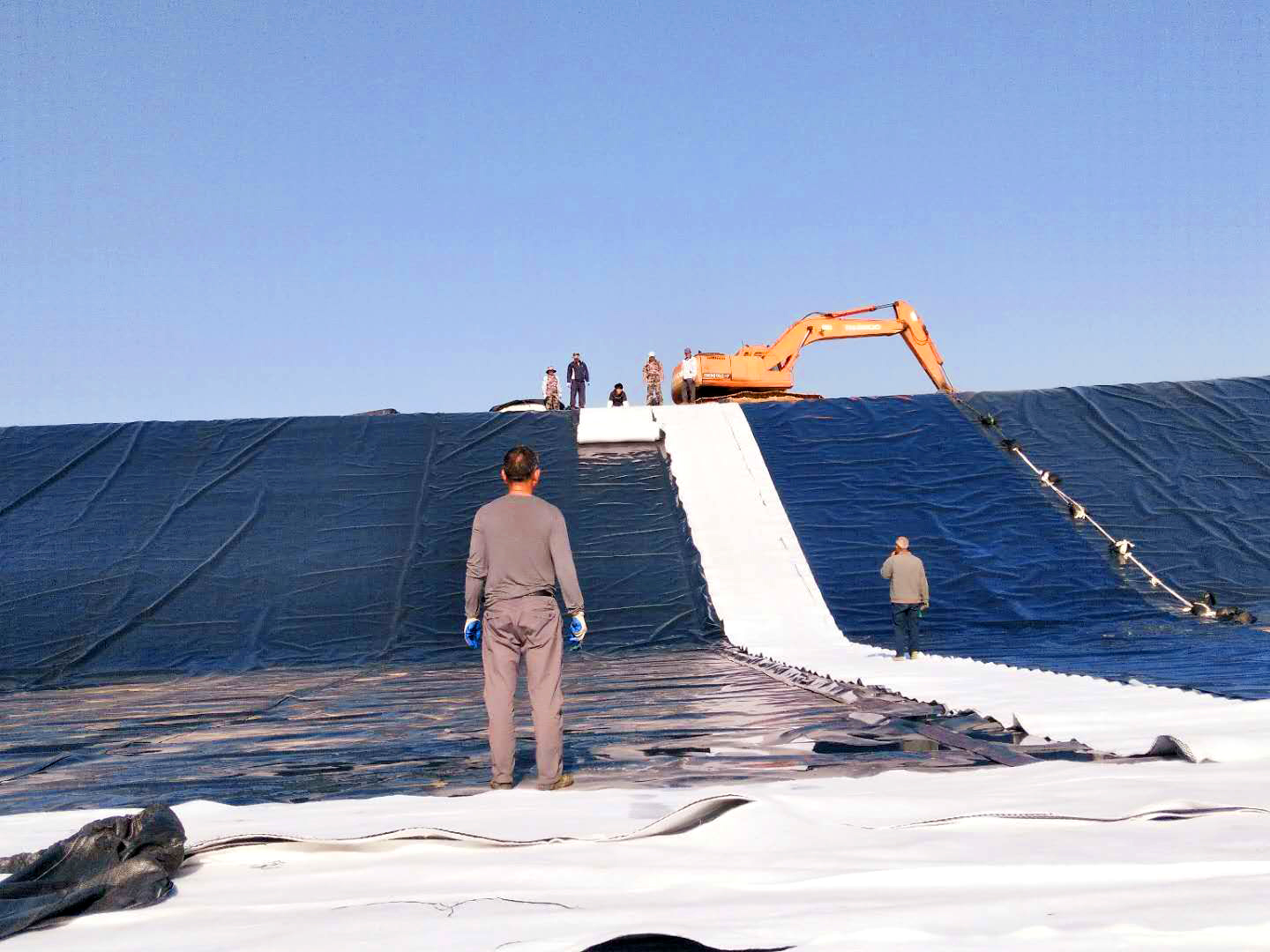
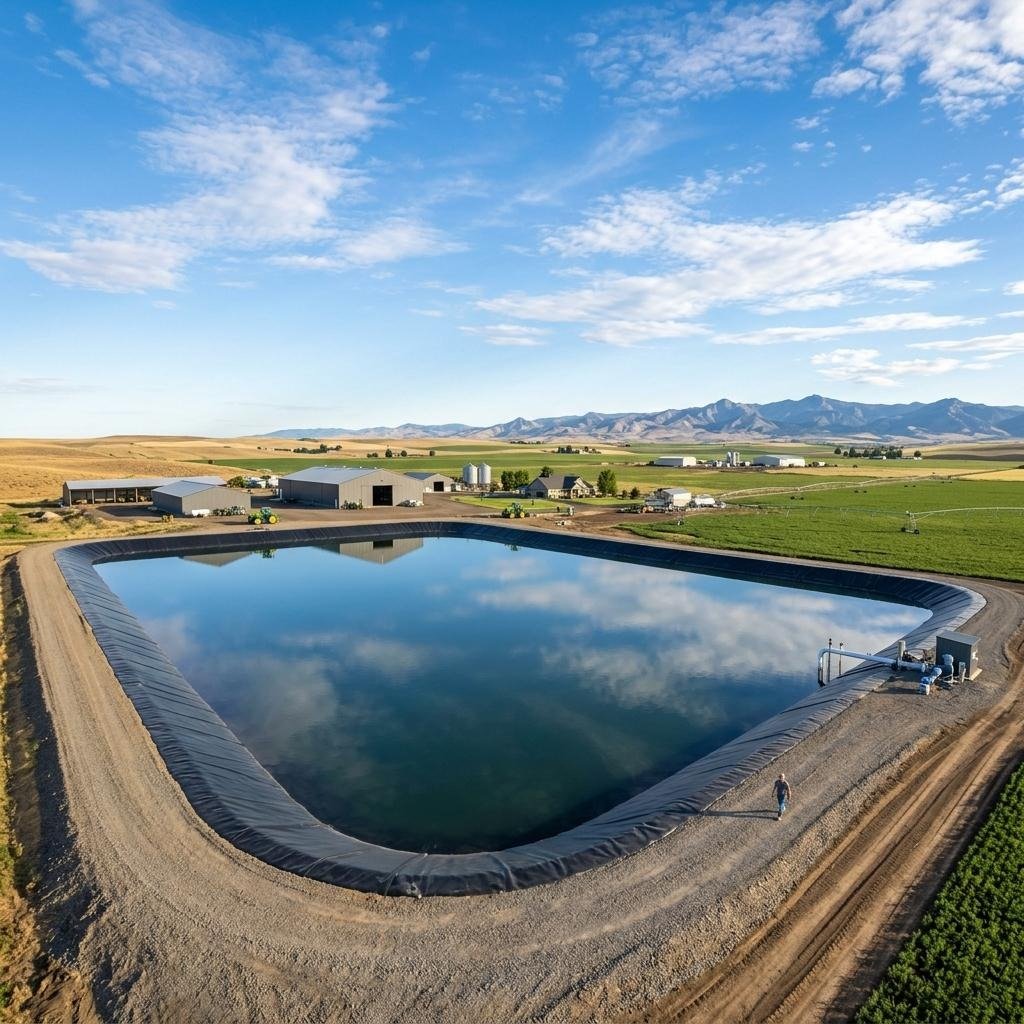
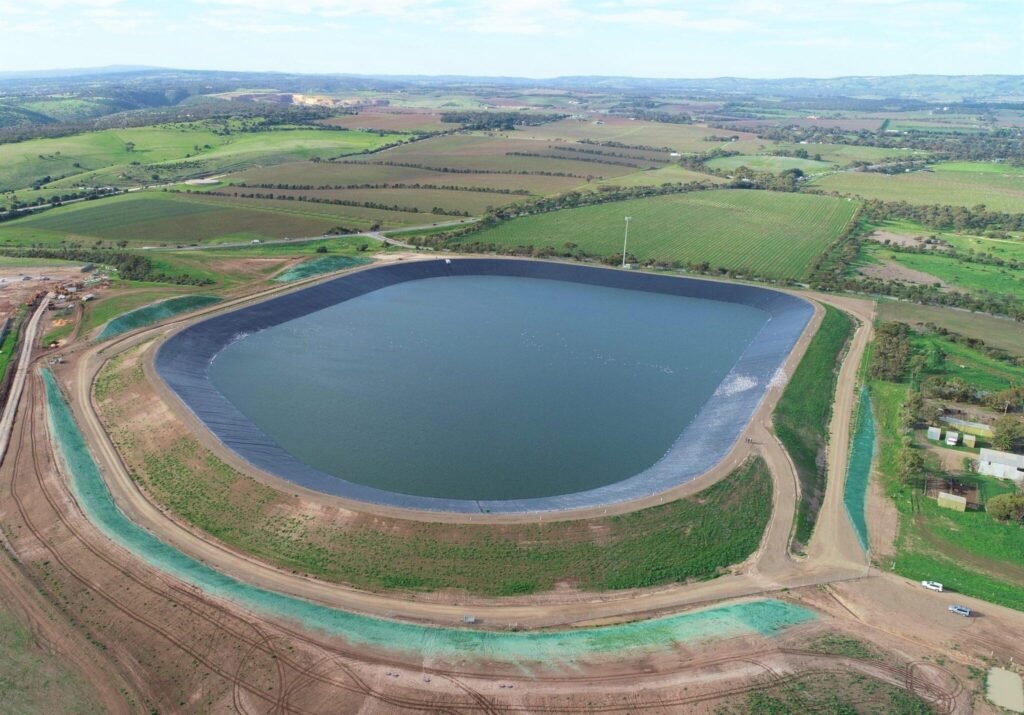
In landfill or pond lining systems, nonwoven geotextile can be used as a protection layer under or above geomembrane liners to reduce puncture damage caused by stones, roots or rough subgrade conditions.

Key Functions of Nonwoven Geotextile Membrane

1. Filtration

Filtration is one of the most important functions of nonwoven geotextile. It allows water to pass through while retaining soil particles.

This is useful in:

  • French drains
  • Foundation drains
  • Retaining wall drainage
  • Landfill drainage layers
  • Roadside drainage systems
  • Slope drainage projects

A suitable nonwoven geotextile can reduce clogging and maintain long-term drainage efficiency.

2. Drainage

Nonwoven geotextile has good water permeability and can help move water away from structures, roads and soil systems. It is often used together with gravel, drainage boards, geonets or perforated pipes.

Common drainage applications include:

  • Subsurface drainage
  • Road edge drains
  • Foundation drainage
  • Green roof drainage
  • Retaining wall drainage
  • Landfill leachate drainage support

By improving drainage, nonwoven geotextile can help reduce water pressure, soil saturation and structural damage.

3. Separation

Nonwoven geotextile can separate different soil or aggregate layers and prevent material mixing.

For example, when aggregate is placed over soft subgrade soil, the geotextile prevents fine soil from pumping into the aggregate layer. This helps maintain the strength and thickness of the base layer.

Separation is important for:

  • Roads
  • Parking lots
  • Construction access roads
  • Railway subgrades
  • Working platforms
  • Gravel driveways

4. Protection

Nonwoven geotextile can protect geomembranes, pipes and waterproofing layers from puncture or abrasion.

In pond, landfill, reservoir and wastewater lagoon projects, it is often installed under or above HDPE geomembrane liners as a cushion layer.

Protection applications include:

  • Pond liner protection
  • Landfill liner protection
  • Reservoir liner protection
  • Tunnel waterproofing protection
  • Canal liner protection
  • Mining containment systems

5. Erosion Control

Nonwoven geotextile can be used on slopes, riverbanks, shorelines and channels to help control soil loss. It is often installed under riprap, stones or vegetation layers.

In these applications, the geotextile helps retain soil while allowing water to drain, reducing erosion caused by flowing water or rainfall.

Common Applications of Nonwoven Geotextile Membrane

1. Road Construction

Nonwoven geotextile is used in road construction for separation, filtration and drainage. It helps improve subgrade performance and reduce aggregate contamination.

It is suitable for:

  • Rural roads
  • Temporary roads
  • Parking lots
  • Access roads
  • Low-volume roads
  • Road shoulder drainage

For heavy-load reinforcement, woven geotextile or geogrid may be needed, but nonwoven geotextile is highly effective where drainage and separation are the main requirements.

2. French Drains and Drainage Trenches

Nonwoven geotextile is one of the most common fabrics used in French drain systems. It wraps around gravel and drainage pipes to prevent soil particles from entering and clogging the system.

A good drainage geotextile should have suitable opening size and permeability according to the surrounding soil type.

3. Retaining Walls

Behind retaining walls, water pressure can cause structural problems. Nonwoven geotextile is used with gravel or drainage boards to help water flow away from the wall while preventing soil migration.

This helps improve wall stability and reduce long-term maintenance risk.

4. Pond and Reservoir Lining

In pond and reservoir projects, nonwoven geotextile is often used as a protection layer for HDPE geomembrane liners. It helps reduce puncture risk from rough soil, sharp stones or uneven subgrade.

Applications include:

  • Fish ponds
  • Shrimp ponds
  • Irrigation reservoirs
  • Artificial lakes
  • Farm ponds
  • Landscape water features

5. Landfill Projects

Nonwoven geotextile plays an important role in landfill systems. It can be used for filtration, drainage and geomembrane protection.

Common landfill applications include:

  • Base liner protection
  • Leachate collection systems
  • Drainage layers
  • Cap systems
  • Gas drainage layers
  • Separation between geosynthetic layers

6. Erosion Control and Slope Protection

Nonwoven geotextile is used under riprap, gabions or stone layers to prevent soil erosion. It allows water to pass through while keeping the soil in place.

It is suitable for:

  • Riverbanks
  • Channels
  • Embankments
  • Shorelines
  • Drainage ditches
  • Slope stabilization projects

7. Foundation and Building Drainage

Around building foundations, nonwoven geotextile can improve drainage and prevent soil particles from clogging drainage layers.

It is often used with:

  • Drainage boards
  • Perforated pipes
  • Gravel layers
  • Basement waterproofing systems
  • Retaining structures

Key Specifications of Nonwoven Geotextile Membrane

When choosing nonwoven geotextile, buyers should pay attention to the following specifications.

1. Material

Most nonwoven geotextiles are made from polypropylene or polyester.

Polypropylene Nonwoven Geotextile

Polypropylene is widely used because it is lightweight, cost-effective and resistant to many chemicals.

Polyester Nonwoven Geotextile

Polyester has good strength and dimensional stability. It may be selected for specific engineering requirements.

2. Weight

Geotextile weight is usually measured in grams per square meter, also called GSM.

Common weight ranges include:

Weight Range Typical Use
100–150 gsm Light drainage, landscaping, basic filtration
150–300 gsm Road separation, drainage, pond protection, medium-duty applications
300–500 gsm Geomembrane protection, landfill, slope protection
500 gsm and above Heavy-duty protection and demanding engineering projects

Higher GSM usually means better puncture resistance and durability, but it also increases cost.

3. Thickness

Thickness affects cushioning and protection performance. Thicker nonwoven geotextile is often used under geomembrane liners or riprap layers.

4. Tensile Strength

Tensile strength shows how much pulling force the geotextile can resist. It is important for installation survivability and long-term performance.

5. Puncture Resistance

Puncture resistance is critical when geotextile is used under stones, aggregate, waste materials or geomembrane liners.

For pond liners, landfill liners and mining projects, a geotextile with higher puncture resistance is often recommended.

6. Apparent Opening Size

Apparent opening size, or AOS, affects filtration performance. The opening size must be selected according to soil particle size.

If the opening is too large, soil particles may pass through. If it is too small, the fabric may clog more easily.

7. Water Permeability

Water permeability determines how efficiently water can pass through the geotextile. For drainage applications, good permeability is essential.

8. UV Resistance

If the geotextile will be exposed to sunlight before covering, UV resistance should be considered. Long-term exposed applications may require special stabilization or protective covering.

Nonwoven Geotextile vs Woven Geotextile

Both nonwoven and woven geotextiles are important geosynthetic materials, but they are used for different purposes.

Comparison Item Nonwoven Geotextile Woven Geotextile
Structure Random fiber network Interwoven yarns
Main Function Filtration, drainage, protection Reinforcement, separation, stabilization
Water Flow Higher permeability Lower permeability
Flexibility More flexible and conformable Stiffer
Strength Moderate to high depending on GSM Usually higher tensile strength
Best For Drains, ponds, landfills, retaining walls Roads, driveways, embankments, working platforms
Cost Usually low to medium Medium to high depending on strength

When to Choose Nonwoven Geotextile

Choose nonwoven geotextile when your project requires:

  • Drainage
  • Filtration
  • Geomembrane protection
  • Cushioning
  • Erosion control
  • Flexibility on uneven surfaces

When to Choose Woven Geotextile

Choose woven geotextile when your project requires:

  • High tensile strength
  • Load support
  • Soil stabilization
  • Road reinforcement
  • Aggregate separation under heavy traffic

For some projects, both woven and nonwoven geotextiles may be used together in different layers.

How to Choose the Right Nonwoven Geotextile Membrane

1. Confirm the Main Function

First, determine whether your project needs filtration, drainage, protection, separation or erosion control. The main function will determine the required weight, opening size and strength.

2. Check Soil Conditions

Fine soils, sandy soils and clay soils have different filtration requirements. The geotextile should match the soil particle size to prevent clogging or soil loss.

3. Consider Water Flow

For drainage projects, choose a geotextile with suitable permeability. The fabric must allow enough water flow while retaining soil particles.

4. Evaluate Load and Installation Stress

If the geotextile will be placed under aggregate, riprap or waste materials, puncture resistance and tensile strength are important.

5. Decide the Proper GSM

Do not choose a fabric only by price. A lightweight fabric may be cheaper, but it may not provide enough protection or survivability for the project.

6. Consider Compatibility with Geomembrane

If the geotextile is used to protect an HDPE liner, make sure the weight and puncture resistance are suitable for the subgrade and cover material.

7. Ask for Technical Documents

Before ordering, request product data sheets, roll specifications and technical recommendations from the supplier.

Installation Tips for Nonwoven Geotextile Membrane

Proper installation helps the geotextile perform its function effectively.

1. Prepare the Surface

The surface should be smooth and free from sharp stones, roots, debris or large voids. For liner protection projects, proper subgrade preparation is especially important.

2. Avoid Excessive Wrinkles

Place the geotextile smoothly over the surface. Excessive wrinkles can create weak spots or affect the placement of upper layers.

3. Use Proper Overlap

Adjacent rolls should overlap according to project requirements. Overlap width depends on soil condition, slope, water flow and construction method.

4. Prevent Damage During Placement

Avoid driving directly over exposed geotextile unless allowed by the project design. When placing aggregate or soil cover, avoid sharp dumping or dragging.

5. Cover in Time

If the geotextile is not designed for long-term exposure, cover it as soon as possible to reduce UV degradation and construction damage.

6. Inspect Before Covering

Before placing the next layer, check the geotextile for tears, holes, wrinkles or displacement. Repair damaged areas before continuing construction.

How Much Does Nonwoven Geotextile Membrane Cost?

The cost of nonwoven geotextile membrane depends on material, GSM, roll size, order quantity, customization, packaging and shipping.

In general:

  • Lightweight nonwoven geotextile is more economical
  • Medium-duty nonwoven geotextile offers balanced performance and cost
  • Heavy-duty nonwoven geotextile costs more but provides better protection
  • Bulk orders usually have better unit prices
  • Customized roll sizes or special requirements may increase cost

To get an accurate quotation, buyers should provide:

  • Application
  • Required GSM or thickness
  • Total project area
  • Roll width and length
  • Destination port or country
  • Packaging requirement
  • Whether technical documents are needed

Tinhy Geosynthetics can provide project-based recommendations and competitive quotations according to your requirements.

Why Choose Tinhy Geosynthetics?

Tinhy Geosynthetics supplies nonwoven geotextile membranes and other geosynthetic materials for global construction, environmental protection, water management and infrastructure projects.

Tinhy Geosynthetics Can Provide:

  • Nonwoven geotextile membrane
  • Polypropylene nonwoven geotextile
  • Polyester nonwoven geotextile
  • Needle-punched geotextile
  • Drainage geotextile
  • Filtration geotextile
  • Geotextile for pond liner protection
  • Geotextile for landfill projects
  • Geotextile for road construction
  • Geotextile for erosion control
  • Customized GSM and roll size
  • Export packaging and container loading support

Advantages of Working with Tinhy Geosynthetics

  • Professional geosynthetics product range
  • Flexible specifications for different applications
  • Competitive bulk order pricing
  • Practical technical communication
  • Support for contractors, distributors and project owners
  • Stable quality control
  • Export service for international buyers
  • Solutions for drainage, filtration, separation and protection projects

Whether you need nonwoven geotextile for French drains, retaining walls, pond liners, landfills, roads, reservoirs or erosion control, Tinhy Geosynthetics can help you select a suitable product.

Nonwoven Geotextile Buying Checklist

Before purchasing, confirm the following information:

Item What to Confirm
Application Drainage, filtration, separation, protection or erosion control
Material PP, PET or other required material
Weight 100 gsm, 200 gsm, 300 gsm, 500 gsm or custom
Roll Size Width and length required
Soil Type Sand, silt, clay, gravel or mixed soil
Water Flow Drainage demand and filtration requirement
Load Condition Light-duty, medium-duty or heavy-duty
Protection Need Whether used under geomembrane, aggregate or riprap
Exposure Covered quickly or temporarily exposed to sunlight
Quantity Project area plus overlap allowance
Destination Country, port and delivery terms
Documents Data sheet, certificate, test report or packing list

Frequently Asked Questions About Nonwoven Geotextile Membrane

What is nonwoven geotextile membrane used for?

Nonwoven geotextile membrane is used for filtration, drainage, separation, protection and erosion control. It is common in French drains, road construction, retaining walls, landfills, ponds and slope protection projects.

Is nonwoven geotextile waterproof?

No. Nonwoven geotextile is permeable, not waterproof. It allows water to pass through while filtering soil particles. If waterproofing is required, it is usually used together with geomembrane liners.

What is the difference between woven and nonwoven geotextile?

Woven geotextile has higher tensile strength and is mainly used for reinforcement and separation. Nonwoven geotextile has better permeability and flexibility, making it better for filtration, drainage and protection.

What GSM nonwoven geotextile should I choose?

It depends on the application. Lightweight fabrics are suitable for landscaping and basic drainage, while 200–300 gsm is commonly used for medium-duty drainage, road separation and pond protection. Heavier grades are used for landfill and geomembrane protection.

Can nonwoven geotextile be used under pond liner?

Yes. Nonwoven geotextile is often used under HDPE geomembrane or pond liner to protect it from stones, roots and uneven ground.

Can nonwoven geotextile be used for French drains?

Yes. Nonwoven geotextile is widely used in French drains because it provides good filtration and helps prevent soil from clogging the drainage stone and pipe.

How long does nonwoven geotextile last?

Service life depends on raw material, installation, exposure, soil condition and project environment. When properly covered and installed, synthetic nonwoven geotextile can provide long-term performance in many civil engineering projects.

Can Tinhy Geosynthetics provide customized nonwoven geotextile?

Yes. Tinhy Geosynthetics can support customized GSM, roll width, roll length, packaging and product recommendations according to project needs.

Conclusion

Nonwoven geotextile membrane is a practical and versatile geosynthetic material for filtration, drainage, separation, protection and erosion control. It is widely used in roads, drains, retaining walls, ponds, landfills, reservoirs, foundations and slope protection projects.

The right nonwoven geotextile should be selected based on soil type, water flow, load condition, puncture resistance, GSM, installation environment and project function. Choosing the cheapest fabric may reduce initial cost, but a properly specified geotextile can improve drainage performance, reduce maintenance and extend project service life.

Tinhy Geosynthetics provides nonwoven geotextile membranes and complete geosynthetic solutions for global customers. Contact Tinhy Geosynthetics today to discuss your project and get a suitable nonwoven geotextile recommendation.

Knowledge Base
Share:
info@tinhygeosynthetics.com Bai Jinxi
Consultation

    Get The Latest Product Prices

    Your inquiries are welcomed at any time and please feel free to contact us via email, phone calls, and online chatbox on our site.

    We will definitely give you a reply ASAP after we receive your messages.

      0/180